

On March 28, 1994, a new documentary aired on KRON TV, San Francisco’s public access television network. Directed by Ken Swartz, the film followed the day-to-day lives of several people with HIV and AIDS who lived in a downtown residential hotel, the Ambassador. 1 The camera captured everyday interactions among nurses, social workers, staff, and volunteers as they tended to the quotidian needs of resident AIDS patients — delivering meals, helping with laundry, repairing furniture, sweeping floors. There are angelic acts of selflessness and everyday scuffles. Life and Death at the Ambassador Hotel conveys the controlled chaos within the 150-room residential hotel, showing how one community, in one building, addressed the lack of support services for people who were HIV-positive, and also dealing with racial discrimination, poverty, multiple co-morbidities, and drug and alcohol addictions. 2 The documentary’s portrait of how the urban poor experienced the height of San Francisco’s AIDS epidemic continues to have implications today.
Life and Death profiles a few specific characters. One is Malcolm, a former concert pianist who lost his job and was abandoned by friends and family due to the stigma of his disease. He built a new network of friends in the short amount of time he lived at the Ambassador, and he dies during the making of the film. Another resident, Christopher, who has a long-term drug addiction, was houseless until shortly before the film was made. Having lost any hope of recovery, he refuses to go to the medical clinic. Given a six-month prognosis, he moves into the Ambassador to receive compassionate end-of-life care; it’s the only place that will house him. And finally, there are Hank Wilson and Tom Calvanese, the Ambassador’s charismatic co-managers.

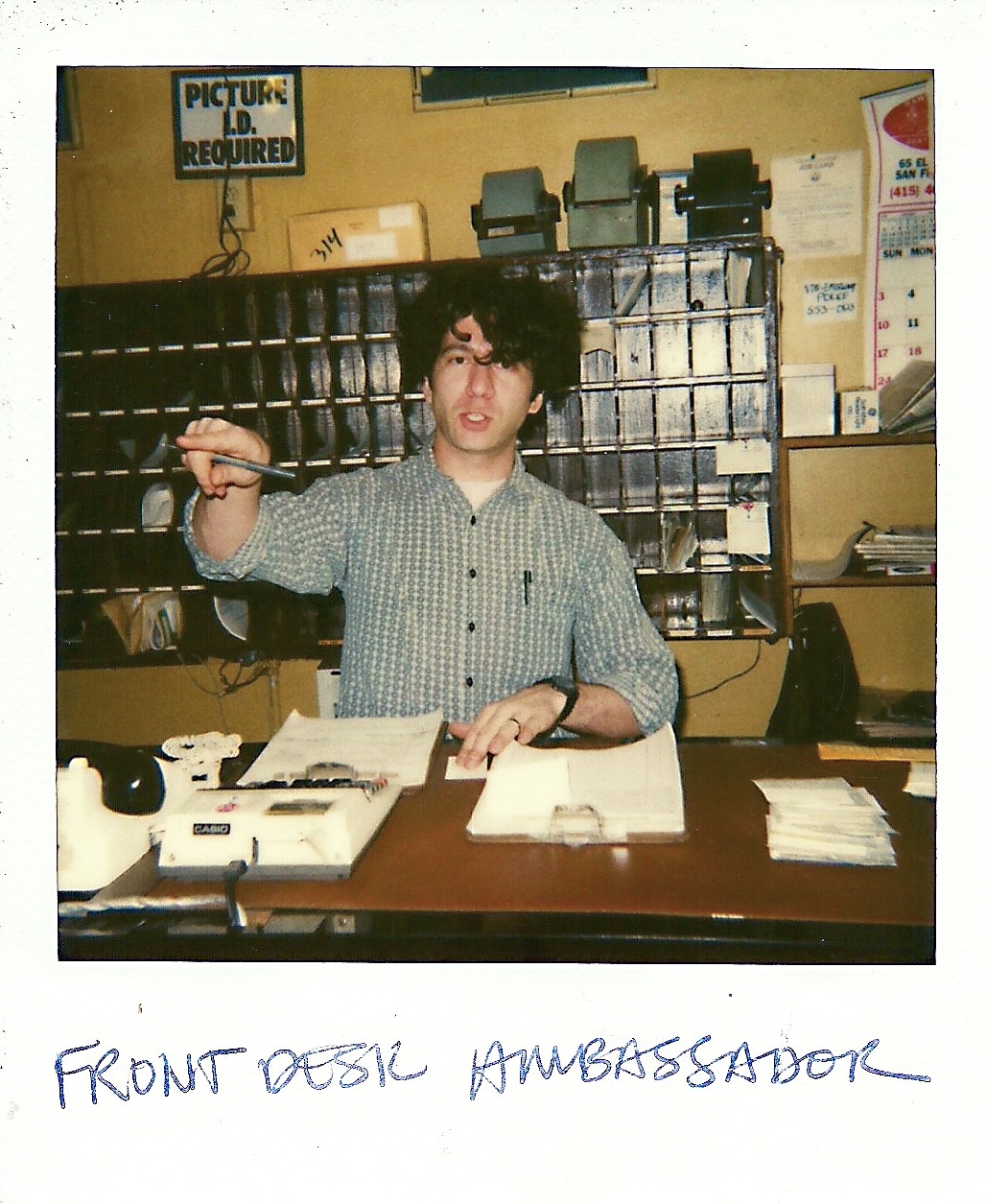
A kindergarten teacher turned gay rights activist, Wilson was the person who first envisioned the Ambassador as a center of AIDS care. For the filmmakers’ cameras, he describes the Ambassador’s unique mission: to care for people with HIV, no matter their ability to pay, no matter their mobility or degree of health, no matter their substance abuse and alcohol problems, no matter their sexual practices or gender identity. Calvanese is Wilson’s right-hand man in handling the Ambassador’s day-to-day operations. By the time of filming, the two men had been working closely for several years; Calvanese arrived in San Francisco in 1989 after helping establish the Maui AIDS Foundation, a no-cost sexual health clinic in Hawaii. Both men were openly gay and living with HIV. As the film makes clear, it’s under Wilson’s and Calvanese’s tireless, devoted, and principled leadership that the Ambassador provides accommodation and compassionate home care for those who need it most.
SROs & The Ambassador Hotel
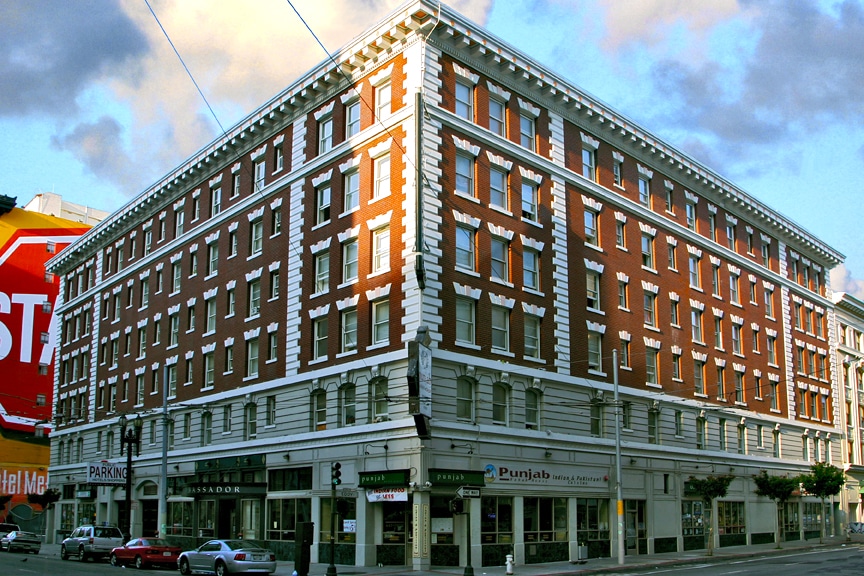
The Ambassador was built in 1911 as a Tenderloin Single Room Occupancy hotel, or SRO. SROs were a fixture of downtown living in U.S. cities beginning in the 1880s, offering inexpensive accommodation to permanent and temporary residents. 3 The first SROs could be either spartan or luxurious — the category included suites at the Ritz and bare-bones flats at the YMCA — but by the 1960s, SROs were primarily housing transient workers and poor residents near their urban workplaces. Most SROs in San Francisco were concentrated in North Beach, Chinatown (near the Financial District), the area South of Market Street, and the Tenderloin, known since the beginning of the 20th century as the city’s “vice district” for its nightlife, prostitution, and transient population. Through much of the 20th century, SROs supplied essential housing for industrial workers and seniors — primarily first-generation immigrants — even while they were vilified by sensationalized newspaper reports, and urban reformers who extolled the “social virtues” of suburban living. 4


By the 1960s, SROs were primarily housing transient workers and poor residents.
As industrial port and shipbuilding facilities moved to other parts of the Bay Area, San Francisco’s working-class neighborhoods shrank, and the city’s SROs were reduced to a smaller geographical area. Urban reforms in the 1970s caused the loss of over 6,000 residential hotel units, or about a fifth of the total available. 5 The remaining stock simultaneously deteriorated, leading to criticism of “urban blight,” and fueling further changes that limited SRO supply, such as the redevelopment, starting in the late 1960s, of the South of Market area — an urban renewal plan justified in part as “slum clearance.” 6 At the same time there was an influx to San Francisco of middle-class and upper-middle-class residents who’d grown restless in the suburbs, and wanted to live close to the social and cultural vibrancy of a city. Landlords raised the rents, and SRO owners began to convert their properties into market-rate apartments. 7
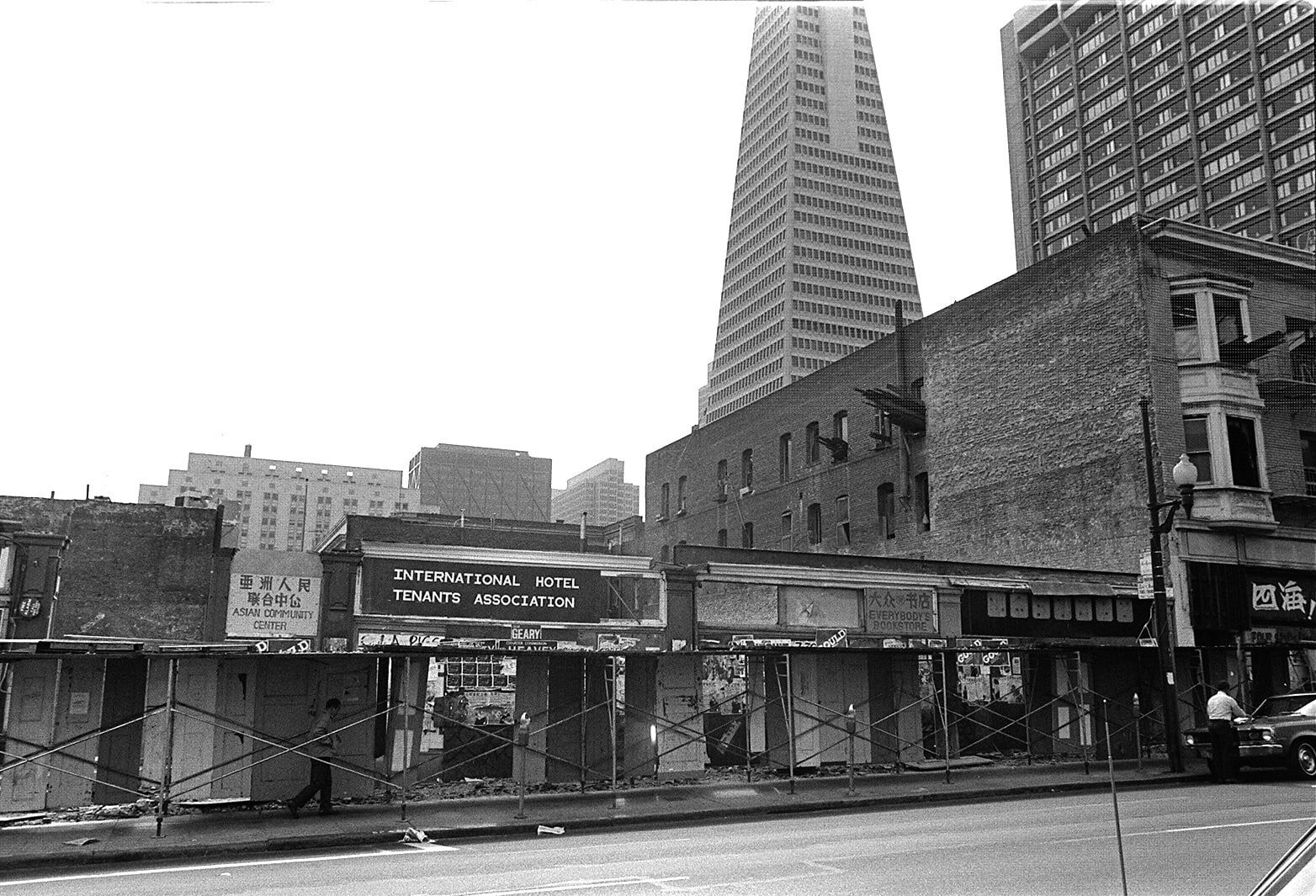
Housing advocates took pains to dispel the notion that SROs were badly run homeless shelters, and they highlighted the importance of SROs in San Francisco’s affordable housing landscape. Their arguments were correct — the destruction of SROs is one contributor to San Francisco’s houselessness crisis — but at the time gentrification proceeded unchecked. In one infamous example, 150 elderly Filipino and Chinese tenants were evicted from the International Hotel SRO to make way for a parking lot. 8
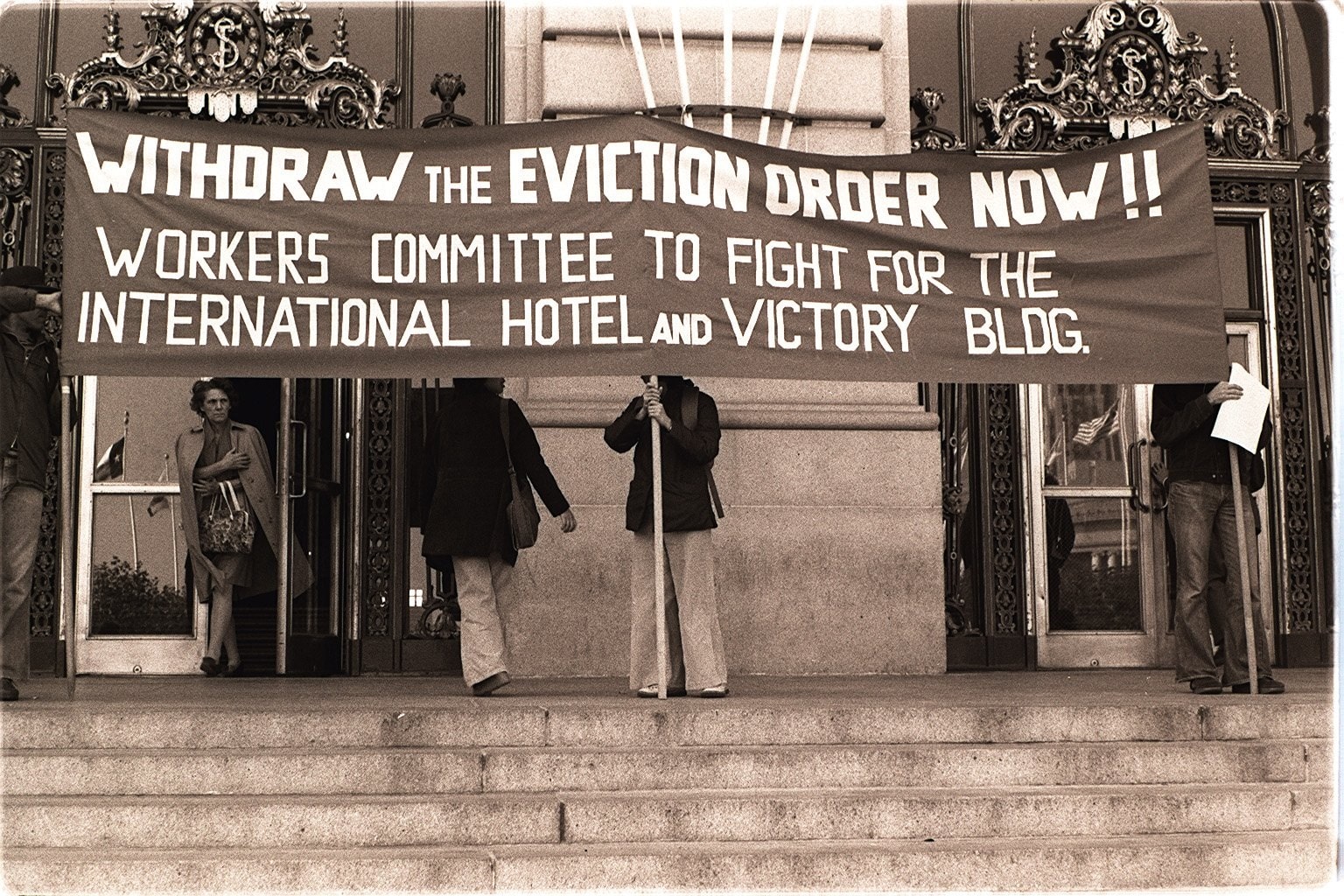
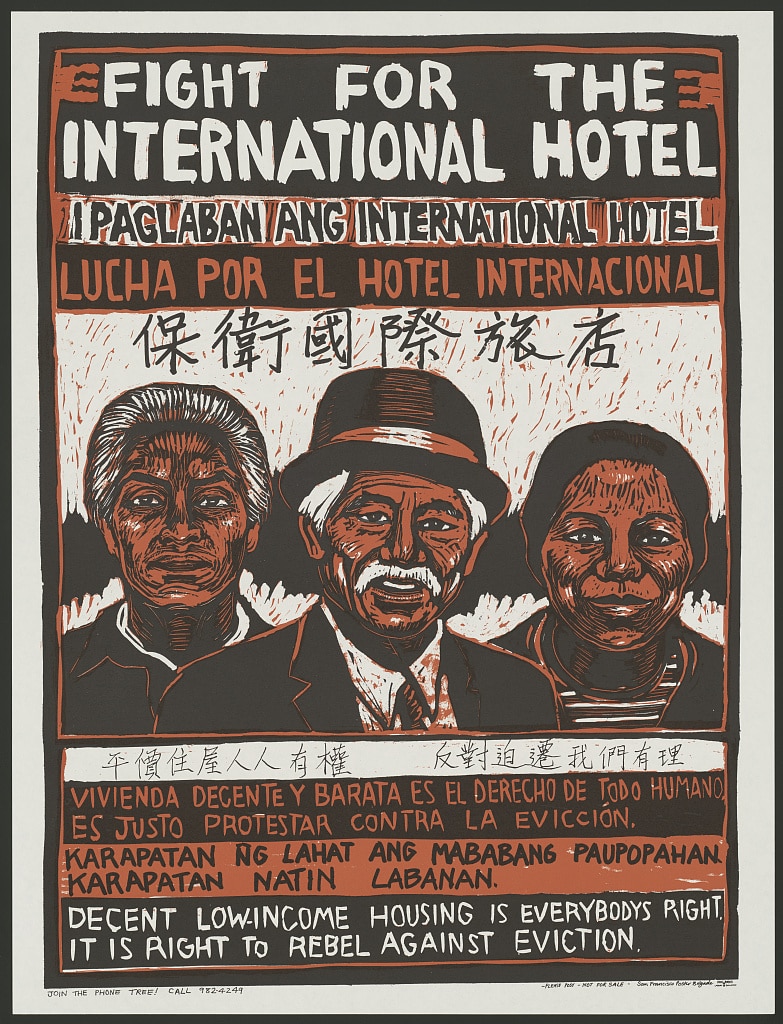
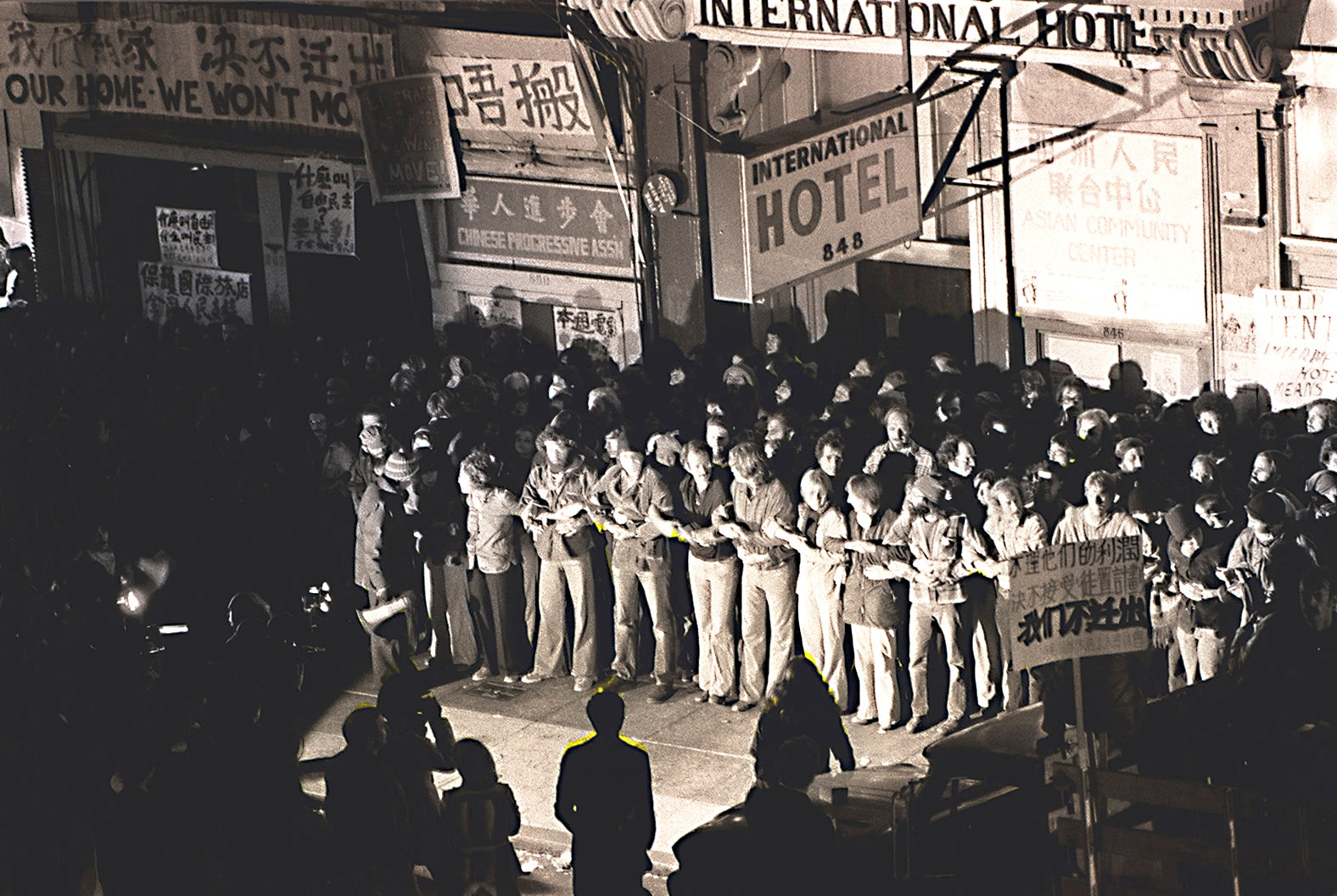
This was the context in which Hank Wilson leased the Ambassador in 1978. Wilson had no experience as a property owner or a building manager; he was an activist and a kindergarten teacher. Originally from Sacramento, he’d arrived in the Bay Area after finishing college in Wisconsin in the early 1970s. As a teacher in the Oakland Unified School District, he founded the Gay Teachers Coalition in 1975 with Tom Ammiano (who later ran for San Francisco mayor), and when the Briggs Initiative was proposed, a California ballot measure that would have banned lesbian and gay people from teaching in public schools, the Gay Teachers Coalition helped organize resistance. (The Briggs Initiative was successfully defeated in 1978.)
Wilson was also a co-founder, with Harvey Milk and others, of the San Francisco Gay Democratic Club, later renamed, in memoriam, the Harvey Milk LGBTQ Democratic Club. 9 These are just two of the organizations Wilson had a hand in creating. His friend and fellow activist Bob Ostertag, now a professor at UC Davis, says there were over 20 all together. 10
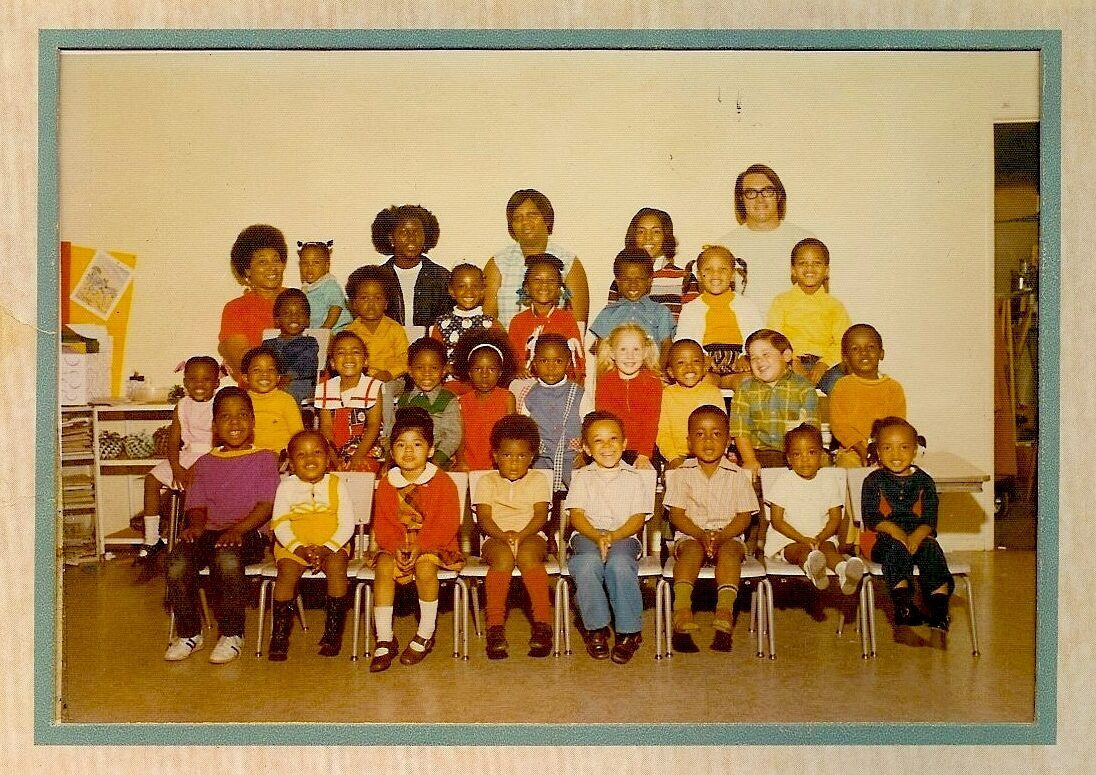
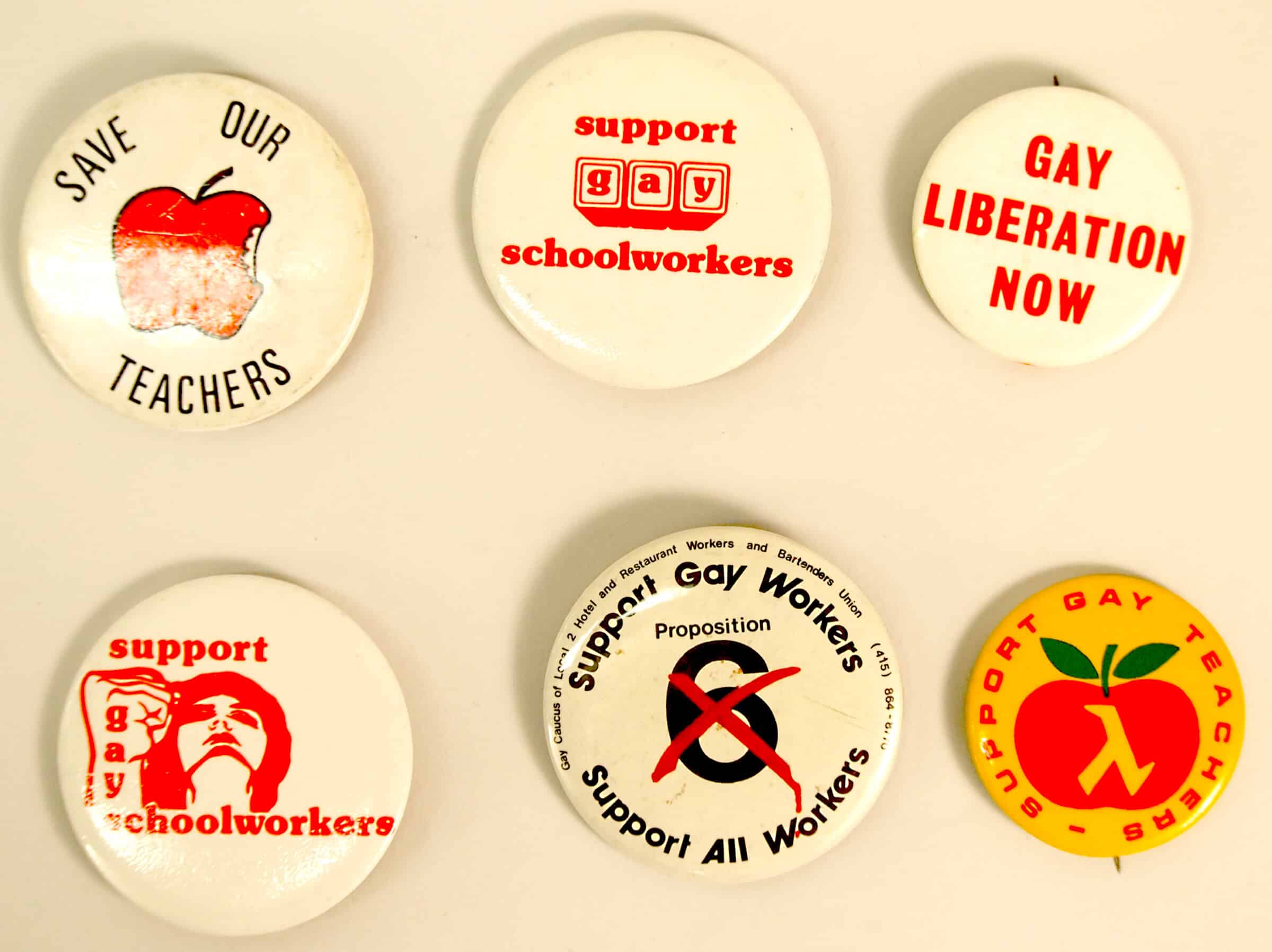
Wilson wanted to cultivate social bonds across race, ethnicity, gender, and sexuality, based on a shared experience of marginalization.
The Ambassador was a different kind of venture for Wilson — not a political campaign, or a club, or a classroom, but a building. He was inspired by the various communal living projects unfolding all around him, and worried about Tenderloin residents getting priced out of the neighborhood. It’s not clear from the existing records how Wilson discovered the Ambassador was available, how he secured the money to take out the lease, and if he inherited tenants. What is clear is that he chose to conduct his novel experiment at a grand scale. The Ambassador was, in fact, one of the largest SROs in San Francisco: six stories and 150 rooms. Each residential floor had 30 rooms, each with a wash basin, space for a single bed, armchair, and armoire. Half of the rooms on each floor had a private toilet with a shower or bathtub, and everyone else had access to the four communal bathrooms located at the “hinge” of each L-shaped floor. There was a public lobby on Mason Street with two elevators; a small shared kitchen, converted from a room on the second floor; basement storage; and, unusually for an SRO, a parking garage. 11
Wilson leased the Ambassador from Vasilios Glimidakis in 1978, who was known in the area as “the Greek from Crete.” 12 Glimidakis owned the Minerva Café, just around the corner, which served Greek specialties, and another SRO as well, the Hotel Zee, adjacent to the Ambassador and across the street from the café. All these properties were part of a Greek cultural enclave in the Tenderloin that included several other restaurants and a theater, though by the time Glimidakis and Wilson worked out their arrangement, the neighborhood was rapidly changing.
A neighborhood veteran, Glimidakis was receptive to what Wilson wanted to do. The Ambassador would be a place where straight and gay residents, people of color, people with drug and alcohol addictions, and people too poor to pay rising rents could live without the constant threat of eviction, and access institutional support as needed. At the same time, Wilson wanted to cultivate social bonds across categories of race, ethnicity, gender, and sexuality, based on a shared experience of marginalization. 13 In other words, Wilson believed the Ambassador could help new forms of queer kinship emerge.
The Politics of Care
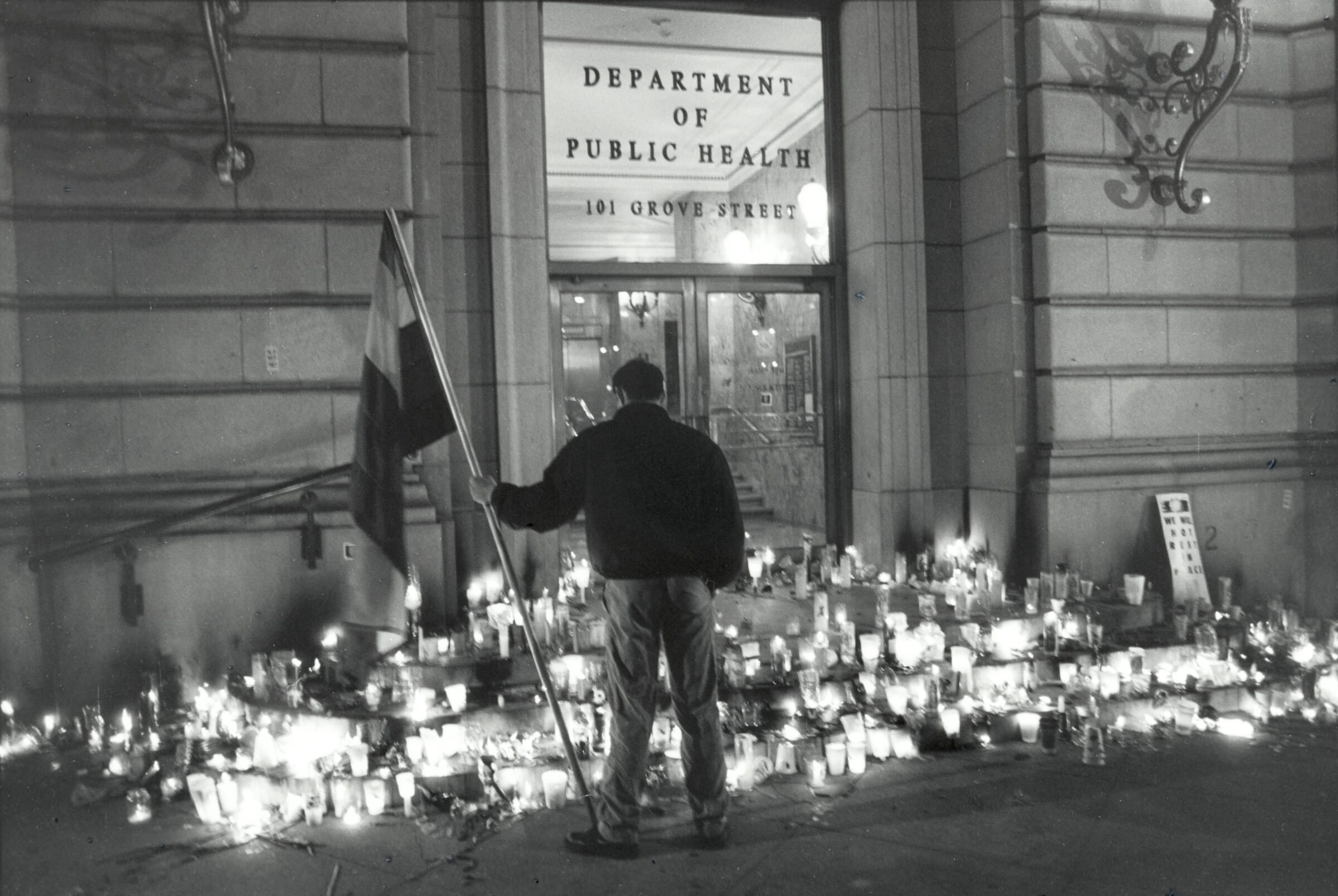
Wilson’s political interest in gay men’s health advocacy pre-dated his lease on the Ambassador. Well before AIDS, there existed in San Francisco a network of free clinics that specifically addressed gay men’s sexual health. Wilson knew how crucial these clinics were, and he was quick to recognize that treatment for AIDS, then widely perceived as a “gay disease,” would similarly depend on counter-institutions and grassroots activism. In 1982, the year of the first AIDS diagnosis, Wilson helped form two pivotal organization: the People With AIDS Coalition, and Mobilization Against AIDS. He also co-organized the city’s first AIDS memorial candlelight march in 1983. 14
Wilson’s experience managing the Ambassador left him dismayed when several relatively well-funded organizations, including the San Francisco AIDS Foundation, the most prominent HIV/AIDS advocacy organization in the city, and the Shanti Project, a palliative care network for terminally ill patients, made their services difficult or impossible to access for people who were not just diagnosed with AIDS but also struggled with alcohol and drug addictions. 15
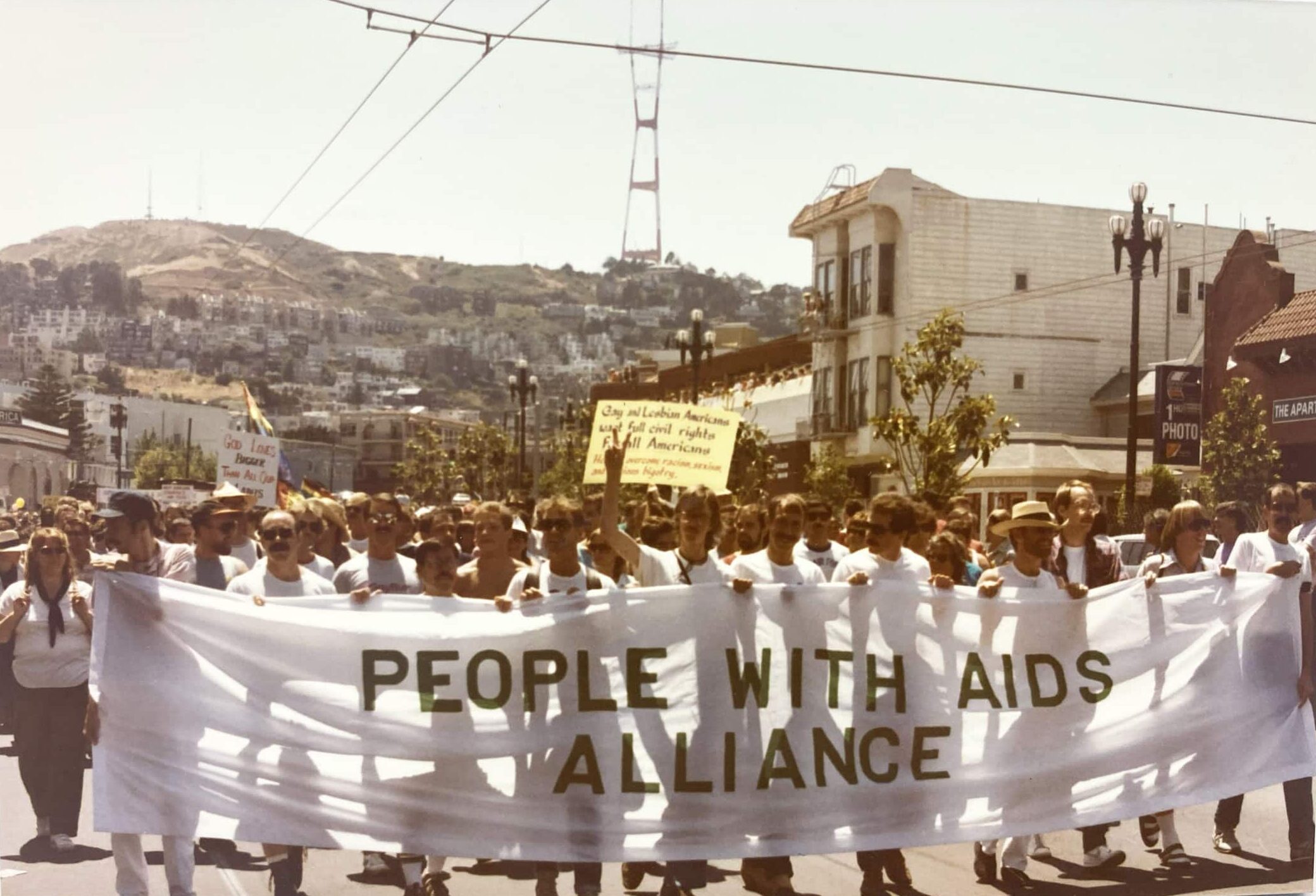
The Ambassador became an arm of AIDS activism — a center of care that practiced harm reduction.
The standard of care for people living with HIV was then called the San Francisco Model, a set of best-practice guidelines that drew on the work of a pioneering group of nurses at SF General Hospital. These nurses spearheaded the opening of the first in-patient AIDS unit in the country, in July 1983. In the process they improvised ways to fight the stigma associated with HIV and AIDS within the medical community, gathered crucial data, and developed sophisticated networks to holistically address the myriad challenges of contracting a stigmatized disease: counseling, legal assistance, welfare claims, home care, palliative medicine. 16
The problem, however, was that the San Francisco Model was exclusive to facilities that primarily served middle-class White gay men, the most visible and politically organized queer sub-group in the city. The sorts of people who found shelter at the Ambassador were often not getting any care at all. Wilson had seen similar double standards in other gay activist networks, and he decided that now he was in a position to do something about it.
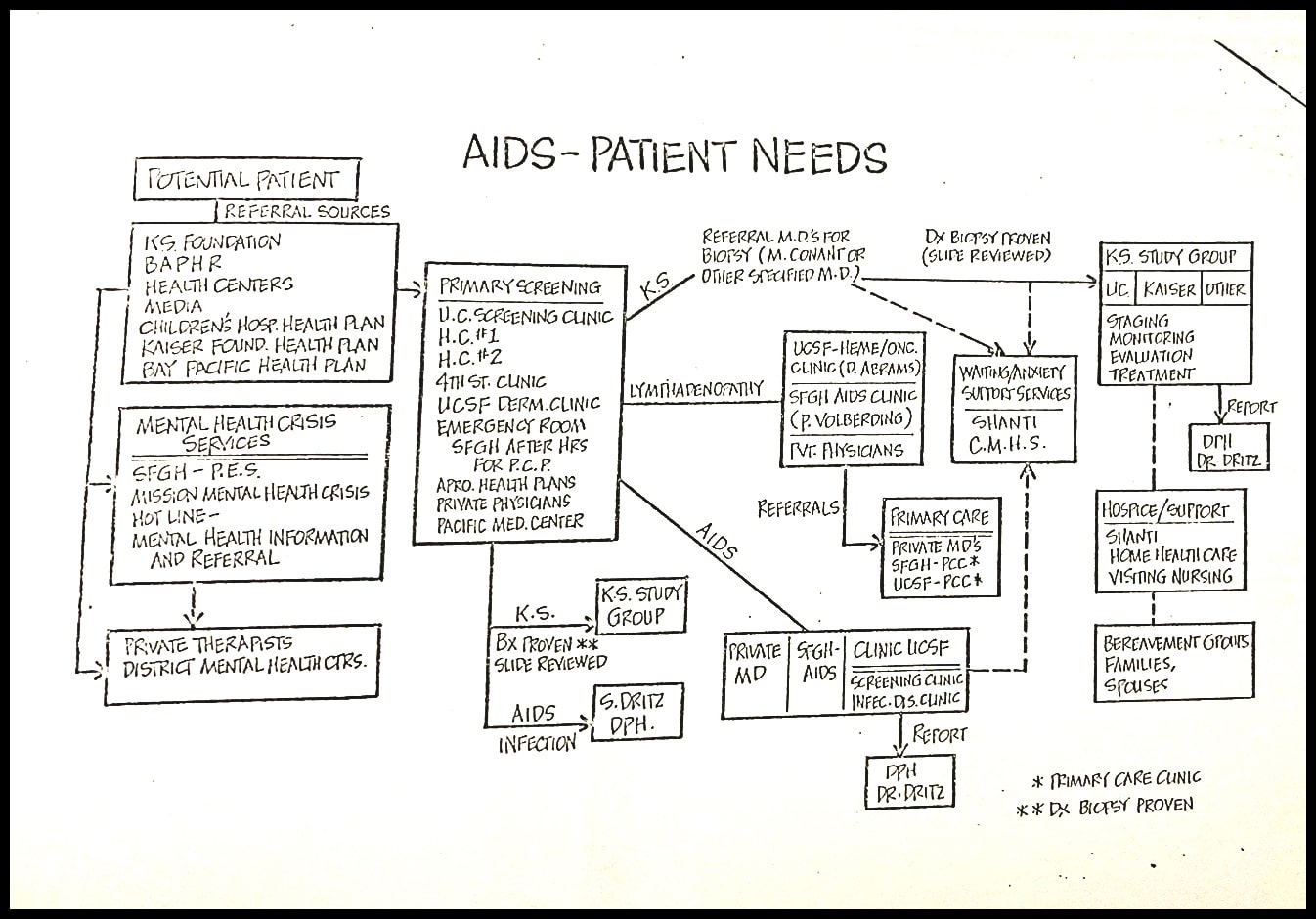
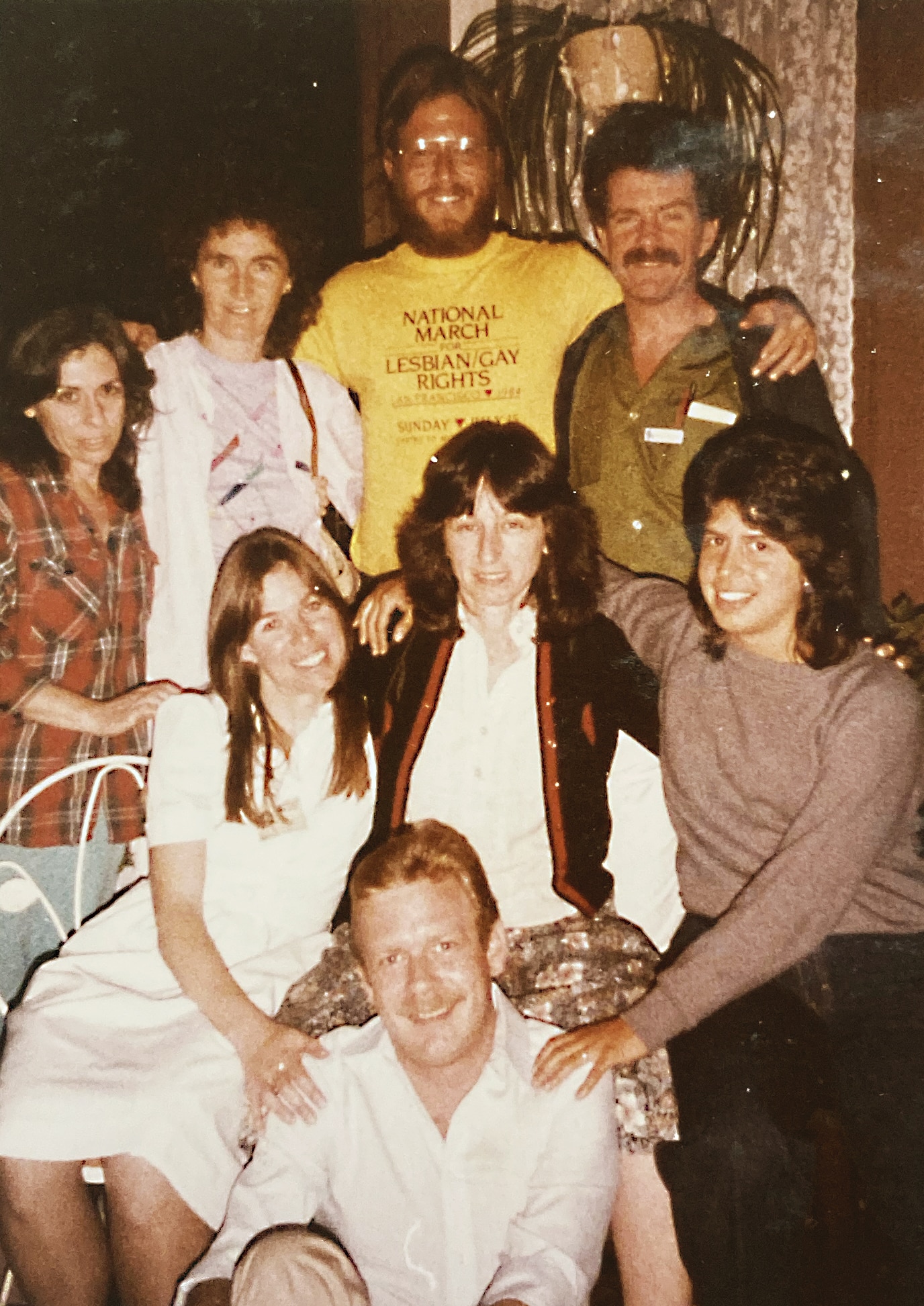
He and his Ambassador co-managers, first Ron Lanza and later Tom Calvanese, began imagining the Ambassador as an arm of AIDS activism. 17 All three men agreed that the SRO would become not only a center of care, but a center of care that practiced harm reduction. Rather than attempt to reform residents, or make services contingent on reform, they would model a non-judgmental approach that acknowledged how poverty, addiction, and mental illness overlap. Always a pragmatic problem solver, Wilson saw harm reduction as common sense. As a resident nurse puts it in Life and Death, “Guy’s in the tub, you gotta get him out.” The goal was two-fold: adapt the San Francisco Model to the scale of a single residential building, and apply its best practices to everyone. 18
The AIDS Crisis at the Ambassador
This was in 1989, and the AIDS crisis was in full swing. Calvanese remembers there were about 20 Ambassador residents with HIV in 1989; by 1991, there were 120. 19 As a first step, Calvanese established a fourteen-bed hospice on the second floor, in collaboration with Visiting Nurses and Hospice of San Francisco, an organization that provided in-home palliative care. 20 Tenants not housed in the hospice wing were distributed throughout the building to avoid the stigma of segregation. Many of these residents also needed regular assistance, and some were periodically bed-bound, so nurses visited their rooms directly, helping with everyday tasks.
People with HIV/AIDS could take up residence, and get settled in. Then staff would help them figure out how to pay rent.
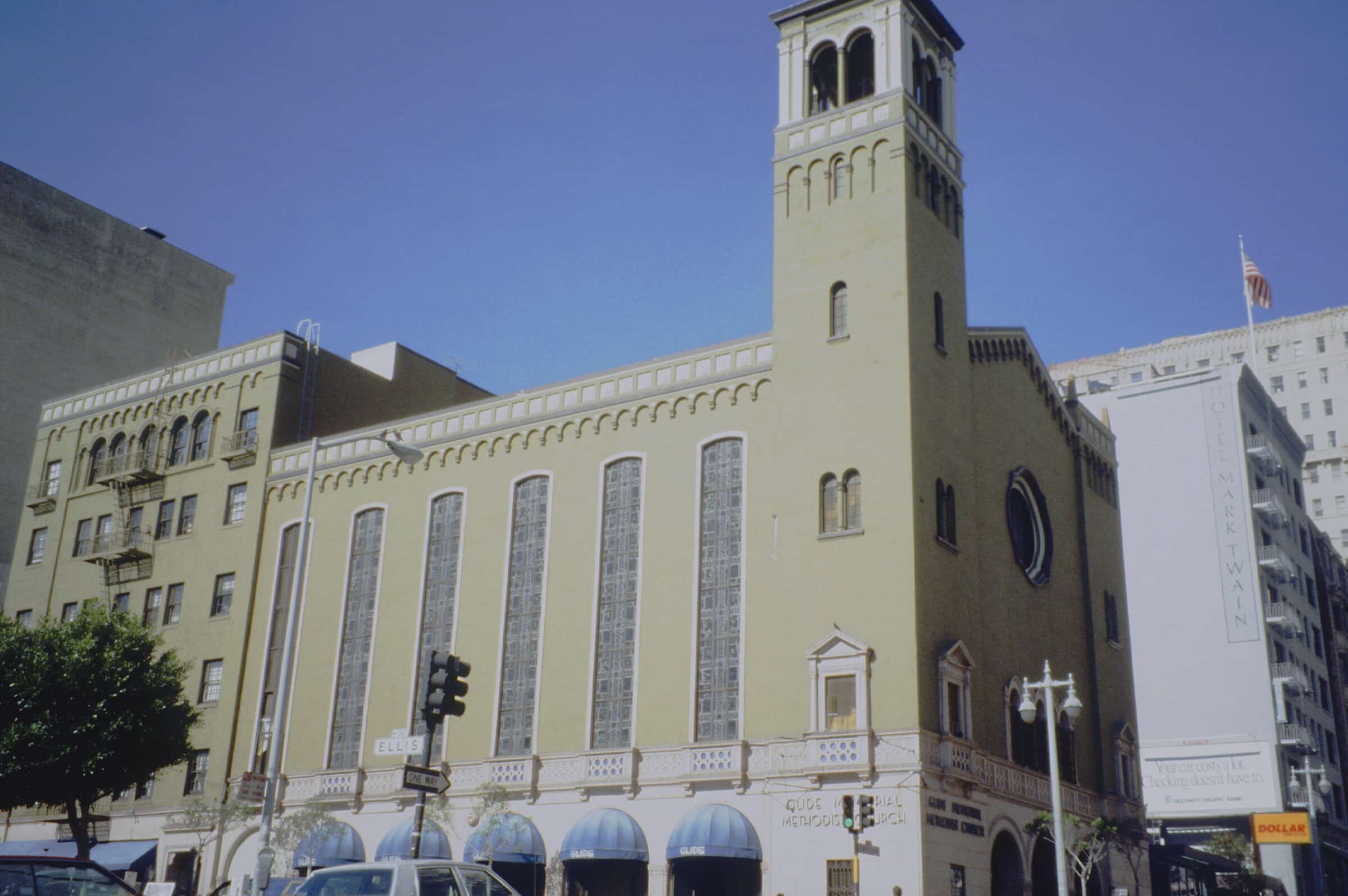
Wilson and Calvanese used their connections to bring in volunteer and nonprofit organizations to address residents’ diverse needs, and they provided these groups with office or storage space so that services could be offered “in-house.” The first group to move in was AIDS Indigent Direct Services, in 1989; they were given three adjacent rooms on the third floor, and provided nursing, spiritual guidance, legal advice, and advocacy services. During drop-in hours, anyone could get condoms, or bleach for syringe sterilization. (Condoms were also available at the hotel’s front desk.) Visiting Nurses and Hospice also had offices in the Ambassador, and in 1990, Wilson made space for a small nondenominational chapel that offered a daily service. Meals on Wheels brought and distributed cooked food, and various volunteer groups helped with laundry. Physicians from the Tom Waddell Urban Health Clinic, a Tenderloin-based institution that pioneered harm reduction care and transgender services, made house visits.
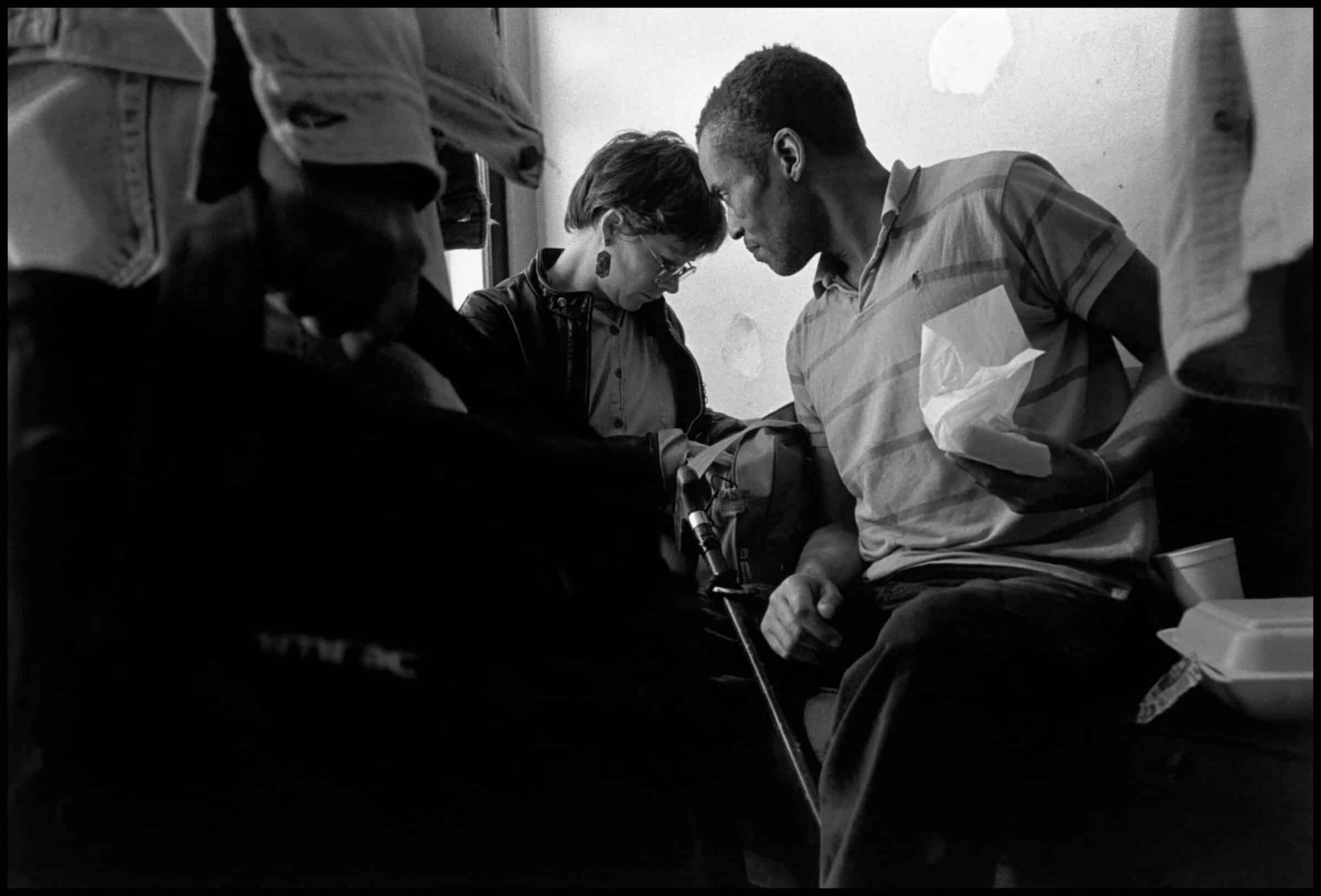
All of these programs were easily accessible to residents, and Wilson and Calvanese streamlined the process of becoming a resident. Unlike other housing for the poor, where applicants had to prove financial stability before they were admitted, people with HIV/AIDS could take up residence at the Ambassador immediately. After they were settled in, they would meet with in-house social services to help figure out how to pay rent. In fact, financial counsel was one of the Ambassador’s most unusual offerings. Residents could opt into a program that helped them manage their budget by holding back the cost of rent from their social assistance checks, and in some cases also the cost of medication and food, and handing out only the remaining funds in cash. 21 Participants could opt out anytime — and some did, usually to buy drugs — but having to first talk to the staff member who managed the program added a layer of intentionality. 22 Most residents didn’t have bank accounts, so Ambassador staff also helped by cashing checks from the hotel’s account.
The hotel accommodated ways of life that were elsewhere policed.
The robust services inside the building were supplemented by services available in the Tenderloin neighborhood. The Glide Foundation, which served food and offered support for queer groups, was just a few blocks away, and the offices of several gay and lesbian political advocacy organizations were close as well. 23 The Center for Special Problems, an arm of the San Francisco Public Health Department that provided gender-affirming ID cards and psychological services, was at the northern edge of the Tenderloin, about a mile and a half away. 24
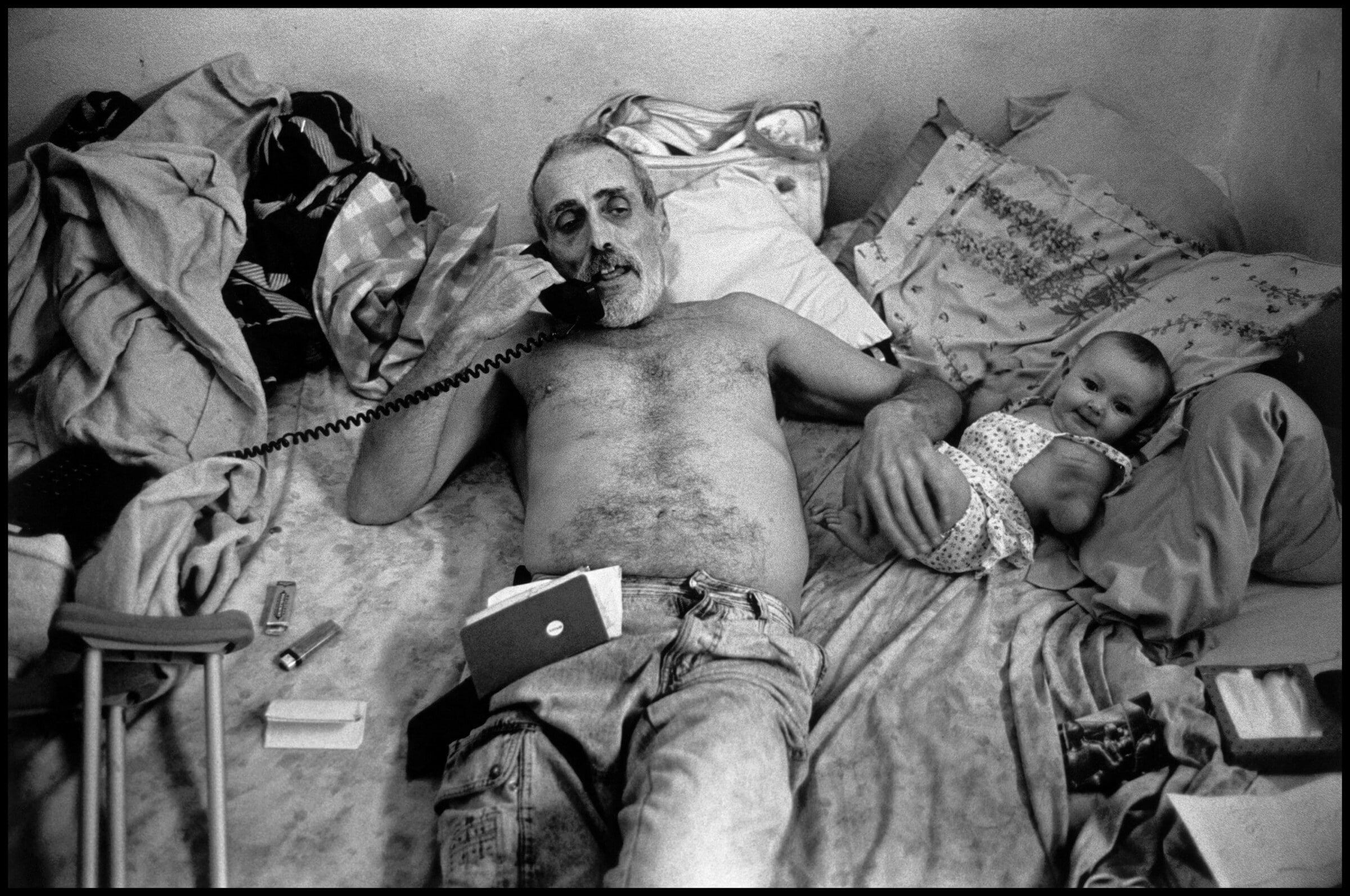
Perhaps most importantly, the Ambassador accommodated ways of life that were elsewhere policed. So long as residents followed the house rules, they could make their own decisions about drugs, alcohol, and sex. Other housing options available to people with HIV/AIDS typically mandated drug, alcohol, and sexual abstinence. Photographer Paul Fusco’s 1993 series AIDS at the Ambassador Hotel demonstrates the hotel’s difference by featuring many images that attest to residents’ sexual lives. Craig has AIDS shows a thin young man in his room surrounded by BDSM paraphernalia — a rubber dildo, a harness, handcuffs, and chains. In another image, a man named Andy is naked and masturbating in his room, looking directly at the camera with a tired but assertive gaze. A photograph in Hank Wilson’s papers at the GLBT Historical Society shows Ambassador resident Ray Fidler sitting at the edge of his bed, his walls papered with cutouts from porn magazines. 25
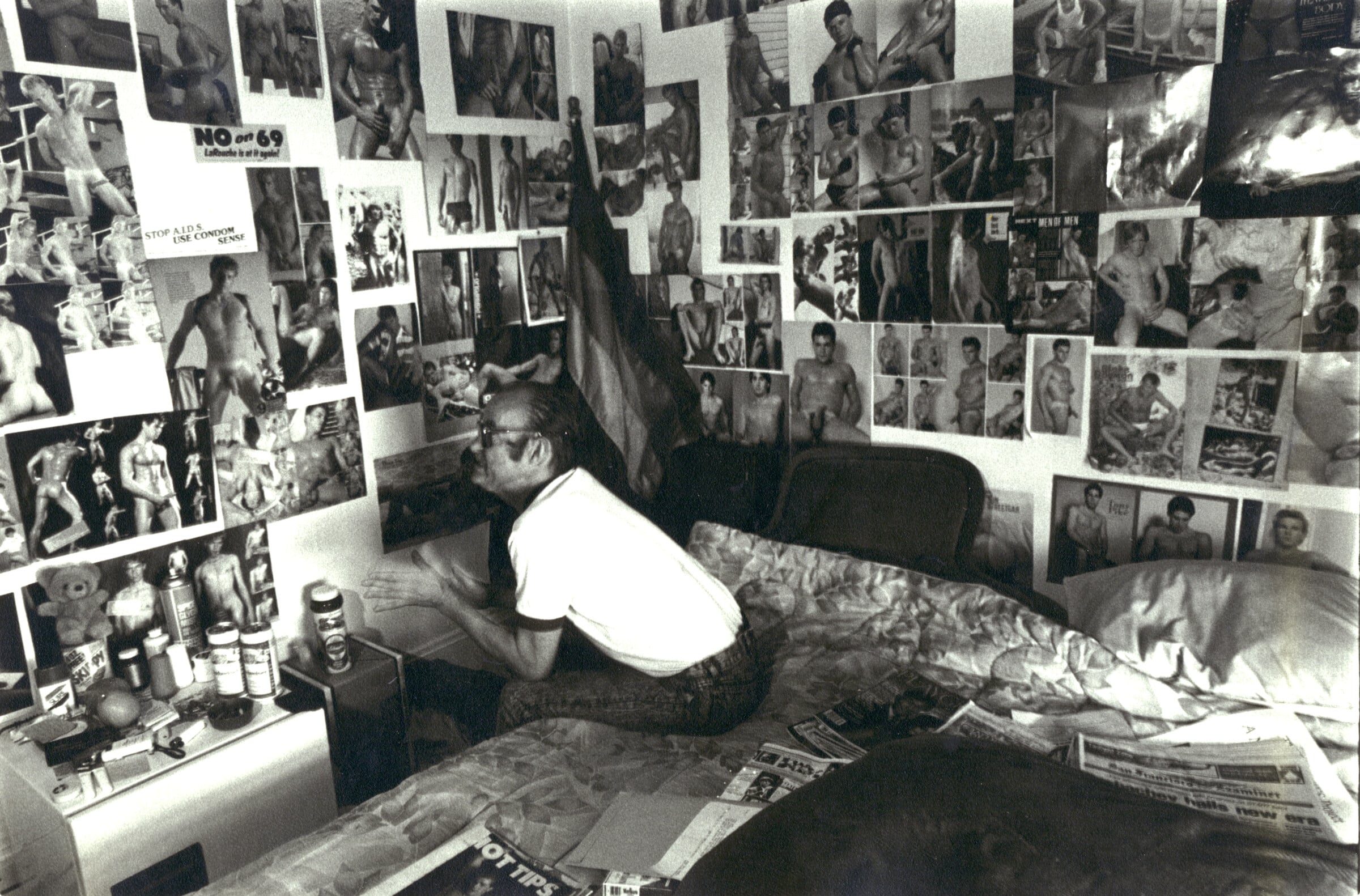
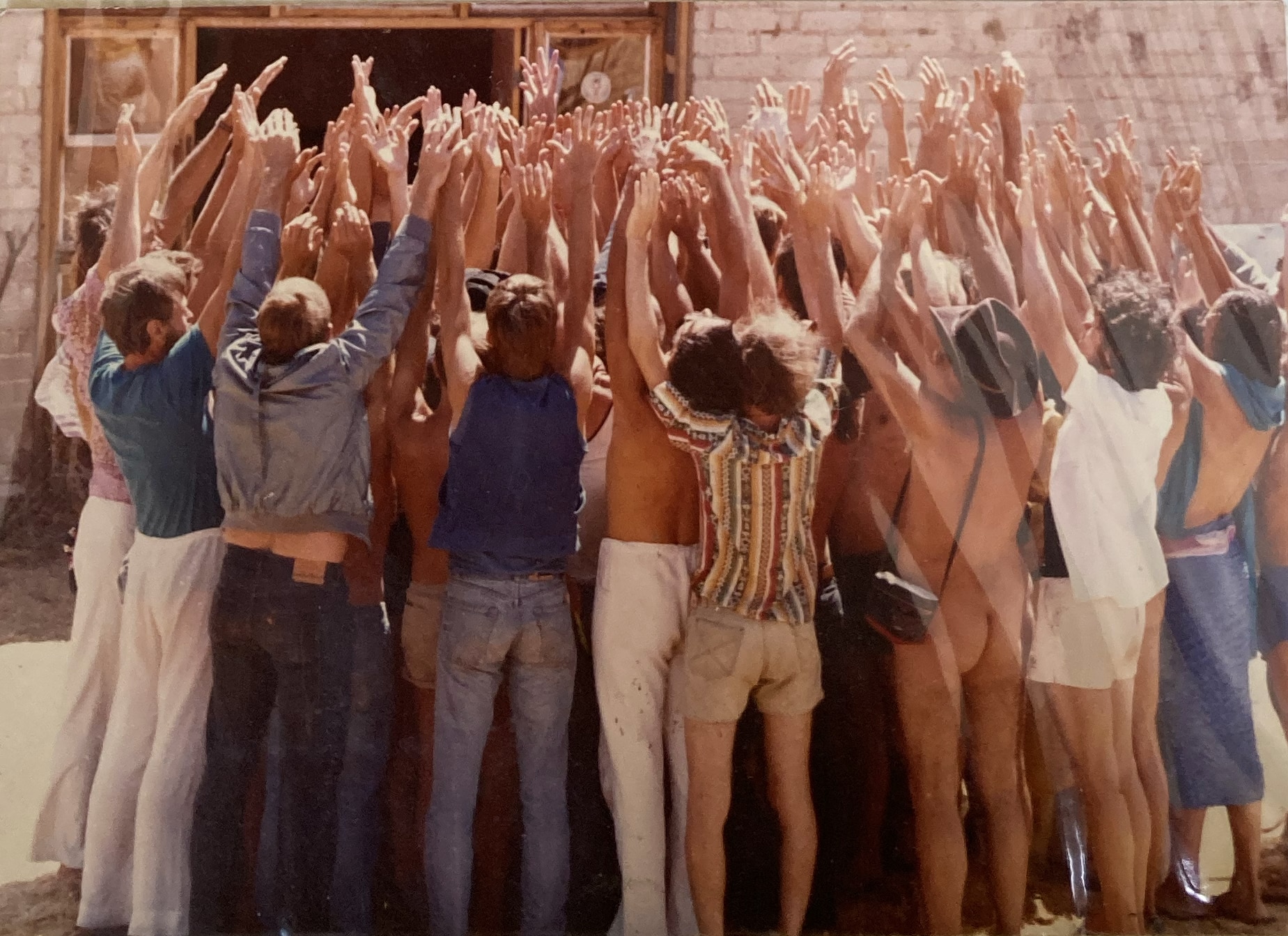
These images, and the sexual lives they document, marked defiance against the longstanding scrutiny of gay men’s sexual lives, which only intensified during the AIDS epidemic. By acknowledging that people with AIDS had sexual identities, the Ambassador embraced residents’ basic humanity and flouted the timidity of more mainstream LBGT advocacy, which was at that point minimizing allusions to sex in hopes of making people with HIV seem deserving of care. 26 Wilson himself personally understood sex as a critical component of gay identity, and even a coping mechanism for grief; his papers document his engagement with the Radical Faeries, an intergenerational group of queer men who threw mutual masturbation parties and met in rural retreats, helping each other cope with the devastations of AIDS in part through sexual connection. 27
One significant success of the Ambassador model is that, just as Wilson intended, it served a racial and gender cross section of San Francisco’s population. 28 People of color with HIV/AIDS were under-served by existing programs, as were women. At the Ambassador, women were a sizable contingent, and they not only leaned on each other for social support, but advocated for particular needs, such as childcare; Ambassador women participated as a group in the AIDS Candlelight March in 1994, and quite possibly in other years as well. 29
The Ambassador served a racial and gender cross section of the city’s population.
Wilson and Calvanese’s vision wasn’t cheap, but different programs had different funding streams, and grants were available for the services they provided. By 1990, the Ambassador was receiving funds from the U.S. Conference of Mayors, the City and County of San Francisco, and various Northern California foundations. Although some grants funded specific programs, other monies were distributed to tenants to assist with rent, thereby keeping the hotel afloat. As landlord, Glimidakis showed support by sometimes ignoring rent delays, though he also neglected maintenance responsibilities. (Wilson regularly covered costs such as plumbing repairs. 30) Granted, the hotel account out of which staff cashed residents’ checks was perennially in the red, and the system relied heavily on volunteer labor. Wilson himself lived extremely modestly, in a studio apartment. But mainly, on the whole, it worked.
Everyday Life
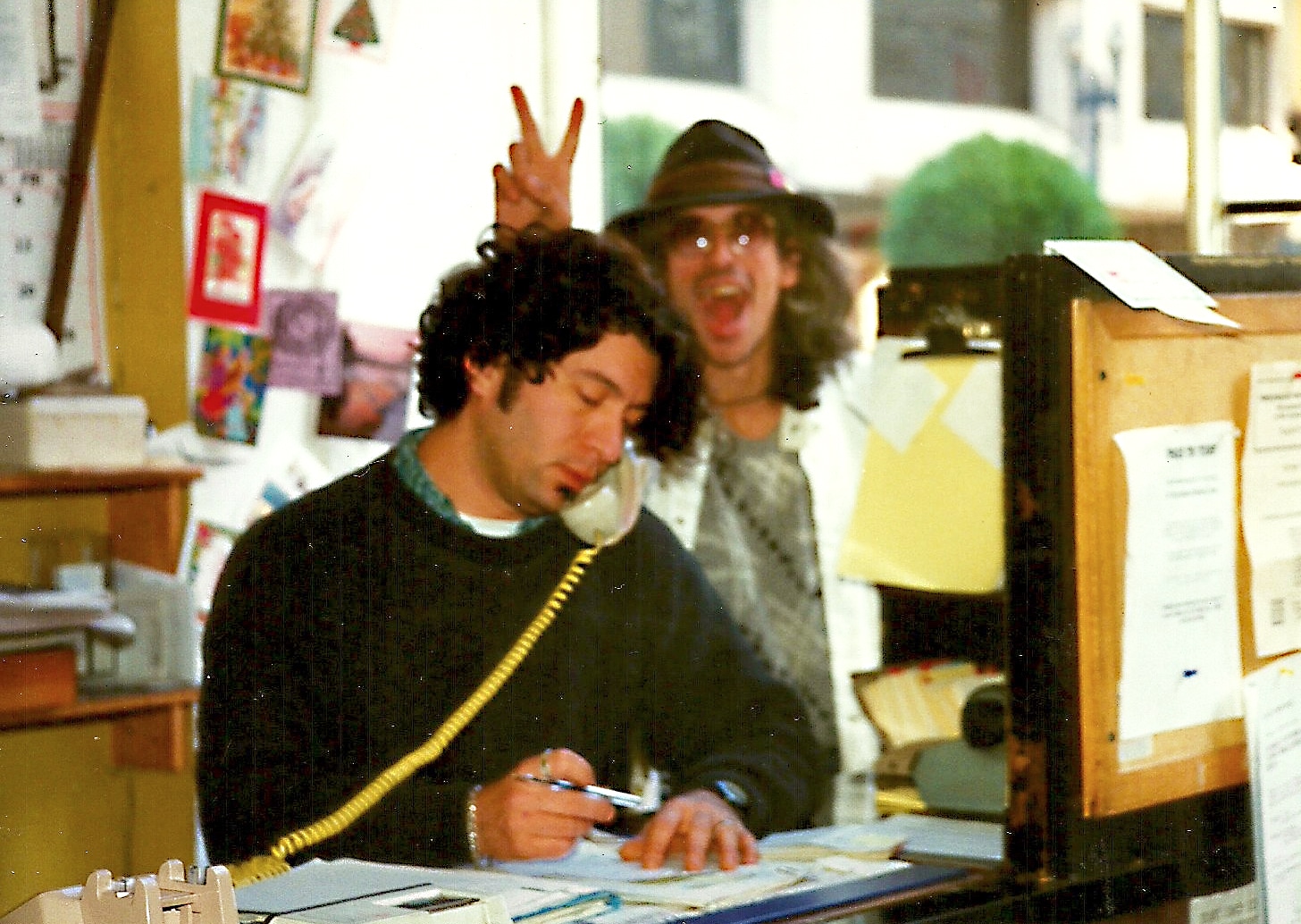
Day-to-day life at the Ambassador was overseen by an all-hours resident assistant, who lived in the hotel and facilitated the web of services. Resident assistants worked closely with the managers, who did not live at the Ambassador (Wilson insisted on this) and had a more regular shift schedule. Those holding the two crucial positions, of resident assistant and manager, were intimately involved in residents’ lives — scheduling doctor appointments, buying groceries, collecting trash, moving furniture, accompanying residents to offices where they could apply for assistance, helping with paperwork, and myriad other tasks.
Ambulances sometimes refused to service the Ambassador.
A scene in Life and Death, for instance, shows Calvanese leaving the Ambassador with a resident, and hailing a cab for him from a Union Square tourist hotel, in order to get him to a doctor. (The patient had scheduled his own ride, but it didn’t show up because ambulances sometimes refused to service the Ambassador. 31) Resident assistants were also aides-de-camp to visiting nurses, if they needed help bathing or moving residents, and they were responsible for enforcing, sometimes with difficulty, the Ambassador’s three foundational rules: Pay rent. Don’t damage the building. No physical violence. 32
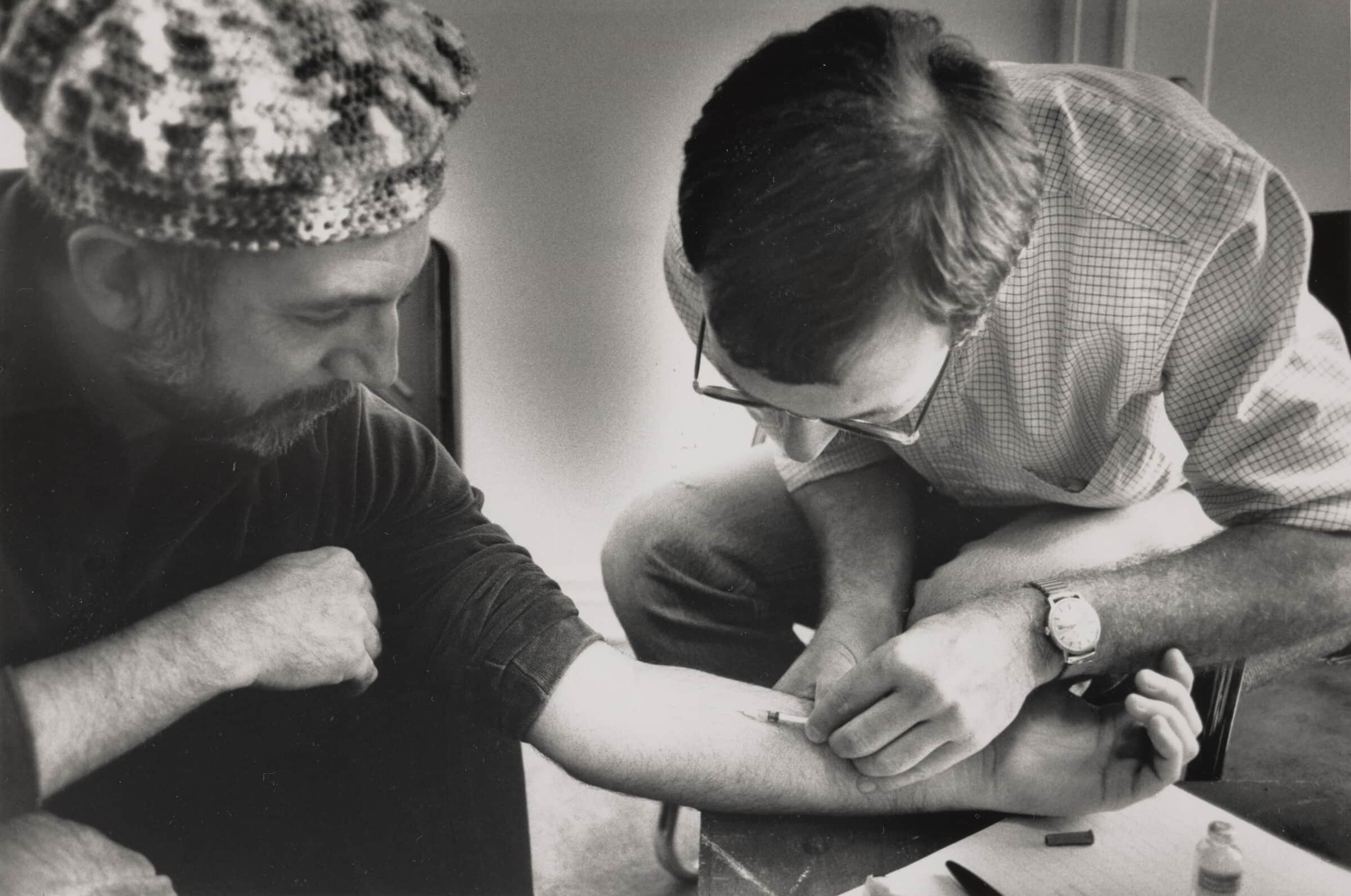
In 1991, as a public health measure to halt the spread of tuberculosis, Calvanese and Wilson added a fourth rule. All residents had to test for TB within 30 days of moving in. For many residents, this was not a simple ask; the people who lived at the Ambassador had reason to be incredulous and afraid of the medical establishment. In response, Calvanese staged the TB tests publicly, in the hotel lobby, to dispel rumors that the test was somehow spreading HIV. 33 Breaking any of these rules led to eviction, though re-entry was often allowed. Wilson also didn’t like drugs being dealt and used in shared spaces, but when this happened, there was typically no immediate threat of eviction. 34
The most poignant evidence of the hotel’s community of care are the daily incident logs.
The resident assistants’ incident logs are the most poignant evidence of the Ambassador’s community of care. Many of these logs are lost, but the existing fragments suggest a job description so sweeping it encompassed everything from installing new curtains, delivering furniture, buying groceries, filling prescriptions, mopping the floor, and helping tenants cash their rent assistance checks. To take just one example: on October 6, 1994, resident assistant Juan Avalle-Arce wrote, “Peter had been attacked at the corner store resulting in a black eye and bruises […]. I told him tomorrow we would clean up his room and work on getting him some glasses.” 35 A few weeks earlier, Avalle-Arce had a frustrating incident with a room key: “Kenneth had lost the key to his room and was sullen, hostile, and sarcastic when I tried to help him. I eventually went and duped his key, at which point he produced the missing one.”
There was also an incident in which a former resident, purportedly on a “speed run,” threatened to kill Avalle-Arce in the lobby, and Avalle-Arce decided, reluctantly, to call the police. More commonly, drug-induced behavior prompted his worry and concern. After visiting Chris Lamas in room 509 on September 9 at 1:00 pm, Avalle-Arce recorded, “Chris seems to be coming down from a speed run, so, while he seems to be doing ok right now, I told VNH [Visiting Nurses and Hospice] we all needed to keep an eye on him as he had gotten suicidal last time he crashed. I left him in his room painting with watercolors.”

Resident assistants were also routinely involved in end-of-life planning and witnessed death on a regular basis. When a resident named Patrick expressed his wish for a do-not-resuscitate order, Avalle-Arce took note and detailed the request in the logbook. “He wishes to die here at the Ambassador. He got a transfusion today that left him exhausted and depressed. I talked to Stewart and Laurie about making him as comfortable as possible.” At the height of the AIDS crisis, Reverend Glenda Hope, the Ambassador’s resident chaplain, remembers that an Ambassador resident died almost every day. 36 Sometimes more than one person died on the same day.
Supporting the dying and helping survivors process their grief was emotionally demanding, and took a great deal of time. On October 10, 1994, for instance, Avalle-Arce spent the entire day at the hospital with a woman named Antoinette, holding her hand as she passed — “She died peacefully with no pain” — and then informing friends and family. “It was difficult, exhausting, life-affirming, and took all afternoon.” From the hospital, Avalle-Arce went directly to work at the Ambassador at 6:00 pm, where he spent the evening consoling Antoinette’s friends, and presumably moving her belongings.
Supporting the dying and helping survivors process their grief was emotionally demanding, and took a great deal of time.
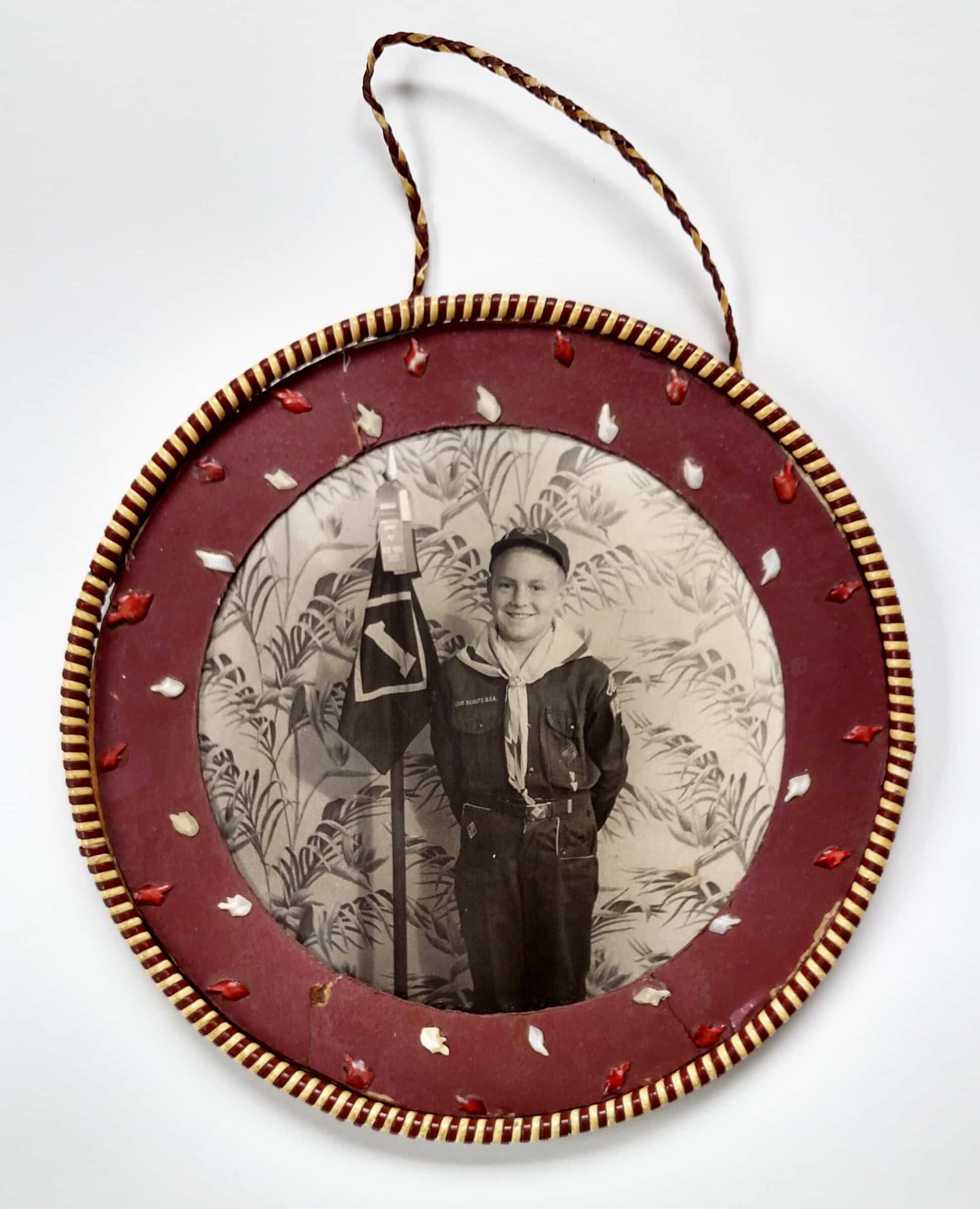
The Ambassador was committed to holding a memorial service for every deceased resident (Calvanese’s records from the early 1990s list approximately 200 deaths). 37 He also established an informal commemoration policy. When someone passed, he printed and framed a copy of the identification card he had on file (this was sometimes a prison or hospital ID). Usually someone bought a bouquet of flowers that, along with the photo, name, and room number of the deceased, were displayed at the front desk. Reverend Hope conducted a memorial service in Wilson’s office, where she welcomed other residents to share memories of the deceased. Attendance could range from a couple of people to a full room spilling into the corridor. Sometimes Hope performed a fifteen-minute memorial service in the lobby, in a setting she described as “a continuation of the street,” and “pretty chaotic and pretty heartbreaking.” 38 During the service, Wilson kept things quiet, but immediately after, the lobby “would go back to being chaos.” 39
Nearly everyone who worked at the Ambassador was simultaneously dealing with the disease in their personal lives. Some, like Wilson and Calvanese, contended with the anxieties of living with HIV, and most employees and volunteers had close friends or family members who had died. Within the building, AIDS was a familiar plight — a point of connection, a common bond, a shared grief.
Building Queer Kinship
In her now canonical study on queer kinship, anthropologist Kath Weston developed the notion of chosen families, which she defined as a “cultural domain” whose “boundaries are drawn, contested, and redrawn” in queer social life. 40 Weston’s redefinition of kinship emphasized how queer relationships both emulate and alter the forms and meaning of “traditional” heterosexual relationships, expanding biological notions of kinship to acknowledge the social embeddedness of all relationships.
Weston conducted her anthropological fieldwork in San Francisco between 1985 and 1987, at the same time that Wilson was equipping the Ambassador to address the AIDS crisis. She discovered that when people reflected on the process of developing new homosexual identities, they spoke as much about kinship as they did about sexuality. Moreover, their understanding of kinship was not related to blood ties or family of origin, but to a variety of other relationships that were built on love, commitment, and shared experience. The Ambassador fostered precisely these sorts of relationships, and the community life therein both echoes and complicates Weston’s definition of chosen families.
In some ways, the Ambassador is a poor fit for Weston’s understanding of chosen family. The number of residents, their differences from each other, and the fact that they were brought together more by necessity than choice is contrary to Weston’s understanding. The lives of Ambassador residents were also, generally speaking, less stable and more mobile than Weston’s subjects — some left after brief stays and disappeared; some came back; many died. The relationships they built with each other were similarly more fluid, dynamic, and subject to renegotiation. Although Weston is attentive to her subjects’ domestic living arrangements, her study did not include SRO residents, or people who are ill — two groups that navigate privacy very differently, especially in combination. (She does mention how AIDS affected queer urban cultures and lesbian family planning.) Weston herself warned against labeling “any assemblage of persons” in supportive housing “as a site for the development of familial relationships.” 41
The Ambassador was a place where residents formed families.
Nonetheless, Weston’s notion of “chosen family” remains useful. The Ambassador was a place where residents formed families and together forged a culture of care. The archives contain many examples of relationships that blossomed at the Ambassador. Both within the building and its immediate neighborhood, people negotiated the obligations and rights of membership in what was effectively a kin structure. Most shelters seek to prepare residents for “independent living” in mainstream society; at the Ambassador, residents learned how to live with and rely on each other. 42 The goal was to forge a tight-knit community of residents who related to each other as family. In this way Wilson’s housing experiment manifested queer kinship as a matrix of possibilities.
One of these possibilities is that of resistance. Remember that in August of 1966, a group of mostly young, transgender or gender-variant sex workers collectively resisted police harassment at Compton’s Cafeteria, a “landmark incident” and a “militant turning point in U.S. transgender or LGBTQ history.” 43

Many of the protestors lived together at El Rosa Hotel, an SRO about two blocks away from the Ambassador, and a few doors down from Compton’s. (The El Rosa was near a gay bathhouse and various other businesses that catered to a mixed gay and gender-nonconforming crowd, and its manager turned a blind eye to sex work and room sharing. 44) The fact that many of the queer revolutionaries of Compton’s Cafeteria slept, worked, and socialized in the same SRO suggests a correlation; their quasi-communal living arrangement nurtured their emergent group consciousness. 45
The quasi-communal living arrangement nurtured an emergent group consciousness.
This is not to say that Tenderloin SROs were ideal homes. Queer tenants faced housing discrimination, and owners routinely rejected applications from underage queer runaways. The buildings could be poorly maintained, and residents were vulnerable to surveillance. 46 Tenants were subject to city inspections and police intrusion, and building managers imposed rules governing curfews, guests, and drug use. Residents’ behavior was monitored in sometimes intrusive ways. Nonetheless, buildings like El Rosa and the Ambassador structurally facilitated the emergence of a queer public. 47
Public Domesticity
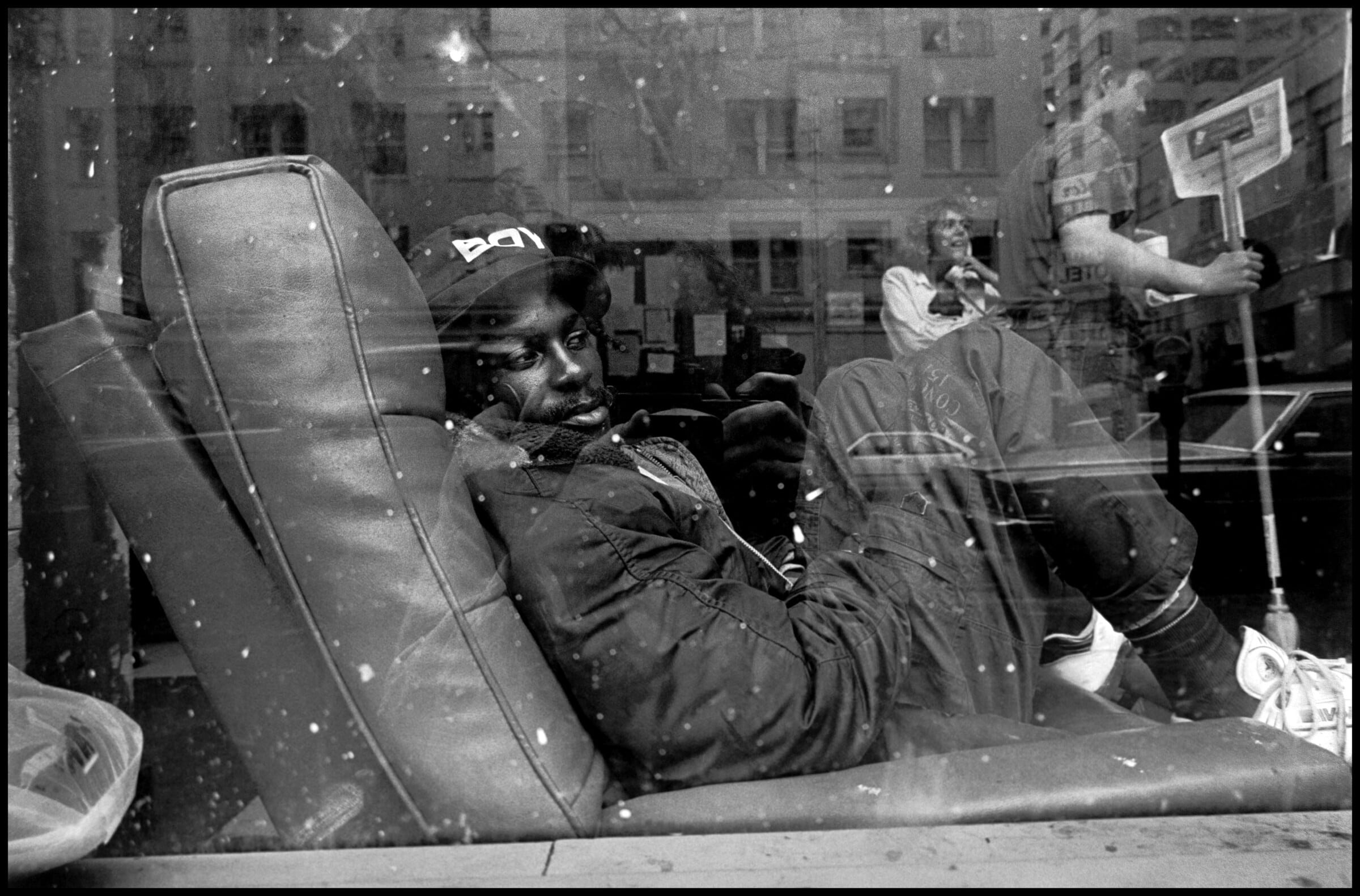
In the words of one resident, the Ambassador was like a “small village.” 48 People did not keep entirely to themselves; everyday life spilled out of the simple rooms. The corridors, elevators, lobby, and kitchen expanded the tiny footprint of the apartments and became hubs of communal living, blurring the boundaries between private and public. Because the Ambassador was an embedded part of the Tenderloin, external, urban elements like sidewalks, corner stores, and cafeterias became part of its interconnected territory. In a striking photo included in Fusco’s AIDS at the Ambassador Hotel, a resident lounging in an armchair inside the lobby is photographed from the street outside, through the glass window. 49 The image demonstrates precisely how the SRO typology extended private space into the public sphere. There are other examples as well: TB testing done in the lobby, memorial services held in the owner’s office, residents given end-of-life care in plain view of their neighbors. “Public” was negotiated differently in this framework, and the meaning of “domesticity” vastly expanded.
The term I use to describe this phenomenon is public domesticity. 50 “Public” and “domesticity” aren’t typically conjoined, as domestic space has traditionally been associated with the nuclear family and heterosexual marital life, which situate domesticity firmly within the private home. My work follows feminist and queer critiques that have decoupled domesticity from its association with privacy, to show how radical politics and insurgent cultures, from communal living to drag performance, explicitly defy the separation of the private and public spheres, and challenge the heteronormative assumptions about what domestic space looks like. 51
Queer public domesticity allows counter-publics to form.
Queer public domesticity might begin in a residential building where queer people live, but it extends to the physical landscape beyond, becoming visible to others. Queer public domesticity allows counter-publics to form, and grassroots defiance to take hold. Surveillance, or “checking in on,” can be practiced as a form of care, and care practiced as a form of protest. 52 The ramifications of the Ambassador’s public domesticity extend even further through the media the project inspired. Press coverage, documentaries, and photos about the Ambassador made the queer kinship structures and communal life within the building legible to a broad audience.
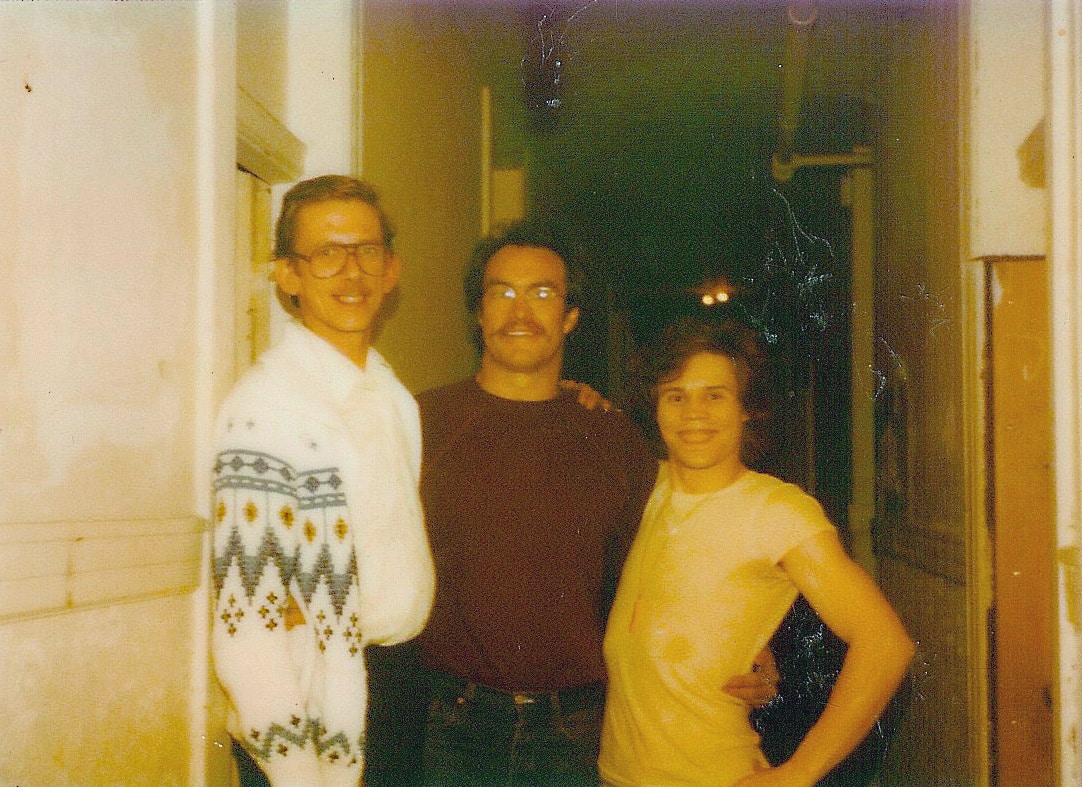
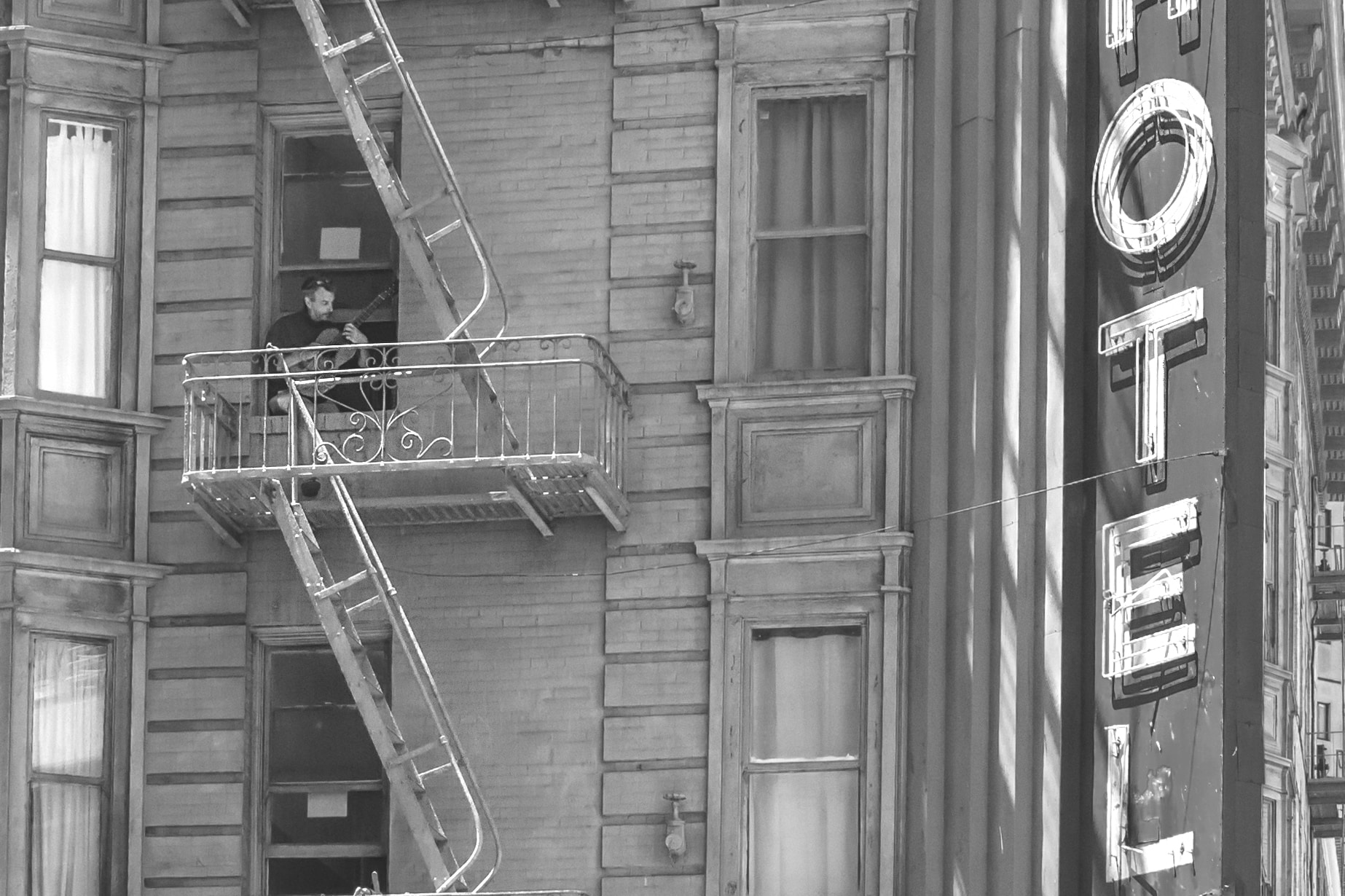
There are dangers in the practice of queer public domesticity. When non-mainstream oppositional cultures and intimate relationships become visible in the physical landscape, they attract attention, and attempts to regulate and suppress often follow. The material in the Ambassador archives —videos, activity logs, notebooks, and photographs — makes clear that although the SRO was a place where emergent oppositional cultures, queer intimacy, and associated support structures flourished, these activities were also vulnerable to surveillance, both inside and outside the building. Nonetheless, I contend that such regulatory regimes did not, in this case, lead to the triumph of the normative state over queer life. The Ambassador was a place where resistance flourished, where the possibility of resistance was maintained as a practice of everyday life.
Epilogue
Wilson gave up his lease on the Ambassador in 1995. He’d apparently moved to a month-to-month contract six years earlier, presumably due to financial troubles. The loss of his parents that year and his declining health contributed to his decision to step away, as did a building inspection that revealed the need for major repairs. His lease termination agreement allowed him to continue using Room 630 as his office until June 1996, at which point the building closed and over one hundred residents had to relocate. 53

But the ideas that animated this collective experiment never quite died. A few years later, in the late 1990s, public support emerged to revive the Ambassador. 54 By then, anti-homelessness activism had a long presence in the Tenderloin. In 1981, community meetings had led to the founding of the Tenderloin Neighborhood Development Corporation, a nonprofit organization that owned and operated SROs to provide affordable housing. 55 The TNDC acquired the Ambassador in 1999 and began extensive renovations and a seismic upgrade. 56
The building reopened to tenants in 2003, and these days it continues to provide some of the most affordable housing in San Francisco for people living with HIV and AIDS. I learned during a recent visit that many of the programs instituted by Wilson and his staff in the 1980s and ’90s have been relaunched. Rooms for people with HIV and AIDS are still distributed throughout the building to avoid stigma, and some of the same organizations that assisted with rent payment, such as Catholic Charities — organizations Wilson and Calvanese brought in — are still supporting Ambassador residents. The TNDC management has even added amenities that build on Wilson’s vision. A new addition over an adjacent parking garage, for instance, includes a community center, with drop-in counseling and space for events.
The feel of the building is very different these days. On a recent visit, the lobby was eerily quiet.
When I recently visited, however, I noticed that the feel of the building was different. There was none of the friendly chaos Reverend Hope described, or the warmth and idiosyncrasy represented in Fusco’s photos and Swartz’s documentary. The lobby was eerily quiet, and new administration offices and a reception desk take up most of the previously airy space. The clerk greeted me from behind a glass wall with an intercom system, which strained our communication. 57 Everything was painted white except a bench on the landing directly in front of the entrance, a holdover from the former lobby’s social functions. 58 A new communal kitchen seemed barely used, and the community center, admittedly not yet fully operational, was as empty and white as the lobby. Walking along the new Ambassador’s corridors, I thought about how alternative forms of domesticity live and die with the ideas that animate them, and how the Ambassador’s current residents will write the building’s future history.


.jpg)


If you would like to comment on this article, or anything else on Places Journal, visit our Facebook page or send us a message on Twitter.