

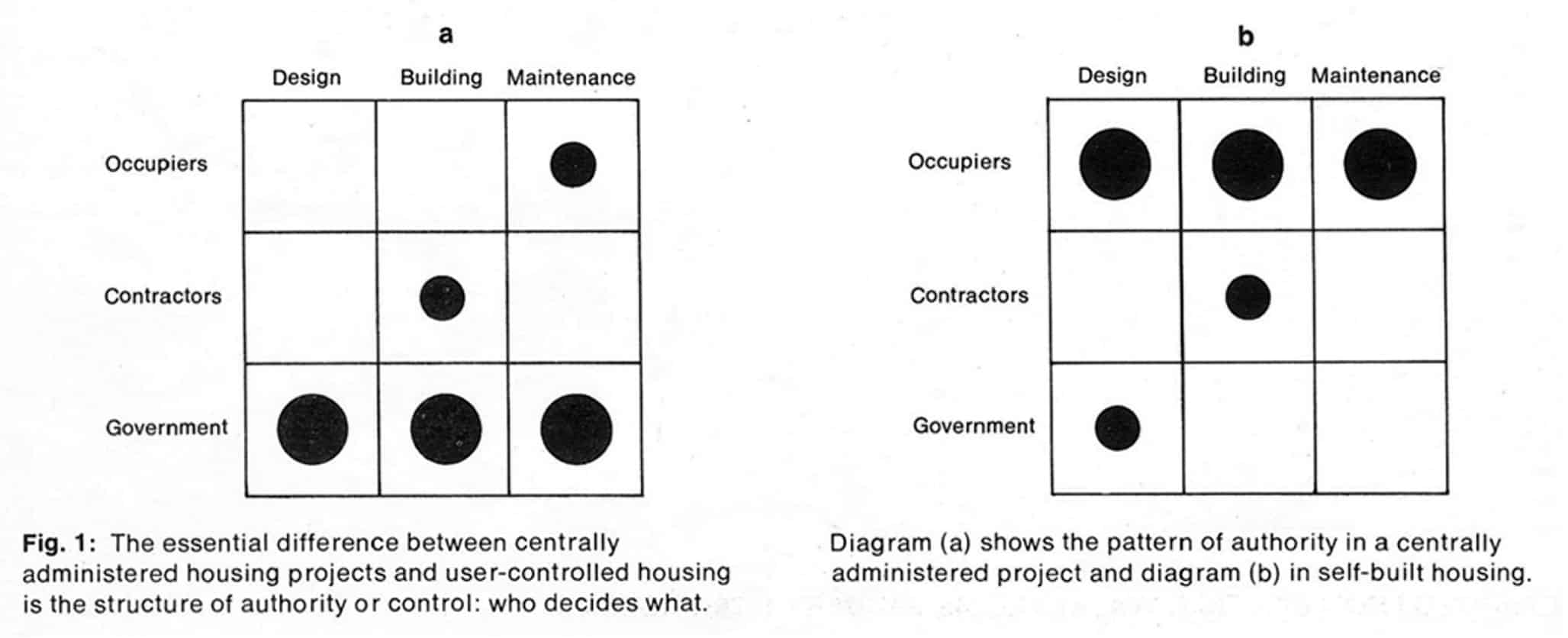
When dwellers control the major decisions and are free to make their own contributions in the design, construction, or management of their housing, both this process and the environment produced stimulate individual and social well-being. When people have no control over nor responsibility for key decisions in the housing process, on the other hand, dwelling environments may instead become a barrier to personal fulfillment and a burden on the economy.
– John F. C. Turner et al., “The Meaning of Autonomy,” in Freedom to Build, 1972 1
Agency is a funny word. It can refer to a government department or to a type of business that either helps you buy something — like a house or a vacation — or negotiates contracts on your behalf. In philosophical terms, agency is the capacity to act. Social theorists critiquing patriarchy, white supremacy, colonialism, and so on have long emphasized the denial of agency for certain groups of people. It turns out, however, that much public policy ends up denying rather than increasing the agency of those it is intended to benefit. According to John F. C. Turner, an English architect and housing theorist who launched his career in the informal settlements of Lima, Peru, in the late 1950s, official attempts to improve the quality of housing for low-income populations often decrease those constituents’ ability to make basic decisions about their lives, and limit the possibility of their upward economic mobility. This irony spurred a career of counterintuitive findings and iconoclastic proposals that defied political orthodoxies across the ideological spectrum.
Turner is a study in apparent contradictions: an anarchist who influenced the World Bank; an architect who challenged the wisdom of designing complete buildings.
Turner is a study in apparent contradictions: an anarchist distrustful of large institutions who nonetheless greatly influenced the policies of the United Nations and the World Bank; an empathetic humanitarian who questioned the logic of basic standards for safe and sanitary dwelling; an architect who challenged the wisdom of designing complete buildings. Public investment, he reasoned, should foster the agency of residents to solve housing challenges on their own terms rather than trying to provide housing units. This notion was met with hostility from architects. The international development sector, however, embraced it, at least partially. The argument that “public policy would do better to ensure that the components of housing were available, including land, building materials, and infrastructure services such as water, electricity, and sanitation, rather than build completed houses for people” influenced a paradigm shift in slum upgrading projects in the early 1970s. 2

Inspired by this logic, the World Bank and other international development institutions began supporting “sites-and-services” projects, which provided small lots with secure tenure and a “sanitary core” of plumbing connections for running water, and then helped residents to access inexpensive building materials to construct their own homes. In contrast to the informal settlements that grew within urban cores — historically referred to as slums — sites-and-services projects were planned on undeveloped land, which often lay beyond city limits. While Turner never fully endorsed the way that such projects were implemented, his legacy is interwoven with the widespread adoption of this method in fast-growing megacities in the Global South in the 1970s and 1980s. He based his argument on observations made while working in such contexts, but soon started to apply this reasoning to urban environments in the Global North.
Turner’s intention was to shift discussion of housing away from its material form and toward its social use — what housing does in people’s lives.
Though prolific, Turner was a reluctant writer. He was much more comfortable working alongside residents building their own housing, or with local bureaucrats and volunteers involved in slum upgrading programs. Nonetheless, his ability to assemble years of direct observation into cogent case studies helped to usher in new ways of thinking about housing, poverty, and agency that merit close consideration as we search for responses to our contemporary international housing emergency. In the introduction to Turner’s classic work Housing by People (1976), Colin Ward — fellow anarchist, trained architect, and acclaimed social historian — describes him as something “much rarer than a housing expert: he is a philosopher of housing, seeking answers to questions which are so fundamental that they seldom get asked.”

Turner’s primary intention was to shift the discussion of housing away from its material form and toward its social use — in other words, what housing does in people’s lives. The ways that housing enables or constrains personal fulfillment and economic opportunity is different for different households in different stages of their life. Thus, people should be able to decide what they need from their housing on their own terms. Decades of housing policy have stripped so many not only of safe and attainable housing, but also of their ability to influence the decisions that affect them the most. The absence of this decision-making power is precisely what causes housing schemes for the poor to become obstacles to, rather than enablers of, improvements to the quality of life. Put simply, Turner believed that the planning, design, and management of housing should be the responsibility of its users rather than that of any external administrative body, whether a private developer or a government department. This fundamental belief in activating the agency of residents — to set priorities and make decisions, and sometimes to design and build — has much to offer our present moment.
Housing as a Verb
Turner’s central insight turns on a close reading of the language we use about where we live. Housing is, of course, a more precise word than agency, but it too is subject to subtle semantic manipulations that render the singular noun “house” into a particular typology, assumed to stand alone, independent of its neighbors, and presumed to accommodate only one family. Whereas “housing” is not plural but a gerund, a verb that works as a noun, the act of doing something. But who is doing what to whom? Who decides and who provides?
‘Housing’ is a verb that works as a noun, the act of doing something. But who is doing what to whom? Who decides and who provides?
Historically, most housing reformers have advocated either to increase government intervention in the housing market — to boost production — or to reduce it — to stimulate private sector innovation or to forestall reliance on government assistance. Turner places his own work outside this dichotomy: “The common debate is between the conventional left which condemns capitalism and conventional right which condemns personal dependency upon state institutions. I agree with both, so nobody committed to either side can agree with me.” 4The difficulty of situating Turner along a political spectrum helps explain why his work initially found few admirers within architecture or the academy. It is also why his influence continues to be claimed by both anarchist community developers and international financial institutions.
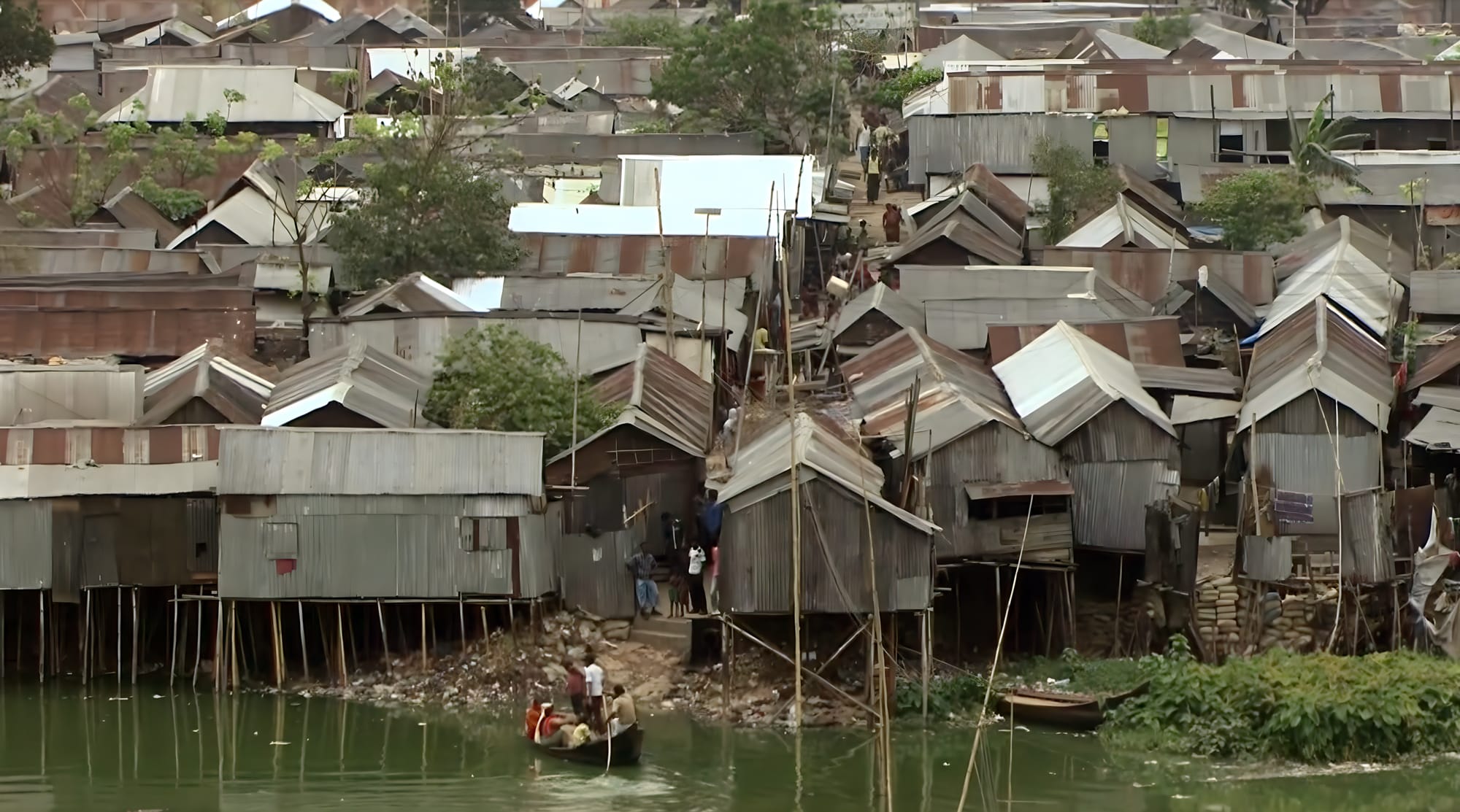

In his seminal essay “Housing as a Verb” (1972), Turner describes how “When used as a noun, housing describes a commodity or product. The verb ‘to house’ describes the process or activity of housing.” 5 The distinction has enormous consequences for the tools policymakers and designers apply to questions of shelter. A commodity is subject to market forces; a product is assumed to be finished and fixed. A process, however, is a series of relationships and actions. Housing by People extends this distinction between product and process to the contradiction between the material or market-value of housing and its use-value:
It is entirely reasonable to speak about the market values of houses. It is also entirely reasonable to speak about the human and social values of housing action, or housing processes. But it is absurd to mix these sets of terms and their meanings. As the cases show, the performance of housing, i.e. what it does for people, is not described in housing standards, i.e. what it is, materially speaking. Yet this linguistic inability to separate process from product and social value from market value is evident in both commercial and bureaucratic language. 6
Some readers immediately condemned Turner’s position as excusing public disinvestment in housing provision, a critique Colin Ward anticipates when addressing Turner’s critics on the left:
It is sometimes said of his approach that it represents a kind of Victorian idealization of self-help, relieving governments of their responsibilities so far as housing is concerned, and that it is therefore what Marxists would no doubt describe as objectively reactionary. But that is not his position. He lives in the real world, and however much he, like me, would enjoy living in an anarchist society, he knows that in our world resources are in the control of governmental or propertied elites.
Ward thus dispenses with critiques of Turner suggesting “that the poor of the world should become do-it-yourself housebuilders.” That’s not what Turner advocated. As Ward explains, “he is implying that they should be in control.” 7 Turner addresses this potential misinterpretation directly: “The obligation to build your own house could be as oppressive as being forbidden to do so — the corollary of the freedom to literally build your own house is the freedom not to have to.” 8
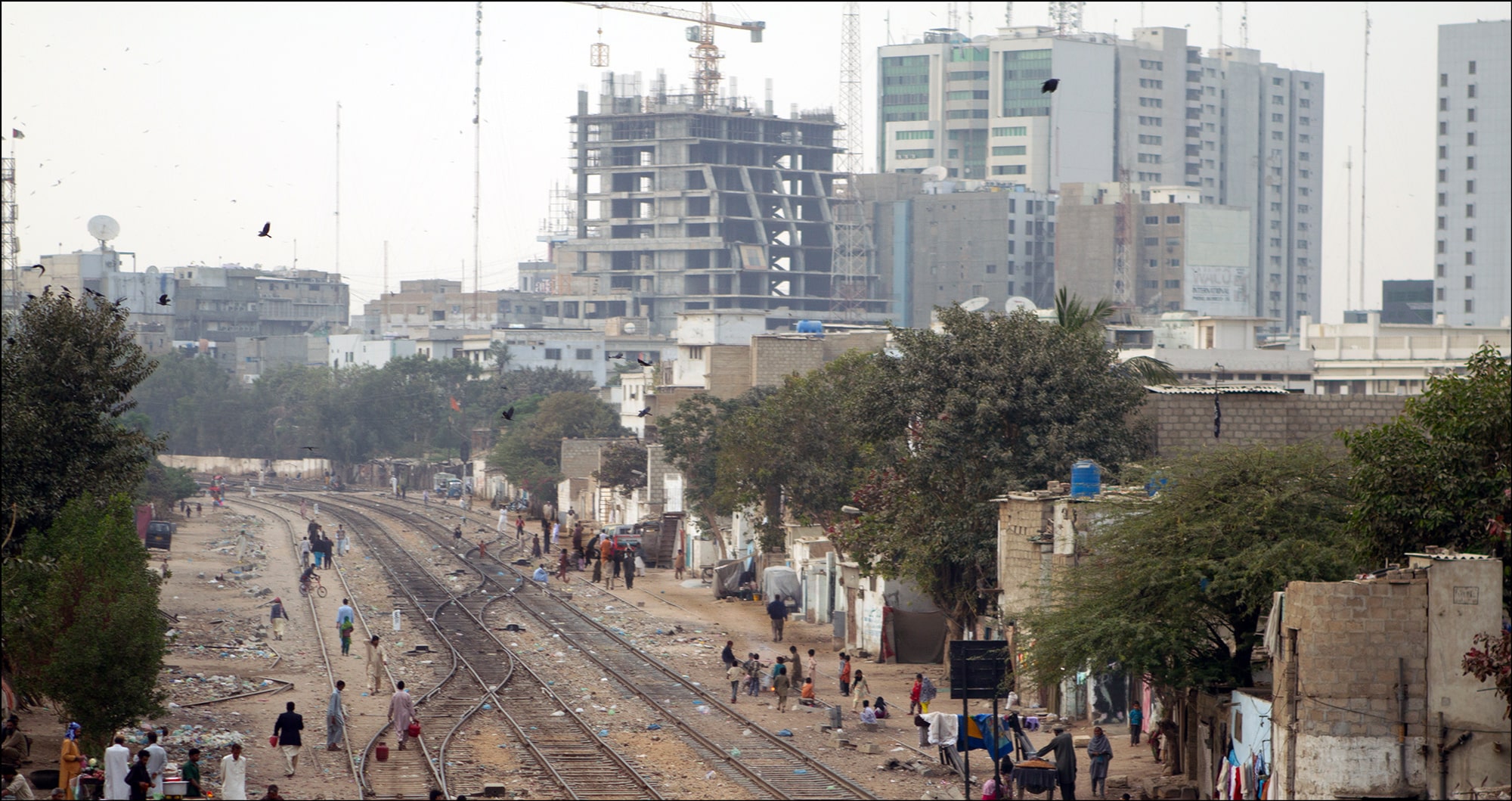

While his personal observation of self-built housing was in Peru, his subsequent formulation for Housing by People relies also on fieldwork conducted in Mexico by his student and collaborator Tomasz Sudra beginning in 1971. 9 As in much of his work, Turner further drew from his close collaboration with the American anthropologist William Mangin, one of the first English-language academic ethnographers turn his attention from the village to the city, considering Latin America’s extreme rural-urban migration in the 1950s as a phenomenon worth studying. The Peruvian anthropologist José Matos Mar contributed to this shift, as did the insights of architect Eduardo Neira, who as early as 1954 proposed ayuda mútua (mutual aid) as necessary in addressing the unmet demand for housing. 10 From this collaborative work, Turner distilled exemplary scenarios with which to illustrate the contradictions that result when policymakers confuse the material value of housing and its use-value, the product and the process, the noun and the verb.
Contradictions result when policymakers confuse the material value of housing and its use-value, the product and the process, the noun and the verb.
For instance, in Housing by People, Turner offers the scenarios of the supportive shack and the oppressive house. He describes an unemployed car painter who resorts temporarily to ragpicking in a local landfill to support his family. He and his wife decide to live in the backyard of his godmother’s humble house near the dump, splicing her electricity, sharing kitchen and bathroom facilities, and extending the roof with scrap materials. This situation obviously wouldn’t work for everyone, but the car painter and his family are young, healthy, handy, and focused on saving to buy a plot of land to construct their own permanent home. Therefore, “being rent-free and close to work, urban facilities and relatives, this materially very poor dwelling actually maximizes the family’s opportunities for betterment.” 11
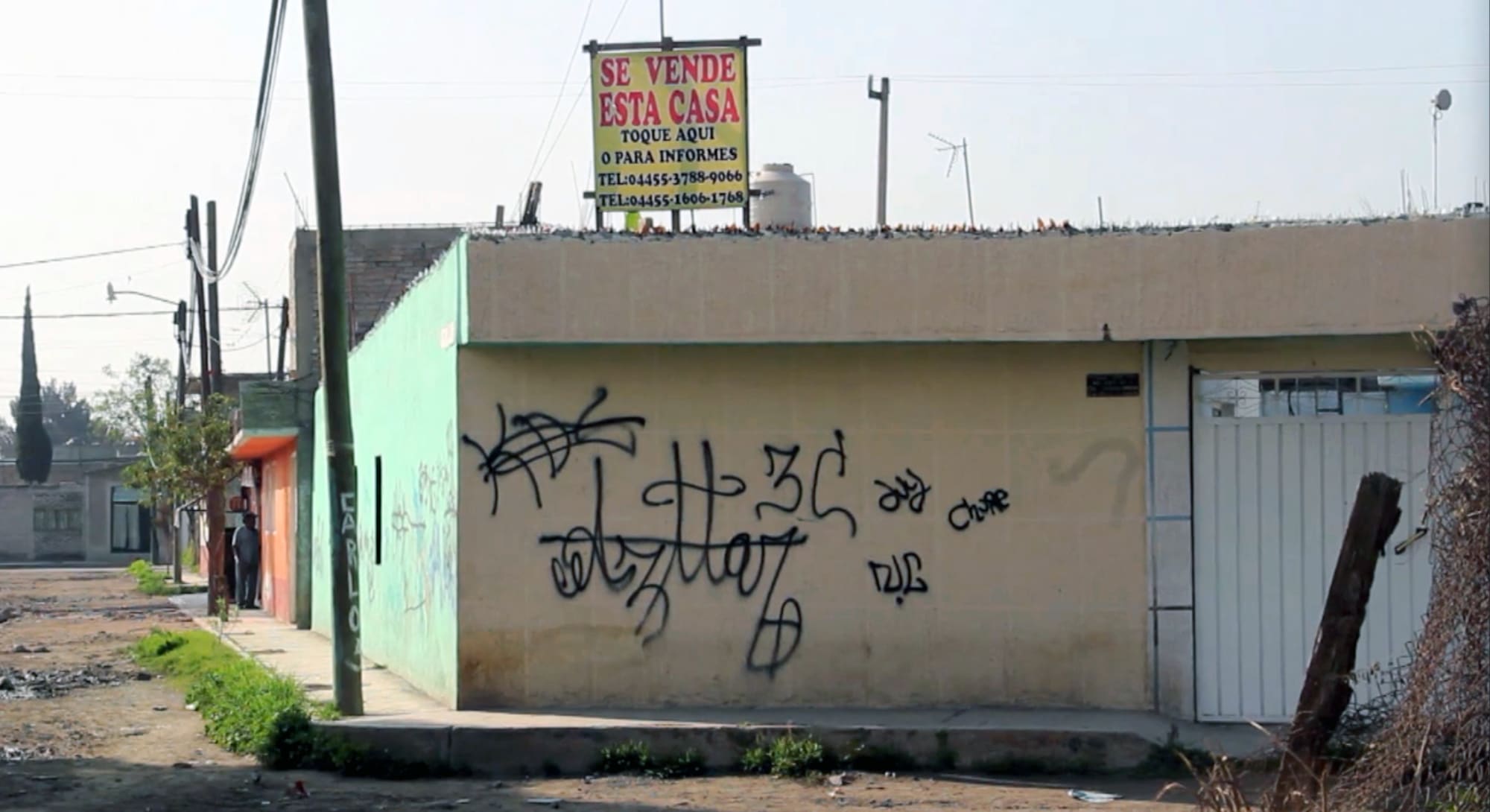
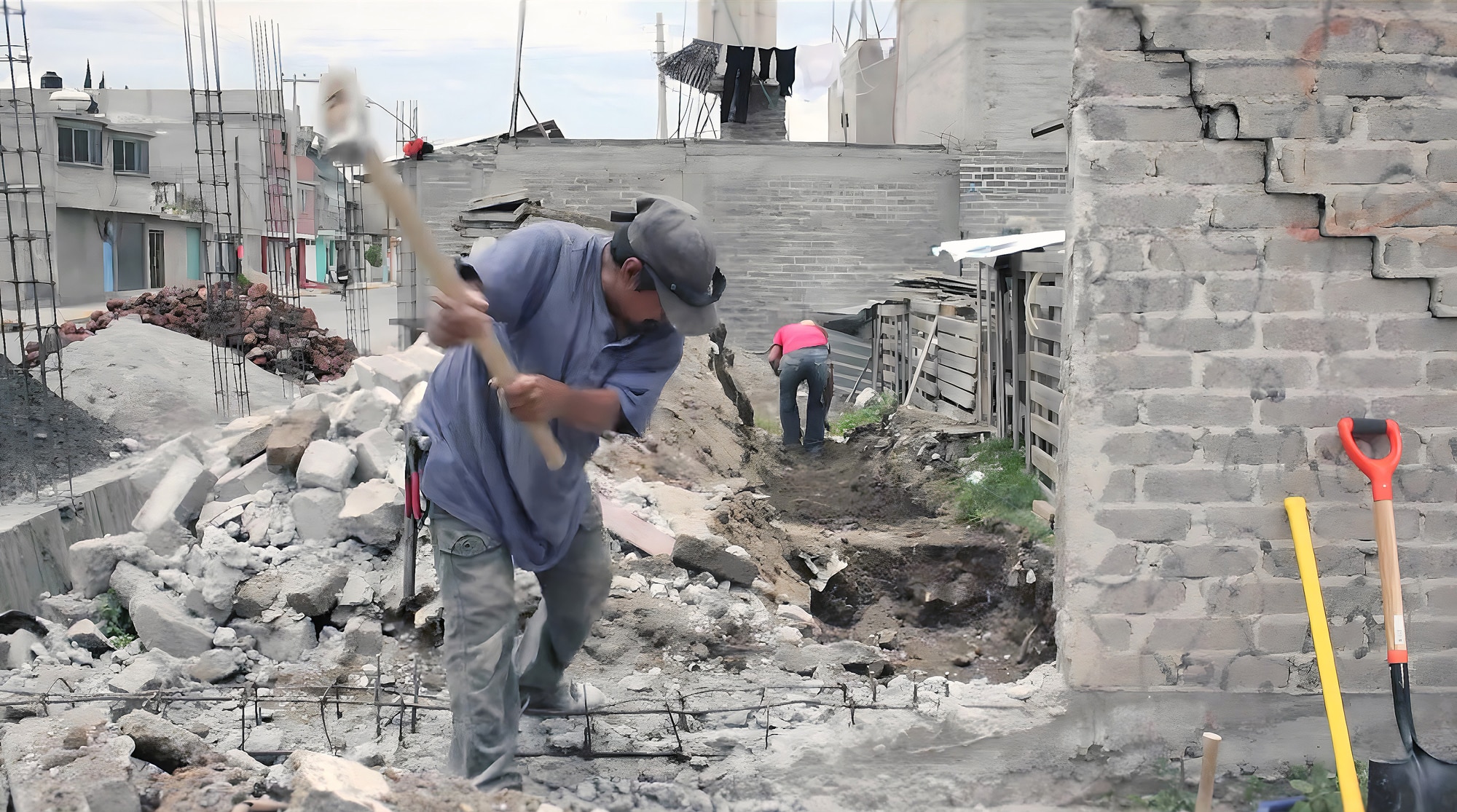
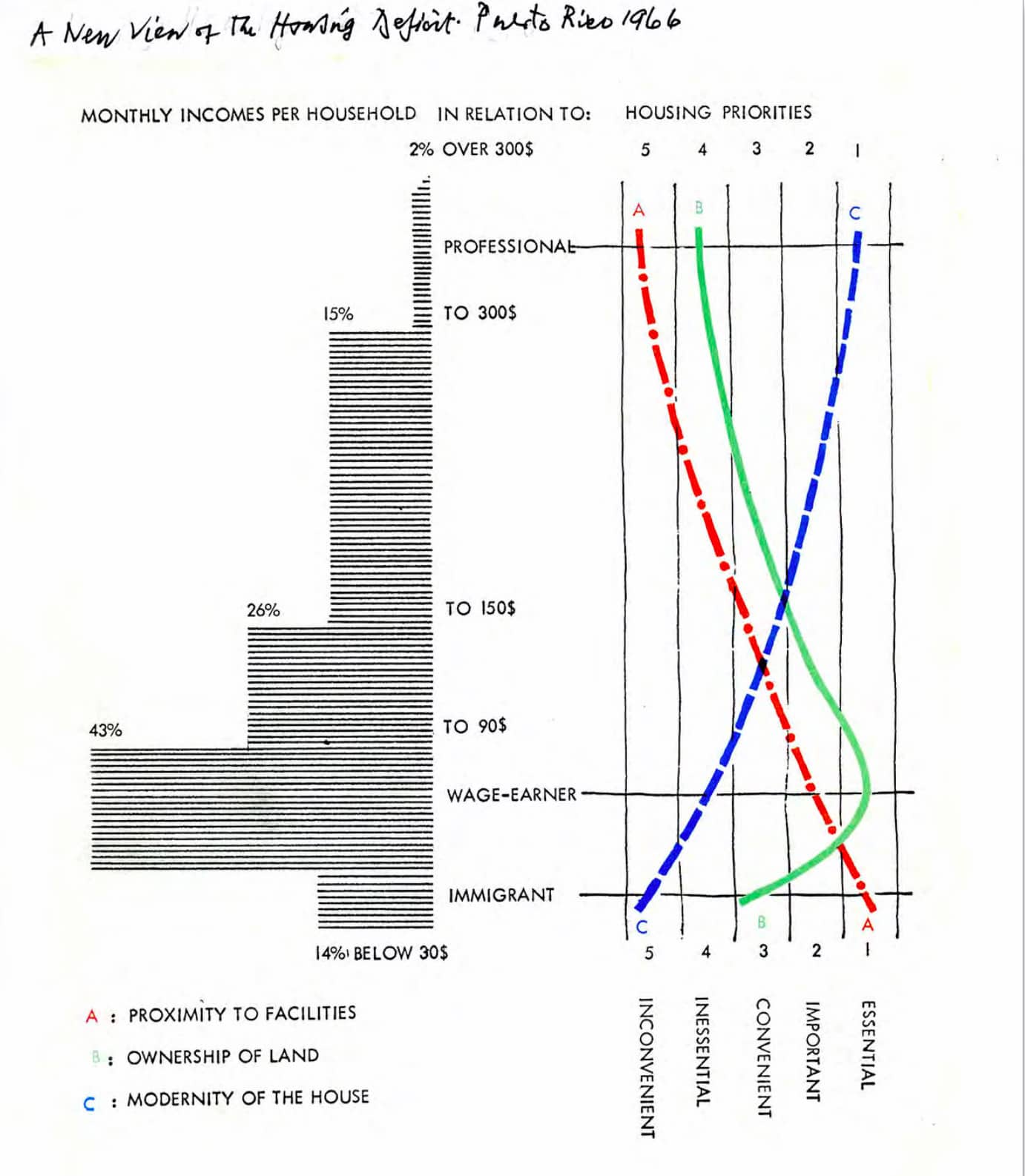
The “oppressive house,” on the other hand, meets all local minimum standards for insulation, sanitation, and size, “equipped with basic modern services and conveniences. However, this ‘improvement’ is endangering the lives of the family members.” 12 Its location and cost make it a burden on its occupants, a semi-employed mason, his underemployed wife, and their school-going son. This family had advocated for rehousing when their previous home in a self-built informal settlement was threatened with destruction by the local authorities, but the house provided by the government was isolated from their community, further from work, and priced at a rent that quickly diminished the family’s budget for food and other necessities. The new location also featured a more strongly enforced prohibition on the hawking of goods that, in their former neighborhood, had helped the family fill budget gaps. Thus, this house raised costs and decreased revenue. The fact that the car painter could meet his family’s housing needs with a “shack made from scrap materials” while the “modern minimum unit was extremely oppressive for the mason’s family” represents the “paradox in low-income housing of use-values versus material values.” 13 For Turner, the only way to reform policies to improve the living conditions of the urban poor was to shift the focus from housing’s material quality to its performance, a dynamic condition incompatible with traditional metrics of size and building materials. His colleague Robert Fichtner puts it succinctly: “when housing is seen as a physical product, it will be judged by physical criteria alone.” 14
Turner was deeply skeptical of purely economistic analyses of housing, writing that “the quantities of houses, or forms of tenure, or even locations, tell us very little about the problems that households actually experience.” 15 Nonetheless, part of his critique was indeed economic: government resources would always be too limited to meet growing demand for shelter. He notes that from
1949 to 1956 the Peruvian government built 5,476 houses: less than one per cent of the housing deficit during those years, and at a unit cost that made repayment by the average urban family impossible .… During the same period no less than 50,000 families … took matters into their own hands and solved at least part of their housing and community development problems on their own initiative. 16
But budget shortfalls were less important to him than synthesizing the economic, environmental, and social benefits of dweller control of the housing process: “That the potential cost savings from owner-built housing is the self-help labour input is a popular misconception. The real technological savings of locally and personally controlled housing systems are from the highly differentiated and therefore flexible, low-energy and generally long-life technologies used.” 17
Turner’s most important move was to demand that those with capital and decision-making power recognize the agency of those without that power.
While savings were never his primary concern, Turner certainly understood that public budgets in countries like Peru could never provide the number of formal housing units required. A potent streak of realpolitik buffered his anarchist impulses. However, his most important move was not to let government off the hook, but rather to demand that those with capital and decision-making power recognize the agency — stemming from familiarity with one’s own experience and dynamic needs — of those without that power. Unfortunately, what international development technocrats (many of them economists) gleaned from his work was primarily the notion of cost reduction, not the nuances of integrating resident decision-making into housing policy.


Indeed, while housing for the urban poor was Turner’s life’s work, he sought to ground his ideas in a holistic reading of the multiple challenges facing any vulnerable household: access to food, clothing, jobs, family and friends, school, transport. Consideration of these concerns alters the course of action for any government seeking to address the complexities of poverty. For Turner, “When the housing problem is defined in these relative and active terms, ideas of subsidized housing and paternalistic ‘charity’ tend to disintegrate … to be replaced by the cultivation of all available resources — those of the individual family, the community and the nation.” 18 His realism about the severe constraints on public resources aligned with his optimism about the untapped potential of individual ingenuity — or at least individual decision-making capacity. In Ward’s words, “John Turner absorbed in Peru the lessons offered by illegal squatter settlements: that far from being the threatening symptoms of social malaise, they were a triumph of self-help which, overcoming the culture of poverty, evolved over time into fully serviced suburbs, giving their occupants a foothold in the urban economy.” 19
True to his anarchist inclinations, Turner later referred to the time in Peru as his deschooling as an architect.
True to his anarchist inclinations, Turner later referred to the time in Peru as his “deschooling” as an architect, borrowing the term from his friend Ivan Illich, a polymath philosopher and former ascetic Catholic priest equally dedicated to upending conventional wisdom about institutional approaches to poverty. 20 In the barriadas of Lima, Turner “stopped trying to work for and started trying to work with people.” 21 In this sense, he argued, the informal settlements of fast-growing cities in the Global South had much to teach policymakers and architects in the Global North. Even if his time in Peru helped him to abandon some of the core assumptions of mid-20th-century architectural pedagogy, he continued to find inspiration in an intellectual legacy of urban thinkers who explored the dynamic interplay between multiple forces shaping the built environment and who rejected the architectural solutionism of exclusively physical interventions.
Holistic, Anarchic, and Mutual: An Intellectual Lineage
Born in London in 1927, John Turner showed an interest in architecture from a young age. He attended the Architectural Association, where, in the late 1940s, he came across a manuscript by Patrick Geddes that proved a transformational, lasting influence. Turner became “fascinated by his famous diagrams” and his “holistic view of cities as growing entities.” 22 Both men did significant work for various government bodies while nurturing “deep skepticism of government and indeed all agencies external to the residential communities within which people live.” 23
The Scottish polymath Patrick Geddes inspired the young Turner to question generations of received wisdom about housing for the poor.
Geddes, a Scottish polymath who lived from 1854 to 1932, trained as an evolutionary biologist before turning his attention to the practical application of sociology to urban development. He believed profoundly in the need to understand the existing city and its constant transformations. His preferred mode of urban intervention was “conservative surgery,” and he decried slum clearance policies as “disastrous and pernicious blunders.” 24 Among his favorite maxims was “Diagnosis before treatment,” and this clearly inspired the young John Turner to question generations of received wisdom about housing for the poor. 25

For Turner, Geddes’s combination of scientific commitment to observation and sociological exploration of culture derived from a powerful intellectual lineage:
Patrick Geddes was a pupil of Thomas Huxley who, in turn, was a pupil of Darwin’s, so Geddes was studying botany and biology. When he was doing fieldwork in Mexico, he caught a disease that affected his eyesight; as he could no longer work with microscopes, Geddes turned his attention to cities .… He had used his approach to life, his biological understanding, and applied it to cities. That meant he looked at it in terms of place, activity and people, paralleling the way organisms function in their environment, making it and being made by it — an essentially ecological understanding. 26
Turner calls Geddes’s diagrams “an early general systems model” of human activity that triggered his own “life-long search for holistic ways of understanding relationships between people and environment.” 27 In Geddes’s own words, “Our greatest need today is to grasp life as whole, to see its many sides in their proper relations; but we must have a practical as well as a philosophical interest in such an integrated view of life.” 28 To illustrate this, Geddes created matrices arguing that Place, Work, and Folk constituted the analytical triad best suited to mapping human experience. He intended his most famous diagram, “The Notation of Life,” to be a kind of “thinking machine,” a model sorting the interactions of individuals, societies, and environments into four broad categories of social organization — town, school, cloister, and city — and four broad affective categories: acts, facts, deeds, and thoughts (dreams). Drawing on in his training in evolutionary biology, Geddes believed that for cities to foster societal well-being, their various elements need to work in synergy: shared facilities like schools and churches must be understood in light of their relationships to dwellings and neighborhoods.

With his singular commitment to applying the observational acuity of a botanist, the systems-thinking of an ecologist, and the practical solutions of an urban designer, Geddes continuously affirms that people make a place and a place makes people: nature, labor, and culture are highly specific yet mutually constitutive. In a time when the distillation of all social function into universal laws — whether through physics or economics — was an overwhelming intellectual imperative, Geddes insisted on the importance of the specific, the observed. He believed deeply in the scientific method, but he was also a major exponent of artistic traditions as vital evocations of particular geographies, and he experimented with a wide variety of media — diagrams, magazines, exhibitions, urban plans, books in his effort to harmonize science and art, nature and culture.
While Turner was at the AA, one of his teachers — urban planner and scholar Jacqueline Tyrwhitt — was preparing a new edition of Geddes 1915 masterpiece, Cities in Evolution, and she invited Turner to contribute an essay. In it, he explains how the diagrams sought to visualize the interplay of passive and active forces on people and place. 29 Geddes’ formulation was to think about Environment, Function, and Organism, positing that “Environment acts, through Function, upon the Organism, and the Organism acts, through Function, on the Environment.” Place shapes people; people shape place. Yet the slum clearance policies that Geddes resisted in late 19th-century Edinburgh and the tower-block housing that Turner critiqued in mid-20th-century Lima both failed to account for, much less to cultivate, the agency inherent in that double truth.
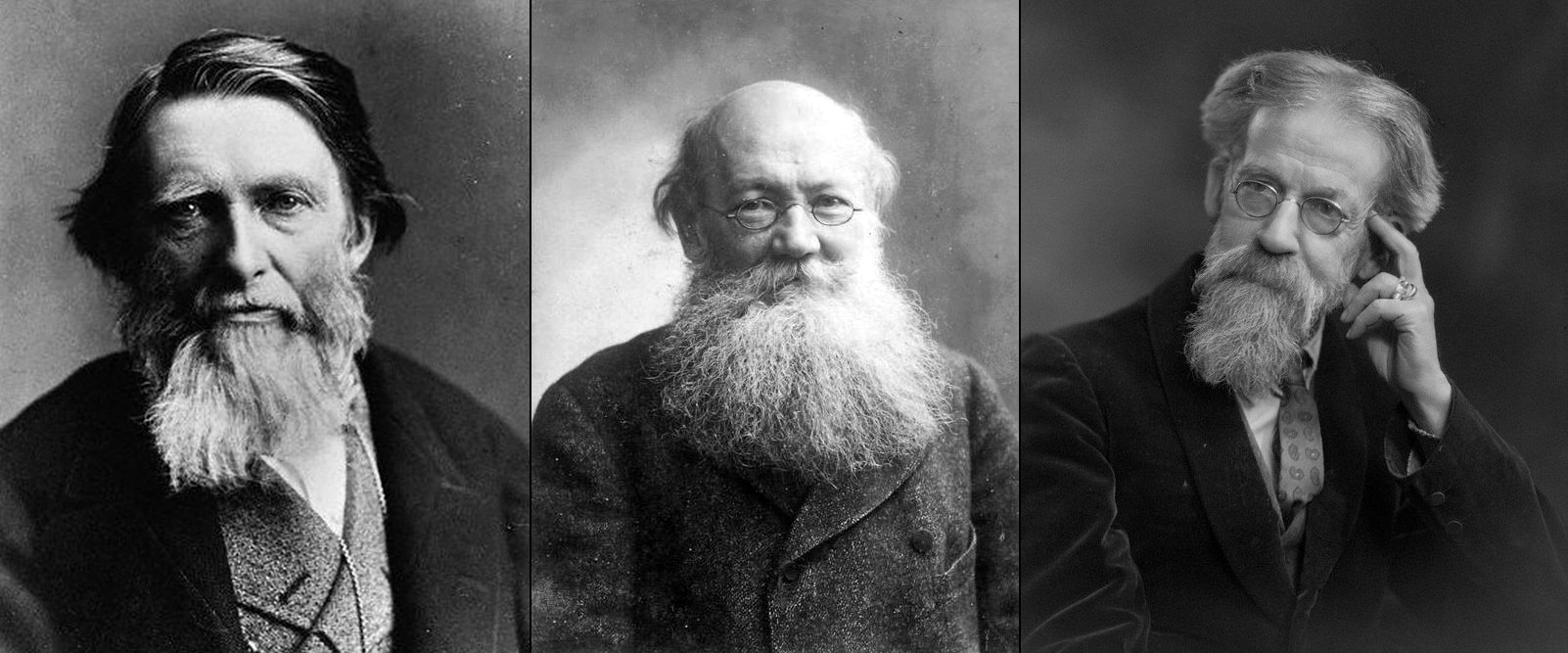

Geddes was a part of a “generation of writers and thinkers who were piecing together a critique of the Industrial Revolution and its social consequences” in the 1870s. 30 The most famous of these social critics in Great Britain was, of course, John Ruskin. Geddes agreed with Ruskin that “it is only by labour that thought can be made healthy, and only by thought that labour can be made happy, and the two cannot be separated with impunity.”31 In this agreement, Geddes, in a way, was turning against the biological determinism put forward by his mentor Huxley, and the foregrounding of competition by Huxley’s mentor Darwin. Geddes eventually rejected Huxley’s theory of nature as “militaristic, mechanical, and venal,” preferring to draw from Petr Kropotkin’s “emphasis on the role of mutual aid in biological development.32
The anarchist concept of mutual aid shows up early in the discourse that supported Turner’s thoughts regarding aided self-help housing.
Kropotkin (1842–1921) was a Russian anarcho-communist philosopher and naturalist geographer whose book Mutual Aid: A Factor of Evolution (1902) has become a foundational text of anarchist political thought. While influencing movements as varied as the Black Panthers, Act Up, and Occupy Wall Street, Mutual Aid is primarily about biology, based on the author’s years of close observation of Siberian wildlife. Kropotkin describes what impressed him most during this fieldwork: both “the extreme severity of the struggle for existence” and the surprising fact that he “failed to find — although [he] was eagerly looking for it — that bitter struggle for the means of existence … [was] the dominant characteristic of struggle for life.” He contrasts this observation with the belief in violent competition held by “most Darwinists (though not always by Darwin himself) as … the main factor of evolution.” 33 According to Rebecca Solnit in A Paradise Built in Hell, her indispensable study of the lived experience of anarchism and the spontaneous solidarity that arises in disaster: “Mutual aid means that every participant is both giver and recipient in acts of care that bind them together, as distinct from the one-way street of charity. In this sense it is reciprocity, a network of people cooperating to meet each other’s wants and share each other’s wealth.” 34 Mutual aid shows up early in the discourse that supported Turner’s thoughts regarding aided self-help housing (particularly in ethnographic accounts by Peruvian anthropologists that influenced him in the field). But the centrality of this concept waned as policymakers came to see self-help housing more in terms of efficiency than mutuality.
Geddes’s approach nevertheless provided a lodestar as Turner moved from his education as an architect to his career as an interpreter and formulator of housing strategies among the poor.35 He writes that Geddes inspired a “re-education,” leading to the conclusion that “architecture cannot be practiced as if it were an independent variable, as though the architect had no social or political responsibilities.” 36 In this, Turner drew inspiration not only from Geddes’s intellectual approach, but also his practical example: Geddes always worked — often contributing construction labor — alongside the people intended to benefit from his urban plans, whether in his own neighborhood in Edinburgh or during the “civic surveys” he devised for cities across the British Empire, especially in India and Palestine. From Geddes, Turner learned to “break down the boundary walls of every academic specialism, to integrate study with practice and re-orientate it to life.” 37
Though his time at the AA was formative for Turner as a thinker, the architectural milieu into which he would emerge had been formulated while he was still in primary school. Internationally, the 1930s saw a paradigm shift in architectural thought. In July 1933, Le Corbusier was presiding over the fourth Congrès Internationaux d’Architecture Moderne, which yielded the enormously influential document we now call the Charter of Athens. The manifesto that Le Corbusier and his colleagues composed includes maxims like “#27: The alignment of dwellings along transportation routes must be prohibited,” and “#29: High buildings, set far apart from one another, must free the ground for broad, verdant areas,” and “#69: The destruction of the slums around historic monuments will provide an opportunity to create verdant areas.”
The Charter of Athens adopted by the CIAM in 1933 still drives attempts around the world to bring order to the metropolis through towers, highways, light, and air.
The Charter of Athens still holds sway over attempts around the world to bring order to the unruly metropolis through towers, highways, light, and air. Especially in the realm of public or social housing, where governments rather than private markets control the form and function of residential environments, a watered-down version of the Charter’s directives became, in the mid-20th century, the default housing plan for low-income populations: just look at the public housing projects along the East River in Manhattan, in the banlieues that encircle Paris, or in the suburb of Jemo in Addis Ababa. 38 These are what Turner would later call “coercive” architecture, in which an a priori idea of building presumes its users will fit the diversity of their needs and experiences into a standardized form. And he rejected that standardization, positioning himself as “part of a breaking wave of reaction against authoritarian solutions to technocratically posed problems.” 39 In this sense, his ideas are consonant with those of his contemporary John Habraken, a Dutch architect who also decried the intellectual hegemony of modernist architecture as overly static and therefore alienating to the ever-dynamic conditions of living and dwelling. 40 Habraken formed ideas in response to the postwar building boom in the Netherlands, whereas Turner in the same decades found his greatest inspiration in the informal settlements of Peru. Such resident-built settlements — and the creativity and the deprivation that they reveal in equal measure — can be found the world over. But the political context of Peru fostered a unique culture of experimentation in housing. The country’s volatile political history incubated pathbreaking ideas about the relationships between architecture, economics, and community development.
The Peruvian Tradition of Housing Experimentation
CIAM continued to hold conferences until it was disbanded in 1959 and, in 1952, Turner attended one in Venice, where he befriended a young Peruvian architect named Eduardo Neira who shared Turner’s admiration for the worldview of Patrick Geddes: his insistence on the mutual influence of culture and nature, on the inextricability of the social experience of place from its physical form. Neira had translated some of Turner’s early writing about Geddes into Spanish and invited him to Peru. When Turner finally made the trip in 1957, he arrived in a political context that would forever alter his own thinking. In Arequipa, his first stop, he helped to rebuild after a devastating earthquake; he then moved to Lima, where he worked on a series of slum upgrading programs that had been part of national community development campaigns under both conservative and liberal governments.


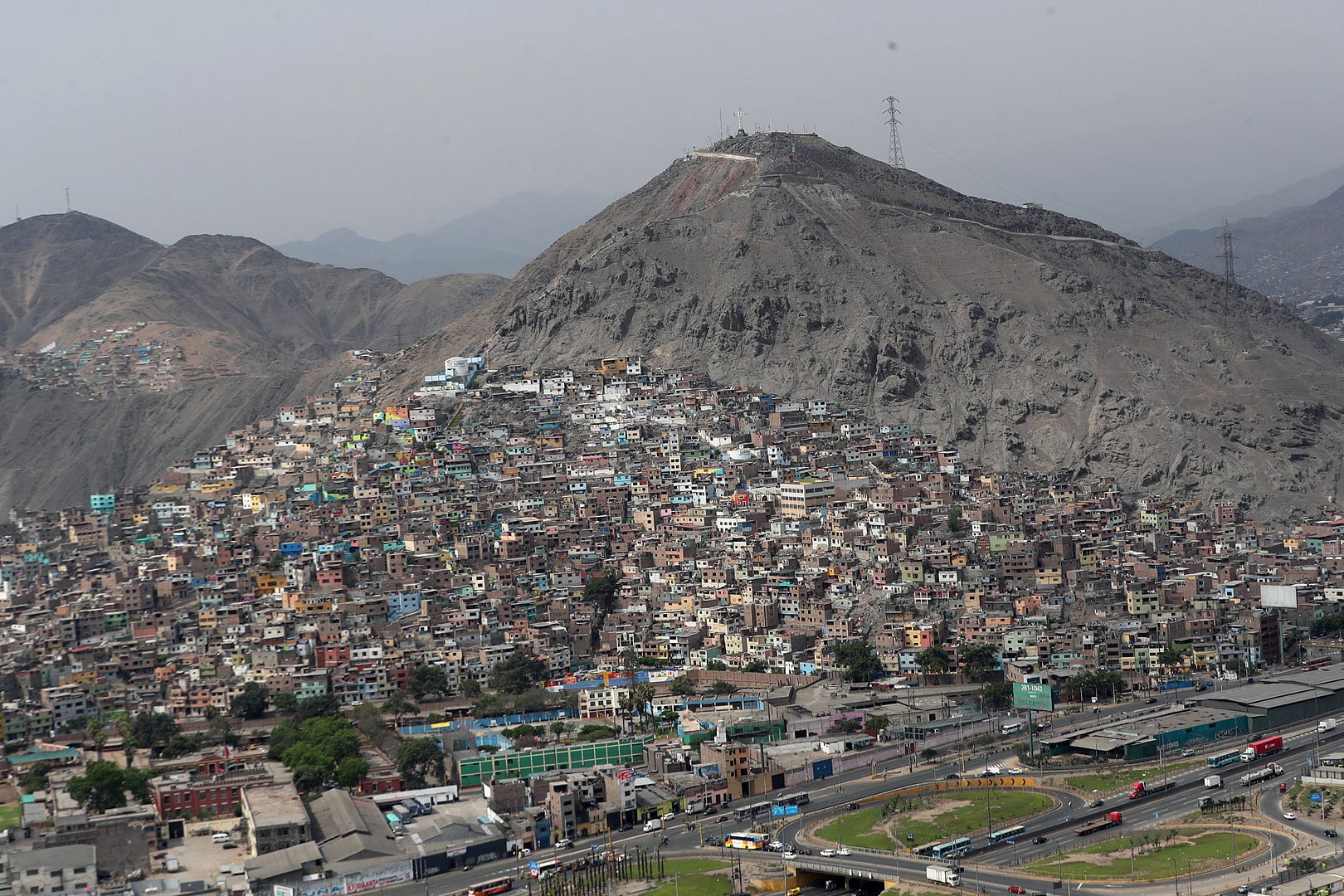
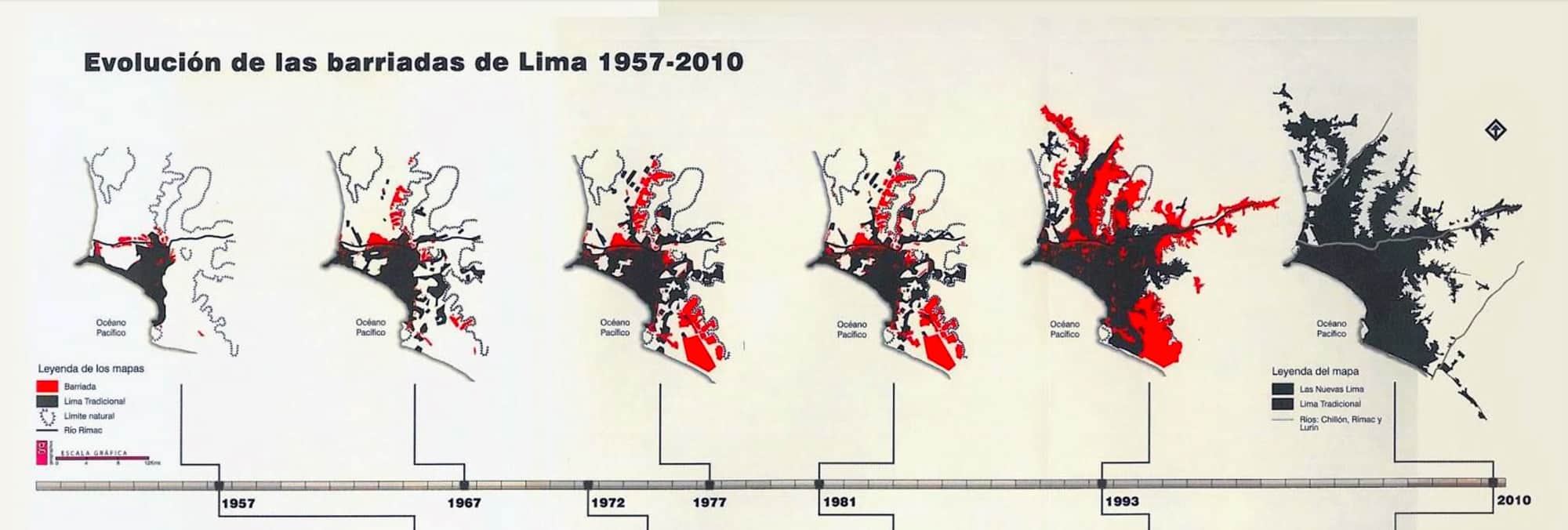
In the late 1950s, the Peruvian capital was undergoing exponential expansion. The historic center revealed then, as it does today, the grand ambitions of Spanish imperialism. But to the north and south, and increasingly upland to the east, vast territories were transforming into what are variously called barriadas, pueblos jóvenes, informal settlements, self-built housing, or slums. Between 1940 and 1960, the city’s population had tripled, from around half a million to 1.5 million. By the early 1990s, it had increased to over six million. This growth did not reflect a countrywide population increase: in 1940, less than ten percent of Peru’s population lived in Lima; by 1993, almost 30 percent of the country lived in the capital, and 70 percent lived in cities. 41 Over this period, across Latin America and the Caribbean, only the oil-producing states of Brazil and Venezuela had larger rural-urban migration patterns.
Vast territories were transforming into what are variously called barriadas, pueblos jóvenes, informal settlements, self-built housing, or slums.
A cliffside oasis, Lima is bounded by the Andes to the east, the Pacific to the west, and barren desert lands to the north and south. The location of its port at the midpoint of the Spanish Empire’s western coastline, where the Rímac River drops precipitously from the Andes, focused colonial attention on the city. (The port remains the hemisphere’s largest on the Pacific south of the Panama Canal.) Subsequent regimes continued to focus infrastructural and architectural investment on Lima, to the exclusion of other Peruvian cities, not to mention the hinterlands. After World War II, the national government sought to decrease dependence on imported goods by propping up Lima’s manufacturing base, and the capital attracted an outsize share of migrants from the countryside.
Peru’s political instability throughout the 20th century — and the continued neglect of rural development — also contributed to the rural-urban migration. After 1945, the country vacillated between democracy and military dictatorship every few years. No fewer than four military coups-d’état displaced democratically elected governments led by both center-left and center-right administrations. The first of these reflected widespread anger at crushing wartime austerity and postwar inflation; the cost of living in Peru rose by more than 250 percent during the 1940s. The unrest inspired a military takeover in 1948, launching the dictatorship of Manuel Odría (1948–1956), a rightwing populist who pursued a Peronist approach, blending expenditure on crowd-pleasing social programs — which made him popular with the poor — with free-market orthodoxy and harsh repression of the liberal, urban intelligentsia — which made him popular, for a time, with the oligarchs.
Attempts at liberal democracy followed. First came Manuel Prado, son of a former president, who had himself served as president from 1939 to 1945 and returned from 1956 to 1962. Next was Francisco Belaúnde, son of a former prime minister, who also served twice, from 1963 to 1968 and from 1980 to 1985. Prado was a conservative banker sympathetic to traditional institutions and industries; Belaúnde was a reform-minded architect who saw ambitious and technocratic infrastructural improvements as an opportunity to heal the fissures of a country long divided between its developed coast and underdeveloped sierra. His attempts, however, fell far short of the revolutionary demands emerging from the simmering discontent in rural regions. Even by mid-20th-century standards, Peru’s land tenure system was among the most unequal in all Latin America, and calls for reform accelerated. 42 As in so many rural leftist movements, the consolidated ownership of agricultural land — and the repeated, failed promises of reform — sparked radicalization.
Virtually every large and midsized city from Mexico City to Manila, Dakar to Delhi, has experienced the uncontrolled growth of substandard, resident-built housing.
All these elements of Peruvian political thought — military dictatorship, liberal technocratic reform, revolutionary Marxism, and revanchist conservatism — persisted throughout the second half of the 20th century. Amid this tumult, the underdevelopment, exploitation, and violence in the countryside, alongside the corruption and lopsided subsidy of industrialization in the center, served to accelerate the dramatic rural-urban population shift. Lima’s rapid urbanization resulted, of course, in the explosive growth of informal settlements. This phenomenon was by no means unique; virtually every large and midsized city from Mexico City to Manila, Dakar to Delhi, has experienced uncontrolled growth of substandard, resident-built housing. But facing an extreme version of this global phenomenon, Peru’s political culture provided a unique testbed for housing policy.
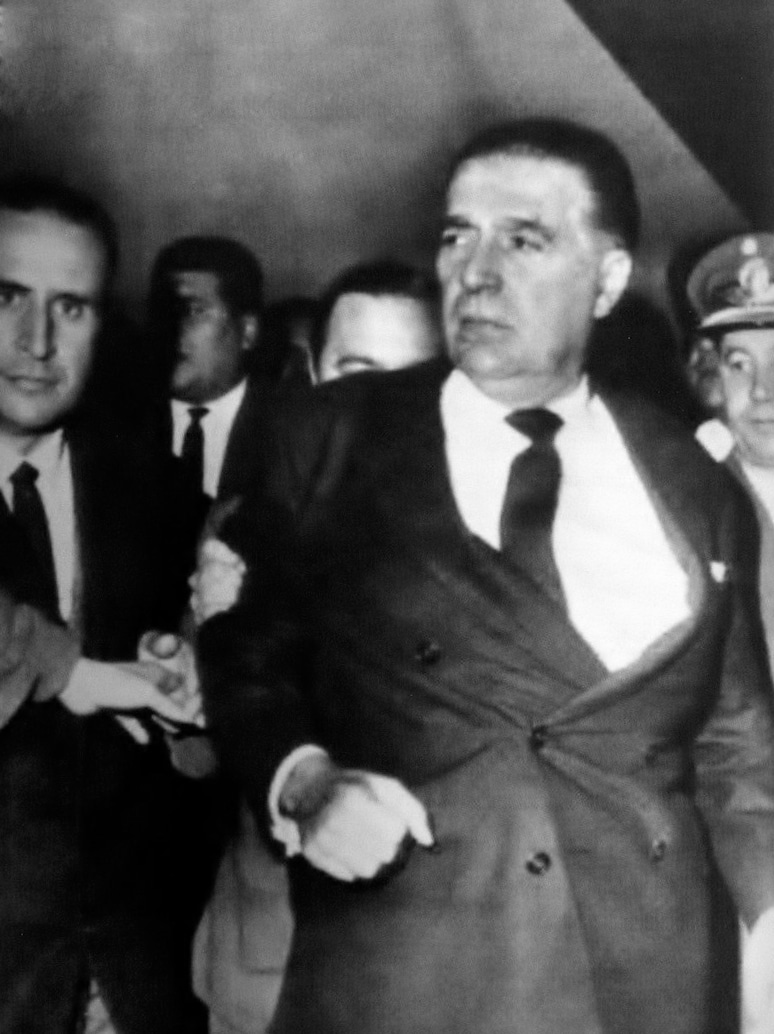
Before Belaúnde entered politics, he was an architect, city planner, and the founder and publisher of El Arquitecto Peruano, a magazine that fostered much of the nation’s architectural culture.43 The concurrent influences of the Charter of Athens and the New Deal in the United States deeply impressed the young Belaúnde, who studied architecture at the University of Texas at Austin between 1930 and 1935. As shocking as he found the immiseration he witnessed during the Great Depression, he also found inspiration in the dawning of a technocratic, statist approach to widespread poverty, watching with fascination as New Deal agencies mobilized professional, centralized planning in pursuit of public welfare.
When he returned to Peru in 1936, he designed private homes and taught architecture at the National Engineering College in Lima, where he soon became dean. Ever the progressive technocrat, Belaúnde was convinced that “an ‘economical system’” was needed to address the social and political emergency of the exploding barriadas, one that “must necessarily be provided by modernist architecture, in the form of large-scale, state-backed housing projects in the service of a developmentalist agenda.” His preferred approach was to foment an New Deal–style “public sector powerful enough to drive the country’s economic and social modernization.” But for Pedro Beltrán, an ultra-conservative economist and newspaper publisher who also served as Prime Minister between 1959 and 1961, strengthening the private market and encouraging homeownership among low-income urban migrants could only “emerge more indirectly, through reforms to mortgage finance that would encourage the flow of private capital into housing.” 44
Tensions between the promotion of state-driven mass housing schemes or ownership of modest, self-built housing have defined the debate ever since.
In addition to promoting a prominent role for the public sector in addressing Peru’s urban housing needs, Belaúnde presided over innovative pilot projects like the famed PREVI, conceived in 1965 for a site then on Lima’s outskirts for which the United Nations commissioned thirteen international and thirteen Peruvian architects to design a new neighborhood that would rely on residents to build out over time, long after the formal design process had concluded. PREVI proves how incremental approaches to resident-built shelter were starting to influence the architectural vanguard.
The coup that removed Belaúnde from power in 1968 threatened to derail his attempts to address the exploding growth of informal settlements. The tension between promoting state-driven mass housing schemes or ownership of modest, self-built housing has defined the contours of the debate about low-income neighborhoods in Peru ever since. It has also, more recently, given rise to a new orthodoxy about the power of deregulated markets, strong private property rights, and government austerity through the work of Hernando de Soto, a conservative Peruvian economist who argues that “informal housing and other forms of unregulated and illegal economic activity [are] a symptom not of economic backwardness but of over-regulation by the state. Simplifying the process of registering property ownership would turn dead assets into live capital, and transform every home owner into a capitalist entrepreneur.” 45 De Soto’s work has exerted a far greater influence on international development policy than Turner’s has — and it has done so in ways that have clouded the latter’s legacy.


In 1963, six years after he arrived in Peru, the influential editor Monica Pidgeon invited Turner to guest edit an issue of the British publication Architectural Design. 46 Turner titled his volume “Dwelling Resources in South America,” foregrounding his intention to reframe informal settlements — and the energy, ingenuity, and agency they comprise — as opportunities, not failures. He invited contributions from frequent collaborators like Mangin and architect and fellow Architectural Association alumnus Patrick Crooke, alongside case studies of projects in Venezuela, Chile, Colombia, and Peru that showed “the vital need for housing agencies to come to terms with popular resources and efforts if significant improvements in housing conditions are to come about”; the magazine promoted this special issue as “probably the first formulation of an architect’s approach to this problem in political, social and personal relations.” 47 Turner writes that he chose projects to highlight “not to show what architects and planners are doing in South America (and in most other parts of the world) but what they should be doing.” 48
Turner’s Legacy on a “Planet of Slums”
In 1976, the United Nations convened the first U.N. Habitat conference in Vancouver in response to the growing recognition that “urbanization and its impacts were barely considered by the international community, but the world was starting to witness the greatest and fastest migration of people into cities and town in history.” 49 John Turner was a featured speaker. The anarchist architect had become an inspiration for this most global of institutions.

Reporting from the conference, the AIA Journal set the context:
Turner’s ideas have been a major influence on the turnaround to upgrading squatter settlements and sites and services projects in Asia, Africa and Latin America, and on the World Bank’s financial support. It is essentially the success of these projects, documented in official films as well as in case study presentations in the symposium, which underlies the absence of controversy over this approach and to [sic] the clarity of language in the main conference’s recommendation on construction by the “informal sector” — people building at small scale. 50
This dispatch overlooked some real controversy. As Felicity D. Scott shows in Outlaw Territories (2016), her authoritative account of how the discipline of architecture was conscripted into global attempts to suppress insurgencies by the urban poor in the 1960s and 1970s, the World Bank and other Bretton Woods institutions adopted the idea of self-help housing into an emerging neoliberal agenda. 51 Scott details one of the many tragic ironies of this shift, describing an architectural competition for the resettlement of slum-dwellers in Tondo, Manila, to be displayed in a conference exhibition called Habitat: Toward Shelter. The winner, a New Zealand architect named Ian Athfield who had never been to the Philippines, proposed “that the limited public funding be dedicated not to housing as such” but to assembling resources to self-build housing, along with a “working periphery” of light industry that would function both as a neighborhood-scale perimeter wall and an opportunity for local employment in nonpolluting, small-scale manufacturing. According to the architecture critic of the Washington Post, the “most interesting solution to the problem of ‘squatter settlements’ so far proposed at Habitat are do-it-yourself houses made of coconut palms.” 52
The discipline of architecture was conscripted into global attempts to suppress insurgencies by the urban poor in the 1960s and 1970s.
Competition organizers completely ignored the fact that the Philippines was under martial law during the kleptocratic dictatorship of Ferdinand Marcos. His government was forcibly displacing residents of Tondo from the informal settlement they had called home for over 30 years, and sought to rehouse these well-organized and politically inconvenient citizens at the competition site. Protests led by the Filipino-Canadian community of Vancouver in solidarity with Tondo’s evicted residents proved awkward for a conference whose mission was to recognize the humanity inside the urgency of rapid urbanization. While many conference organizers (and the architectural press) dismissed the protests, Turner was quick to stress an important distinction between the terms of the architectural competition and the concepts of self-help housing more broadly: “Economists, planners and architects unwittingly contribute to the situation in Tondo, where the people have no participation in decisions affecting their living conditions.” 53 In an article about the controversy, he elaborates: “In displaying the results of the International Architecture Competition for Manila in a prominent downtown gallery, the U.N. Habitat Conference gives tacit approval to a project that was set up in violation of the goals expressed in the conference’s declaration of principles.” And he goes beyond this episode to articulate a broader argument about the role architects and other professionals can —and cannot — play in such schemes: “Technological neutrality is a myth.” 54


The Tondo episode illustrates how international institutions eager to respond to emergent realities of rapid urbanization in the 1970s overlooked the central tenet of Turner’s work: the idea that vulnerable people should be able to decide what housing options were best for them. Instead, policies derived from a distorted interpretation of his ideas emphasized only those aspects that served to justify the withdrawal of government subsidies for housing. Such sites-and-services projects envisioned government action as policy reform, limited to the provision of “secure land tenure or occupancy, a flexible building code allowing diverse architectural forms and materials, and the notion that housing would be built over time and not fully constructed at a given moment.” 55 Michael Cohen, a disciple of Turner’s who witnessed firsthand the imperfect translation of Turner’s principles to World Bank projects, describes how the Bank urged local governments eager for development loans “to adopt low, affordable standards … so that participating households could cover the full costs of these improvements and not rely on government subsidies. This emphasis on ‘cost recovery’ became a dominant feature of international aid for housing and infrastructure projects and thus forced a lowering of standards to previously unthinkable levels.” 56
Almost as soon as powerful people started paying attention to Turner, he tried to sound the alarm. His most original contribution was consistently ignored.
Almost as soon as powerful people started paying attention to Turner, he tried to sound the alarm. Cohen gives the example of an early sites-and-services project in Dar es Salaam, Tanzania, about which Turner warned that the “housing and infrastructure standards were too low” to attract the intended population; the World Bank team responsible for the project ignored his advice. 57 Nonetheless, his reputation has remained linked to these types of projects. The far more original contribution of his thinking was the aspect that was consistently ignored: his emphasis on dweller’s control of the housing process. 58
Turner’s 1972 book Freedom to Build, co-edited with Robert Fichtner, in which his famous essay “Housing as a Verb” first appeared, presents case studies of the failure of top-down housing programs from around the world to support the central argument that “housing should be understood as a process, not as a capital investment.” 59 That same year, the World Bank officially inaugurated the sites-and-services approach with a demonstration project in Dakar, Senegal. Meanwhile, back in the United States, the demolition of the notorious Pruitt-Igoe public housing project began in St. Louis, Missouri — signaling, to some, “the bankruptcy of an important program of social transformation through modernist design, and, by implication, the return to traditional patterns of urbanism.” 60 While the factors that doomed Pruitt-Igoe are much more complex than the failure of any particular architectural strategy, Turner agreed with the negative evaluations, citing Pruitt-Igoe as an example of “coercive” architecture that denied rather than enabled the agency of residents. 61


While the idea of self-help housing sought to move beyond architectural solutionism, sites-and-services projects (as articulated by the World Bank and adopted by a host of other development aid institutions like USAID and the U.N., as well as influential philanthropies such as the Ford Foundation) soon came to be examples of coercive economics. According to Cohen, “If the architects had been authoritarian before 1970, they were replaced by the inexorable logic of the economists who insisted that subsidized projects would sharply reduce the supply of housing while also undermining public budgets.” 62 In the years that followed, macroeconomic emergencies, including the 1973 oil crisis and the Latin American debt crisis of the early 1980s, helped to justify a brutal program of structural adjustment instituted by the World Bank and the International Monetary Fund, requiring austerity budgets from debtor nations while promoting the privatization of industry and the liberalization of trade. Accelerating neoliberalism “further sealed the argument that housing the urban poor should not become an additional source of haemorrhage in national budgets.” 63
Indeed, going back to the source of Turner’s original insights, Helen Gyger’s account of the full variety of aided self-help housing schemes in Peru between the 1960s and 1980s reveals that,
although aided self-help housing promised a means of resolving a housing crisis that conventional architectural techniques had failed to meet, it quickly encountered the seeds of its own failure — at the political level, the organizational level, the implementation level, and perhaps most crucially, the funding level. Despite the promises of technical assistance to self-builders, in practice the needed resources and trained staff often failed to appear, suggesting that the rhetoric of self-help could simply become a mask to validate the state’s disengagement from housing provision. 64
Mike Davis, whose explorations of power and class rank him among the most trenchant analysts of global urbanism on the left, singles out Turner’s ideas as responsible for the rapid acceleration of informal settlements. In his 2005 masterpiece Planet of Slums, he writes: “As Third World governments abdicated the battle against the slum in the 1970s, the Bretton Woods institutions — with the IMF as ‘bad cop’ and the World Bank as ‘good cop’ — assumed increasingly commanding roles in setting the parameters of urban housing policy.” 65 During this period, the Bank was led by Robert McNamara, Secretary of Defense during the Kennedy and Johnson administrations. Davis calls the “intellectual marriage” between the chief planner of U.S. involvement in the Vietnam War and the anarchist architect “supremely odd,” and condescendingly dismisses Turner in Peru as being “mesmerized by the creative genius he discerned at work in squatter housing.” Davis does concede that Turner (in collaboration with Mangin) was an especially effective proponent of the capacities of slumdwellers. 66 But, “despite its radical provenance,” Davis continues, “Turner’s core program of self-help, incremental construction, and legalization of spontaneous urbanization was exactly the kind of pragmatic, cost-effective approach to the urban crisis that McNamara favored.” 67
Turner’s admiration for the rationality and resourcefulness of poor families was subsumed in efforts to extend capitalism.
According to Cohen, “Turner had neither imagined nor endorsed the dominance of this economic principle as applied to self-help housing.” 68 While it is true that “Privatization of public services was logically consistent with Turner’s initial claim that governments were ineffective providers of housing and services, … the intellectual fervour of privatization advocates, supported by Margaret Thatcher, Ronald Reagan, and the Bretton Woods institutions led often to the corrupt sales of public assets and few benefits for the public.” 69 By the late 1980s, these institutions adopted a set of economic policy prescriptions for countries undergoing financial crises known as the Washington Consensus, which doubled down on the requirement that poor countries should reduce barriers to free trade, privatize public services, and reduce government involvement in service provision or regulation. The author of these principles was the British economist John Williamson, yet, by his own account, much of his intellectual inspiration came once again from Peru, through the work of Hernando de Soto, the development economist whose ideological commitment to property rights and deregulation so deeply influenced the Bretton Woods institutions. 70


In this complex context, Turner’s insistence on secure tenure was transformed into recommendations for speculative ownership. His admiration for the rationality and resourcefulness of poor families was subsumed in efforts to extend capitalism (and its supposedly pacifying effects) to the urban underclasses of rapidly growing cities. Lost in translation was the primary insight: that housing is a process in which the occupants should be able to decide what is best for them.
Reclaiming Agency
Between 1972 and 1998, the World Bank invested $14.6 billion in 100 sites-and-services projects in 53 countries around the world. 71 Many of them never met their targets for numbers of people housed, and the Bank began to try new approaches to slum upgrading. One former World Bank economist told me, anecdotally, that planners observed how often families with construction capacity would take the provided lot, improve it, and rent it to a different family, thus gaining some additional income, but sacrificing the sanitation upgrade by returning, themselves, to an unauthorized slum that was often closer to their jobs and social networks. Official reports described this phenomenon as the “leaking of project benefits to the better off,” sometimes blamed on “unrealistic plot sizes … too big to be maintained by allottees, [and] translating to subletting and lack of maintenance.” 72 The land designated for such projects — often chosen for its low price — too often ignored the prime directive for all real estate: location, location, location. Cohen explained the shortcomings of the program to me succinctly. World Bank leadership and its rank-and-file planners, an outsize share of them trained as economists, “never understood space; [they] thought sites were dots on a graph.” 73
We still face the challenges that inspired international development institutions to take urban poverty and housing insecurity seriously 60 years ago.
Recently, though, a reconsideration has been underway. In an article tellingly titled “Success When We Deemed It Failure?” three sustainable-development experts looked at fifteen projects in Mumbai and Chennai, India, in 2015, several decades after the shift away from the sites-and-services approach. They found that “these projects appear to have achieved remarkable success in delivering not only housing but also neighborhoods that are livable and inclusive.” 74 The authors credit the variety of plot sizes for attracting a range of families of different incomes whose investments in incremental additions to housing units resulted in a dense mix of rental and owner-occupied units. The layout of streets and alleys of differing scales, and the provision of lots for commercial and sometimes industrial uses contributed to apparently “livable and inclusive” communities. A 2022 World Bank report, “Reconsidering Sites and Services,” offers a global review of the approach, acknowledging that “the determination of past sites-and-services performance was either made too early or used narrowly defined metrics.” This report’s authors attribute the mid-1990s abandonment of the practice to a shift from investing in discrete neighborhood-based projects to larger-scale policy reform aimed at improving the “functioning of citywide markets for land and housing.” 75
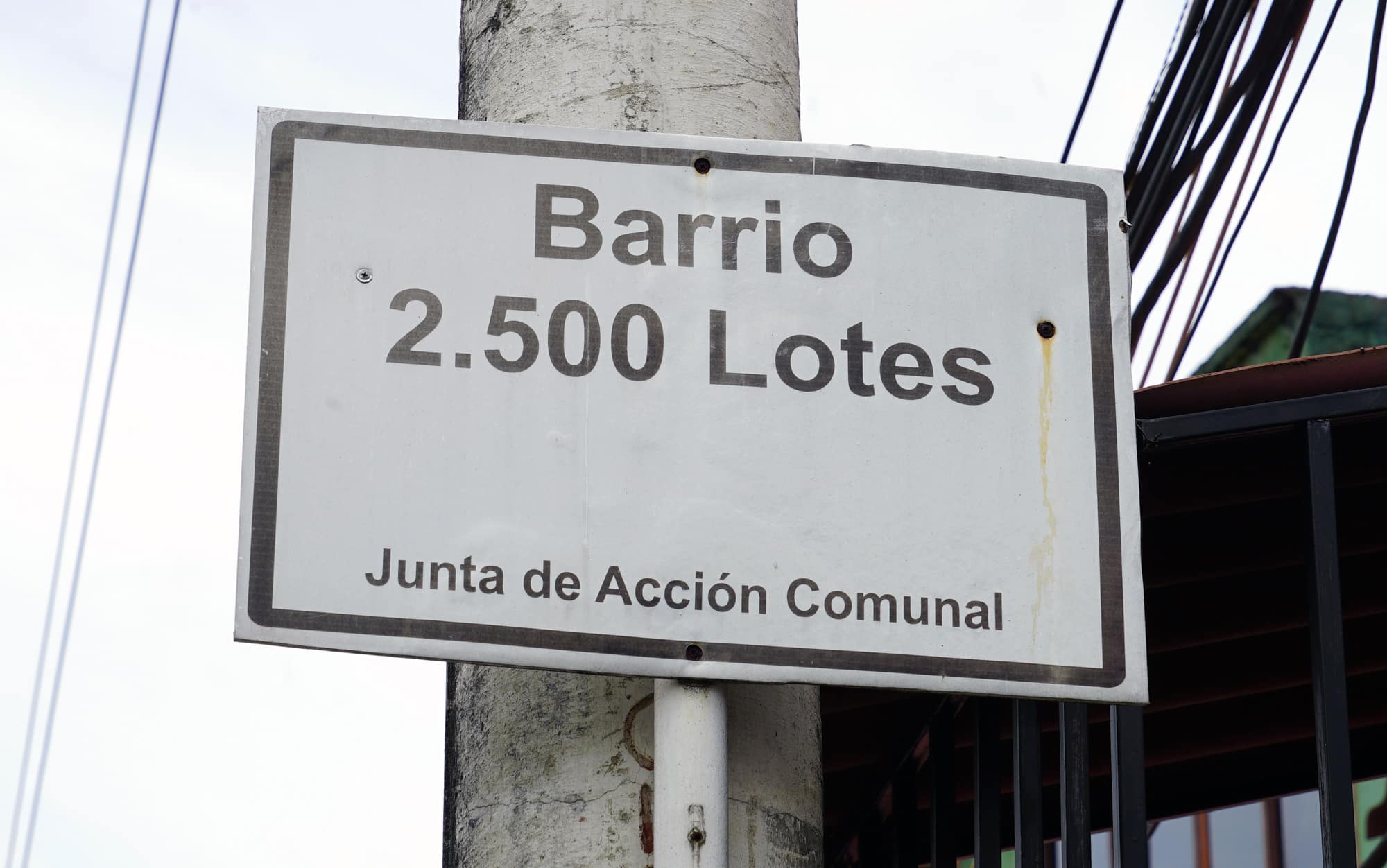
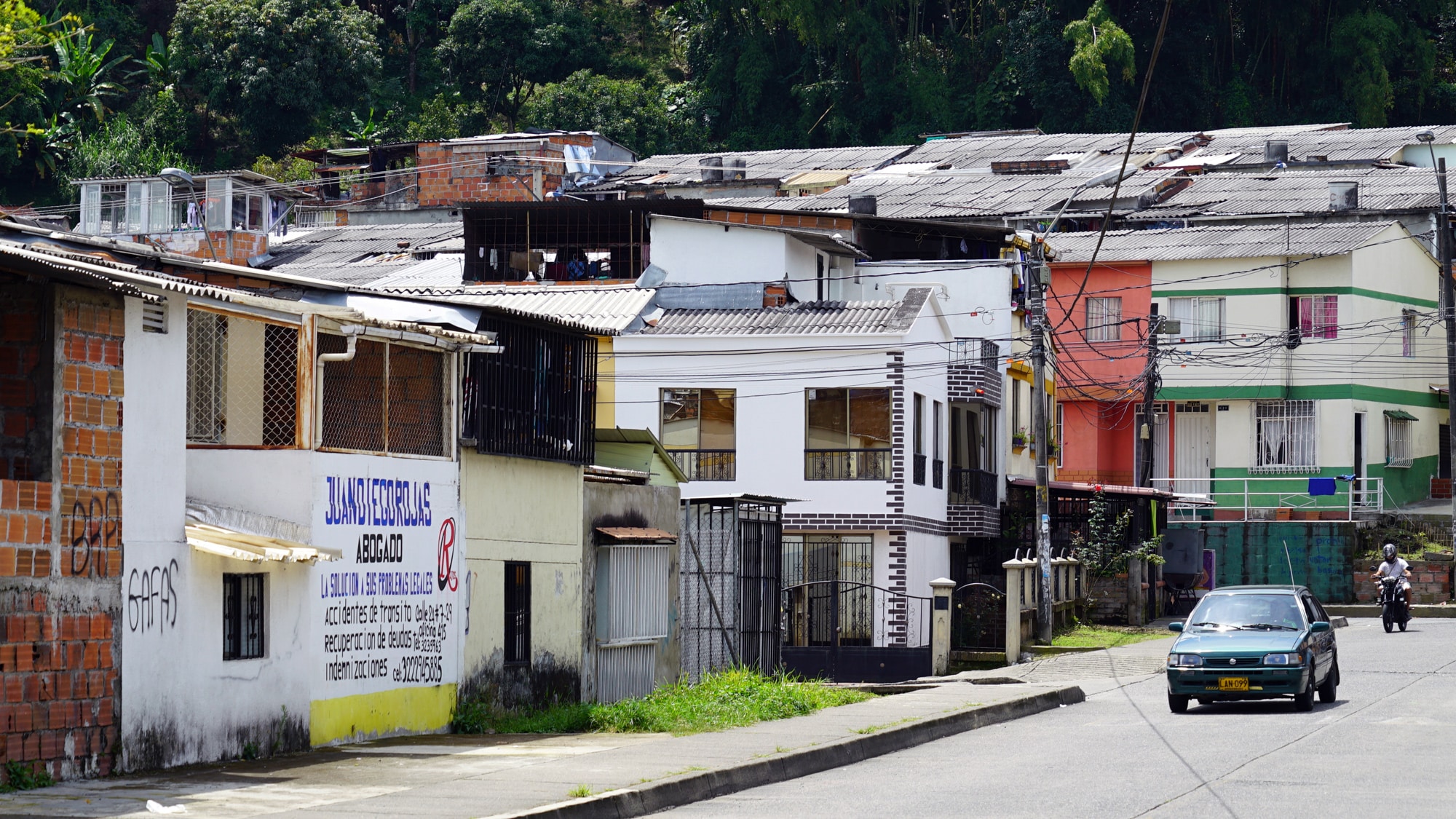
Today, the Bank has moved past a binary debate between “a singular focus on targeted interventions, on the one hand, and policy, regulatory, and institutional reform, on the other,” conceding that “a mix of both is required.” 76 Sheila Kamunyori, Senior Urban Specialist at the Bank and the recent report’s lead author, told me that many of the local and national government officials they work with “like to see projects and like their constituents to see projects.” But the resuscitation of sites-and-services is not just about the visibility of new housing, as compared to invisible policy reforms. We still face the challenges that inspired international development institutions to take urban poverty and housing insecurity seriously 60 years ago. Now, Kamunyori told me, discrete neighborhood projects are no longer seen as generating benefits for that neighborhood alone: “The project may be tiny, say ten acres, but the hope is that whatever you do will also improve conditions at the urban scale.” 77 New sites-and-services projects are being planned in Rwanda, Argentina, and Vanuatu, in ways that combine elements of aided self-help housing on vacant land with a range of approaches including upgrading existing slums and continuing to support policy changes to increase the supply of affordable homes.
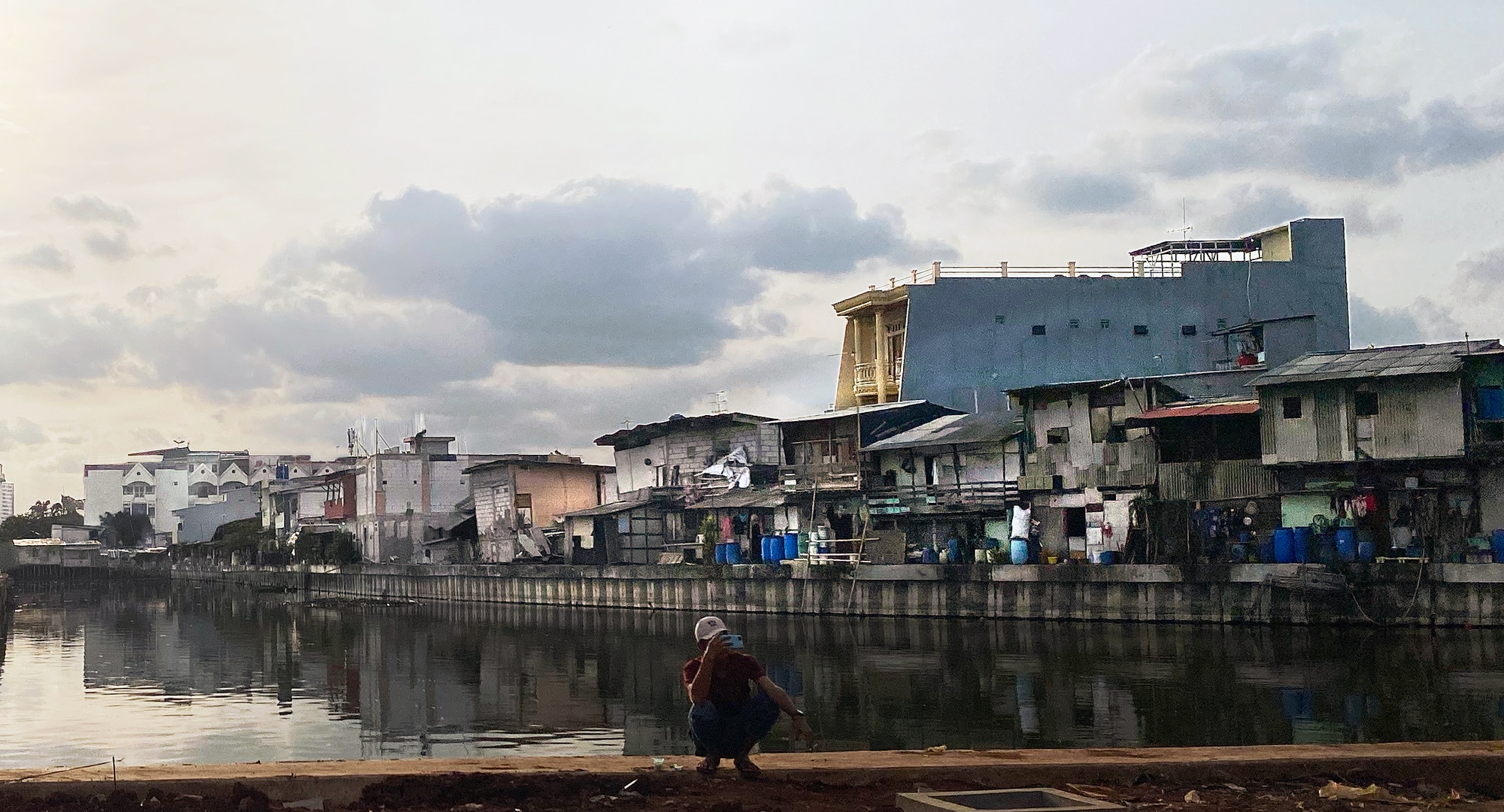
As urbanist thought has evolved to appreciate higher densities and a mix of tenure systems (including sectional property rights and community land rights), international development projects have increasingly recognized the need to integrate income-generating potential — deriving from incrementally constructed onsite rental apartments or from local employment opportunities — into plans for new housing. I have visited several sites-and-services projects myself, in Colombia, India, and Pakistan. Some are abandoned. Others (and my sample is unscientific) are bustling, mixed-income neighborhoods, indistinguishable from nearby areas that evolved without external planning and financing.
Responses have become more interdisciplinary, yet Turner’s central insight awaits true integration into mainstream urban thought. Housing is a process.
For me, the reason to revisit the legacy of John Turner is not to vindicate World Bank housing policies, which, like all such large-scale strategies, work well for some households but not others. Today, technocracy and the neoliberal project are still ascendant, even if tempered by increased recognition of the need for holistic, interdisciplinary understanding of urban environments and the multiple factors that can define “success” in housing provision, especially for residents. So, while we now have development planners affirming goals like the creation of mixed-use and mixed-income neighborhoods, we still have work to do to integrate Turner’s primary lesson. Like Geddes before him, Turner recognized that cities are complex ecosystems that cannot be reduced to tidy categories of expertise, whether economic, architectural, or political. The law of supply and demand doesn’t work so well for the commodity that is the primary locus of family life: the home. Public budgets to address shortfalls in housing stock will always be limited by larger forces, such as the architectural determinism that, through manifestoes like the Charter of Athens, defined the modern movement’s response to urbanization; the racism that helped to destroy Pruitt-Igoe (and so much other tragic displacement by demolition); or the free-market dogma that continues — despite sincere, internal questioning of the efficacy of the neoliberal agenda — to influence institutional responses to poverty. 78


After leaving Peru, Turner moved to Cambridge, Massachusetts, where he worked at the Joint Center for Housing Studies and lectured at MIT. There, he began to apply what he had learned in Peru to housing issues in the Global North, authoring reports on self-help housing in the U.S. for the Department of Housing and Urban Development and continuing to ask, in his research, what conditions might support greater agency on the part of poor and housing-insecure people. He returned to London to teach in 1973 and to the rural, seaside redoubt of Hastings in 1989, where he has applied insights gained around the world to the sustainable development of his own town until his death, at age 96, in September 2023. 79 There, as everywhere, vesting decision-making power in the people most affected by development decisions requires effort, determination, and a commitment to observation and analysis of the nuances of place.
These days, urbanism’s embrace of words like “ecological” or “holistic” have made them clichés, no longer as radical as they were when architects and planners first used such terms to reject top-down solutionism. But while responses to urbanization’s many challenges have become much more interdisciplinary than they were under the regimes of coercive architecture and coercive economics, Turner’s central insight still awaits true integration into mainstream urban thought. Housing is a process. The people best equipped to decide how to manage that process are those who understand their own needs, their own neighborhoods, and the manifold ways that where we live enables how — and how well — we live.


If you would like to comment on this article, or anything else on Places Journal, visit our Facebook page or send us a message on Twitter.