
Donlyn Lyndon, Cofounder of Places, Dies at 90
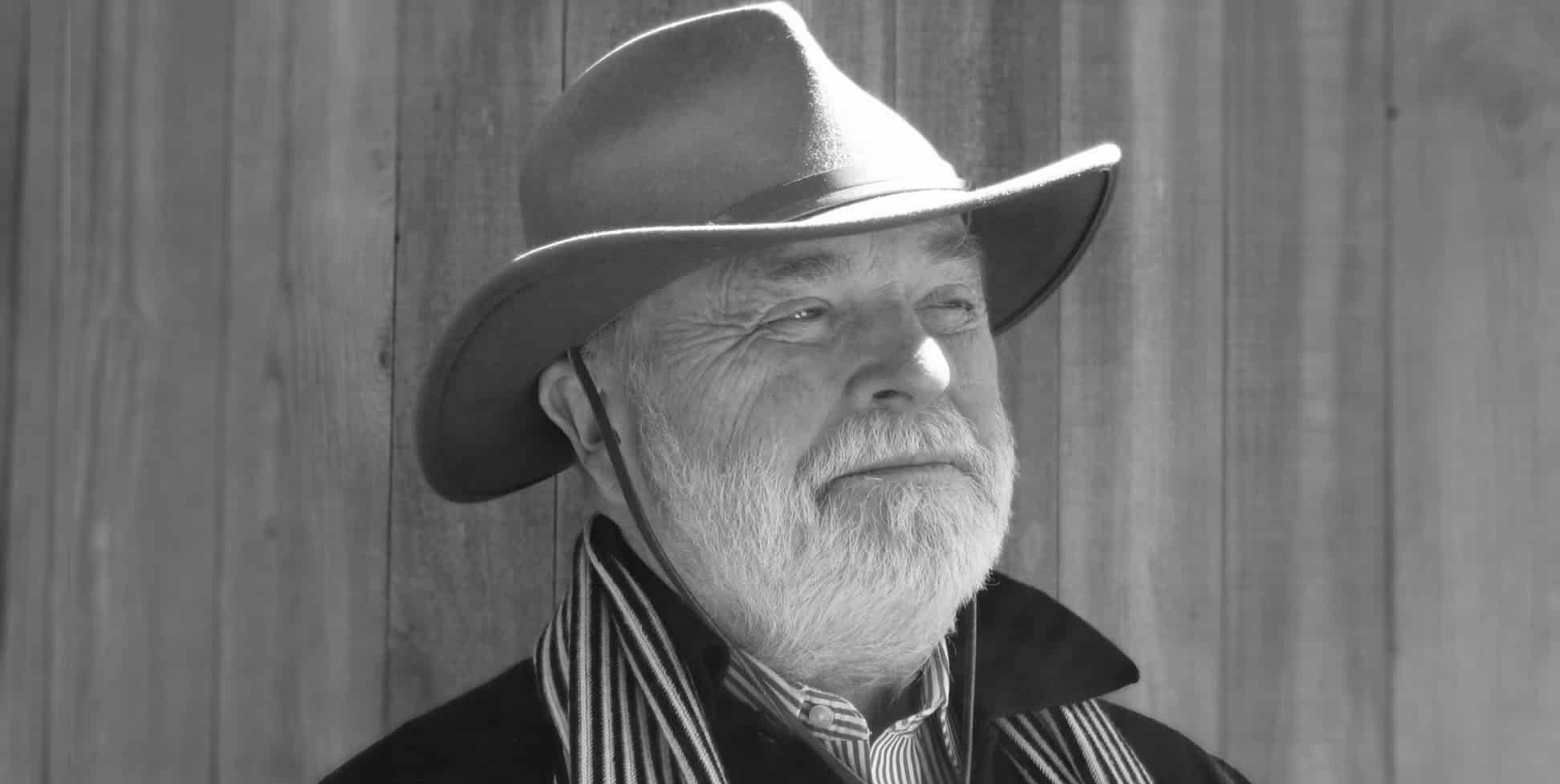
We were saddened to learn of the death of Donlyn Lyndon, an influential architect, longtime UC Berkeley professor, and cofounder of Places Journal. He died in his home at Sea Ranch on April 5, aged 90. Places board member and Berkeley professor Harrison Fraker, who knew Donlyn well as a colleague and friend, shared with us his recollections.
Donlyn Lyndon, architect, teacher, editor, writer, critic, mentor, father, and husband, will always be remembered for his part in creating Sea Ranch, with its compelling vision for how architecture and community can be inspired by the particular climate and landscape of a place. Donlyn’s careful stewardship of Sea Ranch, including his own contribution of charming houses right up to his passing, is widely and rightfully admired. Yet it is the impact of his career beyond Sea Ranch that warrants equal, if not greater, attention.
Beyond teaching at UC Berkeley, MIT, and University of Oregon, Donlyn was a force behind many substantive initiatives and contributions to the field, not the least of which was cofounding Places, along with William Porter, in 1983. Donlyn served as editor of Places for the next 25 years and was a constant voice for the importance of “place making” as an inspiration for the design imagination. In addition, he helped develop the regional application of the Mayors’ Institute on City Design; served as a founding faculty member of the Sustainable Urban Design program at Lund University; and was an important contributor to the International Laboratory of Architecture and Urban Design, among such visionaries as Alison and Peter Smithson, Aldo van Eyck, and Giancarlo di Carlo.
Donlyn was a tough yet inspiring design critic. Skeptical of fashionable design theories, he challenged students and colleagues with penetrating and arresting questions. At the same time, he expressed great empathy for students’ struggles in the design process and thus became a treasured lifelong mentor for countless graduates.
As a longtime colleague and friend of Donlyn’s, I will remember him as a provocative voice in the making of places, “so that they will stand, stir, accommodate, intrigue, sustain attention, and take a rightful place in people’s lives.” His role as provocateur is best captured in the poetry of one of his questions: What does the land, in its patience and ancient wisdom, ask of us as its guests?