

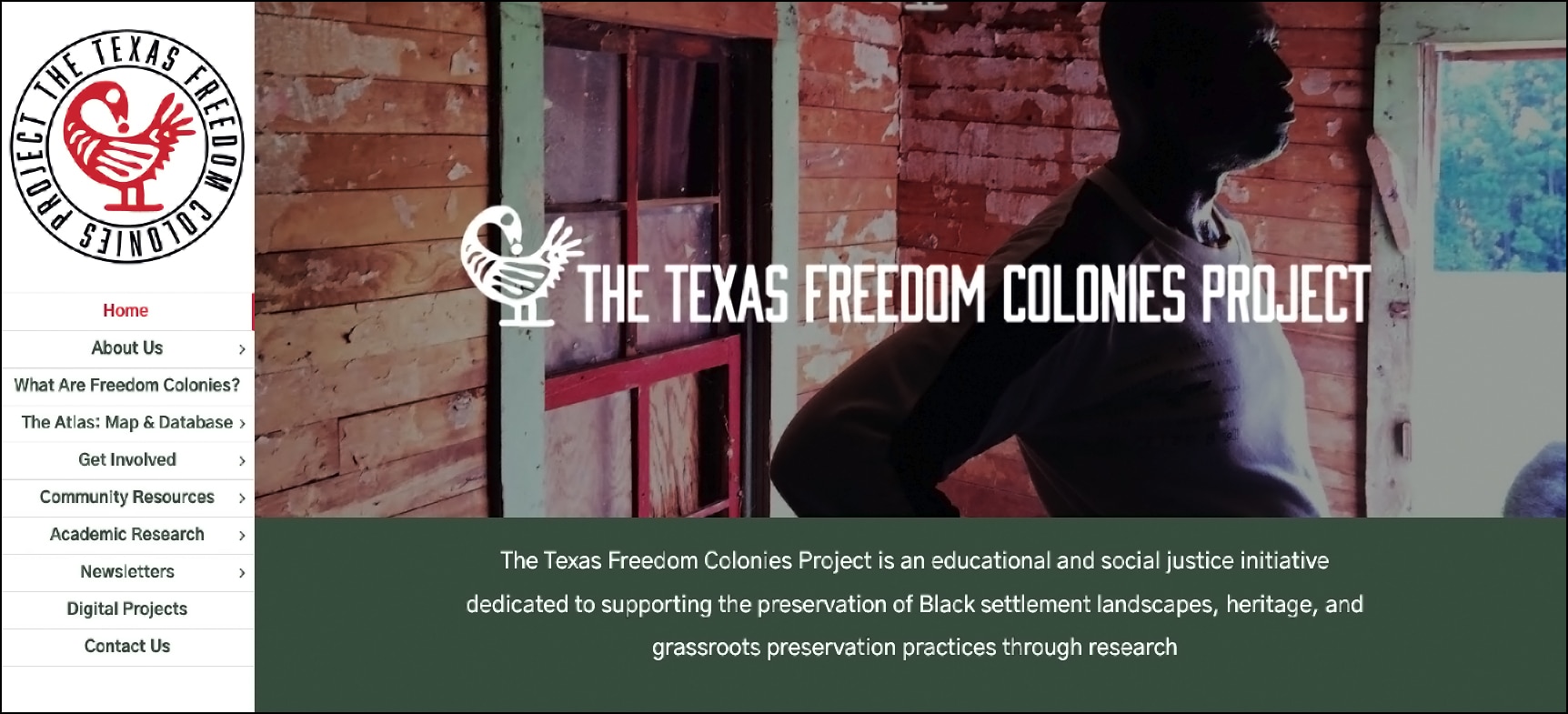
Dr. Andrea Roberts’s engaged public humanities scholarship endeavors to move disappearing African American communities — places facing sprawl, gentrification, and resource extraction — from the margin to the center of public discourse and research. Under the auspices of The Texas Freedom Colonies Project, founded in 2014, she mentors and trains future planners, preservationists, scholars, students, and community-based researchers to challenge the invisibility of freedom colonies, which are towns and settlements founded by free Black people across the south from the decades following the Civil War until after the First World War. The Texas Freedom Colonies Project addresses the environmental injustice and land loss such localities often face, by working with descendant communities to foster the co-collection and co-curation of heritage materials, and the creation of counternarratives about these active cultural landscapes. The Texas Freedom Colonies Project Atlas & Study, an interactive database, allows participants to search for and add transdisciplinary materials like photographs, interviews, and video recordings to an expanding map. 1
Dr. Danielle Purifoy works with other scholars in an interdisciplinary collective called Mapping Black Towns, housed at the University of North Carolina Chapel Hill. 2 Her interest in locating Black-founded places across the U.S. and beyond is grounded in efforts to identify environmental concerns faced by inhabitants of these towns and settlements. Drawing from critical geography, Black ecologies, and environmental law, Purifoy considers how the continuation of plantation regimes since the mid-19th century has led to persistent forms of extractive development targeting Black communities, wherever they exist. She works to unearth the historical conditions that have produced contemporary environmental injustice, in order to shape future thinking about place, ecology, and freedom.
My keen interest in these scholars’ work arises from its transdisciplinarity. Roberts and Purifoy explore the praxes of Black placemaking across multiple timescales, and study threats to Black communities across the south and around the country — along with an array of models for addressing, mitigating, and resisting those threats. As a literary geographer, my own research examines Black women writers’ depictions of transnational migrations, and the ways in which conceptions of identity and home shift as characters in these narratives set out on the move.
As nationalisms continue to beset Black women wherever they reside, I look to thinkers like Roberts, Purifoy, and their colleagues, who are modeling new ways of building community and facilitating belonging, in modes resistant to and unbounded by the exclusionary strictures of nationalism.
I sat down with Roberts and Purifoy to discuss their work in mapping, planning, preservation, geography, and placekeeping.
− Maia L. Butler
Maia L. Butler: I’m interested to speak to both of you about approaches to researching, archiving, and uplifting Black places. How do you define this classification? What kinds of places do your projects feature?
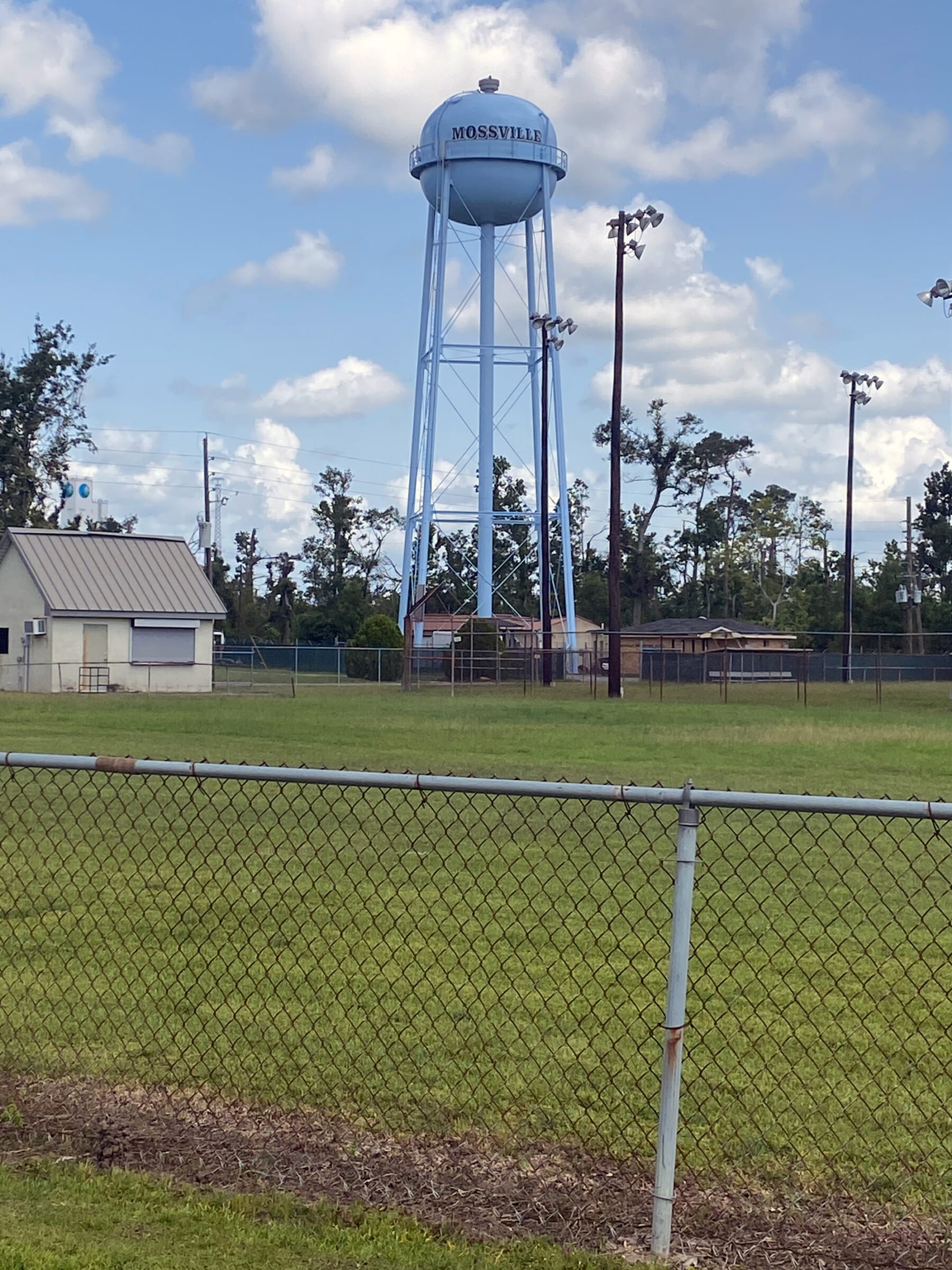
Danielle Purifoy: I think about Black geographies as an encompassing rubric, and a lot of my research has focused on Black-founded places. I define this broadly, because colonial forms of place categorization are troublesome for Black communities. I think about sites like Princeville, North Carolina — which is a legally incorporated postbellum Black town, founded in 1885 — and Mossville, Louisiana, dating back to 1790 — which, in its original form, has all but disappeared, due to recent buyouts from the oil industry. Mossville is about the same size as Princeville, but differs in never having had legal recognition, though it still functions as a place.
How do you define the classification ‘Black place’? What kinds of places do your projects seek to research, archive, and uplift?
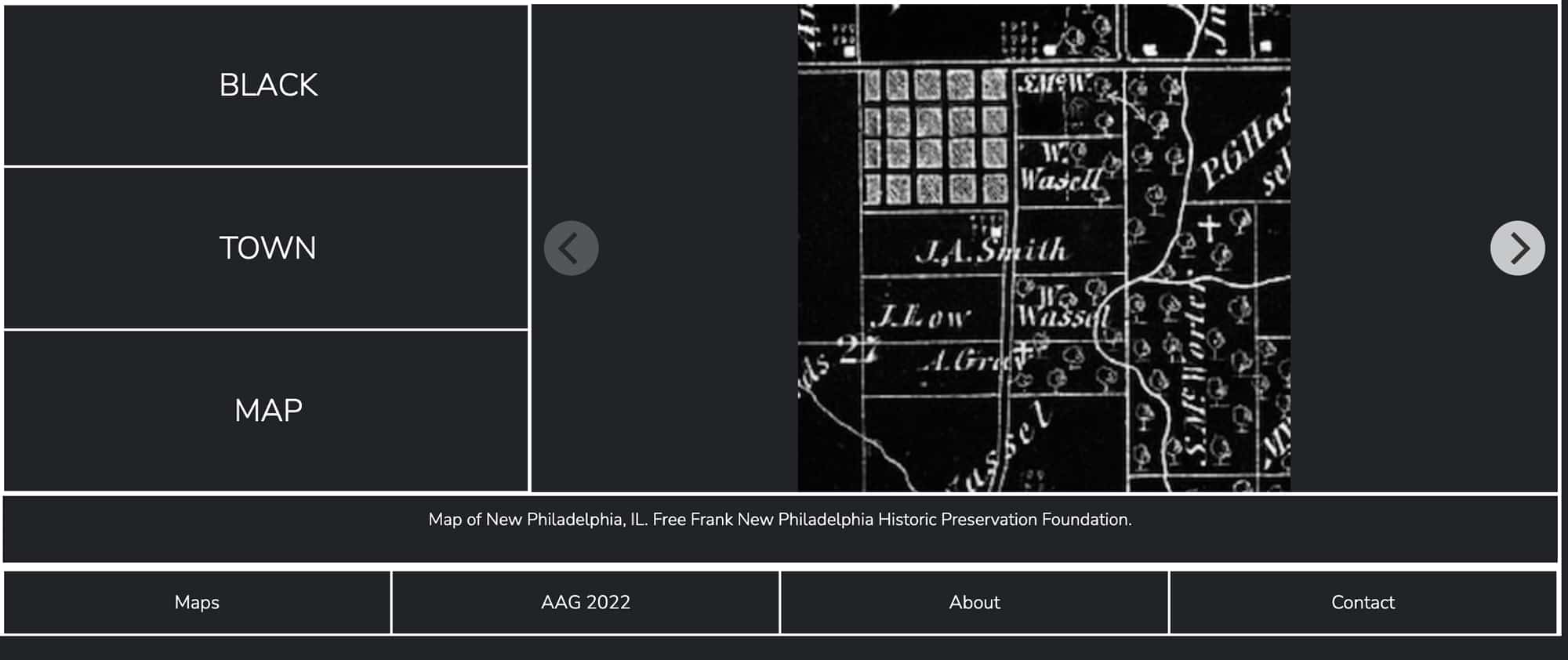
In terms of digital projects, I feel like I’m just starting my own work in the larger realm that a group of folks, including Andrea, call Mapping Black Towns. Andrea’s database, The Texas Freedom Colonies Project Atlas & Study, is much farther along than I am in creating a mapping platform. But our group, which was convened at UNC Chapel Hill in 2018 by anthropologist Dr. Karla Slocum, is also thinking through questions that have to do with representing Black places, Black geographies, in ways beyond traditional cartographic language. 3 Like Andrea, in creating the Black Town Map website, we are thinking beyond points on the map, about imagery and other forms of spatial representation. We acknowledge that, traditionally, geography and cartography have been aids to and forms of colonialism and conquest. So we try to imagine beyond that, to think about visual and symbolic representations of space— for example, an image of a locally known landmark, or a locally grown flower or local food — that both represent Black places, and are legible in nontraditional ways to a broader public.
Andrea Roberts: I am concerned with the historic not as principally limited to the past, but rather for what it teaches us about the present — and about Black futures. I’m interested in representing such teachings in digital spaces, because this gives us an opportunity to ask a large group of respondents, “what makes a place matter? What makes a place a place?”
I think about these questions with regard to urban planning and historic preservation, which are the disciplines in which I was trained — disciplines that have traditionally undermined Black places. Through my doctoral work, I was able to make historic African American settlements in Newton County and Jasper County in Texas visible in a context seemingly antithetical to Black independence and self-determination. 4 I managed to expand the number of settlements mapped in these two counties from fourteen to 34. And I asked myself, what if I could extend that documentation geographically, to a representation of settlements statewide? How many more could I make visible by using virtual tools to engage people around material culture and oral traditions?
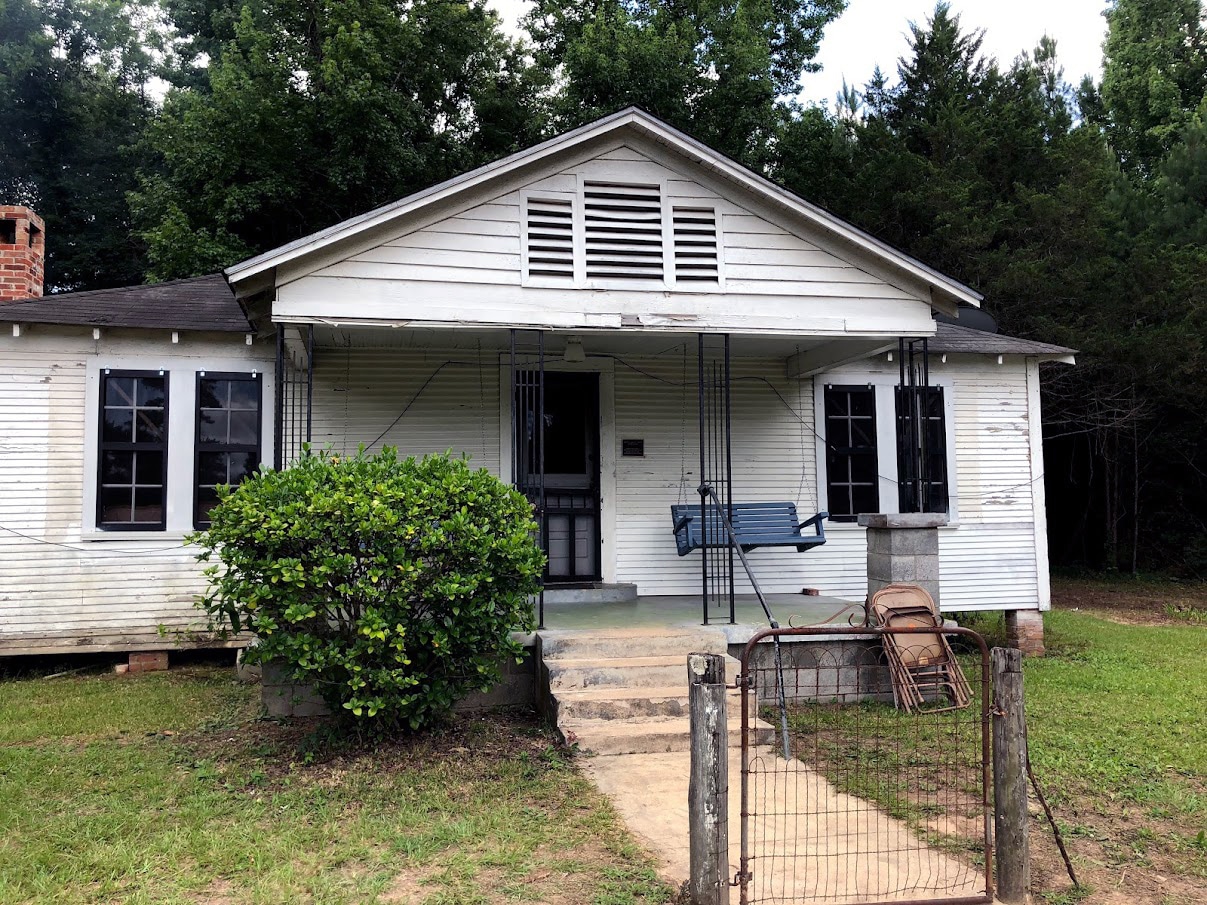
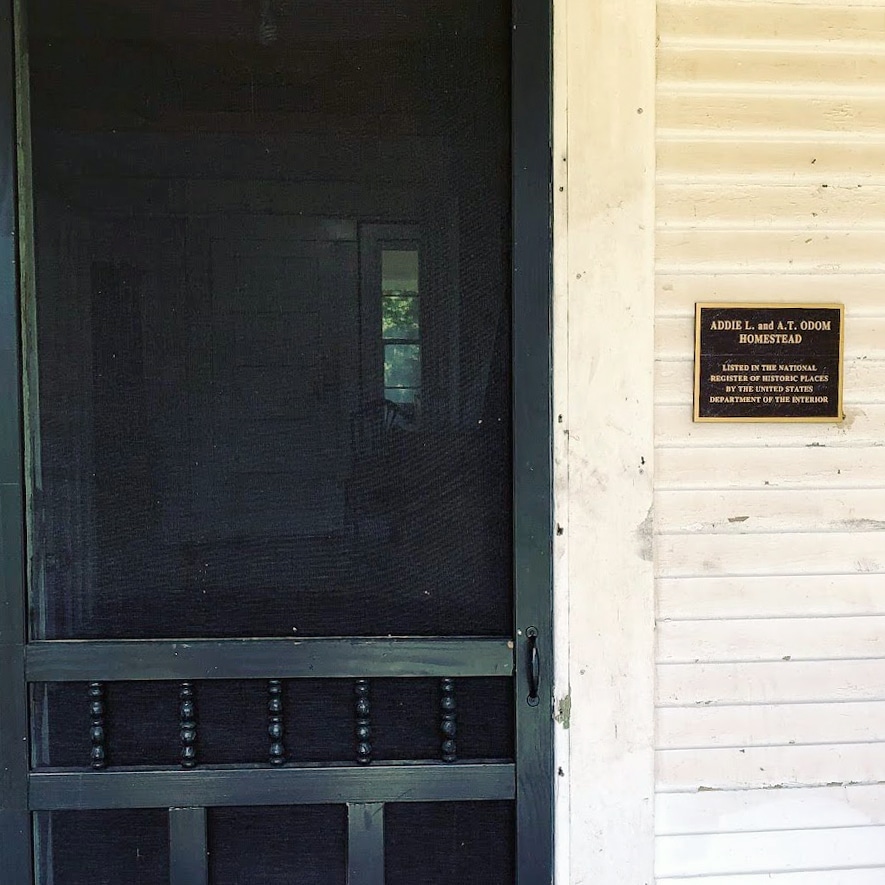
In writing about these kinds of places, I’ve described them as follows:
Freedmen’s settlements, otherwise known as Black settlements, freedom colonies, or freedmen’s towns, are historically significant communities founded across the South, including Texas, from 1865 to 1930. Black Texans obtained the land upon which these settlements were founded via cash purchase or adverse possession, often in flood-prone bottomlands on the edges of plantations and city boundaries.5
With that said, my goal with The Texas Freedom Colonies Project in general, and The Atlas & Study in particular, is to make an interactive space where people can continually redefine what a place is. Unlike the traditional map that says, “here’s a point, here’s a flag, it’s done, I found it,” The Atlas says, “this is what one person says about the place. Someone else has a picture. Someone else has another story.” The project has been to visualize and understand, to create a database where we’re asking people questions about what they need to archive, preserve, and sustain their places going forward.
This is critical to me because, in historic preservation, what’s key to making something worthy of protection, worthy of a certain type of recognition, is whether it is historically significant, and whether the remaining properties at that site — and I emphasize the word properties — actually represent what makes the place significant. More simply: if an event in 1965 is what makes this location noteworthy, can I look at a building and see that it is materially still reflective of 1965? Does it have the same roof, siding, windows, with no notable structural changes? That emphasis on properties and property, as well as that desire to preserve places in amber: these are principles that create what I call a preservation apartheid. 6
That emphasis on properties and property, and that desire to preserve places in amber: these principles create what I call a preservation apartheid.
The Texas Freedom Colonies Project is trying to push against such predeterminations, because they interrupt — and facilitate — the destruction of Black places, broadly conceived. Unlike classical historic preservation, The Atlas tries to make visible what matters to people. Namely, descendant communities. We are researchers and volunteers who map disappearing places and co-create resilience strategies with endangered communities; we try to make places visible and to continually enrich that visibility, almost like creating a multiverse or pluriverse. My goal, in partnership with descendant communities, is to prevent the erasure, destruction, and decay of cultural property within settlements. In a related sense, I want to make freedom colony diasporas visible.
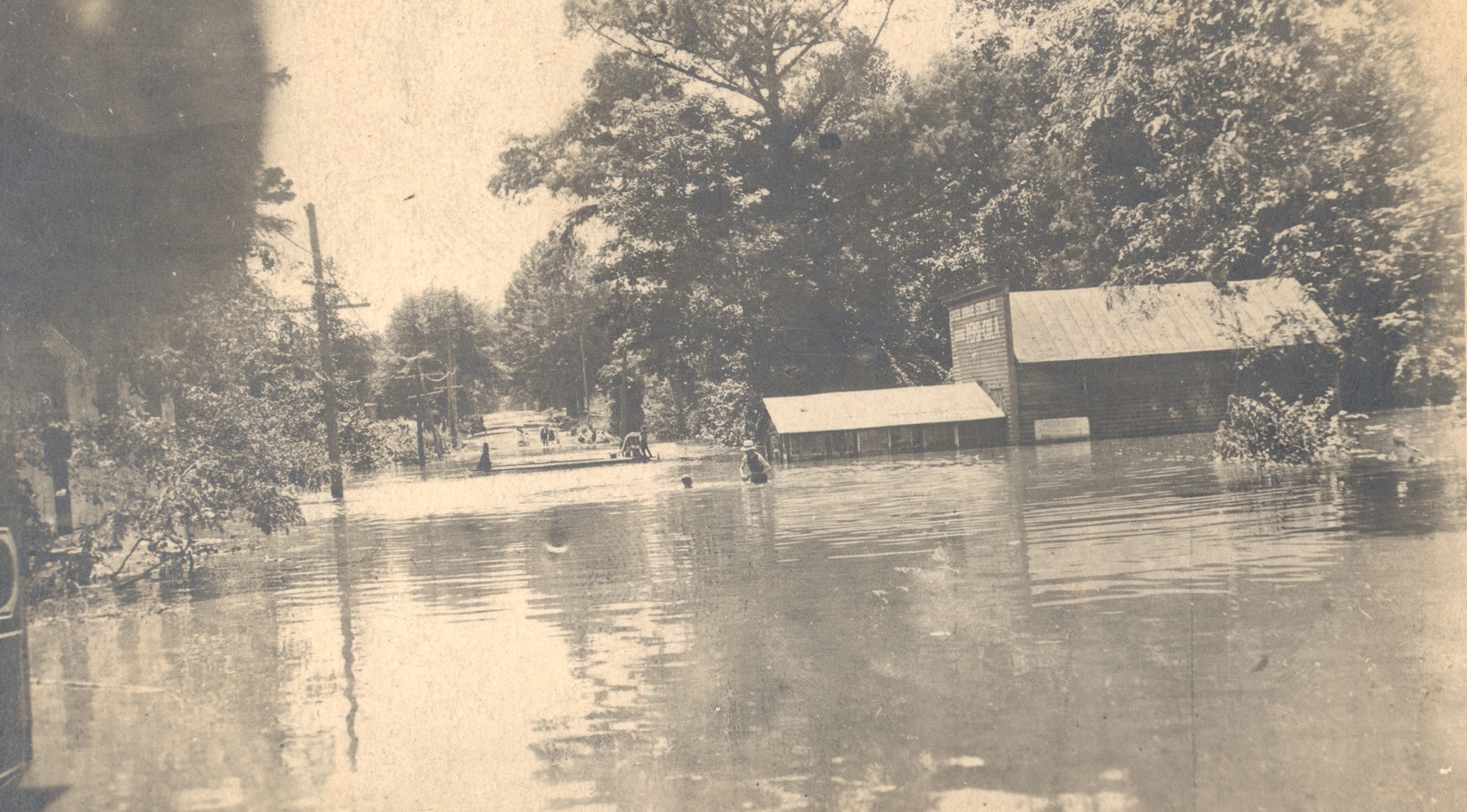
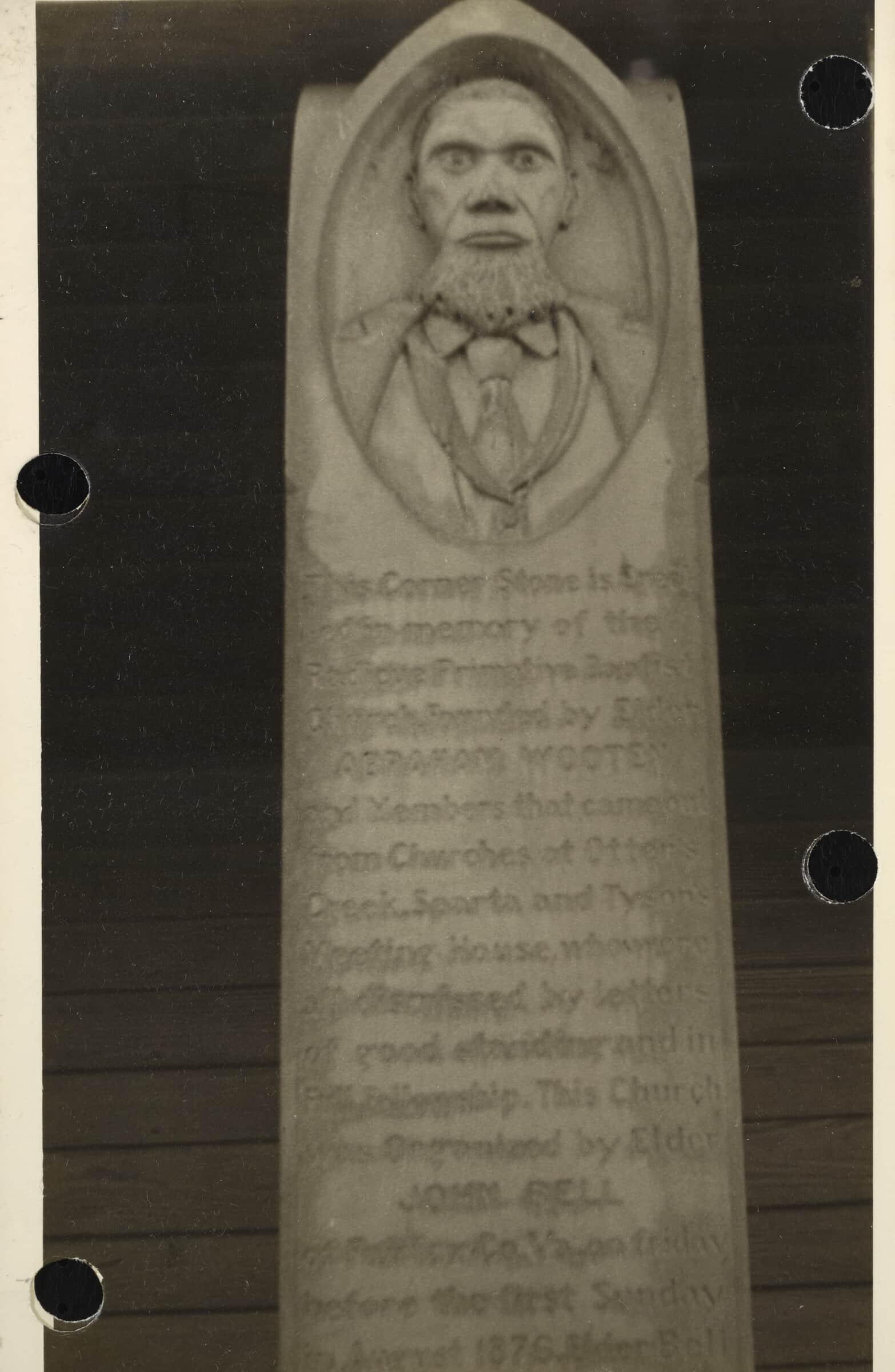
I’ve developed a Place Preservation Framework to explain what the project does. Which is, first, to connect. This includes hosting and maintaining the interactive, publicly accessible Atlas, the database of freedom colony heritage, including GIS layers tracking development and ecological threats; and creating events and educational workshops to facilitate connection and community building among descendants. Second, the project’s aim is to collect. We ethically record and safeguard stories and other materials associated with freedom colonies. Third, the project co-creates. We identify resources that that foster community resilience, and co-develop those strategies and policies with descendants. Our work leverages social media, digital humanities platforms, GIS analysis, archival research, and engaged ethnography, including oral histories, to develop to develop initiatives that protect endangered African American history, educate the public, and yield valuable research.
This work is not only about people who live in a place. It’s about expanding the number of places we identify as Black, and Black-and-historic.
This work is not only about people who live in a place consistently and have tenancy. The conversation is also, “here’s someone who’s in Australia now, who knows that, from four generations ago, they still have a tie to this place. They have a memory of having visited.” It’s about expanding the number of places we identify as Black, and Black-and-historic. It’s about validating places that are often put in the pathway of destruction. In the Anthropocene, this tends to mean being especially vulnerable ecologically.
MLB: Andrea suggests that we ask, in an expanded sense, “what is a place? What is historic? What is Black?” With that in mind, I wonder, Danielle, about the title of the digital project you’re involved in, Black Town Map. Is there room to expand or shift people’s understanding of what a town is? How do legal or technical definitions of “town” — definitions I realize I don’t know — impact these possibilities?
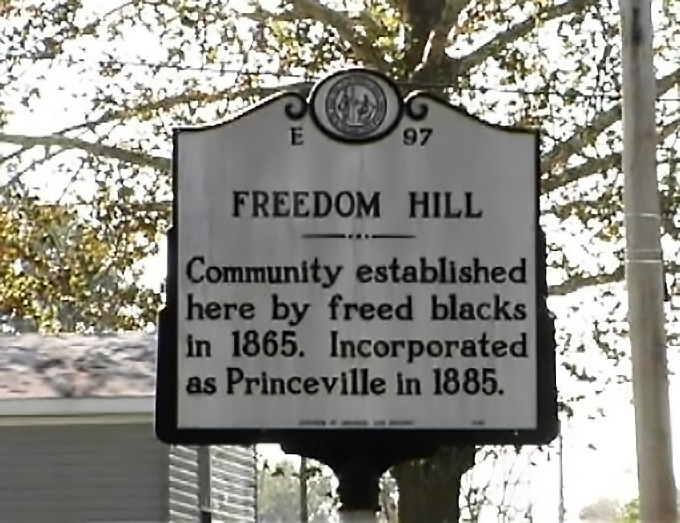
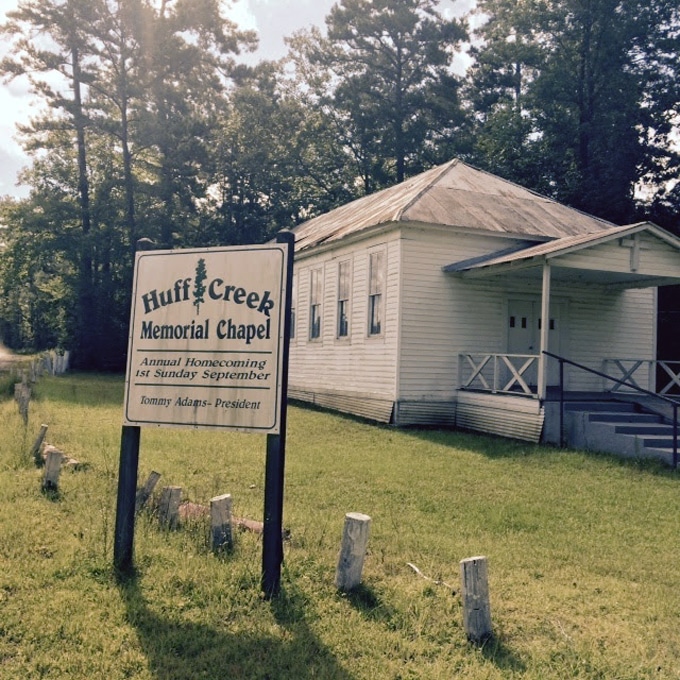
DP: There is indeed a technical definition, with parameters now typically established by state legislatures, according to which a town is a legally incorporated municipality with a fairly small population. This categorization dates to the colonial era and has roots in English and European legal geography. Even so, at UNC, a central question we’ve been asking is, “how are we defining a Black town?” Because Black places have often called themselves “towns” even when they don’t meet the legal definition. We could use the word “place” — we absolutely could. But what we see is that folks often choose this term, “town.”
There’s a place in North Carolina, for example, near the Sand Hills region, which is now incorporated but at its founding (in 1865) was not, and it took decades for residents to make that decision, because of political opposition from neighboring White towns and because of their own desire for a more self-determined place. It’s called Taylortown or Taylor Town. In South Carolina, there’s an unincorporated place on the fringes of Columbia called Arthur Town. So, there are communities that gravitate toward this word, and we’re thinking about how to both expand and disrupt the ideas it signifies.
There are communities that gravitate toward this word town, and we’re thinking about how to both expand and disrupt the ideas it signifies.
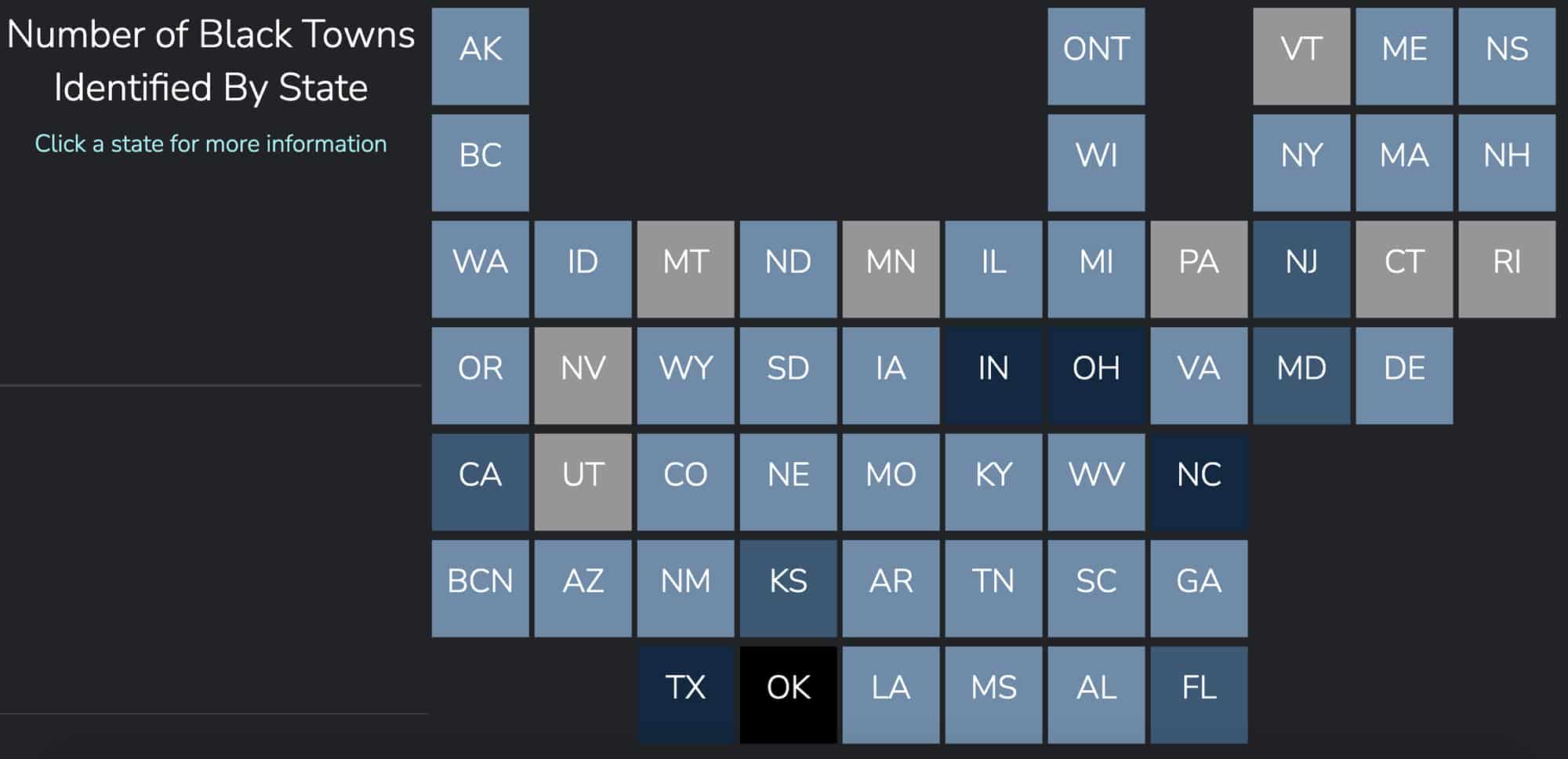
The folks at UNC who are part of the Mapping Black Towns Project decided to identify as many of these places as we could, using various online research tools and existing digital projects related to Black geography. Two graduate students — Adrienne Hall and Moriah James, with disciplinary expertise in geography and anthropology, respectively — worked on building a database and thinking through how to visually represent the places they found, in ways that move beyond your typical map with geolocations. With support from the larger UNC team, who in addition to Dr. Slocum and myself include Dr. Javier Arce-Nazario (a geographer) and Dr. Mark Little (who has a Ph.D. in geophysics, but is now an expert in the equitable economic development of distressed communities), Adrienne and Moriah put together a site that includes a time-lapsed map and a state-by-state cartogram, and leads with photos from Black places that some of us have visited.
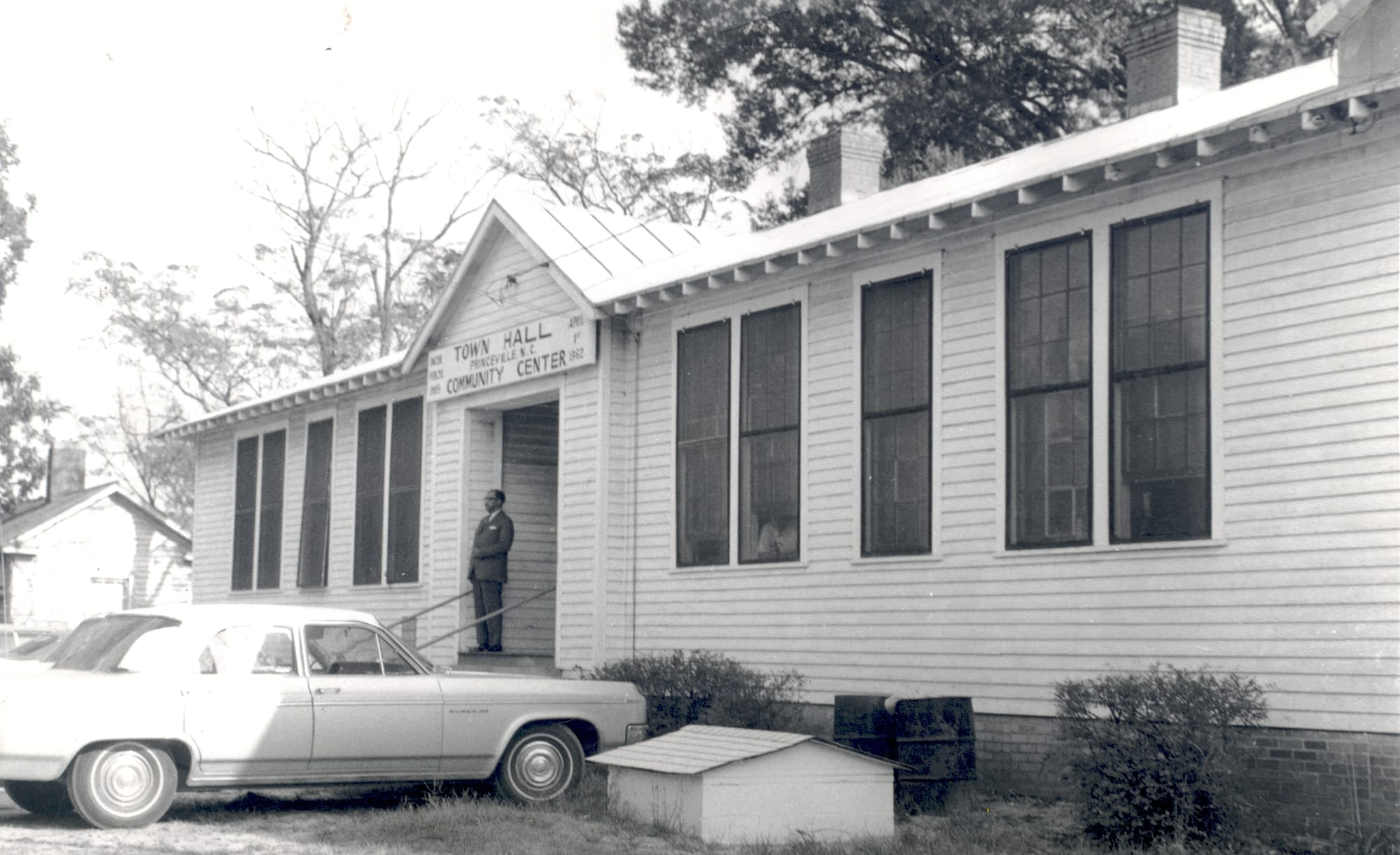
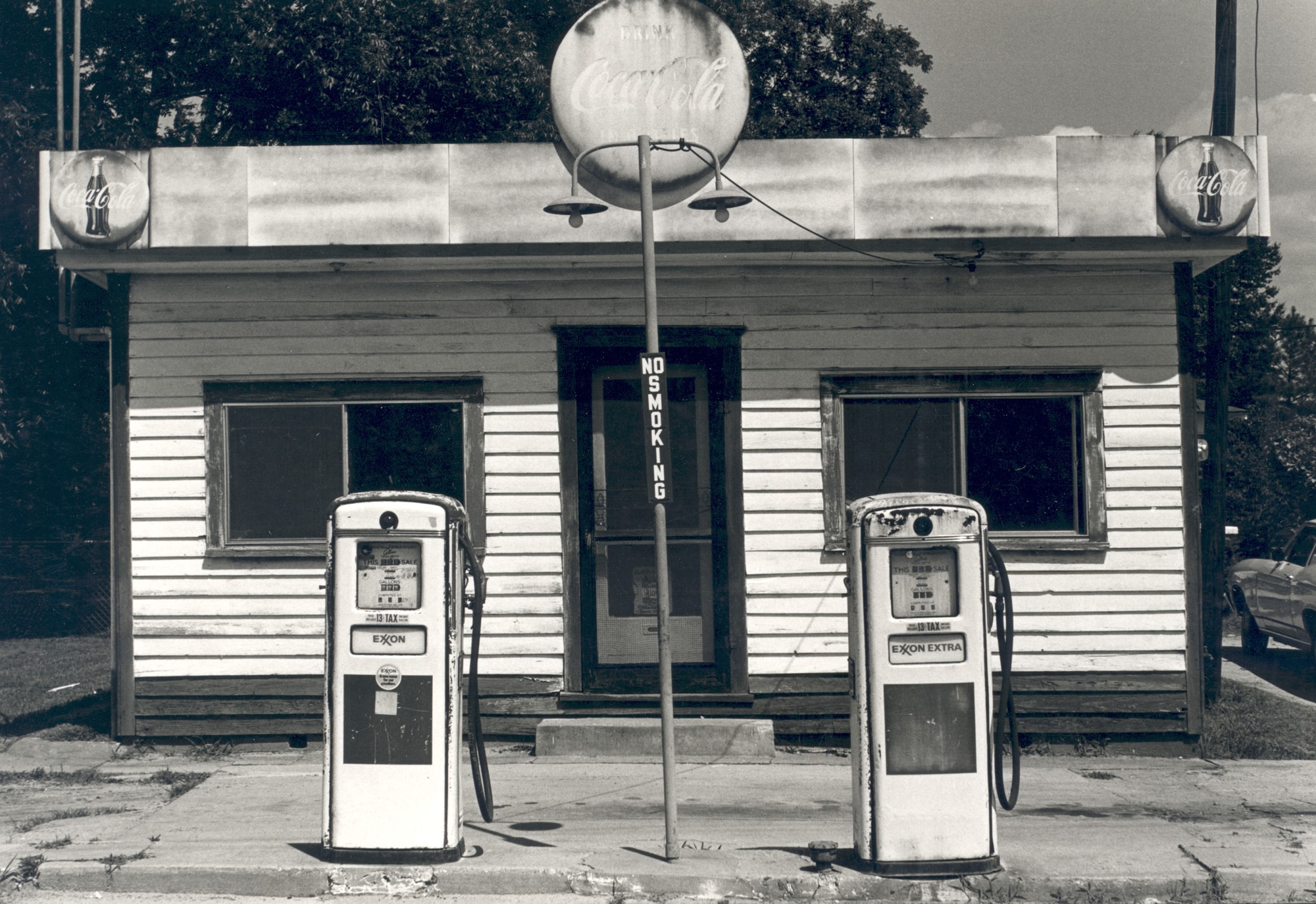
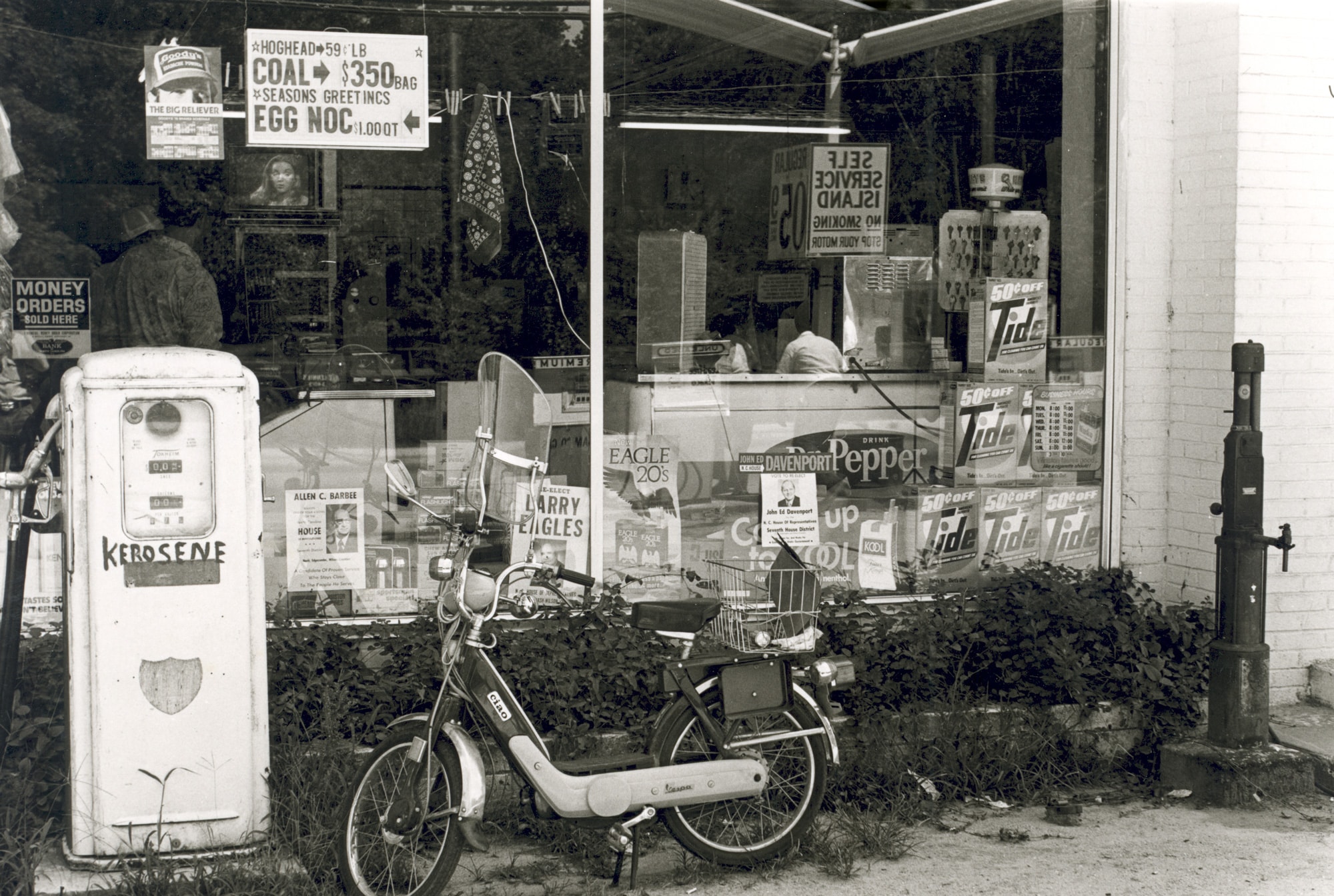
There’s a technical and legal parlance about “town” put forth by planners, legislators, and political geographers that really has very little to do with definitions of place as preserved by those for whom that place is important. That’s “important” in the ways Andrea is describing — important for expanding our understanding of what places are, or what a place can be. One of the things I love about The Texas Freedom Colonies Project is this disruption of the idea of border or boundary, because people have very different definitions of those as well. Where does this place start and end? There might be some agreed-upon landmarks. But there are divergences too, and definitions depend on a number of factors, including the era and the usages of the sites over time. For instance, the same place that was once a company town or provided the labor for a company town becomes a different kind of place in the postindustrial era, both physically and socioculturally.
What’s cool about having so many scholars involved in thinking along these lines is that we have a chance to learn in depth, and more organically, about these hyperlocal histories that we typically hear of only in bits and pieces — and which we tend to envision in this linear way, as if the history of a lived-in place started at a fixed point, moved along an unswerving path of development, and stopped at another fixed point. This extends beyond Black geographic experience, of course. Even at the level of major cities, people have very different conceptualizations of what the place is.
The concept of cultural landscape prioritizes the meaning and the utility people ascribe to everything that is above, on, and below ground.
AR: The “town” piece is significant to my work too, because I try to think about historic African American communities as cultural landscapes. 7 I use that framework because, as Danielle says, it creates an opportunity to be less fixated on boundedness. In the field of planning, we have inherited the thinking of scholars like Kevin Lynch, constructing very patriarchal ways of parsing the organization of space. 8 A concept like cultural landscapes disrupts that pattern, because it prioritizes the meaning and utility that people ascribe to a landscape, which is understood to include everything that is above, on, and below ground.
Freedom colonies are historical and ethnographic landscapes, and also active communities composed of dispersed yet committed social and kinship networks. Common elements and characteristics of these cultural landscapes are their anchor institutions: historic churches, homesteads, lodges, cemeteries, and Rosenwald schools — Progressive Era schools in Black communities that were founded by Booker T. Washington in partnership with the philanthropist Julius Rosenwald — along with nearby bodies of water, groves of trees, and elevations in the terrain. Hills, mounts, groves, and bodies of water often occur in place names; based on analysis of The Texas Freedom Colonies Atlas & Study, for instance, the most frequent name people call themselves in Texas is Pleasant Hill. Landmarks like lakes or rivers enabled African Americans to navigate often-isolated areas with dense foliage and little urban infrastructure. Hills, mounts, and other elevated areas offer safety from flooding. These words also echo biblical place names, and reference religious aspirations.
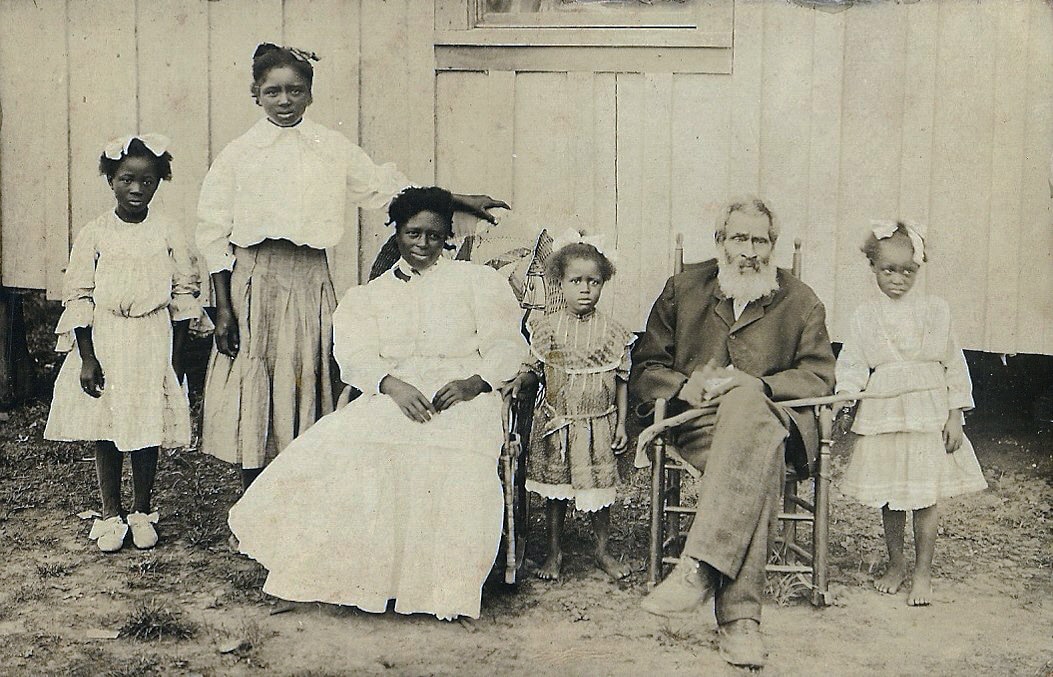
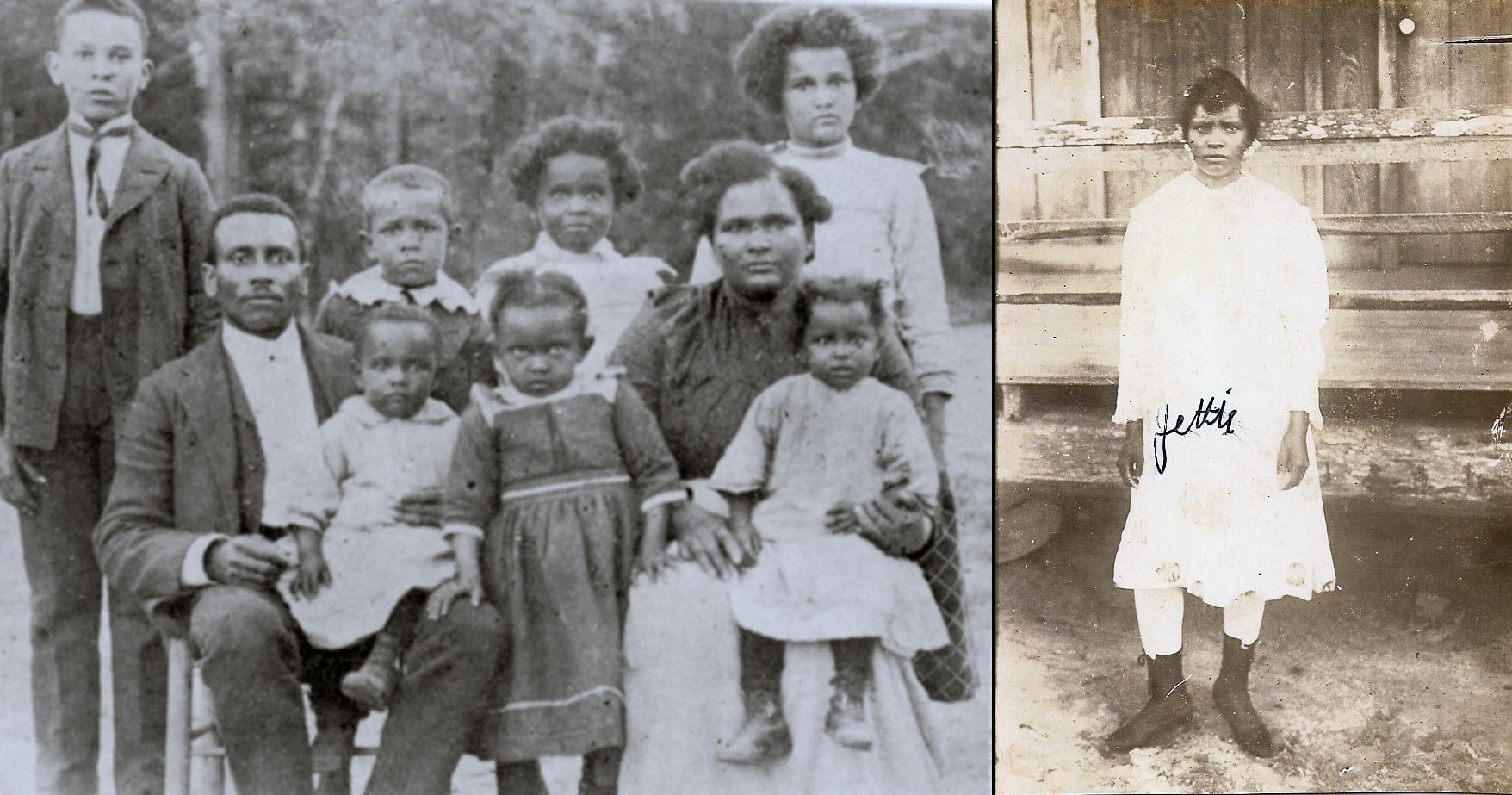
Say you’re talking about a community that I’ve been working with — Shankleville, Texas, founded in 1867 — and you ask, “what’s the central place?” Someone might say, “Oh, look, there’s the Black church; there’s the central place.” When, in fact, the seat of all that matters, that the oral history and traditions center around, is a stream where the descendants have a libation ceremony. Which they wouldn’t call a libation ceremony, necessarily. But this is the place where current residents commemorate the founders, Jim and Winnie Shankle, and Steve McBride. The stream is where contemporary residents pay homage to the founders’ agency, and to the maroon community they established when they were fugitives. 9 Out of that fugitivity, the founders created a free Black space. So, with a cultural landscape, you can reframe meaning beyond the boundedness of a “town.”
I also use the word “settlement,” because it’s expansive; it’s everything from a single homestead (which is also a cultural landscape) to a full-fledged, intentionally built community with a church and a school and all the elements we would associate with an established place. If a population names their home a “town,” I’m not seeking to disrupt or belittle what people decide to call themselves. You call people what people ask you to call them. But I keep myself from emphasizing “town” as a definition of legitimate place, because I feel, with regard to the particular communities I’ve been working with in Texas, that this usage reinforces either an elitism or a kind of minstrelsy of place.
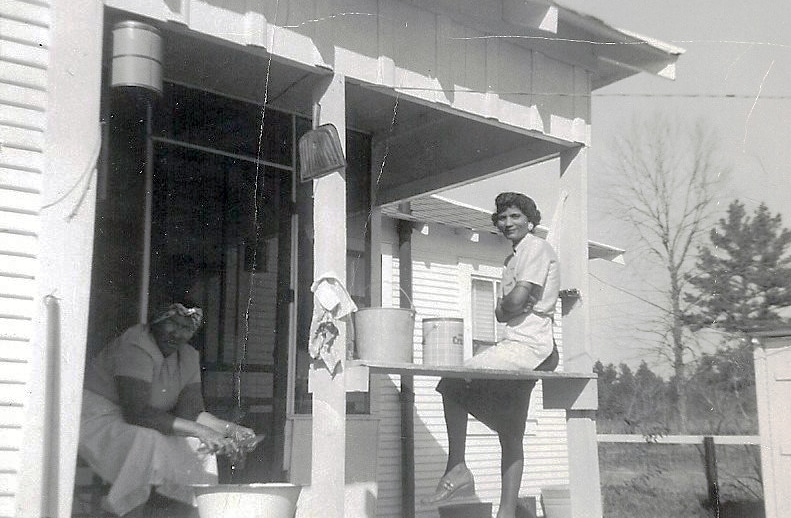
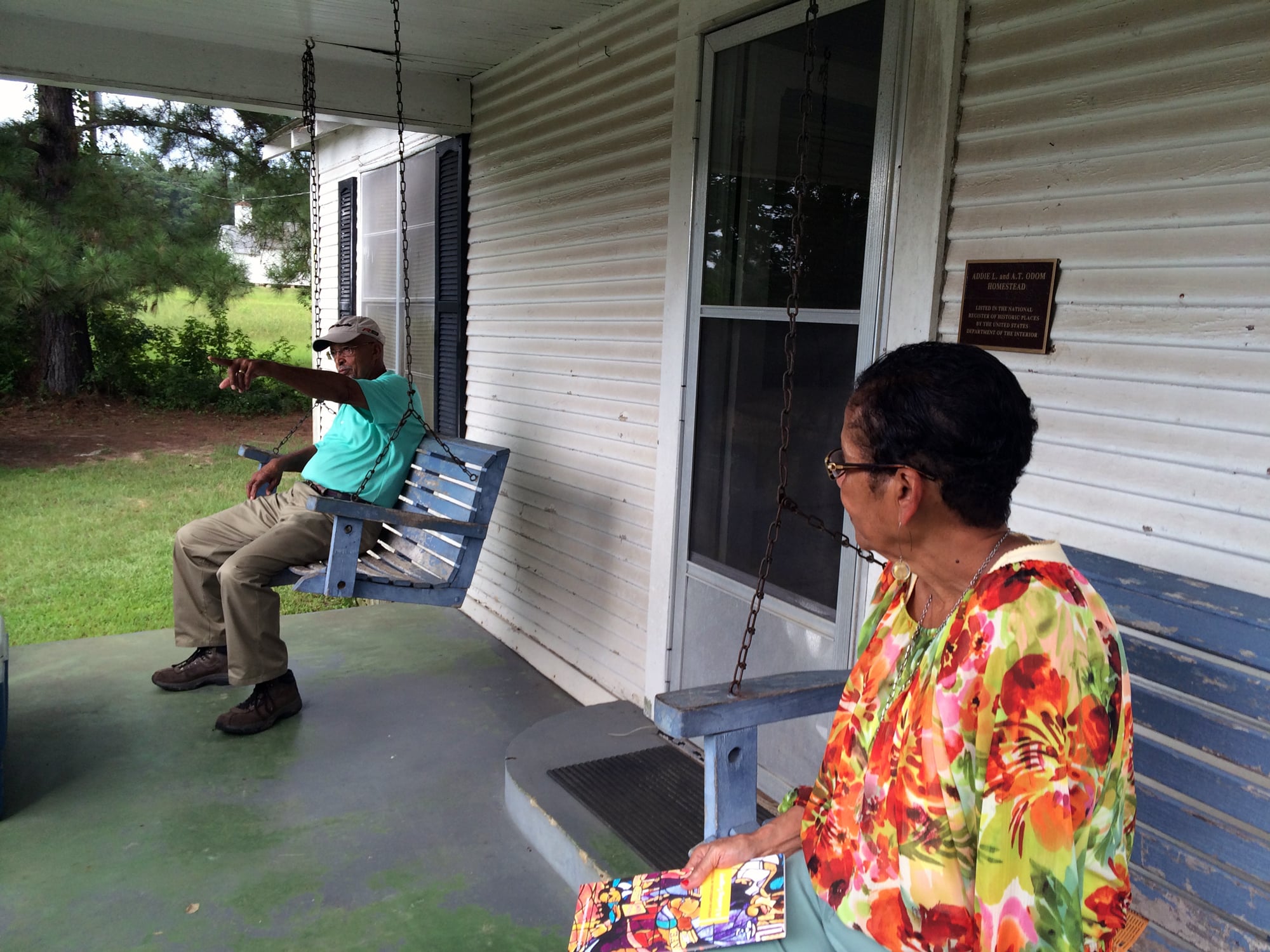
Elitism occurs in the sense that African American towns, as such, tend to have more robust paper trails. Their self-governance and land ownership were well documented, and on rare occasions the towns were platted, creating a stability that set these towns apart from settlements. So these surviving African American towns have persisted and are still active and growing. But then, what happens to the rest, the places that have not been so organized?
The word settlement is expansive; it’s everything from a single homestead, which is also a cultural landscape, to a full-fledged, intentionally built community.
On the other hand, historically, especially right after Emancipation, we often find “town” to have been used when people, especially White folks, talked about where Black folks lived. They would use phrases like “[racial pejorative]-town.” This would imply, “that’s their place” — and not in an ownership sense, but rather, “that’s where they’re relegated”; the places known as ghettos, wards, or ’hoods that have been legally stipulated as acceptable for African American residents. Mockery or buffoonery occurred when Whites identified a Black settlement or neighborhood in this way, with obscene names. That’s a minstrel take on Black placemaking.
MLB: I want to ask about stakeholders in these archiving projects. I’m hearing “we” in terms of academics and the scholarly work we do in defining a Black town or place or cultural landscape. I’m also hearing “we” as having to do with residents and founders and descendants. Which means that we-the-scholars must consider the tacit knowledge of we-the-inhabitants. Also, that this tacit knowledge will shift with regional histories. This gets us to the question of what’s considered “local” across different regions.
DP: Terms like “colony” or “settlement” are also fraught. Andrea’s right about the focus on self-description by a given community. It’s also critical to acknowledge that, regardless, the language we have for place is colonized language. This is an ongoing and important discussion — all the caveats that come with the terminology we have available.
Descendant communities continue to colonize freedom out of unfreedom, to territorialize spaces on their own behalf.
AR: You bring up the obvious, Danielle, which is that colonization, and the word “colony,” connote the opposite of agency and freedom. But I’ve also been considering — and experiencing in conversation with descendants — this sense that descendant communities continue to colonize freedom out of unfreedom. They remain there, in spaces where they were not necessarily meant to survive or thrive, and continue to territorialize those spaces on their own behalf, in ways they were never intended to, or no one thought they could.
Barbara Arneil’s book on domestic colonies absolutely upends many of the ways in which we talk about a colony or colonization. 10 One of the people who coined the term “freedom colony” in the early 2000s was White and, in his thinking, he was putting African American communities in the pantheon of pioneers. 11 But it was not at all the same context; that’s not what was happening. So, as I’ve continued to use the word “colony,” I’ve thought: here’s an interesting way to think about what domestic colonization is, and what it means for Black folks to create place, to territorialize themselves, and to consider the layers of complexity in that. 13 Some of my colleagues are asking, from within Native American studies: “What is it to be a settler of color?” 13 So, I use the term “freedom colony” intentionally, as a way to engage these very questions of agency in territorializing. “On behalf of whom? For whom? And how?”
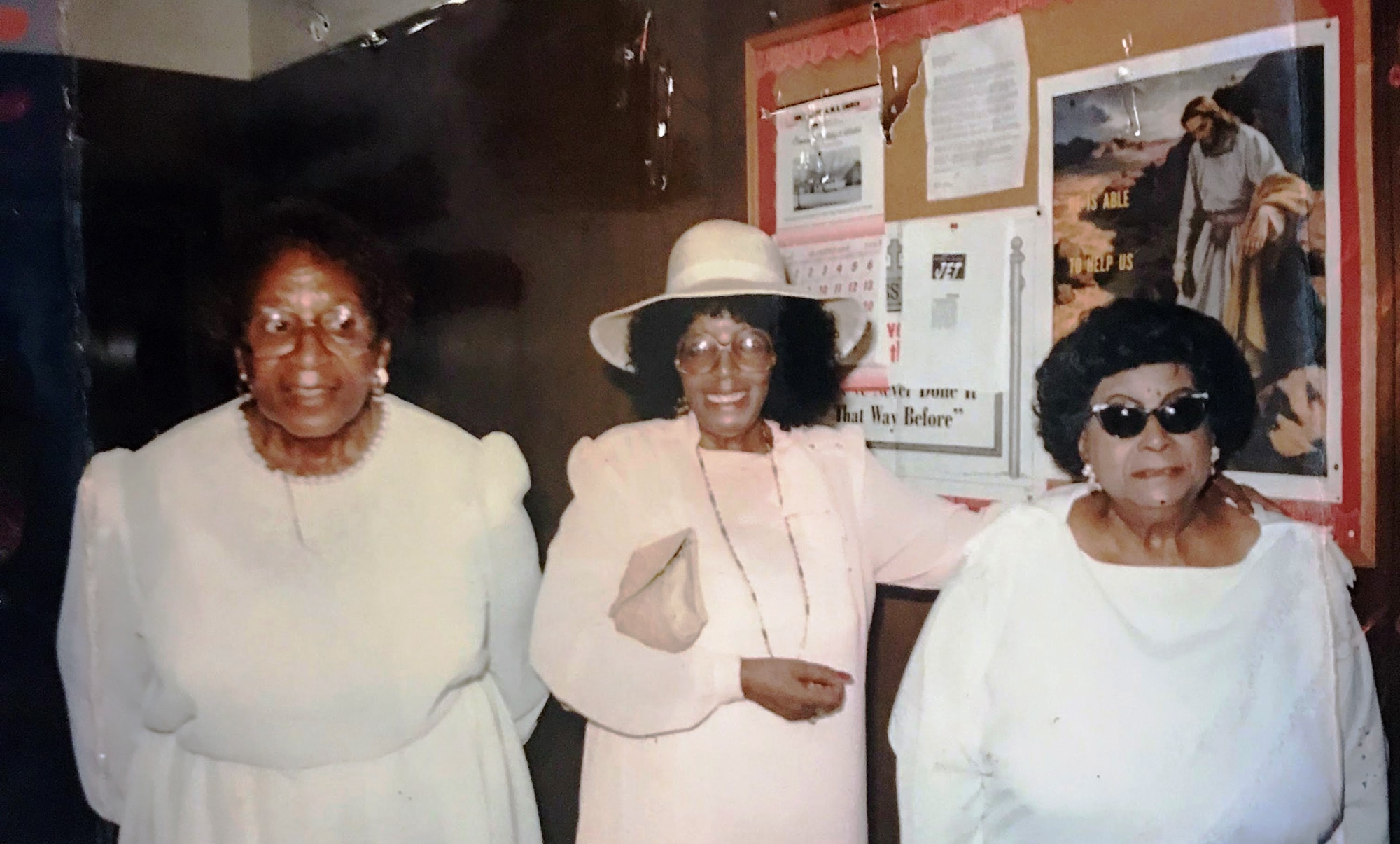
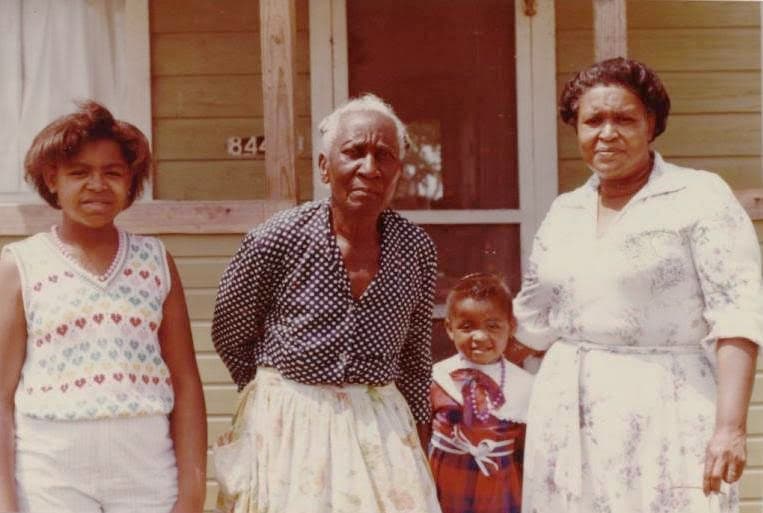
MLB: What has it meant for each of you to shape your research at a particular scale? I’m thinking, Andrea, about your project being focused on Texas — although, now, with your transition to the University of Virginia, you will be expanding. Danielle, your database includes towns in British Columbia and other Canadian provinces. How do these choices reflect conceptual thinking? And how do these conceptual frameworks impact the practicalities of data-gathering?
DP: I’m interested in Black-founded places at large, across the diaspora. I look at locations in this hemisphere, which has a specific history tied to the transatlantic slave trade and various migrations before and after. Conceptually, rather than being interested in any one site, I’m thinking about the various ways in which different places are founded and expanded under similar conditions of unfreedom.
How do such maroon geographies manifest in current-day Black spaces that may now have legal status and structural government?
For example, Princeville is an incorporated municipality, meaning it is legally recognized by the State of North Carolina. But I’m thinking about Princeville’s connection to communities founded by self-liberated people prior to Emancipation, even if that relationship is not made explicit in the town’s archives, or in how contemporary residents talk about their home. 14 How do such maroon geographies (to use Celeste Winston’s term) manifest in these current-day Black spaces that may now have legal status and structural government? 15 You can see similarities between a place like Princeville and one called Lost City, right by Taylortown, near Pinehurst in North Carolina. 16 Lost City is a very tiny, unincorporated Black-founded place that also dates from the postbellum era. Such places reflect Black spatial practices that emerge less from colonial or legal conceptualizations about towns or townships, and more from the histories and legacies of marronage.
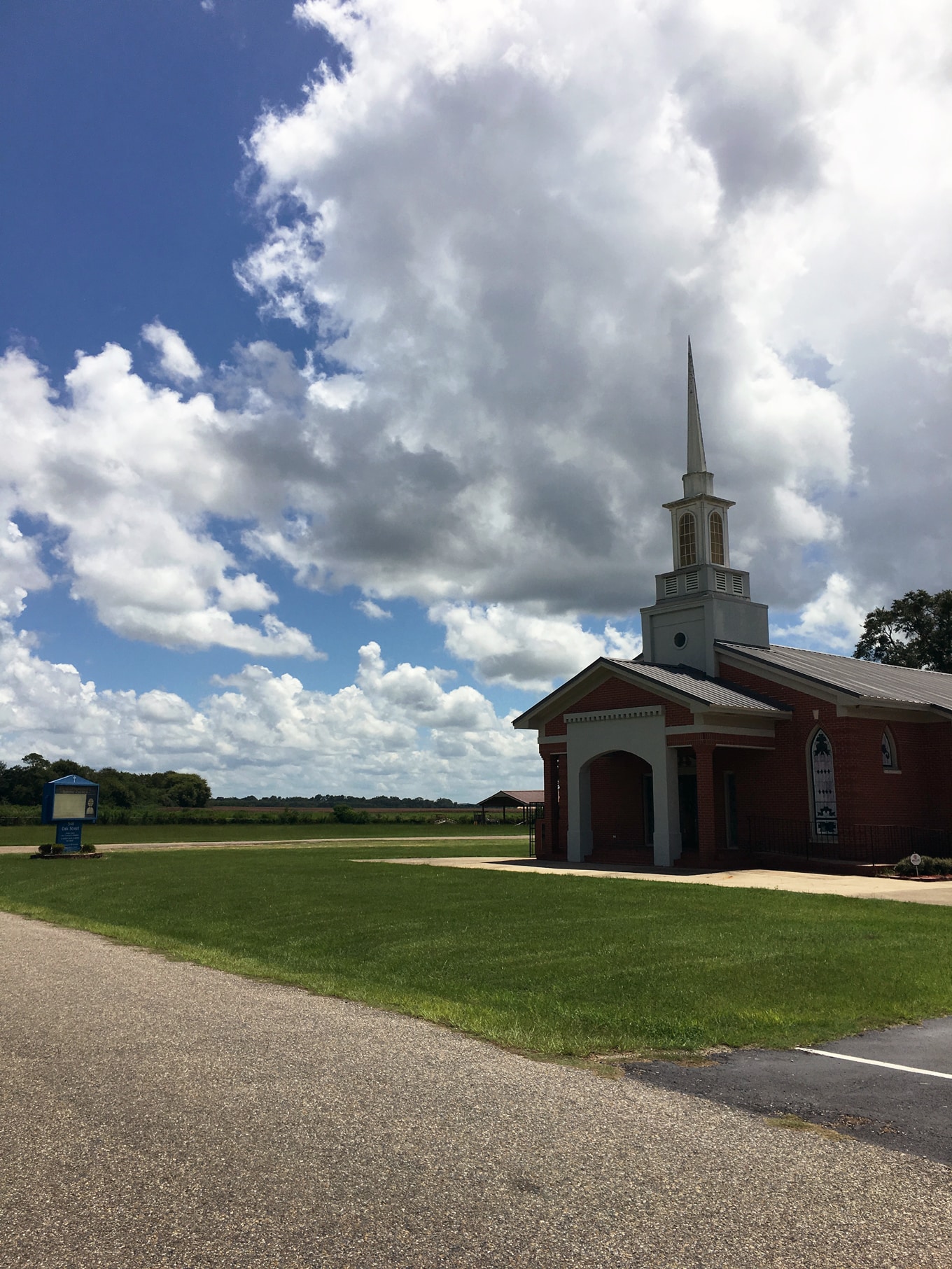
In other words, these Black-founded places have a particular scale. They’re not major cities. They aren’t even midsized, and that says something about the structural barriers inhibiting their growth. Take Taylortown, which was fully incorporated in 1987, but which exists on the same scale and is home to similar Black spatial practices as Princeville, which was established right after the Civil War. You might think there should be big differences between those places. But I find the similarities, in spatial practices like homecoming celebrations, the maintaining of common historical foodways such as collectively owned orchards, the multifaceted roles of churches, and even the prevalence of multi-generational family plots, with homes built next door to one another.
Or think of a community like Soul City, a Black-founded place that was intended in the late 1960s and ’70s to be a manifestation of Black capitalism and Black governance, with an intentionally multiracial population. That new town in North Carolina lasted five or six years before its resources from the federal government were cut off. It never got to grow in the way that, for example, Woodlands did — an unincorporated White city outside Houston also funded under the federal New Communities Act of 1968, which is the program that initially supported Soul City.
Black-founded places have a particular scale. They’re not cities; they aren’t even midsized, which says something about structural barriers inhibiting their growth.
AR: When I think about Black-founded sites and how I want to approach them, I think about the ephemeral, the intangible, and the narrative. The unit of analysis is often the story, and all the things that story reveals about place. When I talk about story, I’m not just talking about literal storytelling, but all the ways we think about oral tradition: song, music, rumor, reminiscence. Spending a lot of time at homecomings and other freedom colony events, I have seen that a community might have only 20 households remaining. But when you attend a homecoming, there are 300 people there who say they are “citizens” of the place, or say, “that’s my home, that’s down home.” 17 So, I try to upend scale. What’s recorded in the census is not necessarily how the people would define their scale.

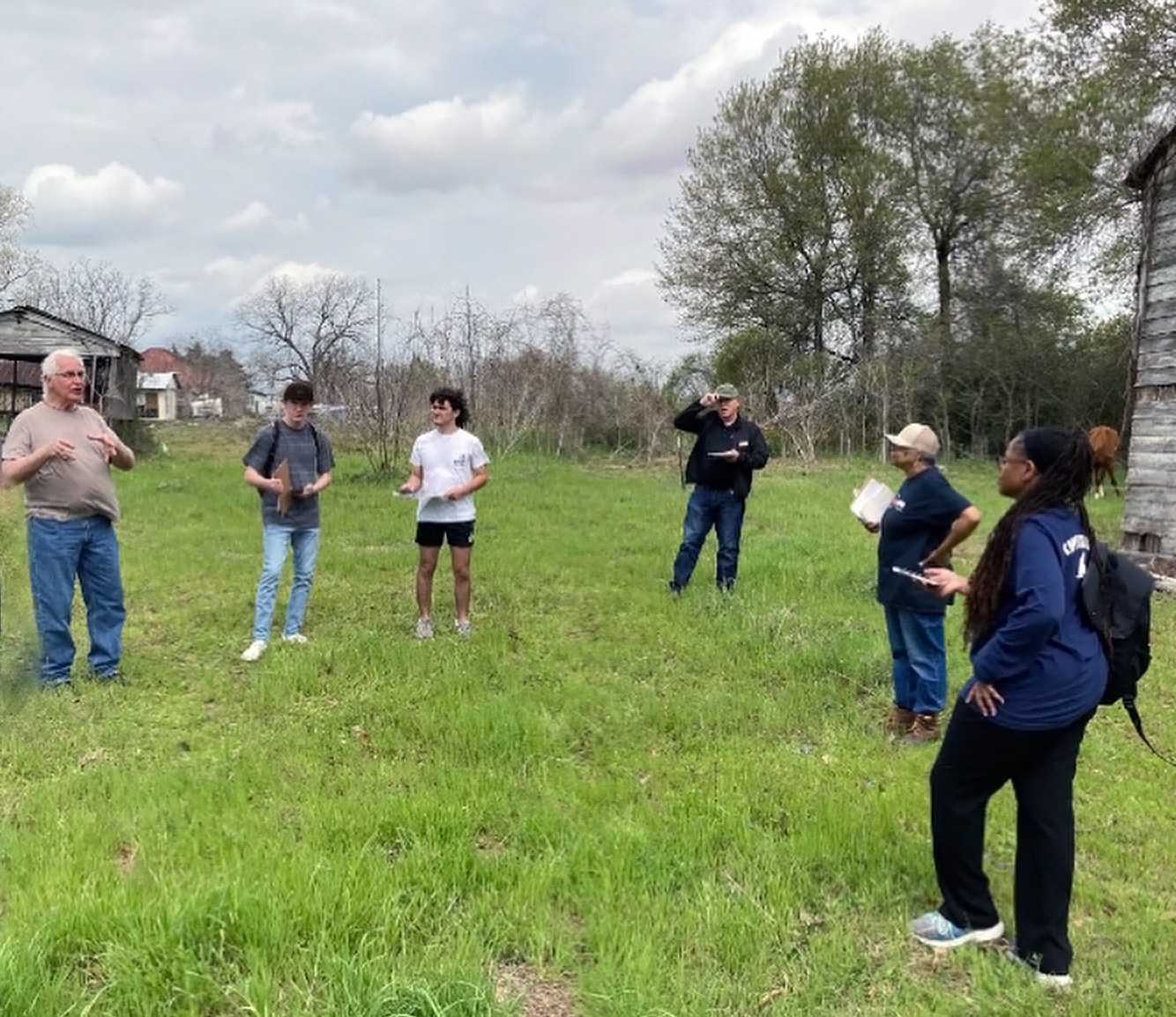
One way of conceptualizing scale, then, has to do with this very personal, embodied sense of place. And another has to do with decision-making. What is the scale at which decision-making occurs that impacts local people’s lives?
In present-day Texas, for instance, counties have no planning power. However, people often continue to conceptualize their communities in ways that originated in an agrarian period, when the county was the unit through which government and everything else was organized. So, you have this discontinuity, between people still defining themselves as being a part of a settlement that’s connected to another settlement within the county or over in a neighboring county, versus decision-making that is actually happening at city scale. The unincorporated place gets erased — unless they’re rich, like Woodlands.
I try to upend scale. What’s recorded in the census is not necessarily how the people would define their scale.
The other scale at which things happen in Texas concerns the Councils of Government, which involve multiple counties; the 254 counties in the state are apportioned into just 24 councils. In rural areas, that’s how decisions are made about transportation, senior services, juvenile justice, response to disasters. When money arrives from federal agencies, it comes down into the Councils of Government, and there are populations consistently left out of those planning processes. Initially, these communities may have kept themselves invisible strategically, for their safety. But now, inside these regulatory and economic processes that are going to have their way anyway, what’s needed is strategic visibility. Transportation projects are coming at these communities. The aftermaths of storms need to be dealt with. They’re up against layers of governmental authority with the police, the courts, the schools. So this informs how, with The Atlas, we seek to make the story-based, memory-based, personal material filter up into established “expert” spaces where planning occurs.
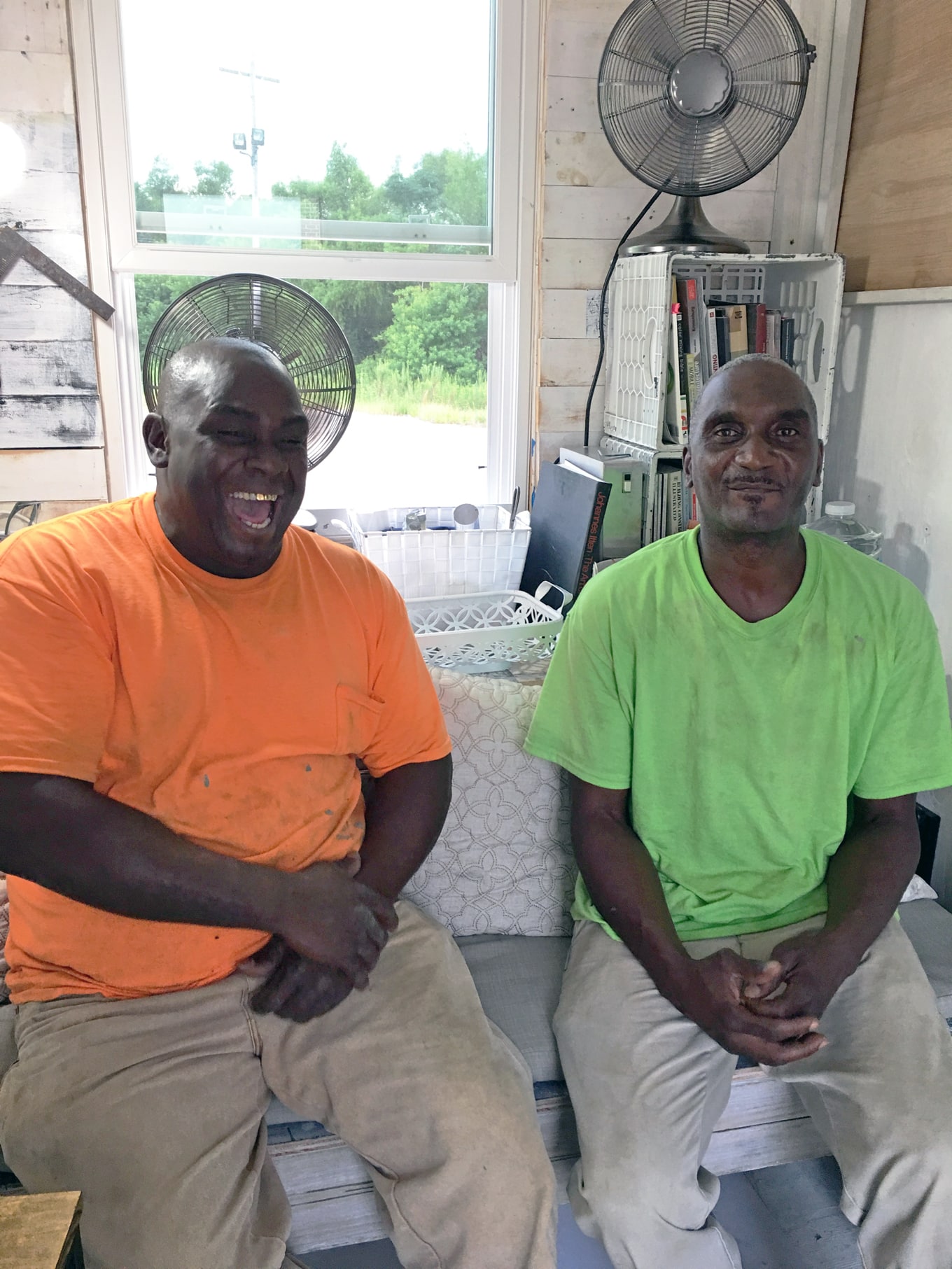
DP: I want to follow up on what Andrea was saying about the broad variety of people who might claim relationship to a Black place. An example, again, is Mossville. Petrochemical companies essentially formed a ring around that community, going back to the post-World War II era. In 2014, after decades of fighting, one of those companies, Sasol — a multinational petrochemical corporation based in South Africa — started offering to buy folks out. Mossville is in southwest Louisiana, much closer to Houston than to New Orleans, and a Mossville diaspora has spread into Texas. At the same time, there are still people in Mossville from the original community, along with new oil refinery workers. The displaced residents still have a claim on the space as well. They return for an annual event at the recreation center. They have a virtual presence on Facebook, and they have these pockets of community in other towns and cities, outside the physical space that was Mossville. This sort of fragmenting or scattering also happens after disasters. People move away but still lay claim to a space, and that space can exist in multiple ways beyond the physical.
MLB: This lends itself to questions about how folks are sustaining home across these new diasporas inside the larger African diaspora. They’re still making community, just in different ways.
Diaspora is a practice, a continuous process. Placemaking and community-building will always continue, and shift.
AR: People like the anthropologist Edmund T. Gordon write about diaspora as a “little p” political project, i.e. a means by which Black people can organize themselves around an identity that transcends the constructions of statehood or personhood as defined by Whites. 18 I try to work through that diasporic political framework, because I see myself as a steward of Black worlds. People consider their place an entire world, right? There’s a lot embedded in this notion of diaspora that is essential to expanding our footprint, our presence, our understanding of what we can lay cultural claim to.
MLB: The diasporic framework relates to what Danielle said about finding similar placemaking activities, similar founding stories, in what one would imagine are quite different locations. My literary research is within Black diaspora studies as well, in the school of thought that diaspora is a practice. It’s a continuous process. Placemaking, community-building, and affiliative practices will always continue, and shift.
This leads to my next question, about mapping Black pasts. How does mapping the past lead to questions and arguments about, and strategies for, creating liberated Black futures?

DP: I love that question; it’s my favorite question to think about. There’s this idea of a usable past. My uncle was a Vietnam war veteran, and had been incarcerated by the State of Michigan for 42 years before dying of Covid in prison last year. So, organizing around prison abolition and carceral geographies is something really close to me, work that is intimate and personal. I’m always trying to think about how societies — Black or otherwise — have organized themselves and their places in ways that avoid the violences of prisons and policing. How can we learn from histories of places that seem “ancient” or “undeveloped” about how to prevent and manage harm? How can we understand our current legal systems as geographic in scope, persistently making and remaking places to reflect the values of those who are the most powerful and the most aligned with colonial pasts? And how do I use my familial past and present to inform Black spatial futures or Black geographic futures?
Institutional violence is not linear. It’s cyclical. So, what does it mean for us to draw on these histories we are not taught, that we have to dig for?
These kinds of questions also resonate with the larger story of my family, who migrated from Alabama, from a majority Black place called Snow Hill, up to the industrial suburbs of Detroit. What spatial practices and traditions did they carry with them? How did they learn, and relearn, to keep each other safe? I’ve long thought about that particular history of migration, and of reverse migration — because my grandfather moved back to Snow Hill before he passed, and my parents, who were born and raised in the midwest, moved me and my siblings back to the south. 19 This is central to what I think of as Black spatial practice: to consider the echoes of how Black lives are lived across time, space, region, and ecology — ecologies that people may not explicitly acknowledge as emanating from these pasts — and to ask what they might mean for us in the future.
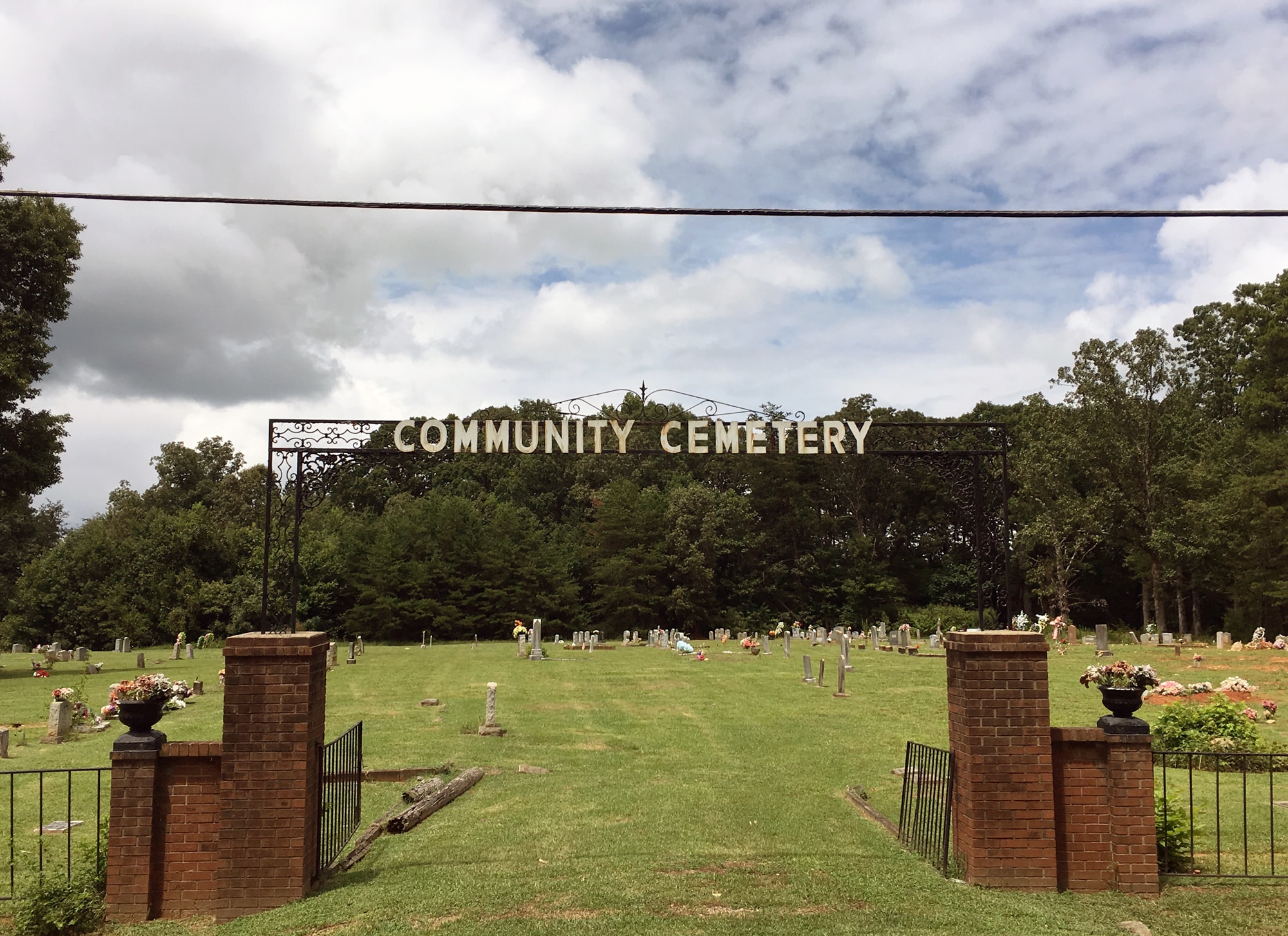
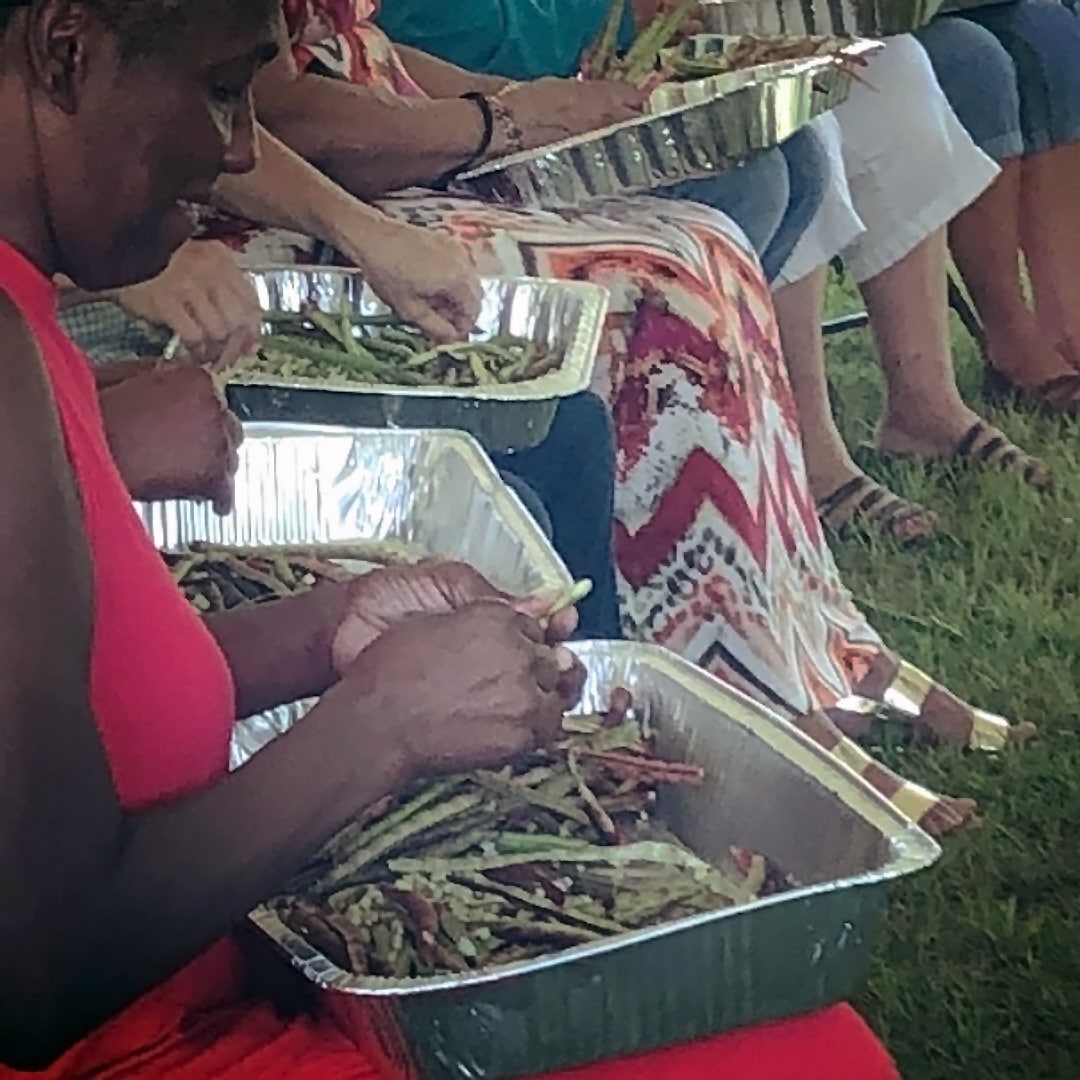
Institutional violence is not linear. It’s cyclical. We’re in a moment, actually, where folks who have always been enemies of Black spaces are pulling on every past they have, trying to create a future that does not include us — at least not in any way that we would like to exist. So, what does it mean for us to draw on these histories we are not taught, that we have to dig for? What does it mean to unearth these practices that have always held us, regardless of what official or governmental policy is saying? Black geographies and ecologies look in the direction of these usable pasts. These are things that will anchor us; that will help us to be here in the future. This is what animates me on a daily basis: looking at what Black folks have made possible for a very, very, very long time, under every kind of condition that we can imagine.
AR: Similarly, the relationality that persists in these communities drives my thinking about futures. From 2008 through 2011, when I was working for the City of Houston in the aftermaths of Hurricanes Ike and Rita, and talking to constituents in historically Black neighborhoods about federal funding for storm recovery, I encountered people who were not interested in taking money from the government. They knew they wouldn’t be able to buy another home the same size, and they didn’t want to move. The option to move was framed to them as an opportunity. It wasn’t! They had a particular attachment to place. I was talking with people in Sunnyside, a neighborhood in Houston that was founded in 1915 as a freedom colony. It was another real-life example of being offered a buyout, as Danielle was describing in Mossville, and people did not want to go. It wasn’t because they didn’t understand the dangers of staying. It was that they knew their ancestors had been there, had faced these dangers, and had figured out ways to stay.
At the scale of cities and governments, we seem to figure out how people can stay when we are dealing with non-Black communities, or when we’re dealing with profit-making potential. But also, like Danielle, I see the ways that people are surviving and thriving despite insufficient governmental intervention or support. I want to know: how did we do that, how are we doing it? How can we continue to carry that forward?
Residents know their ancestors have been there in this place, and faced dangers, and figured out ways to stay.
Which is why, with The Texas Freedom Colonies Project, we ask people, “what are you doing?” Not “what can we do to help you?” in this paternalistic way, but “what are you doing?” and “how can we get peers to talk to each other?” Right now, we have a place in Jasper County in Deep East Texas, Dixie Community, that has partnered with Shankleville, getting children of Dixie descendants to go to Shankleville on archaeological digs. We have folks from St. John Colony, in central Texas, going out to Dixie Community, where they’re renovating the school gym for hosting reunions and entrepreneurial ventures. To me, the future is about different communities connecting and supporting one another in these ways.
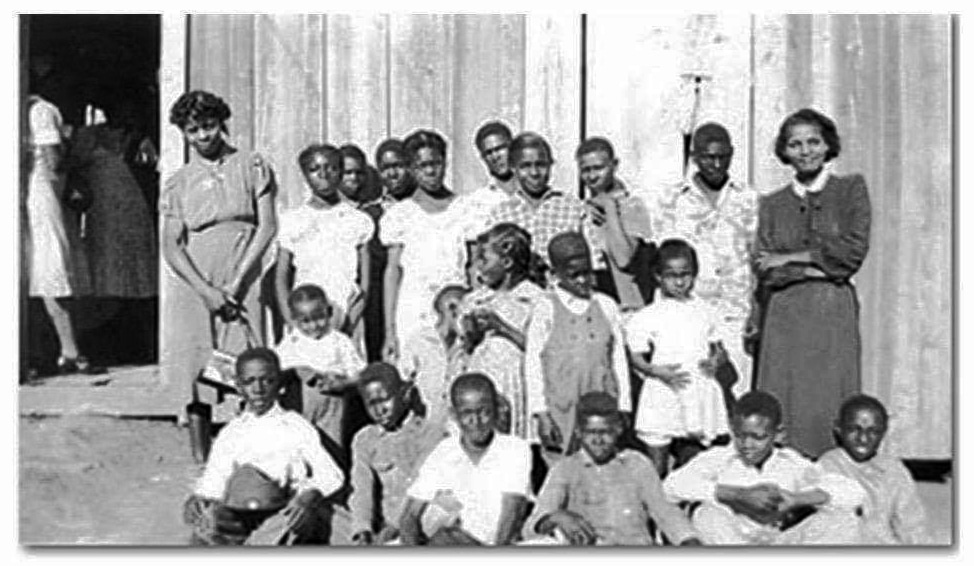
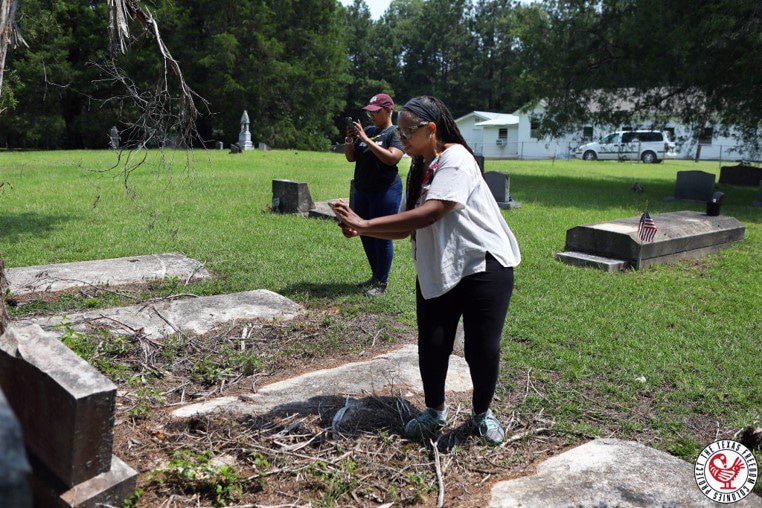
The final piece I’d like to mention is something I’ve been learning by working with students. 20 Any future that I see, or any of us see right now, is limited compared to what our students are seeing. The students that I help to grow into freedom colony researchers are asking, “how can we prepare people in the face of more frequent disasters?” One of my students, Jennifer Blanks, is focusing on cemeteries and disasters. 21 Another, Valentina Aduen, looks at retention-and-loss issues on Black land. 22 I think the future is about fostering these transdisciplinary looks into Black places. For our students, the question becomes, “how do we see innovation and possibility in ways those before us might not have?”
MLB: My last question is about being in scholarly community. I remember Andrea introducing me to Danielle at the Black Communities Conference in Durham in 2018. You were already familiar with each other’s work. So, what are you learning, as time goes on, from being in community and scholarly exchange? How might your insights help others who are working in overlapping areas of Black geographies, ecologies, and archives — and also in digital scholarship and efforts to make our highly specialized information publicly accessible?
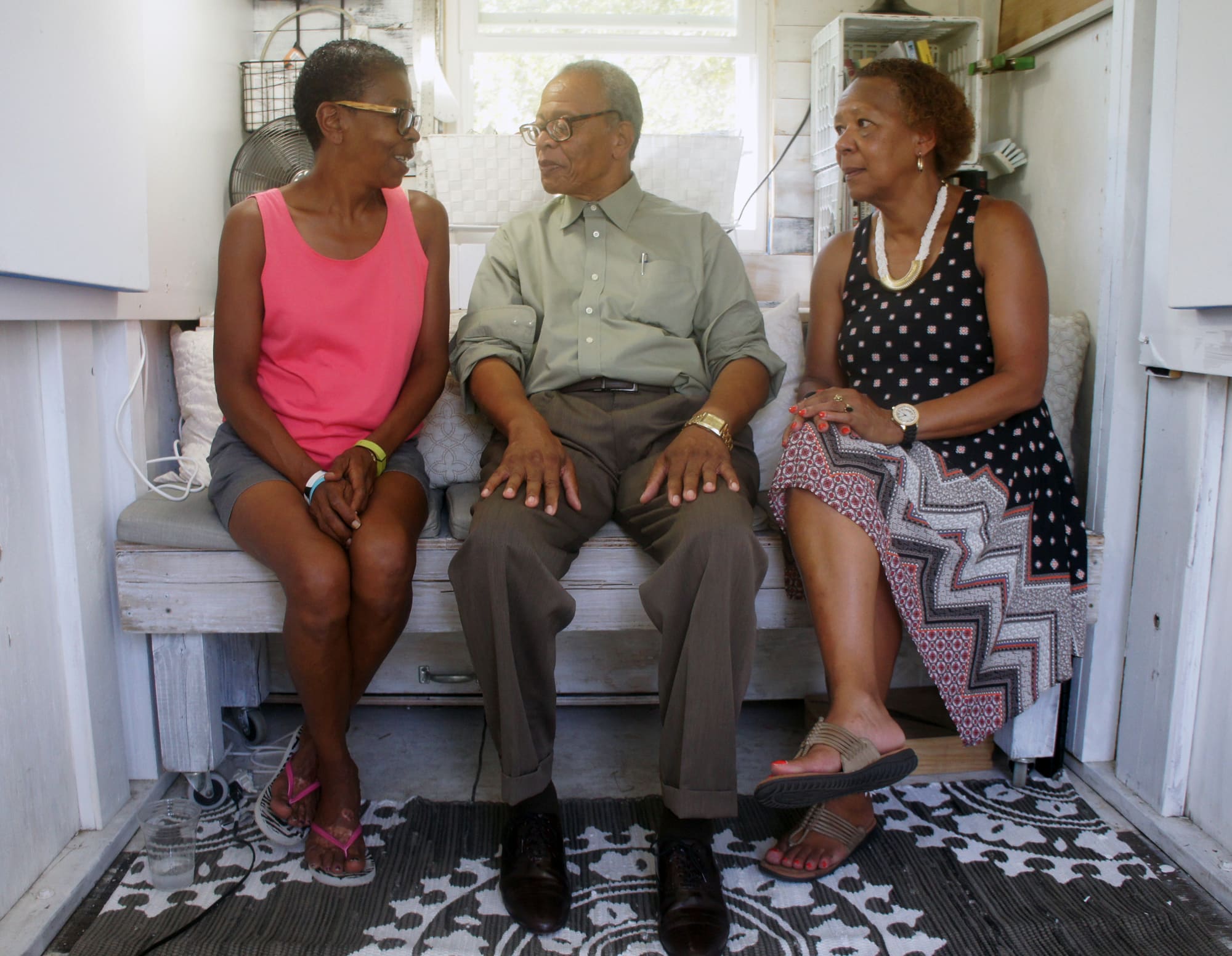
DP: I’m always learning from Andrea in the area of method; for instance, in all the ways that Andrea is in really deep relation with the communities she works with. I think there’s something very important about that, especially for someone who has a planning background. Using narrative methodology helps us to understand the expansive contours of Black place. I don’t come from a planning background; my training is in law, along with environmental studies and now geography. What I’m learning from Andrea is how we can think differently about planning, to think about how Black folks have always been the planners and architects of their own spatial presents and futures. Geography and planning have a lot to say to each other. 23
Narrative methodology helps us think about how Black folks have always been the planners and architects of spatial presents and futures.
AR: Absolutely. I feel like I have more of a home in geography than in planning, because my work is centered in social and cultural geographies. That’s what planning is missing. I recently jokingly (but actually not) referred to myself as anti-disciplinary. I’m inspired to call myself that because I see the possibilities, the growth, the visibility that emerges in discussion of Black places when we work outside our disciplines. It’s through consideration of cultural landscapes that you become better able to center the humanity and complexity that planning doesn’t comfortably accommodate.
Danielle brings not just the geographies frame, but also the legal frame. Without that kind of input to The Texas Freedom Colonies Project, we’re unable to make our issues understood in circles where we want to make change. 24 Also, Danielle emphasizes organizing. There really isn’t any difference between her organizing outside the university and inside it. I note that because, as we grow our intellectual community, the principles of organizing are something we need more of. With those principles, the intention becomes about support, about reinforcing one another. “Where, practically speaking, is organizing in my work? Where is the legal, and where is the disciplinary? And how much does it matter, and for what reasons?” If we don’t think about these questions, we’re going to perpetuate a lot of the same White supremacist patriarchal nonsense that inhibits real liberation.


If you would like to comment on this article, or anything else on Places Journal, visit our Facebook page or send us a message on Twitter.