

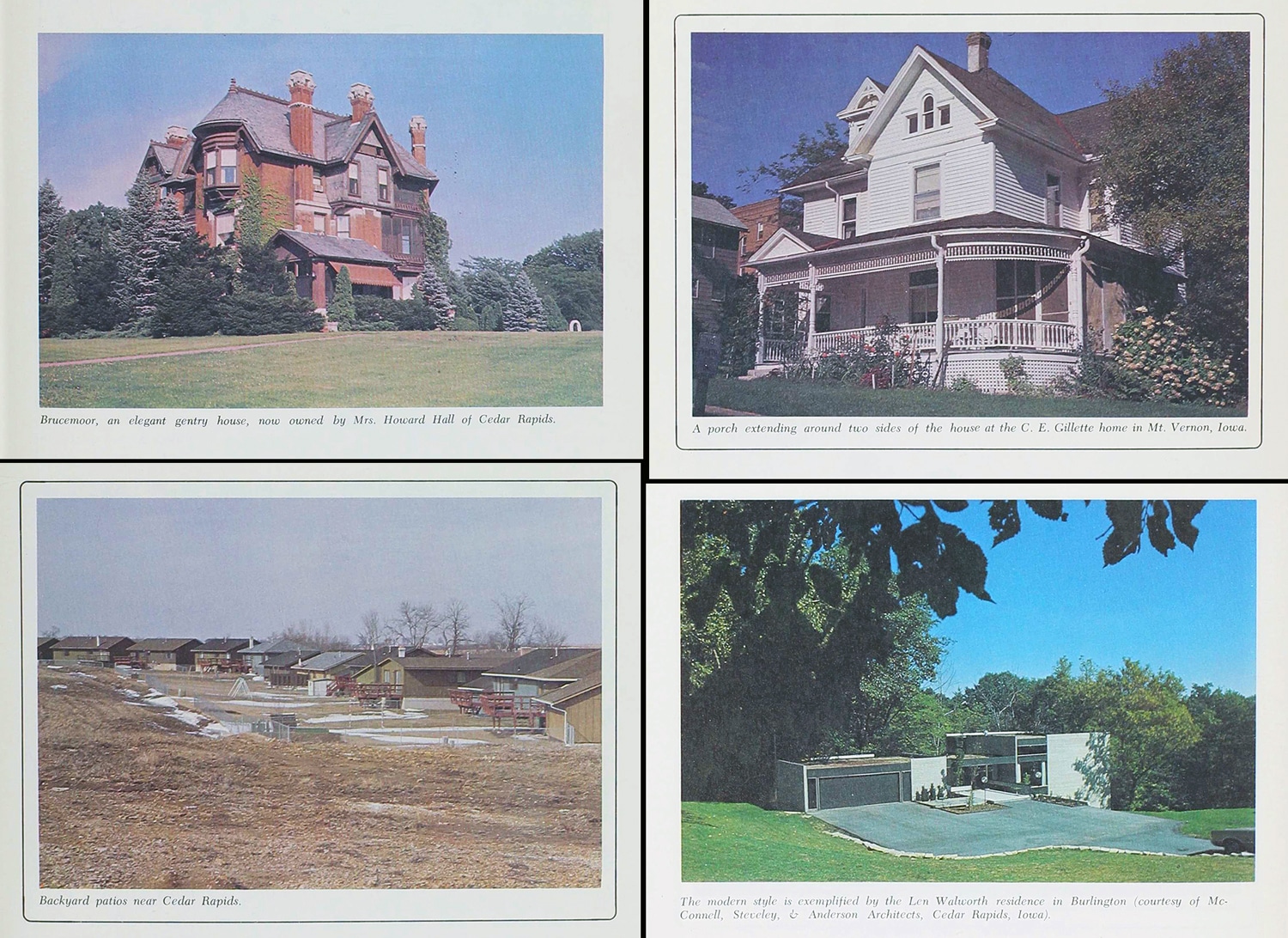
For over half a century, the Reverend Richard H. Thomas was chaplain and professor of history at Cornell College in Mount Vernon, Iowa, where he cultivated an interest in architecture. In 1975, Thomas published a short article in The Palimpsest, the journal of the State Historical Society of Iowa, in which he argued, like many before him, that changes in a culture’s dominant worldview can be decoded as changes in certain building types. According to Thomas, the replacement of the outward-facing front porch with the introverted back patio in new houses across the United States revealed a monumental shift from civic-minded sociability to alienated self-absorption. 1 The story echoed (with some modifications) a theme common in postwar social commentary regardless of political orientation, from David Riesman’s portrait of a “lonely crowd” to Herbert Marcuse’s evisceration of “one-dimensional man.” Thomas’s proposition has more recently gained currency on the academic right, as damning evidence summoned by political theorist Patrick J. Deneen in his 2018 bestseller, Why Liberalism Failed. Diagnosing a longstanding tendency in American culture, Deneen adduces a shift from porch to patio as proof of liberal modernity’s spiritual impoverishment, whereby the pursuit of individual freedoms supersedes that of the “common good.” 2
Diagnosing a longstanding tendency in American culture, Deneen adduces a shift from porch to patio as proof of liberal modernity’s spiritual impoverishment.
Critical intellectuals ignore such thought at their peril. Deneen’s book has achieved near-canonical status among the intelligentsia of the New Right, for whom erudite narratives of cultural decline provoke a counter-revolutionary call to arms (impolitely: “Make America Great Again”). Indulging the pleasures of sweeping generality, Deneen hauls western society before the tribunal of “virtue,” arguing that, since the Middle Ages, possessive individualism has so thoroughly replaced pious deference to the common good that liberalism has become a failure of world-historical proportions. Many tributaries feed this claim, not least the observations made by Alexis de Tocqueville regarding the republican paradox of “democracy in America,” wherein democracy’s success carries the seeds of its own undoing by a potentially tyrannical majority.
It is not quite right, then, to describe Deneen — arguably the New Right’s most prominent public intellectual, and a notable influence on Republican vice-presidential candidate J.D. Vance — as a populist. 3 Rather, Why Liberalism Failed and its 2023 sequel, Regime Change: Toward a Postliberal Future, anticipate something more complex: a “post-liberal” return to “pre-liberal” culture. Liberalism here is essentially individualism as state policy, a bipartisan affair comprising a faction that is “classically liberal” (i.e. conservative) and another that is “progressive” (i.e. left-liberal). Liberal society drives compulsively forward; progress is its raison d’être. Its talisman might well be the automobile, and its slogan could be the midcentury mantra: what’s good for General Motors is good for the country. Its governing political concept is freedom, or, for the conservative faction, liberty. In the post-liberal future that Deneen envisions, tentatively in the first book and aggressively in the second, “common good conservatism” entails instead a return to spiritual order through the reconquest of culture. Among the avatars of that culture is architecture.


Despite its air of down-home community seasoned with classical refinement, this restoration amounts to a threat. It is of a piece with the campus culture wars, including the sweeping crackdowns on antiwar, pro-Palestinian student protests across the country this past spring, and the systematic attack on institutions of liberal learning to which these crackdowns belong. As if anticipating the regulation of permissible classroom speech, Deneen has also written provocatively “against academic freedom.” 4 Confidently, he notes an apparent contradiction: where earlier, secular progressives confronting religious or political orthodoxy “decried limits on speech,” they now impose speech codes and demonstrate against conservative speakers. This, Deneen argues, reveals the true purpose of liberal conceptions of academic freedom: not to promote intellectual liberty, but to impose a new orthodoxy.
The post-liberal future he envisions entails a return to spiritual order through the reconquest of culture. Among the avatars of that culture is architecture.
This is a version of the argument used by those for whom defense against antisemitism has become a weapon for silencing protest against brutal Israeli political violence in Gaza. In Deneen’s hands, this argument not only fails to acknowledge the power differentials separating interests backed by U.S. military might (or in other cases, the Catholic Church), and the interests of subjugated minorities. Concealed within Deneen’s solemn reasoning is also retribution against proponents of the 2020 Black Lives Matter uprising, who demanded structural reforms to prevent arbitrary police violence — reforms that were successfully parried by the movement’s adversaries into the identity-based orthodoxies of Diversity, Equity, and Inclusion. Thus emboldened, militarized police now storm campus after campus. 5 The problem with academic freedom, Deneen had argued earlier, is that it gives license to a “new theology of wokeness” that, in the name of liberal inclusivity, threatens the religious (that is, Christian) basis of institutions like his own, the University of Notre Dame.
Arrayed against such forces of secular “progress,” in this vision, are counter-institutions — islands of dissent from which, in Deneen’s case, a “fully Catholic argument” might be made against both the prevailing “liberal” order and genuinely insurgent efforts to bring about structural change. Why Liberalism Failed is one such argument. Were it only that, however, it would take its modest place beside countless other protests against cultural orthodoxy, right or left. But Deneen’s book is also a weapon, to be carried into battle along with other more evidently deadly instruments. Hardly restricted to conservative Catholicism and replete with spatial-architectural metaphors, it is a prelude to a well-armed cultural revolution from the right.
Why Liberalism Failed paints a landscape of desolation, the cultural detritus left by a history counterintuitively understood to be that of western civilization.
In 2009, Deneen co-founded Front Porch Republic, an online platform dedicated to reckoning with fallout from the ongoing financial crisis under the slogan “Place. Limits. Liberty.” In a manifesto-like opening essay titled “A Republic of Front Porches,” he elaborated on Thomas’s theory of cultural change. Not only did the paradigm shift “from porch to patio” reflect, as Thomas had argued, an attachment to mobility and to the automobile — such that the front porch, formerly available to pedestrians or passing carriages as a zone of social intercourse joining public and private realms, became obsolete. The regime of automobility also registers, as Deneen puts it, an “increasing bondage to ‘foreign oil’” and a commitment to distant resource wars. Back home, public plenitude is evacuated as civic life is privatized. Moreover, the more-or-less local intimacies of the semi-autonomous State (as in the State of Iowa) are abandoned for the abstractions of a federal bureaucracy: “Our States, not to mention our localities, are ever-less a kind of ‘porch,’ that transition from the world of the home to the public realm of community and eventually State and nation.” 6 In a nod to the management of sexuality that Deneen seems to find irresistible, also gone with the porch are “courtship and marriage proposals within earshot of kin.” In their place remain “devastated landscapes, deep dependence of [sic] foreign powers, and tract housing devoid of real community.” 7
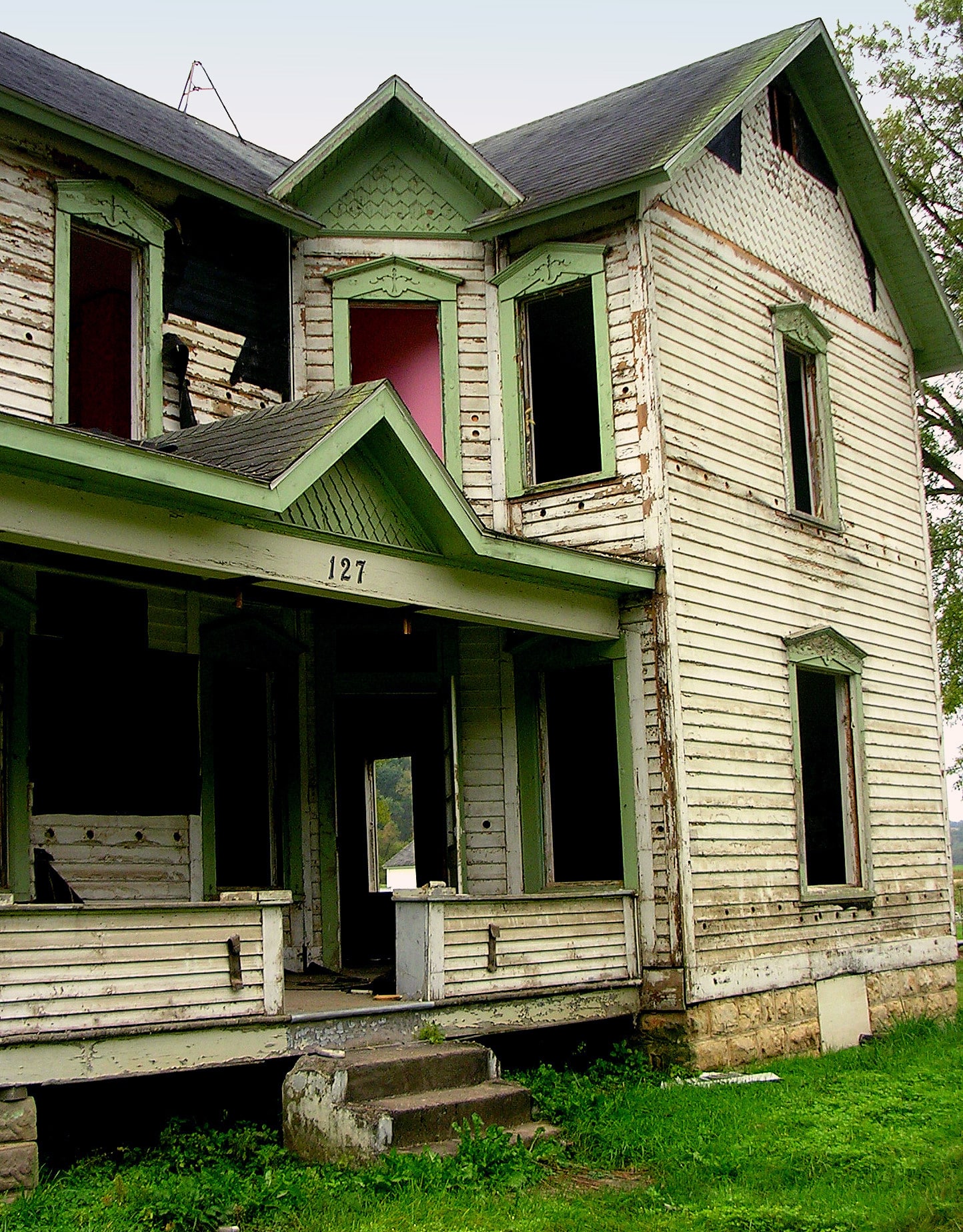
Why Liberalism Failed (which ironically received the endorsement of Barack Obama) extrapolates such claims into loosely defined activist doctrine. Peering out from the porch, the book paints a landscape of desolation, the cultural detritus left by a history counterintuitively understood by Deneen to be that of western civilization — if not (in a crypto-Hegelian fashion that he would surely deny) History itself. To be sure, the actual history he traces is relatively unheroic, with homage paid to the environmentalist Wendell Berry and a few eminent conservative thinkers. Conspicuously absent are historical agents, whether individual or collective, able to redirect events by sheer will. Yet, Deneen’s antidote to the alienation wrought by the liberal state only appears to be mild-mannered. What he proposes is front-porch localism as Volksgemeinschaft, a ruthlessly nativist vision of purified community. The aim may seem to be post-ideological sociability, “fostered in local settings, focused on the creation of new and viable cultures, economics grounded in virtuosity within households, and the creation of civic polis life.” 8 But this is an artful disguise.
The Long March
Regime Change, the sequel to Why Liberalism Failed, strips the counter-revolution of its veil. Deneen’s political theory pivots around an Aristotelian concept of “virtue” as handed down by Christian theology to the Puritans, and from there to a new conservative elite.
For the neo-Aristotelian tradition’s most noted representative, Thomas Aquinas, the soul or mind was the locus of a virtuous life reflected in a mental habitus, or what we might call colloquially a “habit of mind.” According to the art historian Erwin Panofsky, evidence of “mental habits” cultivated by Scholastic philosophers like Aquinas can be discerned in the architecture and iconography of Gothic cathedrals. 9 But the Protestant Victorians who built the houses celebrated by the Reverend Thomas were hardly Scholastics (notwithstanding the Gothic Revival trimmings of their porches). Deneen’s activist reading of building typology as a measure of cultural “virtue” may be presented as earnest counter-reformation, but it is more like postmodernist pastiche, used to perform an historical bait-and-switch before our eyes.
Built environments and worldviews rarely coincide. The suggestion that they do nevertheless brings into focus Deneen’s habit, as a self-styled “Porcher,” of exchanging when convenient the dialectical rigors of Thomist idealism for an environmentally conditioned behaviorism or even determinism. Methodologically, the question is whether large-scale federal infrastructures like the interstate highways that enable automobility and bypass the porch are expressions of a diffuse liberalism — an idea shared among political parties left and right — or crude, intrusive instruments that shape social behavior and economic life. At the level of the individual, are the “mental habits” encouraged by the automobile a source of indifference or even animus to porch life? Or are they a product of this indifference?
By vocation, Deneen opts for changing minds over changing environments, and so, despite repeated homilies to situated, local practices, we find in his writings no program for abolishing highways, or otherwise revitalizing abject streetscapes. Instead, the focus of Why Liberalism Failed and Regime Change is ideological. Though he borrows elsewhere (indirectly) from the early Marx, Deneen is averse to concepts like ideology in the Marxian sense, preferring holier terms like “values” or even “faith.” Call it what you will, ideas matter more to him than things. The counter-revolution will be cultural.
At the millennium’s turn, the intermittent architecture critic Roger Kimball published a follow-up of sorts to his notorious Tenured Radicals (1990), called The Long March: How the Cultural Revolution of the 1960s Changed America (2000). Kimball borrowed his title from thinkers of the German New Left, who urged student radicals in the late 1960s to undertake a “long march through the institutions,” not merely to transform these institutions from within, but to build new institutions on which a transformed social order might be founded. 10 In a series of portraits of countercultural figures from Susan Sontag to Eldridge Cleaver, Kimball’s Long March stresses what he perceives to be the left’s systematic capture of universities and government ministries. Interestingly, however, he omits the second part of the strategy: the establishment of counter-institutions. This would have to wait for activist intellectuals like Deneen, and the project of cultural restoration led by a conservative intelligentsia.
Perhaps inadvertently, he conveys disdain for those he claims to represent, a polity sitting on front porches tutored to seek its own oppression.
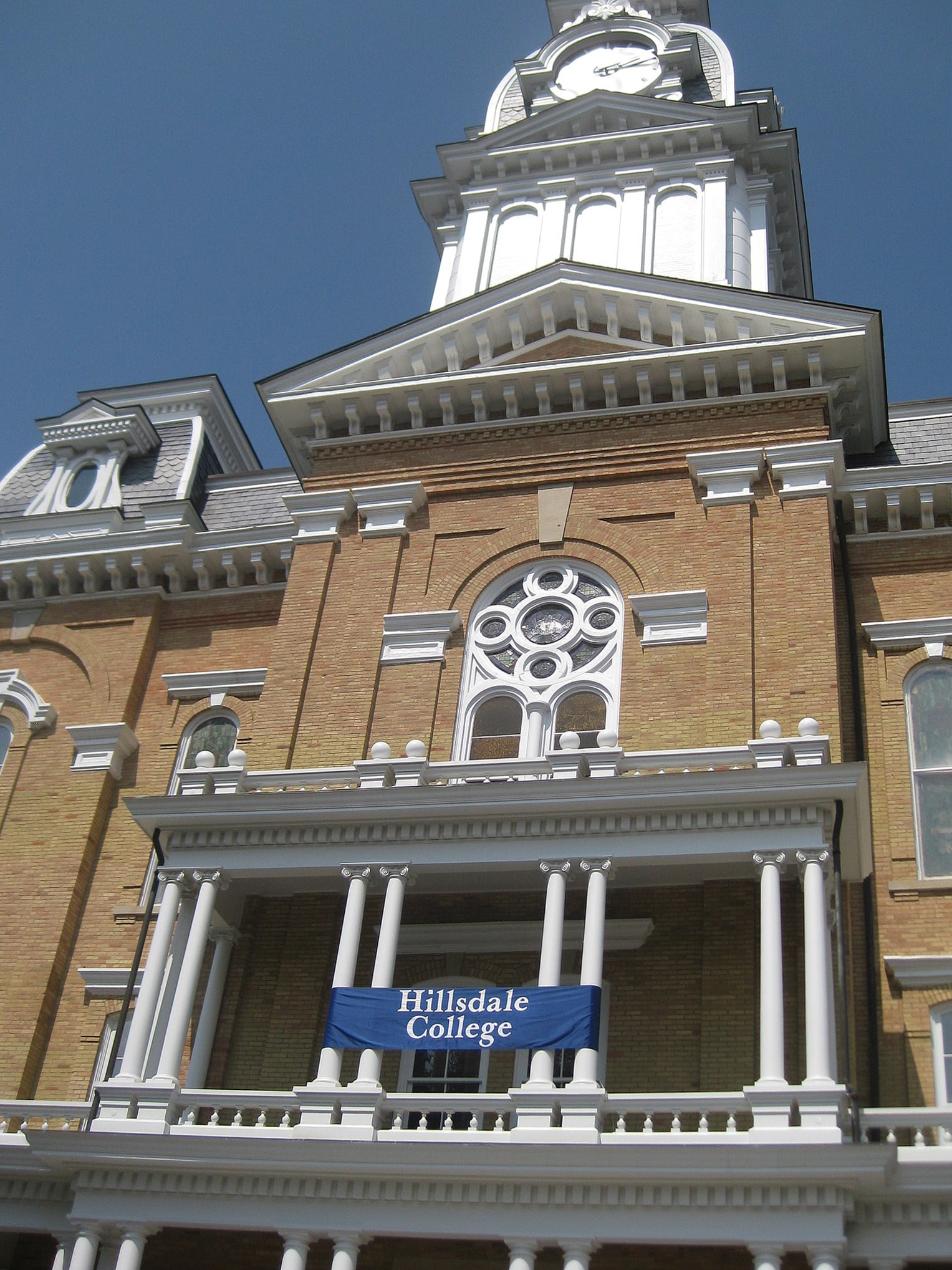
Today, Hillsdale College, the Claremont Institute, and the associated Claremont Review of Books are among the institutions that exert a considerable influence in the sort of ideological retraining — a cultural revolution from the right — advocated by Deneen and other New Right conservatives. In this regard, his work gives voice to an emerging consensus that a meritocratic, managerial elite has imposed its libertarian individualism on all facets of cultural and economic life. The rot runs so deep that reforms are hopeless. The elite must be replaced. 11 Not abolished but replaced since, as Tocqueville warned, the majority cannot be trusted to govern itself. Replacement requires a new set of institutions (pending the more complete capture of existing ones), in which that new elite will learn to govern by internalizing Aristotelian values emanating upward from a suitably tutored populace below. With this end in sight, Deneen’s aristocratic populism (“aristopopulism”) builds the preacher’s pulpit back into the teacher’s lectern. In the process, and perhaps inadvertently, he conveys disdain for those he claims to represent, a polity sitting on front porches tutored to seek its own oppression.
“Machiavellian Means to Achieve Aristotelian Ends”
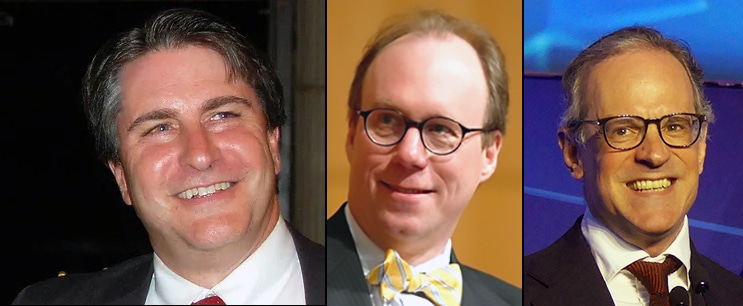
Casting themselves as outsiders shunned by progressive elites, conservative thinkers regularly engage in programmatic combat within their ranks. This internal combat, which also shifts the front externally, often entails repurposing older strategies. Michael Anton is therefore correct, I think, to emphasize Deneen’s debt to the political philosopher Leo Strauss. Hardly a spokesperson for the working class himself, Anton, a former investment banker and national security official in the Trump administration, is among the higher-ranking officers of the New Right commentariat. His pseudonymously published 2016 manifesto “The Flight 93 Election,” which likened support for Donald Trump to passengers on 9/11 storming the cockpit of the hijacked United Airlines Flight 93, expressed an unabashed anxiety that “the ceaseless importation of Third World foreigners with no tradition of, taste for, or experience in liberty means that the electorate grows more left, more Democratic, less Republican, less republican, and less traditionally American with every cycle.” Hence, said Anton: “The election of 2016 is a test — in my view, the final test — of whether there is any virtù left in what used to be the core of the American nation.” 12 Writing again in the Claremont Review, Anton outs Deneen as “quasi-Straussian,” a moniker that gains specific meaning when considering the techniques of counter-revolution. 13
Leo Strauss (1899-1973) was an enigmatic political philosopher, and Deneen’s Straussianism is ultimately ambivalent. Arguably, Strauss saw liberalism as the least of political evils, given a modernity that had tragically relinquished the classical search for moral absolutes and accepted historicist relativism. Deneen goes farther. As Anton points out, perhaps more for Deneen than for Strauss, this type of anti-liberalism is, in the end, pre-Machiavellian. Like Strauss, Deneen returns to the classical tradition, but via modern means and applied to postmodern ends, in a form of political pastiche.
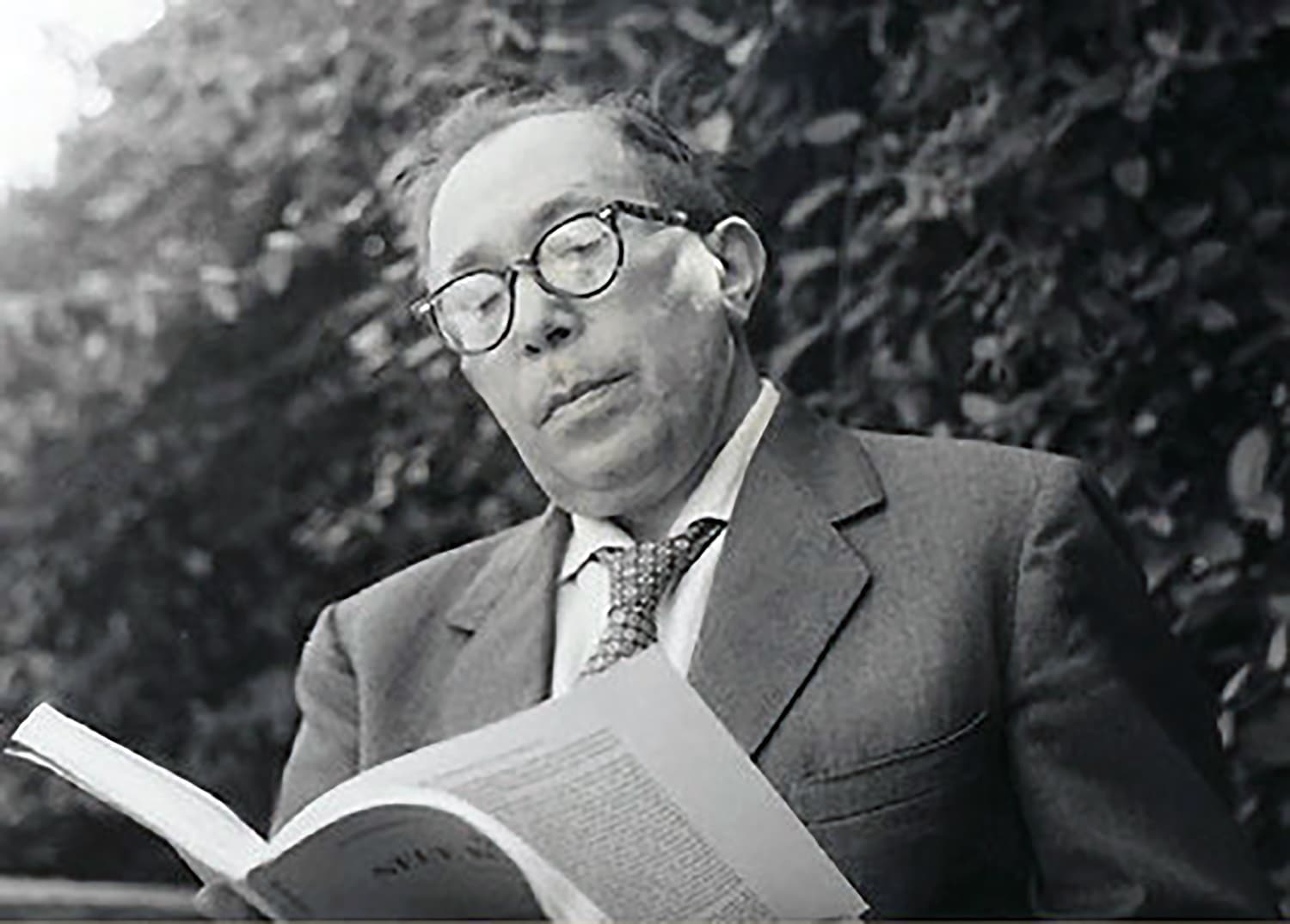
In Regime Change, Deneen attempts to square the circle with a call to apply “Machiavellian means to achieve Aristotelian ends.” 14 Of necessity, this plays games with the separation of religious and secular thought. As Strauss saw it, political philosophy committed to the search for truth has often been forced to disguise itself, particularly under conditions of persecution. This, he argued, was the difference between the classical and the modern: where classical thinkers recognized the distinction between wise rulers (Plato’s philosopher kings) and the tyranny of the unwise, the moderns, beginning with Niccolò Machiavelli, did not necessarily distinguish between king and tyrant, and so subsumed philosophy into instrumental reason. In doing so, they upset the balance between reason and revelation that had been indirectly maintained, Strauss argued, in premodern thought. The triumph of reason in modernity was pyrrhic, however, and Strauss, for his part, dedicated much of his career to studying the public display of hidden content; or, more colloquially, saying something without saying it. 15
The yawning gulf separating snobbish, uprooted ‘Anywhere’ people from wholesomely rooted ‘Somewhere’ people would be dissolved into a new and improved homeland.
What is Deneen saying without saying? Why Liberalism Failed is transparent in its nostalgia for front porches and the Americana gathered there; Regime Change is more ambitious in its political program. Deneen is a lucid writer, albeit prone to the repetitions of the pulpit-lectern. In this, what seems a stylistic glitch is in fact strategic. His guiding philosophical question has to do with the vexed relation between reason and revelation. But keeping this question at arm’s length allows Deneen to code-switch, now speaking the comparatively secular language of Straussian elites, now that of Catholic Rome, winking at the elect among his readers all the while. The contradictions are real, and, the bait-and-switch between secular and religious codes notwithstanding, Deneen’s vacillations may be in earnest. Regardless, they bring a higher purpose into focus.
Deneen’s recipe is for a “mixed constitution” overseen by a new aristocracy sensitive to the traditional values of the popular classes. In place of competition between elite and popular interests would be a “genuine blending,” whereby a selfish ruling class is replaced by selfless aristoi, a proper nobility possessed of common virtues bestowed by their subjects. This renewed classical polis would take the form of a redrawn geography in which the yawning gulf separating snobbish, uprooted “Anywhere” people, denizens of the highway, from wholesomely rooted “Somewhere” people, denizens of the porch, would be dissolved into a new and improved homeland. (With “Anywhere” and “Somewhere,” Deneen adapts vocabulary from the British journalist David Goodhart, for whom the reaction against “Anywheres” was epitomized in the U.K. by Brexit. 16 )
Among the lukewarm policies Deneen advocates, a simultaneous enlargement of the U.S. House of Representatives and a diminution of the college population stand out. Seen together, these effectively reverse a 19th century understanding that the purpose of a liberal education is the education of voters. Instead, higher education of the sort proposed by Deneen would revert, mutatis mutandis, to its premodern function of reproducing the clergy, now in secular as well as religious garb. Granted, an expanded House does carry the salutary implication of a more direct or “retail” democracy. But the superimposition of this enlarged representative body on a new cultural geography of “Somewheres,” whose access to libraries would likely be restricted to books that were prescreened by aristopopulist pedagogues, is designed to minimize the chances of political dissent, never mind grassroots organization across state lines. Although the Machiavellian exercise of state power recommended by Deneen is nominally directed toward the amplification of popular voices, his policy proposals ensure that that those voices will not be raised against the priorities of the Prince, whose proximity to God is secured in the village church that replaces the regulatory “deep state.” Rather than ending liberalism, these proposals exploit its contradictions, by exploiting the code-switching between church and state on which the American republic was founded.
Integralism
“Toward Integration,” the final chapter of Regime Change, explains this “post-liberalism” most concretely. The chapter title refers not to the political reconciliation of ideological opponents, but to the social reintegration of church and state. The doctrine of integralism has recently enjoyed renewed popularity beyond the recondite domain of Catholic political theology in which it originated. For Deneen, it signifies a path to the “common good” through the rediscovery of devout, pre-liberal alternatives to both “libertarian free markets on the right, and sexual libertarianism on the left.” 17 With this pairing, the codes switch once again. Irresistibly, neoliberal political economy is sexualized, and the virtues of a secular “common good” — purportedly elevating the interests of non-elites beaten down by the markets — are reborn as a divine mandate against deviance.
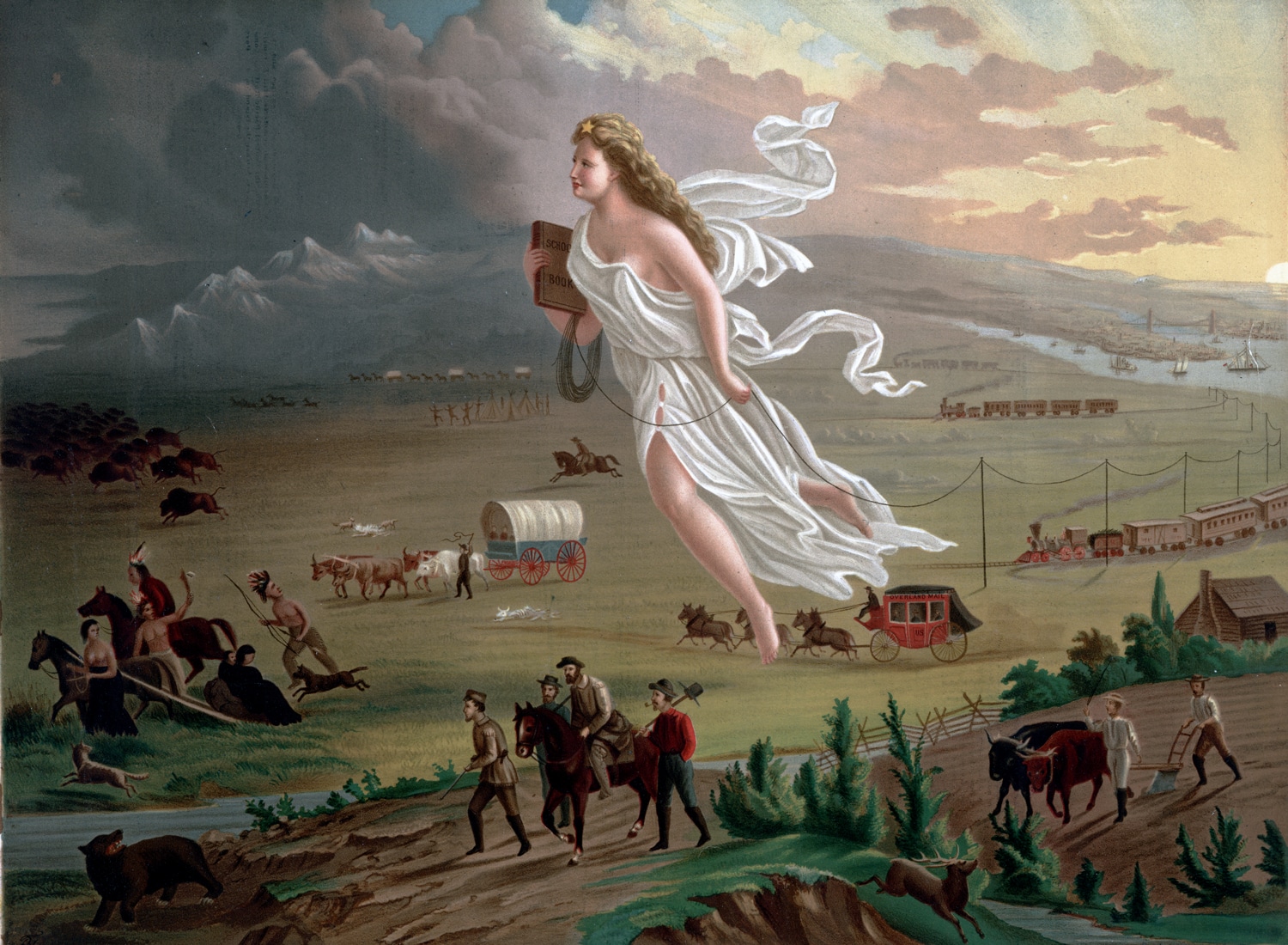
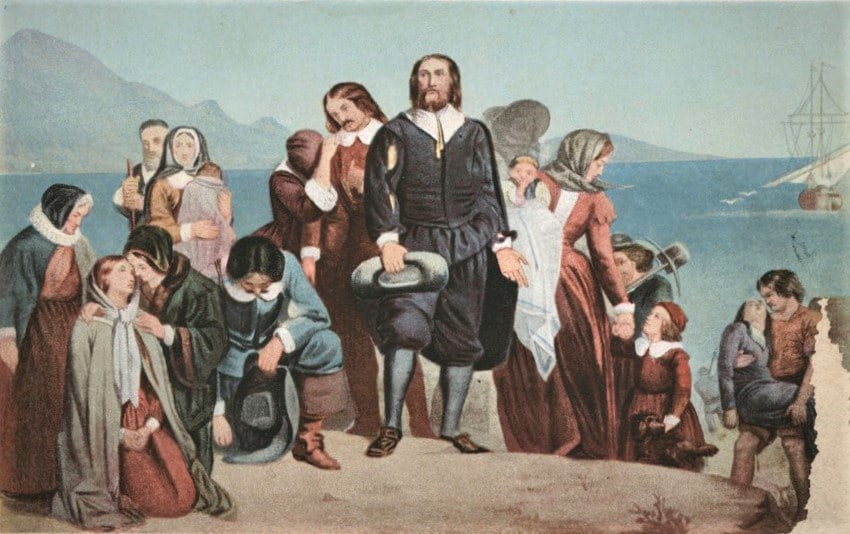
Recall that, in Why Liberalism Failed, one benefit of the front porch is to police sexuality by placing “courtship and marriage proposals” under the supervision of elders. 18 In Regime Change, the porch grows into a “city on a hill,” a figure wrested from the rhetorical clutches of its most ardent sovereign, Ronald Reagan, and restored to its originator, the Puritan governor of the Massachusetts Bay Colony, John Winthrop.
In Regime Change, the porch grows into an overexposed yet virtuous ‘city on a hill,’ its uncertainties nervously laid out for inspection.
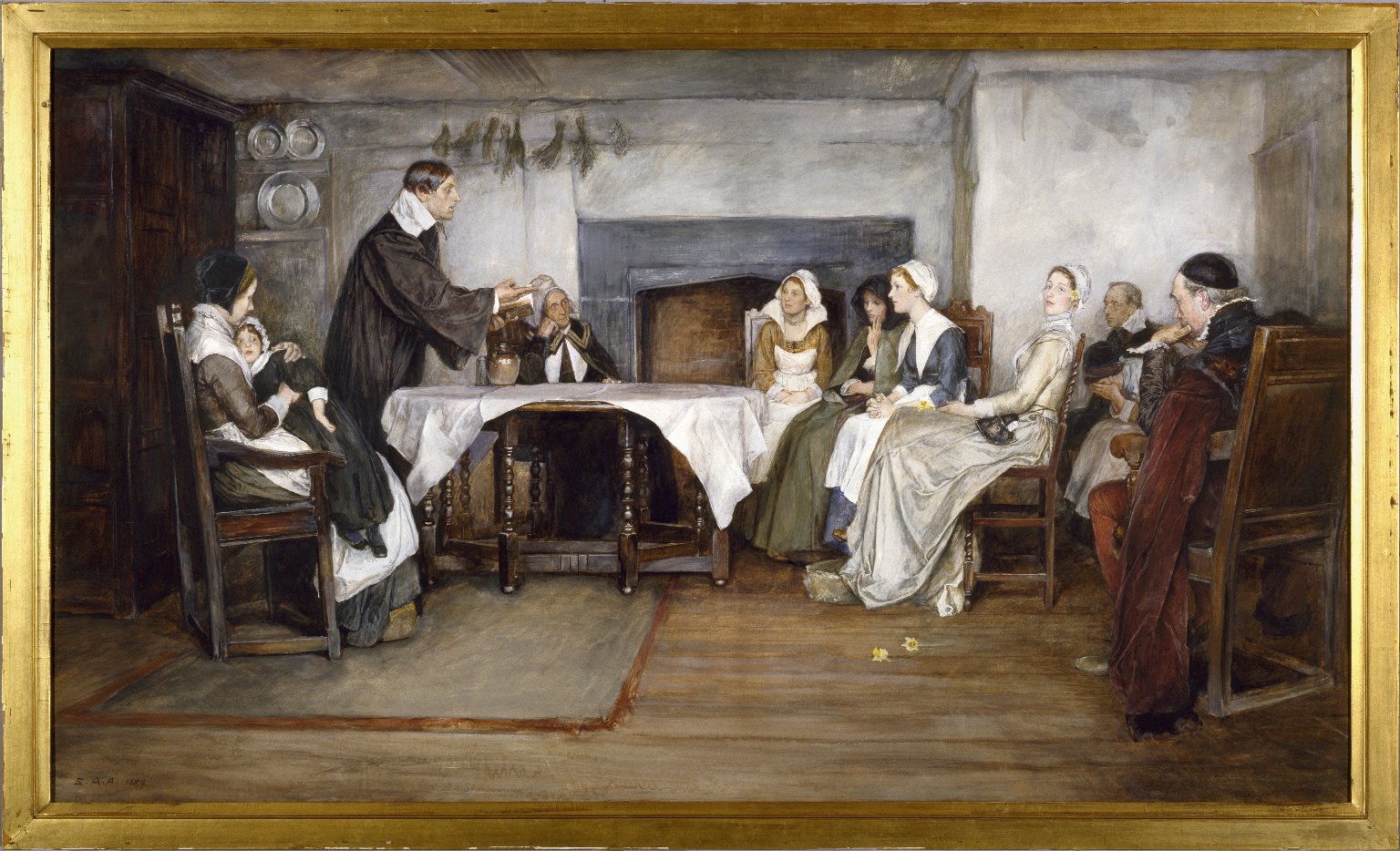
Forgiven for his Protestantism, Winthrop appears in Regime Change as a carrier of the integralist solution to the paradox identified by Tocqueville, that of the “tyranny of the majority” with which the nation is threatened by liberalism’s very success. In the sermon that Winthrop wrote but may never have delivered to his fellow colonizers as they prepared to embark for the New World in 1630, the English divine anticipated construction of an overexposed yet virtuous “city.” This was not, as later readers have projected, a celebration of American exceptionalism avant la lettre. It was an anxious acknowledgment of the Puritan project’s fragility, if not its transparent contradictions. 19 Readers today will recognize the sermon as an apology in advance for brutal conquests over two centuries, to be sharpened on the steel of an imperial “manifest destiny.” But Deneen’s attempted recovery of the colonial imaginary transports the pre-liberal/post-liberal reunion back in time, nervously laying its uncertainties out for inspection.
Here is Deneen, reading Winthrop’s sermon for its pre-liberal enforcement of “public-spiritedness”:
While public-spiritedness was rightly to be encouraged in the private, familial, and civil spheres, it required as well the force of law, particularly to restrain the self-serving temptations of the strong and direct them to support of the weak in their communities. Law directed to fostering solidarity thereby reinforced the greater majesty and priority of the public sphere over the private. If the new colony was successful in this effort, the “city upon a hill” would deserve the admiring gaze of the world. This was the original aspiration of the aspirational exceptionalism of the first European settlers — before there was an America. 20
Squint, and you might conclude that this passage reconciles the competing triumphalisms represented by the “city on a hill” trope for, among others, Reagan, Obama, and John F. Kennedy. But when Deneen demotes certain triumph to uncertain aspiration (“if the new colony was successful”) he is staying closer to the original, following Winthrop in deferentially submitting the colonial enterprise to the inspection of both deity and demos. Only time will tell whether this shining city “would deserve the admiring gaze of the world.” An air of contingency wafts from beneath the puritanical swagger. This conveys a certain humility before liberalism’s spectacular success, beneath which is barely concealed a gritting of teeth before the hill to climb and the battle to fight, backed up by the “force of law.” For myth to become reality, there remained a continent to conquer and a frontier to settle. Blasted forward from Winthrop’s times to ours, that frontier is now cultural.
Townships
The earlier frontier battle’s bloodiness goes unmentioned, as does the racial slavery that paid the bills, the latter of which appears in Deneen’s story as mainly a matter of cultural deracination among the enslaved. 21 Two centuries later, the projected city has been abstracted into the “spirit of the township” celebrated by Tocqueville. Tying up loose ends, Deneen takes Tocqueville’s reference to Winthrop on the virtues of liberty to denote a sharing of moral duties — a legacy of the old Puritan ethic that is quite distinct, we might add, from the liberal “Protestant ethic” summarized by Max Weber with the knowing line from Benjamin Franklin: “Time is money.” 22

That older Puritan ethic was based on face-to-face contact. Extending the scale of the polis beyond that of the township or, at best, of the individual states, therefore risks stretching the desired “spirit” beyond recognition. Tocqueville, for his part, did not have much to say about the municipal turnpike and bridge authorities that were among the nation’s first corporations, and which provided a basis for interstate commerce and ultimately, global trade. Interstate travel along these roads by foot, horse, or carriage was slow and precarious. Near the conclusion of the first volume of Democracy in America, he only suggested that, with their rivers, canals, extensive coastlines, and insatiable commercial drive, Anglo-American settlers “were born to rule the seas, as the Romans were to conquer the world.” 23 Ruminating over the young republic’s defining theme of federalism versus localism, Tocqueville did find commerce and community mingling aboard the steamboats. There, one could observe the twin obsessions of
busy-mindedness and love of pelf [money], which are constantly urging the American into active life and bringing him into contact with his fellow citizens. He crosses the country in every direction; he visits all the various populations of the land. There is not a province in France in which the natives are so well known to one another as the thirteen millions of men who cover the territory of the United States. 24
Nevertheless, Tocqueville insisted, to discern the political principles from which the union was forged, it was necessary to begin with the states. Federal authority was the exception and the states the rule. Below this were the counties and, finally, the townships, the republic’s heart and soul. As a natural form of assembly common to all nations, the small municipality, village, or township “seems to come directly from the hand of God.” 25 Its intimacy and autonomy breed civicmindedness. Approvingly, Deneen quotes Tocqueville observing that “town meetings are to liberty what primary schools are to science.” 26 (Homeschooling would presumably be out in a post-liberal society.) Spontaneous participation in civic affairs reflects a dispensation in which, according to Tocqueville, the people are sovereign. In place of centralized state power projected downward onto the township, decentralization channels authority upward to the state through local intermediaries like justices-of-the-peace. The risk of administrative anarchy that threatens in the absence of a strong central authority, Tocqueville concludes, is well worth the political effect, whereby every citizen
takes pride in the glory of his nation; he boasts of his success, to which he conceives himself to have contributed; and he rejoices in the general prosperity by which he profits. The feeling he entertains toward the state is analogous to that which unites him to his family, and it is by a kind of selfishness that he interests himself in the welfare of his country. 27
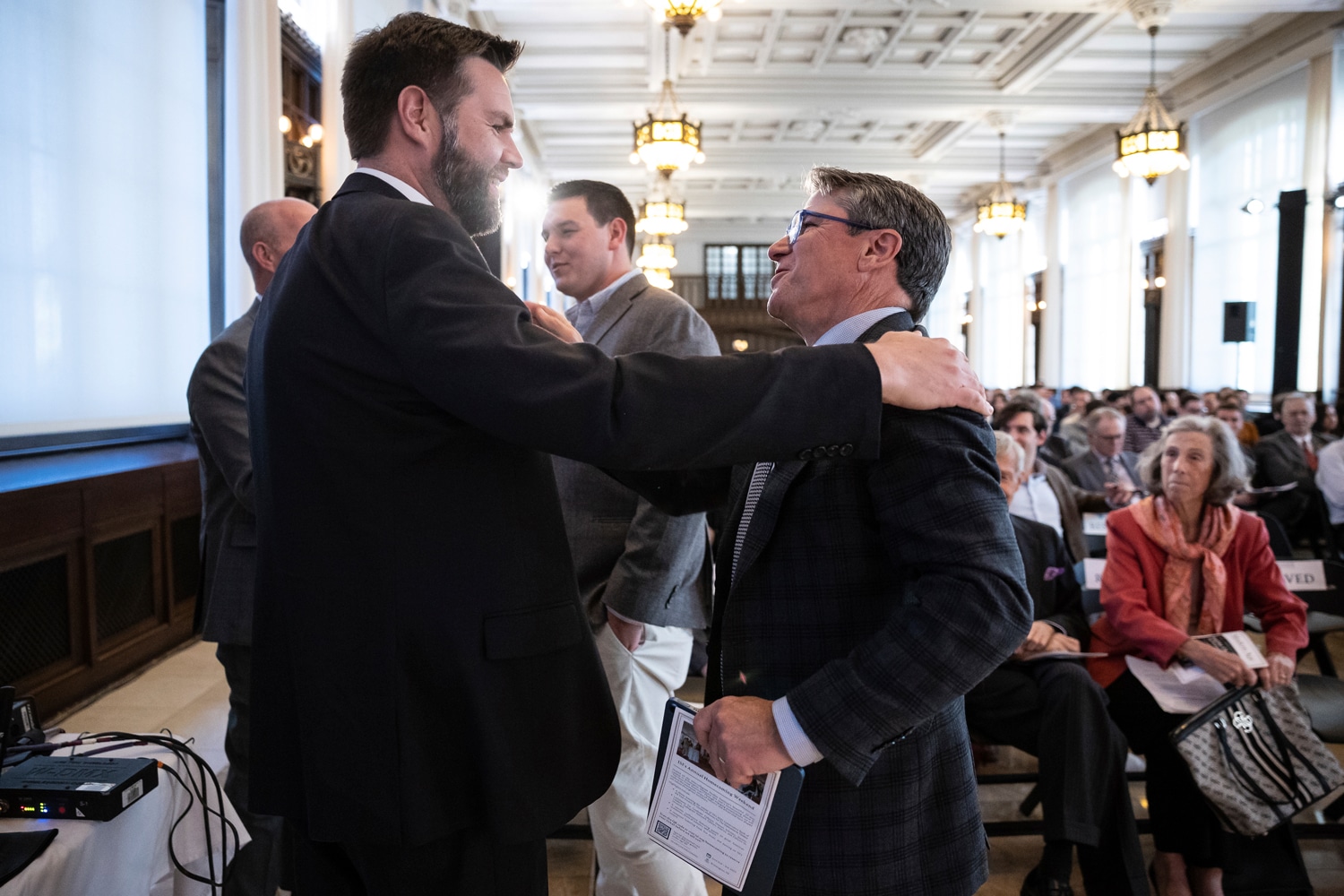
Bound together here are the two political theologies that Deneen is trying to untangle: a Christian metaphysics of the family, and a liberal metaphysics of the state. The problem is not that the two have now begun to separate as a precondition for the popular sovereignty that Tocqueville feared. The problem Deneen is unable to resolve is that, for him as for Tocqueville, both theologies entail a “selfishness” that feeds national feeling upward, from the family to the state. This foundational selfishness runs contrary to the selfless solidarities that Deneen associates with village life, from which he attempts to extrapolate a nationally applicable “common good conservatism” that, in its mistrust of the demos, cannot conceal its contempt for anything truly common. Why? Because a metaphysical order that conflates state with nation, and nation with family, is at the heart of Deneen’s vision for a post-liberal society. The nation-as-family secures that order symbolically in a mythic “common good” that obscures class and racial conflict, as well as misogyny and homophobia, while the family-as-nation takes the place of the state administratively through the policing of sexuality, the maintenance of social norms, and the securing of borders. The two intersect in the township, village, or small town.

Strangers
For Tocqueville, an important feature of the American republic that protected against the “tyranny of the majority” was the absence (in the 1830s) of big cities. In cities, he observes, “men cannot be prevented from concerting together and awakening a mutual excitement that prompts sudden and passionate resolutions” (read, from Paris: “revolutions”). 28 Tocqueville does not need to point out the obvious corollary: that a small municipality shrinks the scale of political organizing. But the point, from Deneen’s perspective, is well made. Keep the cities small and the people in their place.
Civic architecture stands for the maintenance of a social order threatened with disintegration via liberal individualism.
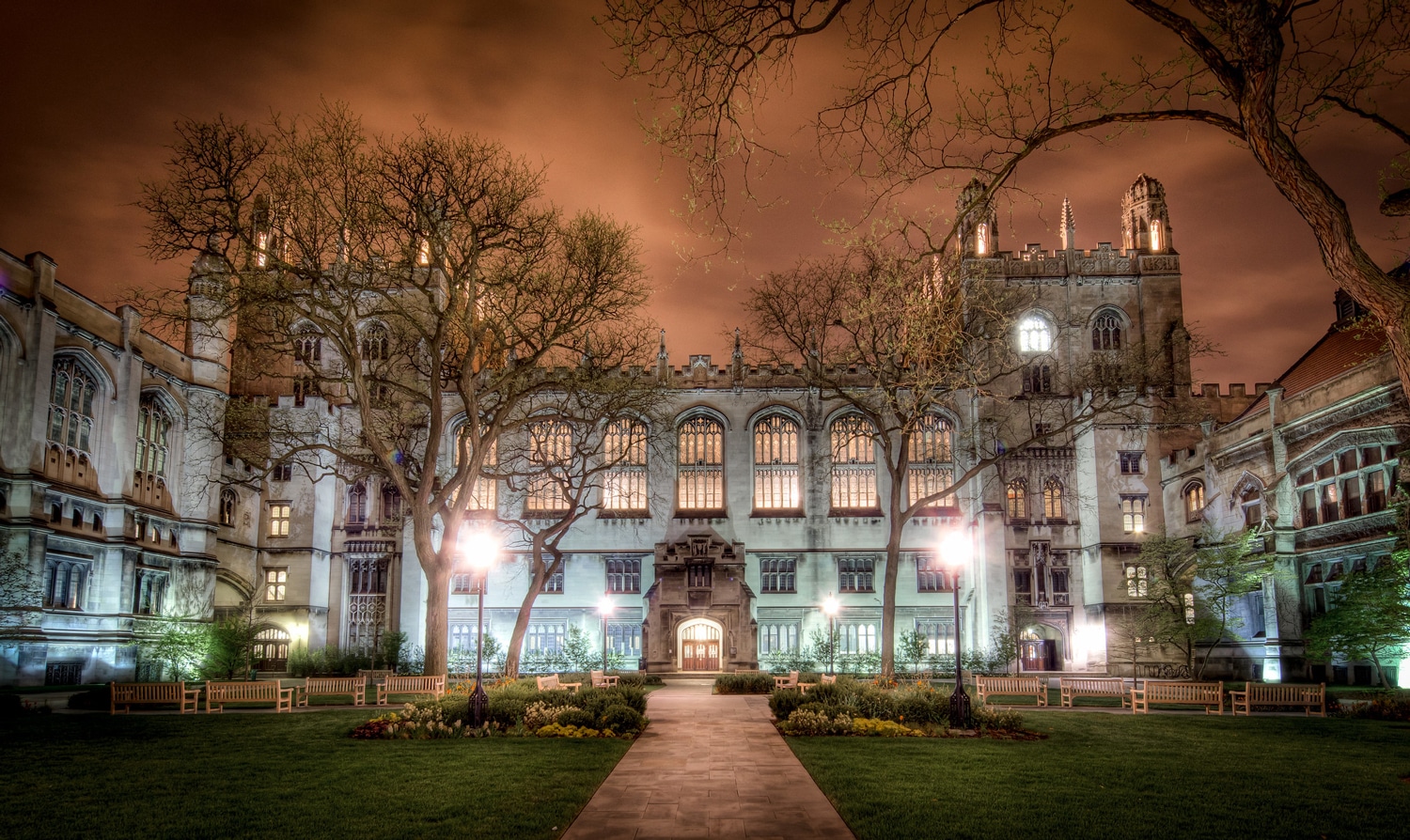
Even so, the municipalities remain for Tocqueville mainly practical sites of social solidarity, not symbolic loci of social belonging. Elsewhere, Deneen translates this practical feature into a political aesthetics, wherein civic architecture stands as a figure for the maintenance of a social order threatened with disintegration via liberal individualism, a catch-all that also serves as a cipher for the cosmopolitan city of strangers. Taking liberties with stylistic classifications (the University of Chicago’s Gothic Revival Harper Library exemplifies “classical principles”), Deneen argues that disorder — upending sexual norms, destabilizing institutions, rejecting tradition — and not unfreedom, is the greatest threat to social cohesion. Renewed focus on the maintenance of order has the salutary effect of “shift[ing] the emphasis markedly from the progressive focus on individual self-invention, and the so-called conservative emphasis upon the unencumbered economic self.” 29
For this, architecture provides a central metaphor: “We are not mistaken to recognize the similarity of classical architecture and classical political philosophy. Order was prized above all. Stability was a main principle, achieved through balance and proportion (a form of moderation).” 30
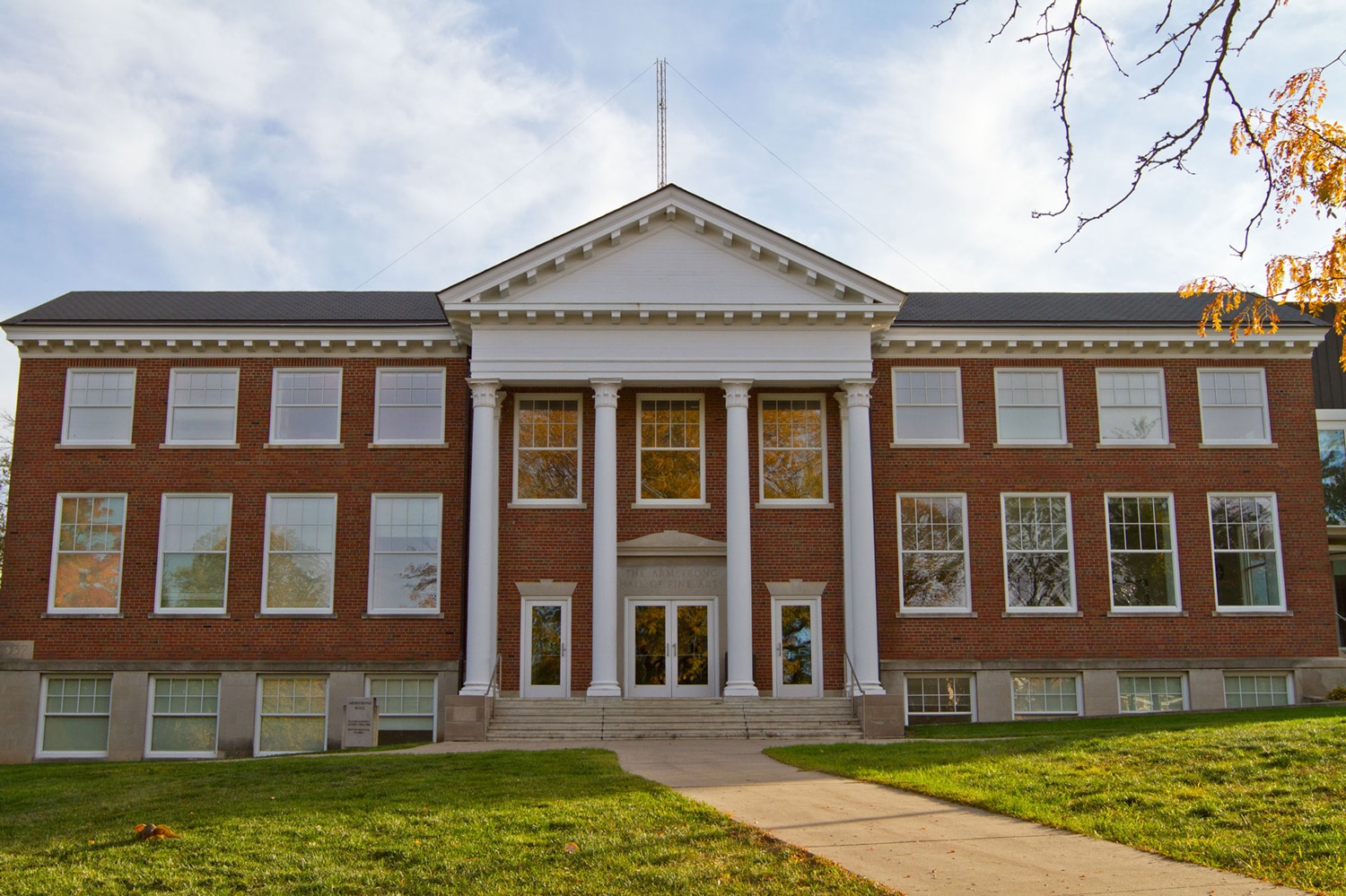
Only a mixed constitution, Deneen repeats, one that balances the interests of elites and popular classes, can provide a form of social stability comparable to classical order. A short, predictable step connects the aesthetic principle with the political one: “the difference between a beautiful downtown in contrast to the degradation of a Philadelphia or a San Francisco.” 31 The two examples are not arbitrary. In Philadelphia, “degradation” codes racially; in San Francisco, it incites fear of the unhoused. In both cases, what is said without saying is that “degradation” is a matter of disorderly conduct, best dealt with by the police. It is therefore no accident that the greatest threat to the classical harmonies — symmetry, balance, and proportion — is the disorderly city of strangers.
It is no accident that the greatest threat to the classical harmonies — symmetry, balance, and proportion — is the disorderly city of strangers.
In this respect, Tocqueville also supplies today’s devout aristopopulists with an unwitting precursor to the anti-cosmopolitan antisemitism to which, at the outset of the 20th century, the German-Jewish sociologist Georg Simmel would reply by celebrating the ambivalent freedoms of the metropolitan “stranger.” Famously, for Simmel, the stranger is a “wanderer, who comes today and stays tomorrow.” 32 It is no secret that this figure reflects the estrangement felt by European Jewish intellectuals like Simmel; sociologically, it also refers to traveling merchants, cosmopolitan elites, and other “wanderers” who, antisemitically coded, had come to represent the rootlessness of modern life. Such associations may be far from Deneen’s mind, but they lie in close proximity to his discourse. And just as, in Simmel’s time, the stranger was also a Gypsy (today, Roma), a migrant from Eastern Europe, the figure of the migrant haunts the nativist discourse with which Deneen makes common cause, as the refugee, guest worker, or “illegal” immigrant. Deneen says none of this. But that is the point: he need not, since his metaphor of classical-Christian order says it for him, with architecture’s help.
Anti-democracy
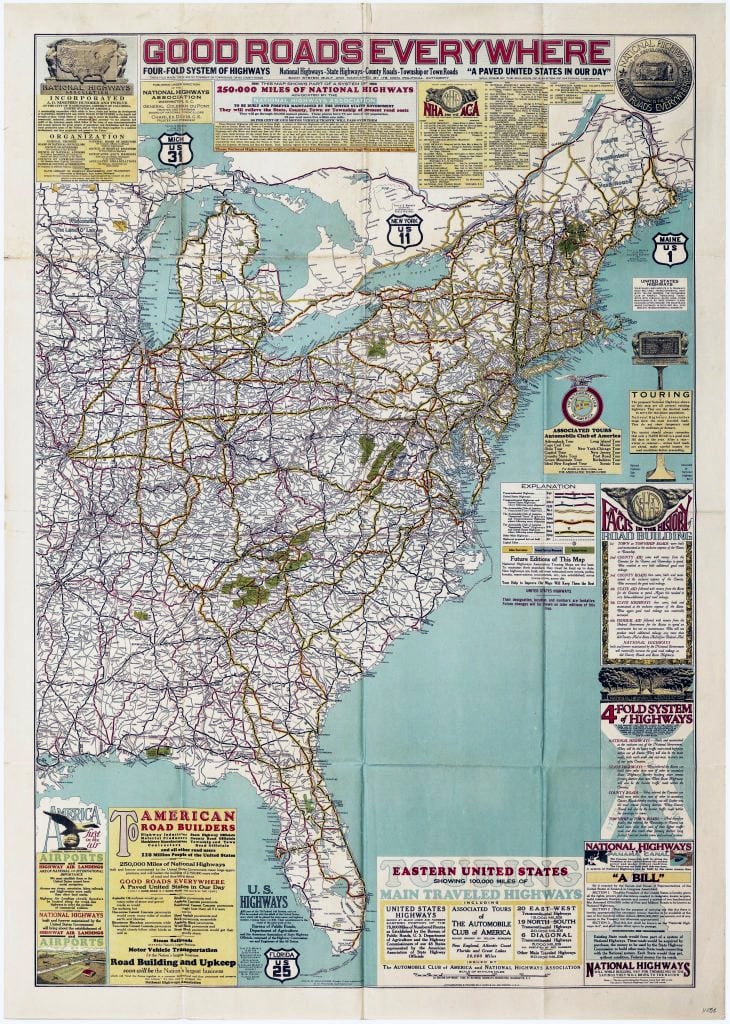
In one respect, Deneen is right. The current order cannot stand. Not because liberal democracy has brought disorder, but because its actual successor, neoliberal anti-democracy, imposes order at all costs. The real political contest is not between those who would preserve the status quo and those who, like Deneen, would return society to the custody of Puritan commanders seething in “postliberal” rage. Nor is it simply a matter, as others have argued, of giving enlightened liberalism a chance to fulfill its promise, headwinds from the future notwithstanding. 33 The point of all the patios, highways, and public plazas that sprang from state policy during the postwar decades was to forestall, under the sign of modernist “progress,” any truly structural political and economic change. In the end, what was good for General Motors was good for the country — so long as these were understood to be one and the same. But now the workers have begun to strike again. The citadels of culture are showing their cracks, and political protest is spreading. Neoliberalism’s governing institutions — capital and the police — have combined in an authoritarian turn, as the military-industrial complex grinds on. If the liberal road to Anywhere may once have been paved with social-democratic good intentions, then the neoliberal road to Somewhere may well prove to be soaked in blood.
What happens in the movie theater, in the mall parking lot, and in the ranch-house basement remains incommensurable with porch and patio alike.
For what does it really mean to apply “Machiavellian means to achieve Aristotelian ends?” The bad faith of aristopopulism lies not in its arcadian dream of a “mixed” order able to keep the peace among warring parties, but in its deployment of an aristocracy to counteract the impending tyranny not of the patio but of the porch itself. The villages, towns, and small regional cities left behind by neoliberalism have long been, and remain, sites of intense contradiction. Daily struggles for survival in these locales, as well as in their suburban or peri-urban surroundings, remain as basic to the American Gothic imagined by Deneen and his comrades as they are to the liberal “regime” they resent. Reliably, that resentment is expressed as a call for sexualized repression. As Deneen says, paraphrasing a famous neoliberal, “it’s the economy and the social order, stupid.” 34 What happens in the movie theater, in the mall parking lot, and in the ranch-house basement remains incommensurable with porch and patio alike. In other words, the drives and conflicts of domestic life, however strictly regulated by family values, have a way of seeping out. If by “culture” the post-liberals mean Biblical compliance, they should expect more civilly-disobedient uprisings like those that have recently arisen on college campuses, but now less easily viewed at a safe distance on their screens.

It was a truism of New Deal policies designed to protect the liberal order that the real threat came from the countryside, not the cities. Were the agrarian breadbasket to revolt, urban populations would follow. Hence the massive modernization schemes, from the Tennessee Valley Authority to the Rural Electrification Agency, aimed at pacifying the simmering wrath that John Steinbeck and many others detected in the heartlands. Likewise for the postwar highways that rendered urban aristoi redundant by hardwiring country to city, amplifying distinctions between the two in cultural terms while binding them, unequally, in economic ones. In the postwar, post-New Deal dialectic, city and country could no longer be imagined simply as two separate spheres doing business with one another. Rather, their mutual dependence became so acutely felt, their real exploitations and antagonisms so stark, that each compensated by projecting their differences more brightly. This midcentury dialectic was called “suburban.” The dialectic of (small-town) porch and (suburban) patio observed by the Reverend Thomas only displaced the larger schema (think leafy neighborhood versus blighted ’hood). Attempts like Deneen’s to restore order in a coded language that promises to reintegrate church and state and to expel strangers represent a deliberate escalation of the conflict (“Machiavellian means”) rather than its resolution. No longer is it a matter of summoning legions of pious “Somewhere” people against the dreaded, wandering (and again, antisemitically coded) “Anywheres.” At stake is, rather, a recognition that this latest version of the old antagonism — country versus city, peasants versus proletariat — works strategically to protect powerful interests that only appear to take a side.
Having addressed these recent theses on post-liberalism, it remains only fair that I conclude with a brief response to the question Deneen borrows from V. I. Lenin: What is to be done?

Straightforwardly: socialize the porch. Convert — democratically — private property to public, like the highways. Assemble publics to debate what can be called the “infrastructure question,” the question of what is to be shared in common and the responsibilities that this sharing entails. 35 Learn in these debates to recognize the interplay of ideological and material interests. Acknowledge, and seek to democratize, the intersection of a politics of culture with the political economy of power.
Midway through Regime Change, Deneen articulates a key distinction between the elitism of liberalisms left and right, and stakes a claim on the “people” as a source of power — a claim that his aristopopulism purports to share with Marx. But, Deneen says, where Marx’s proletariat follows a progressive vanguard, the restored aristoi can be expected to “work on behalf of the conservative preferences of the many.” 36 This is the bait-and-switch in action again; seemingly benign traditions (“preferences”) become a cipher for conservation of the reigning economic order. Proletariat and peasants alike — and even more, today’s “precariat”— can be meaningfully represented by the aristoi because these groups actually do want purity and continuity, front-porch style. Even in the cities, so assumes Deneen, they want the aristoi to lead.
What is to be done? Socialize the porch. Democratically convert private property to public, like the highways.
This section of Regime Change is a rare instance in which the New Right names the real opponent — Marx — whom they share with liberals on both sides of the aisle. The problem, Deneen later concludes, is that “The movement from below is untutored and ill led” by the narcissist (code name: Trump) at its helm. What is needed instead is, again, a “new elite.” 37 And how will this elite govern, if not by maintaining control of both the means of material production and of cultural reproduction (“the economy and the social order”)? In business as usual, liberals left and right issue a periodic Red Scare to keep the guardrails in place. Try to socialize the porch — to treat this space, like the highways that leave it behind, as a public good rather than as the threshold of private property — and you will see how fiercely the two sides join ranks. New Right culture warriors like Deneen are no different; their righteous salvos belong to real wars being conducted daily by their patrons against quotidian inhabitants of porches, patios, and highways across the land and well beyond. The call to order they issue is armed. Witness the shots fired at the country’s southern border where the highways end, and you glimpse that war’s fuller scope. Recall too, the number of firearms recently deployed on U.S. campuses to quell antiwar protests focused on military-industrial divestment, not to mention the slaughter those protests oppose, which ultimately seeks the control of land. This is a Machiavellian war fought with culture and other weapons to political and economic ends. Its victims are everywhere.



_(14579441629).jpg)


.jpg)

If you would like to comment on this article, or anything else on Places Journal, visit our Facebook page or send us a message on Twitter.