
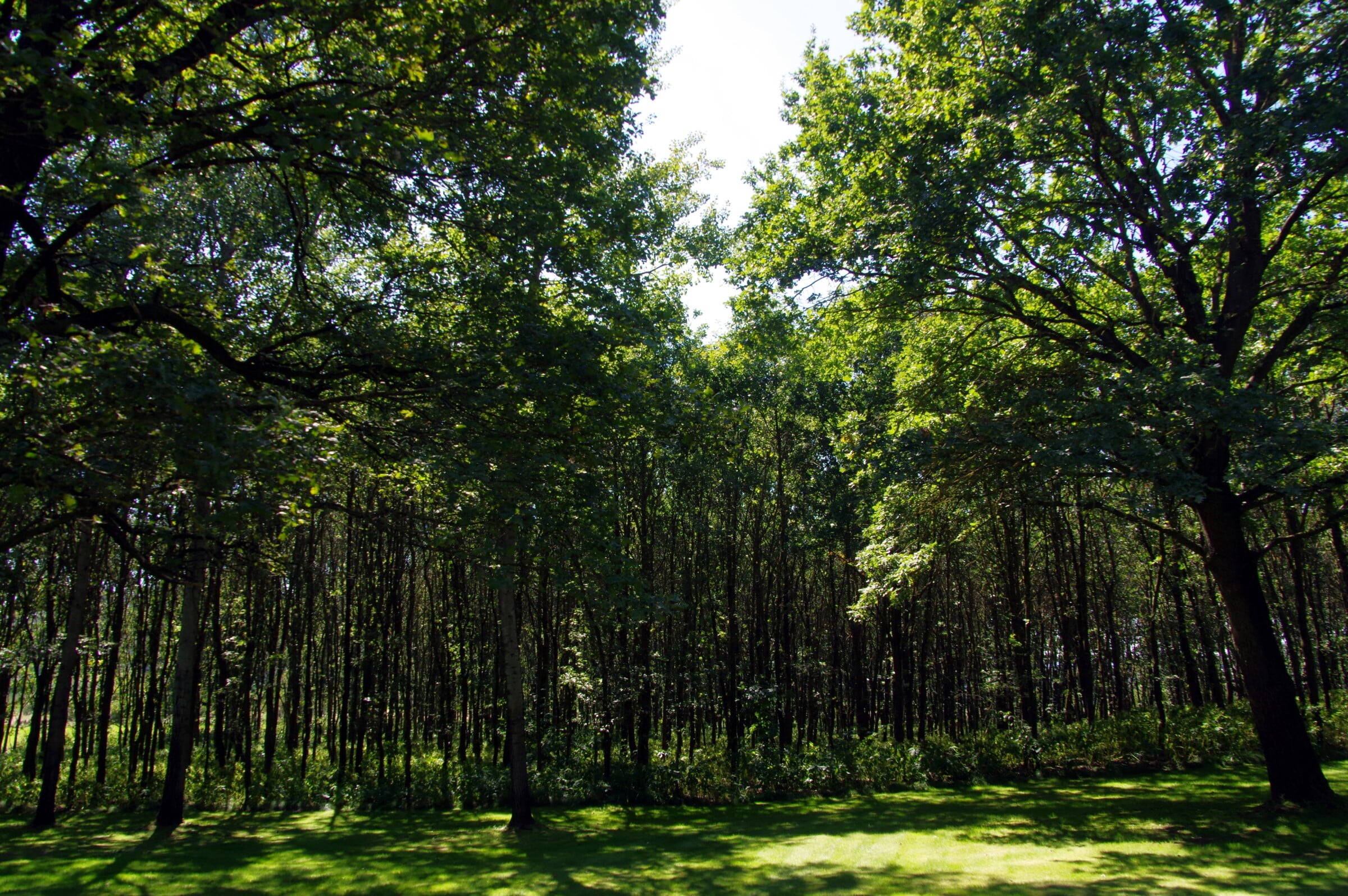
The Czech village of Lety u Písku is a small, unassuming settlement approximately 80 kilometers due south of Prague. The road to Lety from the metropolis passes village houses and decrepit chateaux, German hypermarkets and stagnant carp ponds, handmade restaurant signs and arrays of concrete garden ornaments. And of course, the plowed earth, vast expanses of farmland, which, though operated now by private corporations, have remained a defining feature of the Czech landscape since collectivization under communist rule in the 1950s.
Along the way, a knowledgeable observer — or simply somebody with an online map — might pick out the occasional long-abandoned Jewish cemetery or the heap of semi-radioactive slag from a Cold War-era uranium mine, remnants of tumult and human suffering across what otherwise seems a placid landscape. Until quite recently, Lety appeared an unremarkable destination. Passersby headed for Prague, Passau, or Linz likely wouldn’t have known that the open fields three kilometers east of the village of Lety u Písku were once the site of a Nazi concentration camp, one of the central locations of the Roma Holocaust in the present-day Czech Republic.
I first visited the area of the former Lety camp in 2017, as part of an academic conference on the Roma Holocaust. 1 Since then, I’ve returned twice, once in 2023 and once in 2024, both times to attend annual ceremonies commemorating the troubling history and legacy of Lety. Over this time, the site has transformed dramatically — and with it, the connection between the land and a collective national memory of what transpired there.
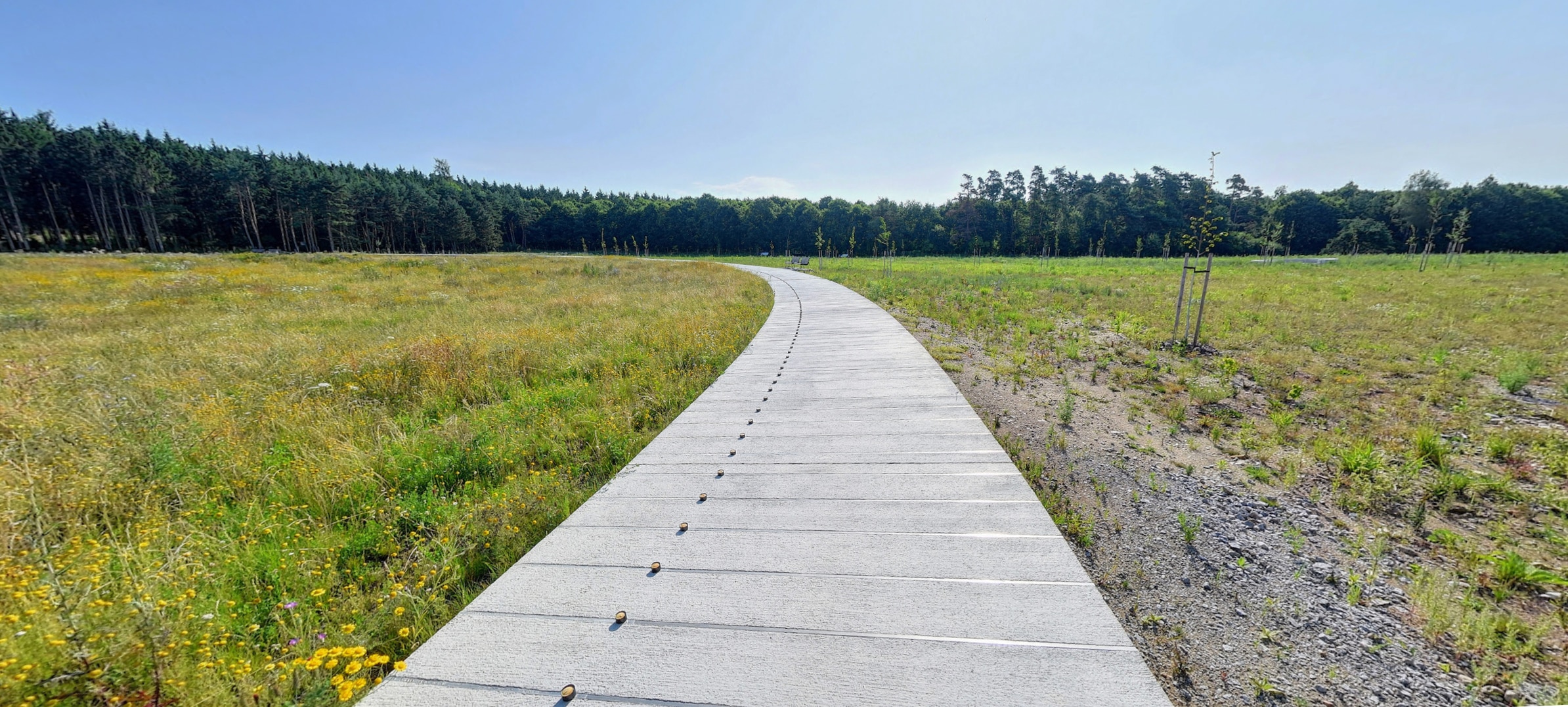
This past spring, the ceremony coincided with the grand opening of a long-awaited memorial, 81 years after the final deportation of Roma inmates from Lety to Auschwitz-Birkenau, the largest and most infamous of the Nazi death camps. The memorial park features an array of exhibitions mourning the mass killing of Romani people and educating visitors about Roma histories and cultures. 2 The grounds are open, freshly sown with wild vegetation that will soon grow into a lush meadow where barracks and assembly grounds — the “horrible urbanism” of the concentration camp — once stood.3 A path, designed for meditative walking, circumscribes the site. Set into the concrete are metal strips bearing the names of all known prisoners of Lety. Next to their names: their fates. 4
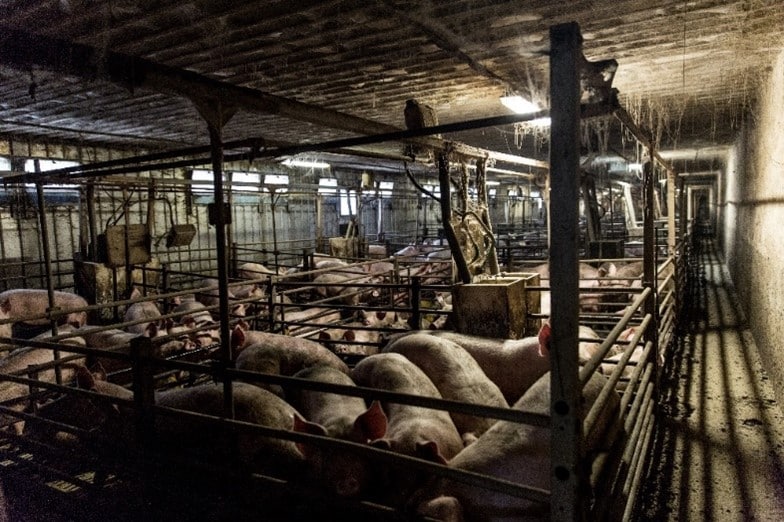
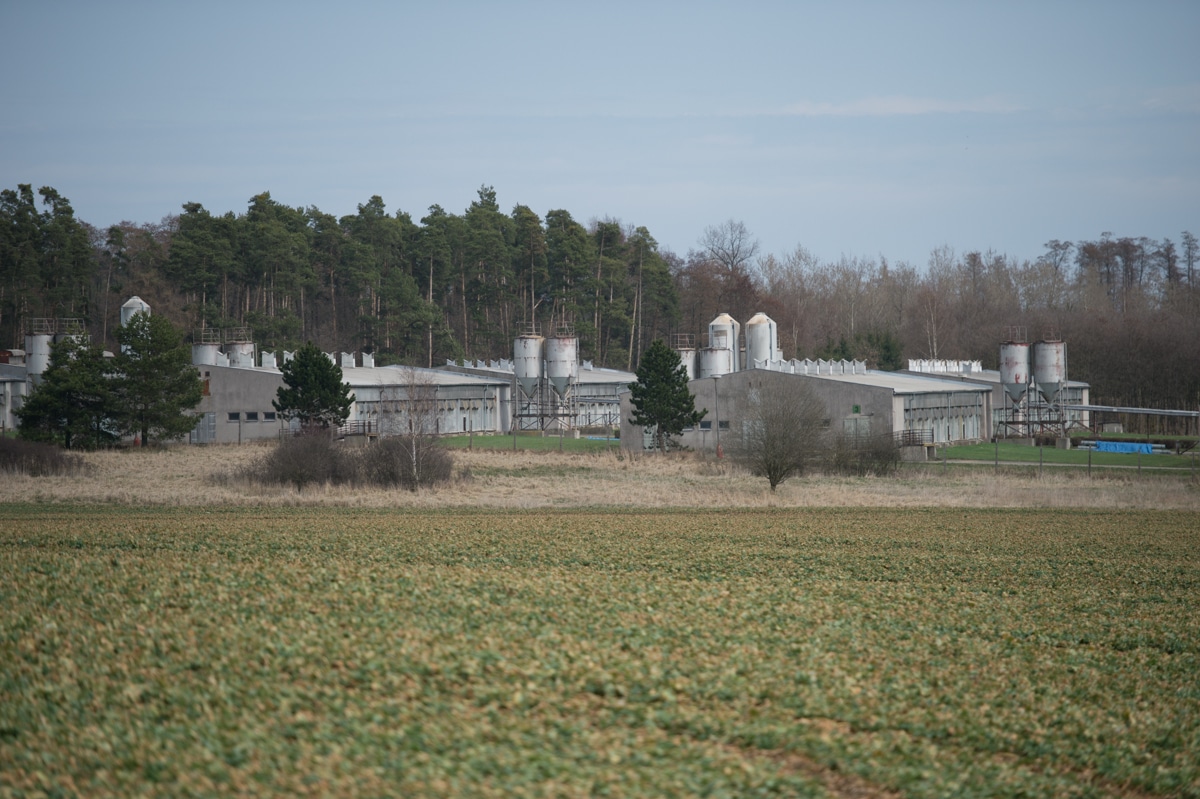
One year prior, the site of the former concentration camp had consisted of little more than churned earth and weeds, much of it closed to the public and encircled by a tall fence. Inside that fence, from 1971 until 2017, sat a high-capacity industrial pig farm.5
Much of the site of the former death camp was once encircled by a tall fence. Inside that fence was an industrial pig farm.
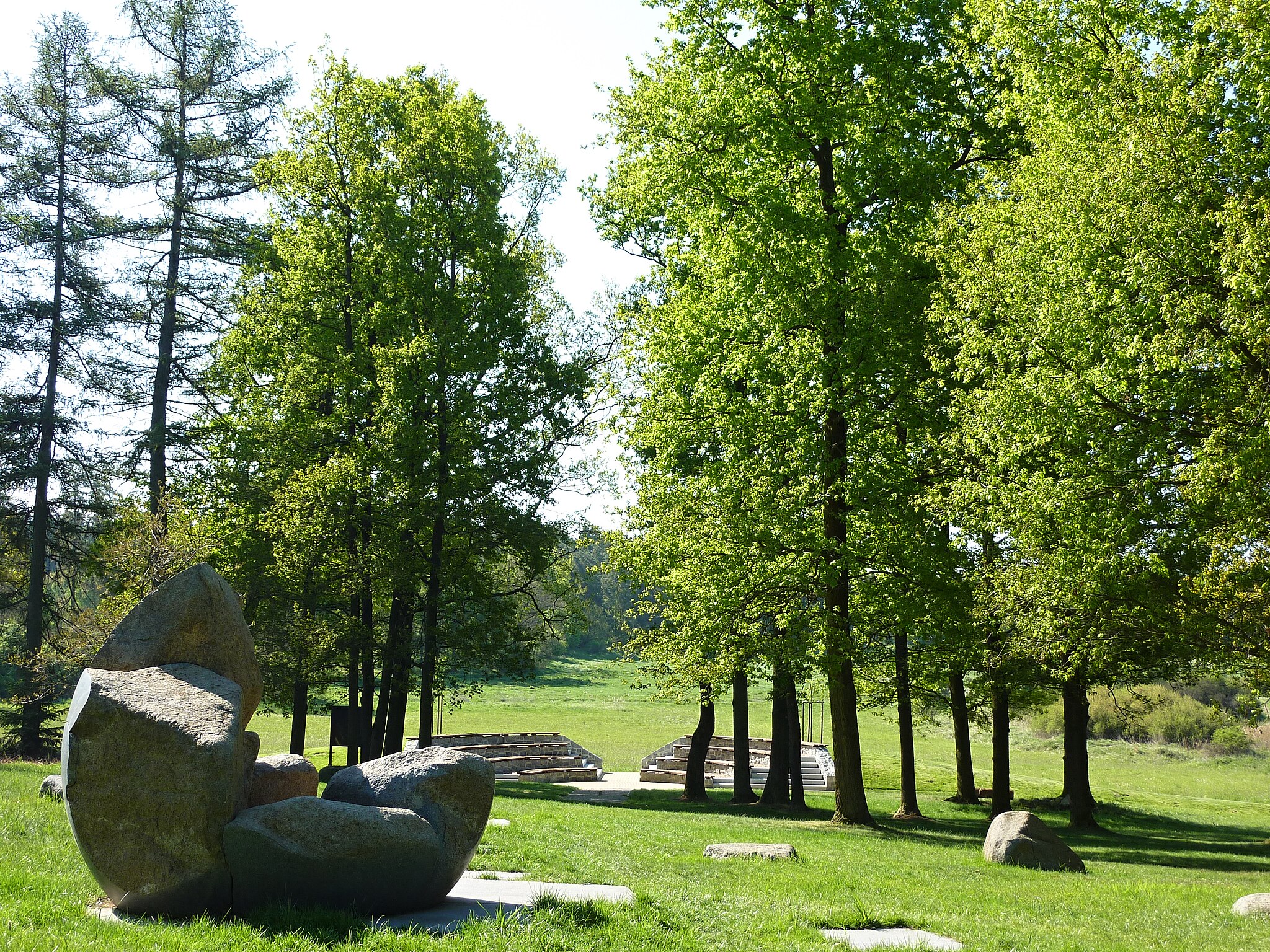
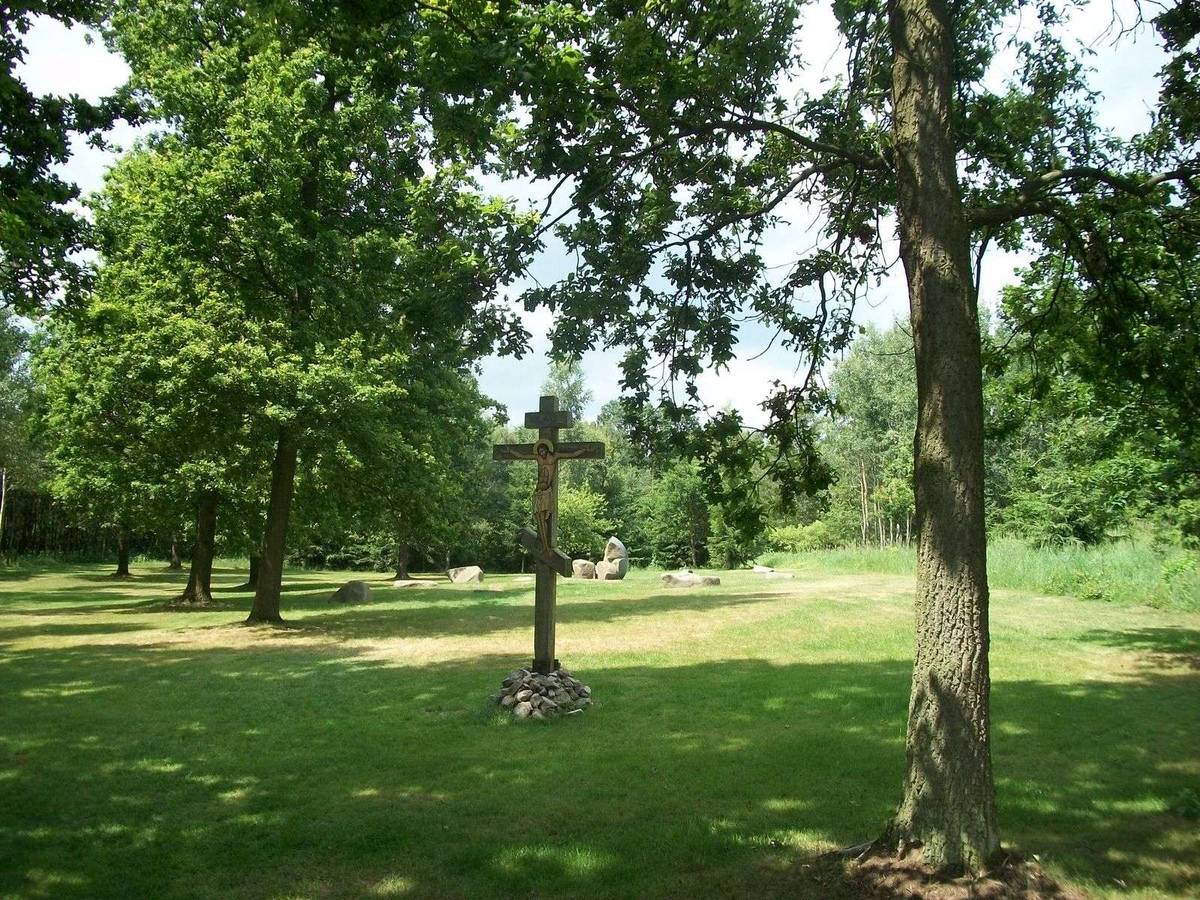
In the intervening years since the Holocaust, Czech authorities hadn’t meaningfully protected Lety as a site of cultural heritage or history. Save for a few modest monuments beyond the fence of the pig farm, it was as if the concentration camp never existed at all. 6 A fractured stone sphere, about two meters in diameter, had been erected in 1995 with the support of former Czech president Václav Havel. Nearby, a wooden cross erected by activists served as the sole marker of a mass grave where Roma casualties were hastily buried during the war. If not for decades of advocacy by activists, academics, and allies, visitors to these graves today would likely still be met with the stench of animal waste and the messy production of a Czech piggery — a scene so dissonant, so cynical, that it seems possible only in fiction.
The genocide of Romani people, carried out by the Nazi regime in occupied and allied territories across Europe, erased more than one-quarter of the Roma population on the continent at the time. By some estimates, between 250,000 and 500,000 Romani people were killed during World War II. 7 This wide range can be attributed in part to the persistent marginalization of Roma, many of whom did not have official identification or else were registered by Nazi authorities as vagrants or criminals. The murder of Czech Roma in particular was so extensive that only a small fraction of the population survived. (Czech Roma today are largely descended from Romani people who, in the immediate postwar years, migrated westward from Slovakia to the industrial regions of the former German Sudetenland.) 8
And yet, the Roma Holocaust, stretching from Scandinavia to the Balkans, from the Pyrenees to Crimea, only began to receive mainstream attention quite recently. 9 It wasn’t until the 1990s that the Roma Holocaust was publicly acknowledged in the Czech Republic as an historical event. 10 Well into the 21st century, under the presidencies of Václav Klaus and Miloš Zeman, Czech leaders repeatedly failed to speak or act against ongoing anti-Roma discrimination.
It wasn’t until the 1990s that the Roma Holocaust was publicly acknowledged in the Czech Republic as an historical event.
As recently as 2022, after the Russian invasion of Ukraine drove hundreds of thousands of refugees westward into the Czech Republic, a sharp division emerged in the reception of refugees in Prague.11 While the Czech government extended admirable solidarity to the majority of Ukrainian refugees, acting swiftly to provide them with residential status, emergency housing, and financial aid, Ukrainian Roma weren’t met with the same welcome. As municipal authorities bickered with national administrators over rules and resources, images spread of Ukrainian Roma sleeping on scraps of cardboard in Prague’s central rail station. 12 Faced with a country that did not want them, scores of refugees were made to wait in tent encampments in the residential suburb of Troja, along the Vltava River in the outskirts of Prague.
The camps of Lety and Troja belong to different eras and contexts. Yet both makeshift camps were deployed, if not designed, to temporarily warehouse Romani people. 13 Whether waiting to be murdered, freed, approved for a visa, or deported back to a war-torn place they had fled, Romani people in both camps experienced something that the Roma in and beyond the Czech lands have experienced for centuries: they were held in violent suspension, treated as a people to be dealt with rather than accepted, aided, or protected.
Dželem dželem, dželem dželem, drugome romenca,
Maladinel šukáre romenmica,
Aj, Romale, aj čhavale,
Aj, Romale, aj čhavale.
Aj, Romale, khatar tumen aven?
These are the first lines of the anthem of the Romani people, which was performed by Erika Nováková at the rostrum during the two commemorative ceremonies I attended at Lety. Titled “Gelem, gelem,” the song was written in 1949 by Žarko Jovanović, a Romani activist and survivor of the Roma Holocaust. Roughly translated, the lyrics say: “I went, I went on long roads / I met happy Roma / O Roma, where do you come from / With tents happy on the road? O Roma, O Romani youths!”
I’ve used the Czech phonetic transcription of Jovanović’s words here to highlight the condition of the Romani language today. No standard orthography has been established, and centuries of mandatory bilingualism across Europe have produced significant phonetic variations across national dialects. Forced assimilation, carried out by teachers, social workers, and the like, has brought the Romani language to the verge of extinction in the Czech Republic. Yet, during these commemorative ceremonies at Lety, it echoed from the rostrum.
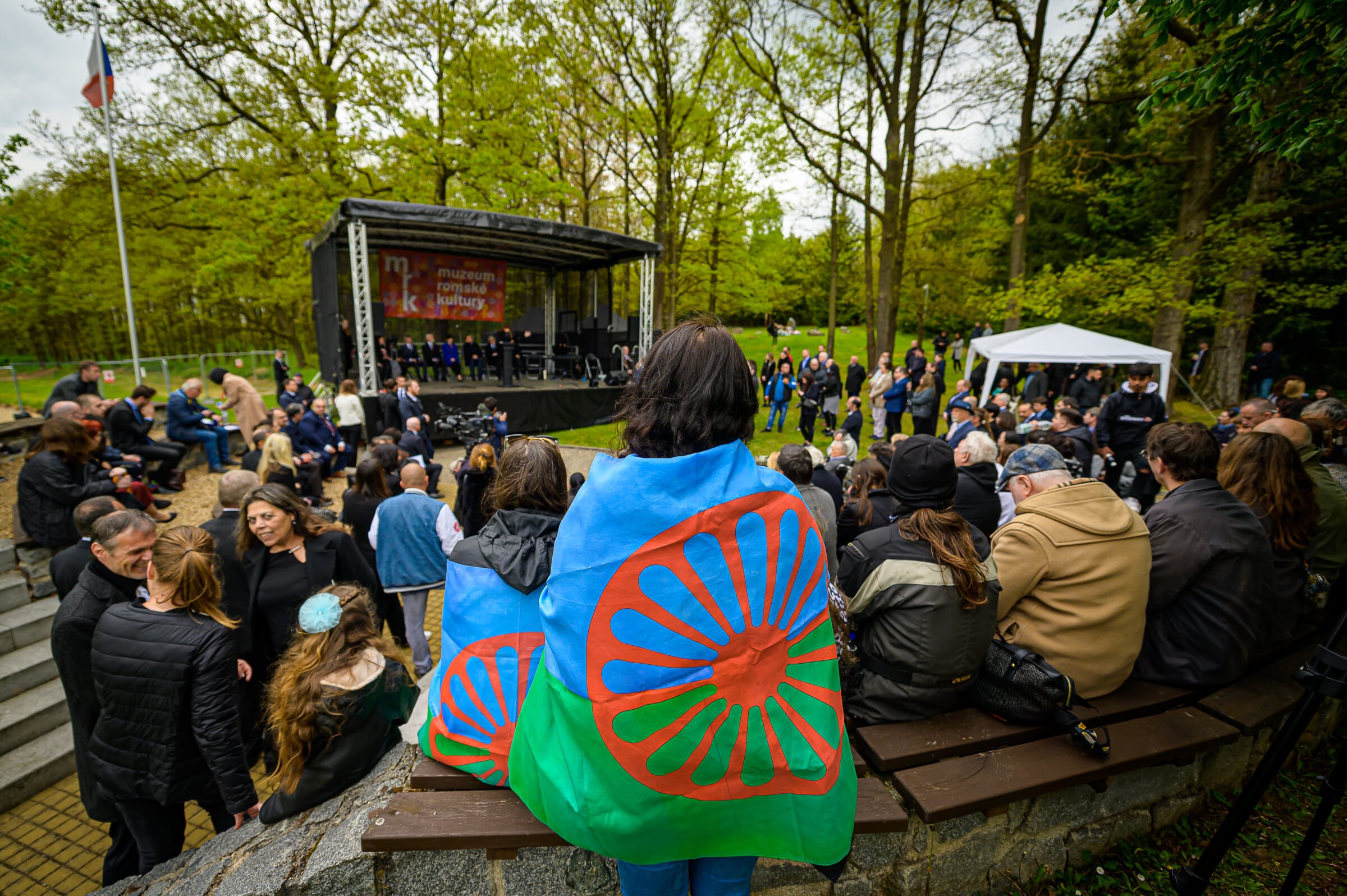
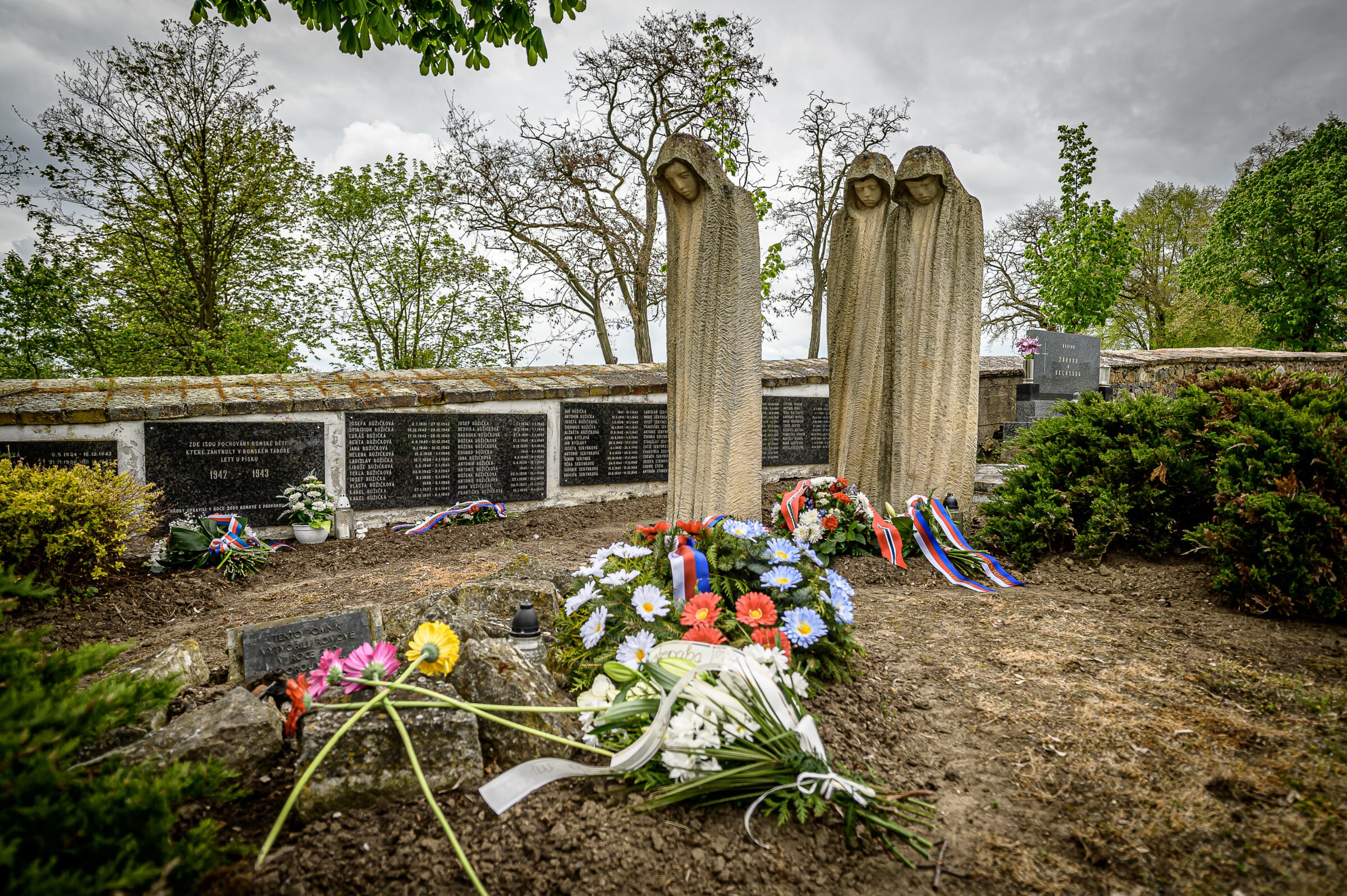
Survivors of the concentration camp, their relatives, and other allies have been making informal pilgrimages to Lety for decades. These ceremonies have typically been held in a small clearing beside the mass grave. On my first visit in 2017, the pig farm lay just 300 meters to the west, no longer in operation though still emitting its stench. In 2023, exactly eighty years after the last remaining prisoners at Lety were loaded into trucks and sent to the Zigeunerlager in Auschwitz, Roma activists joined hands with some of the most important dignitaries in Czech politics to lay wreaths beside the gravesite. Last spring, participants and attendees of the annual ceremony traversed the concrete paths of the new memorial. Finally, there stands at Lety a dignified remembrance place.
Persecution of Romani people in Europe is as complex as it is deep-rooted. As early as the 14th century, Roma were enslaved in Moldavia and Wallachia, now part of present-day Romania, stripped of personal and economic freedoms, and forced into servitude. Between 1740 and 1790, across the extensive domains of the Habsburg Empire, Empress Maria Theresa and Emperor Josef II tried to force nomadic Roma to settle and assimilate into the wider peasantry. Later, in the years leading up to World War I, authorities in the Austro-Hungarian Empire began to call for the forced internment of Romani people. 14 In other places — and at other times — Roma have been subjected to pogroms, their settlements destroyed, their communities pushed to foreign lands.
In 1927, the First Czechoslovak Republic instituted a law to police ‘nomadic Gypsies.’
At the end of World War I, as European empires dissolved into autonomous states vying for order and power, the First Czechoslovak Republic set up a strict system of assimilation. Animosity toward Romani people, long overshadowed by the more prominent linguistic-national disputes between Czechs, Slovaks, Germans, and Hungarians, emerged in full force. It was the leaders of this Republic, often remembered as arbiters of a great age of democracy, who, in 1927, instituted a law to police “nomadic Gypsies,” creating a legal infrastructure by which to surveil, control, and confine Romani people. 15

The First Republic’s treatment of Czech Roma was hardly unique: similar policies were carried out across interwar Europe under the guise of bolstering purportedly liberal nation-states. France, for instance, forced nomadic people, including Roma, to carry anthropometric identification cards — a xenophobic and exclusionary practice that continued until 1969. 16 In 1926, the Weimar Republic passed its own “Law for the Fight against Gypsies, Vagrants and the Workshy,” enforced first in Bavaria and then, in 1929, across the republic. 17
The treatment of Czech Roma was hardly unique: similar policies were carried out across interwar Europe.
During the early years of the Great Depression, unemployment surged, and people of all ethnic backgrounds and social classes lost their jobs, taking to the road in search of work and prosperity. To combat rising poverty, the Czechoslovak state set up a system of “camps of working youth unity,” or tábory pracovní pospolitosti mládeže, intended to give unemployed youth paying jobs. 18 As the Depression deepened and the Nazi regime rose to power in Germany, Czechoslovakia rapidly became an “uncertain refuge” for Jews and political dissidents. 19 Though these early émigrés weren’t denied entry, the label of “German refugee” soon became an anti-Semitic dog whistle. 20
In 1938, Nazi Germany annexed Austria and invaded the Sudetenland. The First Republic crumpled, giving rise to the Second Czechoslovak Republic, a significantly more authoritarian government under which latent anti-Semitism became blatant. In her essay “In No-Man’s Land,” Czech journalist Milena Jesenská described the bleak fate of Jewish and political escapees from Austria who were no longer welcome anywhere: “They did not make it across the German barbed wire. They were not allowed back across the Czechoslovak barbed wire. The barbed wire of 1938 is strong and tough.” 21
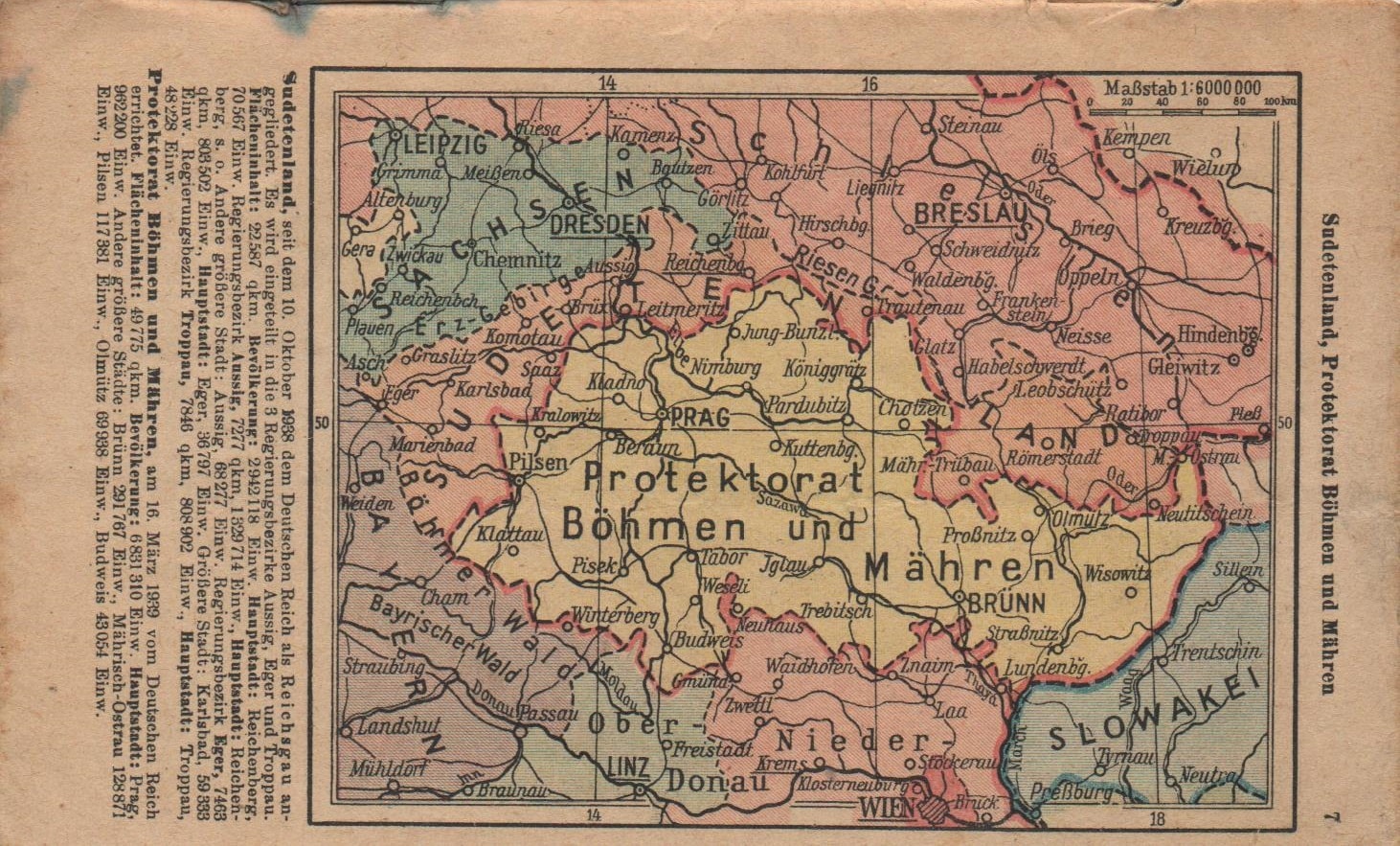
Less than a year later, Germany seized all remaining Czech land, establishing the Protectorate of Bohemia and Moravia under control of the Third Reich. With the establishment of Slovakia as an independent but reliably pro-German state, Czechoslovakia ceased to exist, and Czech lands became an integral unit of the Nazi regime. Notably, the tábory pracovní pospolitosti mládeže, which just a few years before had served as opportunities for economic recovery, turned penal. 22 Prisoners, along with the poor and the marginalized, were sent to these “punitive work camps,” or kárné pracovní tábory, where they were forced to perform hard labor without pay.
The work camps, which a few years before had served as opportunities for economic recovery, turned penal.
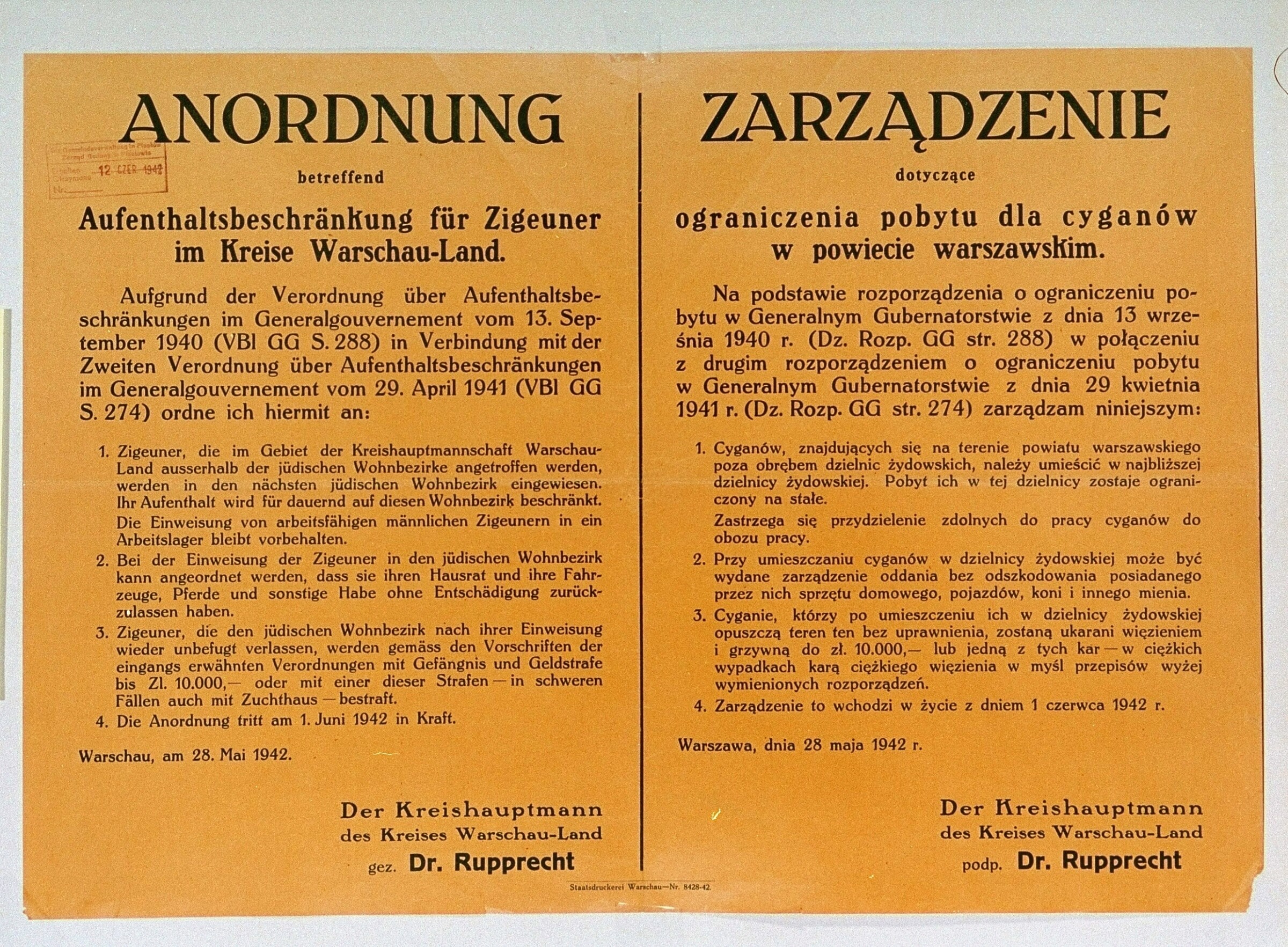
Organized persecution of Romani people began later, in 1942, when Richard Bienert, prime minister of the Protectorate, ordered a census of “gypsies, gypsy half-breeds, and those living a gypsy way of life,” all of whom were to be immediately interned at two of the extant punitive work camps: Lety u Písku, in Bohemia, and Hodonín u Kunštátu, in Moravia. Designated solely for Roma, these camps soon became sites of genocide, facilitating the imprisonment, forced labor, and, often, extermination of the Czech Roma on explicitly ethnic grounds. A headline in the Czech daily newspaper Venkov, or The Countryside, left no doubt: “The Gypsies Placed on the Level of the Jews.” 23 In December of that year, Heinrich Himmler issued his own “Auschwitz-Erlass,” calling for the extermination of “Gypsy half-breeds, Roma Gypsies, and non-German-blooded members of Gypsy lineages of Balkan origin” across all territory under German control.
While the systematic internment and extermination of Roma on Czech lands occurred under Nazi occupation, it was Czech police who carried out Bienert’s orders, arresting families and transporting them in trucks to the camps. It was the First Republic’s 1927 law criminalizing “nomadic Gypsies” that, in practice, allowed the Protectorate more latitude in targeting and interning Romani people. 24 And it was the Czech work camps, initially set up for paid labor during the Great Depression, that helped provide an infrastructure for extermination.
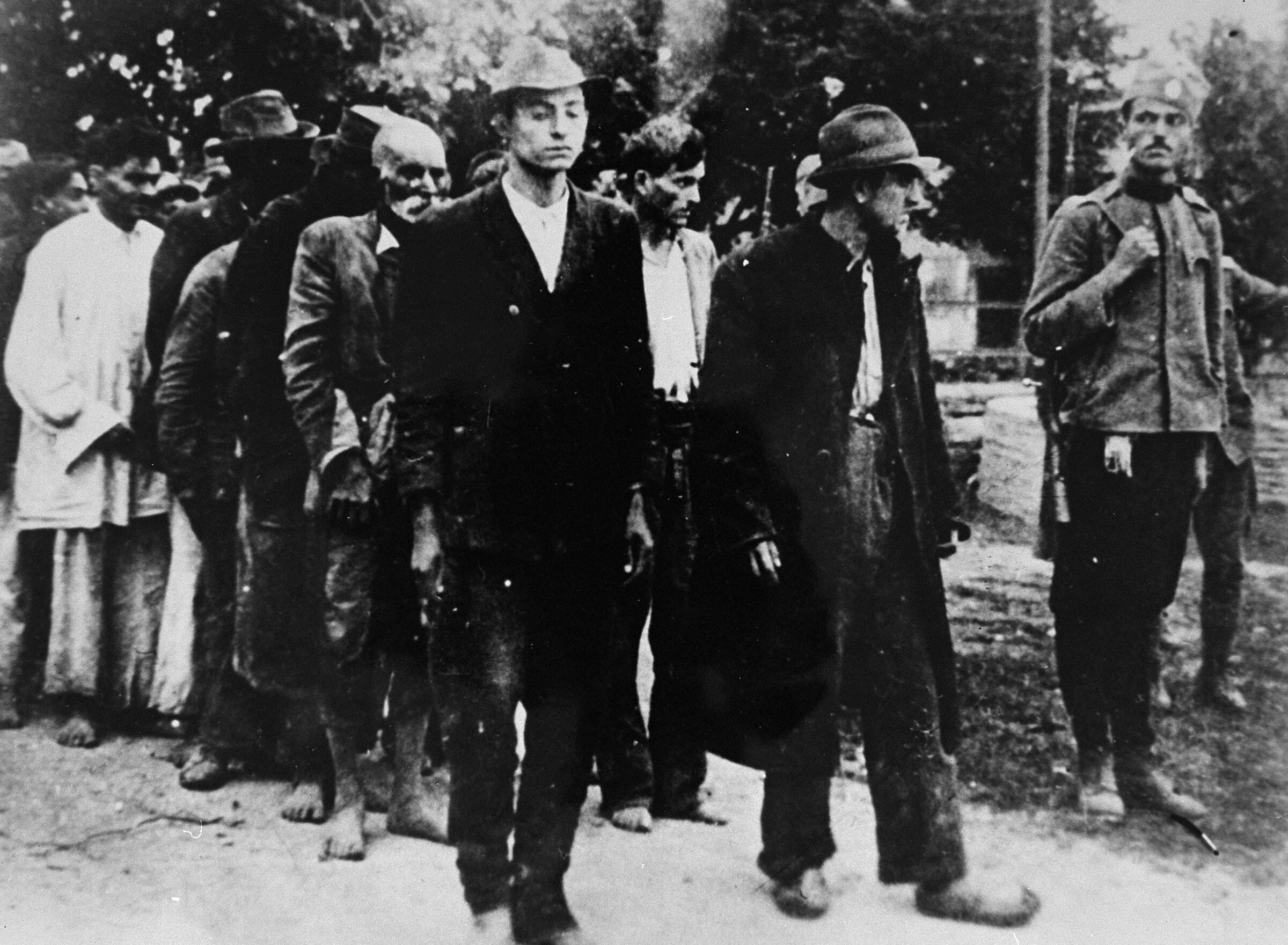
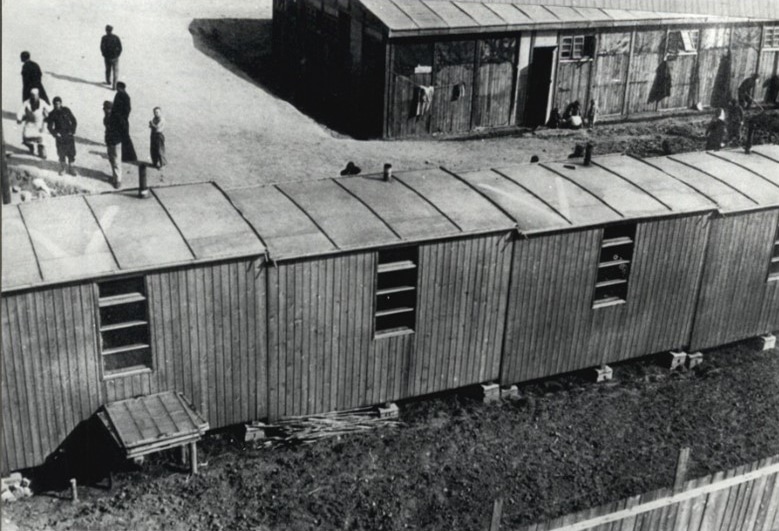
By May of 1943, at least 320 of the approximately 1,300 Roma prisoners interned at Lety were dead. 25 Able adults were forced to work under strenuous conditions, mostly in the surrounding forests or nearby stone quarries. All prisoners were provided meager food rations, usually of poor quality and limited nutritional value. Flimsy wooden barracks offered little protection from the cold; sanitation was nonexistent. Under the notoriously sadistic direction of commander Josef Janovský, guards at Lety exacted whatever punishments they wished, including physical abuse that went beyond the supposed rules of the camp, such as publicly stretching prisoners on a stake. 26 Those who tried to escape were shot.
One survivor, Jana Marhoulová, who was eleven years old when she was imprisoned at Lety, recalled in a testimony: “[They beat me] in front of my mother, in front of everyone, with a truncheon. […] They waited until evening, […] called up mother, took me, and with that truncheon hit me across the back and bottom. And they put me into that one gypsy wagon where they had the corpses, put me aside, lying there, three days without food. Mama brought me some.” 27
Though fatal beatings by guards weren’t uncommon, disease was the most common cause of death at Lety. From the testimony of Alžběta Lagronová, another survivor: “We were locked in [at night], counted, and that was it. And when someone died and fell down, well, they simply didn’t care. When people were dying, they put them in this one giant building, just for this purpose. They called it the sick ward .… Just the sick people, piled side-by-side on the ground. Dying, dying, living, living.” 28
Film produced by director Miroslav Bárta in 1960. [Courtesy of the Czech National Film Archive.]
After failing to quell the spread of typhus, Janovský was replaced, as commander of the camp, in January 1943 by Czech-born Štěpán Blahynka. Under Blahynka, sanitation, living conditions, and food rations notably improved. But while Blahynka did help save lives from disease, his command only reinforced the Nazi system of extermination. 29
The labor that prisoners carried out was less important than the reality of their confinement.
Held captive in camps like Lety across Nazi-occupied Europe, thousands of Romani people were made to wait for death with little chance of escape or release. Though Lety and Hodonín u Kunštátu were described by Czech officials as “labor camps,” the work that prisoners performed was less important than the reality of their confinement. Such organized waiting was part and parcel of the system of concentration camps facilitating the deportation and murder of millions of Roma, Jews, and other victims of the Nazi regime.
Recalling his experience as a political prisoner at Auschwitz beginning in 1941, Adolf Gawalewicz writes about a certain block of barracks designated as “a waiting room to the gas.” 30 Prisoners being sent to their deaths at Auschwitz were first isolated in a holding area, from which Blockführers, or block leaders, trucked them to the gas chambers. Gawalewicz, who survived this “waiting room,” was made to wait there for five months, the possibility of death imminent at every moment.
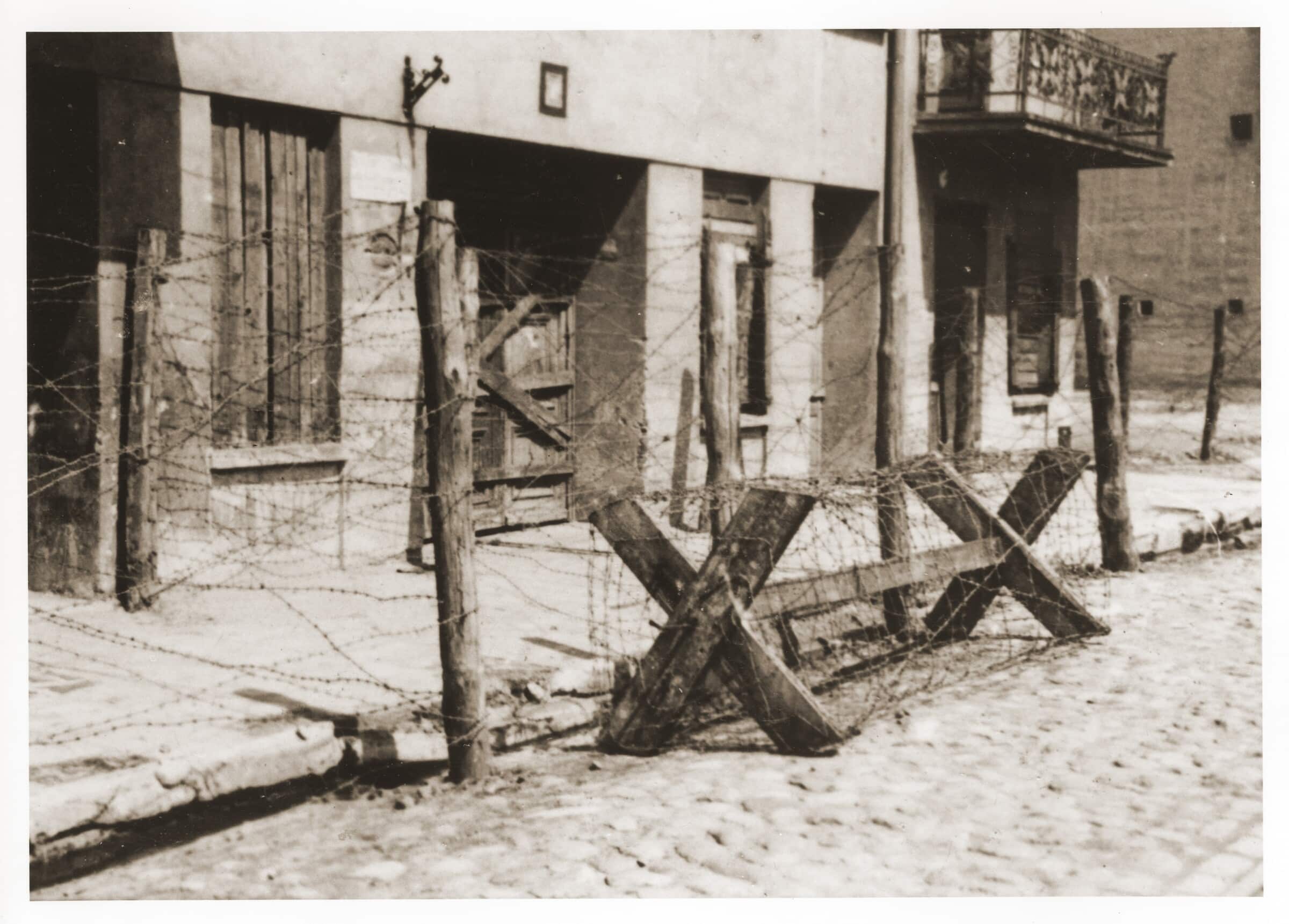
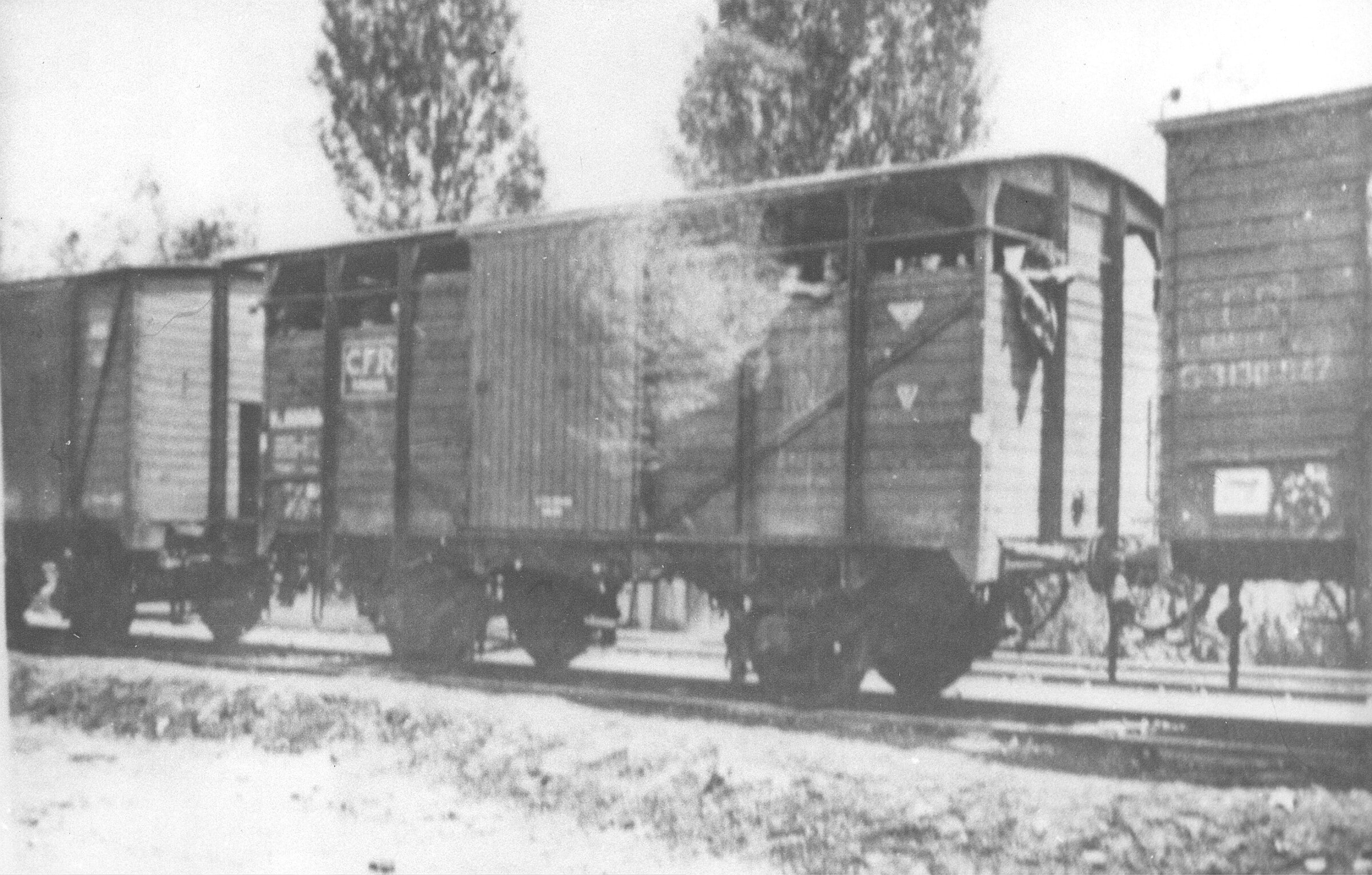
By the spring of 1943, Lety was shut down. In May, the last Roma families were transported from the camp, and in June, the barracks were burned to the ground to prevent the spread of disease. Some prisoners were released; many more were sent by truck and rail to Auschwitz.
Supervising the transport of families to certain death was commander Blahynka, who later wrote to his former subordinates in Lety: “Placing our own lives on the line, we performed our duty to the benefit of the whole. Though for all of us it was highly dangerous, there was in our mission something beautiful and noble.” 31
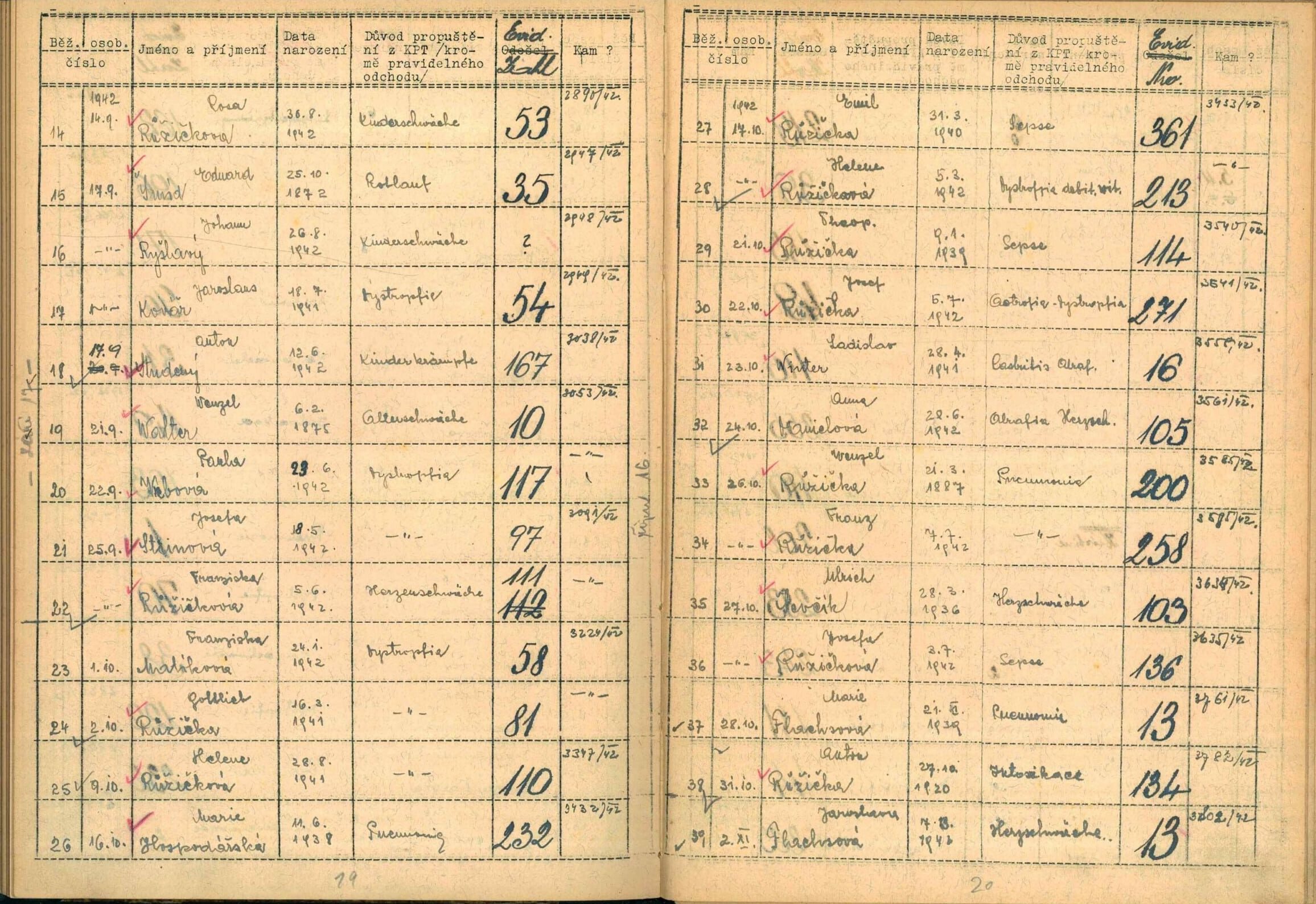
Long-standing silence in the Czech Republic about the Roma Holocaust — and the complicity of Czech citizens, from low-level bureaucrats to uniformed police — can be explained, in part, by postwar communist rule and the consequences of its 1989 collapse.
In an attempt to distance Czechoslovakia from the crimes of the Nazi regime, communist leaders imposed a highly nationalistic narrative of Czech innocence during World War II, deliberately glossing over Roma, Jewish, and German refugee voices and stories. 32 Czech officials who had played leading roles in the internment and extermination of Czech Roma, including commanders Janovský and Blahynka, either escaped scrutiny or were acquitted. 33 During a brief period of mass liberal protest in the 1960s, critical views of the Jewish genocide entered mainstream discourse, and a brief documentary film about Lety, Don’t Forget About That Little Girl, was produced. 34 But after the Soviet Union invasion and crackdown, in 1968, honest accounts of the Holocaust were silenced once again — or, at best, circulated in underground, clandestine literature, written and distributed by dissident hands. Around this time, despite the rise of such samizdat critique, the communist government of Czechoslovkia implemented an unofficial policy of forced sterilization of Roma women, a practice that continued for more than four decades.
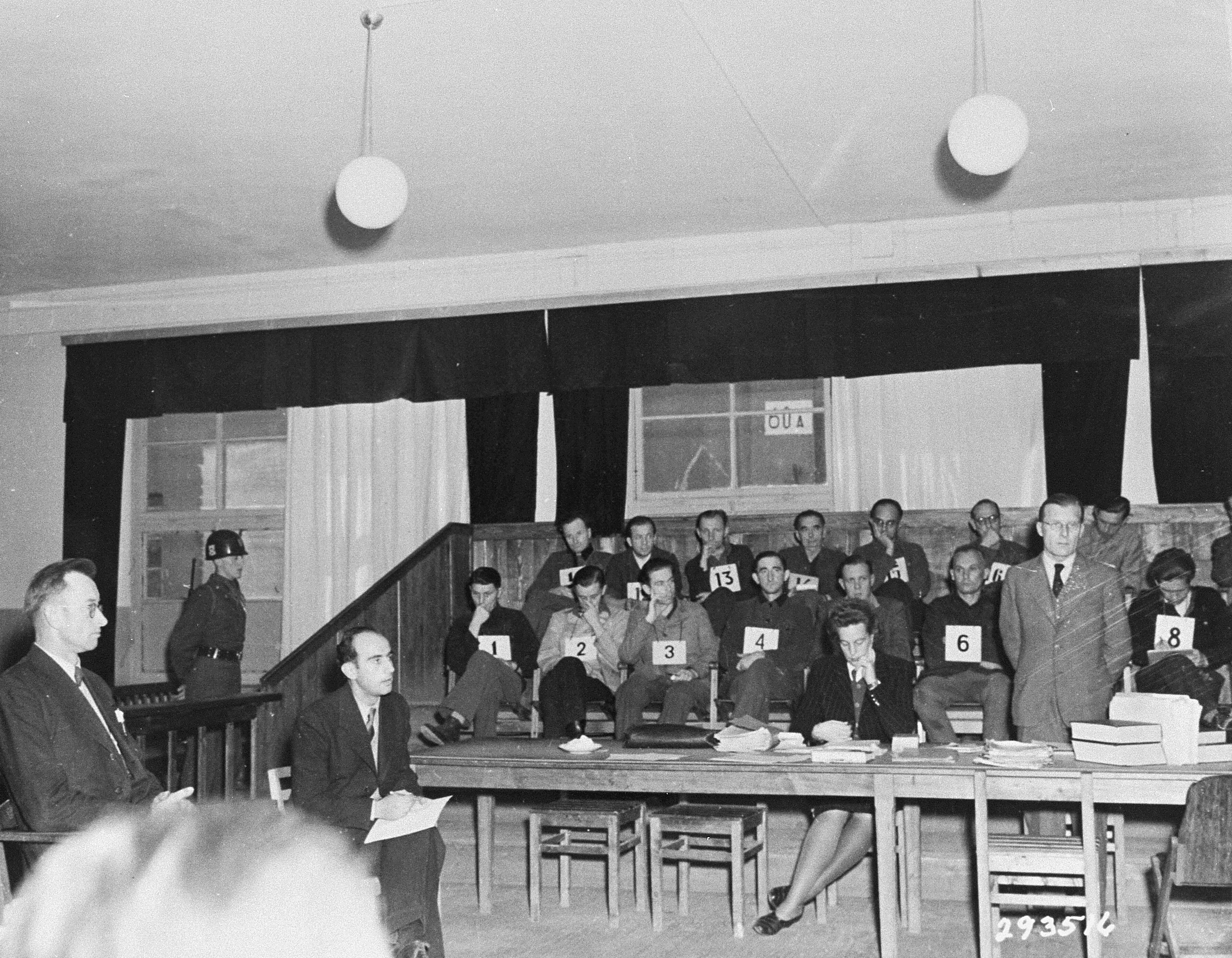
In 1971, communist authorities constructed the pig farm at Lety, which, whether deliberately or by cruel coincidence, further obfuscated the dark history of the concentration camp. As for Hodonín u Kunštátu, the site of the concentration camp was converted into a recreational facility occasionally used as a children’s summer camp. 35 In the years after World War II, such disregard for Romani culture, history, and dignity was an international phenomenon. Notably, the Nuremberg trials, an immediate and forceful reckoning of the Jewish genocide in Europe after World War II, offered no acknowledgement or recompense for the persecution of the Roma.
Despite calls to remove the pig farm and construct a memorial at Lety, Czech leaders dragged their feet.
In the 1990s, then-president Václav Havel tried to introduce into public discourse something of a critical stance toward the nation’s past. Before 1989, Havel had been in significant contact with dissident Czech historians and even several underground Roma activists. 36 It was Havel who allocated government resources for the construction of the memorial at Lety in 1995 — a significant, if still inadequate, step toward recognition and reconciliation. And yet, neither of Havel’s successors, presidents Václav Klaus or Miloš Zeman, spoke out firmly against the anti-Roma rhetoric that persistently circulates in the Republic. Despite repeated calls by activists and allies to remove the pig farm at Lety and construct a dignified memorial, Klaus and Zeman dragged their feet, citing prohibitive costs and downplaying the role that Lety played in the extermination of Romani people. 37
The memorial that now stands at Lety is the outcome of organizing in the face of apathy and, often, plain hostility. Credit is due to several generations of Roma activists, notably Čeněk Růžička, co-founder of the Committee for Compensation of the Roma Holocaust. 38 (Růžička lived to see the closure of the pig farm but died just two years before the opening of the memorial last spring.) Roma organizations have tirelessly advocated for Roma rights, even under communist rule. 39 Today, the Museum of Romany Culture oversees the memorial parks that now exist at both Lety and Hodonín. A rising generation of Roma intellectuals is actively pushing for reconciliation in the academy and government. 40 There seems now to be broader understanding, if not condemnation, of the longstanding racism that helped lay the foundation for the Roma Holocaust decades ago.
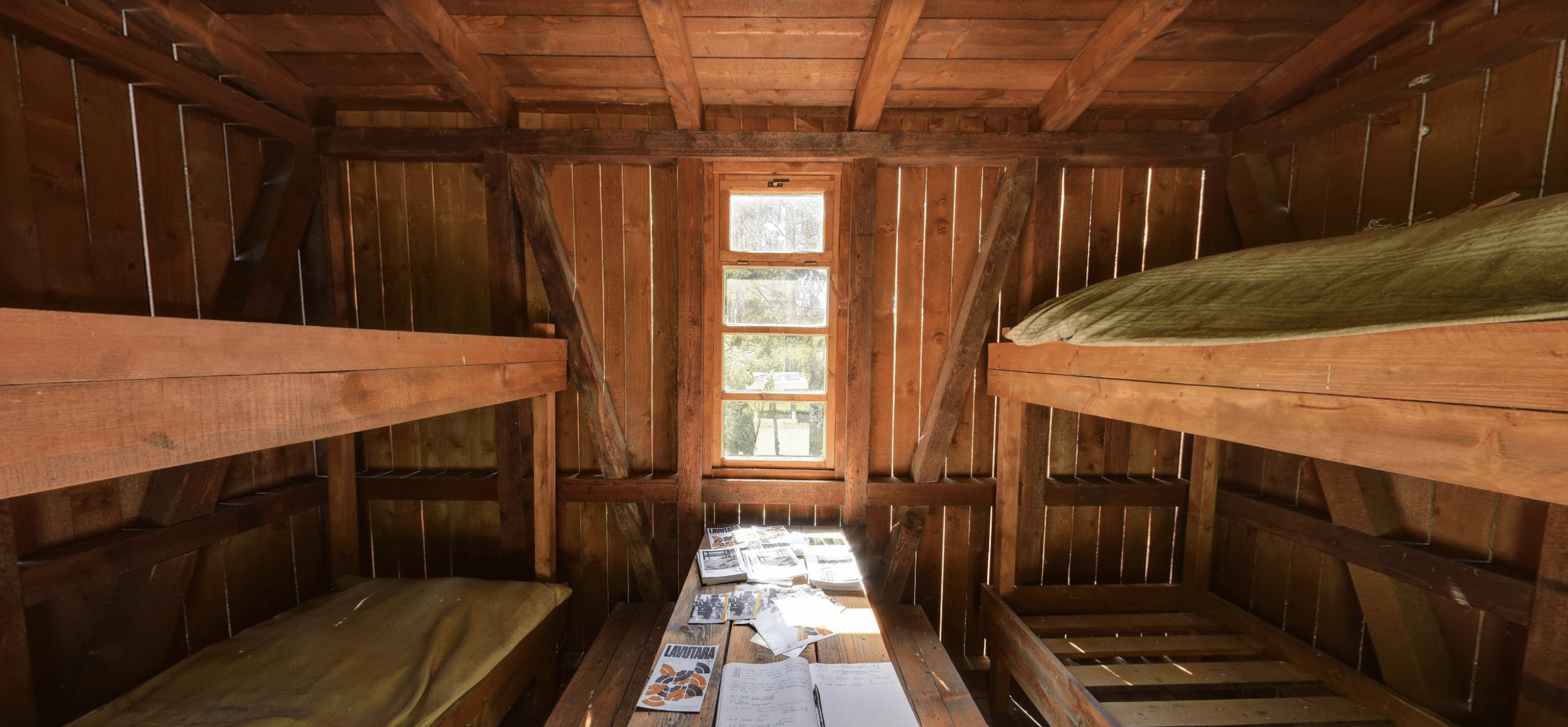
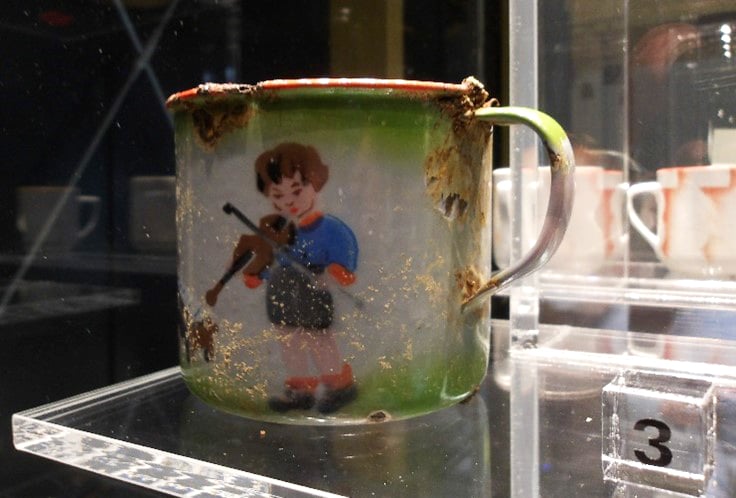
It was long believed that the construction of the pig farm at Lety destroyed any remaining physical evidence of the camp. But excavations in 2017 revealed traces of the site’s past: archaeologists uncovered thousands of items, including fragments of buildings and foundations of barracks, as well as pieces of burnt wood, identified as flooring and fencing. The hard clay that covers the site (supposedly one of the reasons the pig farm was constructed there in the first place) preserved other significant remnants, including scraps of fabric and buttons from inmates’ clothing, pieces of jewelry, and even hair — long braids shorn from the heads of women and girls upon arrival at the camp. 41 These archeological finds have been given a dignified place in the new exhibition center.
The memorial that now stands at Lety serves as an interruption, in both time and space, of the many years the Czech Roma have spent waiting — and fighting — for their losses to be recognized.
While the Lety memorial was under construction in 2022, Russia invaded Ukraine, launching an international war and forcing nearly 7.5 million Ukrainians to flee their homes in search of asylum in neighboring countries. Among these refugees were hundreds of thousands of Ukrainian Roma, hailing largely from the southwestern border region of the Carpathian Mountains.
Long marginalized both socially and geographically, generations of Ukrainian Roma are often without official documents. Partly a function of life at the peripheries of European society — and partly due to routine discrimination by European governments — Roma often lack the means to verify nationality. Within the European Union, this has sometimes led to forced displacement of Romani people; outside the Schengen border zone, such displacement can be even more harmful.
Seeking refuge in neighboring countries, Ukrainian Roma faced unwelcoming bureaucracies and widespread discrimination.
Seeking refuge in neighboring countries, Ukrainian Roma faced unwelcoming bureaucracies and widespread discrimination. Roma were routinely treated differently from other refugees, housed in segregated reception centers and provided substandard food, shelter, and sanitation. Some reception centers followed informal policies of racial profiling, refusing to serve Roma refugees altogether. 42 In Przemyśl, a Polish city near the Ukrainian border, local authorities ordered volunteers to deny aid to Roma refugees. 43 In Germany, Roma were barred from getting off their trains. The Moldovan government justified segregated housing for Roma refugees as a means to better meet the particular needs of the uniquely disadvantaged community. But separate is rarely equal.
The Czech Republic accepted nearly 400,000 Ukrainians — the highest number of refugees per capita in Europe — and extended admirable solidarity to people in need. 44 But Roma refugees reported more of the same exclusion and hostility.
Hailing mainly from desperately poor shantytowns in the Zakarpats’ka Oblast, a mountainous region at Ukraine’s western border that lay under Hungarian rule until 1918, Roma arriving in Prague were suspected of holding dual Ukrainian-Hungarian citizenship, which would make them ineligible for Czech refugee status. 45 While it is the case that Hungary has historically extended Hungarian citizenship to individuals of Hungarian descent in adjacent states, such accusations were applied unevenly to Roma refugees. Some had no documentation of any sort; others provided papers that Czech authorities refused to accept. In any case, most of the allegations would turn out to be false. 46 (Some Roma, informed that they held Hungarian citizenship, travelled on to Hungary, seeking refuge, only to be turned away there, too.)
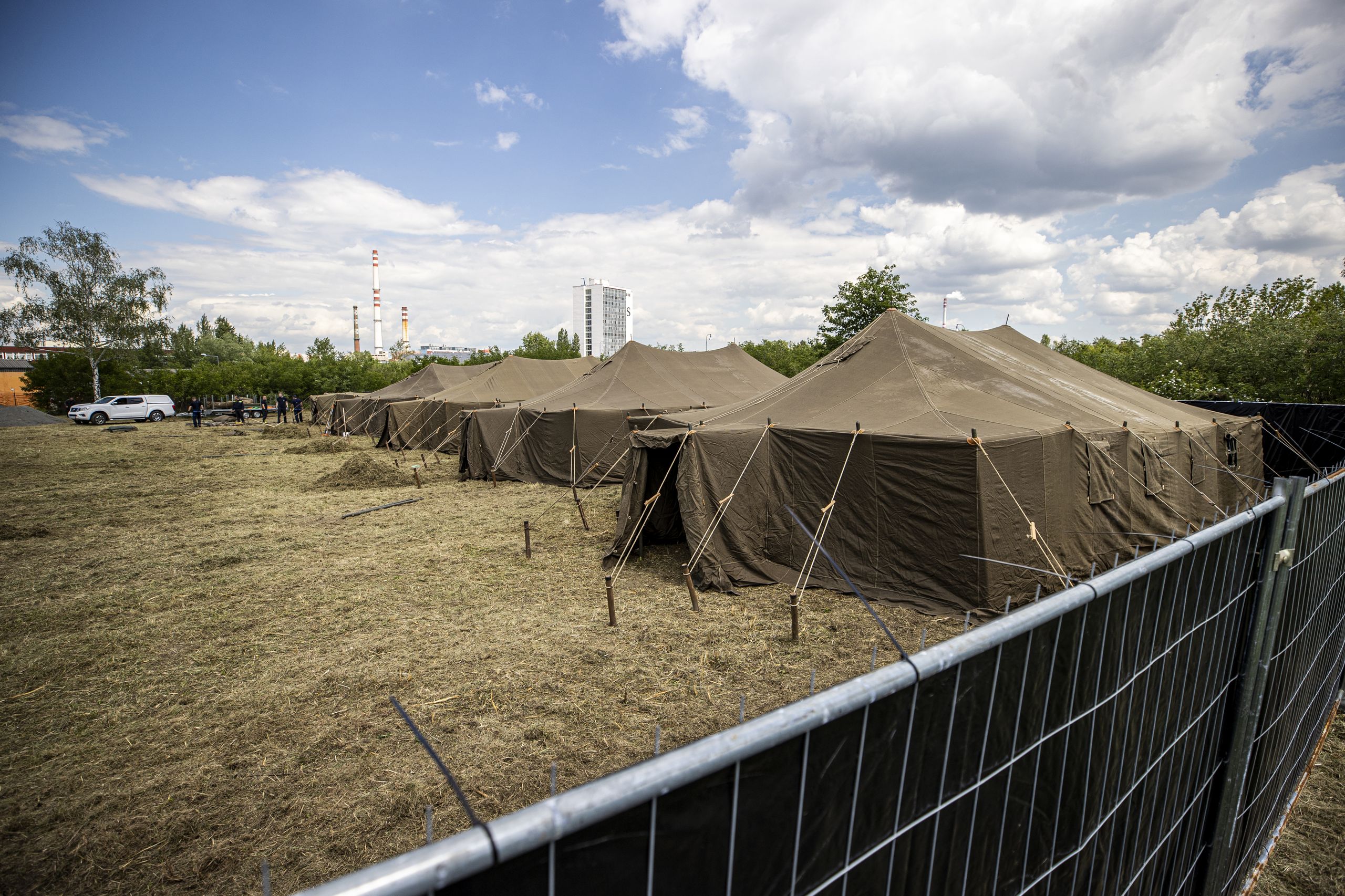
While Czech authorities granted other refugees temporary visas with little suspicion about their national origins, many Roma refugees were forced to wait while authorities decided what to do with them. At one point, more than 500 refugees filled Prague’s central rail station, sleeping on the floor in perilously unsanitary conditions and with little hope of relief. 47
More than 500 Roma refugees were sleeping on the floor of Prague’s central rail station.
In May of 2022, Prague’s fire department set up canvas tents on a strip of empty land along the bank of the Vltava River, to house refugees with nowhere else to go. Operation of the encampment — officially, the stanové městečko, or tent city — was entrusted to the local government and the national Refugee Facilities Administration. The camp provided 150 beds, which were filled almost immediately. 48 By the end of the month, a second “tent city” rose in a less exposed location, the industrial zone of Malešice, on Prague’s eastern edge, to house another 140 refugees.
Through June and July of that year, the camps hosted a fluctuating population of Ukrainian Roma, predominantly women with young children, providing them shelter, bedding, showers, food, and, crucially, access to services from Czech NGOs. Several Roma NGOs provided critical services to residents of the camp, offering advice, counseling, and care. 49 The efforts carried out by these NGOs, sometimes in partnership with local government, should be recognized and lauded.
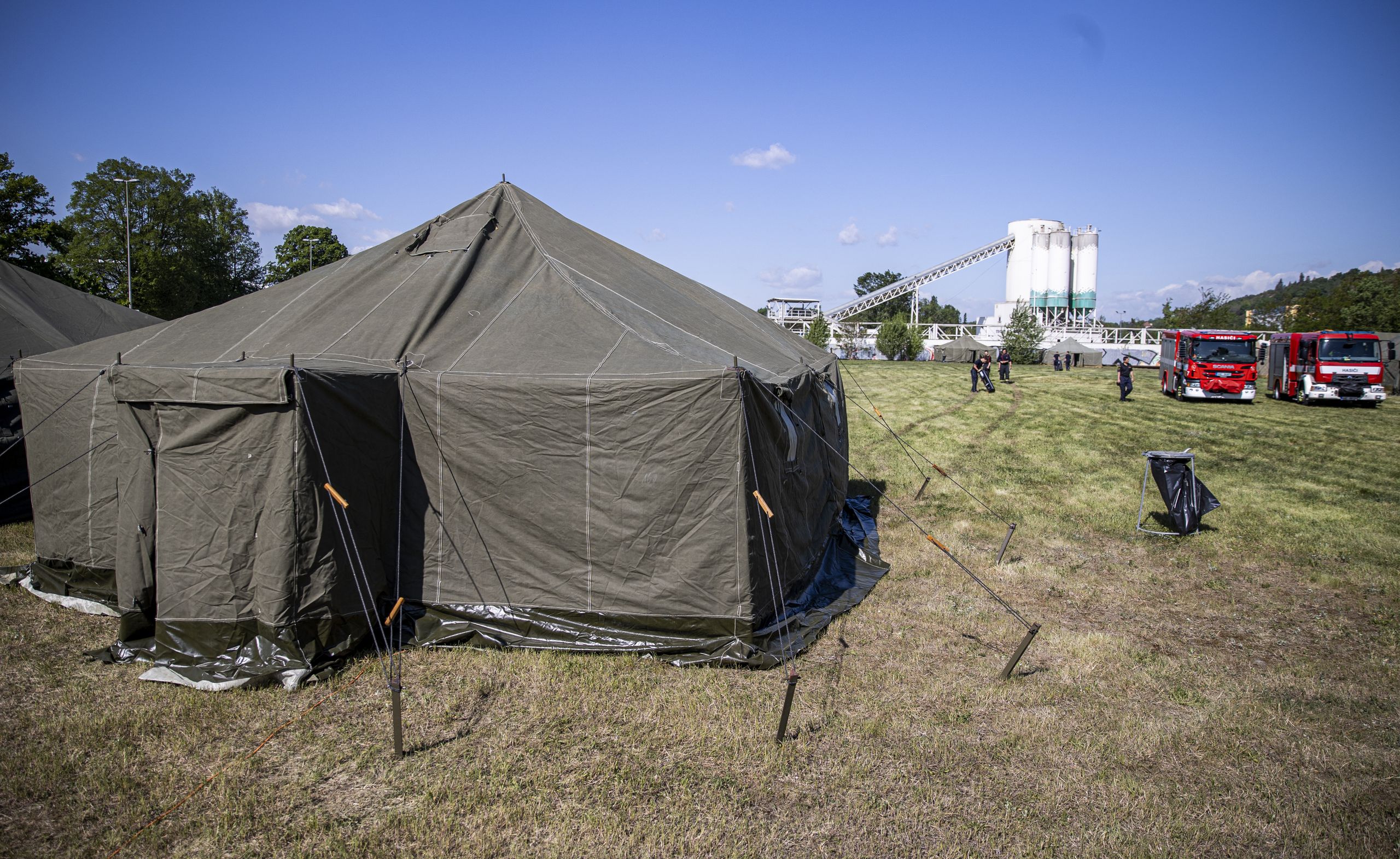
All the while, though, the Czech Interior Ministry and local Prague authorities argued over who should be responsible for the migrants, with the city claiming that other municipalities were not doing their part to help. In the midst of crisis, it can be difficult to ascertain those injustices that can be ascribed to a lack of preparedness (or competence) and those that are the result of systemically racist and exclusionary policies. In this case, Ukrainian Roma refugees were subjected to both, and the effect was to push them once again to the periphery.
By September, Prague authorities shut down the tent cities at Troja and Malešice, the final residents of the camps dispersed through the shelter system run by Prague social services. 50 On both sites, only grass now remains.
What happens if we don’t make an effort to remember places like this — holding spaces deliberately designed to stash people away, to keep them, waiting, in “permanent ephemerality,” for refuge that may never come? 51 What happens if memorials like the one now on the grounds of Lety are never built, if time is allowed to pass, if people are forced to wait without reconciliation?
What happens if memorials to death camps are never built?
The “tent cities” of Troja and Malešice were humanitarian in nature, nothing like the penal work camps of the Protectorate of Bohemia and Moravia, nor the Lety concentration camp. Still, Romani people were once again made to wait; this time, for visas that might never be granted, for futures made perilously, existentially, uncertain by a government, and a country, that seemed to value Roma lives less than others. When humanitarian impulses slacken — or when they warp into something more like control than care — dehumanization inevitably follows. The Roma are certainly not unique in experiencing such violence; they have, however, experienced it over and over and over again.
One danger of temporary, makeshift camps like the ones at Lety and Troja is that they remain open to abuse — to laws and leaders that, over time, may grow indifferent to human life. Another danger is that they can be erased just as easily as they were constructed. What happens when we build over these sites, burying under the hooves of pigs that which should — or rather, must — remain visible?
For eight decades, Lety has been a place that should be witnessed and learned from. Now, finally, it can be. The memorial that stands on the site of the former concentration camp is a remarkable achievement. It reveals a history forced to lie in muddied wait, and it does so thanks to people who refused to let the rest of the world forget what transpired there. Perhaps even more importantly, though, the memorial offers a warning — a call to action to help ensure the unthinkable is never allowed to happen again.


.jpg)


.jpg)
If you would like to comment on this article, or anything else on Places Journal, visit our Facebook page or send us a message on Twitter.