
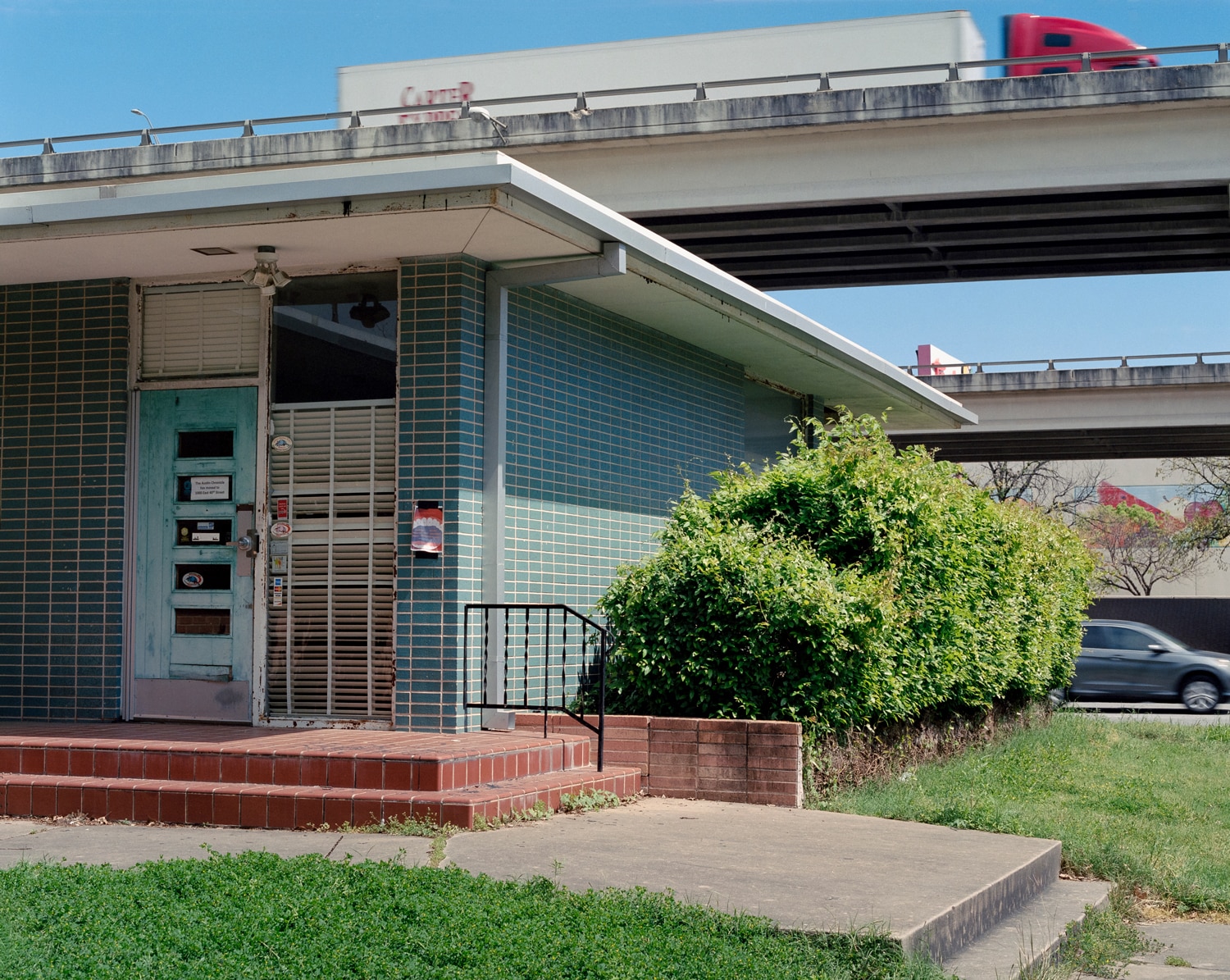
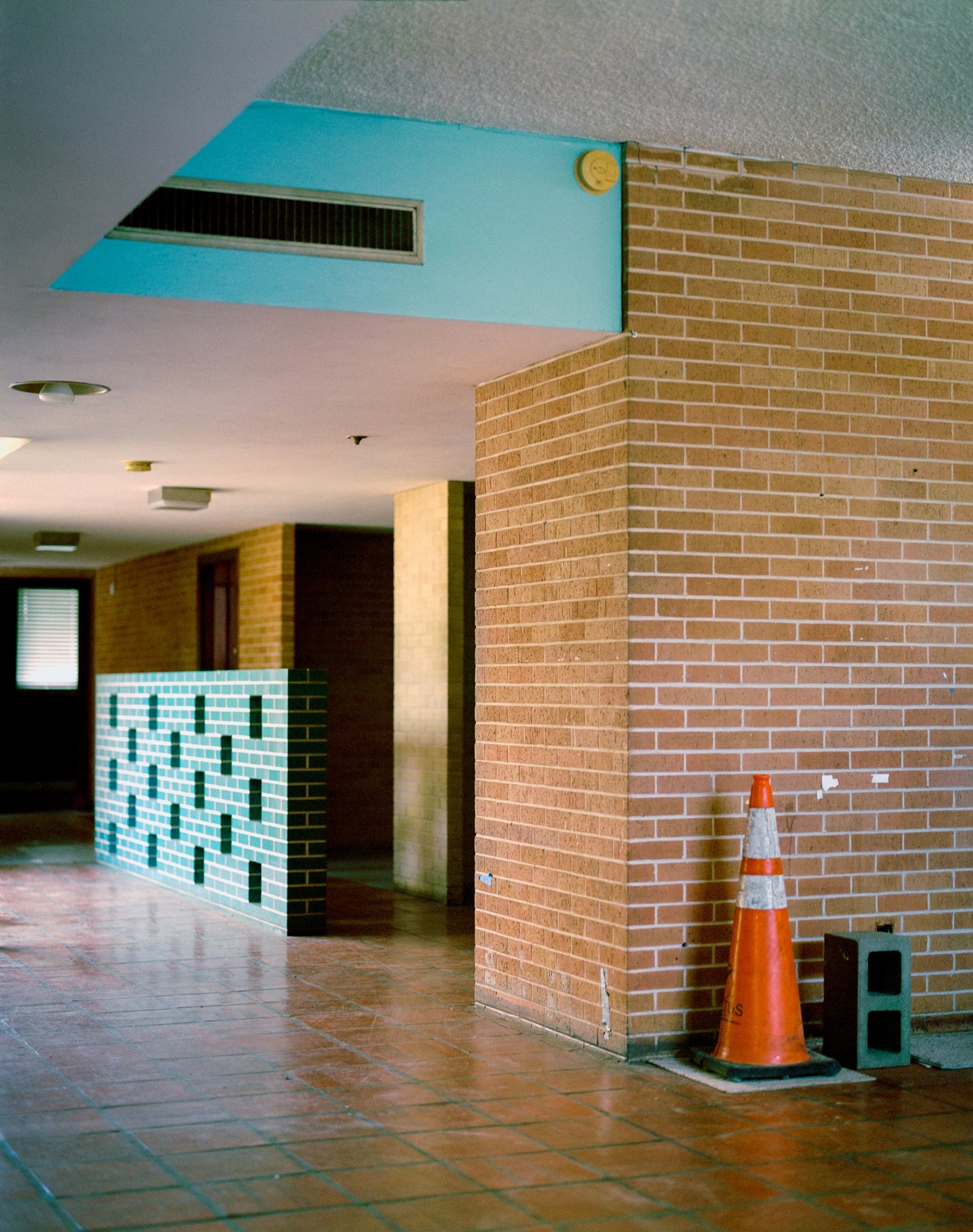
My project A Path of Impermanence: life along a highway expansion had a very specific beginning. In October 2023, I read an article by Nathan Bernier reported for KUT, the National Public Radio member station in central Texas. The article is focused on a building that at the time stood adjacent to Interstate 35 in Austin — a structure that, since 1989, had housed offices for The Austin Chronicle newspaper. The building would soon be torn down, along with 100 other businesses and homes, to make way for the I-35 Capital Express Central Project, a multibillion-dollar widening of the main highway running through the city. The building was originally built in 1957 for the Elgin-Butler Brick Co., a business founded in 1873. In view of this historic status, Bernier’s article explains, the agency constructing the expansion, the Texas Department of Transportation, “agreed to document the structure before demolishing it. Experts will sketch floor plans and take photographs of each room. The documents will be handed to the Austin History Center.” 1
My objective was to create a nuanced and accessible record of what would soon be destroyed.
I tried to imagine how these administrative photographs would be taken, with what type of equipment, and what degree of care. Would people also be photographed? Would they be interviewed? I imagined low-res photos of empty rooms hastily made with a phone; lifeless images failing to convey the spirit of the place or of the people who inhabited it. It was easy to assume that the other sites slated for destruction would not be acknowledged with even this tepid attempt at historical documentation.
I have lived in Austin for 20 years, and had frequented, or often driven by, many of the businesses subject to removal for the Capital Express Central Project. Mexican restaurants, a communal teahouse, a bilingual daycare center, an Ethiopian restaurant, a crystal-and-rock shop, a goth novelty store and hangout space, a strip club, a barbershop, and more. After reading the KUT article, I looked out especially for these establishments during my daily commutes, and noticed demolitions already starting to occur.

During times of rapid change to a physical and cultural landscape, we become more aware of the historical weight of the present. I realized that if I wanted to photograph these buildings and the people occupying them, I’d have to start immediately, before there was nothing left but rubble.
I realized that if I wanted to photograph these buildings and the people occupying them, I’d have to start immediately.
Soon after starting the project in spring 2024, I went to the Austin History Center to do archival research. I was already familiar with the discriminatory origins of I-35, which went through the city in the 1950s and ’60s, replacing East Avenue. Construction displaced homes and businesses, creating a physical barrier that separated downtown Austin from East Austin. In so doing, the highway reinforced a pattern of racial segregation that had been established in 1928 with the Koch & Fowler City Plan, under which Black residents were forced to move east of East Avenue; those who didn’t relocate from neighborhoods on the city’s west side had their utilities cut off.
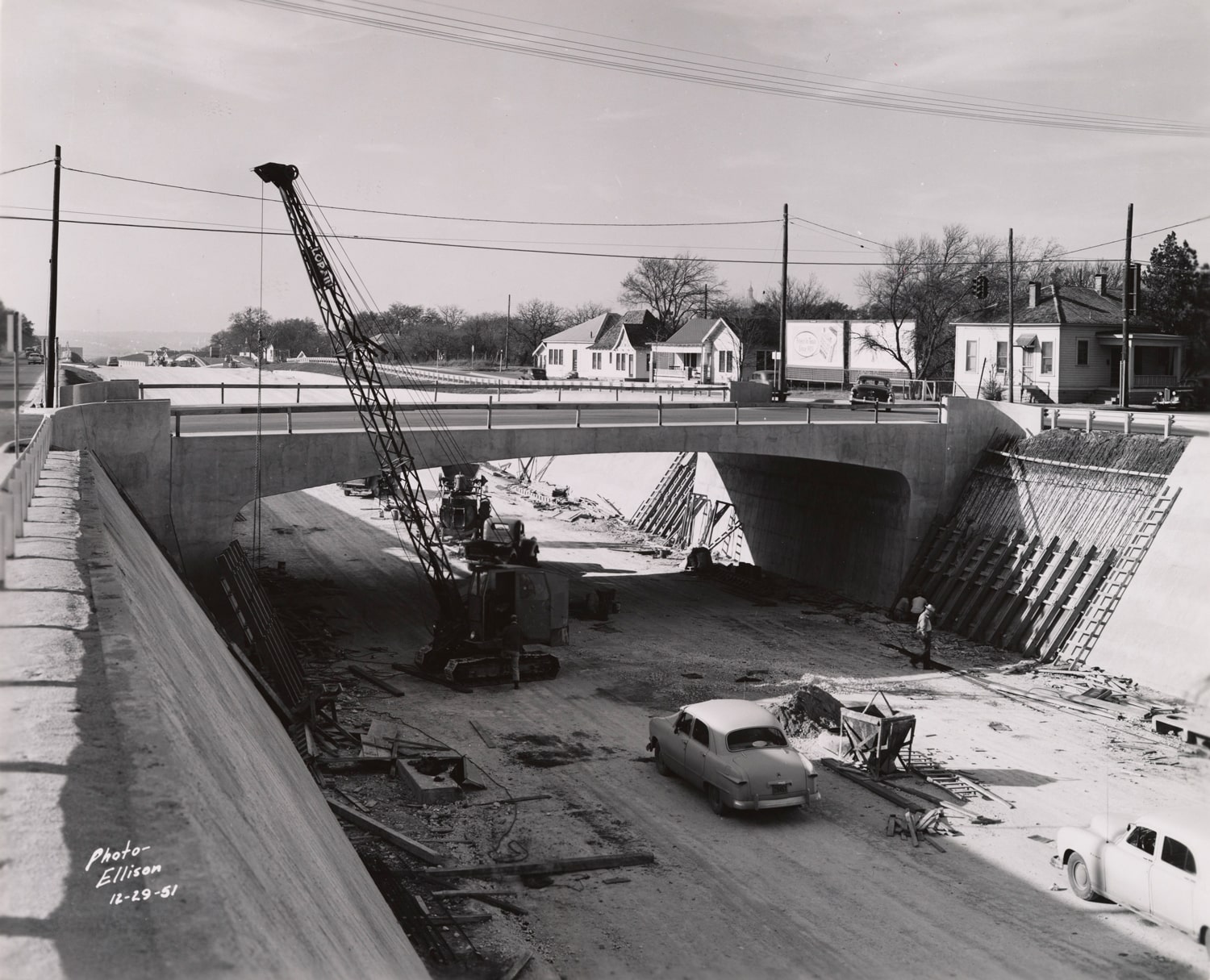
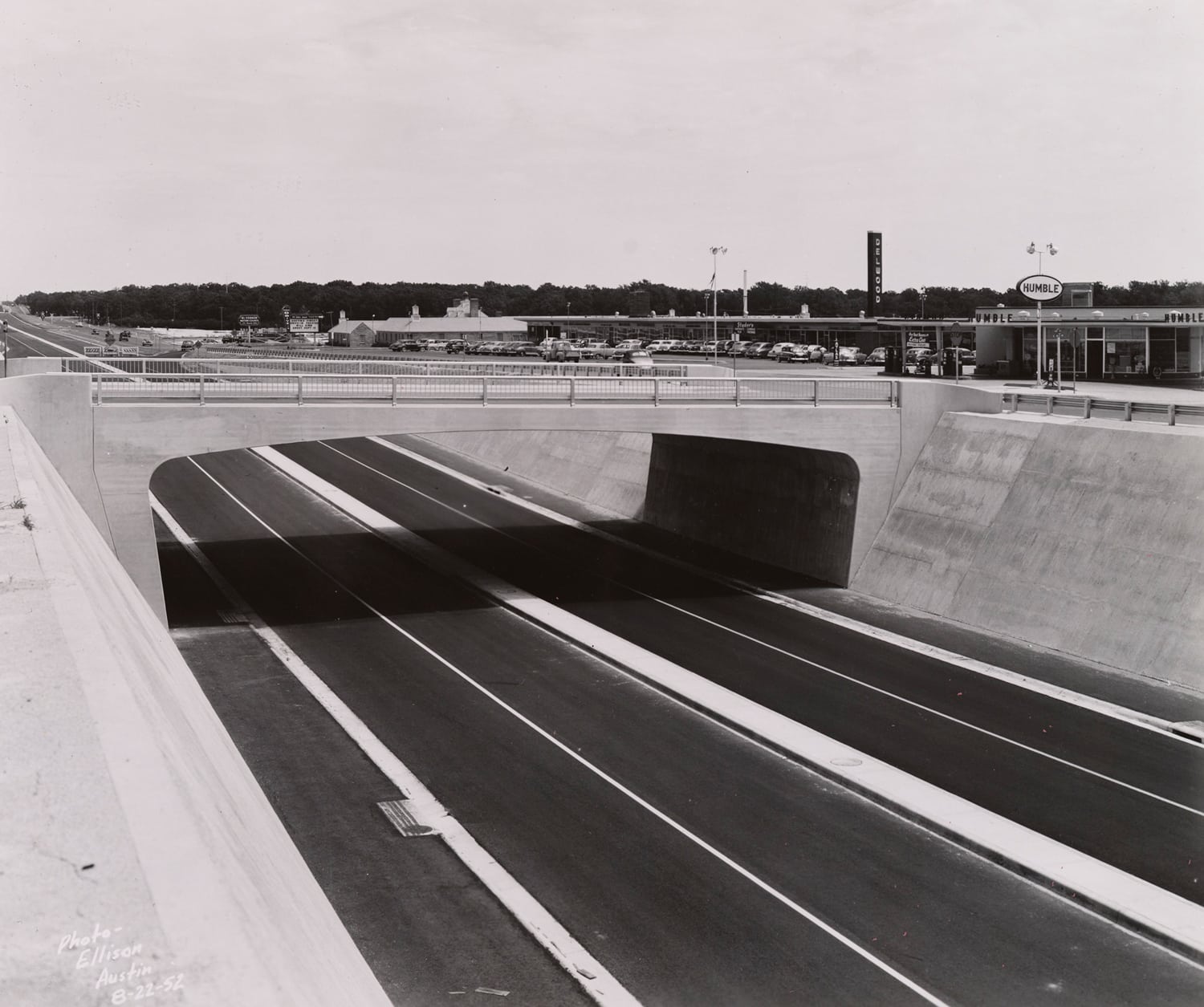
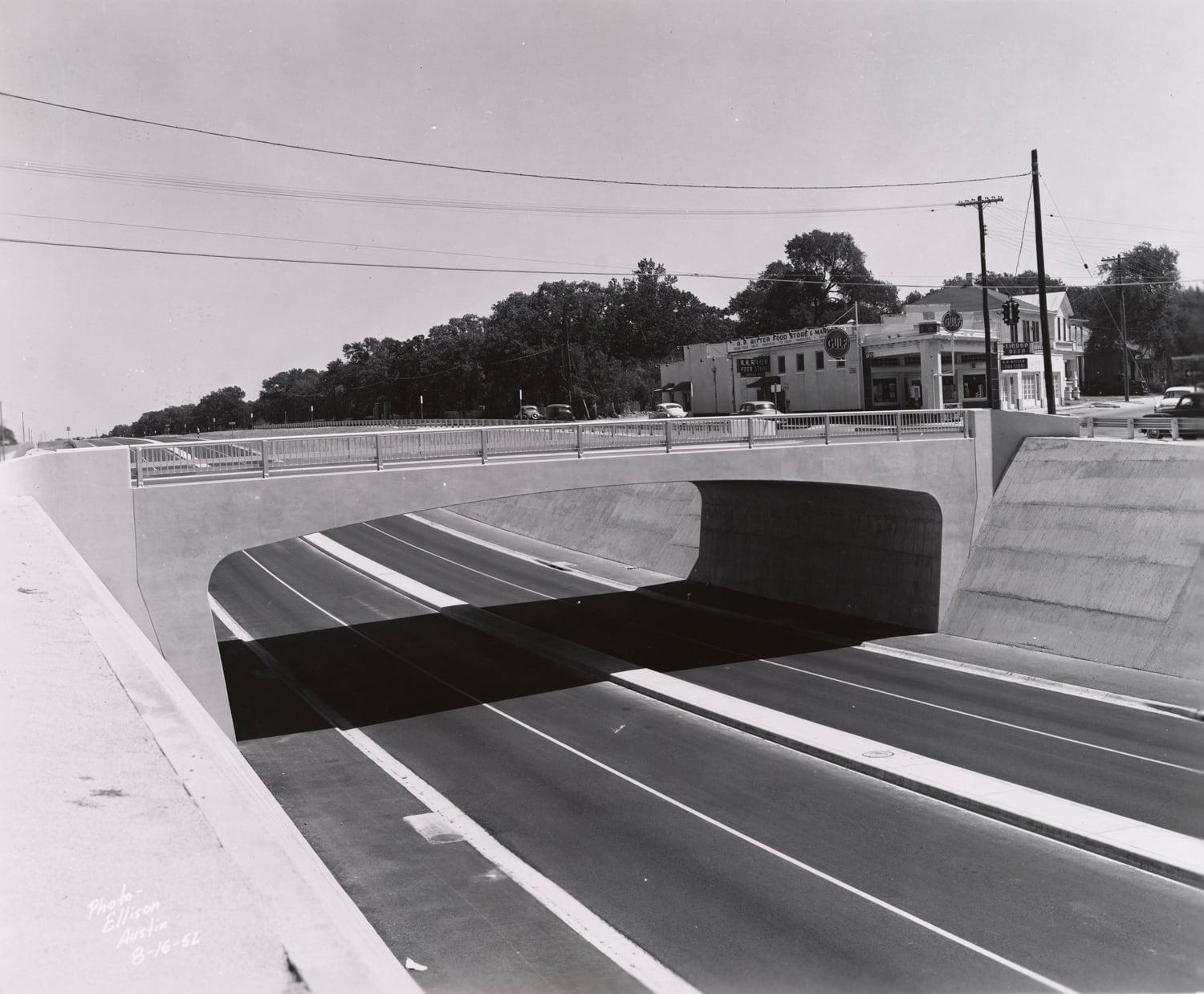
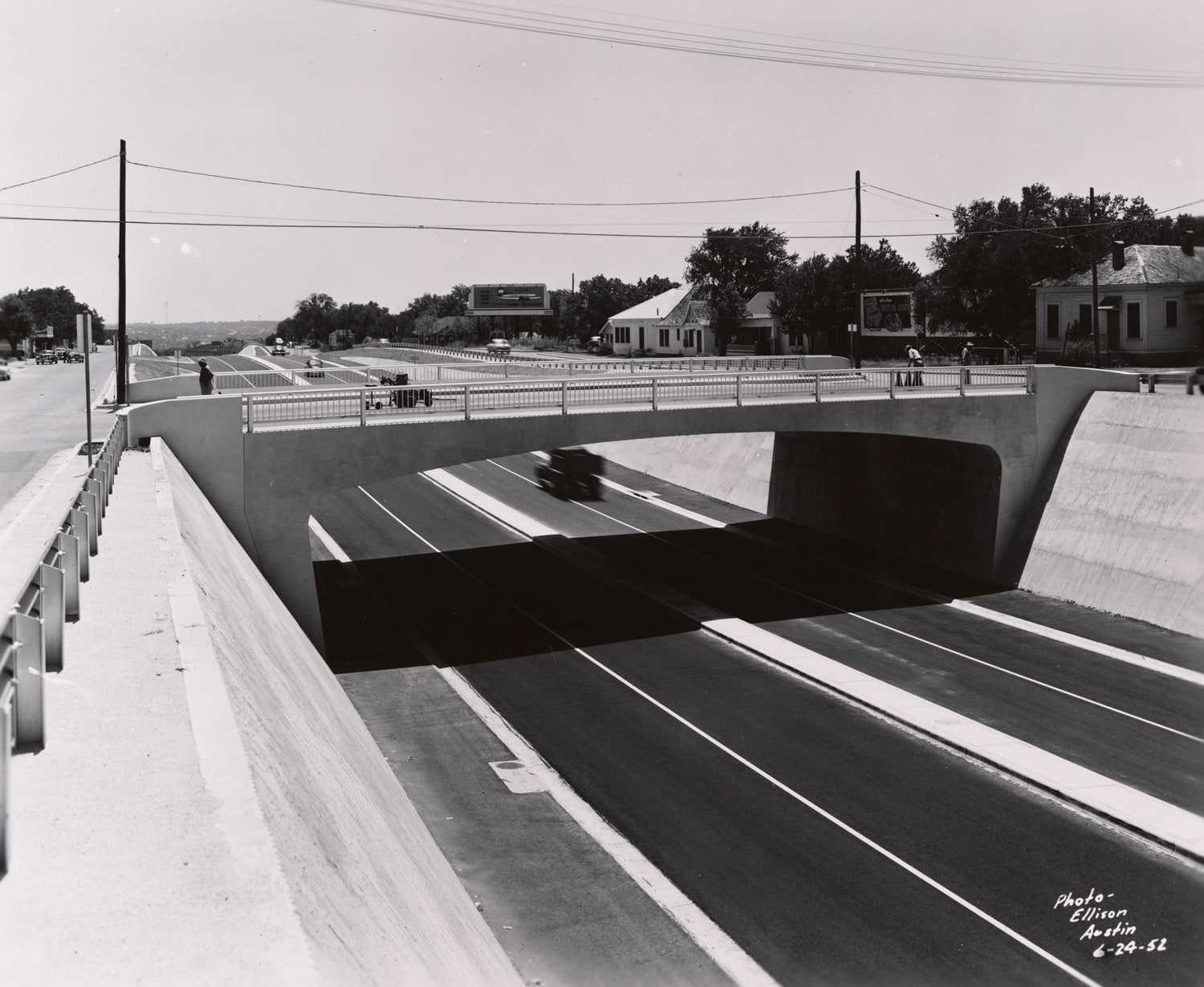
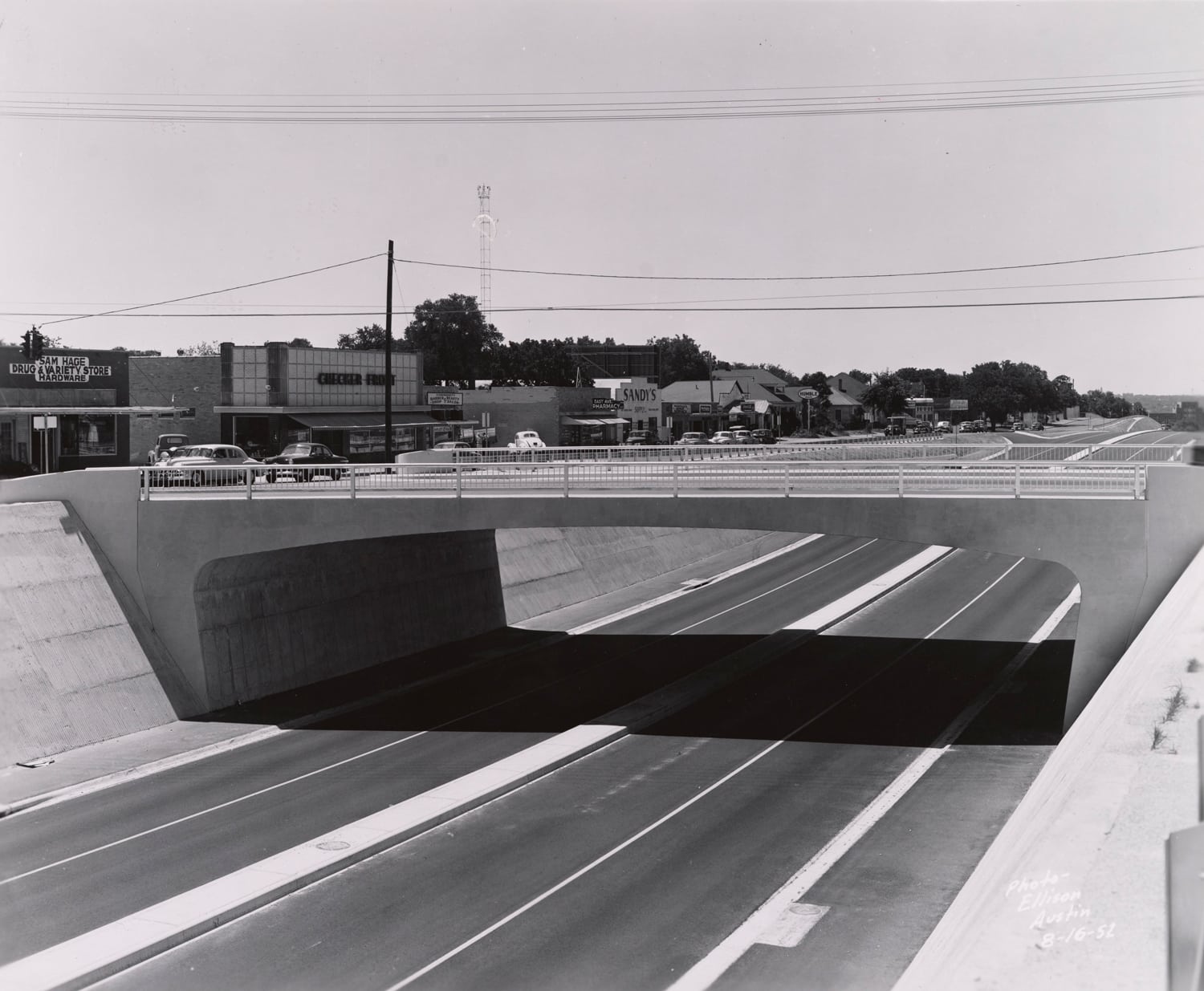
My search turned up images documenting physical structures acquired by eminent domain, and images following the progress of I-35’s construction, along with newspaper clippings of ribbon cuttings once the highway was complete. The absence, in this visual record, of displaced people was pronounced. The question that loomed largest in my mind was this: where were the testimonies from and portraits of the very individuals who were enduring a profound change outside their control?
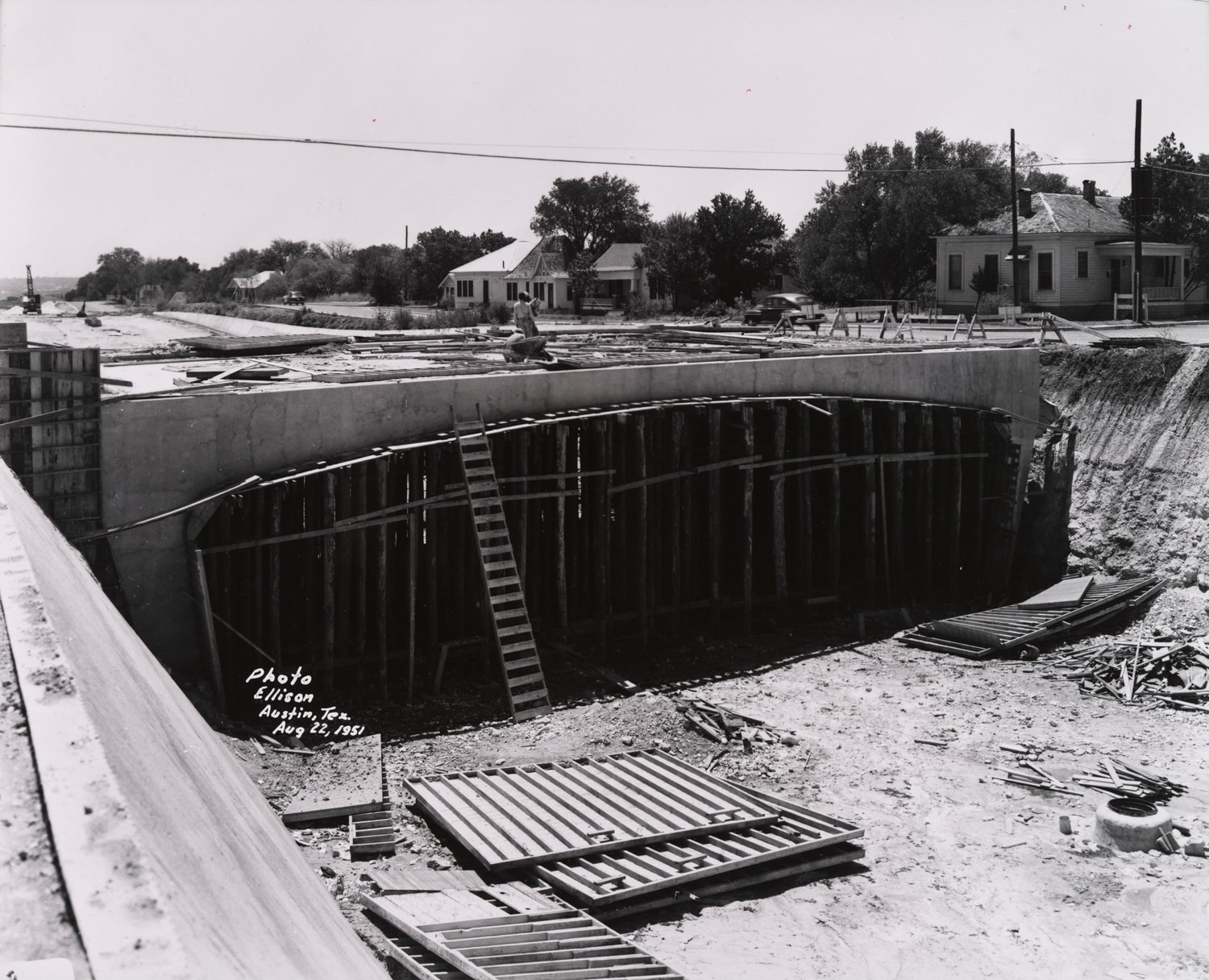
Interstate 35 under construction in Austin, 1951. [Item no. C09166, Courtesy Austin History Center, Austin Public Library]

Interstate 35 under construction in Austin, 1950s. [Item no. C08873, Courtesy Austin History Center, Austin Public Library]
Interstate 35 in Austin, 1950s.[Item no. C09190, Courtesy Austin History Center, Austin Public Library]
Interstate 35 in Austin, 1952. [Item no. C09168, Courtesy Austin History Center, Austin Public Library]
Interstate 35 in Austin, 1952. [Item no. C08876, Courtesy Austin History Center, Austin Public Library]
Interstate 35 in Austin, 1952. [Item no. C09169, Courtesy Austin History Center, Austin Public Library]
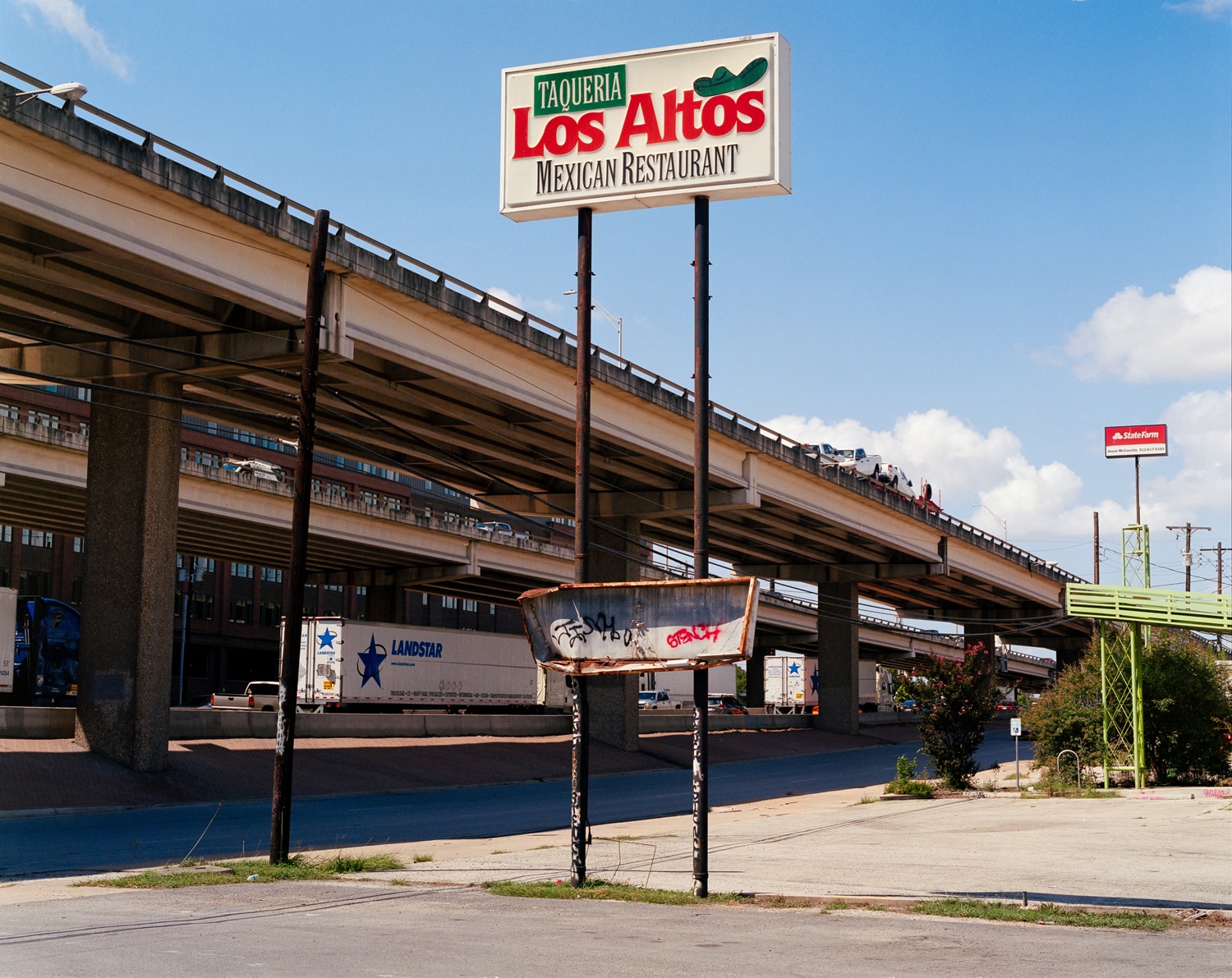
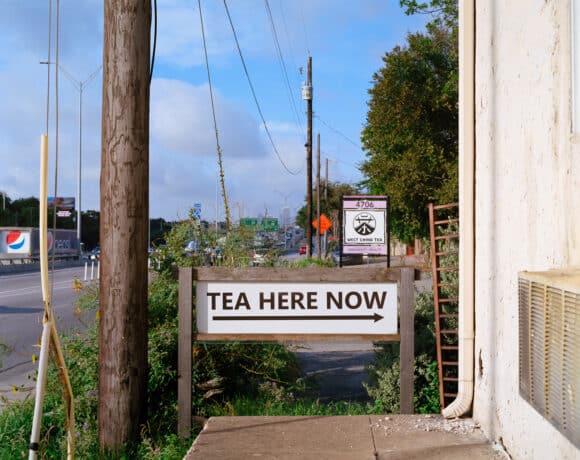
For six months, I photographed people, places, and landscapes along I-35 frontage roads in Austin, using a medium-format camera. Almost all the businesses affected were small, and situated on the east side, whereas larger establishments on the west side were untouched. My objective across the project was to create a nuanced and accessible record of what would soon be destroyed in its current form, and to ensure that this record included the perspectives of communities who have traditionally been neglected in many artistic and archival spaces. My process was both fluid and regimented; scheduled and organic. Because I live close to the locations, I was able to make the project part of my daily life. I shot more than 90 rolls of film.
I visited businesses, coming back several times to introduce myself and get to know the owners, employees, and patrons. Then I set up interviews. Opinions shared with me vary widely, and illustrate a broad range of emotions: confusion, fear, excitement, anger, hope. A few of the people photographed I happened to meet by chance, walking up and down the frontage road. Some of those whose portraits I made didn’t want to be interviewed, or because of a language barrier couldn’t enter into extended conversation.
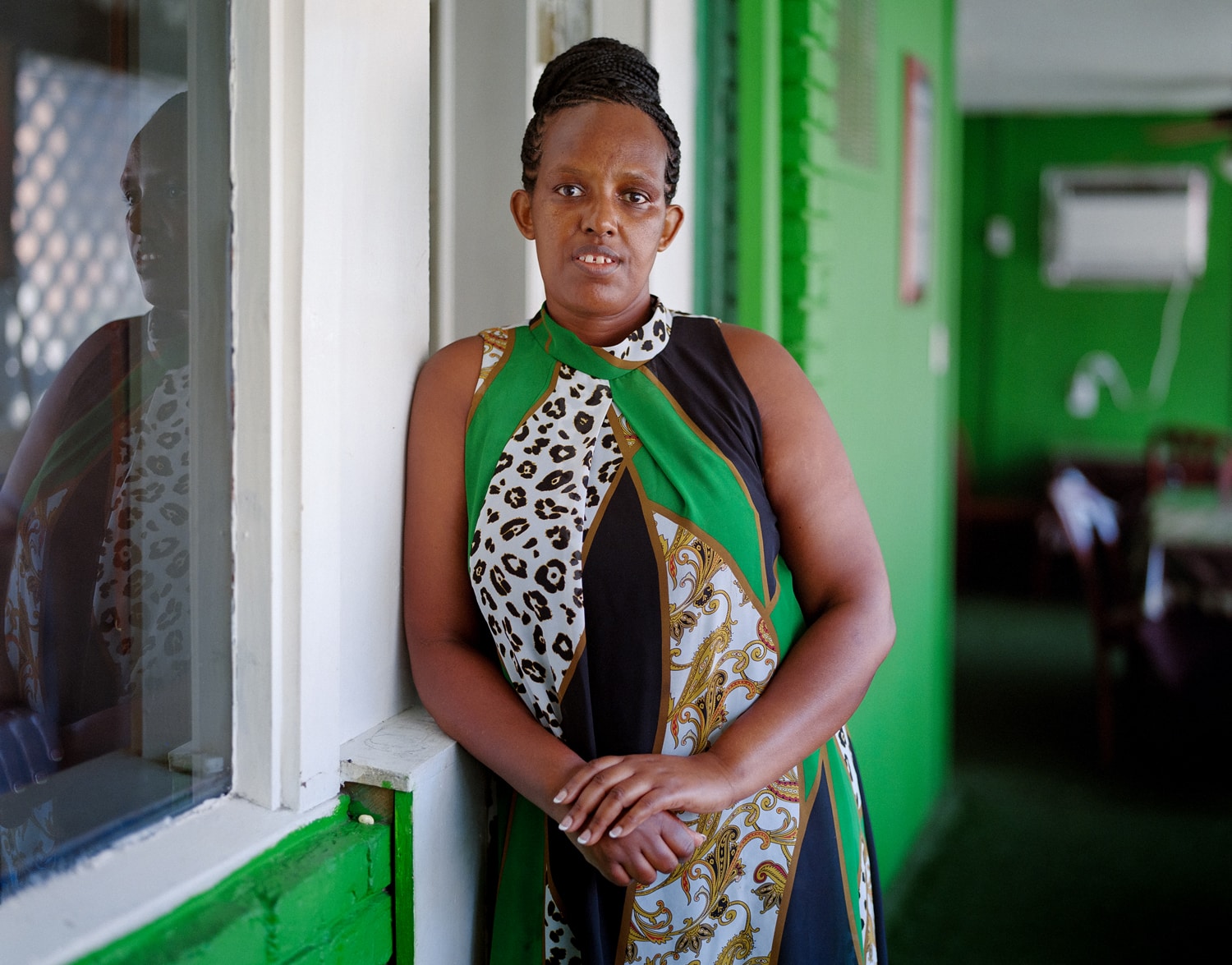
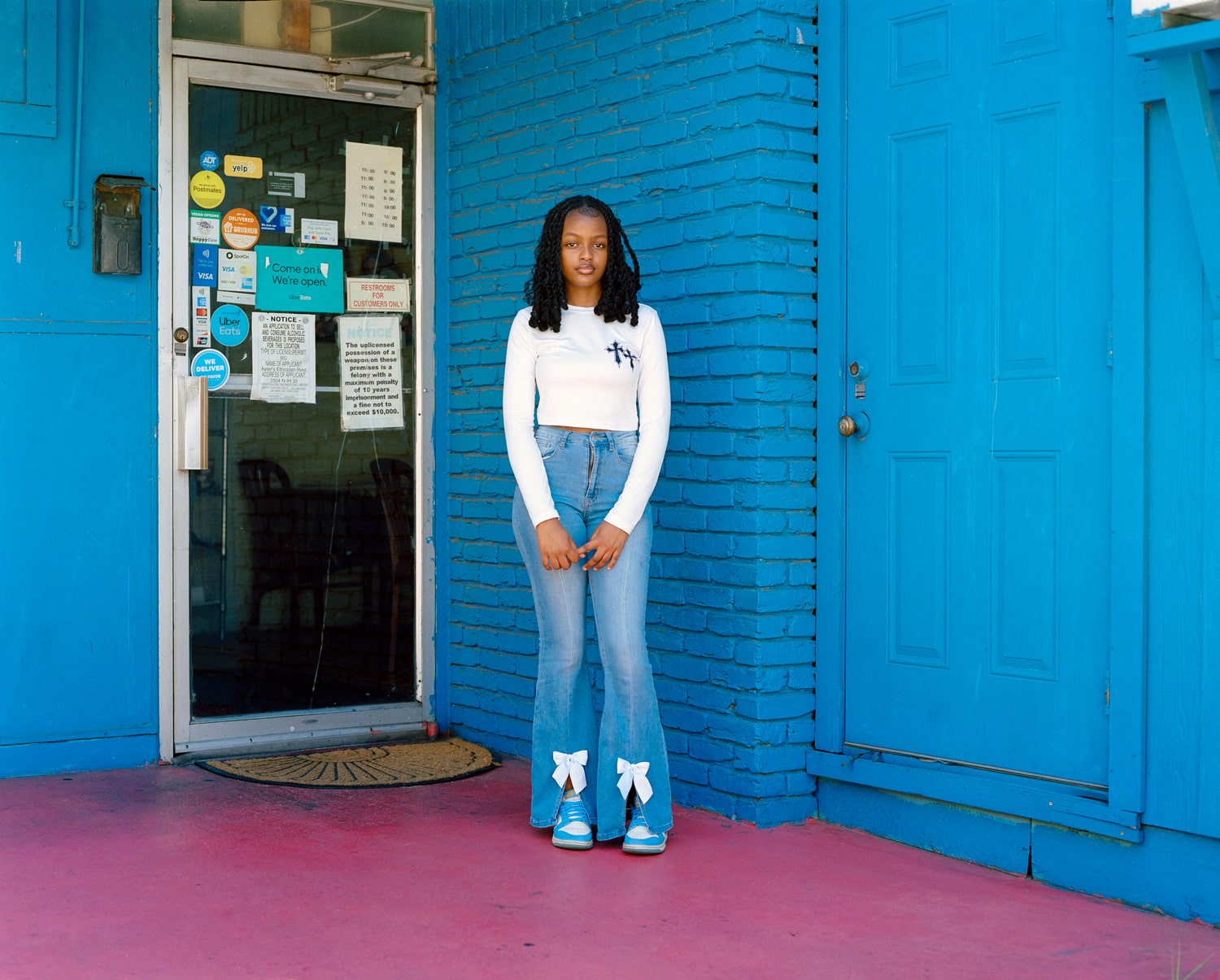
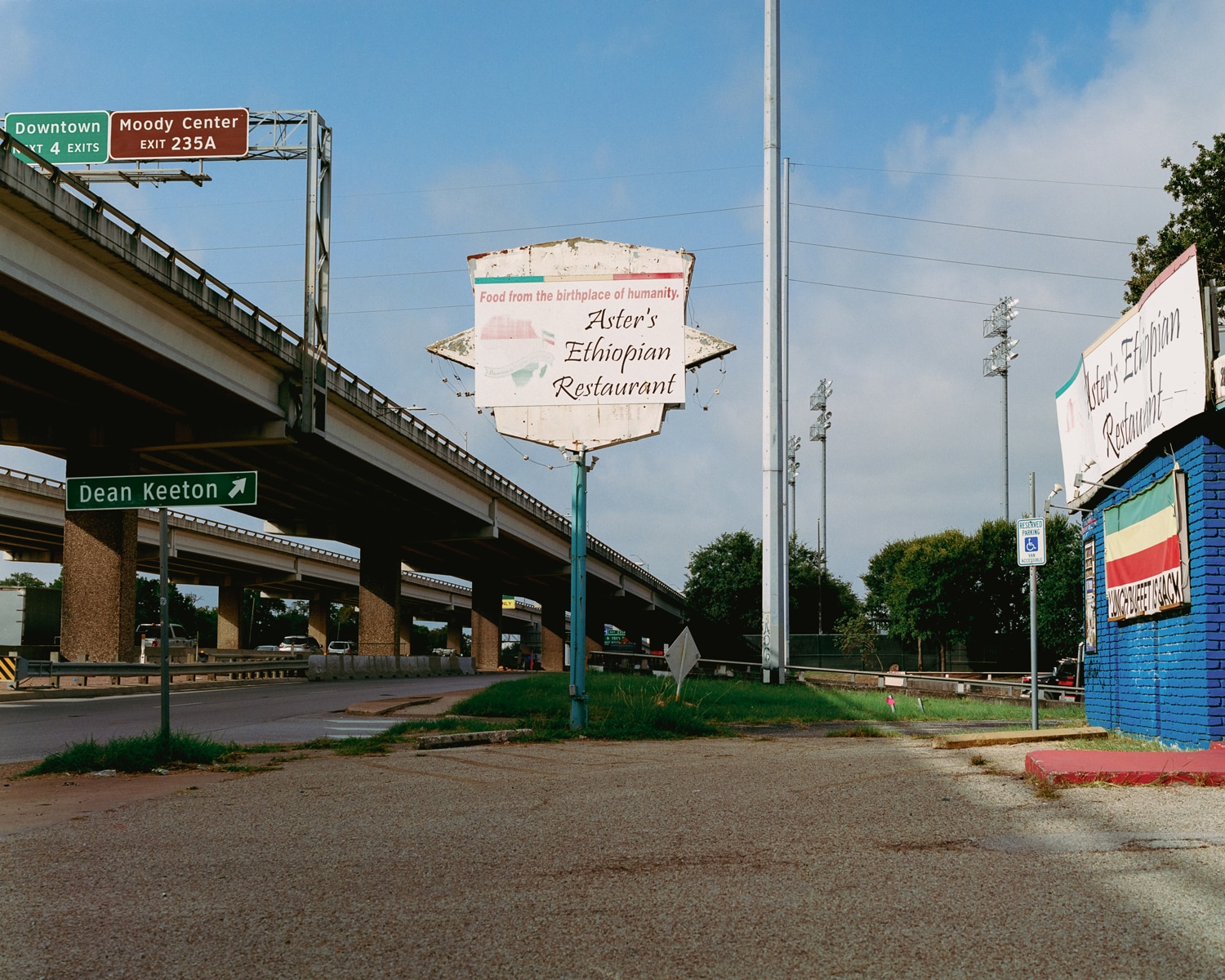
Aster’s Ethiopian Restaurant.
Stars Cafe.
Taquería Los Altos, interior detail.
Escuelita del Alma, interior detail.
Nature’s Treasures.
Nature’s Treasures, interior detail.
Pleasures.
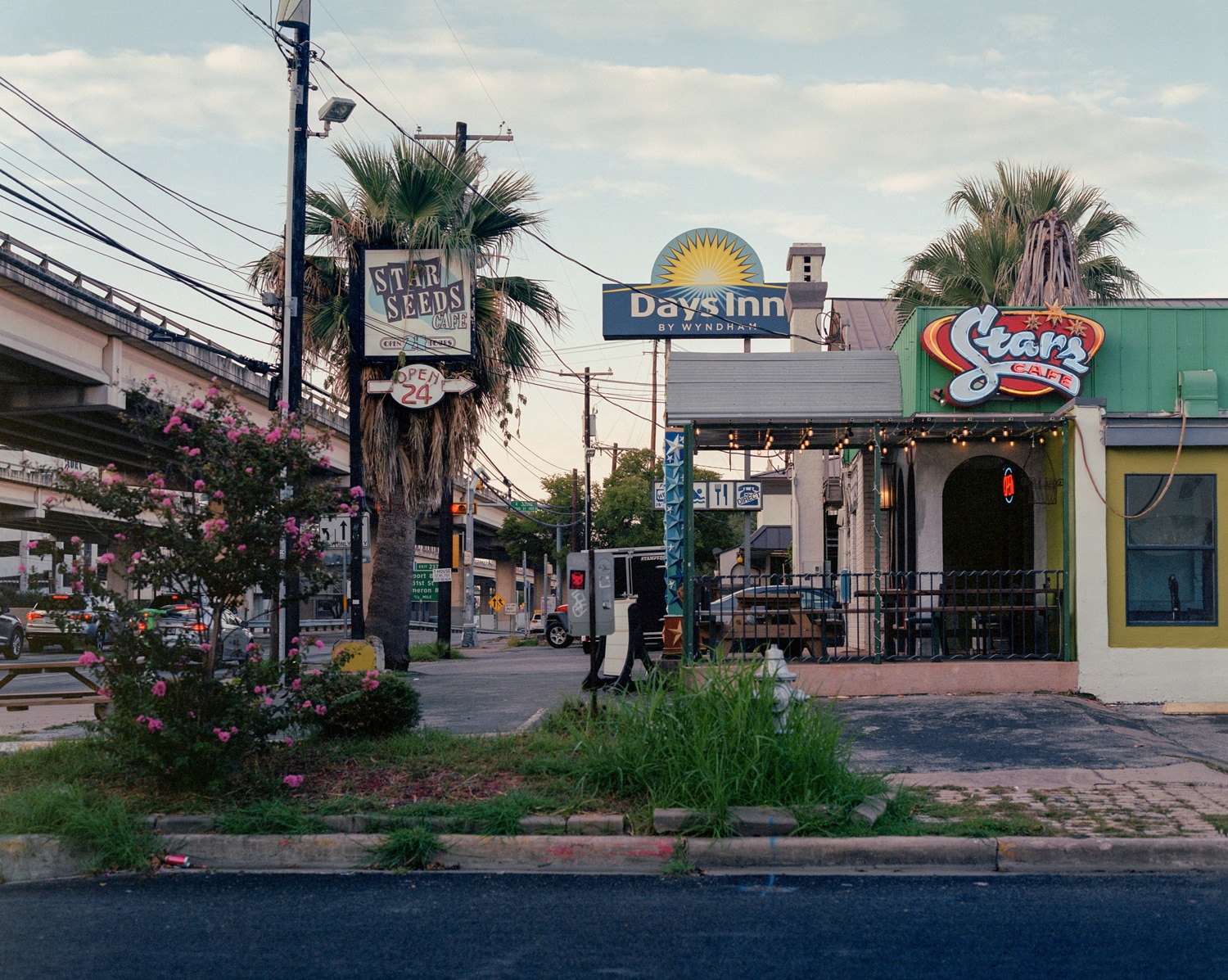
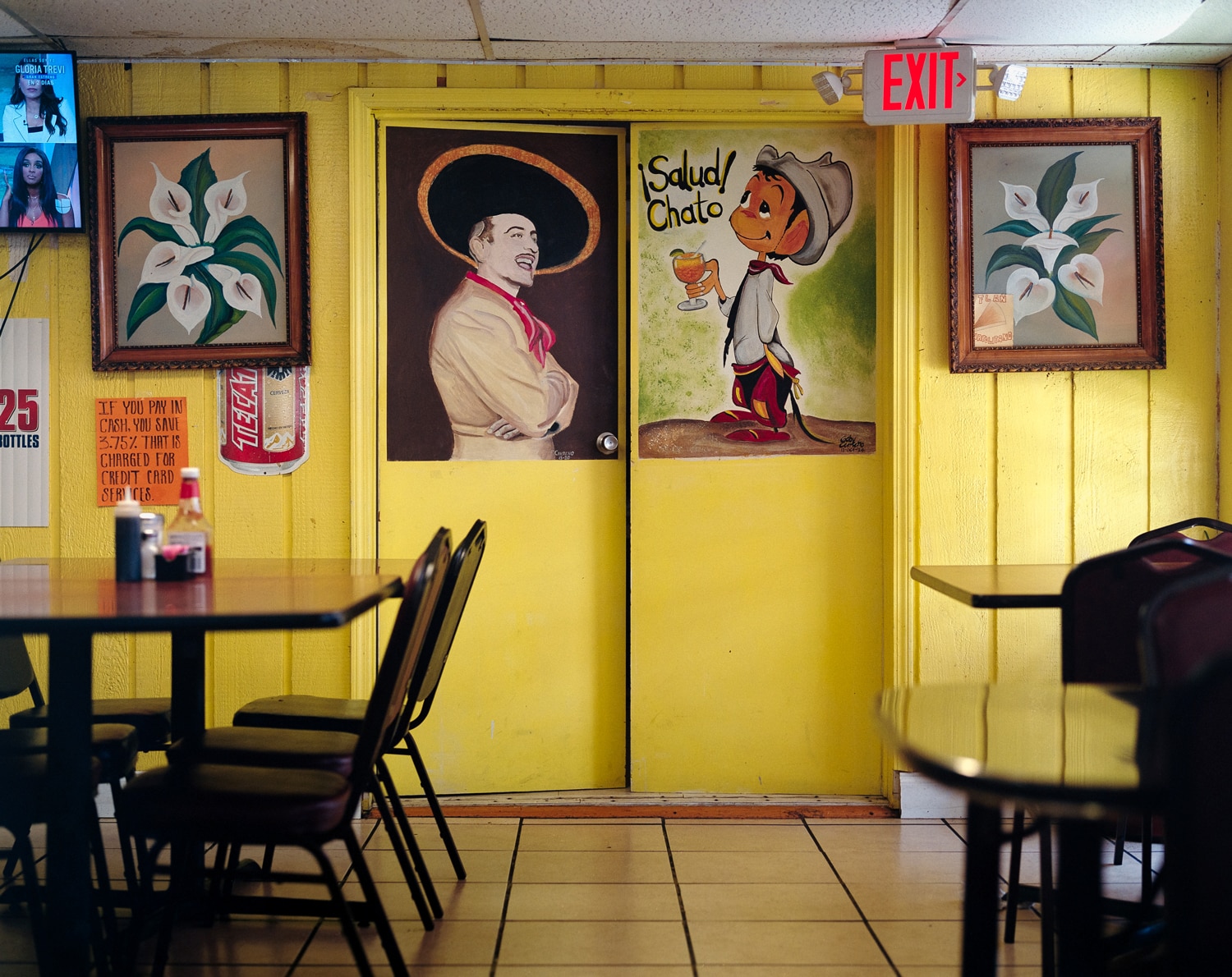
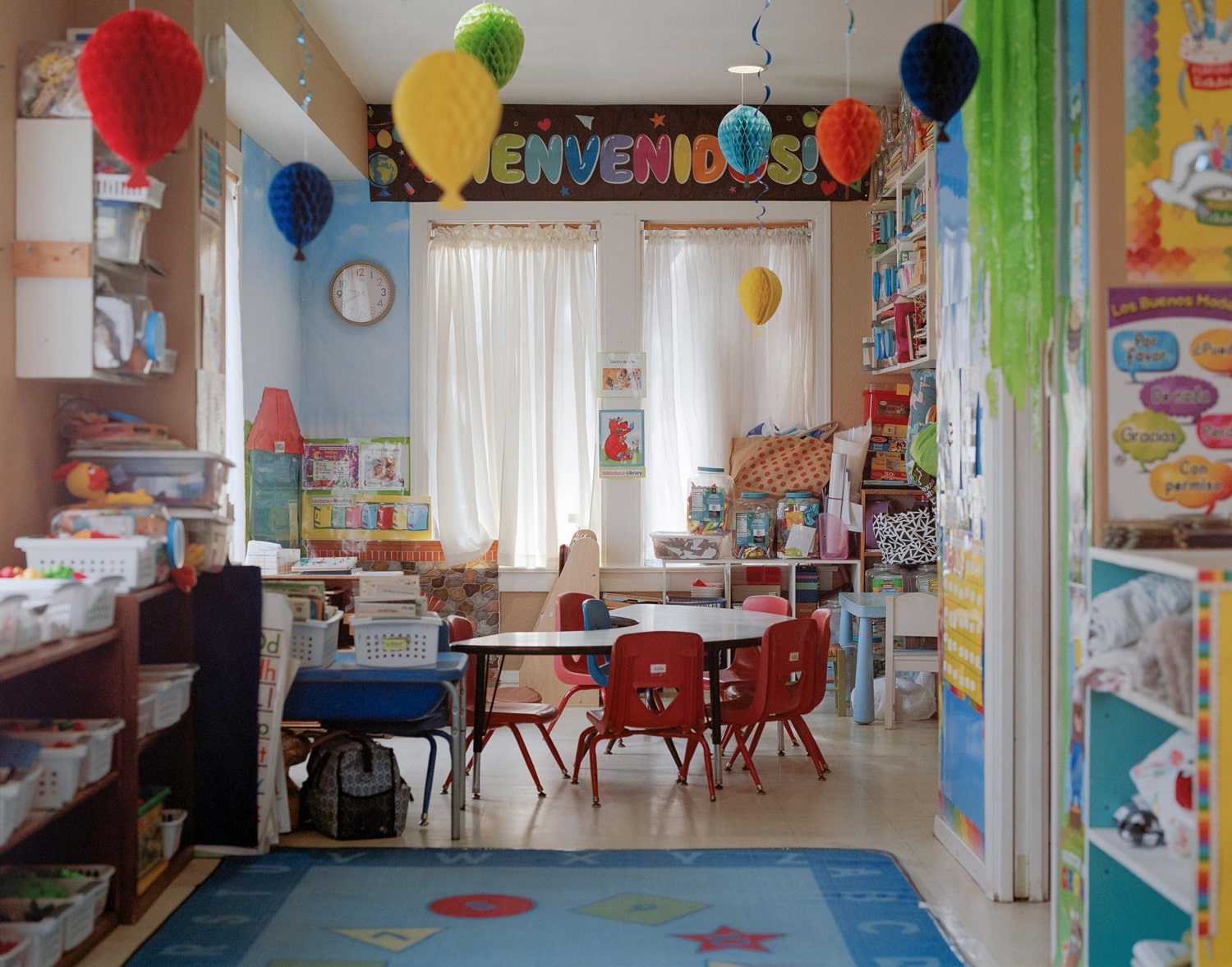
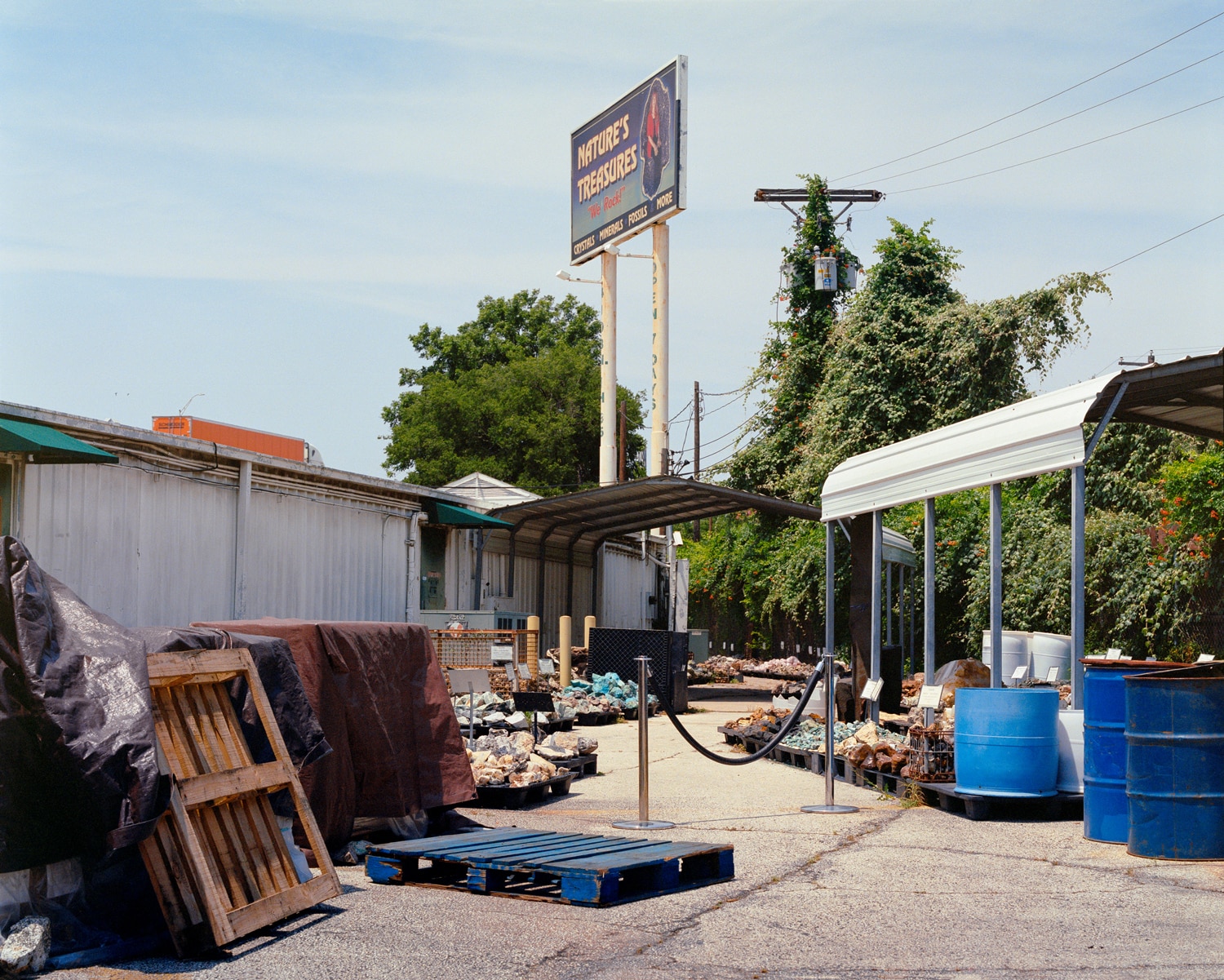

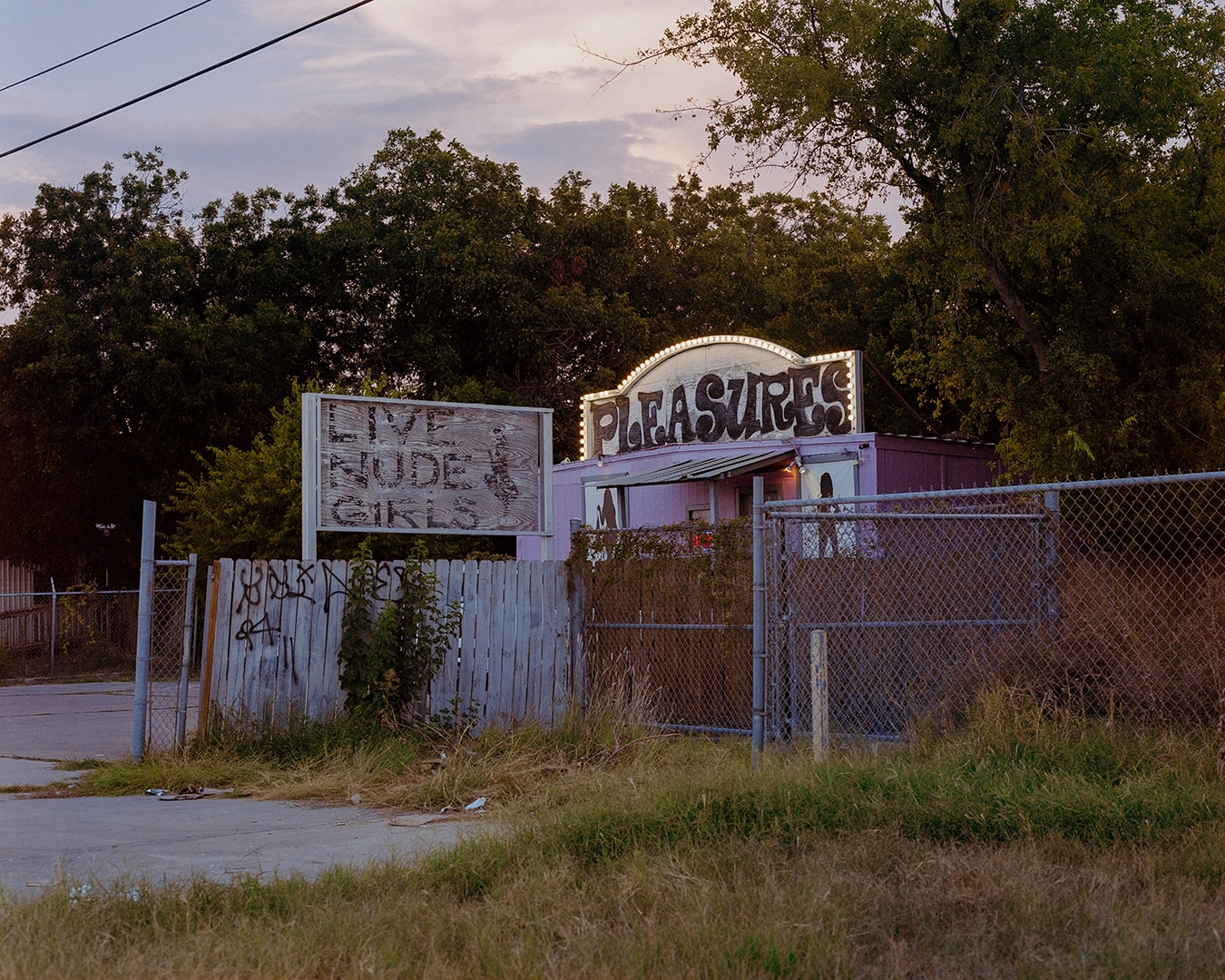
During the months of my project and after its completion, businesses have been relocated, demolished, permanently closed, or stuck in limbo, unsure if they will be able to move, and if so where they will go. Two establishments, Escuelita del Alma and the West China Tea House, were designated “community impact businesses,” and each received a grant from TxDOT. As a result, they were able to buy their own buildings in which to relocate. They will not have to worry ever again about being forced to move. Others have not been so lucky. Most recently, Aster’s Ethiopian Restaurant, a beloved Austin establishment for over 30 years, quietly and permanently closed their doors. The proprietors had initially been told by TxDOT that their site would not be torn down. Then, at the beginning of October, Aster’s building, along with a vacant Rodeway Inn Motel, were gutted in a massive fire that is currently under investigation. 2 As history continues to unfold, we witness how cycles of urban development and displacement lead often to powerlessness and loss, and occasionally, silver linings and success.
The process was both fluid and regimented; scheduled and organic. Because I live close to the locations, I was able to make the project part of my daily life.
In order to share the stories of these Austinites with a wider local audience, I produced a community event and exhibition at Future Front House, a nonprofit gallery in East Austin. 3 The show included archival images, interview quotes printed and presented next to the interviewees’ photographs, and site-specific artifacts selected by project participants. A restaurant menu, a purple amethyst, a cracked teapot, a brick from The Austin Chronicle building, a tampon box shaped like a coffin, and other meaningful items were displayed throughout the space. We held a Q&A panel with Rosa, Programs Manager at Preservation Austin, and small business owners Alma, of Escuelita del Alma, So-Han of West China Tea House, and Jay of Cafe Hornitos. Attendees had the opportunity to write down their own memories related to I-35, the businesses featured in the show, and Austin in general. A selection of these notes will be compiled into a zine, to be donated to the Austin History Center. My hope is that the zine, which will include all elements of the project, can become a reference for people who wish to enhance their understanding of this city’s complex and ever-evolving cultural story.
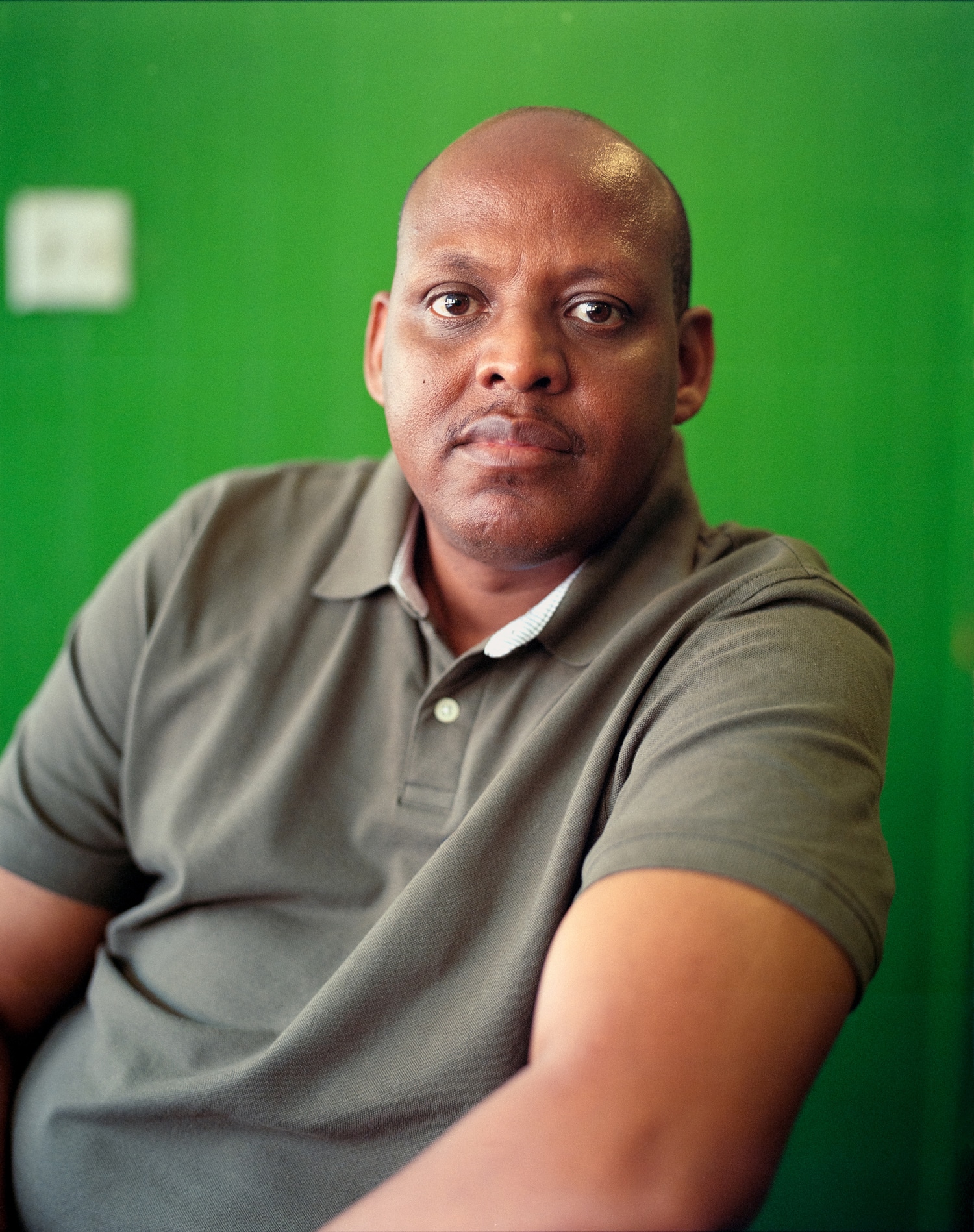
Musabwa, owner, Aster’s Ethiopian Restaurant.
I'm from Rwanda, actually, but this restaurant is an Ethiopian restaurant, so we got it from our uncle and the people who were working here. This place has been here for 22 years, but the restaurant has been open in Austin now more than 30 because it was open in 1991. People want to try different cuisines. And there’s not much African cuisine in Austin. People also come from Africa who are not familiar with the American food, they come to try here. And also, my community, we don't have any other place to sit in the garden and talk. It's just here. People from Rwanda, from Congo, from Burundi. We speak, all of us, the same language. So we have many events, hookah they do here, so they can come, drink, sit, talk.So-Han, wwner, West China Tea House.
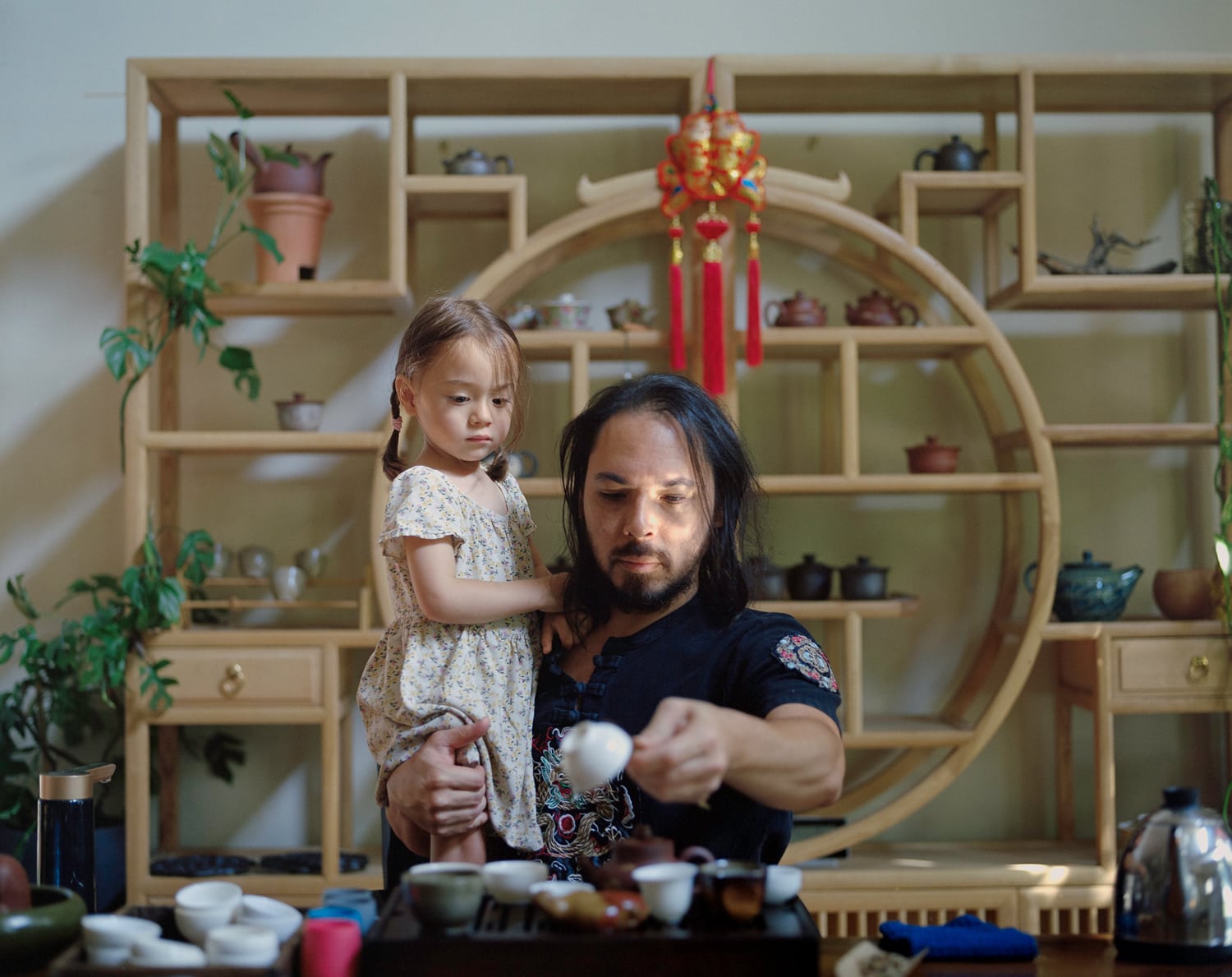
No one here knew about Gong Fu Cha and Chinese tea. And so I realized the only way that I would even get people to buy this tea is that I would have to serve it to them, so they could understand what you do with it. I wanted people to be able to taste it being made the way it's supposed to be made, so that they have some sort of point of reference, and also to understand the context in which it exists. Trying to take something cultural out of its cultural context is the first step towards appropriating it. And so I wanted to give people the true, authentic cultural context behind Chinese tea.
A lot of people don't drink alcohol, so alcohol is not inclusive. But that's the default thing that we do in our society: you go get a drink with somebody. But actually it's very exclusionary. Tea is the great unifier. Tea is the most inclusive. There's nothing more inclusive than tea, because everyone can drink tea .… It's just a bunch of people coming together, and they don't have to have anything in common. They can just show up however they are. When you have an inclusive space where people who are excluded from other parts of society are welcome, they will congregate there.
If I was to try to start this business again today, I could not do it the way that I did. You cannot bootstrap in 2024. America is not a place where you can bootstrap a business anymore. If you don't have capital, then you can't do it. And if you don't have access to capital, you can't get it. It's basically a miracle that we got this money from the government, and that is the reason that we're able to buy a property, and we never would have been able to otherwise; it would have been a decade before we could save up enough money to put down a down payment on a property, and it wouldn't be in East Austin.Charles, patron, Stars Cafe.
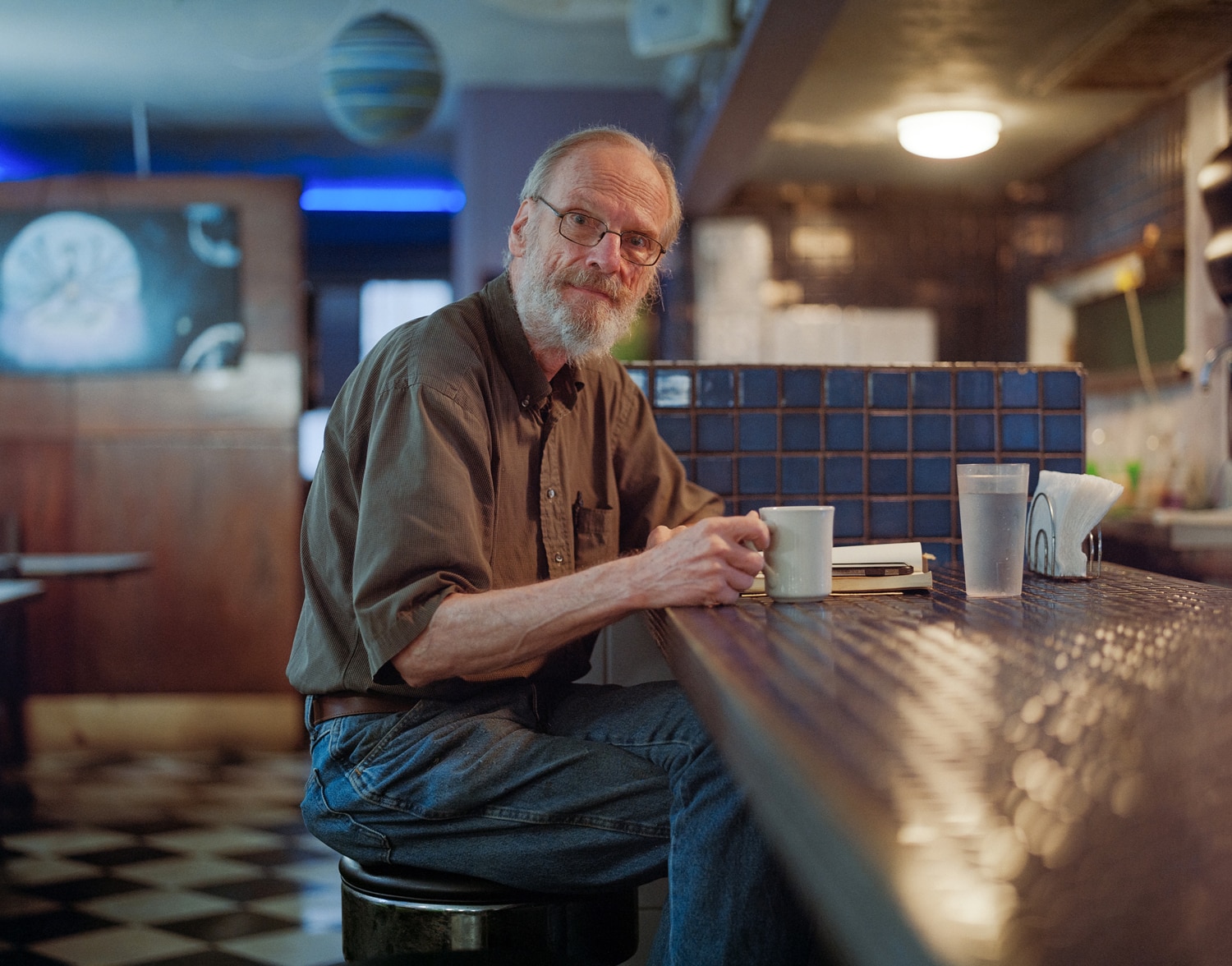
I have been coming here since 1997. I moved to Austin in 1997. And I’ve seen various owners come and go and now the highway is coming.
I come basically every day, between six and eight, and I usually stay for an hour and a half or so. If I do order anything, I order the Charlie, named after myself. It's a sandwich, bagel with an over-hard egg, bacon, and cheese. And a coffee. In fact, my coffee is always free.
I grew up high-functioning autistic, and autistics tend to get into rivulets, and they stay there, get into a groove. And so, for example, I met two people within the first week that I moved down here, and those two people are still my best friends. So — this restaurant and two best friends all within the first couple weeks that I moved down here.Lenny, patron, Taquería Los Altos.
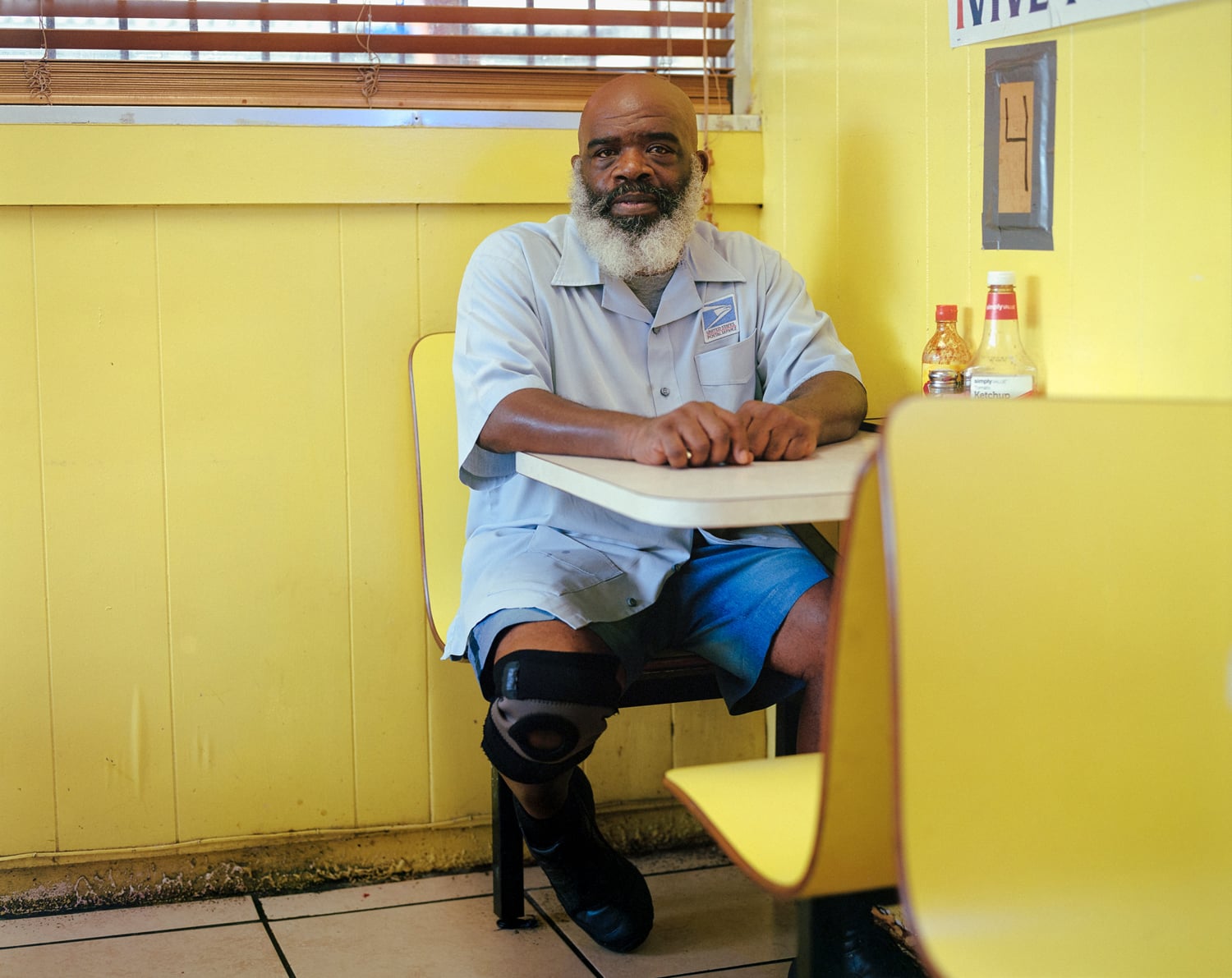
I work for the post office; I’m a letter carrier. I've been working in this area for about twelve years, and I've been coming here to this restaurant ever since I started working. I take my lunch here. I come around two o'clock every day, and I usually order the same thing. I forgot the name of it, but it's fajita chicken. And it's a plate. So you get rice and beans. I usually eat that, and then, 2:30, I'm headed back to the route.
I started coming and they were nice. They’d give me water. That's how it started, getting ice and water. And then, over time, just talking to them and getting to know them. And then I just kept on coming. They’re like family here. I've been to their house before; they invited me over. I've been to their daughter's birthday.
I’ll be able to go to the new location on my day off. It's off my route, so I won't be able to go during the day. I will be going over there for breakfast.Nick (cofounder of The Austin Chronicle and SXSW) and his wife Susan.
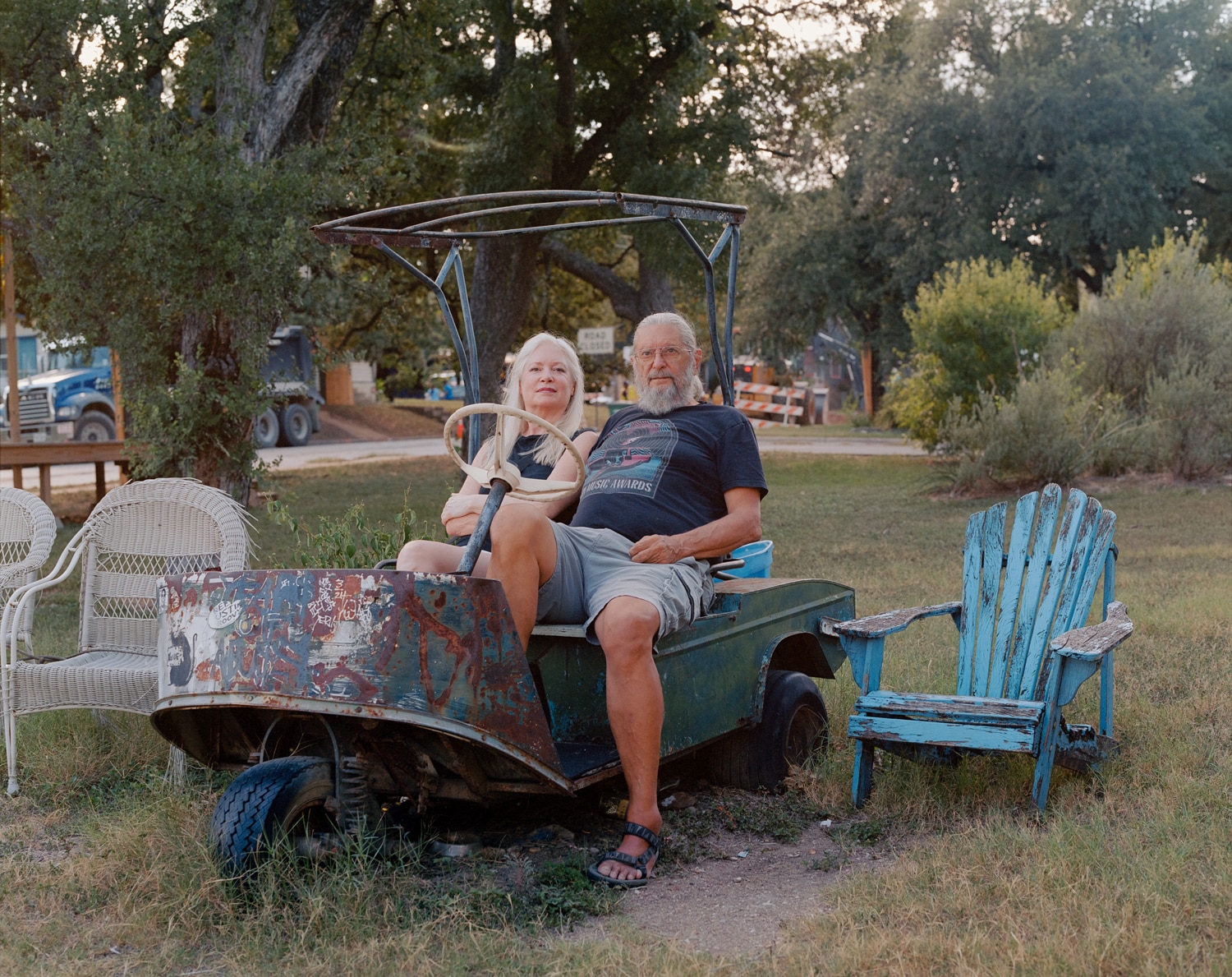
We were in there for 33 years. We bought it in 1991 and our son was born the next year, and that was basically the first place he went when he came home from the hospital. He was born in Brackenridge, which is, of course, now torn down itself, right down the Interstate. We brought him to the office. He saw the office before he saw his crib, and he's now our art director. So he grew up in the business. He grew up in that building.
Being on I-35 is a mixed blessing. It was great being able to give people directions. Everybody knows where I-35 is. But it was noisy. Noise, the pollution — not great. The insulation was pretty good, because there were those bricks and they built it solidly. When we moved in, the inspector said two things I remember. One was the foundation would hold a 30-story building, and [the other was] if there were nuclear war, he knew where he was coming to hide out in the basement.
Every week we're telling stories. Every week we're telling stories about our community. And that's the throughline, really; I mean, that's how we started, and that's how we're still going by the skin of our teeth for 40-odd years, some odder than others, one week at a time. And, you know, we're just a newspaper. It's what we do.The Austin Chronicle building, interior detail.


If you would like to comment on this article, or anything else on Places Journal, visit our Facebook page or send us a message on Twitter.