

A salmon’s lifecycle is often described as heroic — their youthful adventure to the sea followed by a fateful return to spawn, and then die, at their place of birth. But this epic journey is complicated for most salmon today, and especially for California’s Central Valley Chinook, who travel through the nation’s largest water delivery system. Often born in hatcheries or in the shallows below dams, juvenile salmon swim through altered rivers and canals and are trucked around reservoirs and pumping plants on their way to the Sacramento-San Joaquin Delta and then San Francisco Bay. They grow to maturity in the Pacific Ocean and then, as adults, use their sight, smell, and geomagnetic cues to return home. As they navigate the valley’s maze of aquatic environments, their eye lenses and ear bones track the atomic signature of every waterway they’ve known. And as they map this sprawling isoscape, they also change it, bringing valley chemistry to the ocean and marine chemistry back to the valley. After spawning, their bodies release ocean nutrients that fertilize terrestrial environments far from the coast. They are landscape makers, in every sense.
Born in hatcheries or in the shallows below dams, juvenile salmon swim through altered rivers and canals and are trucked around reservoirs and pumping plants.
These fish are crucial to the lifeways of many Indigenous people. They support West Coast fisheries and Southern Resident Orcas. And they are intimately entangled in a panorama of industrial agriculture that supplies nuts, grains, fruits, and vegetables for global markets. This decidedly fish-unfriendly place nevertheless has landscape elements specifically designed for their needs — ladders and notches to get around dams and weirs; screened canal gates and truck rides to circumvent hazards; excavated side channels, reconstructed wetlands, and replenished gravel for spawning. The element that salmon need most — sufficient and cool enough in-river flows — is regulated by a complex regime of legislative mandates, administrative decisions, court rulings, and negotiated settlements. 1 State and federal agencies divvy up water for agriculture and cities and for endangered and threatened species, including two of the four runs of Central Valley Chinook. 2
Over the past several years, I have been following the migration of these extraordinary creatures, documenting the Central Valley salmonscape in videos and photos — as I did for engineered bird habitats in an earlier feature on Places. 3 This work has taken me to many out-of-the-way sites, known mainly to local fishers, water managers, and conservation scientists. From a vantage point above the water, these places are unexpectedly serene, and efforts to curtail this extinction crisis seem straightforward and sensible.
The four distinct runs of Central Valley Chinook have evolved unique life histories that exploit valley rivers at different elevations and staggered times of the year. They adapted to Pleistocene shifts in glaciation, sea level, and rainfall, and they can thrive in dynamic conditions so long as valley rivers remain cold and well-oxygenated. But, today, dams obstruct 95 percent of their historical spawning habitat. Diking, draining, and legacy mining have destroyed river complexity and disconnected the floodplains that nurture juvenile fish. Industrial agriculture degrades water quality and dewaters spawning grounds. In the Delta, juveniles are entrained by diversions, eaten by predators, and sickened by pesticides and urban pollution. In the open ocean, they face overfishing and diminished cold-water upwelling that makes it harder to find prey like crab larvae and sardines. And, of course, global warming brings intensified cycles of drought and deluge. Mountain snow evaporates and melts early, leading to warmer river flows later in the year. 4
Dams obstruct 95 percent of their historical spawning habitat.
Five major Chinook hatcheries release tens of millions of juveniles annually, but this earnest production isn’t helping wild salmon. Hatchery fish compete with wild kin for food, mates, and nest sites, and when a hatchery spawner chooses a wild partner, their domesticated genetics get passed on. 5 Wild salmon have a phenotypic plasticity that helps them adapt to habitat changes. They can colonize a new stream if one becomes blocked or delay migration if a stream gets too warm. A rich portfolio of life history options stabilizes populations by spreading environmental risk across habitats and over time. But behavioral variation is hobbled by hatchery culture, which in turn makes hatchery salmon less responsive to climate change. 6
The Stalwart Fall Run
Cynthia Hooper, Anadromous Architectures: Fall Run, 2024.
Fall-run Chinook enter the San Francisco estuary in autumn to rapidly spawn and then die in rivers and streams on the valley floor. Once a million spawners strong, this run inhabited all Central Valley watersheds from the Kings River northward. More recently, they have averaged about 200,000 spawners, and that number continues to decline. 7 Since this run evolved to leave lowland rivers before the water gets too warm, they are better adapted to the valley’s truncated hydrology and preferred for hatchery culture. These fish grow rapidly in a stable, semi-captive environment, where adults can be quickly spawned and juveniles quickly flushed back into the system. Today, all valley fall-run are of hatchery origin or have hatchery genetics. Yet without robust hatchery production, the state’s salmon fisheries might well be extinct.
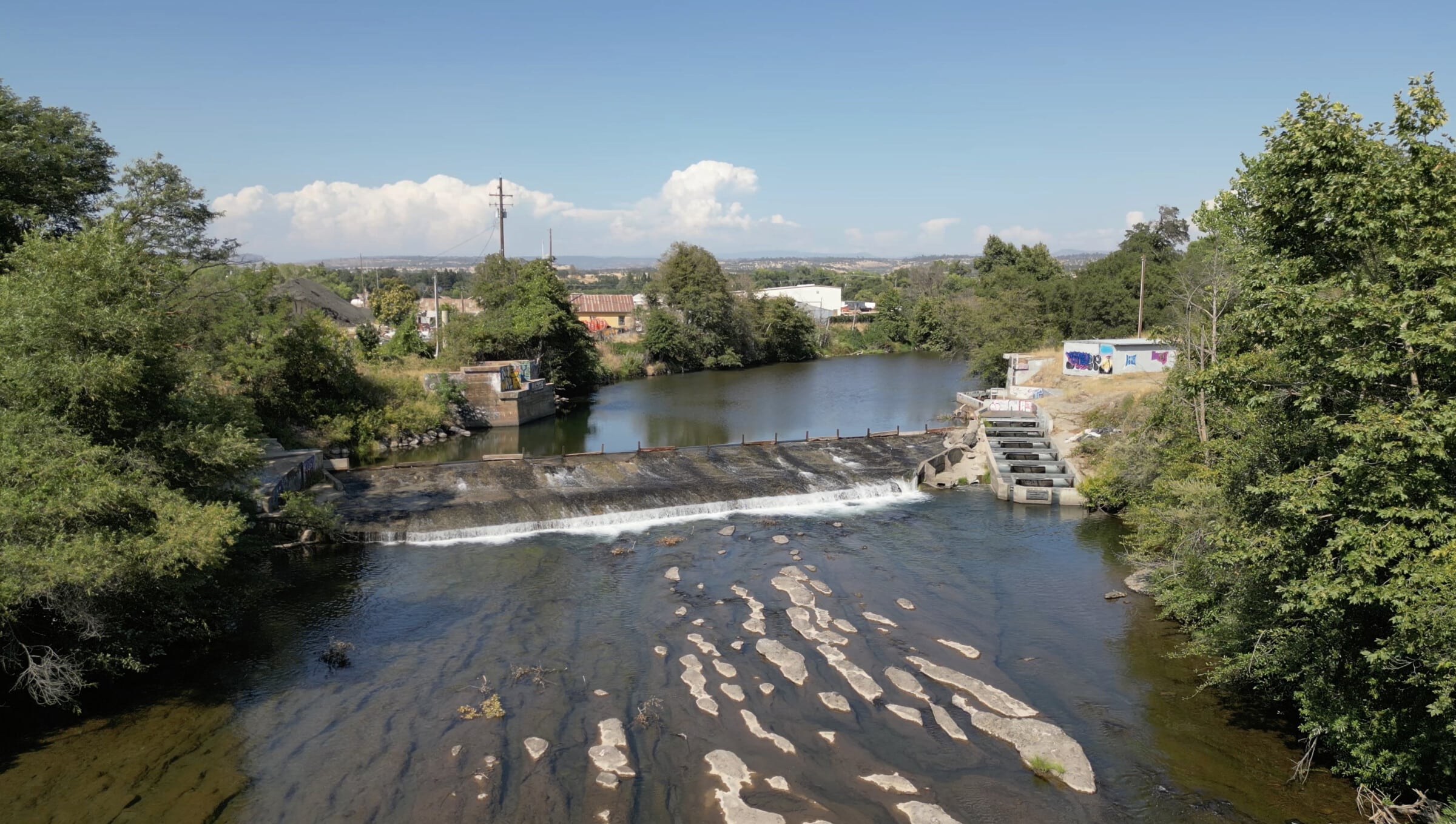
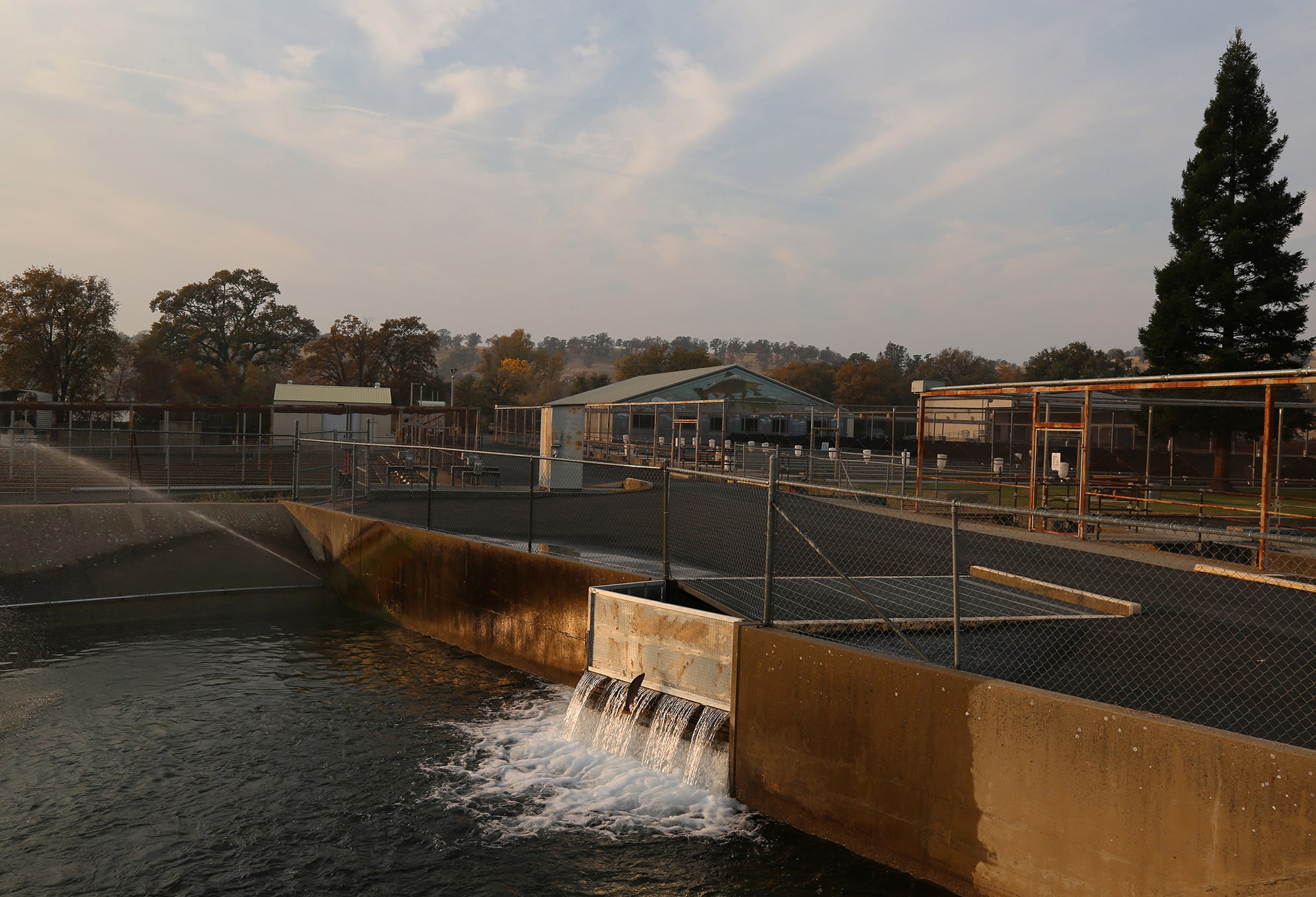
The largest producer is the Coleman National Fish Hatchery, followed by the Nimbus, Feather River, Mokelumne, and Merced facilities. 8 Each has a river-spanning barrier weir leading to a fish ladder where human visitors can watch the muscular leaping of adult salmon as they return to the hatchery. Upon arrival, the fish wait in holding ponds to be sorted, euthanized, and then manually spawned. Fertilized eggs incubate in trays, and hatchlings grow in indoor plastic tubs before being moved outside to concrete raceways. Before their release, some juveniles get a fin clipped for identification and a tiny wire tracking tag injected into their nose. If conditions are right, they are then sprayed through a tube into the river near the hatchery; but if the river is too low, too slow, too warm, or too clear, they will be released much farther downstream, which could scramble the senses they rely on to return home. 9
The Intrepid Spring Run
Cynthia Hooper, Anadromous Architectures: Spring Run, 2024.
Once abundant spring-run Chinook are venerated by salmon-based tribes: they arrive early, are especially nutritious, and are essential to Indigenous culture and diet. Compared to the fall-run, they spend more of their lifecycle in freshwater. Juveniles linger in rivers and floodplains for up to a year before heading to sea, and returning adults spend the summer in deep pools before spawning in fall. They evolved to reach higher-elevation watersheds — habitats now blocked by hundreds of dams — flourishing in the San Joaquin River before the construction of the Friant Dam and in the cold northern tributaries of the Sacramento before Shasta Dam. Now almost entirely cut off from that altitudinous geography, only a few remnant populations remain.
As passages are upgraded, a new population of spring-run Chinook will be able to migrate on their own to spawning grounds below Friant Dam.
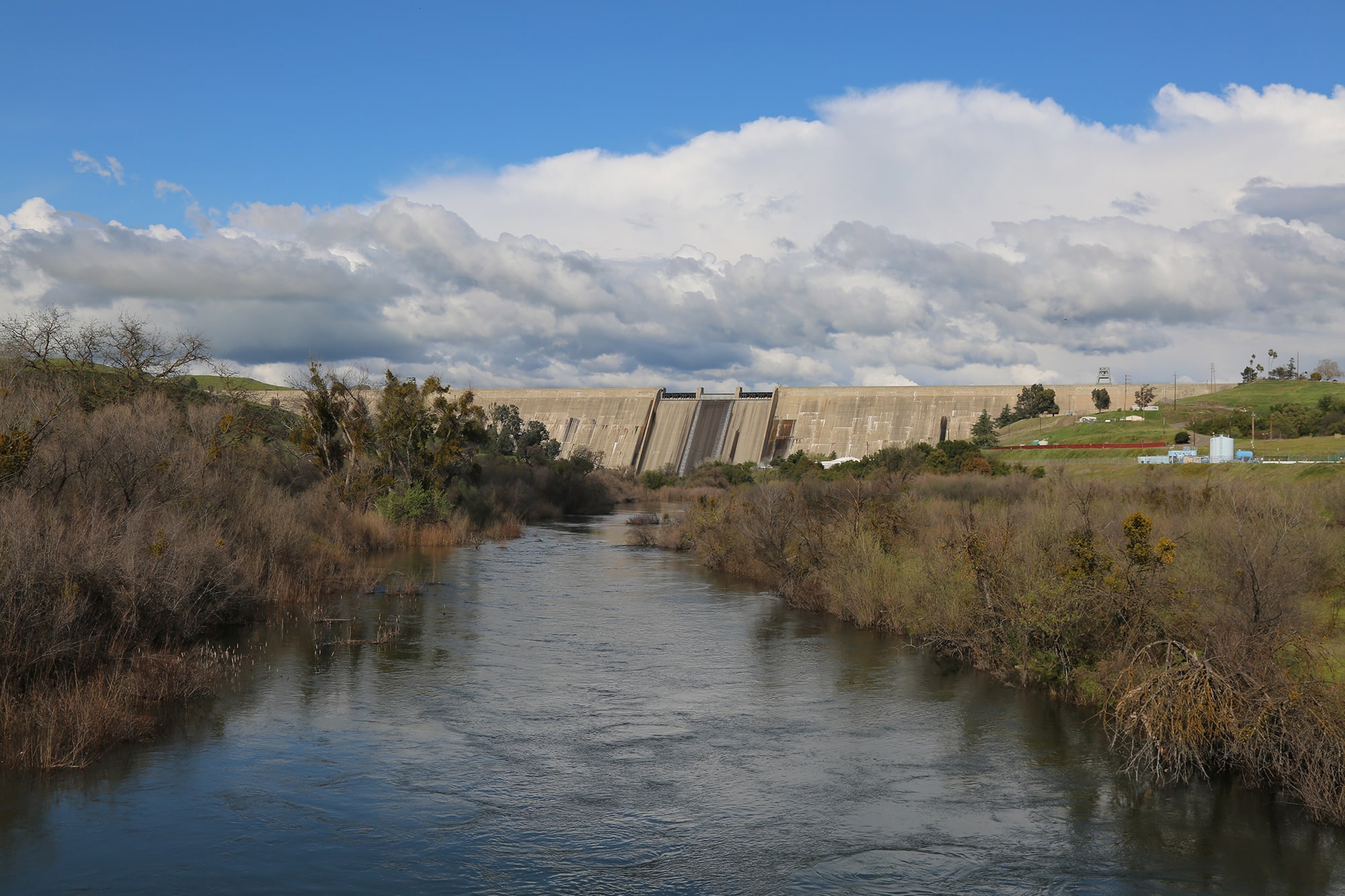
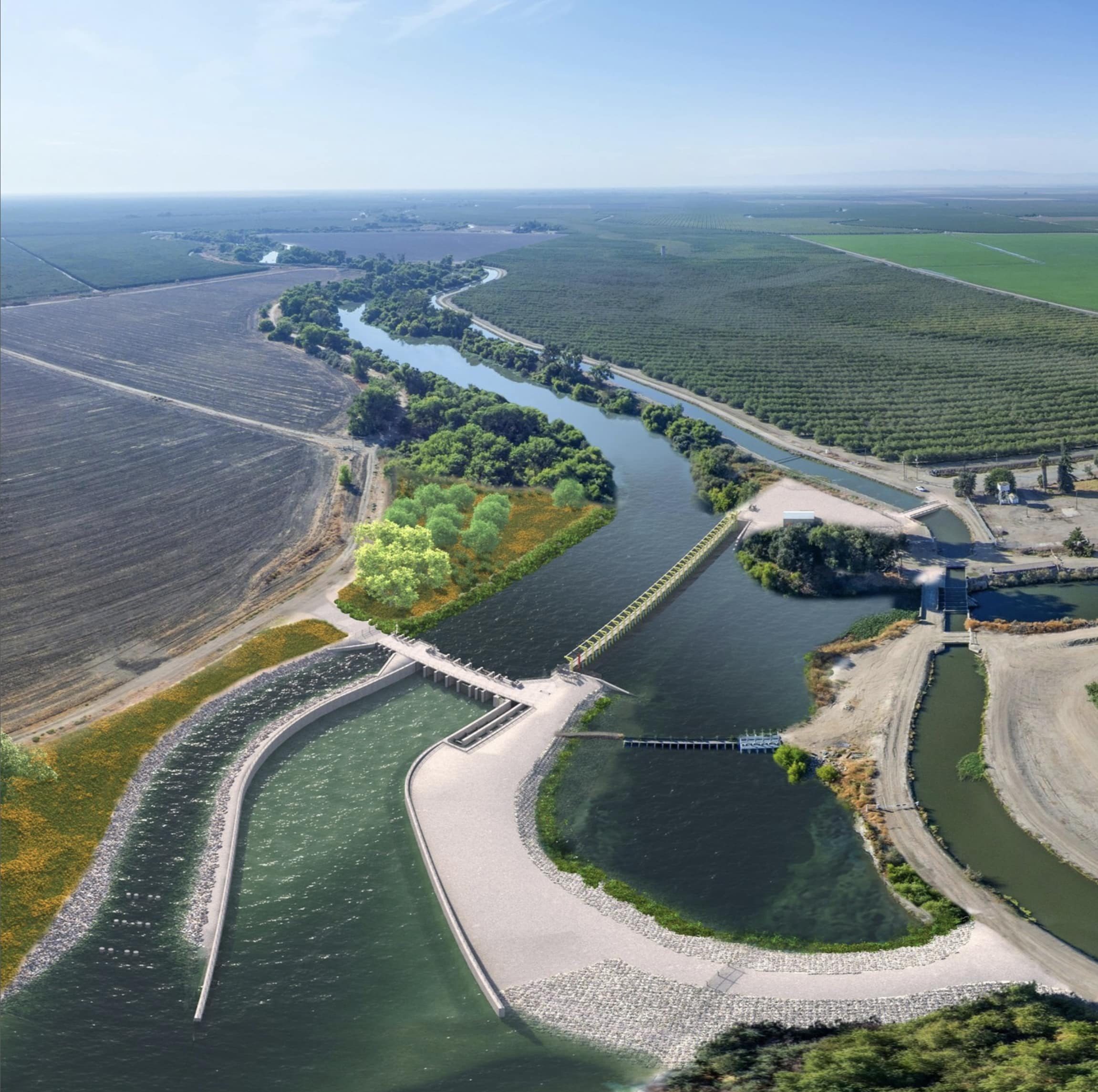
The San Joaquin River Restoration Program is now reestablishing a long-lost population of spring-run Chinook. 10 This effort includes reconnecting 152 miles of fragmented river. One reach of the lower San Joaquin is obstructed by dams and another is perennially dry. Yet another flows through a mid-century flood management canal, the Eastside Bypass, which is being modified to improve migration and create new floodplain. 11 As passages are upgraded around all the chokepoints, this new population will be able to migrate on their own to and from spawning grounds below Friant Dam. 12 Until then, the fish need to be trapped and trucked, at least in most years. But with heavy rainfall in 2019, hundreds of project spring-run surmounted all the San Joaquin’s obstacles — including Sack Dam, Mendota Dam, and the river’s flood control system — to reach their destination. 13
More migration heroics can be found farther north in Butte Creek, a modest but critical tributary of the Sacramento River that hosts a genetically unique population of spring-run Chinook — fully wild fish with no hatchery influence. 14 Butte Creek flows out of a wildfire-scarred canyon into a mosaic of Sacramento Valley rice fields and through the verdant Butte Sink before spilling into a vintage flood control system, the Sutter Bypass. This bypass provides a fish-nurturing floodplain, which is incredibly rare for a Central Valley watershed. 15 Many small dams on the creek have undergone retrofits, but the population of wild spring-run are still in grave danger. Recent years of low flows and warm water have killed cohorts of adults before they can spawn, and an aging hydroelectric project dumped smothering sediment into a critical spawning reach. 16 Canyon activists have secured a permanent water right for the fish, and they advocate retrofitting the hydroelectric project to better support salmon — including using the facility’s antique flume system to activate cold flows. 17
Volcano Fish: The Winter Run
Cynthia Hooper, Anadromous Architectures: Winter Run, 2024.
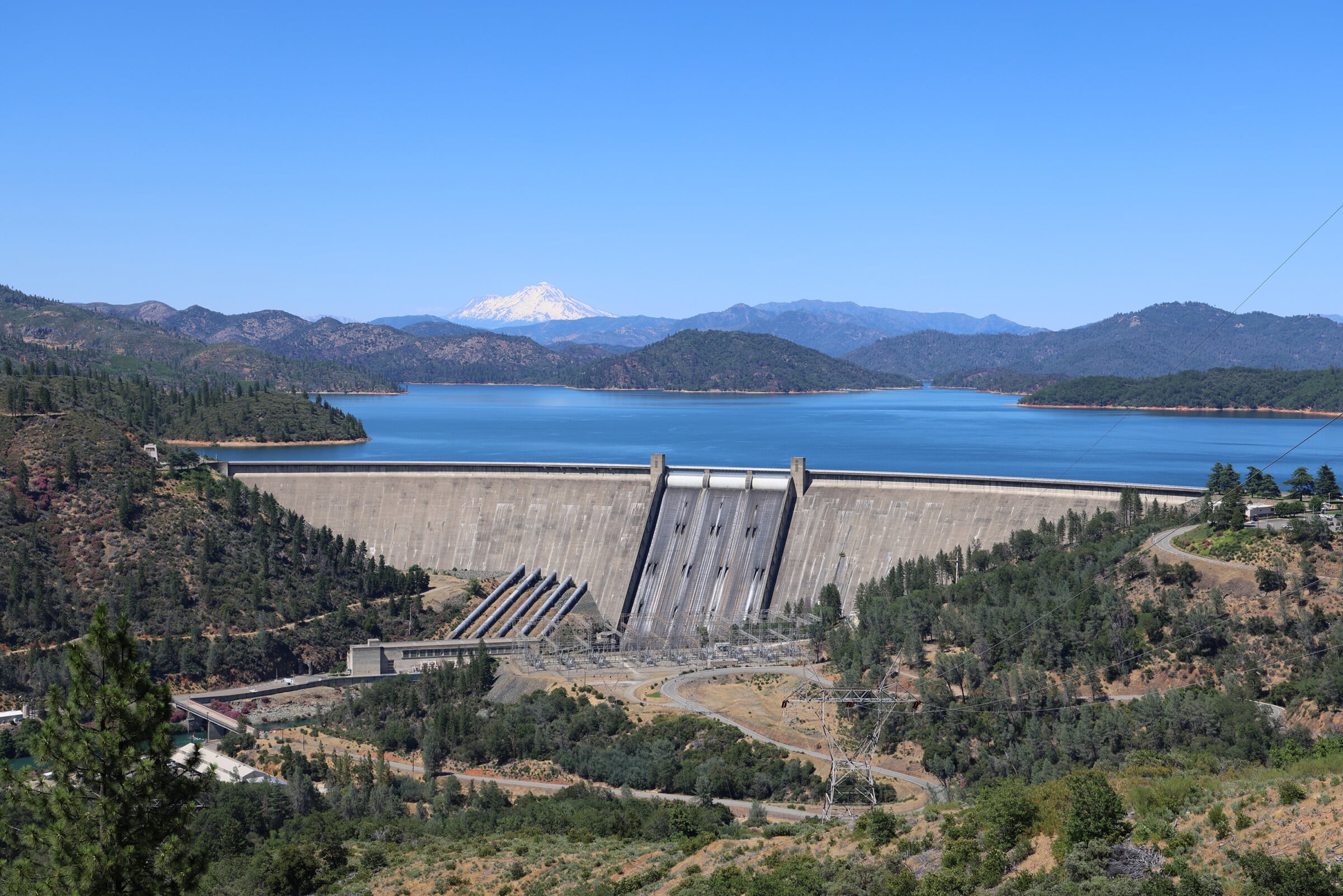
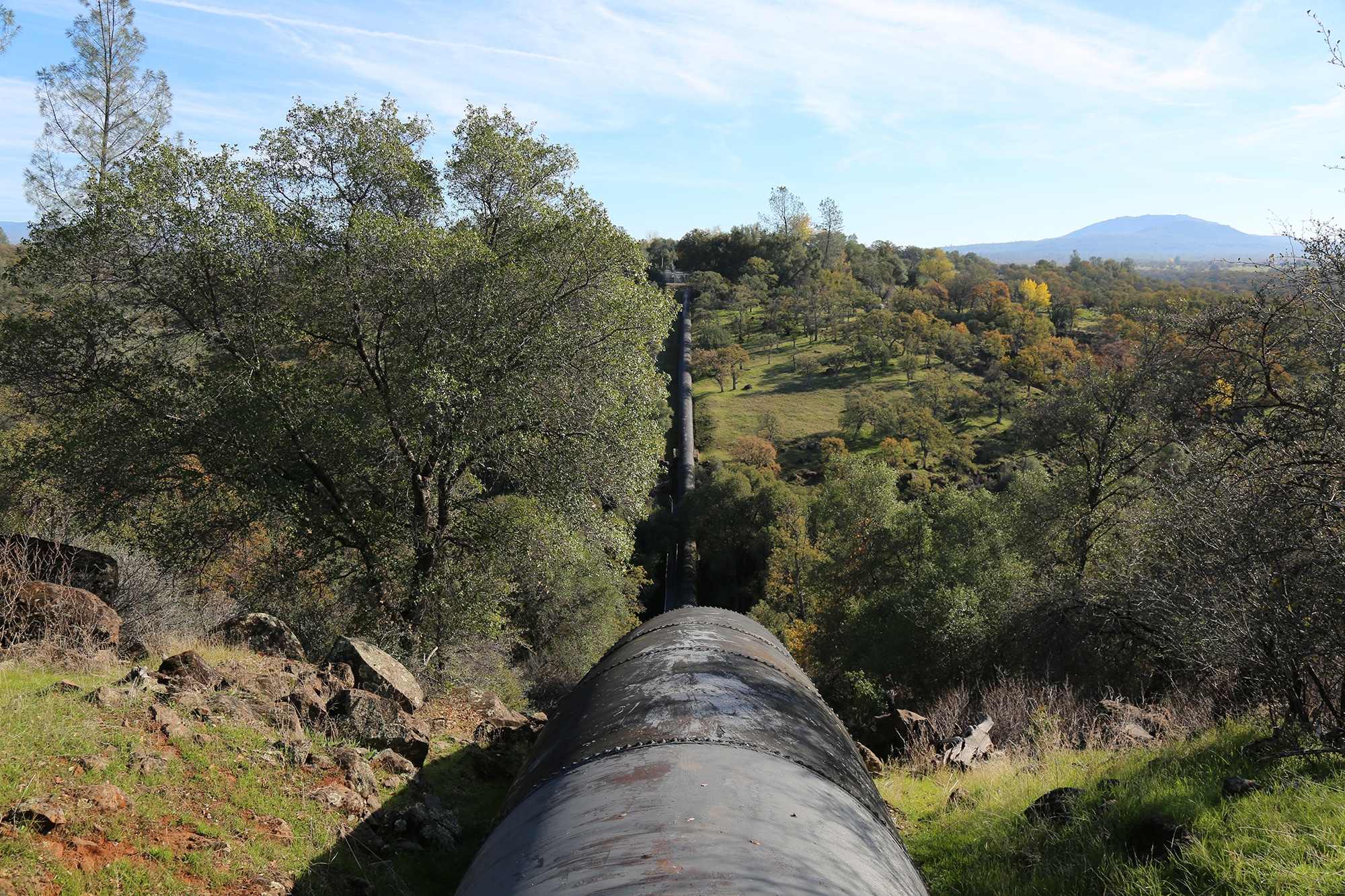
The winter-run Chinook evolved at the base of two Cascade volcanoes. Historically, adults migrated up the Sacramento River in winter and then lingered through the summer to spawn in frigid tributaries below majestic Mounts Shasta and Lassen. Snowmelt percolating through springs in porous lava formations kept salmon nests dependably chilly, no matter the season. When the Shasta Dam was completed in 1945, these fish were not expected to survive, yet a wild-spawning population persists, nine miles downstream, in a stretch of the Sacramento River below Keswick Dam. They can spawn here because the dam has assumed the thermal management work once performed by the volcanoes. An enormous Temperature Control Device with gates of varied depths siphons cold water from deep in the reservoir for release during critical egg incubation times. 18 These flows are managed by a throng of operational commitments — including contract deliveries, environmental laws, and Delta outflow requirements — but during drought years, valley agriculture can get deliveries before flows for the fish. 19 The result is mass mortality of nearly all salmon eggs and fry, which means a river with fewer spawners three years later, leading to even fewer juveniles, then fewer adult salmon three years on, in a spiral towards extinction. 20
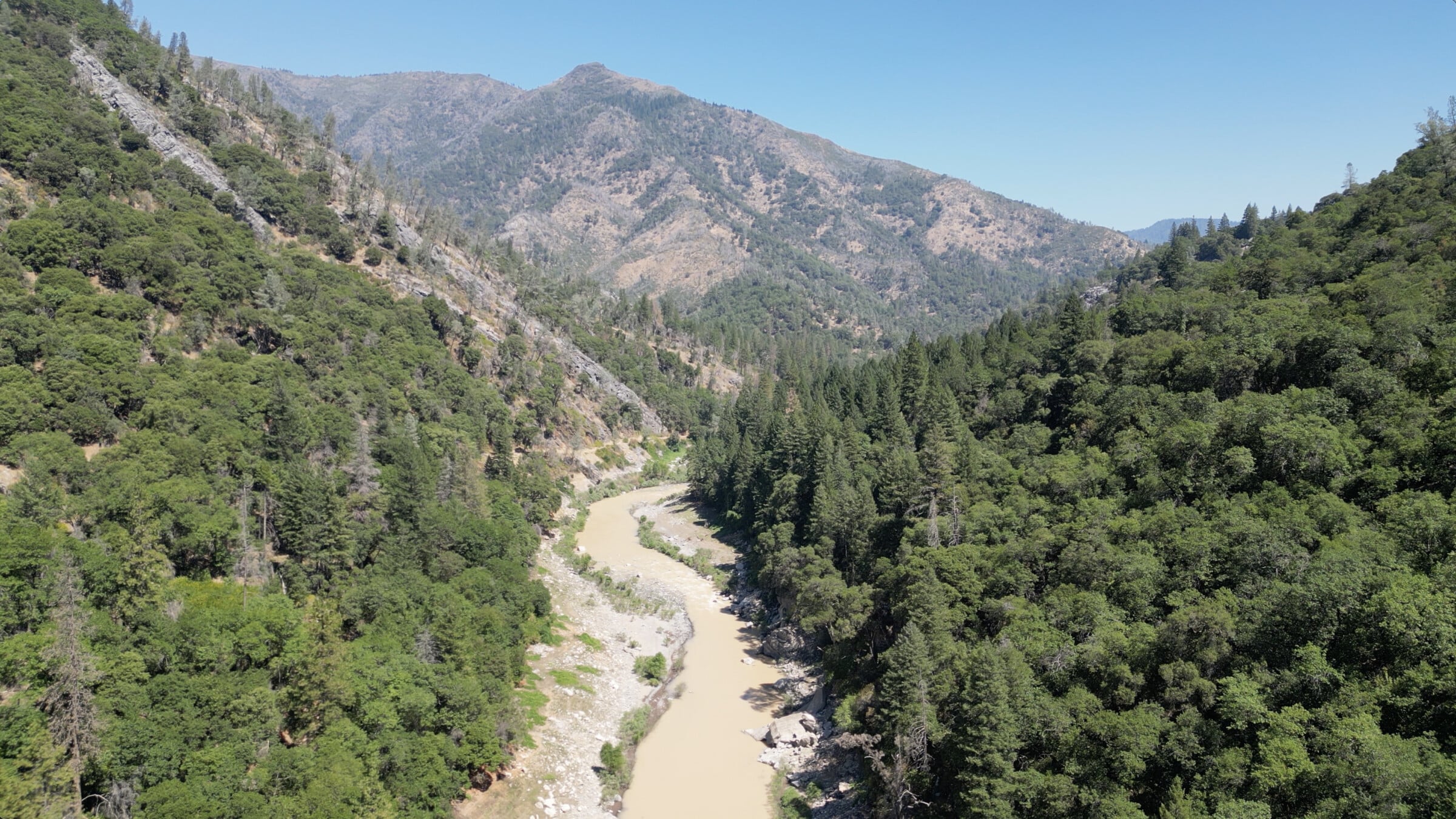
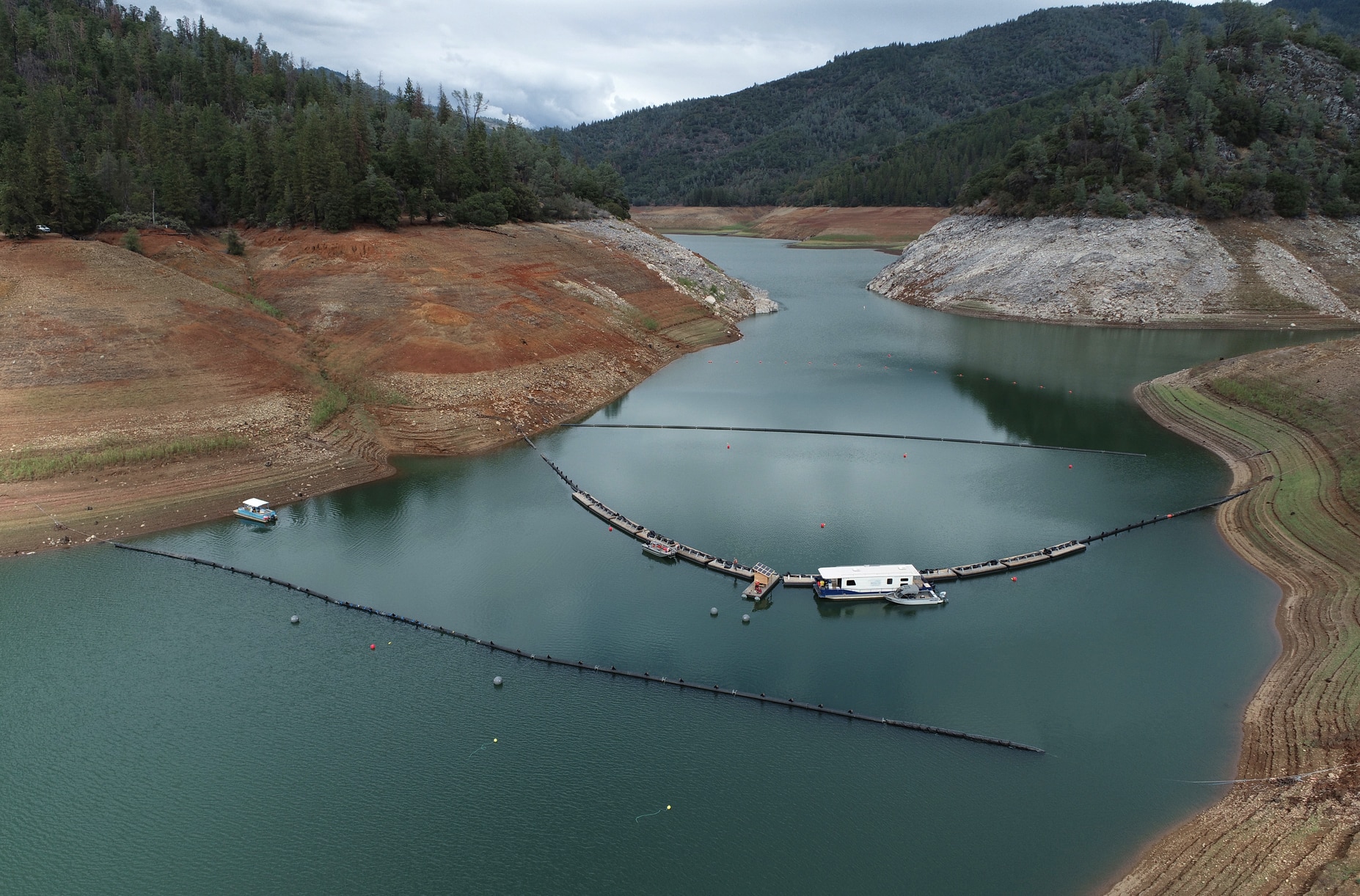
With only one population remaining, redundancy is critical for the imperiled winter-run. A conservation hatchery keeps a cradle-to-grave population as a hedge against catastrophe and propagates juveniles for reintroduction elsewhere in the watershed. 21 Below Lassen Peak, antique hydroelectric operations on Battle Creek are being dismantled so fish can access higher-elevation habitat, and winter-run adults have successfully moved in. 22 Repopulating another river (the McCloud) is more challenging, because Shasta Dam and its huge reservoir stand in the way. A new pilot program is working out the logistics with an experimental Juvenile Salmonid Collection System; a delicate net spans the McCloud as it enters the reservoir, herding juveniles into a trap so they can be trucked downstream of the dams. 23 Returning adults will take an elevator up and over Keswick Dam to be driven back home. This improbably circuitous journey is nevertheless crucial for thwarting extinction, as the McCloud’s complex spatial structure promotes natural spawning and genetic diversity, and its drought-resistant thermal regime affords a climate refuge. This river and its salmon are in the care of the Winnemem-Wintu Tribe, whose ancestral home was also destroyed by the Shasta Dam. 24
The Risky Delta
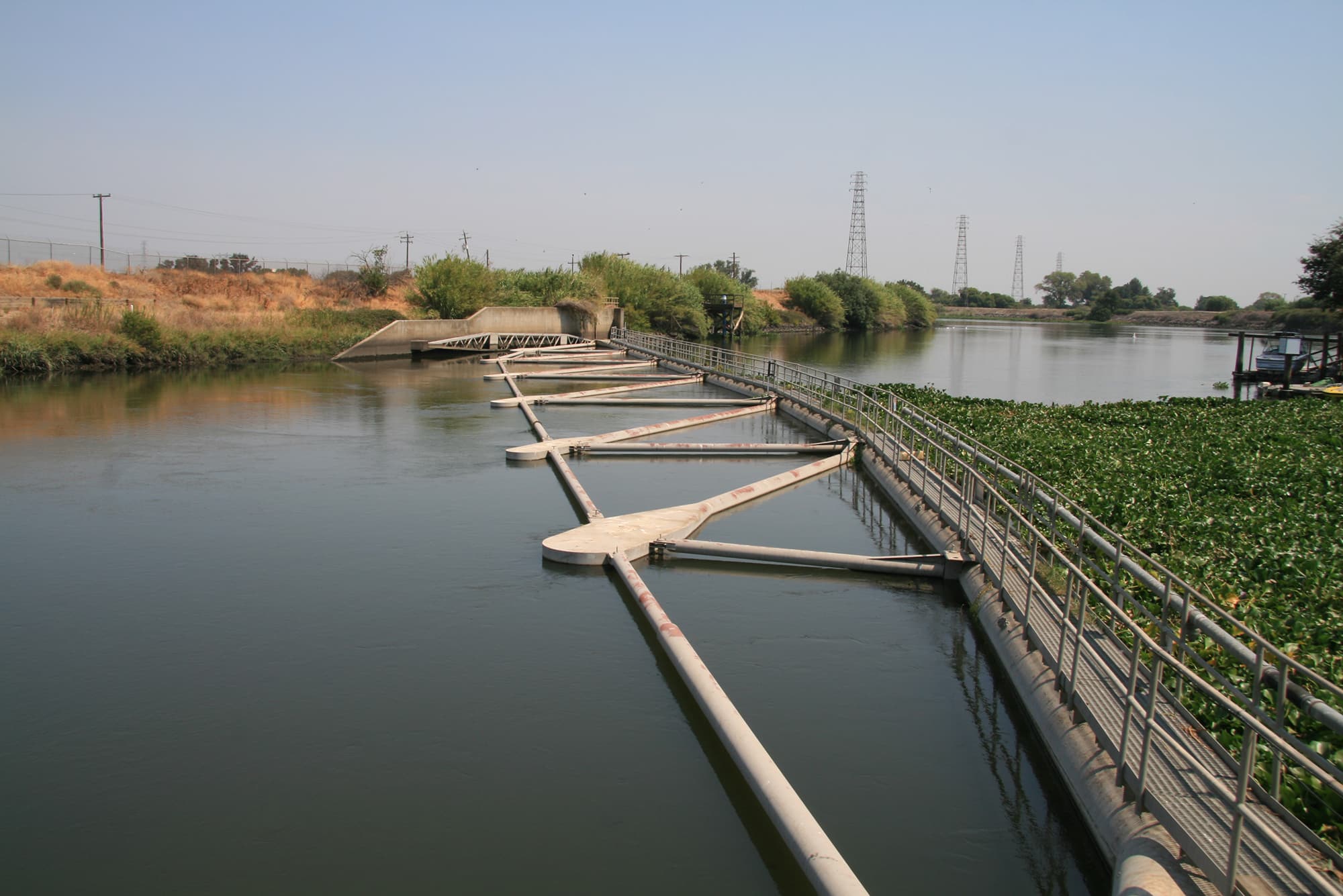
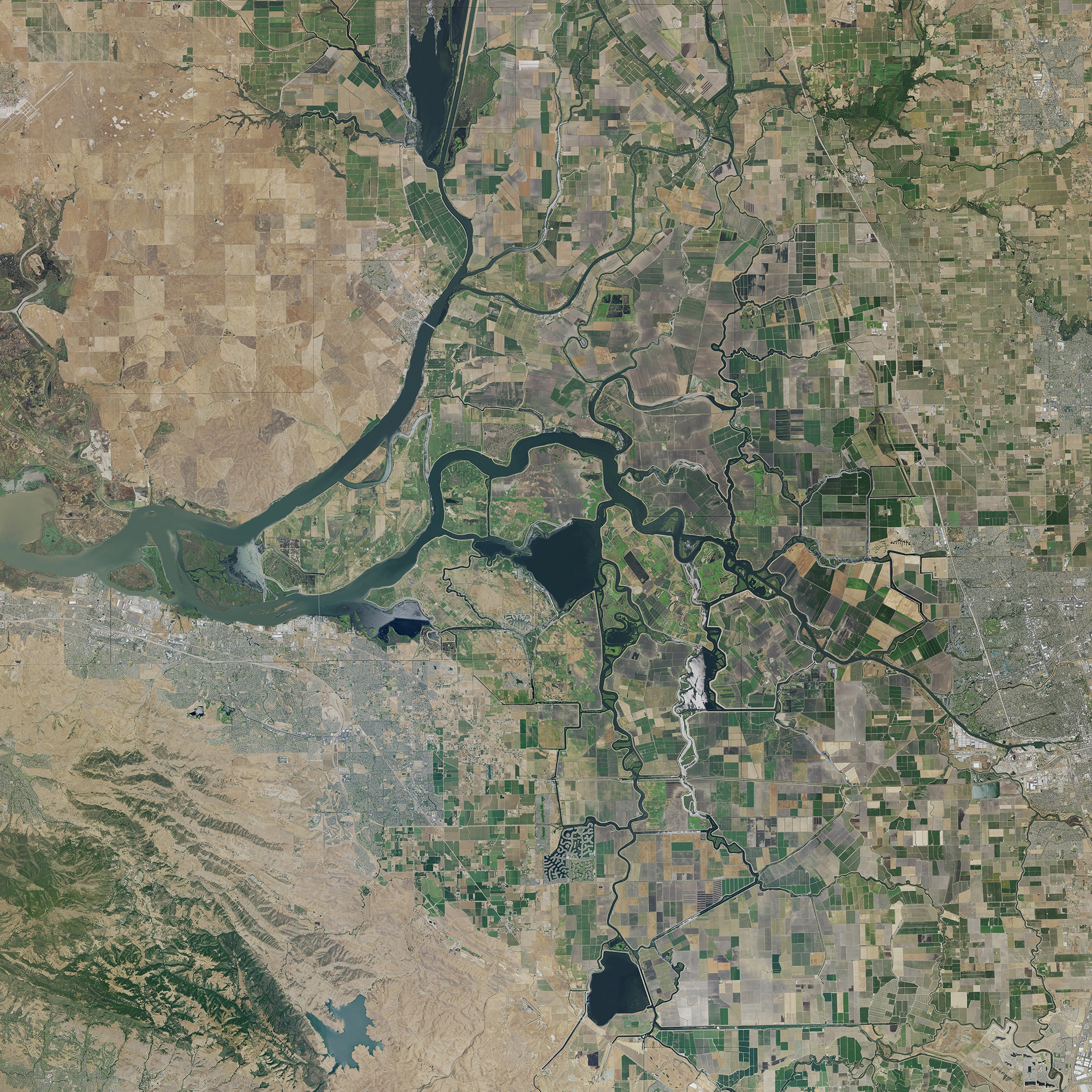
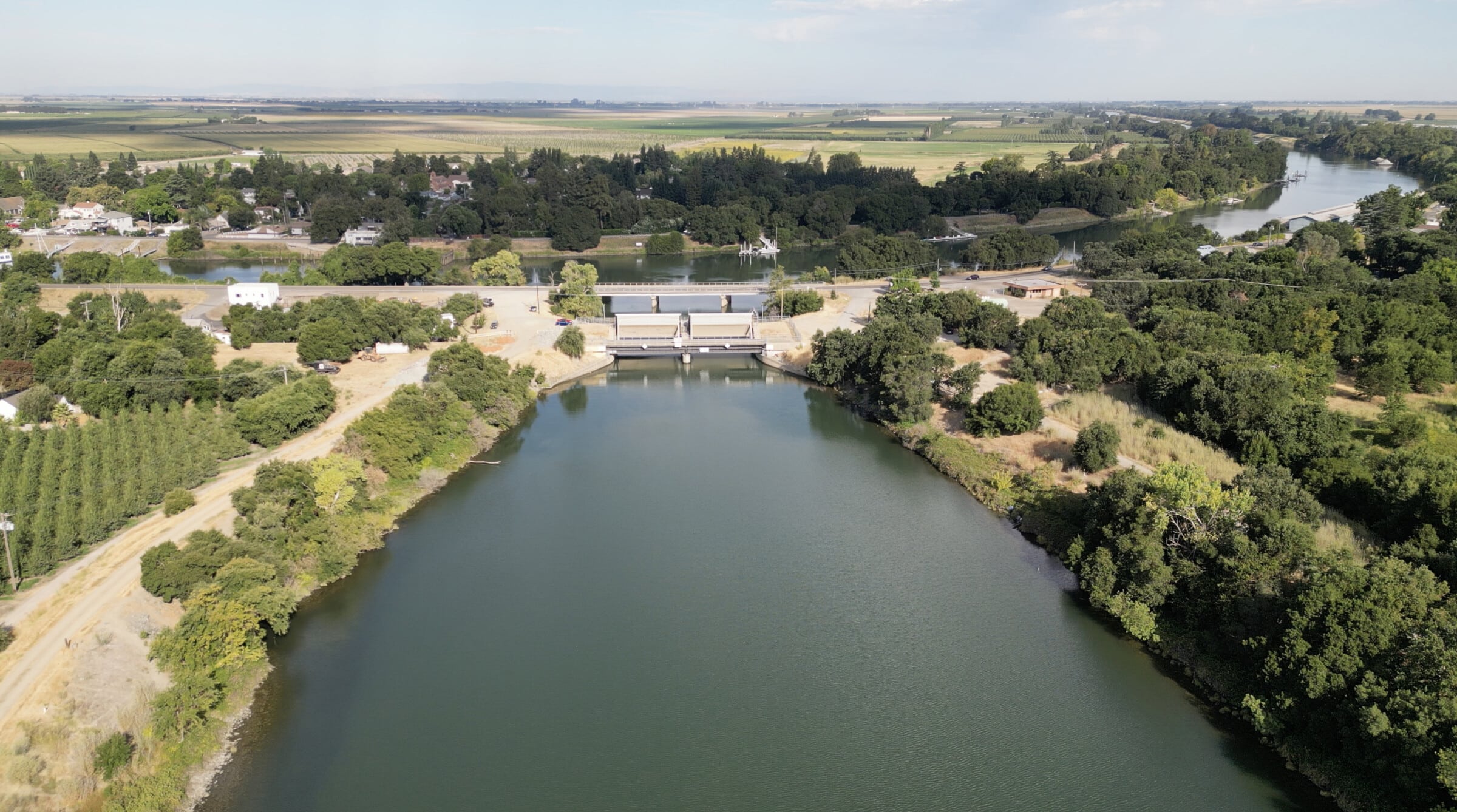
Nearing the ocean, all runs of Central Valley Chinook must pass through the Sacramento-San Joaquin Delta at least twice in their lives. This vast estuary was once a nurturing place where juveniles could linger and grow, drifting amid a tidal buffet of tasty invertebrates and sheltered from predators amid lush thickets of plant life. Now hardened and simplified, the Delta is best avoided. Juveniles born in the Sacramento River system are lucky if they can stay in the mainstem and get flushed straight through. This route is made safer by giant gates on the Delta Cross Channel, a huge canal that diverts the Sacramento’s water toward the Delta’s inhospitable interior, which is awash with reverse flows, migration delays, altered food webs, and lethally warm and contaminated water. These gates are closed during periods of peak migration for endangered and threatened juveniles, and just downstream, a new bioacoustic fish fence — with deterrent sounds, strobe lights, and a bubble curtain — is meant to keep them out of the similarly perilous Georgianna Slough. 25
A bioacoustic fish fence — with deterrent sounds, strobe lights, and a bubble curtain — keeps fish out of the Georgianna Slough.
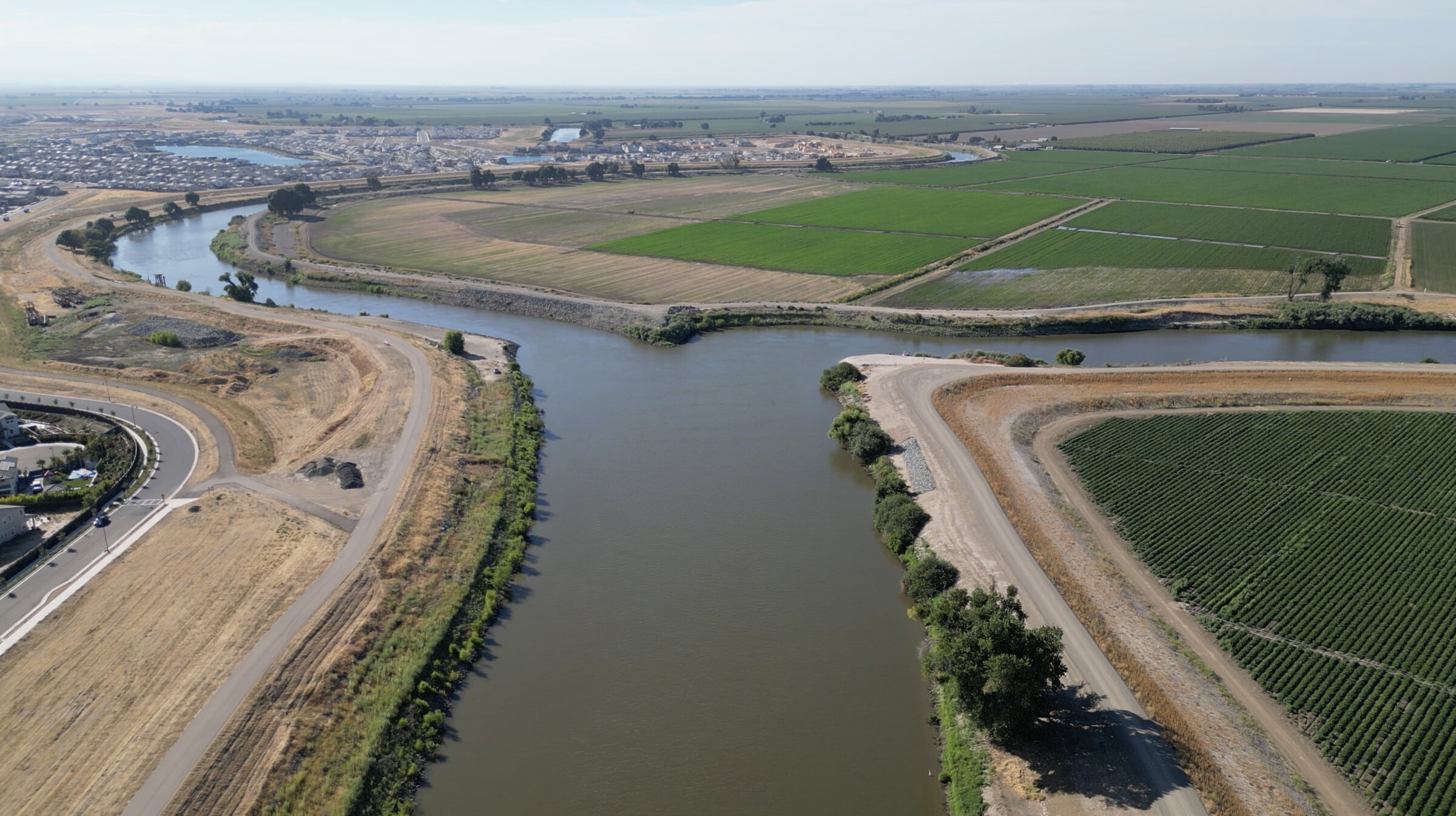
For San Joaquin River system juveniles, survival is likelier if they avoid their river’s main stem, since they’ll face armored shorelines, bountiful predators, and the polluted Port of Stockton. It’s better to be swept into the south Delta’s Old River channel toward the Central Valley Project’s gigantic Jones Pumping Plant and its fish collection facility, where they might get scooped up for a potentially lifesaving truck ride to the Delta’s western edge. (This represents an increase in through-Delta survival from less than two percent to about four percent.) Very unlucky are the juveniles that get pulled into the Franks Tract or the Clifton Court Forebay — the intake point for the State Water Project’s Banks Pumping Plant. These sprawling sites are crawling with hungry bass and other predators, so small salmonids have almost no chance of survival. 26
Floodplains Reimagined
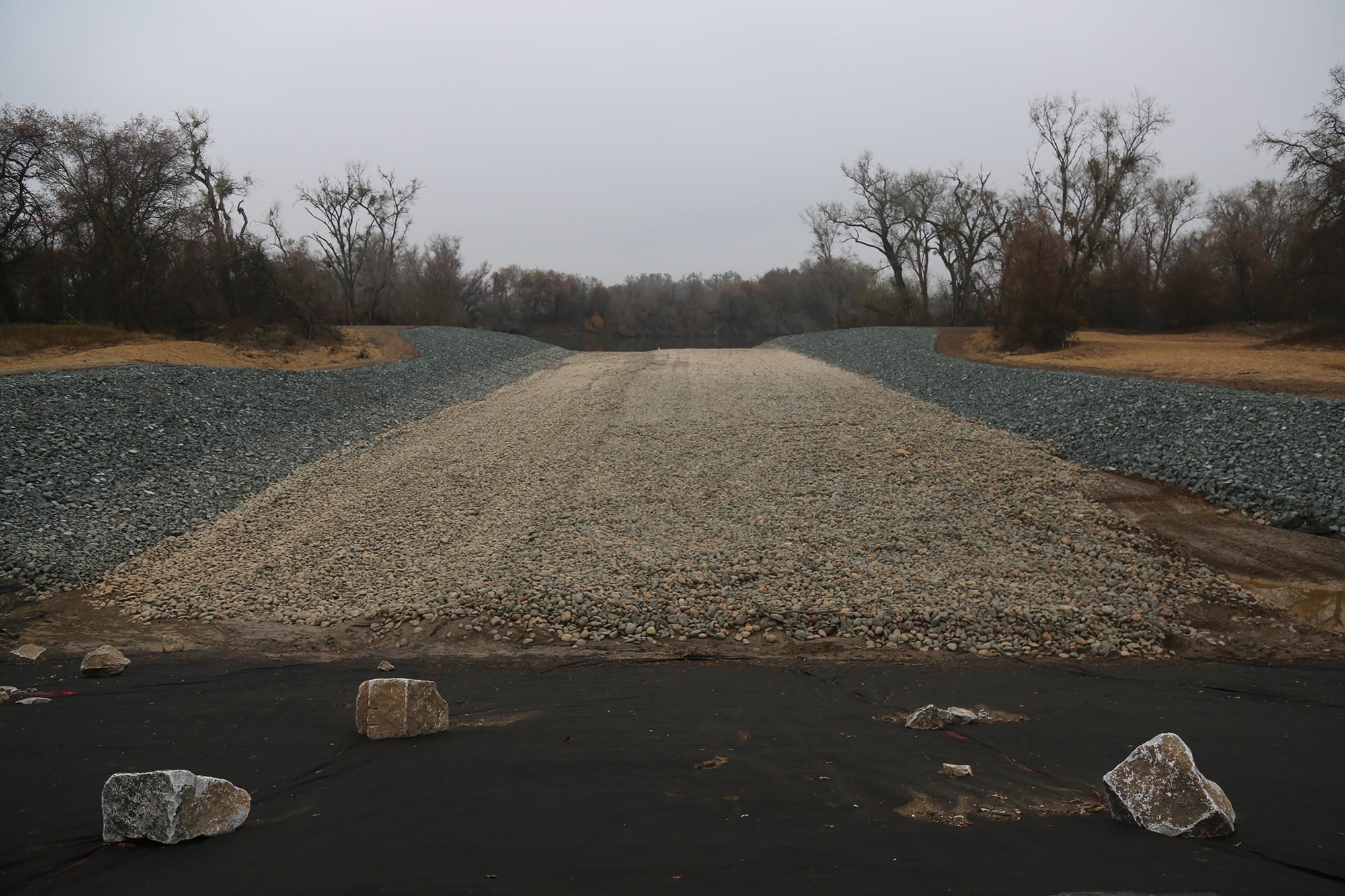
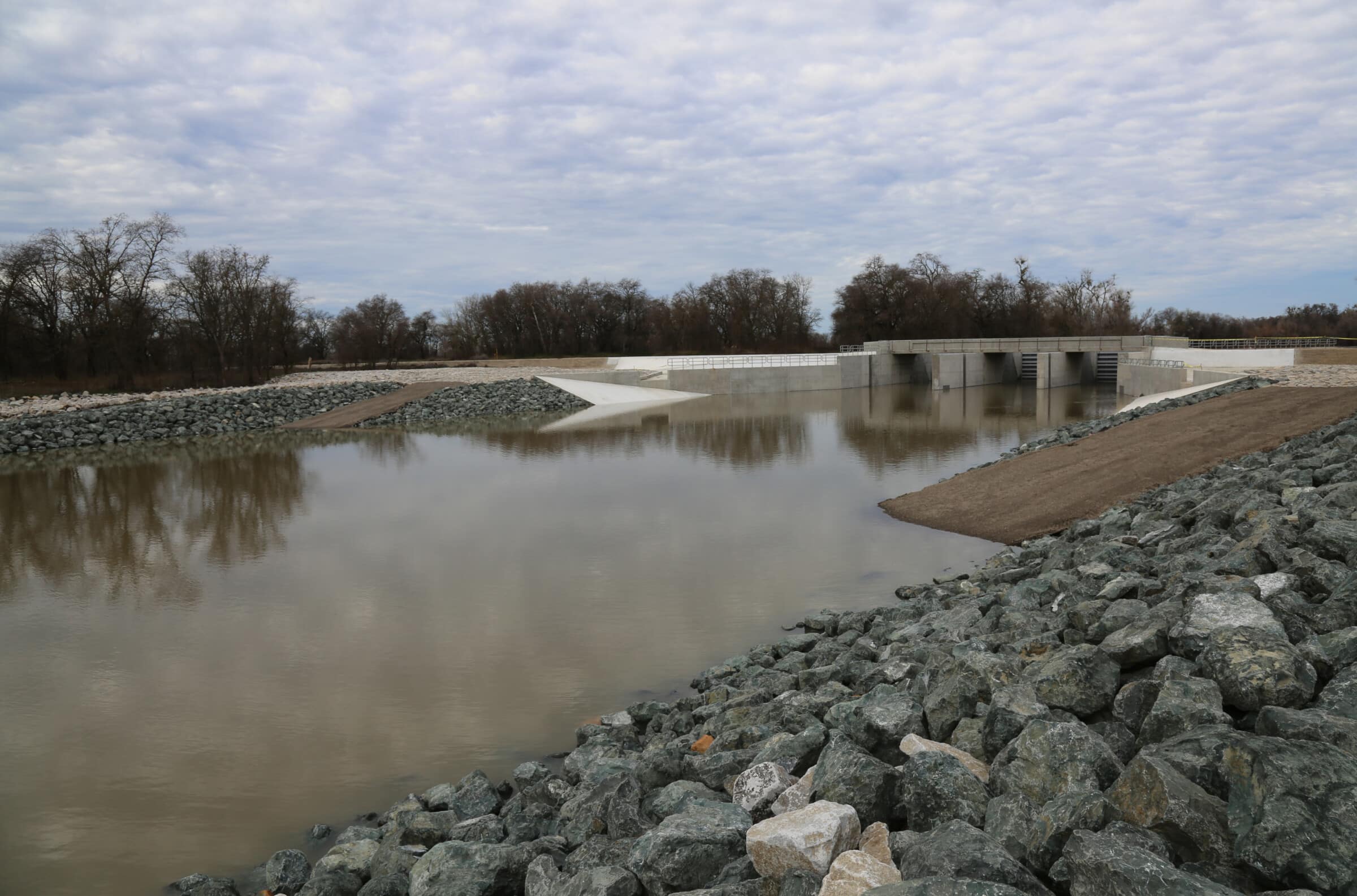
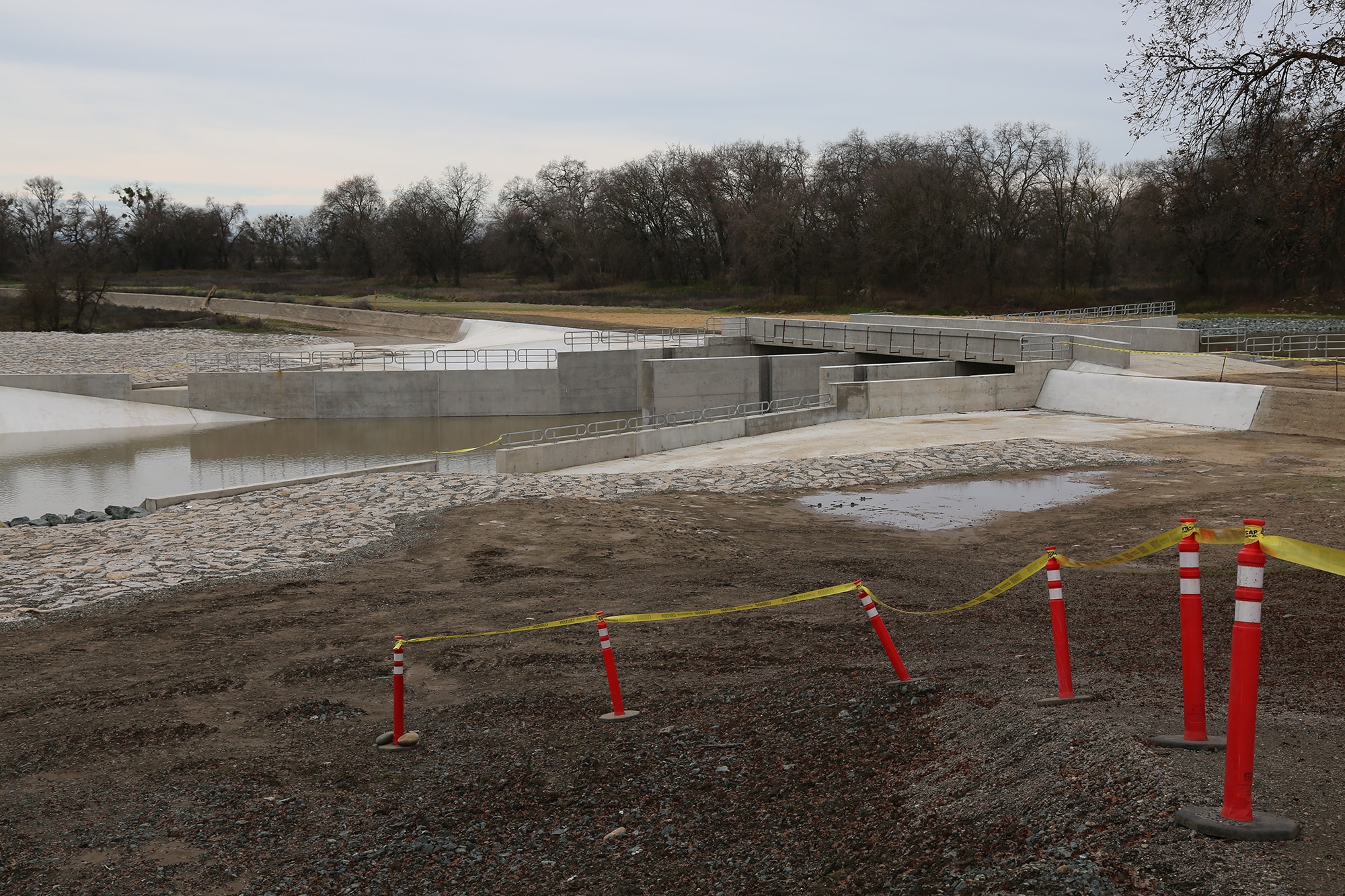
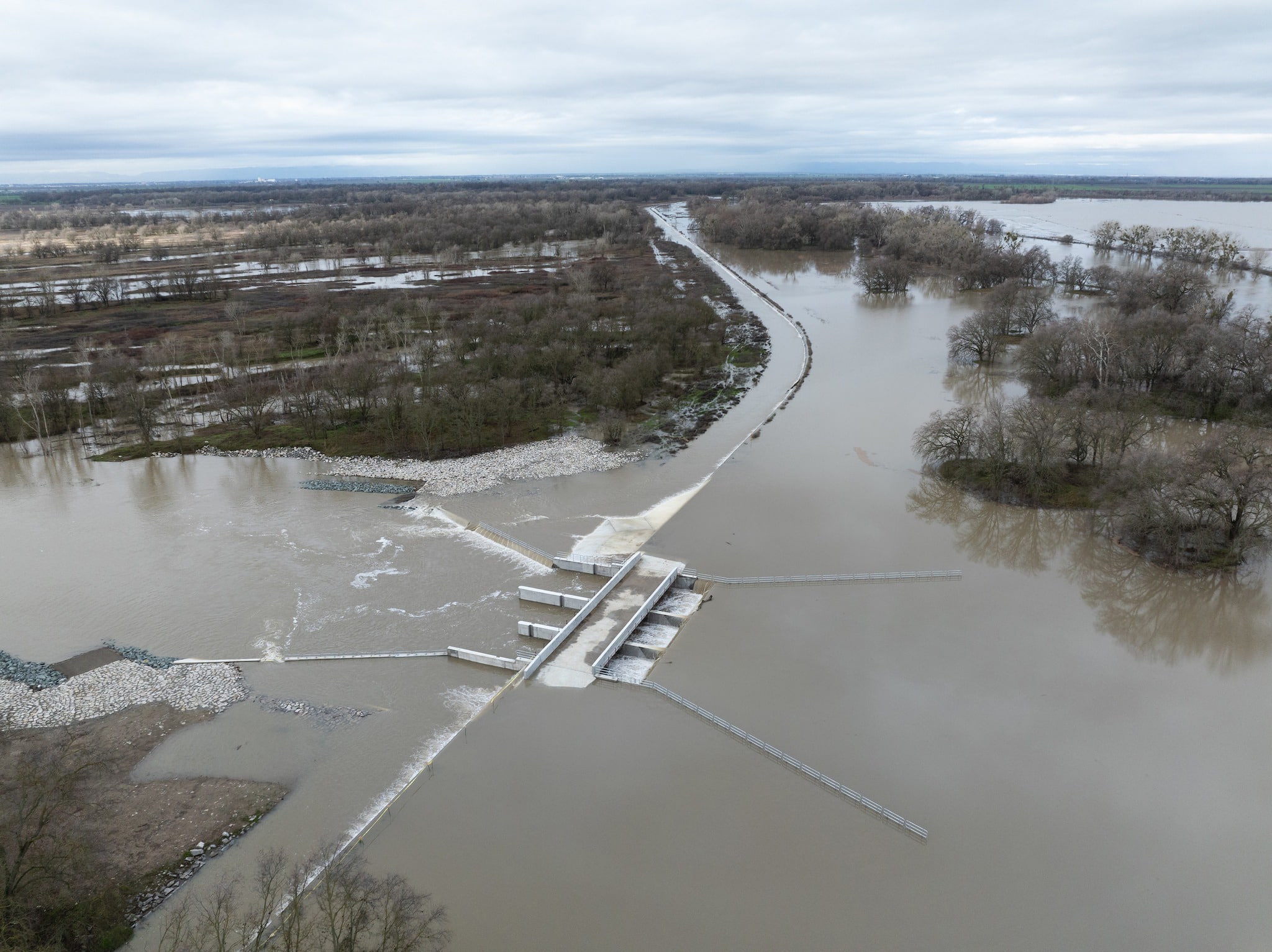
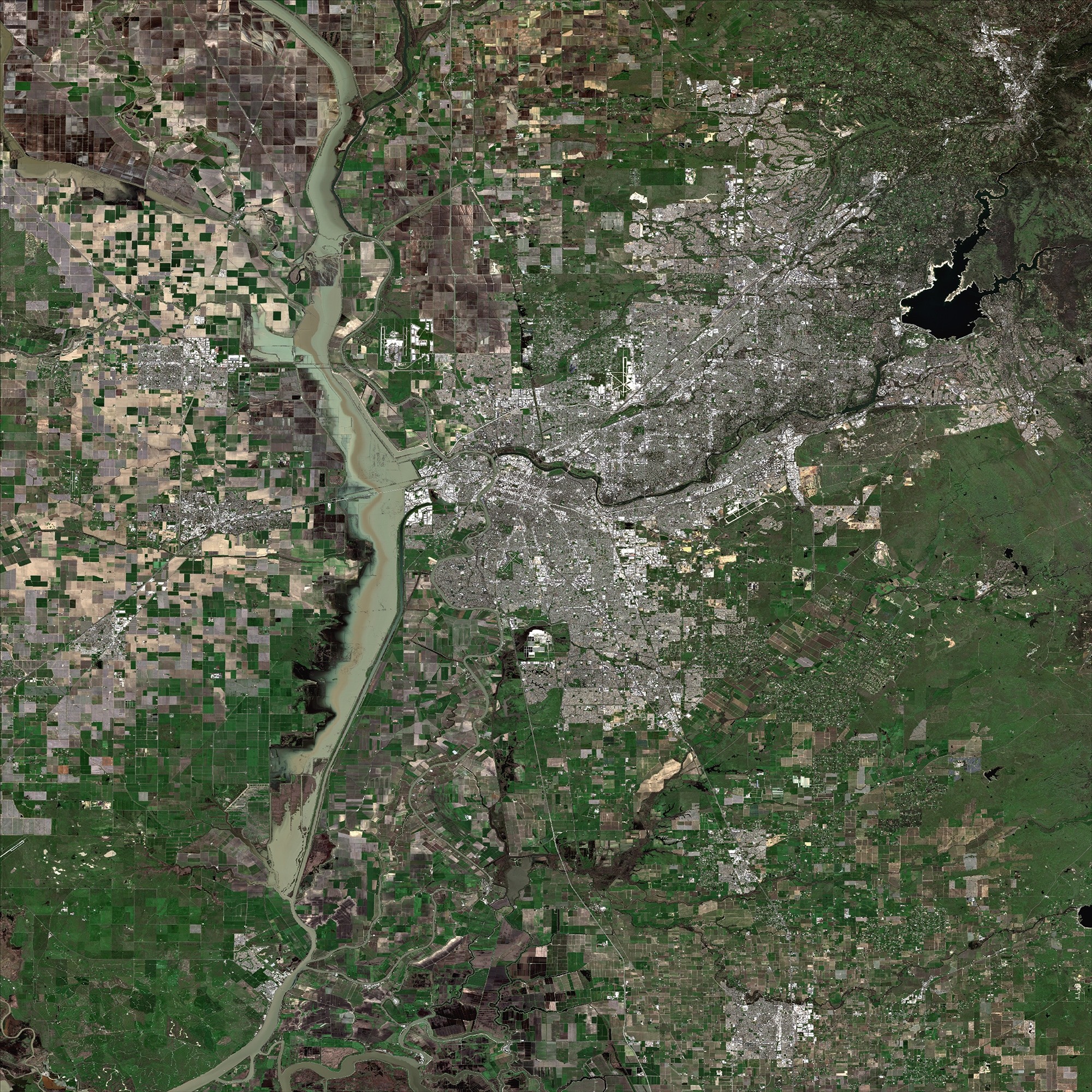
The historical floodplains of the Central Valley once teemed with phytoplankton that made meals for tiny invertebrates, which in turn fed hundreds of millions of juvenile fish. These sunlit shallows were drained long ago to build agriculture and cities and the flood control systems that protect them. Many salmon migrating inside this infrastructure must face the Yolo Bypass, a massive earthwork of levees and weirs that diverts floodwater around metropolitan Sacramento. The Yolo Bypass can strand and kill fish, but it can also become a fish-nurturing floodplain. The newly completed Yolo Bypass Salmonid Habitat Restoration and Fish Passage Project includes a hundred-foot-wide notch in a century-old weir that has long been an obstacle to migration. The gated notch allows adults to pass upstream while controlling the frequency and duration of bypass flooding for the benefit of juveniles, so they can safely grow before heading to sea. 27
Nearly all the Sacramento Valley’s original floodplains have been transformed into rice fields, which (like salmon) need flooding to thrive. Pilot projects grow salmon and rice on the same landscape, rearing juveniles directly on flooded rice fields as well as (more easily) growing microscopic fish food that can be released directly into rivers. With the collaboration of rice farmers and water agencies like Reclamation District 108, this initiative could transform up to a half million acres of post-harvest rice fields into seasonal floodplains and restore significant parts of the Sacramento Valley’s ecological function. 28
Master Planning the Salmonscape
All this restoration occurs within industrialized watersheds, since the extensive water projects that support California’s economy won’t be dismantled anytime soon — certainly not in time to save Central Valley salmonids. 29 In fact, the state’s water infrastructure is expected to expand. The Delta Conveyance Project will include a huge tunnel siphoning Sacramento River flows to a new south Delta pumping plant, and the Sites Reservoir will provide off-channel storage for the Sacramento’s high flows. 30 Both are designed to capture the extreme rainfall from atmospheric rivers for deployment during cycles of drought, and they are promoted as sensible upgrades for a climate-stressed system. Boosters for these projects bet that high-tech mitigation measures — like adaptive management and state-of-the-art fish screens — will increase the odds that native fish can persist with even fewer flows overall than they currently have. But these projects could lock in the same problems that bedevil existing systems, as shifting operational mandates and escalating global temperatures overcome the planned benefits to fish. 31
Water is critical habitat for fish, and restoration efforts can’t work without suitable flows. Plenty of accessible, 32 scientific, 33 innovative, 34 reconcilable, 35 and legal 36 research conclusively demonstrates how the state’s salmon can share their habitat with tens of millions of people. California’s water rights system needs better oversight, 37 more transparency, 38 and fundamentally more equity 39 — recognizing that managing demand is as critical as managing supply. 40 That the state’s agriculture interests consistently outmaneuver the fishing industry goes beyond settler water rights or political leverage — it’s also about the ongoing injustice of California’s colonization. 41 To White settlers, bountiful agriculture signaled prosperity and progress, while salmon were seen as a wild and pre-civilizational food source. Understanding and naming these lingering tropes can diffuse the power they still hold. 42 Acknowledging the astonishing social infrastructure that propels Indigenous activism can get this invaluable resource back on the menu and affirm once again California as a salmon state. 43
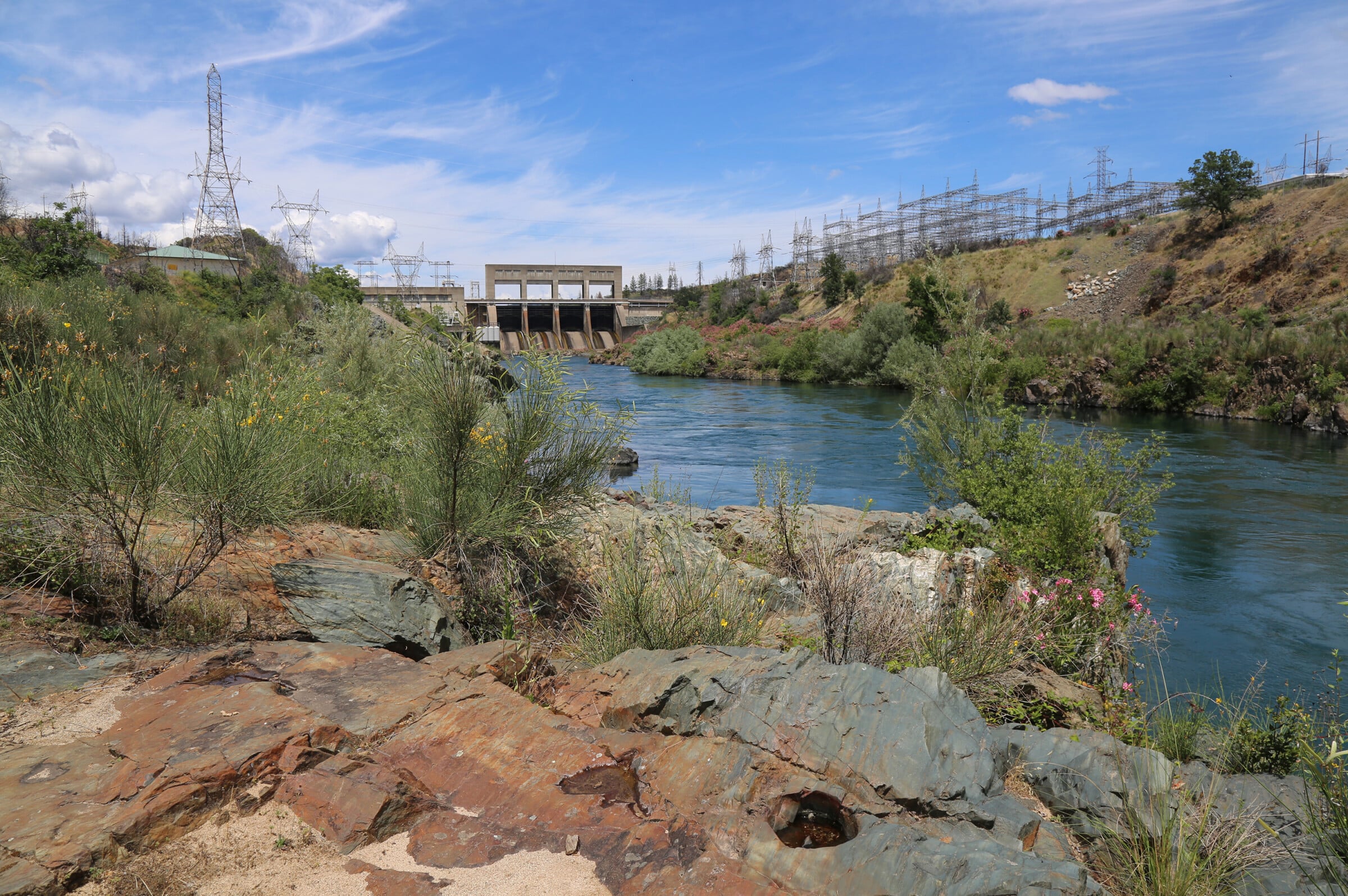
Keswick Dam, on the Sacramento River, with Indian grinding rocks in the foreground. [Cynthia Hooper]

McCloud River, looking north, Shasta County, California. [Cynthia Hooper]
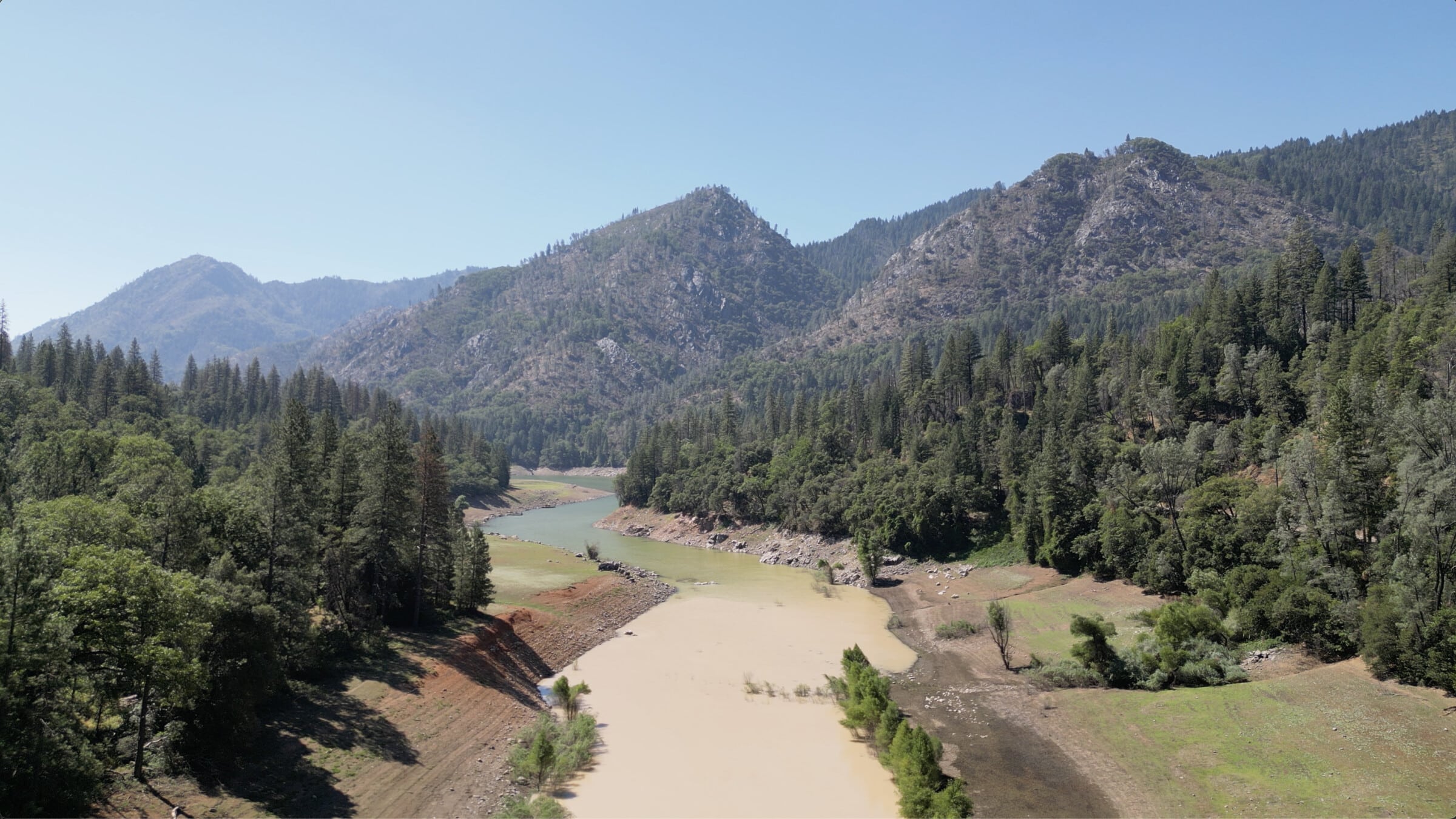
McCloud River, looking south toward Shasta Reservoir, Shasta County, California. [Cynthia Hooper]
Juvenile Salmonid Collection System, on the McCloud River, Shasta County, California. [California Department of Water Resources]
Coleman National Fish Hatchery, Shasta County, California. [Cynthia Hooper]
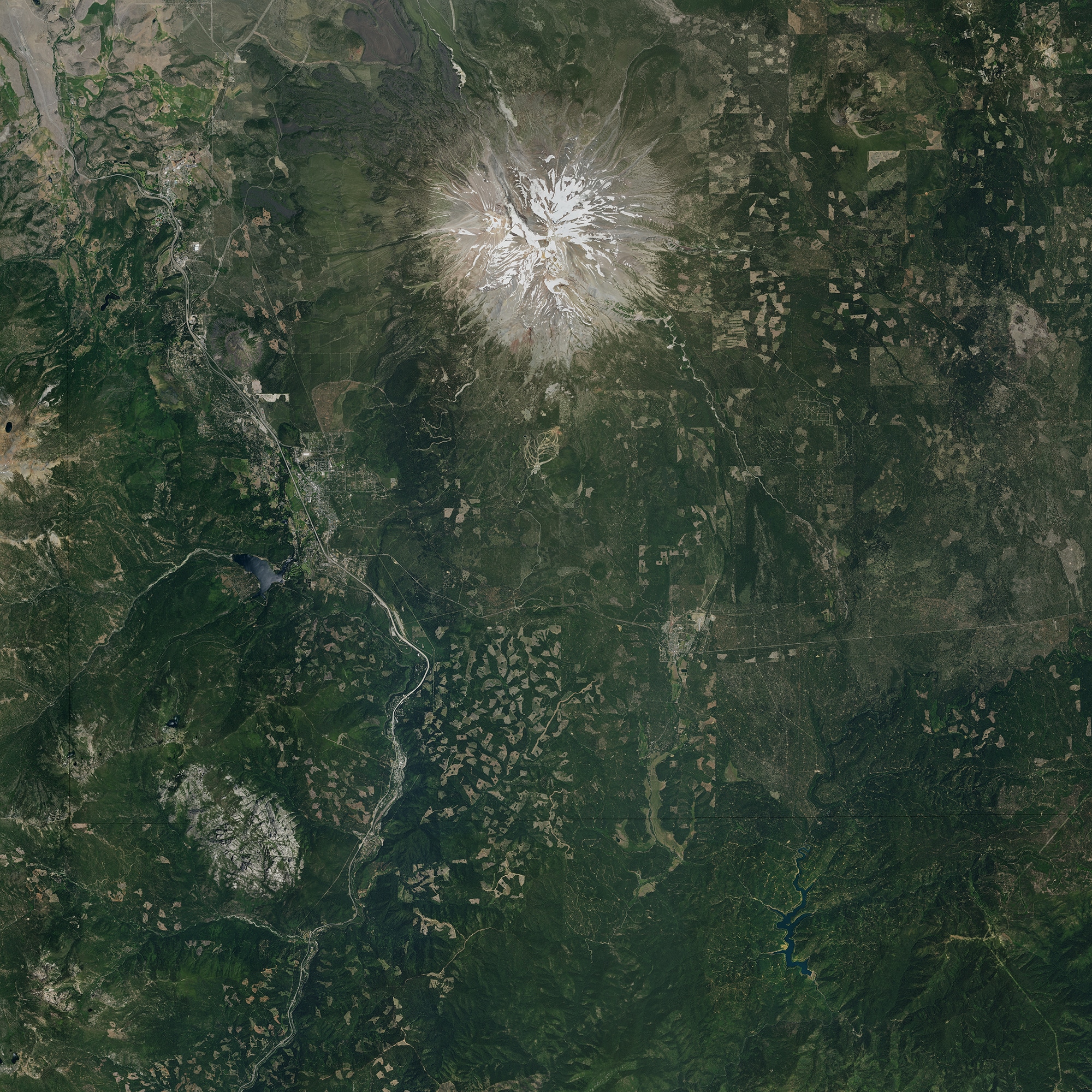
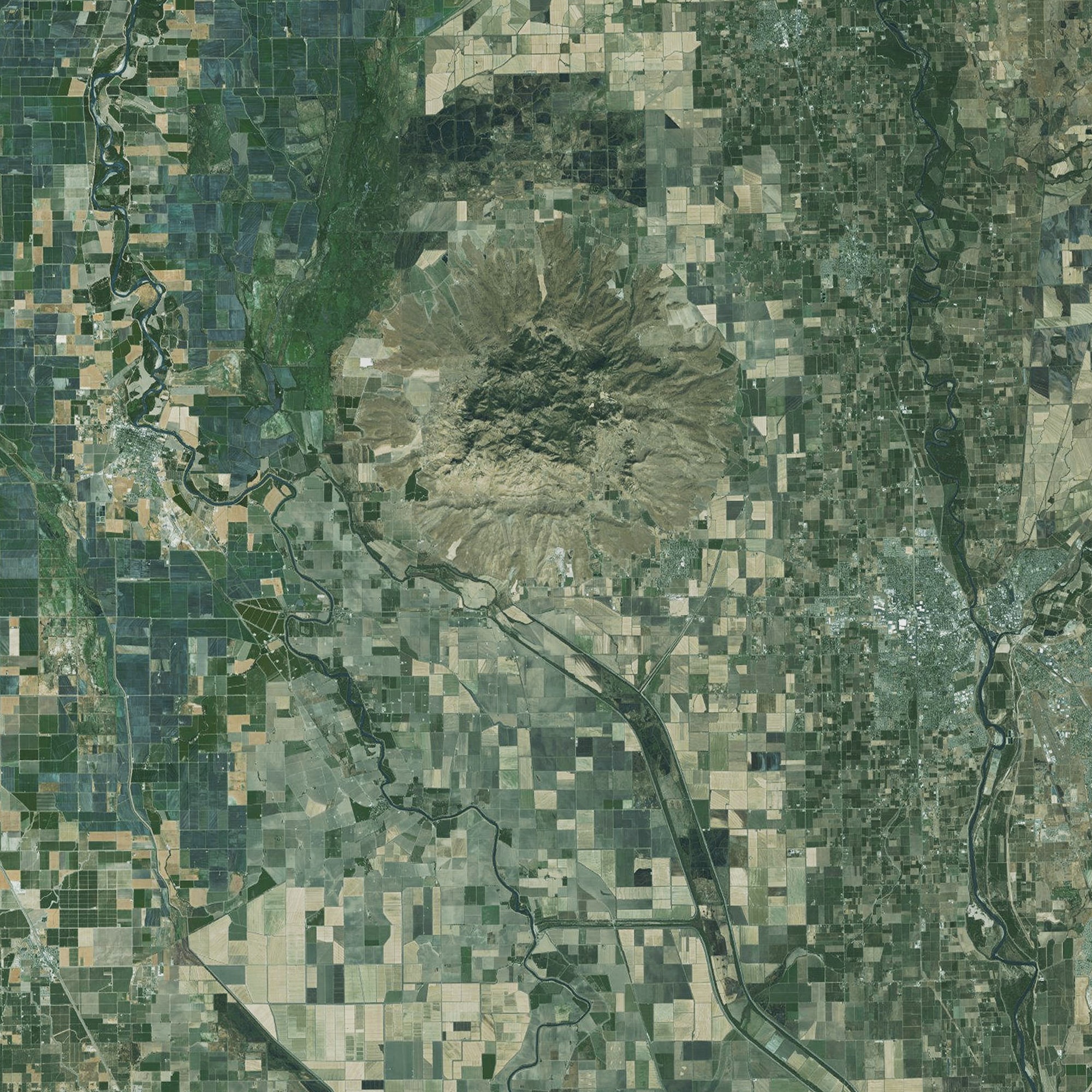
McCloud River (center) with Mount Shasta. [USDA National Aerial Imagery Program]
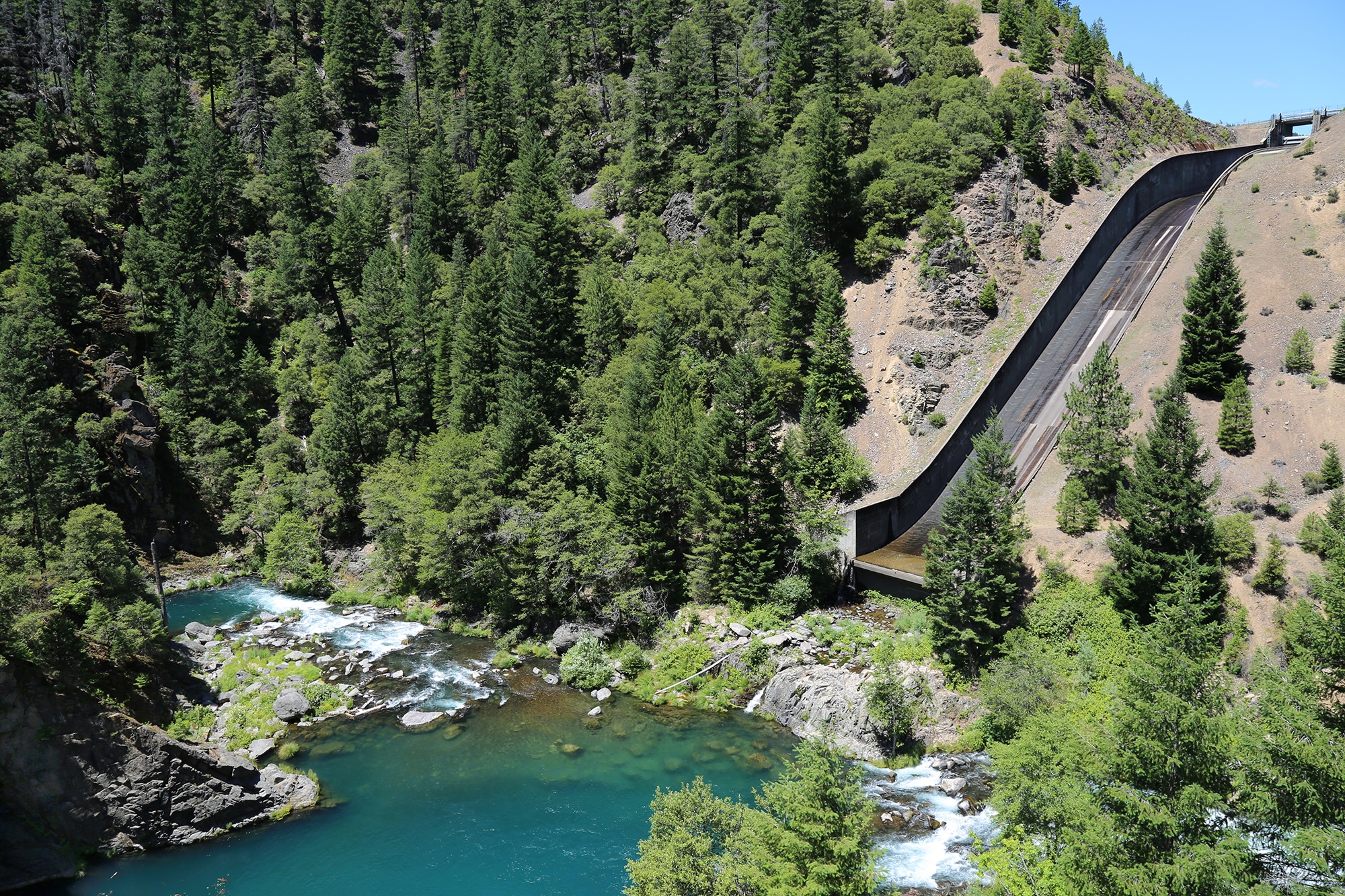
McCloud Dam Spillway, on the McCloud River, Shasta County, California. [Cynthia Hooper]
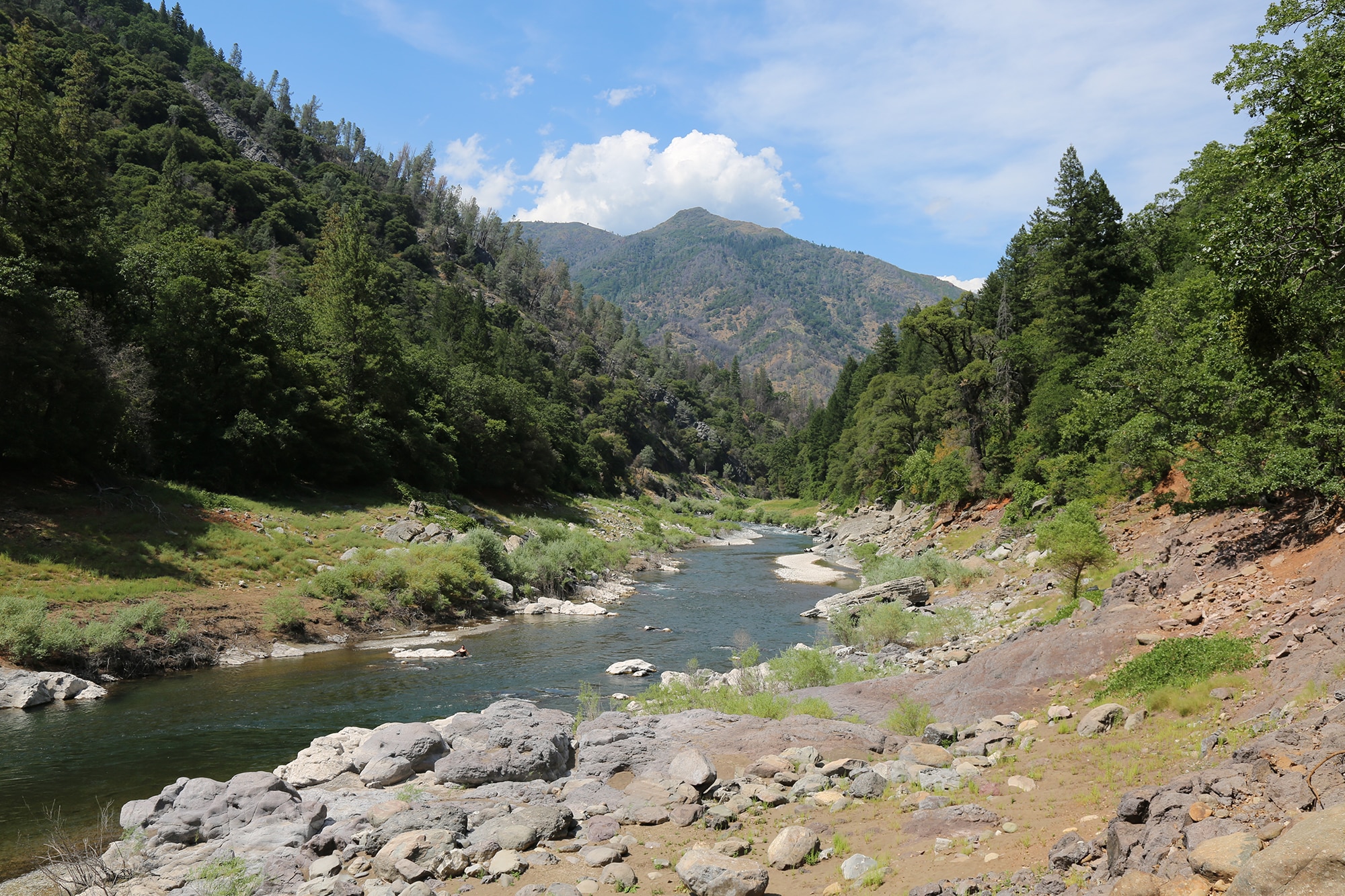
McCloud River, Shasta County, California. [Cynthia Hooper]
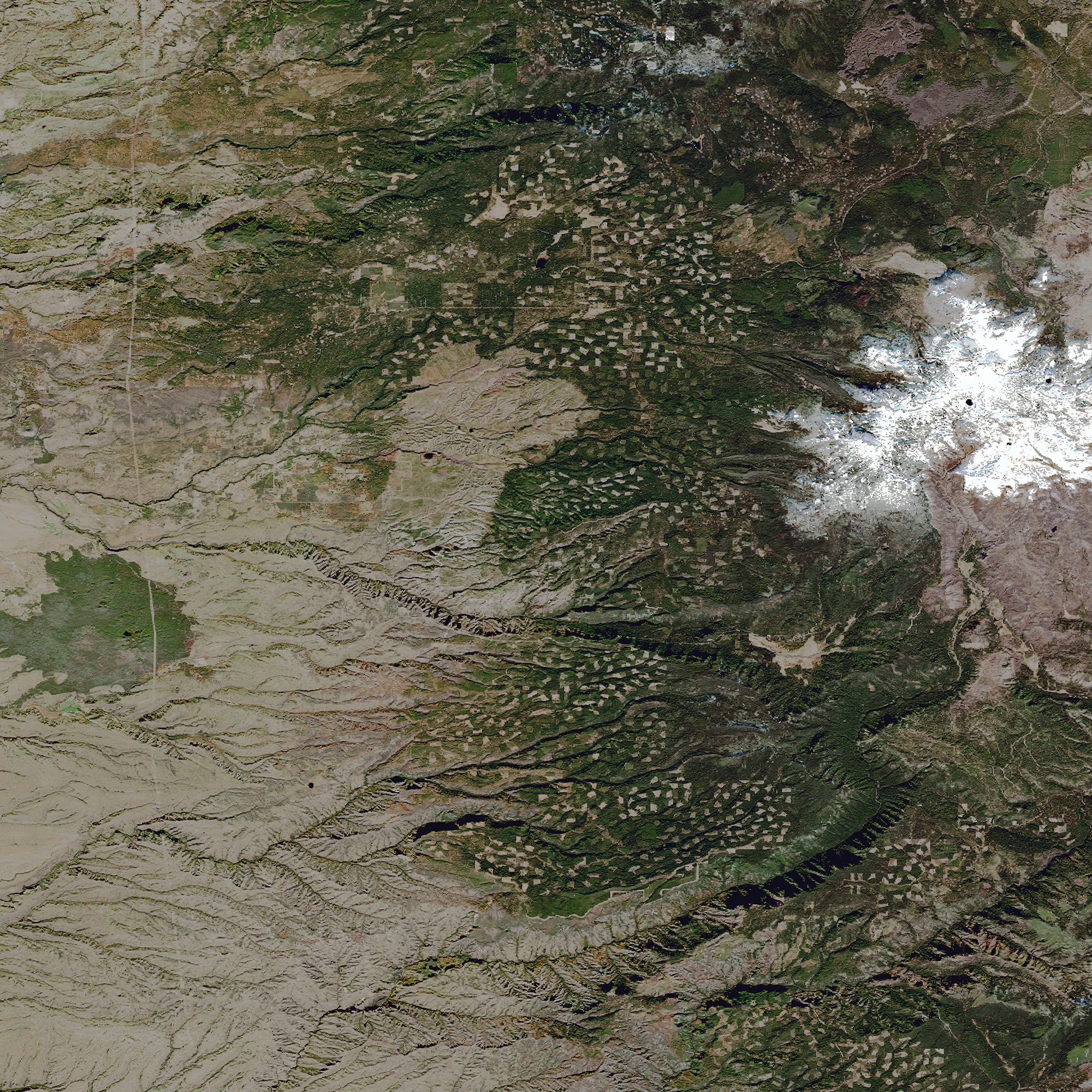
Battle Creek (center) with Lassen Peak (center right). [Sentinel 2 satellite image, European Union Space Programme]
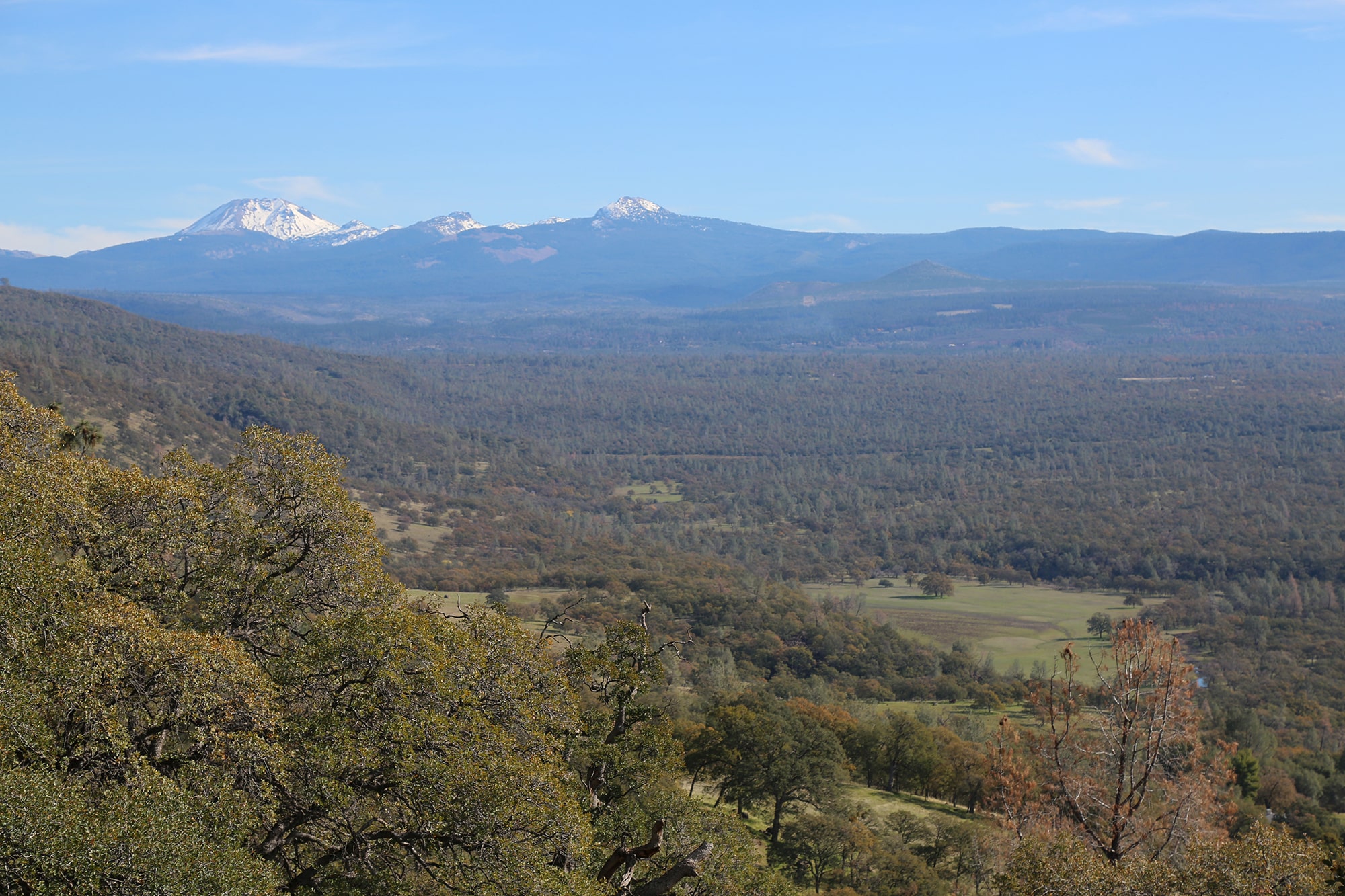
Battle Creek Valley with Lassen Peak, Tehama County, California. [Cynthia Hooper]
Antique hydroelectric infrastructure, Battle Creek, Tehama County, California. [Cynthia Hooper]
Friant Dam, Fresno County, California. [Cynthia Hooper]
Confluence of the San Joaquin River (upper right) and the Old River channel (upper left) near Tracy, California. [Cynthia Hooper]
Sacramento River (left) and Delta Cross Channel (center). [USDA National Aerial Imagery Program]
Delta Cross Channel, with gates open and the Sacramento River beyond. [Cynthia Hooper]
Clifton Court Forebay (center) and the state and federal pumping plants (lower left). [USDA National Aerial Imagery Program]
The Central Valley Project’s Jones Pumping Plant near Tracy, California. [Cynthia Hooper]
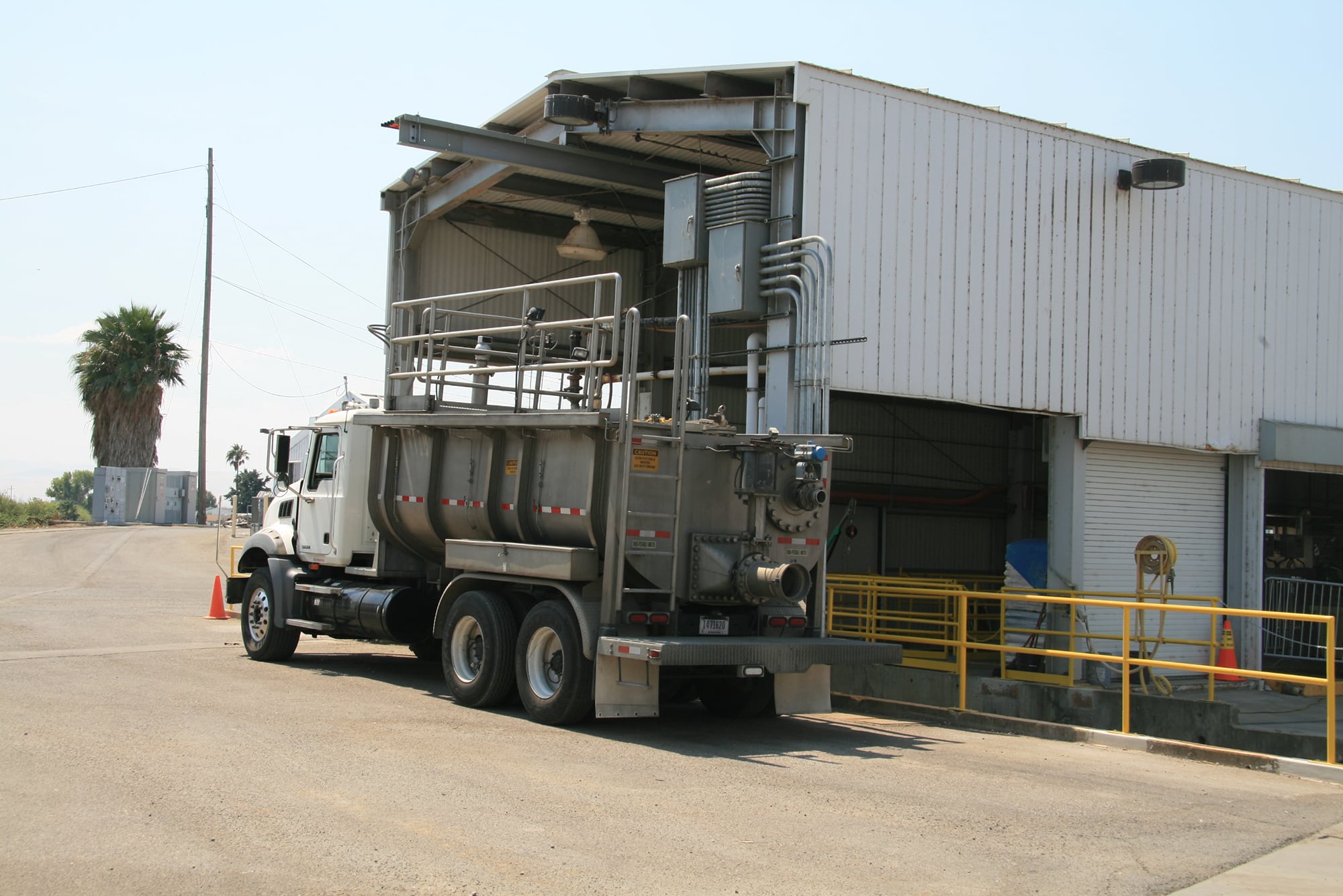
Tracy Fish Collection Facility at the federal CVP Jones Pumping Plant. [Cynthia Hooper]
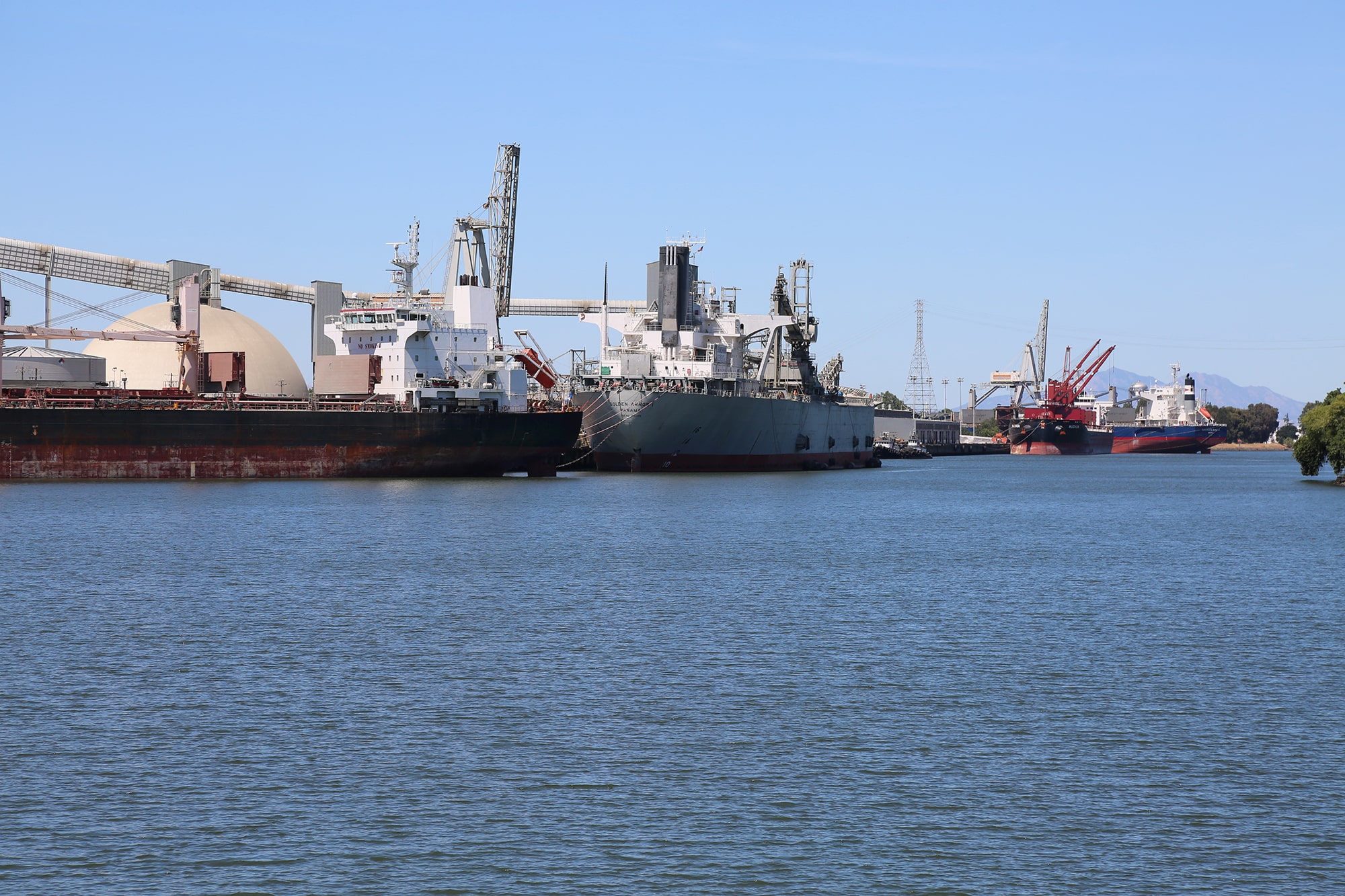
Stockton Ship Channel. [Cynthia Hooper]
Sorting Chinook salmon eggs at the Coleman National Fish Hatchery. [Cynthia Hooper]
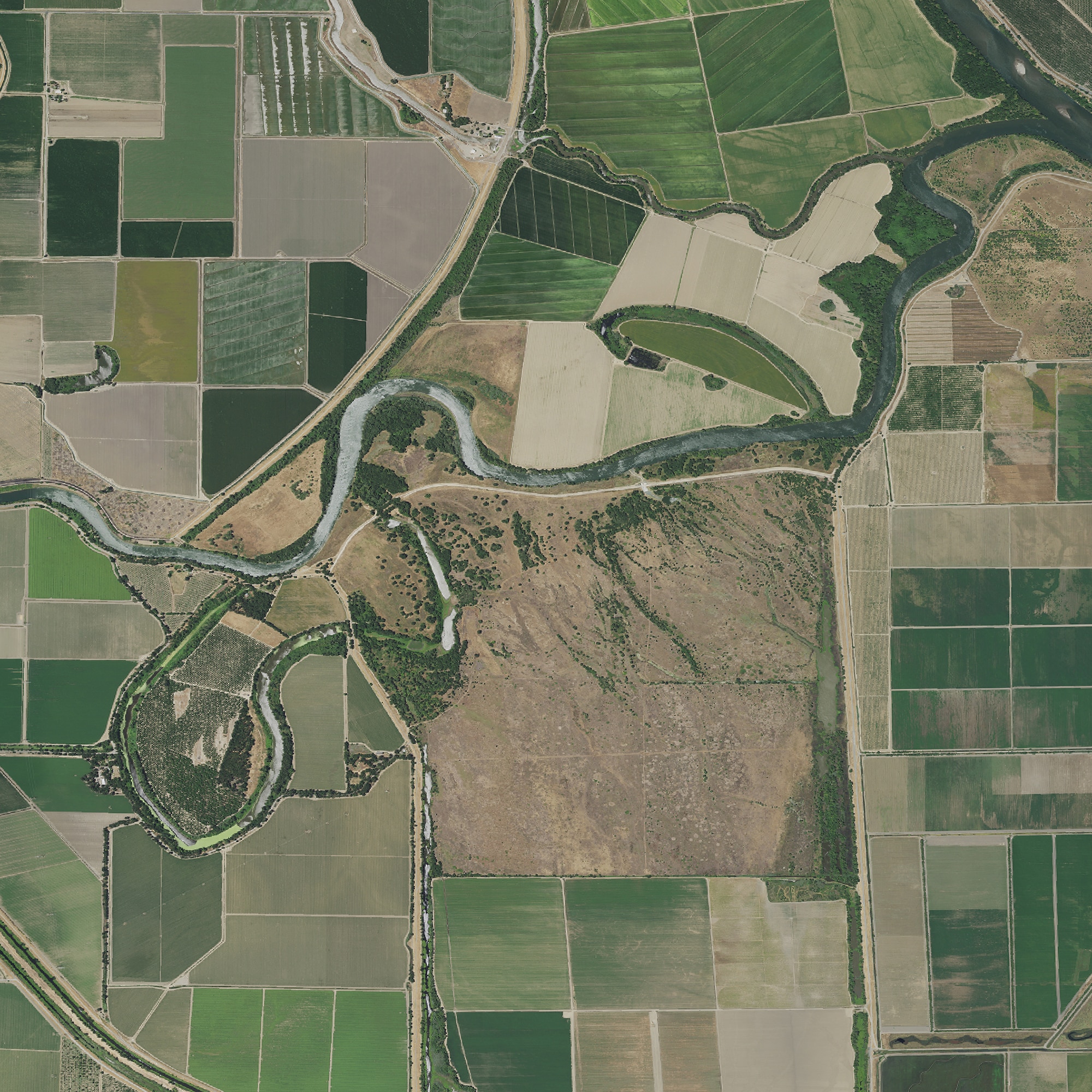
The point where the San Joaquin River (lower left) flows into the Eastside Bypass (center), Merced County, California. [USDA National Aerial Imagery Program]
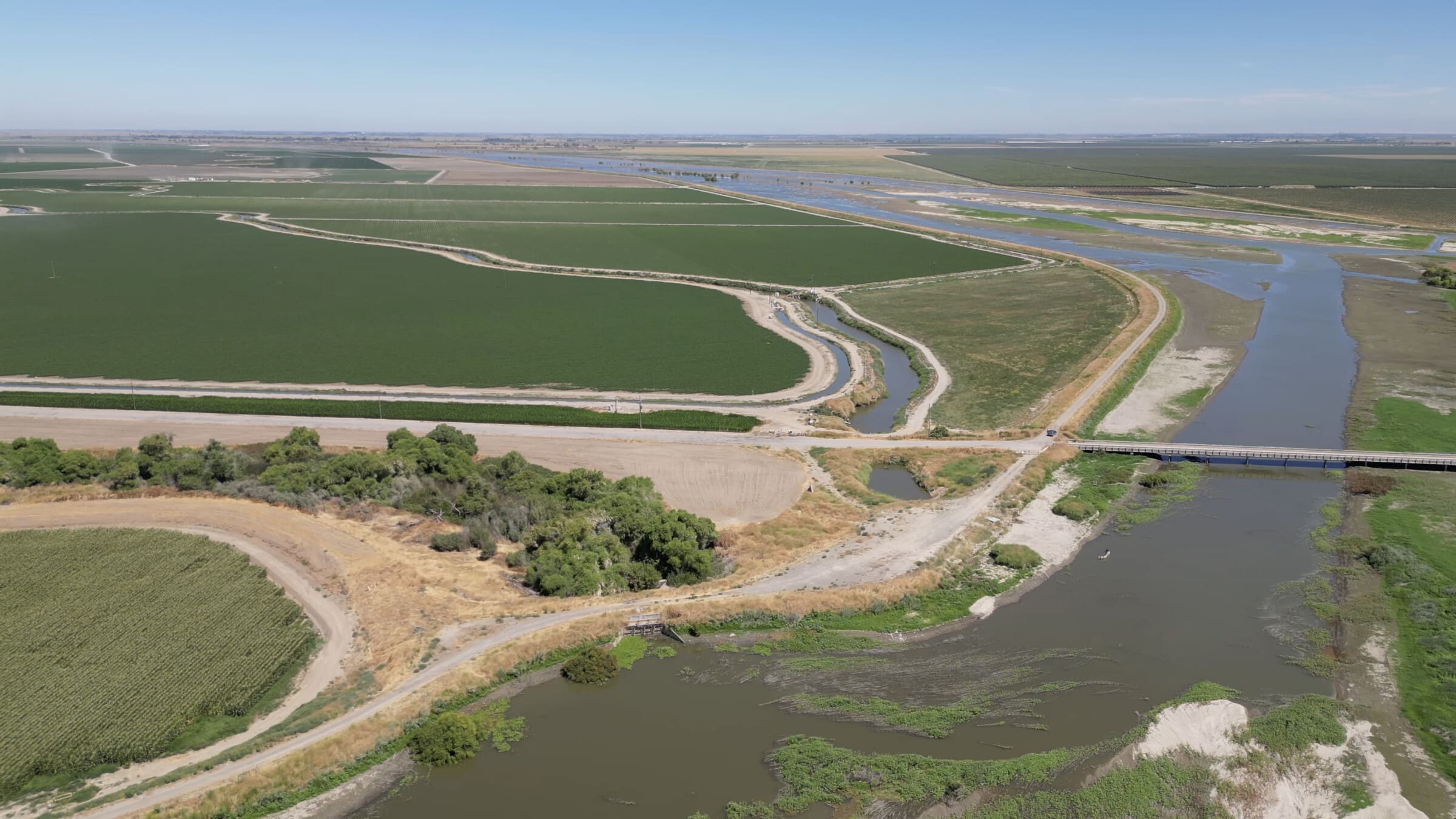
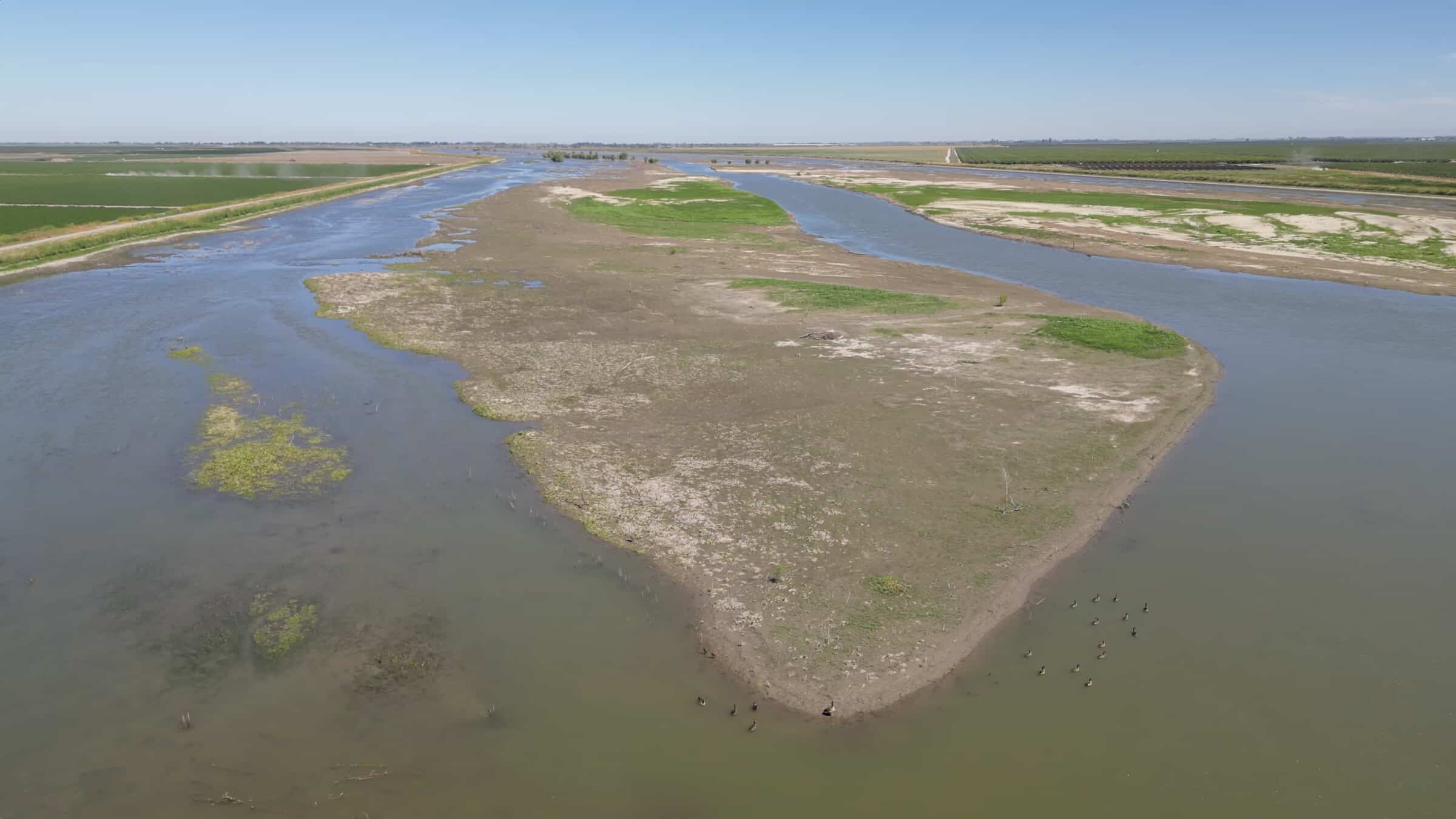
The dry San Joaquin River (lower left) and the flooded Eastside Bypass (lower center and right), Merced County, California, February 2023. [Cynthia Hooper]
A flooded Eastside Bypass near the San Joaquin River, Merced County. [Cynthia Hooper]
Sack Dam on the San Joaquin River, Madera County, California. [Cynthia Hooper]
Proposed design of the Arroyo Canal Fish Screen and Sack Dam Fish Passage Project. [San Joaquin River Restoration Program]
Sutter Bypass (lower center) and Butte Sink (upper left), Sutter County, California. [USDA National Aerial Imagery Program]
Flooded Agricultural Fields inside the Sutter Bypass, Sutter County, California. [Cynthia Hooper]
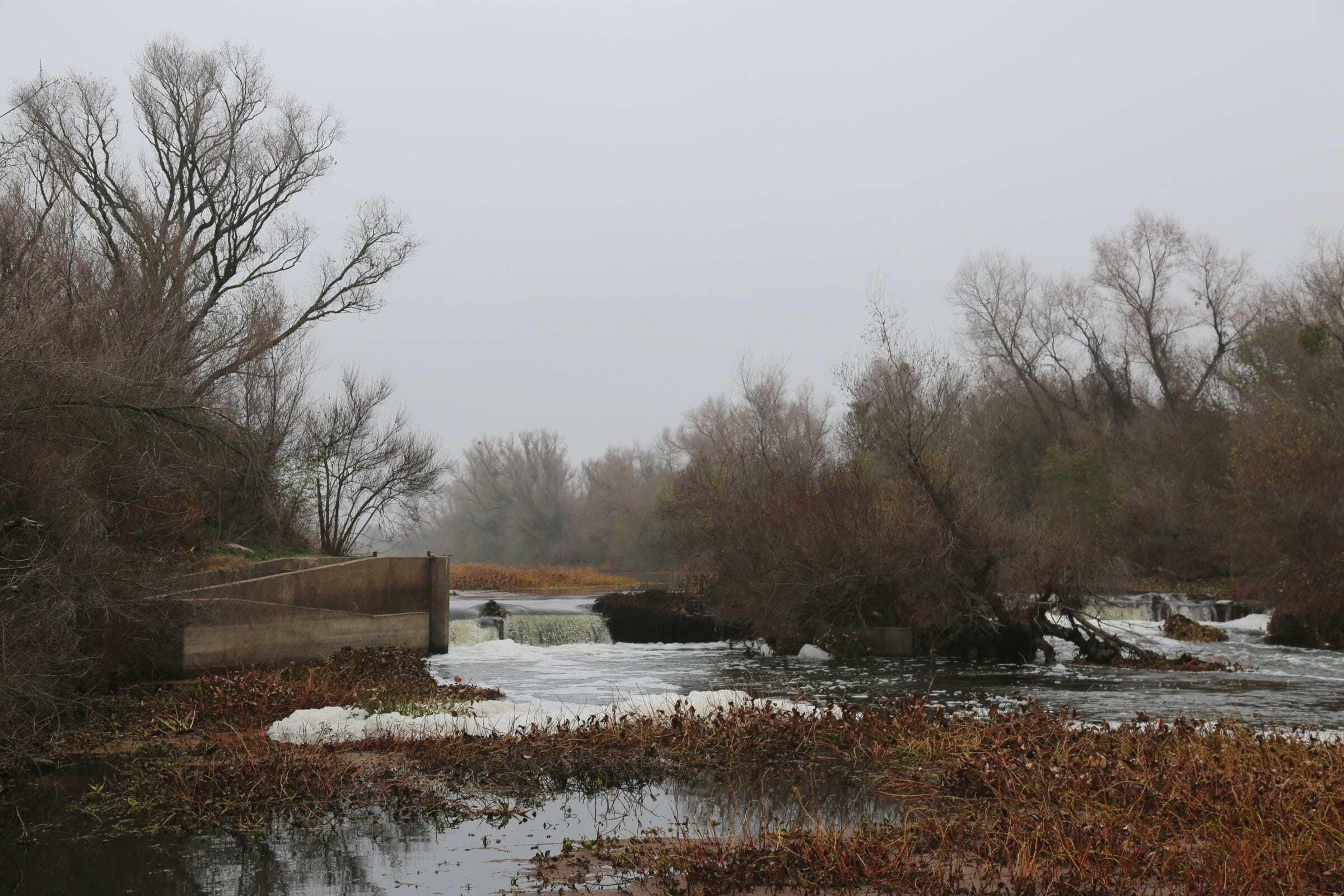
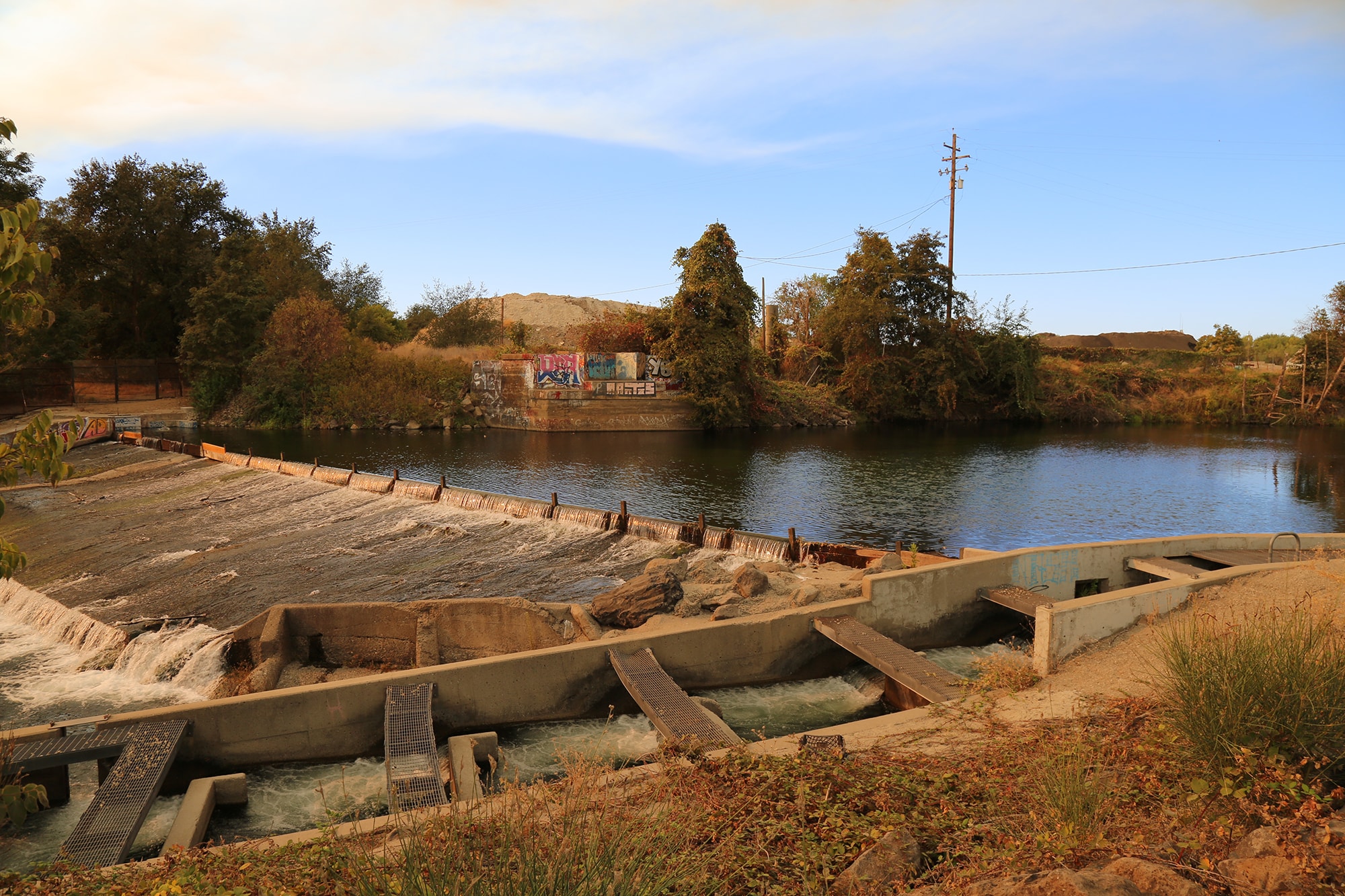
Weir No. 1, with obsolete fish ladder, in the Sutter Bypass, Sutter County, California. [Cynthia Hooper]
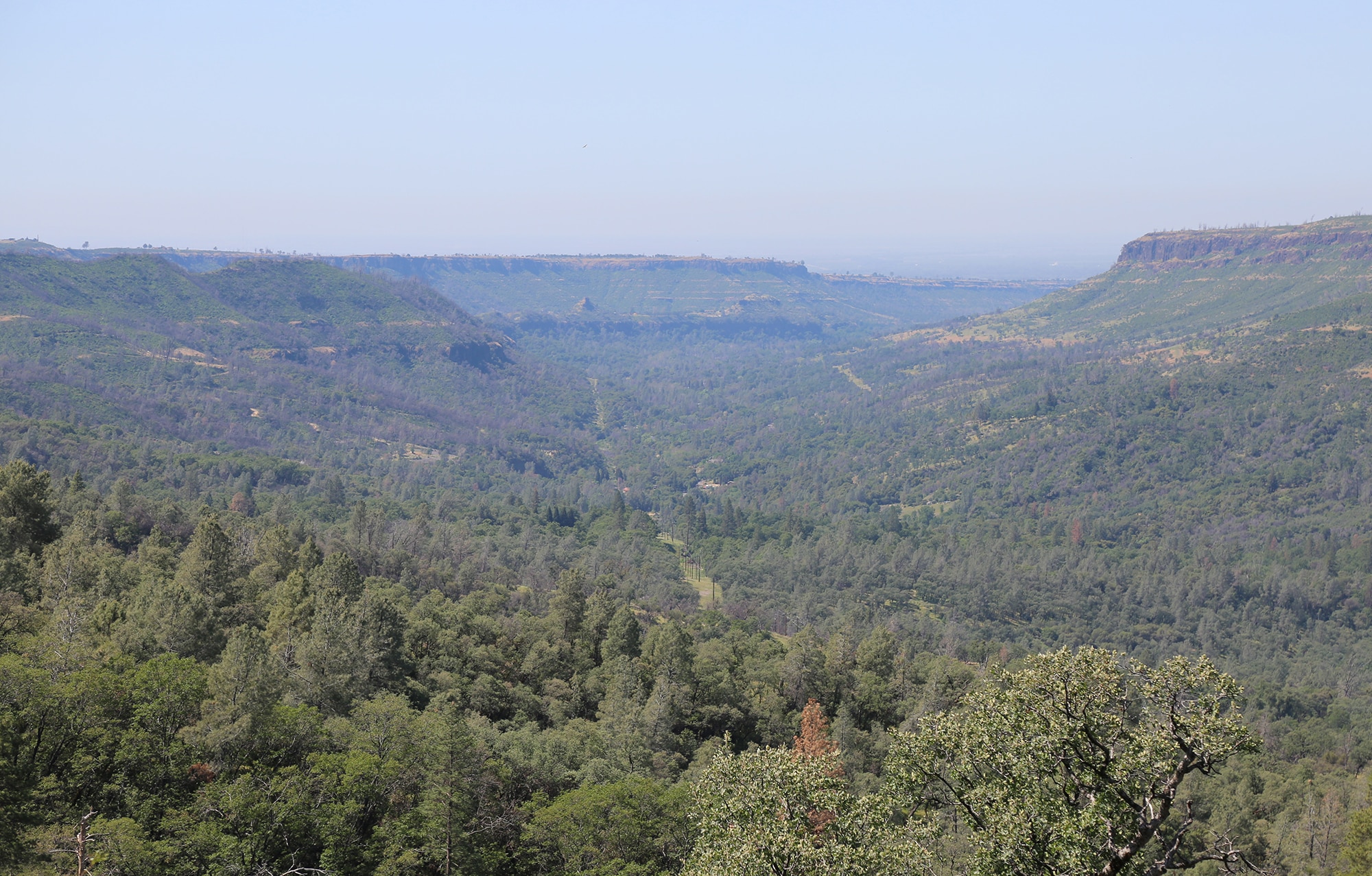
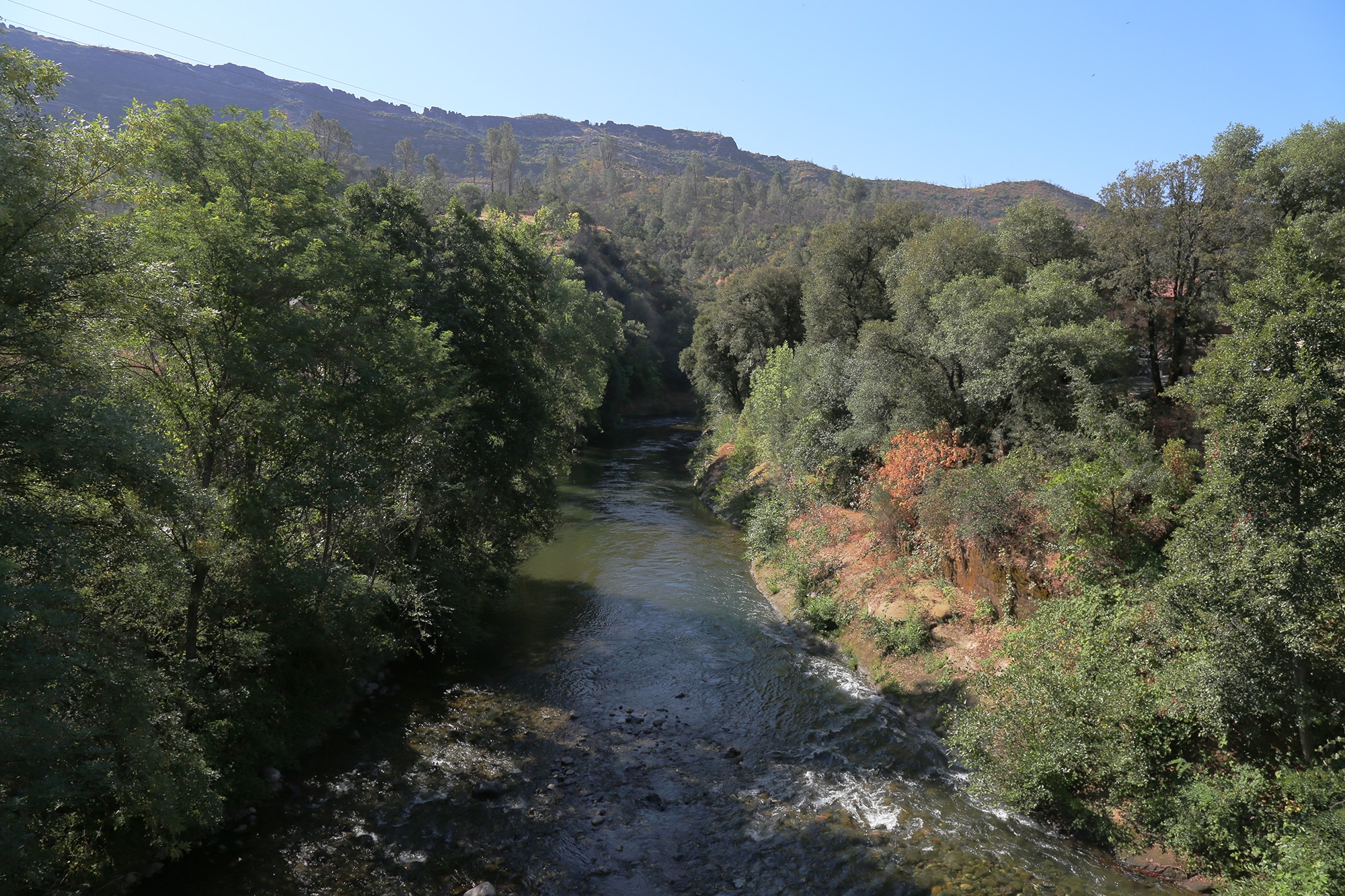
Butte Creek Canyon, Butte County, California. [Cynthia Hooper]
Butte Creek Spring Run Spawning Reach, Butte County, California. [Cynthia Hooper]
Fish ladder at the Durham-Mutual Dam on Butte Creek, Butte County, California. [Cynthia Hooper]
Sacramento River and the Fremont Weir (center). [USDA National Aerial Imagery Program]
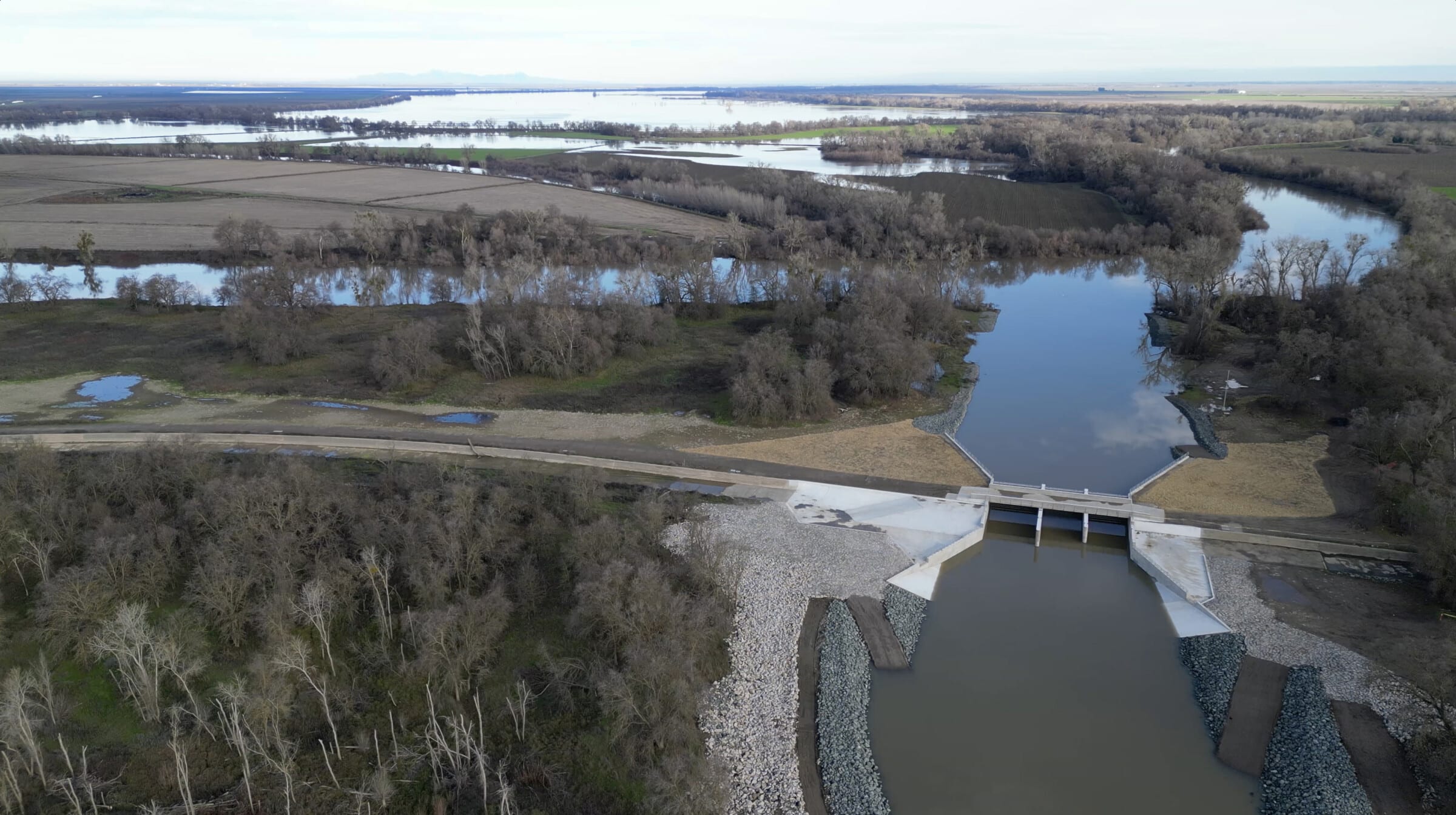
Yolo Bypass Salmonid Habitat Restoration and Fish Passage Project (the Big Notch) through the Fremont Weir, January 2024. [Cynthia Hooper]
The Big Notch in the Fremont Weir Under Construction, January 2024. [Cynthia Hooper]
The inundated Fremont Weir and under-construction "Big Notch" in February 2024. [Andrew Nixon/California Department of Water Resources]
The flooded Yolo Bypass and the City of Sacramento, February 2024. [Sentinel 2 satellite image, European Union Space Programme]










If you would like to comment on this article, or anything else on Places Journal, visit our Facebook page or send us a message on Twitter.