

Santa Maria, the place where I was born, isn’t known for much. White settlers whose pots and pans clanged in covered wagons founded the city in 1874, a fact I found disappointing. I loved old things, the older the better, and a town born in 1874 didn’t seem old at all. My father was born in 1947 and though I was bad at math, I was good enough to calculate: Santa Maria was only 73 years old at the time of my father’s birth.
This seemed unserious. How can a municipality call itself a town if it isn’t at least a few centuries old? Guadalajara, the city where my mother was born, was founded in 1524. Now that was a place I could take seriously. Guadalajara had age. History. Fortitude. Its ghosts groaned in Nahuatl, Kikongo, Wixárika, Kimbundu, Purépecha, Coca, Portuguese, Spanish, and French. The dead pioneers that haunt Santa Maria, on the other hand, are only a few generations old, and they terrorize exclusively in English. To terrorize in another language, they’d have to learn one. They’d have to go to night school.
Guadalajara was founded in 1524. Now that was a place I could take seriously.
My father taught me that Santa Maria hadn’t always been called Santa Maria. The settlers first christened it Grangeville. As more settlers arrived, they changed the name to Central City. Colorado already had a Central City and confusion predictably ensued. Our post office got Colorado’s mail and Colorado’s post office got ours. Central City’s leaders took action, and just like that, they rechristened the town Santa Maria. No one seems to know which Mary the name-change honors. I want to believe it’s Mary Magdalene, the female apostle who went to visit Jesus in his tomb only to discover that he’d gone AWOL.
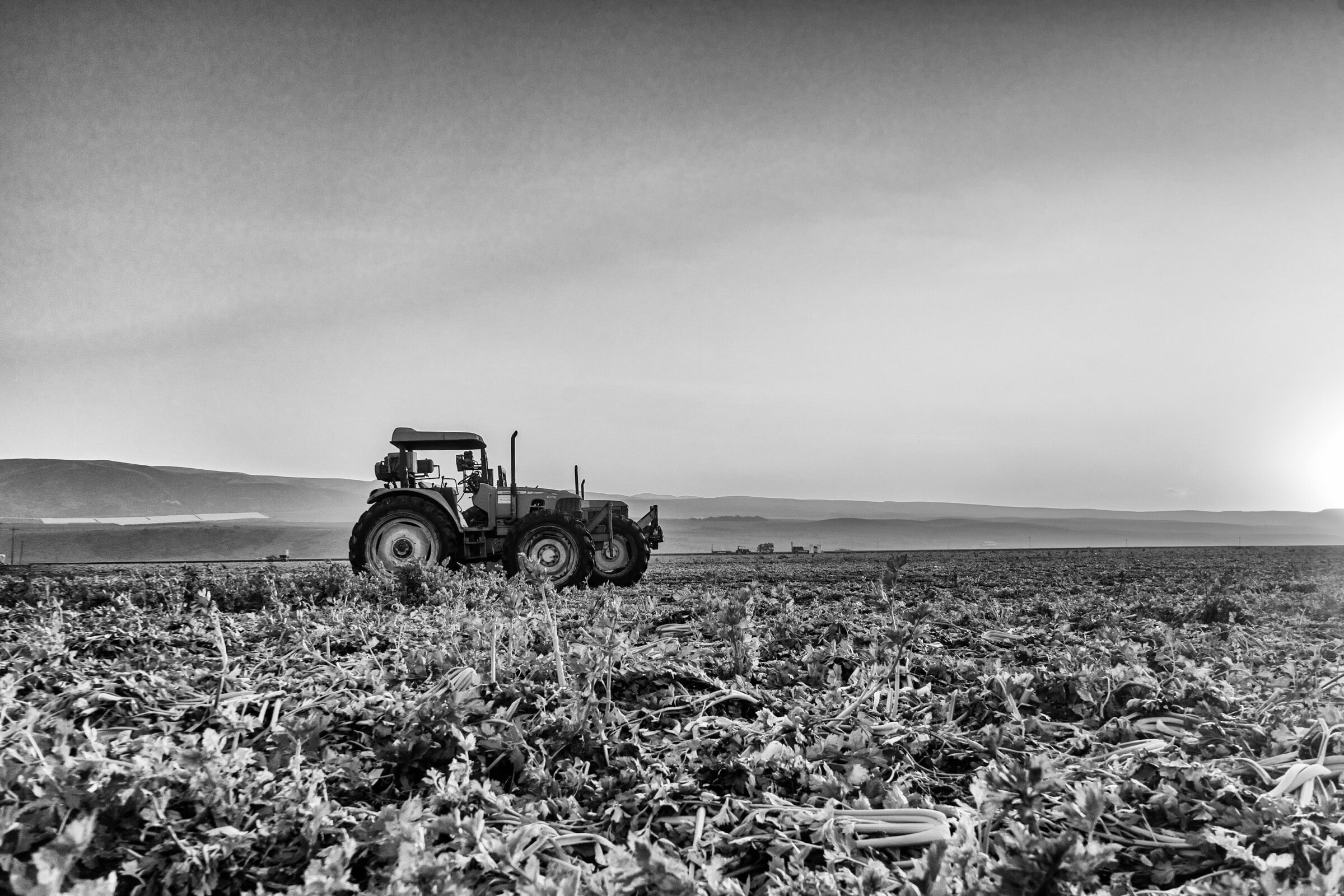
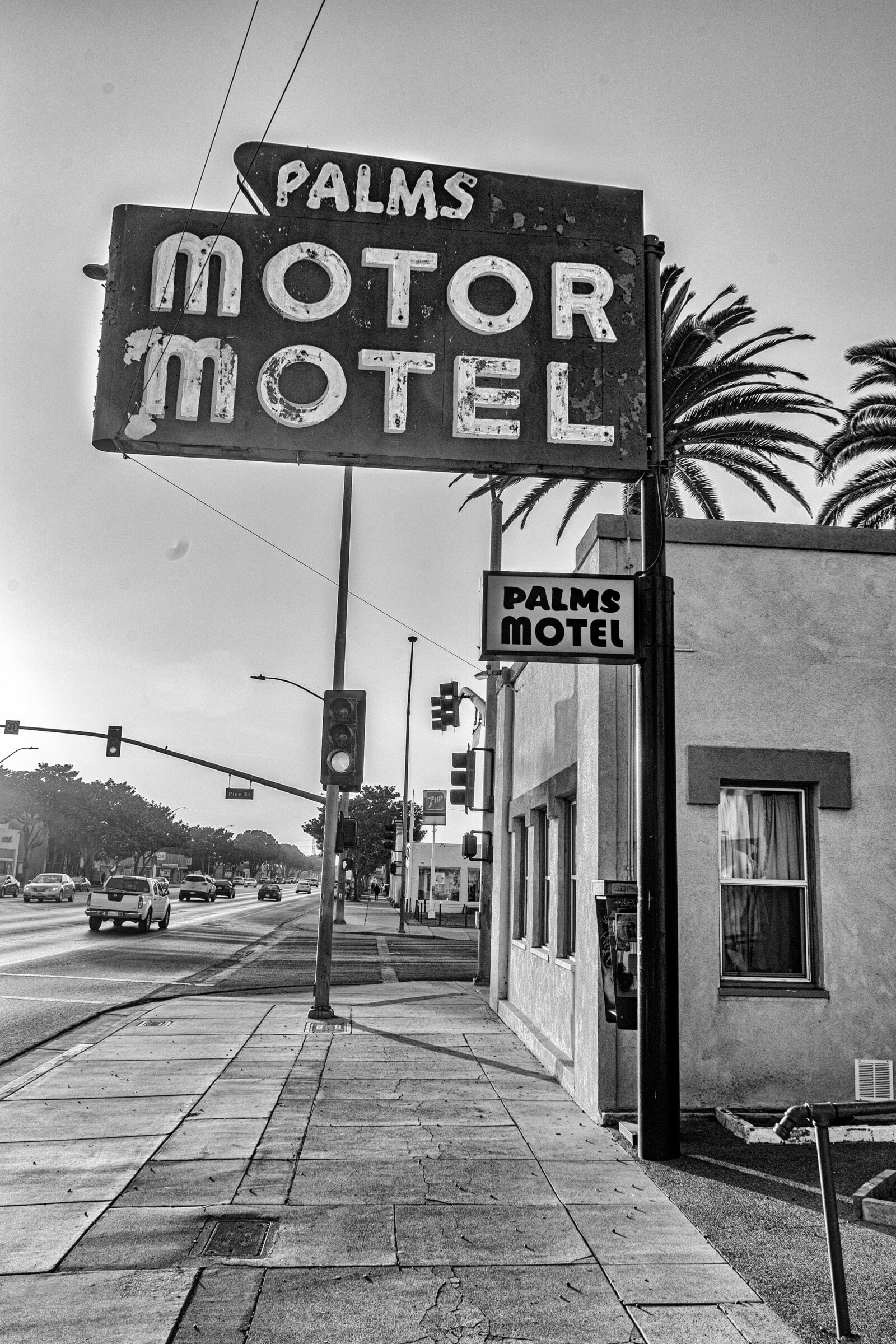
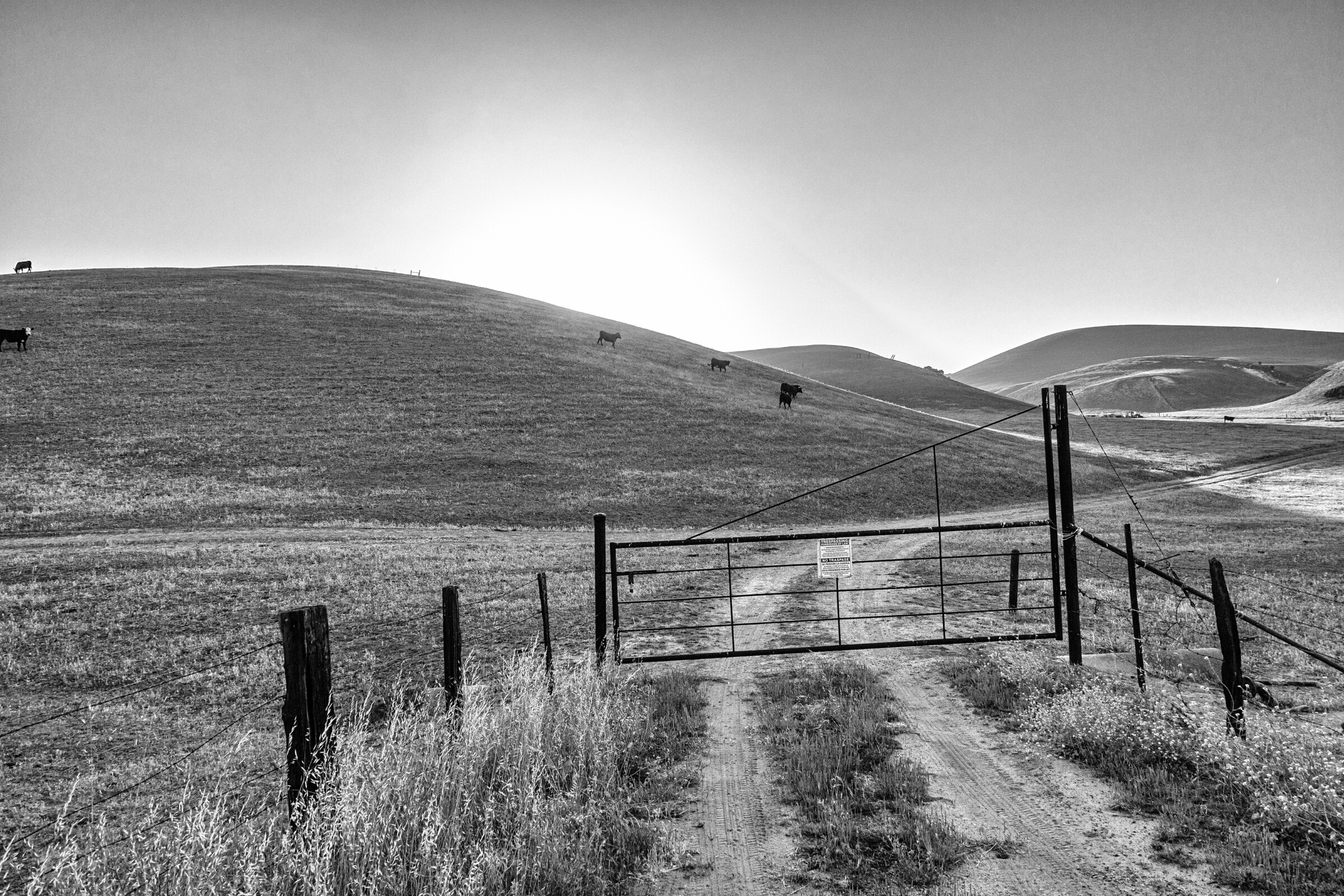
My parents settled in Santa Maria after the school district offered my father a job teaching fifth grade at Robert Bruce Elementary School. By the time I’d entered fifth grade, my father had left the classroom, though he remained employed by the district. The board of education had promoted him to administrator, a title I didn’t understand. I looked up the word in our dictionary but the definition, “one who administers,” aggravated me, like I was being punked by a reference book.
I tricked my father into doing one of his favorite activities, mansplaining.
When school let out, I’d board the bus, ride it across town, climb off near the railroad tracks, and walk to my father’s office. If his chair was empty, I’d plop down and brainstorm ways to avoid homework. One tried and true strategy was tricking my father into doing one of his favorite activities, mansplaining. If I could get him to lecture me about something that mattered to him, he might forget to make me do my math. He was a workaholic, so job-related questions really did the trick.
“Dad, what do administrators do?”
Without looking up from the file cabinet drawer into which he was peering, he replied, “We administer.”
His explanation made me ball my hands into fists. I pounded an arm rest and insisted, “No! For reals! What do you do?”
“I work for the Migrant Education Program. It’s a federal program. I’m the program’s administrator.”
“What does that mean? Explain what you do!”
“I make sure that teachers are doing their jobs. Some teachers don’t like working with kids who are in migrant families. The kids move around a lot because their parents have to follow the harvest. They pick strawberries. Broccoli. Lettuce. The food we eat. The food they eat. The food everyone eats. That’s how they make their money. That’s how they survive. Some bad teachers punish these kids because they think that migrant kids make their jobs harder. I remind teachers that they don’t get to pick and choose who they teach. They work for the public and they have to educate everyone, including kids who move a lot and kids who don’t speak English.”
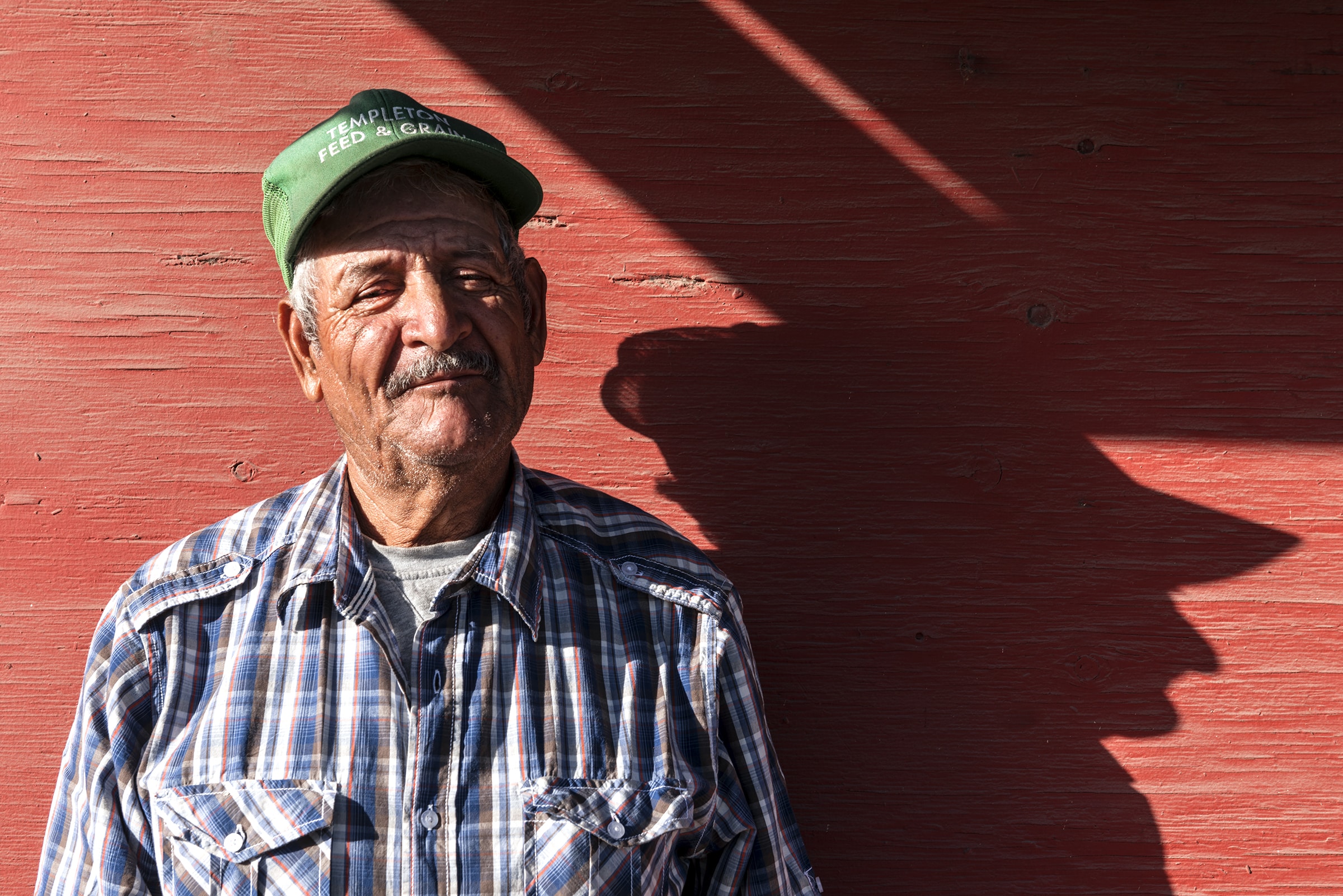
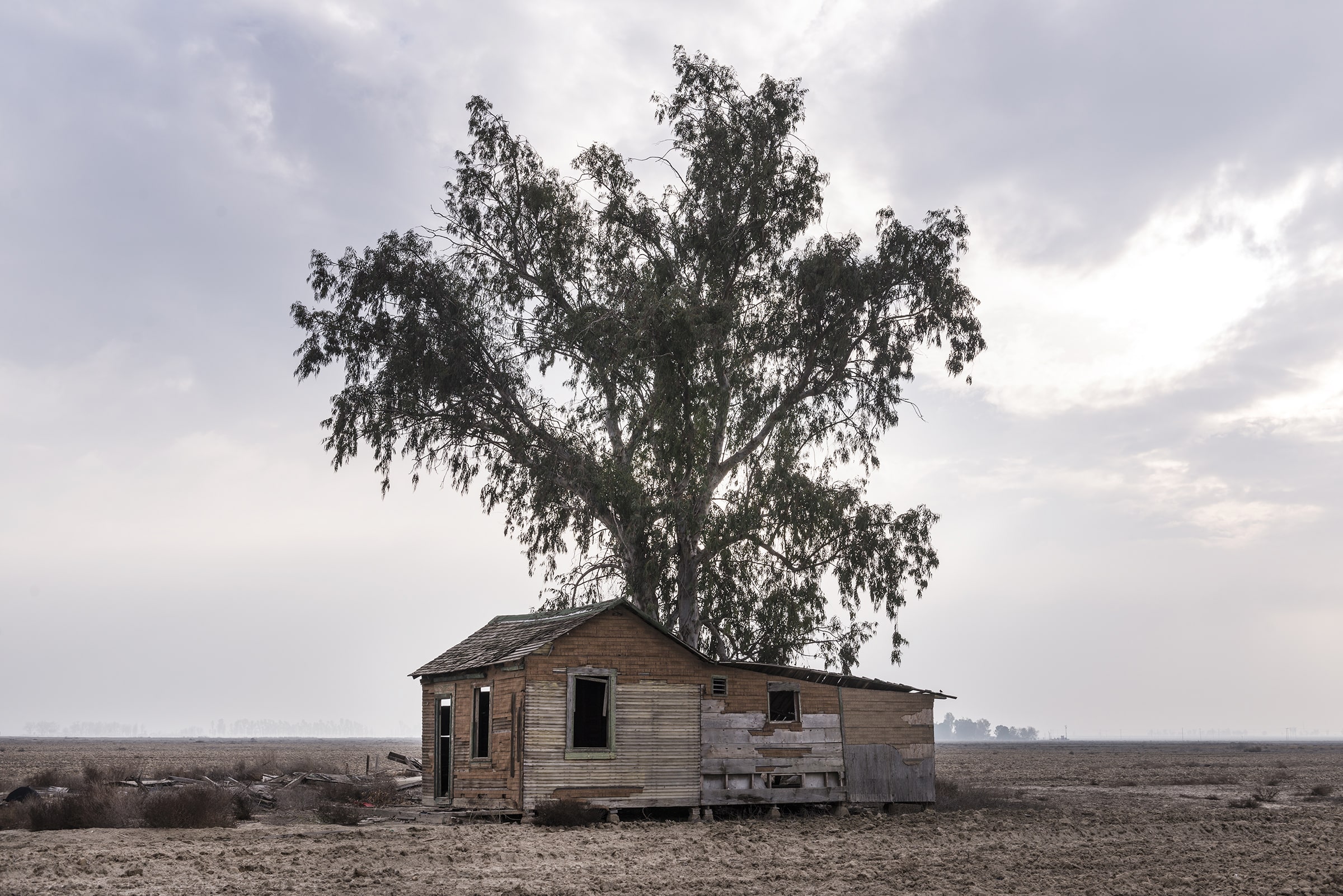
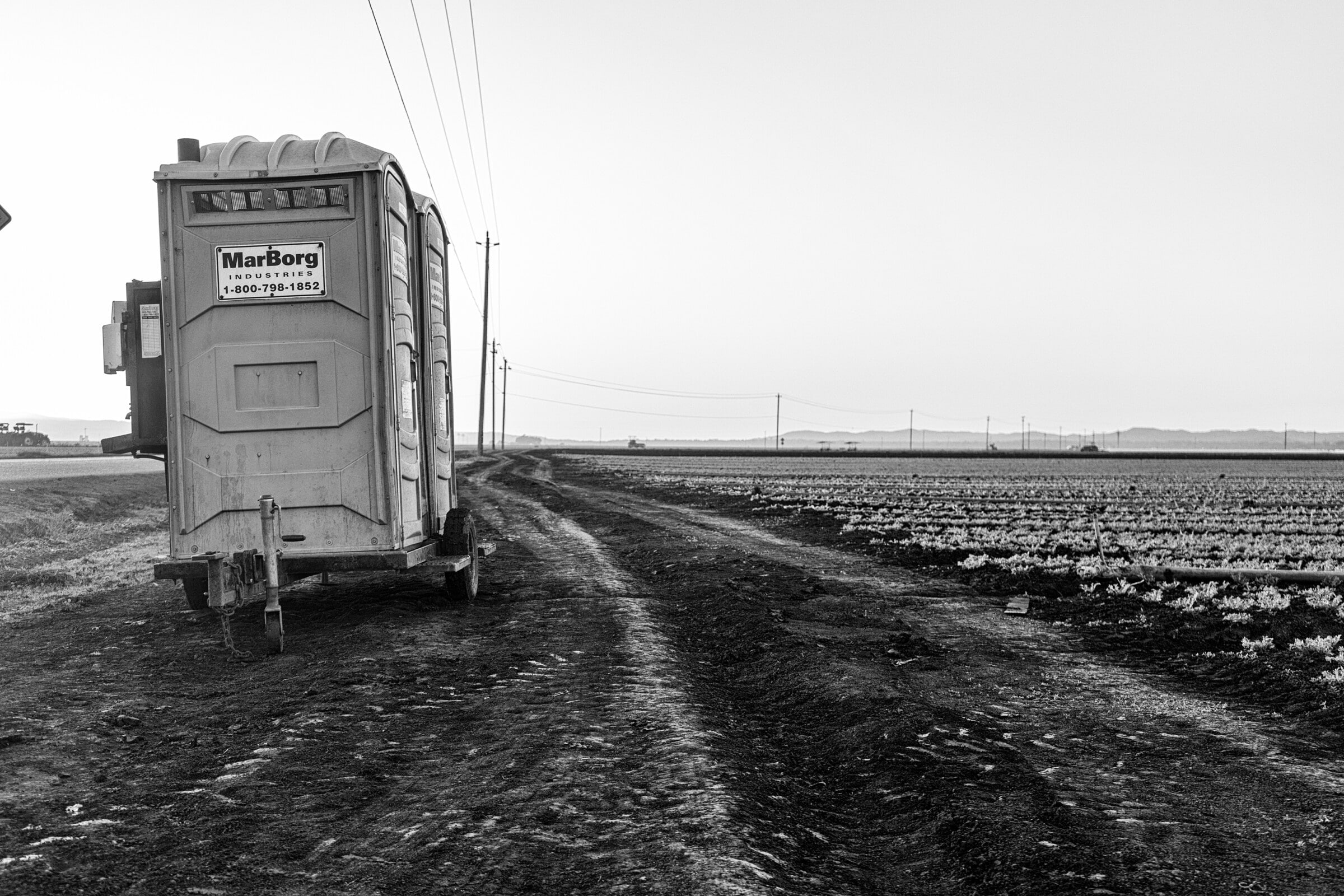
My father’s definition of administrator was inspiring. Apparently, administrators made sure that life was fair. I thought about scribbling that next to the dictionary’s redundancy.
A bulletin board was mounted to the wall behind my father’s desk. Memos, newspaper clippings, greeting cards, coupons, and pictures were tacked or stapled up. It was packed, like a collage. I had two favorite parts. One was a sun-blanched page torn from a magazine. It showed the silhouette of a longhorn steer adding to an impressive pile of manure. The animal and his feces were confined within a red circle, a red slash cutting through both. This meant that my father’s office was a no-bullshit zone.
The composition reminded me of Michelangelo’s Pietà, a work I’d seen in a library book.
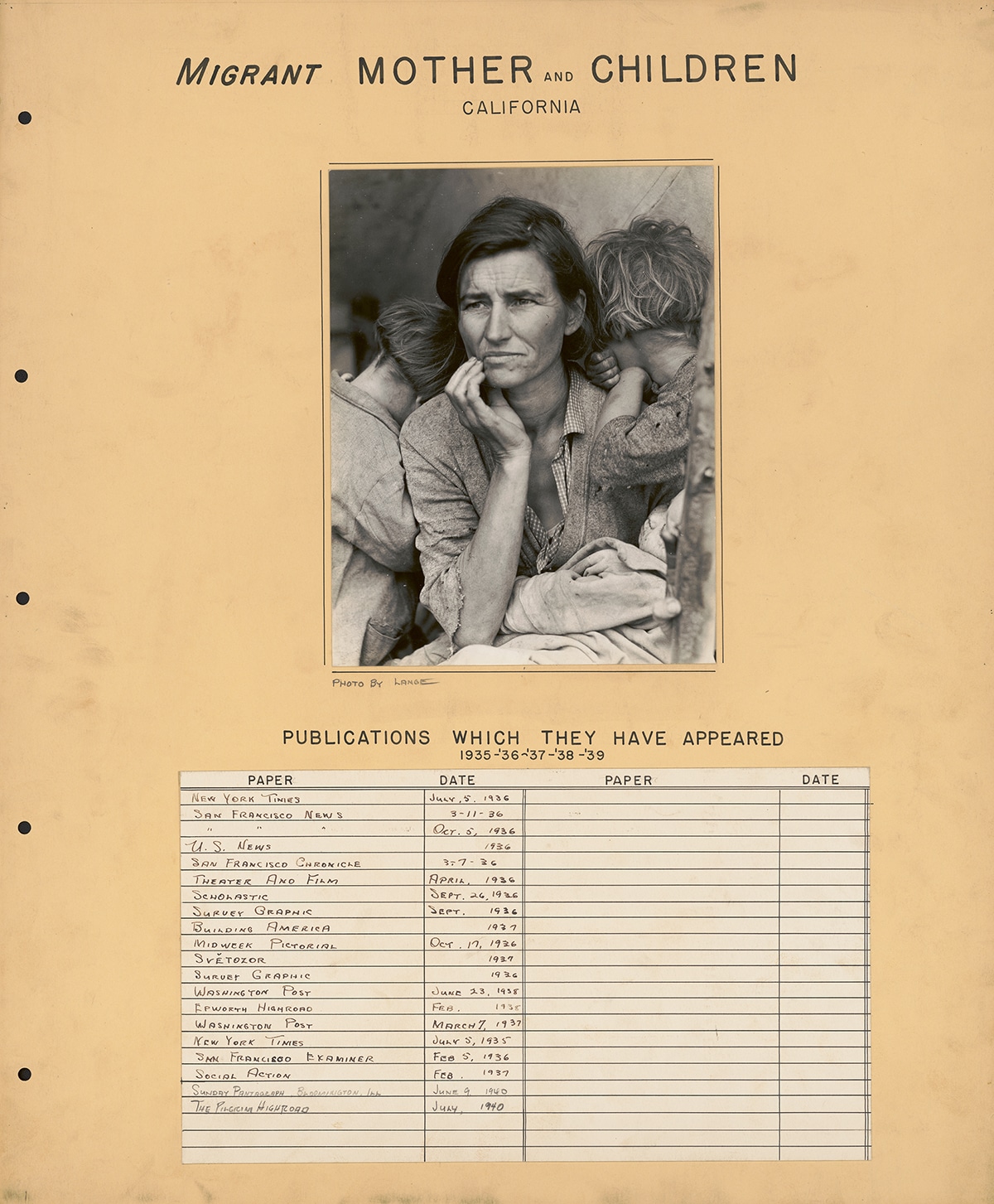
The second bit of ephemera I looked at over and over again. A black and white print pinned right in the middle of the bulletin board: a woman with children. The composition reminded me of Michelangelo’s Pietà, a work I’d seen pictured in a library book about Italian Renaissance art. My eyes were drawn to the desperate-looking square-jawed lady in the center of the print. Her hand reaches to cup her chin. Her eyes squint at an unseen horizon. Her cheeks are smooth, but her forehead and temples are lined. It looks like she’s seated before a canvas backdrop, and she’s dressed in rags. There’s an infant asleep on her lap, swaddled in a soiled blanket. Dirt encrusts the baby’s face. Two other children, also in rags, lean against the woman with their backs to the camera.
![<em>Migrant Mother</em> [Destitute pea pickers in California. Mother of seven children. Age thirty-two. Nipomo, California], 1936.](https://placesjournal.org/wp-content/uploads/2024/10/Gurba-Florence-44-1.jpg)
When my eyes linger on the kids’ necks, a Spanish word comes to mind.
Mugre.
When I look at the kids’ hands, the same Spanish word comes to mind.
Mugre.
When was the last time these kids took a bath?

This photo evoked a religious feeling in me — the same feeling I got when my mother brought our ceramic nativity set out of storage on the first of December. My brother, sister, and I would watch her arrange a mini-Bethlehem on our living room table. My mother handled the earthenware angels in a way that made me feel that I was in the presence of something holy. That didn’t last long. By the second of December, the devil would find me, and I’d sit staring at the nativity set like a cat eyeing a mouse, my body vibrating with temptation. Baby Jesus’ cradle looked so empty, and the wise men were going to have to wait 23 days to meet him. That was a long time. I knew our messiah’s hiding place; my mother kept the baby figurine in the top drawer of the walnut credenza. I fantasized about midwifing Jesus prematurely. The only thing stopping me from inducing Mary’s labor was Santa Claus’ retaliation. I didn’t want coal in my stocking. I wanted a BB gun.
I fantasized about midwifing Jesus prematurely.
My family attended Catholic mass on a semi-regular basis, and on Wednesdays, I took catechism classes at Saint Mary’s parish. The mother in the black and white print on my father’s bulletin board seemed distinctly Virgin Mary-ish. She, too, looked anguished. She, too, seemed in need of help. She, too, had been chosen. A nun once told our class that god is everywhere, especially in places where you least expect to find him. As I gawked at the print in the middle of my father’s bulletin board, I knew that it was my duty to find the divine in these four unwashed human beings whose names I didn’t know. That didn’t strike me as hard to do — finding god in the poor is easy. Divinity doesn’t dwell in the rich. It can’t stand them.
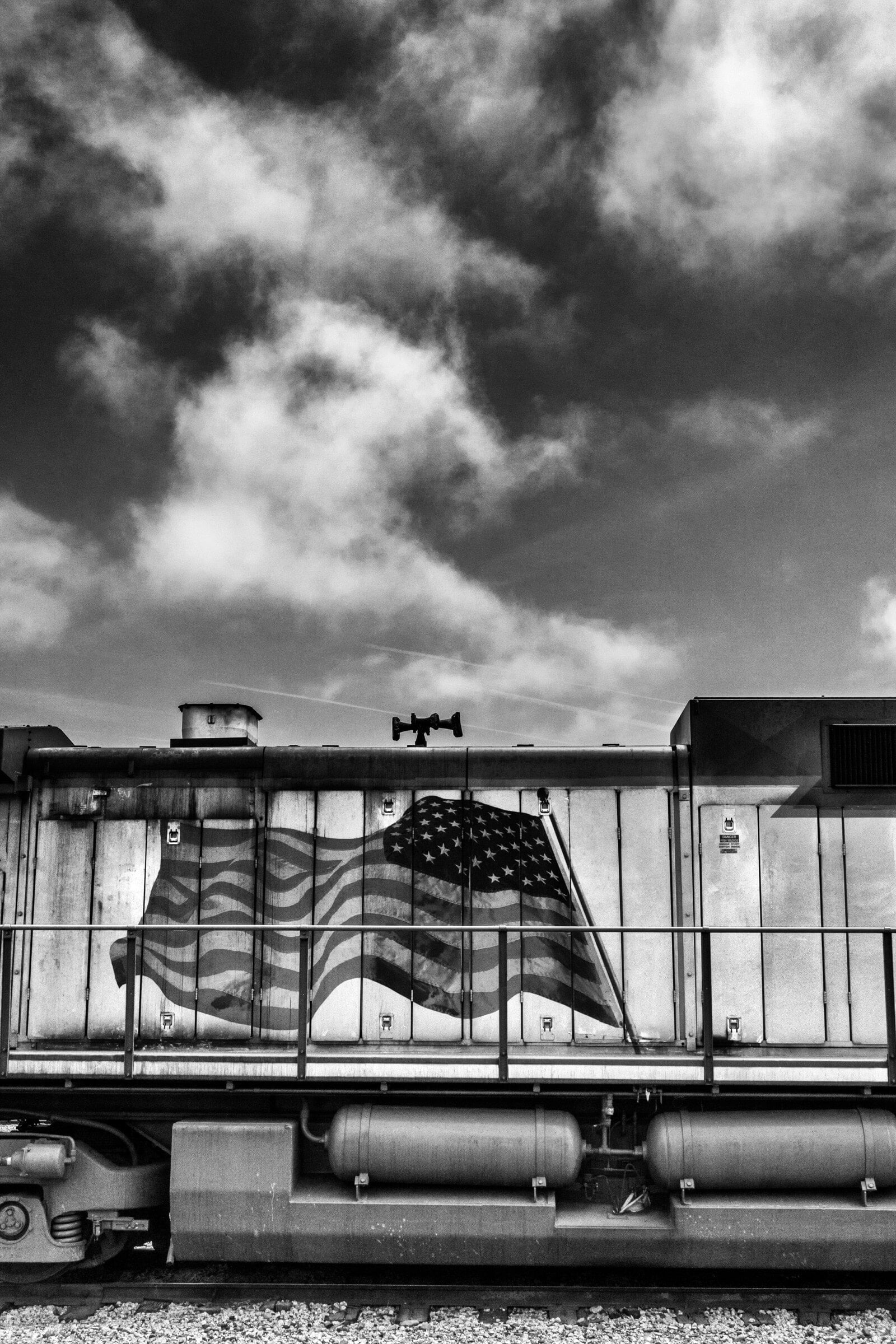
My father was still lecturing me on administration. I had stopped paying attention. Behind us was a window that opened onto railroad tracks that had been lain to move sugar beets. These made me think about the oldest member of our family, the animal we had adopted and would likely outlive us.
Would the tortoise be as hungry as the children in the photo looked?
One November afternoon, my father left his office to go to the corner store. He came upon a desert tortoise stuck on the oxidized rail, dog-paddling all four limbs but going nowhere. He couldn’t make it over the tracks. My father felt pity but continued on his way. When he returned, the tortoise was still there, doing the same Sisyphean thing. My father’s pity turned to compassion. What if the tortoise never got over the rail? Or what if it managed to get over only to get murdered by a train full of brussels sprouts? My father couldn’t let that happen. He scooped the animal up and carried him back to his office. Then he brought the tortoise home and deposited him in a cardboard box. He closed the lid and labelled the box T-O-R-T-O-I-S-E, then placed it on the same garage shelf as our nativity set.
That autumn, our reptile hibernated side by side with the holy family. I wondered about the tortoise’s dreams. I wondered if he felt homesick. I wondered what foods he would crave when he woke up from his months-long slumber. Would he be as hungry as the children in the black and white photo looked? Would he want corn? Carrots? Hibiscus? Dandelion greens? We’d have to wait until spring for Mr. T to flex his appetite.
A drunk named John Steinbeck wrote a lot about California. My father had given me one of Steinbeck’s novels, Cannery Row, which I preferred to The Red Pony, another Steinbeck novel given to me by my sixth-grade teacher. Cannery Row did something that no other novel I’d read had done: it mentioned my hometown. “Doc didn’t stop in Salinas for a hamburger. But he stopped in Gonzalez, in King City, and in Paso Robles. He had a hamburger and beer in Santa Maria – two in Santa Maria, because it was a long pull from there to Santa Barbara.” 1
We were blessed that Steinbeck had fed his alcoholism here. It put us on the map.
I grew obsessed with trying to figure out where Doc had downed his beers. Yes, he was a fictional character in a fictional story, but fiction is based on reality, and Santa Maria had a number of watering holes that could’ve inspired this scene. One was a tavern with a name I found clever, The Office. I wasn’t allowed into The Office, so I was forced to imagine its décor and menu. Instead of big game taxidermy mounted on the walls, I pictured typewriters suspended alongside water coolers filled with a signature cocktail, the Wite-out. We were blessed that Steinbeck had fed his alcoholism here. It put us on the map.
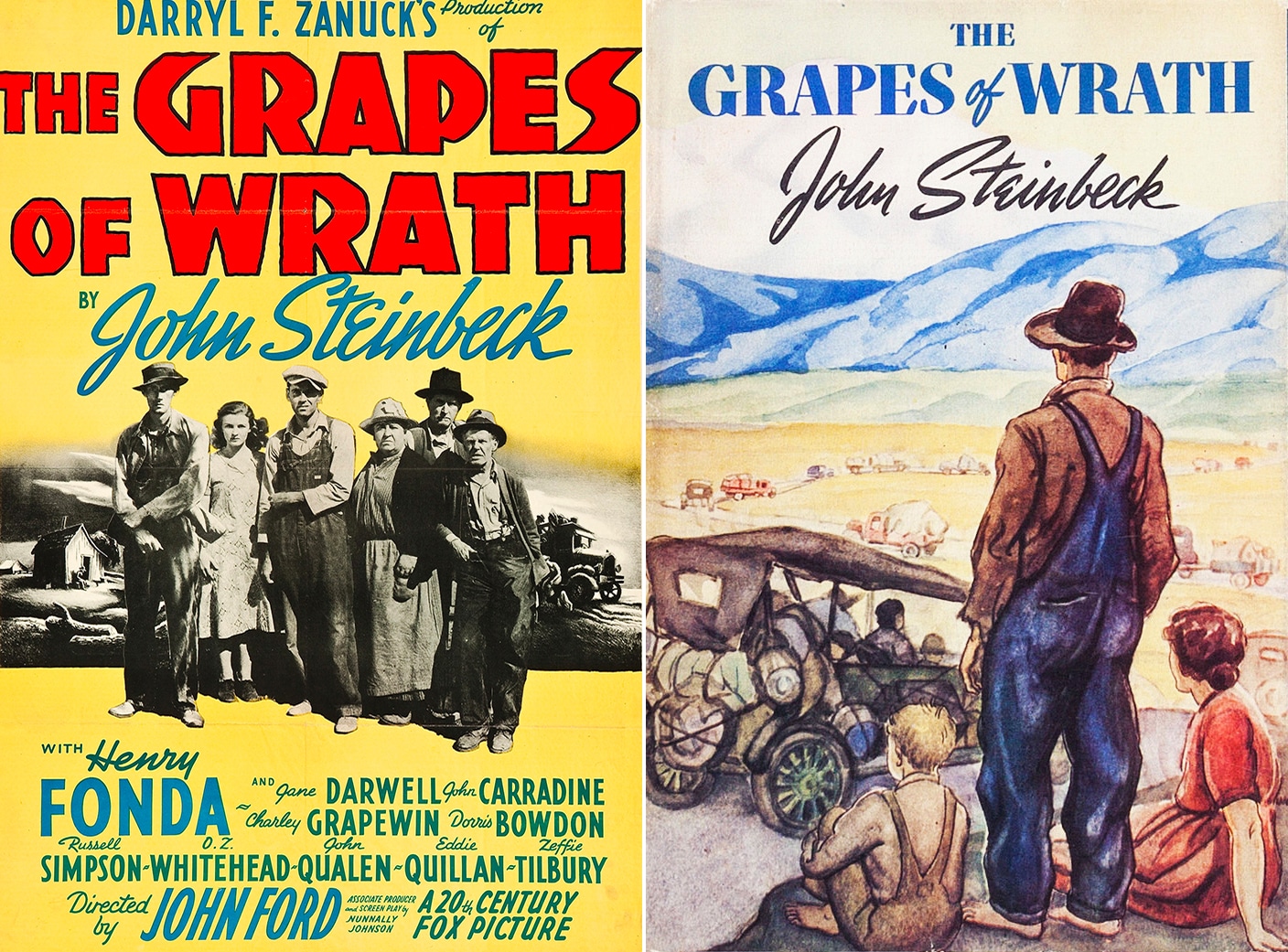
I hadn’t yet read The Grapes of Wrath, but I’d watched the Henry Fonda version on TV when I stayed home from school with bronchitis. I enjoyed the actors’ performances though the plot was hard to swallow. The movie told the story of the Joads, an Okie family whose dusty farm gets yanked out from under them by the banks. The Joads go west, lured by the promise of California, and become migrant workers in search of oranges and grapes to pick. I’d never seen an Anglo field hand and it was disconcerting to watch Okies squabble on screen over jobs that I knew White people avoided at all costs. There were no Joads among the migrant kids I played tetherball with during recess. For as long as we’d lived in the Santa Maria Valley, fruits, nuts, vegetables, and flowers had all been harvested by families with last names that Anglo teachers seldom tried to get right.
Rojas.
Gomez.
Guerrero.
Aguilera.
The name the teachers did dirtiest was Morán.
Our school field trips usually had something to do with agriculture. One year, teachers took us to a dairy farm where we watched cows with beautiful eyelashes get milked. Another year, they took us to an egg farm where we watched depressed hens stare into space. The happiest field trip was to the local pumpkin patch. A woman in western wear greeted us, and then distributed Styrofoam cups filled with piping hot apple cider that our teacher told us had to be drained before we could enter the patch. I sat on a hay bale, blowing and sipping. When I was done, I flashed my empty cup at my teacher. She nodded, and I tore into the field, kicking up dirt. Each of us was allowed to pick one pumpkin.
In this neck of California, time starts with the Chumash people.
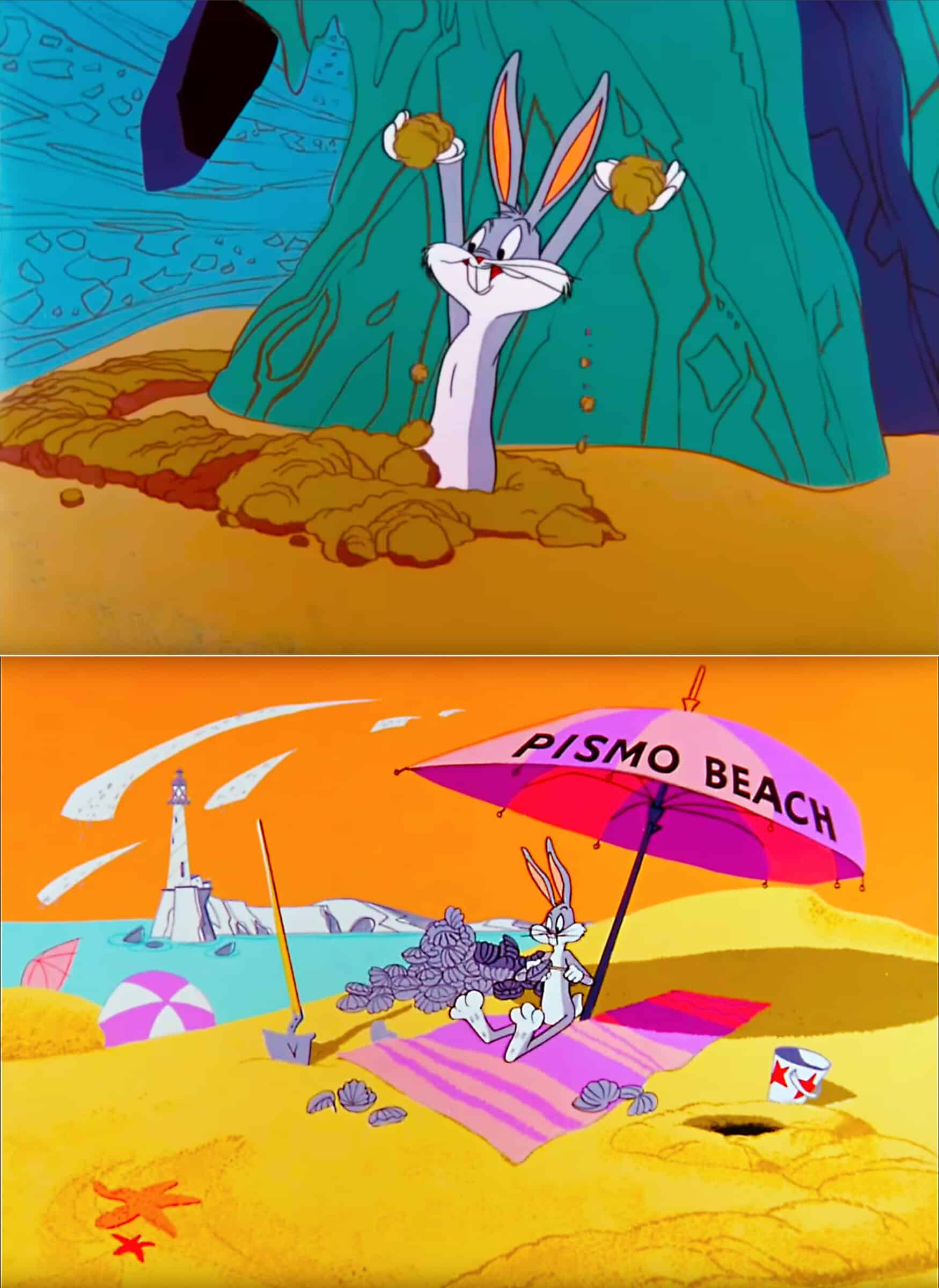
Despite having many farms, there was no place in Santa Maria where a family could chop down their own Christmas tree. To do that, you had to go north, to Nipomo. Nipomo is a Chumash name that means “the foot of the hills.” In this neck of California, time starts with the Chumash people. Words prove it. All the oldest place names are Chumash. If you’ve ever watched Bugs Bunny cartoons, you may have heard some of these native names, like Malibu and Lompoc. There’s a popular episode that features the wise-cracking rabbit tunneling, tunneling, tunneling, and tunneling, at last popping his head out of the earth to announce, “Well here we are, Pismo Beach and all the clams we can eat!” Pismo is a sticky word that means tar in Chumash. The Pacific Ocean laps at Pismo’s shoreline just twelve miles north of Nipomo. My mother likes going to Pismo Beach. She loves clam chowder.
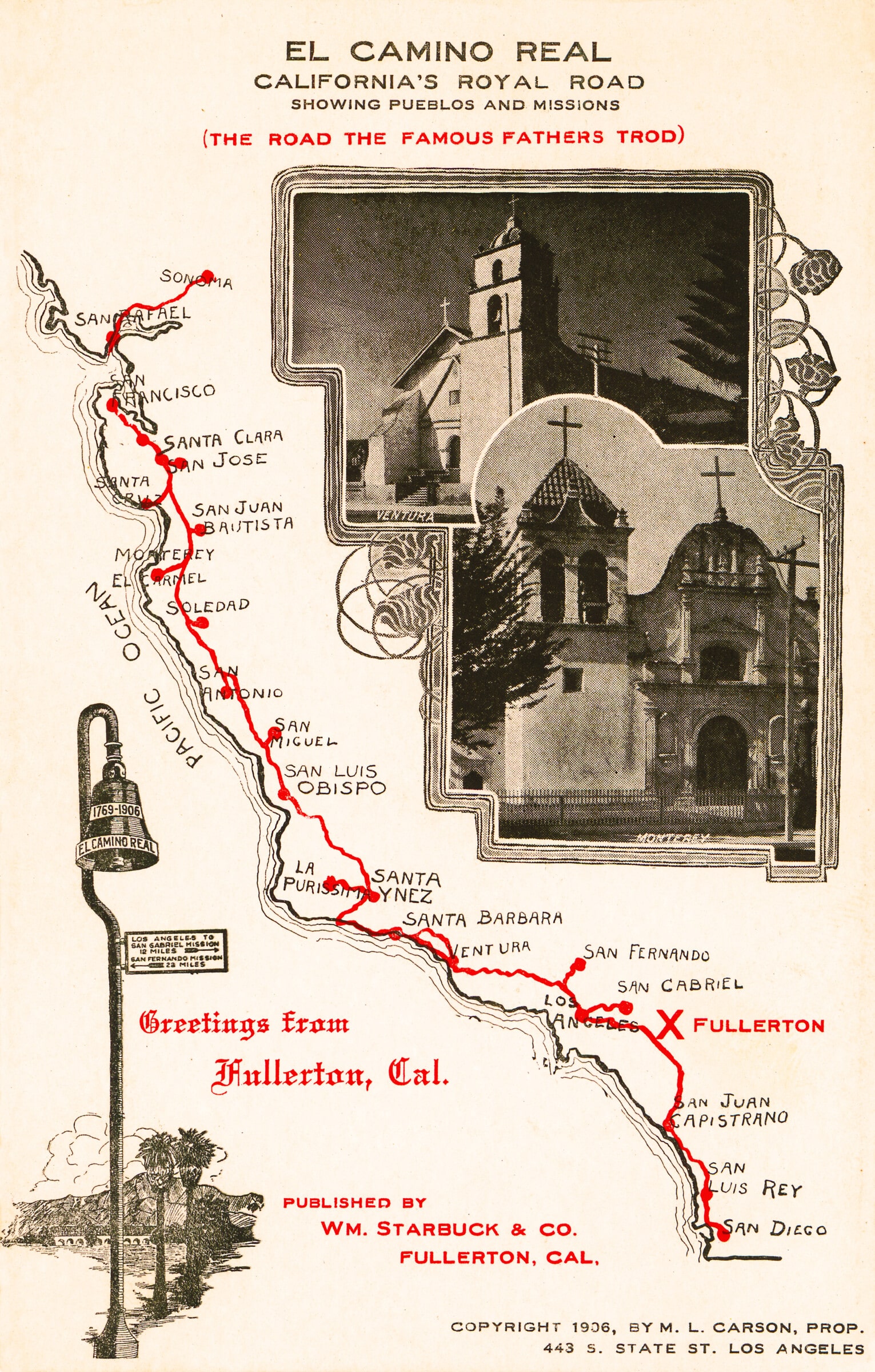
The 101 Freeway, El Camino Real, is the road to Nipomo. It’s also the road that connects the Spanish missions we studied in school. The closest missions to Santa Maria are San Luis Obispo, La Purisima, Santa Inés, and Santa Barbara. The version of mission history that we learned in class turned Spanish settlers into heroes. The padres were benevolent men who established churches, schools, convents, and farms along Spanish California’s coast, bringing god and civilization to the Indians. At home, my father told us a different story. He summarized mission history this way: “They’re graveyards. A lot of people died in them. There are bones everywhere.” I got spooked during school field trips to missions. A dark confessional booth, a musty chapel, a haunted belfry —my skin crawled.
I got spooked during school field trips to missions …. my skin crawled.
I felt equally creeped out by the Dana Adobe. Built when California was briefly Mexico, the Dana Adobe had been the home of Doña Maria Josefa Petra del Carmen Carrillo and Captain William Goodwin Dana. The age gap between bride and groom was fifteen years. I suspect that the Yankee sea captain married the Mexican teenager for one reason: you had to be Mexican to own land in Mexican California. After their wedding, Captain Dana applied for Mexican citizenship and got it. His new nationality made him rich. In 1837, the Captain was awarded Rancho Nipomo, a land grant of over 37,888 acres. Chumash masons built his thirteen-bedroom New England-style home while Doña Maria gave birth to the couple’s 21 children, only thirteen of whom made it to adulthood. One of Doña Maria’s babies is buried in the wall of Mission San Luis Obispo, in a small coffin tucked between adobe bricks.
But I didn’t fear ghosts at the Dana Adobe. I feared vindictive animal spirits.

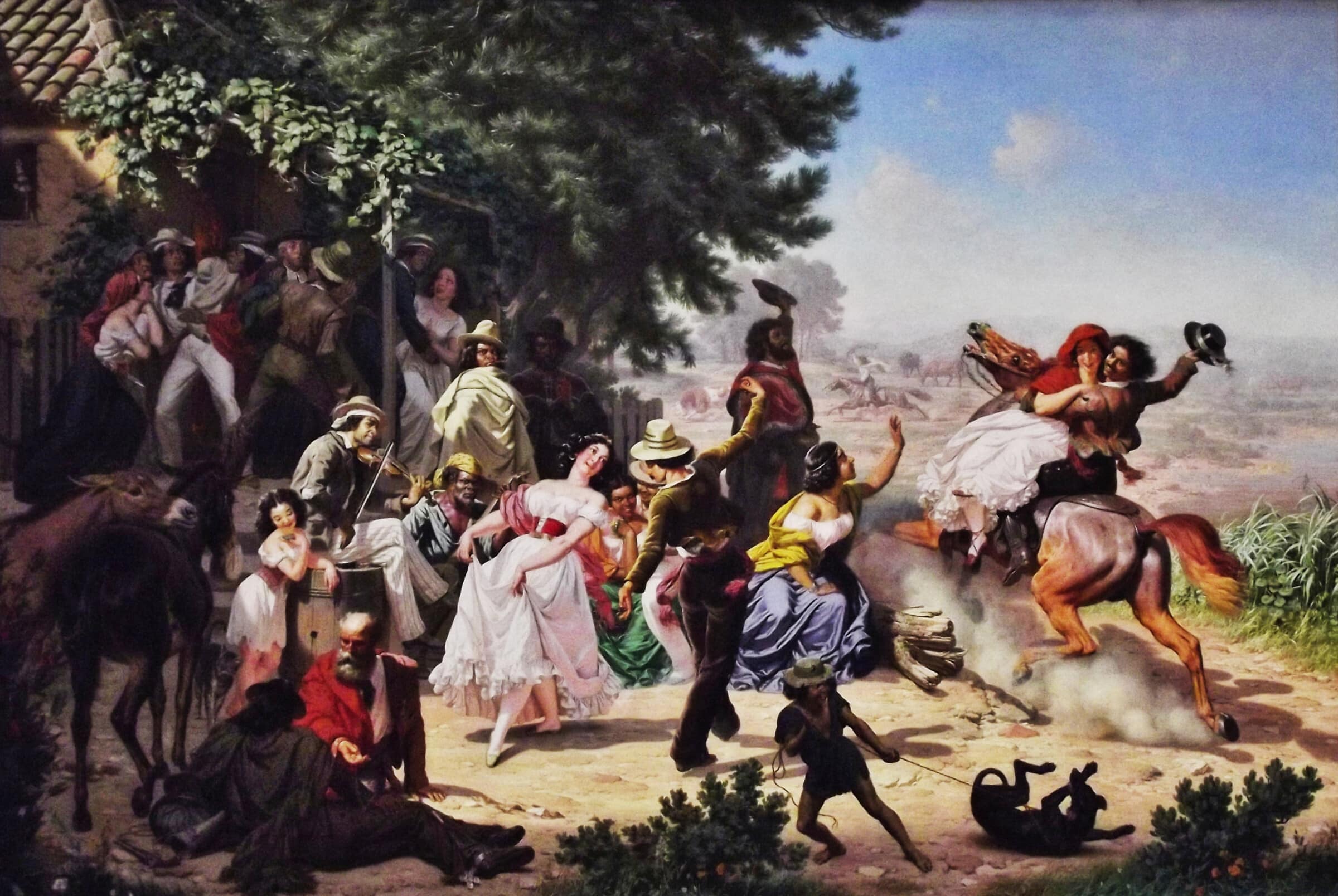
I’d heard stories about perverse games played in Spanish and Mexican California. Men would bind a bear’s hind leg to a bull’s. Humans taunted the beasts, riled them up, to make sure that the fight got bloody. Before cheering crowds, bear and bull clawed, bit, beat, and scratched one another to bits. These games were hosted at ranchos and adobes, and I figured that Captain Dana was the sort of man who’d be entertained by blood sport. He granted so many licenses to hunt sea otters that the salt weasels almost became extinct.
I figured that Captain Dana was the sort of man who’d be entertained by blood sport.
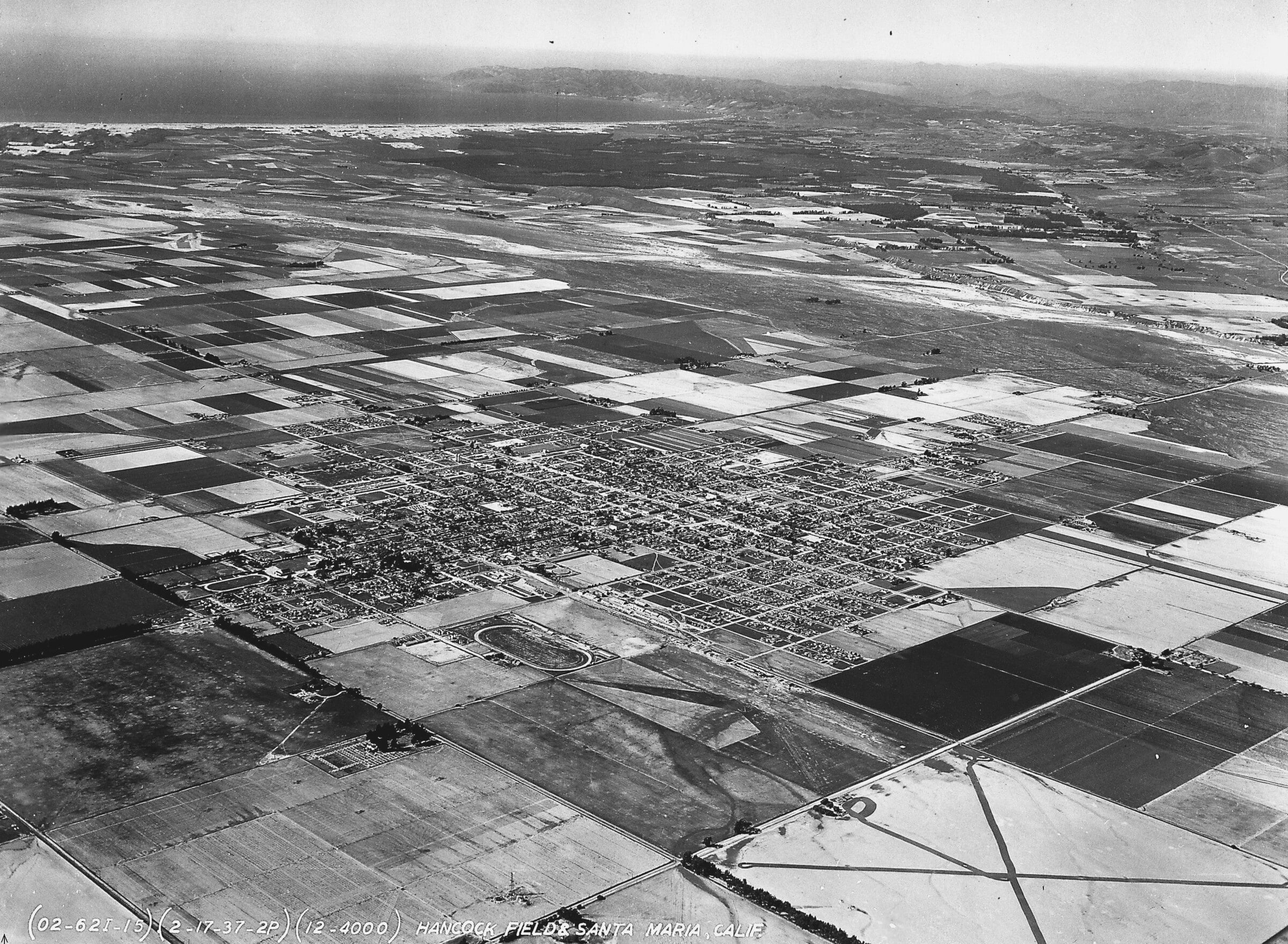
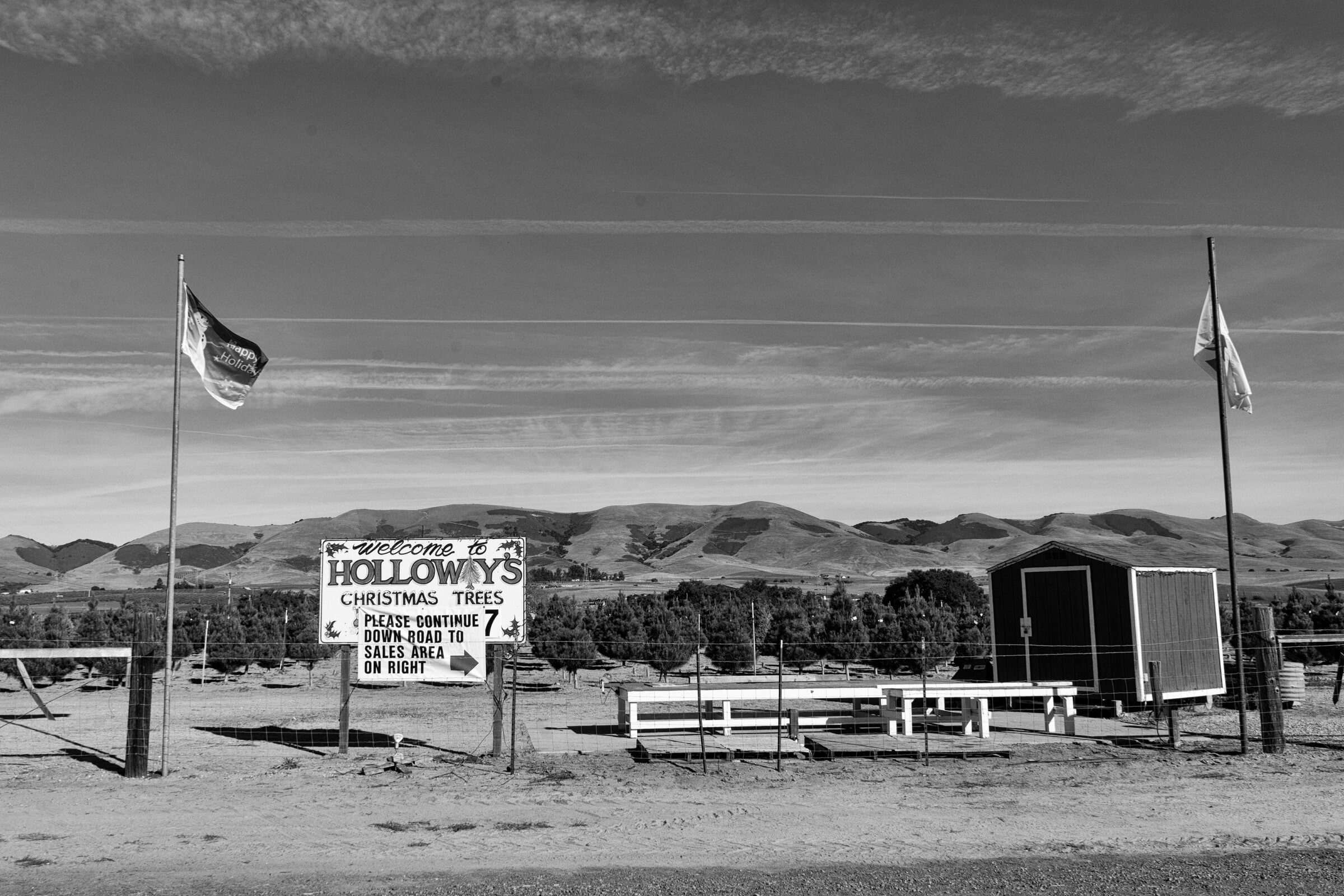
We drove to Nipomo to get our Christmas tree on a Saturday. My siblings and I rode in the backseat of our father’s minivan. Through the windshield, I could see the eucalyptus grove that blocked the winds from battering the Dana Adobe. We turned before reaching the old sea captain’s estate, pulling onto a dirt shoulder. East of us, thirsty foothills rolled. Beyond the hills were earth-tone mountains. Wild oats, thistles, and mustard grass grew in fallow fields. In the distance, row crops took on the appearance of abstract paintings. Imagine a Piet Mondrian made of squares and rectangles of onion, cauliflower, spinach, and cilantro. Far-off barns, horses, and windmills scattered along the landscape looked like tokens for a rural Monopoly, big important things shrunk to palm-sized charms.
The five of us got out of the van and walked toward a red shed at the entrance of Holloway’s Christmas Tree Farm. A man handed my father a small saw, and then our patriarch led us into the pines. We were on the lookout for my parents’ preferred kind of tree. They liked their Christmas trees stereotypical. Dark green. Bushy yet triangular. Nothing huge. Nothing too petite. No interesting defects. Our grandmother tended to buy bony firs that looked like they needed lunch. Skeletal branches made me sad. I was glad my parents said no to depressing tress.
We walked, inspecting. The forest was manmade, but still, if you weren’t careful where you stepped, you could trip on a stump. After rejecting about five different trees for ten different reasons, the five of us finally agreed on one. My father knelt at the base of its trunk and said, “I’m going to start cutting and then the rest of you can take a turn.”
We watched him saw, and then my brother, sister, and I each took a turn. When the tree fell, I felt like a lumberjack. I’d dressed the part, wearing boots, jeans, and a flannel shirt.
My father believed that it was unsafe to tie a tree to the roof of a car. He worried it might fly loose and kill someone. So, the tree rode inside the car. With us.
I couldn’t see my brother or sister. All I saw was green.
I sneezed. The tree muffled it.
“Does anyone want to visit the Dana Adobe?” our father asked.
Everyone chorused, “No.”
We rode home with a Marty Robbins cassette playing on the stereo. Robbins twanged about murdering someone in El Paso. My father sang along.
Back at the house, my father dragged the tree out of the van and carried it to the living room. My mother busied herself getting ornaments out of the garage, then my brother and sister joined her in the living room, strangling the tree with tinsel. I stayed in the van. My job was to clean up, and the tree’s sap was a formidable opponent. My father checked on me three times, each time pointing out that I’d missed a spot. When I finally completed the job to his liking, he pulled a round slice of wood from his pocket. It was a chunk of our Christmas tree’s trunk. He handed it to me. I raised it to my nose and inhaled.
“Can I have it?”
“Yes. It’s yours. For cleaning the van.”
I carried the wood indoors and sat on my bed holding it, counting the rings, tracing the smooth pine with my fingers.
Once I became a teenager, I stopped thinking that it was cool to go to Nipomo to chop down a Christmas tree. I grew averse to all colors, especially red and green. I only wanted to wear black. I read books about vampires, monsters, and murder. Rather than pick bouquets of poppies, as many California girls are wont to do, I picked bouquets of desiccated thistles.
I wished every day was Halloween.
Sports and the outdoors became my enemies. I spent my free time lurking in the public library, because at age fifteen, I’d had an epiphany. I’d realized that I was an artist. I wasn’t sure what kind, but I knew that the word fit. The library was a place where I could learn about other artists.
My grandmother painted and I first thought that I would follow her example by becoming a visual artist. Photography appealed to me too. I got very friendly with our library’s collection of art and photography books. One of them taught me more about the black and white print in my father’s office.
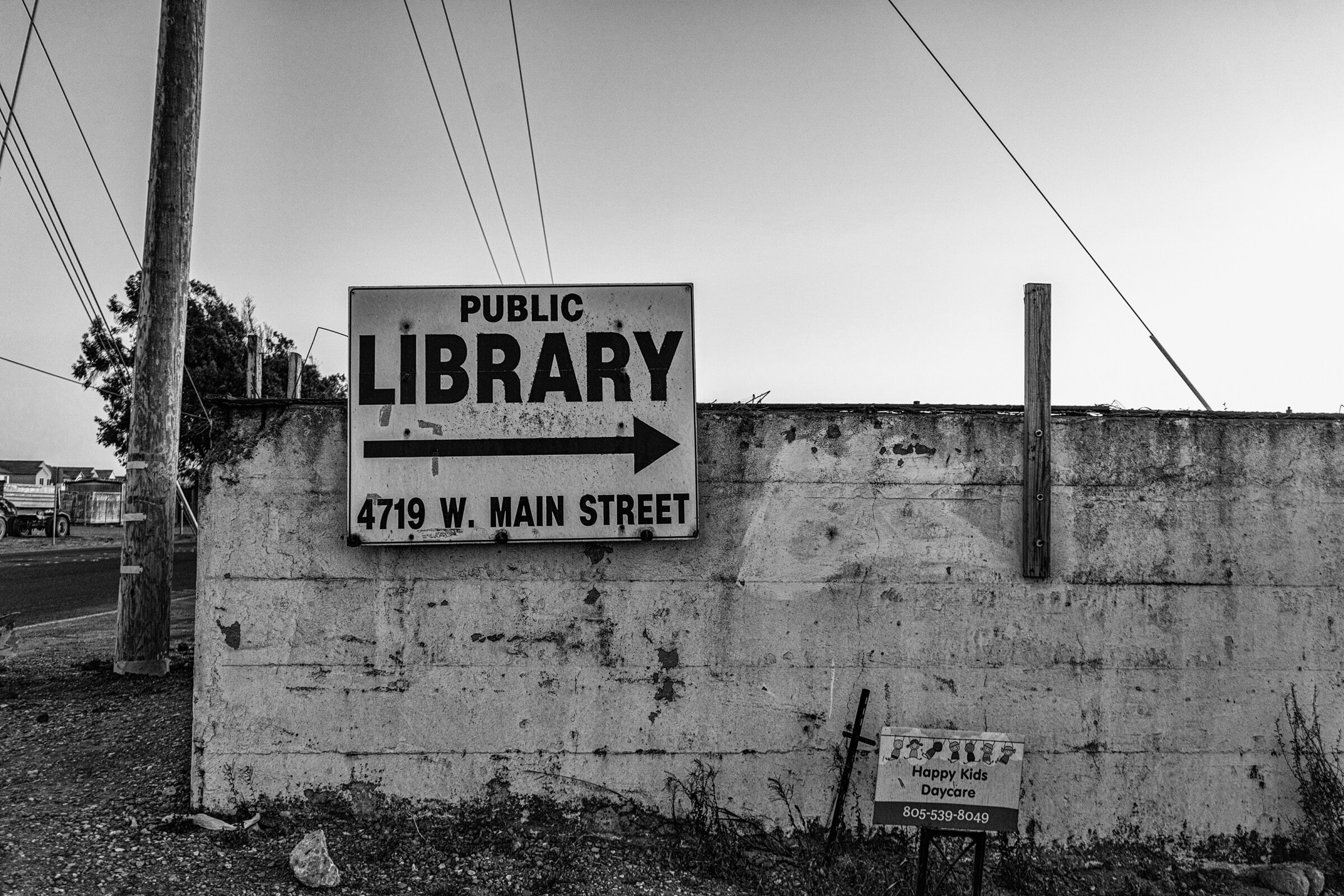
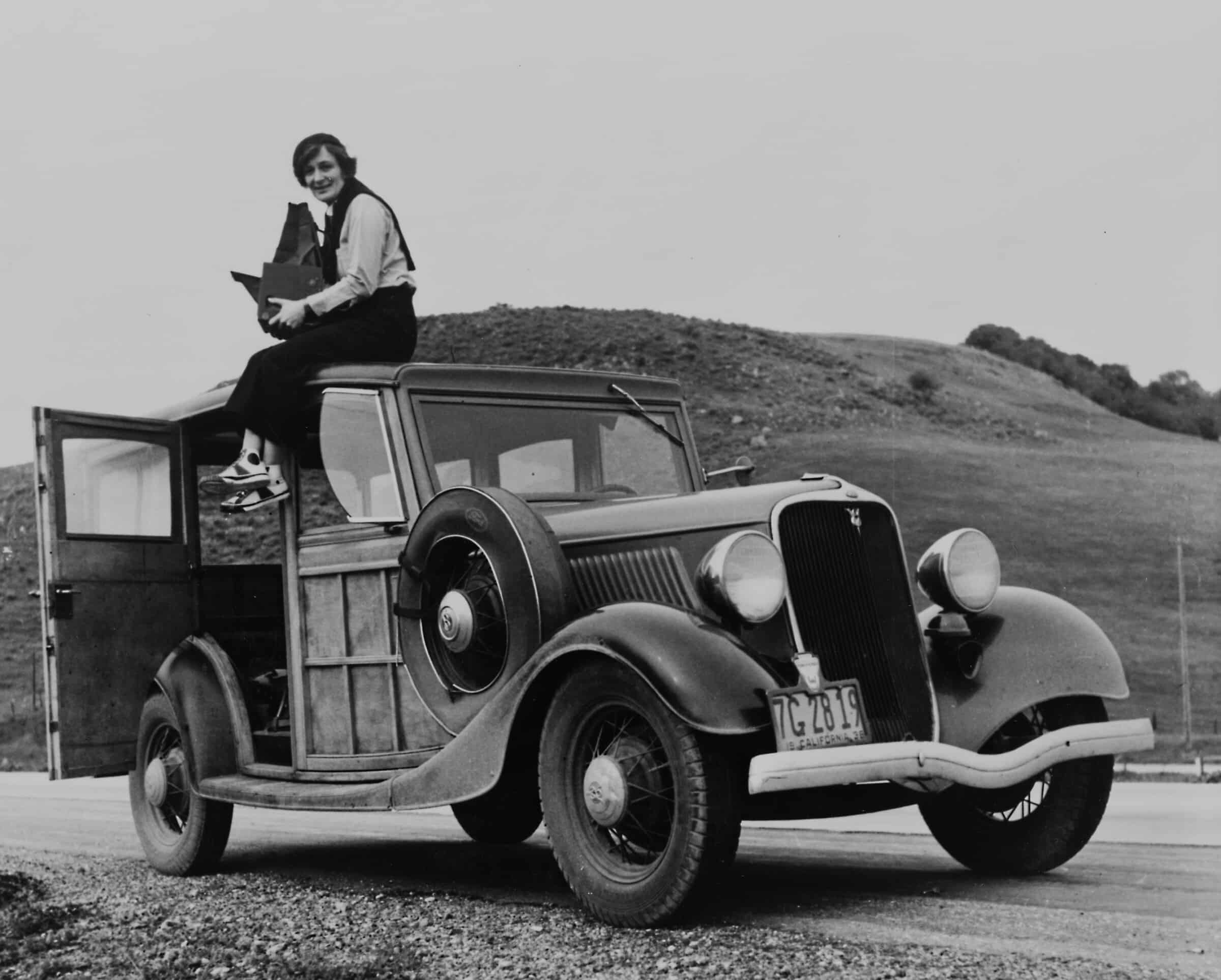
This happened on a day after school. I’d ridden the bus to the mall. (Santa Maria was so small we only had one mall). After browsing the magazine racks at both mall bookstores, I headed across the street, to the palm-shaded library. The scent, of ideas and body odor, had a Pavlovian effect. It cued my excitement. Art books rested on display shelves near the lonely circulation desk. Many of the books were large, meant to hold down a coffee table. Two new titles caught my attention, and I made a beeline. Both books featured works by photographers paid to document the Great Depression. One was Walker Evans. The other was Dorothea Lange.
So many of the photos were of places I’d been to!
I carried my small stack to a corner where I hoped to be left alone. I pulled out a chair, ignored the upholstery stains, and sat. I opened Walker Evans. Flipped. Lots of poor, mostly White people suffering. Cabins. Coals miners. Bare feet. Overalls. Thin lips. Thin bodies. I liked Evans’ images well enough, but when I opened the Lange book, I fell in love. So many of the photos were of places I’d been to! Guadalupe! Salinas! San Francisco!
Then I turned the page and there she was, the anguished lady from my father’s office. The book explained that the portrait was known as Migrant Mother and that it was one of the most famous images in the history of U.S. photography. The image existed thanks to the Farm Security Administration, a federal agency created by President Franklin Delano Roosevelt that paid Lange, Evans, and others to create a visual archive of rural pain.2
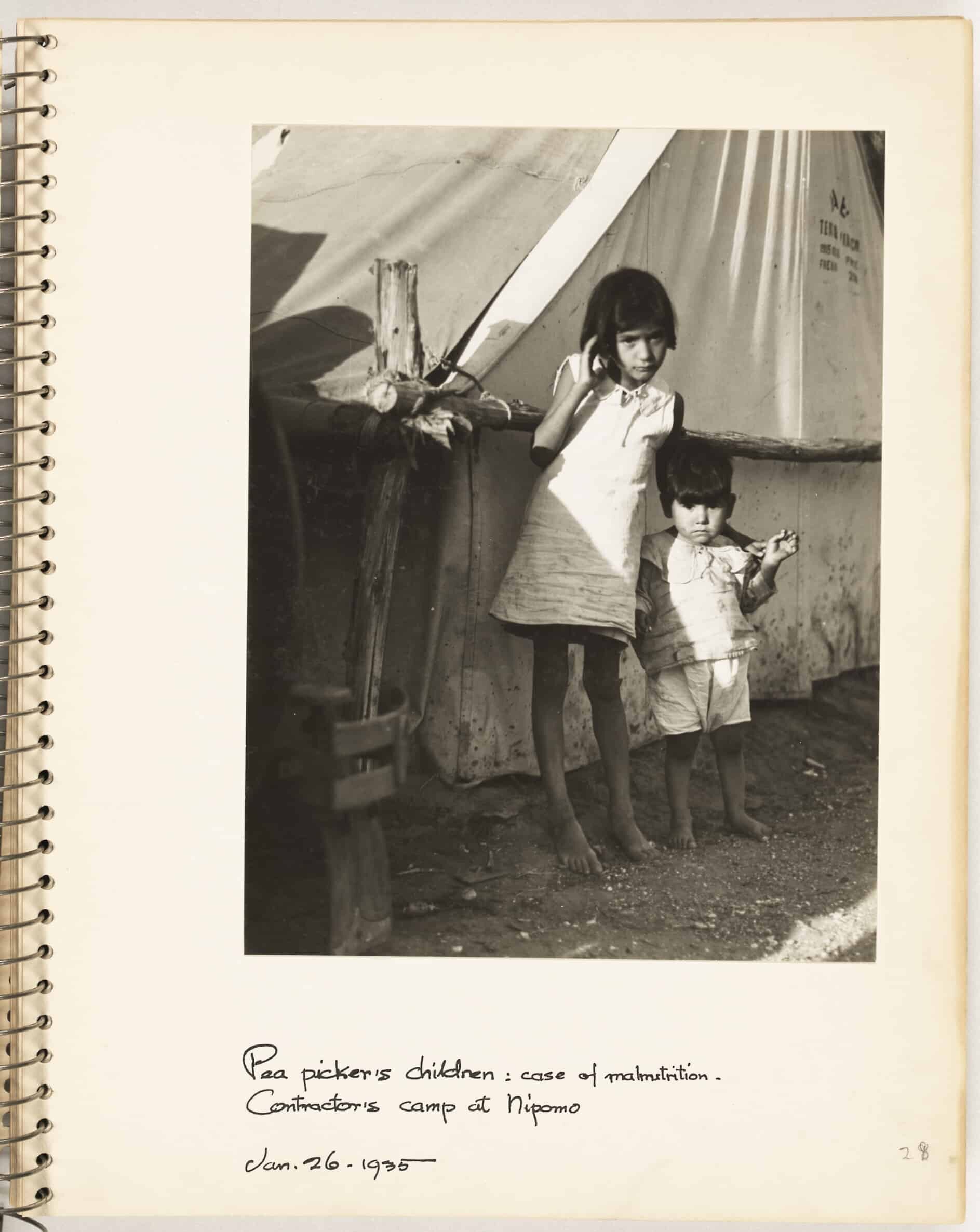
A page from a report submitted to the State of California’s Emergency Relief Administration by Director of Rural Rehabilitation H.E. Drobish on March 15, 1935, arguing that the U.S. government needed to assist migrant workers, the “forgotten men, women and children … [on whom] the crops of California depend.” The photographs in the report were taken by FSA photographers, including Dorothea Lange. [Library of Congress]

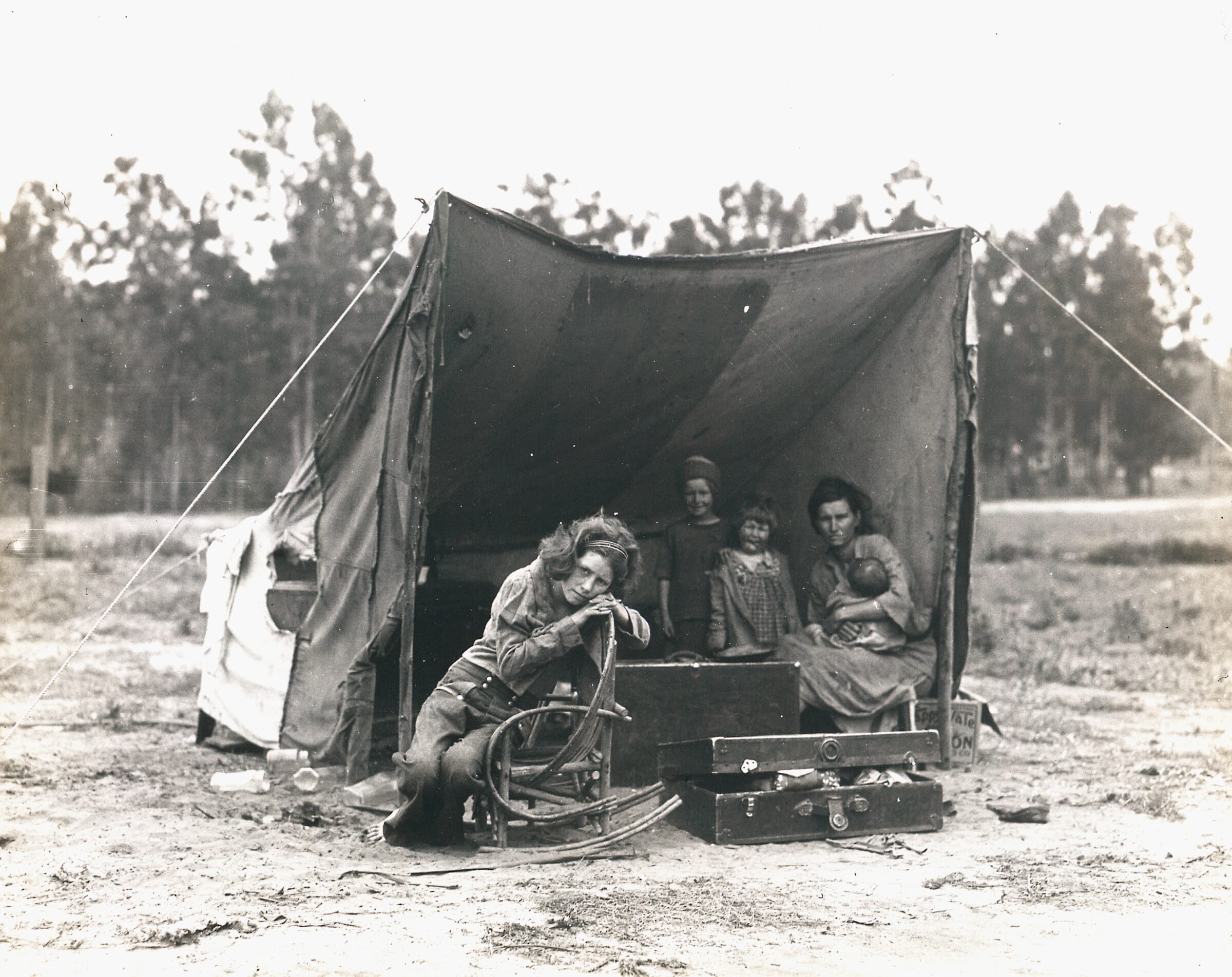
Drought refugees from Chicksaw, Oklahoma. Three families traveling together. They can’t travel because of lack of money for trailer license. Near Santa Maria, California, 1937. [Dorothea Lange, U.S. Farm Security Administration via Library of Congress]
A page from a report submitted to the State of California’s Emergency Relief Administration by Director of Rural Rehabilitation H.E. Drobish on March 15, 1935, arguing that the U.S. government needed to assist migrant workers, the “forgotten men, women and children … [on whom] the crops of California depend.” The photographs in the report were taken by FSA photographers, including Dorothea Lange. [Library of Congress]
A page from a report submitted to the State of California’s Emergency Relief Administration by Director of Rural Rehabilitation H.E. Drobish on March 15, 1935, arguing that the U.S. government needed to assist migrant workers, the “forgotten men, women and children … [on whom] the crops of California depend.” The photographs in the report were taken by FSA photographers, including Dorothea Lange. [Library of Congress]
Near Santa Maria, California. Large-scale pea fields. These peas must be handpicked by gangs of laborers for fresh table use. Frozen food process is not used in marketing California peas, although it may be introduced. Frozen peas in southern New Jersey and peas for canning in Wisconsin are machine-harvested, 1939. [Dorothea Lange, U.S. Farm Security Administration via Library of Congress]
A page from a report submitted to the State of California’s Emergency Relief Administration by Director of Rural Rehabilitation H.E. Drobish on March 15, 1935, arguing that the U.S. government needed to assist migrant workers, the “forgotten men, women and children … [on whom] the crops of California depend.” The photographs in the report were taken by FSA photographers, including Dorothea Lange. [Library of Congress]
Pea pickers from Vermont — 6 weeks earning $7.00 — at squatter's camp, Nipomo, 1935. [Dorothea Lange, U.S. Farm Security Administration via Library of Congress]
A page from a report submitted to the State of California’s Emergency Relief Administration by Director of Rural Rehabilitation H.E. Drobish on March 15, 1935, arguing that the U.S. government needed to assist migrant workers, the “forgotten men, women and children … [on whom] the crops of California depend.” The photographs in the report were taken by FSA photographers, including Dorothea Lange. [Library of Congress]
A page from a report submitted to the State of California’s Emergency Relief Administration by Director of Rural Rehabilitation H.E. Drobish on March 15, 1935, arguing that the U.S. government needed to assist migrant workers, the “forgotten men, women and children … [on whom] the crops of California depend.” The photographs in the report were taken by FSA photographers, including Dorothea Lange. [Library of Congress]
A page from a report submitted to the State of California’s Emergency Relief Administration by Director of Rural Rehabilitation H.E. Drobish on March 15, 1935, arguing that the U.S. government needed to assist migrant workers, the “forgotten men, women and children … [on whom] the crops of California depend.” The photographs in the report were taken by FSA photographers, including Dorothea Lange. [Library of Congress]
Untitled photo, likely Nipomo Pea Pickers, 1937. [[Dorothea Lange, U.S. Farm Security Administration via Library of Congress]
A map included with a report submitted to the State of California’s Emergency Relief Administration by Director of Rural Rehabilitation H.E. Drobish on March 15, 1935, arguing that the U.S. government needed to assist migrant workers, the “forgotten men, women and children … [on whom] the crops of California depend.” [Library of Congress]
A page from a report submitted to the State of California’s Emergency Relief Administration by Director of Rural Rehabilitation H.E. Drobish on March 15, 1935, arguing that the U.S. government needed to assist migrant workers, the “forgotten men, women and children … [on whom] the crops of California depend.” The photographs in the report were taken by FSA photographers, including Dorothea Lange. [Library of Congress]
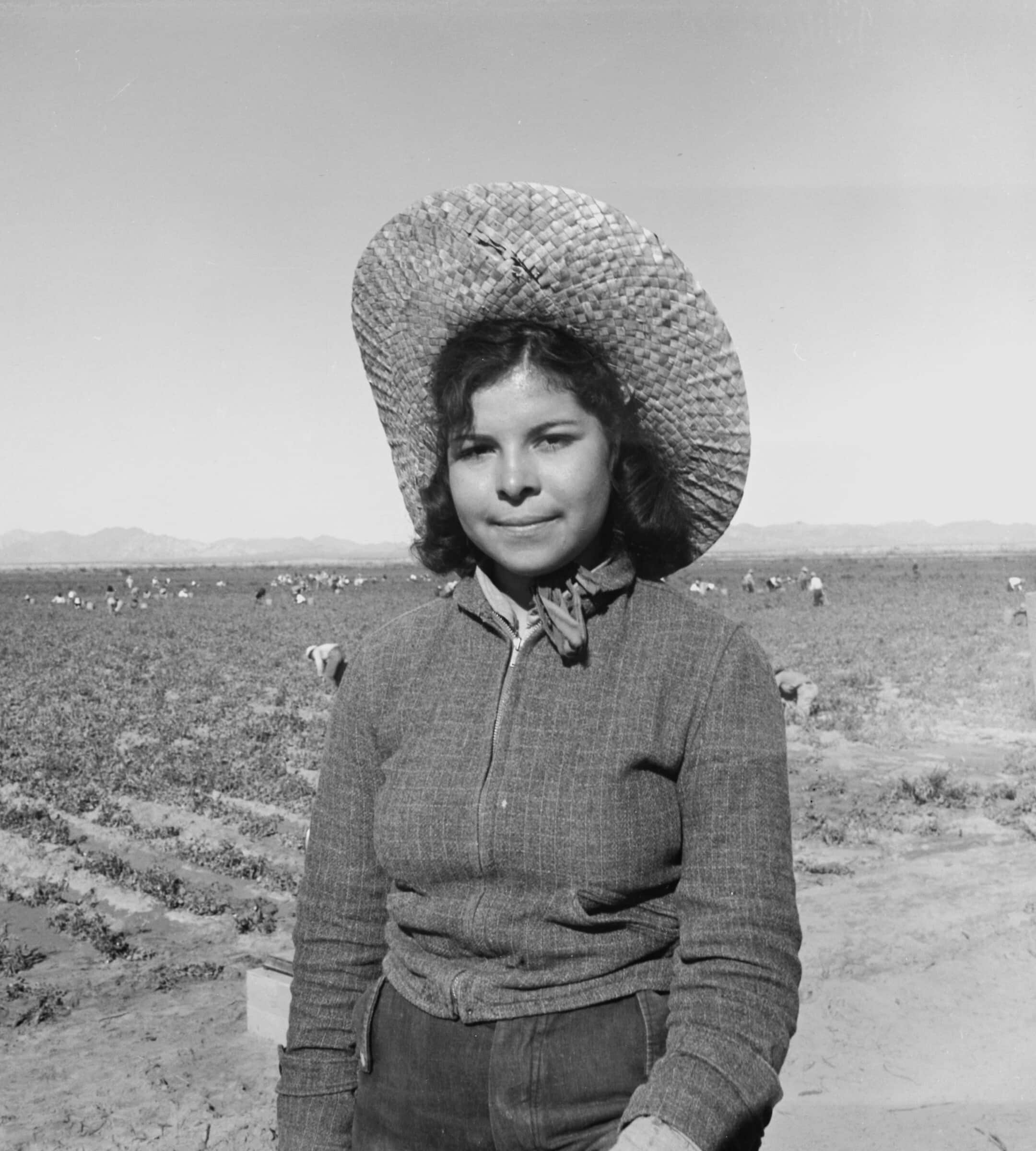
Mexican girl who picks peas for the Eastern market. Imperial Valley, California, 1939. [Dorothea Lange, U.S. Farm Security Administration via Library of Congress]
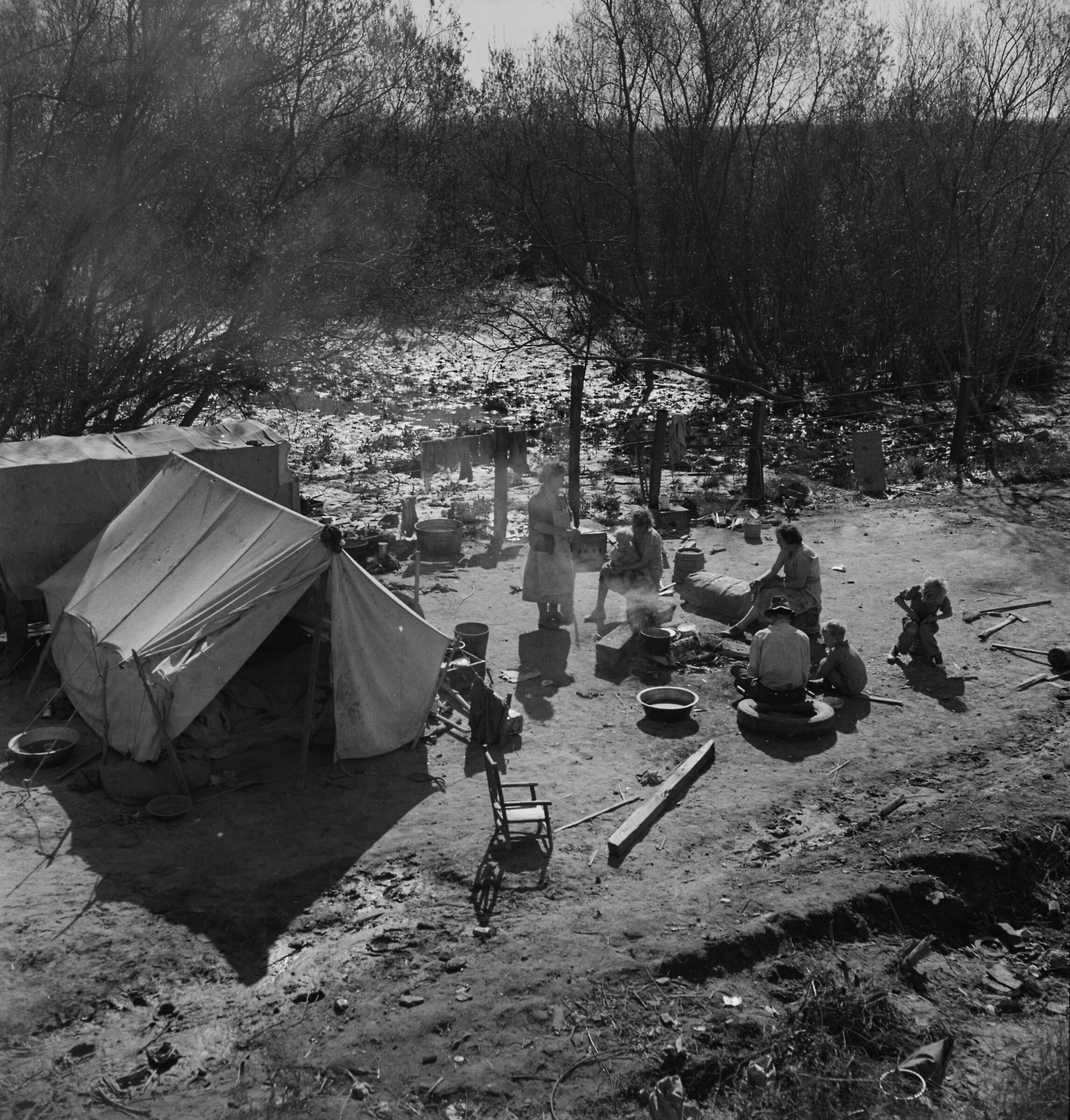
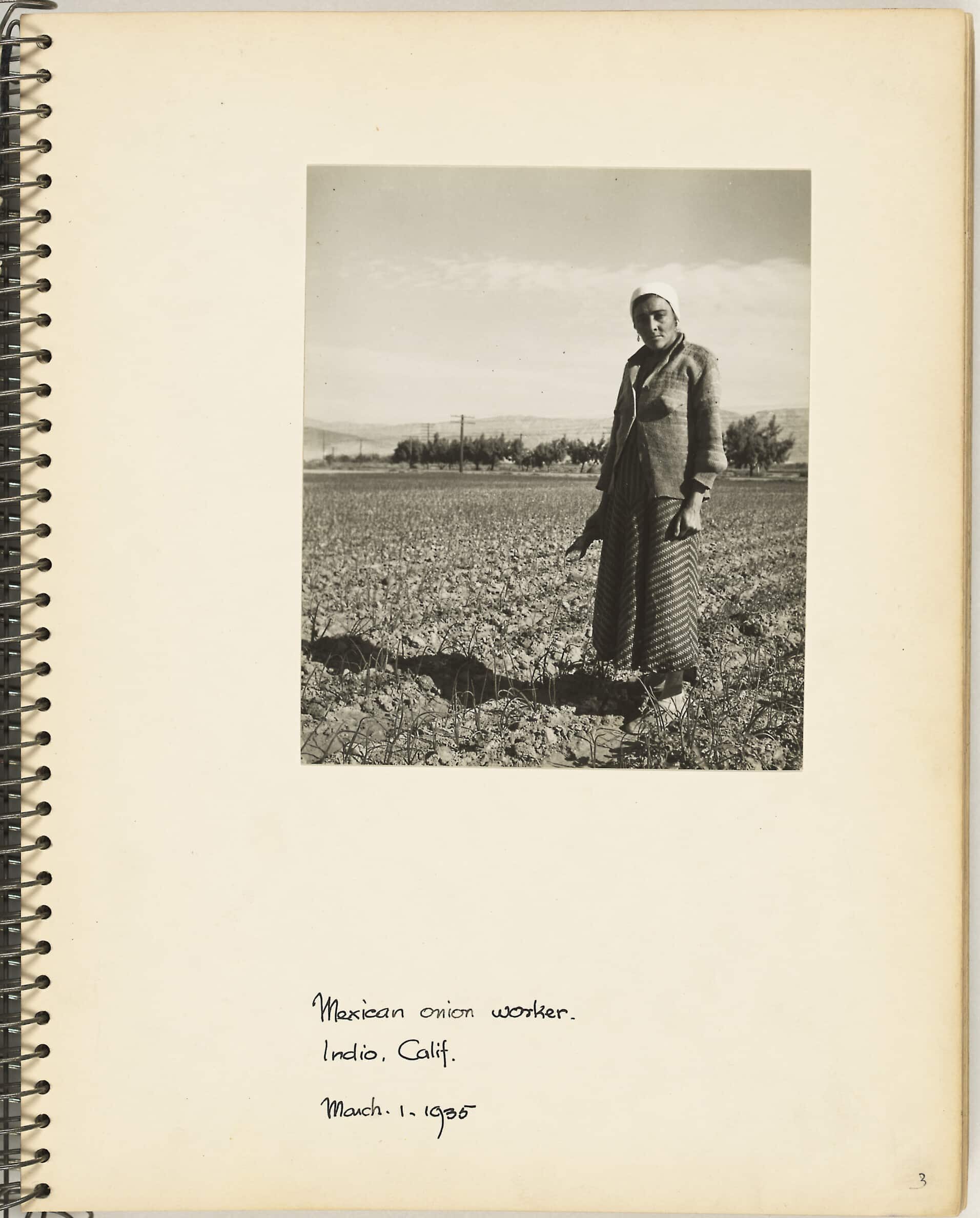
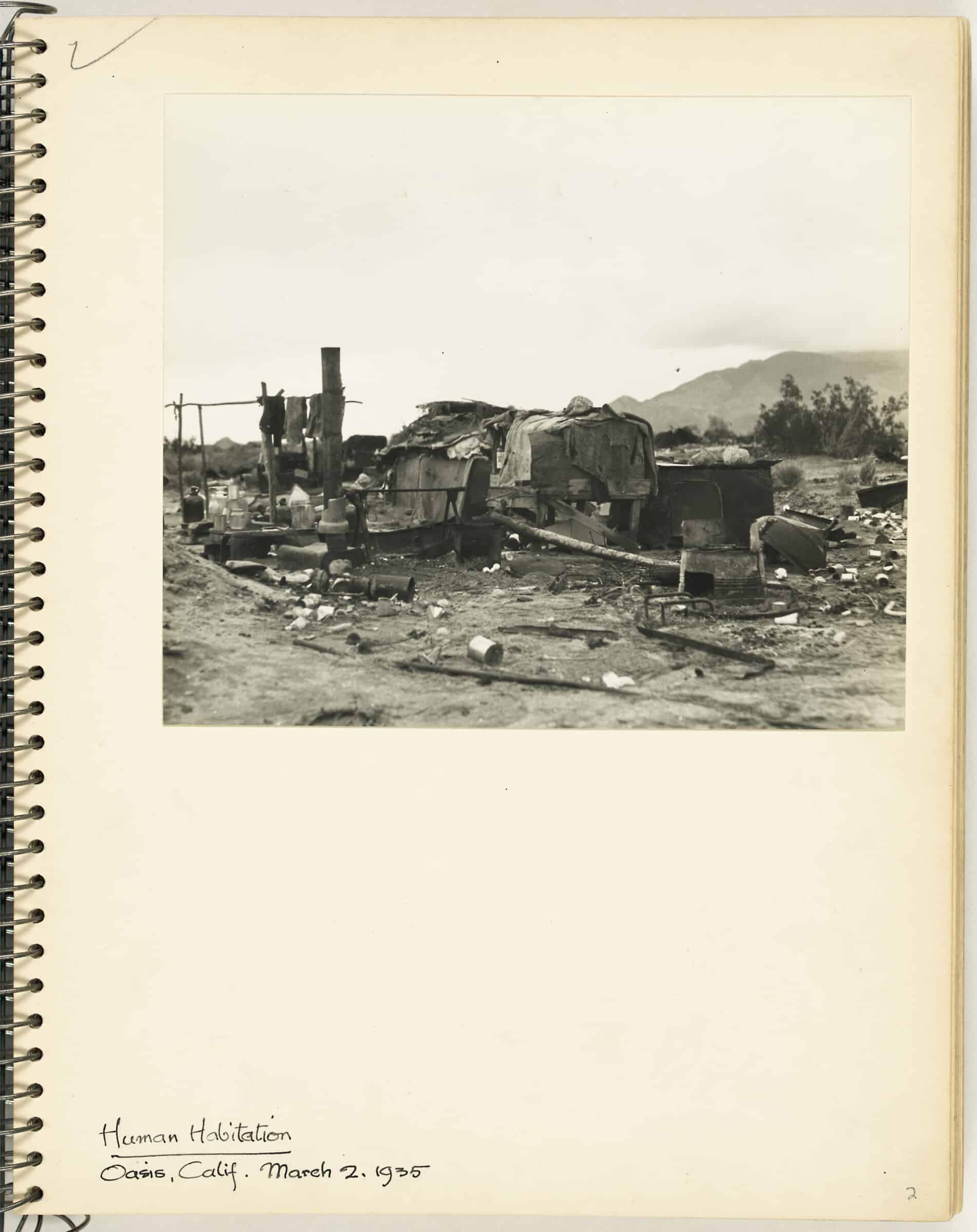
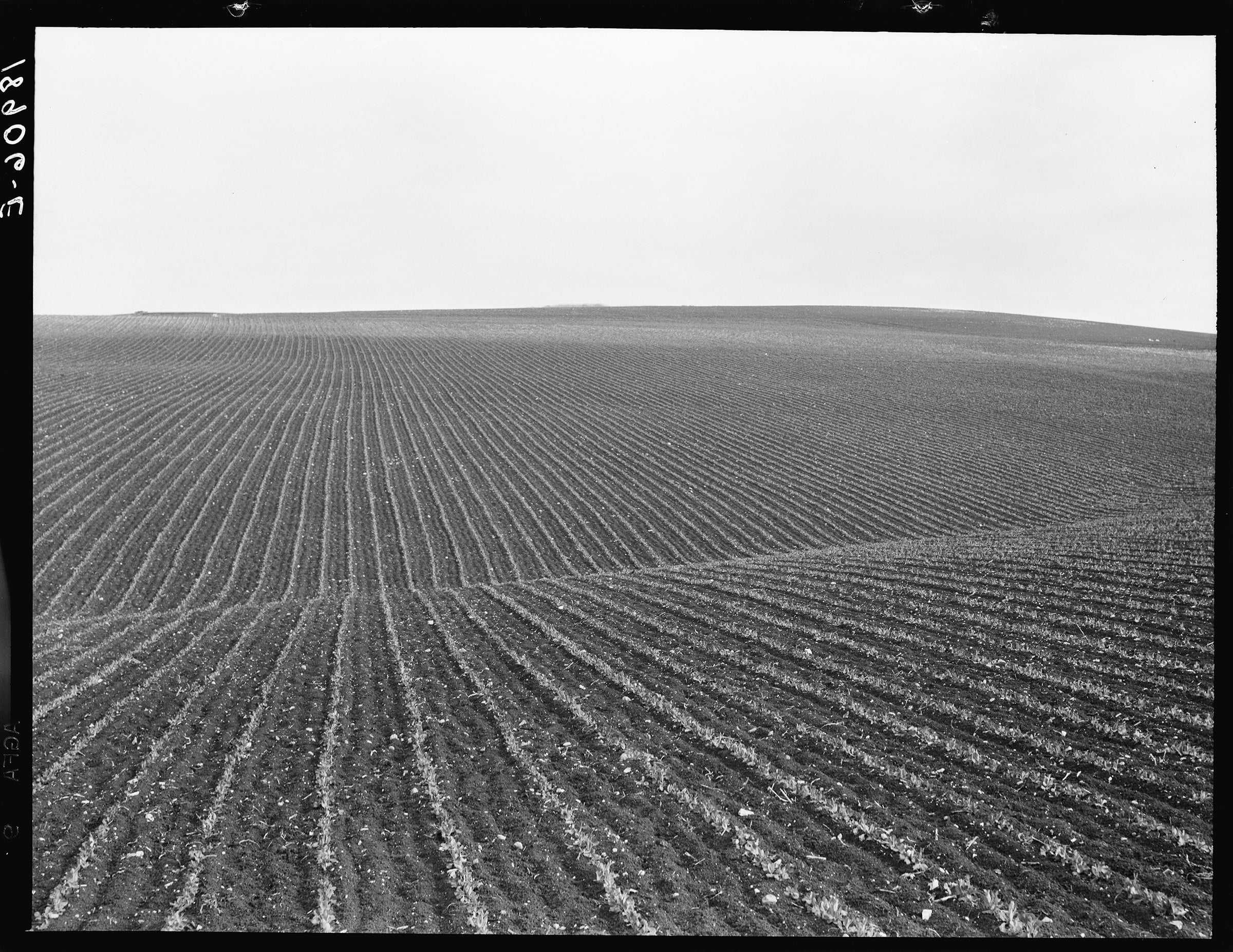
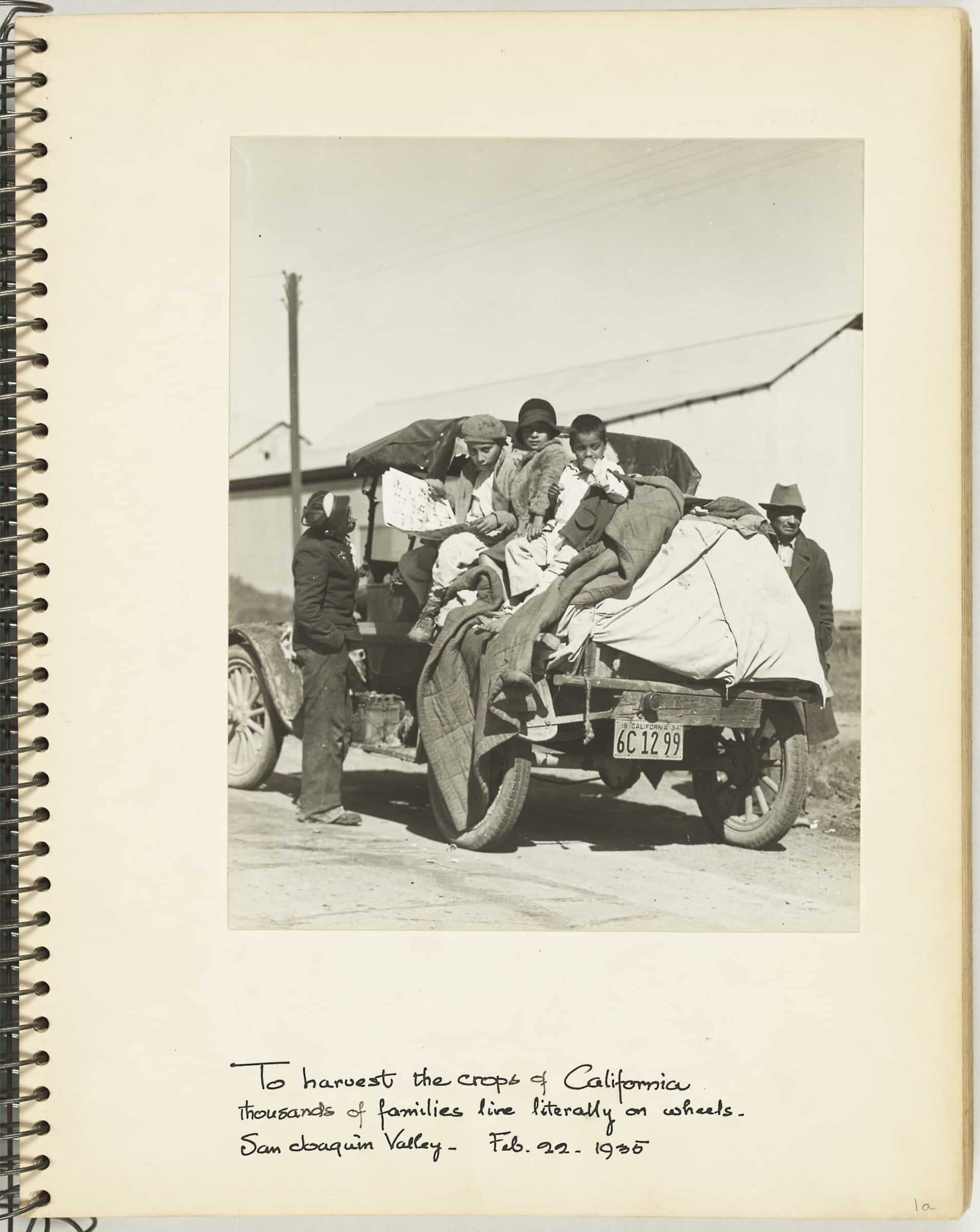
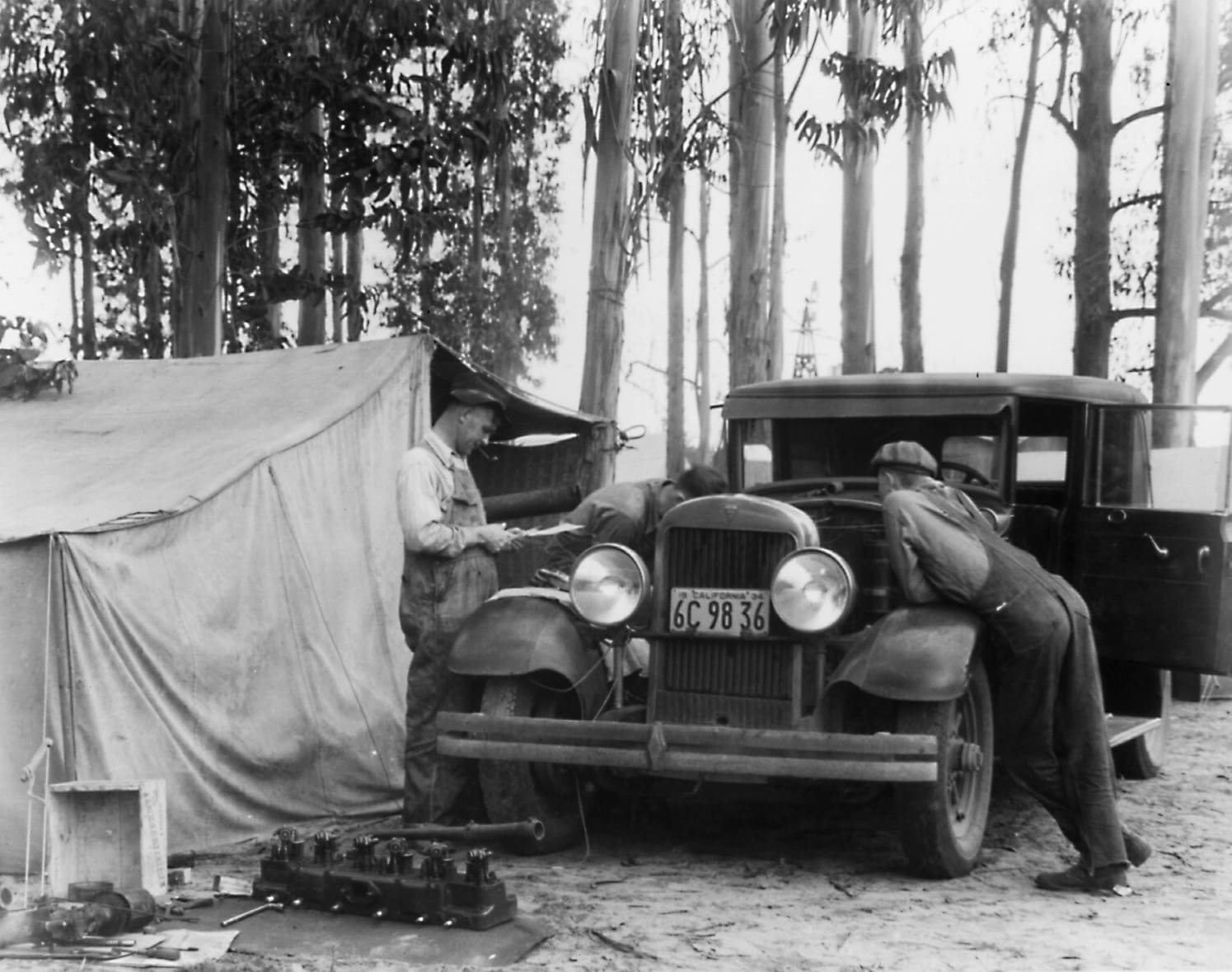
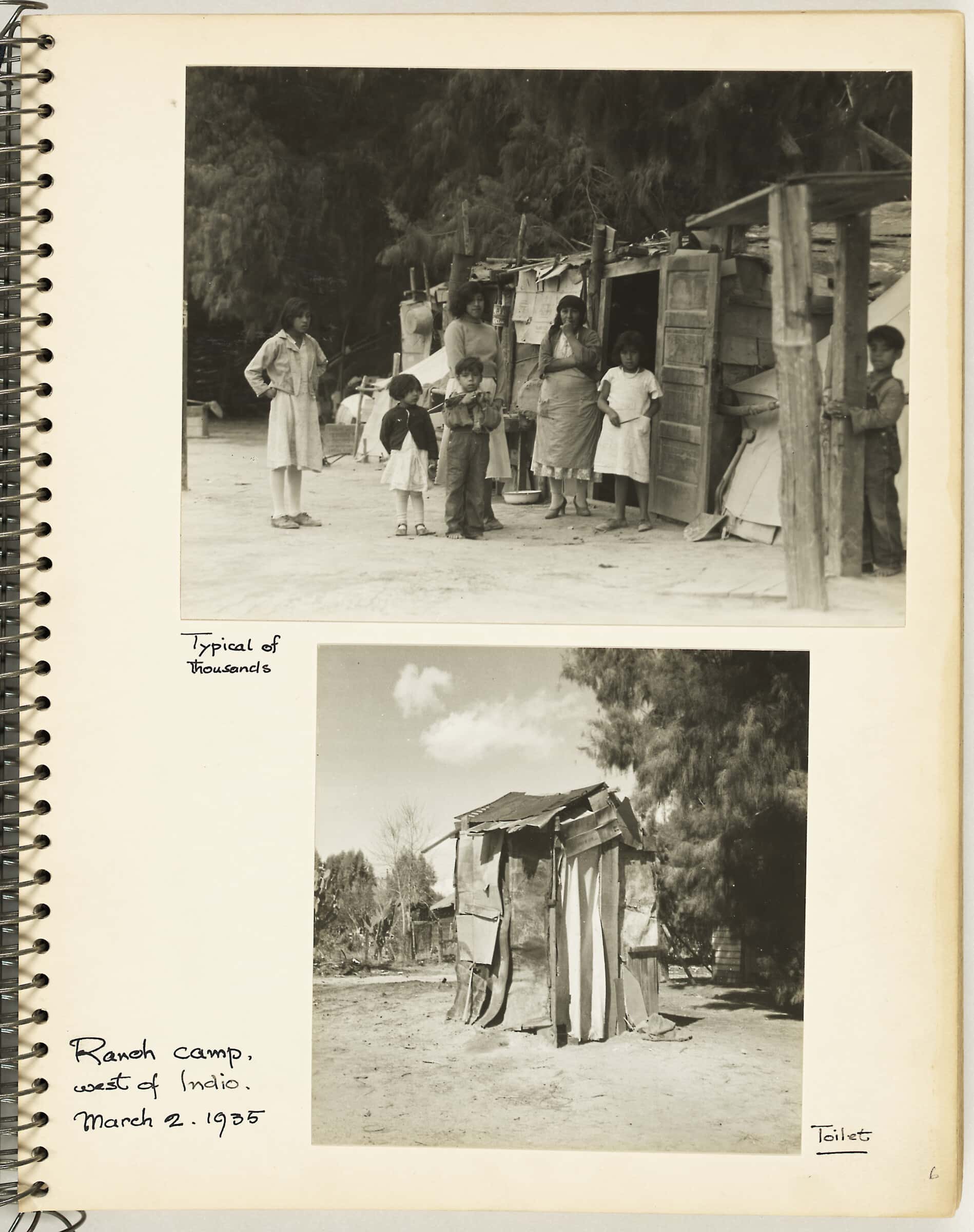
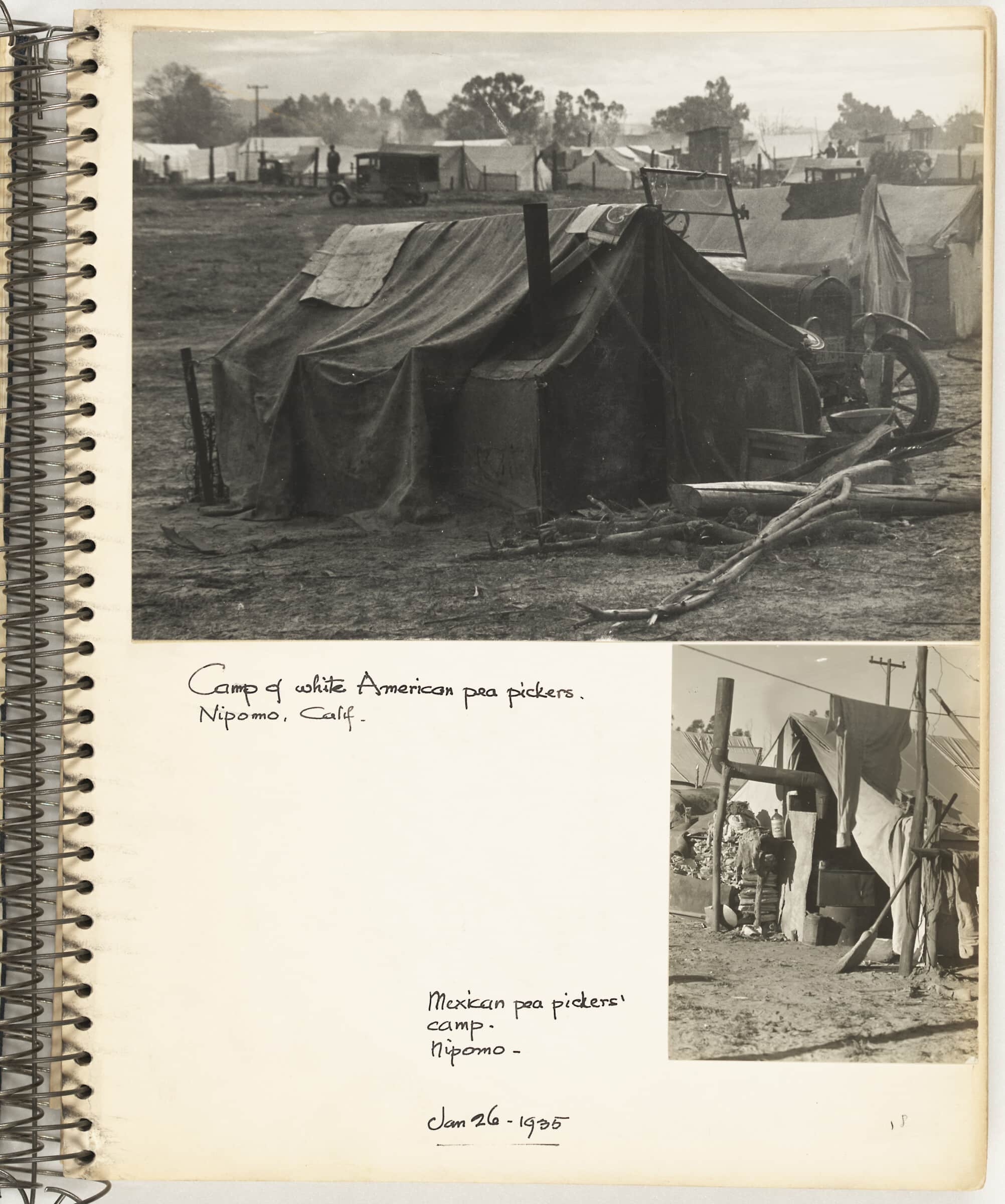
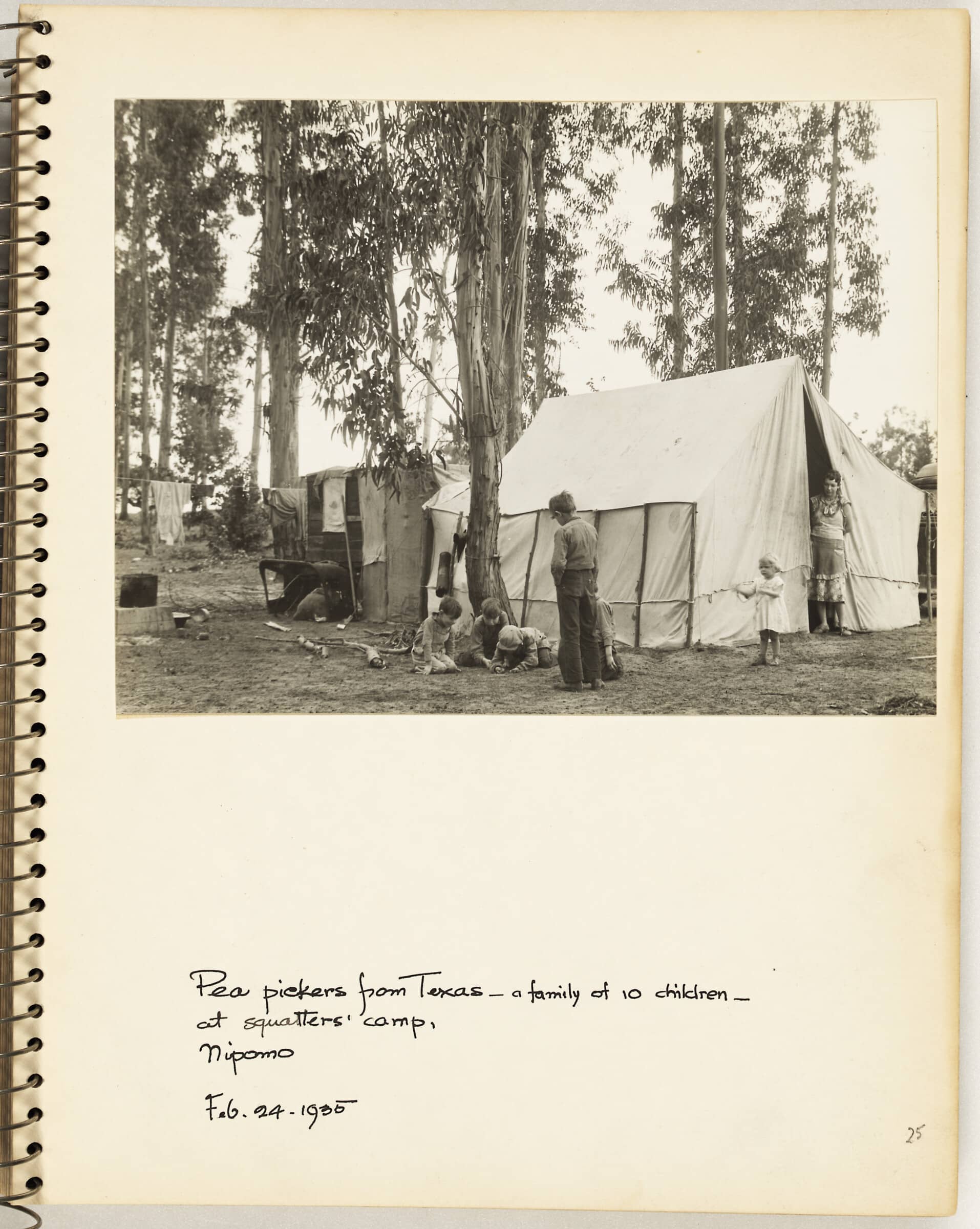
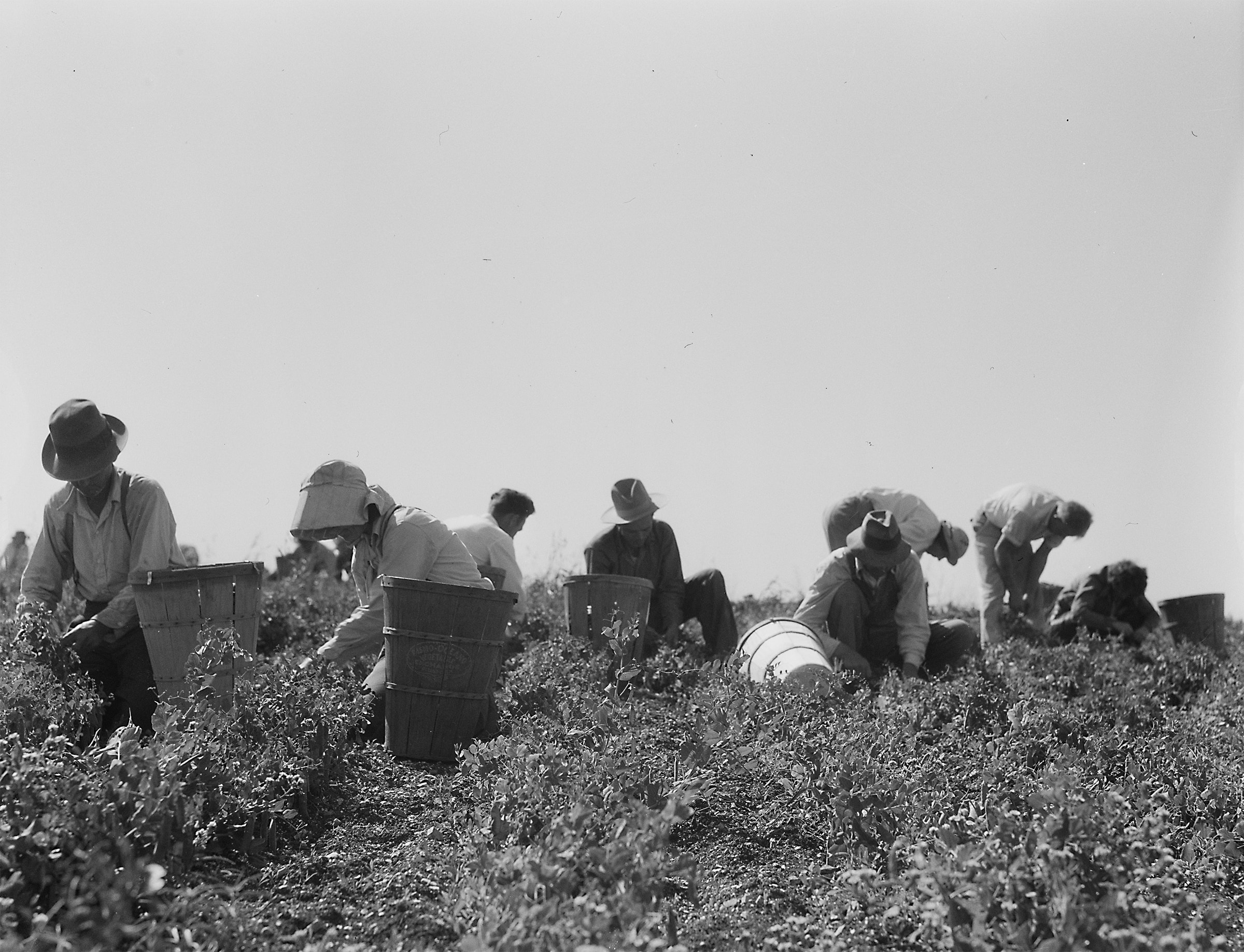
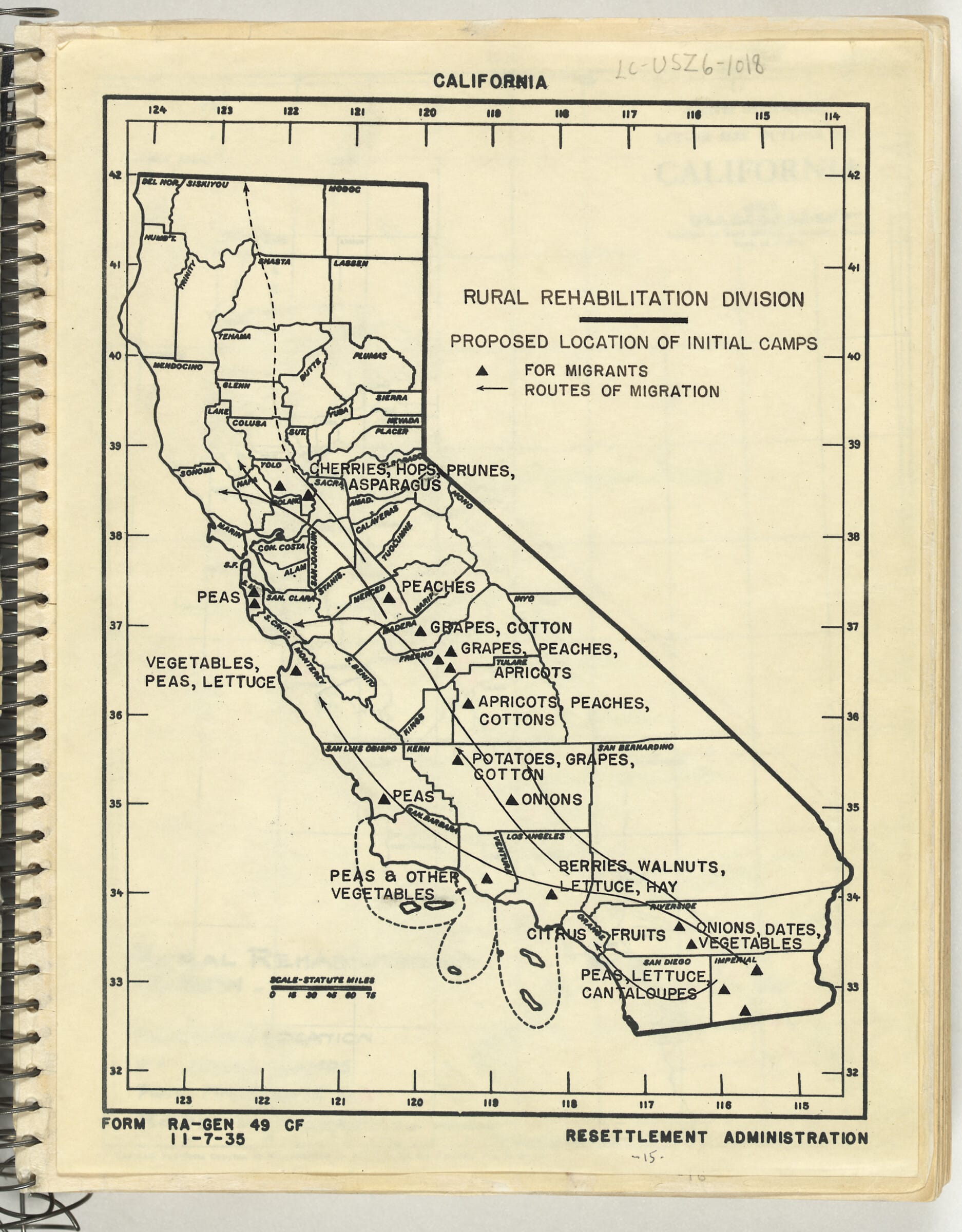
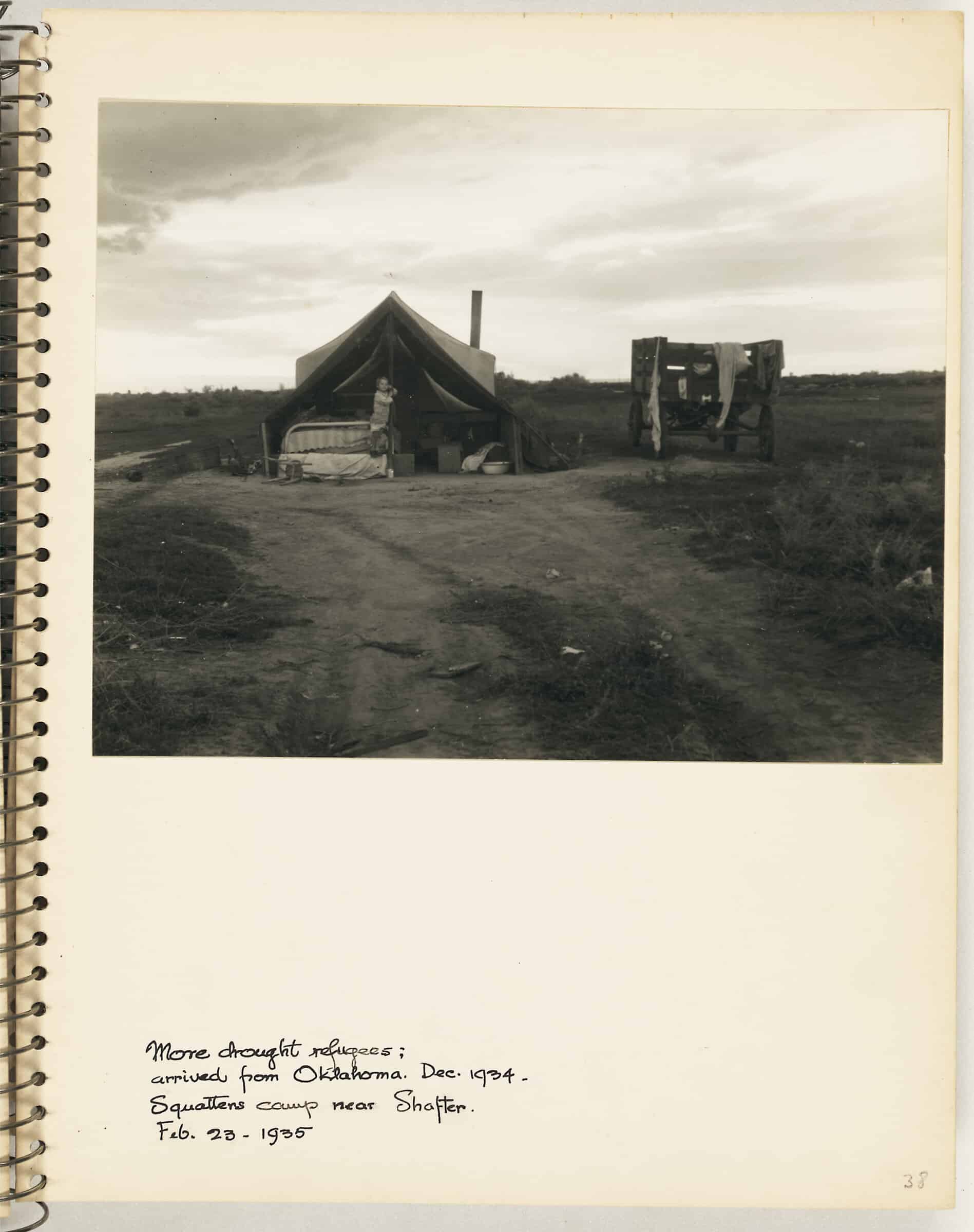
Lange took the Migrant Mother portrait during the spring of 1936. While driving through Nipomo, she saw a sign that read PEA-PICKERS CAMP and aimed her car in that direction. She would later describe being magnetically drawn to the woman whose picture would make Lange world famous. This is what Lange said about taking the portrait:
I did not ask her name or her history. She told me her age, that she was 32. She said that they had been living on frozen vegetables from the surrounding fields and birds that the children killed. She had just sold the tires from her car to buy food. There she sat in that lean-to tent with her children huddled around her, and seemed to know that my pictures might help her, and so she helped me. There was a sort of equality about it. The pea crop in Nipomo had frozen and there was no work for anybody. But I did not approach the tents and shelters of other stranded pea pickers. It was not necessary. I knew I had recorded the essence of my assignment.3
Just as I’d become obsessed with figuring out where that Cannery Row character had drunk beer in Santa Maria, I became obsessed with figuring out where Lange had shot Migrant Mother. I examined outtakes and other Lange photographs that showed more of the surrounding landscape. The lean-to rests on barren soil. In the distance is a dirt road. Behind it, eucalyptus trees. The trees were my mentholated clue; it looked like Migrant Mother had been created near the Dana Adobe.
I asked around for confirmation, but no one seemed to know anything. I would inquire, “Where?” and adults would answer, “Nipomo.”
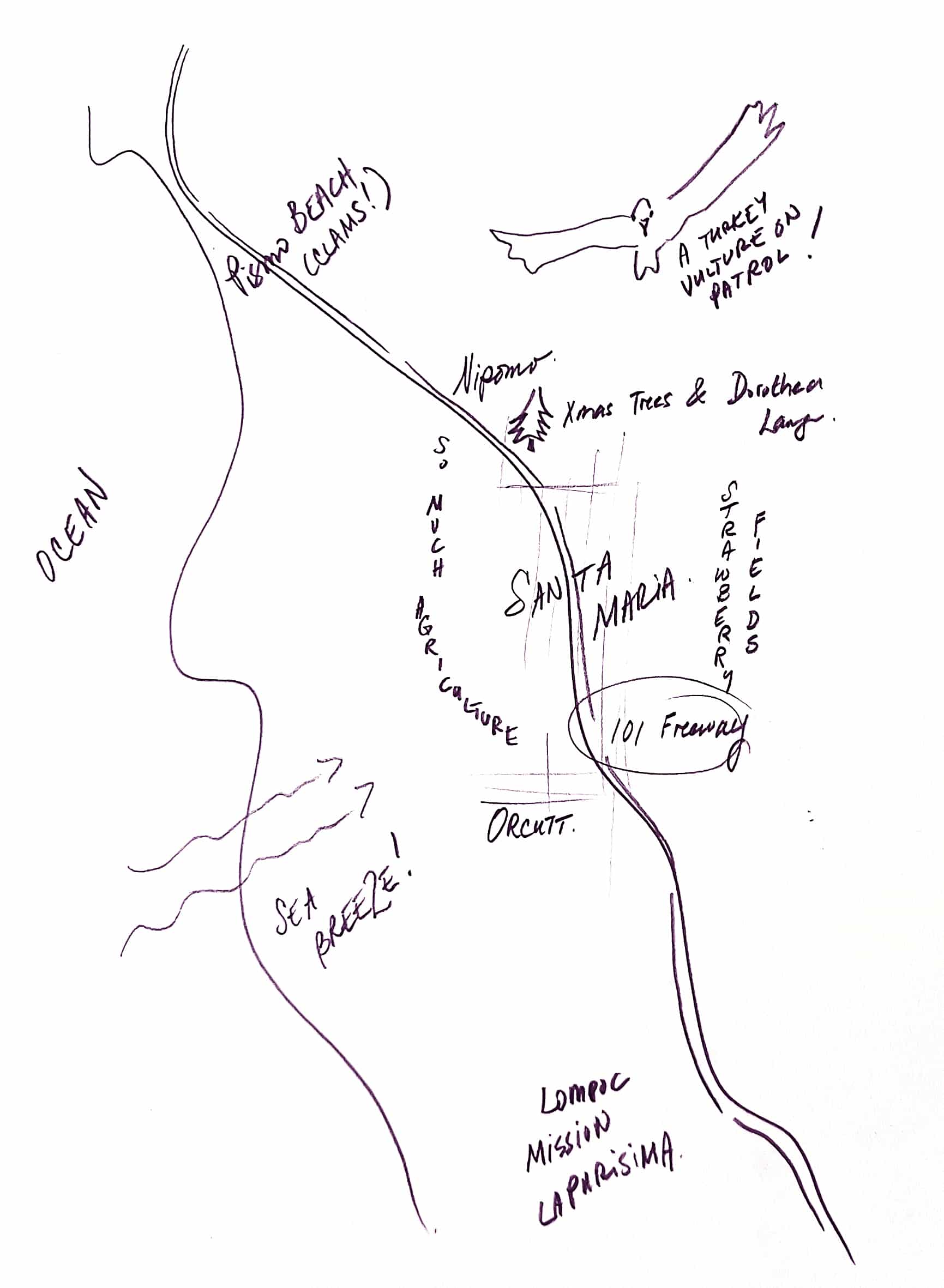
Yes, that fact was undisputed. What I wanted was specifics. How close to Holloway’s Christmas Tree Farm had Lange gotten? How close to Jocko’s Steak House? How close to the train tracks? Was the pea farm still there?
No one could tell me and that seemed like a travesty. How could one of the most iconic images in the history of photography have been shot here and yet nobody cared exactly where? Locals were happy to preserve the memory of the sea captain who owned everything in sight. But a migrant mother? With hungry kids? They could be forgotten.
No one could tell me and that seemed like a travesty.
My parents noticed my interest in Lange and for Christmas, I received a used 35-millimeter camera. During our senior year of high school, my best friend suggested we enter a photography contest together, sponsored by our local photography club. The contest involved a scavenger hunt. Each participant had a list of ten themes to interpret and photograph. For instance, if the theme was “red,” you took a photo that conveyed red. You could photograph a ripe strawberry. Or the stop sign by the egg farm. Or the mayor’s face. That type of thing.
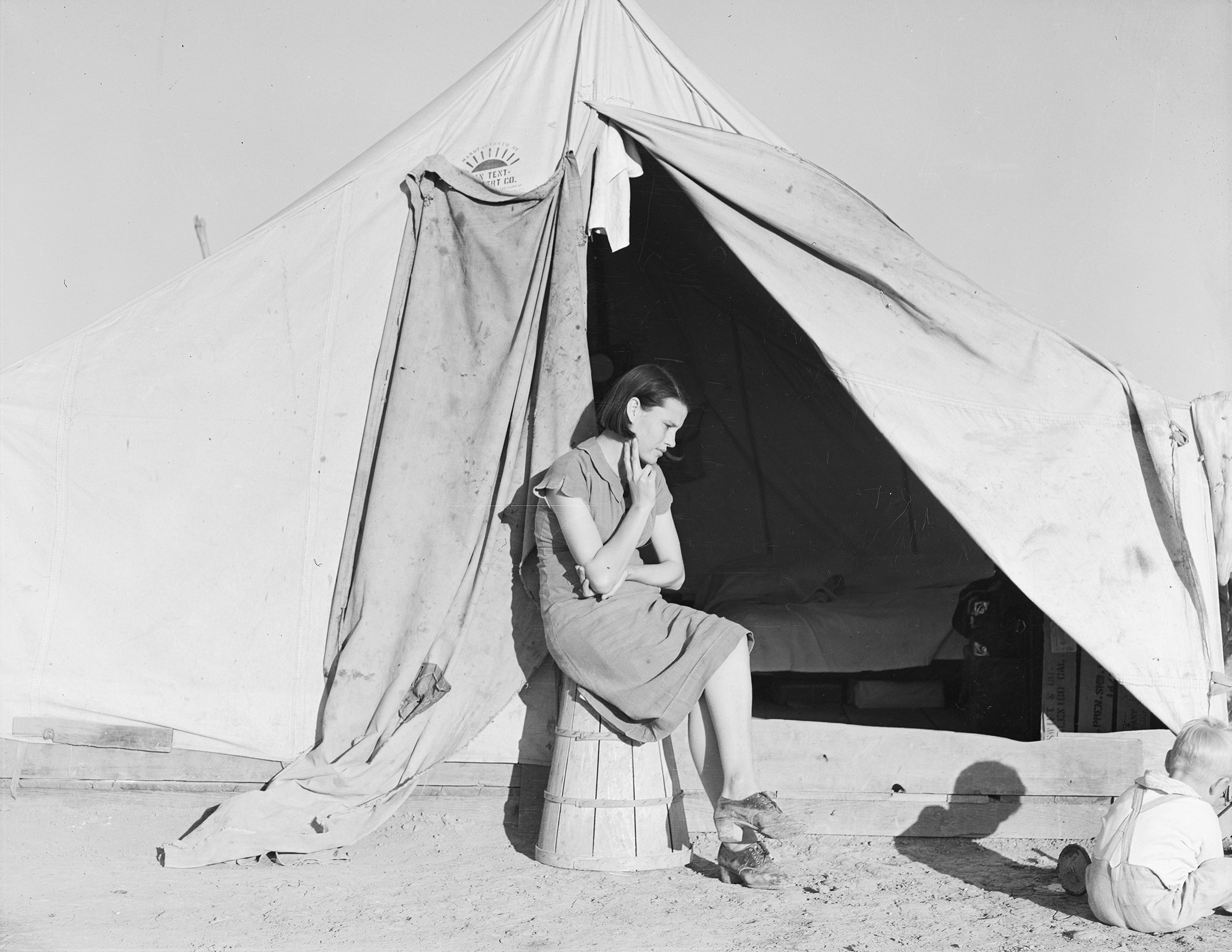
On the evening that the winners were to be announced, we gathered in a dark meeting room at the airport Hilton Hotel. Different adults took turns at the podium while a projector hummed, casting various winning shots against a white screen. The final award presented was best in show and when I saw my picture of a pencil cracked in two, I gasped. It was me. I was the winner. The theme I had mastered was “broken.”
I muddled my way up the aisle towards the podium. Grown-ups shook my hand and handed me a plaque and a trophy. A camera flash went off. I was proud of my win, but others were less happy. A few weeks after the ceremony, my best friend’s mom said that some members of the camera club were irritated with me. They were adults and dues-paying club members. I was a child and not a dues-paying club member. The grown-ups had expected one of them would get that trophy. The fact that it went to a Mexican kid pissed them off. Whatever.
After graduating from high school, I moved north, closer to Steinbeck country. I attended the University of California at Berkeley and majored in history. Dorothea Lange had lived in Berkeley until her death in 1965 and her former home still stood at 2706 Virginia Street. I never made a pilgrimage. Learning California history had tempered my enthusiasm.
Learning California history had tempered my enthusiasm.
The photo remained fixed in my mind but my interest had shifted, from Lange to her subject. I’d learned the identity of the migrant mother. Her name was Florence Leona Owens Thompson. In 1978, a staff writer for the Modesto Bee, Emmett Corrigan, found Thompson living at 665 Seventh street. Thompson’s home, its corrugated metal sides painted blue and white, occupied Space 24 at Modesto Mobile Village. Corrigan visited and noted that Thompson kept a framed copy of Migrant Mother on her wall. Thompson also held a grudge. And her story about being photographed was not the same as the story told by Lange.

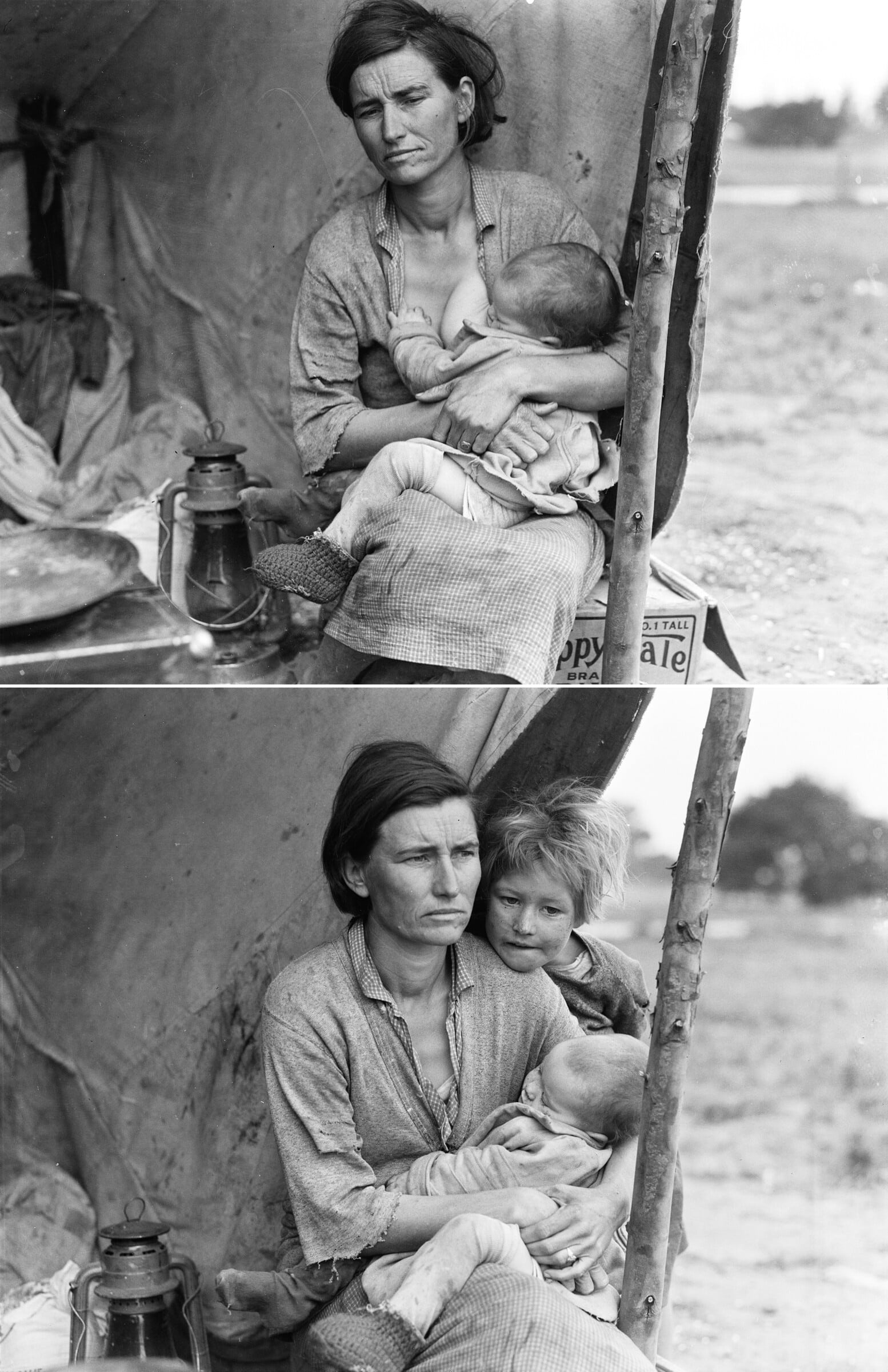
For starters, Thompson was not a White Okie like so many of us had been led to believe. Instead, Florence was a Cherokee. Born in a tepee on September 3, 1903, in Indian Territory, she later appeared as “Mrs. Florence C. Owens” in a July 1915 edition of the newspaper Tulsa World. There, the twelve-year-old is listed as one of the “lady delegates” who attended the “semi-annual meeting of the county farm demonstration agents.” 4 The 1920 census places the young wife and now mother in Paw Paw, an Indian settlement in Sequoyah County — the same settlement, incidentally, where Elias Cornelius Boudinot lived, the Cherokee journalist and politician who is credited with naming Oklahoma.
Mr. and Mrs. Owens left for California together, but by the time the Mrs. had turned 28, the only remnants of Mr. Owens were mouths left to feed. Mr. Owens died of tuberculosis, and Mrs. Owens, now a widow, had six children to care for. She picked cotton while lugging babies through woolly fields. The family slept beneath bridges. Car trouble determined their fate. While driving from the Imperial Valley to Watsonville, the timing chain broke. A kind stranger towed Mrs. Owens’s Hudson to a pea pickers camp, where she set up a tent. Soon a lady with a limp and Graflex camera approached.
“She didn’t ask my name,” the former migrant told Emmett Corrigan. “She said she wouldn’t sell the pictures. She said she’d send me a copy. She never did.”
It bothered me that Lange had treated her subject with such disregard. It also bothered me that Lange’s photograph of an Indian woman had been turned into a symbol of White women’s destitution. Migrant Mother was not one of Steinbeck’s Joads. She had more in common with the migrant workers still working in the Santa Maria Valley than I’d assumed.
Like the farmworkers’ children I played with, Migrant Mother was Indigenous.
Like my grandfather Ricardo, Migrant Mother was Indigenous.
Like my great grandmother Damasa, Migrant Mother was Indigenous.
Like my second great grandfather Magdaleno, Migrant Mother was Indigenous.
Like my third great grandmother Francisco, Migrant Mother was Indigenous.
Like my fourth great grandfather Jose, Migrant Mother was Indigenous.
Like my fifth great grandfather Marcos, Migrant Mother was Indigenous.
She was Indigenous.
They were Indigenous.
This land is theirs.

One of the daughters who appears in Migrant Mother grew up to work in a turkey processing plant. Another became a bookkeeper. Another a housewife. I, the child who stared at the photograph, became a teacher and writer. My love for photography continues. I married a photographer. He takes a lot of California pictures. His photographs of foggy strawberry fields are sublime.
This Christmas, when my husband and I traveled to Santa Maria to visit my parents, we took a drive to Nipomo. We rode past Holloway’s Christmas Tree Farm and parked at the lot for the Dana Adobe. There’s a new-ish Cultural Center there that didn’t exist during my childhood, and I wanted to see how the curators had decided to honor Migrant Mother. We found no sign of her beneath the vaulted ceiling. The walls were covered in photographs, maps, and artifacts, but nothing related to the 1936 portrait. I walked to the desk and asked the docent if the center provided any education on Migrant Mother. I described the photo.
“I think there’s a copy of it in one of the books in the gift shop,” she answered.
I sighed. It seemed that much hadn’t changed since I was a teen. Locals were still apathetic toward history.
“Where might I find more information about the photo?”
“You could try the library. It’s close. Go back up Oak Glen and make a left at Tefft.”
“Thank you.”
My husband and I wandered around the Dana Adobe and went on a short hike through the foothills. It was too gorgeous not to. After stomping the mud loose from our shoes, we piled back into the car and headed the way we came. We followed the docent’s directions, turned on Tefft, and motored across a bridge spanning the freeway. The small, blue library came into view. We parked. My husband stayed behind. He wanted to look at pictures he’d taken during our hike. Thistles. Willows. An inoperative wind mill. Cacti. Antlers. I grabbed my purse and walked the concrete path to the library door.
Someone had decided to hang an important piece of photographic history by the crapper …. It was too fucked up and absurd.
Upon entering the foyer, I froze. My jaw hung open. To my right was a glass display case featuring books. To my left were two bathrooms, and I didn’t have to look inside to know what was happening. Urine flowed. Toilets whooshed. Faucets ran. I could hear it all. And there, beside the entrance to the men’s restroom was a framed print of Migrant Mother. It wasn’t inside the bathroom, but still. Come on. Someone had decided to hang an important piece of photographic history by the crapper. I laughed. It was too fucked up and absurd. The laughter didn’t ease my hurt. It pained me to see the memory of Florence Thompson disrespected.
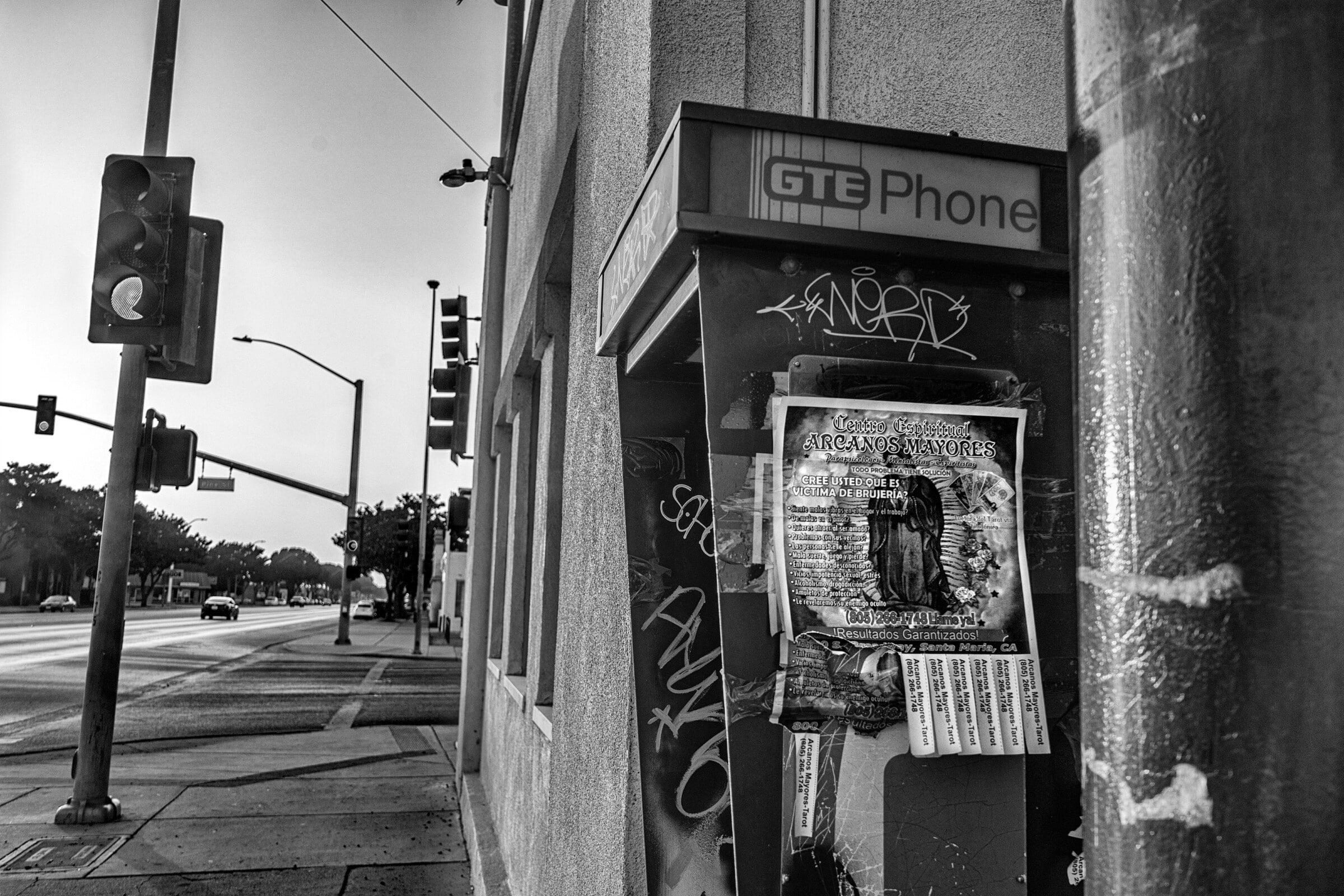
I stepped into a small alcove where a bulletin board displayed community notices. A flier for a home energy assistance program. Another with the heading Need help reading and writing? The most popular announcement was for Liberty Tattoo Removal. Four of its tabs with contact information had been torn off. I thought about my own tattoos. I regretted none of them, not even the naked devil woman on my shoulder who sometimes inspired unwise decisions.
![A map submitted as part of a report to the State of California’s Emergency Relief Administration by Director of Rural Rehabilitation H.E. Drobish on March 15, 1935, arguing that the US government needed to assist migrant workers, the “forgotten men, women and children … [on whom] the crops of California depend.”](https://placesjournal.org/wp-content/uploads/2024/10/Gurba-Florence-30-1.jpg)
Before leaving the alcove, I grabbed a pamphlet advertising the Employment Development Department’s Migrant and Seasonal Farmworker Outreach Program. I opened it and skimmed the list of farmworker positions.
Agricultural laborer.
Agricultural machine operator.
Beekeeper.
Cannery Machine Operator.
Driver.
Foreman.
Tractor Operator.
Irrigator.
Packer and Wrapper.
Pruner.
Sheep/Goat Herder.
Livestock Handler.
Pesticide Sprayer.
I shoved the pamphlet into my purse and headed into the belly of the library. I was hoping to find a Migrant Mother shrine but wasn’t counting on it. It didn’t take long to case the place. It was one large room. I walked the periphery, taking everything in before getting in line at the circulation desk. My turn came quickly and I stood across from a blonde woman, explaining that I’d come to her library to learn more about Dorothea Lange’s most famous photo, the one hanging by the toilets.
“I think we have a book,” said the librarian. “Would you like to see the book?”
“A book?”
“Yes. It’s a book about Dorothea Lange. It probably has something about the picture in it.”
I unclenched my jaw to ask, “Do you know if there’s any sort of archive available regarding Lange’s time in Nipomo? Or does anyone know where the photo was taken? Like its exact location?”
The blonde looked at me as if I had I turned into a swarm of gnats. She said, “I’m going to get somebody else to help you.”
I watched her leave the circulation desk and enter a windowed office.
She whispered with a seated woman and the two looked in my direction. The seated woman stood, left the windowed office, and approached me.
“How may I help you?”
I gave her the same spiel.
“Well,” she began. “Have you seen the picture by the entrance?”
“Migrant Mother by the toilets? Yes, I’ve seen it. What I’m interested in knowing is where exactly the photo was taken. Or if there’s any archival material about Lange’s time spent in Nipomo.”
“All we have is the picture and the book. They might have more in San Luis Obispo. The main library there has a website that you can search. I can show you how to use the website.”
At this point, I was no longer trying to hide my frustration. I was wearing it. It had become a cologne. I said, “It seems really strange to me that Nipomo doesn’t commemorate Migrant Mother. Like, if I wasn’t from around here and I didn’t know the photo had been taken here, there’s nothing in the community to teach me otherwise.”
“We have a Dorothea Lange Elementary School,” snapped the librarian. “My grandchildren go there.”
I wanted so badly to ask her what the school’s mascot was. The aperture? The f-stop? The exposure? My elementary school mascot had been a horse.
I thanked the librarian for her time and returned to the car. During the drive back to my parent’s house, I used my phone to google Dorothea Lange Elementary School. I found four google reviews. The school’s total score? Three out of five stars. Lange Elementary’s mascot is the bobcat. What a lost opportunity.
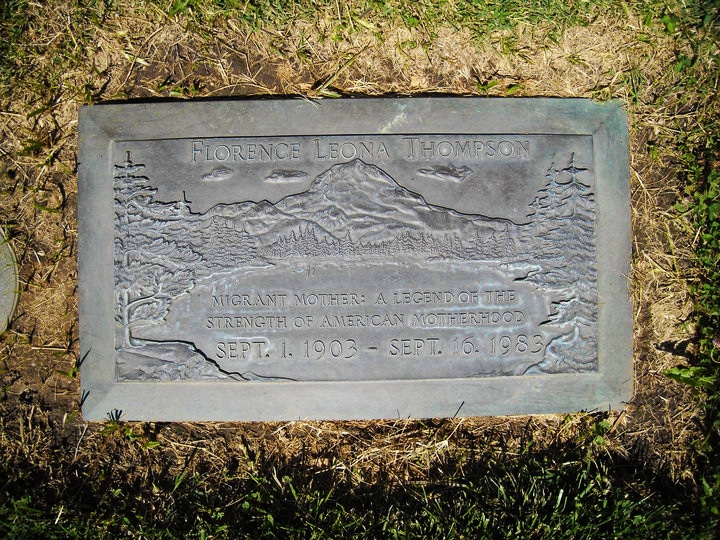
I’ll never know exactly where Dorothea Lange shot Migrant Mother. I do know Florence Leona Owens Thompson’s resting place. After World War II, Florence settled in Modesto where she remarried, to a hospital administrator. In 1983, she died of cancer. Florence’s children buried their mother in her favorite red dress in Hughson, a town that was once the “Peach Capital of the World.” The Tuolumne River flows past the area’s nurseries and orchards. Her headstone features a panoramic etching of a nearby reservoir, Don Pedro Lake, which is nestled in the Sierra Nevada Foothills. Clouds float in the headstone’s sky. Peaks swell along its horizon. Monterey pines, the kind we used to chop down at Holloway’s, shade the lakeshore. Etched are the words, “MIGRANT MOTHER: A LEGEND OF THE STRENGTH OF AMERICAN MOTHERHOOD.”
I can’t visit Migrant Mother at my father’s office anymore. He’s now a retired administrator. I’m grateful to him for displaying her image so centrally, for showing me that her portrait mattered. Migrant Mother shaped my moral imagination, and I think that that’s the photograph’s primary threat, the main reason we neither see nor hear much about Florence Thompson in Nipomo or Santa Maria.
When a community turns its back on the spirit of Migrant Mother, we’re encouraged to ignore today’s migrant parents who continue to labor in the fields.
When a community turns its back on the spirit of Migrant Mother, we’re encouraged to ignore the treatment of migrant children who are made to work in warehouses, factories, slaughterhouses, and meat-packing plants.
When a community turns its back on the spirit of Migrant Mother, we’re encouraged to ignore migrant children who drown in rivers, lakes, and reservoirs.
When a community turns its back on the spirit of Migrant Mother, we’re encouraged to ignore migrant children held in ICE detention centers where they are abused.
Migrant Mother is a spiritual work of art. She reminds us of another mother associated with moral redemption. Florence Thompson is a Marian figure. I don’t think it would be a bad idea to give this folk saint her own folk shrine. I can see it now. By the wall of eucalyptus trees planted along Oak Glen Avenue, a whitewashed crucifix plunged into the dirt. A glass of water. A hamburger. Two bottles of beer. A slice of peach pie. A timing chain. A stack of coins. A bowl of acorns. A wreath of daisies. A pinch of Oklahoma dirt.




If you would like to comment on this article, or anything else on Places Journal, visit our Facebook page or send us a message on Twitter.