
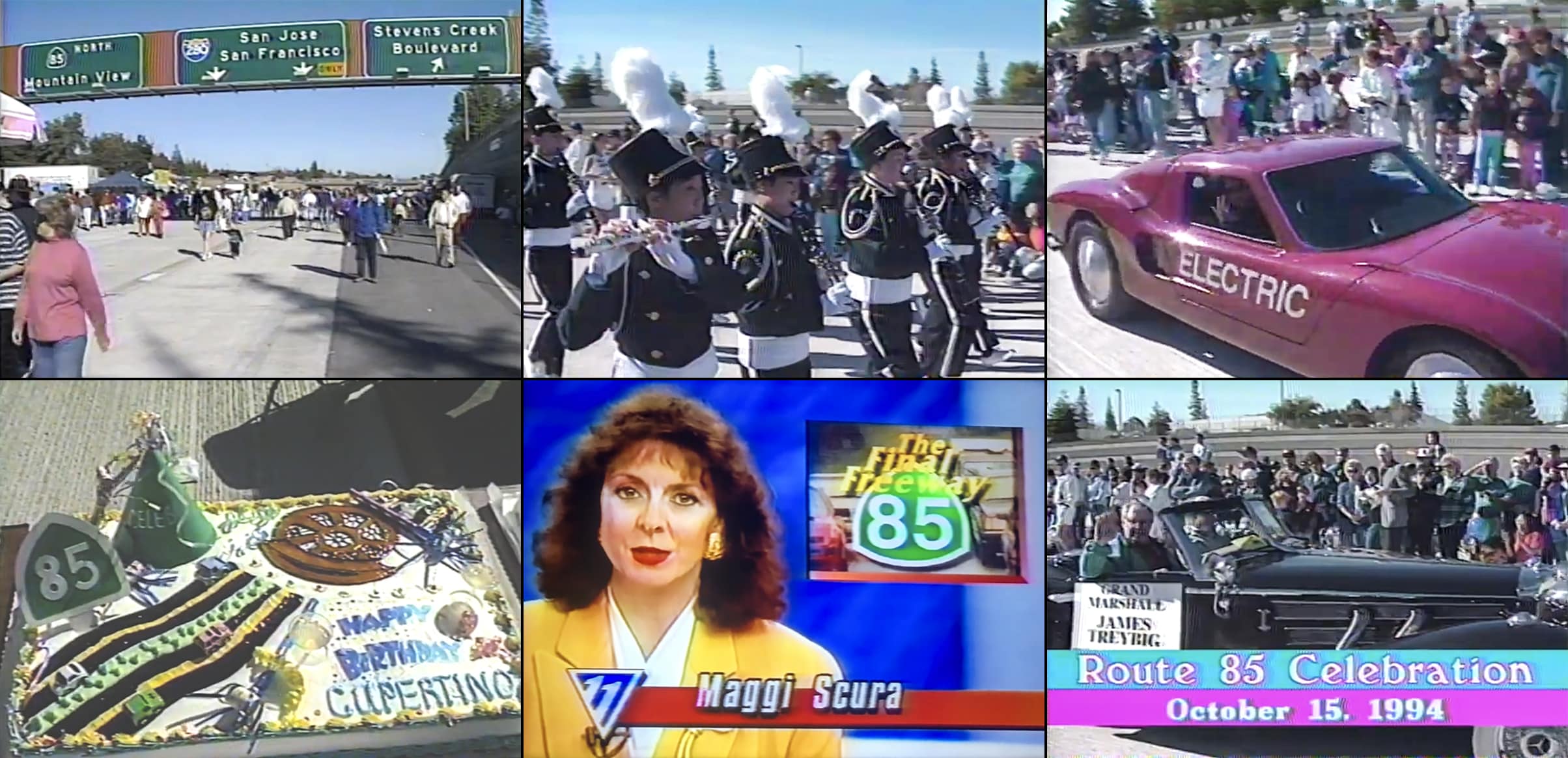
In October 1994, a new, five-and-a-half-mile stretch of highway opened in California’s Santa Clara County, just south of San Francisco. For longtime residents, this was very exciting news, marking the end of a construction project that had been nearly forty years in the making. 1 A few days before Highway 85 would officially welcome commuters, I woke up and drove to the on-ramp at Saratoga-Sunnyvale Road, which was close to a deli where my friends and I often went for lunch. There were celebrations all along the route that day, and we were doing some sort of community service project. I had no sense of what any of this meant to the South Bay or why so many people were so excited; I was seventeen, drawn primarily by a fondness for novelty and the promise of extra credit.
There were celebrations all along the route that day. I remember walking down the on-ramp and seeing the road extend for miles.
I remember walking down the ramp, and seeing the road extend for miles. Long stretches of 85 are sunken below street level, so the view was not of a road in a landscape, but just a road. I knelt and ran my fingers along the surface, admiring how clean and smooth it looked, studying the tiny grooves cut into the asphalt. Kids raced by on bikes and skateboards, and their parents marveled at how this new route would improve their lives. Families laid out blankets and enjoyed picnics along the embankments. Local businesses set up booths, city officials were hailed as conquering heroes. I picked up just enough trash to feel as though I’d earned the commemorative t-shirt given to volunteers, and then spent most of my time bothering some friends who were selling pizza. Afterward, we walked back to our cars and drove somewhere else to hang out, some place that felt like it was ours. Probably a parking lot.
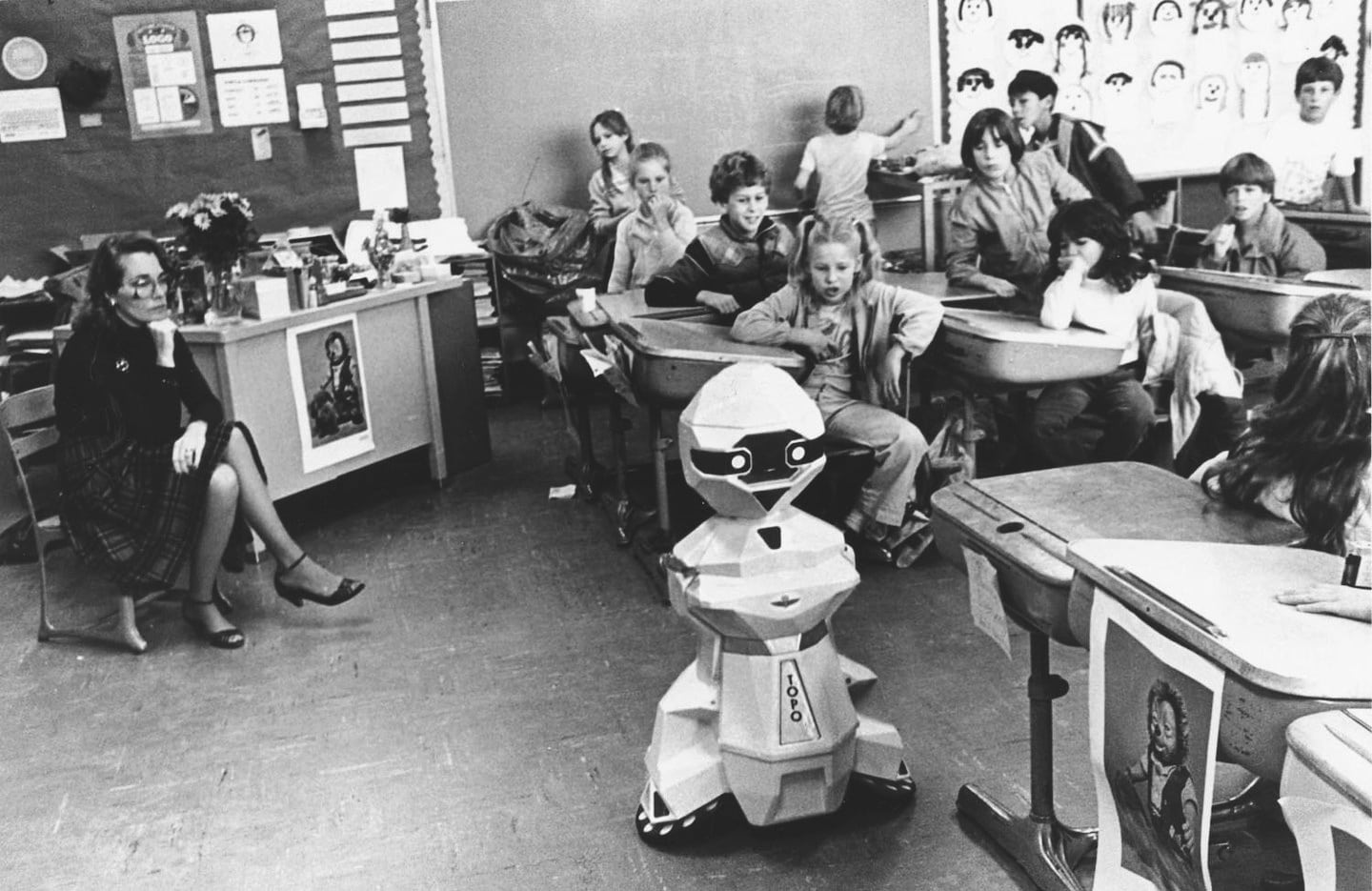
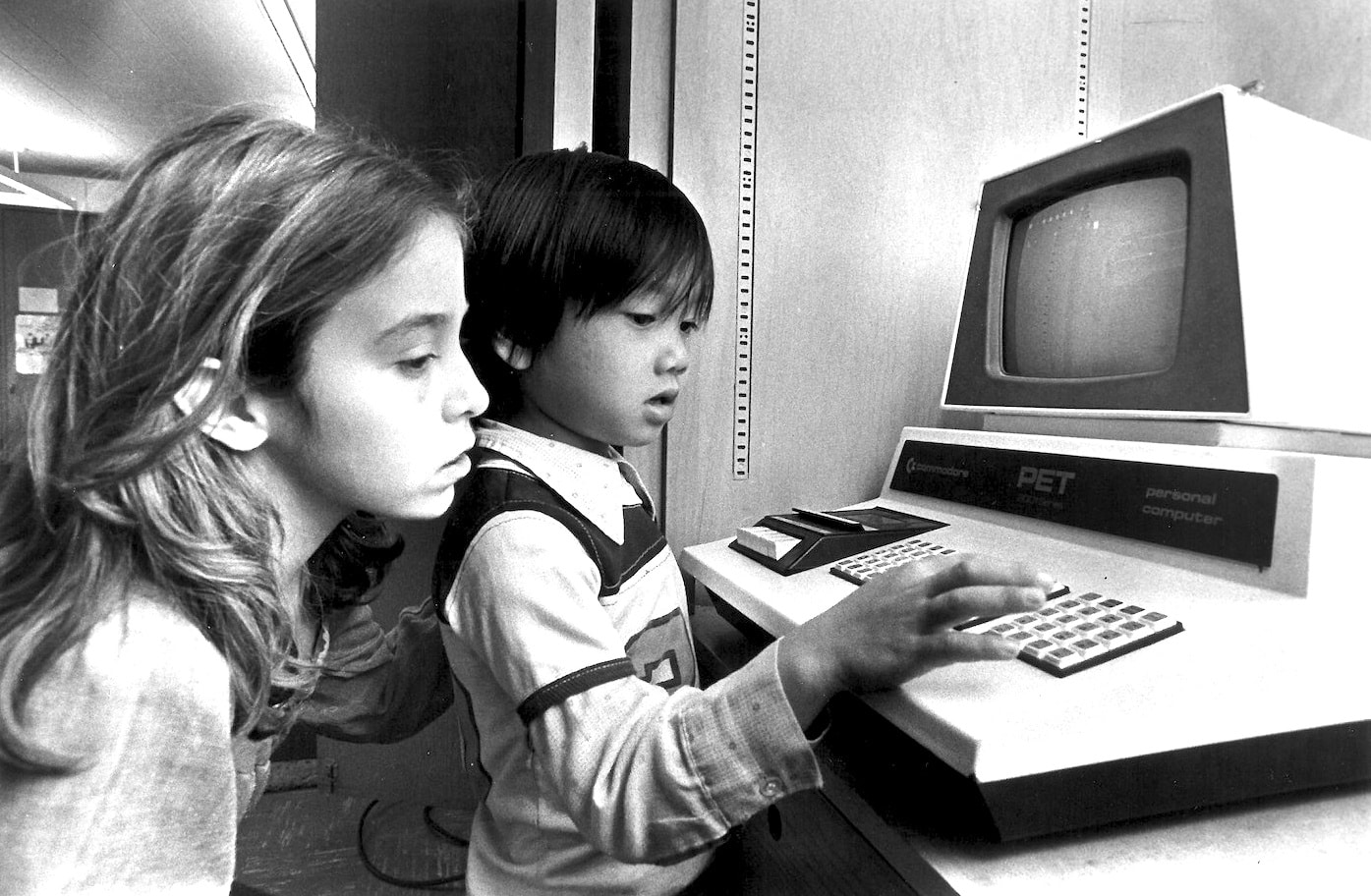
Whatever Silicon Valley represents nowadays, its primary offense to my high school friends and I was that it was boring. The fact that my high school paper ran three stories that week about 85’s grand opening seemed to me a sad sign of how few things happened in our local orbit. We understood on some level that this new freeway was a good thing, though we couldn’t grasp how or why. Kids growing up in the South Bay back then took it for granted that we were living on the cusp of something new. Even when the flying cars we’d been promised didn’t materialize, we felt ourselves proximate to change. Adults would remind us how lucky we were to be surrounded by computers, not that we used them much anyway.
Kids growing up in the South Bay back then took it for granted that we were living on the cusp of something new.
A student photographer was dispatched to capture celebratory images for the school newspaper, and there was yet another article about the back-and-forth of city council meetings, ballot measures, referendums, and hearings that had delivered us to this point. On the op-ed page, a classmate offered a dissenting view on 85, with the headline “Highway 85 crashes.” He had interviewed some local small business owners, including a bookseller who complained that the new traffic patterns would make it hard for people to find his shop. “The money and effort could have gone toward education, housing, and moving existing roads,” the editorial concluded. “We already have a highway, so why don’t we spend our money something we don’t already have?” 2
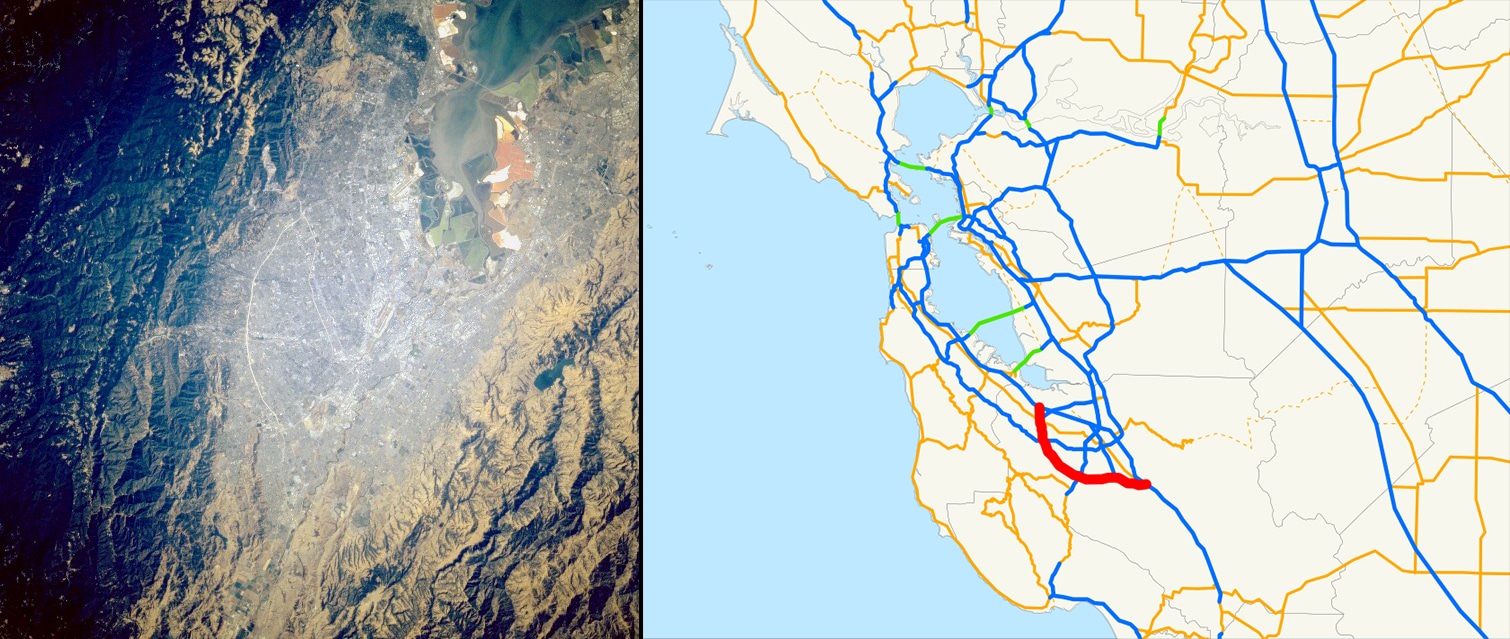
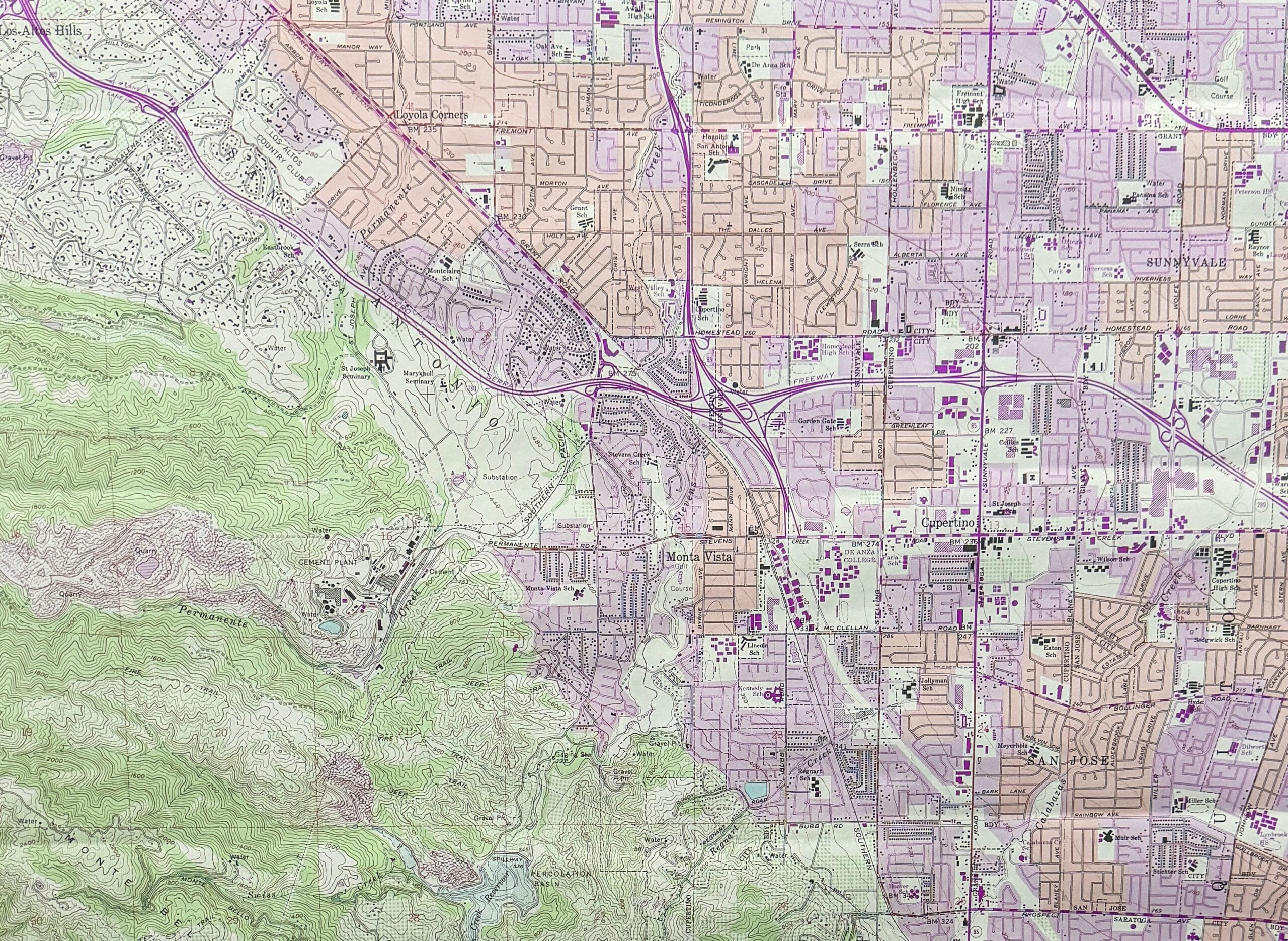
Indeed, Highways 101 and 280 already cut through the South Bay, in addition to a network of county expressways and boulevards. The selling point of 85 was that it would ease traffic specifically between Santa Clara County and the Peninsula — someone who lived in the suburbs of Cupertino, for instance, could much more quickly get to their workplace in Palo Alto. The first spur of 85, a short northern leg connecting Cupertino to Mountain View, was completed in 1965. But the plan to build twenty additional miles languished until citizens took matters into their own hands, voting in 1984 to levy a decade-long, half-cent sales tax that would pay for half the construction costs. (The Silicon Valley Leadership Group, made up of some of the region’s most powerful stakeholders, had quietly lobbied in favor.) It was the first time in state history that residents voted to tax themselves in order to build a state highway, and many believed it would be the last.3 State Route 85 became known as the “Taxpayer’s Freeway” or the “Last Freeway.” It was about twenty-four miles long, an outstretched palm curving through the former fields of Sunnyvale, Cupertino, and Campbell.
Over time, 85 would become a storied part of Silicon Valley, offering the region a kind of narrative coherence.
Over time, 85 would become a storied part of Silicon Valley, offering the region a kind of narrative coherence. Looking at a map today, 85 connects a string of cities that claim some of the nation’s highest property values. It provides the quickest and most direct way to get from Apple’s Cupertino headquarters to the Googleplex in Mountain View. It’s also where Steve Wozniak and Steve Jobs changed the course of history. In the mid-nineteen-seventies, back when 85 was only a four-mile stretch, Jobs, in the passenger seat, turned to Wozniak in the driver’s seat and suggested a name for the company they were starting. Jobs had just returned from a trip to a communal farm in Oregon — Wozniak had picked him up from the airport — and the name he suggested was Apple. 4
How often do we recognize the uniqueness of our circumstances?
For teenagers, suburban commute times were not of great concern. More time in traffic meant more time to gossip or flirt, daydream and hope for that one song to come on the radio. How often do we recognize the uniqueness of our circumstances? I dreamed of a highway that would take me somewhere new, truly new. Deeper into San José didn’t count. I was a typical teenager, jaded and hard to impress. Yet that morning I did recognize that something unusual was happening. As I took a walk on a highway, I realized that my reality was circumscribed by infrastructure. Maybe this new road wouldn’t take me to the destinations I sought, but I recall that it shifted my thinking about the place I was from. Now that Cupertino was worthy of an exit, I began to understand the city as a node along some larger, abstract circuit.
I used to tell people that I was from “just south of San Francisco” or “San José, basically” when asked where I grew up. Cupertino is now a central part of Apple’s mythology and branding, the city’s weather pre-programmed into everyone’s phones. But before Apple’s renaissance in the early-two-thousands, it was a place only diehards cared about. Apple was an object of local fascination, a type of harmless neighborhood eccentric. Its office buildings seemed randomly scattered around town, identifiable only by a different colored logo out front, like some private code.
My family ended up there by chance. …We moved back when large swaths of Cupertino were still farmlands, estate wineries, and ranches.
As a child you’re taught about the importance of hometowns, how the places we come from have some bearing on who we become. Flip over a baseball card and see that someone’s journey to greatness began in the mean streets of Altoona, Pennsylvania. As far back as I can remember, Cupertino was a place I hoped to transcend. My family ended up there by chance. Sometime in the mid-eighties, some family friends, fellow Taiwanese immigrants who had settled in Cupertino a year or two earlier, vouched for the suburb’s convenience, safety, and good schools. Silicon Valley was already in bloom, and Cupertino offered better value than more upscale, name-brand towns like Los Gatos, Saratoga, or Palo Alto. We moved into a townhouse across the street from the library, back when large swaths of Cupertino were still farmlands, estate wineries, and ranches. I remember one of our first days there, when my grandfather and I went on a walk and happened upon a large factory, all silos and conveyor belts, in the process of being dismantled. It was like walking into an old photograph.
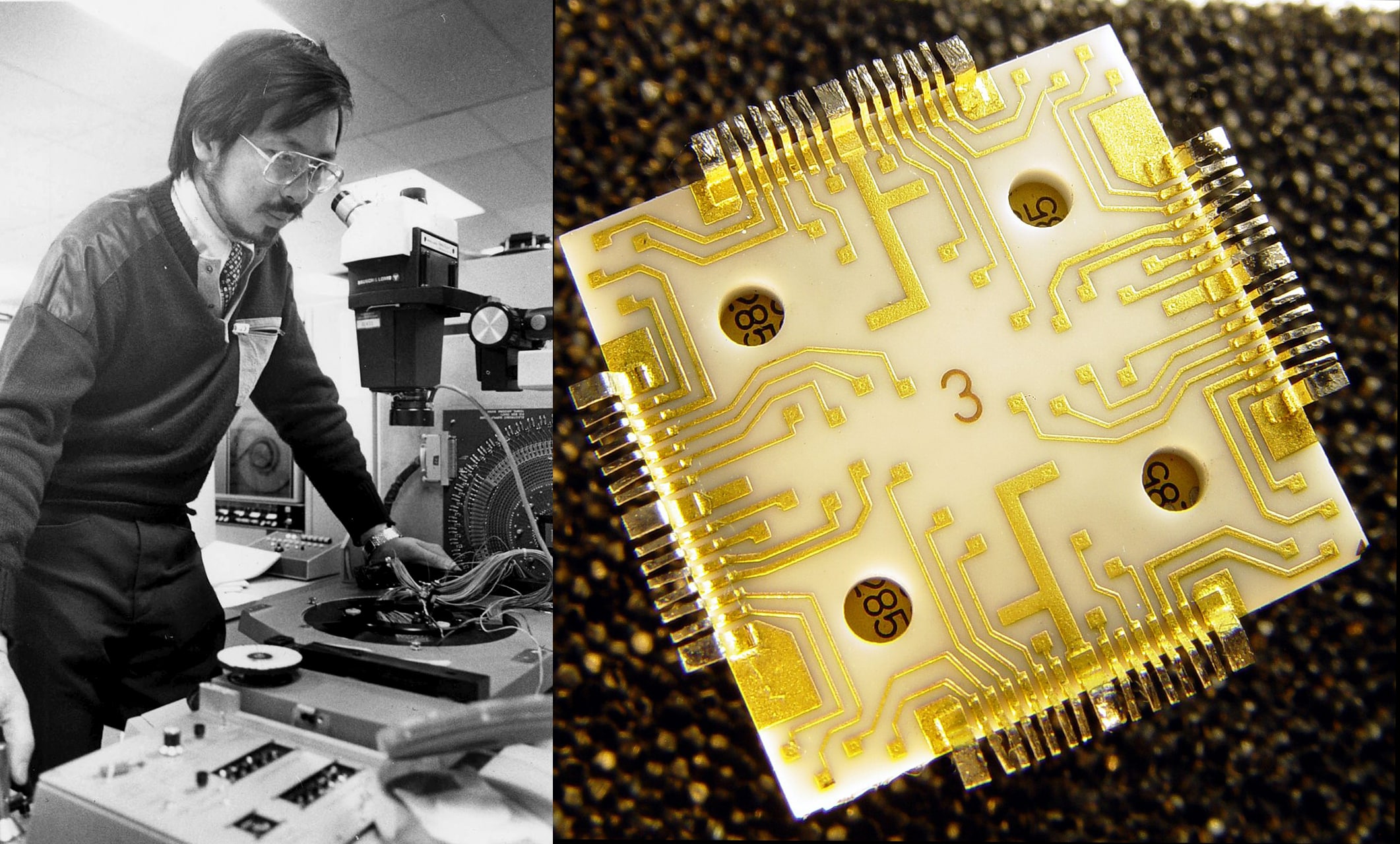
My parents are too practical to spend time dwelling on paths not taken, but my dad often reminds me that he could have easily followed an opportunity to Delaware instead of California, missing out on the Silicon Valley’s boom years altogether. Ultimately, the Bay Area had been a more logical choice, though my father always wanted me to understand that his career — and by extension, our family’s eventual financial comfort — was not the result of some carefully plotted foresight. Like many immigrants, my parents merely took things as they came, preparing for the worst, and thankful and humble when encountering good fortune.
The region was defined by its boldfaced names, yet the workforce was dominated by immigrants like my dad.
I understood little more than that my father was an engineer. He would occasionally bring home a beautiful, iridescent slice of semiconducting material called a wafer. It looked like a CD and, as he explained how it worked, I’d lose interest. I lacked a brain for technical matters. All I grasped was that he worked as an engineer on scales that were too intricate and small for me to fathom. For a while, it seemed that everyone’s parents were also engineers, which gave me the impression that Silicon Valley was strictly a straitlaced, Asian American dream. The region was defined by its boldfaced names — the Steves of Apple, whoever Hewlett and Packard were. Yet the workforce was dominated, at least in my child’s view of things, by immigrants like my dad, from places like Taiwan or India or South Korea, who did all the computational work that would later get packaged and sold by their more charismatic bosses. We would go to lunch on the weekends, and it seemed an extension of the office, all these Asian families trading gossip about who was working where.
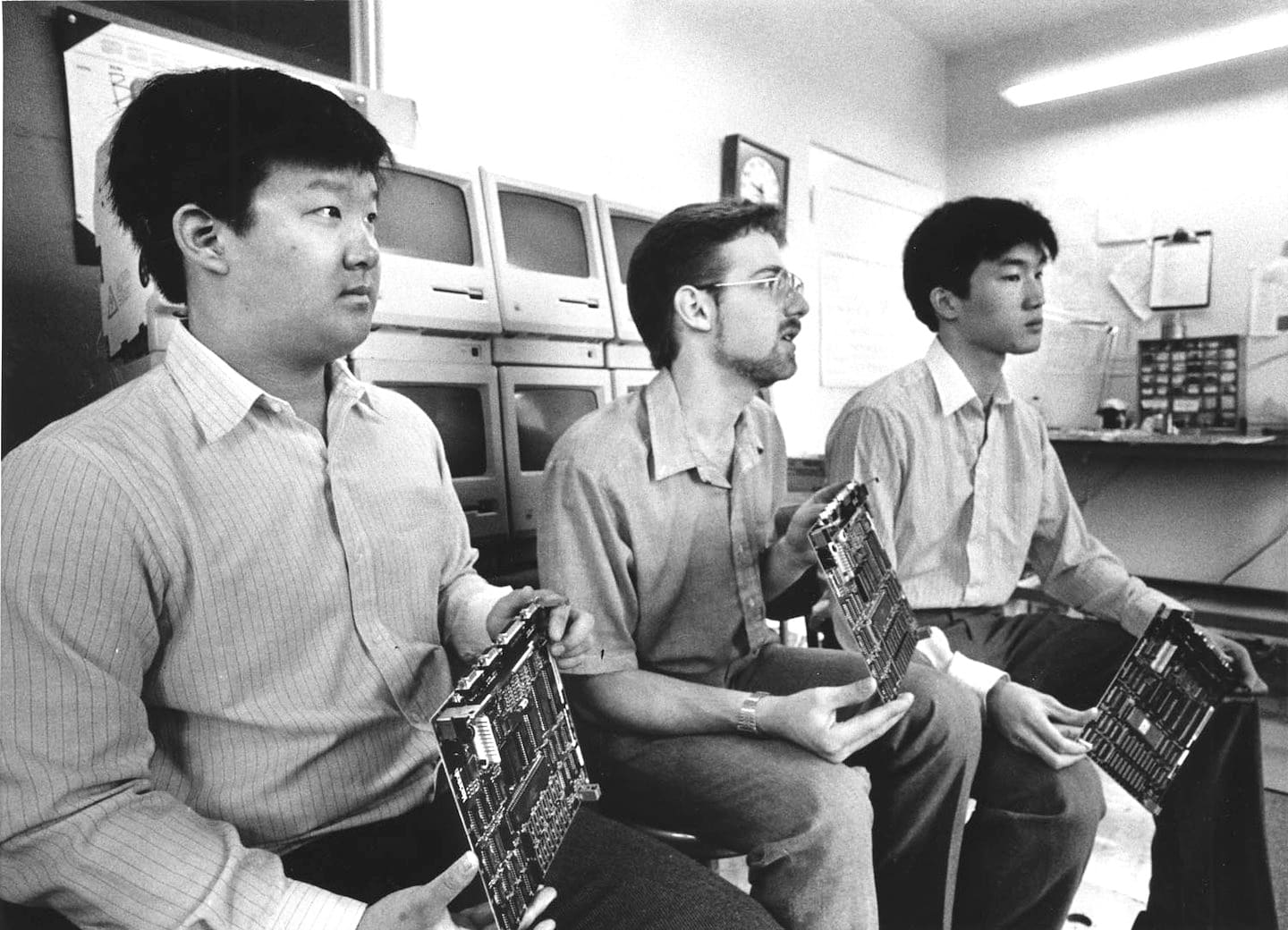
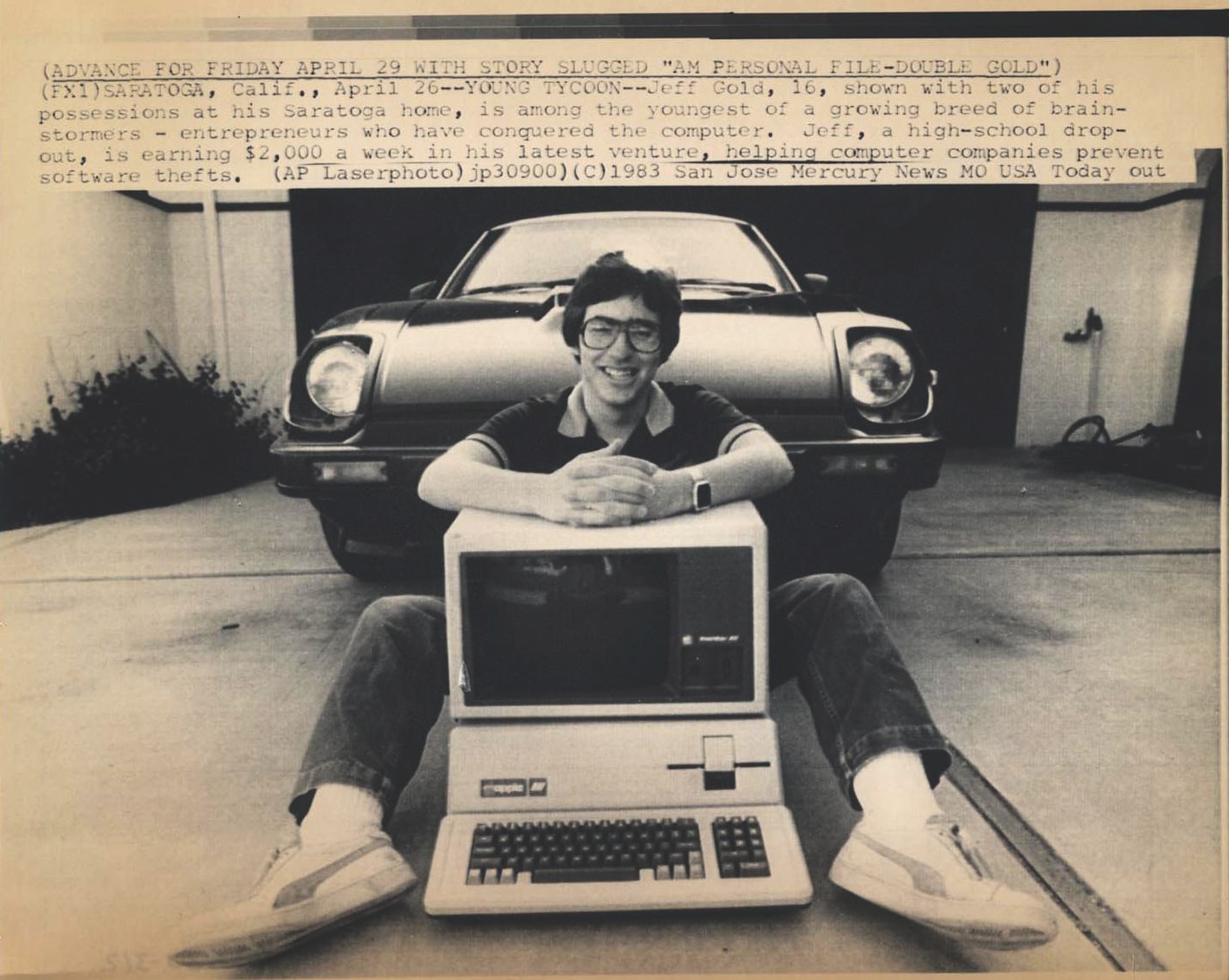
Some tried to break free of this structure. I remember the eighties and nineties as a time when it seemed like a lot of my friends’ parents were starting businesses in their garages, scheming small-time start-ups where they could be their own boss, spending their weekends building clone P.C.s out of wholesale parts. I don’t think they dreamed of starting the next billion-dollar behemoth. Their goals were more modest, simple. What I understood, from the way my parents would talk about their risk-taking friends, as they studied the free promotional t-shirts or mousepads they had given us, was that these were dreams of autonomy, of being no longer beholden to the hierarchies that might never truly recognize your talents.
These were dreams of autonomy, of being no longer beholden to the hierarchies that might never recognize your talents.
Maybe this was always how it was meant to be, a workforce that did their jobs and kept their heads down. One day, while at recess, a classmate remarked on my University of Illinois sweatshirt, which was a relic from my parents’ grad school days. Their parents had gone to the University of Illinois, too. What were the odds that our families had both ended up moving from Taiwan to Champaign-Urbana to Cupertino? It seemed incredible. But then more kids joined the conversation and said that their parents had also come here from the Midwest. I found these coincidences chilling, as though some grand conspiracy was revealing itself. Later, when I came to understand immigration waves and the Cold War, I saw that our diasporic paths were all set in motion by the Immigration and Nationality Act of 1965, and the push to recruit young, smart, technically proficient students from abroad to American universities. Big engineering schools in the Midwest welcomed students from Asia, who often had no idea they were moving to cities where the nearest Asian restaurant might be hundreds of miles away.
At first, the coincidences seemed chilling. Later I came to understand that our diasporic paths were similar because they were set in motion by the same forces.
My father had hoped to become an academic, but his Physics degree found a more practical application in the emerging world of semiconductors. Eventually, my parents and many of their classmates followed opportunity to Silicon Valley, where microchips were the building blocks of a new world. Industrial might had once been measured by things of a different nature: massive ships, sleek cars coursing down freeways, the divine symmetry of the suburban grid. Silicon Valley, on the other hand, was built on imperceptibly small indexers of velocity, efficiency, memory. The average person had no idea what RAM was for, but they did expect machines to become more compact, and faster. Writing at the dawn of micro-processing, a local tech journalist named Michael Malone observed, “Who, or more accurately what, will this new era, this new timescape, belong to? Intuitively, we already know: the machines themselves. Chips can live a lifetime in a second, then live a billion lifetimes more. For them the pace of this new clock is almost pastoral.” 5
The known universe stretched as far as my parents would drive me. My teenage years were spent riding shotgun with my mom after school, often with no destination in mind. Sometimes we would drive to Sunnyvale just to say hi to my grandparents, and then head home a few minutes later. Maybe she had to pick up a jar of chilis and that was it. Grocery shopping would be a multi-stage process involving various strip malls throughout San José. Even as I was lost in my own thoughts, I knew it was strange how far we would drive just to refill our household jugs of filtered drinking water. And even as I knew nothing about what made a good bagel, I could tell that none of the ones my mom wanted to try throughout the South Bay were truly worth the drive.
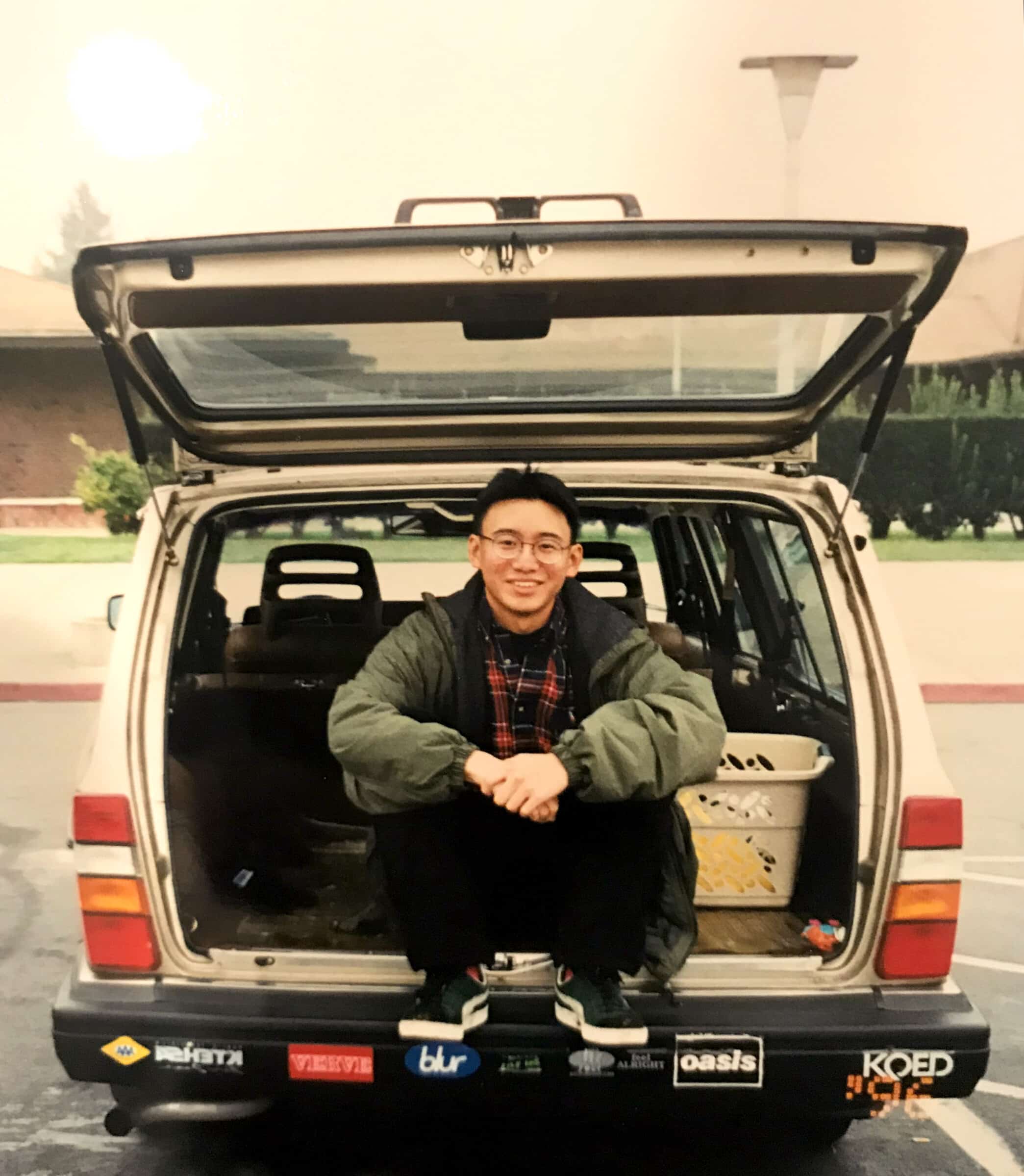
I controlled nothing during those drives except the occasional spin of the radio dial. I asked permission to stray from her public radio broadcast to the local college station. I remember a day in high school when a staticky indie rock song came on, the singer sounding bothered about having to sing at all. I explained to her what a “slacker” was, and she kept asking questions about what this all meant about the state of American youth, stifling her anxiety by gripping the wheel tighter.
The known universe stretched as far my parents would drive me.
As a passenger, I didn’t understand city borders, but I could map the outer perimeter of the places in our orbit: further down Stevens Creek for cello lessons and occasionally downtown for orchestra rehearsal; past where DeAnza Boulevard turned into Saratoga-Sunnyvale for grandparents, the library, and the mall; toward the foothills for cross-country practice. El Camino Real was for Chinese food and Tower Records. I had only a vague sense of where one city ended and the next began, or where any of these roads eventually ended up. My spatial awareness was based on the nearest record store or Chinese restaurant. Eventually my circuits grew larger. We would drive to Stanford so I could use their research library, Milpitas because there was a store that specialized in badminton accessories, Fremont for debate tournaments. I found a new cello teacher in Palo Alto, who taught in a beautifully ornate wing of her family home, which felt like some kind of Gilded Age mansion. Though I didn’t have the language to name status or old money, I recognized how grand these peninsula homes were compared to our brand-new suburb.
Was Silicon Valley an idea, a spirit, a corporate hub, or an actual place? Was this where I was from?
My main frame of reference for the local surroundings was a poster my dad had picked up in the nineteen-eighties at an electronics store. It’s a cartoon map of Silicon Valley, the name rendered in a kind of digital-calculator font. The map highlights the region’s noteworthy companies, all office buildings and logos sprung out of the grass, connected by roads choked with traffic. Apple and Hewlett-Packard are no bigger than Measurex, which I could see out my living room window, meaning I could roughly locate myself on the map. I tacked it to my wall alongside the musicians and athletes I admired, mostly out of a sense of irony. Was Silicon Valley an idea, a spirit, a corporate hub, or an actual place? Was this where I was from?
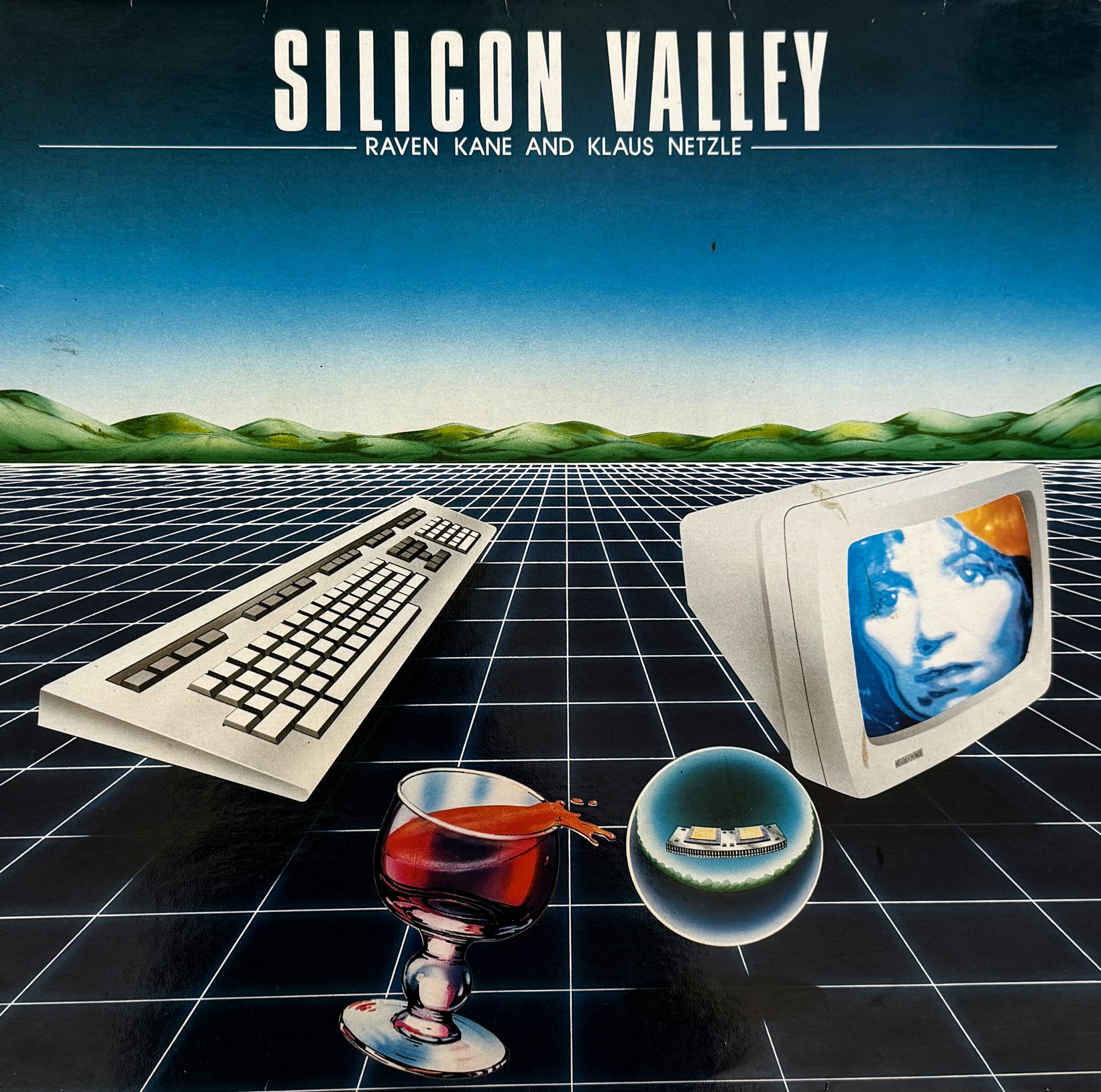
I now suspect that all the driving was my mother’s way of insuring I was safe and within reach. The car was where we talked. Once in a while, when I had no homework, she would drive me all the way to Berkeley for no real reason — this was the rare occasion when she would actually take the freeway, rather than casually idle in mid-day suburban traffic. I kept failing the written portion of the driving test, which deepened my reliance on her. (I never studied, figuring that common sense was enough. It was not. I was so oblivious as a passenger, I had no idea what an unprotected turn was, or a merge lane.) I always sensed my mom was a little relieved each time we left the DMV, me chastened and humbled, and her behind the wheel, still.
I finally got my license in the fall of 1994, just before the opening celebrations of Highway 85. Eighty-five had a reputation for being a fast road, so at first, I was too intimidated to give it a try, and anyway, I had no use for a quicker commute to school. I preferred cruising around with the windows down, eyes alert in case any friends or classmates were a lane over. I had a long list of songs I had dreamed of blasting pre-license, my arm out the driver’s side window, and it was glorious to begin working through them.
Though I had a horrible sense of direction, I had inherited my parents’ tolerance for driving long distances to get whatever it was you were looking for. (This probably dated back to their grad school years in the Midwest.) Now I was free to get lost everywhere between San José and the Peninsula, and I did, usually in search of records and books. I was learning more about Silicon Valley, by myself. Hours spent sifting through all the things left behind in thrift stores brought the past closer. There had been a time before mine. Who were the old timers in overalls I’d sometimes see at the Salvation Army but never at the mall? Where did all these wooden produce crates at the record store come from? Who was responsible for the piles of old, scratched-up country and western singles?
People came from all over in hopes of striking it rich growing apricots or prunes.
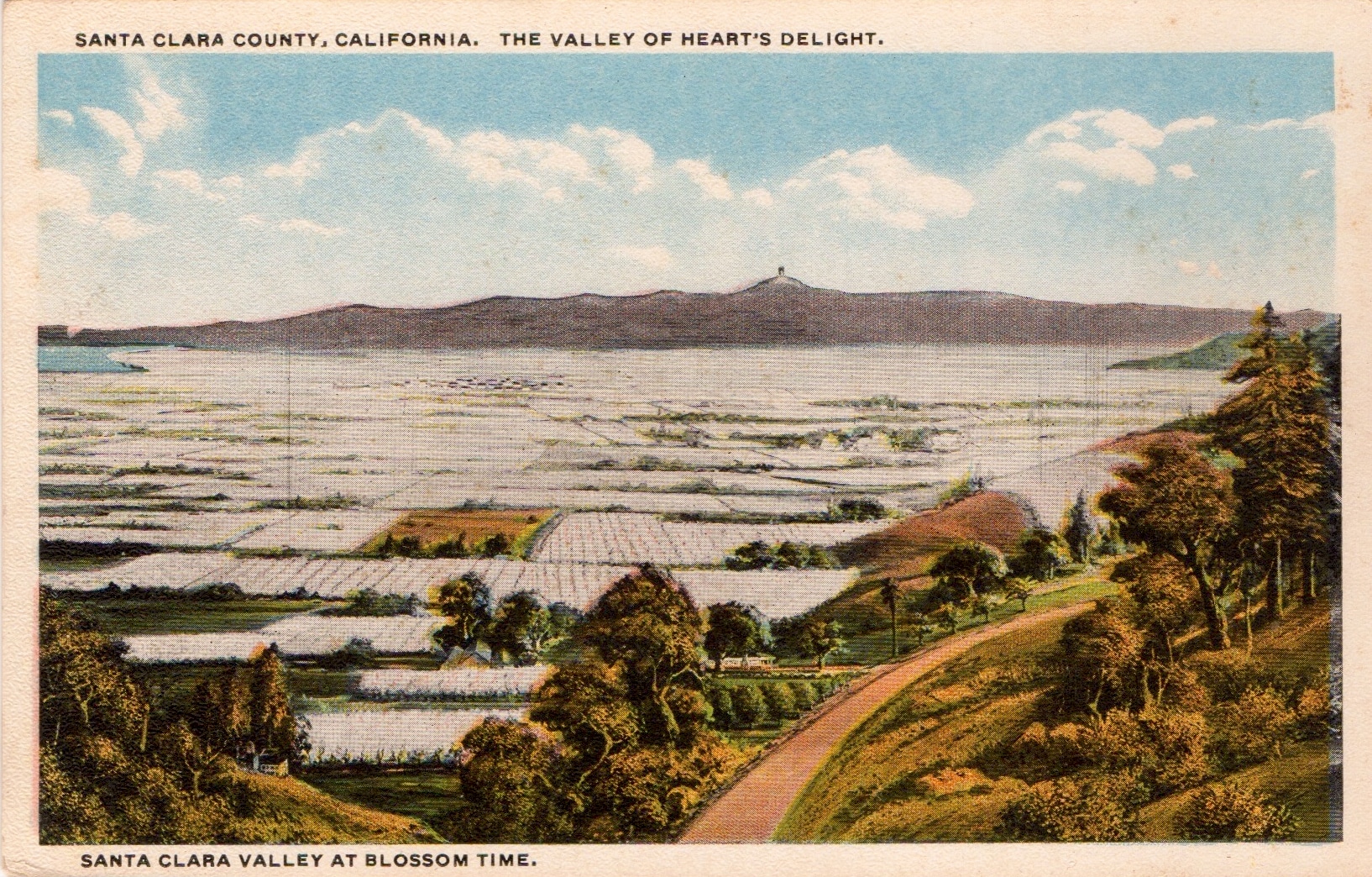
Before it was Silicon Valley, it was the Valley of Heart’s Delight. Flanked by the Santa Cruz Mountains to the west and the Diablo Range to the east, the valley was famed for its comfortable, year-round sunshine, fertile soil, and cool Pacific nights. In the late 1800s, people from all over the country came in hopes of striking it rich growing apricots or prunes. It was the kind of place where wealthy San Franciscans could spread their empire, dabbling in leisure-time winery businesses and enjoying a milder, fog-free, almost Mediterranean climate.
The growth of the defense industry after World War II brought a different kind of prosperity. New waves of workers moved west because of Moffett Field, a naval air station in Sunnyvale established in 1933. Others came for jobs at Hewlett-Packard, a company famously dreamed up by two Stanford graduates in 1939 in a Palo Alto garage. 6 NASA and Lockheed Martin had major operations nearby as well. By the nineteen-fifties, Santa Clara County ranked third in California in defense spending, behind Los Angeles and San Diego, and fourth in population growth. 7 At the time, an estimated 25,000 employees from Mountain View, Sunnyvale, Cupertino, and San José commuted to work one of these new, white-collar jobs.
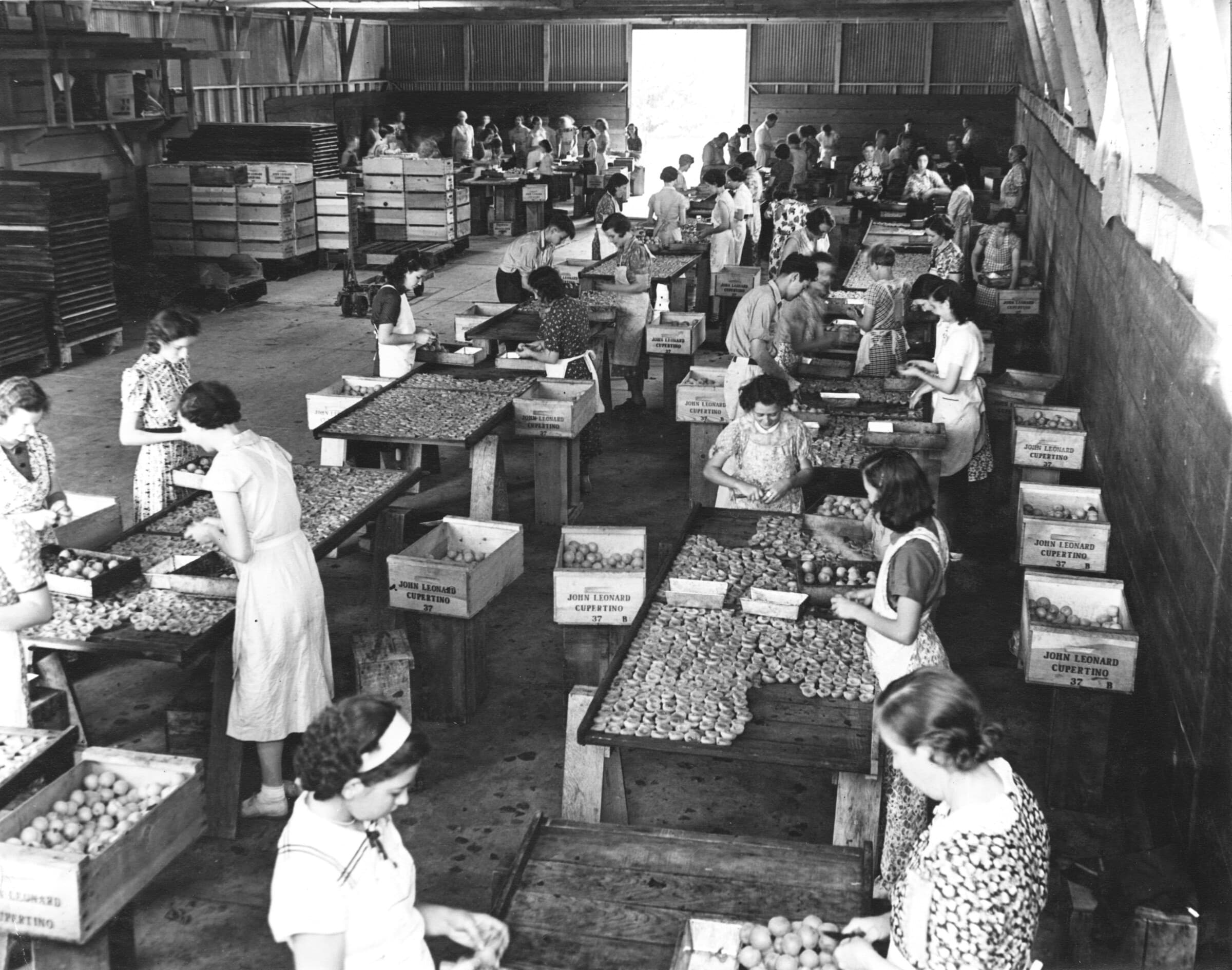
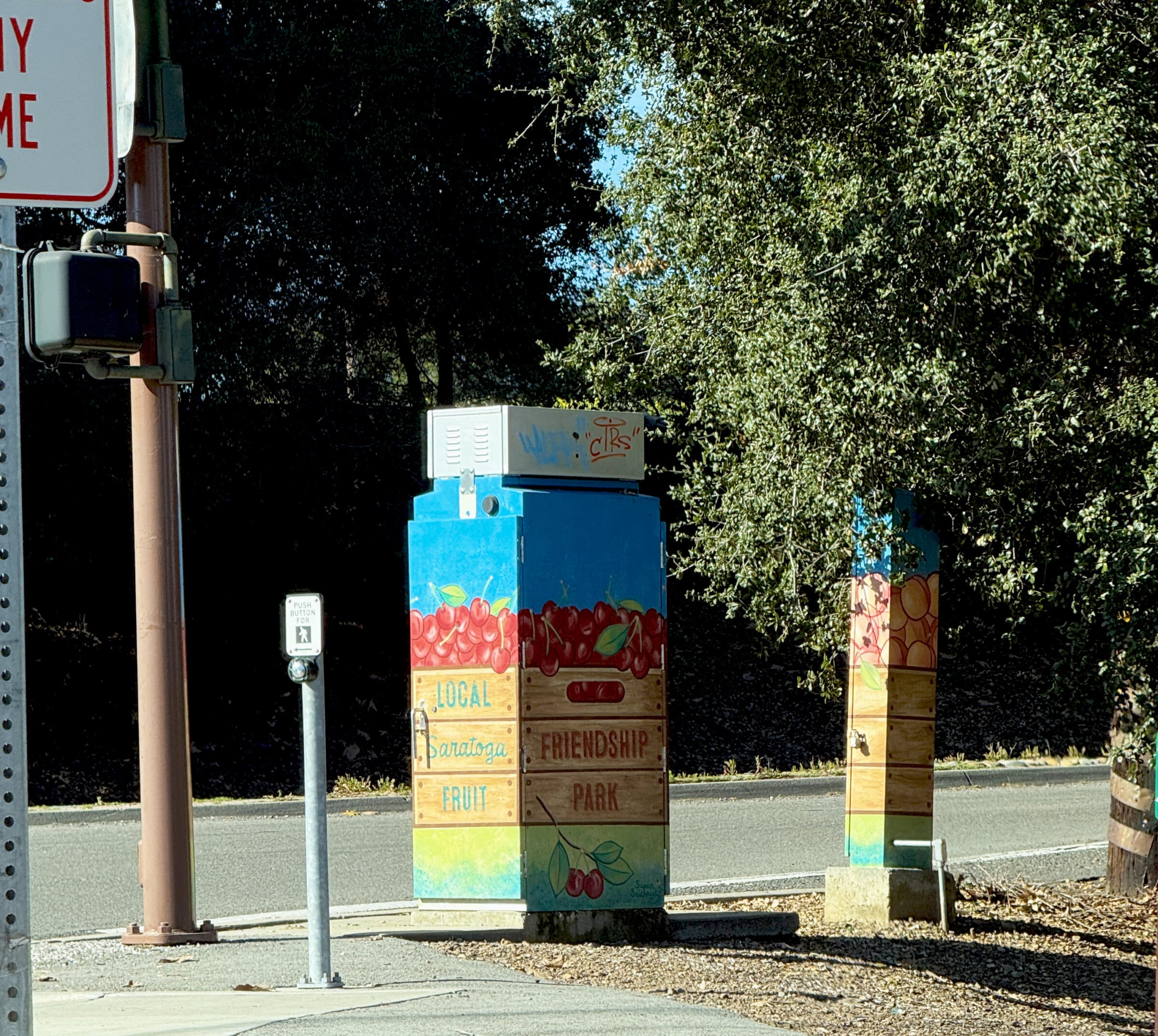
Cupertino incorporated in 1955, growing steadily over the following decades. In 1967, DeAnza College opened on the grounds of a former winery, welcoming tens of thousands of student commuters, and bringing even more cars to city streets. 8 Malone, the technology reporter who grew up during this time, recalled the minor frictions between the “long-established blue-collar workers and newly arrived professionals come West,” even if the children of this new, upwardly mobile class spent their summers slicing apricots at the local orchards. 9
By the eighties, Cupertino wasn’t big enough for both orchards and microchips.
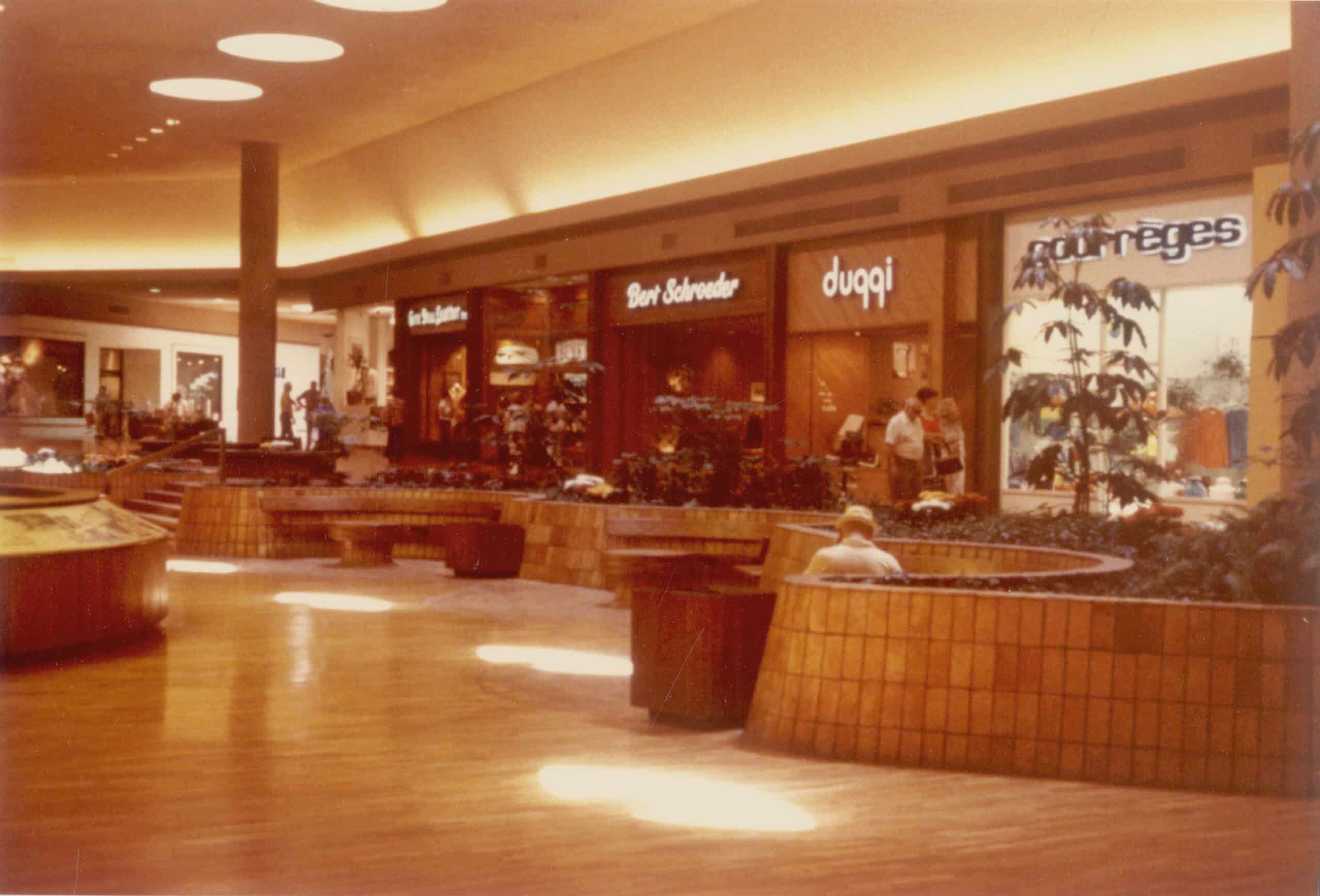
By the eighties, Cupertino wasn’t big enough for both orchards and microchips. All the wide-open fields that were there when we arrived were being developed for offices and condos, and the traffic had become a problem. As suburbanization intensified, the longtime farming families faced a dilemma. Fortune was no longer on their side, and property values were skyrocketing. Vallco Shopping Mall, which opened in 1976, was built on Burrell Leonard’s former prune and apricot orchard. The Mariani family, longtime heroes from Cupertino’s farming days, downsized and downsized again, moving first to the outskirts of San José, and then to Vacaville.
By the mid-1980s, the Bay Area’s farmland was “at a precarious point,” or so warned People for Open Space, a local environmental non-profit. 10 Nonetheless, in order to clear space for 85, the traffic authority acquired over four-hundred properties, including several orchards, as well as three golf driving ranges, a florist’s shop, a hot tub store, and a roost used by a pigeon racing operation. 11
Vestiges of the agricultural past quickly disappeared.
Mel and Gloria Basuini, longtime Los Gatos residents, had owned and operated a fruit stand for 26 years, but now the stand was in the path of 85, and it was summarily purchased by the government.“We made good money selling pumpkins, flowers, vegetables, ‘cots, cherries, and fireworks. We sold everything there.” 12 Vestiges of the agricultural past disappeared, until all that was left were streets and local parks named after the fruits that once grew there and the people who grew them. For many years, Apple’s headquarters were on Mariani Street.
How different were we from the defense workers who arrived after World War II, adjusting to life alongside farmers and agricultural workers? It was only when I was older that I began to recognize the degree to which the American story turns on chance. We narrativize happenstance and fluke as if it were all a dream, destiny, a God-given right. In truth, my family and others like us were simply the latest wave of strivers drawn to opportunity.
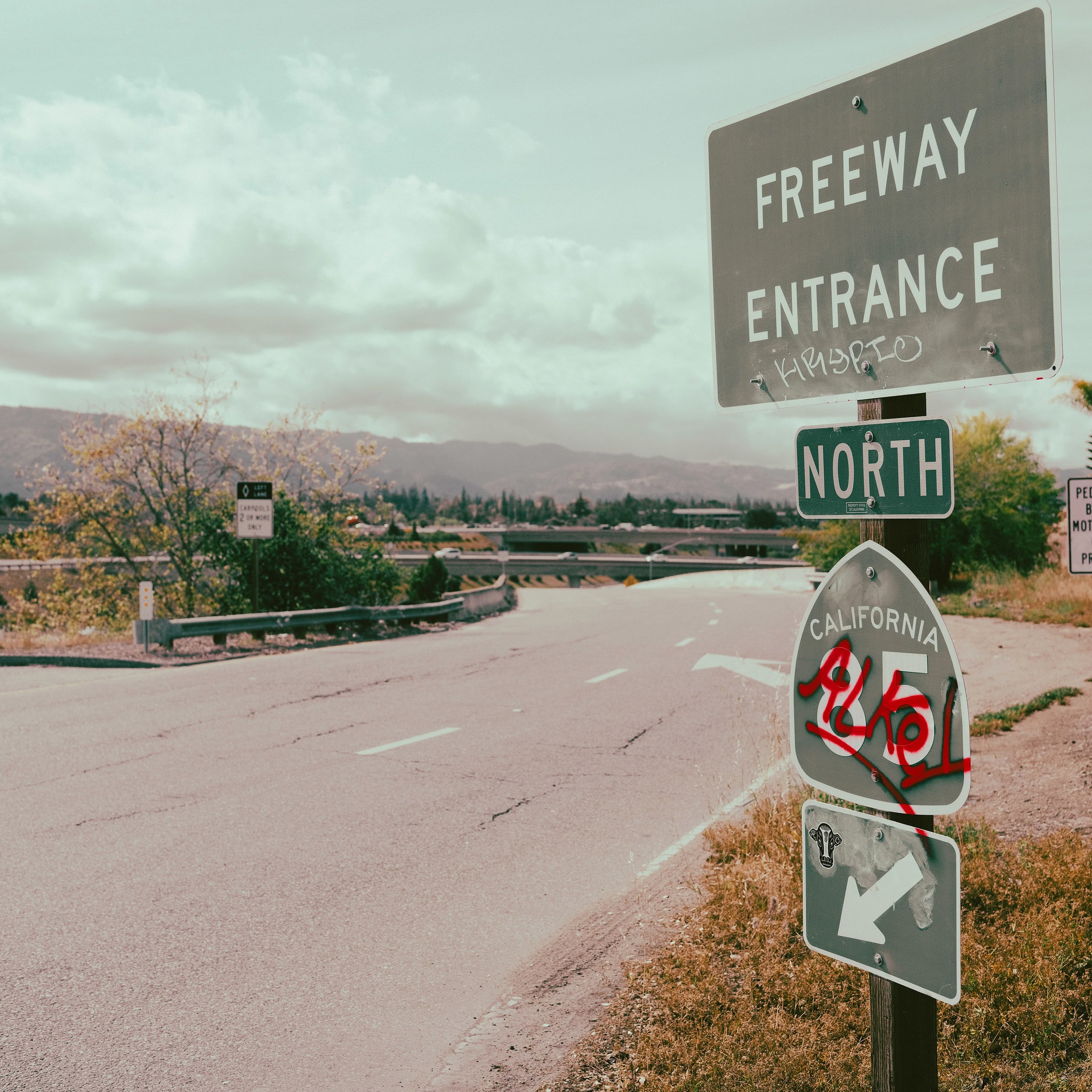
I was on my way home one night when I finally summoned the courage to take 85. I had been behind the wheel for a few months by then, yet I’d never driven on a highway, any highway, let alone one with a higher speed limit. Eighty-five had a reputation for moving much faster than 280 or 101. Figuring it was now or never, I breathed deeply and followed the ramp down from Saratoga-Sunnyvale. I took the merge slowly, thankful there were no cars pressuring me forward. But once I found myself on 85, driving the same stretch where I’d walked just a few weeks earlier, I suddenly understood the allure of speed. Home was only one exit away, but it was an unprecedented, intoxicating thrill to zoom through the night. A whole new world of possibility was now available. I felt a frenzied rush to leave the South Bay altogether, to drive my way from 85 to 101 North (toward San Francisco) as quickly and frequently as possible.
We narrativize happenstance and fluke as if it were all a dream, destiny, a God-given right.
I went to one of those high schools that was notably Asian American, and we were conscious that we represented some kind of break from the past, even though the particulars of that past were vague in our minds. Cupertino’s Asian population had jumped from 6.8 percent in 1980 to 24 percent in 1994. The Cupertino Union School District, once nearly 96 percent white, is now 34 percent Asian. 13 A real estate report touting Cupertino for its idyllic weather and, at the time, affordable real estate noted the “influx of Asian children,” and subsequent efforts to get immigrant parents more involved in schools and classrooms. 14 You could see the changes happening to Cupertino in every strip mall. Suddenly, old steakhouses became Chinese restaurants, shuttered businesses found new life catering to the city’s immigrant population. Marina Foods, the largest of the area’s Asian supermarkets, was described as a “one-stop symbol of the sweeping demographic changes taking place in suburban communities.” 15
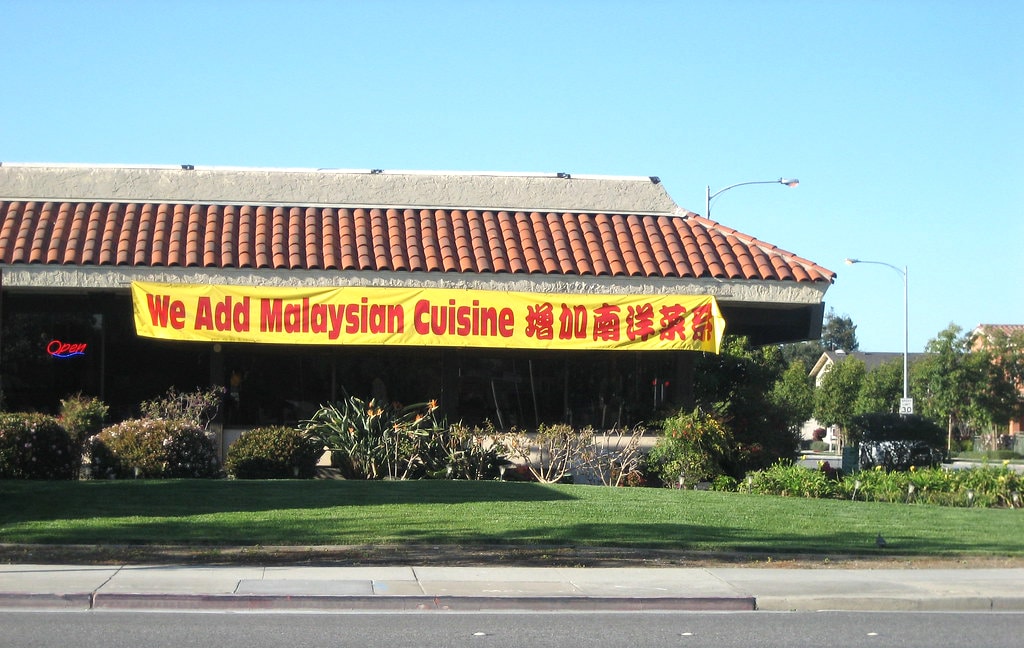
Occasionally, there would be some local controversy around Asian-language signage or the increasingly competitive nature of the area schools. We knew that the make-up of Silicon Valley was not representative of the rest of the country. We did not know that our laissez-faire outlook toward the future was also unique, something we’d inherited from our specific surroundings. Our birthright was a kind of West Coast-style self-assurance that mixed that attitude of innovation-obsessed Bay Area elites with a much earlier mindset, of California transplants rejecting the stuffy decorum of the East. We didn’t know to historicize our haughty attitudes. I had a flash of understanding when a classmate wondered aloud if kids in Detroit or Pittsburgh used to feel as smug as we did — that is, before unforeseeable forces wrecked their local economies.
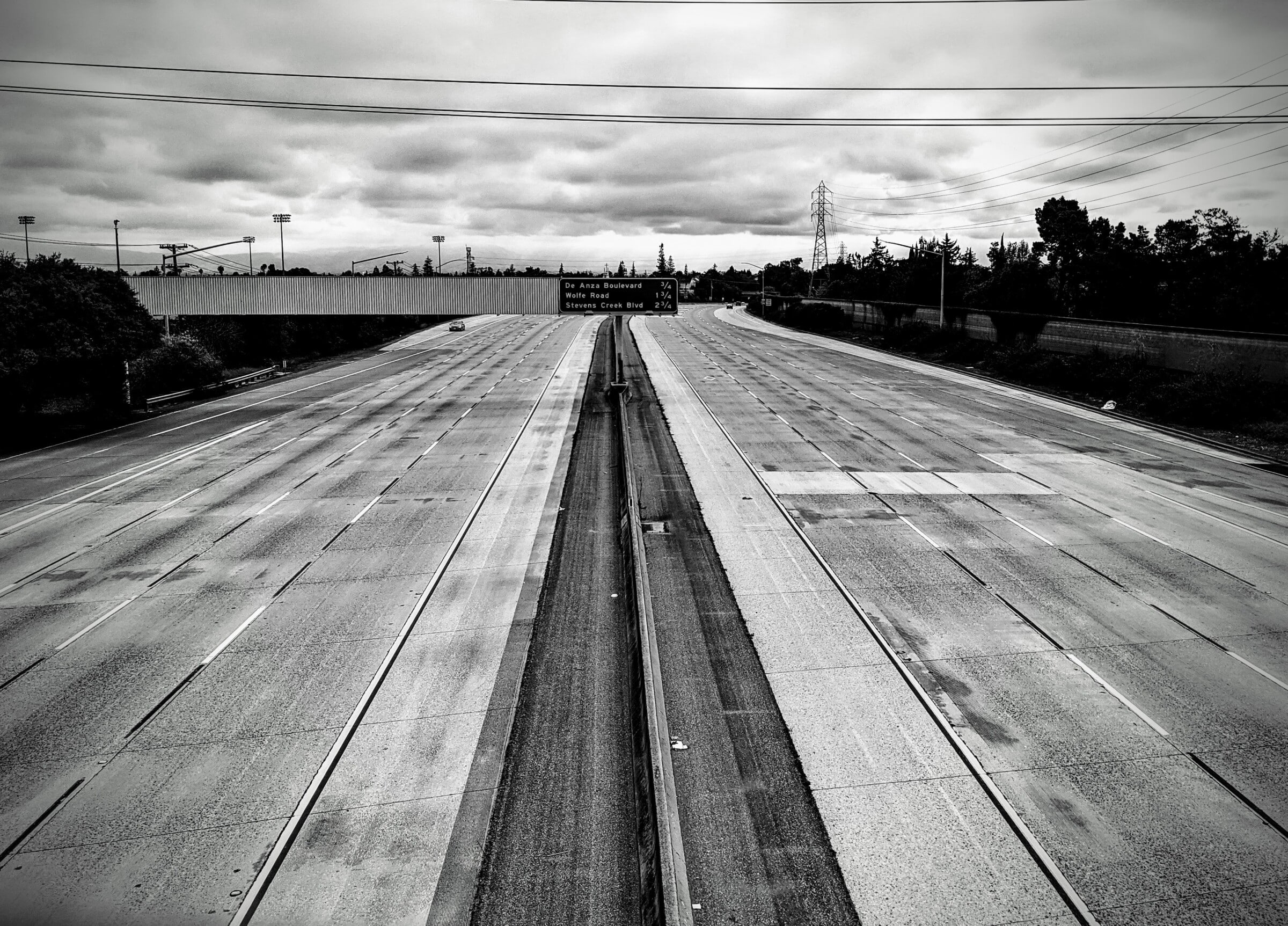
I didn’t want to stick around and find out the answer. I moved away from the Bay Area in 2000, eventually ending up in New York City. For a while, it seemed inevitable that I would one day return — when and if to move back is a common topic of conversation among most Californians on the East Coast. Yet as Silicon Valley changed, so did my relationship to Silicon Valley, to the degree that I don’t know what I would be returning to, or why. For years, each time I visited my parents, I’d lament the disappearance of a beloved bookshop, until there were no bookshops left at all. The companies now drawing new generations of young workers to the area didn’t even exist when I was growing up. I continue to track Silicon Valley’s changes from afar, but I don’t plot a return.
As Silicon Valley changed, so did my relationship to Silicon Valley, to the degree that I don’t know what I would be returning to, or why.
A few years ago, my parents decided they no longer needed so much space. They decided to put their house on the market, in hopes that another young family might benefit from the area’s excellent public schools. But when they tried to sell it, they realized how much fashions had changed. Prospective buyers balked at our home’s dated style, and Silicon Valley’s center of gravity had slightly shifted. I heard that the newer immigrants didn’t think the public schools were good enough, though they were ferociously competitive, and many families were opting for private schools that I hadn’t even known existed. Foreignness was once something to be tamed, but now the density of Asian immigrants was a selling point. “This is a high-tech-oriented community, and there are a lot of economic relationships between the high-tech community and Asian countries,” a local school principal observed, touting her school’s language immersion programs. “Being able to speak Mandarin is seen as a real advantage.” 16
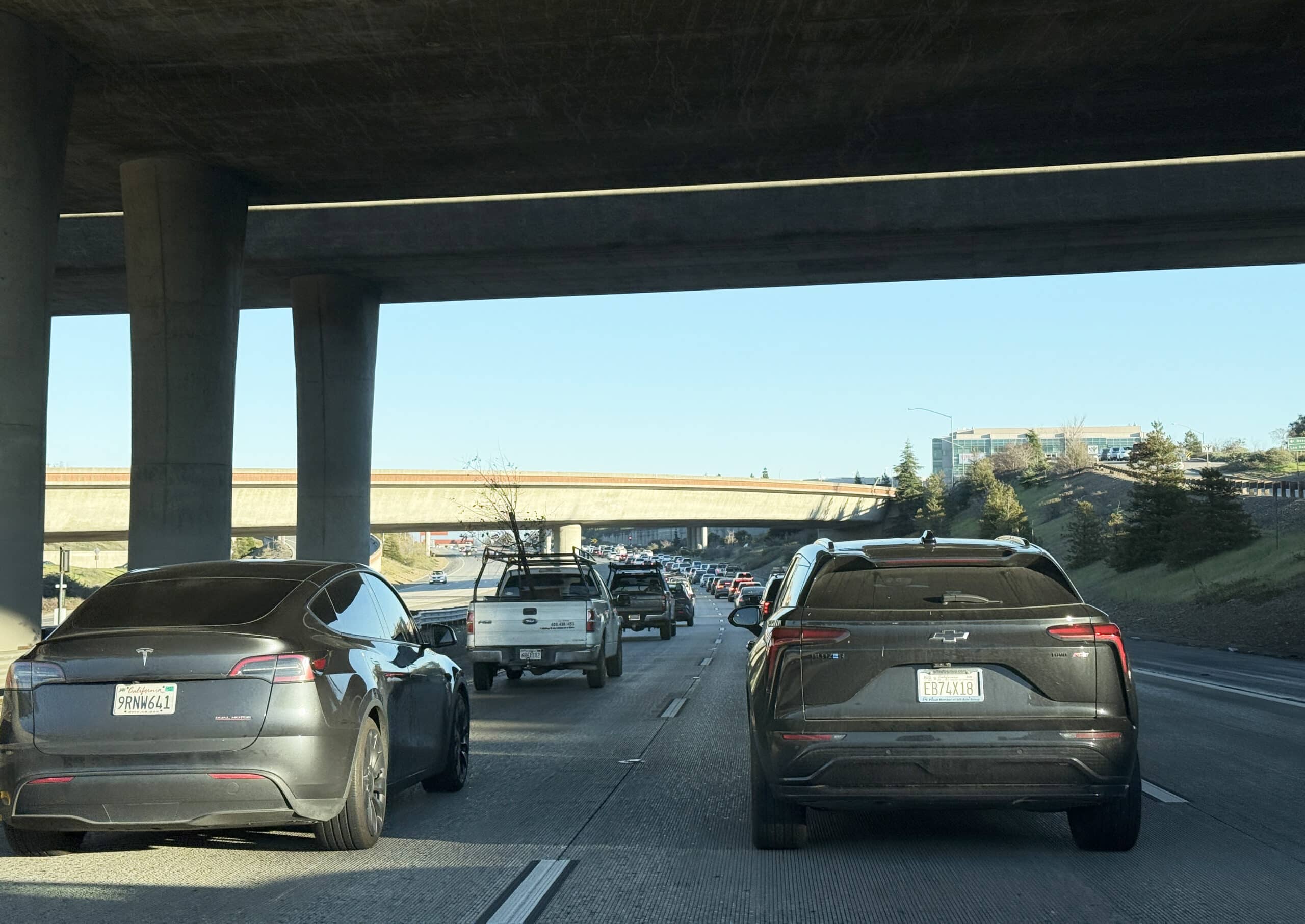
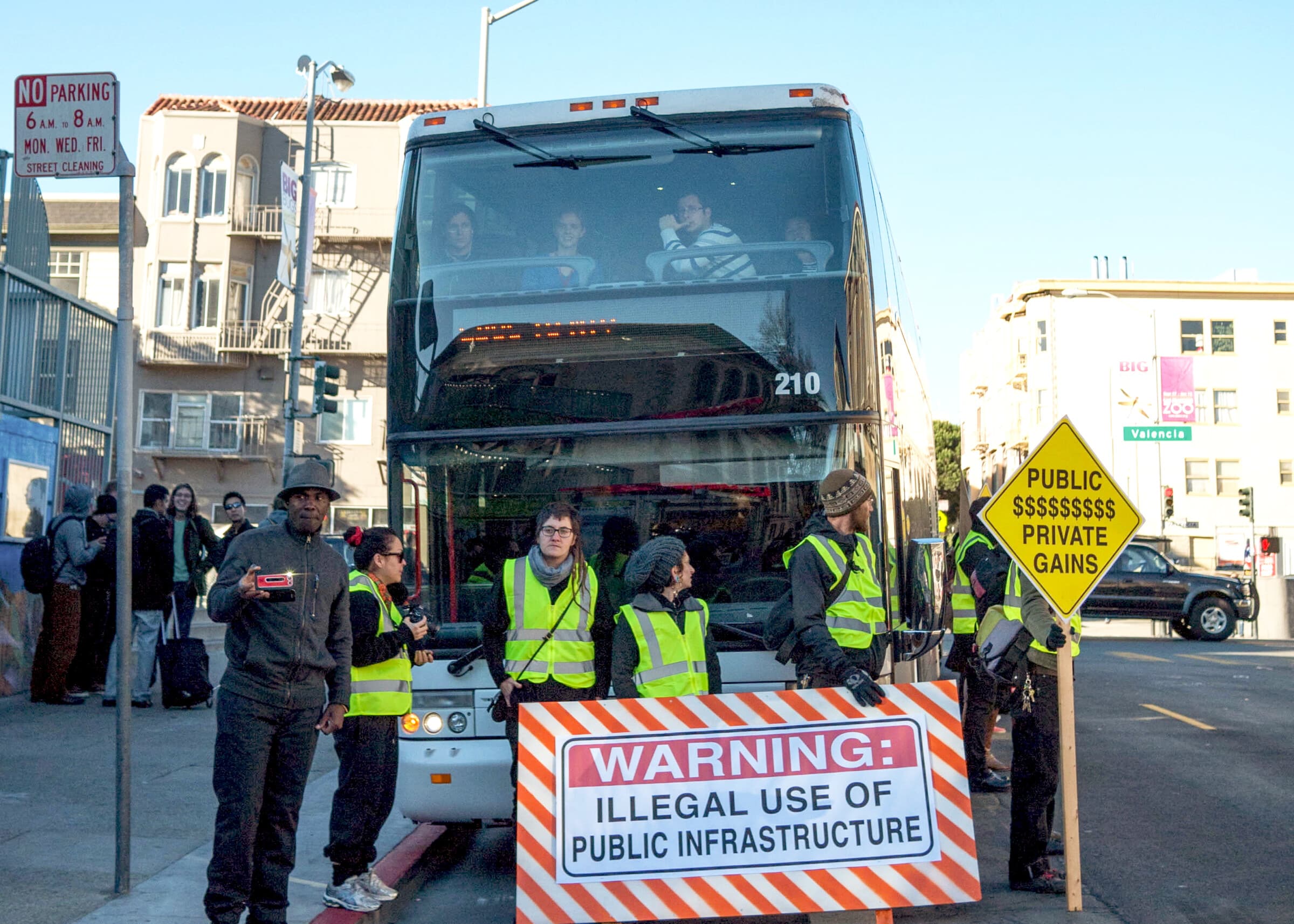
Neither was the house’s proximity to Highway 85 an unqualified asset. A celebrated traffic solution was a new generation’s nightmare. The rate of growth had outpaced 85’s modest six lanes. “Every year, nerve-fraying traffic jams worsen,” remarked one local reporter. The problem was that “companies feverishly hire workers who, due to the region’s housing crunch, often must commute from far away.” 17
To recall what something once was marks the city as yours. Does the same apply to a suburb? Why do I feel protective about a highway?
My parents eventually moved to a townhouse near Campbell, a city just south of San José. They discovered new routines and somehow found new places for niche Chinese food that they claim to be superior to their old favorites. Nonetheless, we feel like Silicon Valley old timers — a little out of step with the times. I marvel at the self-assurance of the newer immigrants who hail from the Mainland or India and who have no idea that this restaurant was once a guitar shop, that this grocery store was once the only place in town to get the newest Nikes. I often think about something Colson Whitehead wrote about New York City, perhaps the most fabled of all the world’s cities — how the capacity to recall what something once was marks the city as yours. Does the same apply to a suburb, the most boring of all built environments? Why do I feel protective about a highway? State Route 85 now inspires dread, but I remember when it was a vision of the future.
Earlier this year, my son and I flew to the Bay Area to visit my parents. He loves to see his grandparents, but loathes the amount of time we spend in a car during these visits. We like to go to museums, and on this trip, my father found one that none of us had ever heard of. The Computer History Museum is located in the former offices of Silicon Graphics, near the amphitheater where I saw my first concerts. While my father bought us tickets, my kid wandered over to an arcade in the lobby, more interested in the final product of innovation rather than its tedious iterations. A steady stream of men in their thirties and forties took turns beating him at Street Fighter II.
My dad pointed to the computer languages he’d learned in the sixties and seventies, while my son found the ones he’d learned at an after-school program.
Beginning with early counting and calculating devices — the abacus, Napier’s bones, the slide rule — the exhibitions track the evolution of humanity’s relationship to computational machinery. There are punch card machines the size of dining room tables, analog computers from the sixties that look like psychedelic tangles of colorful wire, a replica of the beanbag chairs used for laid-back brainstorming at Xerox’s famed Palo Alto Research Center. A wall of iron-on badges and metal pins touted alternative programming languages and operating systems forgotten to time. My dad pointed to the languages he had learned in the sixties and seventies, while my son walked to the far edge of the display and found the ones he had learned at an after-school program.
The museum felt like a hoarder’s paradise, especially the primitive video game consoles, the various forms of disk storage, office paperwork from the earliest days of Silicon Valley, a long display case of novelty mouses. When I pointed at an object the size of a refrigerator and told my son this is what computers used to look like, he giggled with the kind of secondhand embarrassment that the young reserve for the old.
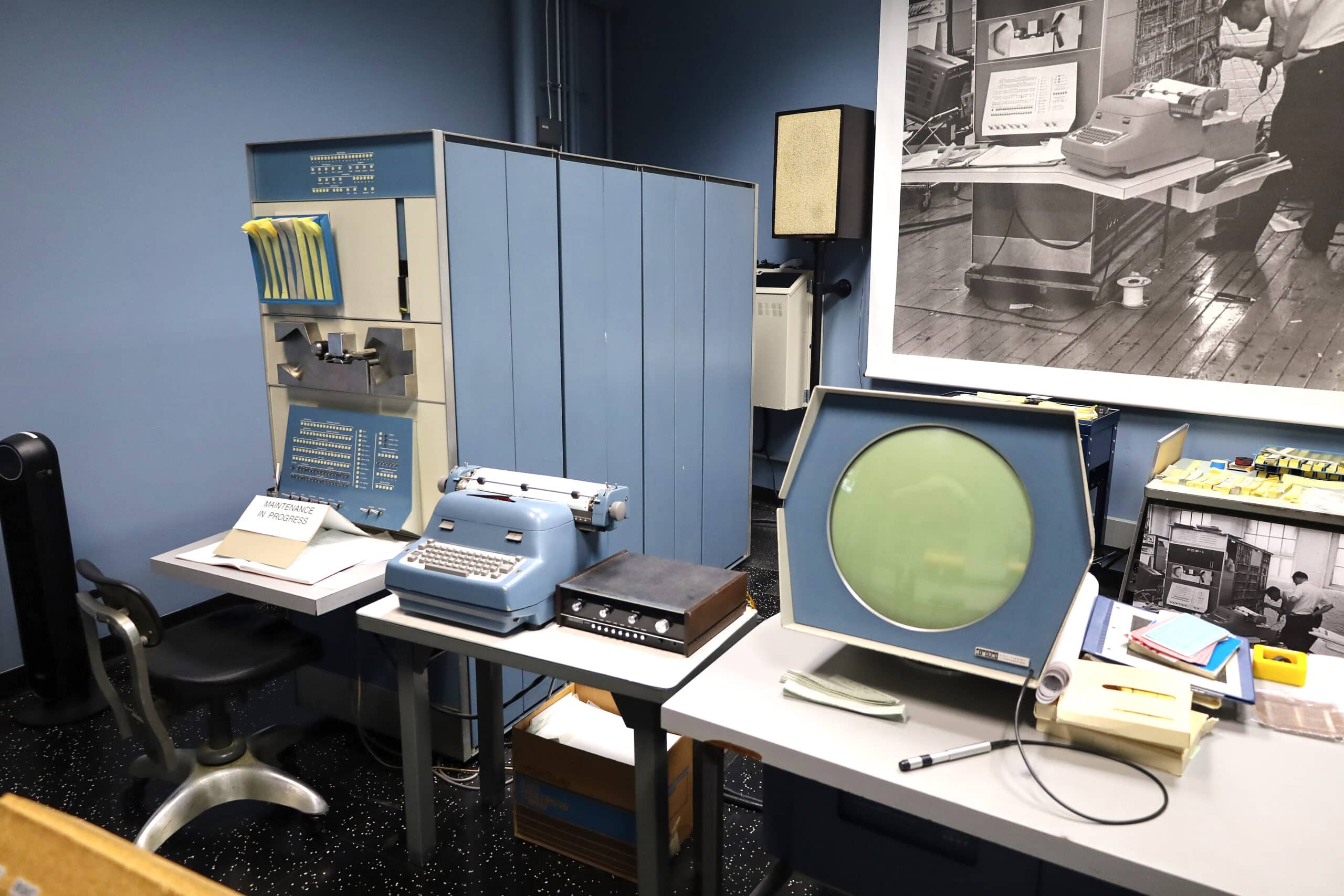
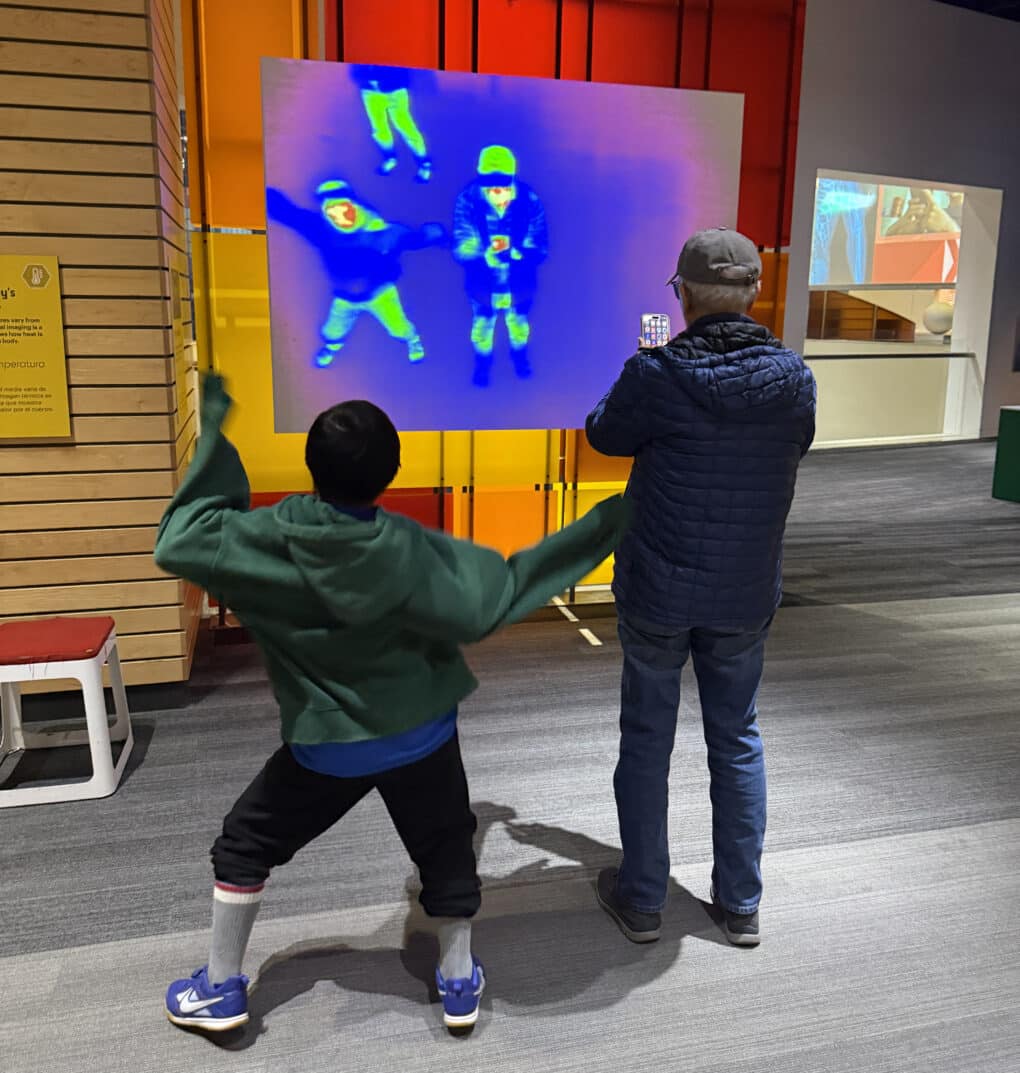
My father often seemed lost in delight as he looked at the various pieces of hardware he had aged alongside. Zeros and ones, on and off switches, all processed at increasingly unfathomable speeds, with promise of a better tomorrow. “Silicon Valley doesn’t do history,” the author Eric Weiner argued. “History is, at best, an afterthought in a region that has its gaze firmly fixed on the future.” 18 We romanticize the visionaries and tolerate the failures, so long as the next version works. Perhaps inevitably, the museum’s story was told from the perspective of present-day triumph, justifying all the missteps and labor along the way. The historiography of Silicon Valley is built around Jobs and Woz, Mark Zuckerberg, Robert Noyce, and Gordon Moore. But I was mesmerized by a black-and-white photograph from the early twentieth century showing rooms of workers, sitting in rows, handling small pieces of complex mathematical equations. It looked like a math sweatshop.
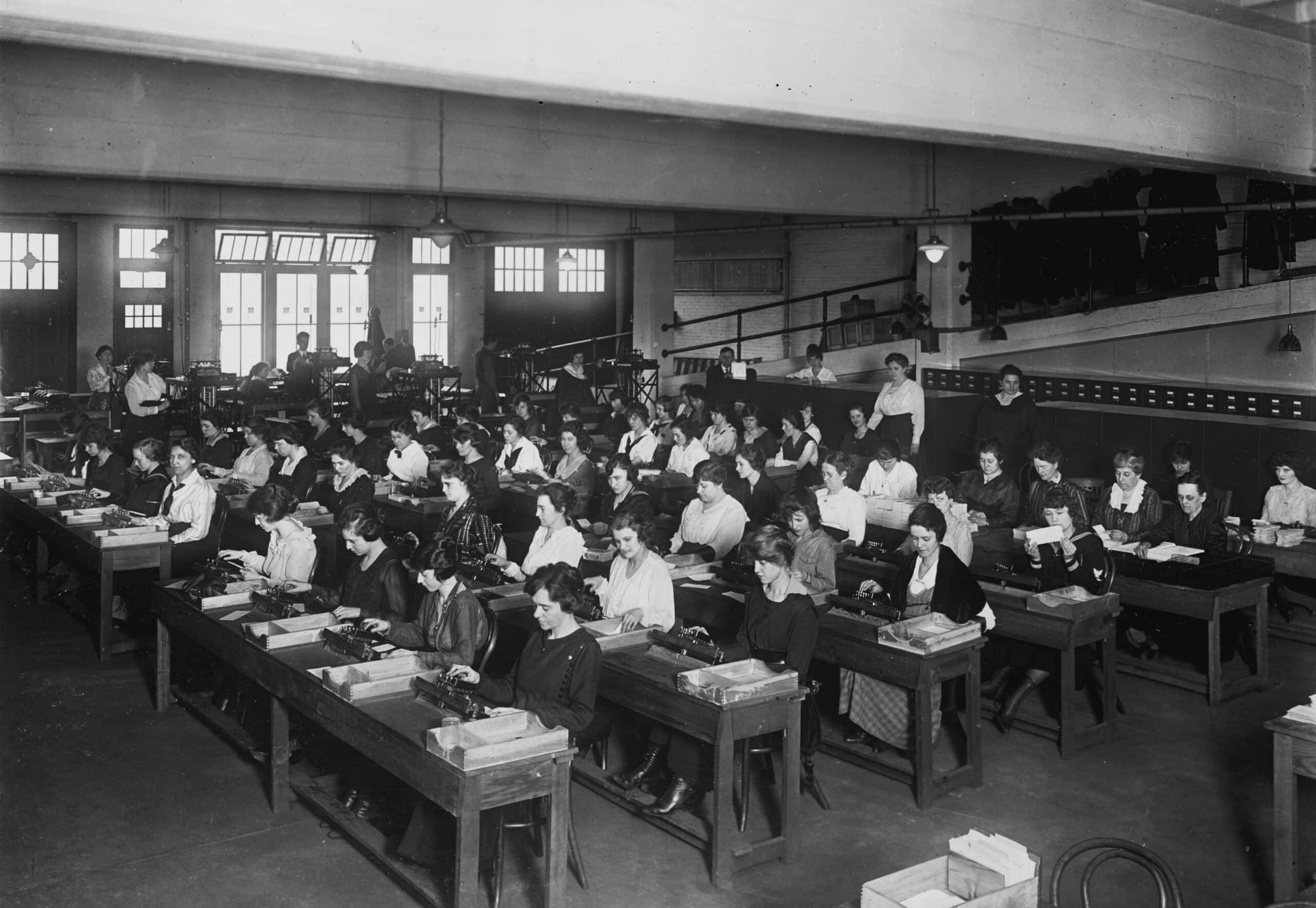
I thought of my parents’ generation, the engineers or lab workers behind the scenes who were rarely recognized for their breakthroughs. Occasionally, my dad would point to someone in one of the museum displays and recall how their paths had briefly crossed. A history that’s only written to flatter our present leaves out these smaller stories, the reverberations of ambition and frustration, the minor hopes of making a living rather than ruling the world. The garage-start-up success of Apple and Hewlett-Packard convinced generations that they, too, could make it on their own. But were all these dreamers racing toward the same horizon?
A history written to flatter our present leaves out the smaller stories, the minor hopes of making a living rather than ruling the world.
I thought about the almost invisible forms of labor that keep Silicon Valley going. As the researchers David Naguib Pellow and Lisa Sun-Hee Park have discussed, the region’s innovations have always relied on factory labor. In the early nineties, it was estimated that seventy to eighty percent of the production workforce consisted of Asian and Latine immigrants, most of them women. 19 Studies have detailed the unusually high rates of respiratory illness, birth defects, and cancer among the workers tasked with assembling microchips, circuit boards, and computer components. 20 In the late nineties, California tried to study the health of the early generations of electronics workers — birth defects, cancer rates, deaths — but companies balked. “I might as well take a gun and shoot myself,” Intel’s director of environmental affairs is reported to have said. 21 Today, there are twenty-three Superfund sites in Santa Clara County — the most of any county in the United States. 22
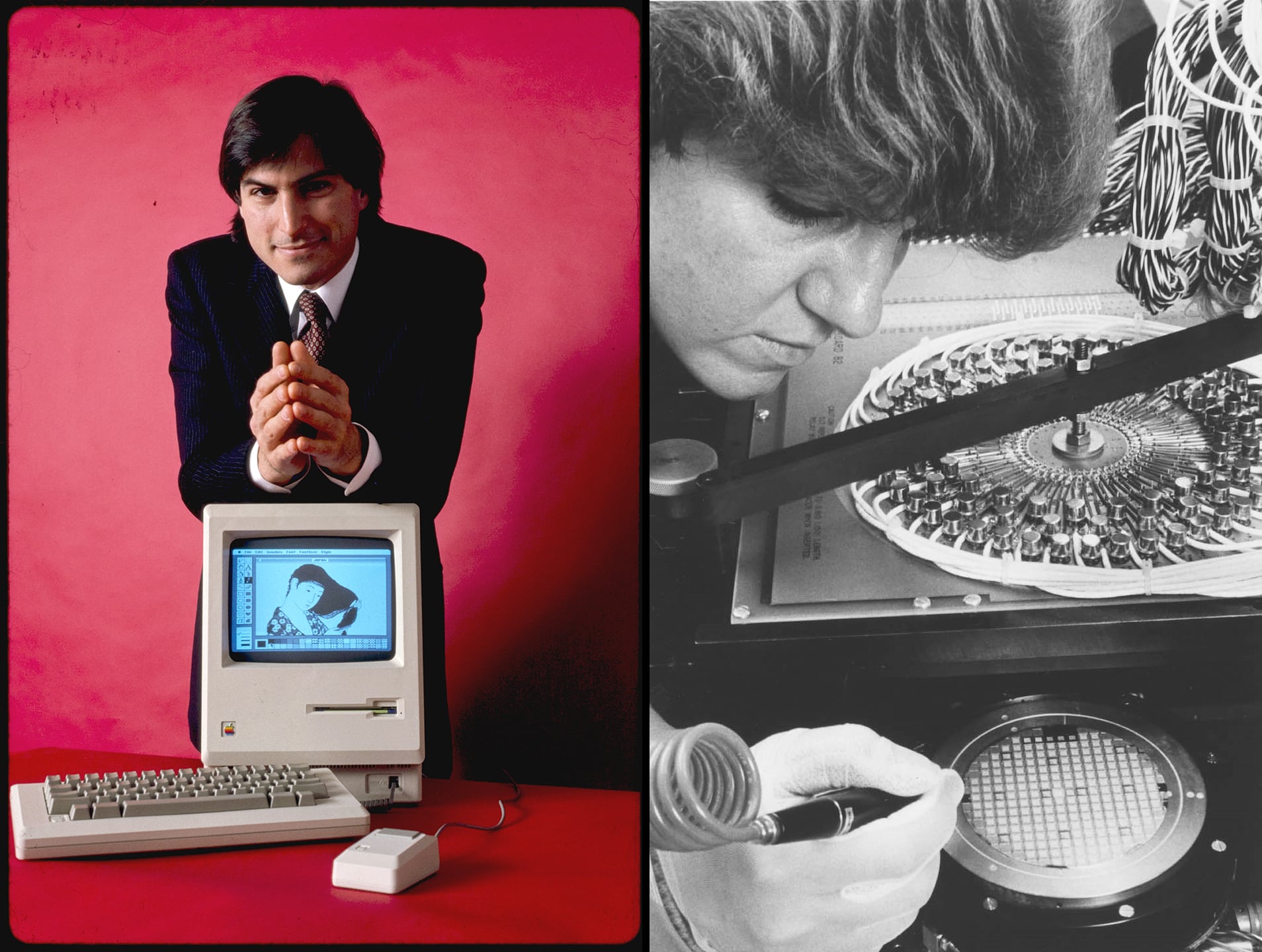
As is our family custom, we finished in the museum gift shop. There were keychains fashioned out of old circuit boards and clocks made of silicon wafers; apparently these relics of eighties and nineties futurism were now collectors’ items. My son is too young to either fetishize or fear technology. The salesman was preoccupied with a customer reminiscing at length about his days as a programmer in San José in the nineteen-nineties, and I persuaded my kid that he didn’t need yet another souvenir pen. We headed home, stopping by Donut Wheel, one of the few constants in my California life.
I had read so much about 85’s traffic, I wanted to experience it myself.
There was still time before dinner, so I dropped off my father and son and went out for a drive. I got on 85 and began heading south. I was surely the only person on the road drawn by the promise of traffic. I had read so much about how busy 85 had gotten during the 2000s tech boom, and I wanted to experience it myself. There was a predictable stop-and-go rhythm, harried surges forward and then slow-downs as we approached each exit. It was the most Teslas I’ve ever seen in one place. Every now and then, an unmarked bus would zoom down my left in the carpool lane. Company shuttles are one of the perks of today’s top tech jobs, the bargain being that you can keep working in exchange for the convenience of not having to drive.
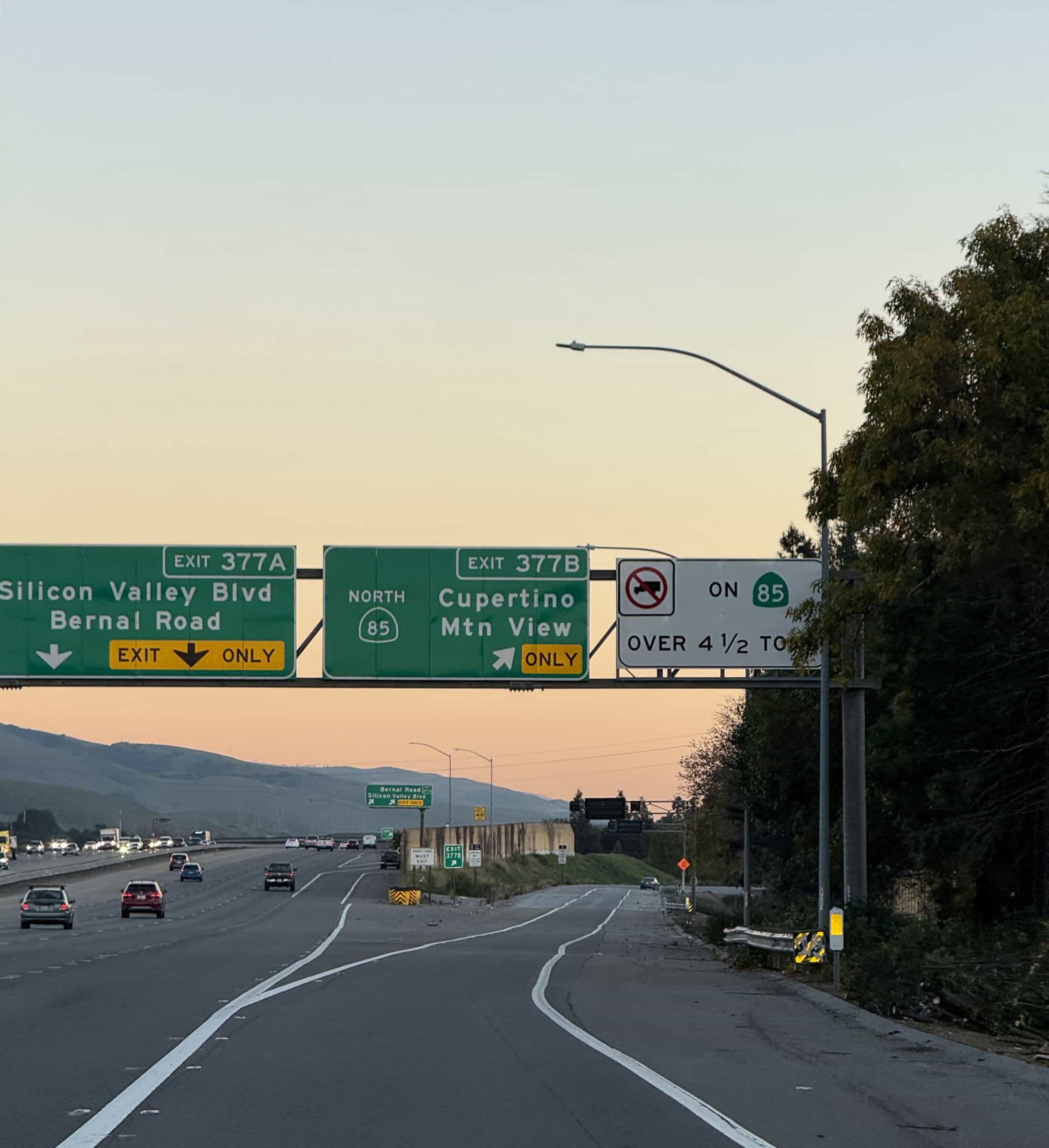
I had nowhere to go, guided only by my curiosity about where 85 ended to the south. I had spent most of my time driving in the other direction; as a teenager, I had no use for places like Morgan Hill or Gilroy. I still can’t identify Cupertino in relation to San José on a map, but I know exactly where it lies vis à vis San Francisco and Berkeley. After a while, I felt the strange awe of watching the sun set while marooned in traffic. I listened to KSCU, the college radio station where I briefly DJed the summer before moving east. Twentysomething aesthetes testing out their snobberies, sharing their passions, sending their beacons into the void. A young woman cued up her next favorite, and I admired how she had honed the ability to sound passionately dispassionate. It was only while stationary, staring out the driver side window, that I remembered the valley of Silicon Valley. I was surrounded by mountains.
Steve Jobs took a helicopter ride over Coyote Valley farmland and immediately began imagining a network of buildings.
“There used to be flower growers all over, as far as you can see,” a carnation farmer in Sunnyvale lamented in 1983. “Property has gotten so valuable that everybody sold out and moved south.” 23 At the time, Silicon Valley was confronting the tech industry’s sprawl. There was pressure to find cheaper land and claim more of it. That year, Steve Jobs took a helicopter ride with a real estate consultant and an Apple executive to Coyote Valley, around where 85 terminates at 101. At the time, local officials were looking to zone 1,300 acres of farmland and hillsides for a research and development park. The project would bring in much-needed cash; Proposition 13, which capped property tax increases and presaged the taxpayer revolts of the eighties, had eaten away at local revenues.
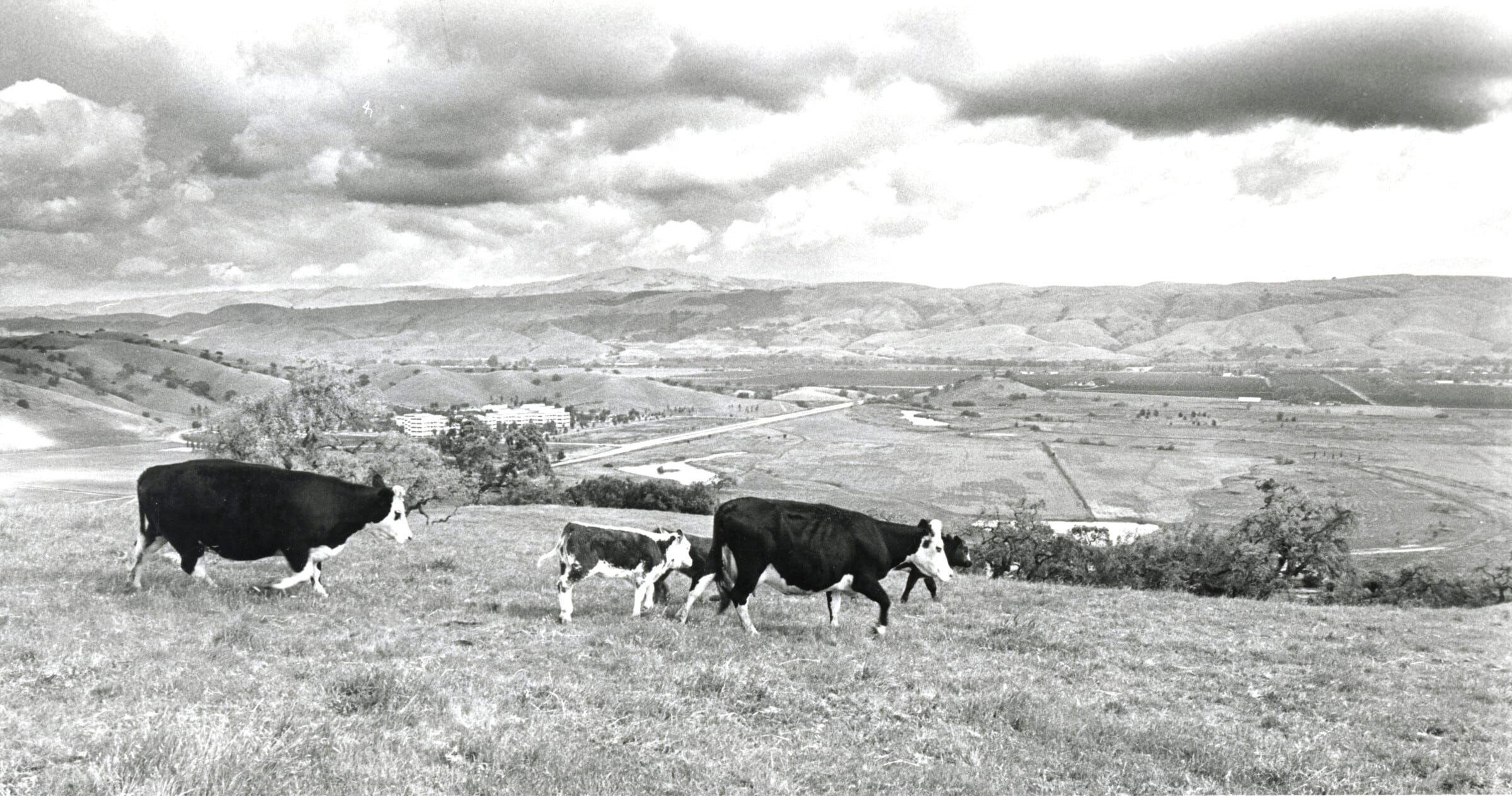
Jobs asked for the helicopter to land on the valley floor. He looked at a nearby hillside and immediately began imagining a network of buildings connected by a tram. That night, he went out to dinner with San José Mayor Tom McEnery and detailed his plans to move Apple’s base of operations from Cupertino to Coyote Valley. 24 Apple went so far as to purchase a plot of land, and they weren’t the only ones. Tandem Computers and Verbatim were also looking to relocate the bulk of their operations to Coyote Valley. There was no resistance from local officials. As Santa Clara County’s planning director put it, “An economic machine is virtually uncontrollable.” The idea was to “get ahead of it,” and profit accordingly. 25
I kept driving south, toward the outskirts of Silicon Valley. The cars thinned out just past San José. I was further now from the intense heart of commerce. There were advertisements for new office parks, and I was free to shift lanes. KSCU’s signal wavered, competing with a Central Valley country broadcaster and, briefly, a Mandarin talk show.
Of course there is no Apple headquarters in Coyote Valley. Otherwise, your phone would list their weather, too.
Of course there is no Apple headquarters in Coyote Valley. Otherwise, your phone would list their weather, too. Jobs eventually lost a power struggle within Apple, and his plans were shelved. The research and development park never came to be. In the 2000s, Cisco tried a similar plan, and eventually gave up as well. Time and again, efforts to develop the Coyote Valley have been resisted by locals, who organized to protect their lands. The residents feared sprawl, and they took action. Today, Coyote Valley comprises one of the largest greenbelts in the Bay Area.
I had never paid any mind to Coyote Valley, because I’d never had reason to drive this far south. Your eyes readjust to the undeveloped land, and you forget that a choice was made to keep it this way. When I was younger, I ignored these parts of the map, the earthtone splotches where there was nothing for me to buy.
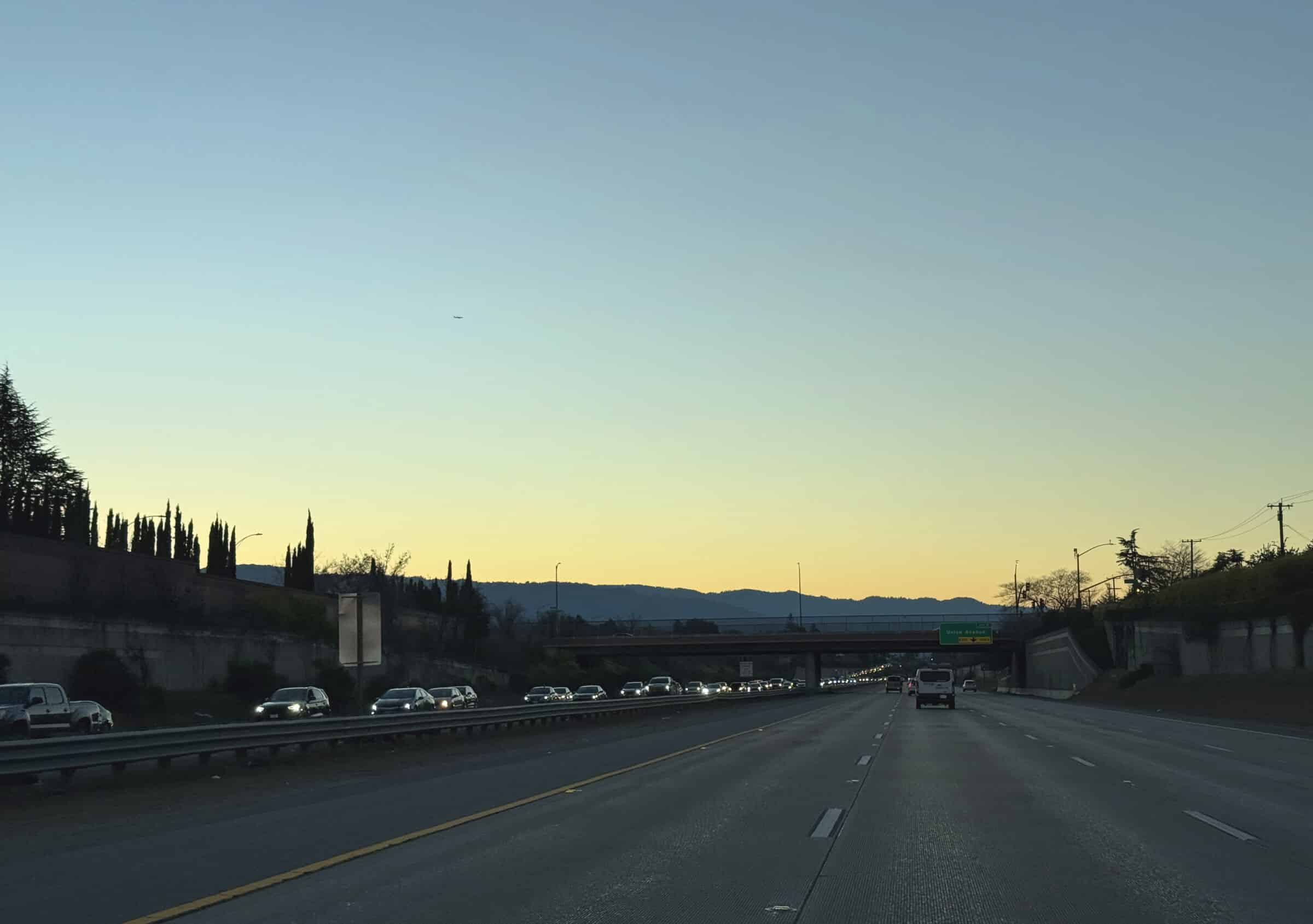
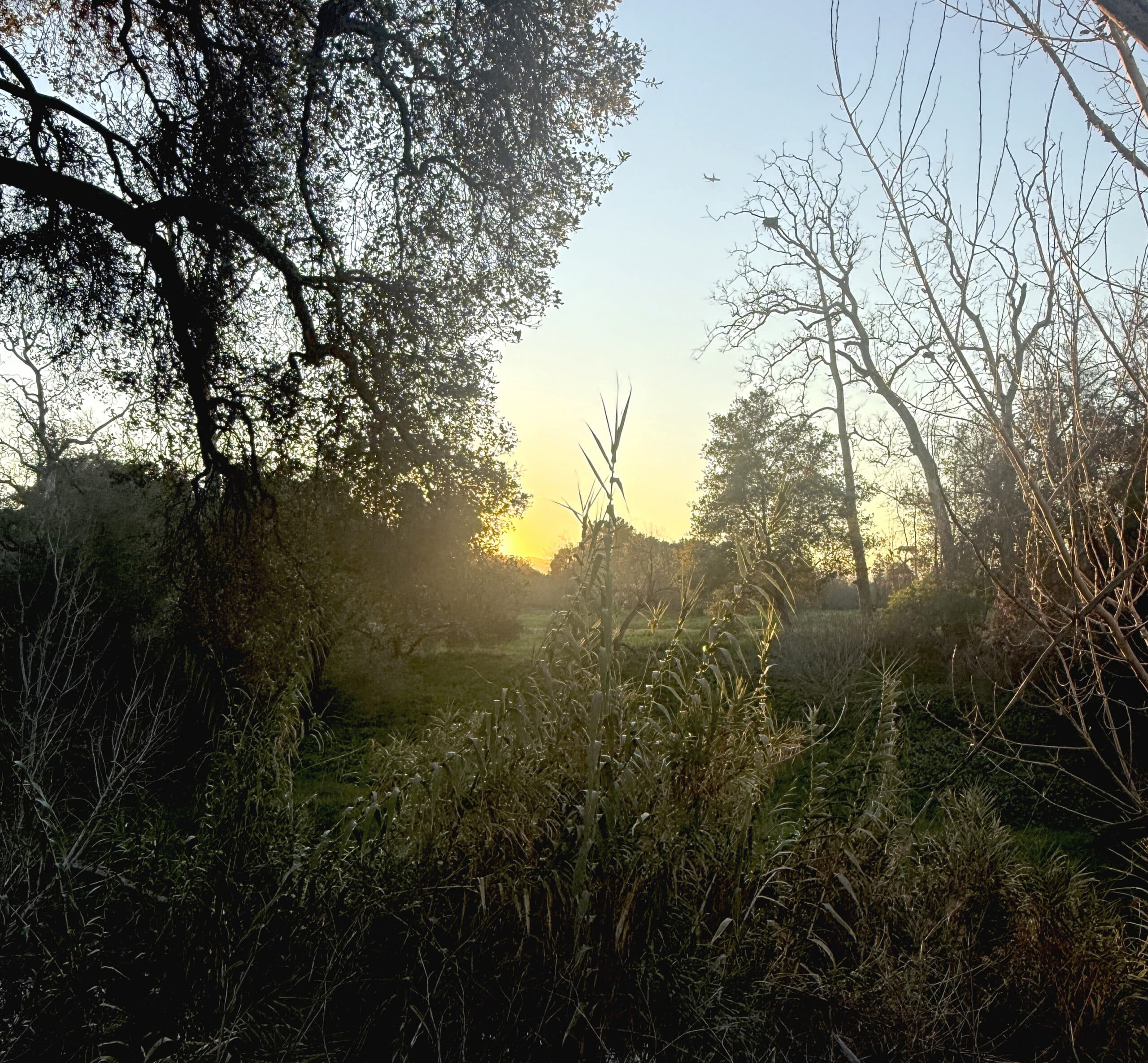
I was reaching the outer limits of San José, driving alongside the light rail that was meant to make highways like 85 irrelevant. By now, my college rock snobs had completely surrendered to a DJ with a country twang. The traffic cleared, and the cars grew more modest, the billboards more aspirational. As 85 approaches 101, you begin to catch glimpses of what Jobs once saw, even if you don’t share his specific vision. I exited the highway as soon as I could and drove toward a green expanse in the distance. I parked at a trailhead and began walking, uncertain of where I was going. I could still hear the cars speeding down the highway in the distance, yet it sounded serene, like the ocean. There were people enjoying early evening strolls, taking their dogs out after work. An immigrant family in matching helmets biked past me in single file, and for a split-second, something about the way the children so joyously trailed closely behind their parents made me forget the year. I thought it was 1986, and I recognized the children from school. But I was just a visitor. Over one shoulder, I looked and saw an office park going up miles away. And then I looked in the other direction, and there was nothing.


![Wikimedia]](https://commons.wikimedia.org/wiki/File:San_jose_ca_1994.jpg)


If you would like to comment on this article, or anything else on Places Journal, visit our Facebook page or send us a message on Twitter.