
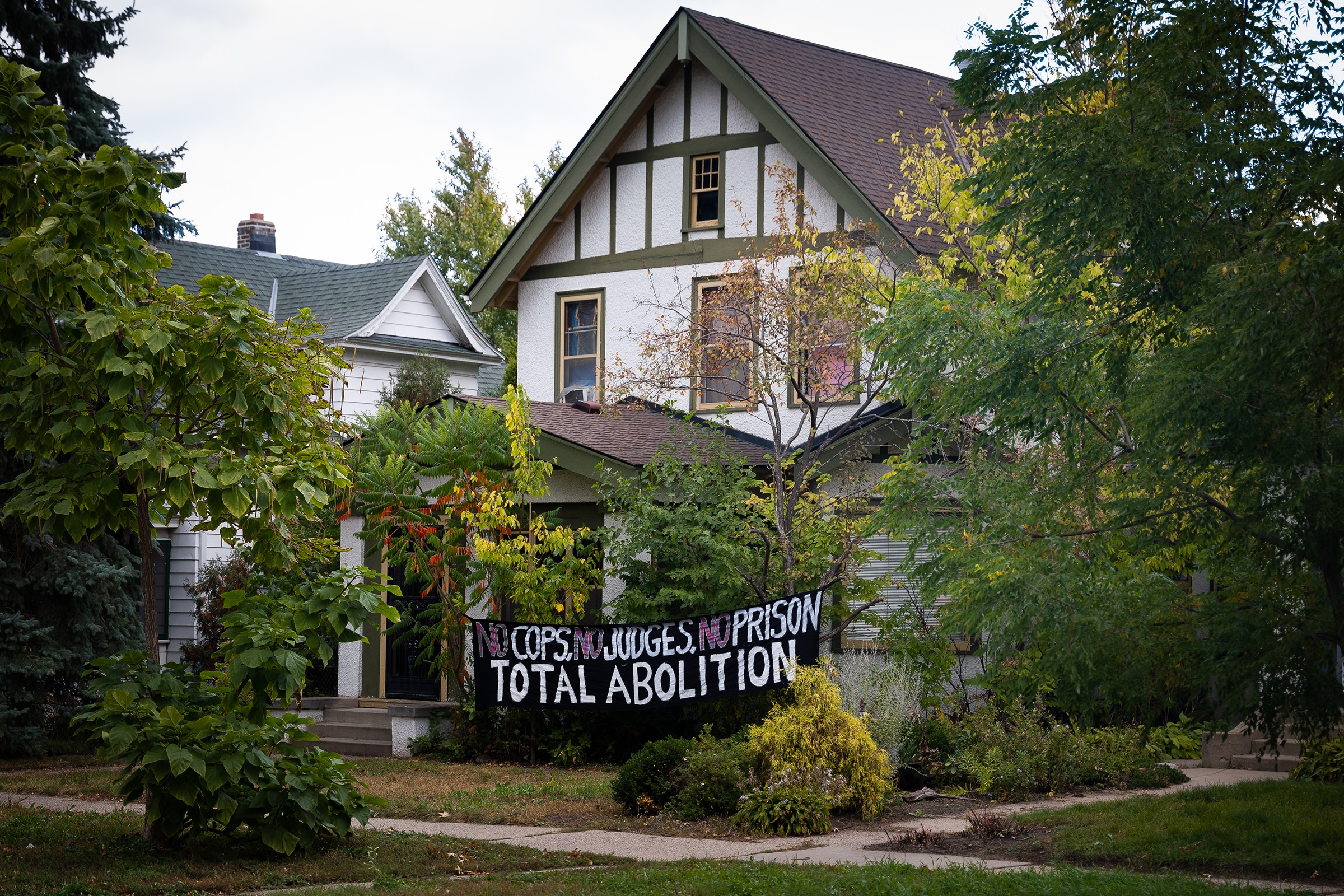
For a time in South Minneapolis the vision of prison abolition felt so close we could touch it. Chaotic, messy, terrifying, dangerous because of the brutal pushback it provoked, but close, and euphoric in its closeness. In the days and weeks and months following the murder of George Floyd, we understood we were in a new moment, when what had been largely a political framework for activist groups became something more, as people rose up to demand a new world. We were not just defending our city against police violence; we were summoning the future into the present, creating new ways of relating to one another and to the state, with an expansive conception of safety, power, and community care.
A sense of optimism runs through these interviews. More than that, possibility.
In the spring of 2020, Odie, a White trans person who grew up in North Minneapolis, had just moved to a new home on the south side of the city, near the street where Floyd was killed. They hadn’t met their neighbors yet. “But we got to know each other pretty quickly,” Odie reflected, “because somebody tried to light the auto shop on fire, on the corner of my block, just like a couple houses down. The gas station right across the street was lit on fire, you know?” A helicopter menaced the sky. Armored military vehicles rolled down the street. There were gunshots and fireworks. “You can’t know what’s what anymore,” Odie said. But amidst that chaos, they felt a sense of community: “We’re all having to come together and literally defend our homes from fire and defend our neighbors from hate crimes and defend people from being imprisoned for speaking up. You know what I mean?” 1
We were summoning the future into the present, with an expansive conception of safety, power, and community care.
And, I did know. They were describing my own experience of the Uprising, as another White trans person living just a few blocks away, seeing my neighborhood turn towards abolitionist practice, a politics I had been organizing around for years. I spoke with Alex, another trans person and activist, who was surprised by our neighbors’ willingness to “have earnest, direct conversations about what it looks like to have a really radical vision of accountability, and to understand that we can do this on our own, and that even if the police were to come, they wouldn’t have solutions better than what we could come up with.” 2
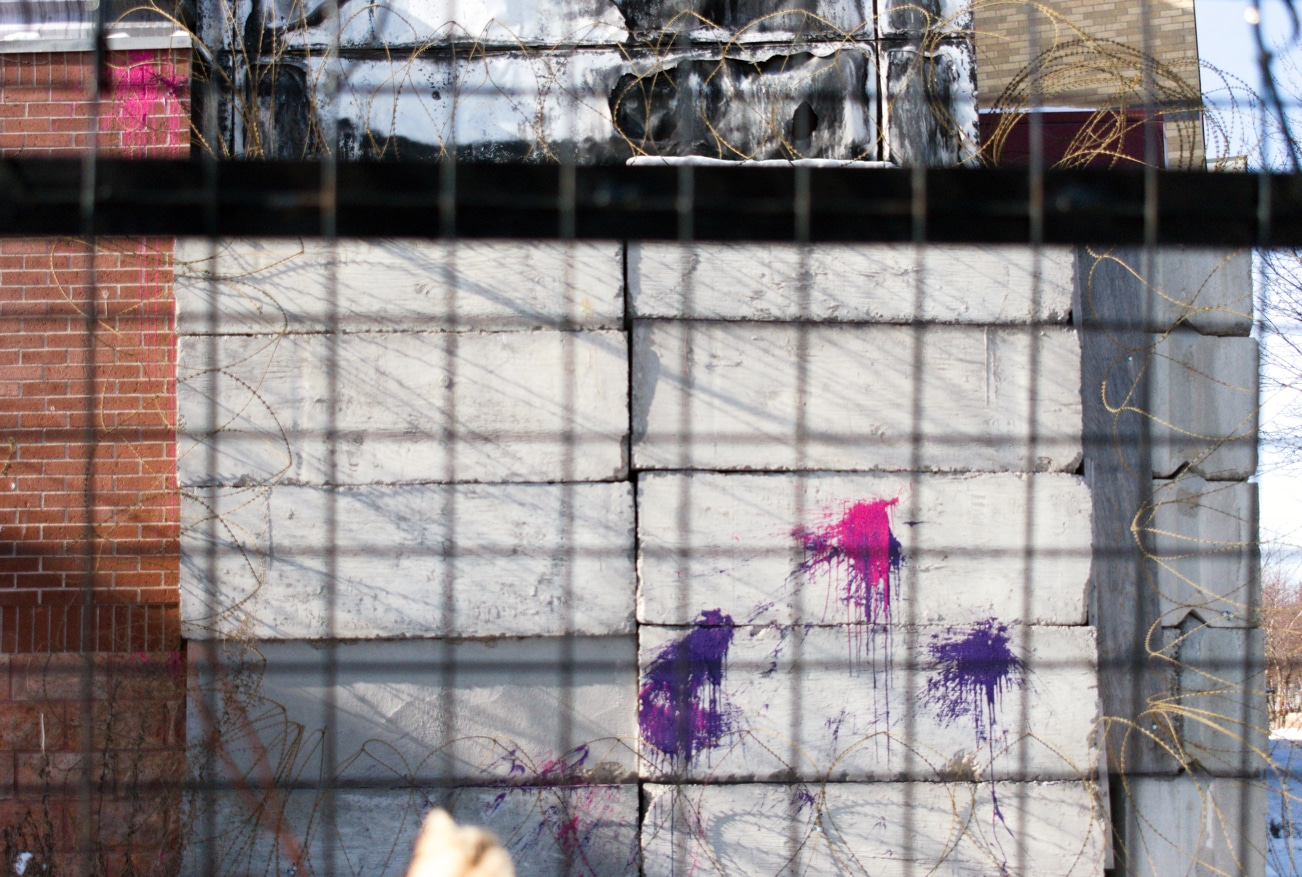
A sense of optimism runs through these interviews. More than that, possibility. It is hard to hear now, six years distant, as authoritarian forces occupy and terrorize American cities, but for that reason it is important to listen. Odie’s and Alex’s stories were collected as part of a collaborative effort by archivists, professors, students, activists, and community members to retrieve and preserve histories of South Minneapolis, radiating out from the intersection of Lake Street and Minnehaha Avenue, and reaching back and forward in time from May 28, 2020, when, three days after Floyd was killed and two miles away, protestors surrounded the Third Precinct police headquarters, forced its evacuation, and watched it burn.
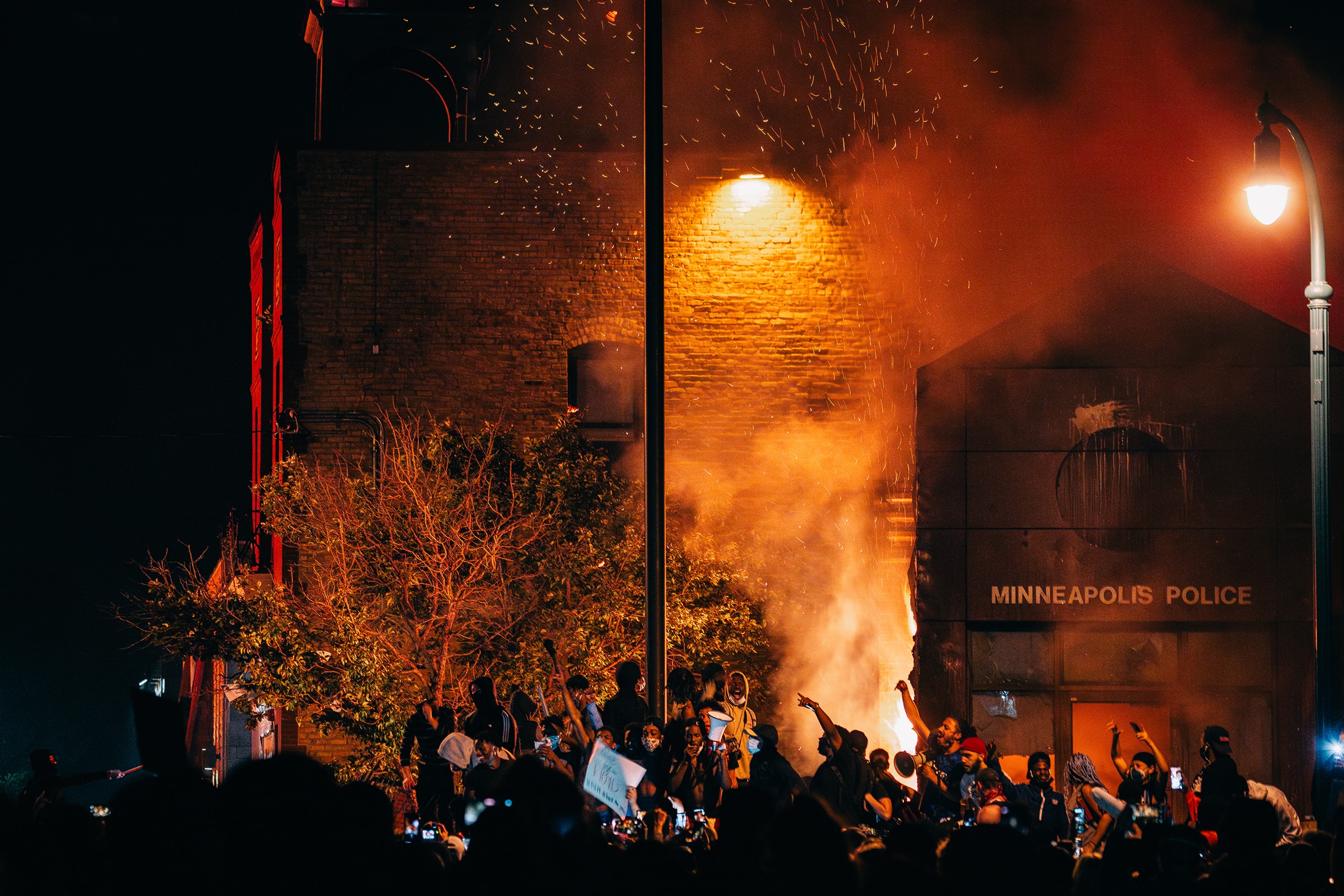
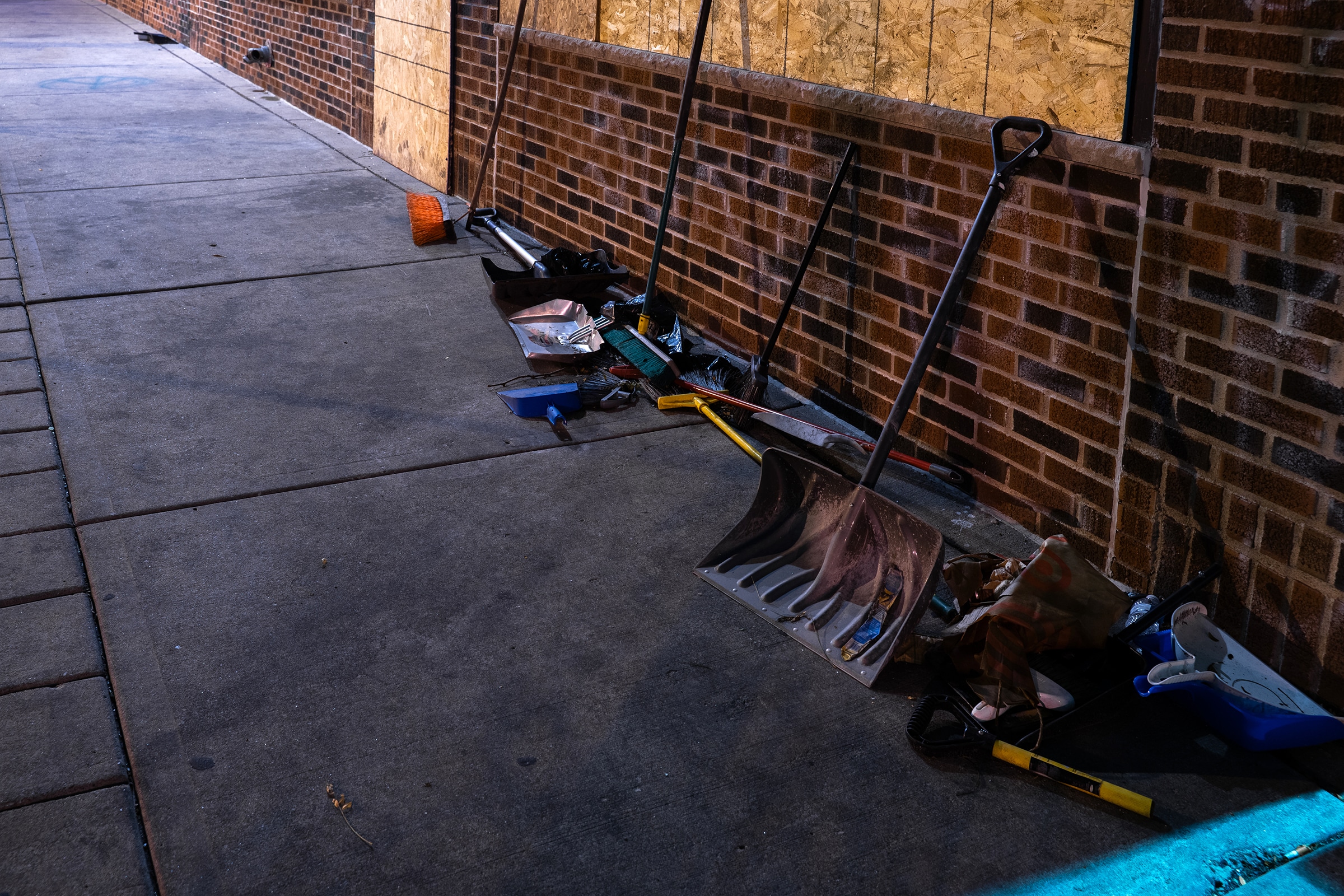
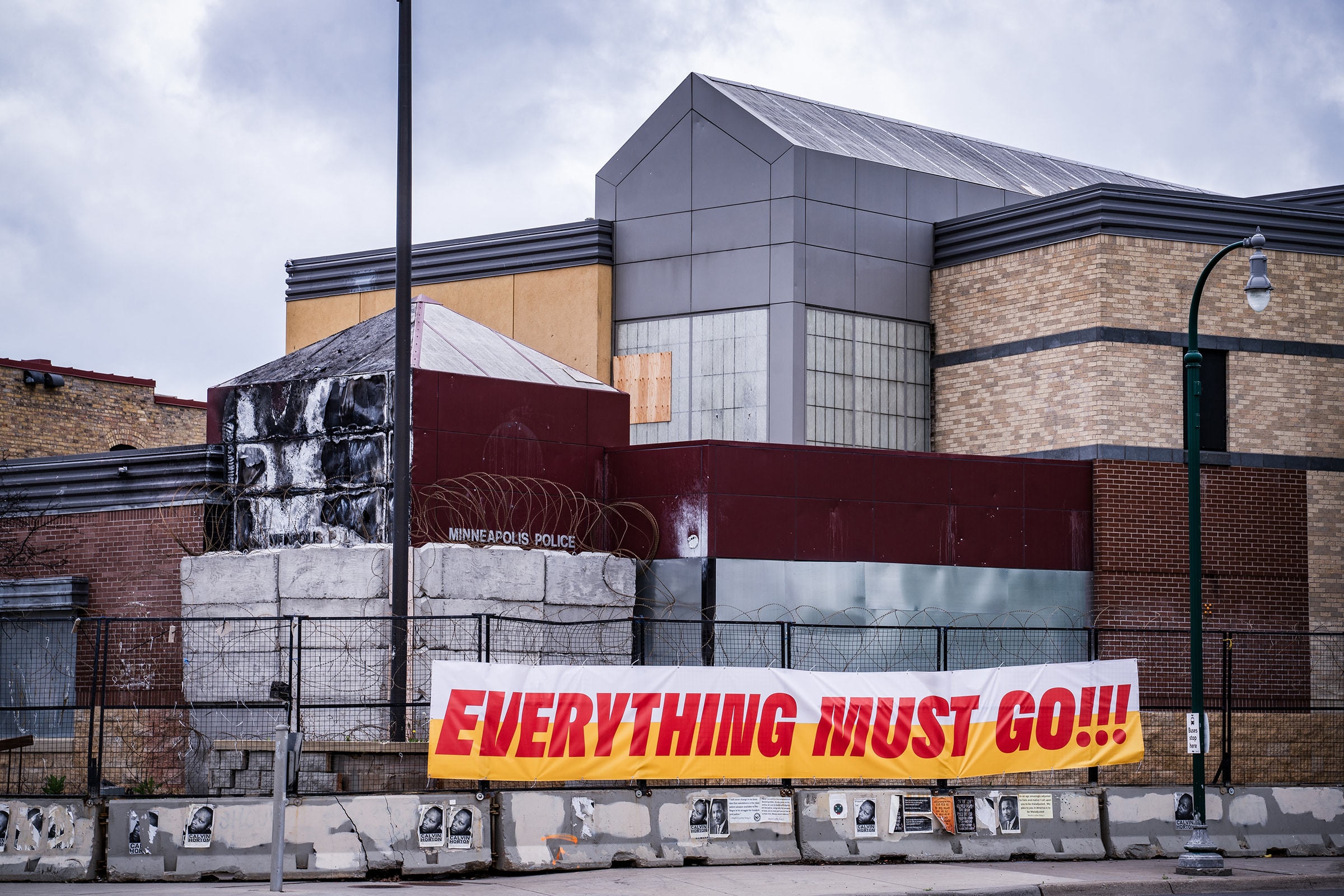
Images from that night destabilized the sense of naturalness and inevitability that surrounds police power, opening “a time when the unthinkable becomes thinkable,” as geographer Kate Derickson put it. 3 Yet, over the course of the summer, those images were subverted by reactionaries to justify their suppression of the abolition movement. Our project, the Long Fire at Lake and Minnehaha, began as an effort to tell a fuller story of these communities, to present deeper histories of inequality and dispossession that have structured this territory — stories of environmental racism, police violence, queer and trans liberation, Indigenous sovereignty, and immigrant justice; stories which I cannot retell here with the richness and presence they deserve.
The community networks in Minneapolis are stronger because of what we lived through six years ago. Our rapid response is faster. Our mutual aid is more robust.
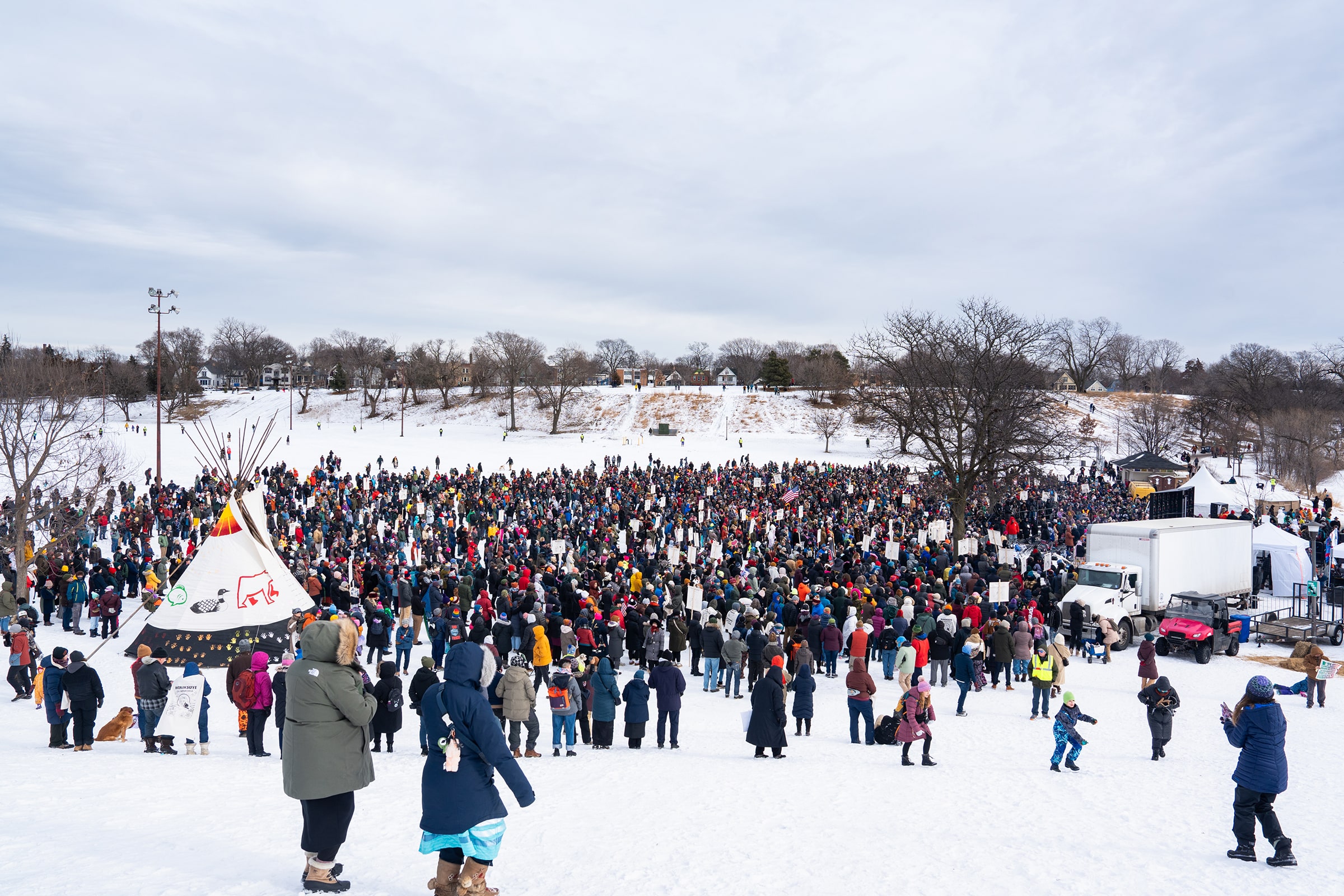
What I can do is ask some questions: why and what next? Why, after my neighbors and I recognized the possibility and necessity of abolition, after we imagined ourselves living in a world without police, after we took steps to enact that world and begin living within it, did the future slip away? Today, the Minneapolis Police Department has more money, more weapons, and more power than before the Uprising. As I work through the final edits on this essay, in the winter of 2026, they are doing nothing to stop the federal agents sent by the Trump administration to terrorize this city and its people. Outside my window in Powderhorn Park, I hear ICE vehicles racing through the neighborhood, trying to shake off legal observers. This morning, two blocks away, someone was abducted. My kids’ school is locked down because chemical irritants have been deployed nearby three times in the three hours since I dropped them off. Hundreds of their classmates are at home, learning online, because their parents can’t risk walking them to the bus. 4
But the community networks in Minneapolis are stronger because of what we lived through six years ago. Our rapid response is faster. Our mutual aid is more robust. Now again we are living through a time when the horizons of the “thinkable” expand.
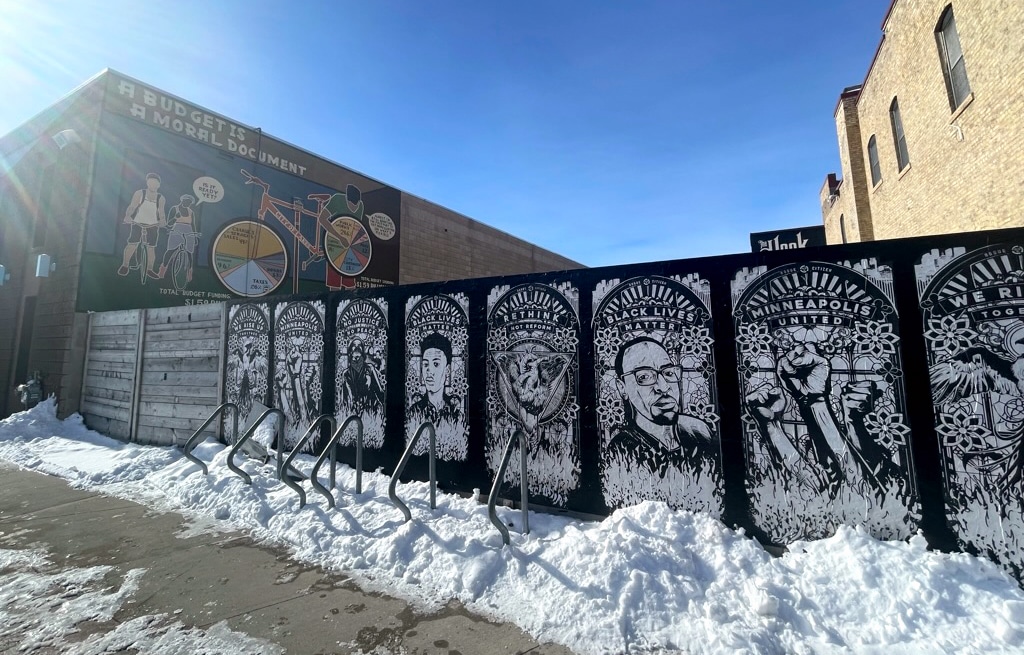
The Long Fire
To imagine the abolitionist city, we should first understand policing as a joint project of property owners and the state to determine who is imagined to be safe, healthy, of the community, and thus who is allowed to be in public space. The murder of a Black man that sparked the Minneapolis Uprising followed decades of violent and coercive policing of poor people, women, immigrants, and non-White people, especially Native people. In this article, I examine the policing of two intersectional groups — homeless people and sex workers — as part of a broader struggle over land and who has the right to occupy it.
We should first understand policing as a joint project of property owners and the state to determine who is allowed to be in public space.
In the summer of 2020, while national news cameras were tracking the militarized forces that suppressed protest in South Minneapolis, just off screen those same forces were clearing homeless encampments and arresting sex workers. Though police could not rebut the joyous, angry, righteous politics of abolition, and they could not wave their batons and make a global pandemic disappear, they could and did mobilize fears about homeless encampments and sex trafficking to re-impose a sense of policing as necessary and inevitable. In this way, the growing movement to defund the Minneapolis Police Department would be quieted.
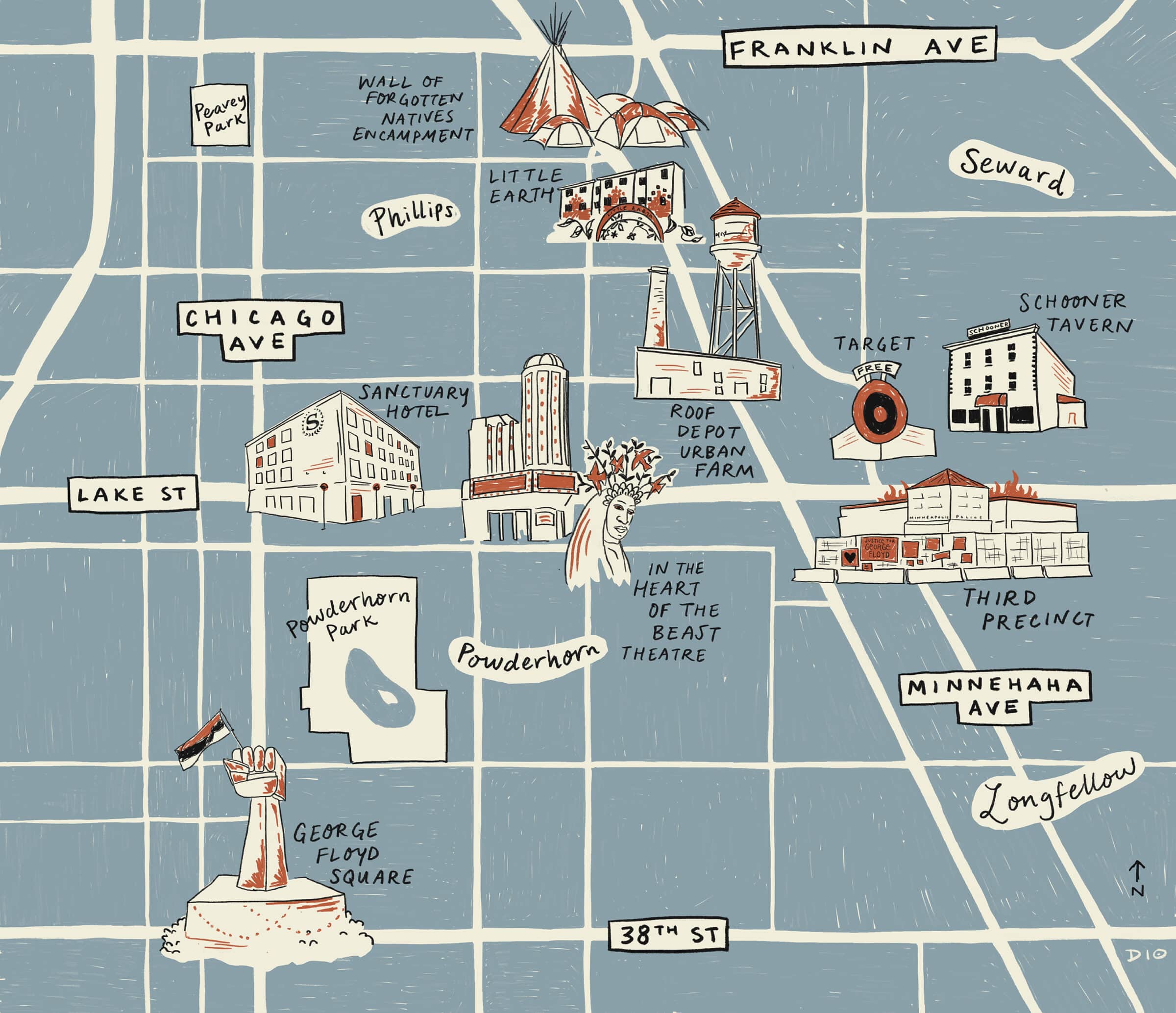
For the out-of-towners, a quick geography lesson: The Third Precinct encompasses roughly one quarter of the city’s land area, between I-35W and the Mississippi River, and between downtown and the airport. The southern part of the precinct is suburban in character, with expensive single-family homes lining the “Chain of Lakes” along Minnehaha Creek, while areas closer to the city center are more socioeconomically diverse. The heart of those more diverse neighborhoods is the East Lake Street corridor, with immigrant-owned stores and restaurants alongside nonprofit arts organizations, social services, and check-cashing outfits. Many folks who participate in street economies work and live here.
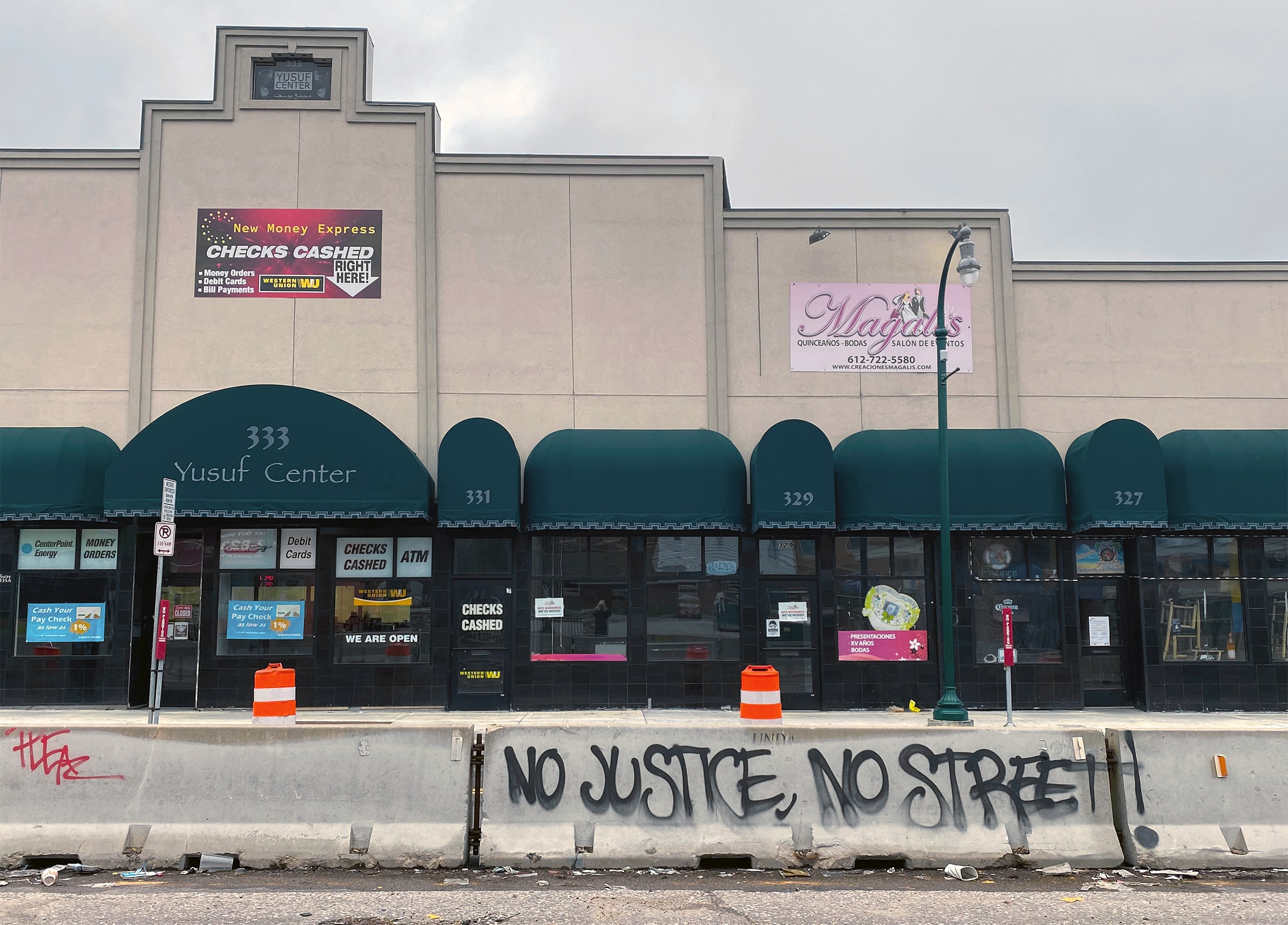
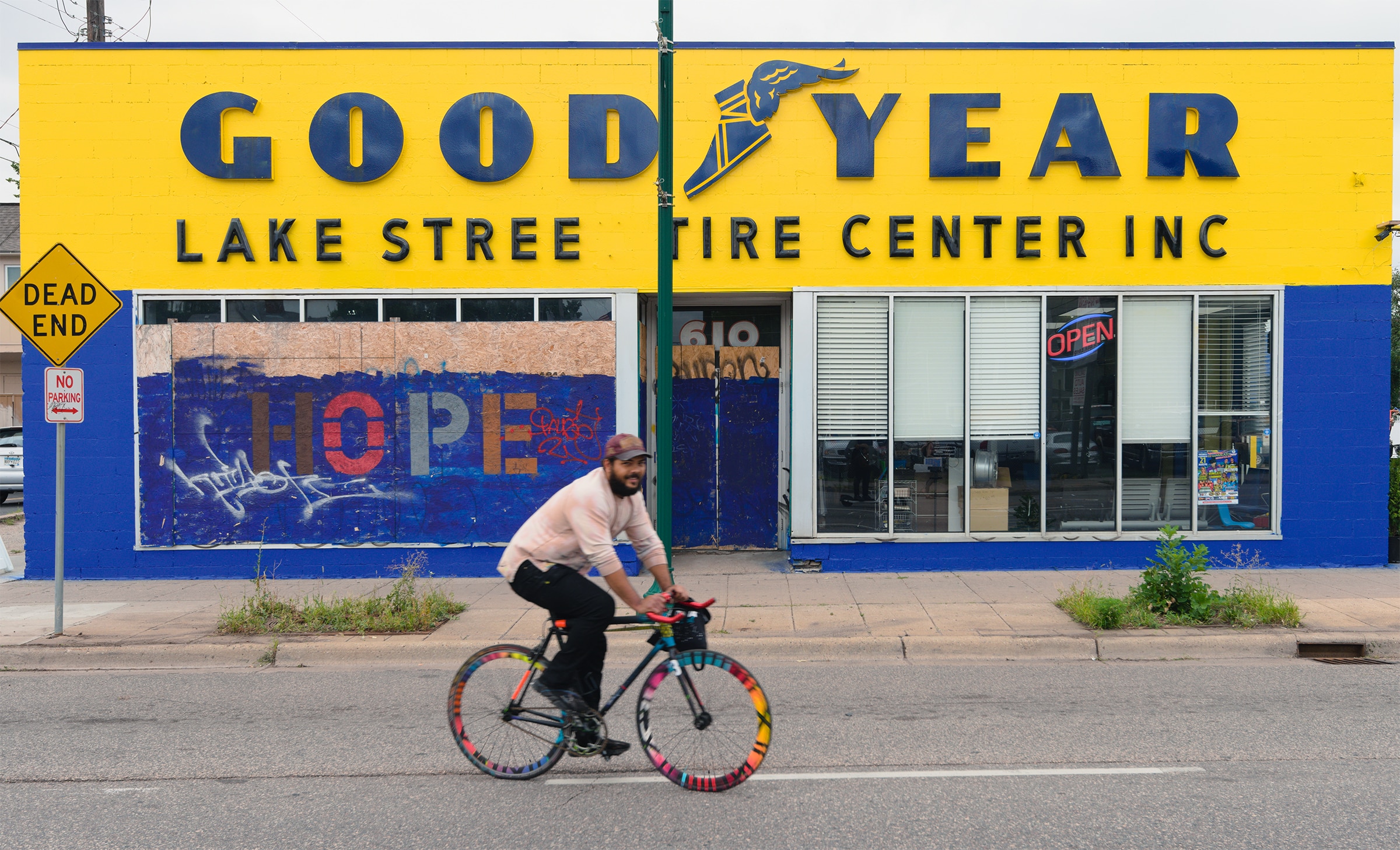
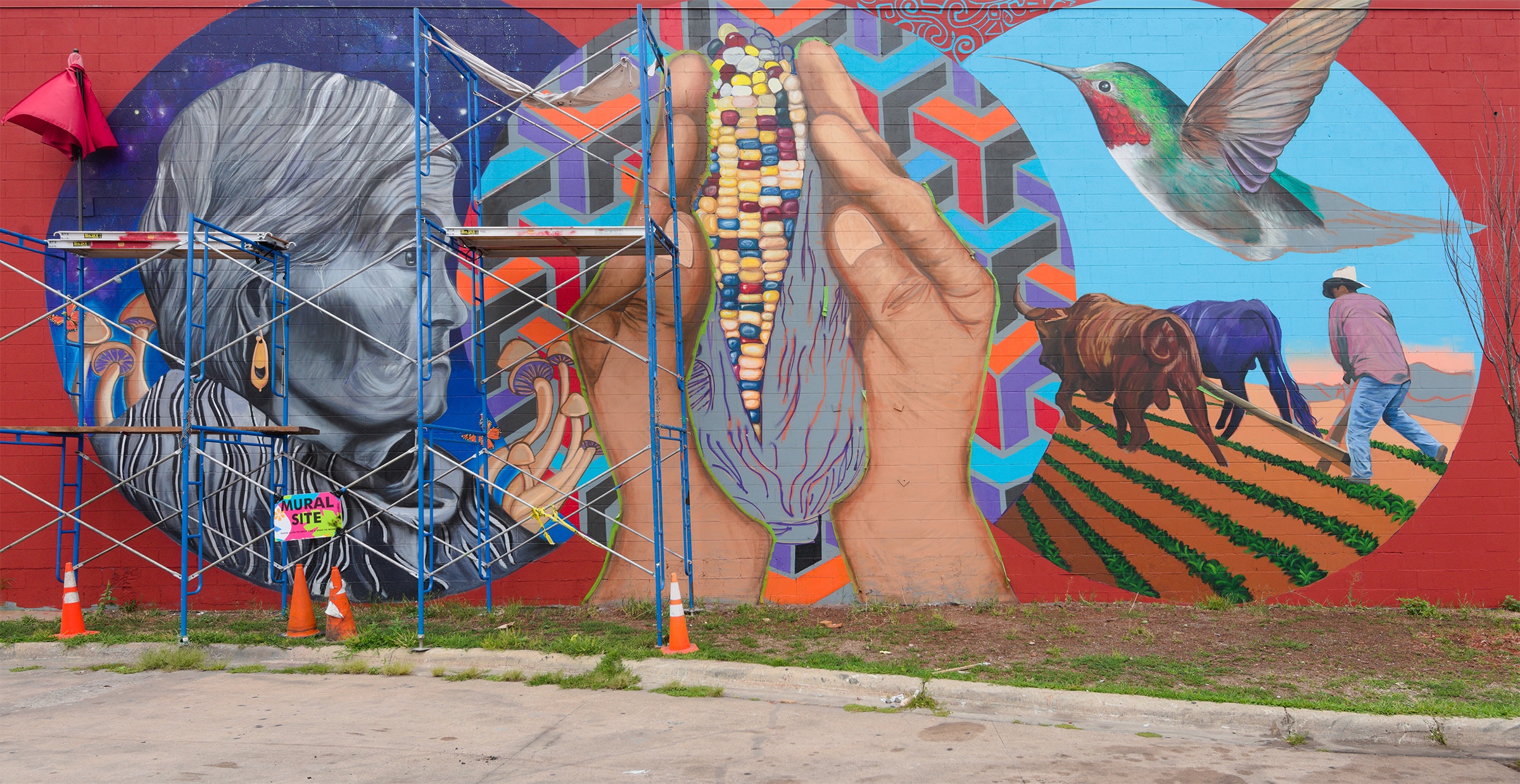
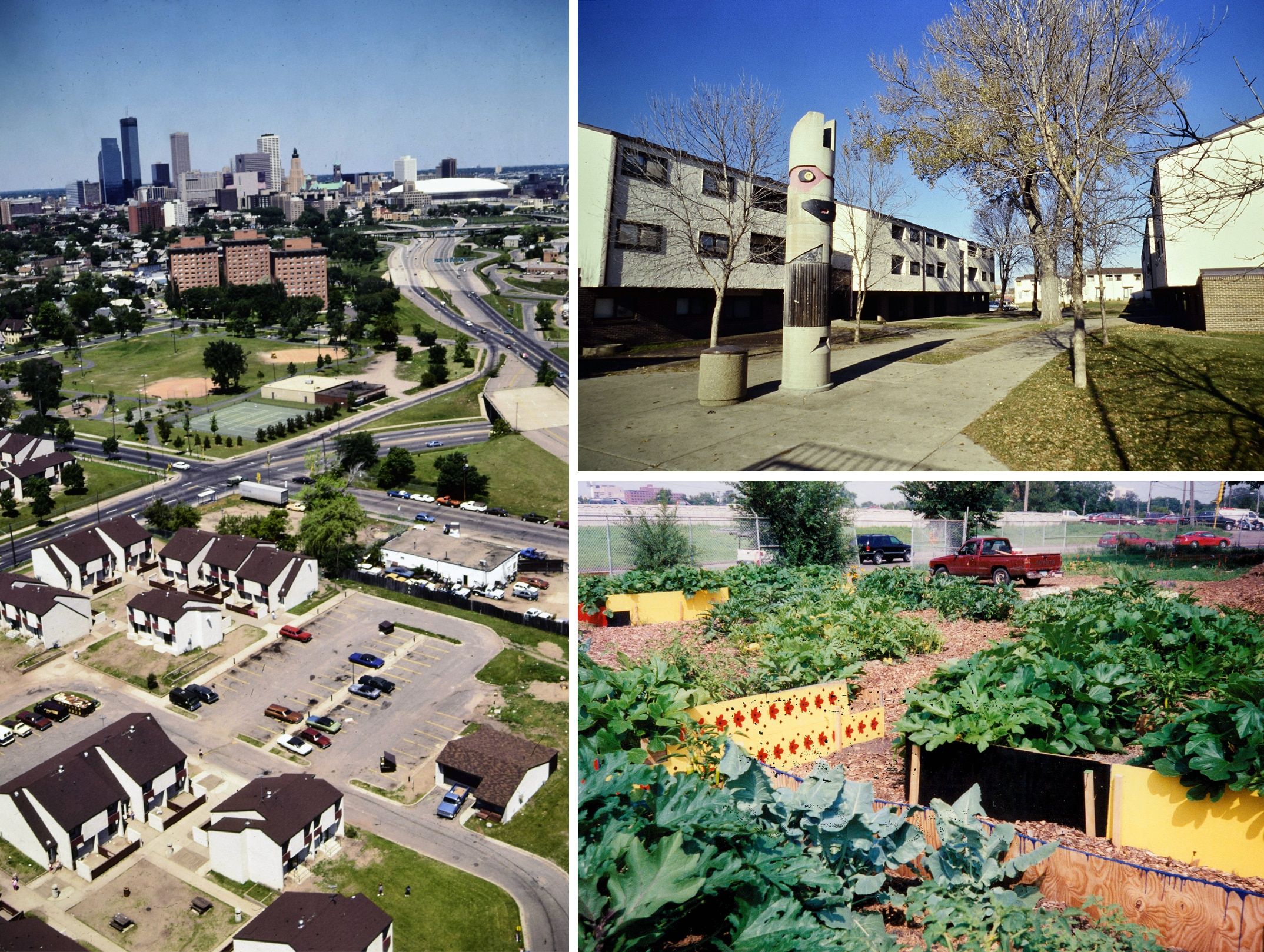
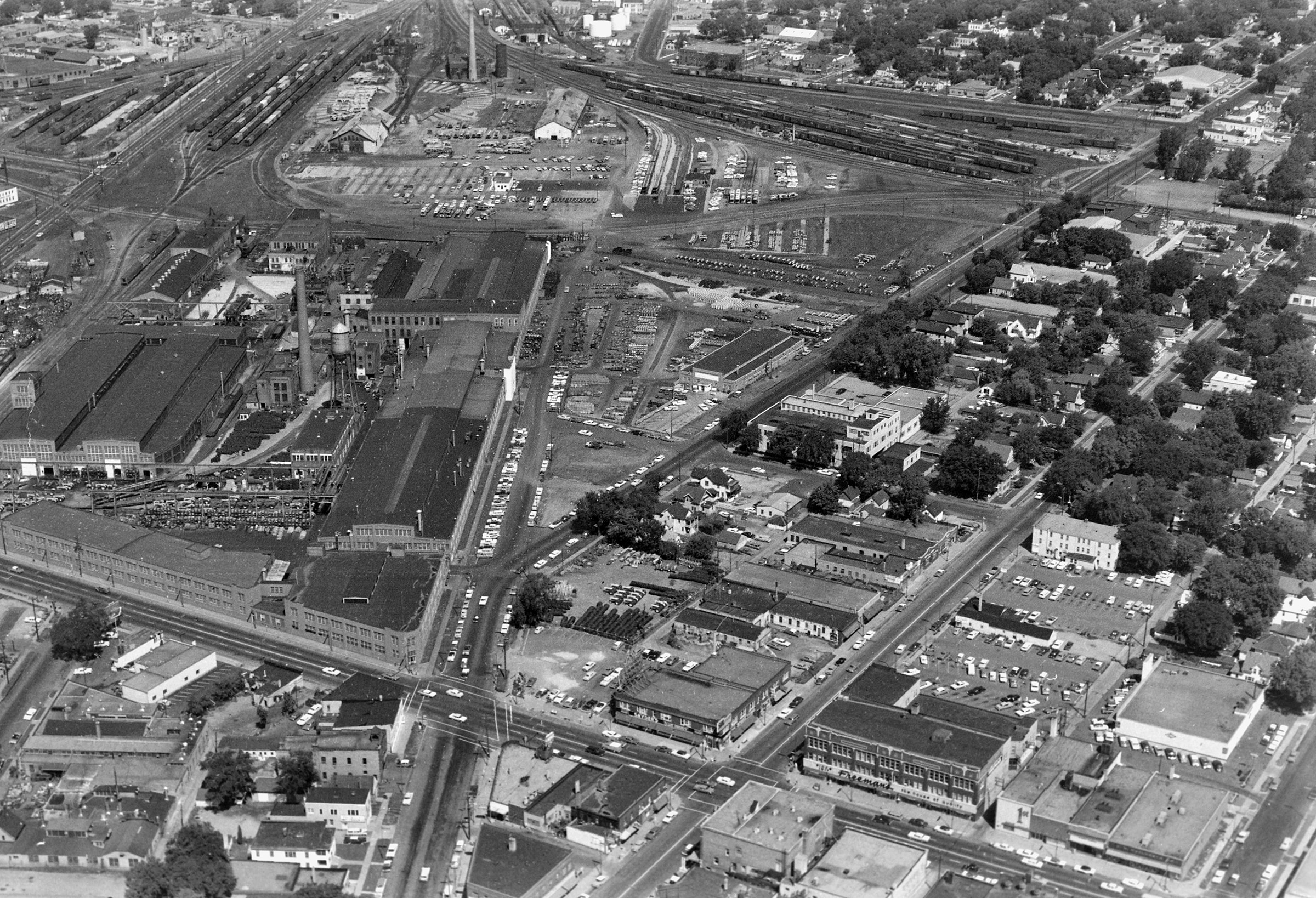
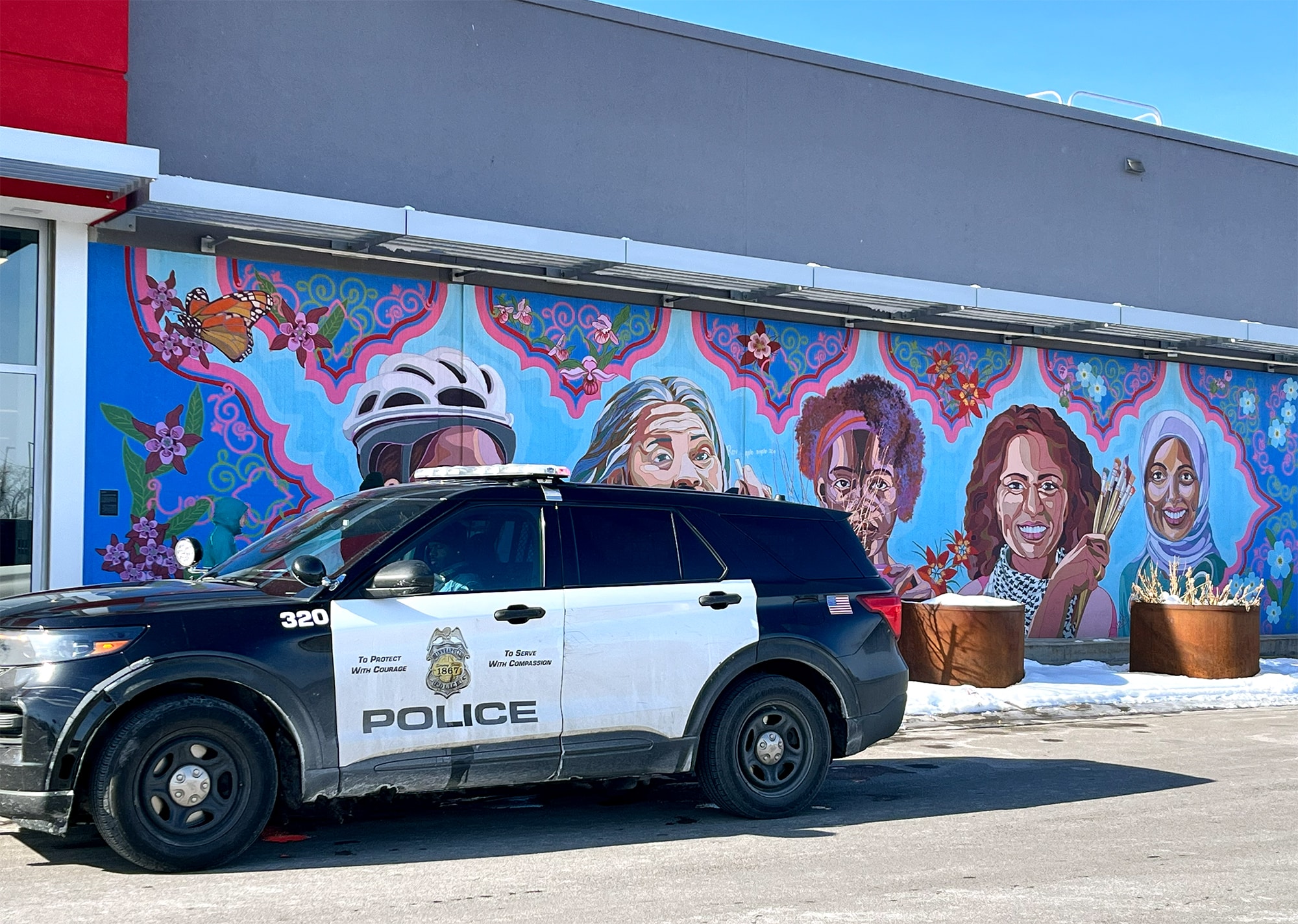
Neighborhoods closest to the police headquarters include Longfellow, with its tidy craftsman bungalows; Seward, where Somali families mix with older White hippies and queer punks; and Phillips, birthplace (in 1968) of the American Indian Movement and location (since 1973) of Little Earth, the only federal low-income housing complex in the United States to give preference to Native people. Phillips is also home to many Somali, African American, and Latinx people and it is an epicenter of environmental racism. 5 Less than 2,000 feet away from Little Earth is the “arsenic triangle,” a lot formerly occupied (until 1963) by the Reade Manufacturing Company, whose pesticide operations created windblown dust that contaminated the soil within a three-quarter mile radius, a fact not publicly known until light-rail construction (in 1994) forced the remediation of 600 residential properties under the Superfund program. 6 Further along the light rail, industrial land has been redeveloped into a big-box shopping center, and across Target’s vast parking lot is the corner of East Lake Street and Minnehaha Avenue, site of the police headquarters that burned.
The protests moved to this intersection on the second day of the Uprising, from their origin where Floyd was murdered, at 38th Street and Chicago Avenue, near Powderhorn Park. Named after a small lake in a big park, Powderhorn is a bit wealthier than the surrounding neighborhoods, and for decades it has been a hub of queer community. One of the people interviewed for the Long Fire project called it “dyke heights”; others mentioned art cars, puppet festivals, immigrant families, vegan bars, zinesters, and queer punk collective houses.

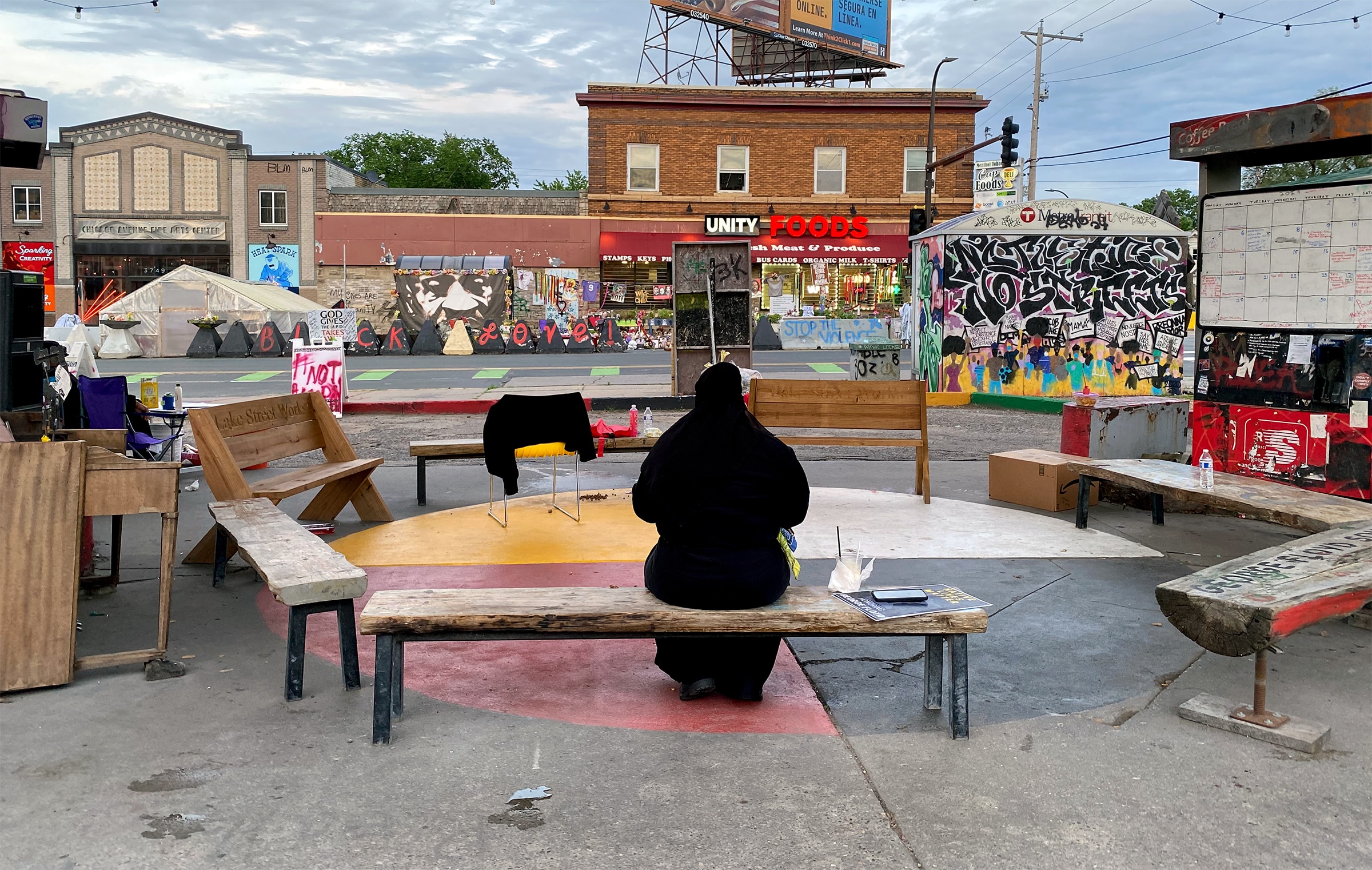
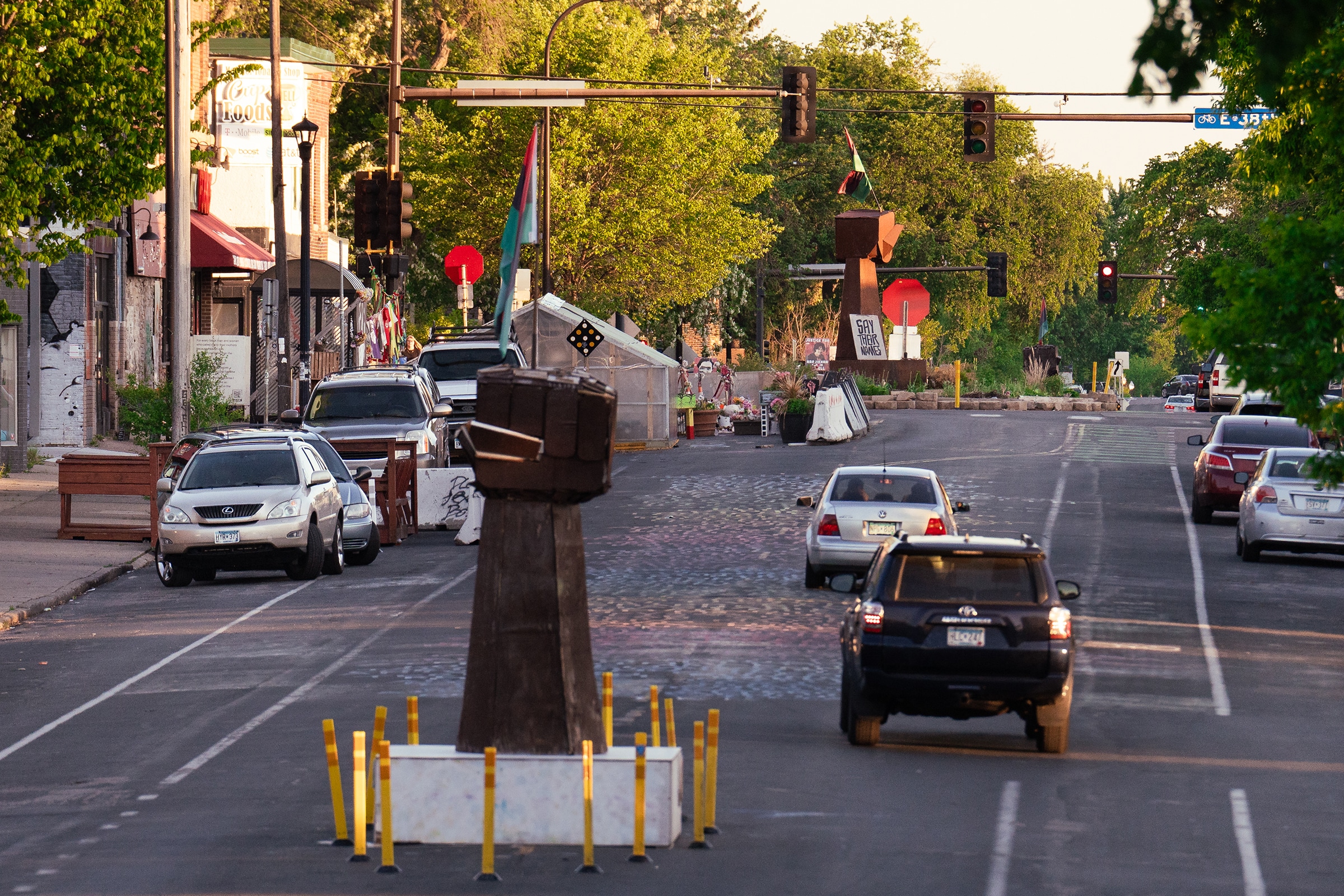
At the southwestern edge of this neighborhood, 38th and Chicago was a site of mourning and community gathering throughout the Uprising, and still today it is partially closed to car traffic, to make space for public art and autonomous community organizing. 7 (People have been meeting there this winter to strategize about keeping our community safe from the ICE agents who are abducting and beating our neighbors and who shot and killed Powderhorn resident Renee Good at 34th Street and Portland Avenue, nearby.)
As protestors marched east along Lake Street, they connected the site of George Floyd’s murder with its perpetrators at the Third Precinct station.
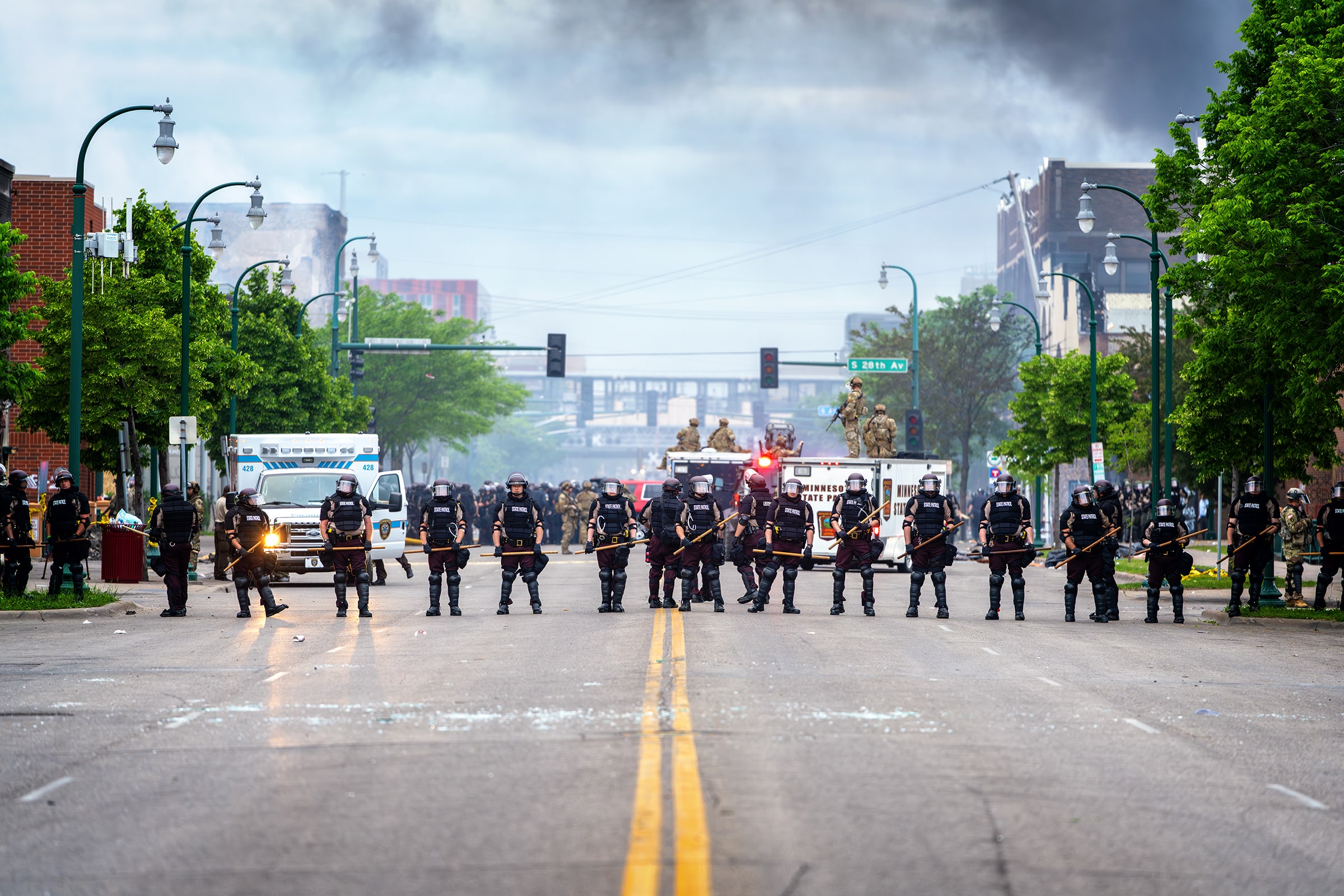
As protestors marched east along Lake Street in May 2020, they connected the site of Floyd’s murder with its perpetrators at the Third Precinct station. And as the protests escalated, police and military operations spanned the entire corridor. That story you probably know. You watched it live on television or social media, and you saw it spark actions and counteractions in cities around the world. Maybe you saw Minnesota Governor Tim Walz activate the National Guard and impose a curfew on the third night of protests. You saw armored vehicles and troops sweep through my neighborhood, shooting 40mm paint rounds at residents standing on their front porches. You heard the body-cam recordings from police in unmarked vans: “We’re rolling down Lake Street, and the first f—ers we see, we’re hammering ’em with 40s.” Again and again: “Light ’em up!” 8
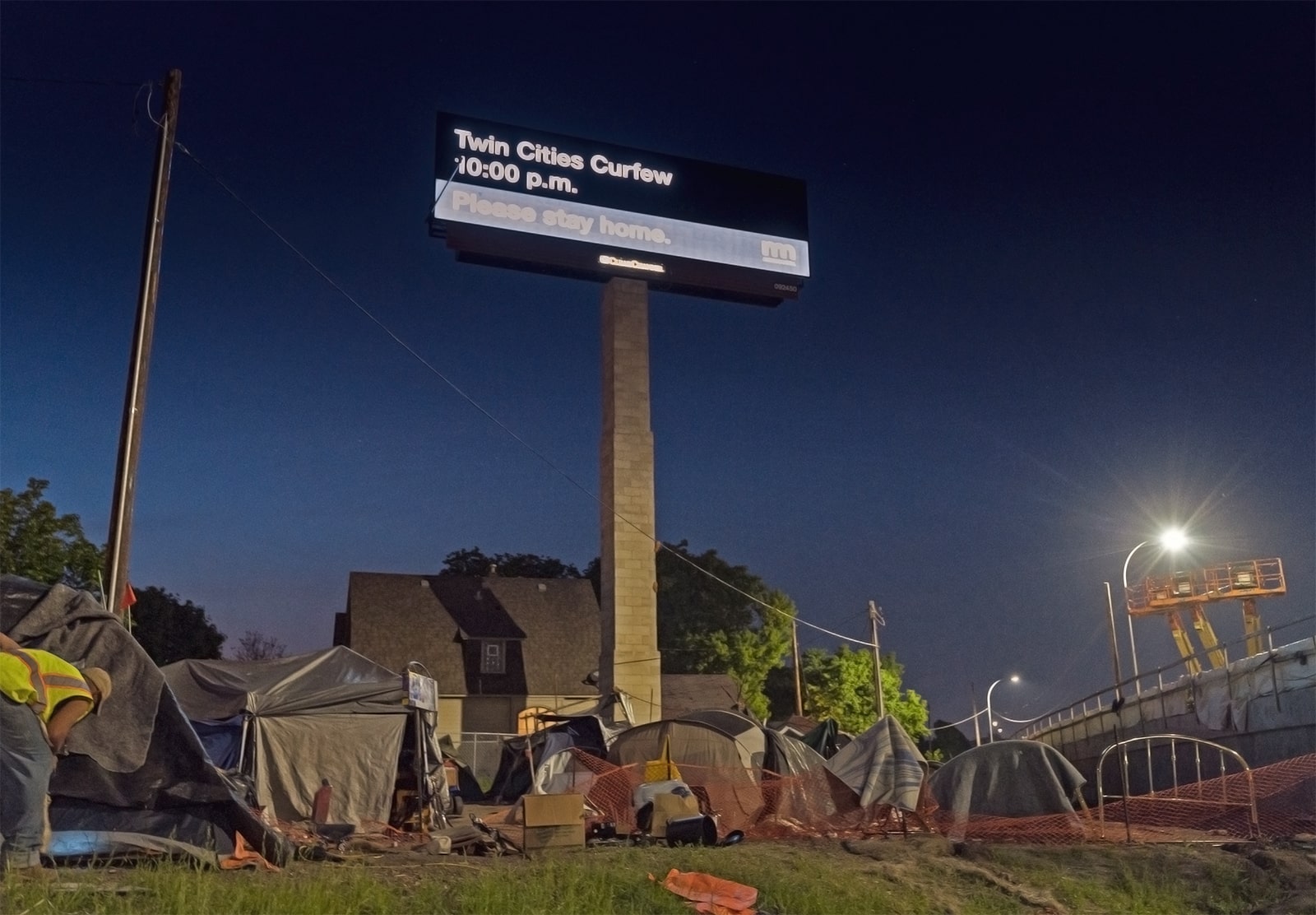
Less visible, however, were thousands of homeless people who had nowhere to retreat. Struggling through a pandemic that intensified the divide between people who sheltered in tents and those who lived indoors, unhoused folks now had to avoid fires and riot(ing) police. One important aspect of the Uprising is the mutual aid infrastructure that rose up to support them.
For nearly two weeks, at the Sheraton Hotel, activists ran a decentralized mutual aid housing program, and it was beautiful and devastating.
On the first night of the curfew, activists Zach Johnson and Rosemary Fister paid for a room at the Sheraton hotel, at Lake and Chicago, on behalf of a couple who had been living in a tent. Mother Jones reported that as they were dropping off food the next day, the activists learned the hotel would be evacuated, and they turned to each other and said, “‘Well, here’s the window.’ If they were going to try to house people in an empty hotel, now was their moment.” 9 They organized an effort to buy out all 136 rooms, and hundreds of volunteers took over guest services. Community members coordinated housekeeping and meals, defused conflicts, provided Narcan and harm reduction trainings, and delivered crowdfunded supplies — underwear, dish soap, and baby formula by the Costco trunkload. For nearly two weeks, they ran a decentralized mutual aid housing program, and it was beautiful and devastating.
It was also stressful. Outside the Sanctuary Hotel, White supremacists prowled in pickup trucks and neighbors coordinated volunteer fire patrols. Inside, armed dealers worked out of rooms, and users overdosed. “I did CPR twice in the past week,” Johnson told Mother Jones. “And both times, it was the same thing: Residents were wary of calling 911.” 10 Soon the community needs outstripped the capacity of volunteers. By the second week of June, the hotel owner was threatening eviction, and residents took their belongings to the nearest open space, Powderhorn Park.
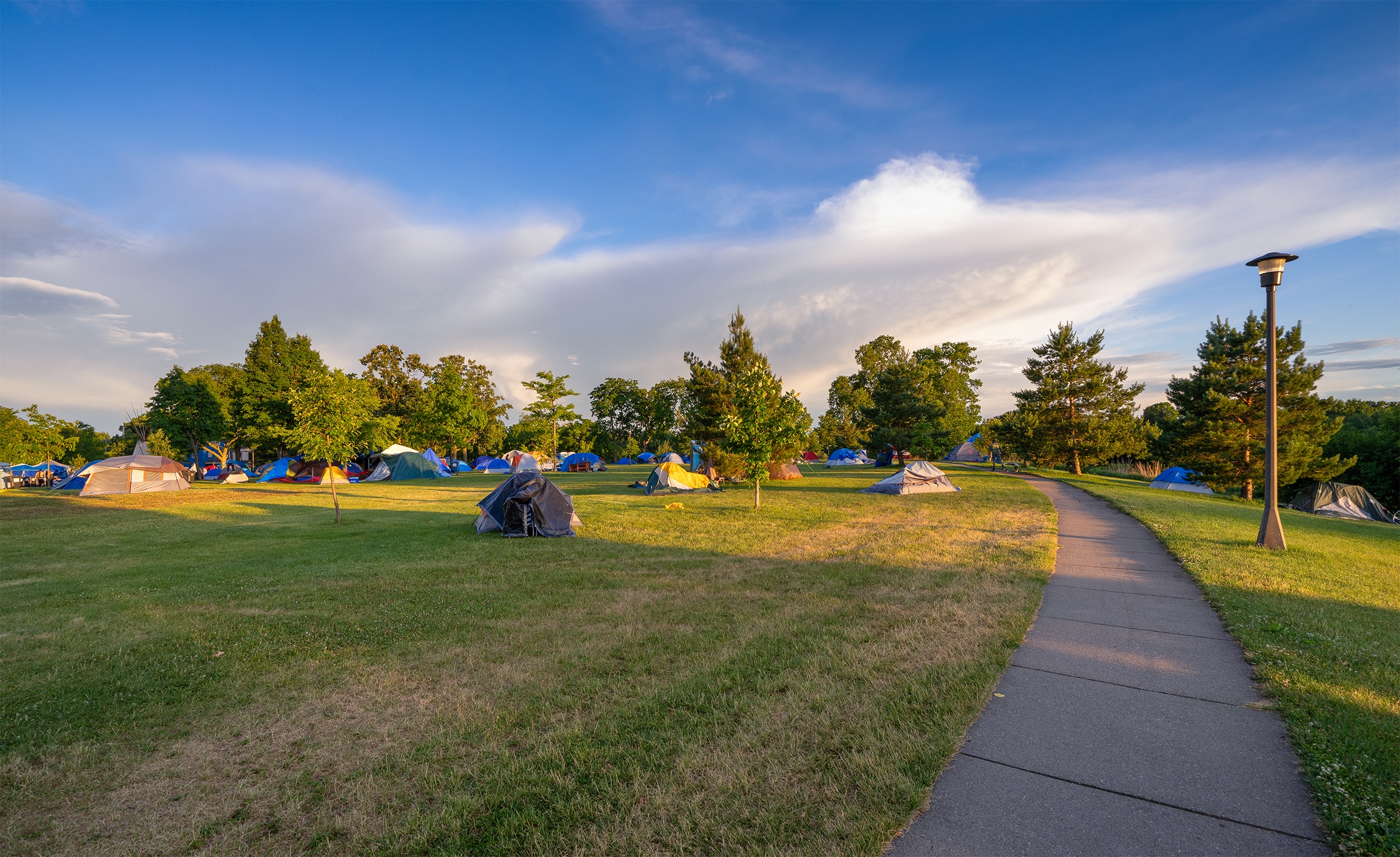
At Powderhorn Park, their camp grew to 400 tents in massive clusters, forcing an uncomfortable reckoning within the neighborhood.
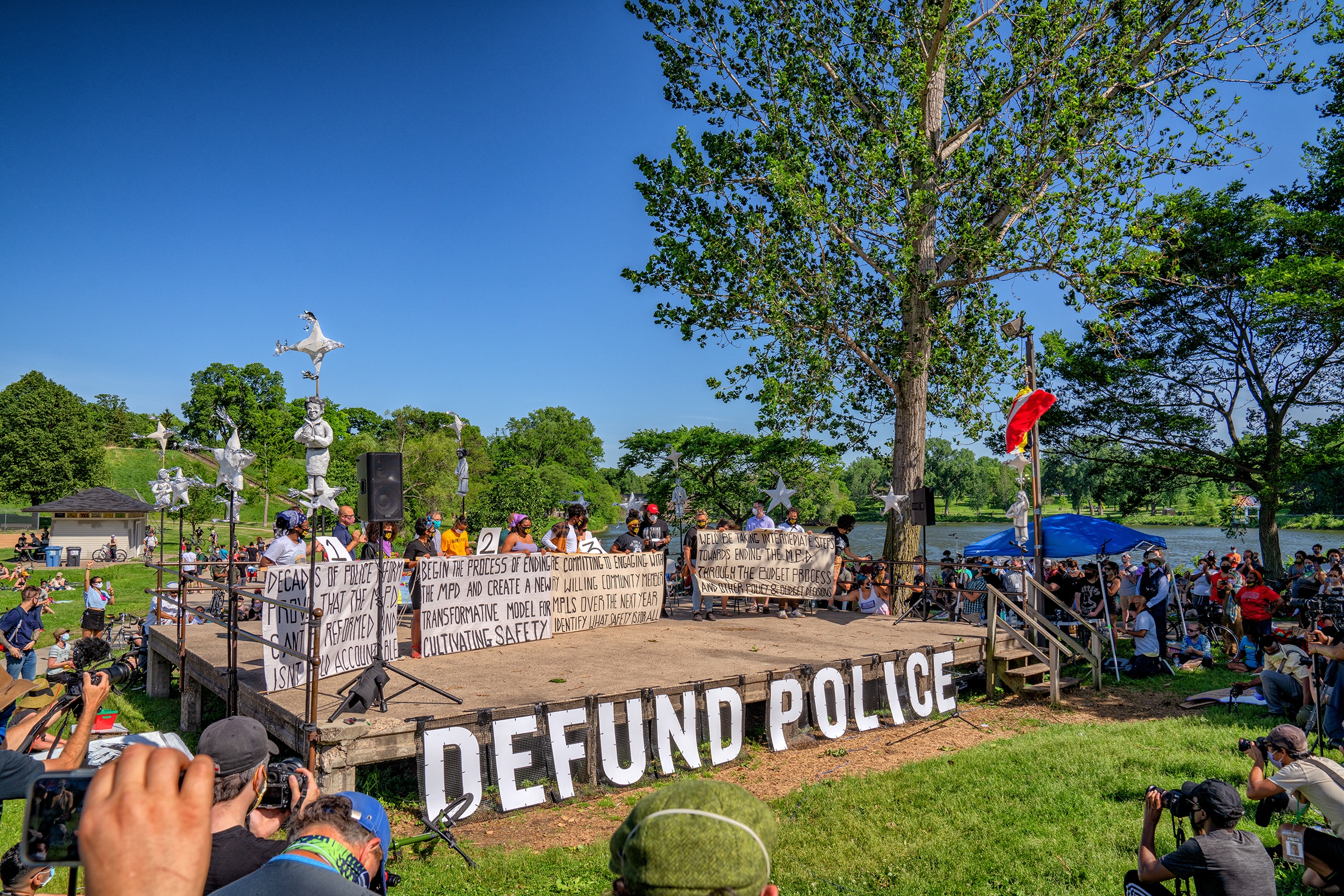
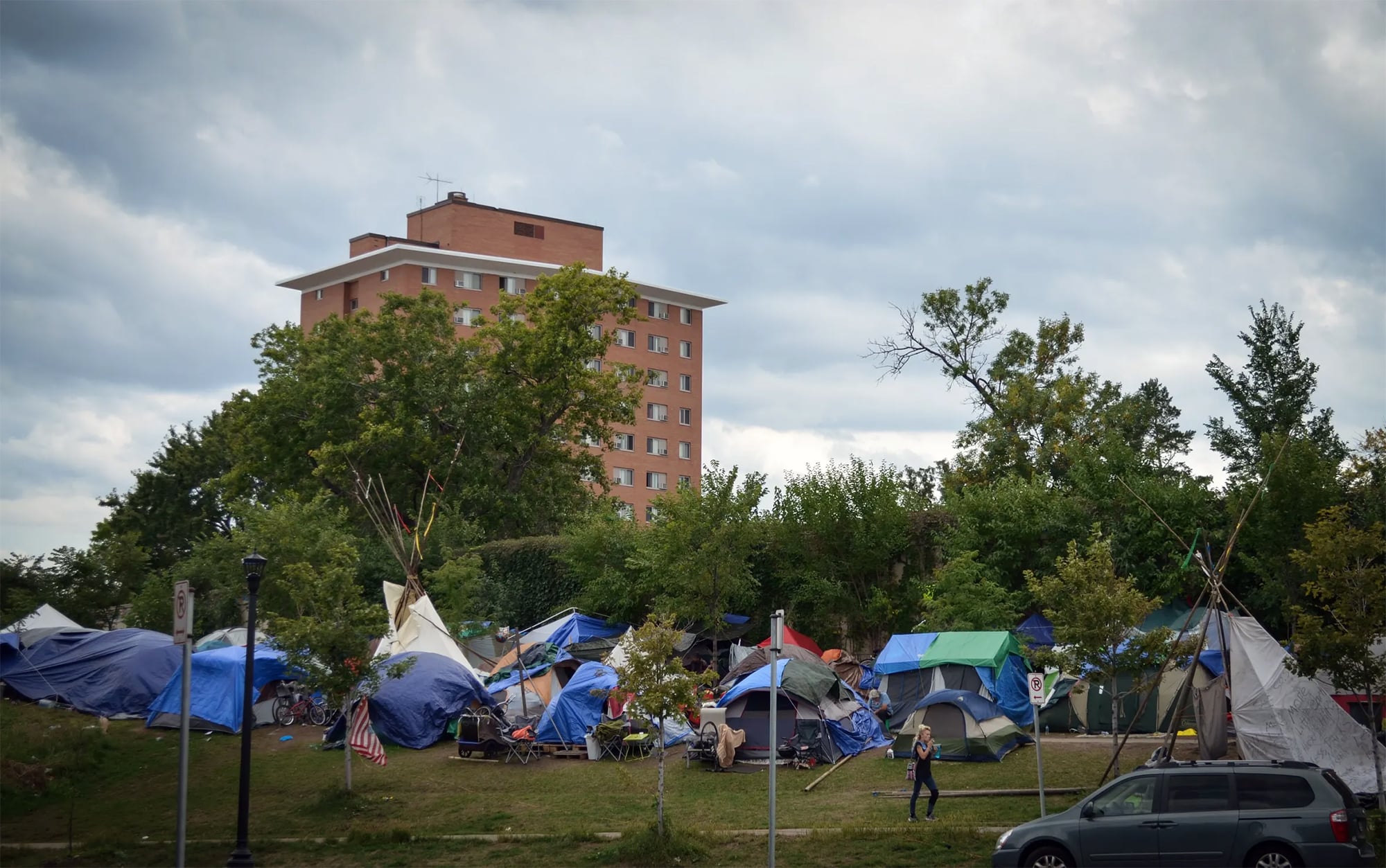
Over the next month, their camp grew to 400 tents in two massive clusters, making visible the scale of unsheltered homelessness and forcing an uncomfortable reckoning within the neighborhood, as owners of gorgeous Victorians — many with yard signs honoring George Floyd — appealed to authorities to remove the unhoused people across the street, who were predominantly Indigenous. The property owners won. By mid-August, park police had cleared the last encampment and arrested activists who tried to stop the action, in the “the very same park where Minneapolis Council members publicly vowed to defund and abolish Minneapolis police,” observed Jodi Byrd, a scholar and Chickasaw citizen who was living in Powderhorn that summer. Residents who said they opposed racism and violence and supported free speech were quick to summon a violent apparatus to enforce their beliefs about who belongs in public space, imagining some kind of line that distinguishes a “peaceful protest” from a “homeless encampment.” Yet, as Byrd noted, “the reason many folks are unhoused is precisely because the land was stolen in the first place to build an anti-Black society.” 11
In a Settler Colonial City
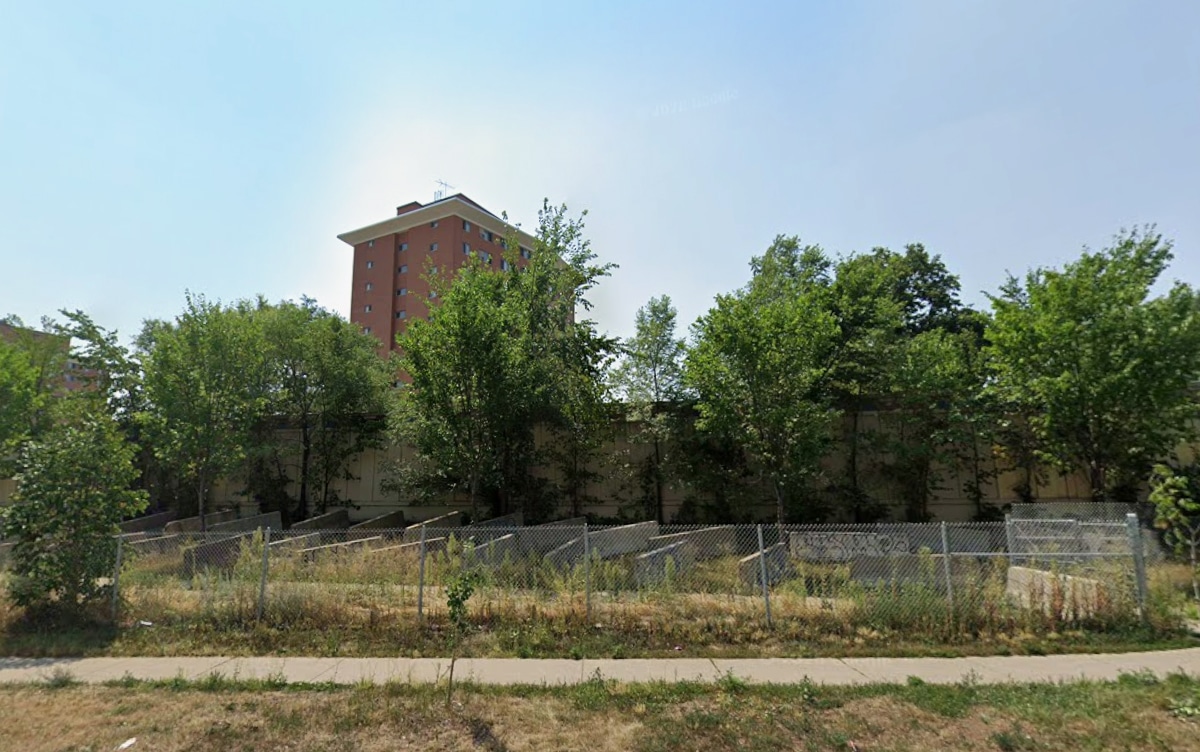
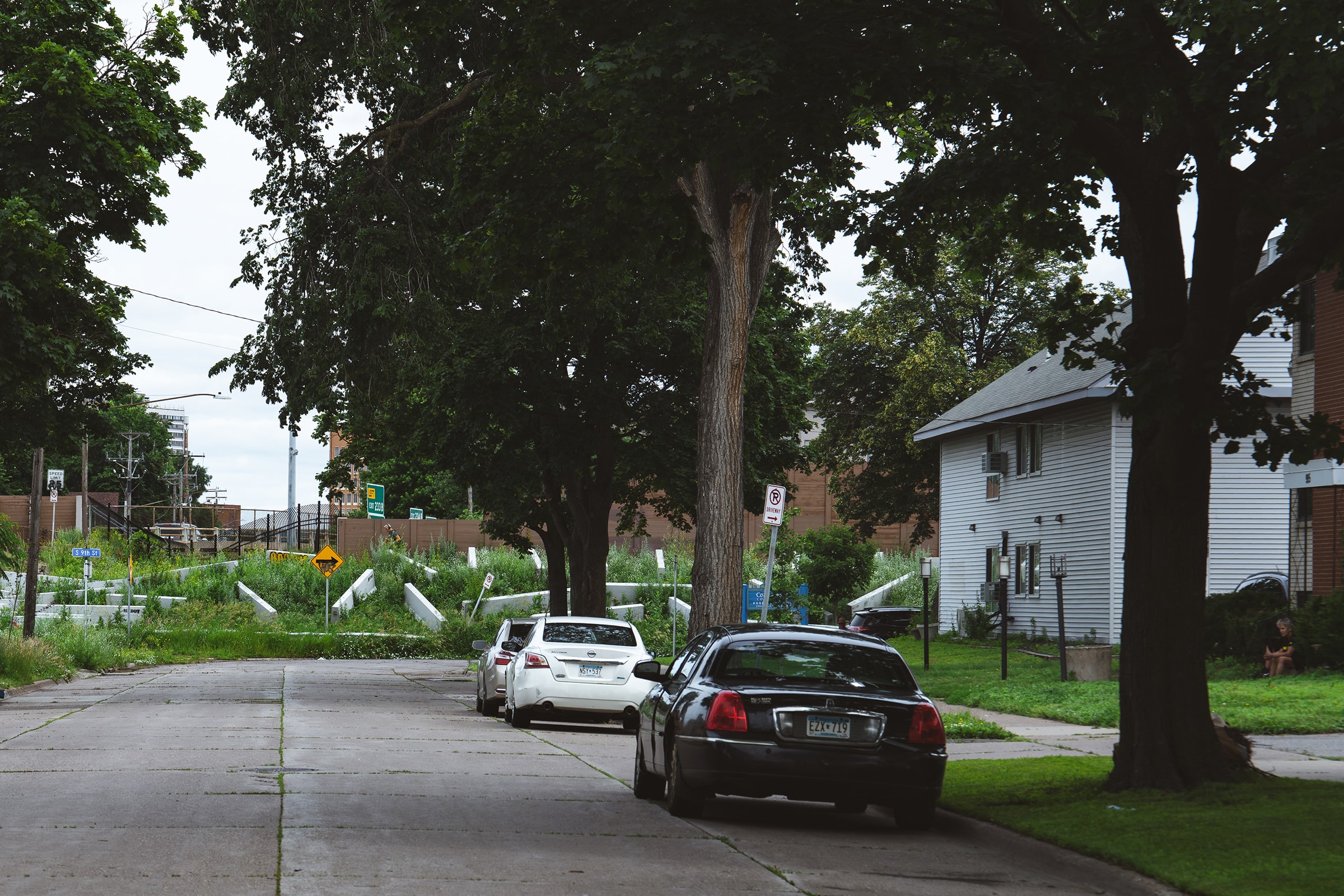
With a large and tribally diverse Native population, Minneapolis has a long history of Native activism, much of it centered around Little Earth and the greater Phillips neighborhood. William Barnett describes the substandard housing, environmental racism, and oppressive policing that led activists in Phillips to found the American Indian Movement in July 1968. 12 Half a century later, nearly 200 houseless people formed “The Wall of Forgotten Natives,” just off Franklin Avenue, about ten blocks north of Lake Street. After that encampment was destroyed by police and the land filled in with concrete barriers and broken pipes, Ojibwe artist Courtney Cochran created an installation along the fence, “No Homelessness Before 1492.” 13 More recently, in February 2023, a coalition of Native and environmental activists occupied the Roof Depot, a vacant warehouse in the arsenic triangle, which they envisioned as an urban farm and resource hub, but which the city wanted to demolish for a truck yard. AIM leader Mike Focia noted that it was “the 50th anniversary of the occupation of Wounded Knee, and we plan to celebrate it right here.” 14
Indigenous people in Minnesota are 30 times more likely than White people to experience homelessness.
Geographer David Hugill offers a useful definition of the settler colonial city, where “the colonial relation endures as a significant element of everyday life.” Such cities are not structured around the exploitation of Indigenous labor to extract resources and transfer wealth to a far-flung metropole, but rather around the land itself as the primary object of “settler colonial desire.” 15 This insight is crucial to understanding why Indigenous people in Minnesota are 30 times more likely than White people to experience homelessness. A 2018 study found that 26 percent of unsheltered adults and 34 percent of unsheltered families were Native. 16
AIM participation in the Minneapolis Uprising is often described as “solidarity,” and while that is true in a sense, it implies a level of remove that does not exist. 17 Anti-Black racism and settler colonialism are inseparable locally and in the structure of the state itself. Centering land in struggles over policing helps us see how dispossession, racist police violence, and environmental racism are intertwined, as are the strategies that have emerged in response, such as land claiming, occupation, encampment, and other forms of community defense. 18 The AIM Patrols that protected Native people from police brutality along East Franklin Avenue from 1968 to 1975 were directly inspired by and complementary with the Black Patrols that merged with the Citizens’ Patrol Corps to become the Soul Force. 19
Centering land in struggles over policing helps us see how dispossession, racist police violence, and environmental racism are intertwined.
Joe Vital, one of the contributors to the Long Fire project, grew up in Little Earth in the 1990s, among 2,000 neighbors representing 37 tribes. “I just knew it as the hood or the project, and it was a fantastic place to be. It really shaped my worldview,” he said. “I thought everybody in the world was like Mexican and American Indian.” As he got older, he sensed “growing resentment” toward the police, who seemed to get all the public funding while doing nothing to help people experiencing homelessness or suffering from drug addiction. In his adulthood, the fight to stop the Dakota Access Pipeline and Enbridge’s Line 3 “really blew the lid off of, like, land back Indigenous sovereignty, and more importantly, what urban sovereignty means when it comes to direct action,” Vital said. “By the time George Floyd really took off, nothing surprised me with what happened, because there was so much … simmering.” 20
And it has been simmering ever since. On any given night in the Twin Cities, there are dozens of encampments, in vacant lots and buildings and along sidewalks and streets, filled with Black and Indigenous folks. For years, the Minneapolis police have been evicting the people in these camps without notice, destroying tents, documents, and belongings, even in the coldest stretch of winter. In just one month, February 2024, Camp Nenookaasi in Phillips was forced to relocate three times, in a “constant cycle” of “retaliatory” action, according to organizer Nicole Mason. “They take away all the resources of the relatives here,” she said. “They literally ripped it from under their feet.” 21 More recently, the police are joined by thousands of ICE and Border Patrol agents who have descended on our city, harassing immigrants and Native people alike. Last month, immigration officers abducted four men from the Oglala Sioux Tribe and imprisoned them at Fort Snelling. 22
Land and Belonging
When the folks kicked out of the Sheraton Hotel began moving to Powderhorn Park, on June 10, 2020, they were seeking safety. The Minneapolis Park and Recreation Board had declared all public parks to be “sanctuaries” and had vowed to “cut ties” with the Minneapolis Police Department. 23 But on June 27, a young person was sexually assaulted at the encampment. In the following days and weeks, conflict escalated between Powderhorn neighbors, between neighbors and the activists staffing the encampment, and within the encampment itself. Responding to pressure from homeowners, the Park Board revised its earlier policy and imposed a limit on the number of tents, dispatching the park police to evict residents and arrest at least 20 activists who protested their eviction. 24 As Byrd observed, “The largely white propertied homeowners who live along the park were scared the violence would spread to their own families.” 25
Officials invoke sexual violence as a pretext for homeless sweeps. But closing camps, destroying belongings and identity documents, only makes people more vulnerable.
Since then, the city has pushed unhoused people from one encampment to the next. To defuse protest, public officials invoke sexual violence as the reason for closing camps. 26 But the city offers nothing that would make people who are vulnerable to sexual violence any less vulnerable, which implies that it is simply proximity that is the problem — the proximity of sexual violence to homeowners with money, status, and power. Activists have repeatedly noted that closing encampments, often in the middle of the night, with no warning, and in such a way that residents’ belongings and identity documents are destroyed, actually makes people more vulnerable. But the specter of sexual violence and sex work does quite a lot of work here.
In The Streets Belong to Us, historian Anne Gray Fischer investigates the use of “sexual policing” to enforce “dominant priorities of public order.” 27 For decades, this has been a key mechanism of consolidating police power that flexibly responds to and drives norms and hierarchies of racialized gender and sexuality. Authorities take a widely shared goal — preventing assault — and use it to create a moral panic around sex work, which then becomes a mandate for policing sex workers, and thus for controlling who belongs in public space. Poor women, women of color, and trans women become even more vulnerable to sexual violence.
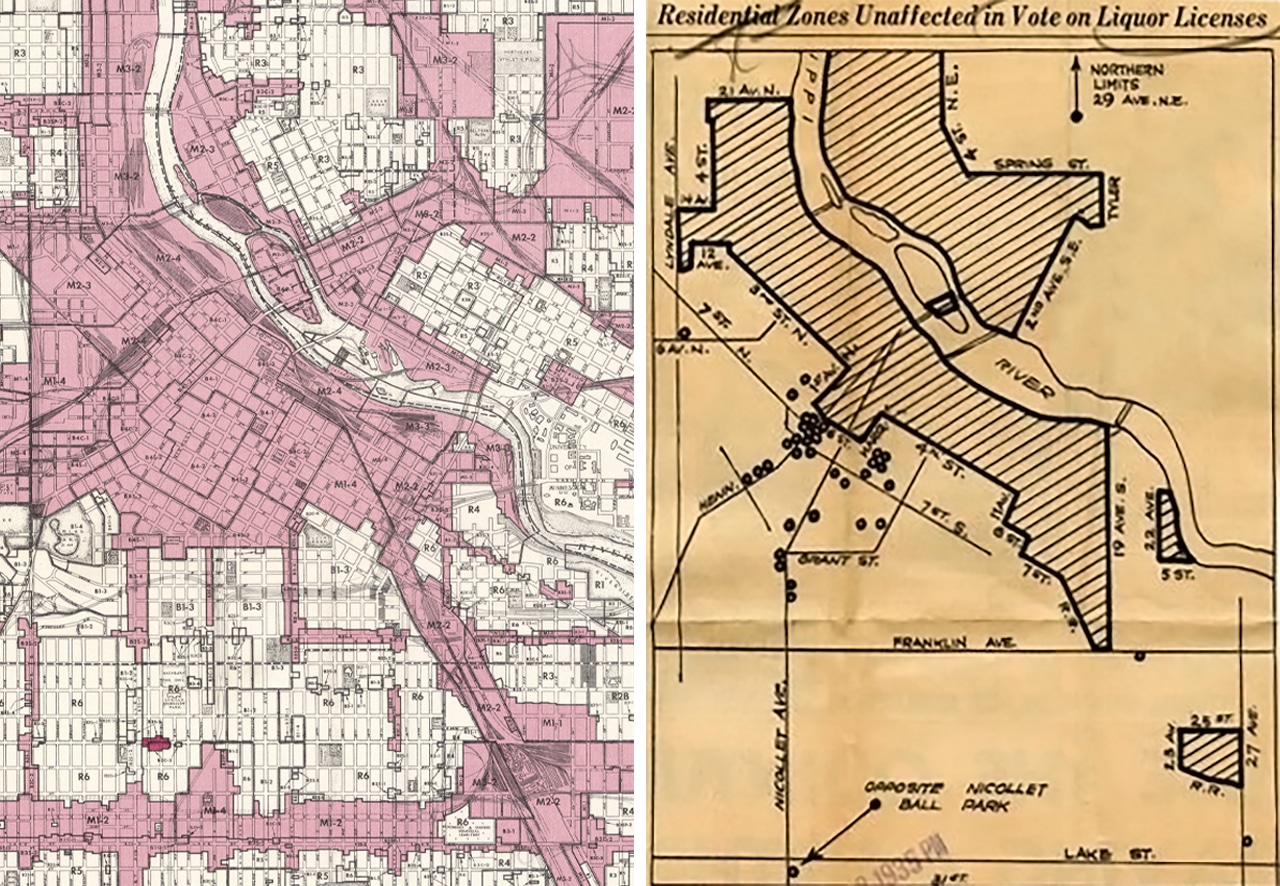
When Minneapolis was settled by White industrialists in the late 19th century, brothels were established near flour mills on the river. “Sex workers made Minneapolis a home — like, made it nice,” said Andi Snow, of the Sex Workers Organizing Project, in her contribution to The Long Fire project. “They would just pay off the city and pay off cops.” 28 From the 1890s to 1910s, the city had a de facto licensure system. Brothel owners paid a monthly fine — first $50, then $100 — which brought in as much as $41,000 annually. Sex work was tolerated and liquor sales legal within designated vice districts, mostly along the downtown riverfront, but also in the South Minneapolis neighborhood of Seward. 29 Spatial containment was a strategy for managing what Clare Sears calls “problem bodies,” and it had the effect of propping up urban capitalism, reinforcing gender and sexual norms, and expanding police power, both discursively and materially. 30 Women who traded sex outside the confines of a brothel — euphemistically termed a “resort” by the city’s vice commission — faced arrest.
In the settler city, sex work was tolerated within vice districts, including the South Minneapolis neighborhood of Seward. This strategy propped up capitalism, reinforced gender and sexual norms, and expanded police power.
As the only vice district outside the downtown core, Seward became known for raucous bars and racial mixing. The Minneapolis Steel and Machinery Company (later Minneapolis Moline) had a large farm implement factory at Lake and Minnehaha — on what is now the site of the Target store across from the police headquarters. North of that was a huge railroad yard. East were the bars and stores along 27th Avenue. In a panic about “Young Girls on Our Streets,” the vice commission in 1910 wrote: “One of the most disturbing phases of the present situation in Minneapolis, and an alarming social symptom, is the large number of young girls in the streets at night. … The situation is unmistakably sinister, and the responsibility rests upon the community to make a thorough investigation, determine the facts, sound a warning, and suggest practical remedies.” But the commission already had its own ideas about the causes, namely, “the influx of a new type of foreign element” and “the public dance hall,” which allowed “the mingling of the sexes without adequate discrimination as to age and character, and without home or neighborhood surveillance.” The dance hall at Lake and Minnehaha — in the Coliseum building directly across from the Third Precinct headquarters — was notorious. In recent decades, the city has helped developers buy “problem properties” and shift the district toward light industry, but a few of the historic bars are still around. 31
In 2011, a Black trans woman, CeCe McDonald, was assaulted two blocks from the Third Precinct police station and charged with murder for stabbing her attacker near his swastika tattoo.
Perhaps the most famous is the Schooner Tavern, a music venue converted in 1932 from a hotel for railroad workers. In 2011, a Black trans woman, CeCe McDonald, and her friends were attacked by a group of White people outside the bar, roughly 300 yards away from the Third Precinct police station. The aggressors yelled racist and transphobic comments and smashed a beer glass into McDonald’s face. In the resulting fight, a White man died after being stabbed with scissors in the chest near his swastika tattoo. McDonald was charged with murder, pled guilty to manslaughter, and served 19 months in a men’s prison. The attack and subsequent trial had a galvanizing effect on trans abolitionist politics nationally and locally. Activists formed the CeCe Support Committee, which articulated her case in explicitly intersectional terms, making connections to the anti-Black racism of the police and legal system and the racialized transphobia rampant in society. Highlighting the evidence that was suppressed in court (the swastika tattoo) and the evidence that was not (McDonald’s previous conviction for writing a bad check), these activists showed the impossibility of a fair trial. Later, as reformers pushed for McDonald to be re-housed in a women’s prison, CeCe’s Support Committee amplified her point that there is no safe place for trans people — or any people — in any prison. Making the carceral system “safer” for trans people just expands its power. McDonald and her supporters led a generation of queer and trans people — in South Minneapolis and beyond — to the abolitionist insight often credited to Ruth Wilson Gilmore, that reform equals expansion. 32
The Politics of a Puppet Parade
Despite this example, the queer left in South Minneapolis has often been invited into collaboration with racialized sexual policing rather than recognizing and standing in opposition to it. One of Fischer’s key arguments in The Streets Belong to Us is that as police throughout the 20th century shifted their focus to controlling the sexuality of Black and Indigenous women and other racialized minorities, it had the effect of gradually decriminalizing the non-marital sexuality of White women. A notable inflection point was the mid-1980s campaign to pass novel legislation declaring pornography a violation of women’s civil rights. 33
The queer left in South Minneapolis has often been invited into collaboration with racialized sexual policing rather than recognizing and standing in opposition to it.
After a period of mid-century prosperity, East Lake Street in the 1970s was in economic decline. Ferris and Edward Alexander purchased a movie theater near Powderhorn Park, at the corner of Lake and Chicago, and turned it into a porn theater, the Rialto. Then they bought the adjoining hardware store, which became the Rialto Bookstore. Within a few years, the Alexander brothers had purchased a dozen properties that were either porn theaters or adult bookstores. In response, Powderhorn neighbors formed the Neighborhood Pornography Task Force, which conducted leaflet drops and zaps on East Lake where they would take over these businesses to have “sewing circles.” They successfully lobbied the city to pass a restrictive zoning law that would prohibit adult theaters and bookstores within 500 feet of churches, schools, or residential areas. The Alexander brothers sued in response and won a federal enjoinment in 1979.
A few years later, University of Minnesota law professor Catherine MacKinnon invited Andrea Dworkin, a feminist survivor of sexual violence and anti-porn activist, to co-teach a course on pornography that enrolled 55 people, including many Powderhorn residents. They read and watched porn and conducted walking tours on Lake Street. A law review article later described the course as a “shared educational and emotional experience [that] created a community with strong anti-pornography views and a sense of mission.” 34 In 1984, these activists had McKinnon and Dworkin speak at a zoning meeting, and their testimony was so powerful that it shifted the city’s approach entirely. Pornography was not a zoning issue, they argued, but a civil rights violation that should not be allowed anywhere. A law to that effect, authored by MacKinnon and Dworkin, was passed by the city council but vetoed six days later by the mayor, who said it would be unconstitutional. The Mayor then directed a city task force to create a compromise bill restricting “trafficking,” which was also passed and vetoed. The publicity led other U.S. cities to pass similar civil rights legislation, until, in 1986, the Supreme Court affirmed a lower court ruling that such laws violated the first amendment.
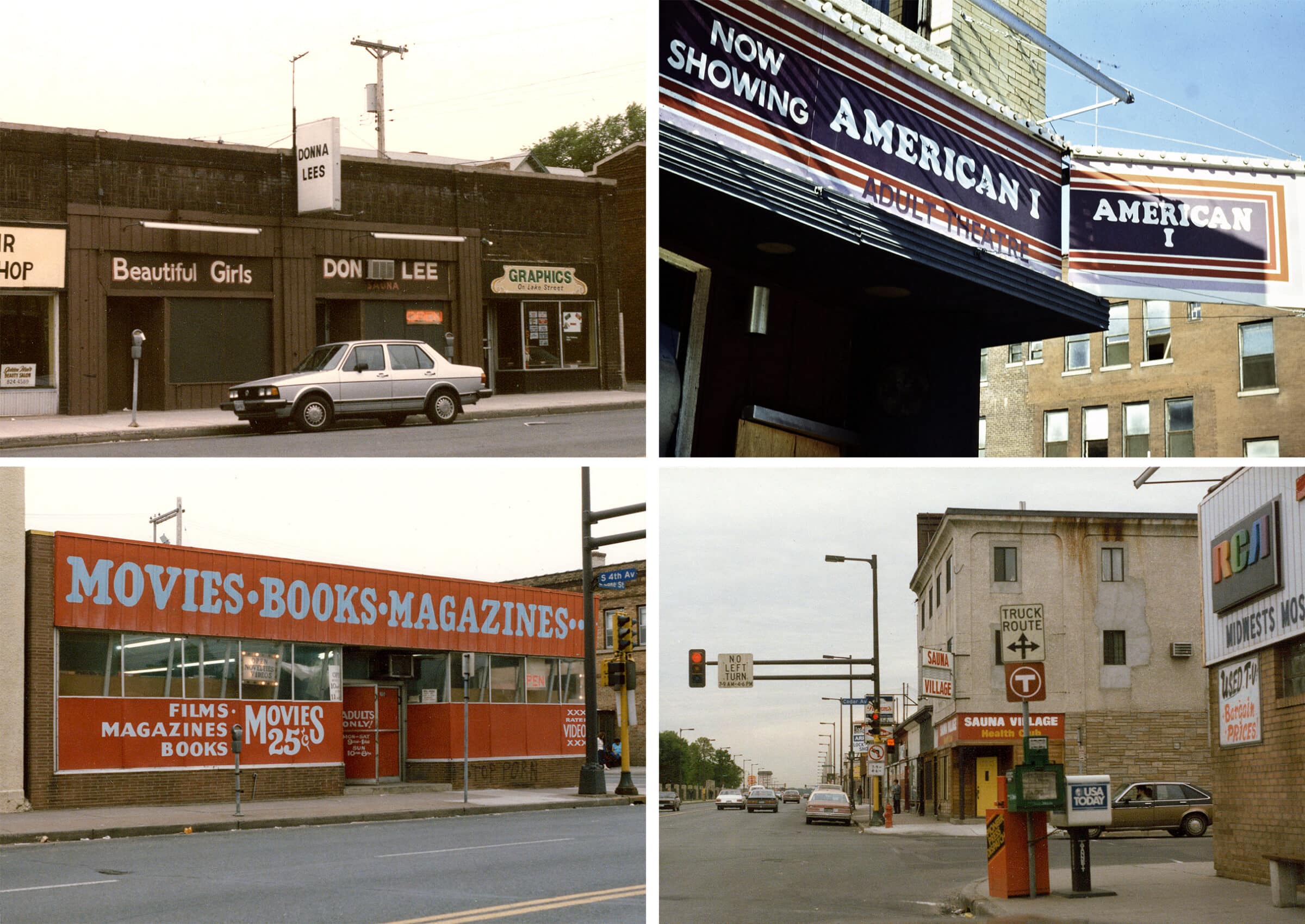
One speaker testified that anti-porn fervor in the early 1980s led to the arrest of 3,500 men, including many gay men patronizing bathhouses, adult bookstores, and theaters.
Public comments at those meetings are illuminating. Although MacKinnon, Dworkin, and the Neighborhood Pornography Task Force had mobilized hundreds of people in support of a ban, the first person to speak on the compromise legislation was an opponent, Robert Hafill, a gay rights activist. He said that anti-porn fervor in the past five years had led to the arrest of 3,500 men, including many gay men patronizing bathhouses, adult bookstores, and theaters. “There is no way to campaign against adult bookstores,” he said, “that will not create public pressure that will lead to an increased number of arrests of gays.” It was his belief that “this complaining is fueled by people’s discomfort of large numbers of gays hanging around the bookstores. This has led to numerous instances of police brutality.” 35
In their excellent article, “Sex and the Cities,” Pam Butler describes a “split” within gay and lesbian communities in the early 1980s in the Twin Cities. They write:
Tensions were also deepened by lesbian and lesbian-feminist claims to sexual ‘respectability’ in the context of local racial, class, and sexual politics. According to one organizer of the 1982 lesbian Pride boycott, ‘All gay issues are not lesbian issues. I’m sick of defending faggots, child sex, bathhouse arrests and pornography.’ Here again, ‘respectable’ (white-racialized, middle-class, private) lesbian/feminist sexualities in the Twin Cities are explicitly defined in opposition to the ‘deviant’ (nonwhite-racialized, working-class, public) cultures of public sex. This repeated disavowal of public and marginalized sexual cultures reinforces the link between lesbian/feminist activism in the Twin Cities and racial and class privileges that depended on and reproduced racialized systems of private property and sexual respectability. 36
The dynamic that Butler identifies here — specifically, the role of anti-porn activism in linking lesbian and feminist politics to the reproduction of sexual respectability — has reverberated throughout South Minneapolis, and especially in Powderhorn, for the last four decades.
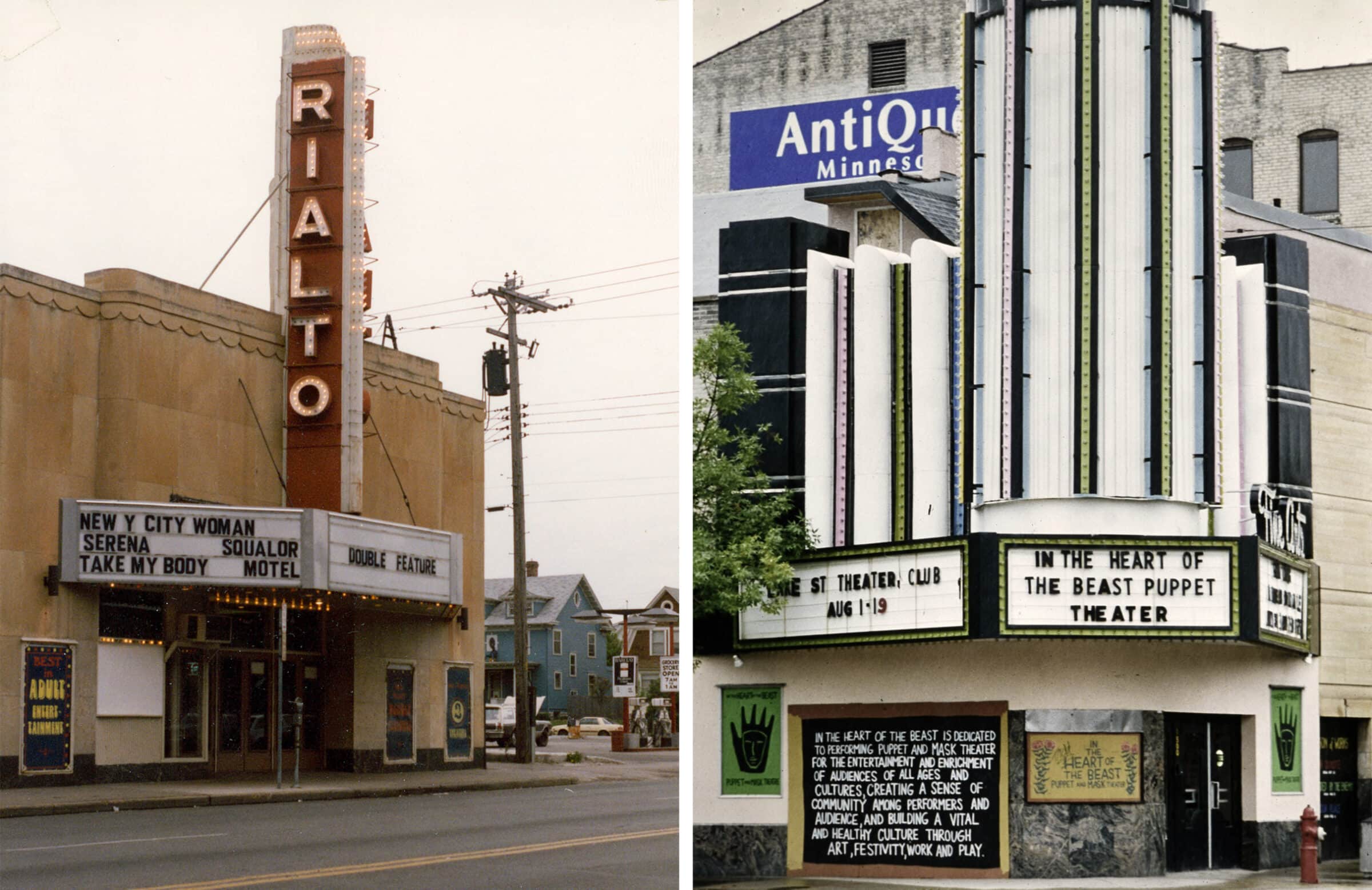
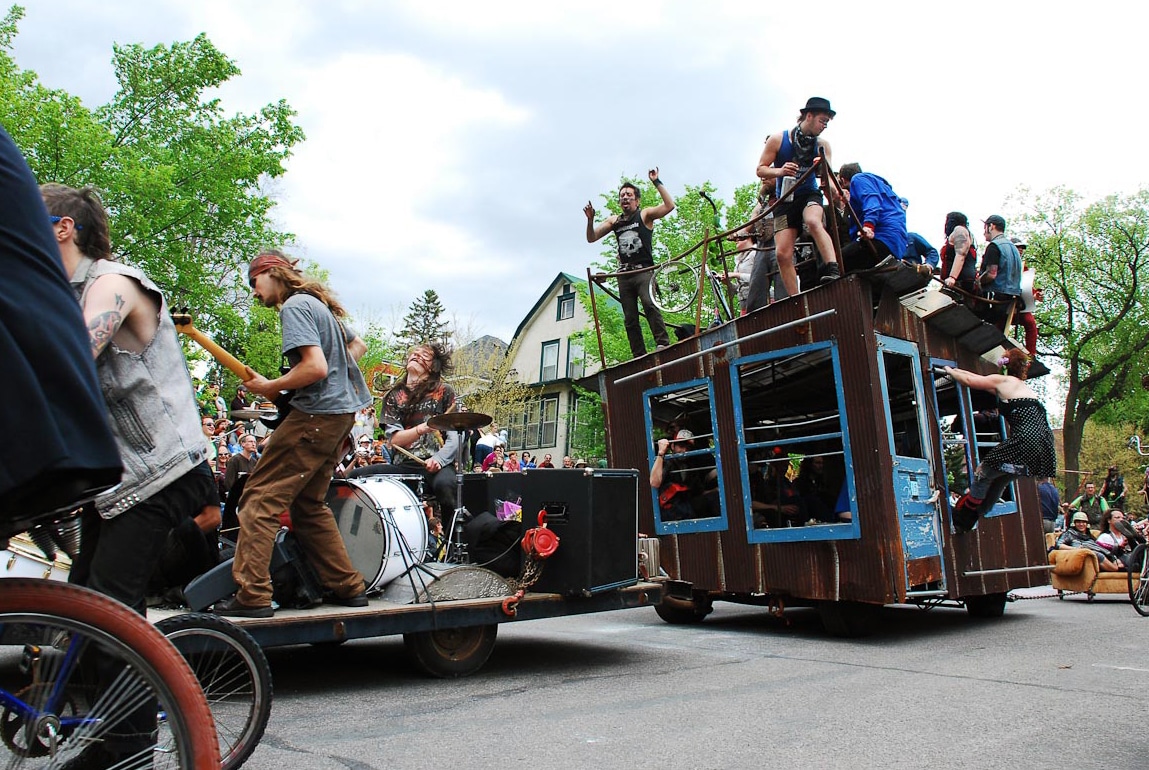
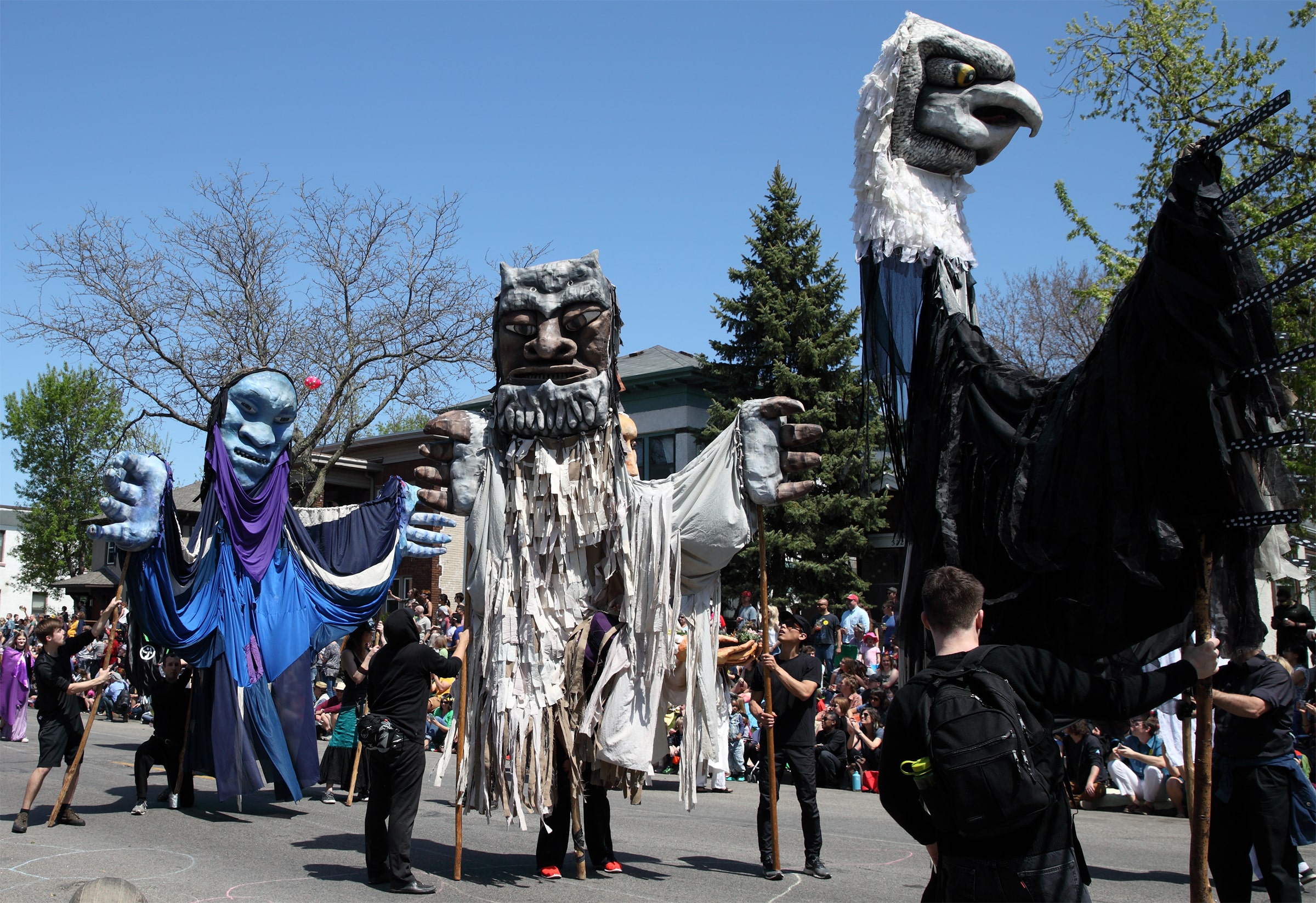
One of the porn theaters targeted for protest was the Avalon, at East Lake Street and 15th Avenue, between the Rialto and the police headquarters. In 1987, with the support of the Powderhorn Park Neighborhood Association and community fundraising, this property was purchased by a local arts organization and theater, In the Heart of the Beast, which promised “Puppets not Porn.” They sponsored the annual MayDay Parade, which started in 1975 and grew into an iconic event drawing as many as 70,000 people. 37 Parade-goers used puppets, masks, and public theater to promote environmental justice, anti-capitalist critique, and racial justice.
The Lake Street arts organization In the Heart of the Beast — sponsor of the iconic MayDay parade — was founded on a promise of ‘Puppets not Porn.’
Yet the theater staff and the venue itself were perpetually strained for resources. Artists of color raised concerns about tokenism, racism, and the lack of true community collaboration. In the wake of the Uprising and the Covid pandemic, the nonprofit board faced a choice between selling the theater building or ending the parade. After announcing in 2021 that they would close the theater, they later changed course and “released” the parade to the community. According to the board, a surge in donations enabled them to “engage with Free Black Dirt” — an artistic partnership between Erin Sharkey and Junauda Petrus, “two nerdy Black girls” who met at a community college LGBTQ literature class — to convene a community council that developed “values and affirmations” that would guide future parades: “Reparations, Intergenerational Experiences, Decolonizing and Decentralizing, Accessibility, Accountability, and Abolition.” 38 This included financial reparations to artists of color who had been excluded or exploited. “Releasing” the Mayday parade in this way was meant to democratize the event and allow a wider community of artists and activists to shape it, but the organizers have only begun to grapple with the role that racialized sexual policing played in the founding of the theater.
Making Connections between Sexual Policing, Settler Colonialism, and Abolition
Tracing the history of sexual policing, from brothels to bathhouses to pornography, has become an unexpected central theme of the Long Fire collaboration. We came to the project expecting to find connections between settler colonialism, environmental racism, houselessness, and land-based protest strategies, and we did. But as we began collecting oral histories and archival documents, the frame of racialized sexual policing emerged to help answer the question of how the Minneapolis Police Department has survived — in fact, grown its resources and power — despite critiques from city officials and a broad consensus within our own communities about the necessity of abolition.
From anti-porn activism to encampment evictions, discourse about the safety of women has been used to expand police power and break community solidarities.
From anti-porn activism to encampment evictions, discourse about the safety of women has been used to expand police power and break community solidarities. In the 1980s, police and their enablers broke down solidarities between lesbians and gay men and between White women and the mainly Black women who were trading sex along Lake Street. Some 40 years later, they undermine abolition politics by portraying the Minneapolis Police Department as necessary to “save” Native women in encampments, and more broadly to protect women and children in South Minneapolis from being exposed to violence. In all these contexts, however, the sexual violence experienced by the most vulnerable people is not lessened by increased policing. As Beth Richie, Mariame Kaba, Shira Hassan, and many other abolition feminists have argued, “carceral feminism” doesn’t make women safer; it just creates a discursive pretext for expanding the criminal legal apparatus. Kaba writes, this discourse “forecloses our consideration of other possible ways to address sexual harm. Abolition is the praxis that gives us room for new visions and allows us to write new stories — together.” 39
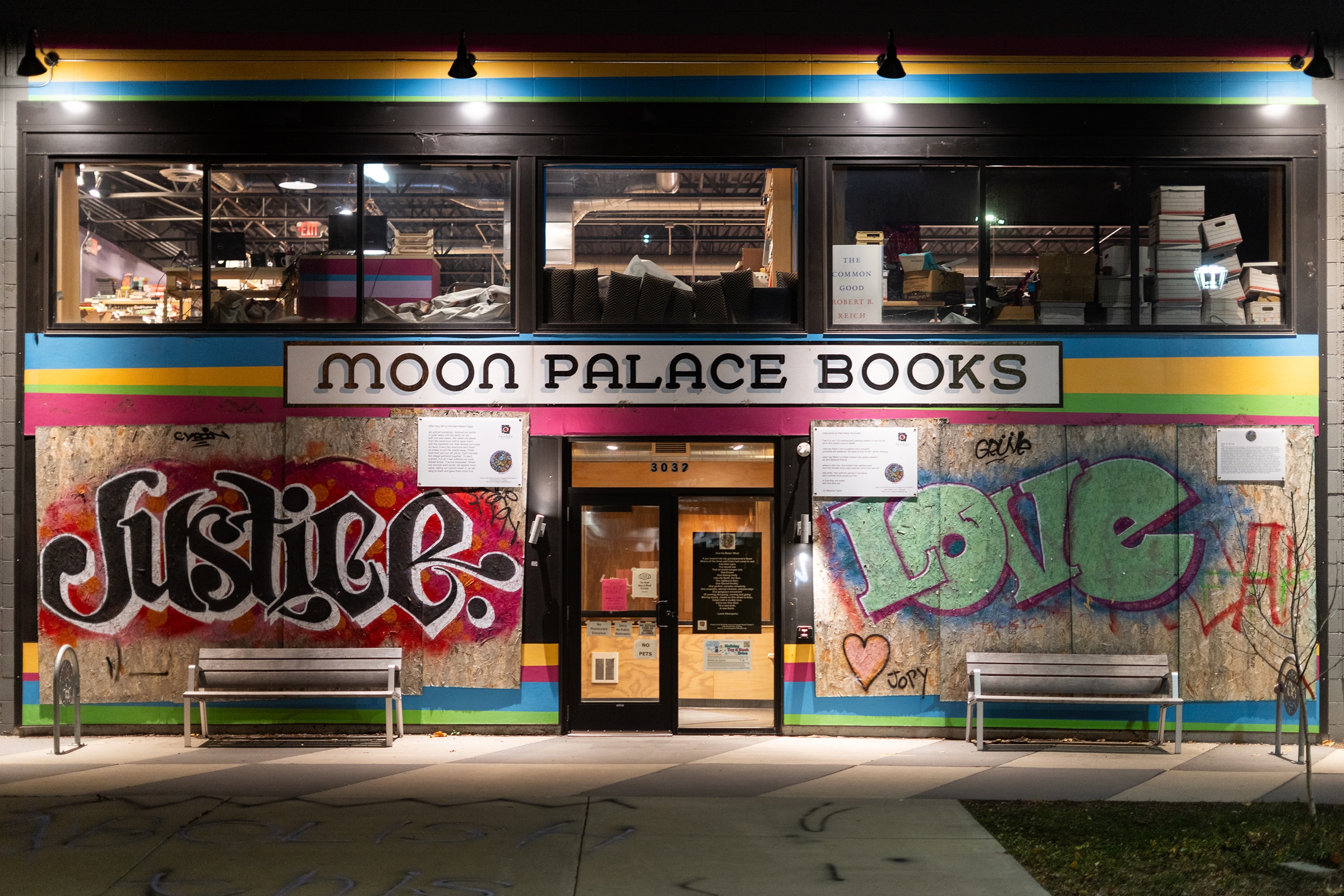
With abolition feminism at the center, I’d like to end with the harm reduction work of the Sex Worker Outreach Project, as described by Snow:
So we go to two places. We start at Peavey Park — so, Franklin and Chicago, which is another major zone for outdoor sex work. … We give out like condoms, Narcan, water … HIV testing. A lot of times we have a bunch of clothes people can grab and like hygiene things, personal safety things, whatever. Like, we like to keep it really cute and girly. … [We have] a very expansive definition of what the girls means ’cause there are trans workers at Peavey Park especially, and they’re very much part of the girls. And, uh, then we move down to East Lake Street. So we walk all the way down from the bus station to the light rail station, basically. Yeah. All down East Lake Street. 40
This is essentially the same territory covered in 1968 by the AIM patrols and Soul Force that protected Indigenous and Black communities in South Minneapolis. And it is the same route followed in 2020 by protestors who marched toward the Third Precinct headquarters.
Snow continues:
When you talk about racial justice — and, you know, all of our liberations are connected, and all of our struggles are deeply connected — which is beautiful, but sometimes very confusing when we don’t all agree on what is the top priority. And then we had this horrible thing happen [the murder of George Floyd] and so many incredible things as a result of how we came together around that. …
Racial justice is the center of everything that we do, you know? … We’re trying to decriminalize sex work. That’s one huge part of it. So basically, we wanna make it so that prostitution isn’t a crime anymore. And then the other aspect of that … is loitering with intent of prostitution. … The walking-while-trans law … similar to a stop-and-frisk. Like if you’re trans, you’re being, um, stereotyped as a sex worker. So just being trans and being out walking in public meant you were loitering with intent for prostitution, basically. And we did our statistical analysis of who was arrested for prostitution and loitering with intent, and it was just so overwhelmingly a racial justice issue. There was a three-year period where the only people arrested for loitering in the city of Minneapolis were Black [people]. Just a hundred percent. 41
Just as sexual policing is not about women’s safety but about the expansion of police power under settler colonialism, queer abolition is not about LGBT identity but about a commitment to coalitional activism that brings together all people positioned outside White, middle-class, housed, respectable, hetero norms. 42 It includes solidarity with our immigrant neighbors whose lives are now directly threatened by federal agents. The Long Fire at Lake and Minnehaha traces the connections between activist projects that may seem distinct, but which are in fact inseparable.

Queer abolition brings together all people positioned outside White, middle-class, housed, respectable, hetero norms.
In his contribution to the Long Fire, queer and trans sex worker activist Aegor Ray noted that many people left the Twin Cities in the wake of the Uprising and the pandemic, but those who stayed formed deeper relationships. Ray describes South Minneapolis as a place where “we live, we congregate in the park, we have MayDay, we have food, we have these rituals that we do.” Every city has those small moments and places of community and joy. But “after the Uprising, I felt like I understood — I’m, like, getting emotional talking about it — but I understood the purpose of, like, why do we do that? … Like, why do we have MayDay? Why do we have Zine Fest? Why do we bike down to the lake at night to, like, see the moon reflected in the water?”
‘What I’ve seen change,’ Ray said, ‘is that people are more willing to … take on … the sweet, mundane, quiet work of just showing up for each other.’
The Uprising shined a new light on the streets and public spaces. “Those moments are like the rhizomes,” Ray said. “You could feel the net of that slow, creative community-building holding us and allowing us to have the possibility to stay.” This recognition is at the root of transformative justice and feminist abolition politics, and it is the beating heart of the Long Fire at Lake and Minnehaha. He goes on: “I think that there’s something really special here. And what I’ve seen change is that people are more willing to say that with their chests, and take on the responsibility of both, like, the care and stewardship of place and also the sweet, mundane, quiet work of just showing up for each other.” 43
As I close out the final edits on this article, listening to the rise and fall of horns and whistles from my neighbors who are trailing ICE vehicles, I remember this: Help is not coming from the national guard or the police. We keep each other safe.


If you would like to comment on this article, or anything else on Places Journal, visit our Facebook page or send us a message on Twitter.