
The Lab Next Door
At night, the sewers teem with dead animals. Cows, pigs, small ruminants like goats and sheep. Not that a person could spot them with the naked eye, or even a high-powered microscope. By the time the creatures flow through Manhattan’s sewer system, their bodies are unrecognizable, little more than a slurry of peptides and amino acids.
The chemical residues of these once-very-much-alive farm animals originate at the Biosecurity Research Institute, an infectious disease research laboratory located on the Kansas State University campus in Manhattan, Kansas, where I live. Because of the risky nature of the pathogens that are being studied there, animal carcasses cannot be simply buried or incinerated. Instead, the scientists rely on a tissue digester, which “dissolves animals in an alkaline soup,” as Geoff Manaugh and Nicola Twilley put it in Until Proven Safe: The History and Future of Quarantine. The resulting slurry is sterile but “still so full of organic molecules that it can easily overwhelm the capacity of the wastewater treatment plant,” Manaugh and Twilley write, so before each release, the scientists check with the city to make sure they can handle the extra volume. “This usually occurs late at night: the corpses of liquefied animals passing through the town’s sewers while Manhattan’s residents sleep, blissfully unaware, in their homes above.” 1
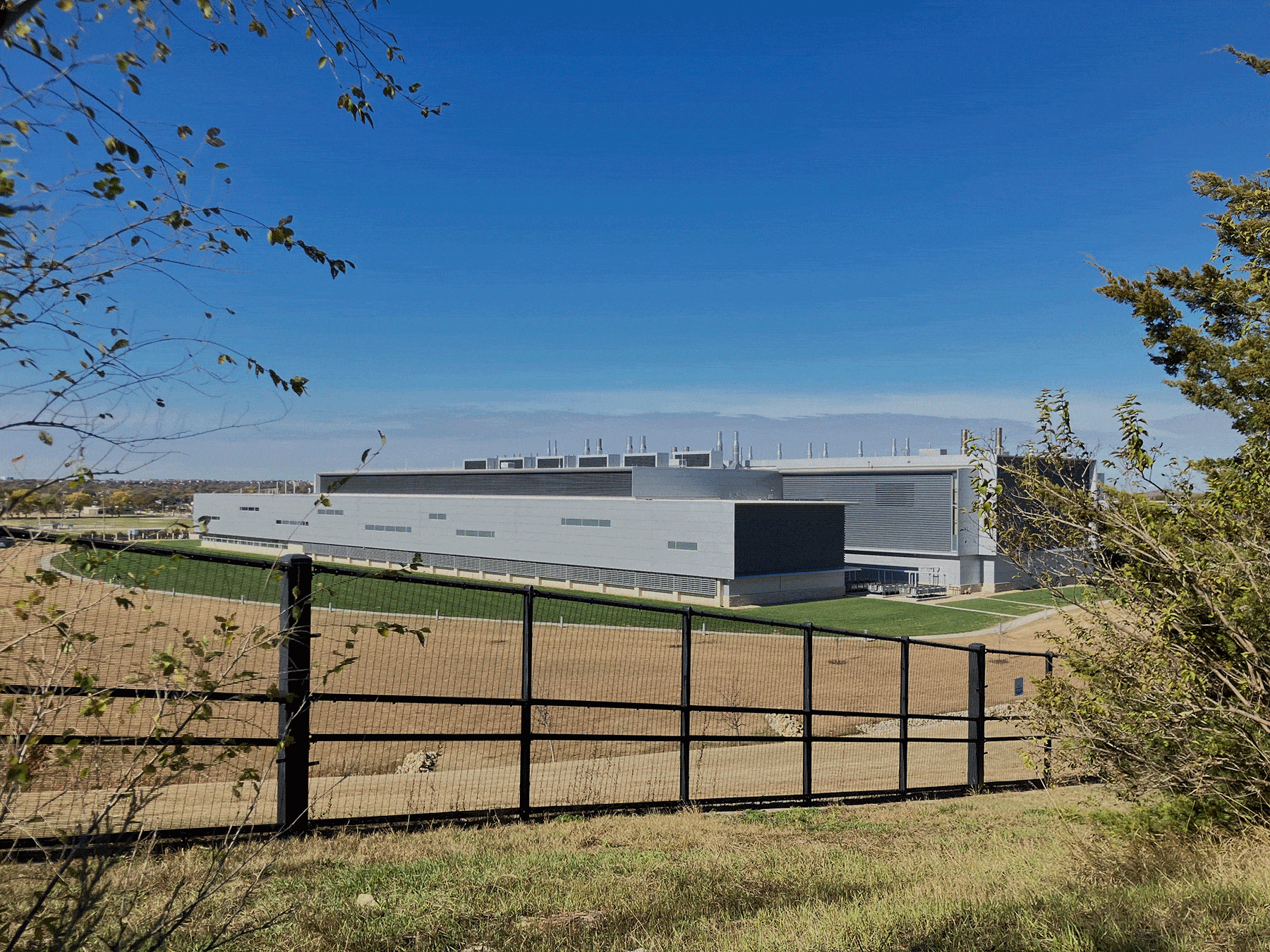
The Biosecurity Research Institute was established at Kansas State University in 2008 with $54 million in federal funding and strong support from Pat Roberts, a Republican senator from Kansas. Its mission is to protect the United States — its people and its agriculture — from biological threats, including zoonotic diseases, like Covid-19. When my wife and I and our six-month-old son moved to Manhattan in 2022, workers were just putting the finishing touches on a new and much larger biotech complex just next door: the National Bio and Agro-Defense Facility, or NBAF, a $1.25 billion laboratory constructed by the Department of Homeland Security and operated by the U.S. Department of Agriculture.
NBAF (usually pronounced en-baf) was created following a 2004 presidential directive calling for improved national readiness in the event of a terrorist attack on the country’s food supply. Funded through Congressional appropriations totaling $938 million, along with more than $300 million in state, local, and university funds, it is the first top-security lab in the country with the capacity to house large livestock. Its scientists research and develop antidotes to some of the deadliest pathogens in the world. 2 Both NBAF and the Biosecurity Research Institute are part of a national biodefense network that for more than half a century has included the Plum Island Animal Disease Center off the coast of Long Island. At some point, the viruses and other pathogens housed at Plum Island will make their way to Manhattan, and Plum Island’s labs will be shut down. 3
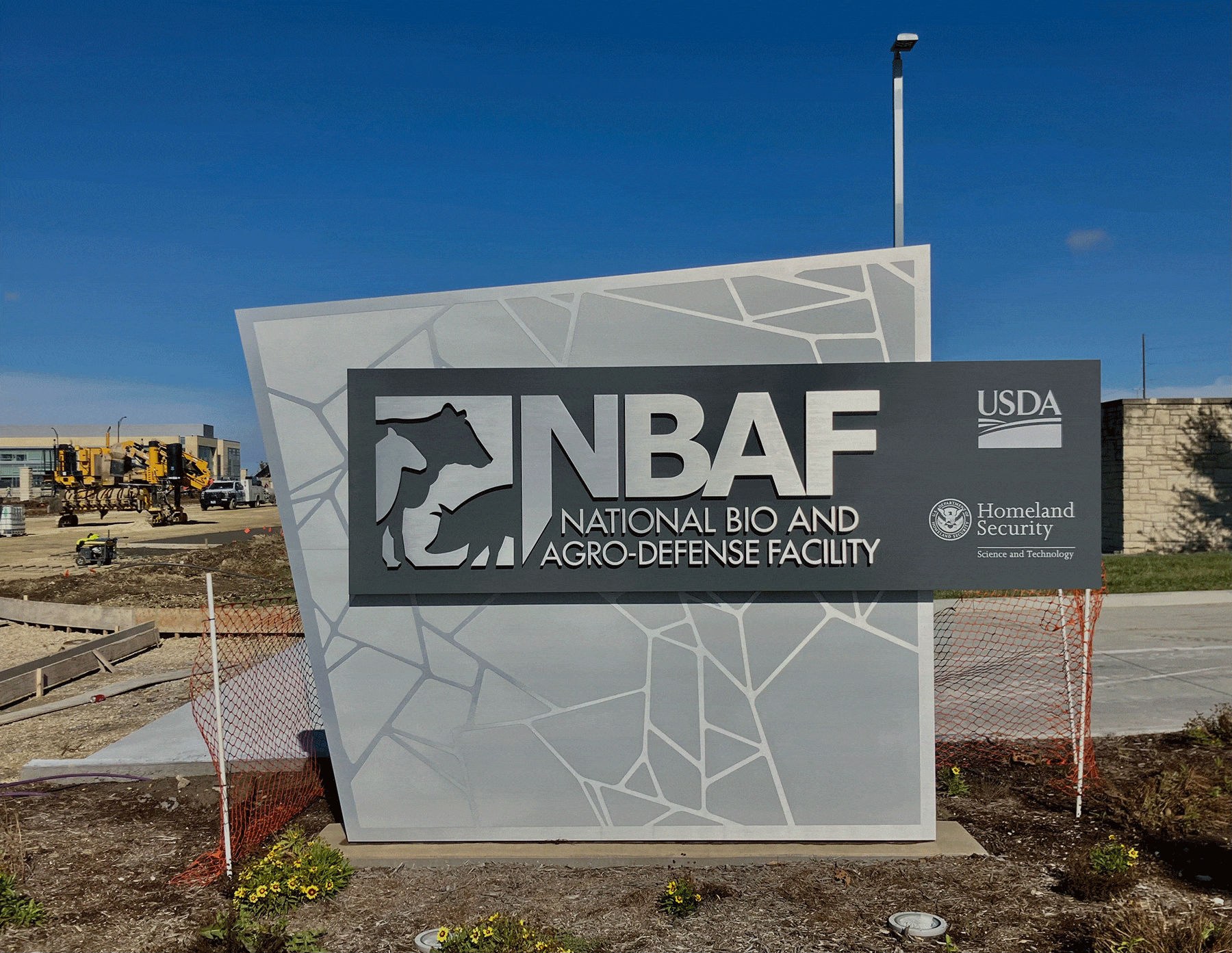
NBAF is the first lab in the U.S. with the capacity to house large livestock. Its scientists research and develop antidotes to some of the deadliest pathogens in the world.
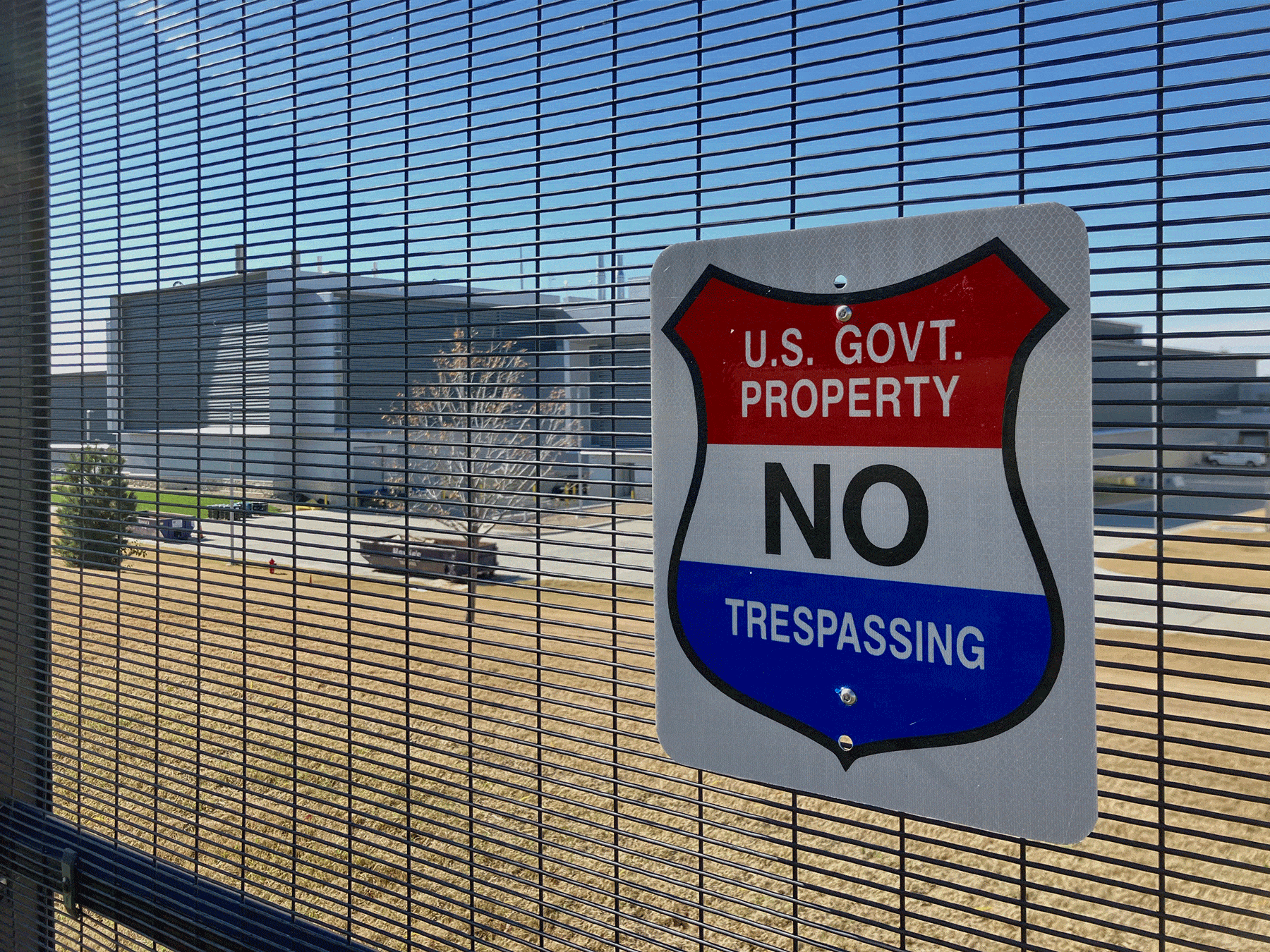
NBAF may lie within the city limits of Manhattan — and directly across from Bill Snyder Memorial Stadium, where thousands of fans congregate to watch K-State football — but it is not really part of the city. Built into a hillside on the northern outskirts of Manhattan, where it joins a cluster of agricultural research laboratories on the K-State campus, the 574,000-square-foot complex is surrounded by an eight-foot-tall metal fence and surveilled by small, black security cameras mounted every few hundred feet. Guards oversee the arrival and exit of every vehicle. The building runs on its own power and water. Unlike at the Biosecurity Research Institute, the facility will vaporize animal carcasses using a thermal tissue autoclave — “a giant pressure cooker,” in the words of a public affairs staffer — the waste from which (again, already sterile) will then be incinerated in a specially designed chamber. 4 The building is also intensely fortified against natural and unnatural disasters. As one wastewater engineer explained to me, the directive from DHS specified that the laboratory should be able to withstand an F5 tornado and a terrorist attack at the same time. 5
In spite of these security measures, when DHS selected the city as a finalist for the location of the new facility, Manhattanites greeted the news ambivalently. “I have no problem with the goals of NBAF. I just have a problem with it being here,” a retired computer science professor said at a local public meeting hosted by DHS in 2007. “The release of pathogens hasn’t been ruled out,” said a K-State biologist at the same meeting. “No fool-proof facility exists.” 6 Indeed, one early report calculated the odds that a pathogen would escape from NBAF at 70 percent, prompting the design team to add even more security protocols. 7
When I pass by the building now, as I do about once a week, I too am ambivalent. Since my family and I moved back to Manhattan, where I graduated from K-State more than fifteen years ago, NBAF has become for me an inescapable presence, a place whose meaning and import seem to fluctuate day to day. I do not know whether I should be calmed or frightened by the proximity of the mega-lab. And so I have gone down the proverbial rabbit hole, seeking to learn more about the complex interactions and interdependencies among ecology, agriculture, and infectious diseases.
I was discovering that our food system is a driver of infectious diseases, and that the expansion of animal agriculture is intensifying the risk of viral outbreaks.
When I began this essay, late last year, I felt unsettled not only because of the possibility that a deadly pathogen would slip past NBAF’s containment procedures, but also, and more acutely, because I have come to understand that its aims are contradictory. On the one hand, NBAF strives to secure the nation’s food supply as it currently exists; on the other, it seeks to minimize the emergence of new zoonotic diseases. USDA staff sometimes use a circular graphic to communicate NBAF’s importance to American security and well-being. At the center of the circle are symbols representing the country’s food supply, agricultural economy, and public health. Around the outer edge are the transboundary and zoonotic diseases that threaten all these things. Between them, forming a protective buffer, are the tactics NBAF employs to fulfill its mission: Basic research and veterinary preparations (such as vaccines), diagnostics, emergency response, technology, training. 8 It’s an effective communication tool, suggesting a kind of sturdy armor, a thick layer of security protecting what is within the circle from ever-present threats beyond. But the graph belies an uncomfortable reality: that the priorities of America’s trillion-dollar agricultural economy again and again collide with the imperatives of public health.
What I was discovering, as I read, is that our food system is actually a driver of new infectious diseases, and that the global expansion of animal agriculture is intensifying the risk of viral outbreaks. Alongside climate change, our food system is contributing to the arrival of what science writer Ed Yong has called the “Pandemicene” — an era whose accumulating challenges we are less and less prepared to meet. 9
Weedy Species
“Immunity is a public space,” Eula Biss writes in On Immunity: An Inoculation. No matter the value that Western culture places upon individualism, upon personal freedom, it is unquestionably true that the health and well-being of my body is inseparable from that of the countless other bodies — human and otherwise — with which I come into contact. Humans are, Biss writes, “continuous with everything here on earth.” 10
This is both the moral and physiological underpinning of vaccination, and the basic idea behind “herd immunity.” 11 When enough of us develop antibodies to a particular infectious disease, the risk to the population decreases because there are fewer hosts through which a pathogen can spread. It can be difficult to act in accordance with this fact, to expand the circle of care and concern to encompass not just ourselves, but also our families, our community, our species. It is more difficult still to expand the circle to other living creatures. And yet it is no exaggeration to say that our health is intimately linked to that of nonhumans, particularly the animals we raise to eat.
In 1997, in Hong Kong, a type of influenza known as H5N1, which until then had affected only avian species, jumped from chickens to humans. This was unexpected: it had been thought that a bird flu virus required a mammalian intermediary, such as a cow or pig, to threaten humans. Ultimately, eighteen people contracted the virus, and six died — “an inordinately high mortality rate,” wrote the journalist Frank Ching, in 130 Years of Medicine in Hong Kong. 12
Rarely can epidemiologists trace the exact path a zoonotic pathogen takes from one species to another. In the case of the H5N1 outbreak in Hong Kong, which was halted through the slaughter of millions of chickens, ducks, and geese, it is believed that the virus leapt first from wild waterfowl to domestic chickens, and then from chickens to people. Indeed, anywhere humans and animals interact, such as in live poultry markets or cattle feed yards, the risk of zoonotic diseases rises dramatically. As Ching points out, as early as the 1980s, experts had labeled southern China “an epicenter for the origin of pandemics” precisely because “humans and domestic animals lived in close proximity.” 13
The health of humans is intimately linked to that of nonhumans, particularly the animals we raise to eat.
As I pored over the literature on zoonotic diseases, it was becoming clear that just as our food systems, and particularly our livestock, must be defended against viral diseases, so too these same systems are often a source of them. In 2019, just months before the start of a global pandemic (itself caused by a zoonotic coronavirus), a team led by biologist Jason Rohr of Notre Dame University analyzed data on zoonotic disease emergence worldwide. The scientists found that for much of the past century, more than half of all zoonotic diseases could be traced back to agricultural practices. Chemical nutrients such as phosphorus, for instance, are widely used to boost crop yields, but they can also boost disease-carrying insect populations. Likewise, many pesticides are immunomodulators and can make humans more susceptible to disease.
Across whole ecosystems, the global expansion and intensification — the industrialization — of agriculture has created what one epidemiological team has called novel “species assemblages,” which in turn create opportunities for a disease to spill over into other animal populations. 14 Industrial agriculture also drives the development of infrastructure — new roads, dams, irrigation networks — which accelerates the spread of infectious diseases. As Rohr and his co-authors write: “Urbanization necessarily extends food supply chains, as consumers reside further from farms and fisheries. … The expanded spatial scope and increased frequency, speed, and volume of people and agricultural products moving within and among countries … facilitates the spread of pathogens.” 15
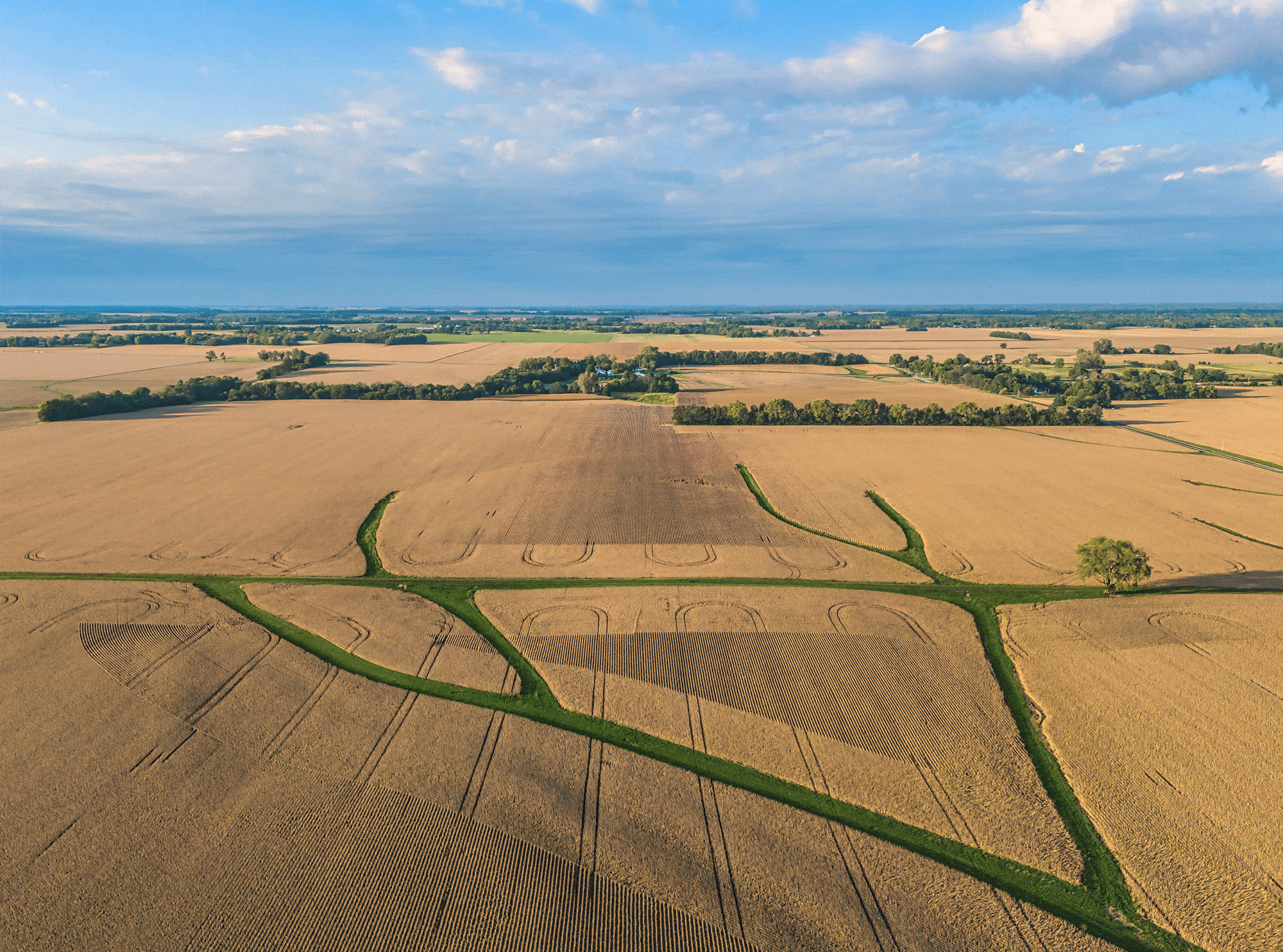
As I read about the links between large-scale agriculture and infectious disease, I pictured a kind of ecotone, a wildland-agricultural interface that increased the chances of interactions between the kinds of species that thrive in biologically diverse ecosystems and those that populate agrarian landscapes, such as fields and pastures. The more one land use intermingles with another, I thought, the greater the likelihood that a pathogen capable of infecting a wild animal will spill over into a domesticated one. But this isn’t how the transmission process works, Felicia Keesing, a professor of ecology at Bard College, explained to me. 16 The development of land for large-scale agriculture does drive the spread of zoonotic diseases. But the greater danger emerges not from the proximity of one land use to another but rather from the kinds of degraded landscapes that emerge as a result — specifically, the over-grazed pastures and mono-cropped fields that replace forests and native prairies, and more specifically yet, the kinds of species that typically thrive in them.
Rats and mice excel at adapting to human-altered environments. This makes them an ideal host for a virus.
The kinds of plants and animals Keesing is referring to are what ecologists call “weedy species,” organisms that are adept at reproducing amid ecological disturbance. In the animal kingdom, these are rodents like rats and mice, short-lived creatures that excel at adapting to human-altered environments. This is what makes them an ideal host for a virus. “A really abundant, widespread host that’s found in lots of different habitats — that’s what a pathogen is going to become specialized on,” Keesing told me. Here’s an example: In 1993, in the Four Corners region of the Southwest, the emergence of a previously unknown virus caused an outbreak of hantavirus pulmonary syndrome, a condition often fatal to humans. Virologists eventually determined that the cause of the outbreak was the newly discovered Sin Nombre virus, and that its primary vector was Peromyscus maniculatus, the deer mouse, which is among the most common creatures in North America’s cultivated landscapes. 17
The same environmental conditions that allow a deer mouse to become a perfect host for Sin Nombre also give the pathogen ample opportunity to mutate and jump to other creatures. Creatures like us.
Dilution Effects
A year after moving to Manhattan, my wife and I bought our first house — a single-story ranch originally built in 1950, located on the other side of the K-State campus from NBAF. On our first viewing, our realtor rolled back the barn-style doors of the shed in the backyard and screamed. A tiny bat, no bigger than a field mouse, hung from the wood siding just above the doors. I told my wife it was a good omen. Others warned us of the pain of an infestation. For a while after we moved in, we saw the bat regularly, roosting in the shed or making silent, looping circles in our front yard at dusk.
How would the loss of bat populations affect agricultural practices? And, ultimately, the infant mortality of humans?
North American bats once ranged from Alabama to British Columbia, feasting on an abundance of winged insects. Today, they are disappearing. Many, including the northern long-eared bat — a tiny fluffball with black eyes and huge, foxlike ears — are being wiped out by an aggressive and highly fatal fungal disease known as white-nose syndrome. 18 Not long after the disease was first detected in North America about two decades ago, an environmental economist at the University of Chicago, Eyal Frank, began investigating the impacts of bat population decline. Knowing that bats were consummate insect eaters and therefore a natural form of pest control for American farmers, Frank wanted to answer the question: How would the loss of bat populations affect agricultural practices? He analyzed data from almost 250 counties and the results were not ambiguous: Where the disease was present, the use of chemical pesticides jumped by 31 percent over a six-year period.
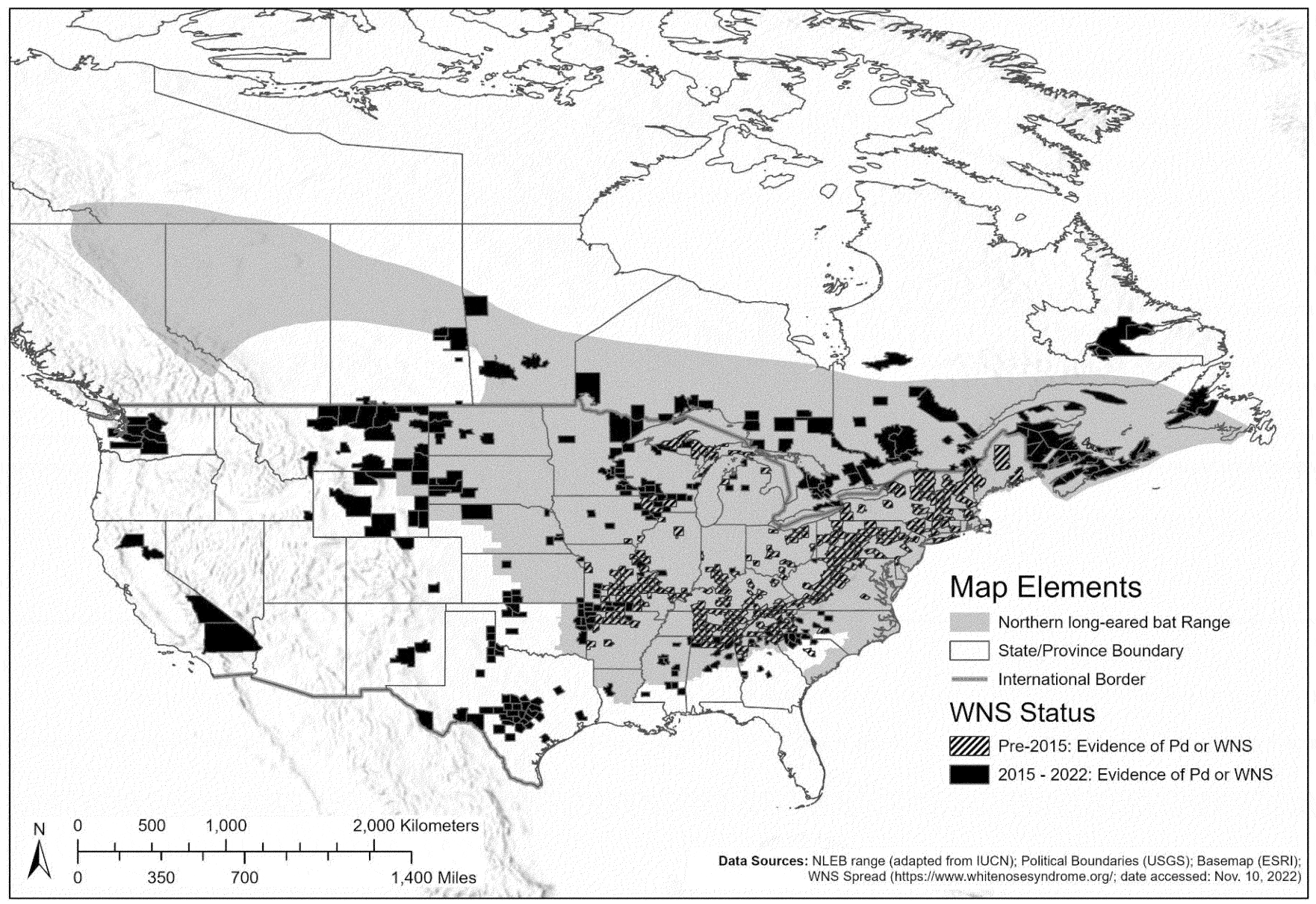
To extend the chain further, Frank looked at county health data and found that, over the period in question, the same counties saw a nearly eight percent increase in infant mortality. No other factors could explain the rise in child deaths, leading Frank to surmise that it was the farmers’ response to the sharp decline of bat populations — namely, their increased reliance on toxic pesticides — that led to the higher mortality rate. Frank published his research just last fall in Science. 19 In a follow-up story in the New York Times, one epidemiologist described it as “groundbreaking”; another as “sobering.” 20
These are the kinds of human-environmental interactions that take place, often invisibly, all around us. And they are among the reasons why researchers now understand that landscape biodiversity — and the conservation of this biodiversity — is directly relevant to public health. If the ecologically degraded, monocultural landscapes associated with contemporary industrial agriculture increase the risk of zoonotic disease transfer, then the opposite is also true: a highly functioning, biodiverse ecosystem can help prevent the spillover of novel pathogens by keeping in check populations of “weedy” species. Keesing and her frequent collaborator, the ecologist Richard Ostfeld, have described this natural restraint on the potential spread of infectious disease as a “dilution effect.” As they argue: “Ecological research … suggests that biodiversity may be fundamentally important in reducing exposure to certain zoonotic diseases.” 21
Meanwhile, the links between animal agriculture and biodiversity loss are becoming especially clear. In recent years a team of interdisciplinary researchers in Brazil has found that human carnivory — our practice of eating other animals and animal-related products — is a significant cause of extinction, posing an existential threat to fully one-quarter of the species on earth. Noting that “one-third of the calories produced by the world’s crops is currently allocated to feed animals grown for human consumption” and that “livestock production accounts for approximately 70% of global agricultural land area,” the researchers arrive at a stunning conclusion: “The livestock sector is currently the single major driver of habitat loss and degradation, which is in its turn a leading cause of species decline and extinction worldwide.” 22
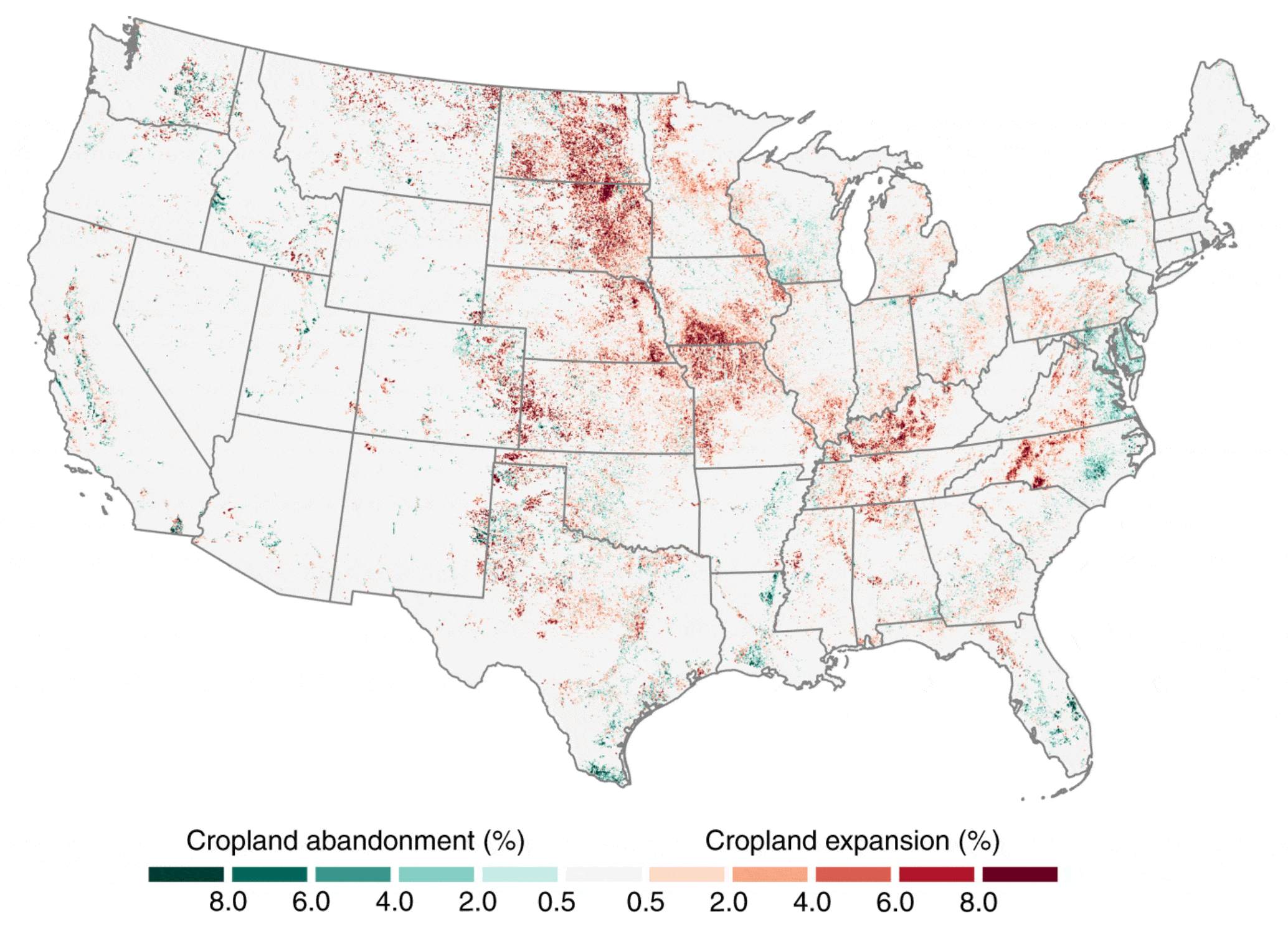
It is thus all the more distressing to learn that we continue to lose — to devalue — our naturally biodiverse landscapes. According to a study by researchers at the University of Wisconsin, between 2008 and 2016 the amount of land being used for agriculture, or “row-crop production,” in the U.S. grew by roughly a million acres each year, creating ever-more pathways for a future zoonotic pathogen. 23
A Choreography of Contagion
The pathways of contagion are not limited to the farms that rear animals for food; they are also present in the feedlots and factories that process that food. When humans interact with animals, domesticated or wild, we inherently risk being exposed to disease. But today the risk is supercharged. Just as agriculture has become increasingly large-scale, so too food processing has become increasingly consolidated; a few international conglomerates — Cargill, Smithfield, Hormel, Perdue — now dominate the industry. The globalization of meat production, in which animals may be transported thousands of miles from where they are raised to where they are processed, packaged, and consumed, might be described as a choreography of potential contagion.
A few international conglomerates — Cargill, Smithfield, Hormel, Perdue — now dominate the food processing industry.
If a cow in Texas contracts H5N1 — as several did in March 2024 — it is no longer likely only to infect cows in its own herd or at a local slaughterhouse. By the time a virus is detected, the cow may have changed hands several times, traveled long distances, and interacted with thousands of other animals. As Juergen Richt, director of the Center of Excellence for Emerging and Zoonotic Animal Diseases at K-State, explained to me, the meat industry, which relies on economies of scale, can amplify the threat of a zoonotic pathogen. “If you have ten animals and a virus infects one of them, you will have maybe 100 million virus particles,” Richt said. “If you have one million animals, you have trillions of virus particles that could contaminate the environment.” 24
This is a marked change from how humans historically raised and processed animals for food, and it has occurred over an extraordinarily short period. Richt himself grew up on a dairy farm in Germany in the 1960s. The farm had roughly 40 to 50 cows. “Here in southwest Kansas, you know how big the dairy farms are, how many head they have?” he asked. “40,000.”
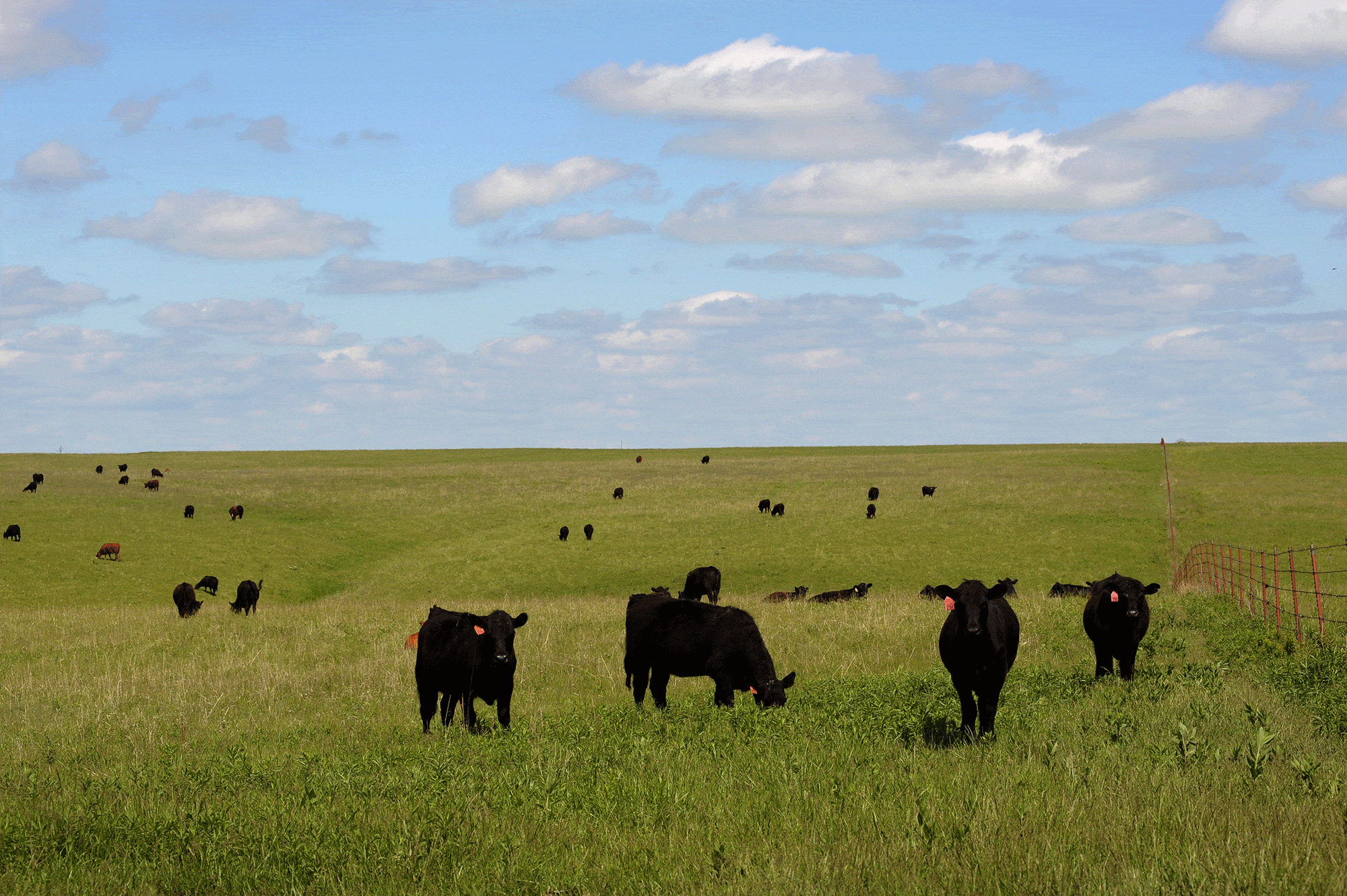
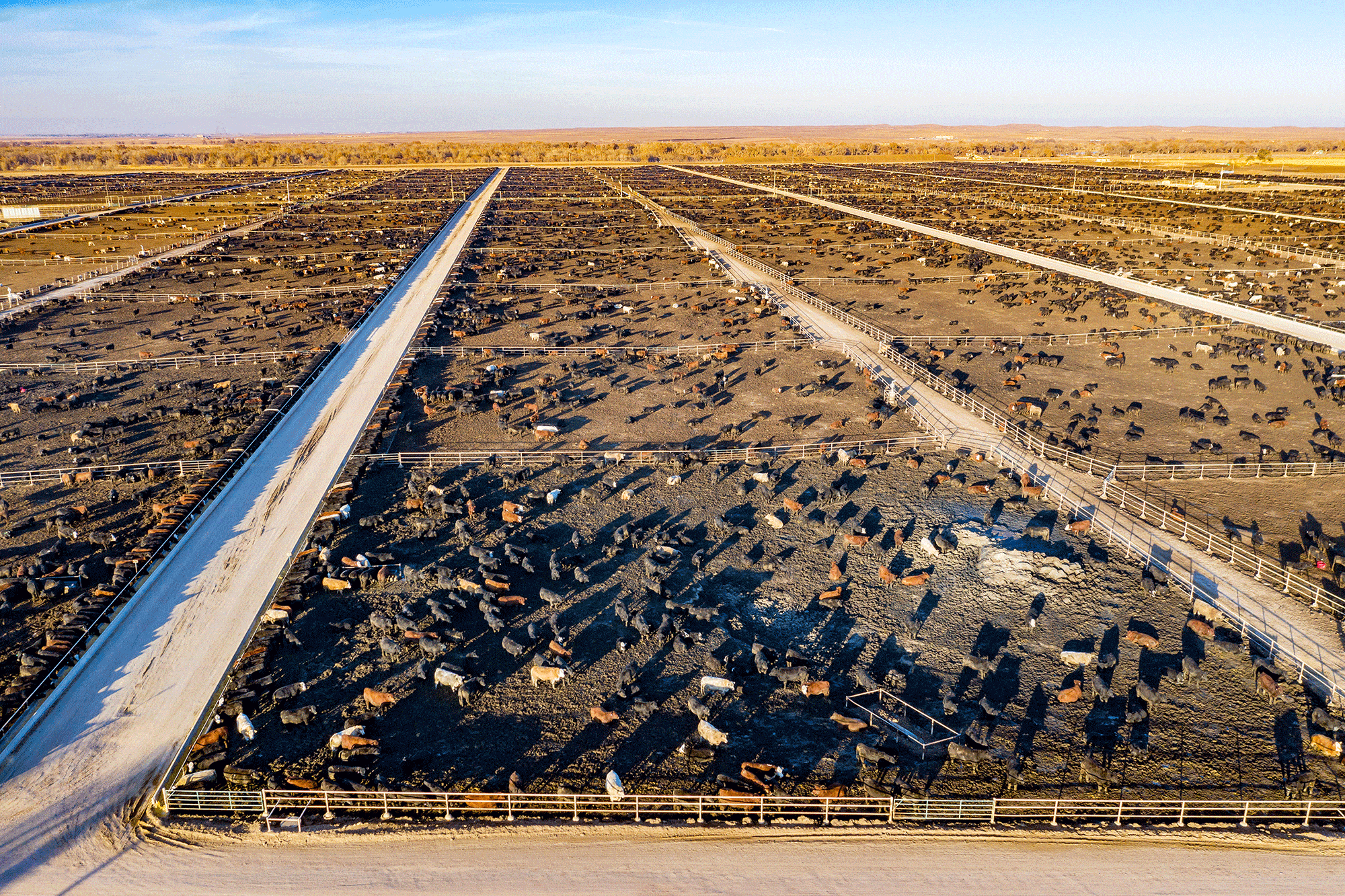
A facility that houses more than 1,000 head of cattle — or 2,500 pigs, or 55,000 turkeys, or 125,000 broiler chickens — is considered, for the purposes of regulatory bodies like the U.S. Environmental Protection Agency, a “concentrated animal feeding operation,” or CAFO. Prior to the rise of CAFOs — which now house 98 percent of the livestock in the U.S. and receive $38 billion in public subsidies annually — the financial risks posed by disease outbreaks guaranteed farm animals some degree of welfare. As the investigative reporter Ted Genoways explains, in The Chain: Farm, Factory, and the Fate of Our Food, “The quick communicability of hog illnesses … is why hogs were customarily raised in small groups with plenty of room to move, in lean-to shelters exposed to the elements — to let hogs forage and to let the winter’s cold naturally kill off many bacterial illnesses. 25
In 2020, just weeks before the outbreak of Covid-19, the American Public Health Association called for a moratorium on CAFOs.
In place of the regulating effects of the seasons, CAFOs use antibiotics, such as penicillin, to halt the spread of sickness — this in defiance of a World Health Organization warning that the practice will likely result in antibiotic-resistant superbugs. 26 The epidemiological dangers of these immense facilities have begun to draw scrutiny. In 2020, just weeks before the outbreak of Covid-19, the American Public Health Association called for a “precautionary moratorium” on CAFOs so their operations and impacts could be further studied. “Despite the growing evidence that CAFOs pose health and environmental risks and negatively impact workers and communities,” the APHA statement read, “CAFO regulations and their enforcement have failed to adequately protect human health and the environment.” 27
Dirty, Dangerous, Demeaning
In the summer of 2020, amid an increasingly deadly and still poorly understood pandemic, Dylan Connell, a 23-year-old photography student at K-State, reported to the assembly line at Smithfield Foods in Junction City, Kansas, just west of Manhattan. Connell was assigned to the packing line, stuffing smoked sausages into plastic sleeves and stuffing those sleeves into cardboard boxes. He worked 60- to 72-hour weeks, typically in 12-hour overnight shifts. Almost immediately, he began to experience anxiety. He started smoking. He couldn’t sleep. Practically everyday someone got sick.
A couple months earlier, after intensive lobbying by industry trade groups representing Smithfield and other meatpackers, Donald Trump had issued an executive order designating processing plants as “critical infrastructure,” and making their workers “essential.” In a development that could have been predicted by any virologist, the tightly packed, poorly ventilated facilities became Covid hotspots. In rural counties dependent on the processing industry, the number of infections was far greater than in areas dominated by other industries. Later, a study would find that community spread from meatpacking plants led to around 18,000 Covid-related deaths. As a ProPublica reporter put it: “The effect that the meatpacking plant outbreaks had on the early spread of COVID-19 is staggering.” 28
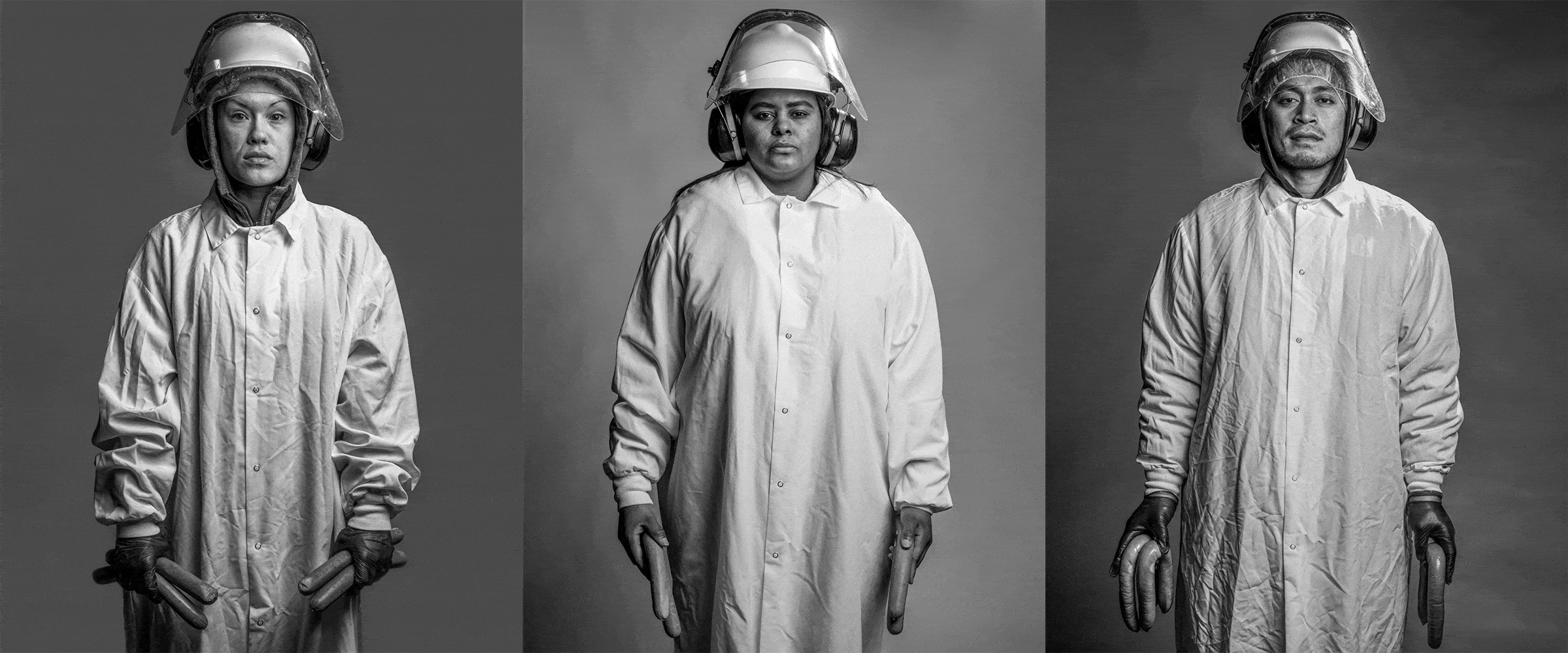
Working the line at Smithfield, he began to experience anxiety. He couldn’t sleep. Practically everyday someone got sick.
High-risk occupations like meatpacking or animal-rearing are sometimes referred to as 3-D jobs: dirty, dangerous, demeaning. We might add a fourth D: disease-susceptible. Despite increased mechanization, hundreds of industry jobs are still done by humans, and those humans are at high risk of being exposed to a zoonotic disease. A University of Iowa study, for instance, found that workers who had contact with pigs were 54 times more susceptible to being infected by the H1N1 virus than the general population. 29 And because H1N1 is highly transmissible, workers’ families were also at increased risk. A recent report from a team of environmental lawyers at Harvard and New York University argued that CAFOs and other livestock facilities are epicenters of viral disease, infecting first workers, then the community. “In CAFOs,” the authors write, “hundreds of thousands or millions of animals can be held together in intense confinement with limited air flow, making these facilities ripe for pathogen transmission among animals as well as between animals and workers.” 30
Not long after he started at Smithfield, Connell began making portraits of his coworkers. He wanted to acknowledge the humanity of the men and women who labored alongside him. Later, his large-format, black-and-white photographs of unnamed workers in factory smocks, their faces framed by PPE, were exhibited in a gallery near Manhattan. “I have been an assembly line worker with Smithfield since the summer of 2020,” Connell wrote in his artist’s statement. “While working the third shift, I felt stripped of my personality and creativity due to exhaustion and lack of human interaction. My photographs communicate both dignity and hardship in labor and an understanding of social and economic situations that are present in a factory workplace.” 31 When Smithfield, a $7.7 billion company, found out about the photographs, an HR representative told Connell that if he didn’t remove the work from his website, he would be fired. Connell worried that his coworkers would face consequences if he didn’t comply. And he needed the job. He deleted the photos.
American Coup
More than a century ago, at the start of the Progressive era, author Upton Sinclair became famous for his powerful portrayal of the horrific conditions of the meatpacking industry. His writing on the subject — beginning with an investigative series in the Kansas-based socialist newspaper Appeal to Reason, in 1905, and continuing with the novel The Jungle, published a year later — was widely credited with spurring the U.S. Congress to pass the 1906 Federal Meat Inspection Act and Pure Food and Drugs Act. But it’s rarely remembered that Sinclair had little faith in these reforms, which he dismissed as overly conciliatory to industry. As Ted Genoways writes, “Sinclair, for his part, was unimpressed by the new legislation … claiming that ‘the laws regulating the inspection of meat were written by the packers’ and ‘paid for by the people of the United States for the benefit of the packers.’” 32
Sinclair’s dismay was justified; for too long this kind of “regulatory capture” has characterized the relationship of food industries — and most industries, for that matter — to the government agencies charged with regulating them on behalf of the public. 33 Now, with the reelection of Donald Trump, and with a full-scale assault on the executive branch of the U.S. government being masterminded by Elon Musk, we seem to be entering a new and much more troubling era, one in which regulatory capture is giving way to autocratic control.
Today, when I pass NBAF — whose chief tenants include the Animal Plant and Health Institute Service and the Agricultural Research Service, both agencies of the USDA and targets of Musk’s mass layoffs — I’m less concerned about whether its scientists will respond effectively to disease outbreaks, or whether they will be conscripted into serving industry’s interests. Now, I worry whether NBAF will much longer maintain the capacity to carry out its public mission.
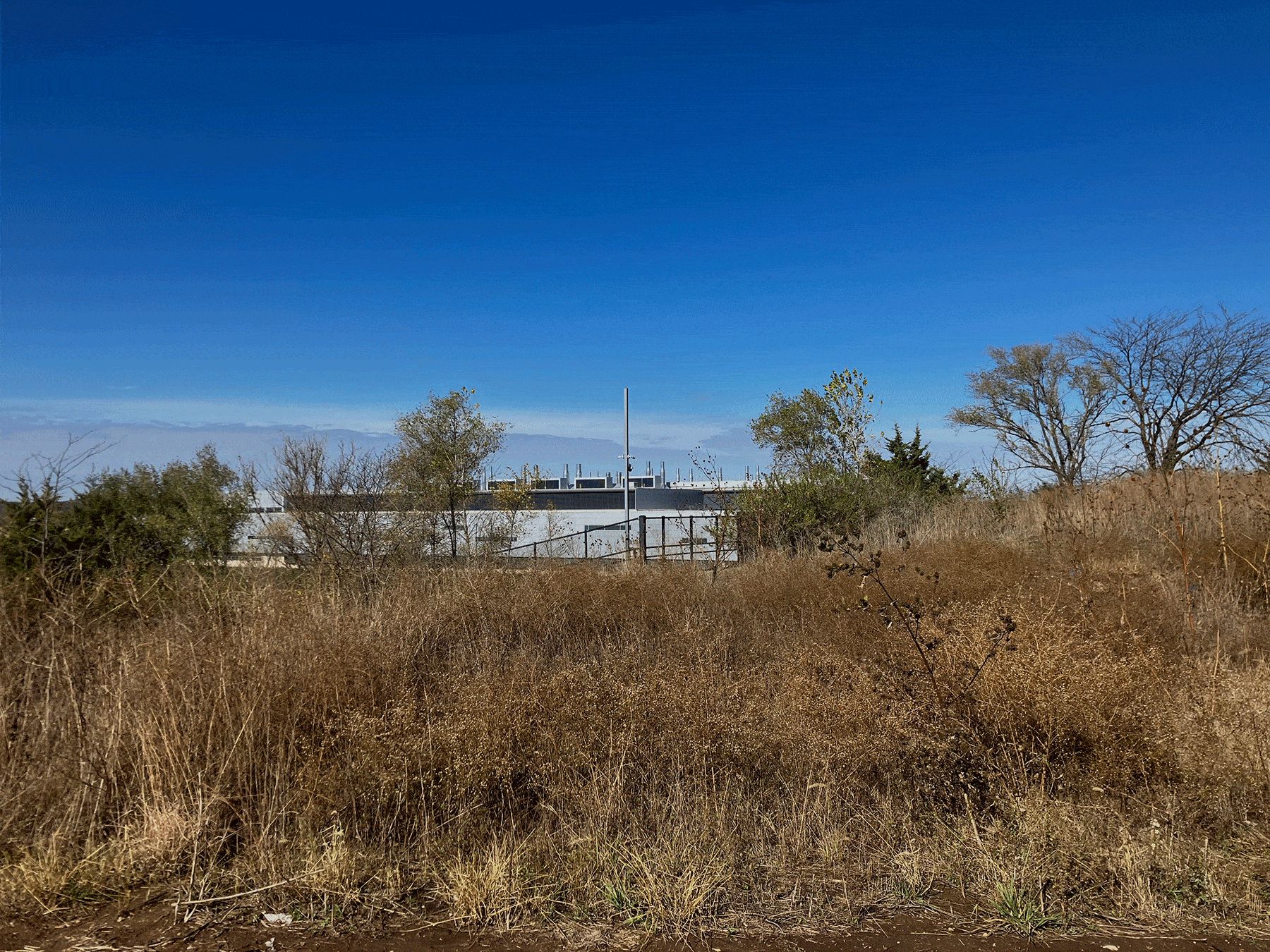
Now, when I pass NBAF, I worry whether the agency will much longer maintain the capacity to carry out its public mission.
Every day brings troubling new reports about the ongoing dismantling of the federal government and the undercutting of its public health mandate. To date, as part of what historian Timothy Snyder has called “an administrative coup,” 34 Trump and Musk have frozen billions of dollars of federal grants, including some for research on avian flu and other zoonotic diseases, and fired thousands of civil servants, including at the USDA, the EPA, the Department of Health and Human Services, the Centers for Disease Control, the Food and Drug Administration, and the National Institutes of Health. They have installed anti-vaxx conspiracy theorists in leadership positions at HHS and the CDC, withdrawn the United States from the World Health Organization, and sought to gag federal communications on emerging diseases and to purge information from federal websites.
Meanwhile my news feeds are crowded with stories about surges in cases of bird flu and attendant warnings from public health officials. On CNN, an epidemiologist worries that “if these actions continue, they could have deadly consequences.” 35 At The Nation, the journalist Sasha Abramsky writes: “If bird flu starts circulating in the community, the public health surveillance systems that DOGE has gutted likely won’t catch it until it spreads exponentially and hospitals are overrun.” Abramsky describes the cumulative impacts as “an unprecedented assault on the concept of public health.” 36 The riskiness of such actions is articulated by epidemiologist Michael Osterholm, director of the Center for Infectious Disease Research and Policy at the University of Minnesota, in an interview with the Midwest-based independent newsroom Barn Raiser: “It’s no secret,” he said, “that we’re watching the public health system in the United States be very rapidly eliminated.” 37
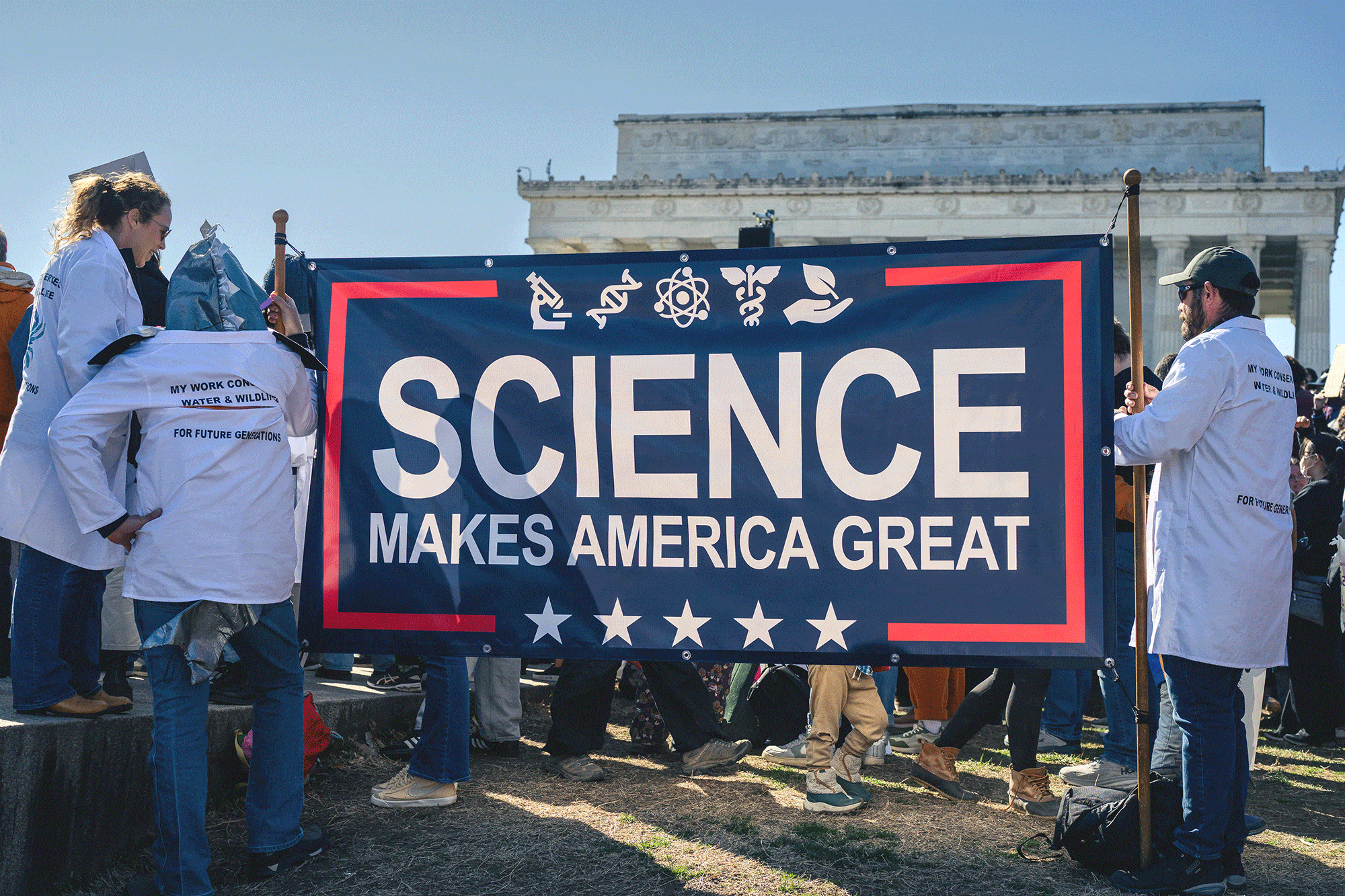
It is a grim irony that as our federal systems are being attacked, they are belatedly being recognized as vital public goods.
It is a grim irony that as these systems are being attacked — “vandalized” as Bill McKibben puts it 38 — they are belatedly being recognized as vital public goods. All across the country, Americans are becoming aware of federal agencies and federal civil servants whose functions are essential. This essay itself is built upon public knowledge. Jason Rohr’s research on industrialized agriculture as a driver of infectious diseases was funded by grants from the NIH, USDA, EPA, and the National Science Foundation. Felicia Keesing and Richard Ostfeld’s work on “weedy species” was also supported by the NSF. The Center of Excellence for Emerging and Zoonotic Animal Diseases, Juergen Richt’s research hub at K-State, lists the USDA’s National Animal Health Laboratories Network as a partner. The researchers at the University of Arizona, who studied CAFOs and influenza, were funded by the CDC and USDA. The list could go on and on.
The U.S. government has described NBAF as a “national asset,” part of a federal infrastructure dedicated to public health that has been created over two centuries by and for the people of the United States. 39 The lab facility in my hometown is indeed an asset, one that belongs, collectively, to all of us. Writing from my home in the center of the country, as cases of bird flu are rising, I wonder how much of this federal infrastructure will survive the purge, and how many people in America might die as a result of the wreckage. “A human pandemic is not inevitable,” the New York Times science reporter Apoorva Mandavilli wrote in a recent article. “But a series of developments over the past few weeks indicates that the possibility is no longer remote.” 40 Or, as Ed Yong put it in his essay on the pandemicene: “For the world’s viruses, this is a time of unprecedented opportunity.” 41


If you would like to comment on this article, or anything else on Places Journal, visit our Facebook page or send us a message on Twitter.