

These case studies testify to the ways in which gift-giving dynamics impact the production and reproduction of buildings and spaces.
This trio of slideshows features three cities shaped by buildings or spaces that have been designed, constructed, delivered, and received without an explicit expectation of reciprocity, even if such reciprocity was assumed or anticipated by those involved. Straddling three continents, these case studies testify to the variety of ways in which gift-giving dynamics impact the production and reproduction of buildings and spaces, including decisions about program, layout, materiality, technology, labor, maintenance, and neglect.
Stemming from a collaboration between scholars and local photographers in Kumasi and Islamabad, and based on the author’s professional engagements in Detroit, the case studies convey multiple vantage points on the practices of assembling and maintaining gifted buildings and spaces.
Kwame Nkrumah University of Science and Technology, Kumasi
The College of Technology in Ghana’s Ashanti region was founded in Kumasi in 1951, in what was then the British colony of the Gold Coast. A few years after Ghana gained independence in 1957, the college was renamed the Kwame Nkrumah University of Science and Technology (or KNUST).
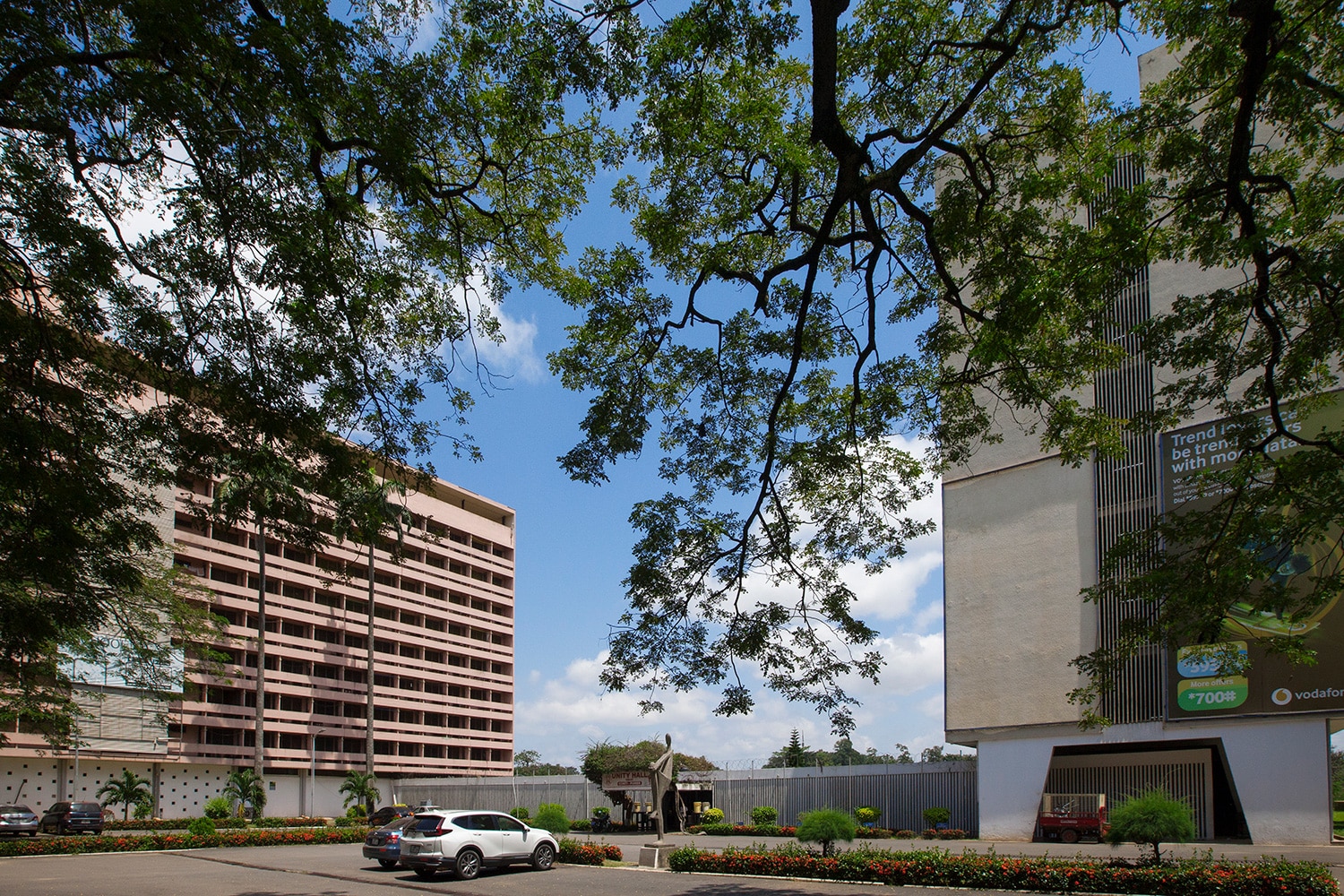
Origins. Construction of the campus was part of postwar development that aimed at modernizing the colony to prepare it for self-rule. After independence, the university's modernist campus became associated with the vision of socialist development pursued by President Kwame Nkrumah. [All Kumasi photographs by Eric Don-Arthur]

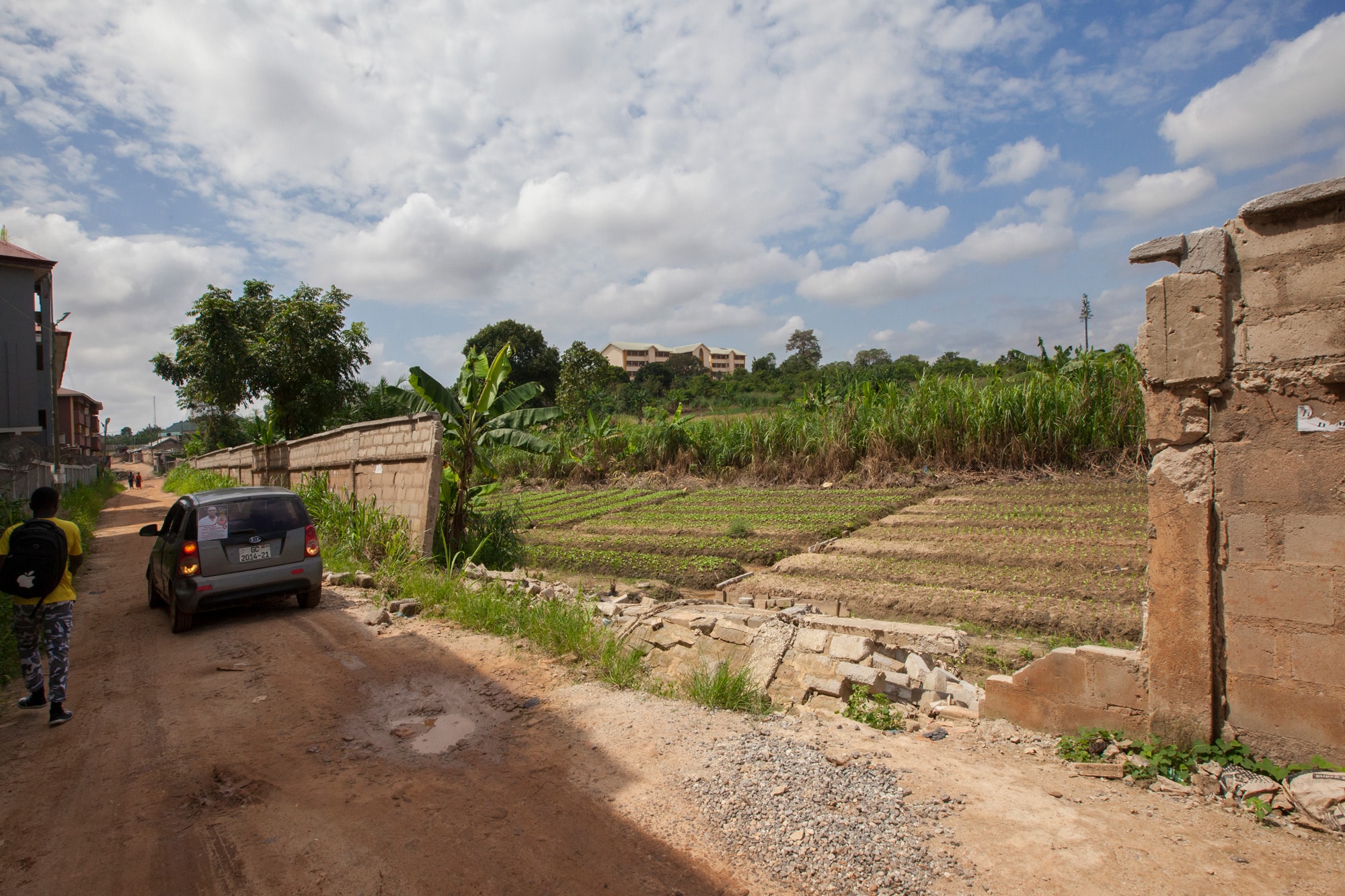
Gift of land. The college acquired its land from the Asantehene, or king, of the Asante people. By request of the colonial government, the king leased the land for 60 years, starting in 1950. Upon the college’s opening, its principal thanked the Asantehene for his “generous gift.” Even though the land had in fact been leased, college officials continued to describe it as a gift. Inhabitants of the neighboring towns also referred to the land as gifted, and claimed that the college had an obligation to support them in return. With the land lease recently extended for another 50 years, negotiations concerning the university’s rights and obligations toward neighboring towns continue to this day.
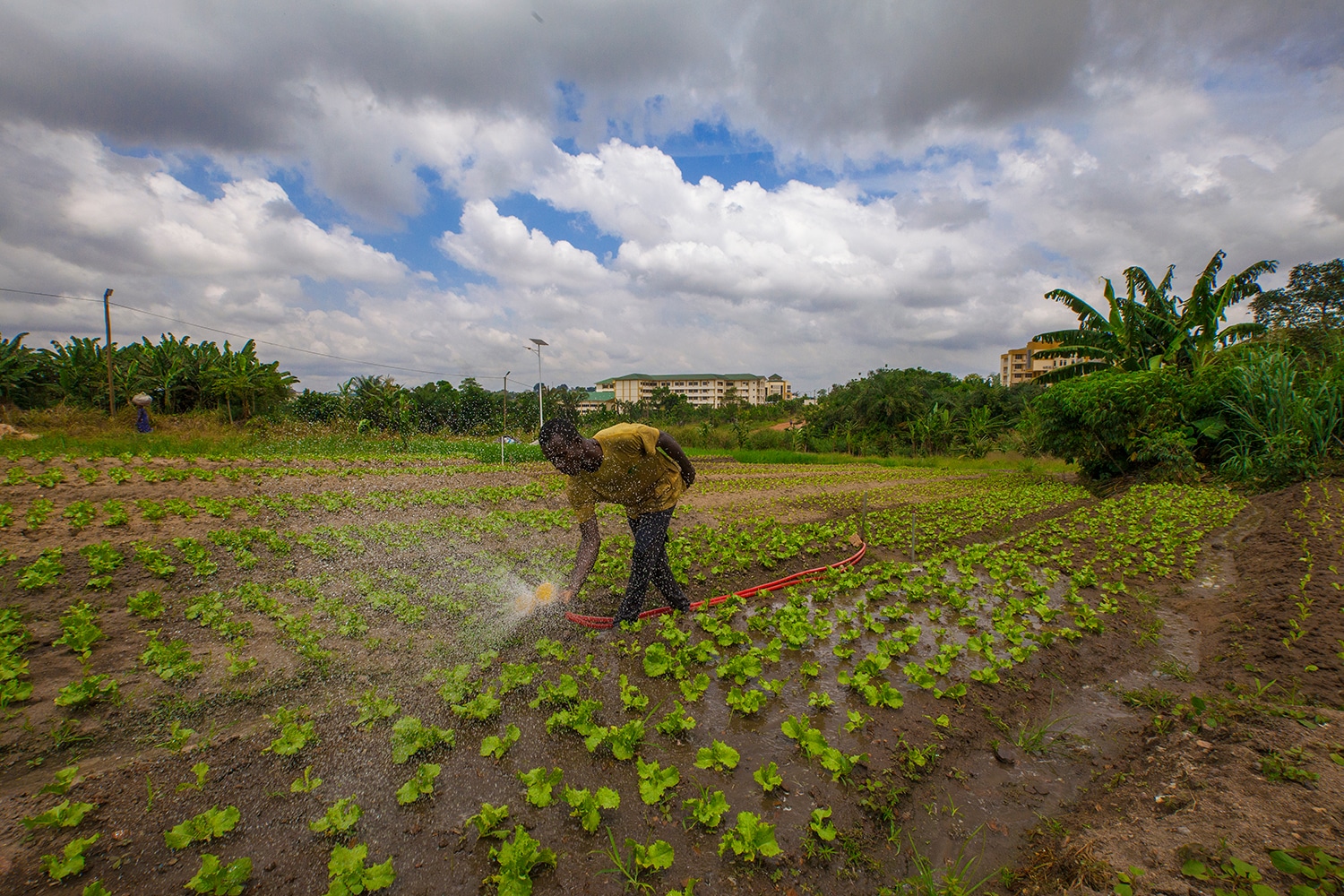
Farms and gardens. The college’s early history was marked by negotiations with neighboring farmers about compensation for the destruction of their corn and cassava crops, and cocoa and kola trees. Yet people from neighboring towns continue to farm pockets of campus land. The university considers such work “small gardening” rather than commercial farming, and reserves the right to remove smallholders when land is needed for new buildings or infrastructure.
Farmland. With the expansive growth of neighboring communities, villagers have little farmland left, and unoccupied land on campus has become more attractive. Farmers such as Charles Darkwah are growing lettuce, cabbage, and spring onions. He sells the produce to market women, who resell it on campus and in nearby towns.
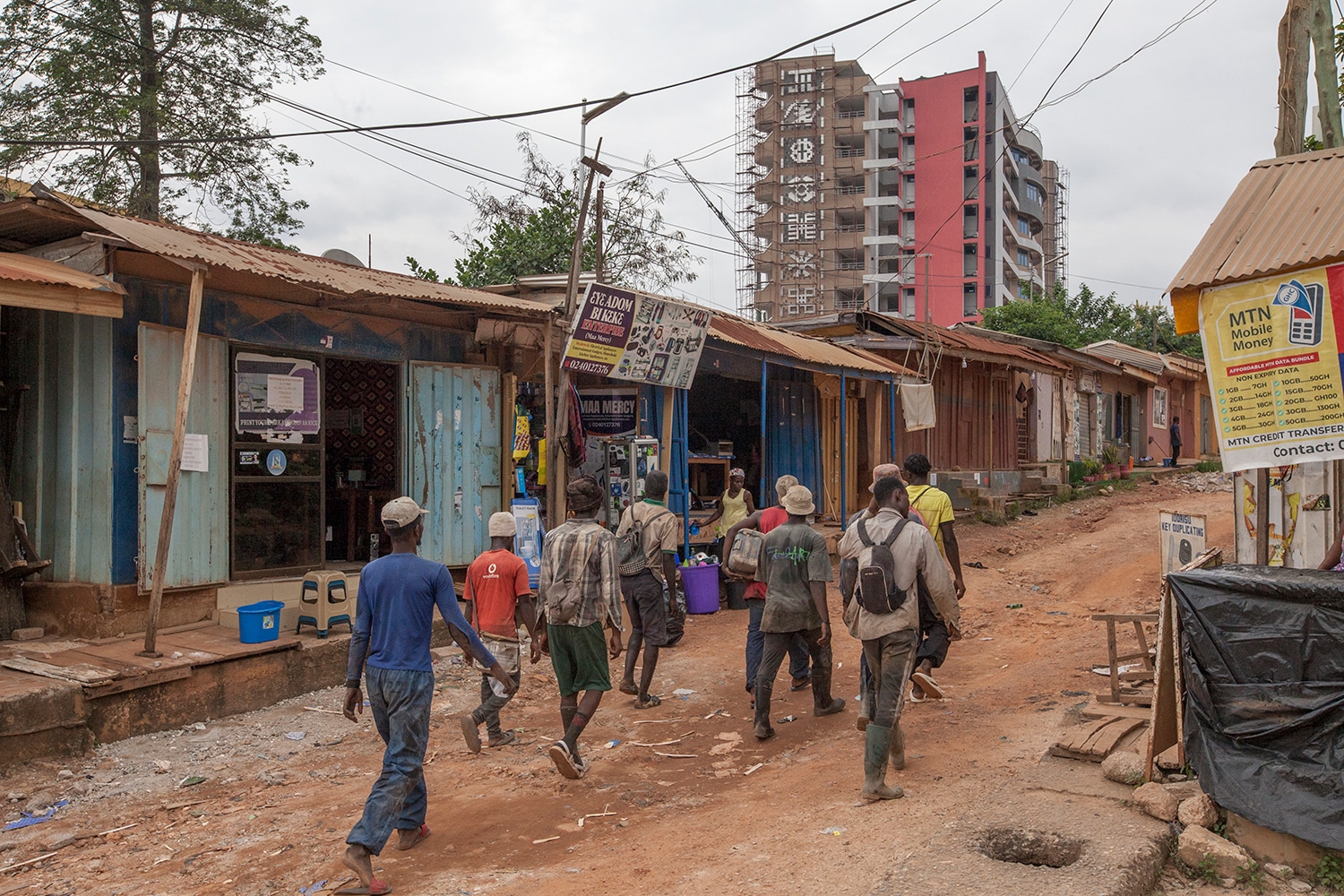
Employment. During the early years of the university, many men and women from the surrounding towns worked on campus as builders, cooks, guards, gardeners, and carpenters. However, this has changed. As one chief explained, “In the olden days, if the university wanted a cleaner, a driver, a messenger, the villages provided the workers. But today, if you want to be a security guard, you need a certificate, and people don’t have them.”
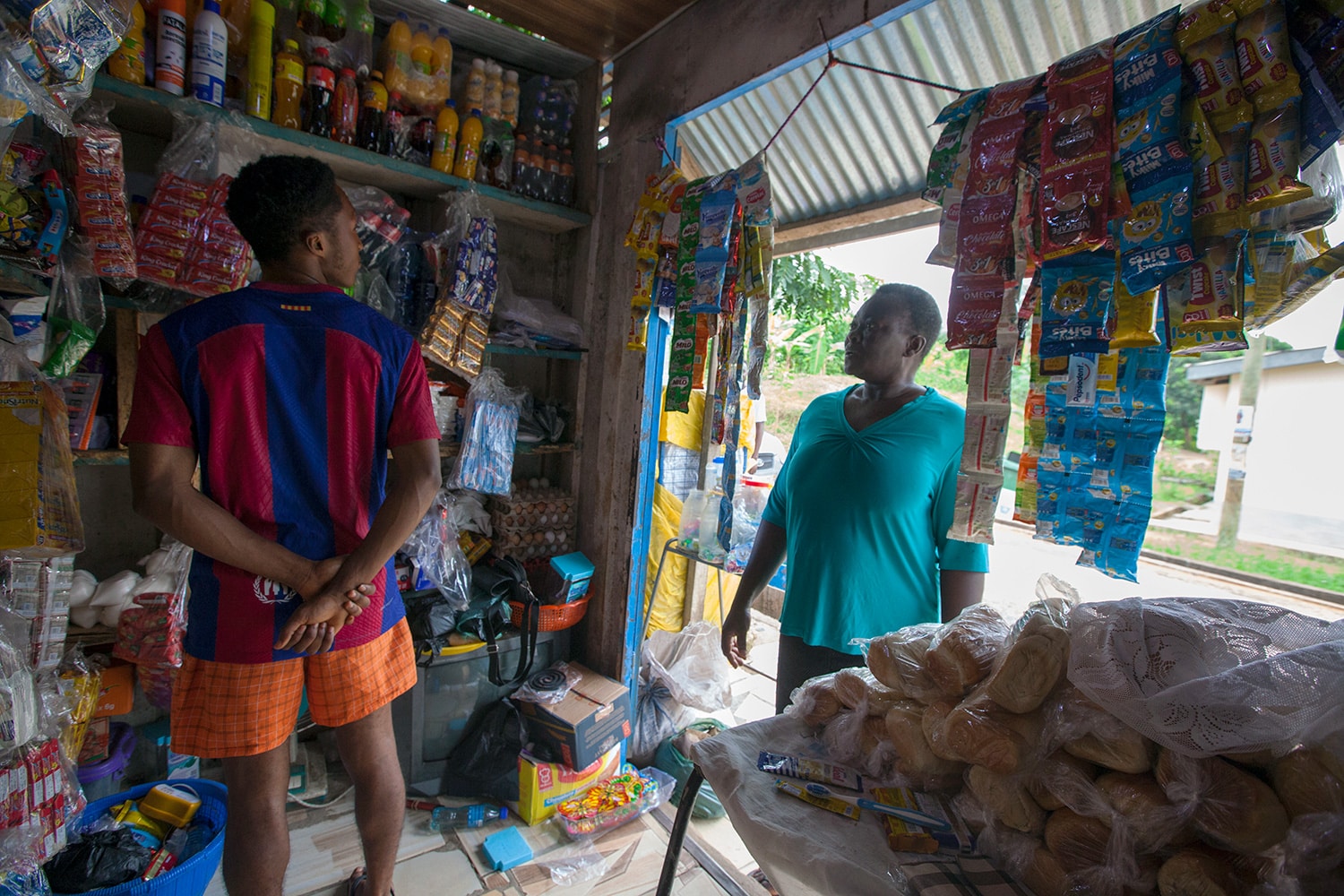
Market women. The university also provides jobs indirectly, notably for market women such as Madam Gifty, who sells food, drinks, and vegetables from her kiosk on campus. The Technology Consultancy Center and other institutions and industries related to KNUST offer jobs and training for construction workers and technicians.
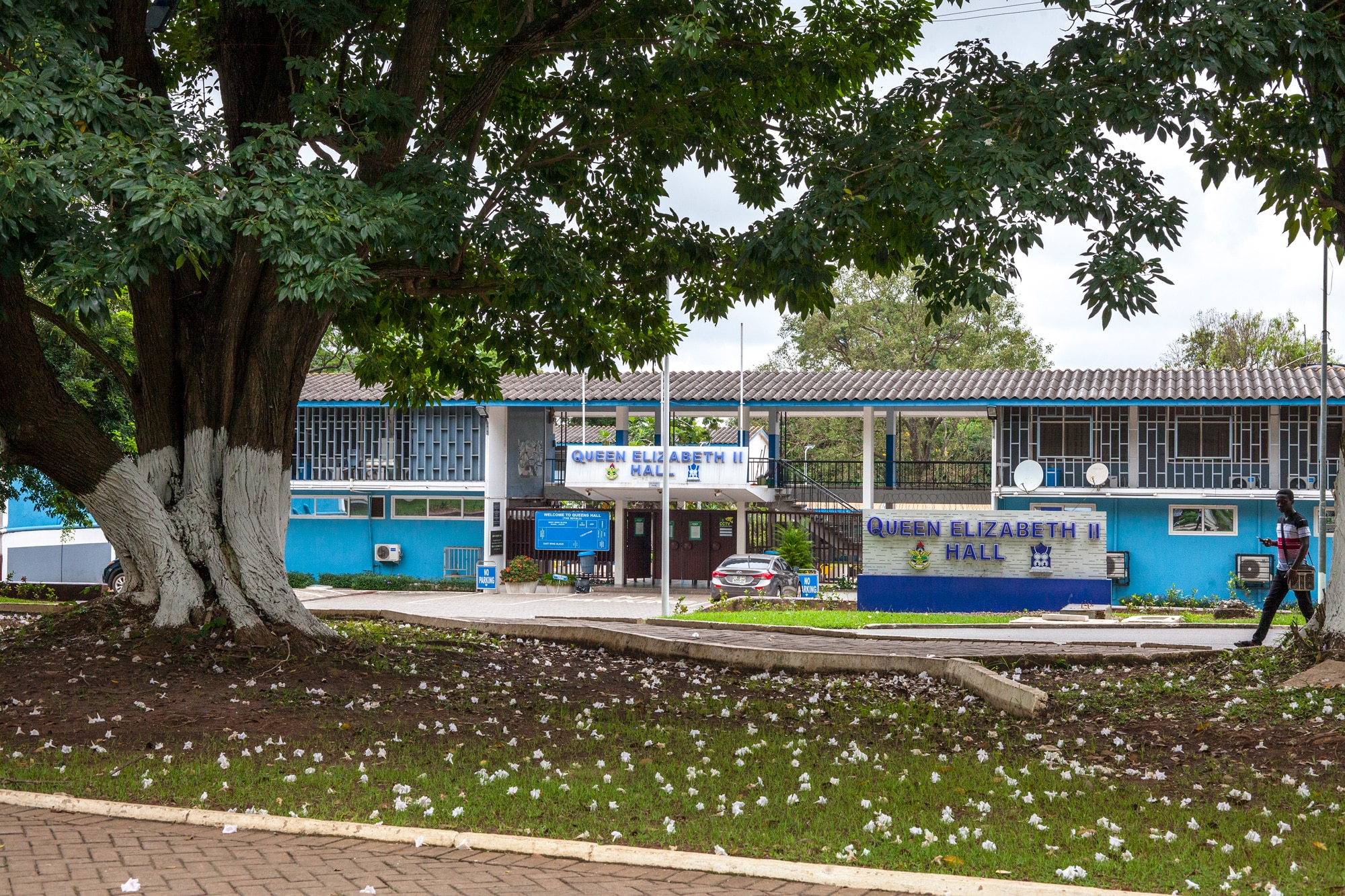
Halls and hostels. Like other universities in British West Africa, the College of Technology was planned as a residential campus, with students housed in dormitories such as Queen Elizabeth II Hall, while professors and administrators lived in bungalows. Today, most students live off campus in private hostels, and many professors live in single-family houses in the surrounding towns.
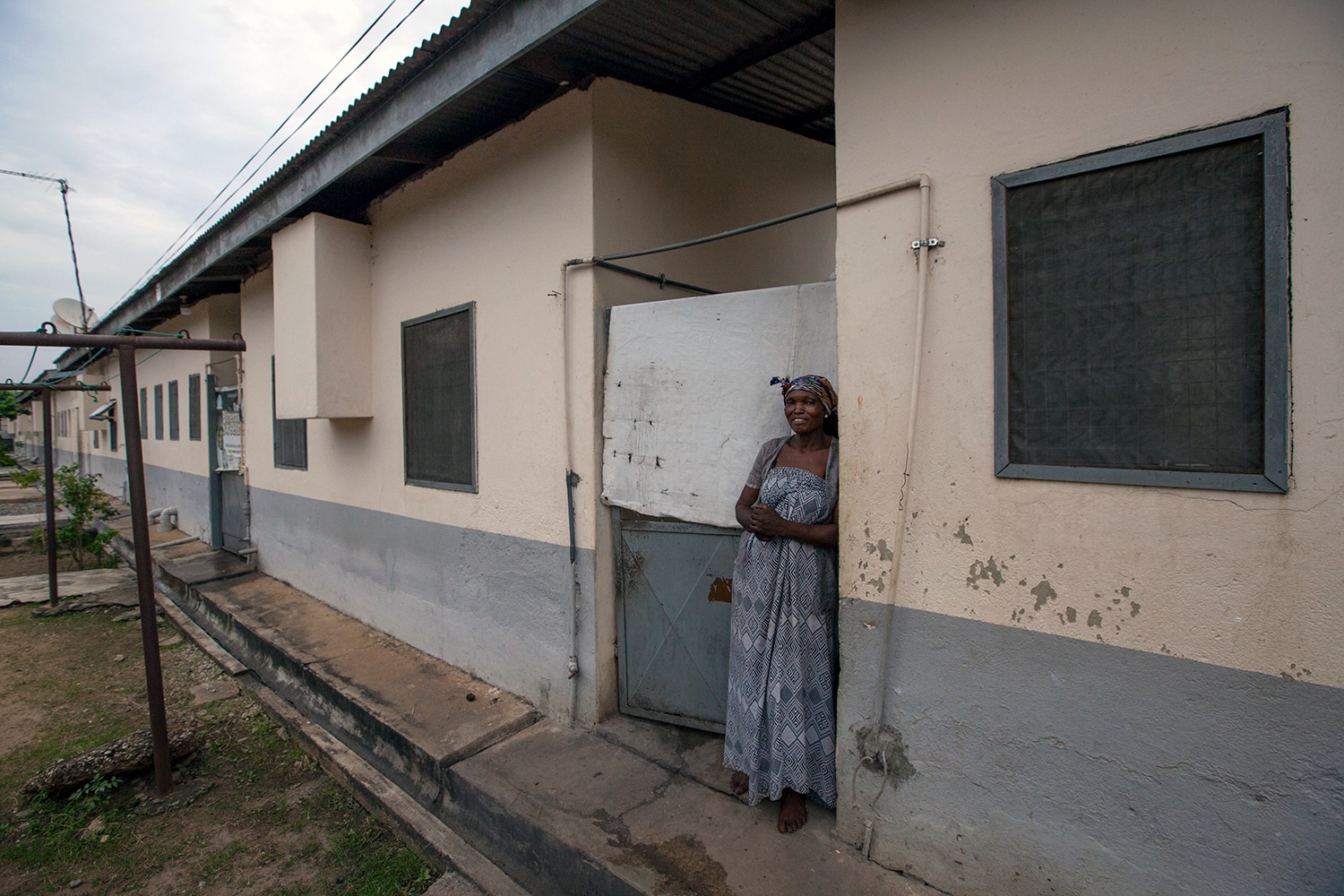
Housing. Staff continues to be eligible for campus housing, even if waiting times are long. Among the lucky ones is the family of technician Kpalpooh Barong and Madam Azuma Congo, who live with their children in an apartment in the Hall 6 area.
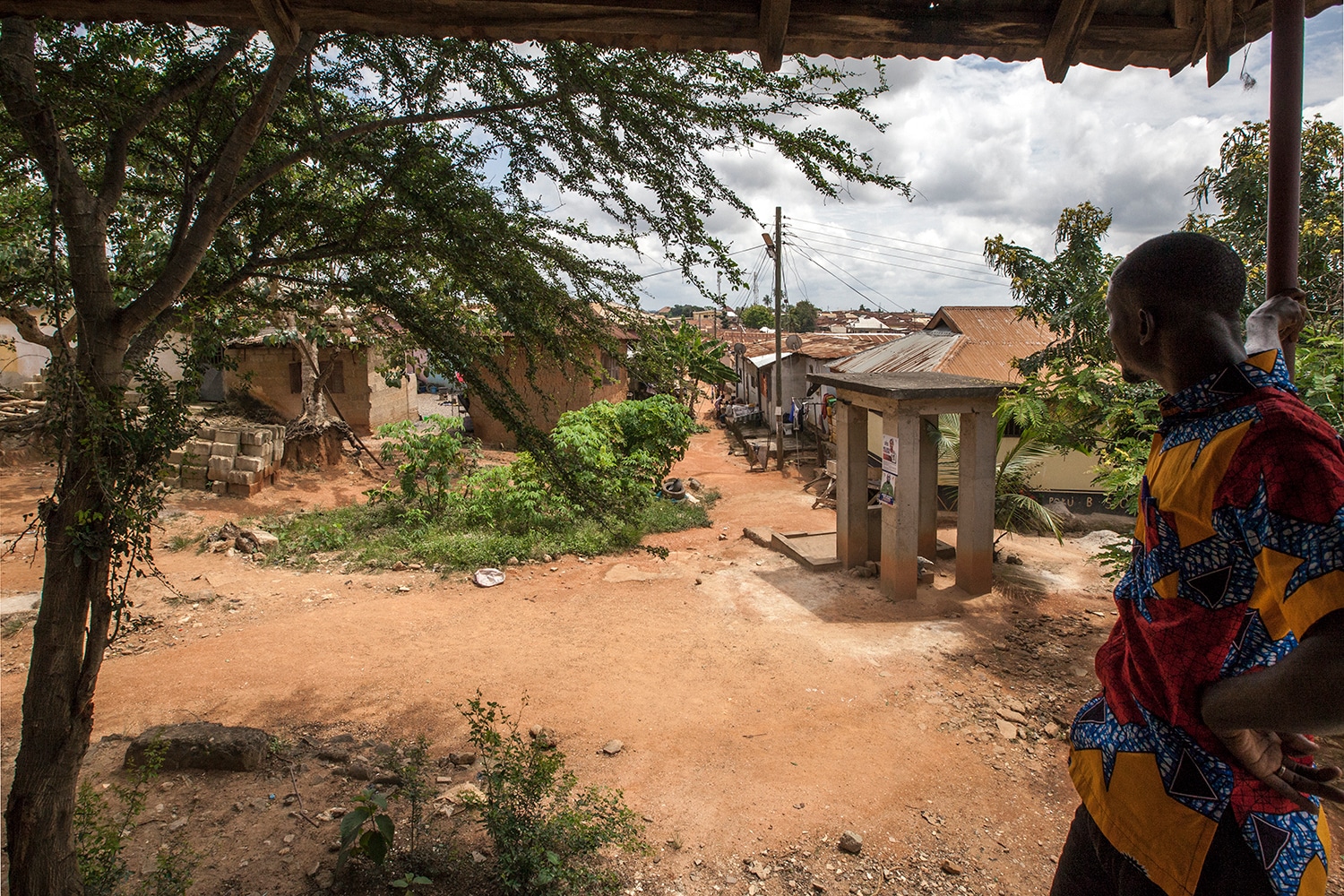
Infrastructure. Community leaders in the 1950s saw construction of the campus as an opportunity to improve the provision of water, electricity, and road infrastructure to nearby towns. Only a few of these hopes materialized — for example, five neighboring communities are served by the KNUST station of the Ghana Water Company, Limited. Infrastructural needs have been exacerbated by rapid urbanization and growing numbers of students. In recent years, the university has helped with the construction of roads and installation of streetlights in the town of Ayeduase. Even so, many local inhabitants call on the university to expand investment in urban infrastructure, notably for water.
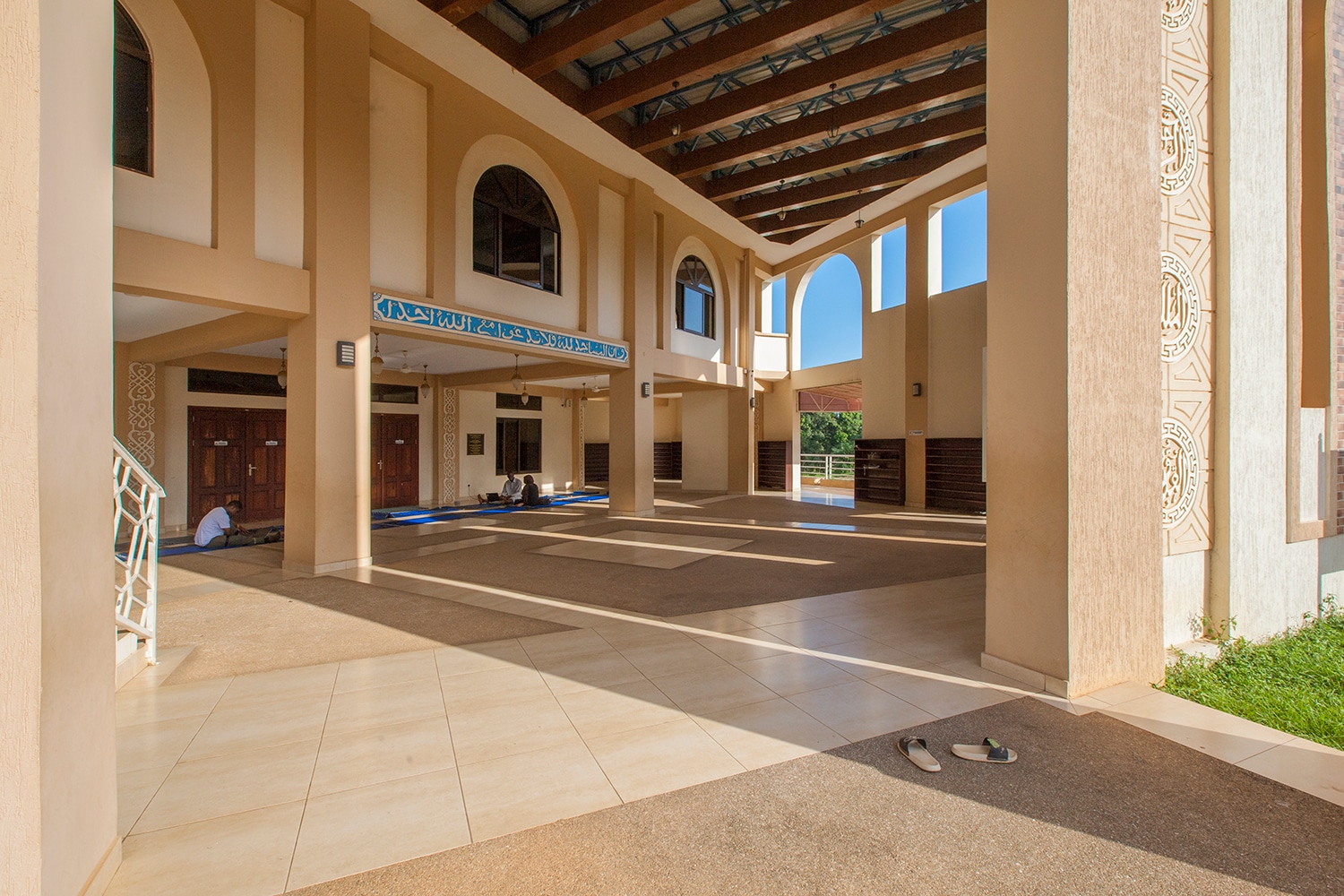
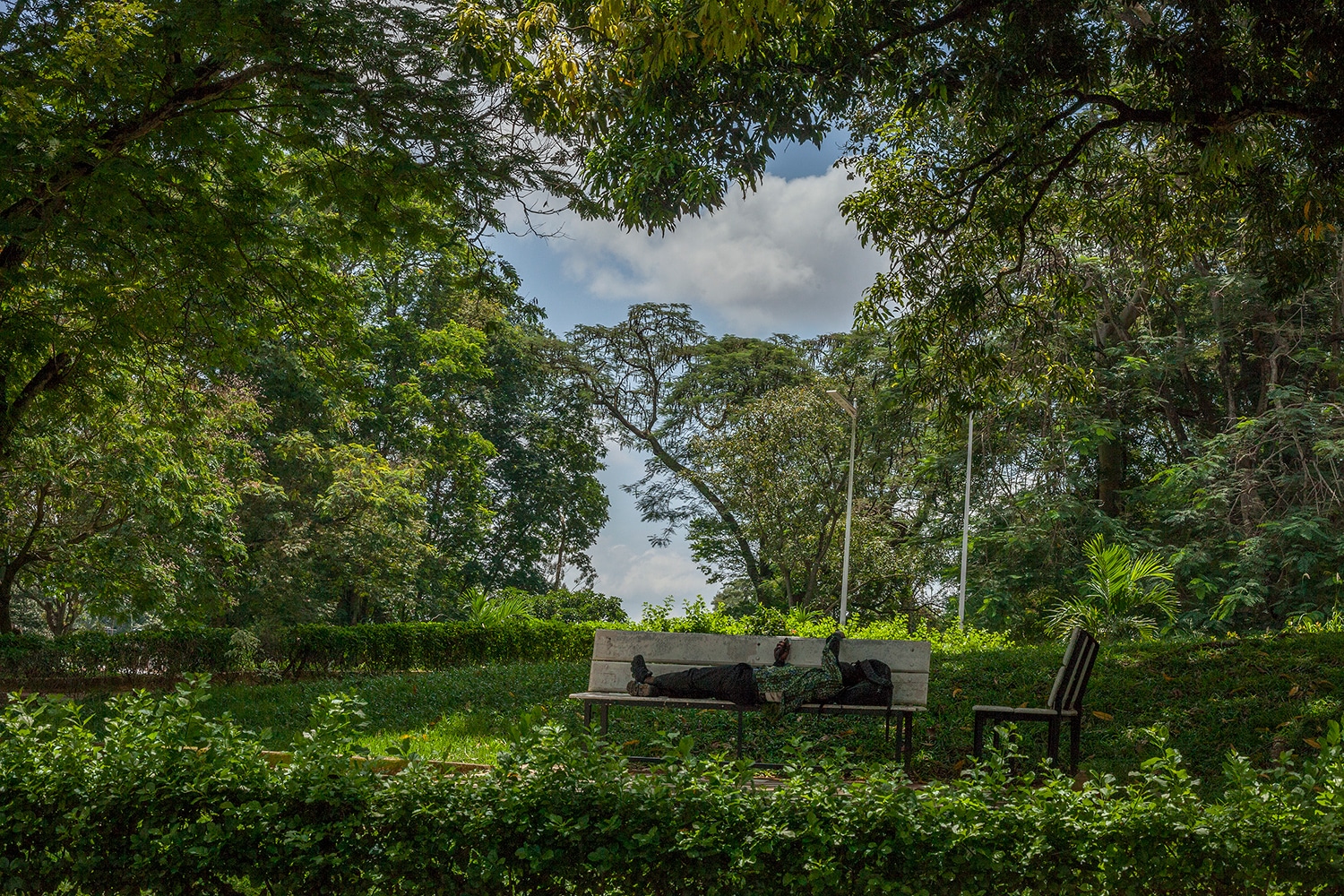
Facilities. Since 2002, a designated university committee has brought together chiefs and queen mothers from local communities with representatives from KNUST to discuss social infrastructure. Some school facilities, including the cultural center, the Islamic Centre, and other religious buildings, are open to the public and used by neighboring communities. The university has financed the renovation of several health clinics in neighboring towns, and contributed to the construction of several schools. Yet, for parents, the most urgent issue is the low level of teaching at these schools — a concern to which the university has yet to respond.
Obligations and aspirations. Many locals now see the university as falling short of its obligations. Some relate these obligations to the original gift of land, while others refer to the university’s increasing intertwinement with the adjacent towns. With most students living off campus in private hostels, townspeople are concerned about the resulting traffic congestion, rise of criminality, and loss of communal spaces. For many, the narrative of the gift of land remains a starting point from which to envision the future of their communities — and the well-maintained campus, with its tarred roads and social facilities, provides an aspirational reference. They are asking the university to support them in achieving these visions.

Faisal Mosque, Islamabad
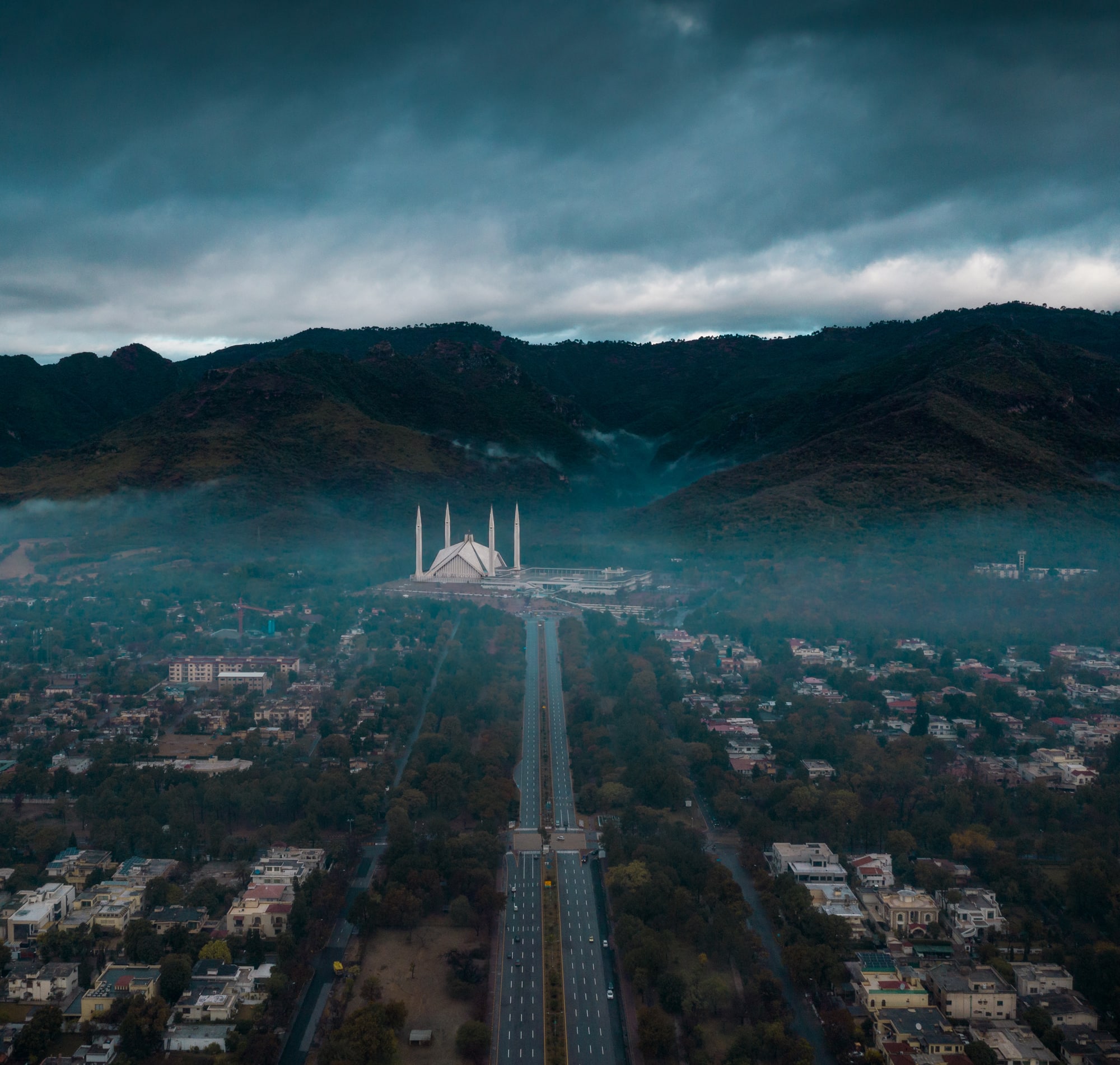
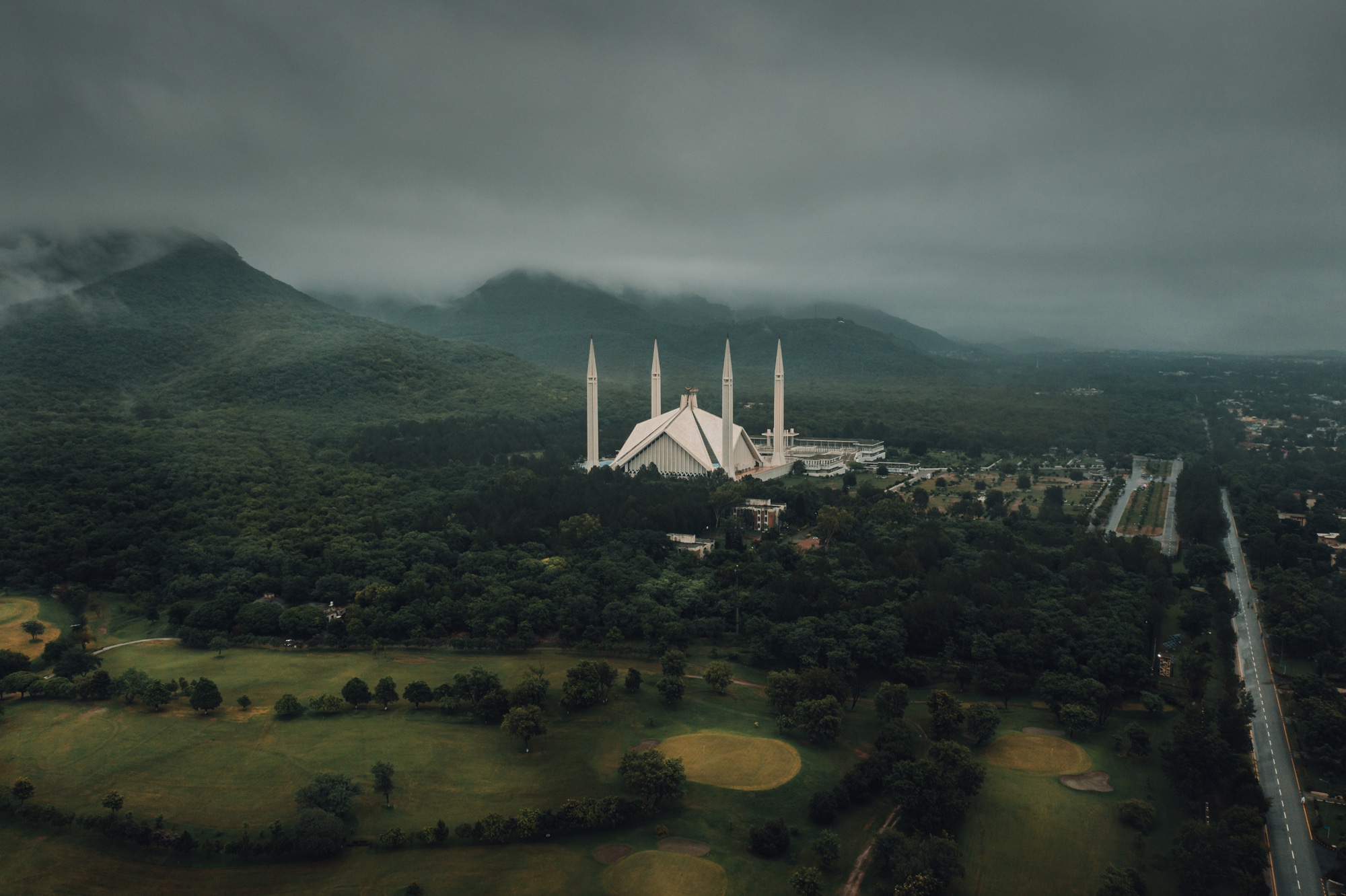
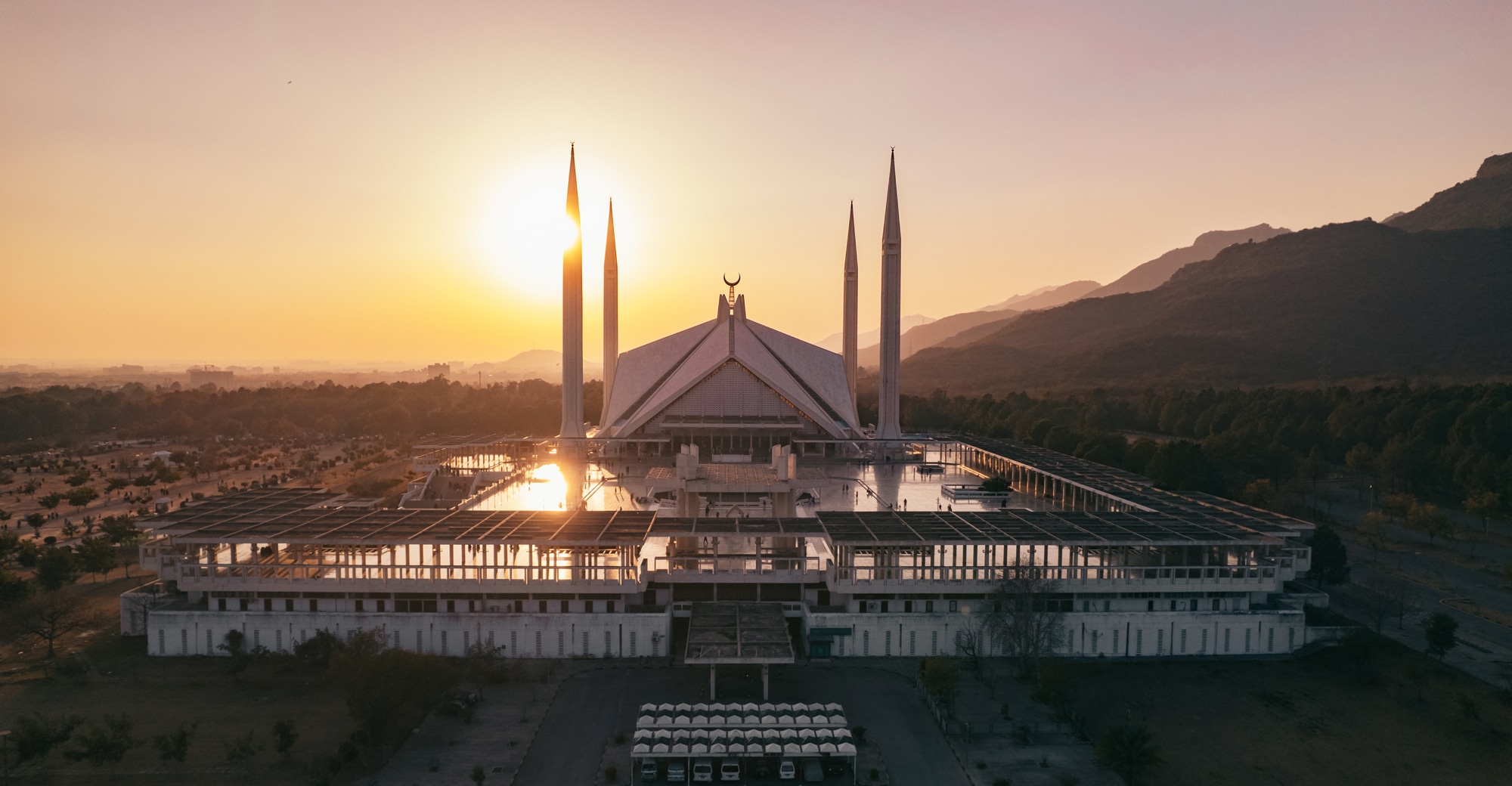
In Pakistan, King Faisal of Saudi Arabia (1906-1975) is a household name. Across the country, from the former colonial city of Lyallpur, which in 1979 was renamed Faisalabad, to countless housing societies, major roads in almost every town, and an extensive network of banks, many infrastructural features have been named by the Pakistani state after the late Saudi king, commemorating him as almost a foster father to the country. Perhaps the most important of these sites is the Faisal Mosque in Islamabad. Completed in 1986, it is Pakistan’s national mosque.
An ode to the king. The naming of the Faisal Mosque and other tributes to the Saudi monarch reflect Pakistan’s foreign policy over 77 years of independence, and testify not only to its postcolonial diplomatic relations, but to the spirit of Pan-Islamism as it flourished in the postwar decades. Relations between the two countries have long been publicly marketed as an Islamic brotherhood, and religion has played a large part in the marketing: in this sense, the gifted building symbolizes the Saudis’ soft power. Yet the Faisal Mosque can also be understood as a gift in the tradition of sadaqah jariyah or “continuous charity”— a tradition in which the gift of a mosque becomes the highest form of charity in Islam. [All Islamabad photographs by Ozair Khan, 2022 and 2024]
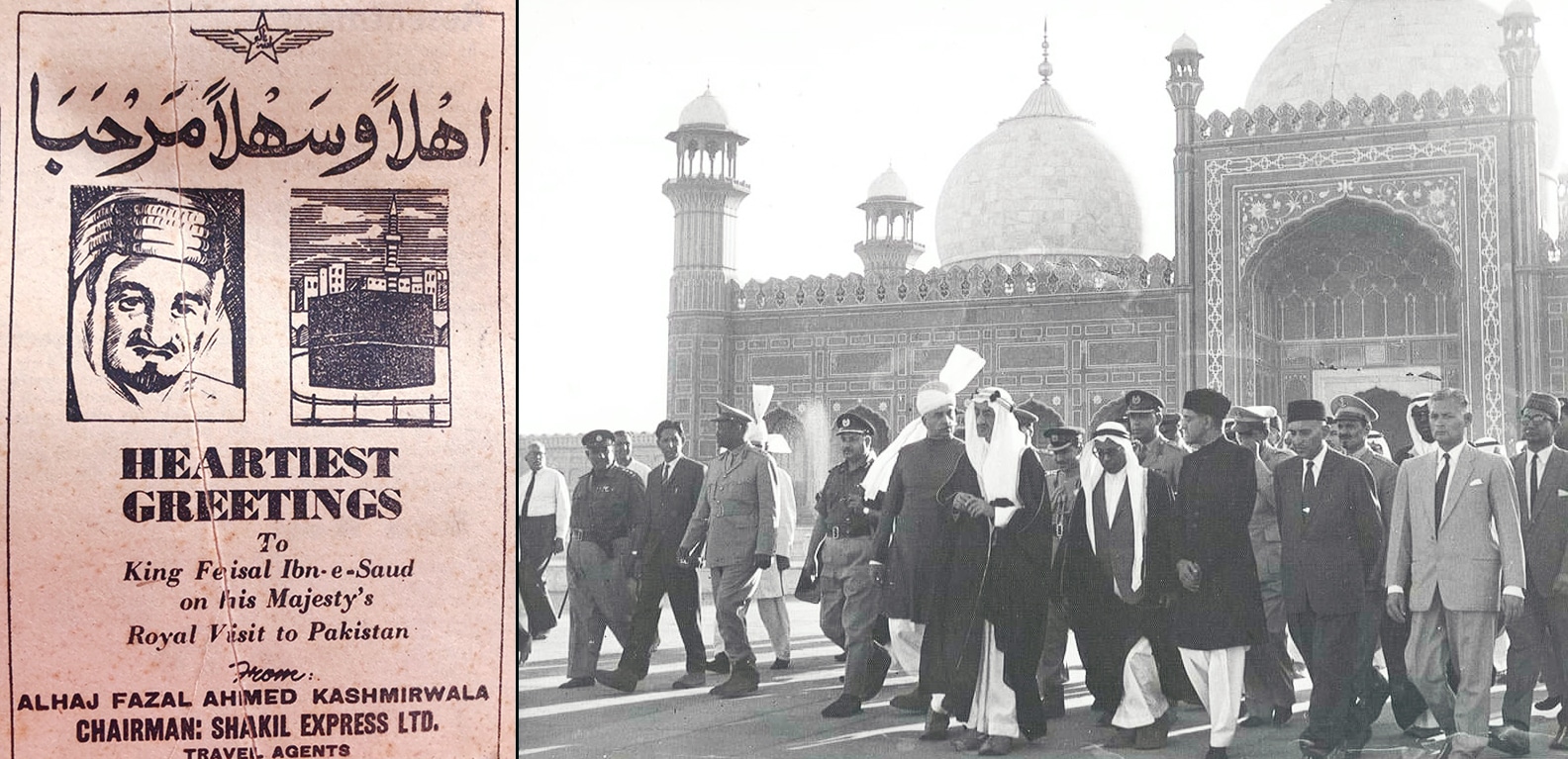
Pan-Islamism and Pakistani-Saudi ties. Having been the recipient of international development monies across the 1960s, along with a rise in global status as a result of the contemporaneous oil boom, Pakistan sought powerful allies like the United States and Saudi Arabia. In particular, the newly independent nation eagerly advocated unity among Islamic countries, joining Saudi Arabia as a founding member of the Organization of the Islamic Conference, established in 1969 (now the Organization of Islamic Cooperation). Already in 1966, King Faisal had made an official visit, and his promise to finance the mosque as a gift to the people of Pakistan had marked the establishment of especially close ties. Relations between the two countries have been asymmetrical ever since, with the Pakistani economy depending on Saudi subsidies, although Pakistan has also provided military training to Saudi forces.
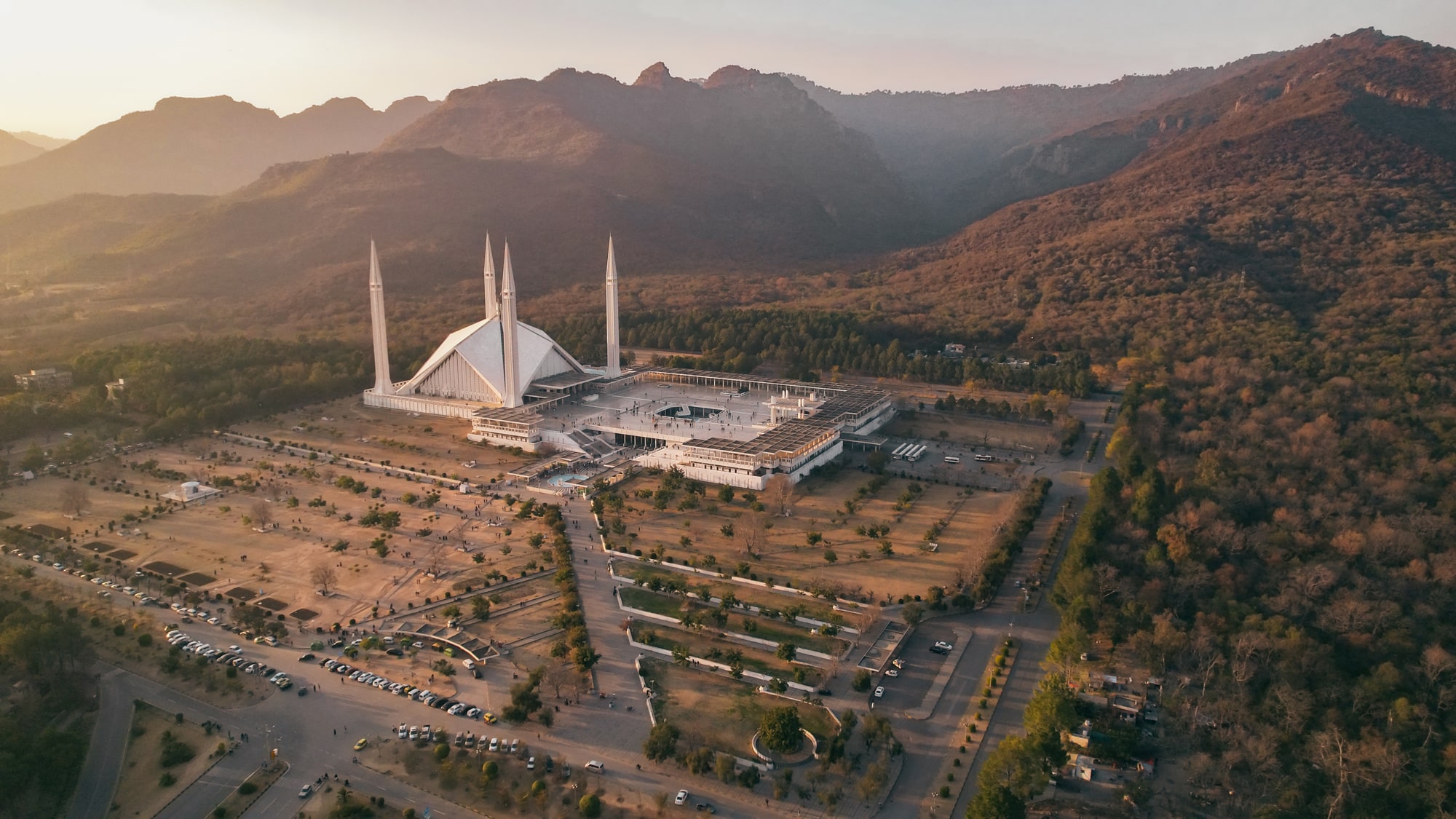
The gift of the state mosque. The plan by the Pakistani state was to build the largest mosque in the Islamic world. A site of some 44 acres was selected at the foot of the Margala Hills in the new capital, at the termination of the Islamabad highway, which was then the city’s major axis. (It has since been renamed Faisal Avenue.) Designed to be seen by drivers from a distance, the mosque was to stand alone, as if emerging from the contours of the hills — an “extension of the hills on the plains” as the complex’s Turkish architect, Vedat Dalokay, described it.
The winning entry. An international competition, restricted to Muslim architects, was held in 1968, with the competition brief calling for adherence to the “contemporary planning and design ideals of the modern city of Islamabad.” Dalokay’s winning entry proposed a concrete variation on his design for the Kocatepe Mosque in Ankara — which had recently won a design competition for the Turkish state mosque, only to have construction halted and the newly poured foundations demolished, due to a public controversy over the modern form. In Islamabad, however, the design was appreciated, with the five-member international jury praising Dalokay’s “classical approach” as being “blended in this project with modern form and technology.” The form was envisioned to be a giant tent-like structure, inspired by the Bedouin cultures historically linked with nomadic tribes in the deserts of Arabia.
A modern paradigm. The jury nevertheless recommended revisions to Dalokay’s design, to “more strictly conform to a modernist paradigm.” All traditional references were to be eliminated, in order to further Pakistan’s self-representation as a modern Islamic republic with a visual identity that was to be unconventional and progressive. The year after the competition, the Islamic Research Institute, a think tank aiming “to draw a blueprint for the future development of Muslim thought,” was incorporated into the complex. And in 1982, with construction already under way, the project was further expanded to make space for the International Islamic University. The total cost quadrupled, to US$40 million, all funded by the Saudi government. (After Faisal’s death, his successor King Khaled continued his patronage.)
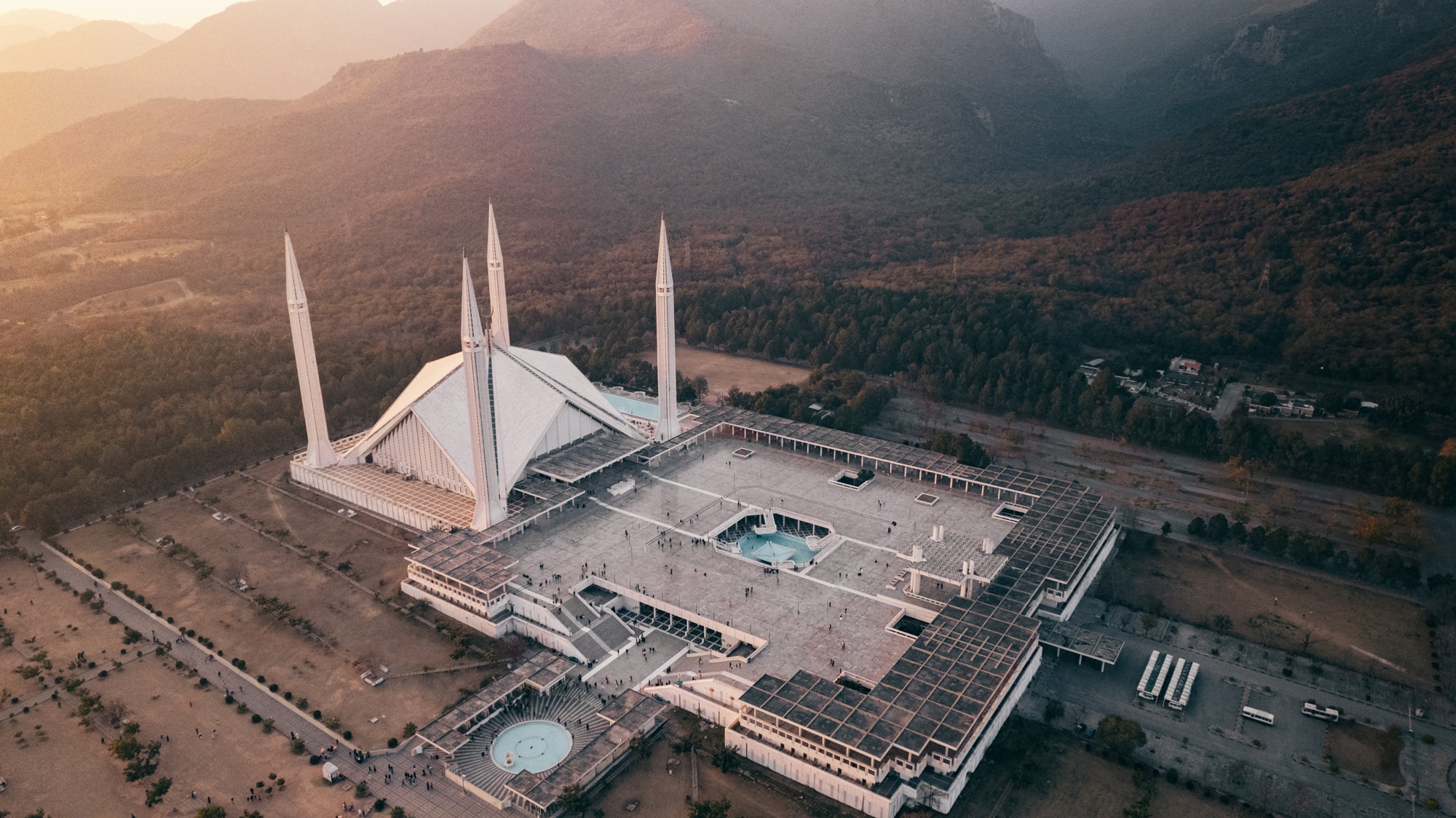
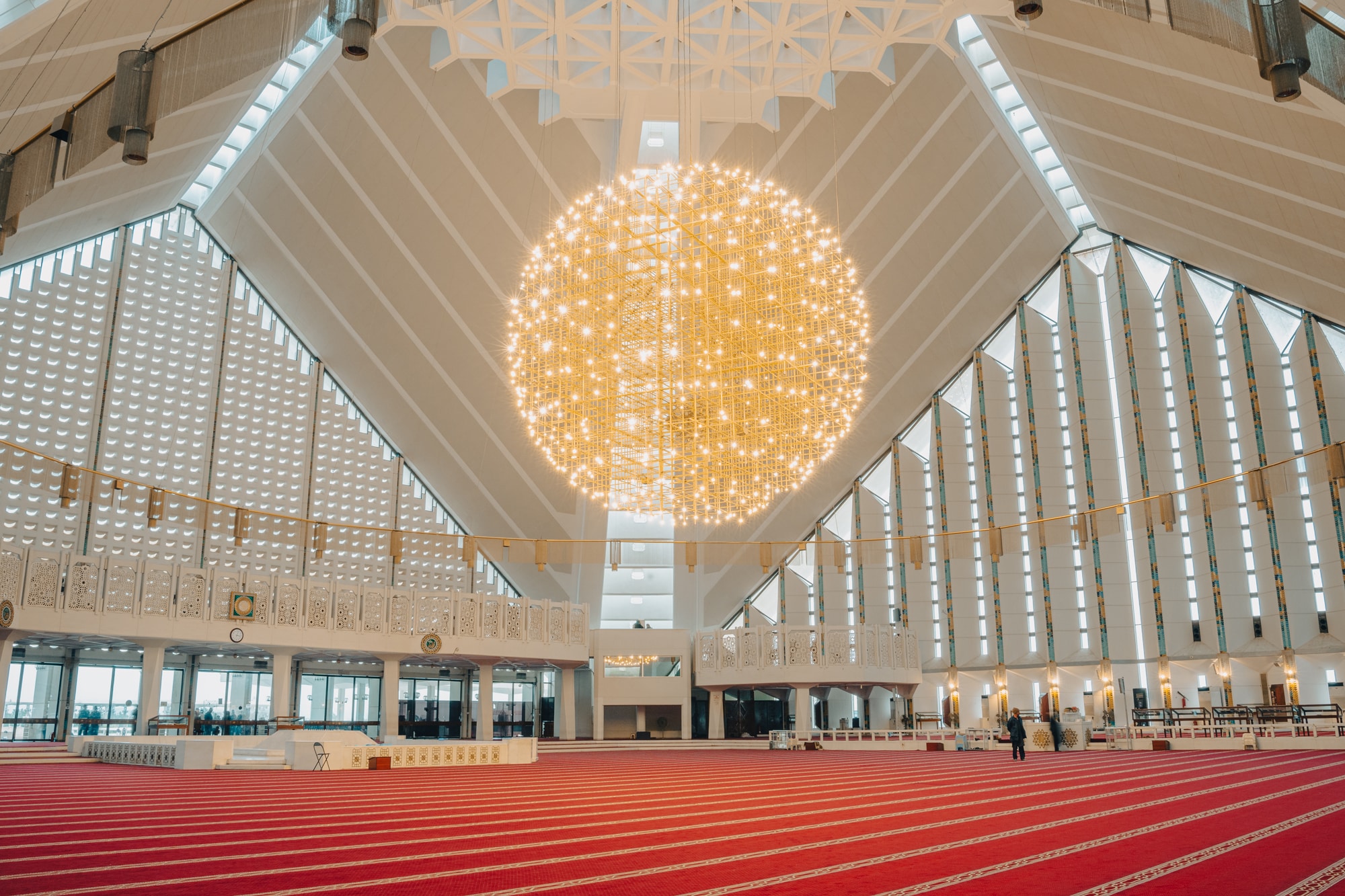
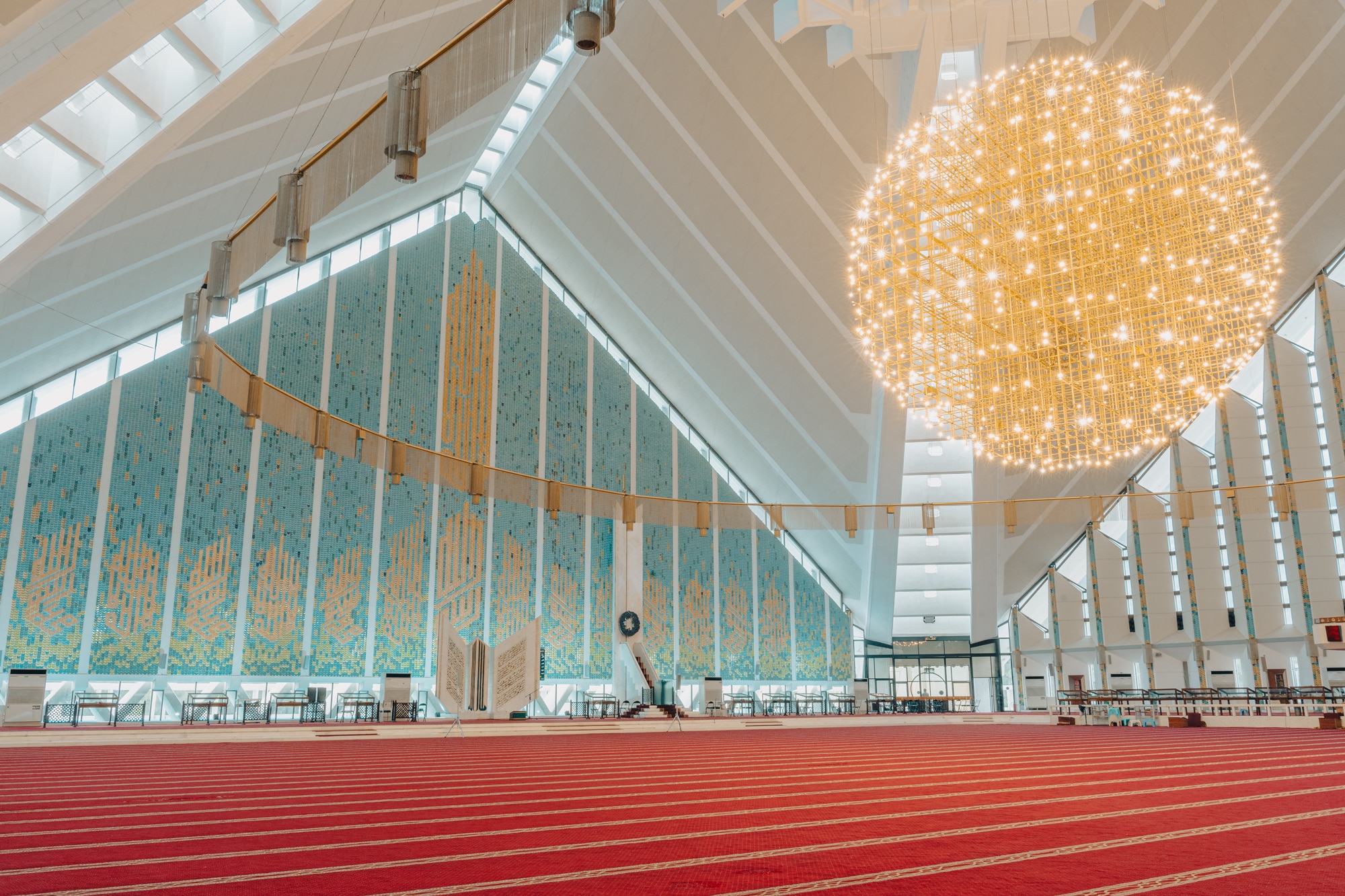
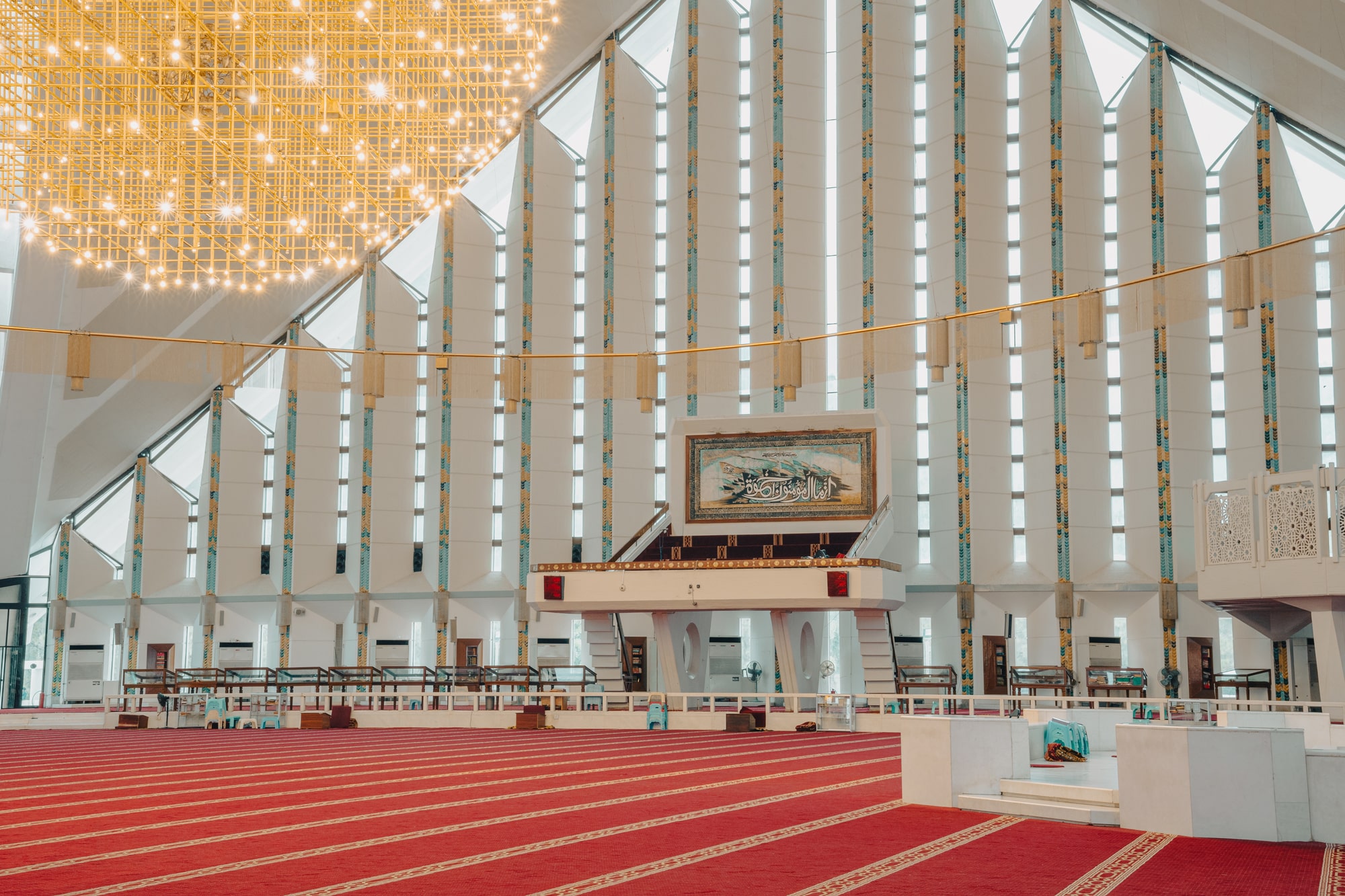
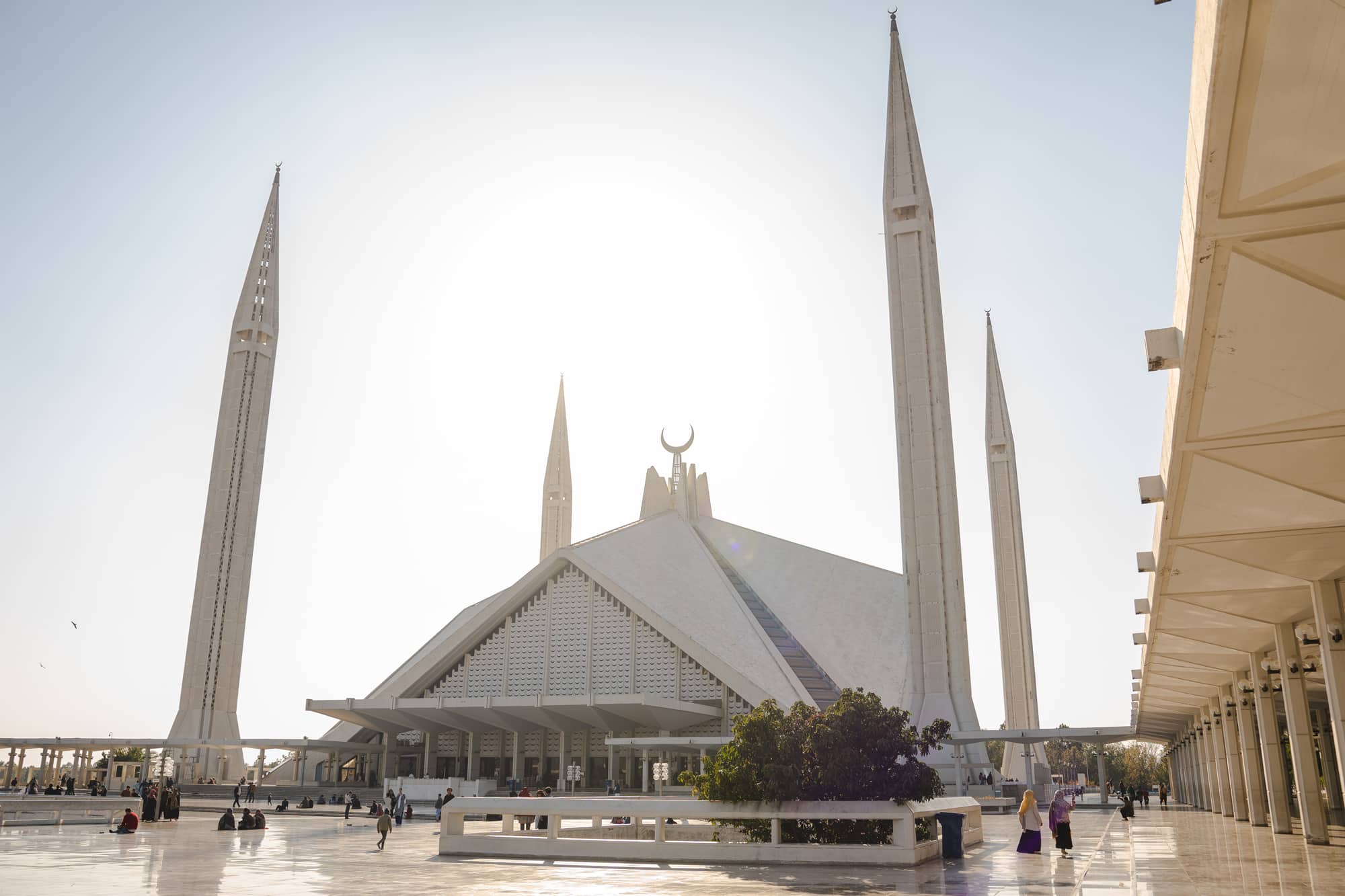
The ethereal prayer hall. Construction finally began in 1978, and was completed a decade later. The granite-clad building with its four corner minarets satisfies the call for a monumentalizing modernity. The colossal prayer hall is an eight-faceted pyramidal concrete shell based on a square plan and supported on four giant concrete girders, framed by triangular folded concrete plates that meet 132 feet above floor level. Narrow panels of glass between the plates admit natural light, creating a bright space unlike most somber, traditional prayer halls — a space that, despite its massive scale, feels almost ethereal.
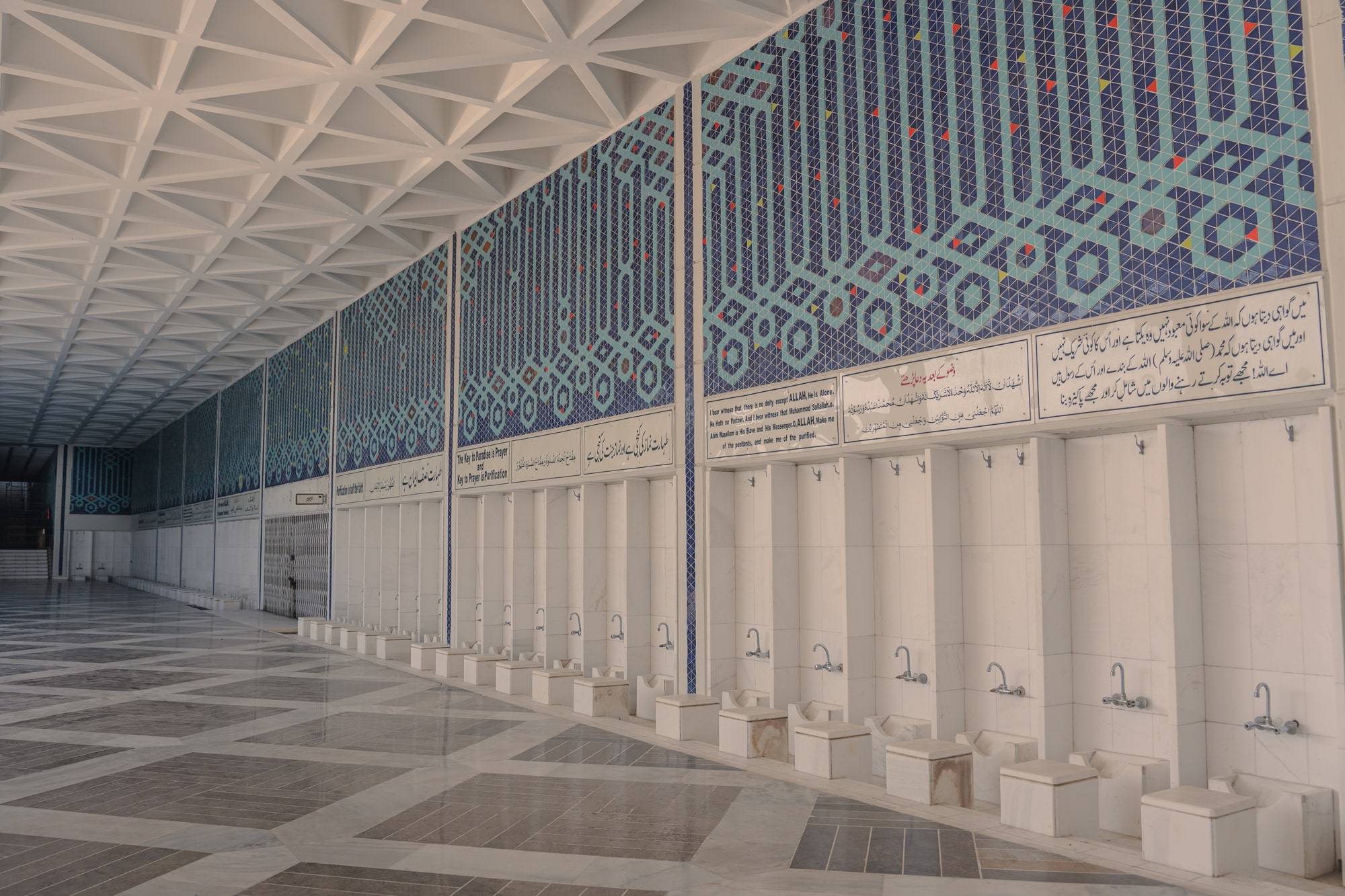
Iznik décor. Interior decoration is limited to blue-and-gold calligraphic tiles by the Turkish designer Mengü Ertel, which cover the entire qibla wall. These were inspired by traditional ceramic tiles from the Anatolian town of Iznik, which had been made famous in the 15th and 16th centuries through patronage by the Ottoman court in Constantinople. In the courtyard, a large reflecting pool seems to extend into the hall, emphasizing the airiness of the colossal interior.
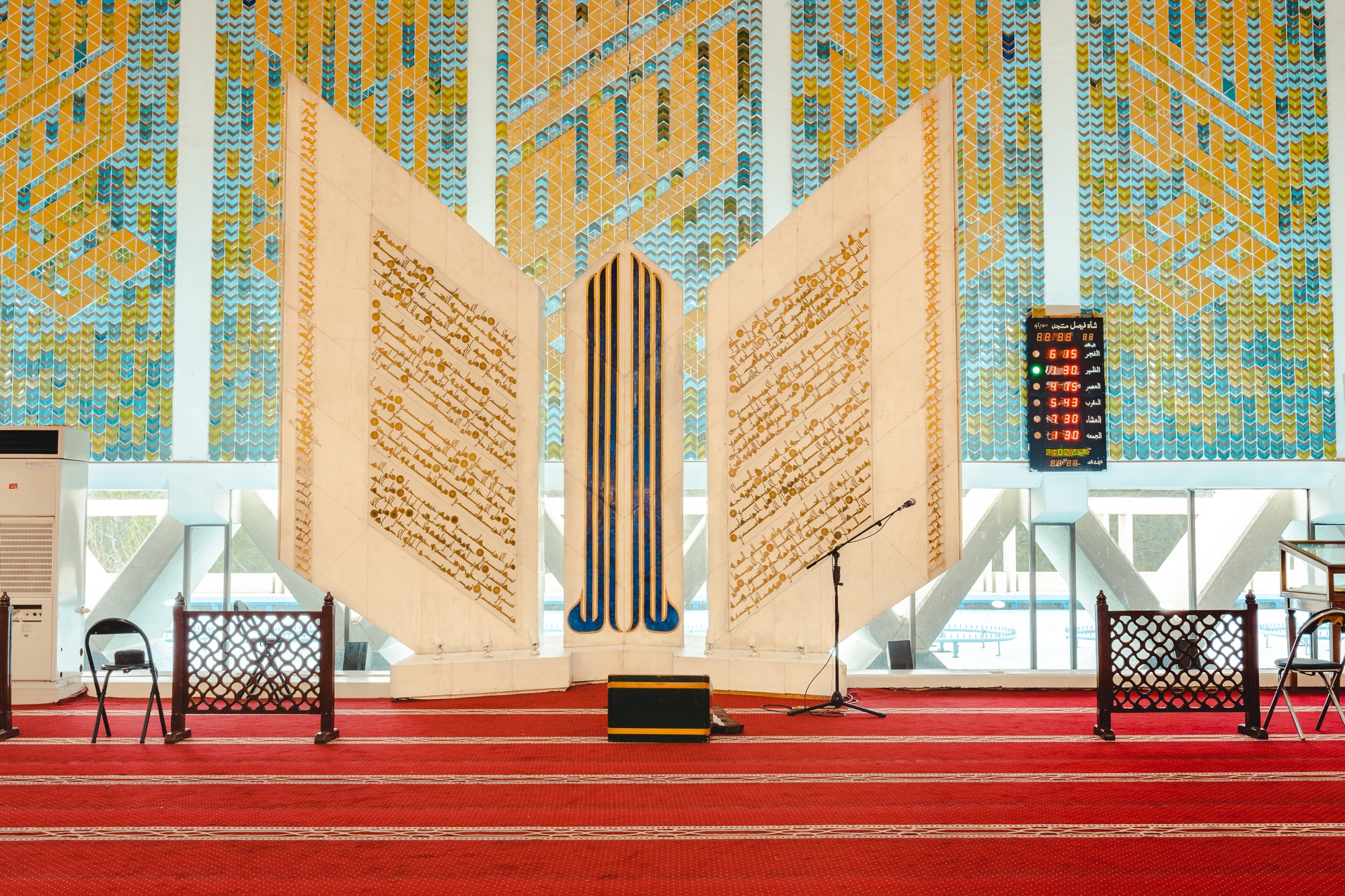
Gulgee’s contributions. Pakistani artists were commissioned for several parts of the mosque’s interior. The renowned painter Ismail Gulgee (1926-2007) was appointed to design the sculptural elements of the mihrab and minbar that stand before the glazed qibla wall. The unconventional freestanding mihrab takes the form of an open book displaying Quranic verses, while the minbar, though impressively large, is more traditional.
Sadequain’s contribution. The raised dikka (or rostrum) for Quranic recitation, placed along the north wall, is decorated with calligraphy by another celebrated Pakistani painter, Syed Sadequain Ahmed Naqvi (1930-1987).
Minarets or missiles? The four slender minarets, a reference to Vedat Dalokay’s Ottoman heritage, soar to almost 300 feet, and at one period gave rise to an urban myth: the CIA is supposed to have thought they were missiles in disguise!
Outdoor public spaces. The mosque complex includes multiple outdoor spaces: ablution areas, reflection pools, fountains, and courtyards. These spaces are used by the public for prayer and for wedding ceremonies; state funerals are held here, and the mausoleum of the former president, General Zia Ul-Haq, is also on the premises. The complex is surrounded by a public park.
A tripartite exchange. As a statement of national identity, and a symbol of Pan-Islamic exchange among Pakistan, Saudi Arabia, and Turkey, the Faisal Mosque embodies a complex relationship, somewhere between transactional, collaboratory, patronage-based, and philanthropic. In this, the building reflects a sadaqah jariyah that continues to give even when the donor is long gone.
Philanthropic urbanism, Detroit
In the face of Detroit’s postindustrial downturn, a surge in philanthropic efforts has sought to bridge the civic and social voids created by governmental retreat. This dynamic, accentuated by the city’s declaration of bankruptcy in 2013, offers a chronicle of urban evolution overshadowed by receding democratic influence.
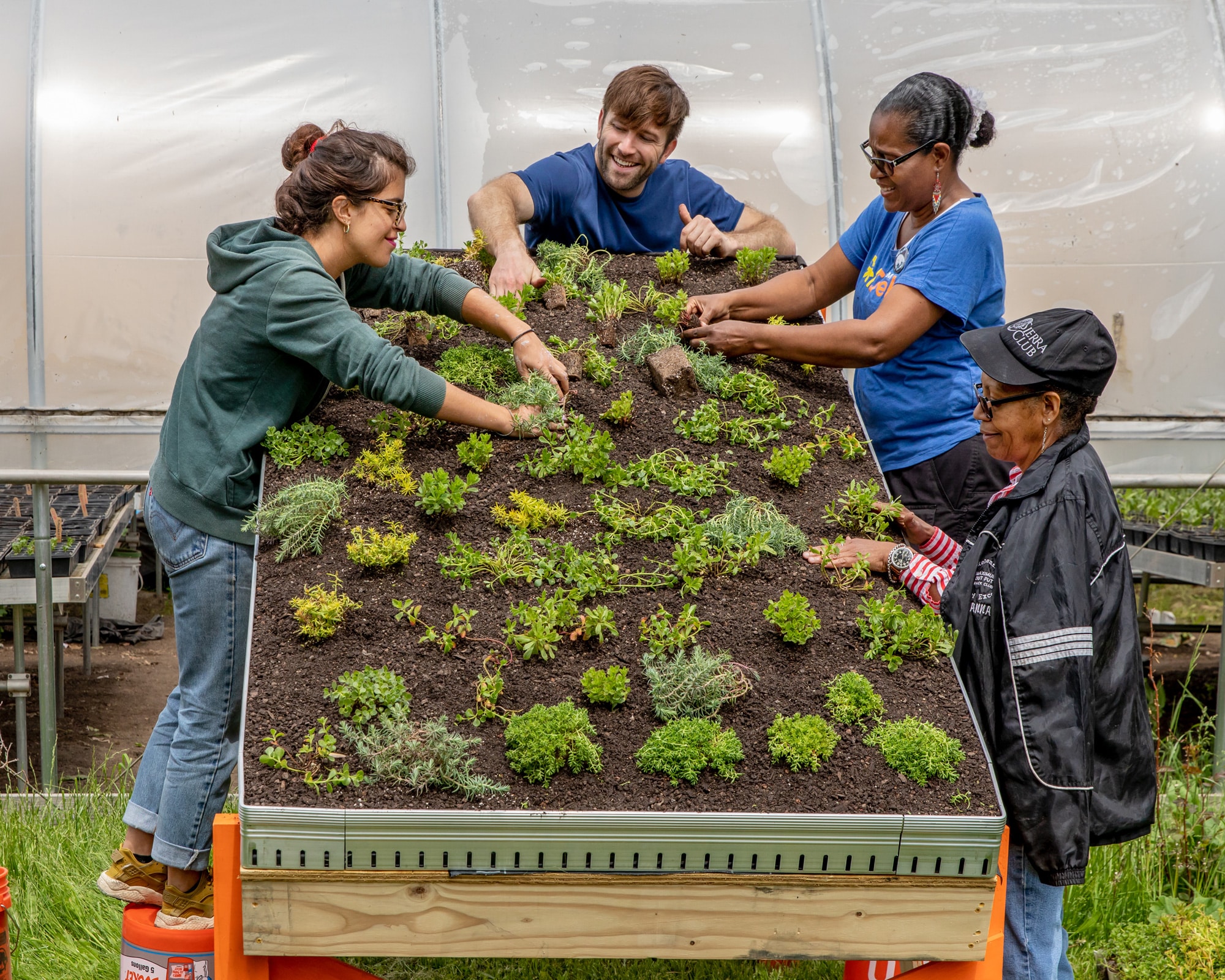
Green roofs. An estimated 20 to 30 percent of Detroit’s 139-square-mile territory is vacant. Vast tracts of open land have paradoxically led some to dub Detroit one of America’s “greenest” cities — a label that obscures deep environmental scars left by years of industrialization. Recent collaborations between philanthropic foundations and city departments, notably the Detroit Water and Sewage Department, have launched small, community-focused initiatives aimed at environmental recovery, including the promotion of green roofs coupled with stormwater management systems. Yet, in the city’s economically marginalized neighborhoods, a critical obstacle arises: the lack of buildings capable of supporting green roofs and the absence of financial resources for such structural improvements. Fueled by optimism and microgrants, community organizations confront the difficult fact that even after securing planning funds, the realization of durable green infrastructure presents a significant challenge. [All Detroit photographs courtesy Akoaki, 2013-2024]
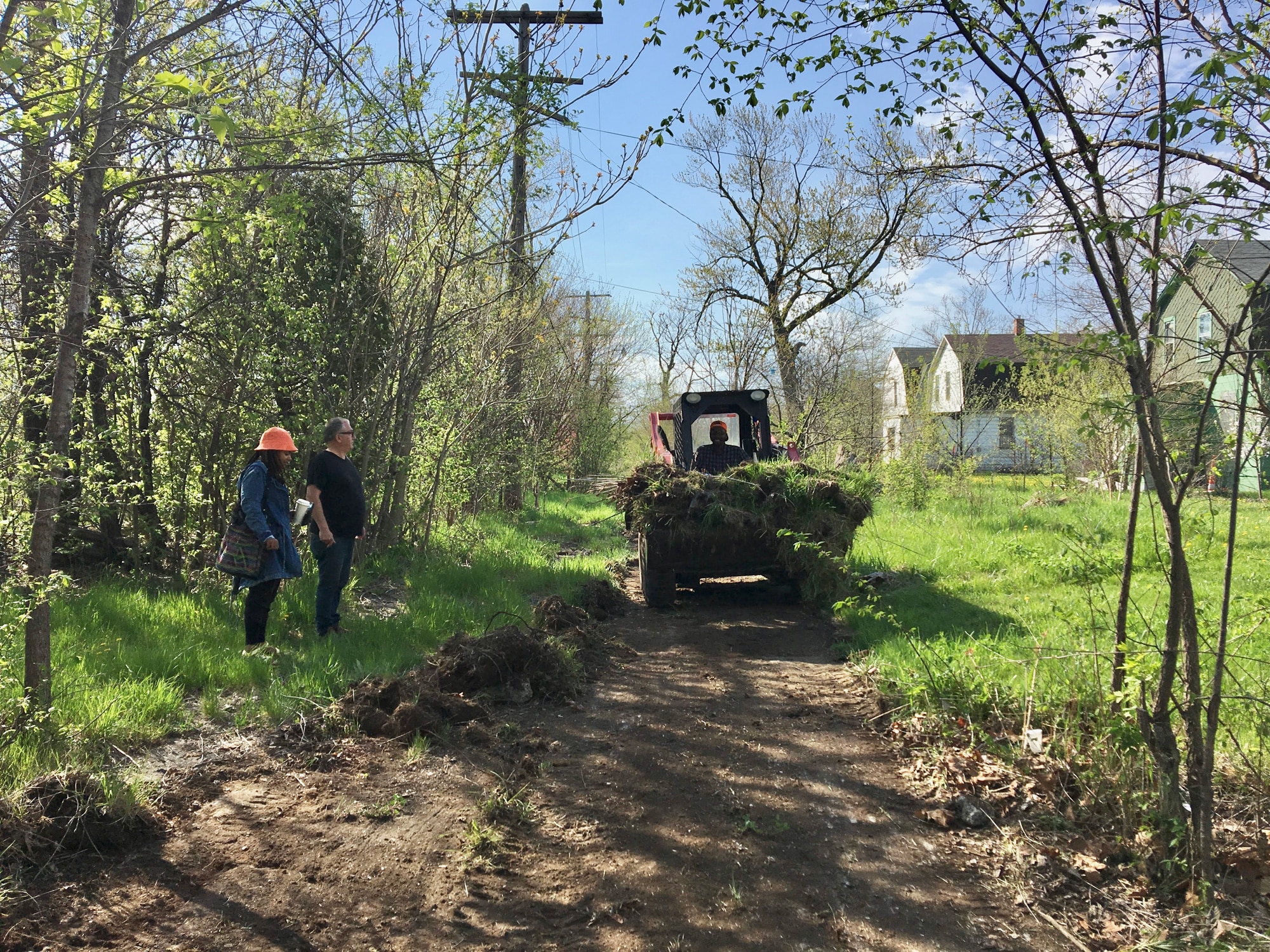
Alleys. Supported by philanthropy, Detroit has witnessed a range of efforts aimed at transforming its alleys from neglected spaces into areas of communal benefit. These efforts necessitate a collaborative approach involving city officials, utilities, local groups, and residents. Among the endeavors is Mayor Mike Duggan’s “Blight to Beauty” campaign, seeking to repurpose alleys into outdoor galleries. Other community-centered efforts, backed by foundations, prioritize the integration of stormwater management into alley improvements. However, despite significant funding for planning, actual progress often encounters practical barriers, such as reallocating right-of-way maintenance liabilities, updating the city’s combined-system sewage infrastructure, and coordinating with utility providers. These comprehensive needs for policy adjustments and infrastructural overhaul frequently make such initiatives more aspirational than attainable. Nevertheless, planning resources continue to be distributed among community groups who are taking on the ambitious goals of fostering a greener, more unified urban environment.
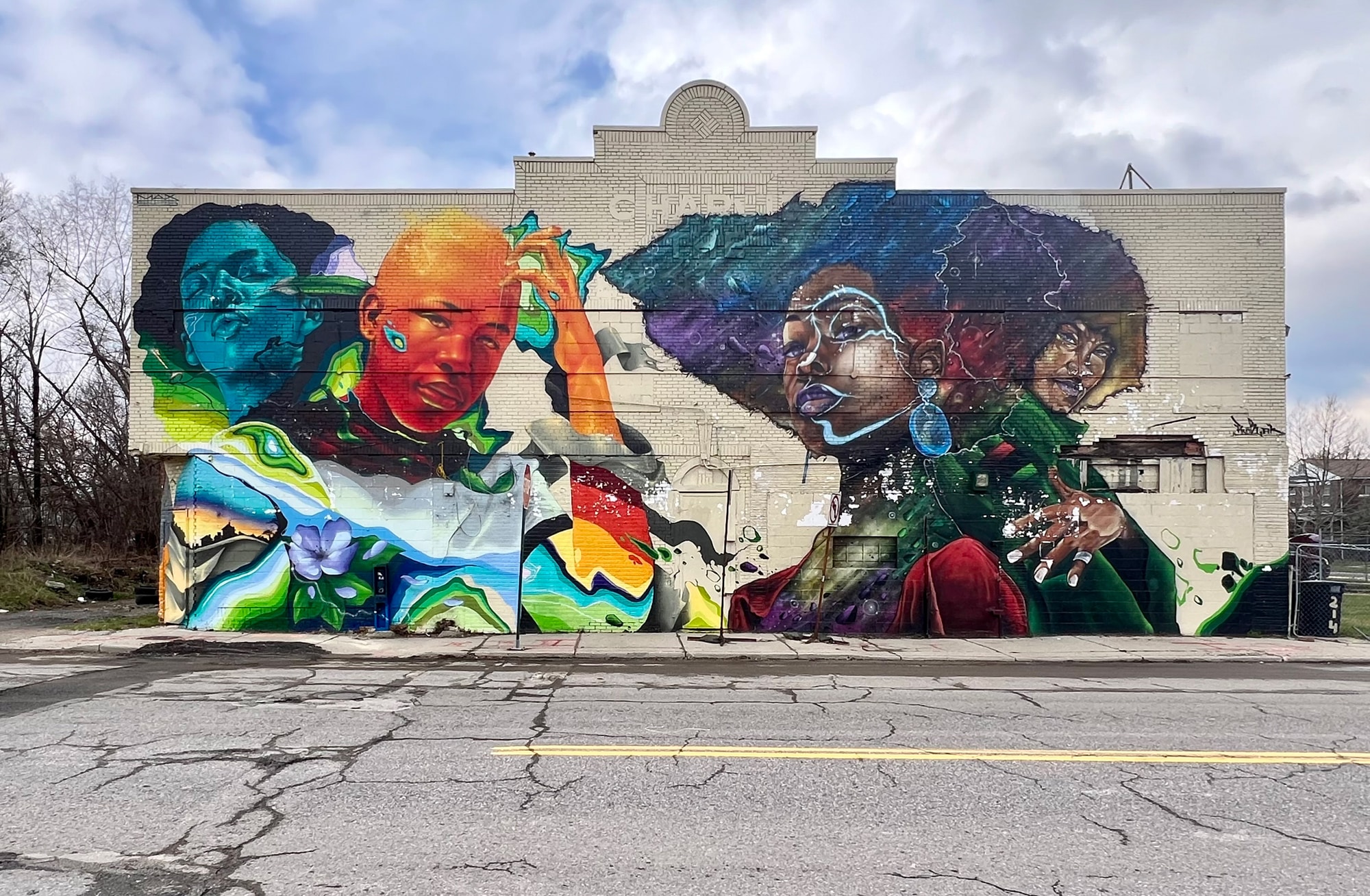
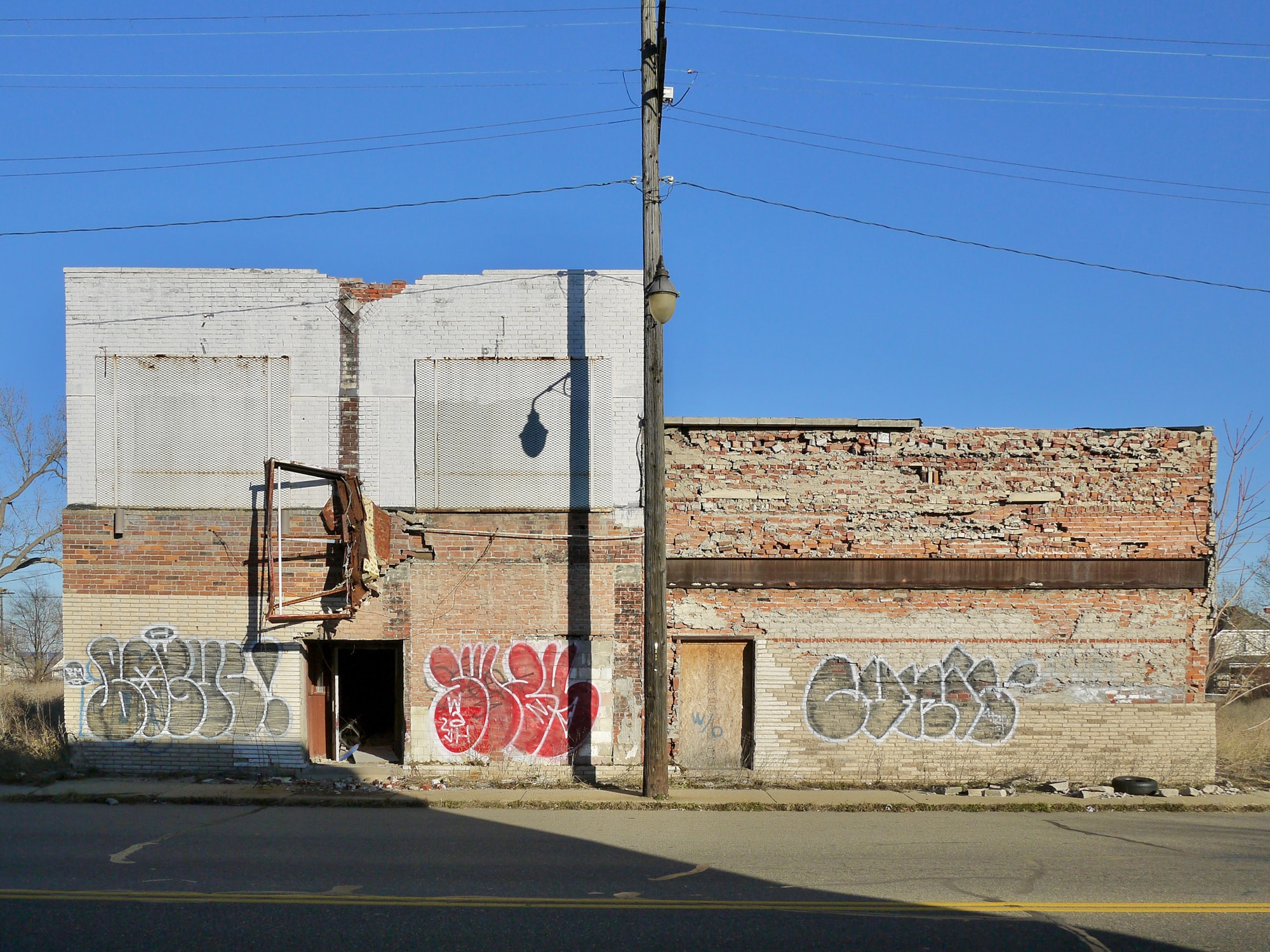
Murals. In Detroit, the proliferation of mural art, fueled by philanthropic investments, has emerged as a tactical measure against economic degradation, serving simultaneously as a cosmetic enhancement and a facade that conceals infrastructural needs. Across the city, murals are often deployed as early indicators of the potential for neighborhood revitalization, functioning as a form of urban diagnostics — or “canaries in the coal mine” — by gauging a neighborhood’s readiness for redevelopment based on community interaction in creating and maintaining these artworks. As residents are invited into ongoing conversations about mural content, design, and placement, the expansion of mural initiatives forces some artists into a competitive search for a dwindling number of suitable walls. Overall, the process of mural production, while ostensibly inclusive, can also serve as a diversion, occupying community focus and energy that might otherwise address underlying systemic issues that the murals paradoxically obscure.
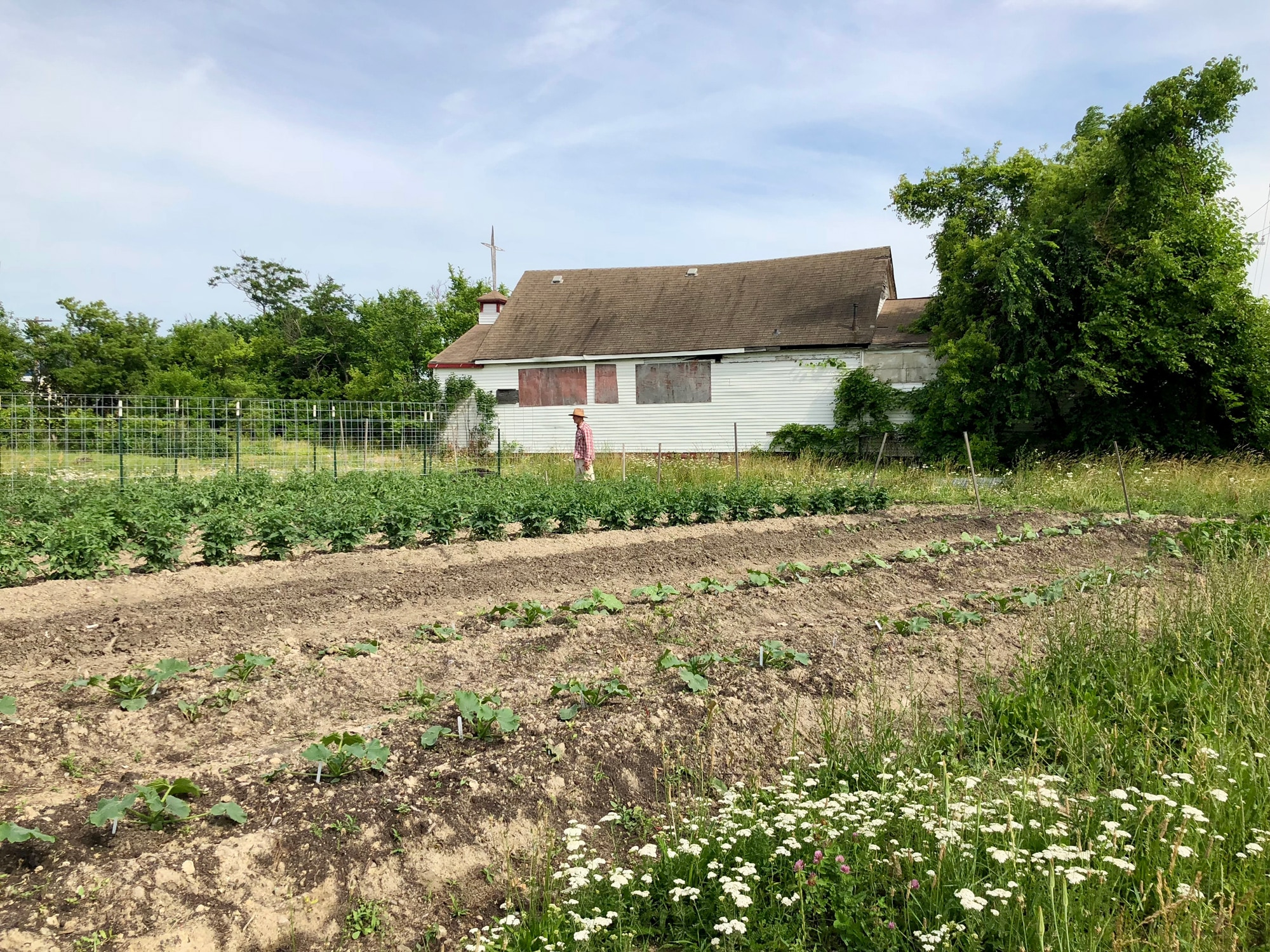
Urban farming. The nonprofit Keep Growing Detroit reports that as of 2021, Detroit is home to more than 2,000 active gardens and farms. The range of these endeavors is broad, spanning from modest family plots and shared community gardens to school-affiliated educational platforms and commercial ventures targeting the local market. The objectives of these efforts are as varied as their forms, with some aiming simply to supplement the diets of local families, while others ambitiously strive to fortify a local food ecosystem, maintain cultural autonomy, and — increasingly — serve as safeguards against forced displacement in Black communities. It’s notable that none of Detroit’s urban agricultural efforts can sustain themselves purely on revenue generated from growing produce. This is hardly surprising, especially in an era where colossal, industrial-scale farms lean heavily on government subsidies for profitability. Detroit’s urban farms, sidelined by federal funding mechanisms, have logically pivoted towards philanthropic sources, with the promise not merely of cultivating vegetables but of providing much-needed social and educational services for economically marginalized neighborhoods. Sustainability in this model shifts from being a definitive goal to an ongoing process, perpetually reliant on external benevolence.
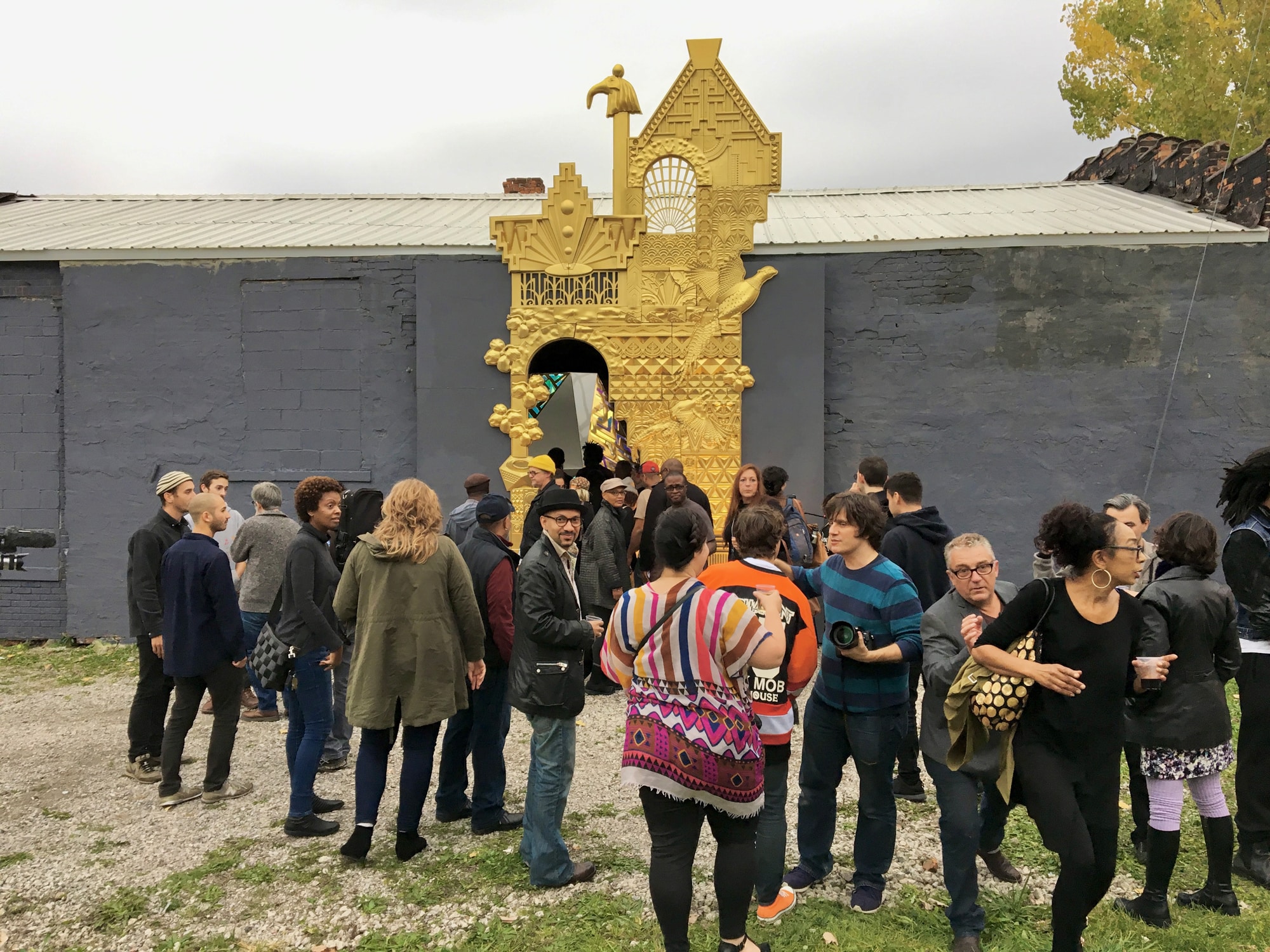
Parallel institutions. In Detroit, the arts receive substantial backing from a diverse array of philanthropic sources: foundations, corporations, and individual donors. This support is essential, nurturing both the city’s landmark cultural institutions and an array of smaller, community-centric initiatives. The strategy of sidestepping conventional organizational intermediaries and funneling funds directly to artists is designed by philanthropic organizations with multiple objectives in mind: alleviating the financial burdens artists face, diversifying the cultural ecosystem, and harnessing the arts to draw in tangible community benefits. These charitable contributions to the arts are often championed as key drivers of economic regeneration. Yet, the distinctive philanthropic model in Detroit, characterized by the lack of intermediary bodies, has unintentionally given rise to a competitive and fragmented arts landscape, with numerous entities, parallel institutions, and cultural factions vying for the same resources.
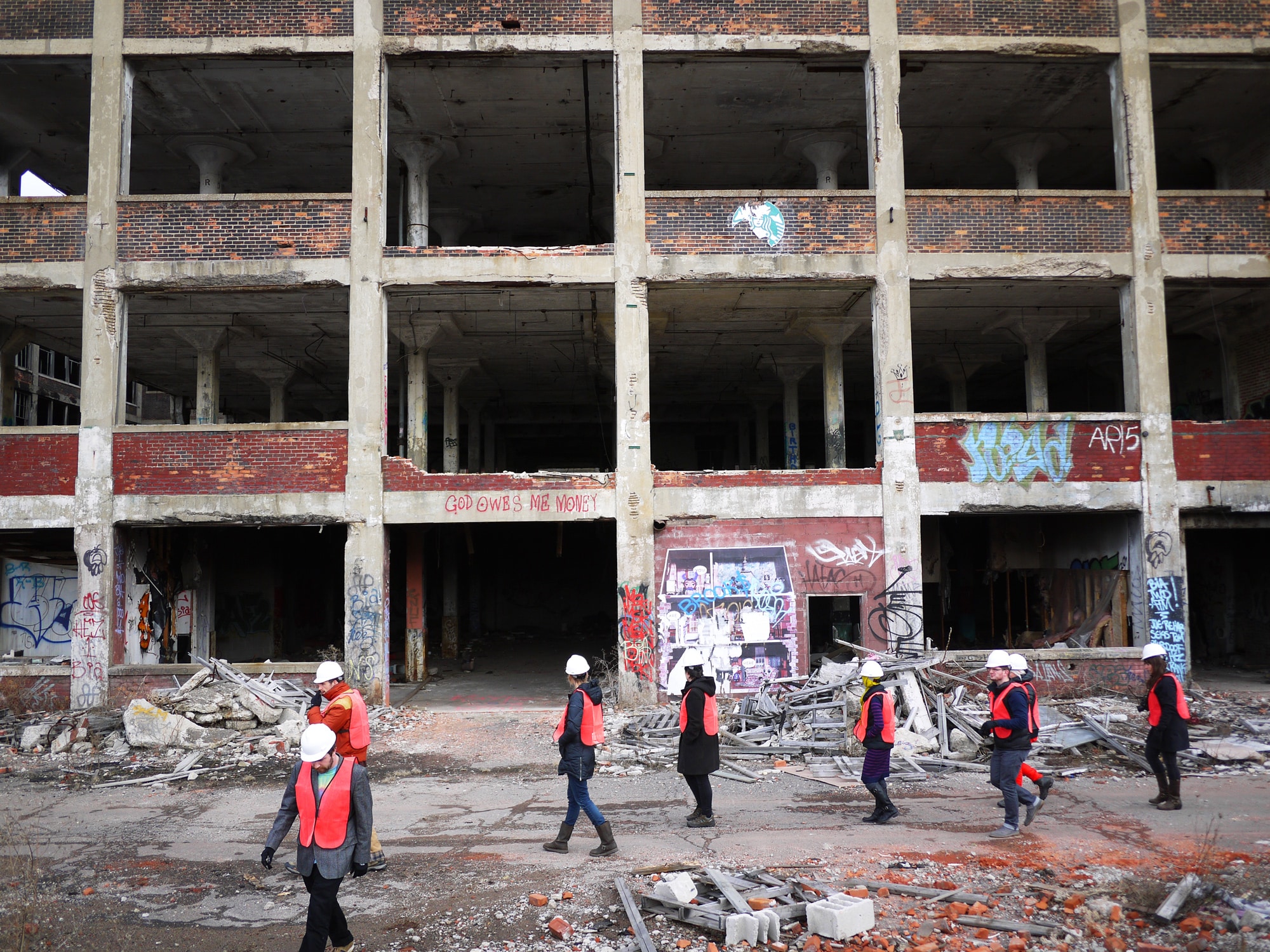
Not deserving: Packard Automotive Plant. In Detroit’s philanthropic conversations, the focus often narrows to what receives funding, overshadowing the equally critical narrative of what doesn’t. Architectural preservation, exemplified by the challenge of funding projects like saving the iconic Packard Automotive Plant — a 40-acre industrial complex designed by Albert Khan — falls through the cracks, with foundations typically favoring capacity building and programming over capital projects. Despite its historical significance and efforts toward its redevelopment into a mixed-use hub, the Packard Plant’s trajectory from tax foreclosure in 2013, to auction and acquisition by the Spanish businessman Fernando Palazuelo for $405,000, underscores a recurring theme: the protection of collective urban imaginaries is elusive, and their erasure predictable. Demolition of the Packard is slated for completion by the end of 2024.
Capacity: Phelps Lounge. The Detroit Land Bank Authority, a quasi-governmental entity tasked with managing an extensive portfolio of over 75,000 properties, is the city’s largest landowner. With its broad mandates in the management of foreclosed structures and lots — including auctions, sales, and initiatives like the “Side Lot Program,” which allows residents to purchase vacant lots adjacent to their properties — the organization is often hamstrung by operational limitations. These failures, particularly acute in the Land Bank’s collaboration with philanthropic entities, have left significant cultural landmarks in precarious positions. Critical properties can be sold to entities without the experience or capacity to fundraise and properly steward the city’s historical fabric. Venues like the iconic Phelp’s Lounge, crucial to Detroit’s musical legacy, now face demolition because of communication lapses between stewards of the city’s history and potential benefactors.
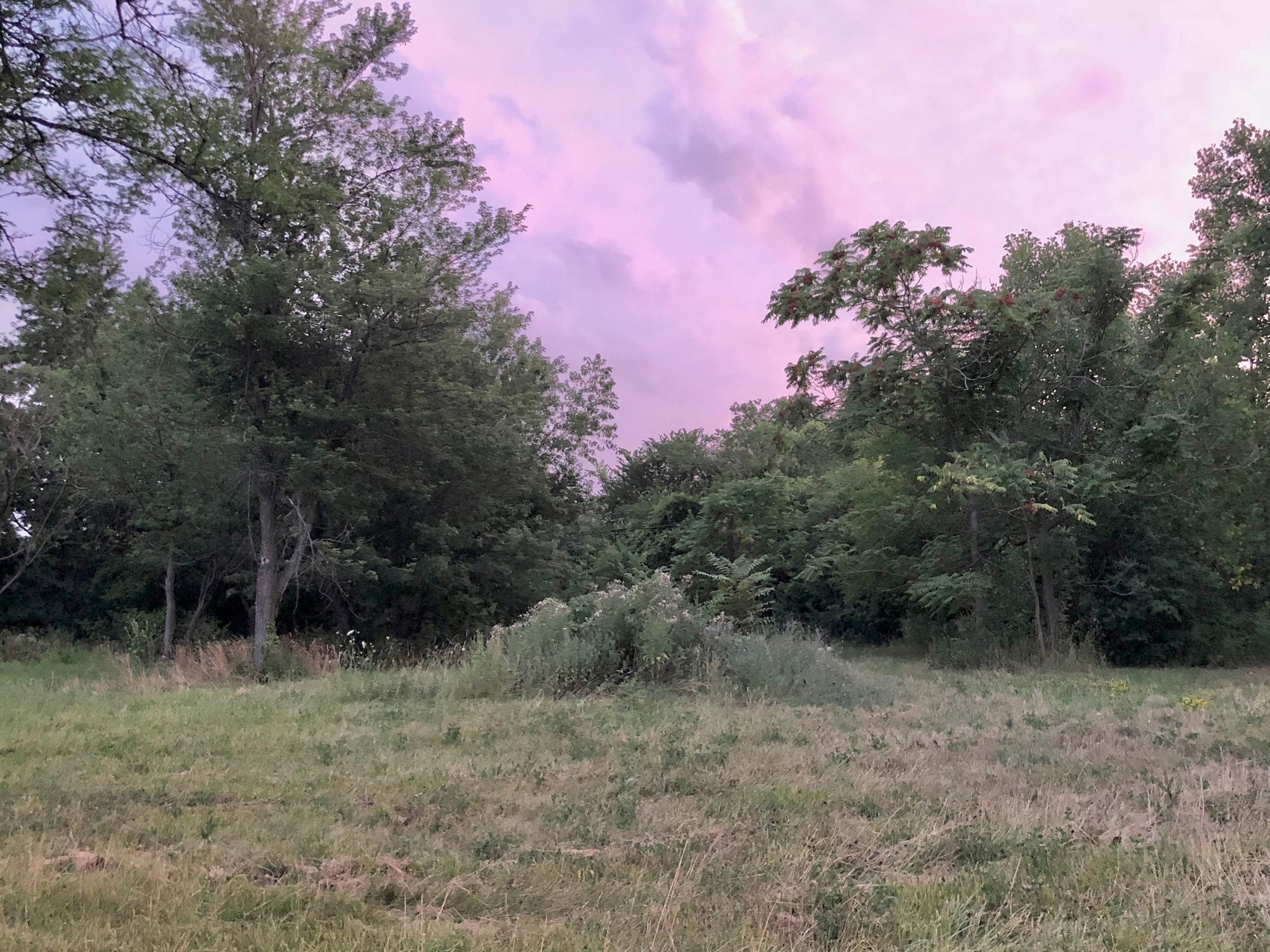
Mounds. Following Detroit's monumental 2013 bankruptcy, an alliance was forged among the city's public, private, and philanthropic sectors, united in the battle against urban decay. The precise tally of homes demolished in the anti-blight crusade is difficult to gauge. Between 2014 and 2019, the Detroit Land Bank Authority led a demolition blitz, razing 19,000 residences. The passage of Proposal N in 2020, a measure financed by bonds, allowed the Detroit Demolition Department to level 3,000 additional buildings. Concurrently, the Detroit Demolition Program reported the dismantling of over 16,000 more homes in its own rigorous campaign. Yet, the widespread demolition, propelled via public contracts valued at over $14,000 per home, has led to troubling questions about the practices of contractors engaged in this urban renewal effort. Investigations have laid bare unscrupulous practices: contaminated soil used to fill voids where homes once stood; surreptitious disposal of debris under mounds of earth in order to avoid landfill fees; and a failure to sever water connections, irrigating the debris mounds. These waterlogged landscapes now dot the city, a testament not only to the ambition to reclaim, but also to the ethical lapses that have marred the process.
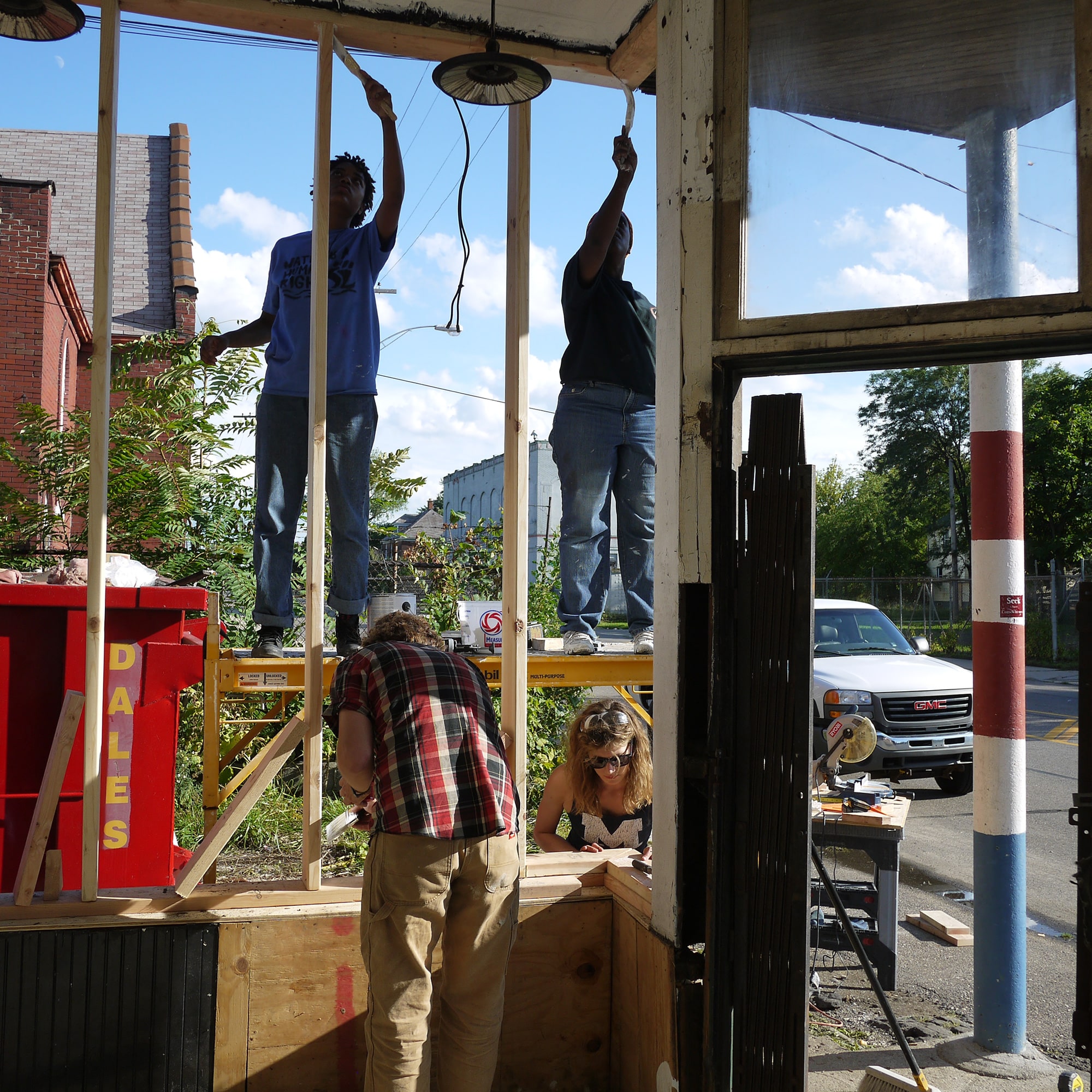
Competition. In the world of philanthropic arts funding, where competition is fierce, teams angling for support often trim their budgets to the bone in a high-risk gambit to secure a grant. This strategy leads to one of two outcomes: either participants are compelled to invest an inordinate amount of personal effort (their so-called sweat equity) into the project, or they come to the disheartening realization that their ambitions are, in fact, unattainable. At the core of this dilemma is an ongoing tug-of-war between aspiration and reality, a negotiation that motivates creative practitioners to embrace risk with open arms, while community participants are left feeling short-changed by a process that promises much but delivers little.
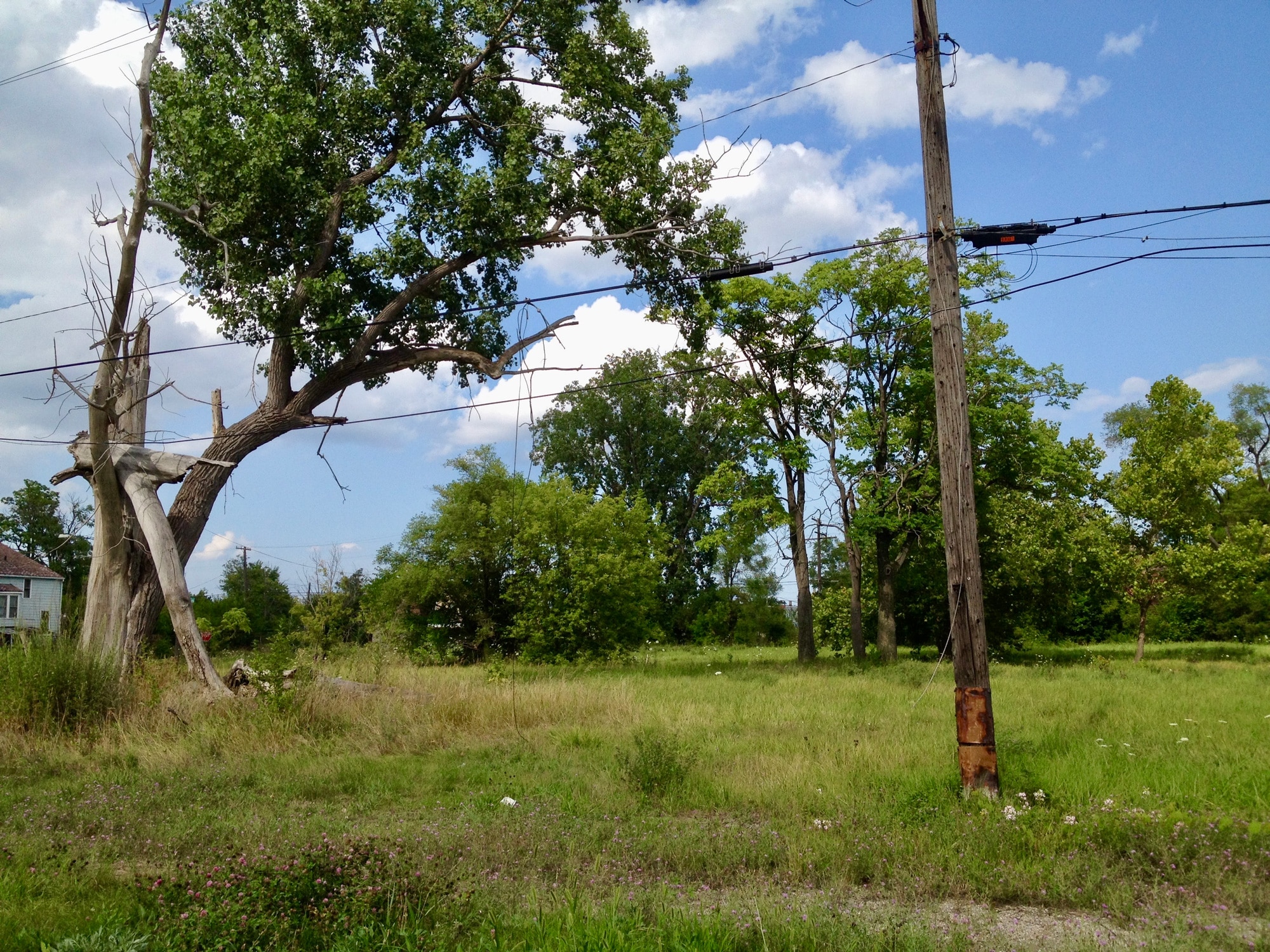
In Land We Trust. In the sprawling, postindustrial expanse of Detroit, where efforts to nurture community-led projects and grassroots aspirations for equitable urban renewal dominate public discourse, a solitary six-acre land trust represents a divergence from the norm. The dearth of experimental, collective land stewardship projects illuminates the gap between lofty community ideals that seek to push the boundaries of capitalist expectation and the reality of a landscape dominated by traditional property management frameworks. The situation reflects a deeper societal struggle — between the race for conventional growth and wealth, and the quest for social equity, all further complicated by the paradox that initiatives aimed at dismantling inequality are so often funded by the very wealth perpetuating that inequality.


If you would like to comment on this article, or anything else on Places Journal, visit our Facebook page or send us a message on Twitter.