
“If you just tilt your work a bit, you’re basically a preservationist,” said the senior statesman of urban heritage, sizing up my research plans. The idea had never occurred to me. I considered myself an artist and urbanist, mostly interested in the making of Black futures. But it was true; I also wanted to retrieve visionary pasts.
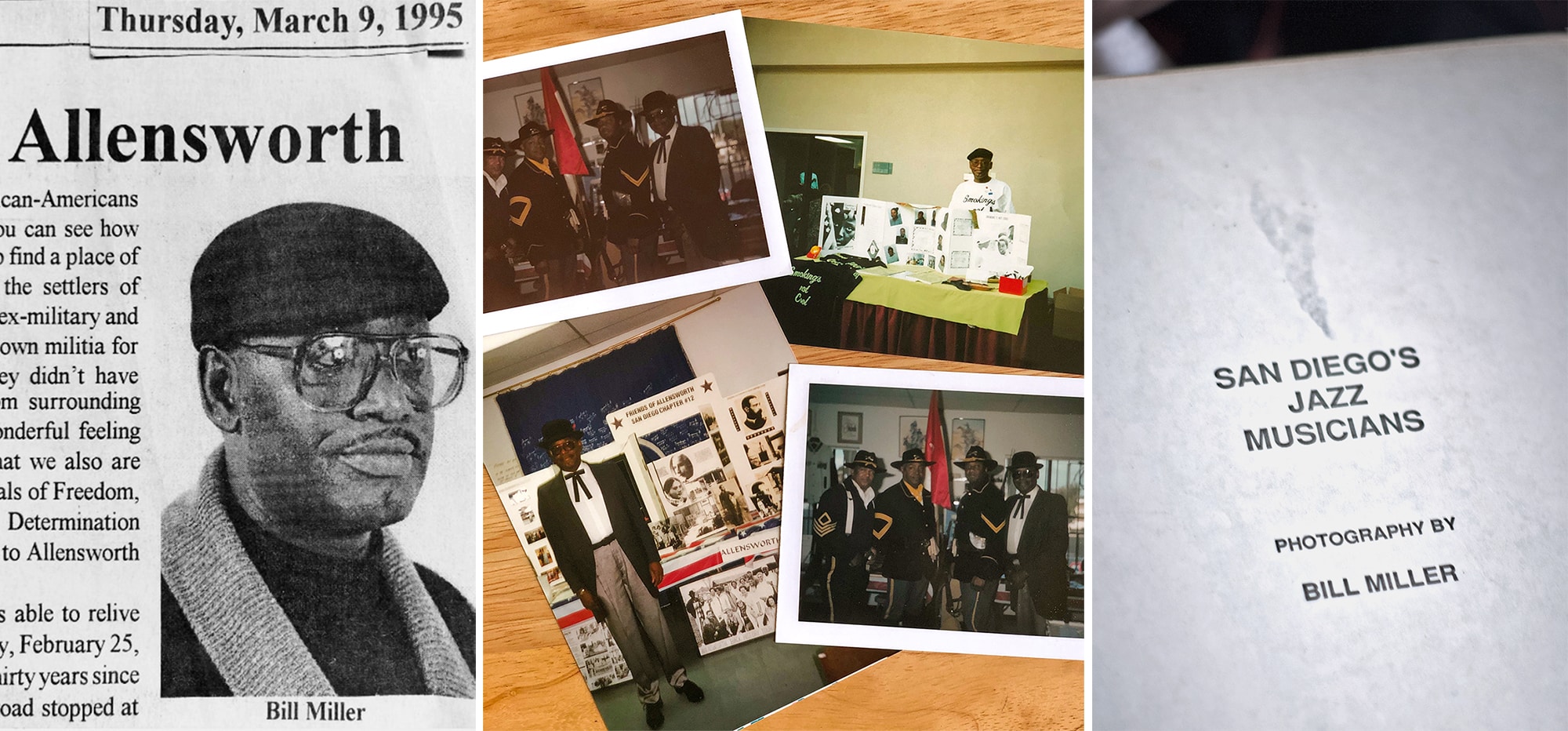
I thought of my grandfather, Bill Miller, who championed the preservation of Allensworth — California’s first Black freedom colony — as a state historic park. When he passed, my grandmother gave away boxes of his memorabilia: laminated tour scripts, newspaper clippings, letters from thankful officials. Only then did I learn he had collaborated with an architecture professor and students to propose a redesign of the park’s visitor center. 1 Granddad never attached the “preservationist” label to himself, even while doing the work. Some histories repeat themselves until we learn why.
On Becoming a Preservationist after 2020; or, What It Means to Love Black Creativity as Living Heritage
This was June 2020. All around me, Black folks were fading and Black places changing. In one week, I lost Granddad Bill and my god-grandfather, Lucius. Their deaths thickened a brewing sense that my study site — Leimert Park Village in South Los Angeles — was in trouble, too. 2 I counted the losses: the closure of the Brooklyn Deli; the passing of Miss Laura Hendrix, who ran Gallery Plus Art for 23 years; John Singleton, the film director; Nipsey Hussle, the rapper and entrepreneur; and Barbara Morrison, the legendary singer who founded the California Jazz and Blues Museum. 3 I watched as community leaders were denied the chance to purchase the historic Baldwin Hills Crenshaw Mall before it was sold out from beneath them. 4
Black preservation was suddenly more personal, existential. I applied for a fellowship with the U.S. Advisory Council on Historic Preservation, a small but consequential agency that helps set national policy. I didn’t know then about the quiet struggle boiling up in the field, as preservationists fought to interpret “heritage” and “historical significance” in ways that recognized communities of color. (Finally.) When I arrived, dozens of core practices were being reimagined. 5
A few months and 27 facilitated meetings later, I was ready to share an early version of my project, initially called Mapping Black Genius. 6 I had dreamed up a website that used 2D gaming conventions to guide readers through a spatial history of Black inventions. Inspired by archaeological adventures like Night at the Museum and Indiana Jones, the website connected these inventions to the places where they were developed.

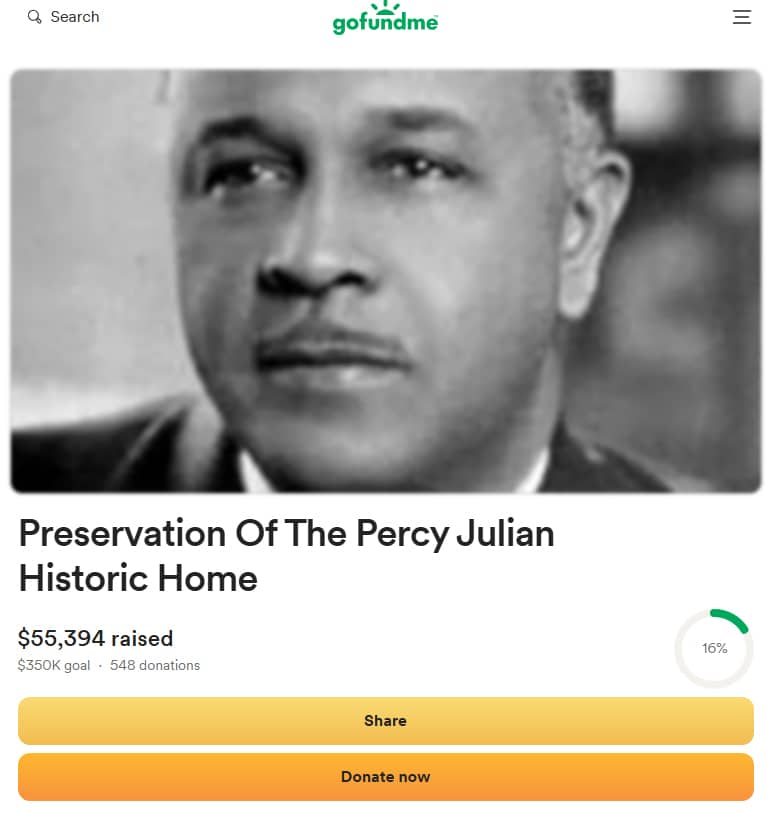
The final scenario was set in the leafy Chicago suburb Oak Park. To win the game, players had to stop the sale of the historic estate of Percy Lavon Julian, one of the first African Americans to earn a Ph.D. in chemistry, who in the 1940s and ’50s lowered the cost of steroids and other medicinal drugs by synthesizing them from plants. But I added a twist. The objective was not just to preserve the building but to prevent the eviction of the chemist’s daughter, Faith Julian, who was still living in and taking care of the fifteen-room house. 7
‘Federal policies wouldn’t help save her…,’ one person surmised. ‘You should make the case stronger for what we can do for the house.’
I sent the project to a rolodex of preservation’s Old Guards in D.C. to get their response. “Do not frame this as futurism; this is about the past,” wrote one former federal official. Another person suggested I tie in the stories of White inventors with national recognition — “Edison and all.” It was confusing advice. Was I supposed to anchor the Julian house’s value to its proximity to Ernest Hemingway’s childhood home in Oak Park? Or Frank Lloyd Wright’s studio? ACHP staff politely objected to the focus on the chemist’s daughter, Faith. “Federal policies wouldn’t help save her, with her bills and financial issues,” one person surmised. “You should make the case stronger for what we can do for the house.”
Their comments crystallized something that had irked me for a while about this field, which is so focused on buildings that it can seem indifferent to (Black) lives. Here was a living elder who could testify to the violence aimed at her accomplished family, the first African Americans to move into Oak Park. Faith Julian was a young girl in November 1950, when arsonists soaked the walls and floors of her family home with gasoline and torched it, and seven months later, when another terrorist hurled a stick of dynamite through the window. 8 She was traumatized by these events, and the building’s spatial scars were never fully repaired. Evicting her would negate her story of survival, undercutting the historical and future significance of the property, which is found in its social value.
As a Black preservationist, I am often confronting the question: “So what?” What is the point of recognizing a historic building as a proxy for dignity? Who is preservation for? And who profits? Without support for living descendants, historic designation becomes a sop to architects and developers: the landowning class. Reviving an old building without helping the person who lives there is like celebrating a haint. The ghostly trope of charity howls sweet memories and honorifics, generating energy by inhabiting the form of Black urbanisms, speculating on frozen lands. Meanwhile, the people who care for these places are so exhausted applying for “preservation” resources that they fall into financial oblivion.
What is the point of recognizing a historic building as a proxy for dignity?
On the 50th anniversary of the National Trust for Historic Preservation, its leaders identified “people-centered preservation” as the next step for the field. 9 But applying to the National Register is a costly and time-consuming endeavor. Which people are “centered” in that process? Black folks have to ask what narratives we want for ourselves that include and exceed architecture. What narratives do we already tell ourselves when dominant spatial imaginaries — fixated on hellscape ghettoes, vampiric plantations, and abusive responses to sit-ins and protests — are not controlling our legacies? What might Black aliveness mean between and beyond these margins? 10
How can preservation sustain the public practice of being ourselves?
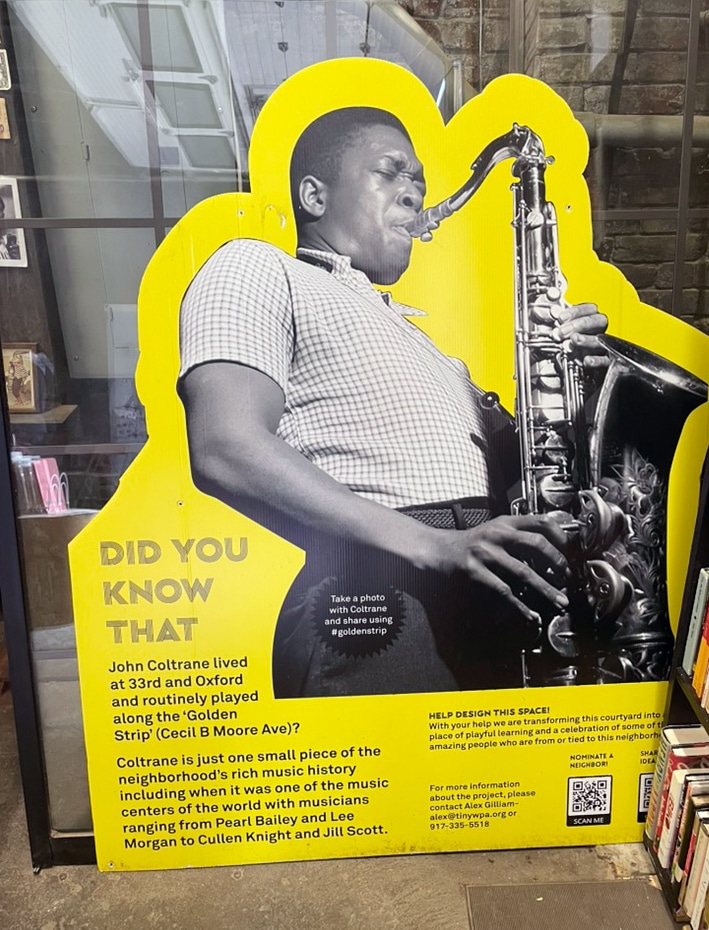
Aliveness is a flash of spirit that manifests in myriad spatial forms. 11 It is the making of a way out of no way. Pain transformed into melody. Let-out culture vibrating from car trunks. 12 Bay Area garages spilling the music and aromas of Black suburbia. Storefront churches as sanctuaries. 13 Hair shows and conventions with choreographed backup dancers. 14 HBCU yards reimagined as Hogwarts. 15 Chitlin’ circuits nurturing soul on Broad Street and funk on Crenshaw. 16 Covid-era TikTok dance innovations. 17 Kwanzaa incubating in Gnostic bookstores and undercommon study circles. 18 Paper bag poetry in Marcy Projects. 19 Apartment basement ciphers birthing hip-hop. Swamp juke joints pulsing with jazz and blues. Belmont drag shows in 1990s West Philly. 20 Ballroom culture born from marginalization. Black Planet’s digital diaspora with Mavis Beacon’s typing lessons. 21 Black women as NASA mathematicians. 22 A Detroit home reimagined as Motown’s Hitsville. Flamboyant and forgotten queer gospel organists. 23 Uncle Nearest’s forgotten Kentucky moonshine legacy. 24 Compton’s inventor of a folded-wing aircraft design. 25 Colonial Monticello mac and cheese brewing in a Swedish oven. 26 Plantation yard living rooms as swept gardens. Folk tales bridging Africa and America.
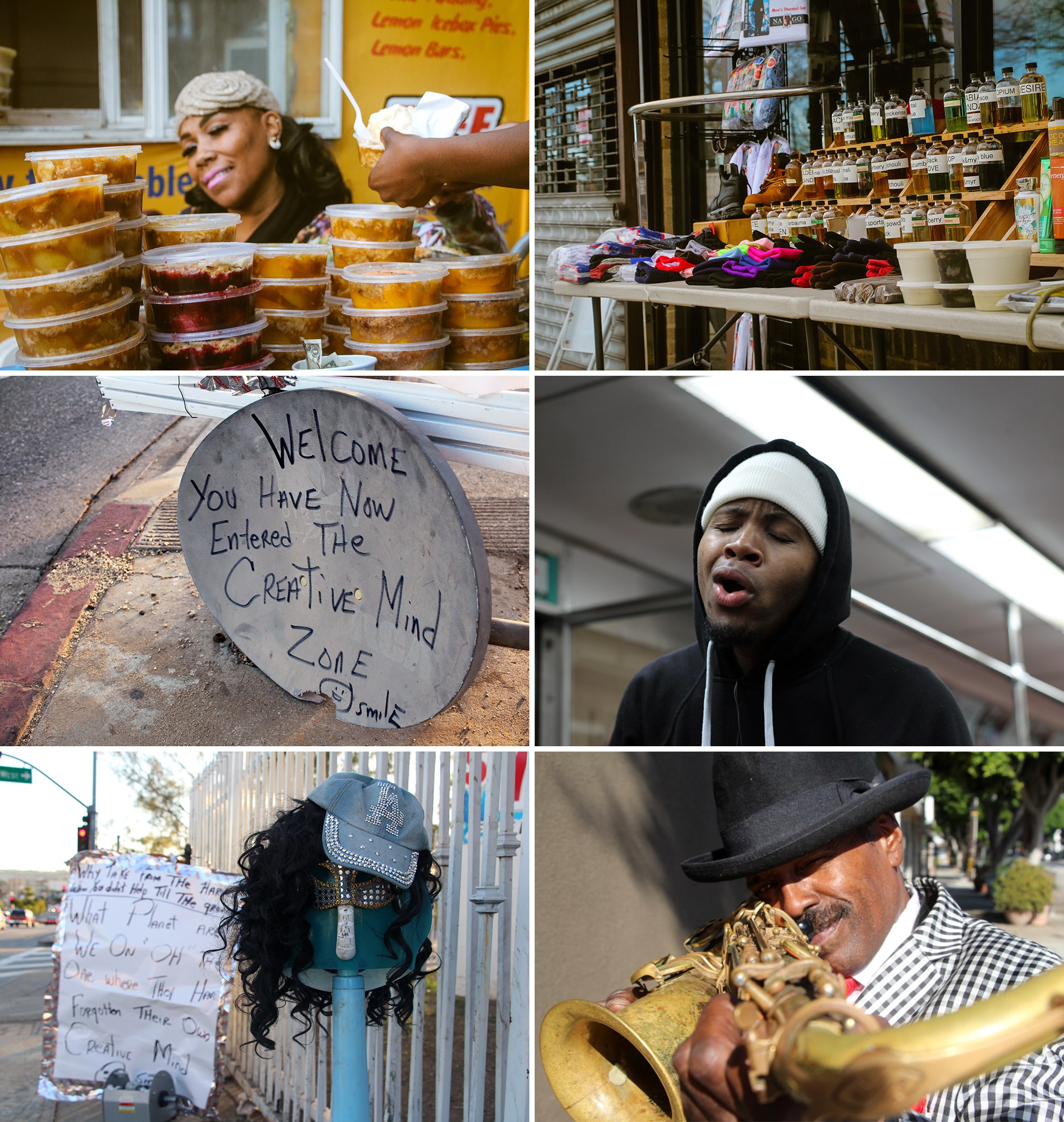
How can preservation sustain the public practice of being ourselves? Where do we recognize the unbothered joy of Black placemaking — “the celebratory and pleasurable” aspects of embracing cultural heritage in place? 27 Levitational concepts like “Black joy” have been hog-tied and instrumentalized as yet another tool for problematizing Black life. 28 Originally conceived as cathartic, creative expression, Black joy is now supposed to provide escape from violence, to guide “trauma-informed” planning, and to qualify as “resistance.” 29 Where is the joy in that?
What are we struggling FOR, not simply against? 30 The stories of Black heritage encoded at cemeteries, plantations, and civil rights memorials are necessary, but our stories do not end there. Black aliveness is not contained within buildings and landscapes. We have to preserve and inhabit the full spectrum of creative expression and innovation born from self-determined spaces. 31 Black justice and joy cannot fully absorb the complexity of our spatial heritage. Urbanism needs a third term, a sister concept to guide the preservation of generative Black places. As I frame it: genius.
Mapping ‘Black Genius,’ a Prismatic Asset for Cities’ Present and Preservation’s Future
When you think of a genius, what comes to mind? Where comes to mind? Many people see ingenuity as an individual trait of elite scientists and technologists — usually wealthy, usually White, usually male. But that’s a fiction, produced largely in the United States and Great Britain in the past few centuries. In most other places and most other periods of history, genius has been understood as collective and spatial. In The Geography of Genius, journalist Eric Weiner retraces this social history, identifying a shift from the uninhibited genius of artistic creativity in the ancient world to the monocled genius of Enlightenment Europe. 32 Weiner credits the 19th-century polymath Sir Francis Galton with inventing the concept of individual genius, isolating the person from the environmental context. No coincidence that Galton was also one of the chief inventors of eugenics.
For most of history, genius has been understood as collective and spatial.
I’m interested in ingenuity in a different sense, as it relates to the wonder of place. 33 As Weiner explains, the Roman genii is a version of the Greek daemon or even the Japanese Pokémon — an avatar extension of one’s soul, bearing gifts and talents that inspire human action. Genius loci are spiritual, energetic vectors, visible as cultural identities in landscape: (nick)names, signs, styles, products. “Back then, a genius was a presiding deity that followed you everywhere … with supernatural powers,” Weiner writes. “Every person had a genius. Every place, too. Cities, towns, and marketplaces, all possessed their own presiding spirit … that continuously animated them.” 34 Buildings were shells for the exchange and translation of this spirit between an influential host and a receptive presence. From these ancient understandings to contemporary Afrofuturist visions of space cowboys on motherships, genius envelops places and animates the possibilities present in the people residing there.
Genius envelops places and animates the possibilities present in the people residing there.
This understanding of genius offers pathways for storytellers and urbanists seeking to uplift cultural heritage. First, we must overcome the gatekeeping, hagiography, and myopic focus on Eureka! moments by Eurocentric men. 35 African Americans are often omitted from celebratory narratives about place. Abolitionist conductor and military strategist Harriet Tubman bravely charted an Afrofuturist landscape across distances greater than John Muir. Why isn’t the National Park of the Underground Railroad as exalted as Yosemite? 36 Historic preservation can learn from Black ecopoetics, bursting across boundaries in discourses of science, technology, engineering, arts, and mathematics.
My Black-minded readers may wonder: doesn’t this focus on genius deepen the “Black excellence” trope that has already exhausted us? Aren’t we always working twice-as-hard to get half-as-much (if anything)? Fear not. Mapping Black Genius is not about setting new superhuman standards or moving the goalposts for basic dignity. Quite the contrary. This is about accounting for our unacknowledged expressions of enoughness that have been foundational for America (and the world). 37
“What, out of all the multifarious achievements and impulses and desires of the American literary mind, ought we elect to remember?” asked the cultural critic Van Wyck Brooks, in 1918. 38 If the past serves as “an inexhaustible storehouse of apt attitudes and adaptable ideals” that can be “placed in the service of the future,” it matters which ideals are chosen, from whose heritage. In Afrofuturist practice, history is the basis by which we imagine the future. 39 But what if the official understanding of the past is incomplete?
The first 180 years of scholarship on Black inventors and innovators — going back to John H. Latrobe’s biography of astronomer Benjamin Banneker — emphasized demographic directories and sociotechnical relationships instead of places. 40 The result today is that only 2.5 percent of the 98,000 sites in the National Register of Historic Places are categorized as sites of Black Heritage, and only four are designated for “Invention.” 41 We need a new geography of genius.
Blacklighting: A Pluriversal Praxis for Studying and Shaping Hidden Worlds of Black Meaning, Space, and Power
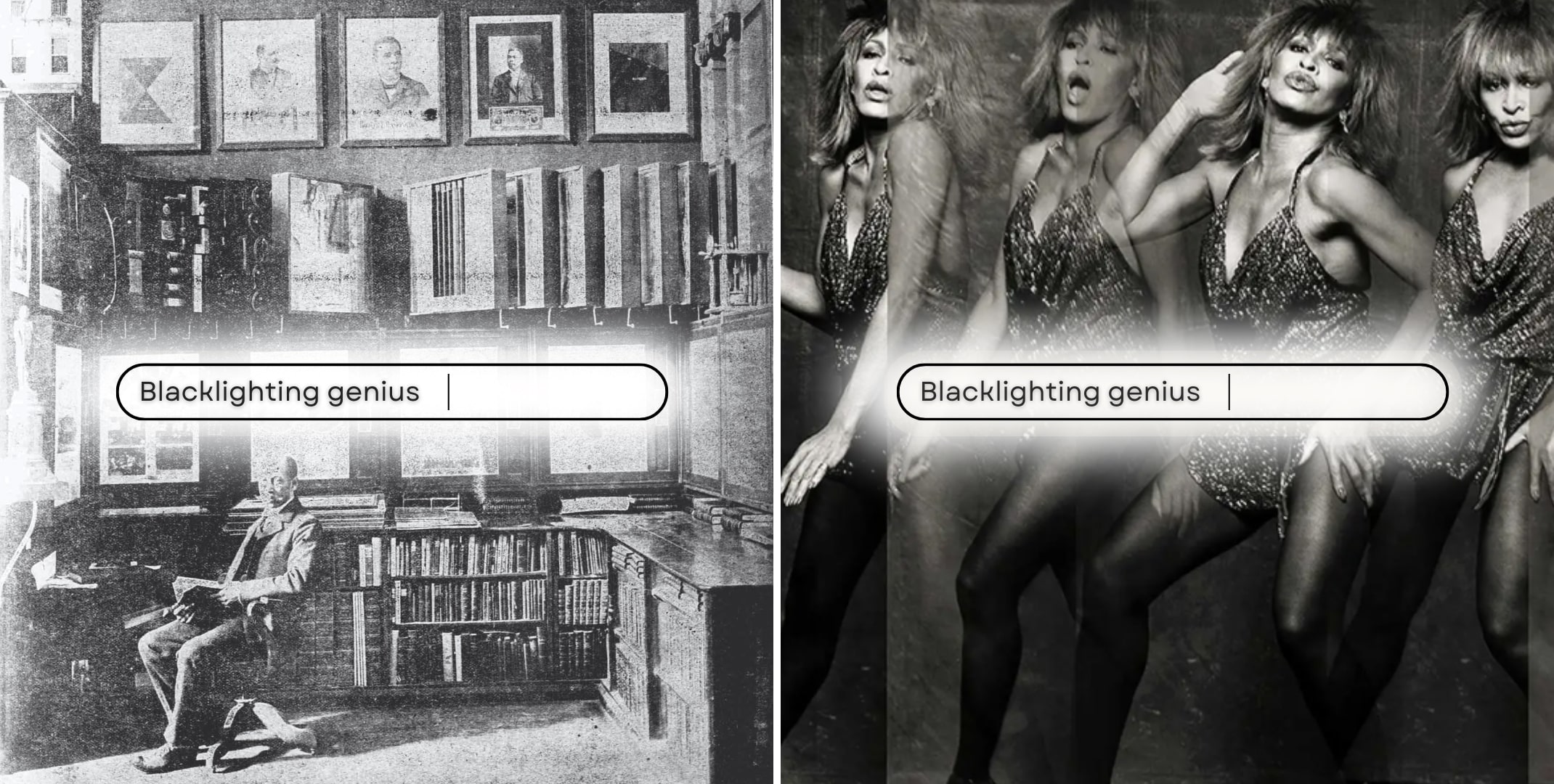
Evolving out of my mapmaking project, the Museum of Hidden Genius is a digital cabinet of curiosity that crowdsources spatial, literary, filmic, and economic histories of African American invention, or “Afrotech.” 42 Cities need stories of creativity that challenge public curiosity outside rarified spaces like museums. There are many more stories playing out in backyards and garages and alleys, only waiting to be Blacklighted.
On the other side of the sunken ships, strange fruit trees, and panopticon prisons, Black genius is unbothered by ‘preservation’s White gaze,’ too busy embracing the sacred interiority of imagination.
Blacklighting, as I have defined it elsewhere, involves acts of witnessing, wordsmithing, and worldmaking that change the public understanding of meaning, space, and power. 43 We commit to hearing the hidden sensibilities of darkened places. We name the quieter Black vernaculars to curate scripts and stories that illuminate other voices and harmonic arrangements. We codesign possibilities with the newly seen and now-speaking subjects, making maps that testify to the spatial beingness of Blackness. Through those maps, we make worlds. 44 Our cities are full of historically and culturally significant places that can be Blacklighted in this way. This inner glow is a foundation for reparative storytelling.
I want to emphasize that this collective, spatial genius predates the “creative class” hype started by Richard Florida in the early 2000s (and servicing the “back-to-the-city” impulses and reinvestment strategies underway since the 1970s). 45 In more recent work, Florida has tried to show how the Black creative class keeps cities real — producing “moderating effects” on economic segregation — yet Black creatives still do not receive the same economic support as their White counterparts. 46 Black ingenuity is socially beneficial and economically inclusive, and it should be seen as essential to healthy urbanism. In an era of “cognitive city” planning around “innovation districts,” preservationists can expand this social ethic. 47
Current systems of cultural recognition overlook people and properties who are not already famous. “The National Register is not a good tool for preserving sites associated with the everyday life of people,” concludes one report. “Too much emphasis is placed on aesthetics and historic integrity.” 48 And in the case of African American heritage, we must contend with tiresome tropes of “Middle Passage epistemology.” 49 We need to heed the late legendary geographer Clyde Woods’s admonition to stop being “academic coroners” performing “autopsies.” 50 On the other side of the sunken ships, strange fruit trees, and panopticon prisons, Black genius is unbothered by “preservation’s White gaze,” too busy embracing the sacred interiority of imagination. 51
We need tools of preservation that can help us find and protect all our treasures.
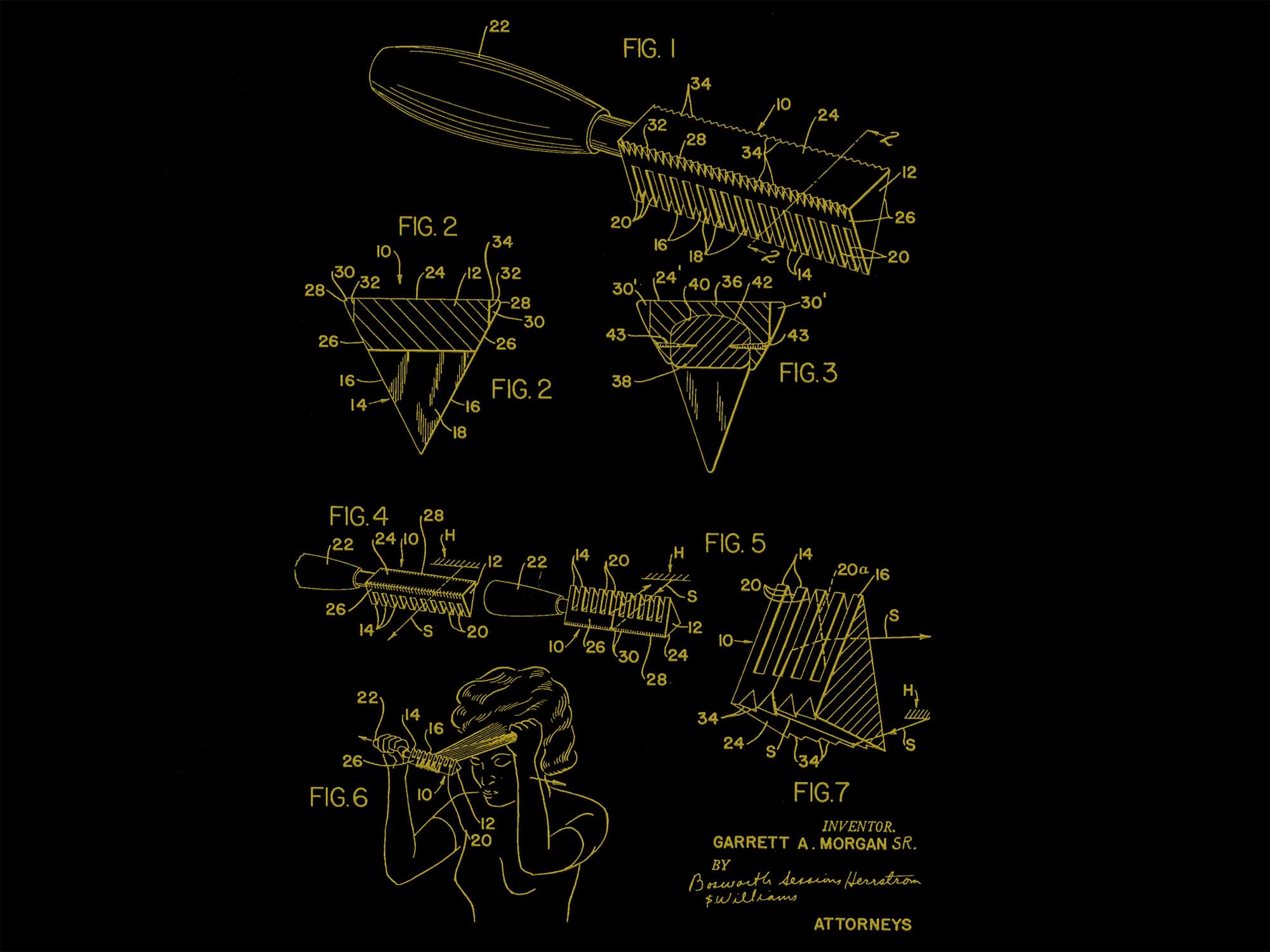
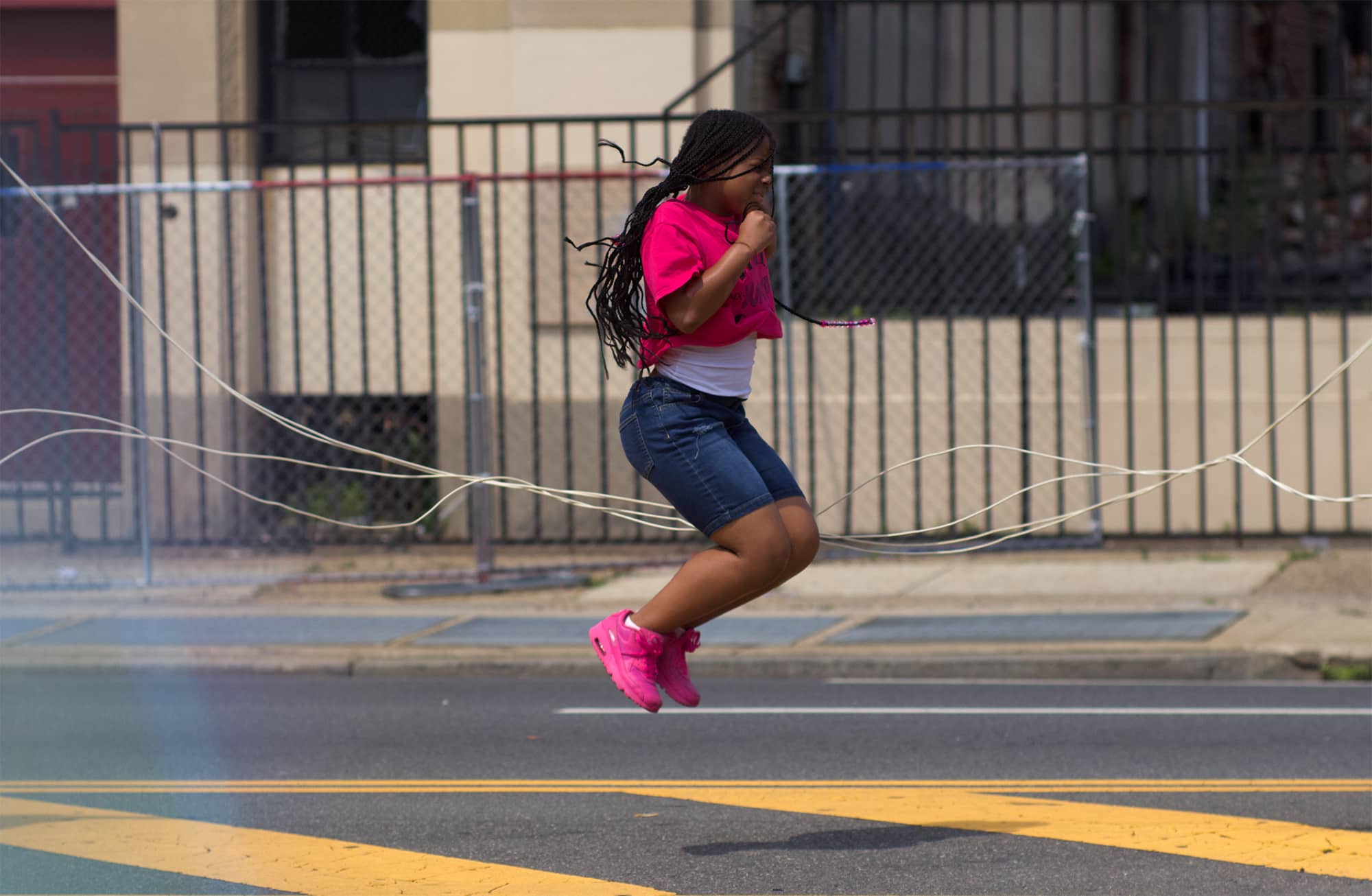
We need tools of preservation — operating outside the National Register — that can help us find and protect all our treasures. Patent records are one source for recovering stories of Black ingenuity. Some of our most profitable inventors have focused on what Toni Morrison deems “self-regard” 52: from the beauty-based hair alchemy of Madame C.J. Walker to the Super-Soaker water gun invented by NASA engineer Lonnie Johnson, which brings timeless joy to street life. Many other inventions are not commercially successful but deserve celebration and care. Play is creatively useful, but it is not always “usable” by society. It is an inspired way to move through the world with curiosity and passionate commitment.
How do we want our history to make places feel? Since the 1990s, planners, urbanists, and preservationists have talked about moving away from a “deficit model” and “needs based” planning to “asset-based community development.” 53 The preservation of sites of Black genius creates armatures to model Black aliveness, glowing with warmth like an electric streetlamp. I am curious about how that search for a reparative, embodied genius can lead to more emotional justice in the field of preservation. We might start by knowing and honoring Black creatives and inventors.
We can also embed an ethos of Black genius into existing preservation sites and practices. World Heritage Sites are supposed to evoke wonder, not pity or guilt or trauma. Black wonder recalls the histories of Black World Fairs and ephemeral architectures such as the 1913 Emancipation Exposition in Philadelphia and the 1900 American Pavilion in Paris. 54 Black wonder reconnects us to forgotten sources of beauty.
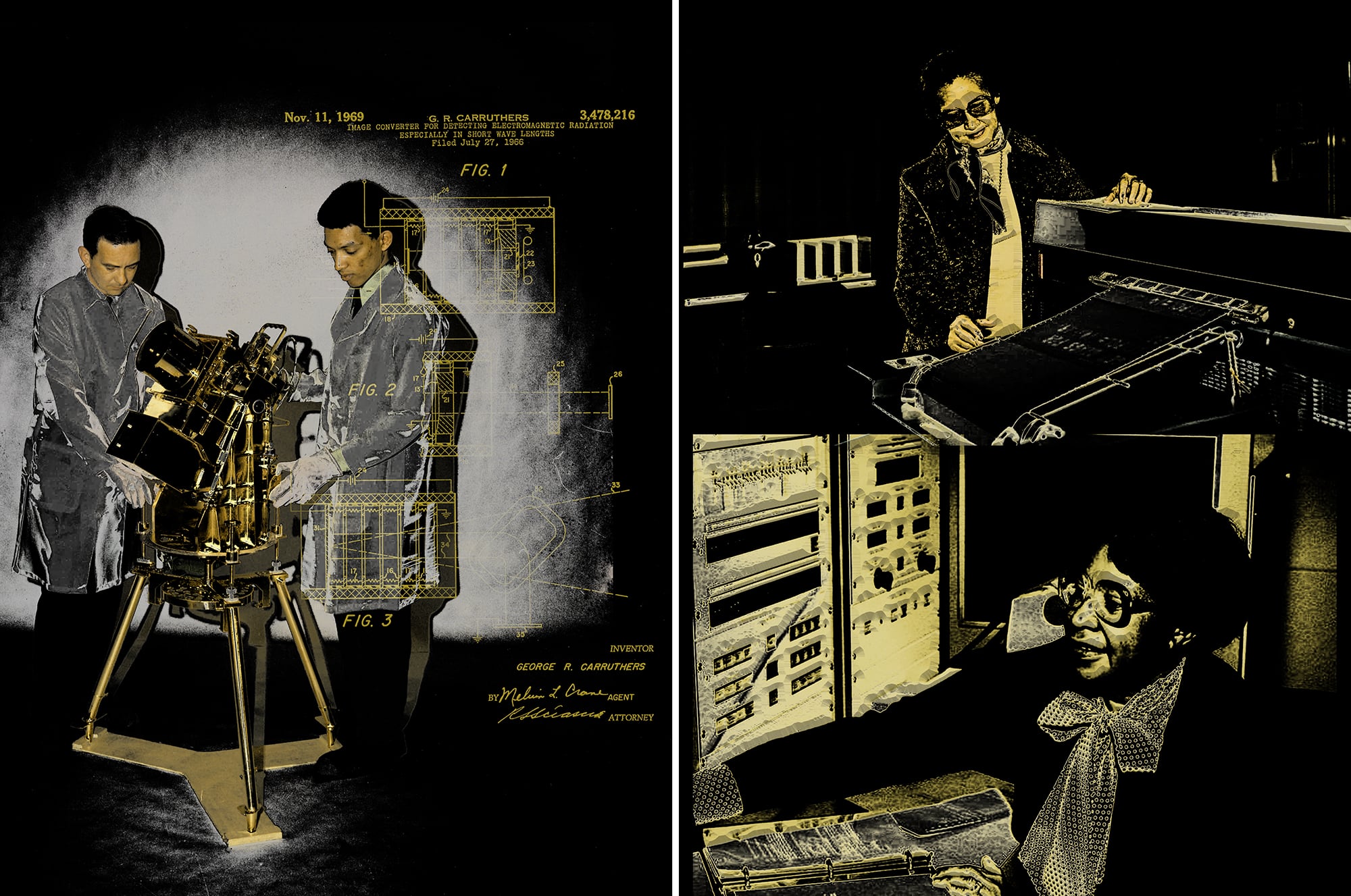
Genius as Infrastructures of Creative History, Memory, and Wonder in African American Worlds
What is honored in a country will be cultivated there.
— Plato
Since 1965, a nonprofit organization known as Historic Annapolis has raised tens of millions of dollars to “authentically” restore to “former glory” the extravagant urbanized compounds of Maryland Governor William Paca, a signer of the Declaration of Independence who had at least 100 enslaved people working for him at his death. As part of my fellowship at the ACHP, I joined a field trip to see the restoration of one of the Georgian brick mansions on the estate — built for a later governor, James Brice — which was declared a National Historic Landmark in 1970. I followed one of the architects up a wooden ladder into the attic. To my surprise, this was the former living quarters of Brice’s enslaved servants. 55
“Imagine what it must have been like to live up here?” the architect pondered. “No ventilation. Directly above the kitchen. No insulation.”
“I don’t need to,” I quipped. “It’s pretty hot now.”
If I’d been reading the monthly updates on the Historic Annapolis website, like my handlers at the ACHP Foundation, I might have been more prepared for this moment — realizing that the design team had decided to raise the attic floor to its original position so that visitors would have to stoop like the enslaved people who once lived here. 56
As sweaty construction workers maneuvered around us, the architect and I awkwardly explored the attic. Below, his chipper associates entertained obscure questions from others on the tour. Everyone seemed eager to find a way to bring visitors into the underbelly of a glamorous historical site. Personally, I didn’t know what meaning I was supposed to take from this hallowed yet haunting place. Who was it really for?
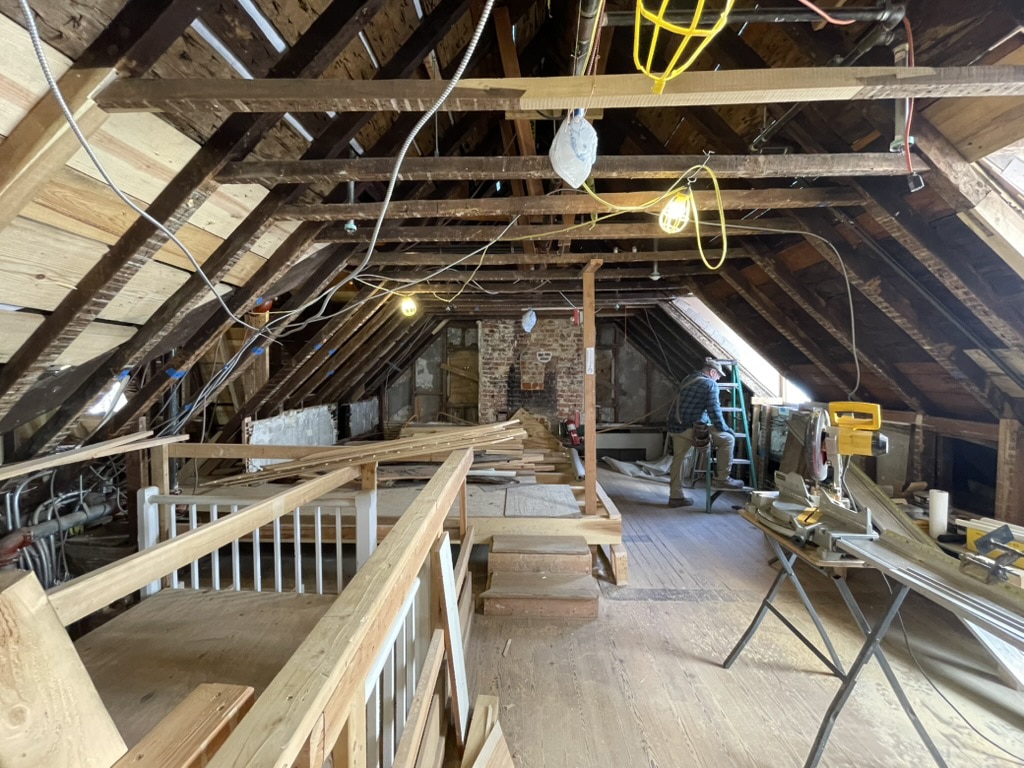
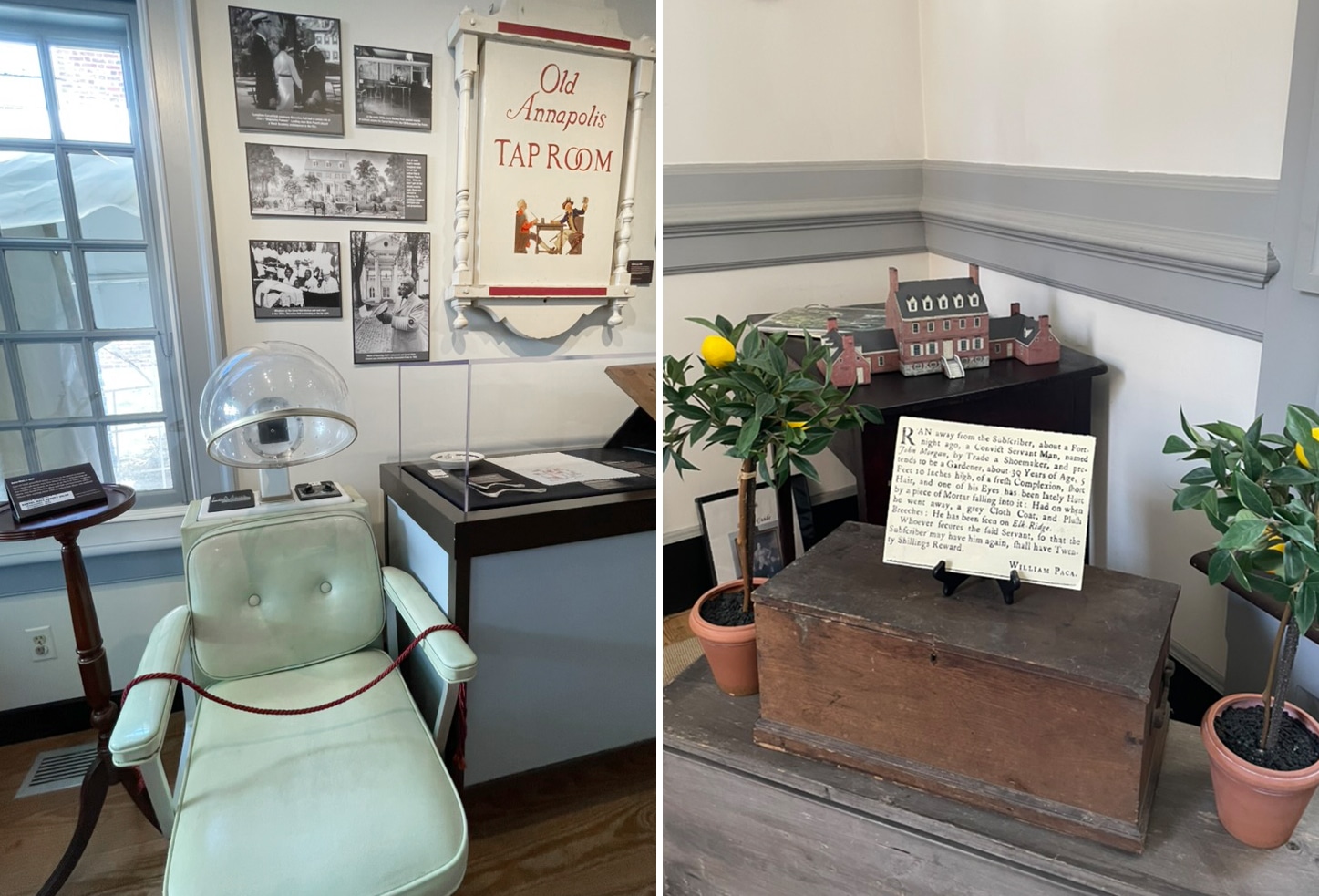
Preservationists have often gone to great lengths to save slave dwellings and re-enact plantation life.
Thankfully, the design team took a fresher approach to preserving the Paca House Museum and its two-acre garden, honoring Annapolis’s history of early abolitionism and free Black life. Exhibits showcased the lives of Black barbers, chefs, makers, and politicians. Yet this rich history was relegated to a mere 20 minutes of our visit; the rest was dominated by the colonial restoration. Rushing through the museum’s first floor, I wished to stay longer with the artifacts and photos that showed the dignity of the enslaved servants who became valued neighbors. Pastel hair dryers and mouthwatering menus echoed the self-regard that is foundational to modern Black restaurants and middle-class life. The bedrooms and offices on the second floor, adorned with brocade drapes and intricate trim, testified to the Black hands that constructed and maintained beauty through decorative arts and design.
Why not channel that cosplay energy into reviving the corners of history we wish to see thriving today?
Preservationists have often gone to great lengths to save slave dwellings and re-enact plantation life, unwittingly feeding a problematic nostalgia. 57 Why not channel that cosplay energy into reviving the corners of history we wish to see thriving today? What were the dreams and talents of the enslaved ancestors who lived here — Denby, Affey, Poll, Sall, and Bett? If we can honor Black resilience in restoring monuments associated with enslavement, what can we do to highlight Black creativity? How can preservation move beyond exoticizing Black pain to embrace endogenous sources of joy, justice, and genius? 58 Perhaps by placing the history of enslavement within a larger constellation of Black generativity and ingenuity we can preserve the fullness of Black living as a cultural continuity.
Learning from Lewis Latimer
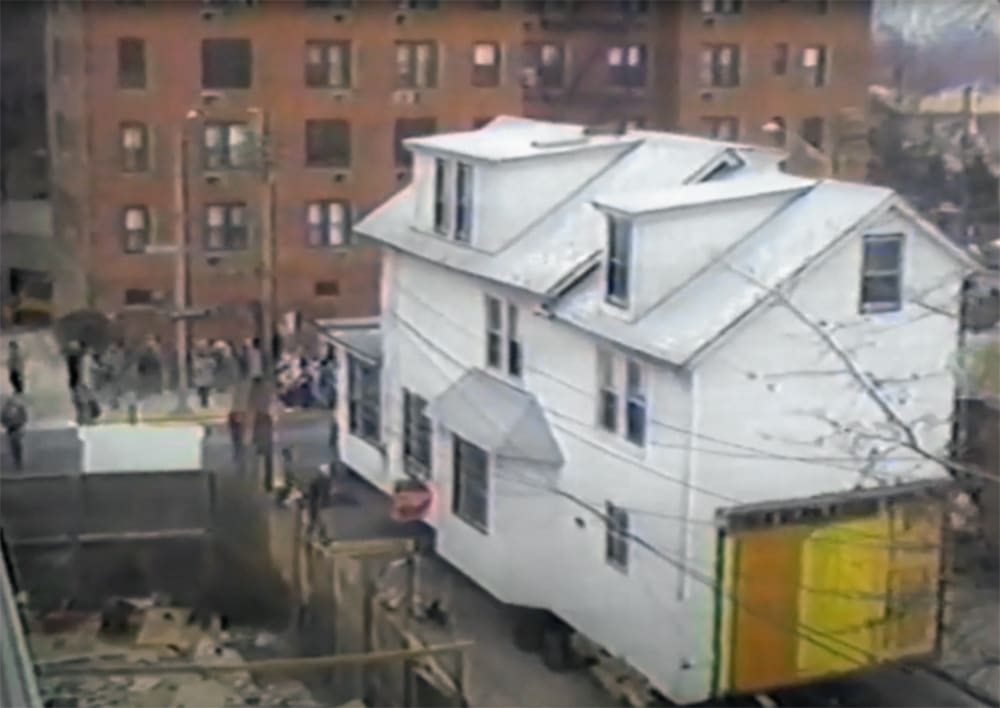
One of the stories told in the Museum of Hidden Genius is about the community effort to save the home of Lewis Latimer, an electrical engineer, inventor, and artist who lived in a stately Queen Anne at 64 Holly Street, Brooklyn, until his death in 1928. When developers threatened to demolish the property, 60 years later, his granddaughter Winifred Latimer Norman organized a preservation committee. Rallying the Queens Borough President, the New York City Department of Parks and Recreation, and the General Electric Foundation, they put the house on a truck and moved it to Flushing, a mile and a half away. “Within two days, we got 40 agencies in a room at Borough Hall,” operations coordinator Debbie Allen told the television reporters. It was “a miracle,” said Reverend Timothy Mitchell. 59
It’s a textbook preservationist case that neatly conforms to the script: a band of heroes rallies to save an architecturally significant object. Yet the 21st century begs to know, what’s next? After the splashy rescue, the Latimer House became a volunteer-driven museum. In 2022, Preservation Magazine profiled the organization and its first full-time executive director, Ran Yan, who has expanded the museum’s STEAM education courses. 60
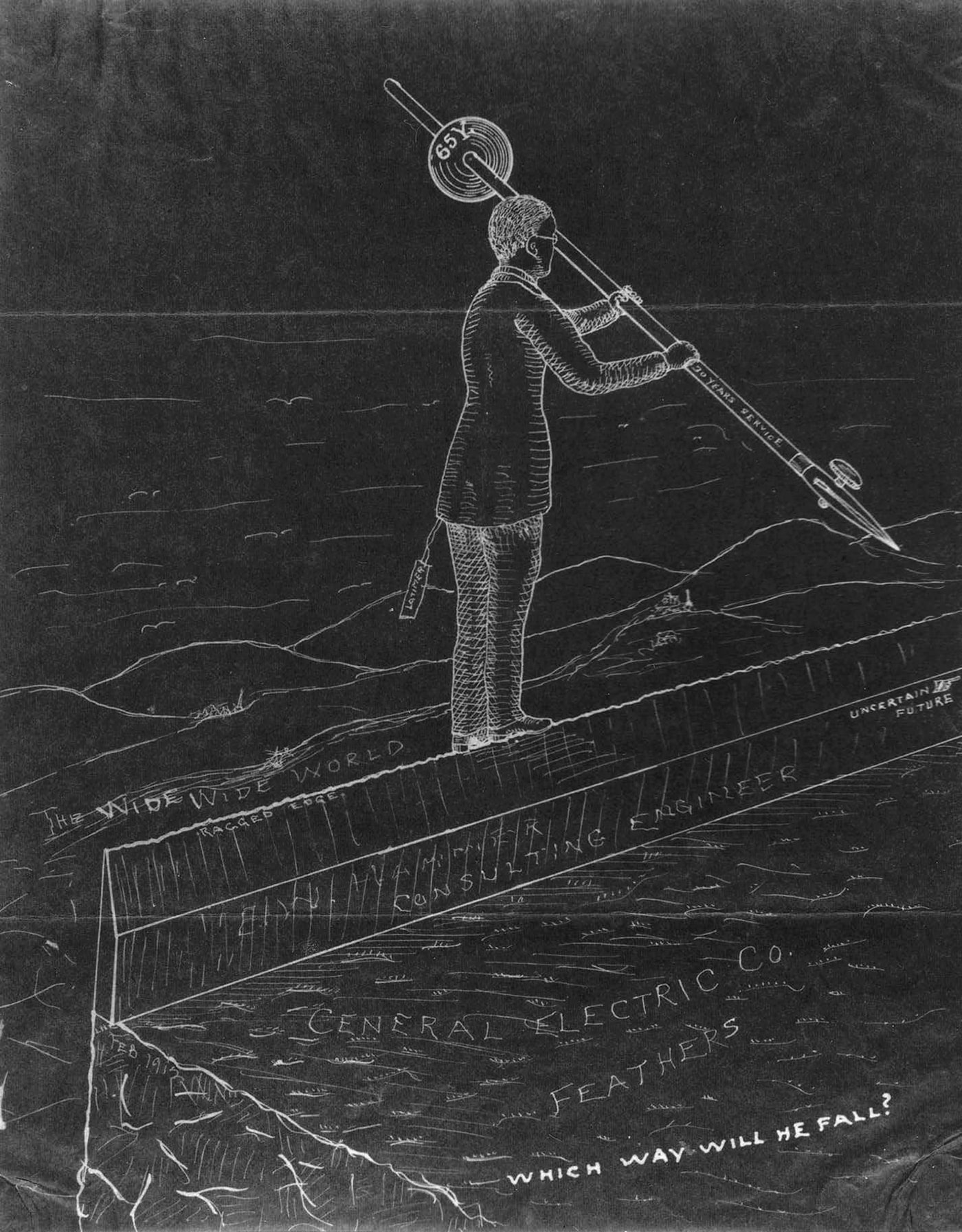
Lewis Latimer was “one of and perhaps even the earliest apostles of adding the A, the arts, to become STEAM,” according to his great-grandnephew, Hugh Price, who is now vice chair of the museum board. 61 Latimer taught himself technical drafting during his naval service in the Civil War and filed his first patent in 1874. In 1876, he drafted the drawings for Alexander Graham Bell’s telephone patent, and in 1879 he joined the U.S. Electric Lighting Company in Bridgeport, Connecticut. In 1880, he was invited to address the Bridgeport Scientific Society of adventurers and tinkerers on The Practical Relation of Art to Science, which some people consider to be the first “public treatise on the fundamentals of STEAM education.” 62 Thanks to a bronze monument erected in 2013, Latimer’s likeness is proudly recognized in Bridgeport. 63 Yet other historically significant sites are unmarked, including his grave in Fall River, Massachusetts, and the blocks in New York City, Philadelphia, Montreal, and London where he installed the first carbon filament lighting systems for Thomas Edison. (Remember: I am supposed to associate and trace everything valuable to famous White men. Latimer was one of Edison’s closest collaborators. Do we care more now?)
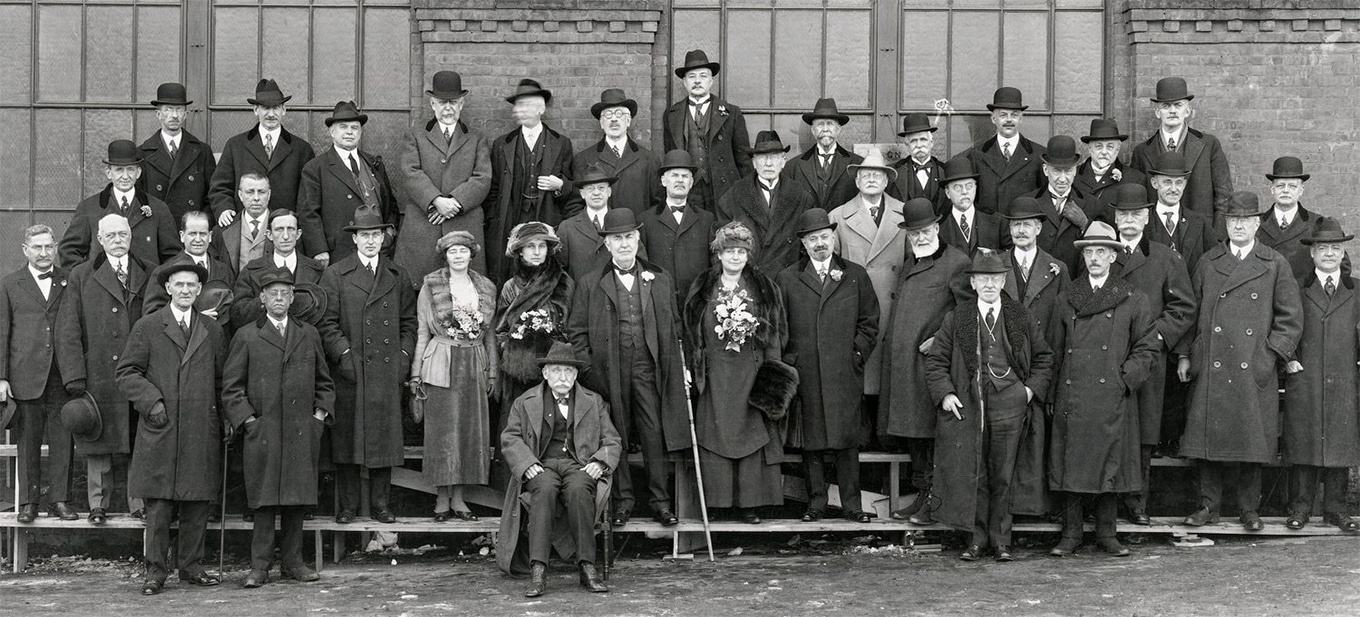
Cities are not outdoor museums or libraries. Preservationists can’t save everything, so their interpretive choices in spatial storytelling do much of the cultural work. Historical figures like Latimer provide narrative touchstones. He presents a familiar biography in American history: the scientist-inventor-savant. Yet he was also an artist, a veteran, and even a consultant for Edison on intellectual property law. Call him the Black DaVinci of the 20th century, a Brooklyn-based Renaissance Man. Or just call him a genius.
I am interested in mapping Black genius because I’m interested in animating cities with Black life.
Unfortunately, he is not alive in public imaginations. Consider the endless ways DaVinci has been deified and summoned, from animated adventure films to the title sequence of Game of Thrones to the front cover of MIT’s namesake journal. 64 Lewis Latimer, who made the light bulb affordable, is barely recognized even in the industries he co-founded. The only people who know his name are people like my father, who worked as an electrician in Silicon Valley for 35 years. Now, a new artificial intelligence company seeking to establish a culturally relevant large-language model has made him the namesake for their product, Latimer.ai. Maybe they can play a role in funding the preservation of his memory — and the creative projects that are carrying forward his philosophy.
The map we make is the world we build.
I am interested in mapping Black genius because I’m interested in animating cities with Black life. Monuments are public statements of power and presence. 65 Discussions of hidden genius often circle around “lost Einsteins,” but in appreciation for the muted geographies of Black ingenuity, I propose a new name for the unseen monuments that have yet to find their way into atlases and textbooks and registers of historic places. Let’s call them “latent Latimers.” These sites could be the zygotes of a new zeitgeist in our cities.
Black Genius as American Heritage on the World Stage
We are the only nation founded on an idea. … An idea. All others are geography and other ethnicities.
— President Joseph Biden, 2024
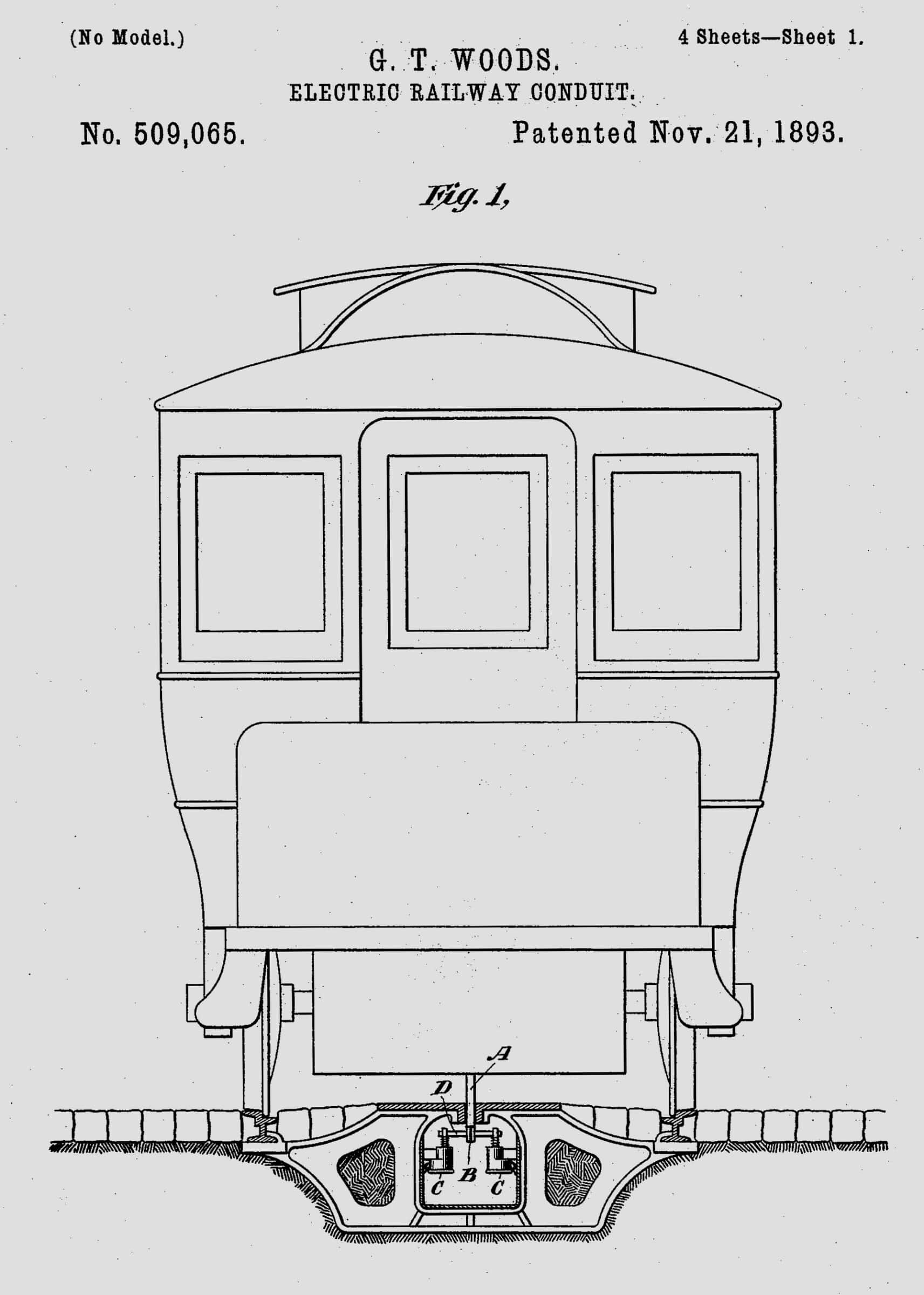
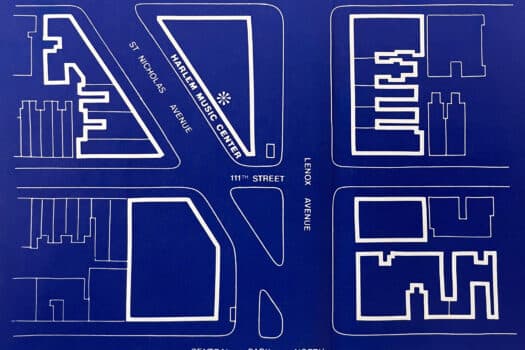
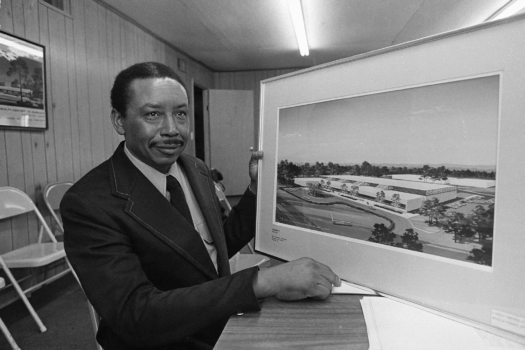
American cultural amnesia about Black genius is not only a loss for Black history, but for a country whose success depends on an educated citizenry. National narratives must be calibrated, or ground-truthed, to a more colorful range of creative realities. The map we make is the world we build. We should celebrate Dr. Patricia Bath of View Park (a.k.a. Black Beverly Hills), who revolutionized cataract surgery, alongside Crenshaw’s Don Campbell, the inventor of pop locking at Maverick’s Flat. Dr. Percy Julian of Oak Park should be placed with Chicago’s Oprah and Illinois machinist Rufus Stokes, who patented a machine to purify air, removing gas and ash from smoke. Granville T. Woods, inventor of the third rail that powers the New York subway, should inhabit the same cultural space as the Harlem poets and Herbie Hancock and architect W. Joseph Black, who collaborated on the unfinished Harlem Music Center. 66 Climate change stories should include the African Americans whose work has improved energy science and technology, like Archie Alexander, O.S. Ozzie Williams, and NASA’s Katherine Johnson. 67
We can honor Black genius by reimagining the field of historic preservation to encompass the polymathic places of Afrotech. This is essential American culture and evergreen world heritage that demands not just accolades but protection and care. Commemorations can bolster infrastructures of financial and political power among historically marginalized people. 68 For without a full appreciation of American ingenuity, what is democracy but a fantasy?


If you would like to comment on this article, or anything else on Places Journal, visit our Facebook page or send us a message on Twitter.