
Richard Fadok: Paul, you open your recent book Animal Architecture with a call for a new design paradigm. “There is an urgent need,” you write, “to build with animals not just in mind, but also as cohabitants that seek some measure of recompense for the long, sad history of human exceptionalism.” 1
Why should architects design for other species, or seek to learn from other species how to design for humans?
What is “animal architecture”? In your words, it constitutes a series of material and symbolic “connections” — or “correspondences,” following the anthropologist Tim Ingold — between 1) the architecture that animals build for themselves, such as termite mounds and beaver dams; 2) human architecture inspired by animals, including but exceeding the discipline’s recent turn towards the imitation of biological systems, or biomimicry; 3) the eaves, nooks, and other building crevices used by animals for their own needs; and 4) architecture made by humans expressly for animals to inhabit.
Would you start, each of you, by sharing your reasons for tackling this constellation of subjects? Why should architects design for other species, or seek to learn from other species how to design for humans, when the history of architecture can be read, at least in part, as a history of excluding the nonhuman animal? 2
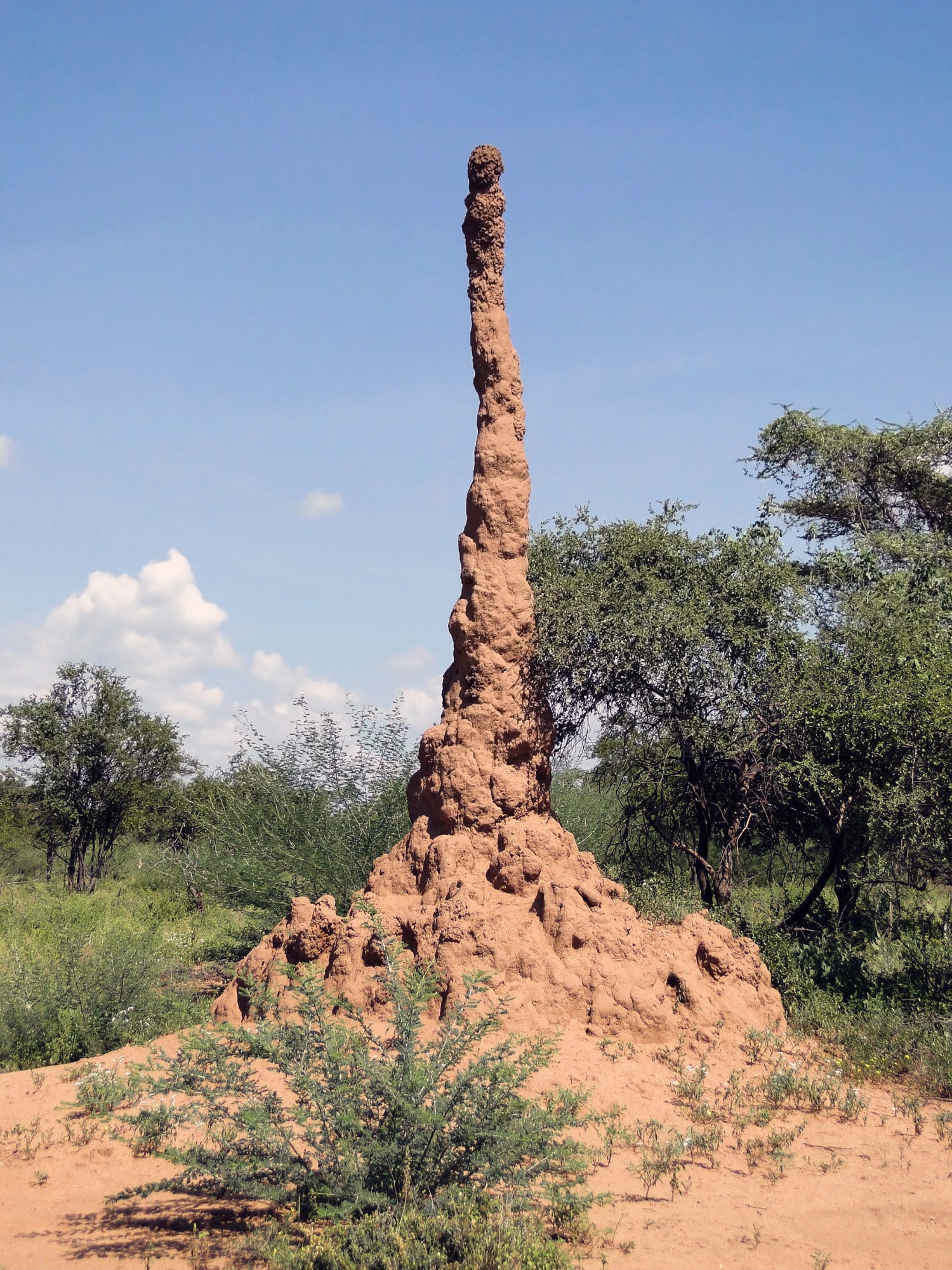
Paul Dobraszczyk: Surely, animals get on with their own lives, away from our buildings. But I always start from the brute fact that architecture, as it has been professionally practiced in the modern period, is a principal driver of climate change and the annihilation of biodiversity. This is in contrast to vernacular architecture, which has been biocentric for millennia. The difference lies not only in the materials of construction — prefabricated concrete and steel versus materials to hand — but also those materials’ organization.
Vernacular architecture is generally self-built and sensitive to environmental contexts; the construction industry is predicated on colossal sites of extraction and fabrication that bear little if any relation to the structures that result. It is the latter form of construction that currently contributes around 40 percent of annual, global anthropogenic CO2 emissions, and that percentage is rising year on year. Every week the equivalent of a city the size of Paris is built somewhere in the world, which means the destruction of countless nonhuman environments. Architects aren’t exclusively responsible for this, although they often feel a heavy burden of responsibility. Nevertheless, I believe that I have to address this reality in some small way. How can we make architecture that is less divorced from the environment in which it is formed?
Architecture, as practiced in the modern period, is a principal driver of climate change and annihilation of biodiversity.
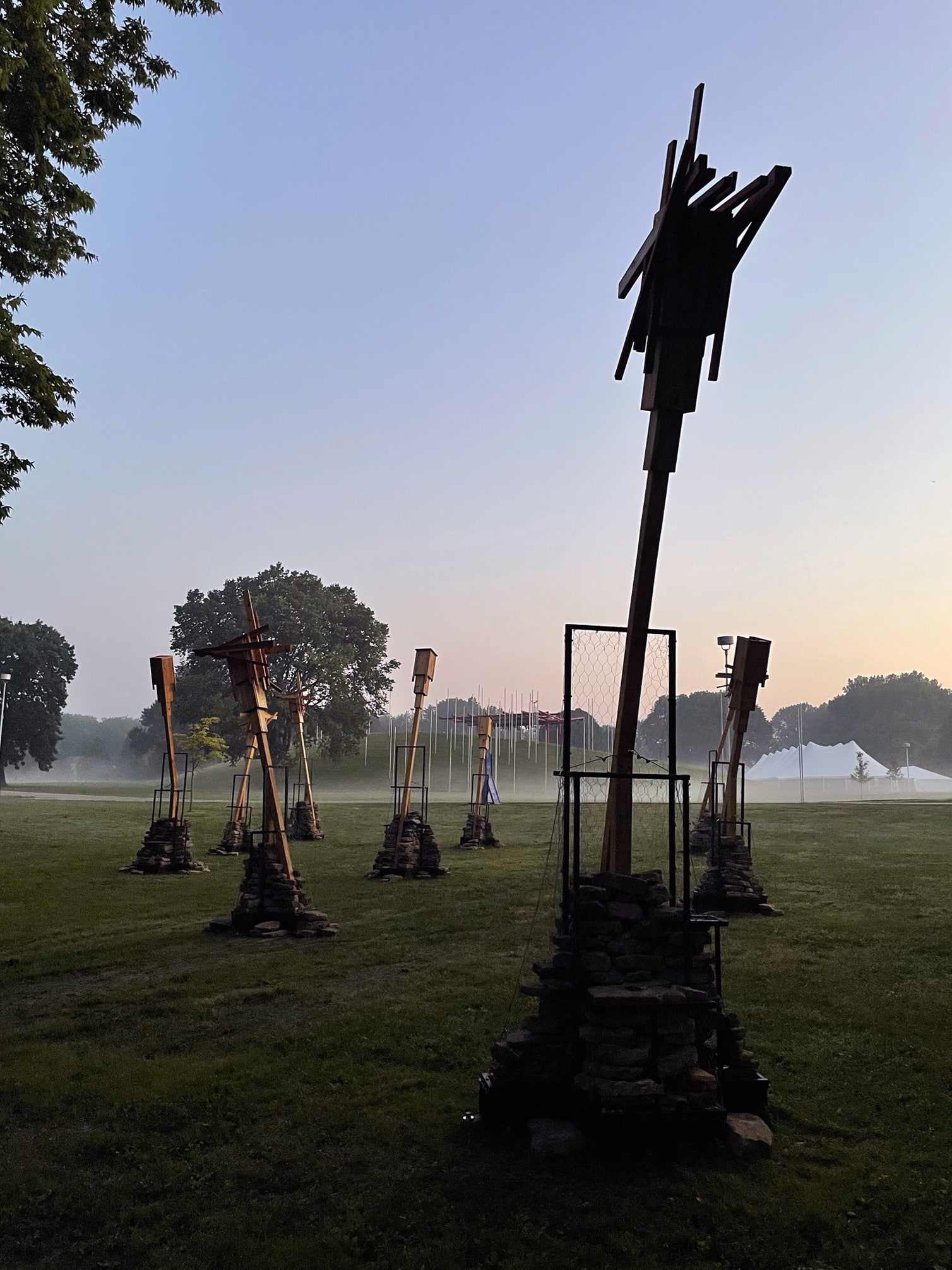
Joyce Hwang: As an architect, I design and build structures that incorporate wildlife habitat into the built environment. Habitat loss is a major concern that architects need to grapple with, as you say, Paul; urbanization is a significant cause of biodiversity loss. Many of the species I design for and with are synanthropic, meaning that they sometimes rely on human-built structures for shelter and resources. These might be bats or birds; they might be salamanders or toads. In my practice, I have been developing projects that not only provide habitat for synanthropic creatures, but also bring public attention to such multispecies habitats through advocacy and the arts. For example, there’s a project that I developed for Exhibit Columbus (in Columbus, Indiana) in 2021, titled To Middle Species, With Love. I created structures for bats, birds, and amphibians, while collaborating with a biologist and two musicians, who transformed wildlife sounds that I had collected into musical compositions that were made accessible to visitors through QR codes. The idea was to amplify and celebrate bats’ echolocation calls, which are typically not audible for humans.
PD: “Ecology” means something quite complicated and broad, but at root it’s centered on expanding one’s sense of connection to the world. And that means acknowledging the climate emergency and the sixth mass extinction. I wasn’t initially too bothered, in this research, about how to classify what an animal is or isn’t. What interested me was just paying attention — albeit not necessarily with instrumental intent, as is often the case with biomimicry. When observing nature, there’s a temptation to try and make it meaningful for us rather than simply accepting that it has meaning in its own right.
I wasn’t too bothered about how to classify what an animal is or isn’t. What interested me was paying attention.
I sometimes provocatively say that my thinking is “anti-architecture.” 3 It is “anti” many values traditionally emphasized in architectural thought, such as the Vitruvian ideals of firmitas, utlitas, and venustas. What if the boundaries of architecture are actually much more porous than we — as practitioners, historians, or even just inhabitants of buildings — generally think? Which I know, Joyce, is an understanding that you try to emphasize with your materials. How porous can we get? How much can we open up to the world outside?
JH: How did you pick the animals you write about? This is a question I get a lot: “How did you decide to work with bats?” I tell the story of how somebody was explaining to me how to kill a bat with a tennis racket.
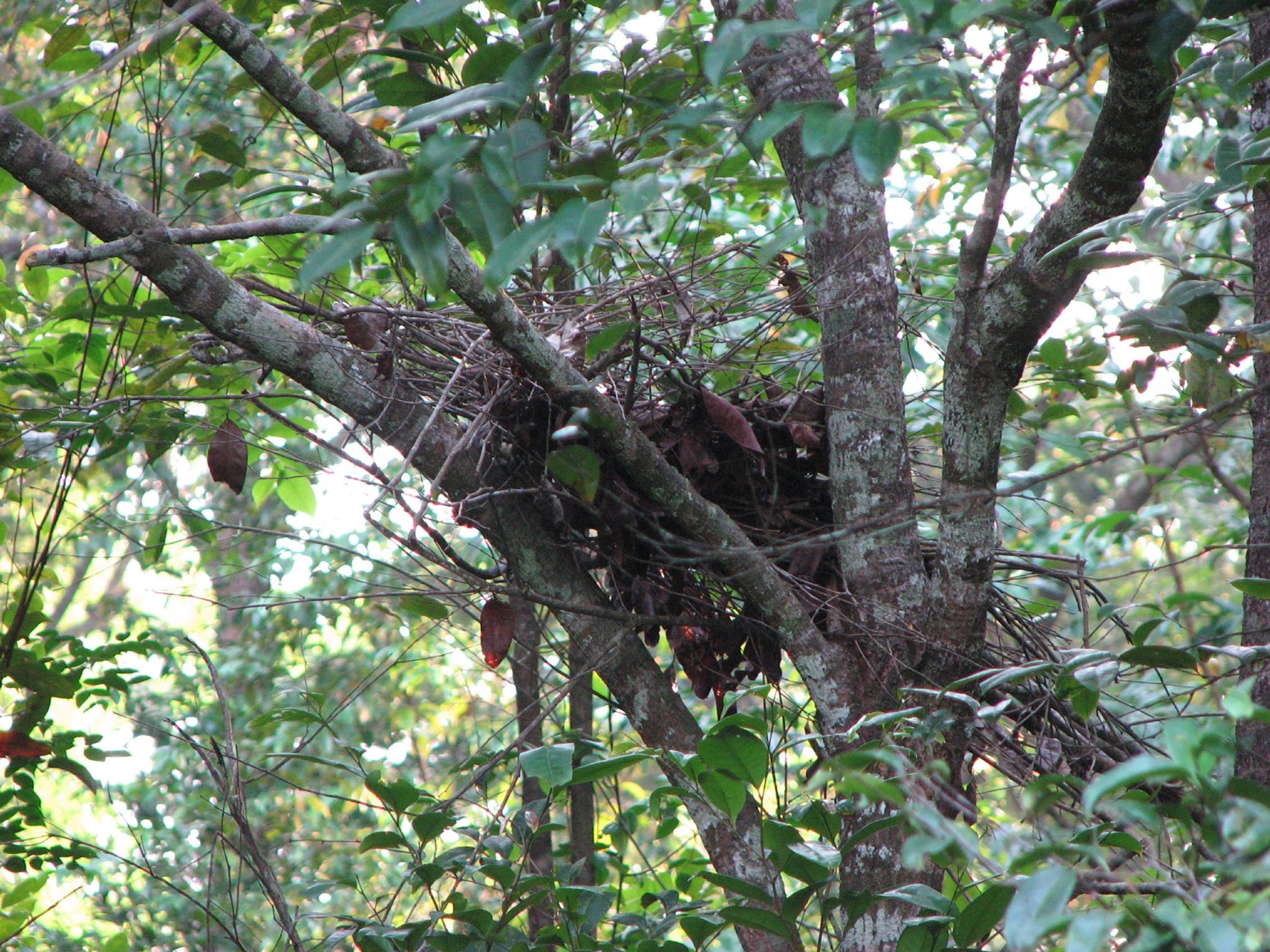
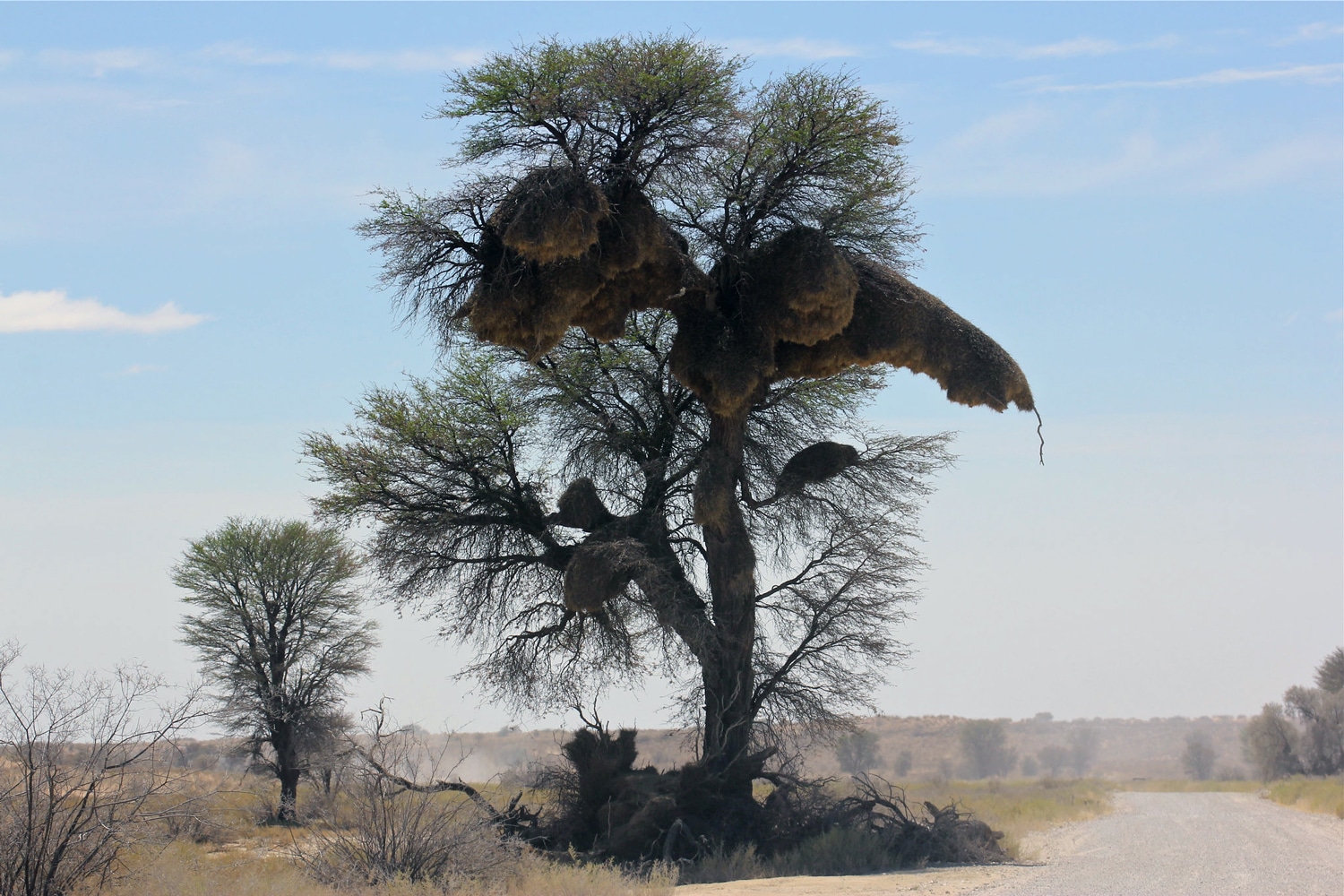
PD: The animals I’ve written about were suggested by different kinds of habitat. For example, I have a chapter about insects and spiders — creatures that reside in or close to the ground. I included apes because they weave nests. There was also a serendipity to the research. I was writing about starlings when a pair was nesting in the roof of my house. I was reading about rats, and there was a rat in my garden. I’d never seen a rat in my garden before.
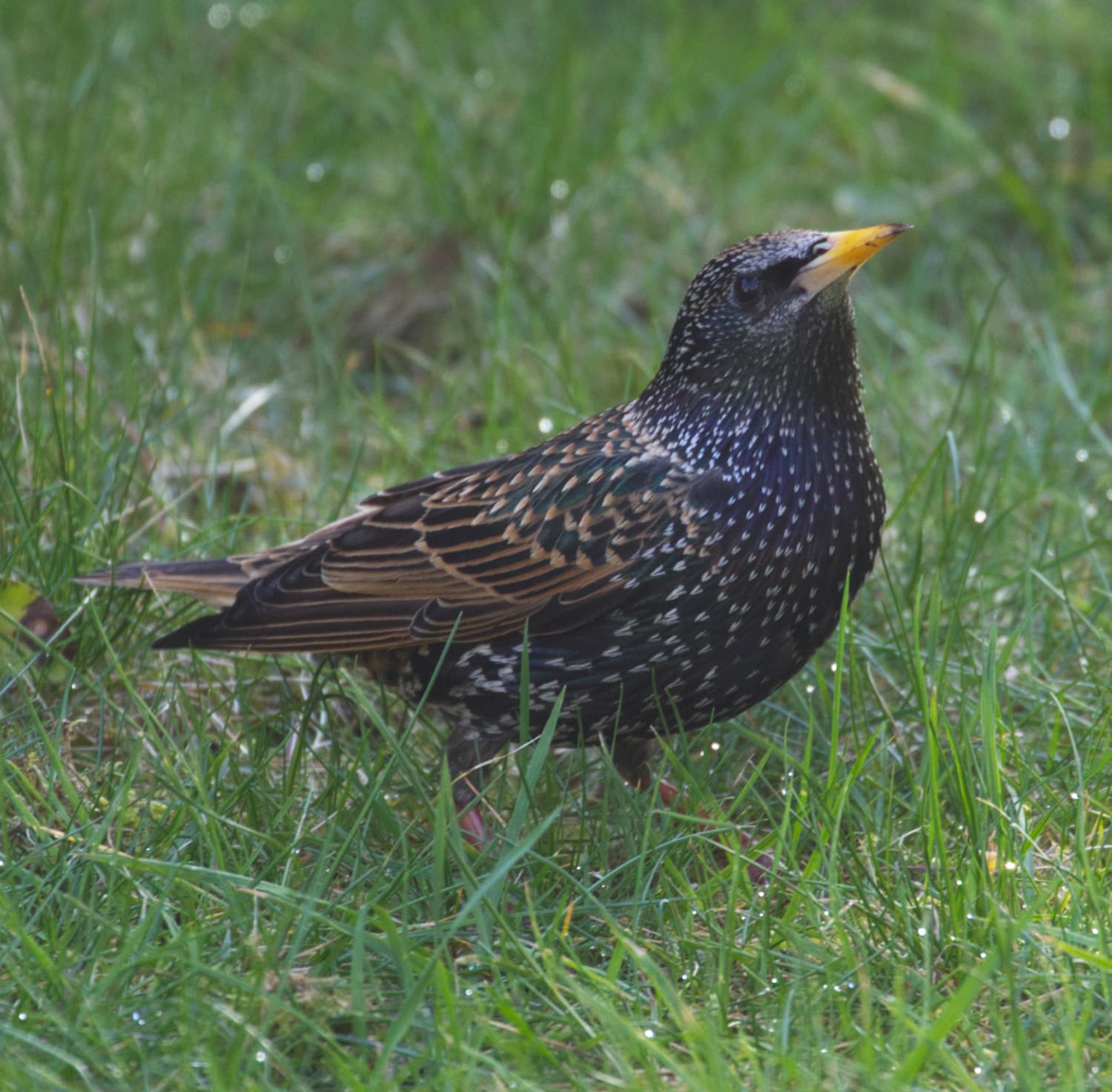
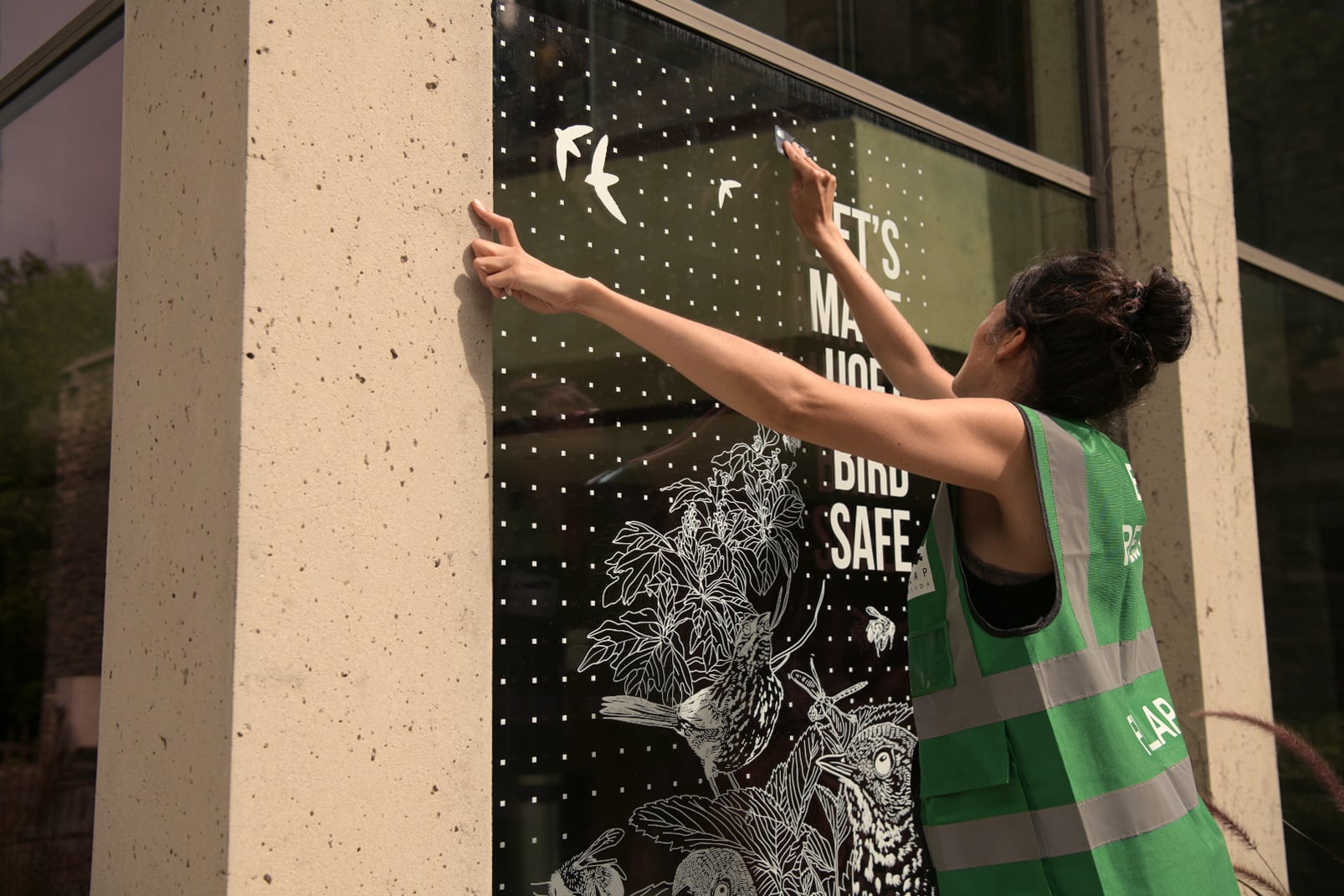
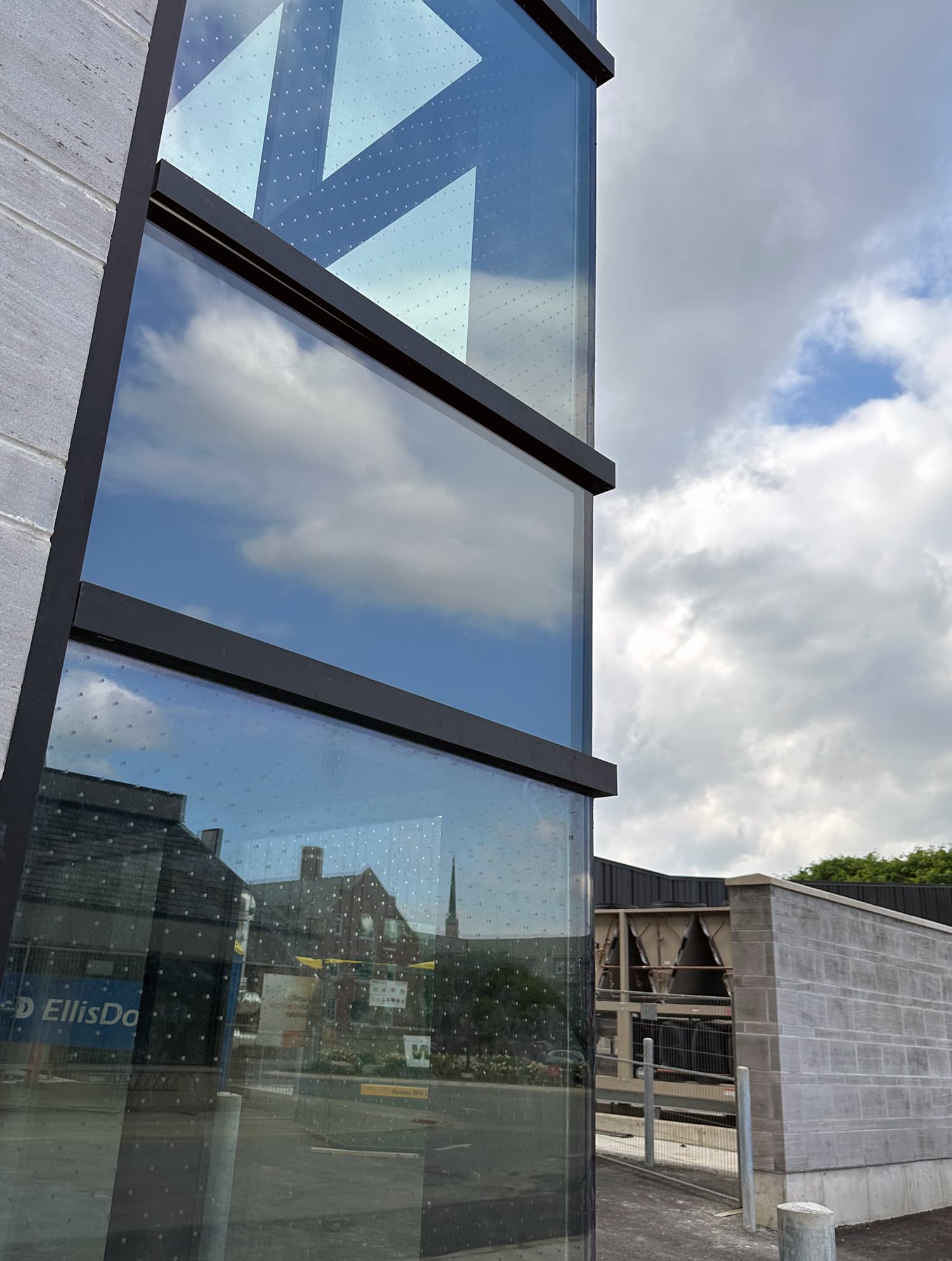
RF: I get asked that question too, when I share my anthropological research on bird-safe design in the United States. “Why birds?” Or, more broadly: “Why animals?” This is despite the fact that human social worlds are predicated on our relations with nonhuman animals, from the food we eat to the rendered animal parts that make up photographic film stock, along with many pharmaceuticals, adhesives, and other biologically derived technologies and substances. 4 Animal studies scholars and have criticized this anthropocentrism for decades now, to say nothing of similar critiques in feminist philosophy and in Native and Indigenous studies.
Animal studies scholars have long criticized anthropocentrism, to say nothing of critiques in feminist philosophy and Indigenous studies.
PD: I’m also preoccupied by the question of agency. It’s an issue that has been at the forefront of posthumanism — for instance, for critics like Bruno Latour, who throughout his work has argued that humans are but one kind of actor in a vast network of other entities, animate and inanimate. 5 The anthropologist Tim Ingold is also interesting (as you note, Richard), in that he acknowledges Indigenous thinking — for example, in relation to practices of weaving — as deeply important in correcting the dualisms of Eurocentric thought. 6
What constitutes agency in the nonhuman? In Latour’s later work, such as Down to Earth, he reiterates the argument that inanimate things have agency, but also that humans have more significant agency than most other things in the world. A problem with Latour’s concept of networks is that it doesn’t really account for the heightened level of responsibility — as a specific kind of agency — that humans have in regard to other things. There’s a danger here of implying that if we let go of our centrality, then we also let go of our responsibility. I’m not convinced either way, at the moment, in terms of what will be helpful — that is, either retaining or abandoning a hierarchy of agencies.
What I’m thinking through now is a more playful approach. I think that a consideration of animals’ ways of being provokes not a lessening of our responsibility, but an intensified awareness of our entanglement with other creatures in the world, even as that comes with painful awareness of our all-too-obvious destructive agency.
My own responses shift as well. Particularly in the last chapter of my book, on livestock, I was pessimistic about the ability of humans to lessen our destructiveness, whereas in other chapters — for instance, one on wild and feral animals — I felt suddenly optimistic about the relationship between our practical abilities to respond, and our responsibility in ethical terms. One reason why it’s difficult to think intently about the more-than-human is because you immediately become painfully aware of catastrophic loss. At the same time, there’s a sense of wonder at life’s enduring richness.
Joyce, do you think it’s ethically disempowering to be confronted with the agency of other creatures?
We as human beings are irresponsible. If I think about us controlling everything in the future, that feels sad.
JH: I think it’s liberating! We have a responsibility to think about a future where we’re not centered; there’s an optimism in that. We as human beings are irresponsible. If I think about us controlling everything in the future, that feels sad.
PD: It does. But there’s a contradiction in this call to open up to the more-than-human: if we as a society were constantly assailed by natural forces beyond our control, as in pre-industrial societies, perhaps we wouldn’t be thinking about this kind of decentering. The problem for us now is, of course, that natural threats have come roaring back in the form of the climate emergency. On the one hand, we in the industrialized Global North are causing it; on the other, it exceeds all our attempts to exert control over it.
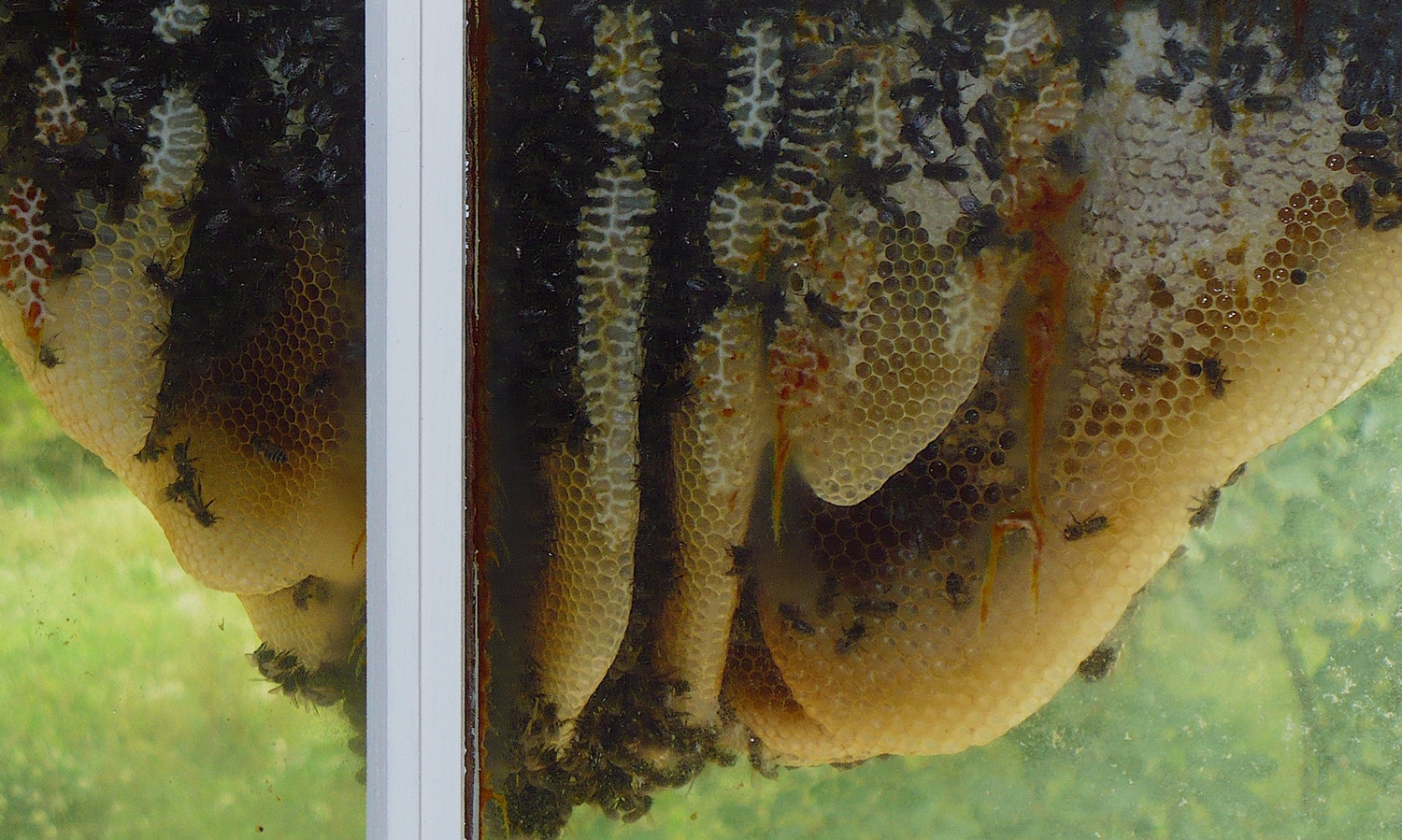
JH: If we accept that events always unfold through multiple agencies, then we always have to be ready to respond to unforeseen consequences. I’m thinking about your reference to Latour, for example when he talks about how we thought we could save this, that, and the other thing by inventing industrial uses for asbestos — but then we find that this miracle material is, in fact, dangerous. 7
Disorder is precisely what animals bring into built spaces, although people do too, as we know. Perhaps it would help to see animals as persons.
PD: Yes. But when I look at what people are doing to their houses, it doesn’t fill me with optimism about a willingness to tolerate unforeseen consequences. (For instance, I just heard about a neighbor wanting to replace their mature beech hedge with a plastic one.) Disorder is precisely what animals bring into built spaces, although people do too, as we all know. Perhaps it would help to see animals as persons. However, we’re very selective about which nonhuman persons we are willing to tolerate, let alone welcome. (And, sadly, which human persons, too.) Pets have top-level status, and there are many people in animal studies who see that as a problem, as anthropomorphizing. I find myself more on Donna Haraway’s side, in seeing human-and-animal relations as co-constitutive. 8 Her work on the training of dogs as a two-way process is particularly interesting. Even though dog “owners” possess much more power than the pets themselves, there’s still a pushback from the dogs. To train them successfully, we must respond to what dogs want.
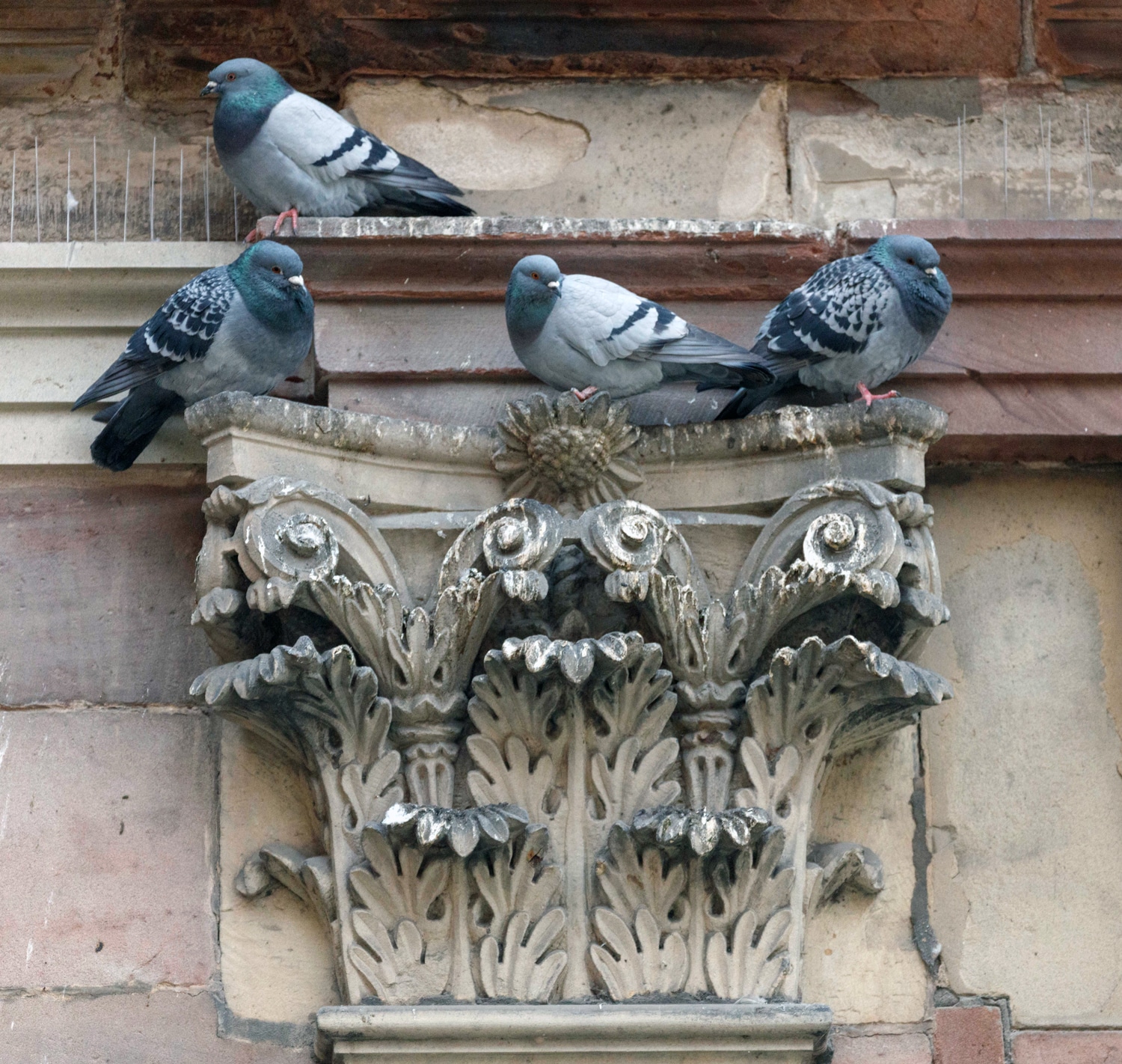
JH: This makes me think about anti-bird spikes and recent research by the biologist Auke-Florian Hiemstra, who has found birds making nests out of anti-bird materials. 9
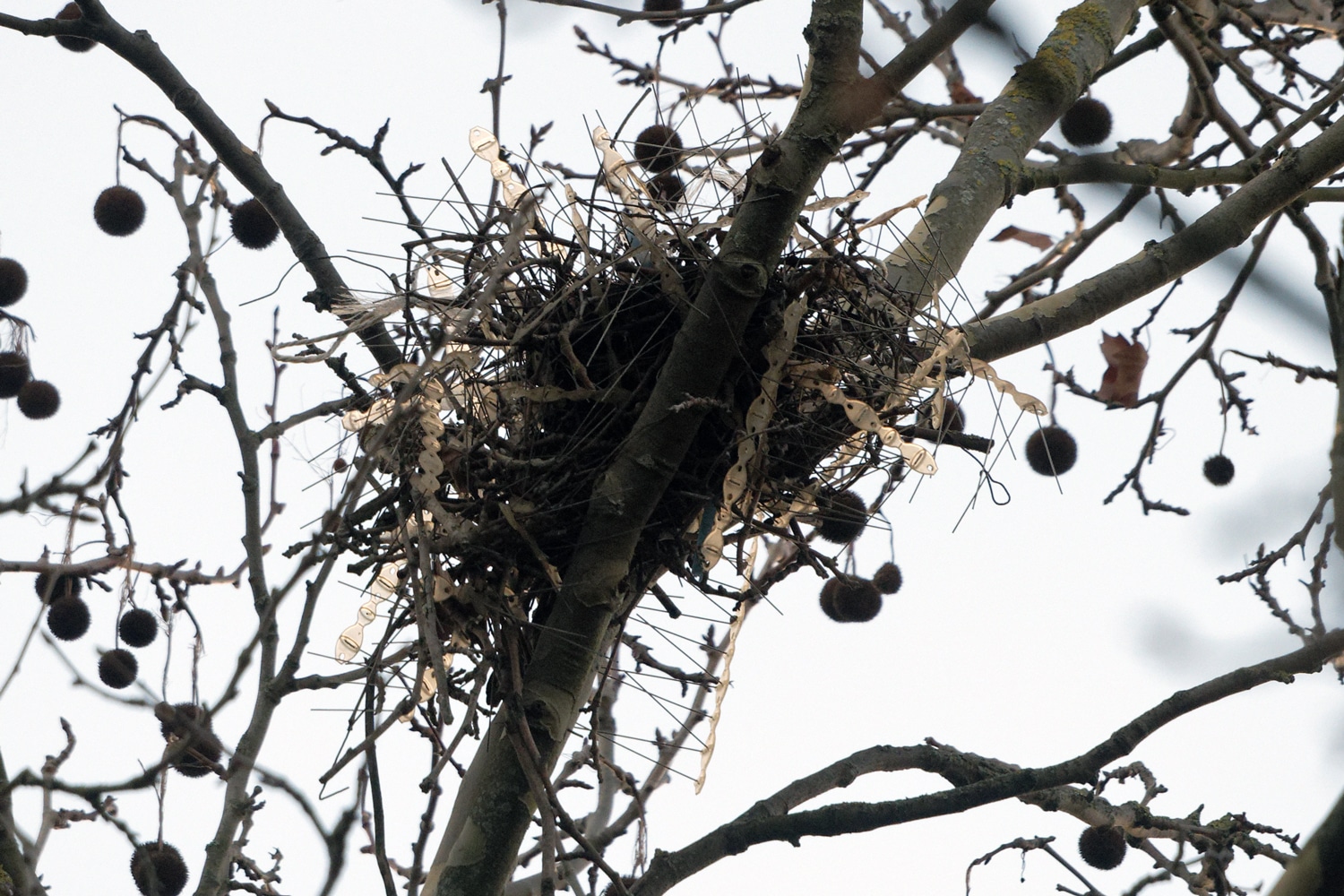
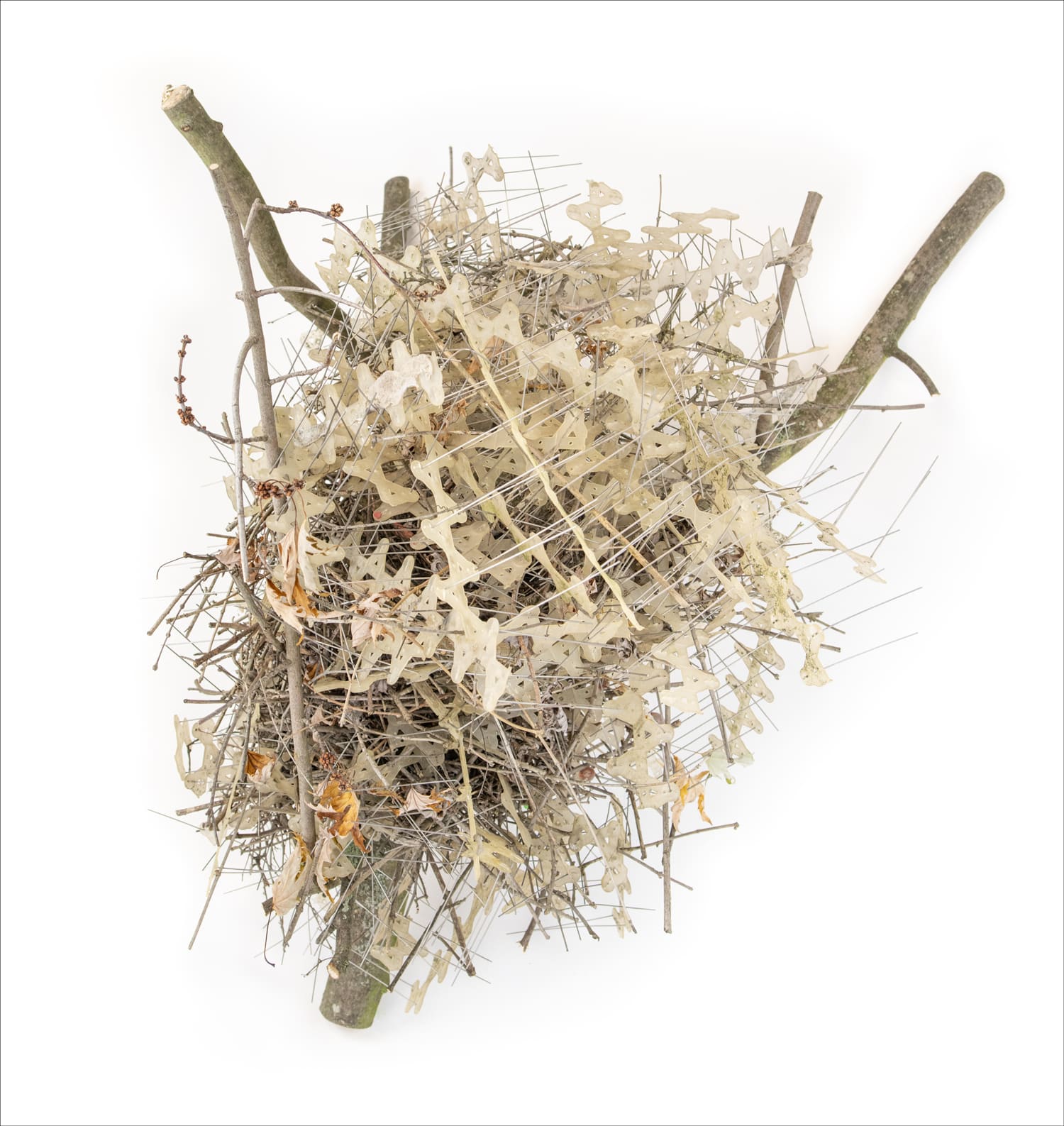
RF: Everyone has been sending this reference to me! I’m skeptical, not of the finding that corvids appropriate spikes to make nests, but of the ways that popular media has interpreted such facts as evidence of “adaptation”; birds are “adapting” to the city. Such language blurs the reality that we’ve built environments injurious to birds and other animals. Urbanization proceeds in tandem with habitat loss, even as it creates novel dwelling sites for opportunistic species.
The same is true for those stories about orcas who sank billionaires’ yachts — or, during the pandemic, as animals appeared on city streets, the discourse that they were “reclaiming” and “rewilding” urban spaces; that “nature was healing.” What these narratives miss, apart from the simple fact that cities are always already multispecies habitats, is that all agents, human and nonhuman, operate within structures of power that exceed them. By celebrating individual moments of animal “resistance,” we forget this truth. 10 We forget that humans created the conditions in which wild habitats are disappearing, conditions that enact violence on animals. 11
PD: These stories also tap into an imagination of nature as somehow redeeming us. We just have to step off the scene for a while, and everything we’ve damaged will come flooding back in. The story of the magpies has an element of revenge, and also redemption. The magpies are turning a hostile architecture into one that is beneficial for them.
RF: In that sense, there’s also a hint of masochism in the stories people delight in telling of birds “retaliating” against anti-bird devices.
Think of those photographs circulated during lockdown of ‘wild’ animals roaming city streets, places where they ‘didn’t’ belong.
PD: There’s definitely a human masochism in the post-apocalyptic imagination of cities abandoned by people and left to forest creatures. Think again of those photographs circulated during lockdown of supposedly “wild” animals roaming city streets — leopards, deer, and the like. They were doing stuff they “shouldn’t” have been doing, in places where they “didn’t” belong. We don’t call house cats “urban cats” or pigeons “urban pigeons.” But we speak of “urban foxes.” Pigeons “belong” in cities, whereas foxes do not. Foxes in a city are still foxes, though; they’re not a different species. (Although, with that said, there is some evidence that they are in fact evolving in cities. A 2020 study argued that they have developed different-shaped snouts and smaller brains than their rural counterparts — adaptations for scavenging human trash in what are ultimately less challenging environments. 12 )
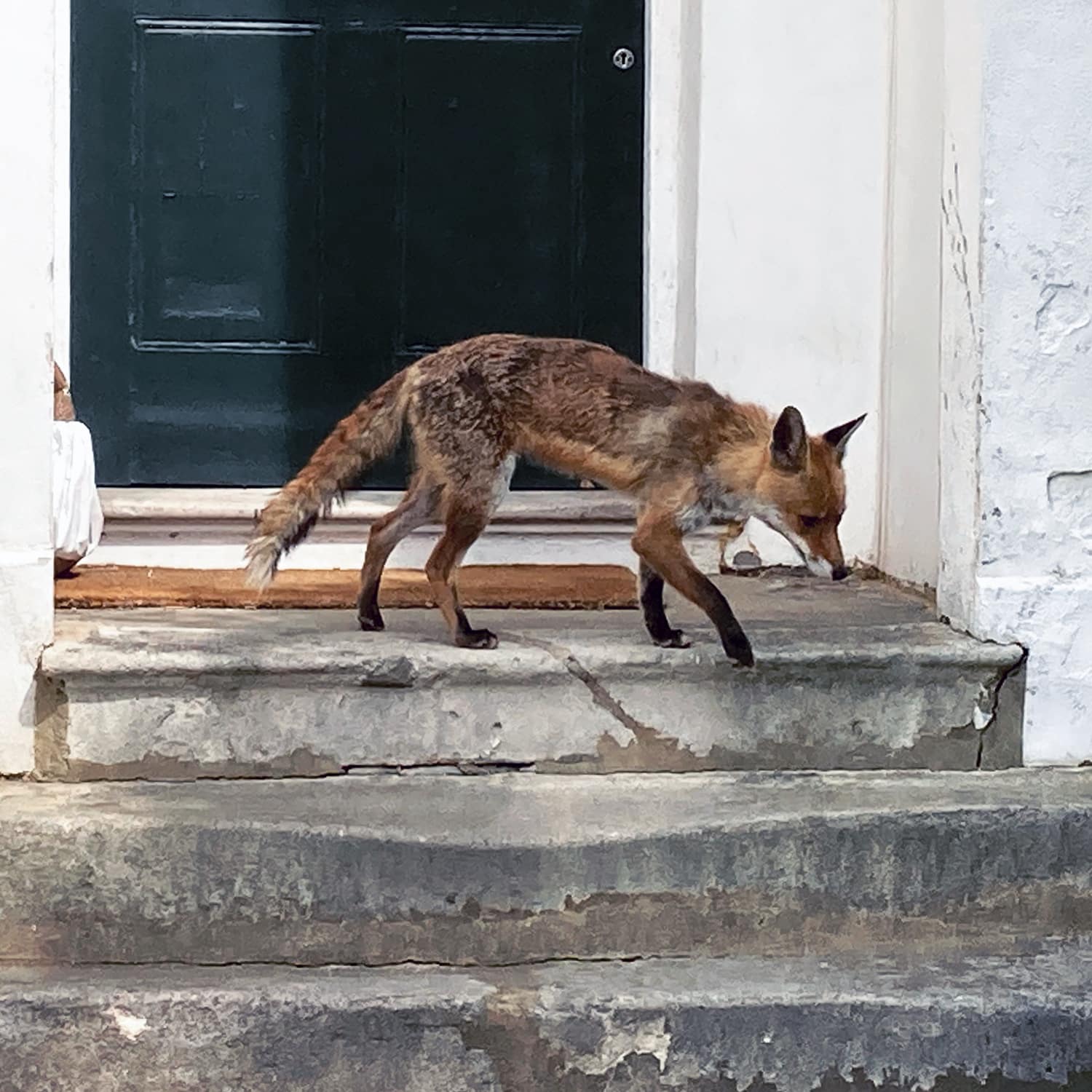
The fact is that — with animals as with other cultural categories of being — we tend to change our attitude towards individuals depending on where we find them. Things are not dirty in themselves, but can become matter deemed to be out of place, as in the famous anthropological formulation; animals of certain kinds are not “pests” but creatures living in places where we don’t want them to be. The point is that these attitudes can change. Our feelings of revulsion can be challenged. We can become more attuned to discomfort as our issue and not the animals’.
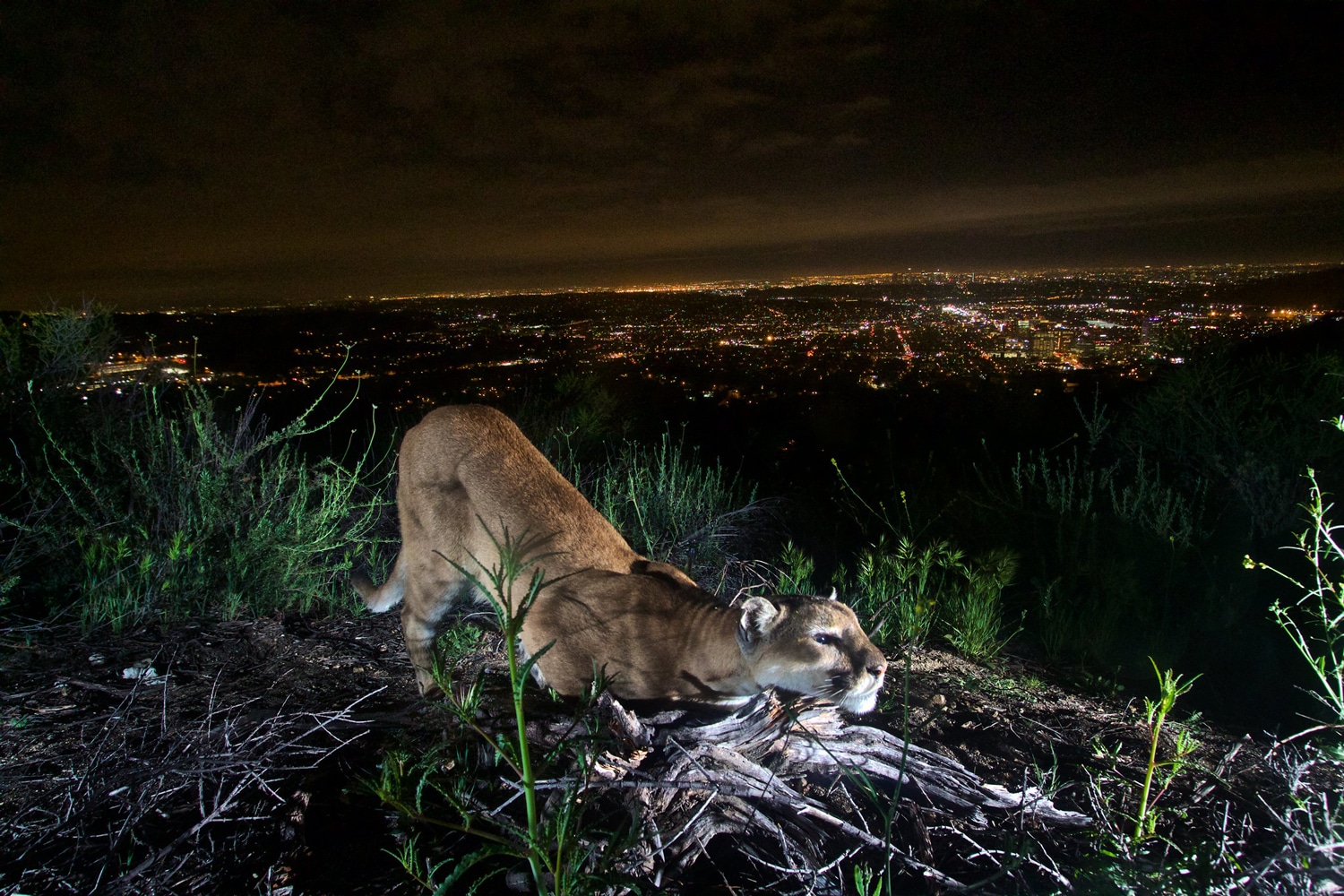
RF: Coyotes would be another example. Their habitat covers the continental United States, but in Los Angeles or Chicago, they are “urban” coyotes.
But, as you point out, Paul, birds in particular can trouble our notions of architectural purity and geographical territoriality. They defecate on our churches and museums, and they fly onto, and sometimes into, our homes and our airports. Insects do this too, obviously, but birds are more visible in their transgressiveness. Animals that defy and defile human-centric boundaries and surfaces, that threaten our imaginaries of clean, impermeable walls that isolate and reify the human, are “vermin beings,” as the historian Clapperton Chakanetsa Mavhunga has phrased it. Pigeons are exemplary in this respect. That’s why we deem them “rats on wings,” rats being the quintessential vermin. 13 And vermin beings are killable beings. 14 Pigeon shooting, after all, is still legal, and not uncommon, in many states.
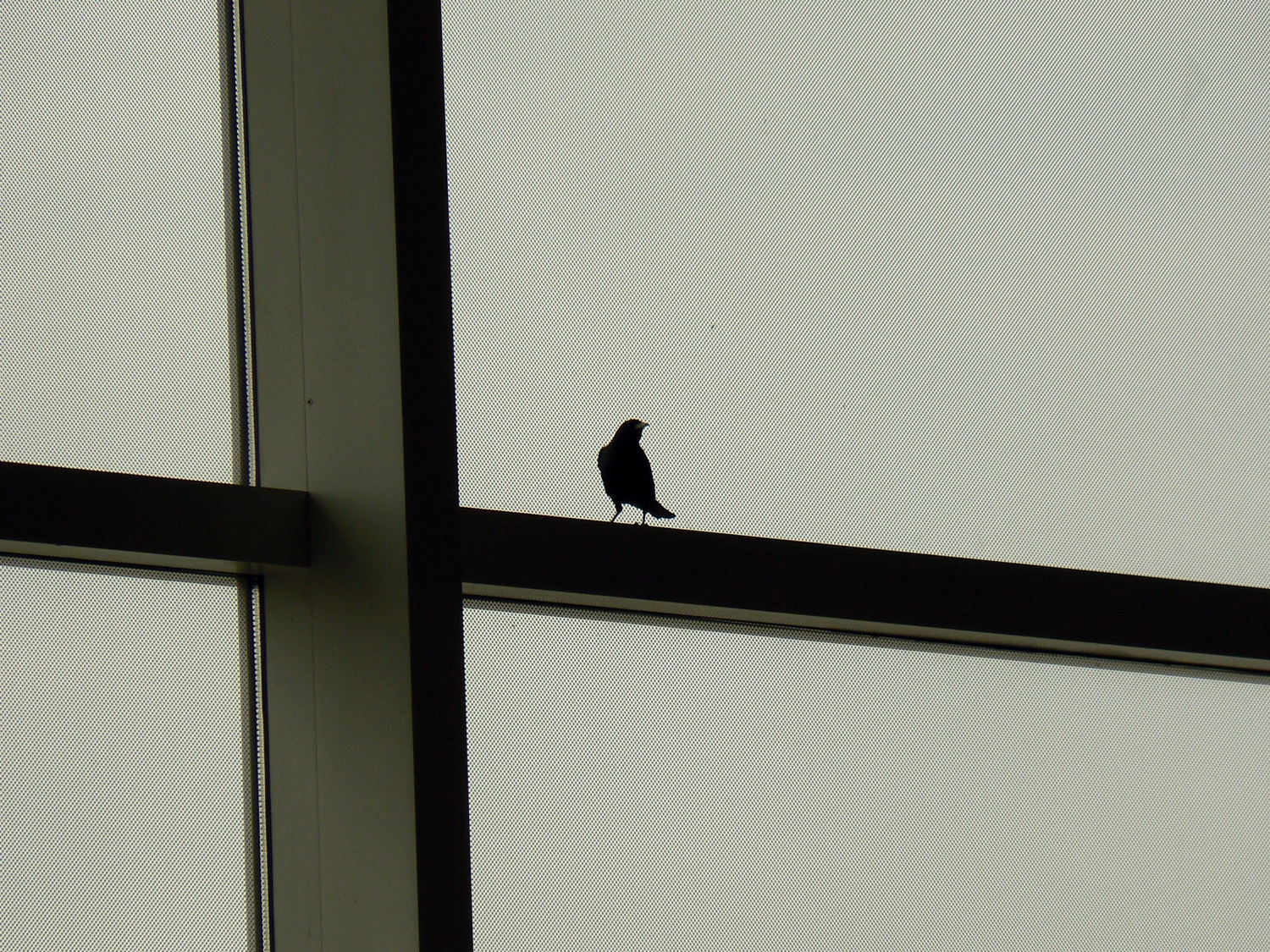
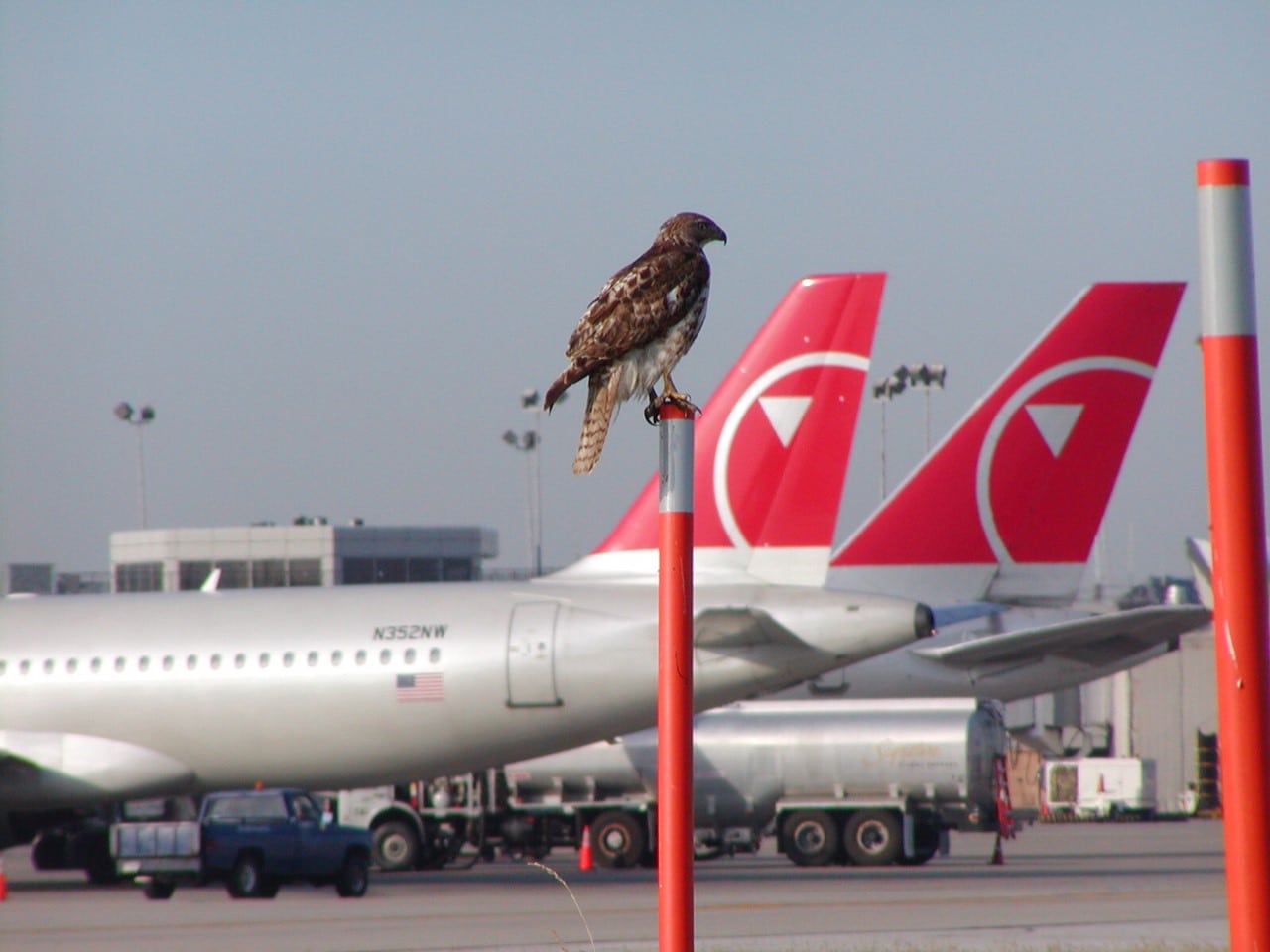
PD: As soon as you notice that some belief — say, an attitude towards animals that casts them as “pests” — is constructed, it becomes possible for it to be dismantled. This could be as simple as letting a harmless spider stay in your house rather than removing or killing it. There’s something liberating about those moments where boundaries are crossed. Leaving a spider alone may seem like a trifling victory, but if you’re a genuine arachnophobe, it’s significant. I’ve been interested in how far one can push this idea of thresholds collapsing, even as it’s always an intensely subjective matter.
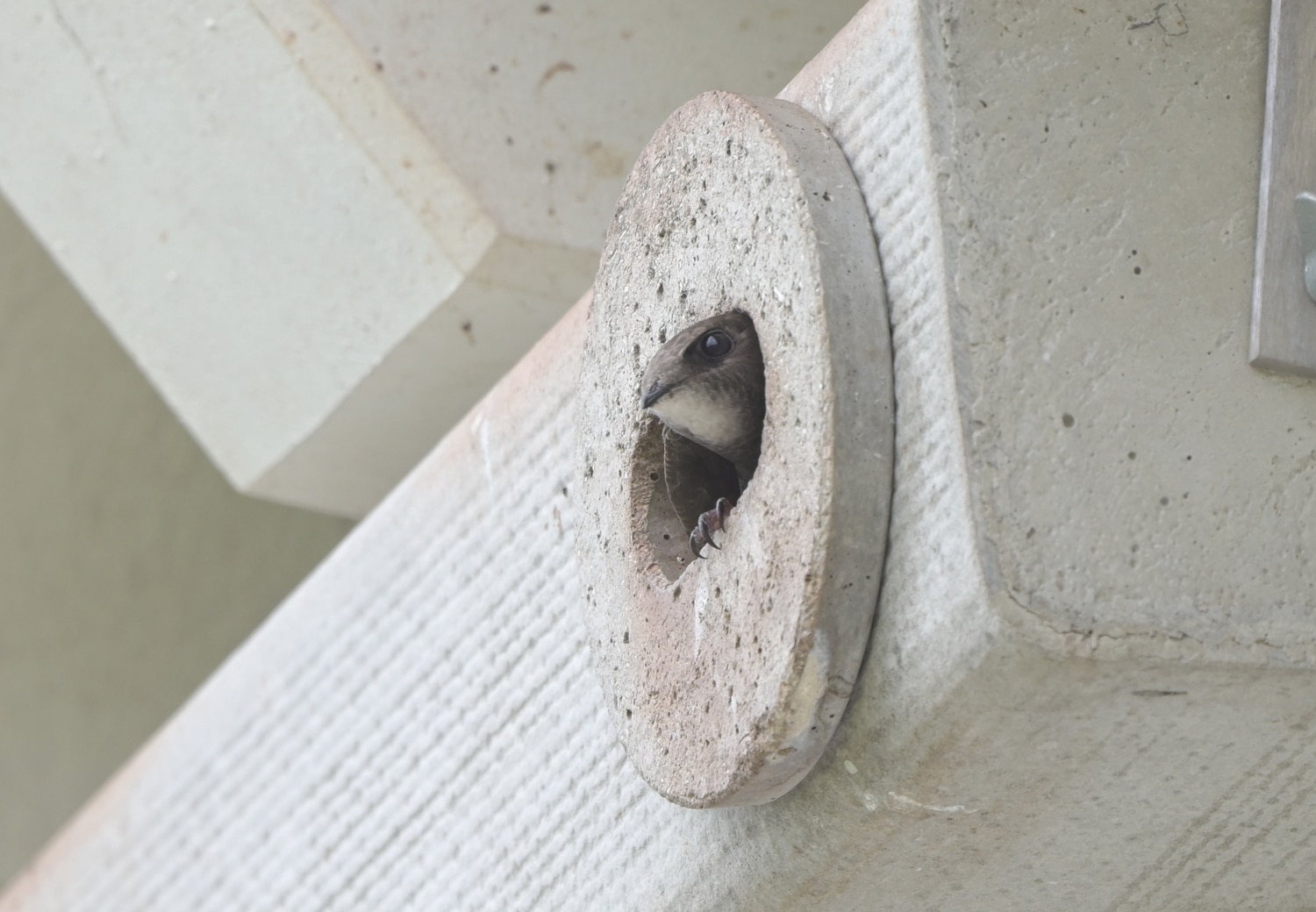
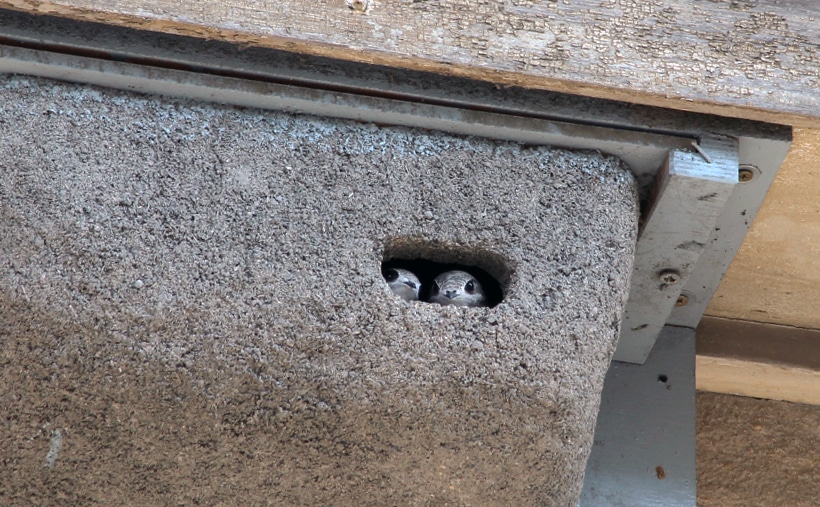
I’m sure you know this with your own work, Joyce. In the built environment, filling holes, repairing defects, and making boundaries tighter is the norm. The reasons for this are many: there’s a drive towards energy conservation; there’s a fear of loss of property value; there’s an understandable imperative for basic maintenance; and there’s a need to feel safe and unpolluted in one’s home. All completely valid reasons from a human perspective. But upgrading homes is having a dramatically negative effect on animal populations, particularly for certain species like swifts that have become dependent on what are generally regarded as architectural “defects” like small holes in roof spaces.
Much of the discourse on sustainability is about tightening the building envelope, separating inside from outside, humans from animals.
JH: Much of the discourse on sustainability is about tightening the building envelope and separating inside from outside, humans from animals and plants. That’s a western discourse. When I was in Cuba — and this would be the case across the Global South — if I were to say, “I’m an architect and I work on incorporating animal habitat into building structures,” they’d say, “There’s no need for an architect who does that, because that is just what happens.” Some buildings I saw in Cuba in 2023 (for example, on tobacco farms) had thatched roofs, and thatch is where barn swallows live. No one talks about this as “animal architecture”; a thatched roof is a human architectural modality.
Architecture academics — primarily in the Global North — are putting forward the argument for multispecies design, or the inclusion of nonhumans in design, as a counter-discourse to received thinking, but it is a western-centric discourse, a Euro-centric discourse, a North American discourse, just as the dominant discourse of tightening the envelope is. Sometimes an argument for multispecies design is a state of exception to architectural business as usual, a mode of working that has to be defined and debated. Sometimes such animal-friendly design is a vernacular condition. I’m interested in thinking through these differences.
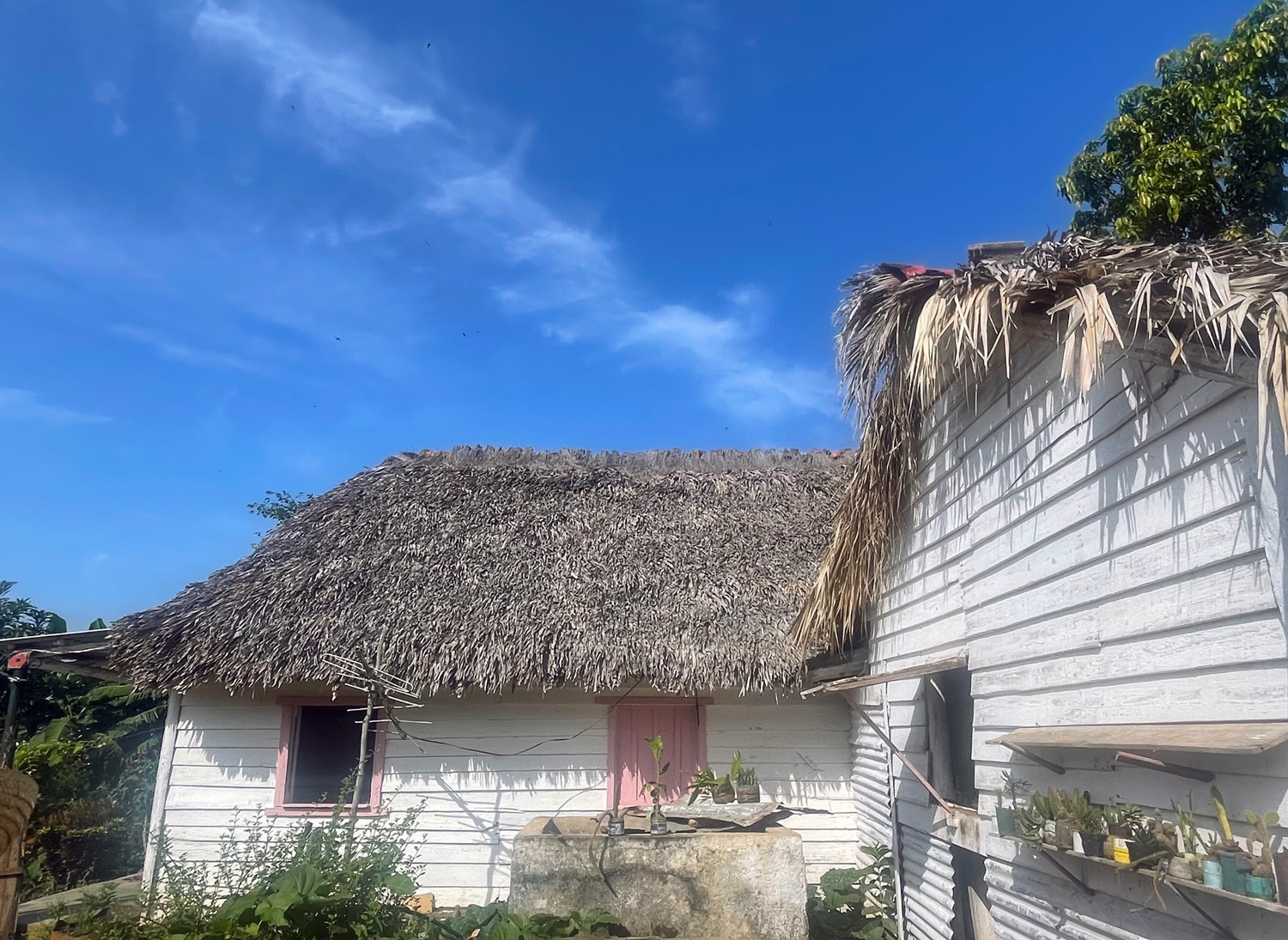
PD: There is an argument to be made that you can design to accommodate animals; a building doesn’t need to be dilapidated to house nonhuman creatures. For instance, a thatched roof is accommodating because it’s porous; there are welcoming gaps in the materiality of the roof itself, that don’t compromise the roof’s primary function to keep out things like rain or cold air. When you have to design a box for a swift because the thatch no longer exists, maybe that’s a bigger problem.
The idea that we need to model everything digitally in order to accommodate nature is fundamentally flawed.
RF: You are both describing a cultural understanding of designed buildings as sitting outside nature, hermetically sealed. This, to my mind, sounds similar to the mythos of biomimicry. According to Janine M. Benyus, whose 1997 book Biomimicry has been used by architects to rearticulate a longer tradition of biological analogy, western designers have long sought to disentangle their practices from the web of life, and in so doing, have engendered all manner of ecological disaster. 15 For Benyus, the solution lies in imitation; through biomimicry, we can “return” to the “genius” of life.
How do you two think about biomimicry in relationship to animal architecture?
PD: When it comes to animal-centric design, we certainly need more openness to a variety of approaches. But I’m skeptical that biomimicry as architects mostly define it is “green” in some way. This is because it’s often heavily dependent on digital technologies. The idea that we need to model everything digitally in order to accommodate nature is fundamentally flawed; it presupposes that nature operates like a computer, which it does not. Imitating natural forms and behaviors within design practice often doesn’t get to grips with the basic differences between processes of life and those of technology.
At present, there’s an ideological bias towards digital technologies. This derives from both a generalized capitalist economics of growth and change, and a particular intellectual bent in design schools. What’s rarely questioned is the vast ecological footprint of the digital technologies we use, an ecological cost that is concentrated in the mining and manufacturing required to make batteries and microprocessors.
JH: I often find myself in an internal conversation: is this — whatever project I’m looking at or working on — good biomimicry or bad biomimicry? If we’re talking about how built structures can be made analogous to biological systems and how we can learn from that analogous performance, that study can be beneficial. For example, consider how plant roots filter water and can prevent erosion. A prompt might be to design a structure that performs in analogous ways. Often, however, in architecture school, references to “nature” imply decoration. There’s no commitment to ecology. It’s about finding something visually fascinating and mimicking the way it looks; it’s performative rather than substantive.
Performance can also imply aesthetic communication, as in the theater. I try to inject an element of performance, in this sense, into my work.
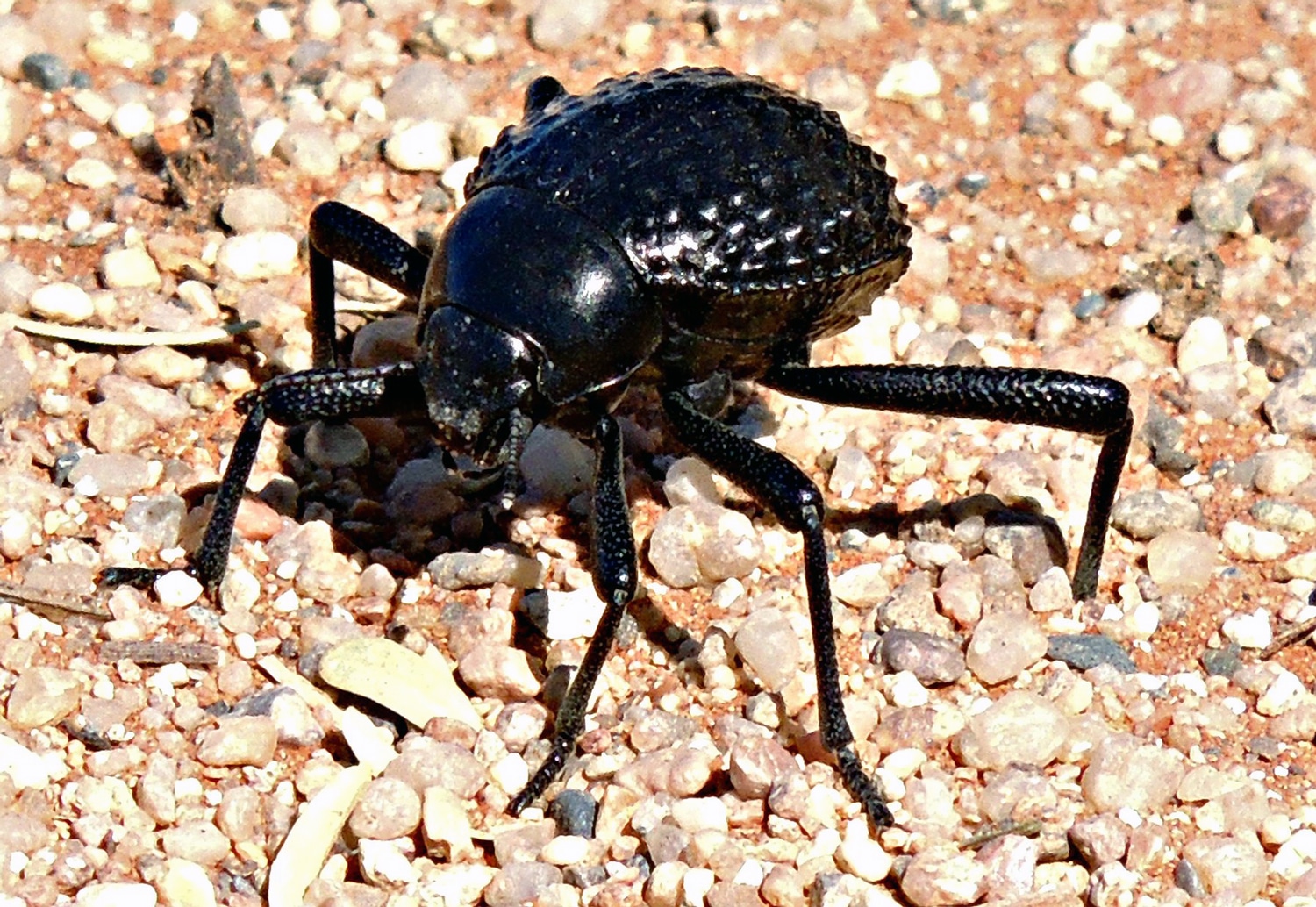
I also ask myself: what’s wrong with performance? In the work I do, I’m not explicitly imitating a biological system, for instance the physiology of the Namib Desert beetle, which is able to harvest water by using bumps on its body to collect droplets of fog. Such a system might represent an idea of “performance” as capacity for behavior in a particular environment. That kind of performance can be taken as a model without mimicking anything. But “performance” can also imply aesthetic communication, as in the theater. I try to inject an element of performance, in this sense, into my work, because that’s a way to get people to pay attention.
So I’ve designed several animal-friendly dwellings that establish their own sculptural presence, for example in the case of Bat Tower; or made music out of bat sounds, as in my project To Middle Species, with Love. Have I fallen into the category of biomorphic decoration as a form of architectural making? The very category that I say I am against? Or maybe, Paul, this is my version of the “playfulness” that you advocate?
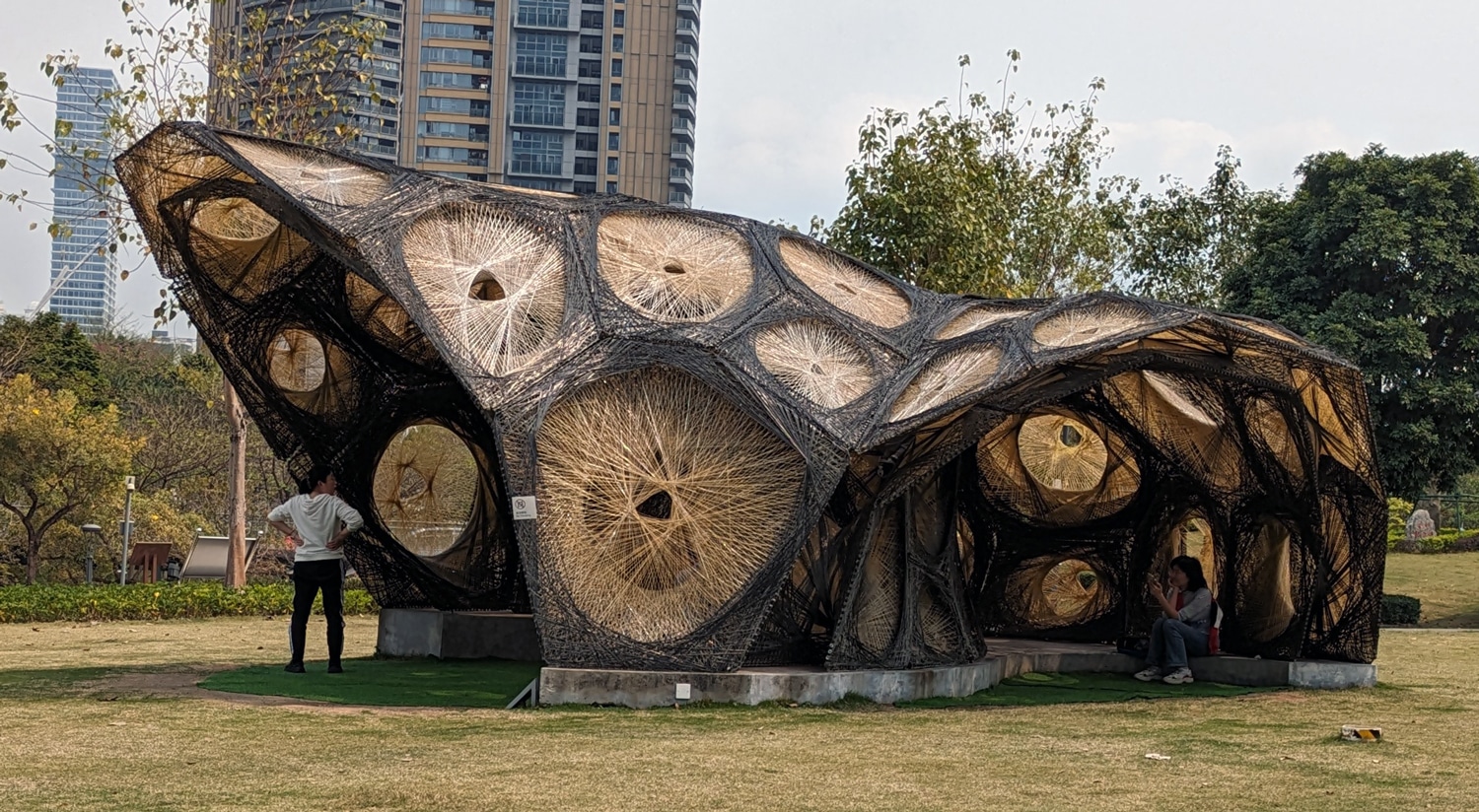
RF: I don’t mind if biomimicry is strictly decorative, if that’s all it claims to be. What I do mind is when architects claim that a biomimetic structure is “sustainable” — a slippery term that typically connotes energy efficiency. Let’s say we have a pavilion. It might be described as “sustainable” because its built form mirrors a pattern found in nature (e.g., the web-like structure of a beetle’s forewings) and/or, moreover, because nature itself is “sustainable.” The logic goes like this: living organisms are evolutionarily adapted to their environments, and by imitating that relationship, architecture can partake of nature’s systemic equilibrium. Without even considering the fraught question of fidelity (that is, whether an imitation accurately represents the original), this idea relies on a teleological view of natural selection — a view that ignores the waste, accidents, and inefficiency of biological evolution.
Obsessing over a design’s supposed origins in nature is implausible at best and duplicitous at worst.
Besides its misreading of biological theory, decorative biomimicry also depends on a magical belief that the copy will draw on or channel the character and power of the original, to paraphrase the anthropologist Michael Taussig. 16 The biomimetic artifact is said to be “sustainable” in that it semiotically evokes the adaptive efficiency of the organism or ecosystem it resembles. My problem with biomimicry as it is often framed is that it fetishizes the architectural object and occludes the network of relations in which that object is embedded. Rather than obsessing over a design’s supposed origins in nature, which is implausible at best and duplicitous at worst, we should be asking what it is that architectural biomimicry is doing, for whom. Is the architect extracting some design logic from an animal in order to provide food or habitat, or to meet some other biological need for that animal?
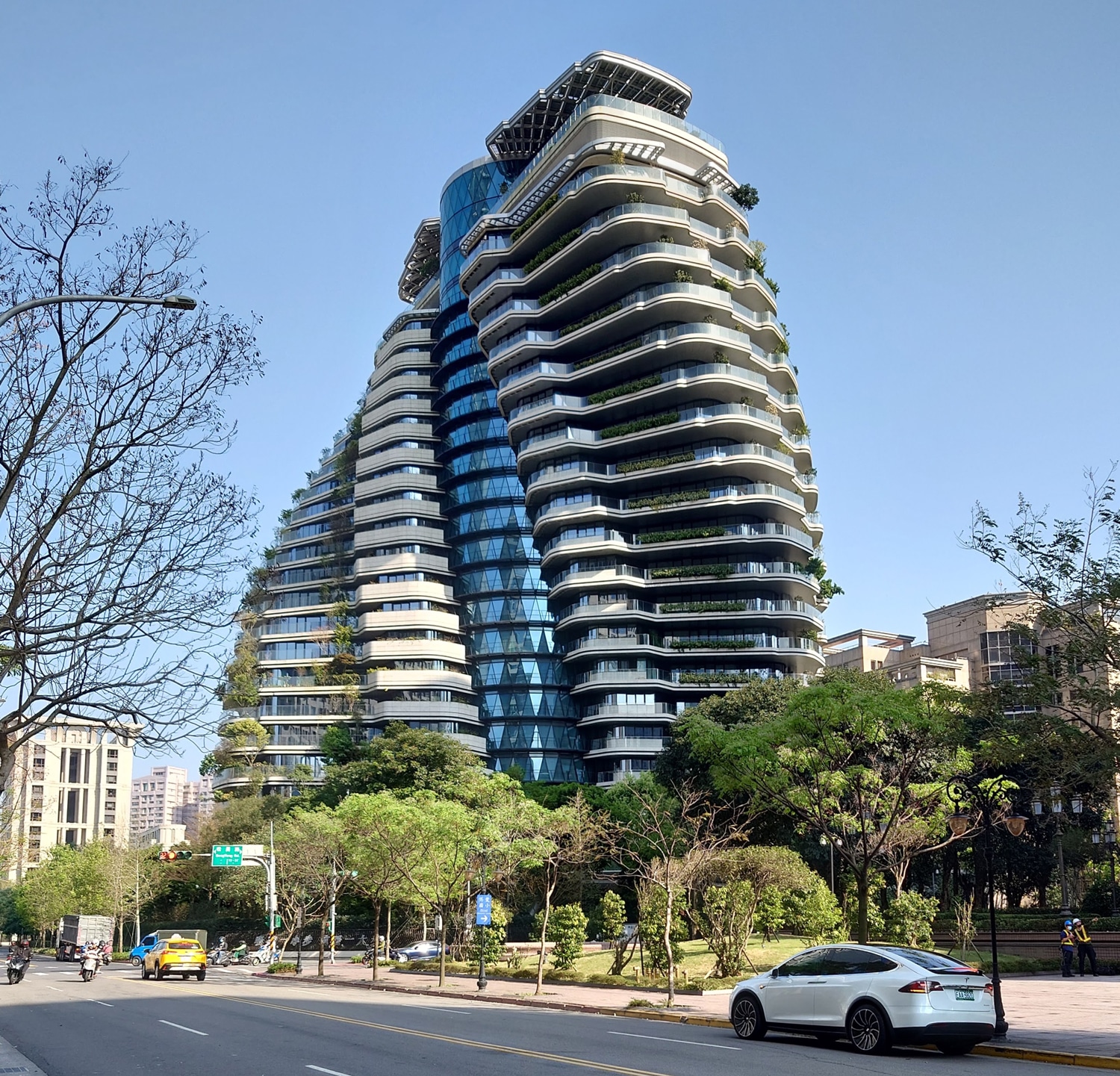
PD: Biomimicry — for example, in the Beijing National Stadium, built for the 2008 Olympics, or the Agora Garden Tower in Taipei, completed in 2018 — requires serious, sustained engagement, particularly with respect to the longer history of biomimesis in architecture. The tendency to greenwash design is so prevalent that we need to be much more honest about the claims we’re making. What do we mean when we assert that a design imitates nature, whether a bird’s nest in the case of the Beijing National Stadium, or the structure of a strand of DNA in the Agora Garden Tower? What do we want to achieve by building such designs? These are important questions. Is biomimicry in architecture even achievable? Architecture’s tendency to frame everything as a problem to be solved is counter-productive when it comes to addressing climate change, because this is a condition, a reality, that we’re very much inside. Positing climate change as a “problem” maintains the illusion of control, of distance.
I notice with my students that they feel a heavy responsibility to come up with solutions to ecological problems. That doesn’t tend to yield open-ended thinking. I would like to see more curiosity, even with this exigency that we all feel.
RF: One such playful example is the Pig City project by MVDRV, which was presented as an organic, sustainable, eco-modern solution to the problems caused by industrial animal farming. Under the guise of promoting animal welfare and environmental beneficence, however, it only respatialized the process of animal domination, extending agribusiness vertically. It was envisioned in the mood of speculative design, but about a year ago I began seeing reports about skyscrapers in China built for vertical pork production.
Satire and irony are important types of critique that we seem to have lost — we feel such a sense of extremity today that the real world often feels like a satire.
PD: What’s interesting about Pig City, which dates from 2001, is that MVRDV were being tongue-in-cheek. They created a seemingly absurd future scenario, not to endorse it, but to question where we might be heading. Satire and irony are important types of critique that we seem to have lost, because we feel such a sense of extremity today that the real world often feels like a satire. I would argue that it’s precisely when everything feels urgent that it’s important to be playful. As with a lot of reporting on Chinese projects, there’s a tendency to hyperbolize and orientalize. Certainly, it can be disturbing to envision what intensive farming might mean in the future. But the most disturbing element, to me at least, is that people who work in such facilities have to stay in the buildings for a week at a time. They can’t leave because of the risk of contamination.
RF: Alex Blanchette makes this point in his book Porkopolis. 17 He argues that the intensification of pig farming has created more extreme pressures not only on pigs but also on people; pigs and people are co-produced. Changes in pig bodies go hand-in-hand with changes in the social lives of industrial farmworkers: where they can go, whom they can see, etc.
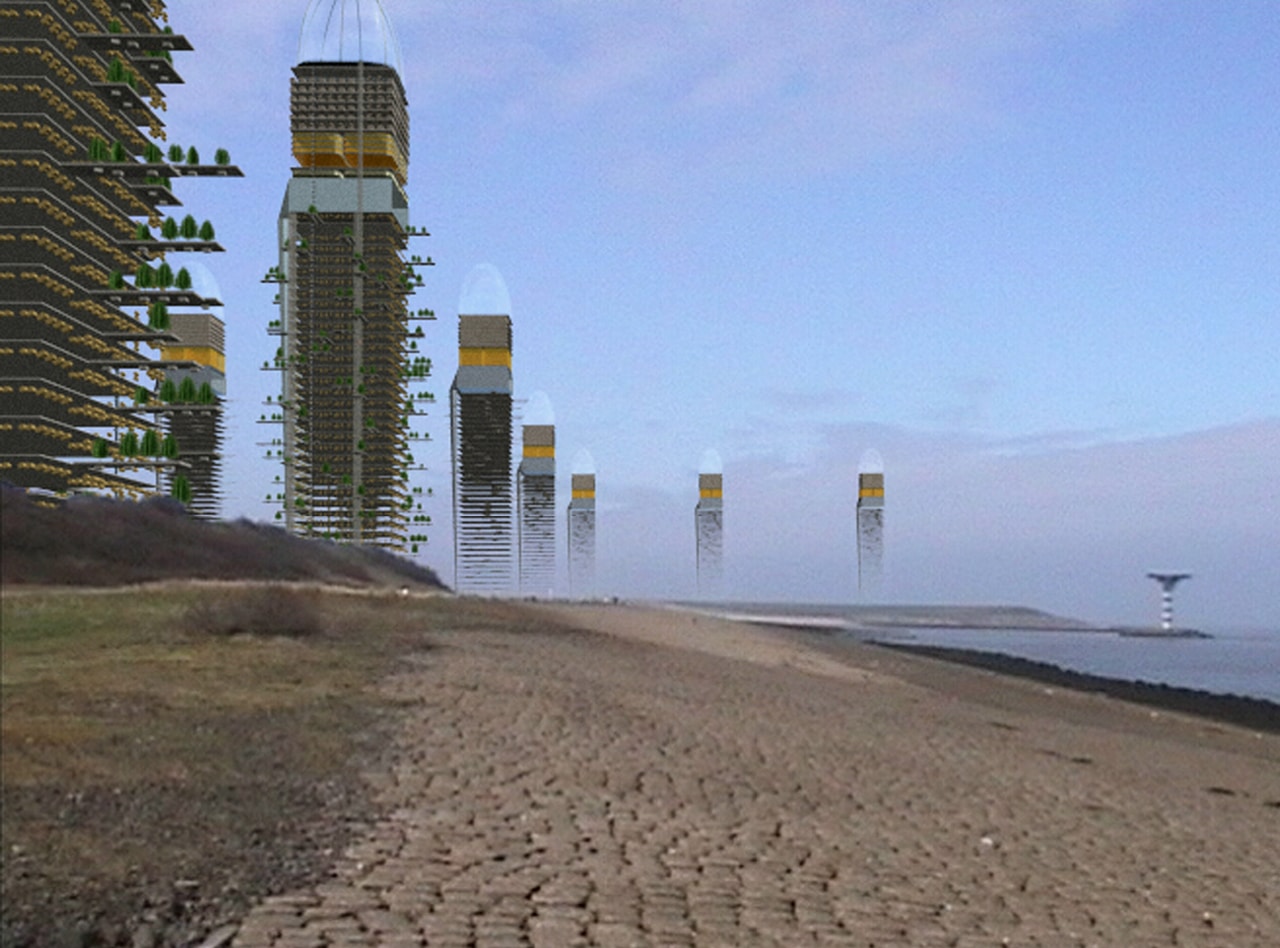
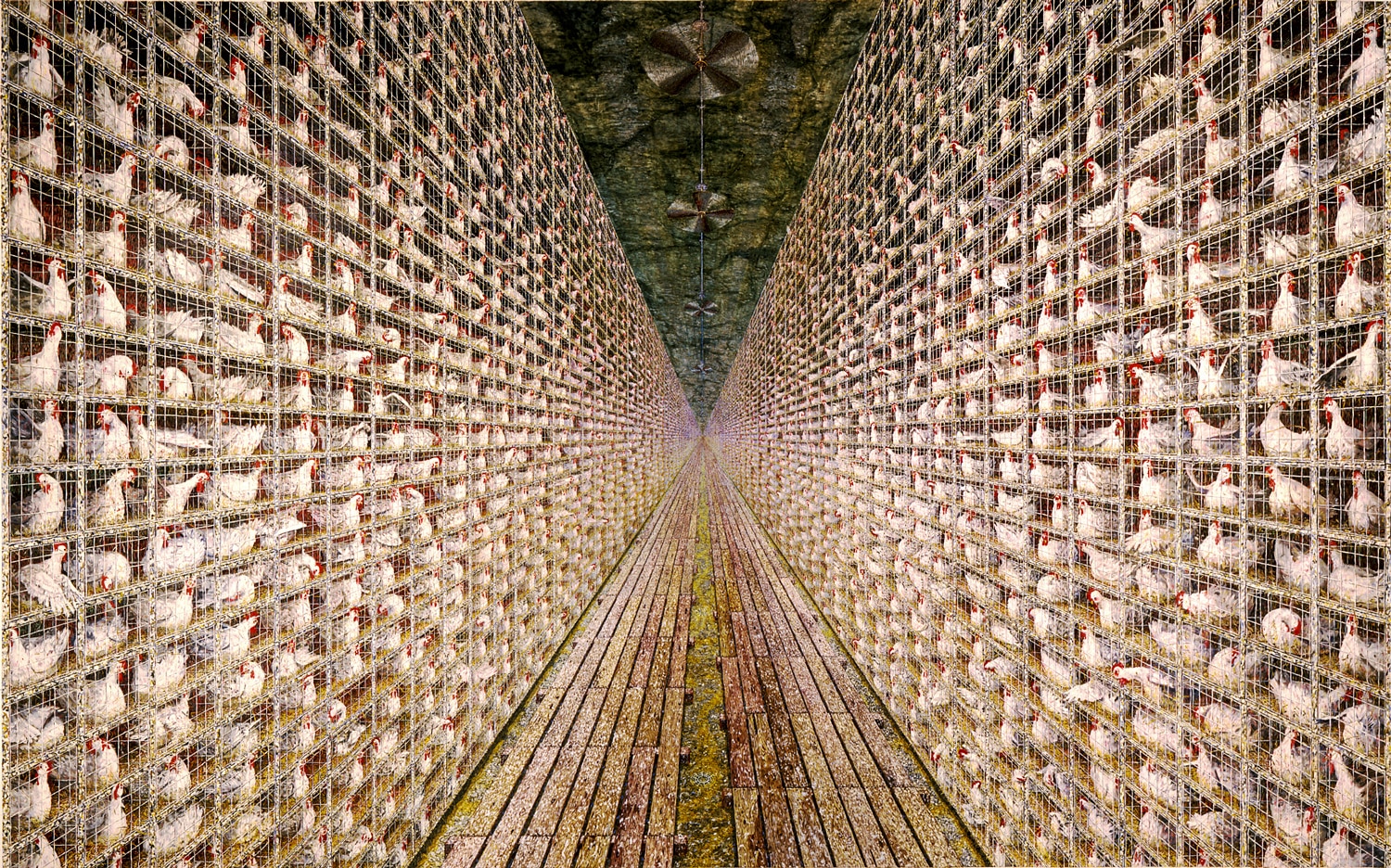
JH: I love the Pig City project. This work was done during a time when discourse in North America was asking whether architecture should be critical, or whether it should be projective. In the early 2000s, there were many projects being dubbed critical, meaning they were intended to show in an analytic way what a given problem was. I would put Pig City in that camp. These projects were all about intensifying an issue through visualization — not proposing solutions, not proposing a built form that would make sense as a way to redress or alter a dangerous or unjust situation. Then there were people in the projective camp, who argued that architecture cannot merely criticize; it actually needs to do stuff. I don’t think it has to be exclusively one or the other, but this was the debate at the time.
RF: To me, this example raises a broader question about design’s capacity to solve political and social problems. How do each of you see the role of the architect in attaining better welfare for animals?
Architects need to be willing to tackle unpalatable typologies. Attention from designers might make such structures more visible.
PD: There’s a reluctance amongst architects to design buildings like slaughterhouses. Here, Temple Grandin’s work is very interesting, in that she has not refused to think about such spaces. One of her most significant projects was to redesign the ramps and chutes that cattle are herded through on their way to slaughter, so as to cause them less stress. Architects need to be willing to tackle unpalatable typologies like these, because attention from designers has the potential to make such structures more publicly visible, and therefore subject to much wider scrutiny.
JH: Grandin’s design for the humane slaughter machine is phenomenal because she empathizes with the cow. I think that’s a great thing to do. I find bullfighting interesting in this regard. People are outraged by the killing spectacle, but it has also been argued that these bulls are treated relatively well as they are being raised; they live in expansive pastures and are grass-fed. Compared to animals raised for slaughterhouses, bulls bred for fighting live longer. So, what exactly do we mean by animal welfare?
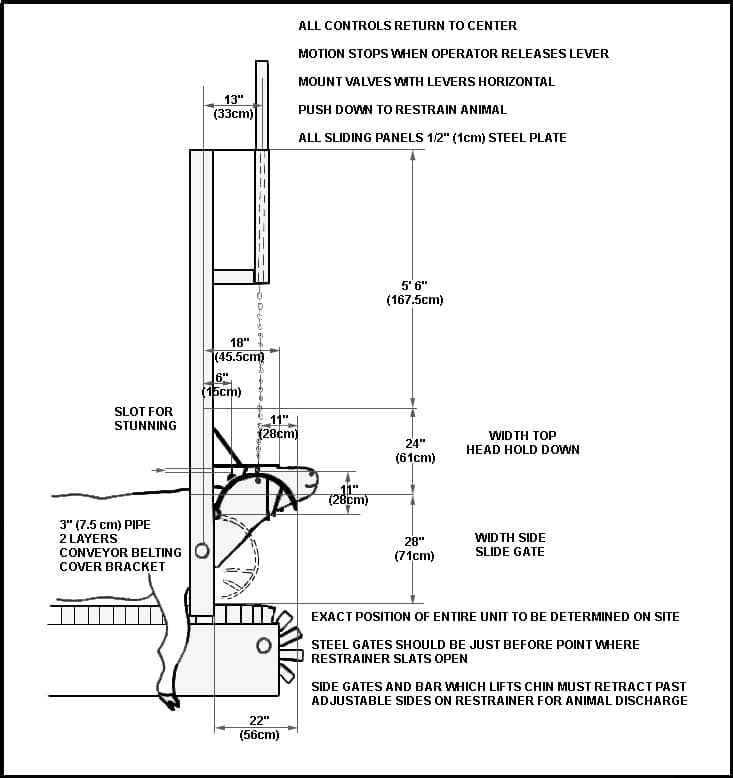
PD: You have to be brave to consider this in architecture schools and in professional practices, but I think that’s what is needed: a steely-eyed approach to questions about the welfare of livestock, an approach that refuses to be judgmental. I hesitate to call for empathy towards animals we might choose to eat, because non-meat-eaters have already decided that empathetic treatment of animals and meat-eating are incompatible. But I’m in agreement with Grandin that the use of slaughterhouses need not make empathy impossible. We just have to screw our courage to the sticking place.
There’s something to be said about having fun, being prepared to look foolish in stepping over the line of good taste or political correctness.
There’s also something to be said about having fun, being prepared to look foolish in stepping over the line of good taste or political correctness. Ecological discourse is so tightly policed. In architecture schools, we tend to talk about the subject in quite restrictive ways, which can put a stranglehold on students’ responses. With instrumental approaches, like moving towards net zero, there is a danger of getting locked into certain ways of doing things. We have to remember that there are so many different yet intertwining ecologies at work — natural ecosystems, the built environment, digital infrastructures, and the human mind — that any kind of exhaustive understanding is impossible. We should be careful about pushing agendas when we do not (and probably cannot) fully understand what we’re doing.
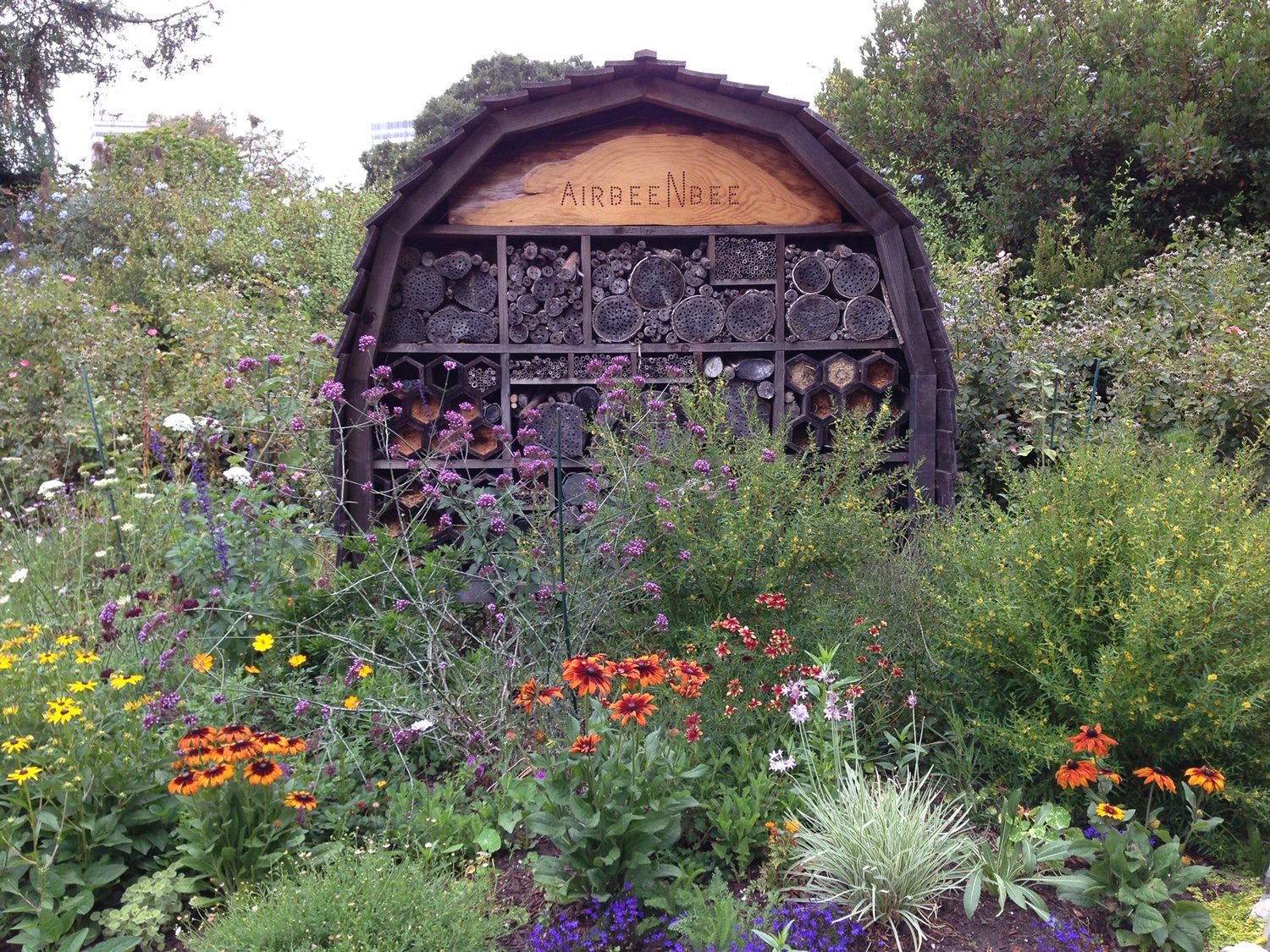
JH: Many of our current ways of thinking about sustainability are codified in accreditation standards. In architecture schools, faculty who teach particular courses and studios are required to have students produce projects that include some evaluation of environmental impact. In preparing for my department’s most recent accreditation, we incorporated embodied carbon analyses into one of the core studio requirements. It’s hard to do that kind of analysis in terms of broad questions about biodiversity, because you can measure carbon or something like that, and there are other calculators for comparable statistics, like lifecycle analysis for materials — but how do you run a biodiversity calculator in a core studio project that’s going to be evaluated by accreditors?
RF: The codification of environmental sustainability, its bureaucratization, is a necessary step toward enforcing and ultimately attaining sustainable development, but codes and standards are themselves insufficient. Responsiveness to animals is cultural, perceptual, habitual, affective. Relying on bureaucracy alone can, unsurprisingly, impede the very changes we need to make.
The arguments for sustainable design are good ones, but maybe we’re missing the traps that arise with instrumental thinking.
PD: There is a fine balance between enacting change (and being accountable for it) and acknowledging that you can’t understand everything. The arguments for sustainable design are, on the face of it, good ones, but maybe we’re missing the traps that inevitably arise with instrumental thinking. If you’re inside a problem — as we all are when it comes to climate change and biodiversity loss — how you deal with it is a very different proposition from, say, programming a machine to provide you with an answer. It’s more about making sense of the problem than it is about trying to solve it, and that requires an inquisitive or even mischievous approach.
RF: I often grapple with this question: how can I push students to attune to other animals? I try to help them develop what Anna Tsing has called the “art of noticing.” 18 And it’s worked, to some extent. 19 They start to “notice” animals everywhere, not just at their field sites but in their personal lives.
What might be the major obstacles ahead for institutionalizing an art of noticing animals in relation to architecture — if that is indeed the direction you want to take, its institutionalization? How do we cultivate, in our curricula, new forms of looking that can address the discipline’s long-standing neglect of animals?
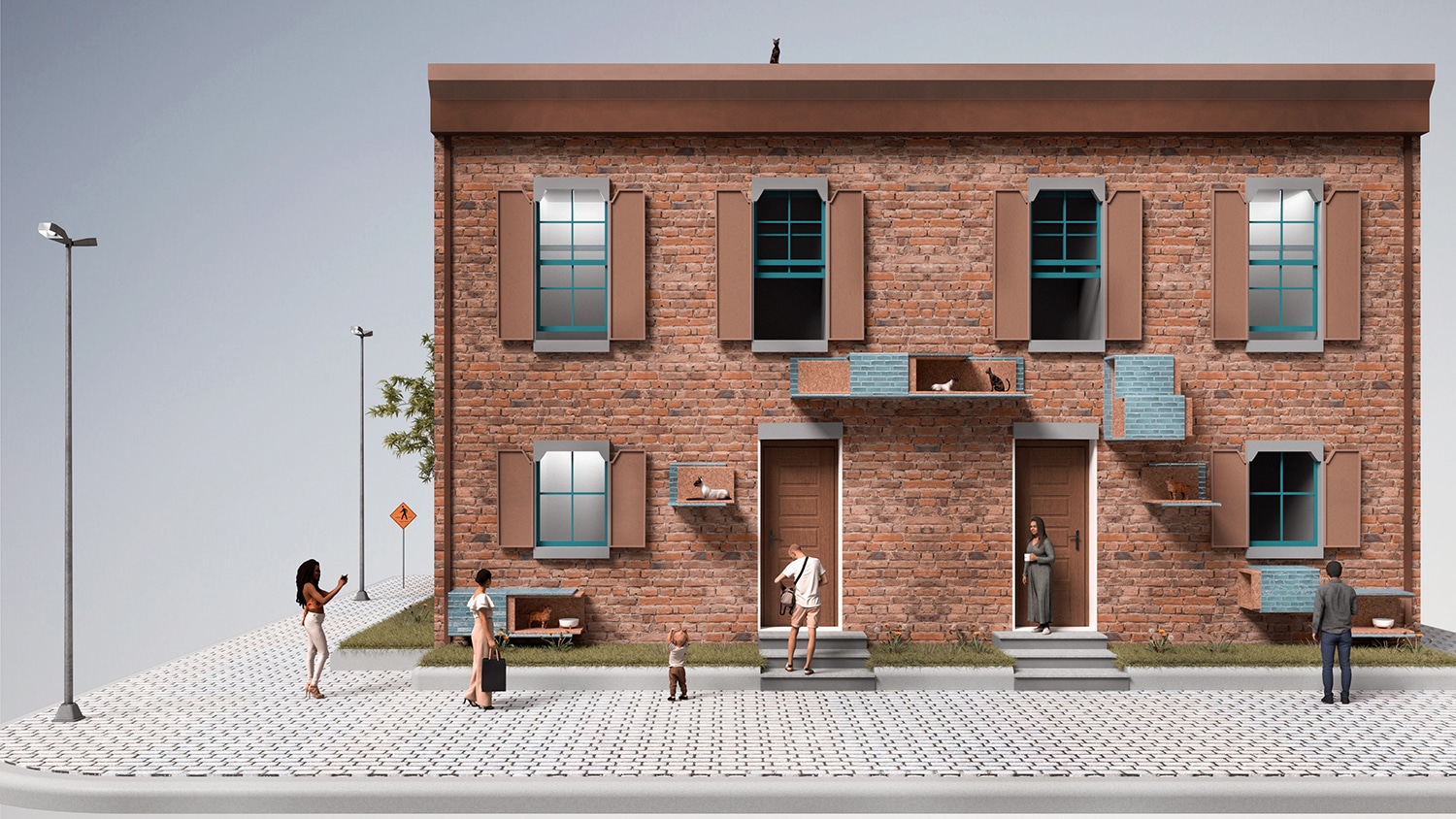
PD: I keep coming back to the idea of attentiveness. First, there’s the simple act of engaging the senses — paying attention to what animals are actually doing, and noticing our own feelings about this. Second, there’s active study of animals and their behavior as models for design, whether product or process. Third, there’s a more critical kind of attention that reflects on what we prioritize and why. There is a demand placed on us when we notice a situation, because then we have to decide what we wish to prioritize. At the same time, we need to ask what is lost in merely instrumental thinking.
There’s a wonderful book called Gathering Moss by Robin Wall Kimmerer. 20 To study moss, as she has done, you have to pay attention to something very small. Each time we do that, a politics is at work. Plus, you’ll never be able to notice everything. That’s terrifying, but also liberating.
JH: It is important to be observant and aware, but the only way to do this well is to relinquish objectives, to be in the world without a job, as it were, and simply take things in. Yet if I go out on a site visit, and I’m asked to catalogue what species are in the area, for instance, then I’m going around with all my tools, trying to figure out which bird is where, and so forth. I’m already directed toward doing; I’m not observing in an open way. I’m back in a solutionist, problem-solving mode.
We should acknowledge that empathy has its blind spots — gaps in its provisioning that benefit some species at the expense of others.
RF: We should acknowledge that empathy, like noticing, has its blind spots — gaps in its provisioning that benefit some species at the expense of others. Because of our attachments to domestic cats, for instance, we often ignore their impacts on bird populations. Most ornithologists rank predation by cats as the foremost killer of birds after habitat loss. Of course, this issue is bigger than household cats and backyard birds. It is a core problem in the economics of conservation. The allocation of resources to charismatic megafauna diverts money from animals considered ordinary, ugly, or even disgusting. There is a hierarchy of species. What we love, what we become attached to, tends to push out what we don’t love (and, in some cases, hate). There is a politics of empathy, of attachment, much like the politics of looking that you name, Paul.
The anthropologist Naisargi N. Davé argues that a truly multispecies ethic would require an “ethics of indifference,” a refusal of attachment. 21 This leads to a dilemma. For many people, it is through bonds to specific animals — through embodied, face-to-face relationships — that they begin to care about animals more broadly. At the same time, these bonds have a tendency to exclude the unbonded, the unloved; the cockroaches and rats.
PD: Choices about what to emphasize create charisma. For example, swifts in the U.K. have declined massively, 60 plus percent in the last two decades. But other birds — for example, chiffchaffs — have increased in numbers in the same period. For me, the knowledge that certain birds are flourishing not only provides a more nuanced assessment of biodiversity loss, but also challenges the prioritization of certain species over others.
RF: Joyce, how have you navigated this dilemma of the unloved versus the charismatic animal subject?
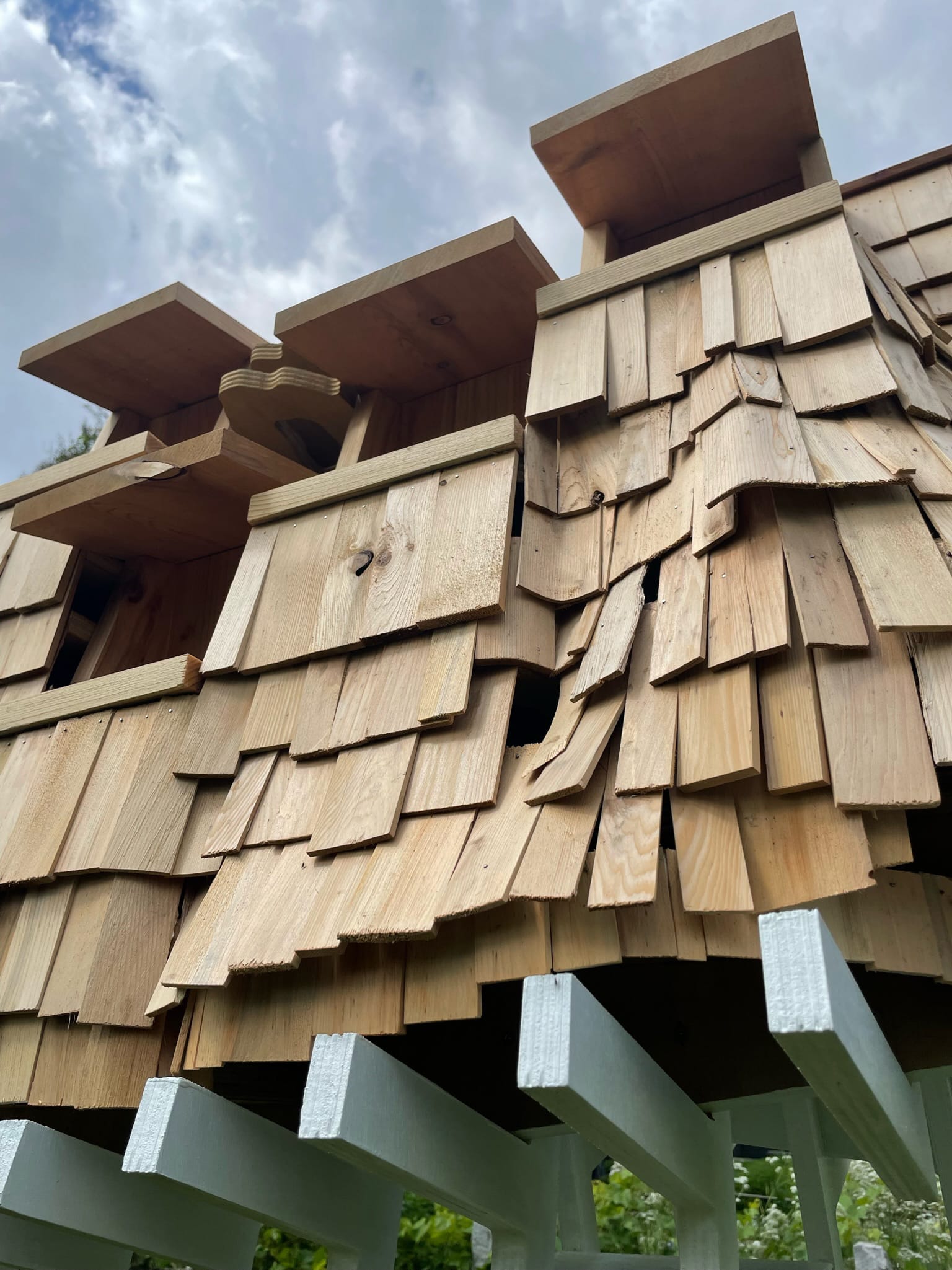
JH: In terms of self-initiated projects, in the past, I was interested in working with particular species, rather than ecosystems generally. Obviously, you cannot design for a single species in isolation, because isolation is impossible. If you’re designing a house for a human being, you’re actually designing it for a bunch of other species that are also going to be affected.
Maybe, when choosing what creatures to focus on, it’s about which species need a better story.
So, why choose one species as a focus for a project? In conservation biology, nonhuman charisma is used as a marketing device; it helps get people interested. And the answer for me, at least in the beginning, is that it does come down to this charisma question or question about narrative. In the case of bats, it was the threat of white-nose syndrome, which is a fungal disease that since the early 2000s has killed millions of bats in North America, with fatality rates of 90 percent in affected populations. But, also, bats are often seen as pests, as vermin, like rats and roaches. So, maybe, when it comes to making a choice about what creatures to focus on in a given project, it’s about which species need a better story.




_2022-05-26_(01).jpg)


If you would like to comment on this article, or anything else on Places Journal, visit our Facebook page or send us a message on Twitter.