

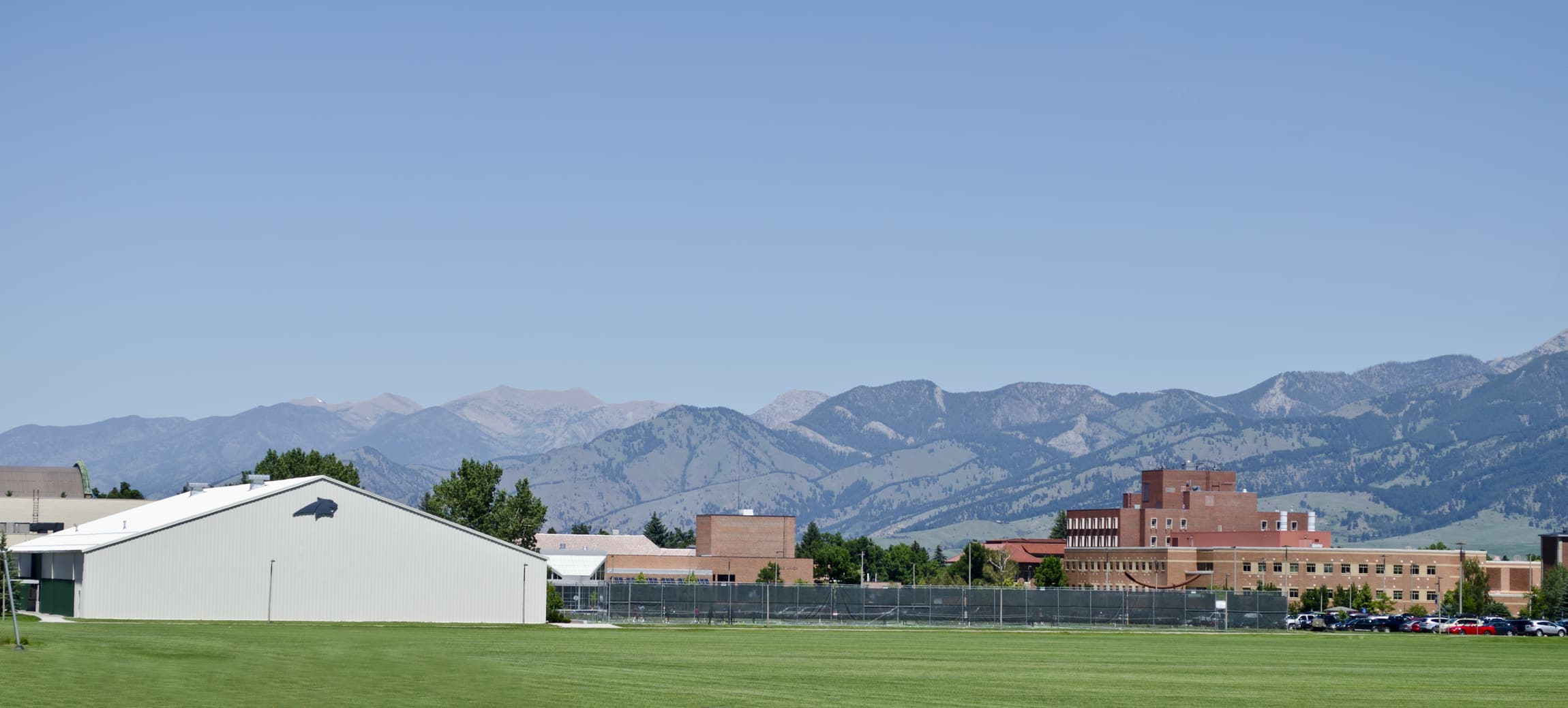
I first encountered the Lewis and Clark Trail by accident when my spouse and I moved to Bozeman, Montana, with plans to stay for one year. We were working as a visiting Mellon fellow (me) and visiting professor of Native American Studies (him) at Montana State University a decade ago. We had come to town with our kindergartner and twin fifth-graders and scored a rustic rental house on a hill with sweeping views. This temporary relocation brought us physically closer to kin, my husband’s extended family members, who are spread out across the “treasure state.” We returned during summers, sabbaticals, and the Covid-19 pandemic, watching our children grow and the city change with an influx of newcomers seeking wide open spaces, Old West character, and ready access to mountain trails. Trails are among the features that make this place distinctive. And trails are places in and of themselves, casting nets of personal and cultural meaning over the lands, waterways, and neighborhoods they pass through.
Trails are places in and of themselves, casting nets of personal and cultural meaning over the lands they pass through.
On the day that I stumbled across a historical marker informing me that I was on the Lewis and Clark Trail, I was helping my husband, Joseph Gone, hunt for MSU’s off-campus teepee that was quietly made available for some Indigenous activities. We were preparing to welcome my husband’s father, Joseph Azure, for a visit. Azure had been invited to campus to present on the grassroots anti-mining organization Red Thunder, which he had cofounded in the early 1990s on the Fort Belknap Indian Reservation. He wanted to explore the possibility of holding a small ceremony before his talk. 1 My husband and I agreed to scout out the university-owned teepee, which was no easy task. The directions we had been given were vague, and perhaps purposefully so, as the school would have an interest in shielding this resource from people who might not understand or respect its cultural value.
We finally found the teepee on an unmarked site between scattered sheds, on semirural land at the edge of town. There were no university signs to identify its owner. Instead, we saw a sign on a nearby road that has now become iconic in my mental picture of Montana: a white rectangle with two human silhouettes highlighted in a color the National Park Service calls “buckskin brown.” 2 The figures were Captain Meriwether Lewis and Captain William Clark. When we navigated back to the teepee days later, this sign was our landmark: a pin on the path of American exploration, and also conquest, of the Indigenous West.
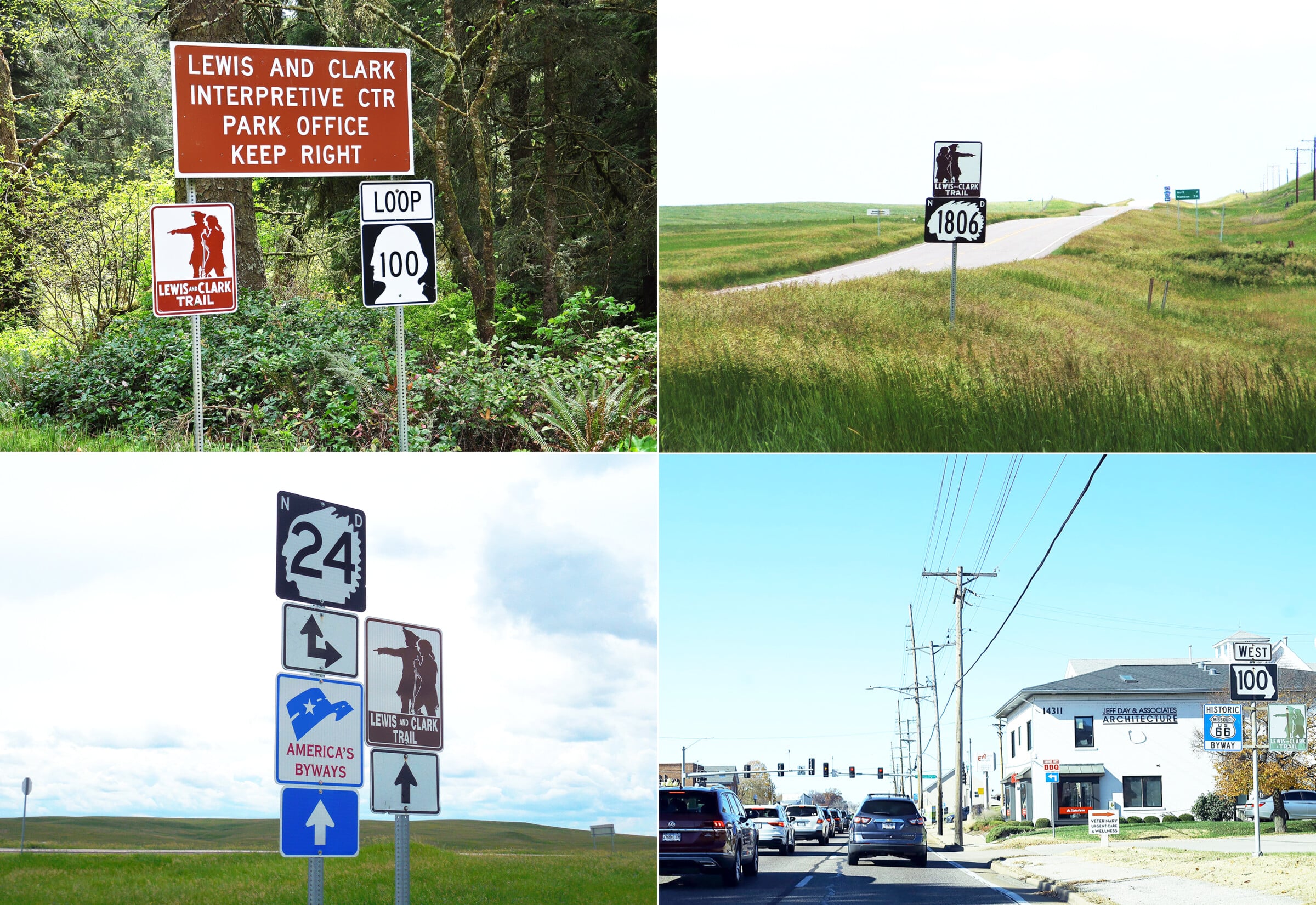
Once I noticed that first Lewis and Clark Trail sign, I looked for more, and realized they were everywhere. My curiosity grew, not only about how important this historical pathway seemed to be to state and local identity, but also about the people whose shapes and names were missing from the marker: Sacagawea, the Shoshone teenager who aided Meriwether and William’s Corps of Discovery, and York, the Black man from Kentucky who joined the military expedition because William owned him as property.
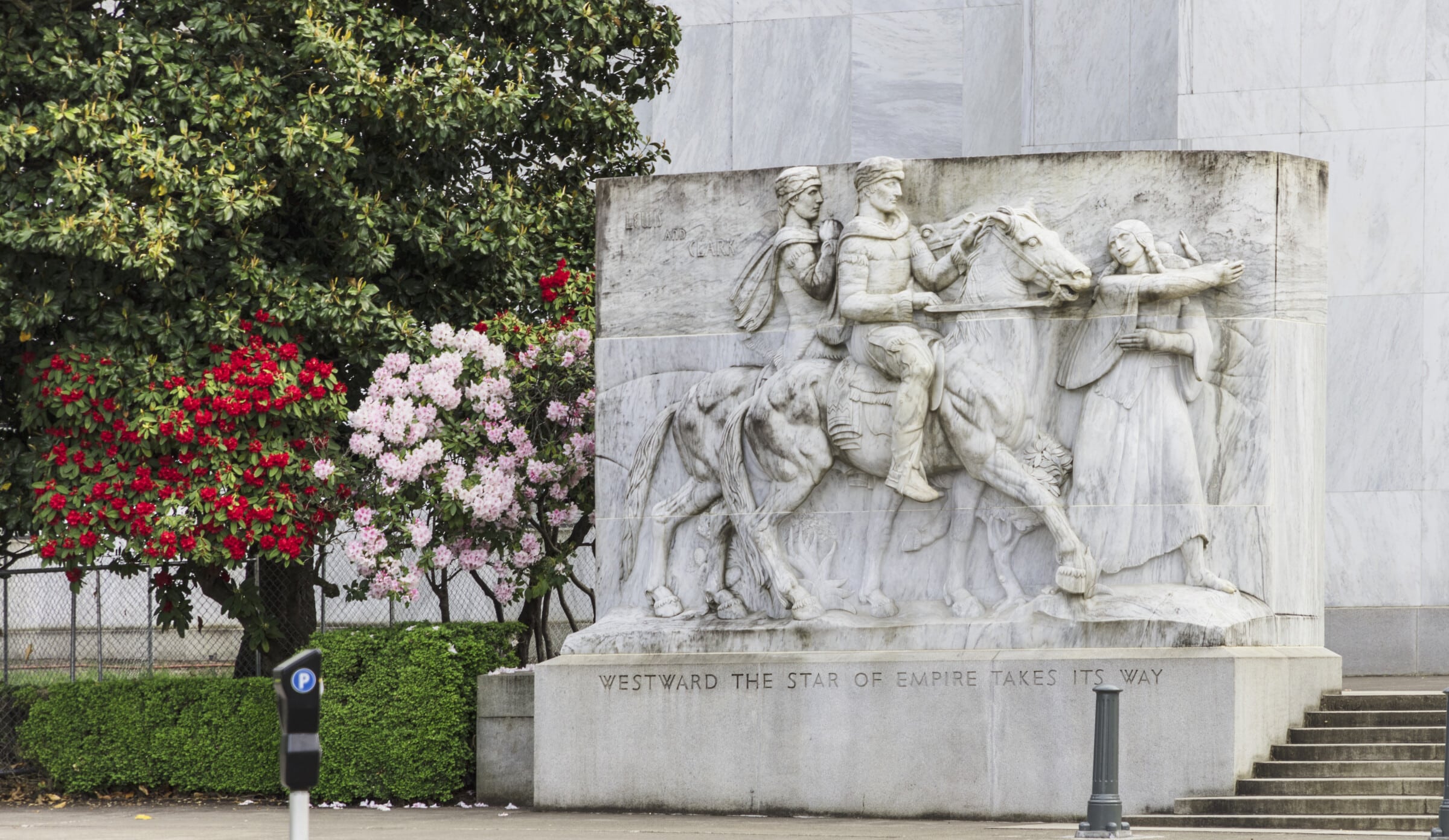
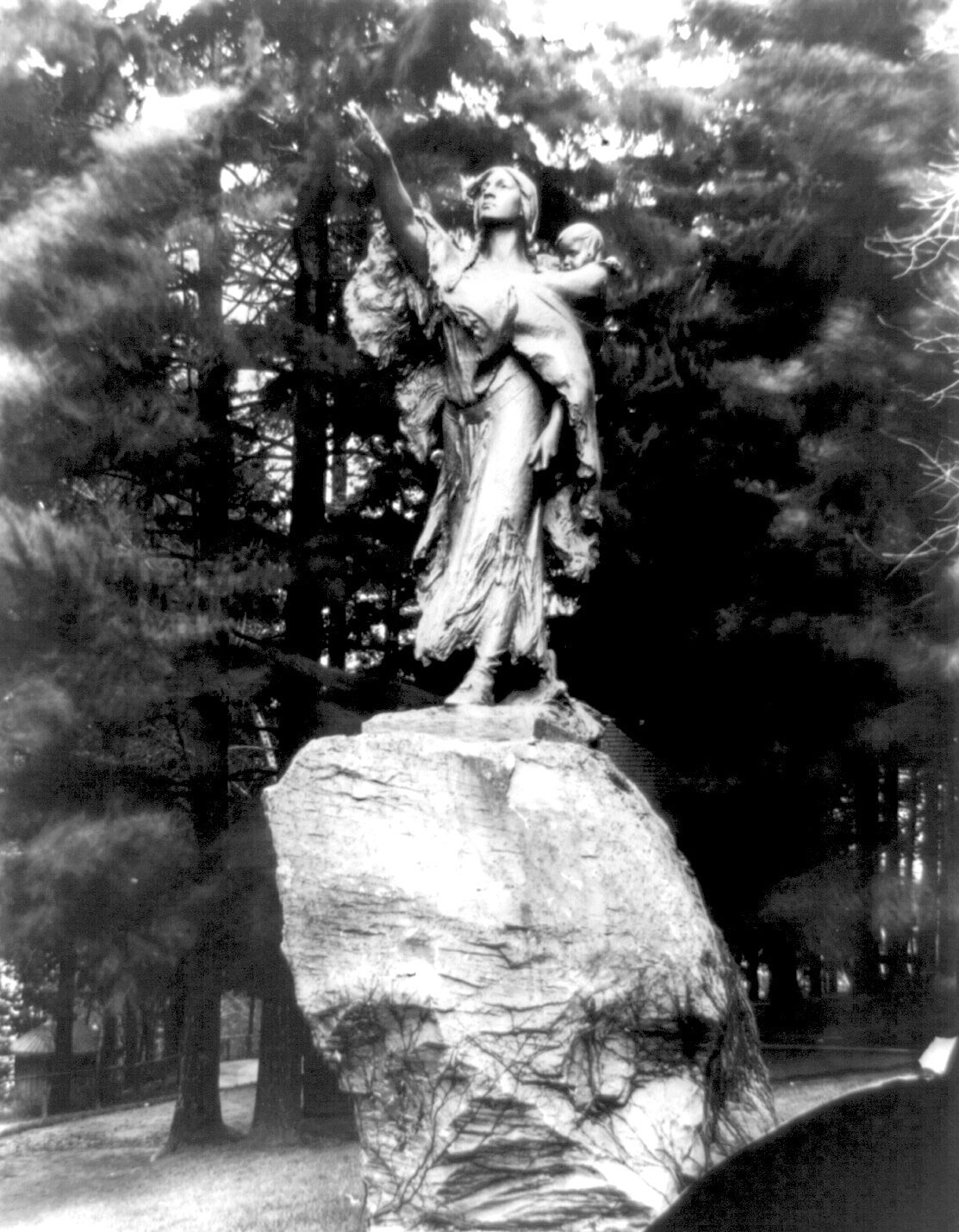
During one of our frequent returns to Montana, I downloaded the National Park Service app and dragged my (mostly willing) family to various sites on the Lewis and Clark Trail. We stopped at natural landmarks — Bozeman Pass, Milk River, York’s Islands — and in towns like Three Forks and Great Falls. Along the way, I took imperfect photographs and sometimes posted them to social media, noting how the signage at these sites romanticized or marginalized Sacagawea and York, or both. Sometimes they would be missing altogether. If Sacagawea appeared in the image, she was always lovely and highly feminized, and she would often be positioned at the front of the party, pointing. York was usually depicted as bare-chested or strong-muscled, emphasizing his physicality in a way that subtly cued his racial difference.
In the summer of 2024, my daughter (by then a college student), noticed a flyer tacked to a board. A character actor and educator from Louisville, Kentucky, Hasan Davis, would portray York at the Missouri Headwaters State Park, situated in a rural area about 30 miles west of Bozeman. In truth, we went to the reenactment expecting to be the only ones there, but nearly all the seats in the natural grass arena were taken when we arrived. A friendly state park employee invited us to sit on the picnic table benches where refreshments had been set up for later. In her introduction to the event, the park director explained that this was Davis’s first visit to Montana in over twenty years. He had last been in the area when he played York for the bicentennial celebration of the Lewis and Clark Trail in 2005. Davis had been representing York for decades, first back in Kentucky, and then traveling to other Eastern and Midwestern states. Just as his suede and fur costume had presumably been altered as he matured from an actor in his thirties to an actor in his fifties, so had Davis’s portrayal of York evolved, to reflect advances in historical research about York and Blacks in the West.
Perhaps York felt a special connection to Sacagawea because they were both captives on the trail.
On that July day, Hasan Davis gave a moving, nuanced rendition of York’s life story for a crowd of White Montanans and tourists (our family excepted). His monologue started with a dramatic grizzly bear encounter, then dwelled on York’s forced separation from his family, occasioned by Clark’s order for York to travel with him. Davis’s performance emphasized York’s feelings of frustration and resentment when U.S. officials commemorated other male members of the expedition after their return but excluded him. The performance ended on a melancholy note. First, Davis speculated about whether York eventually returned to the West. York gained his freedom after the expedition, but due to Clark’s actions, he permanently lost contact with his wife and children. Then, Davis offered an interpretive twist that sat with me, as it was an idea that I had contemplated myself. Perhaps York felt a special connection to Sacagawea, Davis conjectured, because they were both captives on the trail. 3
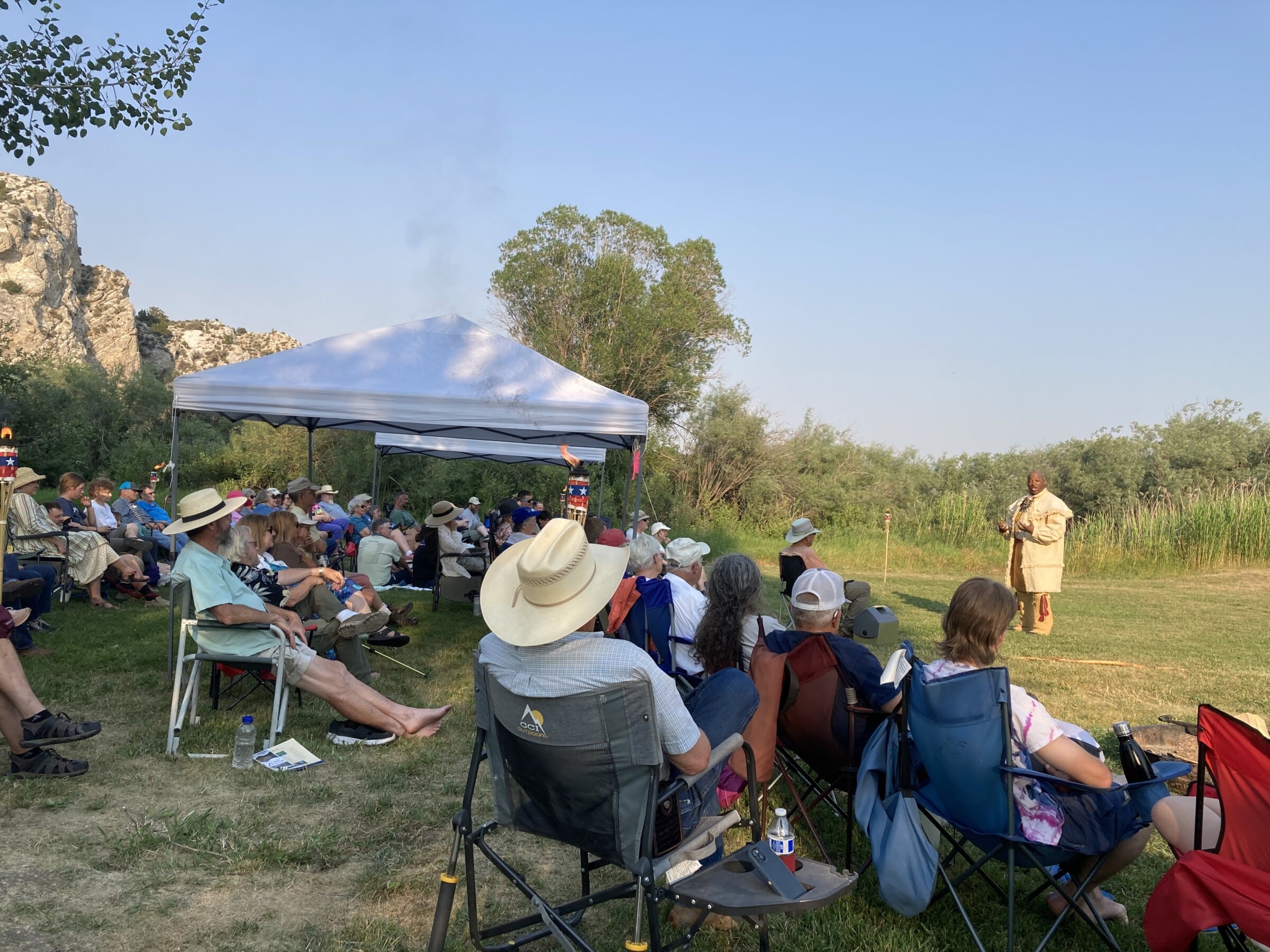
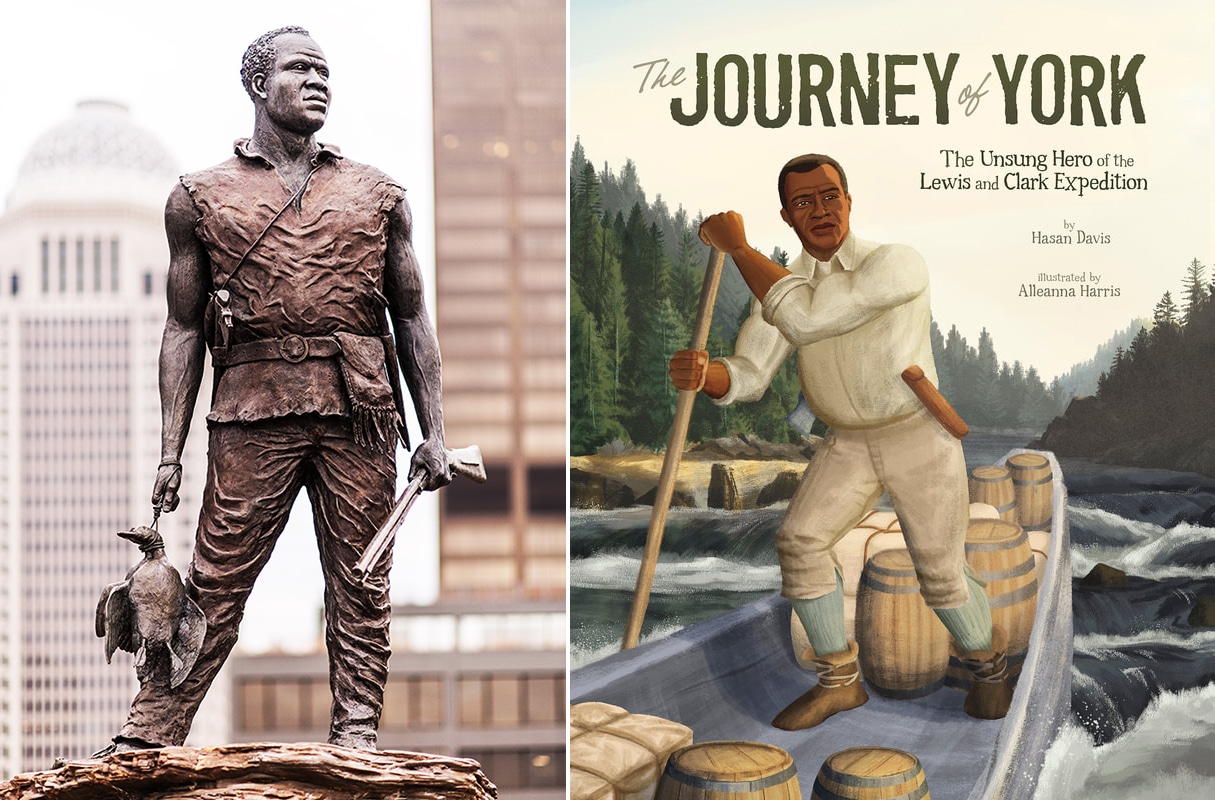
After the show, when the audience was invited to ask questions, I wondered if they would rebel against Davis’s surprisingly raw portrayal. Instead, his thought-provoking rendition seemed to have brought York to life in a way that positively affected the people gathered there. I watched children, teenagers, and adults thank Davis for introducing them to a history that they felt had been hidden. I thanked Hasan Davis, too, for presenting York as a real, feeling person with an interior life. I bought his children’s book about York, and as a form of research for my own public history projects, I took mental notes on how he had connected with this particular audience. However, I was bothered by one glaring absence. No one reenacted Sacagawea’s exterior or interior journey in the state park that day. This may be as it should. Performing Indigenous history and lives in a commemorative context is a sensitive endeavor. Still, Sacagawea might have been remembered through an educational talk or through books made available for sale next to the books about York. Instead, on lands that Sacagawea’s feet had once touched, only York, or the man flown in to portray York, said her name.
There is a thorny interpretive tension collective national imaginary of Sacagawea.
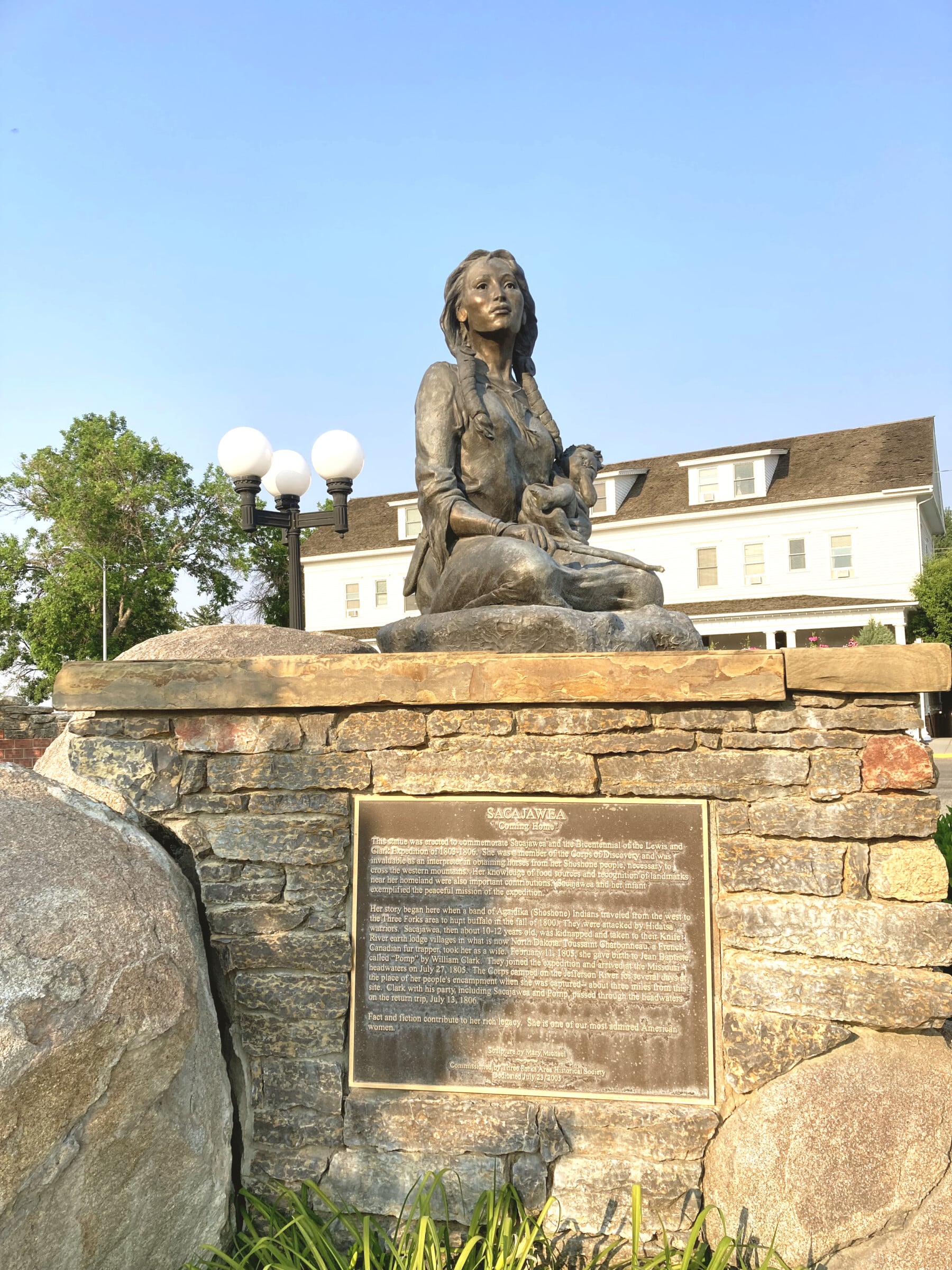
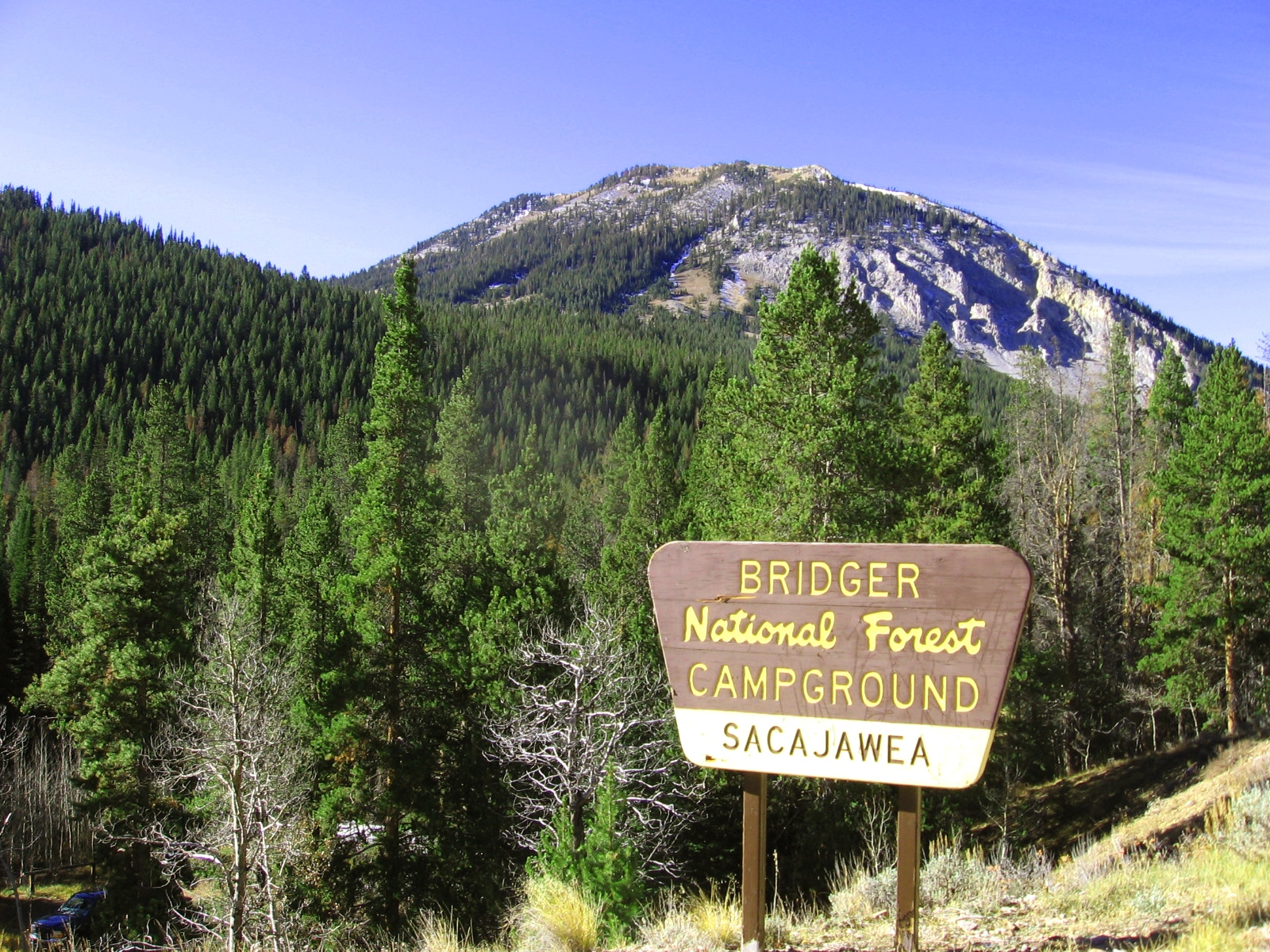
This was the case even though “Sacagawea” is a common word in the Montana landscape. There are parks, mountain peaks, and rivers named for her; my son attended Sacajawea Middle School. The effect of this ubiquitous nomenclature is that Sacagawea the person is both present and absent, seen and unseen, blithely overrepresented, while at the same time her personal sacrifices and suffering and her contributions of knowledge and skill remain overlooked. There is a double-edged-ness, a twisted-ness even, a thorny interpretive tension in the collective national imaginary of Sacagawea. On the one hand, we celebrate American progress by highlighting an Indigenous woman; on the other, we obfuscate her historical trauma with a veneer of adventure and romance. The popular version of Sacagawea is perhaps the sacrificial lamb of westward expansion — venerated for what she gave to the nation that would ultimately decimate her people. Here I endeavor to trace the embodied, feeling, and intellectual presence of Sacagawea on the Lewis and Clark Trail, combining my Montana travel notes and the historical record to see her in a way that historic markers do not, or cannot.
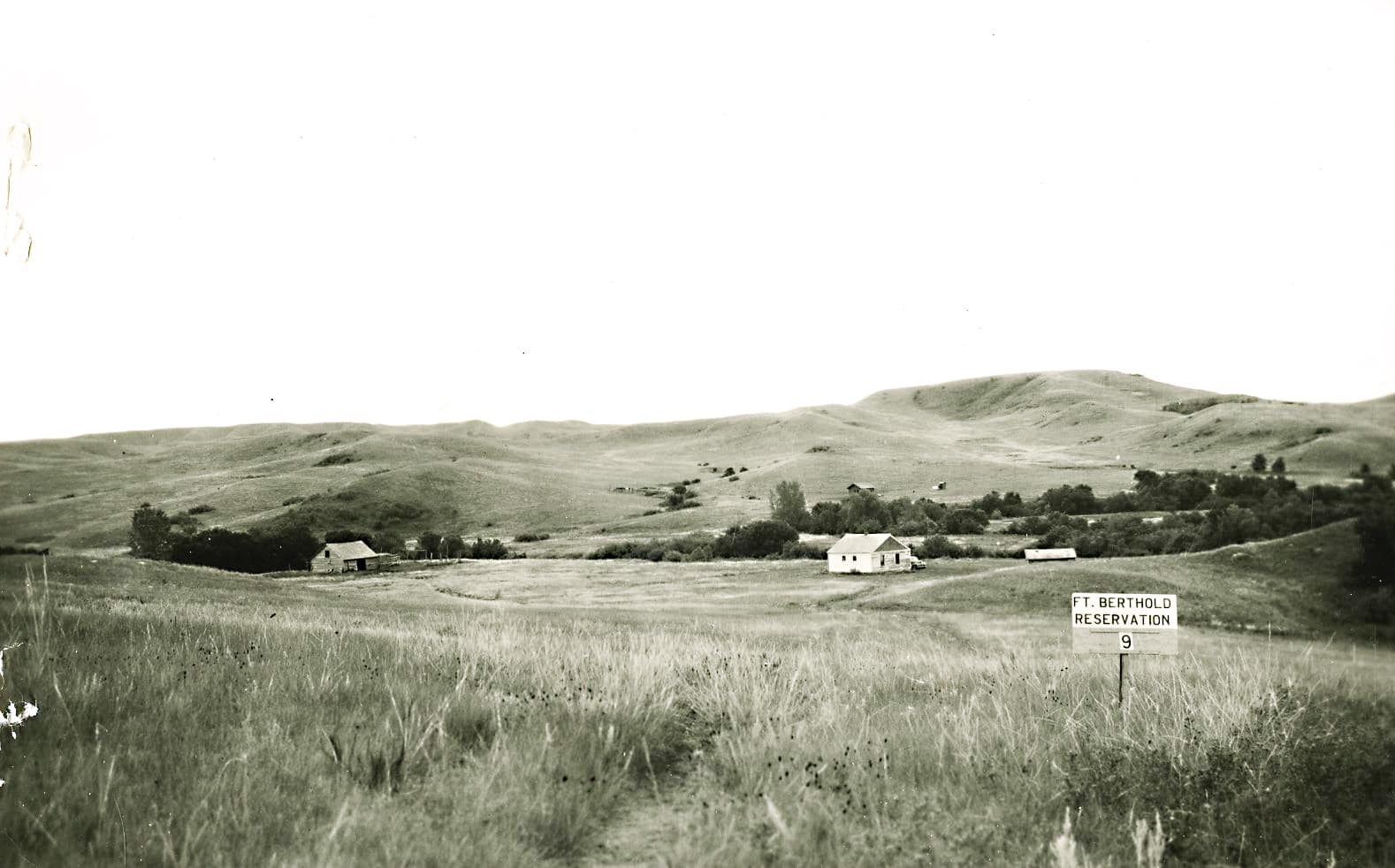
“Sacagawea” is a multifaceted name befitting a complex person. Scholars and interpreters have debated the spelling and meaning of this moniker. “Sacagawea” spelled with a “c” and a “g” has been widely adopted. The “c-g” spelling – Sacagawea – apparently derives from the Hidatsa language and translates as “Bird Woman.” 4 The Mandan-Hidatsa-Arikara nations of the Fort Berthold Reservation (also known as the Three Affiliated Tribes), however, use the “k” spelling, i.e. “Sakakawea.” Her name has also been spelled with variants in both directions, so as to retain either the “c” or initial “k” and replace the “g” with “j,” i.e. “Sacajawea,” or “Sakajawea.”
There are conflicting explanations as to why so many variations exist. The U.S. Forest Service Lewis and Clark Interpretive Center describes the spelling “Sacajawea” as an error that tracks back to a misspelling in an 1814 edition of the Lewis and Clark journals edited by Nicholas Biddle, whereas the historian and Sacagawea biographer April Summit argues that a preference for the “j” spelling reflects Shoshone linguistics. 5 The distinction is not meaningless. According to scholars, in Hidatsa, “Sacagawea” means “bird-woman”; in Shoshone, “Sakajawea” means “boat-pusher.” 6 It may be that Sacagawea’s Shoshone name was modified by the Mandan-Hidatsa-Arikara nations, or perhaps vice versa. It’s also possible that she answered to different names, which hints already of her adaptability. In any case, whether as “bird-woman” or “boat-pusher,” we see a girl, and young woman, who was associated with the waterways and skies of the Indigenous West.
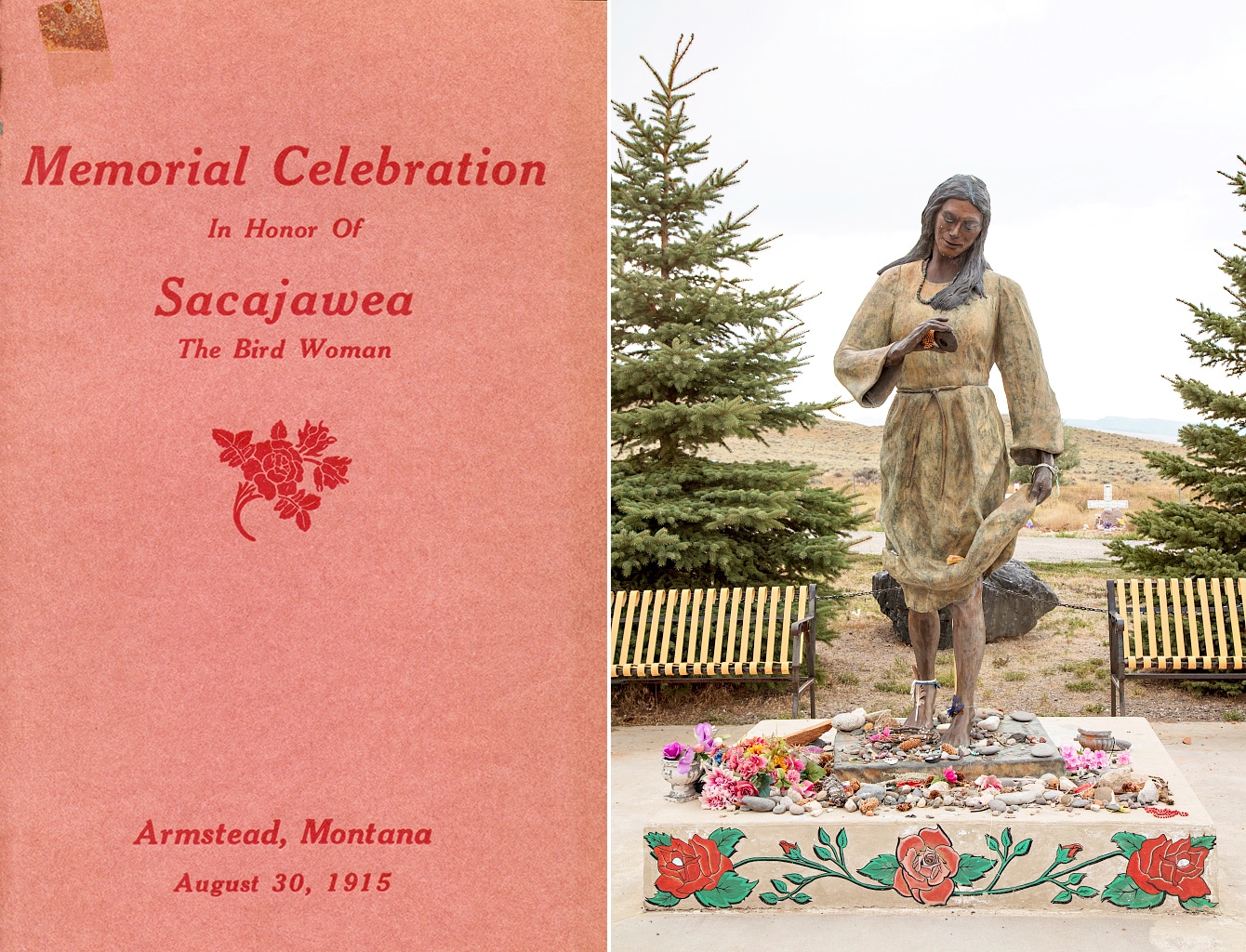
The only confirmed paper documentation of Sacagawea’s life was written by men associated with the Corps of Discovery, or the Lewis and Clark Expedition, an ambitious U.S. national undertaking launched by America’s third president, Thomas Jefferson, in 1804. The goal was to chart a trade route by water, map the western lands of the 1803 Louisiana Purchase, and commence formal trade and authoritative political relations with the western Indigenous nations. These expedition writings suggest that Captain William Clark had a high opinion of Sacagawea, while Captain Meriwether Lewis’s judgement was mixed. Notably, the records do not tell us what Sacagawea thought of these now-famous men.
When she was around twelve years old, in the year 1800, Sacagawea was kidnapped at the confluence of three Montana rivers: the Madison, the Gallatin, and the Jefferson, together known as the Three Forks of the Missouri. Five years later, she recounted the harrowing experience to Meriwether Lewis. Captain Lewis freely opined on what he saw as Sacagawea’s apparent lack of emotion as she recalled these traumatic events. “Sah-cah-gar-we-ah o[u]r Indian woman was one of the female prisoners taken at that time; tho’ I cannot discover that she shews any immotion of sorrow in recollecting this event, or of joy in being again restored to her native country; if she has enough to eat and a few trinkets to wear I believe she would be perfectly content anywhere,” he wrote. 7
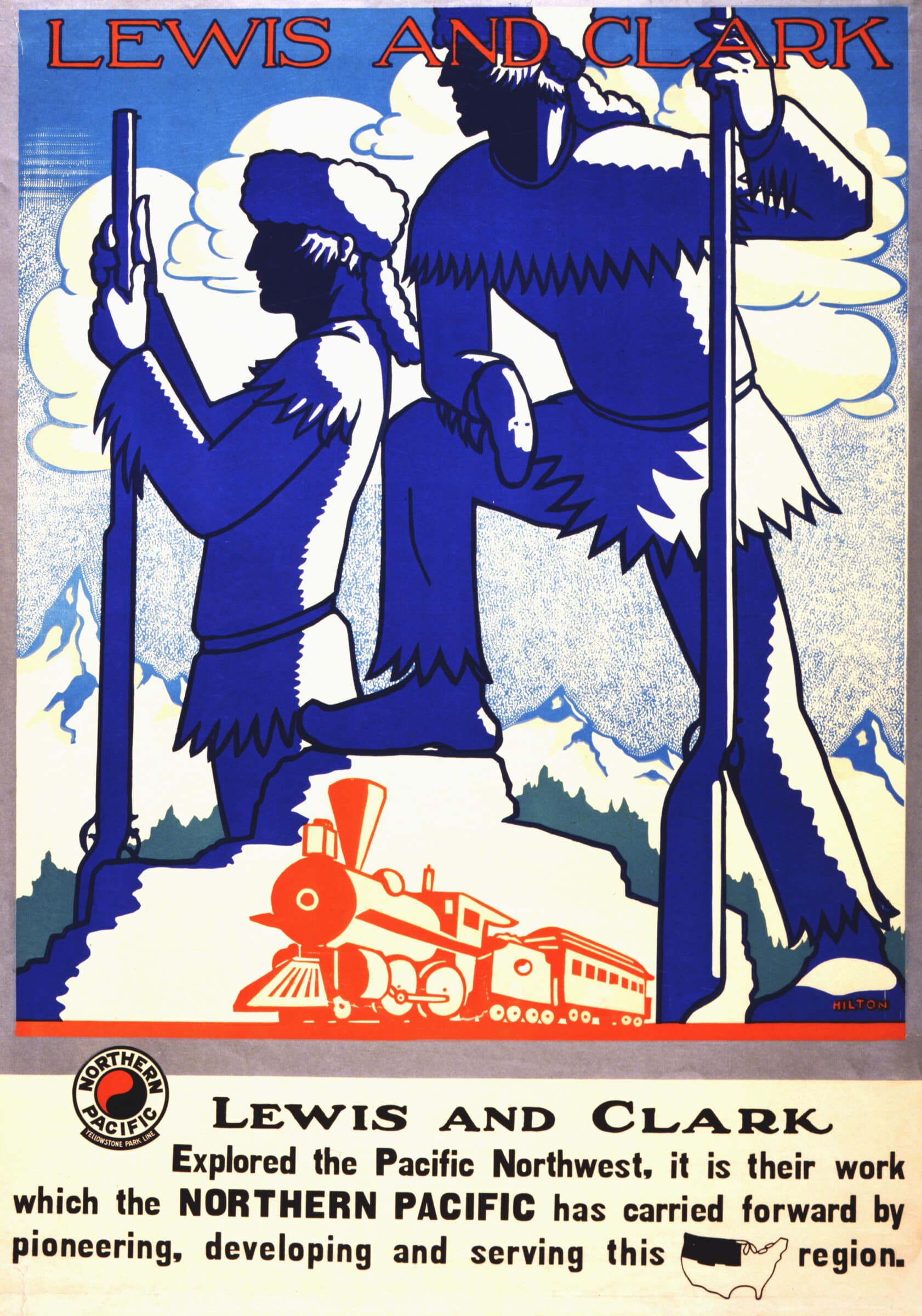
As the historian Donna Barbie has pointed out, Lewis and Clark tended to refer to Sacagawea as a category rather than as an individual, calling her the “Indian woman” or “squar” in their journal entries. 8 (“Squar” is a version of “squaw,” a word from the Algonquian language family now viewed as a pejorative because of the way that it was used as a slur by White male settlers in the 19th century.) Moreover, the two expedition captains tended to append a possessive pronoun, adding “our” before “Indian woman.” This suggestion of ownership was revealingly close to the truth, as Sacagawea had been obtained (possibly through trade or purchase) by a fur trader, who in turn lent her services to the Corps, and by extension, to the U.S. State.
Lewis and Clark tended to refer to Sacagawea as a category rather than an individual.
From Meriwether Lewis’s account, a reader might think that Sacagawea was shallow and materialistic, but it is doubtful that Lewis accurately understood her feelings. To the contrary, we can suppose that Meriwether Lewis, a Virginia-born military officer and former secretary to President Jefferson, knew next to nothing about Sacagawea or what it meant to be a Native woman in the early 19th century when violence was escalating in the West and the newly consolidating United States sought to expand into Indigenous homelands beyond the Missouri River. By the time Sacagawea, a Shoshone-Hidatsa teenager, joined the Corps of Discovery, she had already endured a series of traumas that taught her how to navigate a dangerous and changing social, political, and economic environment. 9
An international trade in hides and weapons destabilized Indigenous people in the West. Some communities had greater access to trading partners, horses, and firearms than others. Native nations with favorable positions, like the Utes to the southwest and Blackfeet to the northwest, had closer ties to Spanish and Canadian traders and could therefore increase attacks on other groups. They used their advantage to seize horses, a critical means of mobility and a measure of wealth, and to kidnap women and children, the producers of kin and marketable bison hides. Guns made attackers more deadly and raids more lucrative, so poorly-armed men intensified their raiding activities in the hopes of seizing firearms or gaining favor with Europeans who could provide weapons.
The Corps of Discovery encountered besieged and fearful Great Basin peoples, deeply affected by the disruptions of colonialism.
Sacagawea’s Shoshone people were disadvantaged in this increasingly violent context. Located in the northern interior, far from trading centers and armed with less lethal weapons, they were vulnerable to attack. As the 19th century unfolded, many Shoshone and other Great Basin groups were in jeopardy. Western Shoshone historian Ned Blackhawk emphasizes that Lewis and Clark did not enter an idyllic western landscape in 1804. “Far from reaching Indian groups unaffected by the continent-wide disruptions engendered by colonialism,” Blackhawk writes, “the Corps of Discovery encountered besieged, dependent, and fearful Great Basin peoples.” 10

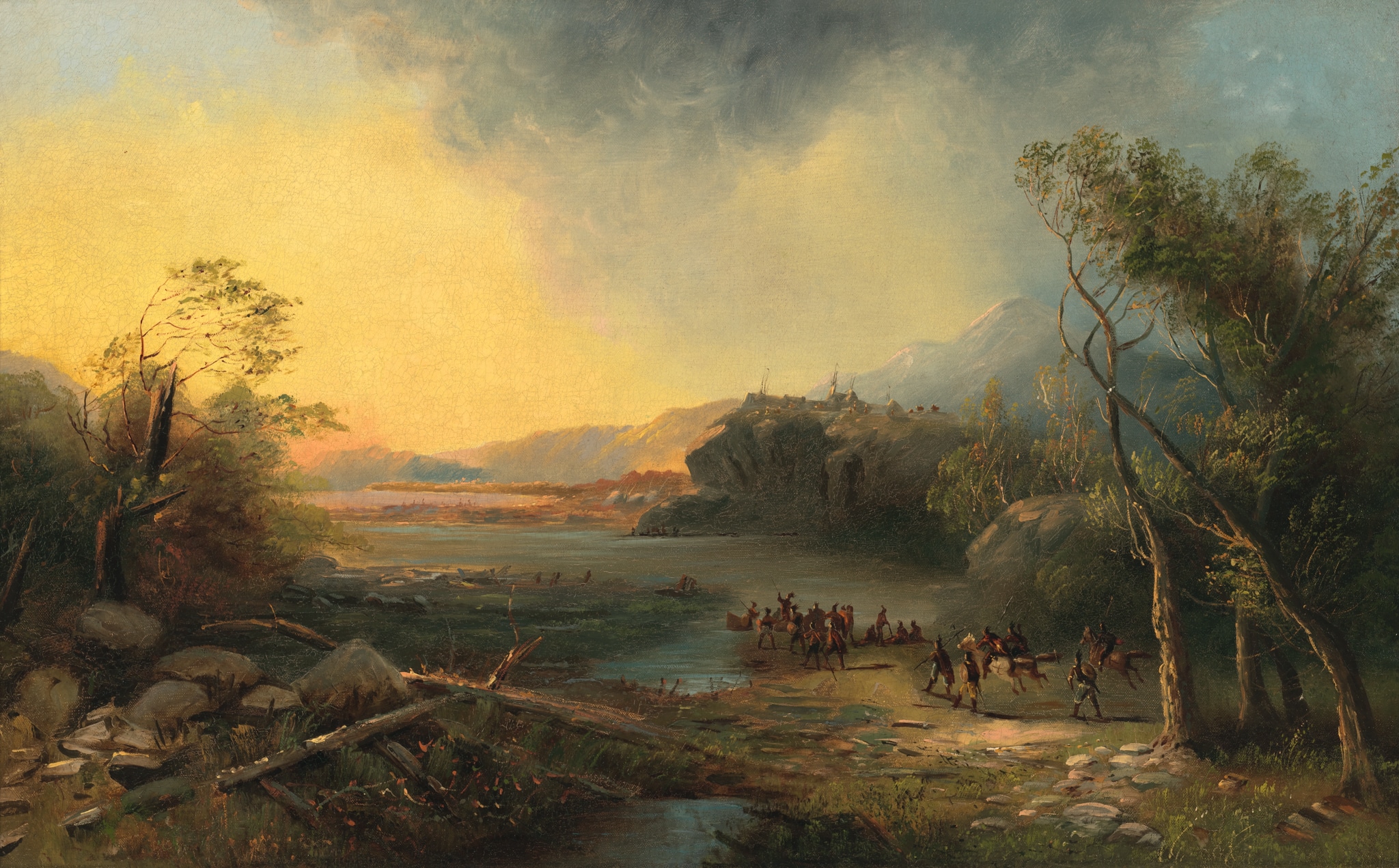
These Great Basin peoples were Sacagawea’s kinsmen and kinswomen, and regional neighbors. In 1800, while she camped with members of her Lemhi Shoshone band (of the Eastern Shoshone nation) along the Three Forks of the Missouri River, her group was attacked by Hidatsa raiders who had traveled there from the upper Missouri River area in what is now North Dakota. 11 The raiders led Sacagawea and two other females from her party, Leaping Frog Woman and Otter Woman, hundreds of miles back east to the Hidatsa and Mandan villages. There, a man named Red Arrow gained possession of the young girls, whom he intended to hold as wives.
During her resettlement among the Hidatsas, who lived near their allies, the Mandans, at the confluence of the Knife River and Missouri River, Sacagawea’s first thoughts must have focused on survival. One of her fellow captives, Leaping Frog Woman, had managed to run away, and perhaps in the early weeks of her captivity, Sacagawea plotted the same. Within months, however, she was acquired in a trade by Toussaint Charbonneau, a French-Canadian fur trader who lived in a Hidatsa village. The details of this transaction have been lost to history. Most sources about the Lewis and Clark Expedition describe her as Charbonneau’s wife, but she was an unfree girl of thirteen or fourteen when she entered the household of this forty-something Frenchman. 12 A few years later, Sacagawea would be a new mother traveling nearly twenty miles a day with dozens of White American soldiers and one enslaved man named York.
Leaping Frog Woman had managed to run away, and perhaps Sacagawea plotted the same.
When Captain Meriwether Lewis and Captain William Clark arrived in the Mandan territory in 1804 with their well-armed military contingent, they erected a temporary post to buckle down for the winter and gather information in preparation for the next leg of their journey. They called this stockade Fort Mandan in honor of the Native neighbors who had agreed to host them and keep them fed so long as food was available. Charbonneau traveled from the Hidatsa village with Sacagawea and Otter Woman to visit the captains at Fort Mandan and offer his services as an interpreter who spoke French, English, and Hidatsa. Lewis and Clark interviewed Charbonneau to get a sense of his suitability for the expedition. They also interacted with the Frenchman’s two Shoshone “wives,” Sacagawea and Otter Woman, who turned out to have been raised in the very lands the captains needed to cross to carry out their mission. 13 They decided to hire Charbonneau, knowing that they would need his wives too, to translate when they entered Shoshone territory. Charbonneau did not speak Shoshone, but Sacagawea and Otter Woman did, and Lewis and Clark had plans to negotiate with the Shoshones for directional guidance and supplies. Even at this very first meeting, the captains solicited detailed information from the young women, including cartographic drawings and predictions of where the Corps was likely to encounter Shoshone camps. 14
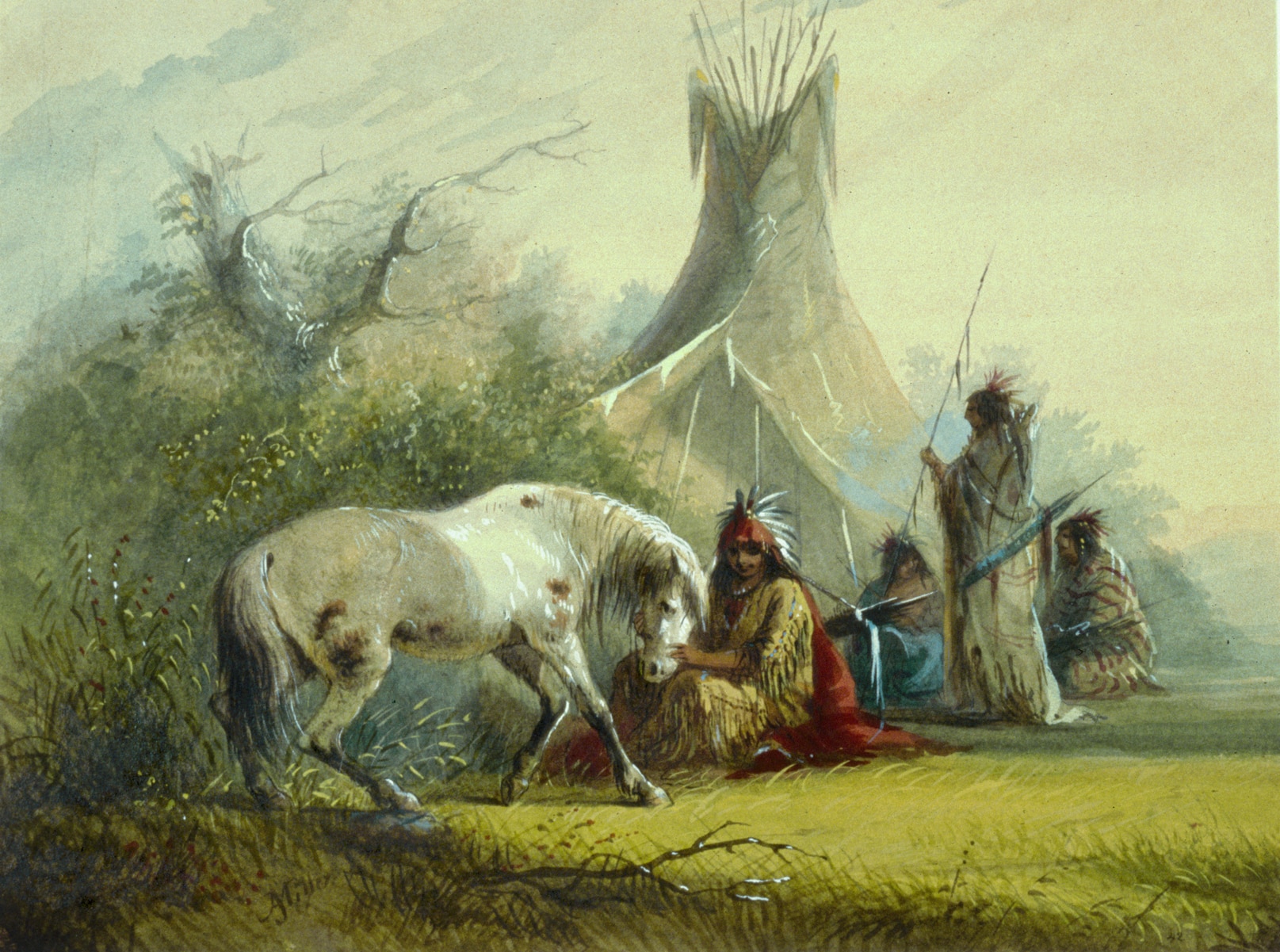

In February of 1805, during the time that the expedition members were wintering over in their fort, Sacagawea gave birth to her first child. She was probably around sixteen years old. William Clark described the difficult labor in his journal: “about five Oclock this evening one of the wives of Charbono was delivered of a fine boy. it is worthy of remark that this was the first child which this woman had boarn, and as is common in such cases her labour was tedious and the pain violent.” 15 During the trial that was first childbirth, Sacagawea’s loneliness must have been profound.
She did not have elder Shoshone women to aid her, nor did she seem to have Hidatsa women at her side. It was a French-Canadian trader and associate of Charbonneau who administered a remedy made of ground rattlesnake tail and water. Charbonneau gave the newborn a French name: Jean Baptiste Charbonneau, while William Clark nicknamed the baby “Pomp.” We do not know what Sacagawea called the child whom she had labored in pain to birth. On this, the historical record is silent.
How would Sacagawea withstand journeying into places unknown alongside men who must have seemed alien and threatening? Not with an attitude of passivity and complacency.
After the snows melted in April, Lewis and Clark’s contingent, which now included Charbonneau and his wives, prepared to depart. Otter Woman, who was close to Sacagawea in age, was pregnant. Due to her condition, and perhaps also cognizant of the difficulties of Sacagawea’s labor, William Clark insisted that Otter Woman stay behind. Although we have very few windows into Sacagawea’s emotions before and during this journey, an early biography recounts that Sacagawea wished to remain in the company of Otter Woman, whom she counted as a “close friend.” 16 Clark’s decision consigned Sacagawea to an extraordinarily long, arduous journey as the lone female in the company of over thirty men, without a friend, and with one infant whose life rested in her hands.
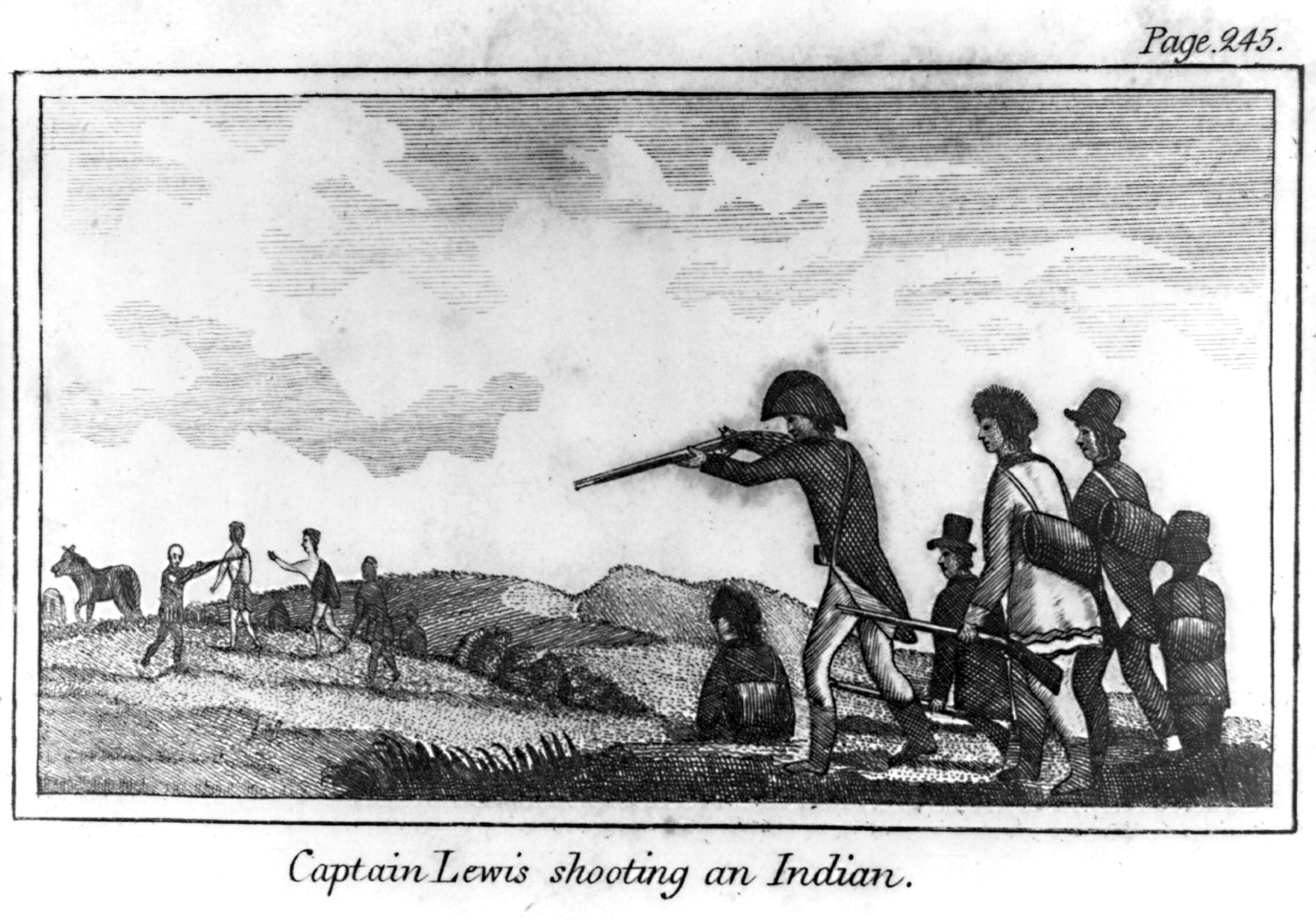
How would Sacagawea withstand months, if not years, journeying into places unknown alongside men who must have seemed both alien and threatening? Not, as Meriwether Lewis’s quoted words earlier in this essay might suggest, with an attitude of passivity and complacency. Through a chain of events that now seems incredible, Sacagawea would survive this unprecedented ordeal due to her resilience, flexibility, and superior knowledge of landscapes — and surely also a bit of luck. 17
Sacagawea enabled the success of the Lewis and Clark expedition, which hinged on her geographical awareness, cultural knowledge, social ties, and quick action. By the time the Corps completed its mission of charting a route to the Pacific coast, the expedition had been steadied multiple times by Sacagawea, the only member of the group who knew the land and people of the windswept northern plains and rugged Rocky Mountains. Her remarkable skill set consisted of environmental observation and social adaptation, as well as the training she’d received from Native women, first among the mobile Shoshones, and then among the agricultural Hidatsas and Mandans.
In 1803, Thomas Jefferson doubled the size of the United States by purchasing an enormous swath of the North American interior from France for fifteen million dollars, a bargain of approximately four cents per acre. 18 France owned the land in word only, as it was occupied by hundreds of Indigenous societies that did not recognize the political sovereignty of any European power. Nevertheless, the unprecedented deal, called the Louisiana Purchase, proceeded, and in President Thomas Jefferson’s view, necessitated, an exploratory mission that would push beyond the Northwest Territory (present-day Ohio, Indiana, Illinois, Michigan, Wisconsin, and part of Minnesota). 19 President Jefferson’s main objective for the Lewis and Clark expedition was to find a fabled water passage to the Pacific Coast to aid further commerce, but there was more to his design. The voyage was also intended to be a “reconnaissance mission,” writes historian Walter Johnson, meant to bring back critical geographical, cultural, and organizational knowledge that the United States could use to exert economic pressure and political authority over Native nations. 20
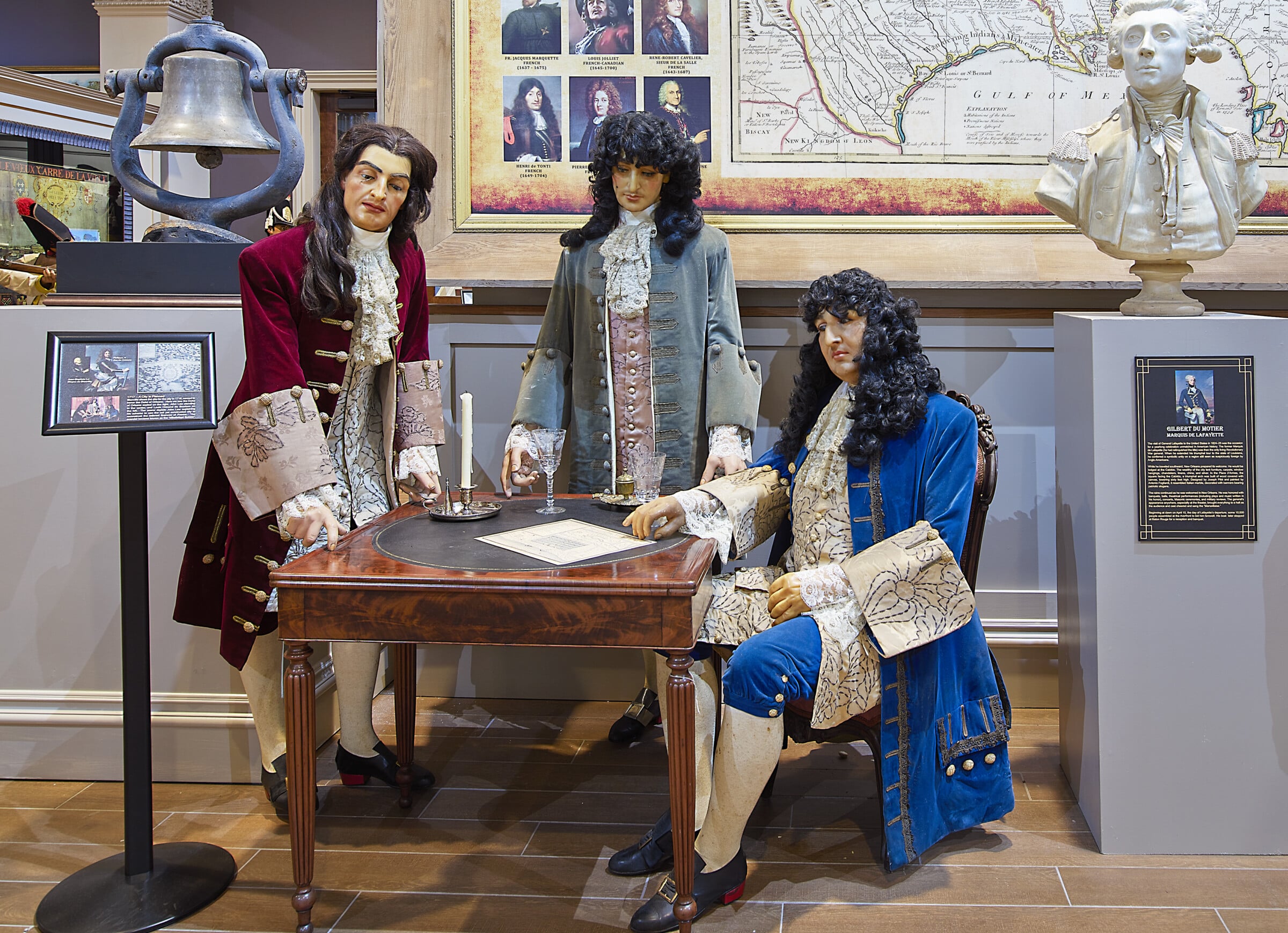
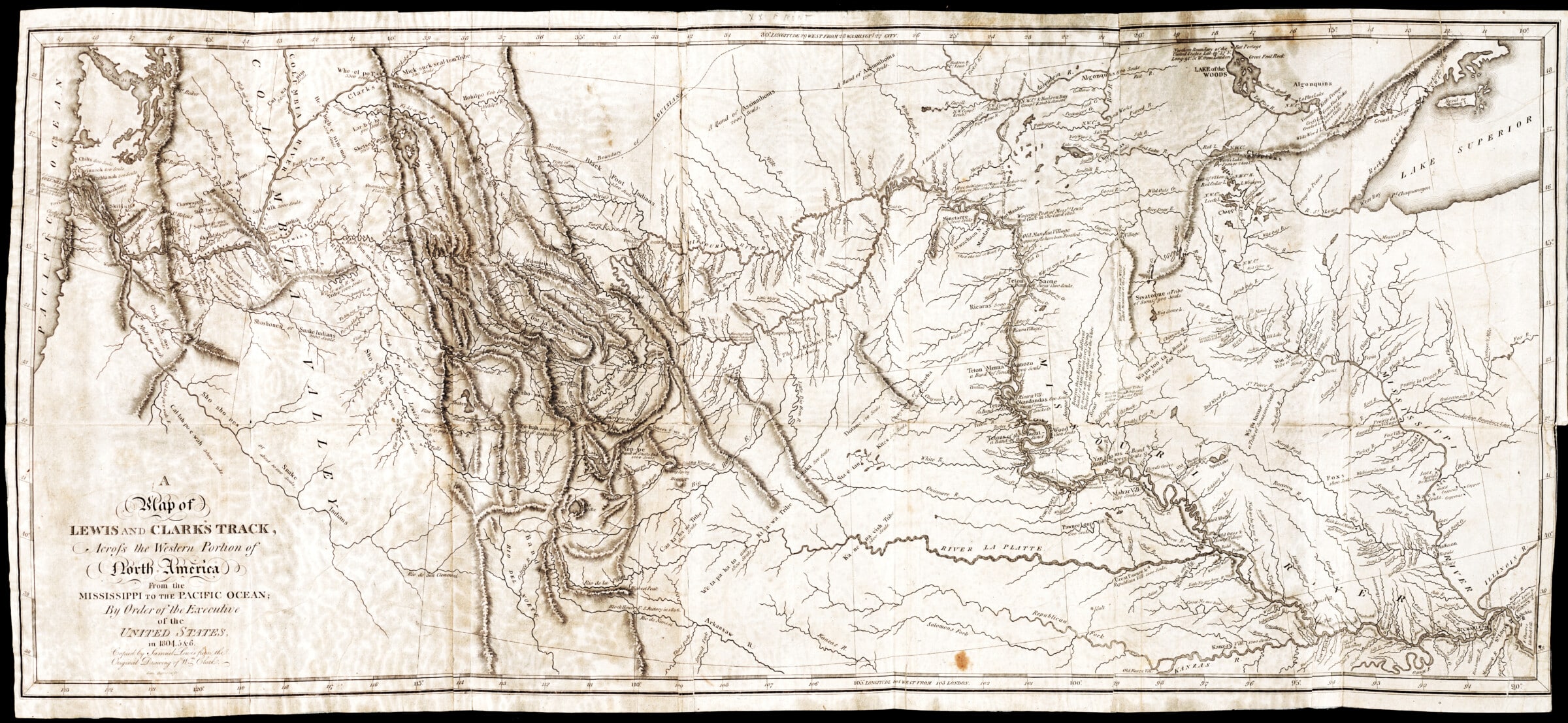
In other words, the Corps of Discovery was to be the advance guard of state penetration, paving the way for American empire in lands where other nations already existed. As such, “the adventure seemed to represent in microcosm the entire process of westward expansion and to offer, by implication, a powerful historical metaphor of the nation’s ‘manifest destiny.’” 21 Thomas Jefferson’s detailed instructions to Meriwether Lewis were crafted with care in June 1803, after consultation with other statesmen and scholars. The directions laid bare the expedition aim of sowing empire rather than diplomacy: gather intelligence, collect specimens, keep detailed records. Jefferson requested geographical information about the route and ethnographic information about the inhabitants of the area, insisting that: “Your observations are to be taken with great pains and accuracy.” 22 Lewis would later recruit William Clark, a fellow Virginian, to join him in leading Jefferson’s cause.
She must have experienced traumatic memories along the trail, which closely followed the route of her abduction.
Sacagawea set off with this reconnaissance company in the spring of 1805, carrying a two-month-old baby on her back. She must have experienced traumatic memories along the trail, as the trajectory of the expedition loosely followed the route of her abduction. In what is now the town of Three Forks, Montana, the Corps camped near the spot where Sacagawea had been kidnapped five years prior. This is where she recounted the incident and where Lewis deemed her “inscrutable.” 23 The Three Forks of the Missouri is also where Sacagawea first began to recognize natural landmarks that told her that the Corps of Discovery was nearing the location of the Shoshones, information she shared with the captains.
Sacagawea may not have seen this moment at Three Forks as having meta-significance in the history of what would become an American West; but in fact it did, because Meriwether Lewis or William Clark claimed the authority for themselves to rename the Three Forks of the Missouri River, just as they renamed many other animals, plants, and geological features encountered on the voyage. They gave each of the Three Forks the name of an American statesmen: the Jefferson River (after Thomas Jefferson), the Madison River (after James Madison, Jefferson’s Secretary of State and the future, fourth U.S. president), and the Gallatin River (after Albert Gallatin, Jefferson’s Secretary of the Treasury).
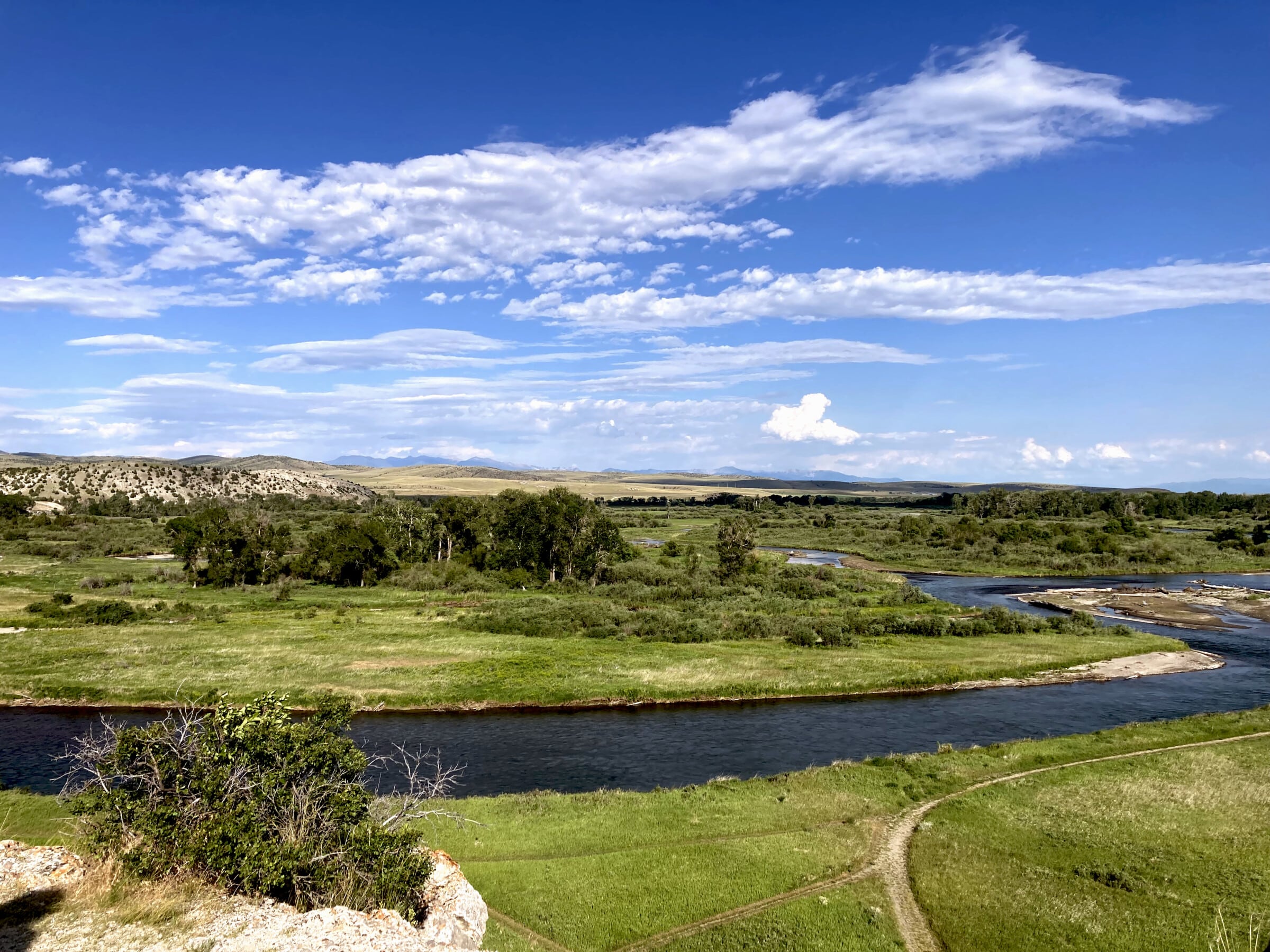
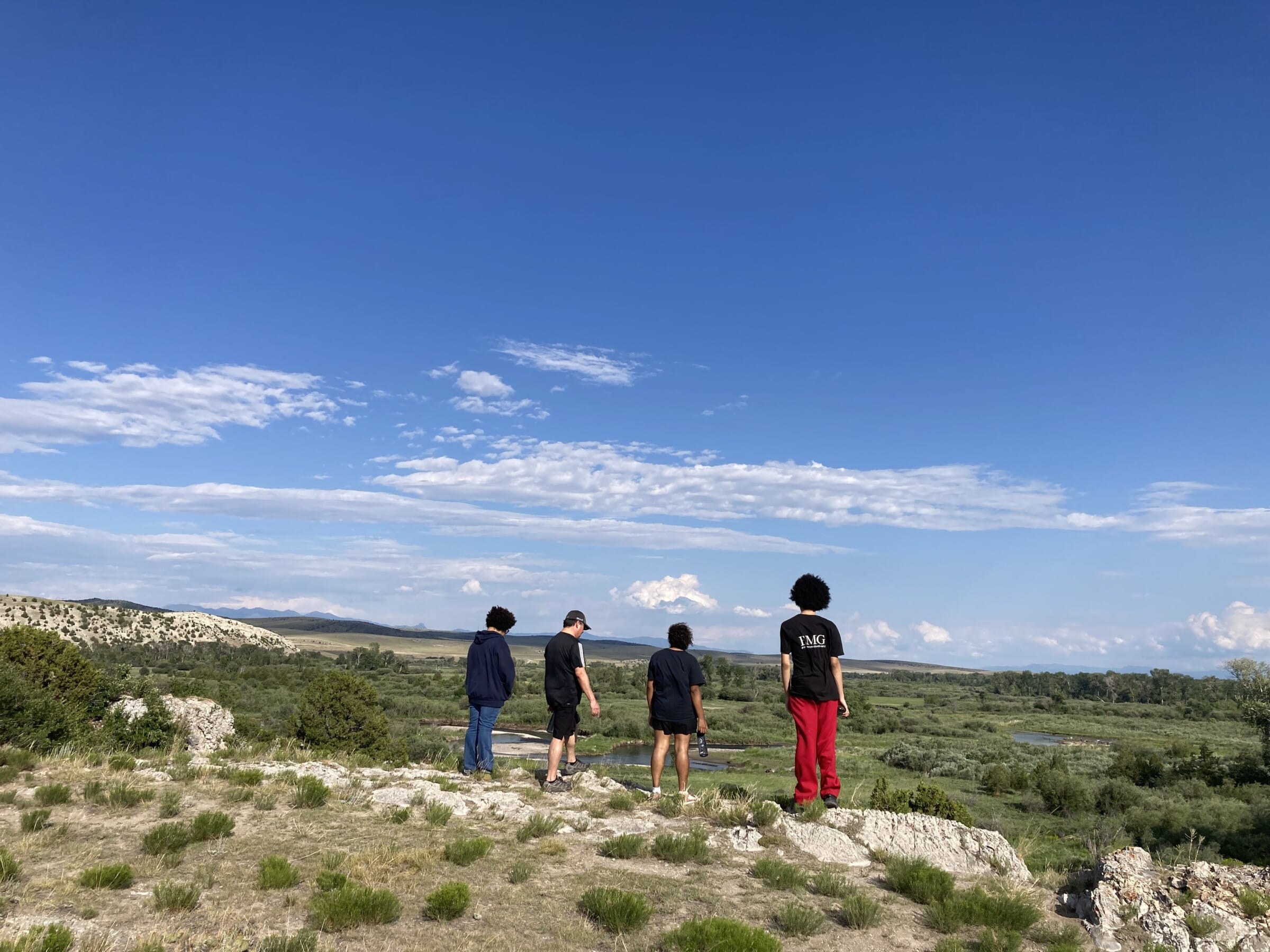
At Three Forks, just as at other pivotal moments on the expedition, Sacagawea provided essential information that helped the men in charge orient themselves and interpret the geographical, political, and cultural zones around them. Near the Judith River of central Montana, for instance, Sacagawea identified moccasins of the Gros Ventres or Aaniiih people, which are my spouse’s nation. 24 On the return trip to St. Louis, nearly two years later, she recognized landmarks in the Rocky Mountains at a spot now known as Bozeman Pass. This was where Clark made the remark that has led to numerous depictions of Sacagawea pointing with an outstretched arm: “The indian woman who has been of great Service to me as a pilot through this Country recommends a gap in the mountain more South which I shall cross.” 25 It was Sacagawea – not Clark, or Lewis, or Charbonneau — who knew the way.
The preservation of the boat’s contents was due to Sacagawea.
Sacagawea was dauntless, too, in her actions to preserve the documents that Lewis and Clark were compiling, per Jefferson’s instructions. One incident in particular has received scant attention in accounts of the voyage, but distinctly conveys how Sacagawea’s imprint touched waters as well as land. While the party was navigating the fast and unpredictable Missouri River breaks near the Judith River in May of 1805, the boat Sacagawea was traveling in nearly capsized. The vessel was being steered by Charbonneau, who could not swim and apparently panicked, crying out for God’s mercy. Lewis wrote a lengthy account of this barely-averted disaster (describing the boat as a “perogue,” more commonly spelled “pirogue”):
I have now to recappitulate, and which altho’ happily passed without ruinous injury, I cannot recollect but with the utmost trepidation and horror; this is the upsetting and narrow escape of the white pirogue. . . . in this perogue . . . were embarked, our papers, Instruments, books medicine, a great part of our merchandize and in short almost every article indispensibly necessary to further the views, or insure the success of the enterprize. . . . in which we are now launched to the distance of 2200 miles. Surfice it to say, that the Perogue was under sail when a sudon squawl of wind struck her obliquely, and turned her considerably. . . . an would have turned her completely topsaturva, had it not been from the resistance mad by the oarning against the water. 26
Clark also recorded the incident, and his account has more detail. While Charbonneau fervently prayed and the vessel “nearly filed with water,” the oarsmen frantically rowed. We know that the bowman Cruzatte was instrumental in maneuvering the boat to safety because Clark took special care to name him: “we owe the preservation of the perogue to the resolution and fortitude of Cruzatte.” 27
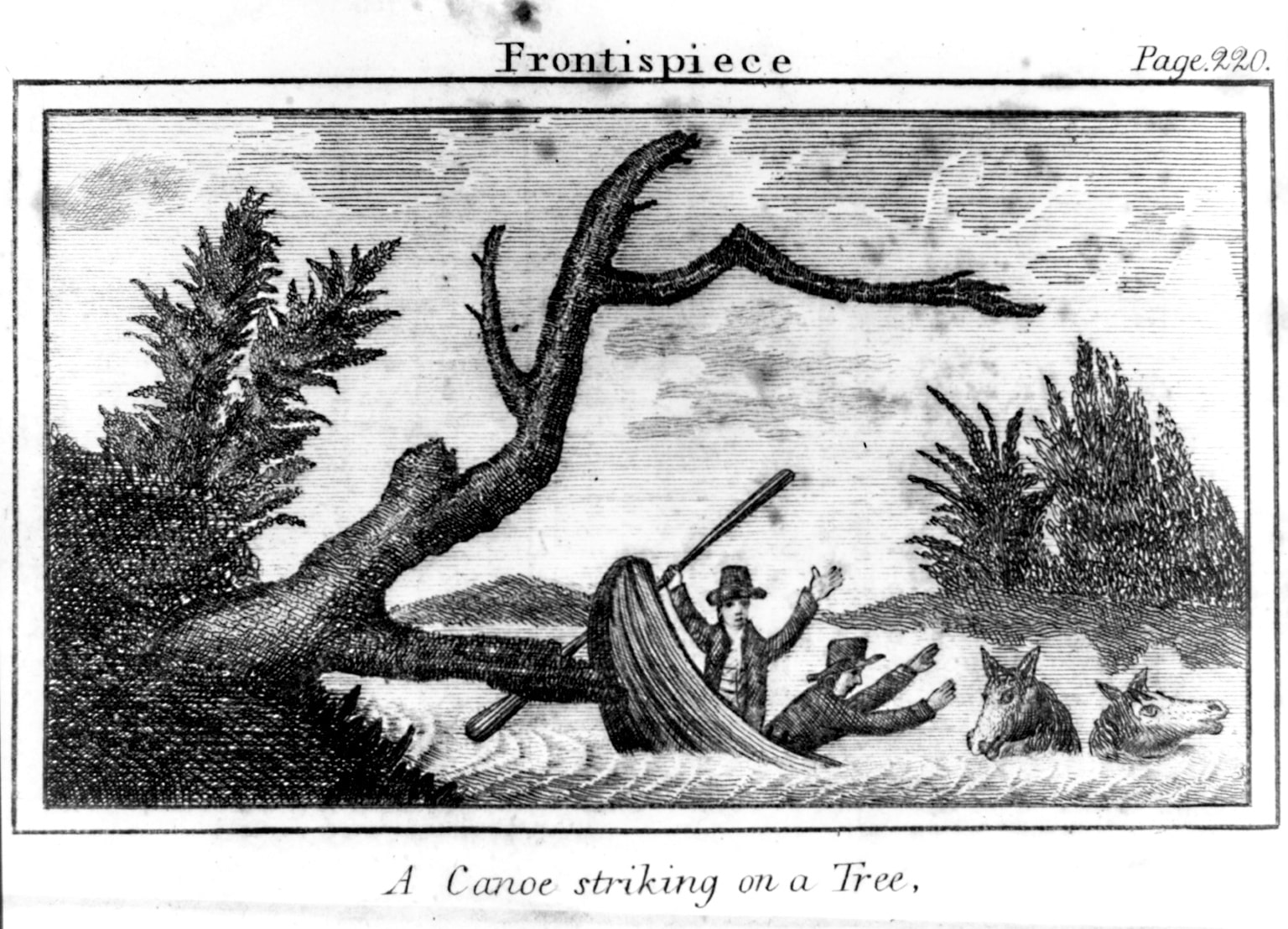
The preservation of the boat’s contents, however, was due to Sacagawea. The boat that nearly capsized was the same carrying parcels essential to the expedition. “[A]lmost every article indipensibly necessary,” in Lewis’s words — instruments, books, medicine, and the paper on which members of the expedition had been assiduously noting their observations. The water lifted this precious cargo out of the boat and into the current, but Sacagawea rescued it. “[T]he articles which floated out was nearly all caught by the Squar who was in the rear,” reported Clark. We know the rapids were extreme because Lewis commented that jumping in to try to save the boat would have been certain suicide. The unnamed Sacagawea not only leaned directly into these deadly waters, but did so with an infant on her back. 28
Two days after the incident, on May 16th, Lewis wrote more specifically of Sacagawea’s role in averting disaster: “our Instruments, Medicine, merchandize provision &c, were perfectly dryed, repacked and put on board the perogue. The loss we sustained was not so great as we had at first apprehended; our medicine sustained the greatest injury. . . . the ballance of our losses consisted of some gardin seeds, a small quantity of gunpowder, and a few culinary articles which fell overboard and sunk, the Indian woman to whom I ascribe equal fortitude and resolution, with any person onboard at the time of the accedent, caught and preserved most of the light articles which were washed overboard.” 29 Like his partner Clark, Lewis did not commend Sacagawea by name.
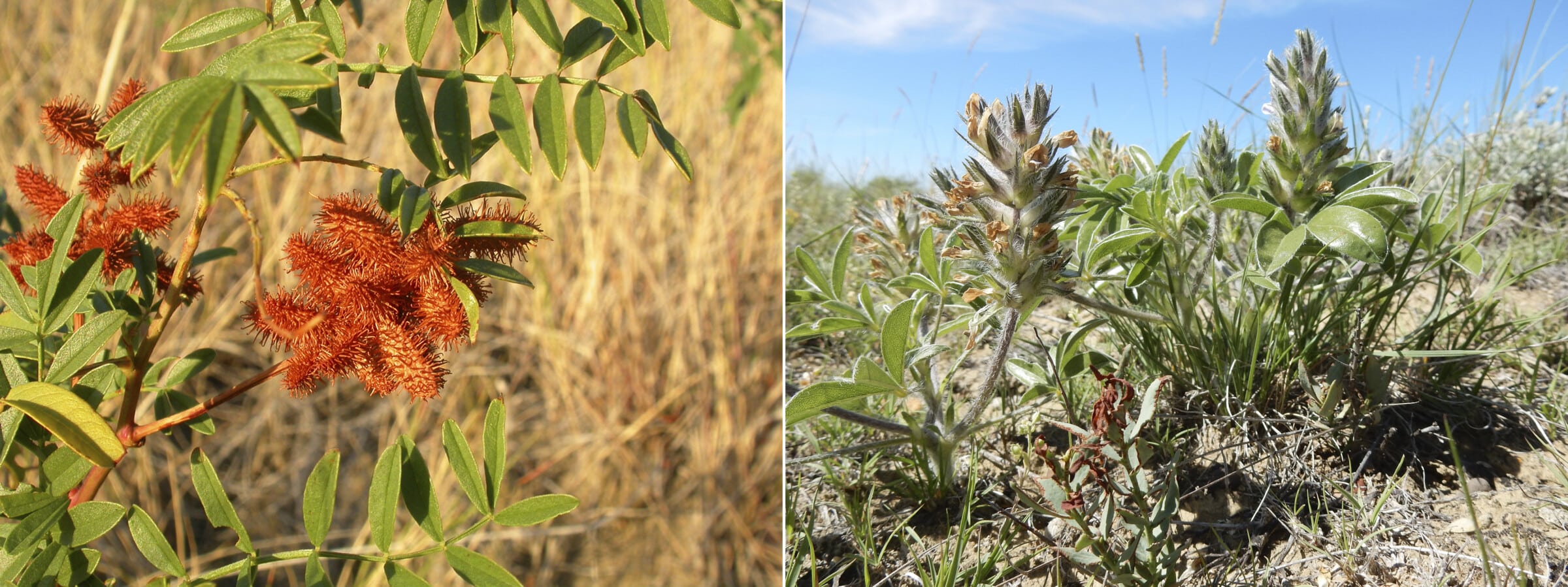
This would not be the last time Sacagawea rescued President Jefferson’s research expedition from certain harm and potential failure. She was also the supplier of all fresh fruits and vegetables in the Corps diet. 30 When food stores ran low and game grew scarce, Sacagawea foraged for edible plants, providing the American men with food, and teaching them what, in an ecology foreign to them, might sustain human life. She often walked with Clark and York alongside the river, Jean Baptiste fastened into a cradleboard on her back, pointing out and collecting plants such as a cherry-like berry bush, wild licorice, and “white apple.” 31 In June of 1805, Sacagawea identified a root that was described in the expedition journals as “similar to a Jerusalem artichoke.” 32 In some cases, Lewis and Clark added the plants Sacagawea had collected to the specimens they later sent back to Thomas Jefferson. 33 In other cases, they instructed their officers to gather more of the food, so as to feed the group. 34
Sacagawea was so critical to the mission that when she became ill, the captains and officers despaired.
Sacagawea’s language skills were similarly key. She spoke at least three languages and served as the vital link in a translation chain, in which she would translate from a Native language to French, and Charbonneau would then translate from French to English. She was the only person who could converse with the Shoshones, whom Lewis and Clark were counting on for information and supplies. Sacagawea was so critical to the mission that when she became ill near the Great Falls of the Missouri River and seemed near death, the captains and even the regular officers despaired. One private named Joseph Whitehouse wrote in his diary: “Our interpreters wife got very Sick, and great care was taken of her, knowing, what a great loss she would be, if she died, she being our only Interpreter, for the Snake Indians, who reside in those Mountains lying West of us, and from whom we expect assistance, in prosecuting our Voyage.” 35
Lewis revealed that while he worried for Sacagawea, he was even more alarmed about the effect that her loss could have on the mission: “this gave me some concern as well as for the poor object herself, then with the young child in her arms, as from the consideration of her being our only dependence for a friendly negociation with the Snake Indians on whom we depend for horses to assist us in our portage from the Missouri to the Columbia River.” 36 After days of suffering, Sacagawea recovered from what was likely a gastrointestinal illness and immediately resumed gathering essential plants and fish for the men. 37

At the Three Forks of the Missouri, Sacagawea recognized a place from her youth, pointing out a creek where she remembered Shoshones collecting clay to mix white paint. From there, she helped Lewis and Clark navigate toward a Shoshone encampment. 38 Lewis wrote: “She assures us that we shall either find her people on this river or on the river immediately west of its source. . . . As it is now all important with us to meet with those people as soon as possible, I determined to leave the charge of the party . . . to Capt. Clark; and proceed tomorrow with a small party. . . . until I found the Indians.” 39 When Sacagawea spotted the members of her Lemhi Shoshone band, she was overwrought.
Sacagawea threw her blanket around her brother and sobbed.
The leader of the group, by incredible happenstance, turned out to be her own older brother Cameahwait. 40 Sacagawea “threw her blanket around her brother” and sobbed. 41 She rejoiced, too, to see Leaping Frog Woman, the person who had been captured with her years prior but had managed to escape. These familial connections smoothed the path of negotiation. Representing the Shoshone, her brother agreed to provide the Americans with several horses, in exchange for guns, ammunition, and knives. 42 Yet again, the Corps of Discovery benefited greatly from Sacagawea’s presence. Without the horses and navigational aid secured through her relationships, the Corps of Discovery would likely have not made it across the Rocky Mountains.
Weeks later, the captains and their company arrived at the Columbia River, which they then followed west for several months. Their excitement mounted as they neared the Pacific Coast and glimpsed the ocean’s mysterious expanse. In November of 1805, when the expedition was near the mouth of the Columbia, in what is now the northern Oregon Coast, Meriwether Lewis sought an otter-skin coat for the collection he was assembling for President Jefferson. The owner of the coat was an older and respected Chinook man who refused to trade it for anything Lewis or Clark had to give.
Lewis’s solution was to offer Sacagawea’s possessions as trade.
Lewis’s solution was to offer one of Sacagawea’s possessions: a striking belt fashioned of blue beads. As Sargeant John Ordway wrote in the expedition journals, “The Natives value their Sea otter Skins verry high. Our officers being anxious to purchase a robe made of two of those animels, they offered great prices in cloaths trinkets &C. but they would not take any thing except blue beeds. At length they purchased the Robe for a beeded belt which our Interpreters Squaw had.” 43 Joseph Whitehouse also recorded this memorable moment: “They at last purchas’d it from them for a Belt which had a number of beads on it, which our officers procured from the Indian woman our Interpreter, which we got at the Mandan Nation, as Interpreter to the Snake nation; who is still with us. I mention this in Order to show the high value that they set on these Skins, which were very beautiful. I also mention this circumstance, in order, to show the very high value, they also set on Beads.” 44
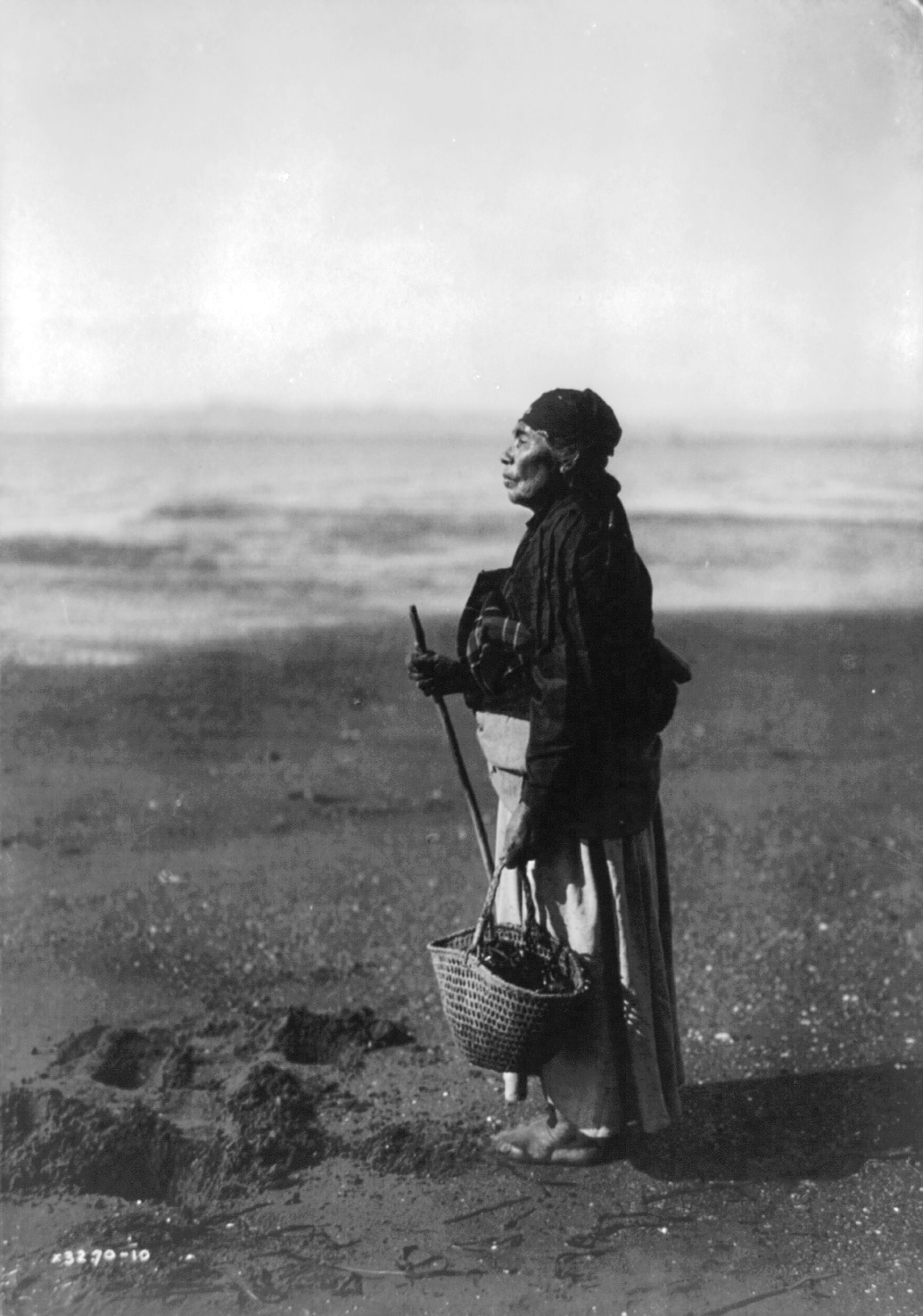
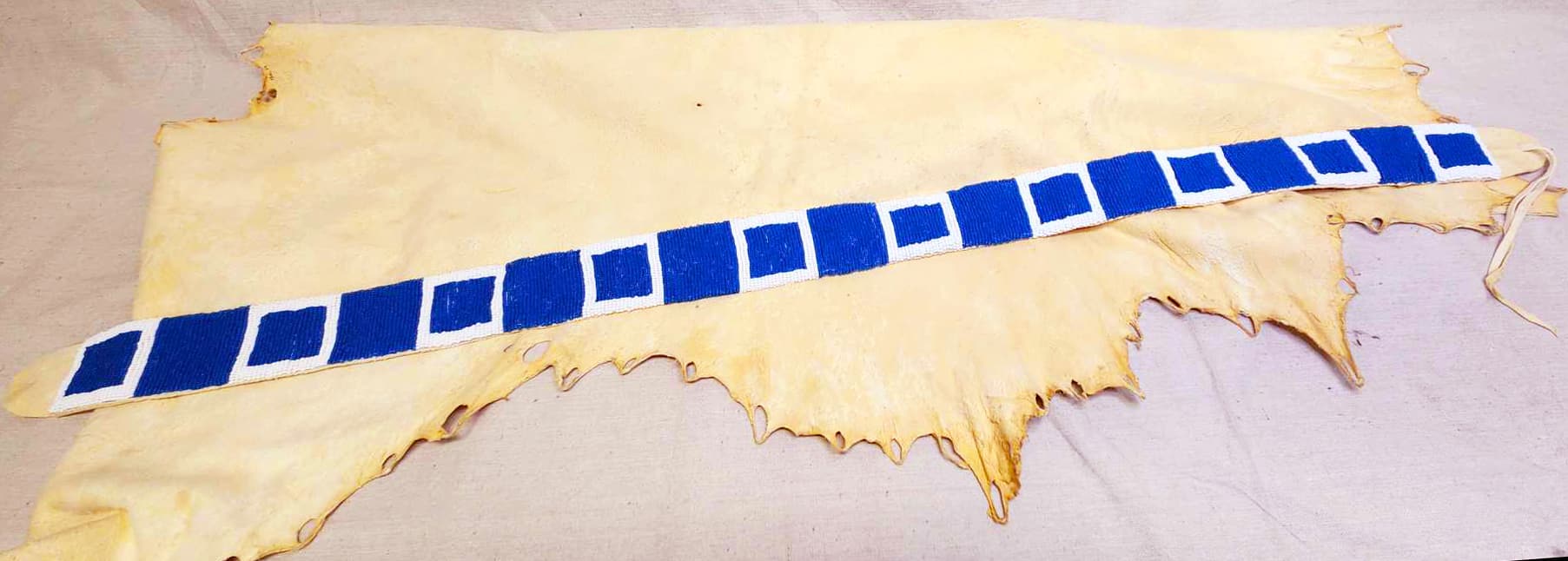
We do not know what this belt meant to Sacagawea, or when or how she acquired it, only that blue beads were prized and that she had transported the belt hundreds of miles. It stands to reason that it was a special object of great value, personal and otherwise. The beads were rare enough that a Native elder considered them equal to exquisite sea mammal skins. Sacagawea may have relinquished the belt of her own free will, or perhaps she was pressured to do so by Charbonneau, or Lewis, or Clark. The expedition journals do not tell us. Either way, it seems fair to assume that Sacagawea made a sacrifice. Clark’s simple report gives no mention of Sacagawea’s feelings on the matter. “We gave the Squar a Coate of Blue Cloth for the belt of Blue Beeds we gave for the Sea otter Skins purchased of an Indian.” 45 Could this blue cloth compensate for the loss of a thing that surely held memories for Sacagawea? Likely no. Neither was she compensated. In fact, she was not paid in any form for her work on the expedition.
She was not paid in any form for her work.
Sacagawea made invaluable contributions to the Corps of Discovery, but a long and prosperous life was not the result. She returned to the Mandan and Hidatsa enclave with Charbonneau and raised Jean Baptiste until he was five or six years old, until in 1809, Charbonneau and Sacagawea left Jean Baptiste with William Clark, who was by then the influential Commissioner of Indian Affairs in St. Louis. The expressed purpose was for Clark to educate the boy. Clark sent Jean Baptiste to St. Louis Academy, a Catholic school. Sources do not reveal whether Sacagawea participated in this decision or how she felt about separating from her son, who would never return to his mother’s household, and became instead a fur trader like his French father. 46 By 1812, Sacagawea had born another child, a baby girl named Lizette.
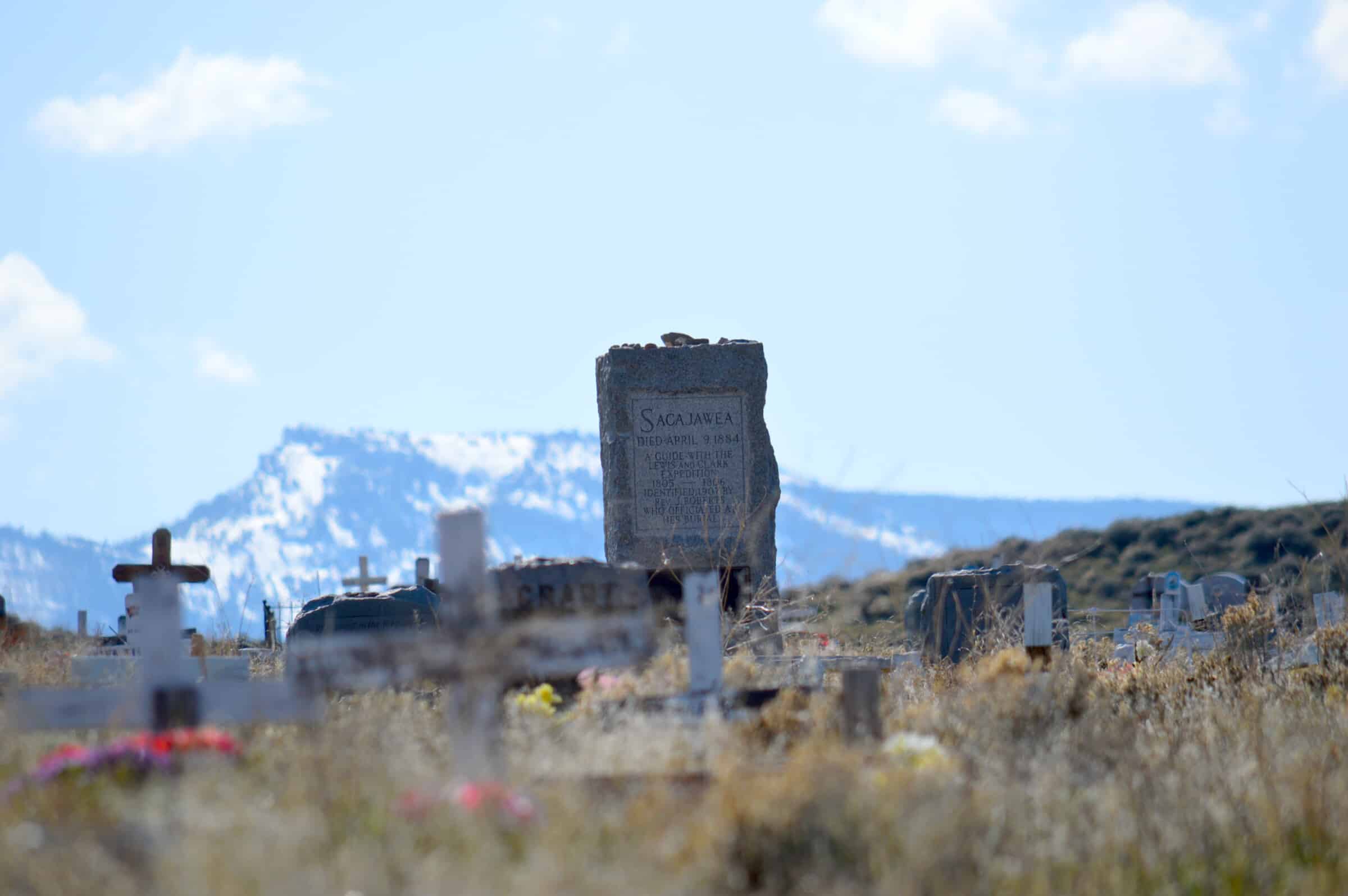
There are competing stories about Sacagawea’s death, with oral histories contradicting the written record. Eastern Shoshone residents of the Wind River Reservation have contended that Sacagawea lived a long life in their community. Existing documentation tells a different story, that Sacagawea died at Fort Manuel in Arikara territory in what is now the northern edge of South Dakota. 47 The evidence is slightly ambiguous but widely accepted. A St. Louis-based trader, John C. Luttig, recorded in his travel journal on December 20, 1812, “This evening the wife of Charbonneau, a Snake Squaw, died of a putrid fever. She was a good and the best woman in the fort, aged about 25 years. She left a fine infant girl.” 48 This has been read as a reference to Sacagawea. It’s possible Luttig was mistaken. Outside observers of Indigenous life often misinterpreted the facts on the ground. In addition, Charbonneau did have a second Shoshone wife, Otter Woman, who might have been confused for Sacagawea. However, the praise for the deceased woman and the detail about a surviving infant girl indicates that the woman in question may indeed have been Sacagawea. According to Summitt, around 1812 William Clark seems to have obtained legal guardianship of both Jean Baptiste and the baby Lizette, a further indication that Sacagawea was by then deceased. 49
The shiny Sacagawea myth distorts her life story to support the teleological arc of American expansion.
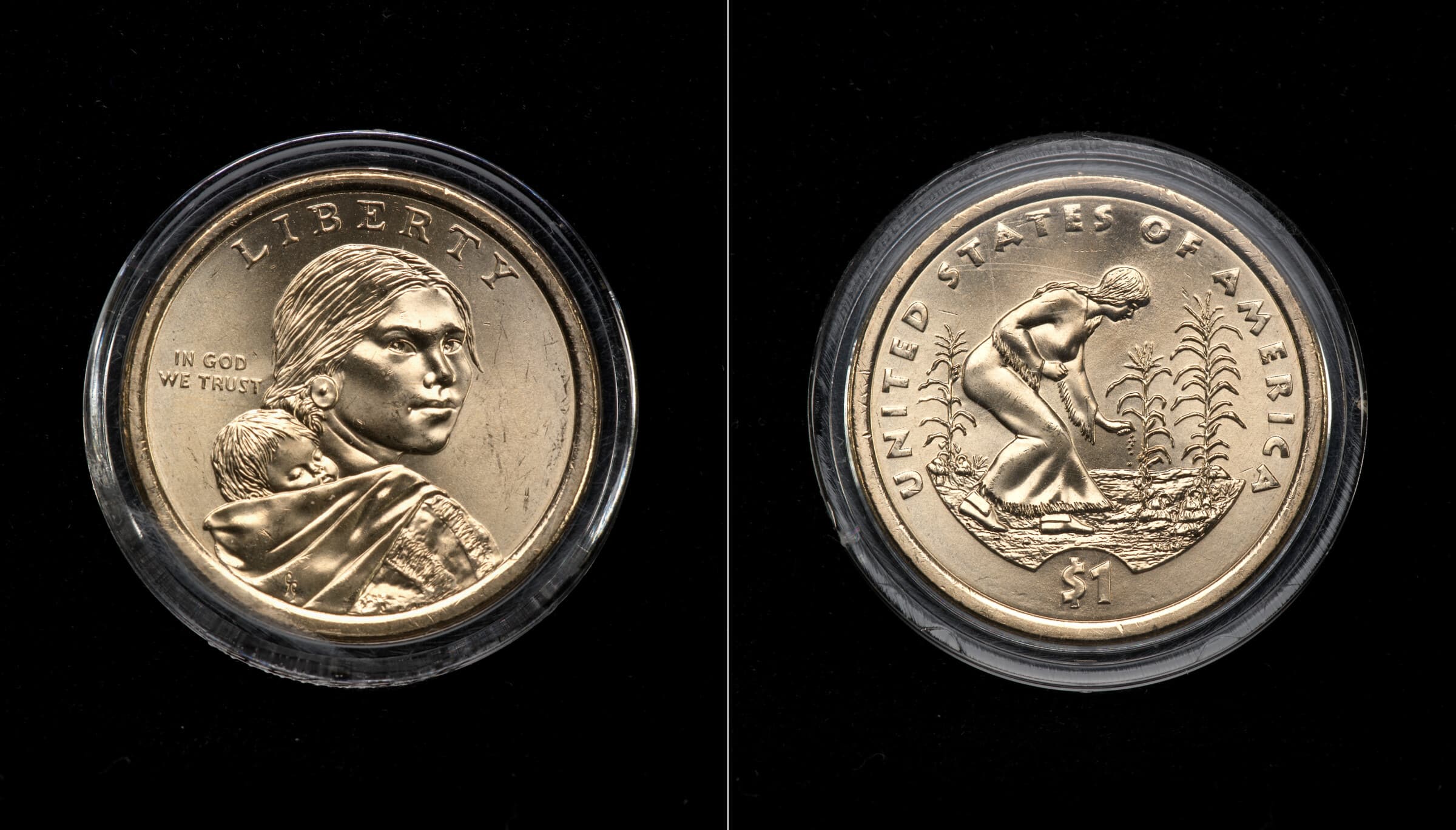
If we take the written account as a point of departure for further thinking, we see a Sacagawea who was trafficked as a child, died in her twenties, and may have been subject to the will of White men until her death. Her unparalleled contributions to an historic American mission did not, in the end, buy her autonomy or security. Here is where myth collides with history, as the popular American image of Sacagawea, rendered repeatedly in pictorial representation, is that of a beautiful woman “piloting” the Lewis and Clark expedition. This is the heroic Sacagawea imprinted on a U.S. postage stamp in 1993, on a dollar coin in 2000, and on national memory across time. This is, indeed, “the figure of the welcoming indigenous woman . . . so deeply entrenched in the North American social imaginary that it has become a ‘foundational fiction.’ . . . a story embodying some of the earliest and most enduring features of Euro-America’s claim to space,” in the words of the cultural studies scholar Laura Donaldson. 50 The shiny Sacagawea myth might seem to flow from the portrait of her pivotal role that I have just painted, but such an oversimplified reading masks her sexual trauma, submerges her ecological knowledge of a homeland under siege, exaggerates her social power, and distorts her life story to support the teleological arc of American expansion.
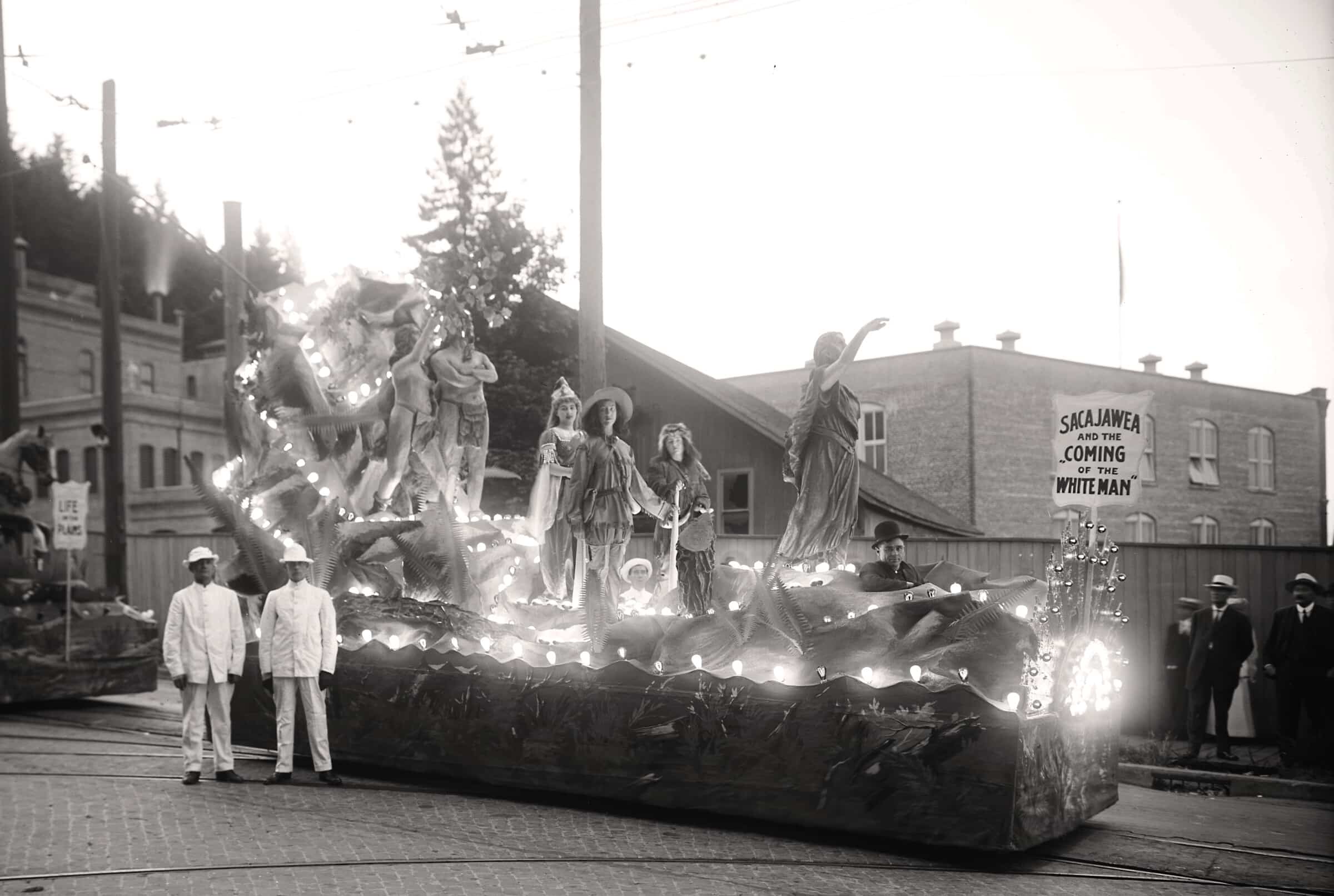
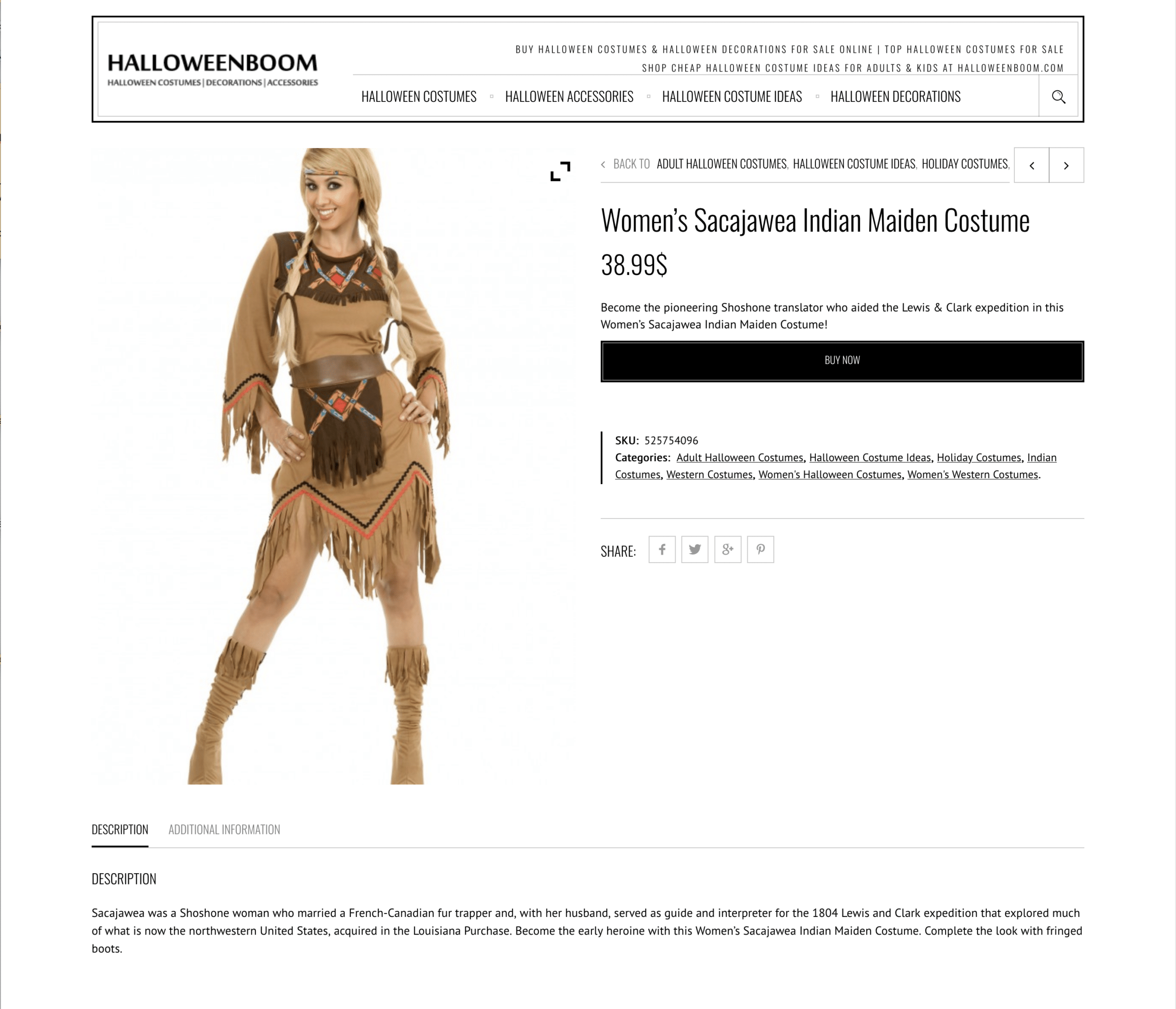
American Studies scholar Donna Barbie argues that there are two reasons for the genesis and persistence of the Sacagawea legend: the story “personified the United States’ sacred history and justified colonial expansion.” 51 Sacagawea sustained the Corps of Discovery at consequential moments, teaching the American men how to “survive in new lands.” 52 It is a deeply felt irony that the specialized know-how Sacagawea shared proved useful for the Lewises and the Clarks to come — the American colonists who would transform and usurp the lands of her people, necessitating new forms of Indigenous survival. Likely against her wishes, and certainly without her knowledge, Sacagawea became the protagonist of the “ultimate frontier story, a metaphor of the American dream.” 53 She was assigned a starring role in the drama of westward expansion. As a result, she is today one of the best-known Indigenous women in U.S. history. Statues in her imagined likeness dot the landscape from North Dakota to Oregon. 54 And yet, Americans fail to see Sacagawea as she was. 55

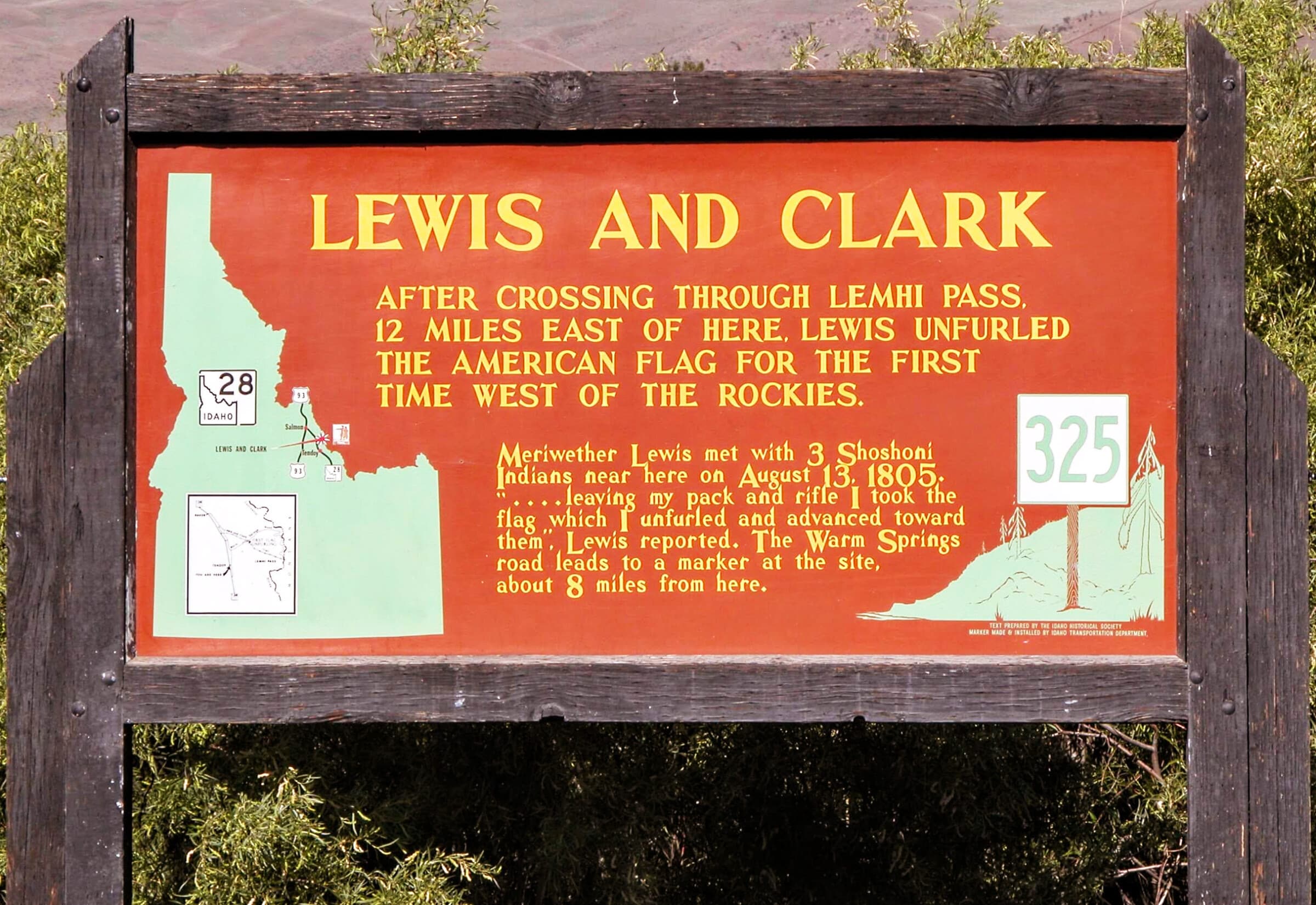
Most of my Lewis and Clark Trail experiences have occurred in my adopted second state of Montana, but last summer, for the first time, I crossed the border into Idaho during a road trip with my husband to the Sun Valley Writers’ Conference. I had expected the landscape to unfold in a seamless, undulating ribbon of mountainous terrain and open sky. But the Idaho side of the border became scrubbier and tougher, more barren and dry than the Montana side, with spiky hills and long stretches devoid of trees. Part of the route looked like a moon landing might, with acres of charred black organic material that had, according to the signs at Craters of the Moon National Monument and Preserve, been used for training astronauts. The scenes outside our SUV window were desperately forlorn. Or maybe that was my state of mind. I felt profoundly sad following what would have been part of Sacagawea’s homeward route — a journey that, so far as the written historical record tells us, she never took herself.



_P5300141.jpg)


.jpg)
If you would like to comment on this article, or anything else on Places Journal, visit our Facebook page or send us a message on Twitter.