
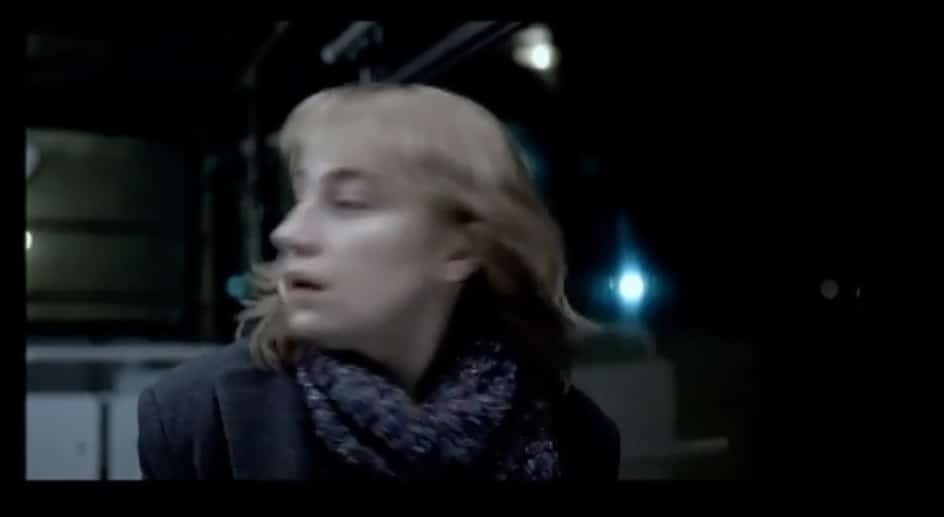
What I remember is the train rushing suddenly out of the darkness into another kind of darkness — a lighter darkness, perhaps, studded with pinpricks of yellow and red from shimmering buildings and passing cars, but darkness all the same. Life sounded different now, sounded normal. The invisible, muffling gauze that had settled on everything while we were underground had dissipated. I looked out and recoiled as sheets of rain lashed the window; I felt exposed even though I was inside a speeding subway car, even though I had been sprinting through that rain just ten minutes before.
I pulled my phone from my pocket and glanced at the time: 9:02 p.m. I was late. But there will be trailers, I told myself, so I have at least ten, maybe fifteen minutes to get there. But this is a foreign film, a film from Romania, I replied. Those films rarely have trailers. I tapped my foot against the floor.
I’d grown irrationally excited about the notion that I was alive while a new New Wave was forming. If you had vision and energy, you could disrupt the status quo.
I had never been to this theater before, had never heard of it until I went online to see where the second feature directed by Cristian Mungiu, 4 Months, 3 Weeks and 2 Days, was playing. For months I had been reading everything I could about the Romanian New Wave, and I’d grown irrationally excited about the notion that I was alive while a new New Wave was forming. Two years before, I’d spent my free time in graduate school tracking down every French New Wave film I could find. Then I made my way through the Czechoslovak New Wave canon (for days after watching Daises, the absurdist feature directed by Věra Chytilová in 1966, I could think of nothing else. At night, various scenes would puncture my dreams, always out of sequence; sometimes they seemed to play in reverse. When I watched it again years later, I was not surprised that my mind had fashioned an entirely new film). I’d seen many New Hollywood and New German Cinema pictures as well. I’d viewed a few Hong Kong New Wave films, and African films that had not been classified as such by western critics but seemed worthy of the appellation, by Oumarou Ganda, Ousmane Sembene, Safi Faye, Souleymane Cissé.
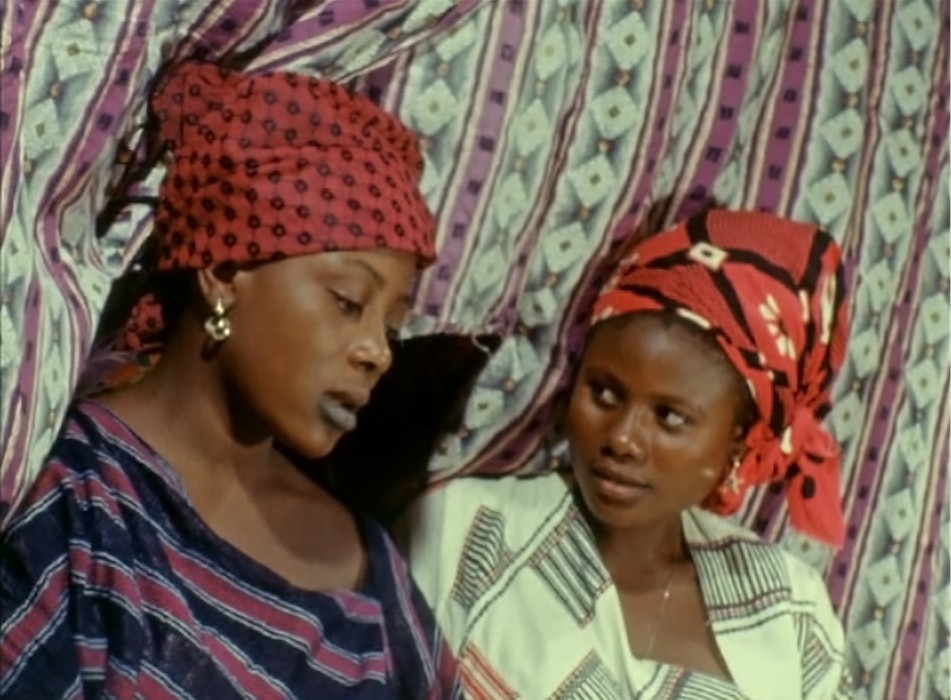
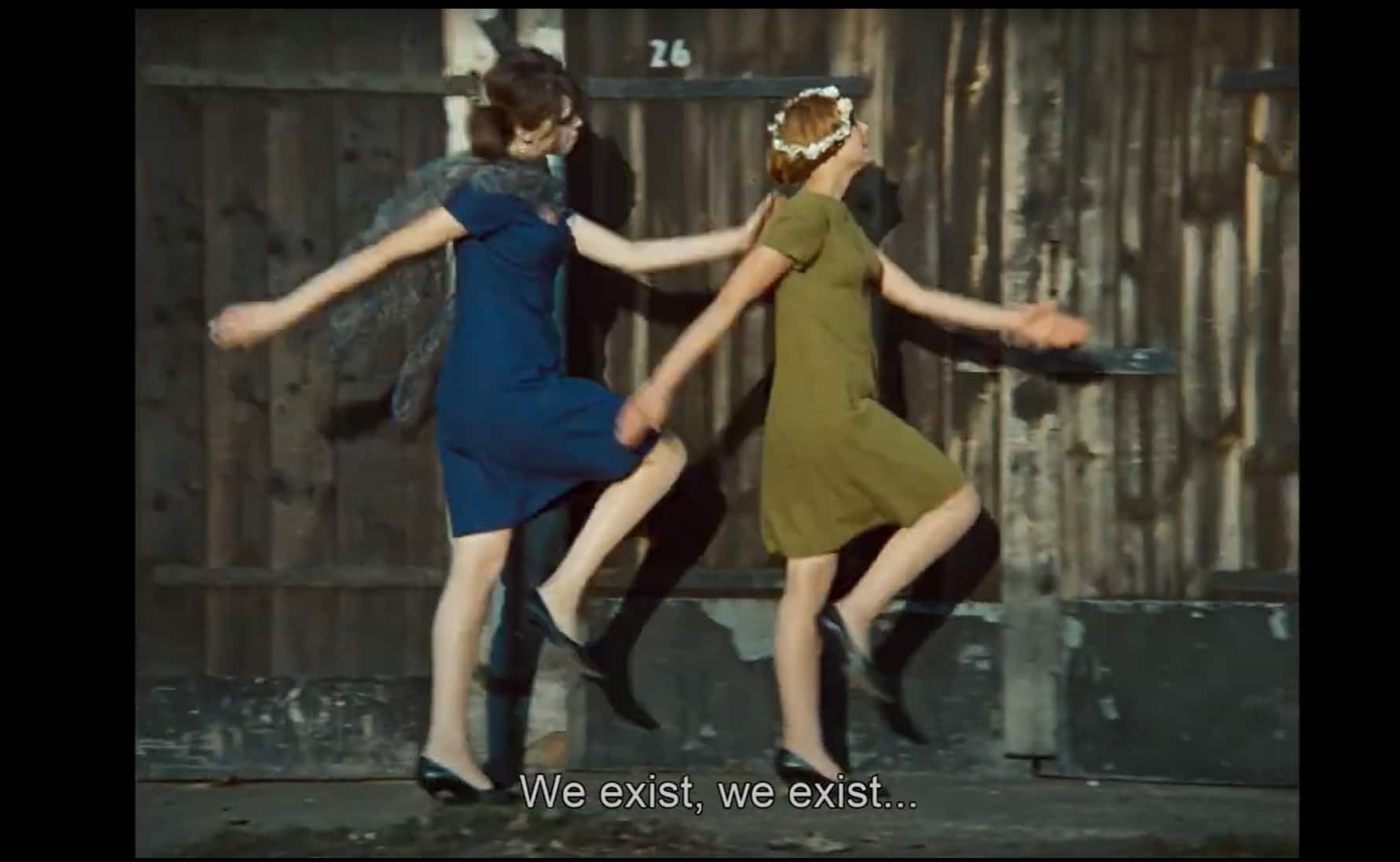
To me, these films were fresh in every conceivable manner; after I saw each one, I felt renewed. They taught me that convention was not inevitable, that if you had vision and energy, you could disrupt the status quo. The effect of watching them was like staring up at the night sky and finding a star I had never noticed before. Yet after I discovered it, every other star seemed to fade. How had I missed its delicate light, its essential presence? The sky could not be the sky without it.
But I always knew I was marveling at light that had traveled to me from a distant past. It remained vibrant, but was no longer new. As my train clanked through the London darkness, I thought about the darkness awaiting me at my destination, the darkness of the theater, which would contain a different kind of light. Yes, I was on my way to watch a movie, just a movie, but I felt as if I were surging through the expanse of space toward a nebula, a star nursery. I was heading back to the womb to witness the emergence of a new source of illumination.
I thought of art in these terms then. Stars and darkness. Light and wombs.
Back then, I needed to consume and be consumed. I constantly absorbed, read, watched.
Art is still important to me, art is still everything, but this insatiable longing for immersion has waned. A hunger to create has blossomed in its stead. But back then, sometime in 2007, I needed to consume and be consumed. I constantly absorbed, read, watched. I don’t remember where the theater was, just that it was half an hour by train from my office near Victoria Station, and as I was about to leave my boss idled by my desk and asked if I would be willing to help her draft an important email to her boss. “Willing” — deployed in a corporate setting, that word assumes a sinister guise. If I wanted a promotion, if I desired to one day do what my boss was doing — and, more importantly, earn what my boss was earning — then I had to comply. And if I responded enthusiastically, I would be signaling my acceptance of the natural order, my readiness to play by the rules. I would differentiate myself from the pretenders who had left the office hours before. I would demonstrate that I was “willing” to do “what it took” to “get ahead.” Even then the clichés were merely clichés, but they were deeply important to me. I collected them like tokens; I was hoarding them for the moment I could trade them in for a better life. For acclaim.

I was ambitious and I needed to excel, but I had also just read about a movie called 4 Months, 3 Weeks and 2 Days. Yet I remained. I wrote the email. I nodded grimly as my boss praised my copy and gossiped about her dinner plans. I surreptitiously glanced at my watch and willed the second hand to move more slowly. When she finally released me, I sprinted through the rain to the tube station.
A voice long dormant within me abruptly gained immeasurable strength. Dedicate your life to art.
I cannot remember where the theater was, but I remember hurriedly buying my ticket, the box office attendant appraising me with concern — perhaps my desperation was imprinted on my face? The film had started. I was incensed. In the years since, I’ve been tardy to many movies, and the most passionate feeling I can muster is a mild irritation. I’ll catch the opening scenes later, I tell myself. But then, I felt as if I’d failed some test.
All I can recall of the film is how I felt as I watched it. Shock, tension. And an increasing awareness that things must change. A voice long dormant within me had abruptly gained immeasurable strength. You must go, it says. Leave everything. Dedicate your life to art. Dedicate your life to art. Dedicate your life to art.
I agree. I must go. But where?
Six months later: I’m sitting on a couch in Washington, D.C. I’m pining for my time in London, my life in London, when I had a job, when I could go to a movie theater on a whim and watch whatever I wished. In London, I’d felt that I had limited freedom because my job consumed so much time. But now, I understood that freedom without money is the opposite of freedom.
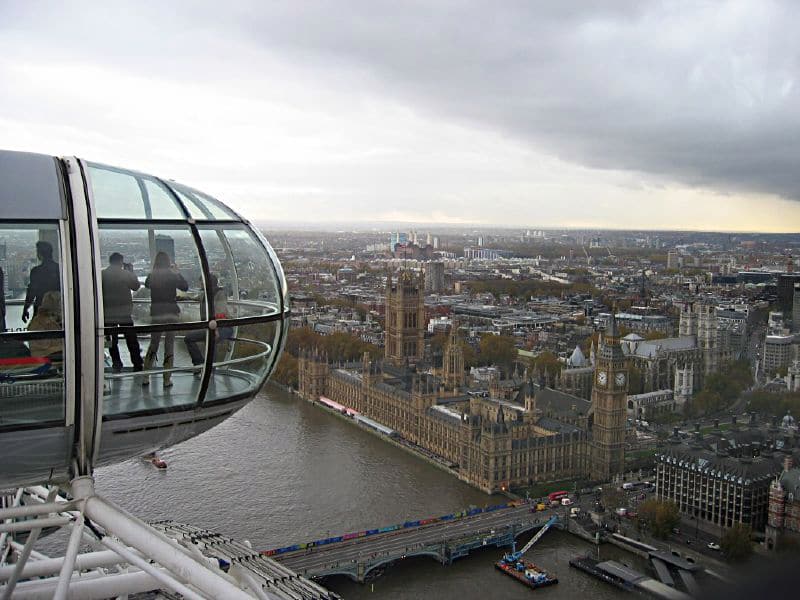
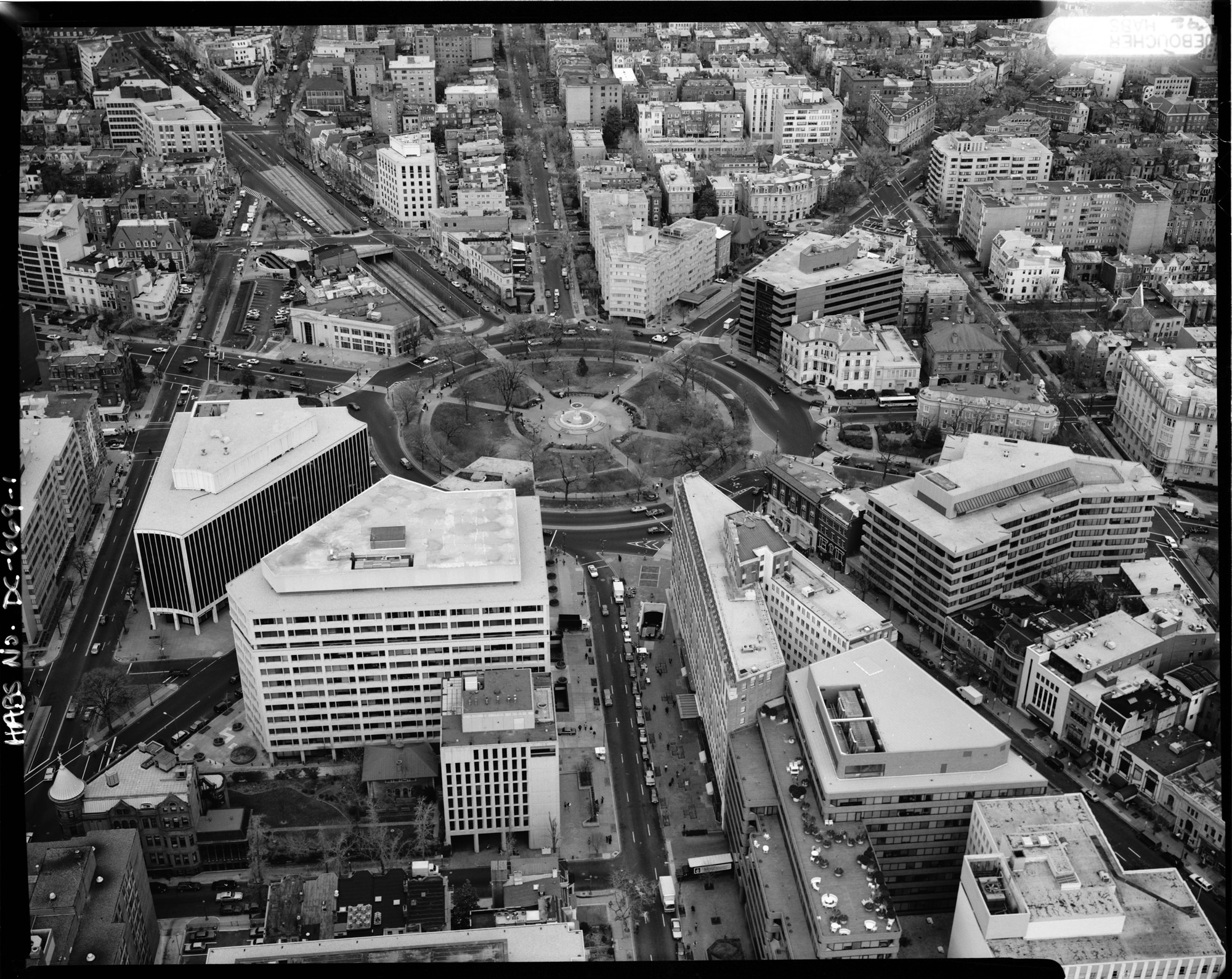
I had become fixated on Washington during my final days in London. My daydreams had formerly been haunted by New York City; for years, I promised myself that I would move there the moment I saved enough. I would find a community of writers and artists, and join their number; I’d start by reading my work in small, dark venues, and news of my virtuosity would spread. The refrain whispered in subways, taxicabs, and skyscraper lobbies would be the same: Where the hell did he come from?
Six months later: I’m in Washington, D.C., pining for my time in London, when I had a job, when I could go to a movie theater on a whim.
Yet there was something missing from my pristine and immensely satisfying reveries. I was working in policy in London, and my days featured hours of intense conversations about the implications of adopting one legislative measure at the expense of another, while I spent my evenings reading fiction, viewing images, watching plays. I had come to think of art and policy as intertwined: I was convinced that both pursuits were fundamentally concerned with shaping reality, that a small group of people — artists and policymakers — had somehow gained the ability to arrange space and time according to their whims. After a lifetime of being shaped by reality, of consuming art that rarely included space or time for the likes of me, of residing in a society that had seemingly been constructed without the requirements and desires of my family or my friends in mind, I was elated by the prospect of joining this composite group of cultural architects, of constructing a reality so grand and capacious that the marginalized would no longer be marginal. I wanted to create a New Wave of reality that would restructure existence as my favorite auteurs had restructured cinema. I believed (and still believe) that art and policy were the tools that would enable me to accomplish this, because I knew that politics shapes the world we lived in, while art shapes the way we understand the world. Like the shutter and lens of a movie camera, neither can function without the other. My ardent hope was to reside in a place where I could develop my policy skills while honing my ability to interpret, critique, and transform politics through artistic expression.

I knew there were ample opportunities to do policy work in New York, but in my mind it was not the center of the action. I desperately loved London, and if I were to move, I wanted to land in a place like London, a city that was both a political and artistic capital, where I could develop my abilities in each realm.
But how did Washington compare to New York and London in terms of its art scene? I could not answer, because I knew almost nothing about D.C. During the summer of 2003, I had lived there for three months, before my senior year of college, when I interned at the Congressional Research Service, the research arm of the U.S. Congress. It was housed in a branch of the Library of Congress, a tall, columned edifice, stark white and eerily modern, especially compared to its relatively ancient neighbor, the original Library of Congress building, which looked exactly how I thought it would look, like something out of an 18th-century painting.
I was convinced that a small group of people — artists and policymakers — had gained the ability to arrange space and time.
I had come to D.C. from Atlanta, a city that also seemed foreign when I arrived as a first-year college student, its streets and people emitting a constant, concentrated energy; for the first few days I was there, everything appeared too hot to touch. But Atlanta operated on a human scale. It was the kind of place I felt I could comprehend if I worked at it. I never did; I had other interests, but it comforted me to know the option was available. D.C., on the other hand, was cold and foreboding. During my first week, after intense cajoling, then bullying, by my best friend, I saw the Capitol, the White House, the Lincoln Memorial. They were alien and frighteningly synthetic in real life. I had seen them many times, of course, on television, in the movies; I’d read about them in books, but they seemed phony when I stood before them, because I could not accept the notion that I was standing before them. I was overwhelmed by the effort of believing I could exist in a place that had always been imaginary to me.
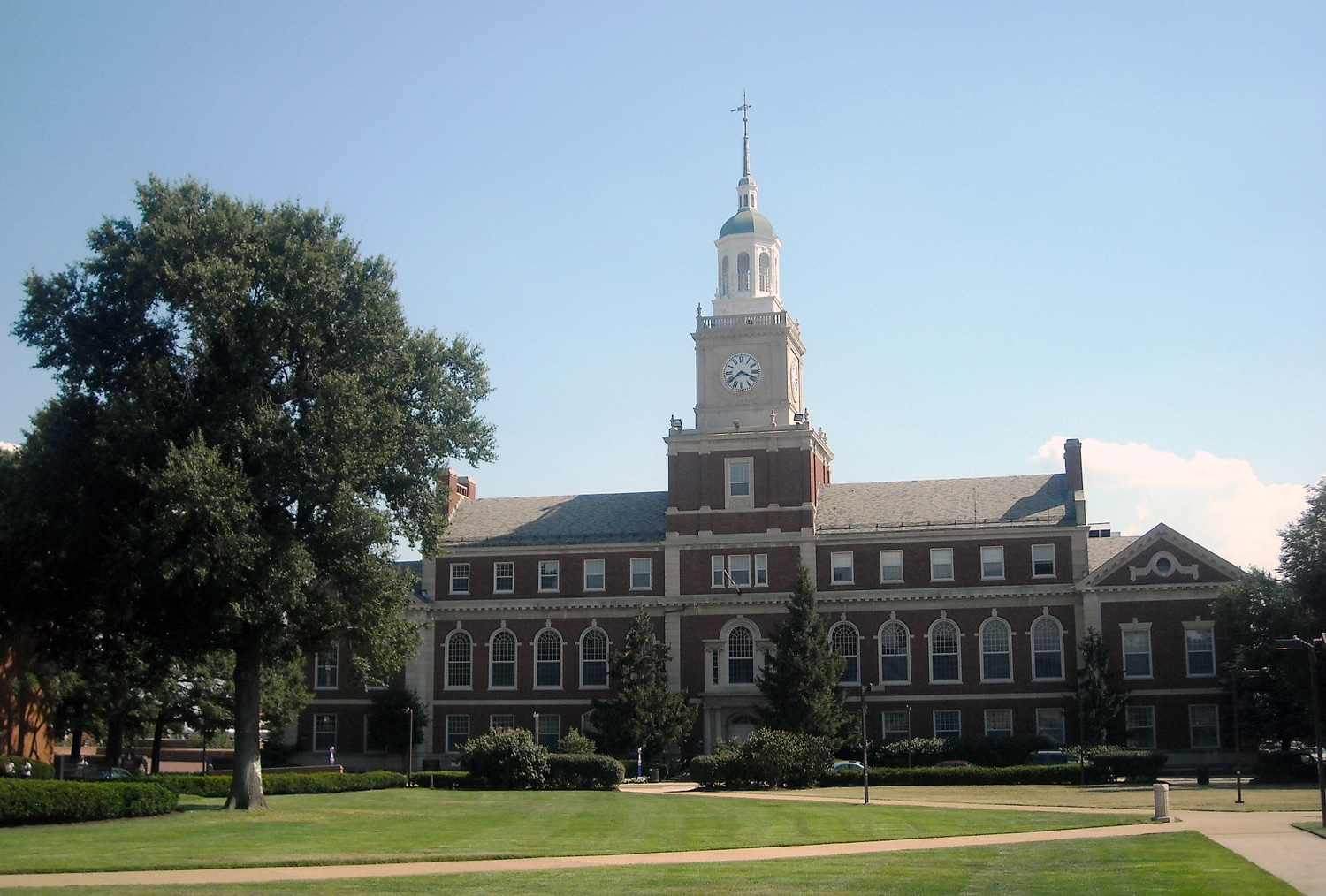

Never had I thought of myself as a small-town kid, but after my first few days in D.C., I realized I was. I created a regimented schedule that made the city livable, that cut it down to size. Every morning, I woke at seven in my dorm room on the campus of Howard University. I shaved, showered, put on a shirt, tie, and slacks, and walked to the Shaw/Howard University metro stop. I took the green line south four stops, disembarked at L’Enfant Plaza, and rode the blue or orange line two stops east to Capitol South. I dashed up the escalator with dozens of other fresh-faced interns and grizzled D.C. veterans, all of whom, it seemed, were sipping coffee or talking into their flip phones, and walked a few yards to my office. After work, I charted a reverse course, changed my clothes, sat on my dorm-room bed, and watched T.V. At night, I fell asleep to the oddly calming go-go music that pulsed from loudspeakers outside the Metro PCS store on the corner of Florida and Georgia Avenues.
That summer, my boss asked if I would look after his home in Cleveland Park, in Northwest D.C., while he traveled with his family. I assented, but I did not venture far beyond the neighborhood’s borders. My internship ended about a week before my senior year began, and afterward a colleague allowed me to stay in his empty condominium in Southwest D.C. I spent those days inside, watching the piles of DVDs that were littered around, then binging Sex and the City.
Never had I thought of myself as a small-town kid, but I realized I was. I created a regimented schedule that made the city livable, that cut it down to size.
This was the D.C. that came to mind when I considered where to move after London. A city of imposing, intimidating buildings; of well-lit corridors in which policy professionals bustled about with stacks of papers in their hands; of dark interiors and flickering T.V.s. In the five years since my internship, I had lived in New York and London, and I had visited many great urban centers for work — Athens, Barcelona, Belgrade, Istanbul, Madrid, Moscow, Paris, San Francisco, Tel Aviv. But it was in London where I taught myself how to live in a city. I learned how to walk on crowded sidewalks, how to nonchalantly enter and exit subways, buses, taxicabs. I became fluent in the cultural habits of the locals because I spent so much time with them, at pubs, bookstores, museums, grocery stores. At times I wondered if I would ever feel comfortable elsewhere, but I believed there was something passive in me that would not be activated until I left. I had this idea — likely derived from decades of imbibing stories about artists and how they managed to achieve success — that discomfort was a prerequisite to creating great art. I believed that the unease I had and would experience — the involuntary hardship of my childhood; the possibility of self-imposed adversity as an adult — was essential to sharpening my understanding of the world’s problems. Only by contending with these difficulties could I devise policies that would ease burdens for others.
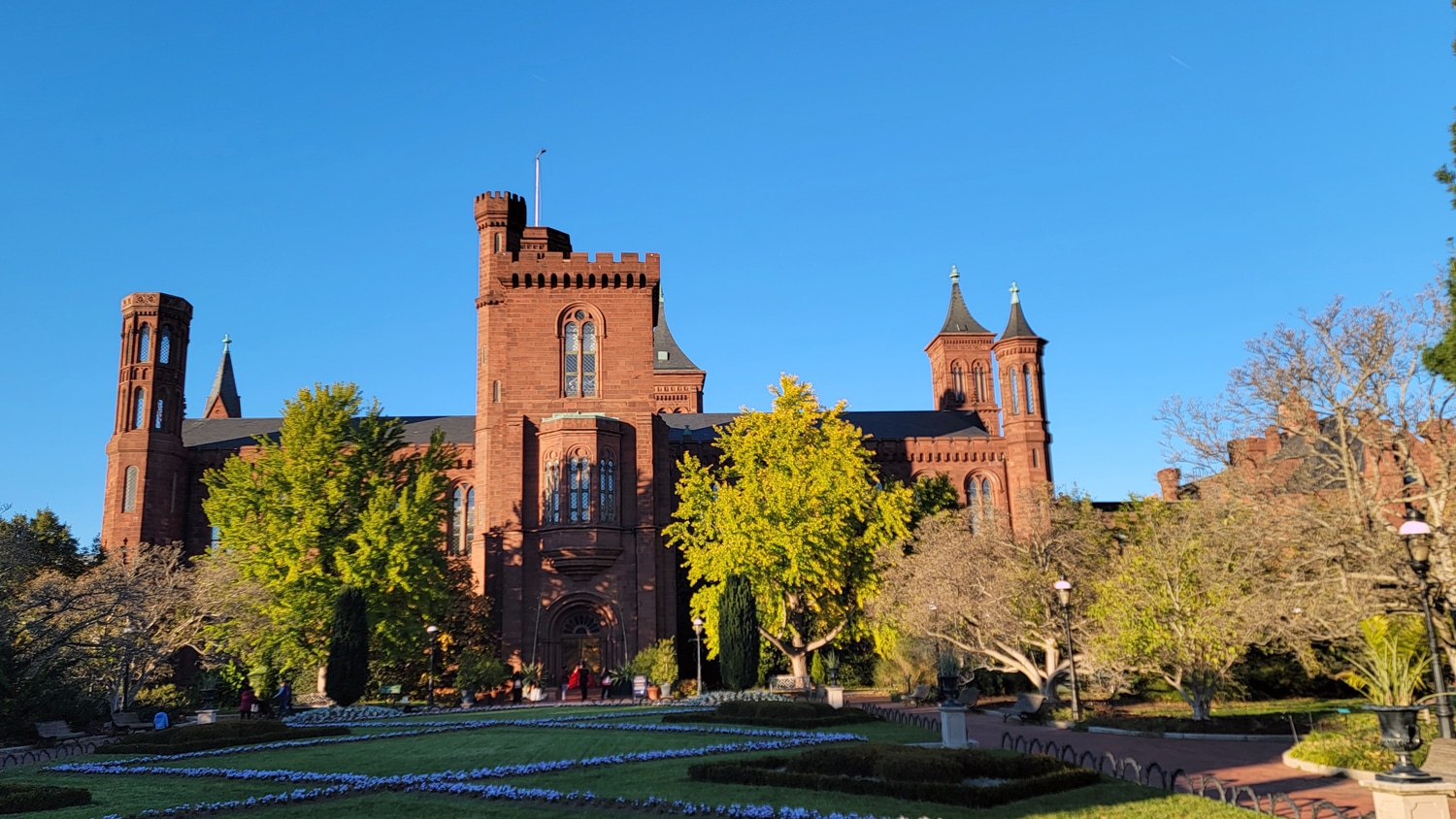
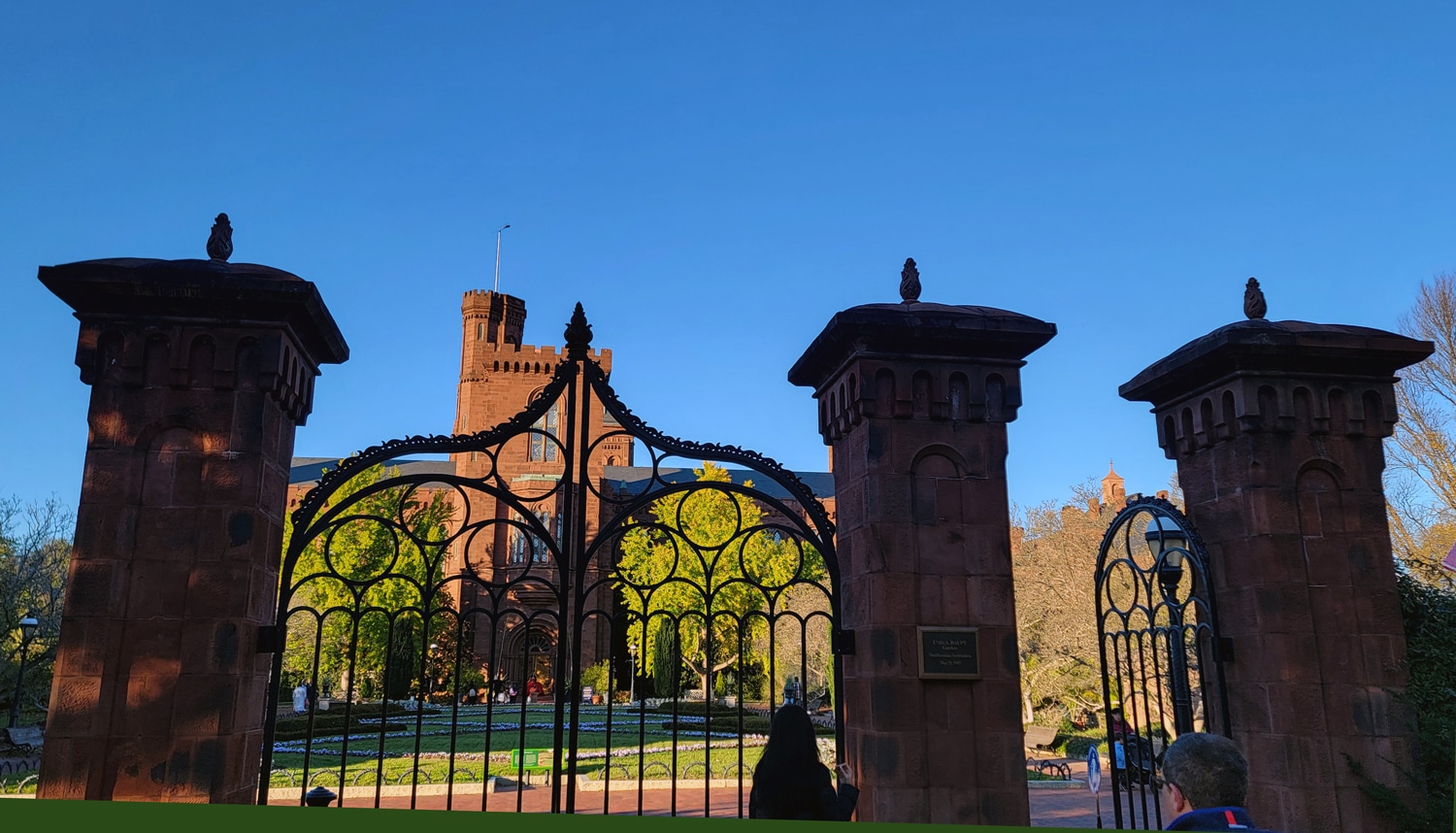
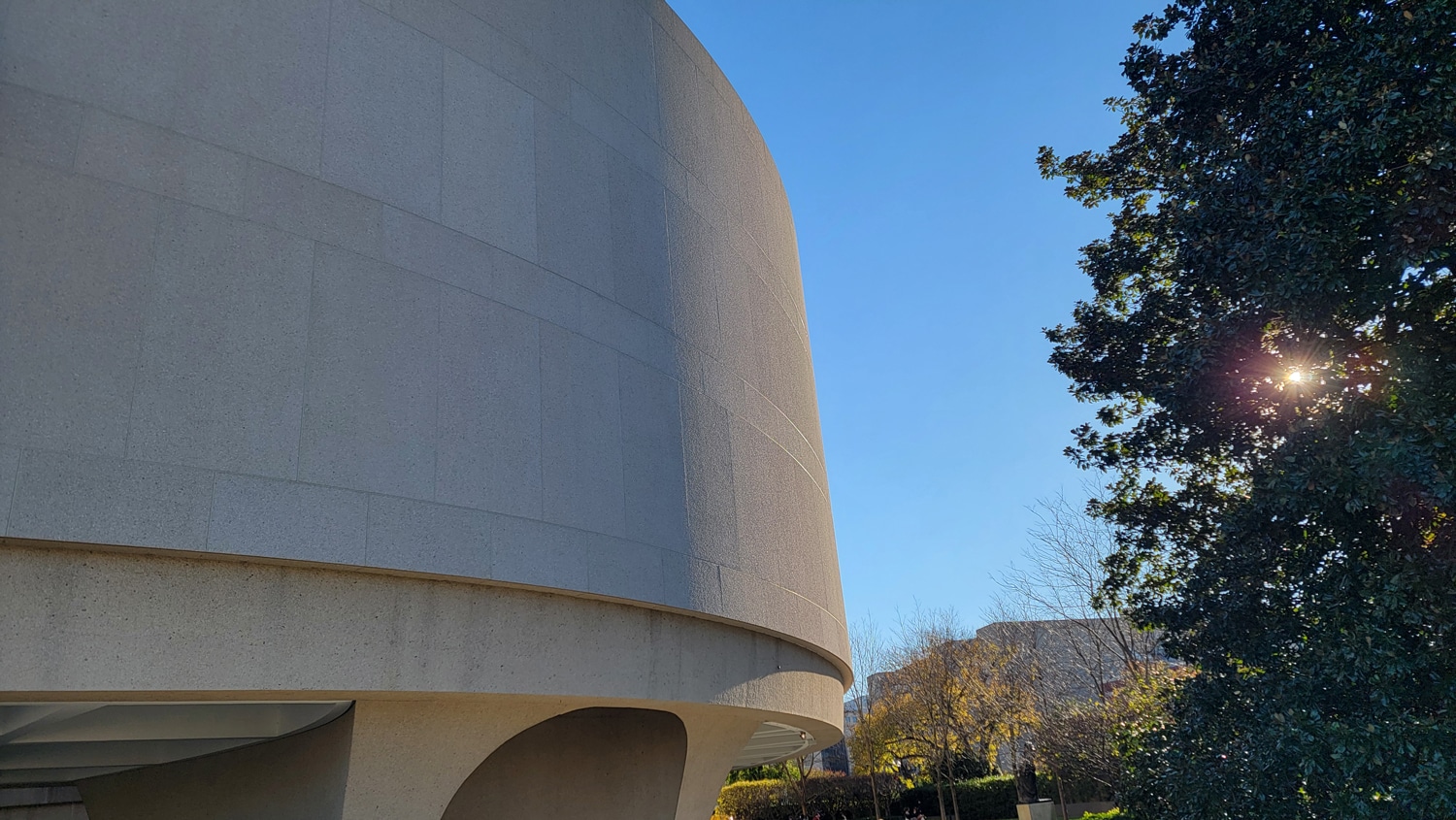
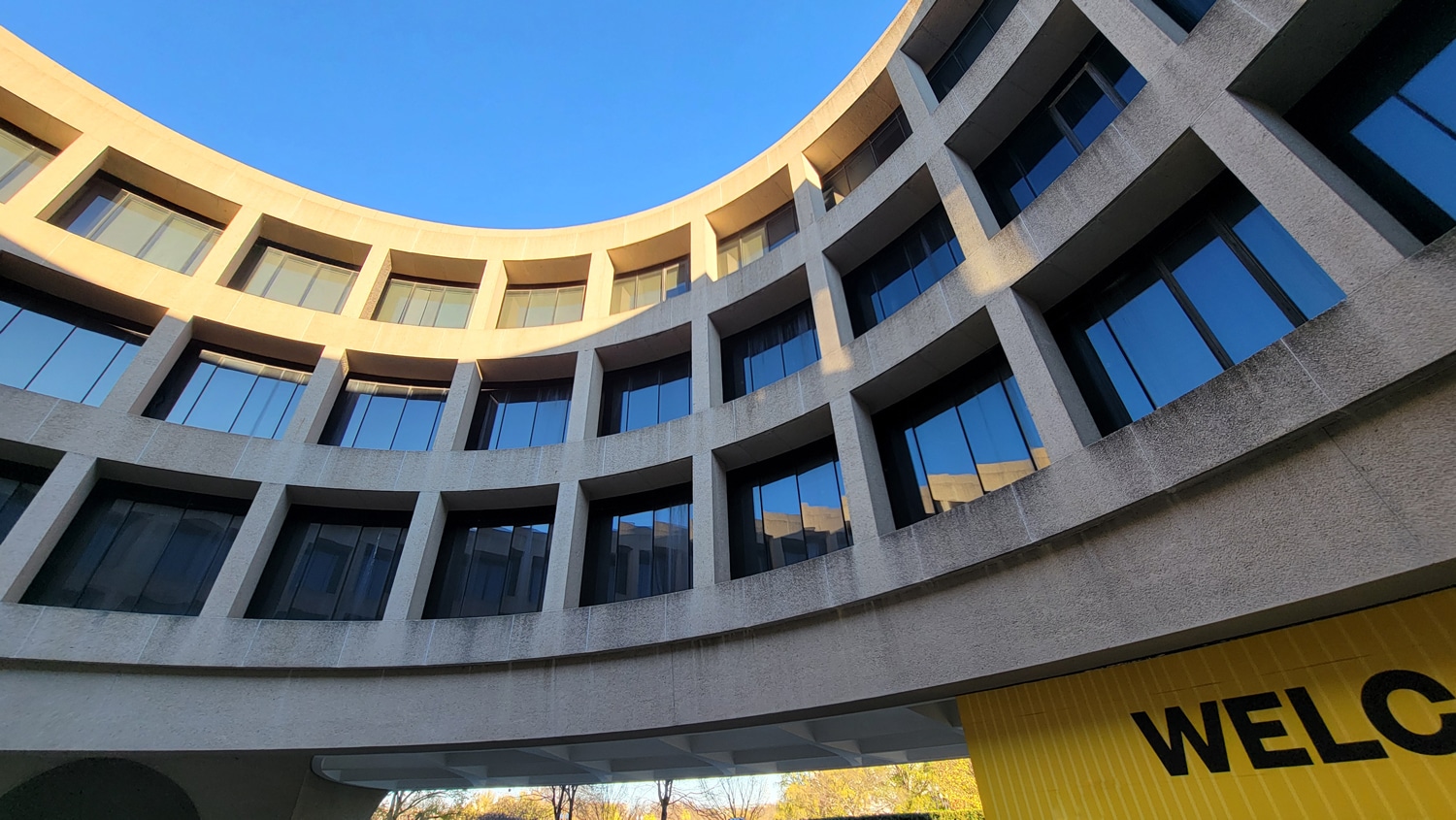
I knew it had to be D.C. There was ample art there — a collection of free world-class museums and renowned regional theaters. And I was sure I’d stumble on a scene; hopefully a writing scene, maybe a visual arts scene, perhaps a music scene. I wanted to interact with a group of artists so I could learn from them. I was also keen to have a second chance at comprehending the capital, because I had failed so vividly five years before.
I called my girlfriend. She was living in Baltimore, where she taught social studies at a high school. We had been in a long-distance relationship for a few years. I asked her where she wished to live. “You choose,” she said. “As long as we’re together.”
“Let’s do D.C.,” I said.
“I was hoping you’d say that,” she answered.
We arrived as the Democratic primaries were winding down, and it was apparent that the nominee would be a Black man with a funny name. I saw myself working for him while writing poetry and fiction on the side. He would glimpse something of himself in me, in my knowledge of policy and my artistic ambitions. I would spend my days in the White House, and my evenings consorting with artists and thinkers who, like the New Wave filmmakers I’d admired in London, were attempting to usher new and luminous reveries into being.
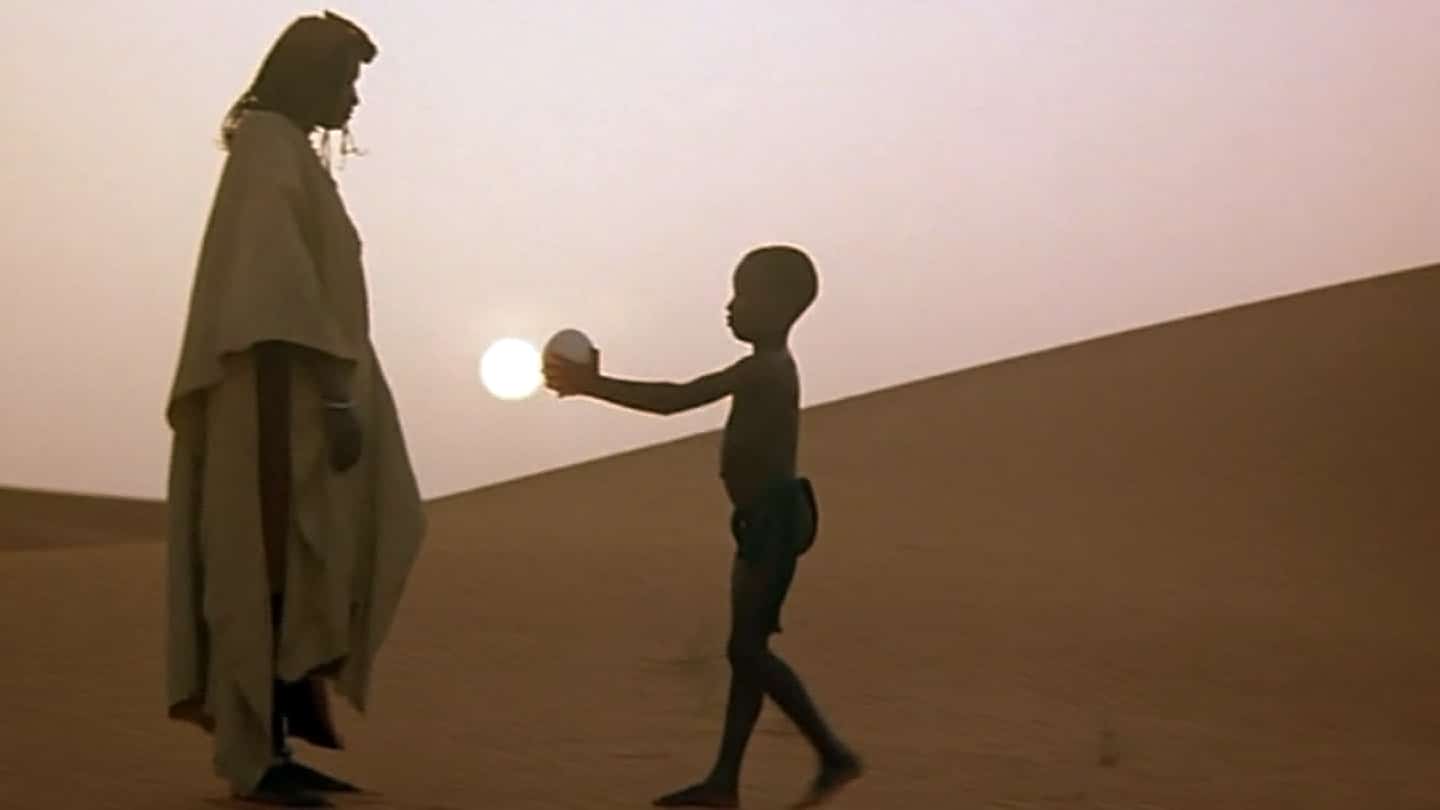
I packed my things. I wandered around London and said goodbye to the streets, the corners, my favorite museums. A few days later I was at Heathrow, and then I was in Baltimore. My girlfriend scored an interview at a school in Northwest D.C., and then a job offer. I had a few interviews in the same part of town, so we found an apartment there. We moved in, and I did everything I could to secure a job with the future president.
Six months later, he was the current president, and I was sitting on the couch without prospects. A recession had gripped the economy, and the pundits all agreed that it would get worse before it got better. I had no friends in town, no mentors who lived close by. All I had was the city.
I ventured into Washington with the belief that cities are organisms that faithfully respond to the needs of their inhabitants. This idea first came to me in London. As I walked to the Vauxhall tube station in the morning, my eyes would snag on a poster advertising an art show. The other posters remained invisible to me. That evening, after work, a stranger would approach me at the bookstore as I ended a phone call. “Hey, don’t mean to be a bother, but I overheard you, and if you like plays, you should come and see my friend’s show. It’s at the Soho Theatre until next Saturday.”
I ventured into Washington with the belief that cities are organisms responding to the needs of their inhabitants.
D.C.’s first gift to me, in this regard, was my proximity to one of its best-known bookstores, a place I knew nothing about until we moved into our apartment. I was wandering up Connecticut Avenue one evening, when I happened on a storefront with books arrayed in its windows; on the awning above me, the words POLITICS AND PROSE gleamed in elegant white on emerald green. I stopped short. Politics and prose, I whispered to myself. I was obsessed with each. Yet I was most struck by the word that connected them. And. The notion that political thought and literary expression were intertwined, each informing the other: I had upended my life to master both, and here they were, inextricably linked. I believed in omens then, as I do now, and for the first time since I’d arrived in this city, I allowed myself to think I had made the right decision.
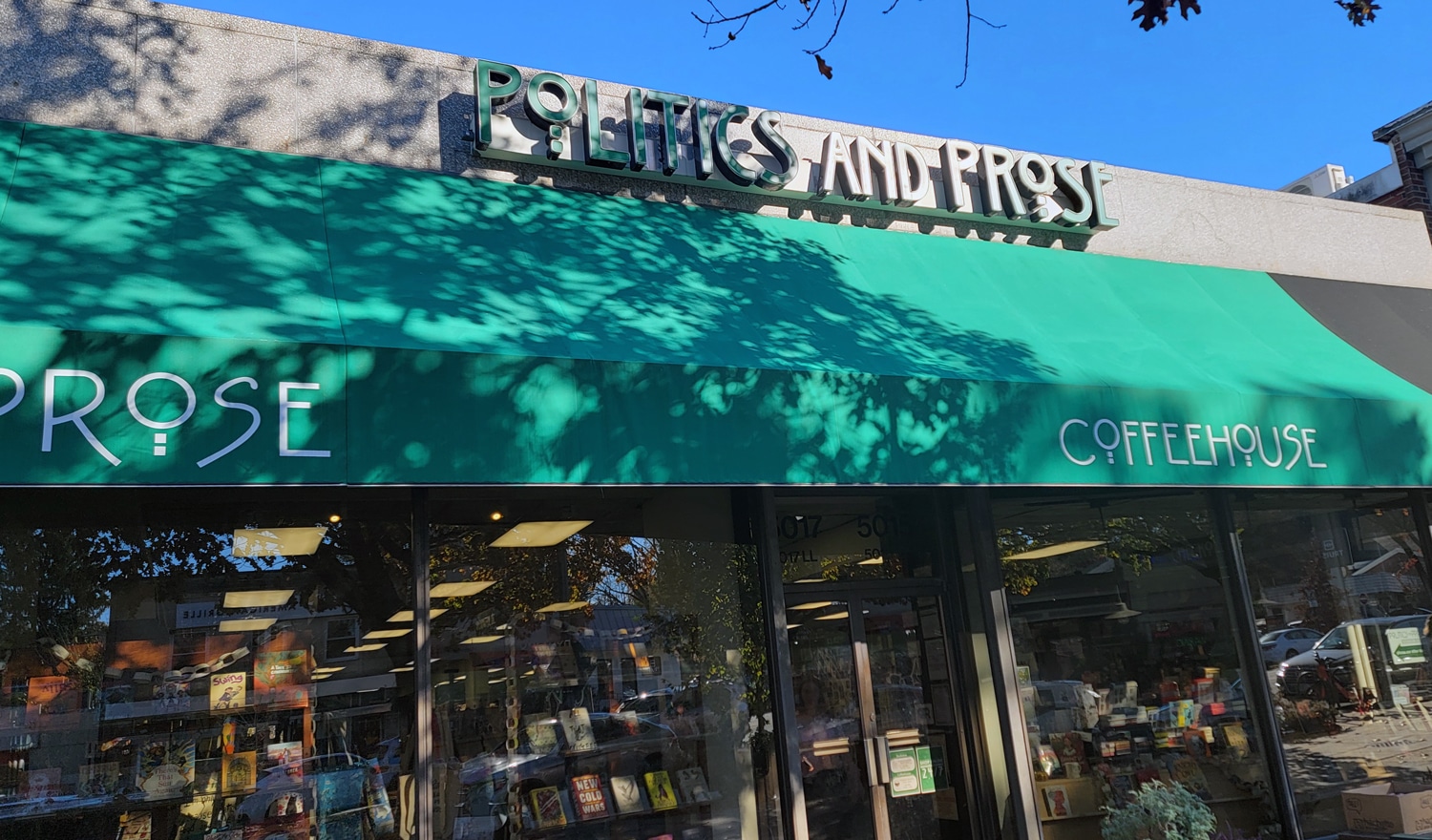
I walked in, and sensed a hush in the air. A few dozen people were listening to someone. I moved closer, and saw a lone figure reading from a book, a famous writer whose latest novel I’d finished a week before. Of course, I told myself. This was how cities worked. D.C. was aligning my needs with my desires.
I also came to believe that the city was providing what I needed by noticing what the city refused to offer. During those early days, I spent time putting on the one suit I owned, inspecting myself in the mirror, and taking the metro down to Capitol Hill, where I met a succession of prominent policy types, all of whom declined to offer me employment. A few days after such an interview, as I read yet another rejection email, I’d pause and pull out my resume. It was bewildering that this sheet of paper, a record of almost a decade of unrelenting work, impressed no one. It was worthless currency.
At times, I had the impression that I was once more living on a university campus. Certain parts of the city confirmed this feeling, especially the neighborhood where we lived, with its statues and imposing red-brick townhouses, and of course the sprawling, alluring National Mall, which could have been called the National Quadrangle, where people gathered to throw frisbees, lounge on the grass, or simply gawk at other people.
An errant thought struck — once again I was going back to campus, to a limited portion of land that had been lavished with care and resources.
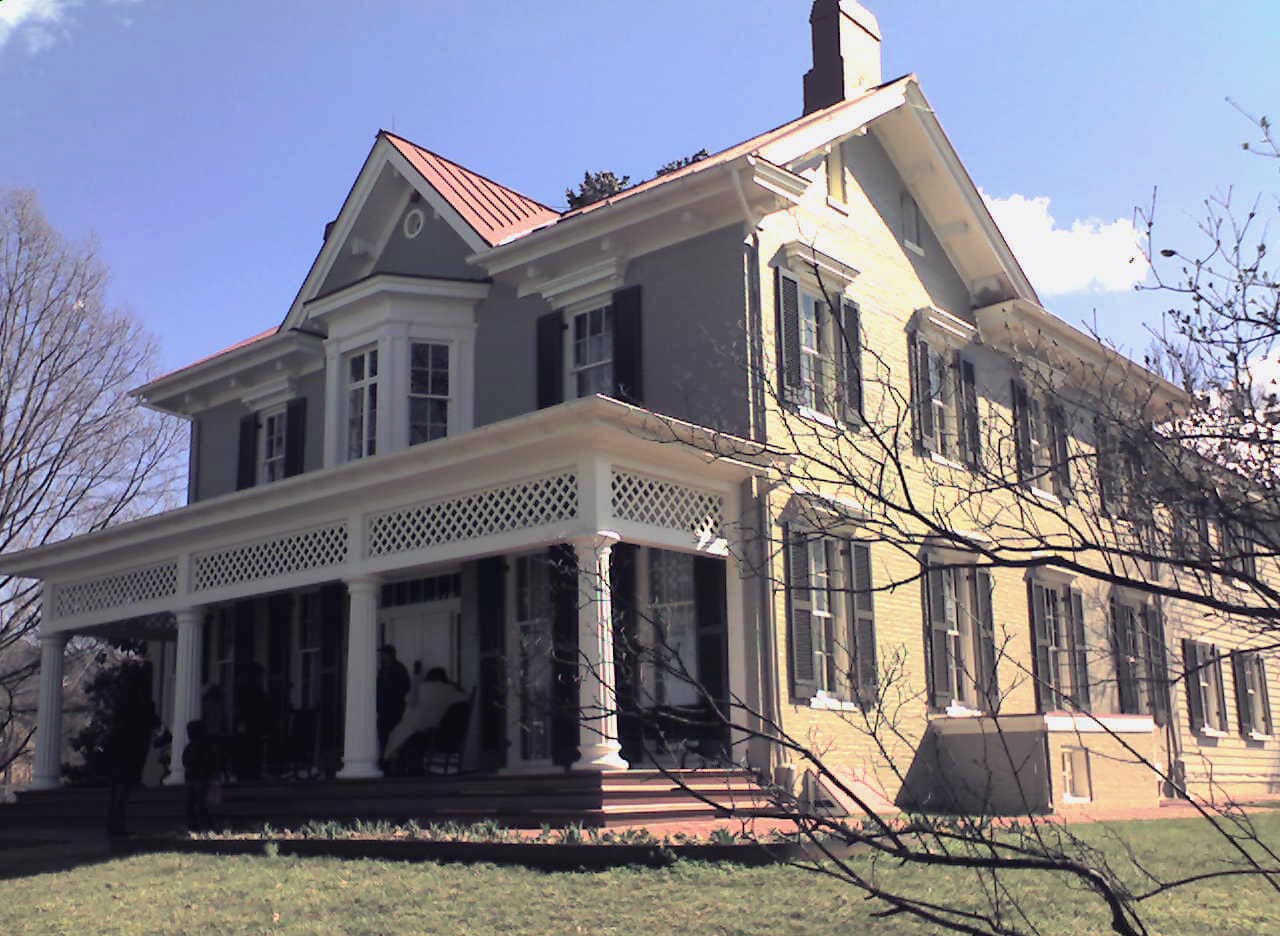
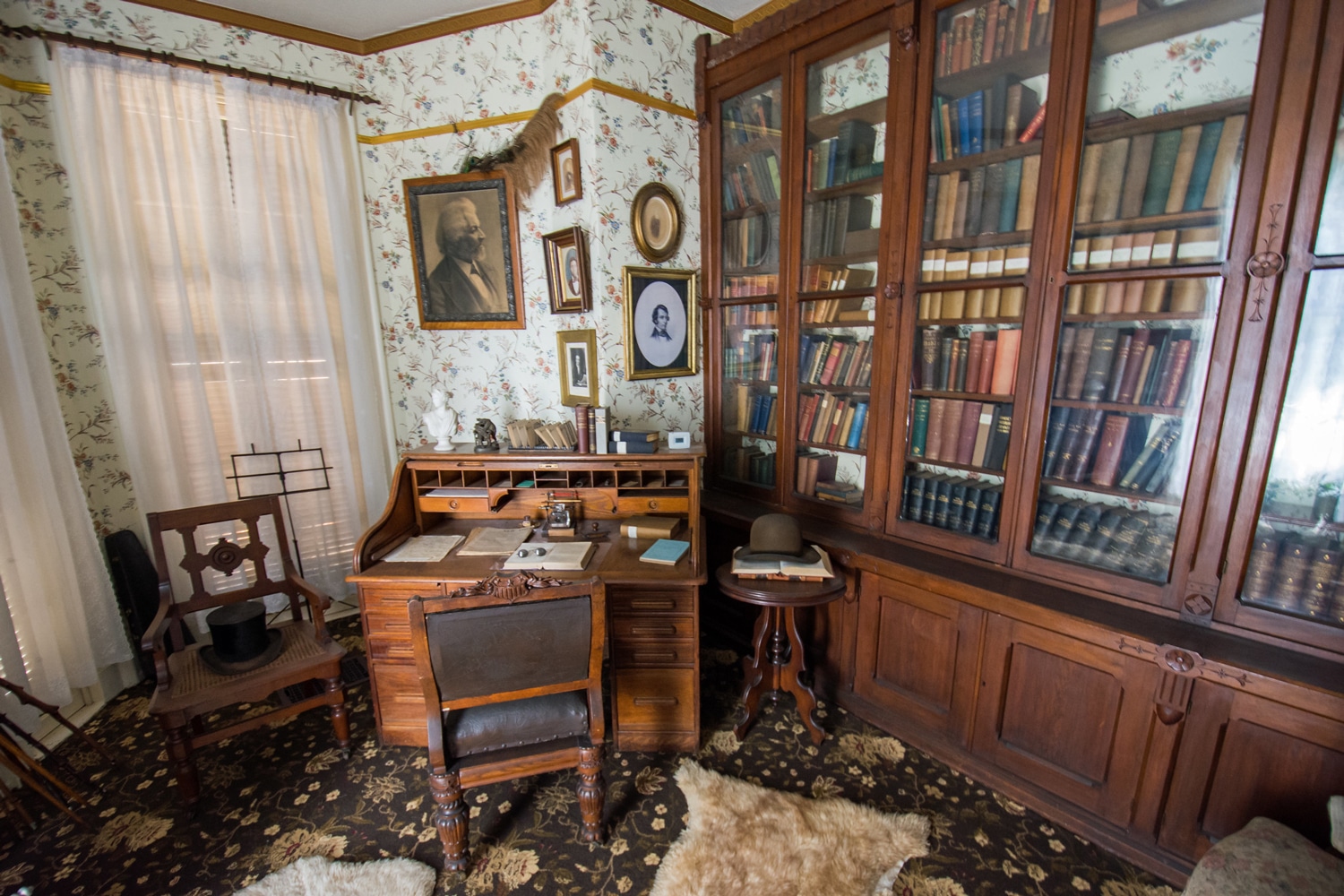
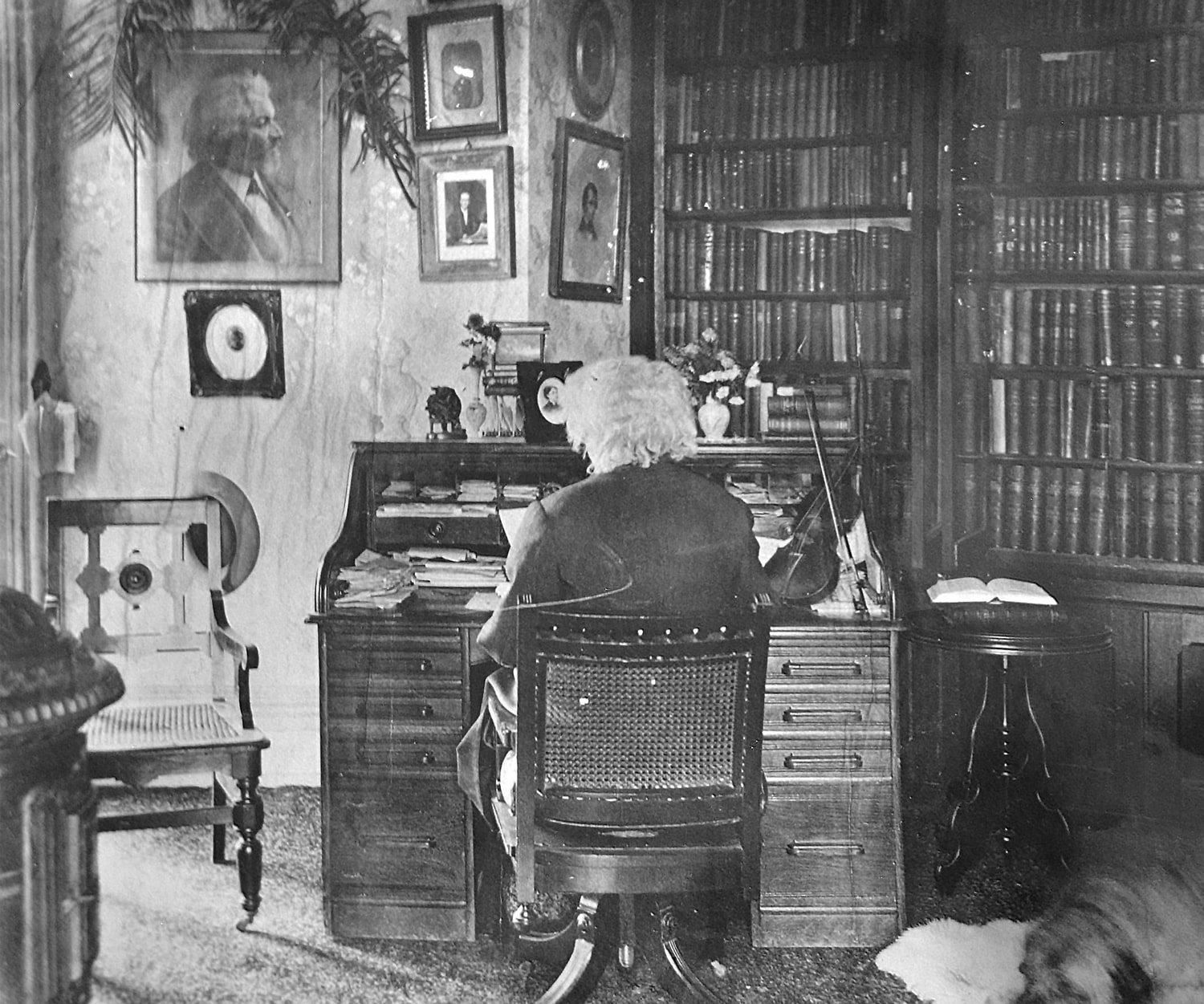
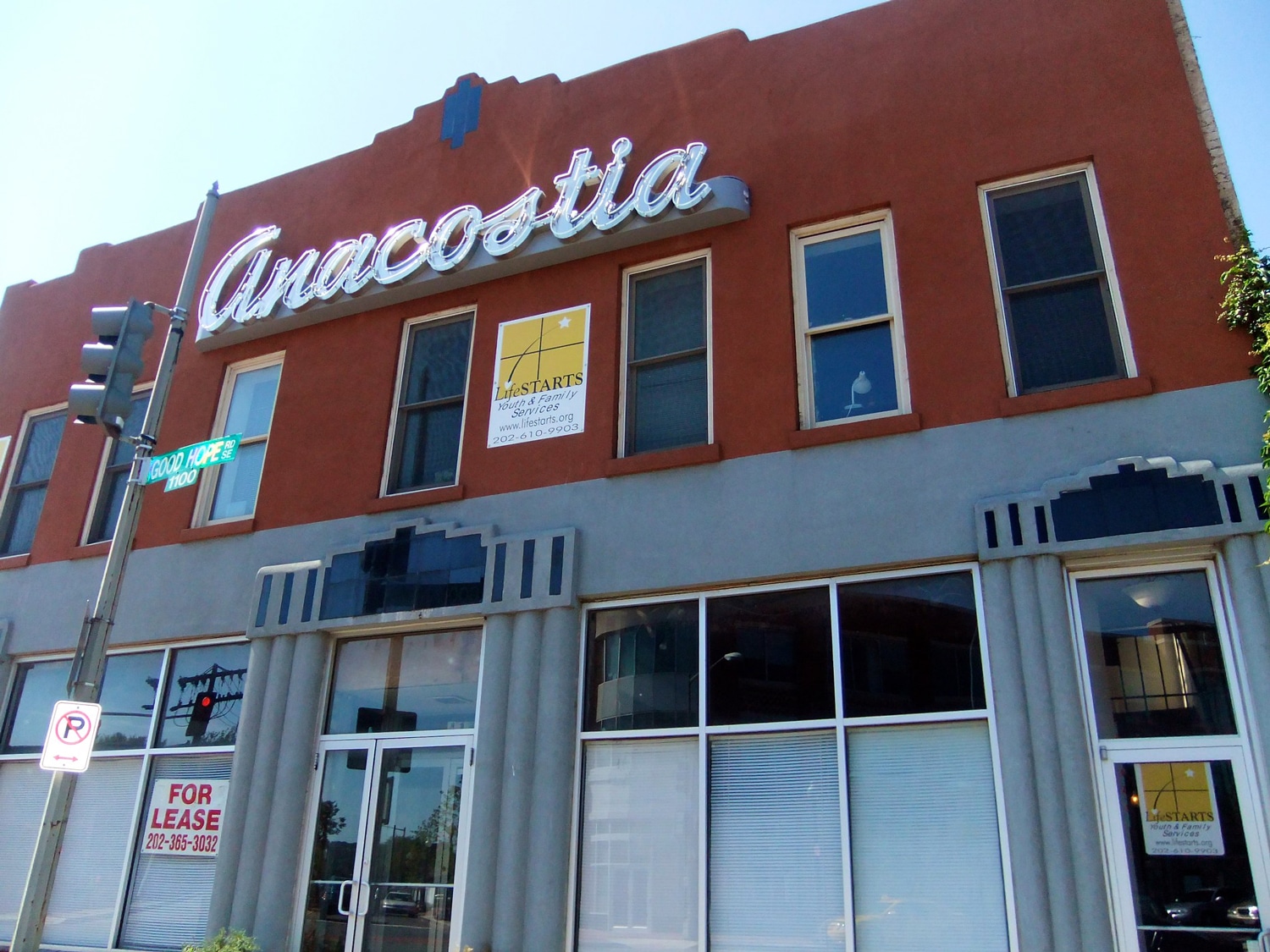
About a month into my tenure, I decided to visit Cedar Hill, the visually arresting house where Frederick Douglass spent his final days, in Anacostia, a neighborhood in Southeast D.C. I was delighted and moved by what I saw, conspicuous evidence of a grand life well lived. But I was most affected by my journey there and back. Anacostia felt like a different city altogether. The architecture was radically dissimilar; instead of inspiring awe, many of the buildings, in various states of disuse and disrepair, inspired sorrow, then fury. I knew nearly nothing about the geography of D.C. before I arrived, but I was unsurprised to see Black faces everywhere I turned in Anacostia. I was reminded of the years I spent as an exchange student at Bates College in Lewiston, Maine, and as a graduate student at Oxford University. In both those places, I ventured off campus to find food that was familiar, to get haircuts, to listen to music that I recognized from my childhood, to speak with people who resembled my friends and family. An errant thought struck me on the bus as I journeyed back to my neighborhood — once again I was going back to campus, to a limited portion of land that had been lavished with care and resources, and I was leaving behind a culture I knew and loved, that knew and loved me.
Like everyone else on ‘campus,’ I was majoring in power. I desired the power to create reality.
I wondered again how I’d ended up on the other side of the divide. I had worked hard, sure; I’d spent years pushing myself beyond any safe and sane limit because of my terror of poverty, developed after years of being mired in poverty. But was this the inevitable result? Estrangement? Alienation? Dislocation. In a way, I represented a repudiation of the system, because I was a Black man who was making it (or was making it, before my decision to leave my comfortable London existence) despite the barriers that met me at every turn, but my life was also proof that the system worked, because I was on a bus traveling back to Northwest. I felt the old survivor’s guilt coming on, a familiar sense of woe and awe. Then I considered the relationship of the United States to the global south, the part of the world my parents came from, and for the first time I contemplated the idea that the United States itself was a kind of campus, for it, too, was a limited portion of land that had been lavished with attention at the expense of so many other places.
I was going back to where I lived, back to campus, and like everyone else on campus I was majoring in power. Even if I told myself I was not actively seeking it, at least not now, that I had other interests — the truth is that I desired it. I desired the power to create reality. And this is what came to mind whenever someone asked me what I thought of Washington. This is what I would have told them if I were a more courageous person.
As the bus pulled into my neighborhood, I also contemplated my belief that cities respond to the needs of their denizens. This was true where I lived, in Northwest, and in the neighborhoods where I’d lived in other cities. It wasn’t true in Southeast. There, it seemed the city did not care about human beings; there it seemed like the city was actively trying to undermine anyone with a dream and the energy to pursue it. I had been extrapolating from my experience, largely because of my excitement about becoming a bona fide urbanite after spending my childhood in featureless suburbs. I kept this in mind — regardless of how poor I was, how poorly my life was going, I had power.
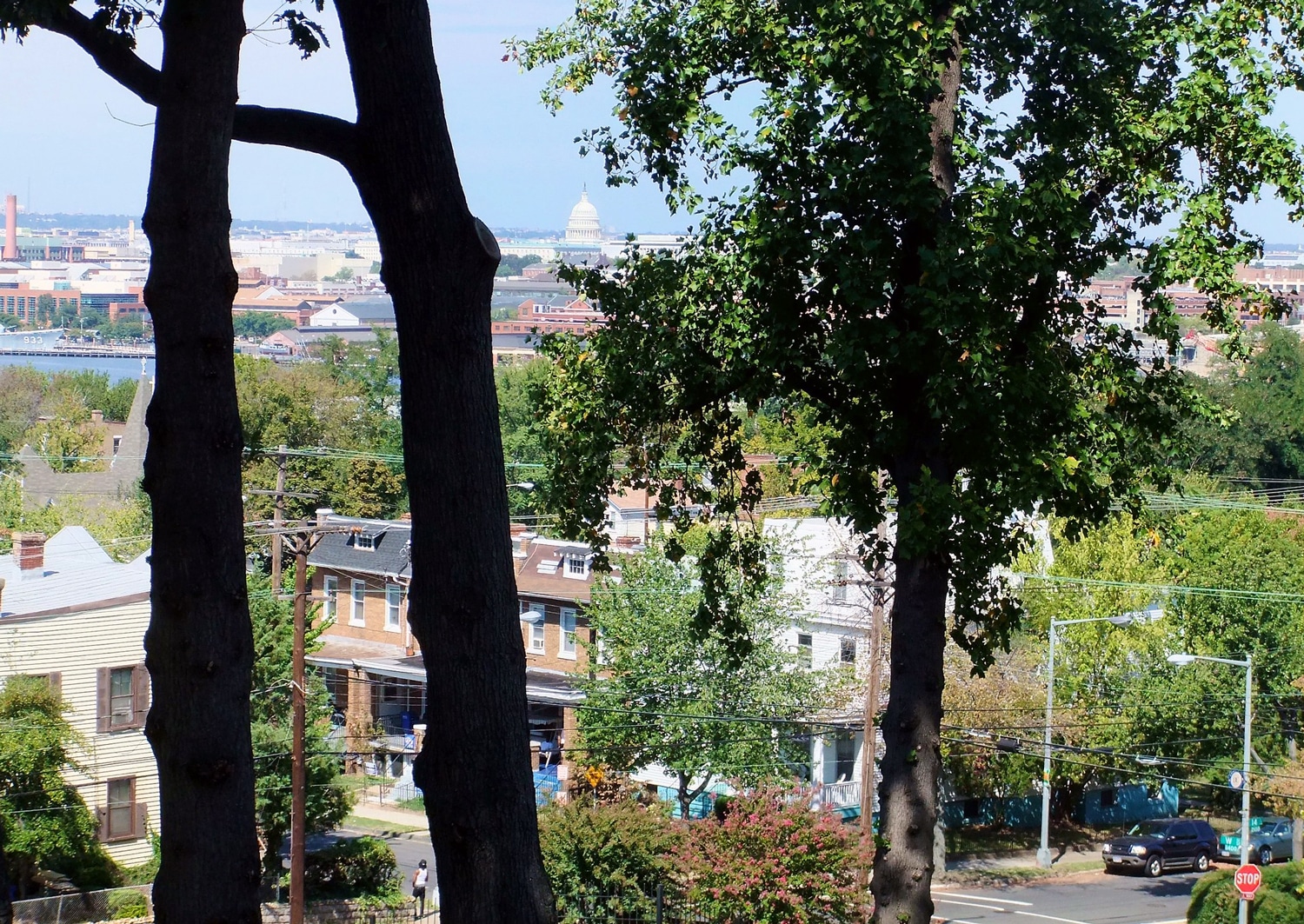
After a few months in D.C., it occurred to me that, at least according to what I had observed, hardly anyone moved here to become an artist. I perused websites and writers’ message boards, and though I occasionally came across mention of workshops and social gatherings, I could not determine where writers and other artists casually assembled to network and commiserate. I could not tell if D.C. contained a scene of dedicated artists who were making a living — any kind of living — from their art. I knew about the Master of Fine Arts programs in the region, including writing programs at American University and George Washington University, which were relatively close. But I had no idea how to engage with them.
I could not find a policy job, and knew no one else trying to start a writing career. I certainly knew no one who was trying to do both.
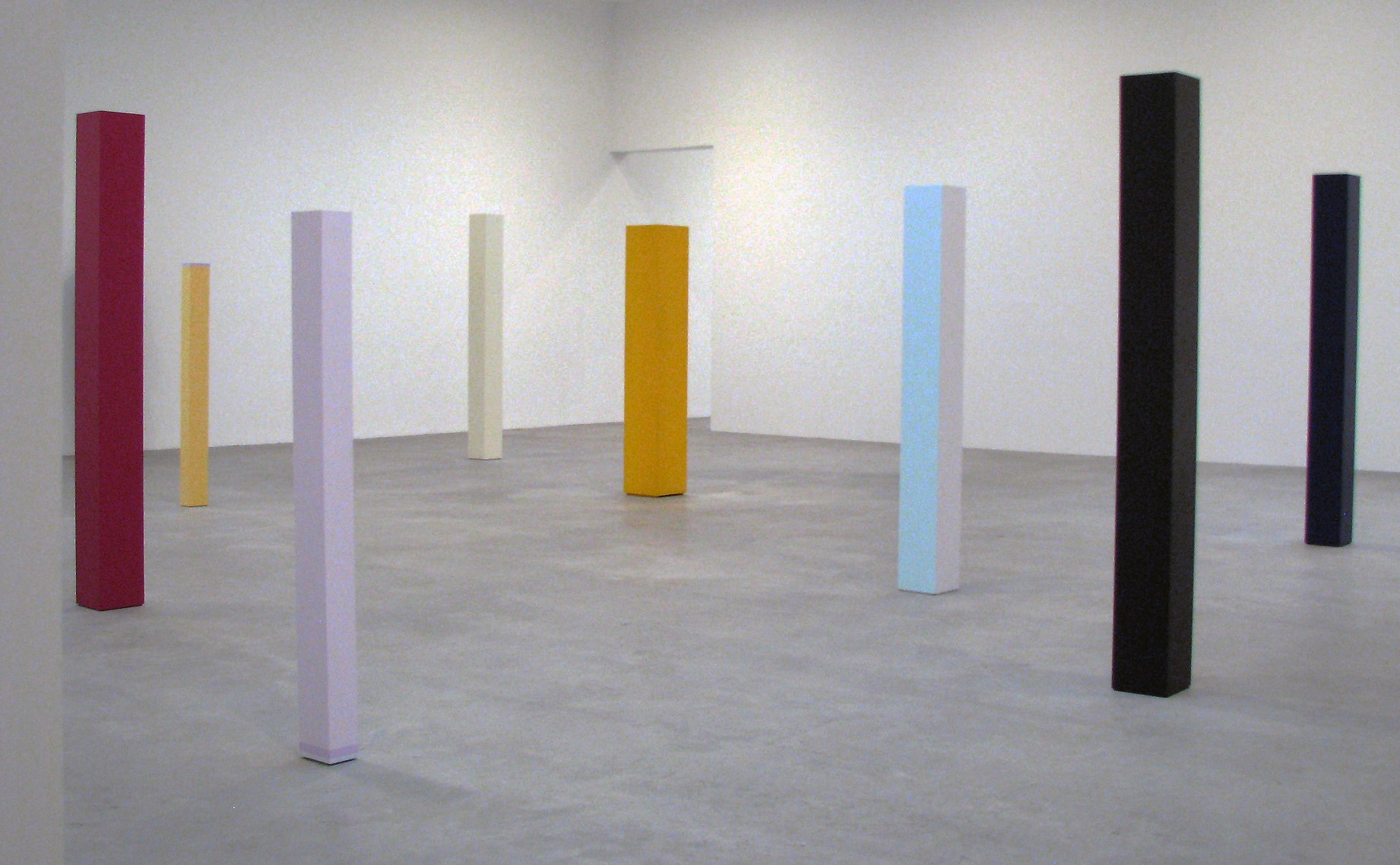
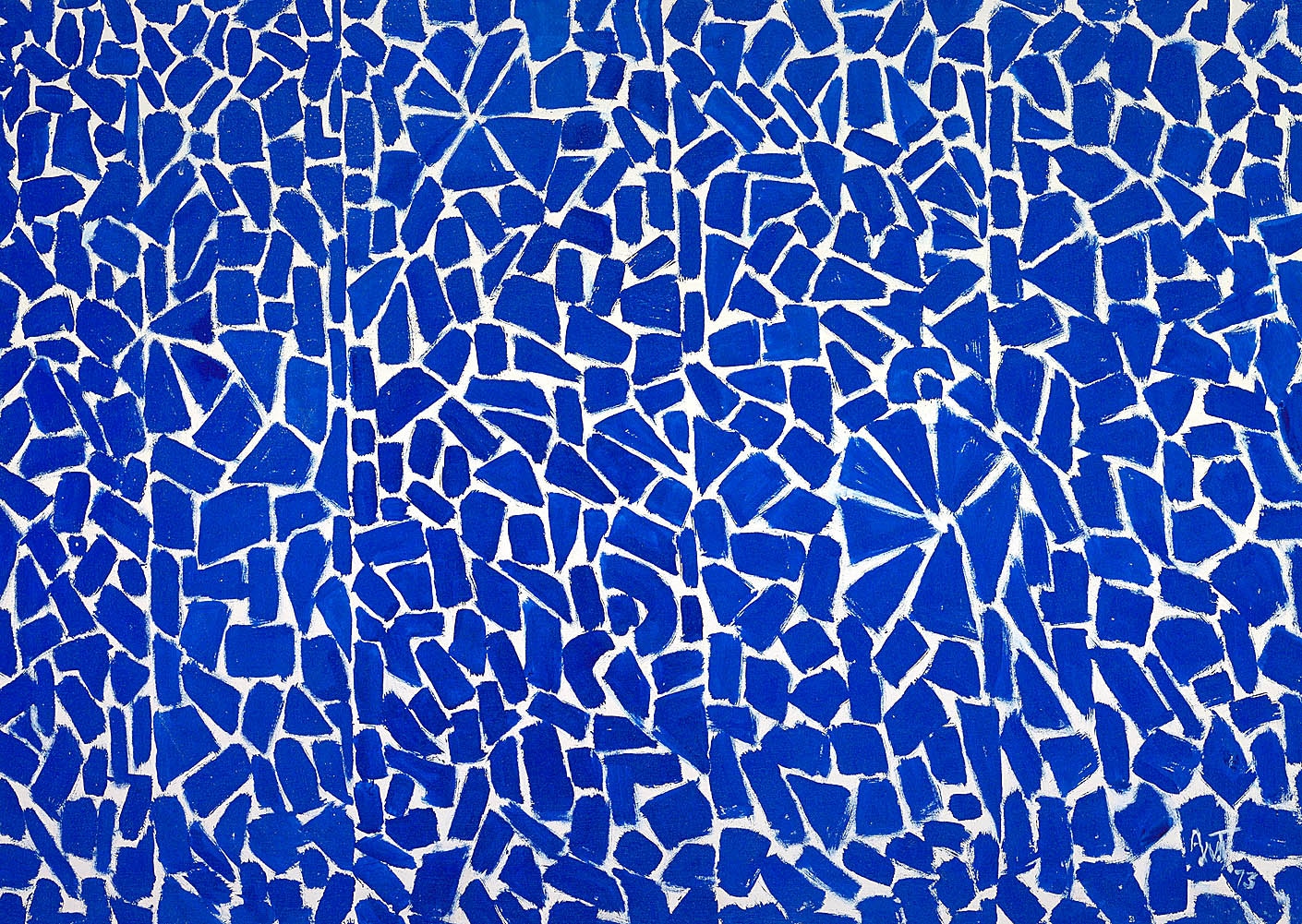
I knew that young aspiring artists traveled regularly to other cosmopolitan enclaves — Berlin, Dakar, Lagos, Prague, Rome, Paris, and of course New York City and London — to learn and establish themselves. I wondered if D.C. was the only city in the world with astonishing cultural riches and a paucity of visible artistic ambition. I’d read about the Washington Color School, the dynamic movement of painters and sculptors that had flourished in D.C. in the 1960s. A few of my favorite artists — Sam Gilliam, Ann Truitt, Alma Thomas — had been members. Was there a 21st century equivalent?
I could not find a policy job, and I knew no one else who was trying to start a writing career. I certainly knew no one who was trying to do both.
I decided to reorder my life once more.
Every morning, I vowed, I would walk to Politics and Prose, pull a book from the shelf, and read about economics or politics or literature, until someone kicked me out. Then I would walk to the Van Ness stop and ride the metro to Judiciary Square, close to the Mall and the Smithsonian museums. I’d visit the art museums on a rotating basis, then make my way back home, and write for the remainder of the day. I would do this until I got a job or managed to publish something.
The following day, I marched to Politics and Prose. Furtively, I glanced around, unsure if I would be allowed to read for as long as I desired. If I’d had my way, I would have bought at least ten books and read them at home. But I was running low on money and had placed myself on a strict budget. My girlfriend and I had leased our apartment on the assumption that we’d be a two-income household, and I was not holding up my end of the bargain.
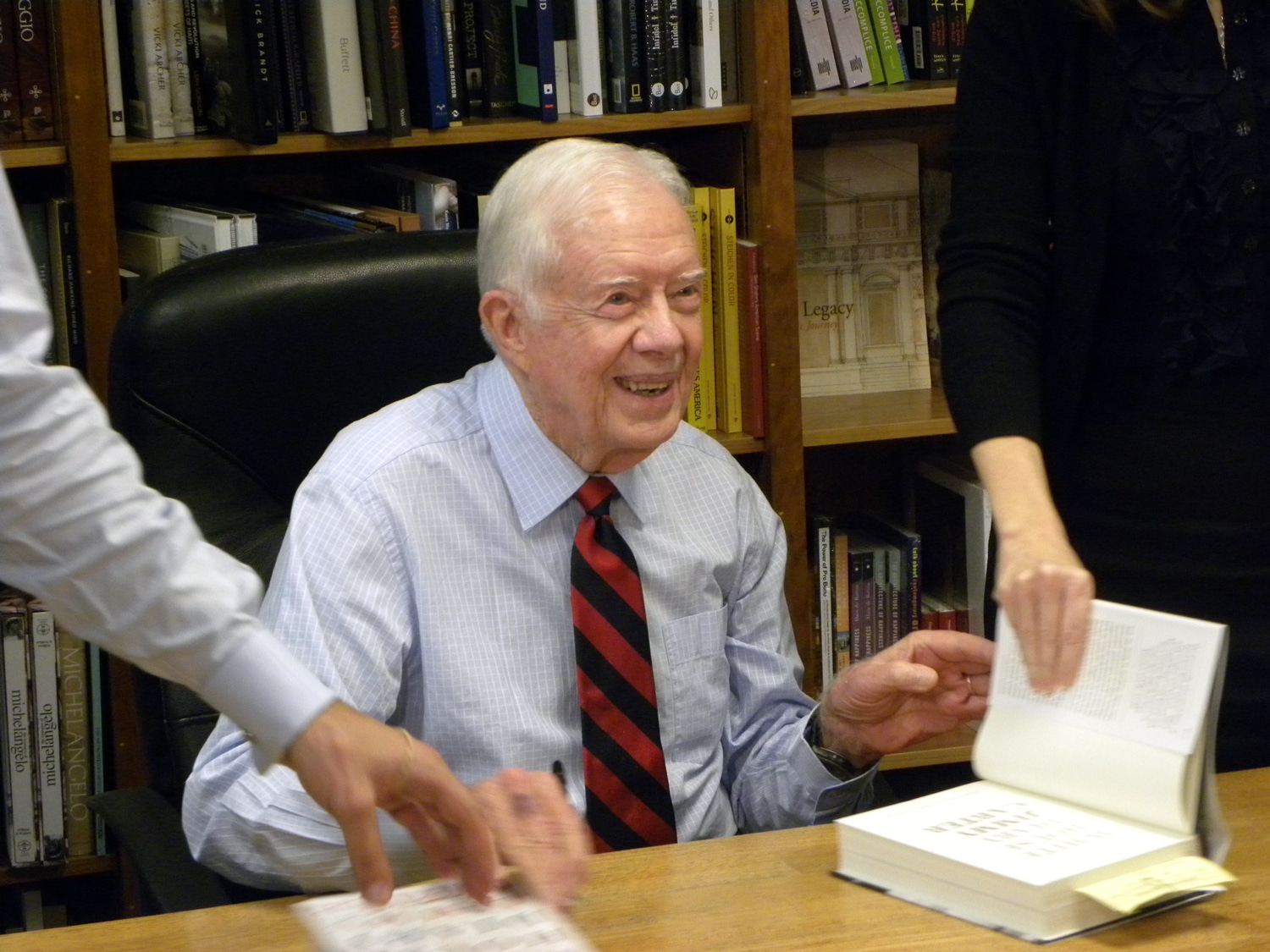

I walked to the poetry section and fingered a few books, picked one, and sat in a chair close by. I could not shake the feeling I was doing something wrong. But I couldn’t help myself; I began to read, and enjoyed what I was reading, and then I sensed a presence. I looked up. A bookseller was looking down at me with a smile on her face.
“Can I help you with anything, or are you set?” she asked.
“I’m fine,” I said.
She nodded and turned away, then she turned back.
“Is that good?” Pointing to the book in my hands.
“Yeah, it really is.”
“Dope.”
She walked away. I’d been afraid that I would be treated as a thief, as if I were unlawfully spiriting words away from books and hoarding them in my mind, and instead she had interacted with me as if my actions were not only acceptable but perfectly natural. I rose, replaced the book on the shelf, and walked out into the hazy sunlight. I ambled to the metro and took the red line to the National Gallery.
Maybe I would not meet another aspiring writer. But I was living in a place where I had access to an almost inconceivable quantity of words and images.
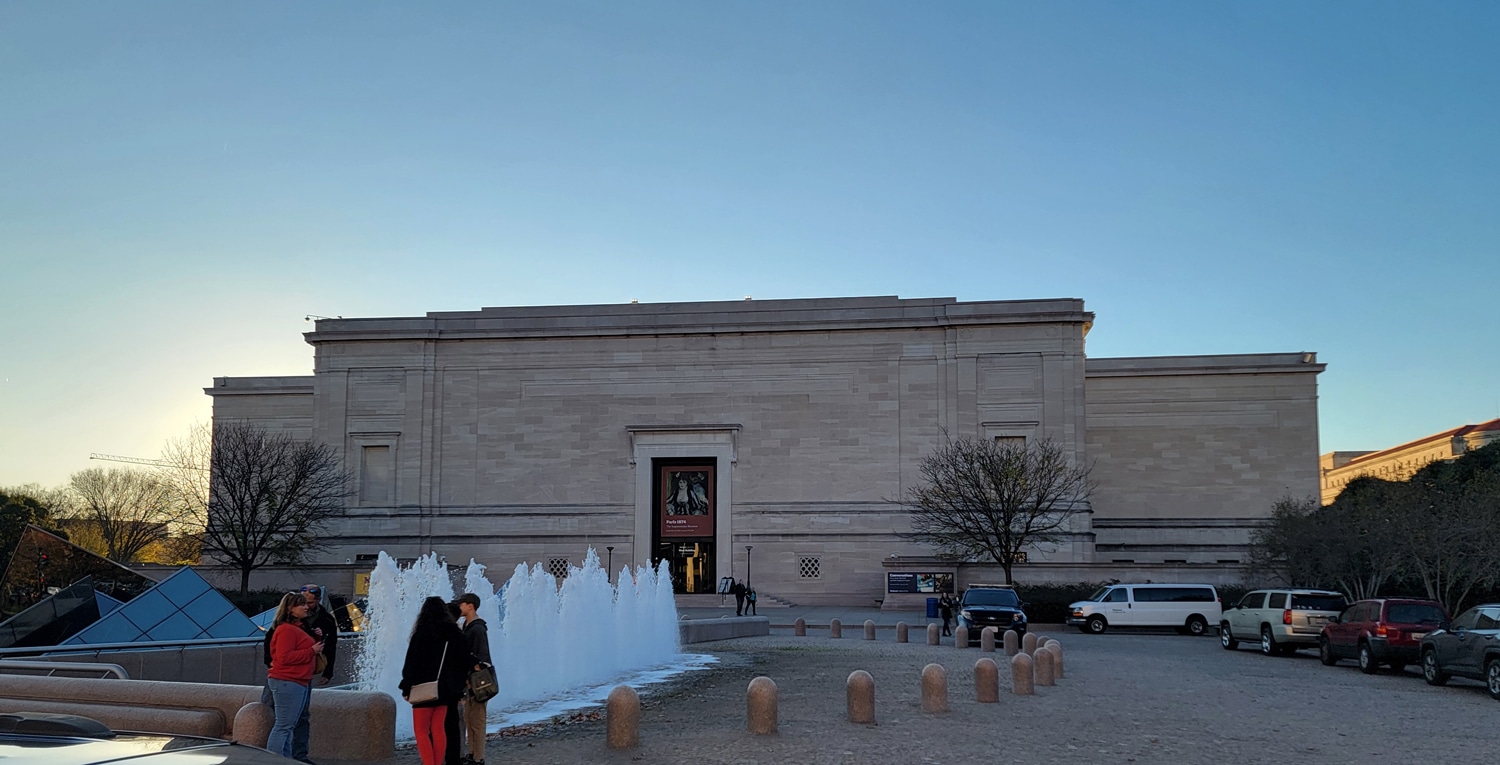
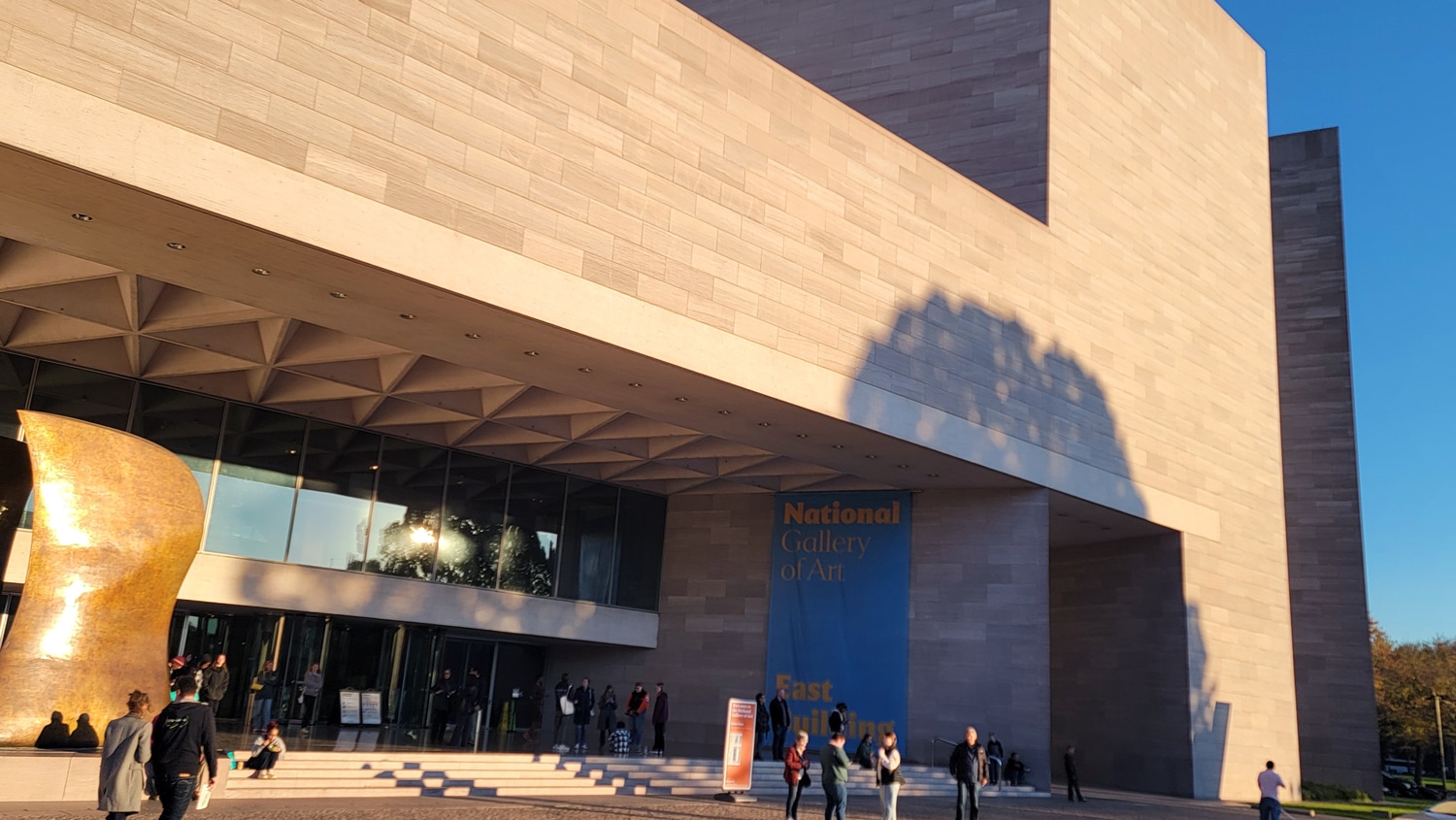
I’d never been, but I knew the East Building housed modern and contemporary art. I’d spent years wandering the Tate Modern in London, so I figured the East Building would feel familiar, and it did. As I strolled the galleries, my mind slipped back to my encounter with the bookseller. Maybe I would not meet another aspiring writer or artist, at least in the short term; maybe I would have to tread the unknowable path to artistic self-actualization alone. But I was living in a place where I had access to an almost inconceivable quantity of words and images, and I would not have to part with much money to absorb it. If I could keep my head above water and not drown in debt, if I could maintain my energy and some semblance of confidence, I would have a chance to stock my mind with raw material. I would learn — through intense study and discipline — to shape that material into art that would one day be worthy of devotion.
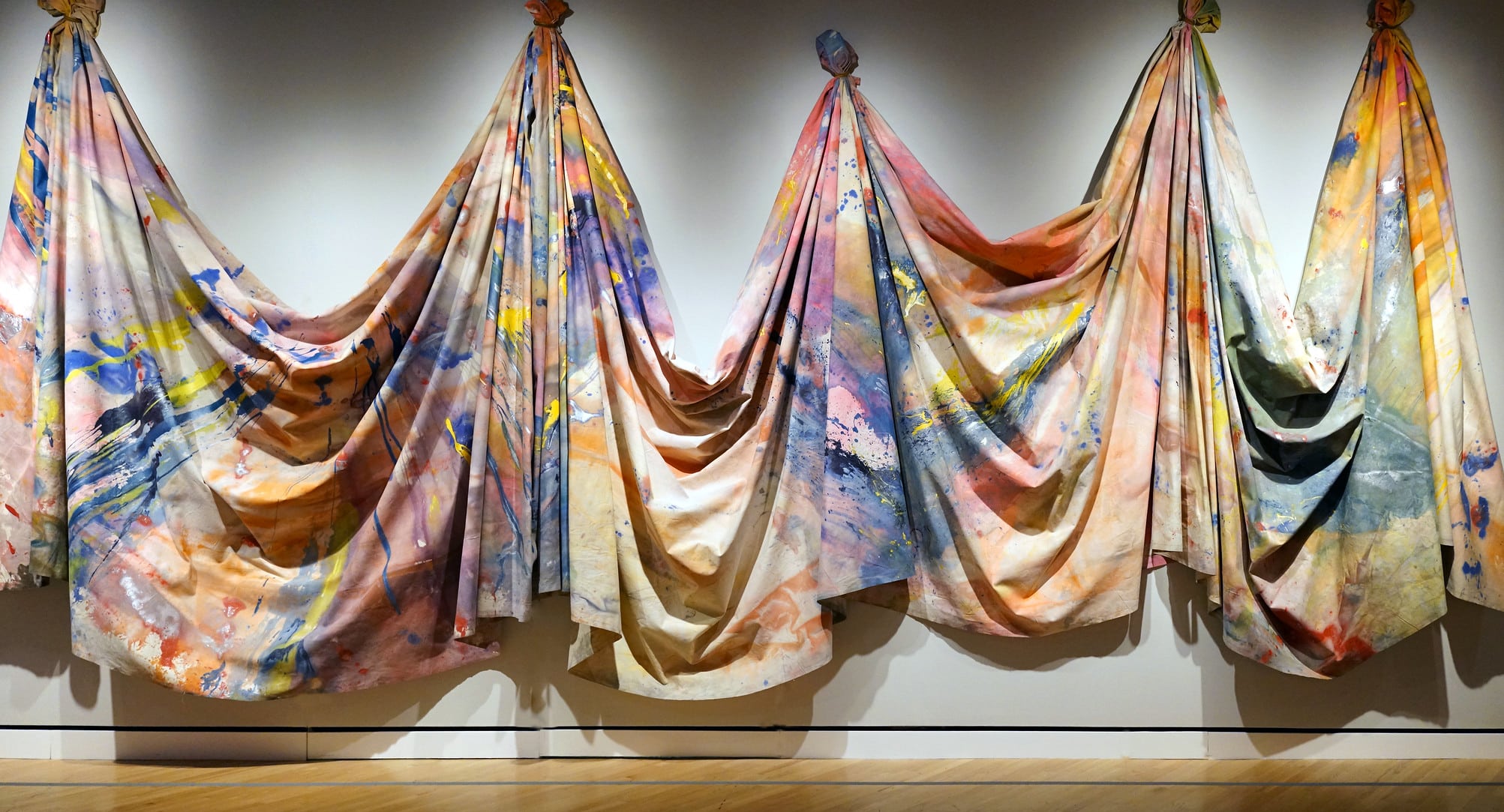
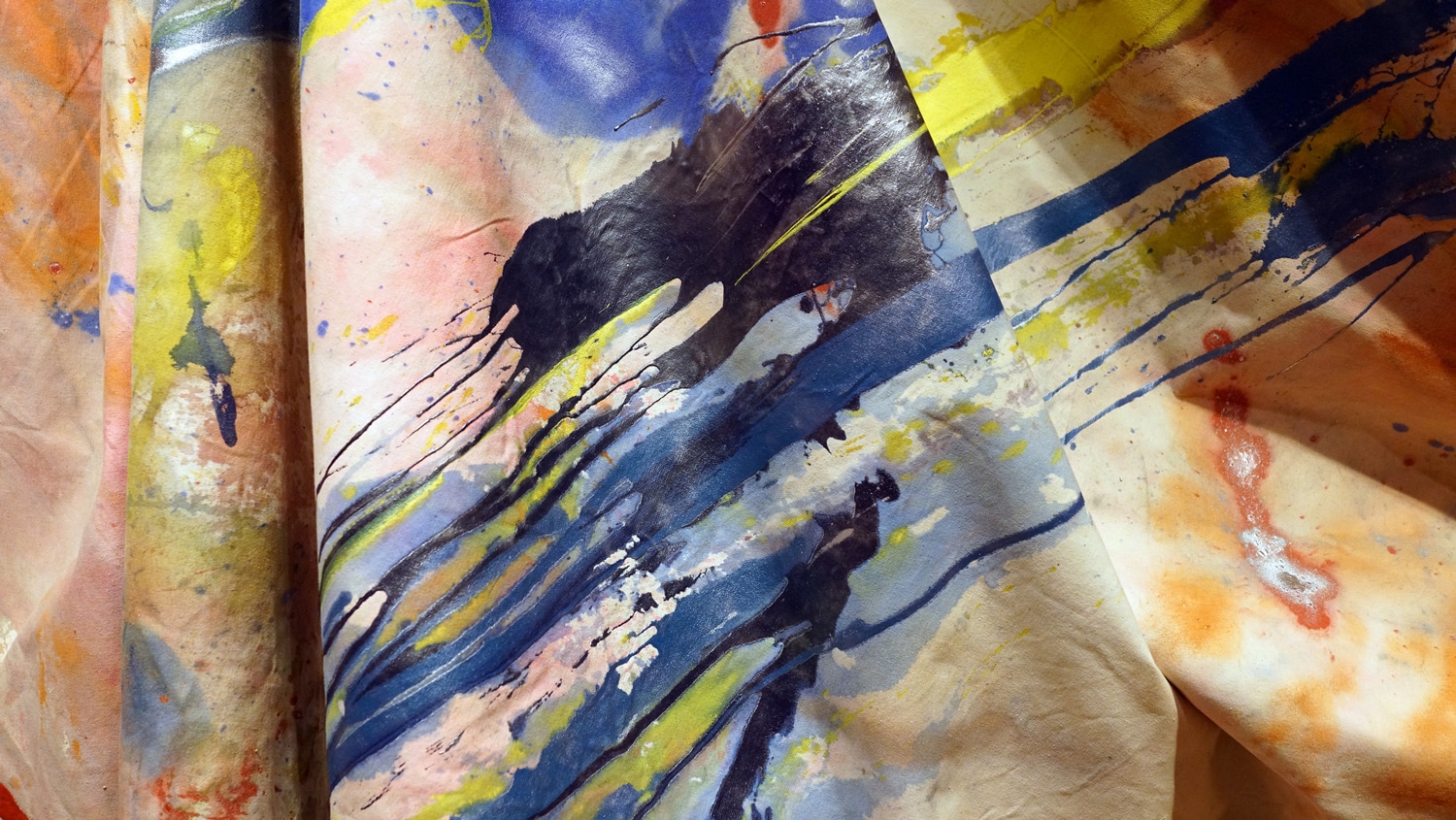
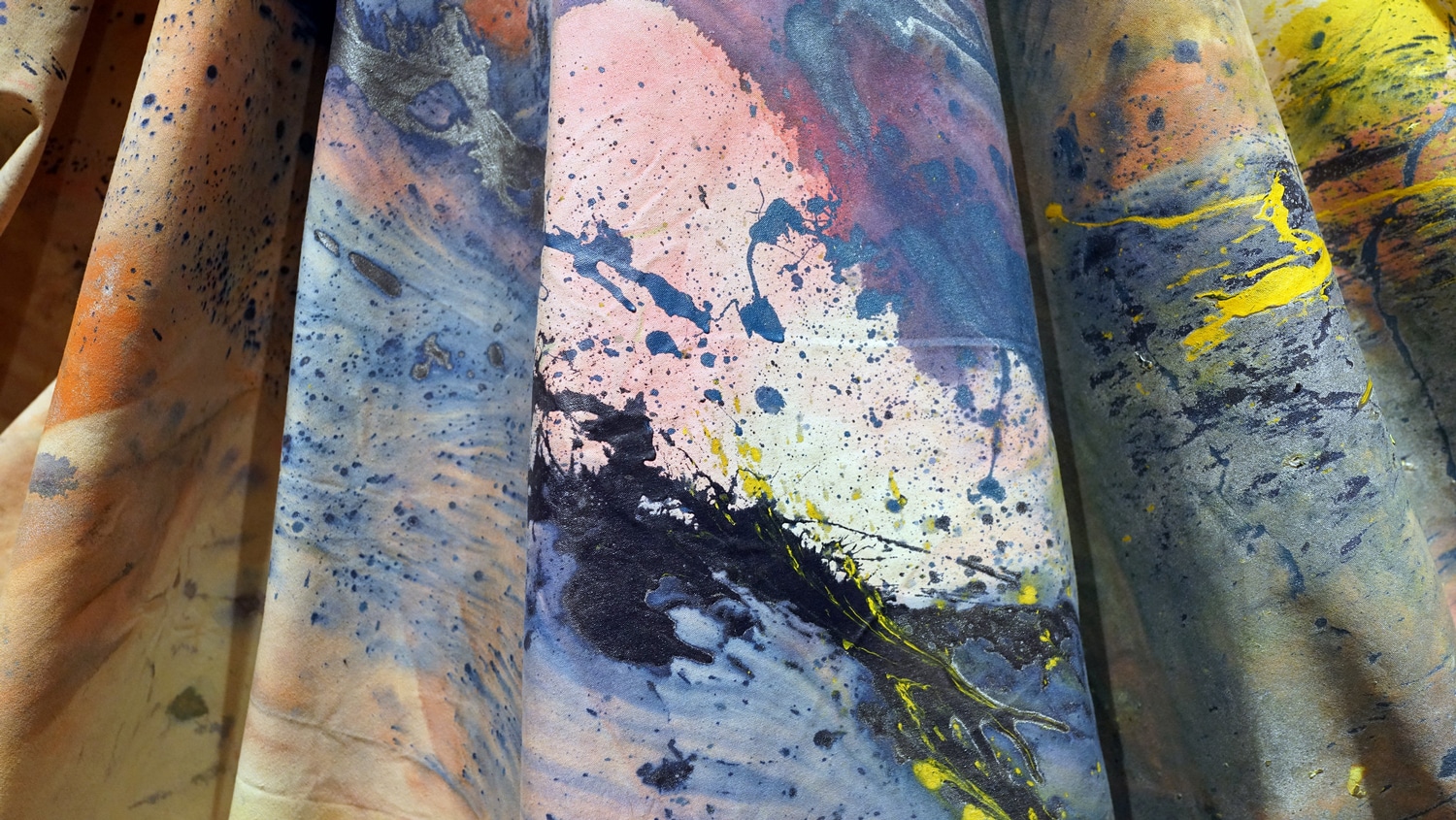
I began to sense subtle improvements in the quality of my thinking, in the ways I appraised and consumed art. I no longer thought of writing, visual art, and music as distinct categories. When I dreamed about the book of poems I would publish, or the novel, melodies and images floated alongside shimmering words.
I also began to think of myself — tentatively at first, and then with more confidence — as a D.C. artist. Indeed, I thought of myself as a D.C. artist well before I accepted the notion that D.C. was my home. A better way of saying this, perhaps, is that during my first year in Washington, I began to think of myself as an American artist. Part of the reason for this was because so much of the art I saw and heard was from other parts of the country, and I began to think of Washington not simply as the capital, the part of the country where power gathered and magnified itself, but as a synecdoche for America, a city that endeavored to represent all that the nation had been and is now. How could a single city hope to capture such staggering multifariousness? I knew it wasn’t possible. Yet I found the effort worthy of praise.
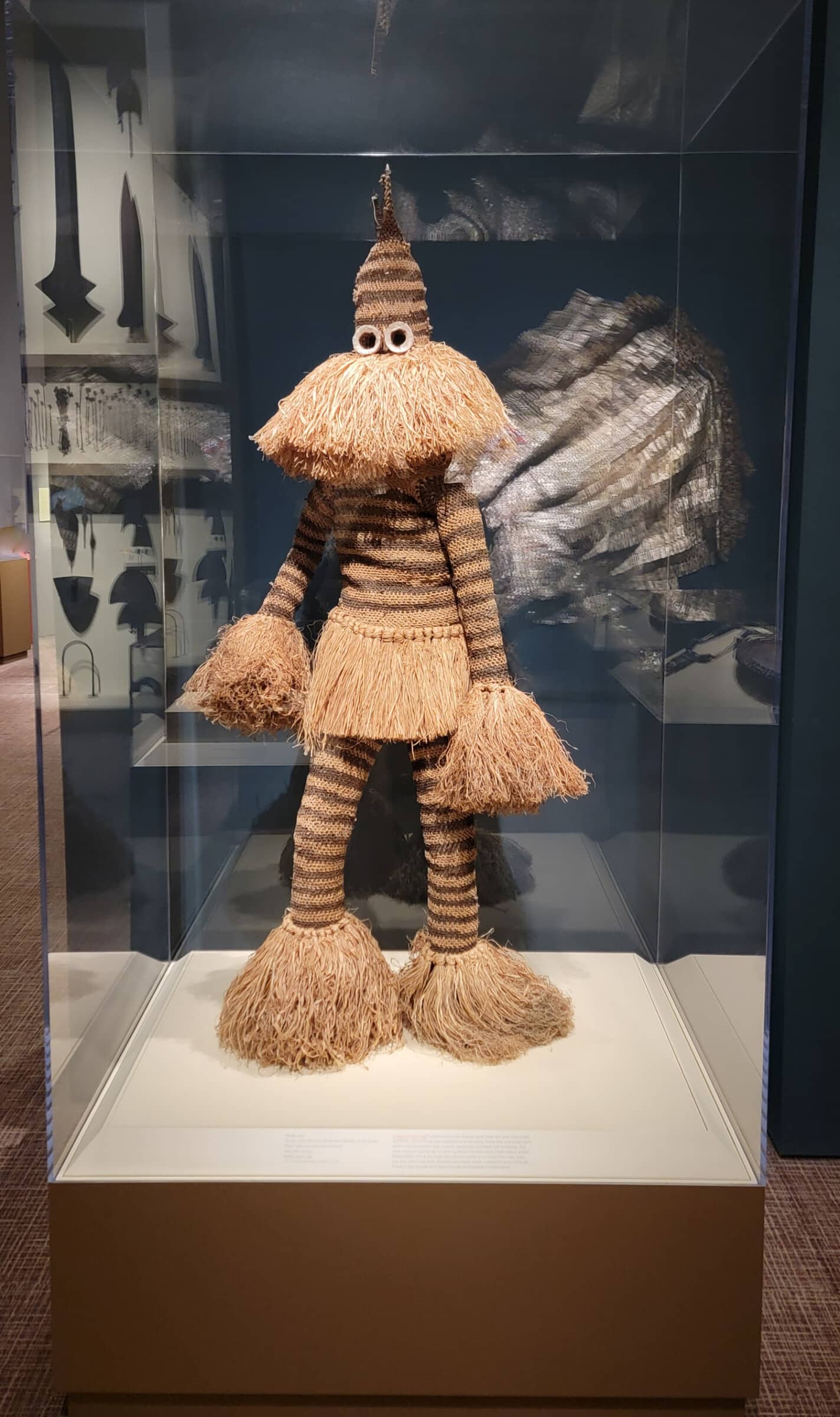
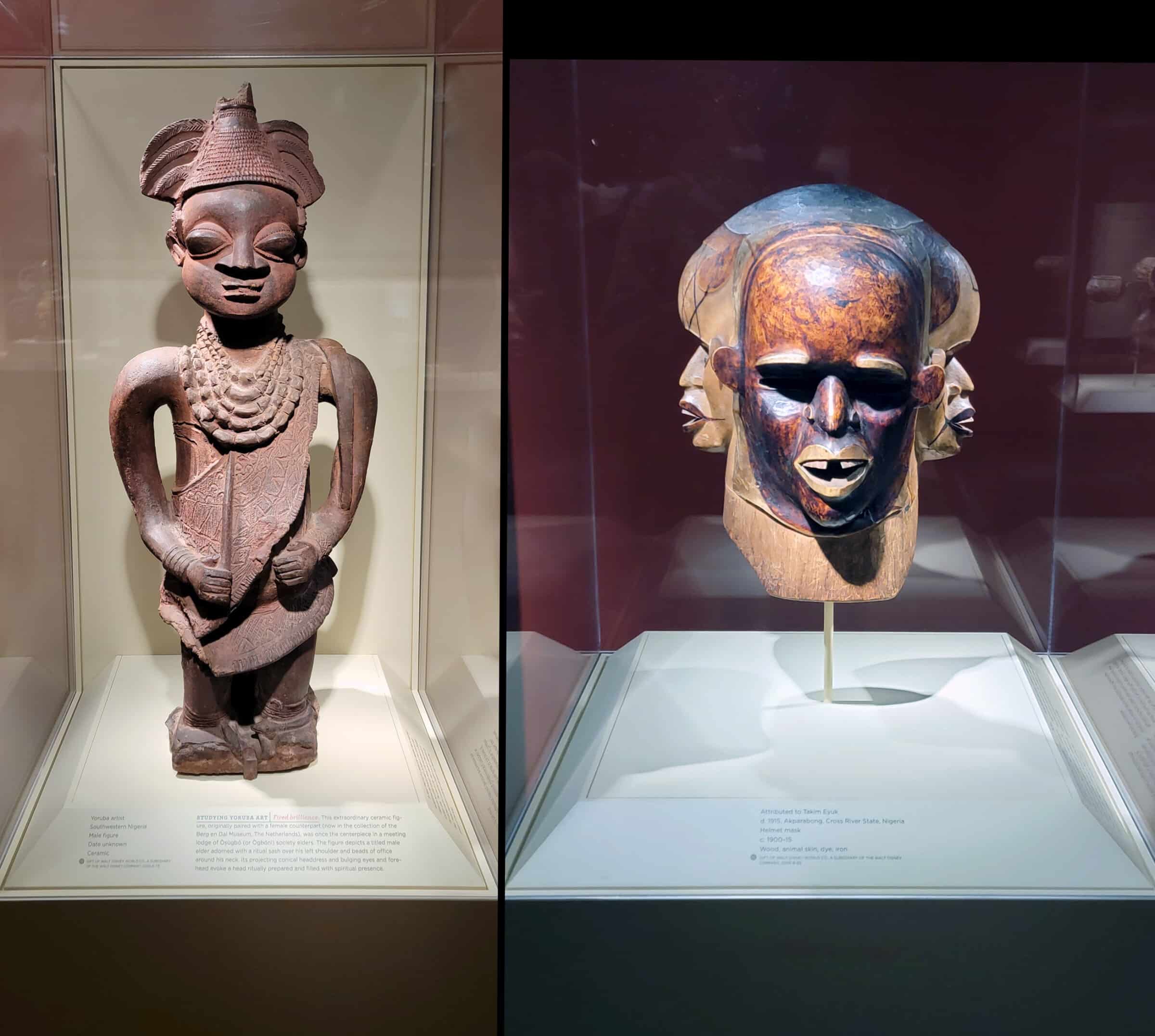
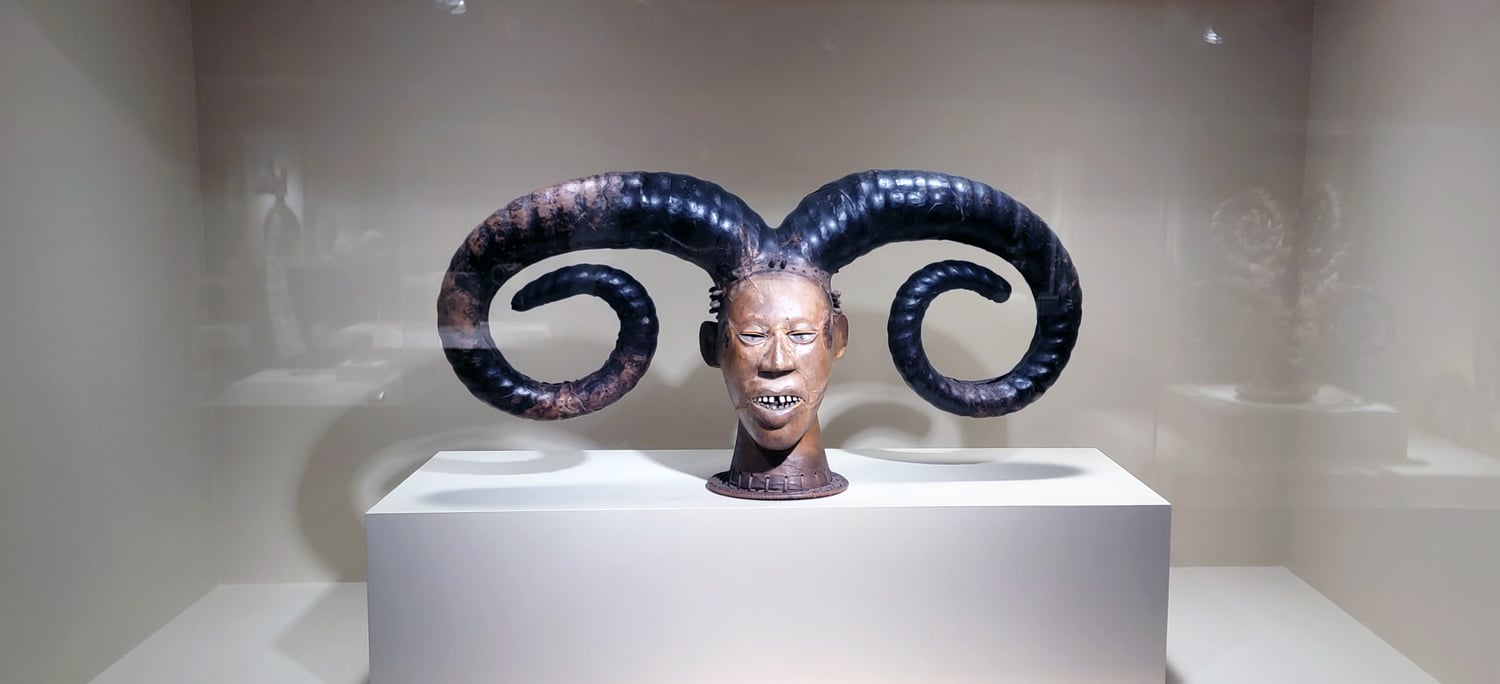
Even more powerful was the opportunity to see art from other parts of the world. What did it mean that the nation’s capital held a diverse collection of international art in institutions like the National Museum of Asian Art, the National Museum of African Art? Other U.S. cities possessed such collections, of course, New York especially — but I found it meaningful that these artifacts were housed in the Smithsonian, in the American art collection. Despite their provenance, these works of art were now, in a way, American works of art. I knew how many of these treasures had come to reside in this country in the first place, as the direct result of the wanton, brutally capitalistic ethos that had prompted earlier generations of Americans to enslave millions of Africans, and then forced successive generations of citizens across the global south to endure colonial rule. I understood that much of the art I saw on my daily trips to the museums had been violently removed from its context.
Much of the art I saw had been violently removed from its context. Yet this is why I felt connected to it. I, too, was out of context.
Yet this is precisely why I felt connected to and revived by it — because I, too, was out of context. I was in D.C., but not of D.C. I was an American, but I was reminded constantly of my supposedly un-American traits — my skin color, my name. I did not belong, but here I was. Just like the art, the dignified masks with their blank, penetrating glares, the implements and artefacts whose spiritual and sociopolitical connotations had been dishonored by their journeys abroad. When I paced around the National Museum of African Art, I felt as if I were in context, and something of that that feeling lingered when I walked back into the street and made my way home. That feeling grew larger within me, it magnified me, and I know now that there is no way I could have created any kind of art without it.
I am writing this from the future. It is 2025, and I am director of the Institute for Policy Studies, a progressive organization that works on behalf of progressive social movements in the United States and abroad. I am a novelist and critic, and teach creative writing at Georgetown University. Somehow, I made it from there to here. I fashioned a dream for myself, and it slowly enveloped me. My life seems concrete enough, but sometimes not quite.
I continued to spend time in museums and bookstores; I widened my search to include embassies, archives, libraries. I walked the streets to teach myself about architecture.
I’m keenly aware of how I am narrativizing my past, how I’m conscripting my memories to serve a story that will, at best, have an imperfect relationship with reality. There was a time when I was cynical about this process, which is to say I was suspicious of the standardizing impulse that drives storytelling — the pressure and pleasure of bending reality into a narrative arc, an act that inevitably nudges the truth toward fiction — even as I thrilled to the process of telling stories, especially my own. Now, however, I recognize that selecting and shaping events are themselves acts of truth-telling, even when you don’t understand why you have chosen these events, and not others.
Only now do I recognize, as I glance at the anecdotes I’ve shared, that I am pursuing a feeling. From my perch in the second decade of the 21st century, I feel great confidence in my artistic abilities, and a profound sense of gratitude (and relief) that my current trajectory has vindicated the risks I took. But as I think about my period of searching solitude, I realize that I left something important in the past.
The rest of my story may well be familiar to you, dear reader, if not in its particulars, then in the way I would feel obliged to tell it. I continued to spend time in museums and bookstores; I was so hungry for art that eventually I widened my search to include embassies, cultural archives, libraries. I would occasionally simply walk the streets and try to teach myself about architecture. I grew poorer, straining my relationship with my girlfriend (who, despite my struggles, decided to stay with me, and is now my wife). Eventually, tentatively, I began to write. I wrote in isolation, and then I began to send work to literary journals.
I’m keenly aware of how I am narrativizing my past, conscripting my memories to serve a story.
Eventually I got a job, and then I published a short story, and I moved into a new phase of life. Now I rode the metro at rush hour, not during the desolate parts of the day. After work, I’d attend happy hours with jovial, well-dressed colleagues, and my chest did not seize when it was time to pay my portion of the check. Once a week or so, I would stop by Politics and Prose and buy a book to read over the weekend. The booksellers I’d come to know would smile at me. I left my loneliness behind and entered the world.

This is what I miss, the feeling I am chasing with words. My loneliness. At first it was hard to bear, but I came to depend on it. I felt estranged from the rest of the world because I was, because I was ashamed of my failures; but I came to cherish that estrangement, and when it was over, I missed it without realizing, until just now.
Two years after I found my first job, I found a second, and this role came with more financial security and responsibility. I was working at a financial regulatory organization, and once again my days featured hours of intense conversations about the implications of adopting some legislative measure at the expense of another. Yet I had begun to grow nostalgic for my extended period of unemployment and artistic engagement, and I was afraid that my new job would eclipse my creative life. Among my favorite activities was watching films at the National Gallery, though I had always done so in an uneven, haphazard way. I decided then, in April 2012, that until the end of the year I would see every film I could.
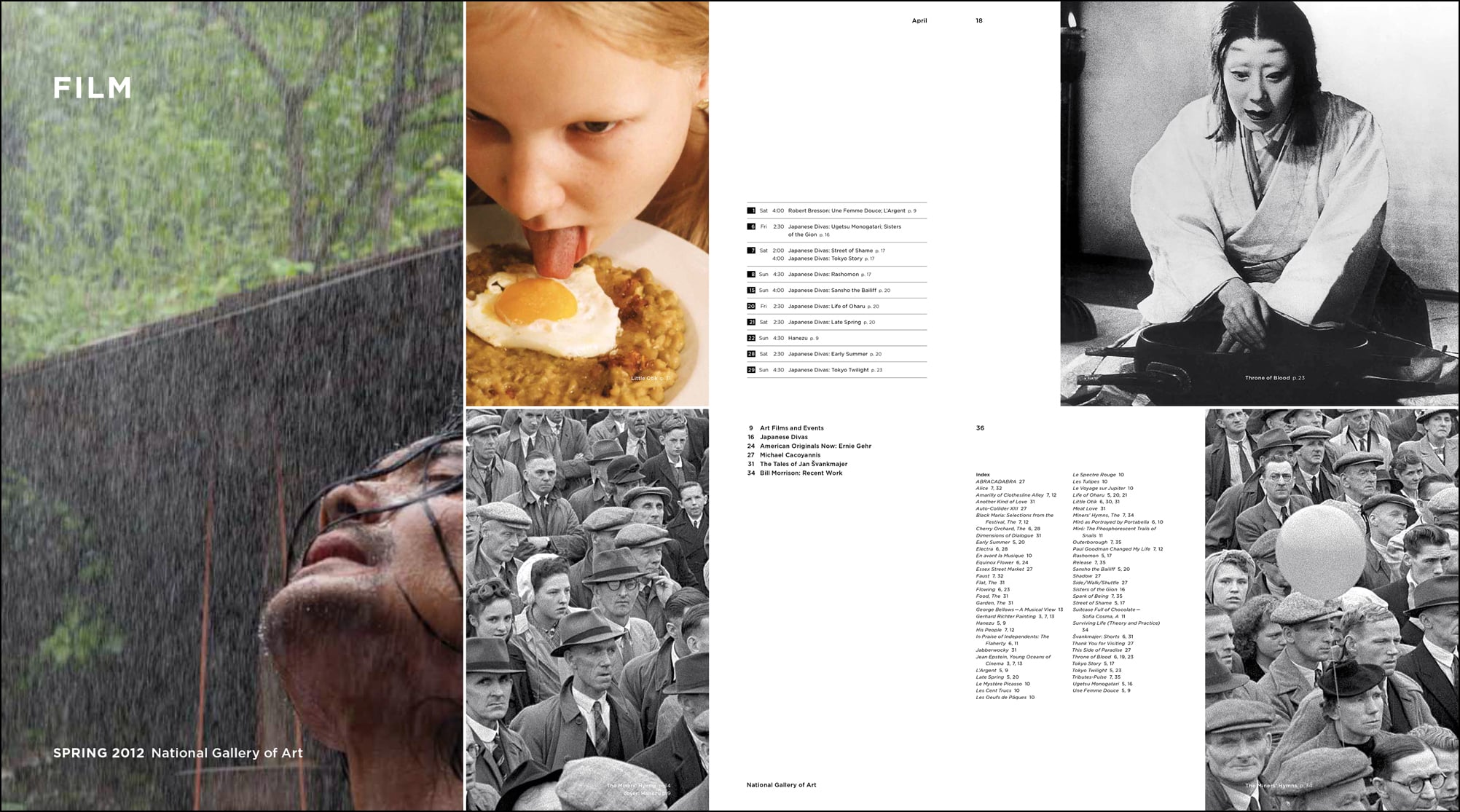
The 2012 Spring Season Film Series featured Robert Bresson, Jan Švankmajer, Michael Cacoyannis, a series of short films about Joan Miró, and a sequence of thirteen films by Japanese filmmakers starring iconic Japanese actresses. I spent my weekends watching these movies and maintained my habit of traveling to and from the museum by myself.
I arrived at least fifteen minutes early for each screening, and by the third Japanese film, I realized there was someone else who always appeared around the same time. She saw me staring and waved timidly. I found a seat, and she walked in my direction and sat next to me. I introduced myself, but she shook her head. I tried to talk about the movie we were about to see, and she shook her head once more. I understood. She did not speak English. I studied my program, and she rifled through her purse. I discreetly studied her face. She was Asian. She had gray hair and bags under her eyes. She was old enough to be my mother. She pulled out a package of tissues and placed it on her knee. She patted it and smiled at me.
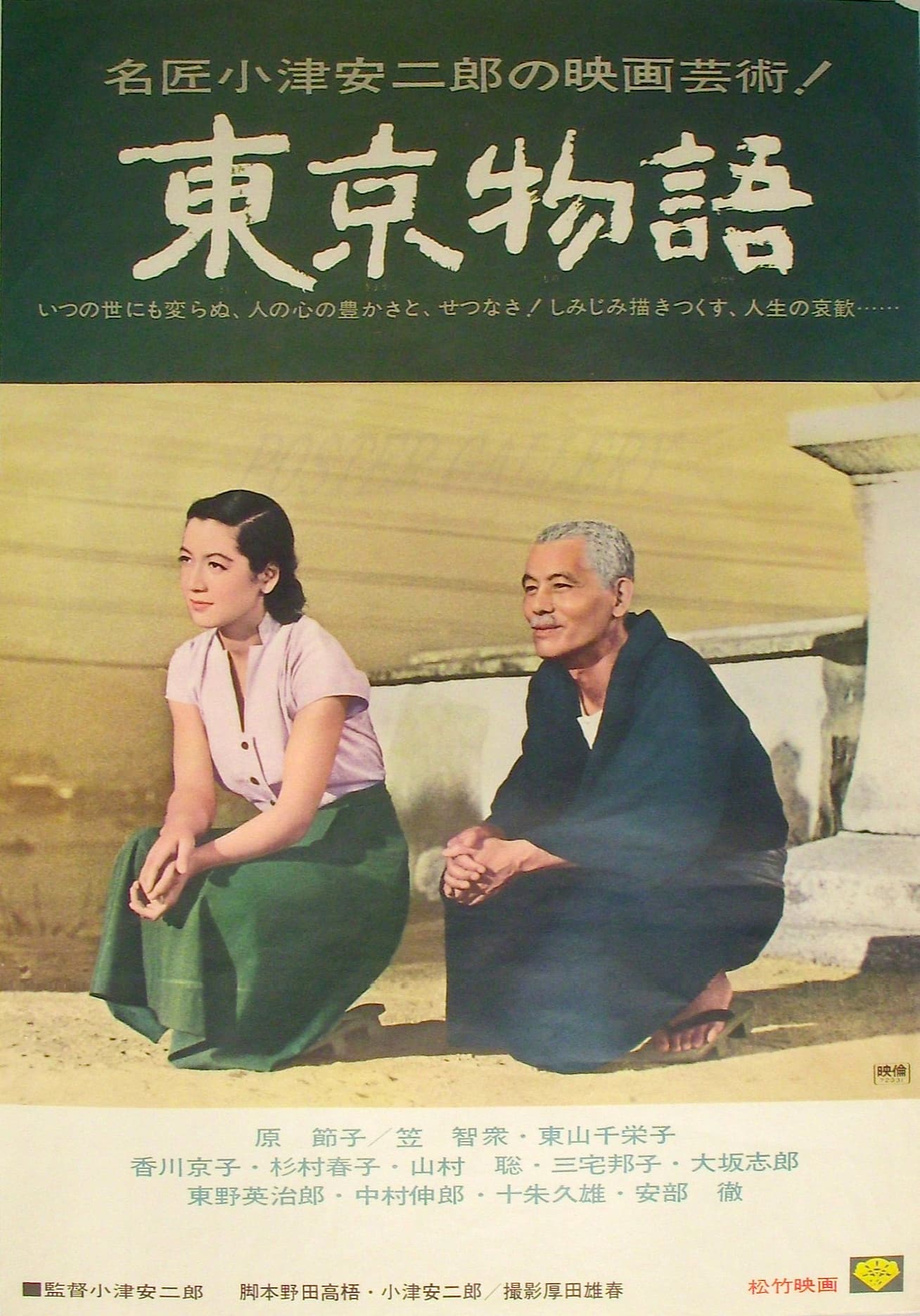
The lights went down. The film was Tokyo Story, directed by Yasujirō Ozu in 1953. It would be my first Ozu, and I was ecstatic. I was aware of his exalted status in world cinema, and his outsized influence in Japanese culture; by the end of his life, a decade after Tokyo Story, a new generation of Japanese filmmakers, inspired by and dissatisfied with his aesthetics and techniques, would launch the Japanese New Wave.
I watched the film, but I was distracted by the woman’s presence. For some reason I felt an urge to look at her. Immense, dazzling tears were coursing down her cheeks. She pulled a tissue from her lap and dabbed them. More tears fell. I glanced back at the screen. As far as I could tell, nothing on the screen justified her emotion. Were these tears of sorrow? Of joy? I tried to construct a story whose destination was her perplexing reaction. Perhaps she was from Japan and this movie reminded her of childhood, of a time she had gone to the movies with someone she loved. Perhaps she was mourning the loss of her youth, of Japan in the mid-20th century, a child, parent, or lover. She looked at me. I don’t know what my face told her, but she reached over and held my hand. I instantly knew what she meant. Stop thinking and watch the movie. I nodded and turned toward the light.


If you would like to comment on this article, or anything else on Places Journal, visit our Facebook page or send us a message on Twitter.