
Why is it important for me to write about Oakland, Black Oakland, my Black geography, the most extraordinarily ordinary city that I know or once knew? Because the ordinary is powerful and the actions of ordinary people in an ordinary city matter.
The insidious and seductive operations of racial capitalism and White supremacy scaffold a world in which value derives from the spectacular. This notion has a destructive relationship with Blackness, insisting that, in order to have value as a Black person, you must be exceptional. It was this logic that made me feel, when I was young, that my life growing up in Oakland — the only large city on the west coast to (nearly) achieve a majority Black population — did not matter. I believed that, in order for people like me and members of my family to be relevant, even to Black study, we had to shape our lives like those in books or on television.
Black geographies aren’t just where Black people live. Black geographies describe the ways in which Black people recognize, understand, and navigate places and spaces they know intimately. Conceiving of Oakland as a Black geography, then, means that it holds within it a certain set of methods for Black life.
Why is it important for me to write about Black Oakland? Because the actions of ordinary people in an ordinary city matter.
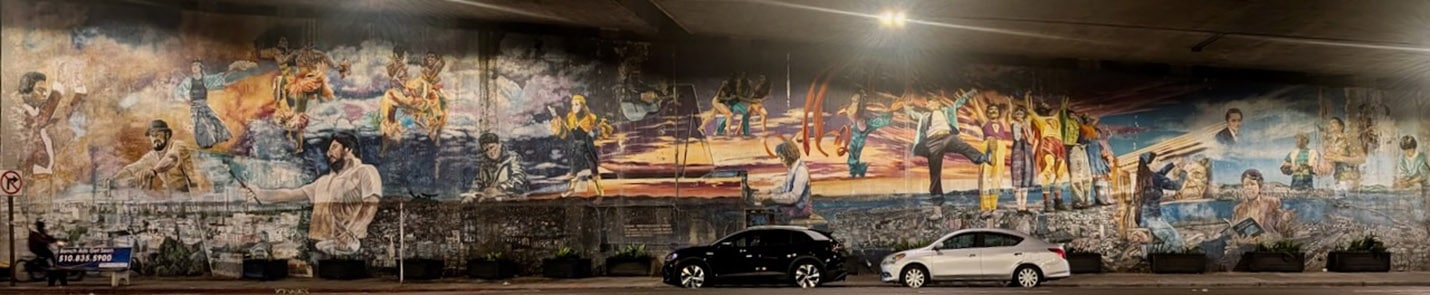
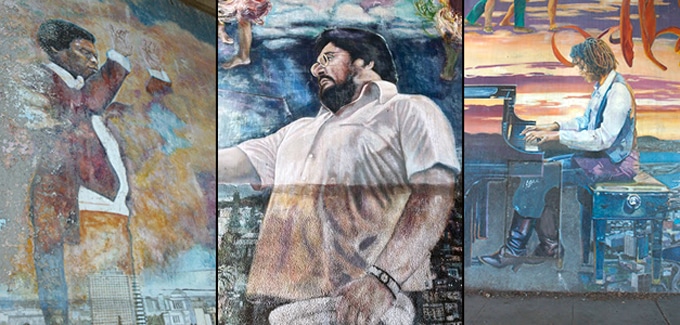
Oakland boasts a profound history of Black resistance that has laid the foundation for political movements and social formations working to reclaim space through electoral and grassroots organizing, the exercise of public cultures, and the aesthetics of everyday life, from the founding of the first Black labor union in the U.S. (the Brotherhood of Sleeping Car Porters), to the first Black public-access television network (Soul Beat Network). Tracing the roots and routes of this resistance, and the reclamations it makes possible, are for me a means of thinking through the past, present, and future of the Black city that Oakland was, and in important ways still is and can remain. Black Oaklanders use myriad material and symbolic means to reimagine their environment — gathering in fellowship around Lake Merritt on Sunday afternoons; emplacing critical murals on the sides of downtown buildings; erecting impromptu altars in front of the Grand Lake Theater to protest violence against young Black women; marking the streets of deep East Oakland with the intricate calligraphy of black tire-tread marks laid down during sideshows (informal vehicular stunts typically performed in parking lots and wide intersections). They build movements, protect life, insist on being heard, invent tradition. This is a Black city that I have loved and hated, with a stunningly complex relationship to race, racism, power, plunder, inequality, joy, and pride.
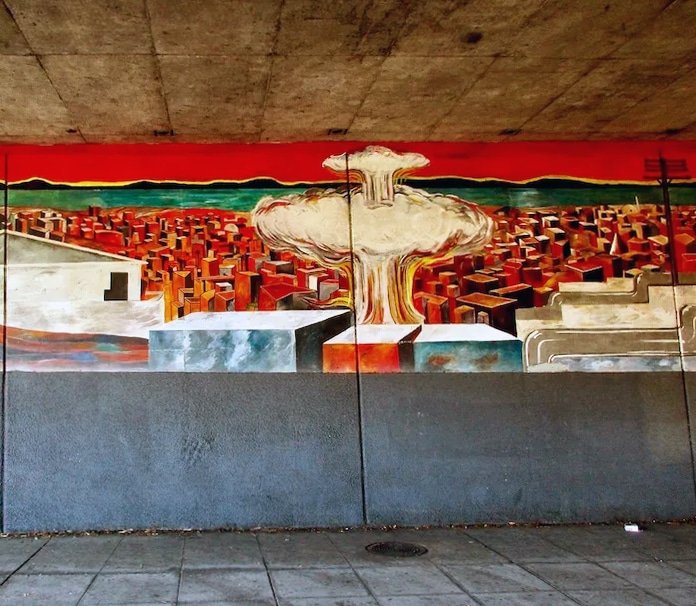
Yet this essay is not and cannot be, yet, about recovery and reclamation. First, I have to ask: why is recovery needed? What has caused the damage that must be reclaimed?
This is a somber history of urbicide.
The Oakland I grew up in felt distinctly Black.
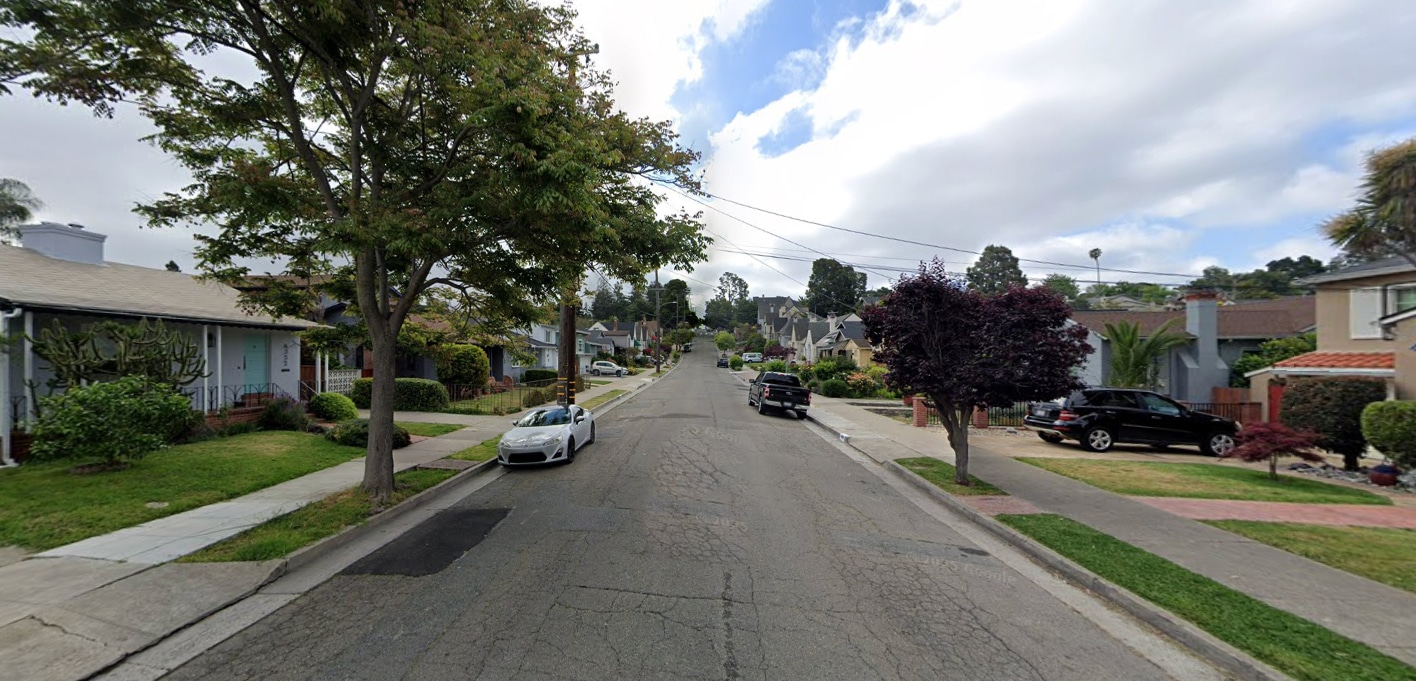
My parents, Debra and Ellis, met while working at the Rockridge Safeway grocery store in North Oakland. For the majority of my childhood and beyond, my mom worked for the city. My dad spent his entire career as a Safeway cashier. My parents divorced when I was five years old. But growing up on Allendale Avenue in East Oakland, I was surrounded by family in close proximity.
Growing up on Allendale Avenue in East Oakland, I was surrounded by family. My grandmother lived at the top of the hill.
When I was very little, my grandmother lived at the top of the hill a few blocks away, in a home that sheltered my mom and me while my parents briefly separated in 1980, a few years before the divorce. At other points, my grandmother, aunts, and cousins lived with us, or in a house directly across the street. East Oakland was the locus of my social, cultural, and educational realities, the place in which, and from which, I came to know myself and the world: playing outside, chasing down the ice-cream man on summer afternoons, walking with my cousins to the convenience store for Jolly Rancher candies and five-cent bubblegum. I loved going with my dad to Malibu Grand Prix and the Castle, in the shadow of the Oakland Coliseum, to play arcade games every other Thursday.
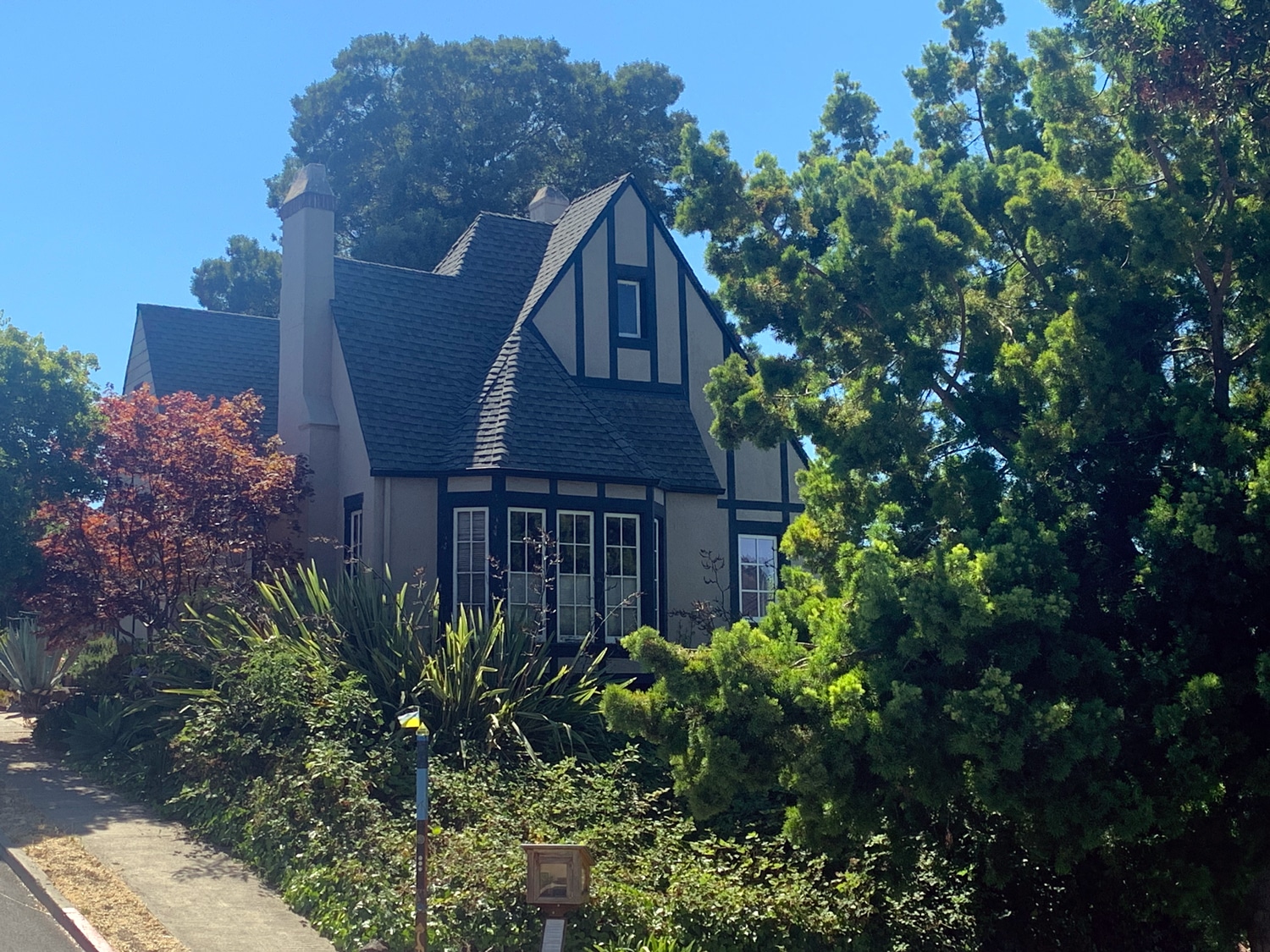
What I remember most was time with Mama, my maternal grandmother. I was definitely her favorite, and as a child and teenager spent all my summers, school holidays, and sick days with her. We’d watch her favorite programs: The Price is Right, Press Your Luck, The Young and the Restless, As the World Turns, Guiding Light, Golden Girls, Columbo, Wheel of Fortune, Murder She Wrote. She would ask me to walk on her back to assuage her nagging pain from hunching over a sewing machine, where she made and mended much of our clothing.
As I grew older, my most important task was to scratch her head with a fine-tooth comb, as she sat comfortably on the carpeted floor between my knees, flipping through Parade or TV Guide. I can still smell the scents that wafted from her kitchen: garlic, onion, curry, sage, cumin, celery, chicken, lamb, crab, allspice, thyme. I miss the sound of the drawers opening and closing in her antique chestnut armoire. I coveted her black Shiseido soap that sat in its sculptured white-and-black case in her bathroom. I’d spend hours poring over old photographs from her youth in Louisiana. Hers was the first phone number I knew by heart. The first voice I heard when I emerged from my mother’s womb was hers.
For me, Black place is a setting that holds social rootedness; it is that which instantiates, in physical form, the experiences and aspirations of Black people. Black space, in contrast, is relational; space is produced through the dynamics of power and community held in place. I see Blackness not only as an identity category, through which people form implicit and explicit connections via shared experiences, or what political scientist Michael Dawson calls “linked fates.” 1 Blackness, to me, is also a socio-spatial and political category organized around historical oppression and imperialist encroachment. It is through these intertwined forces that the Black City emerges — even and especially when not all that city’s inhabitants identify as Black.
Black place holds social rootedness. Black space, in contrast, is relational. Urbicide destroys Black place and Black space alike.
Urbicide destroys Black place and Black space alike. Such spatial violence unmakes a location, and it tears apart the feelings and connections, expectations and understandings, that are nurtured in and shape that location. Urbicide, as explained by political scientist Martin Coward, “is a destruction of the built environment that comprises the fabric of the urban as well as … the destruction of the way of life specific to such material conditions.” 2 It is a distinctive form of spoliation leading not only to the obliteration of physical surroundings, but to the crushing of social experiences. It erases the sights and sounds, the circumstances and possibilities that lay affective foundations for belonging and hope.
Conceptually, midcentury American urban renewal programs, as purposive demolitions of parts of cities, are rarely thought to have constituted a form of “war” or “killing” imposed on the communities whose places and spaces were annihilated. This shattering has been euphemistically described as “reverse integration” or “creative destruction.” 3 Yet multiple forms of planned change — from demolishing housing, to building freeways or parking lots, to pushing through public transportation infrastructure, and more — can carry with them what urbanist Stephen Graham describes as “war-like levels of violence, destabilization, rupture, forced expulsion, and place annihilation.” Graham adds that
within the dizzying peaks and troughs of capitalist urbanism, state-led planning often boils down to the legitimized clearance of vast tracts within cities in the name of decay eradication, modernization, improvement, ordering, economic competition, or facilitating technological change and capital accumulation and speculation. 4
As a concerted effort to remove Black residents from their neighborhoods and livelihoods, urban renewal and its aftermath in cities like Washington, D.C., Baltimore, Detroit, and Oakland were thus not natural or inevitable processes; these were not social “evolutions.” These were murders, committed with premeditation. 5
Such 20th-century wars on Black emplacement — policies promoted by the state, by developers, and/or by middle-class Black leaders as beneficial to all Black people — have helped instead to create landscapes of rubble and vacancy, poverty and pollution. Neighborhoods and districts attacked in this way become, as Katherine McKittrick has explained, “sites of environmental, social, and infrastructural deterioration and geographic surveillance.” 6
It was neither accidental nor metaphorical that the War on Poverty, War on Crime, and War on Drugs were named in this way.
It is important, for all these reasons, to think of urban renewal — “Negro removal,” in James Baldwin’s famous phrase — not as simply a process or a series of events, but as a purposeful intensification of precarity in Black American life. From the War on Poverty and War on Crime promulgated by Lyndon Johnson’s Great Society Programs (including Model Cities, which arrived in Oakland in 1968), to the War on Drugs pursued by the administrations of Richard Nixon and Ronald Reagan, and continued under George H.W. Bush and Bill Clinton, the federal government for decades cooperated with state and local administrations to develop comprehensive policies aimed at emptying already disinvested neighborhoods and containing the Black populations who were left behind. For, of course, it was neither accidental nor metaphorical that the War on Poverty, the War on Crime, and the War on Drugs were named in this way. These programs, and the damage they visited on Black cities, are temporally and ideologically consistent with wars in Asia in the 1950s, ’60s, and ’70s, and in subsequent decades in the Middle East — specifically the ongoing War on Terror. Such “wars” overlap in meaningful ways, as the United States and other imperialist societies polarize categories of “us” and “other” that recycle through, and are justified by, racist and militarist propaganda. Alienated and racialized neighborhoods on U.S. soil become the targets of military and colonialist power.
In short, the means and methods by which we build Americans cities — land expansion, commercial and residential growth, redevelopment and other forms of “improvement” — don’t simply frame Black neighborhoods as collateral damage on the road to progress. Rather, the logic of urbicide in the continuous rebuilding of cities necessitates the destruction of Black geographies.
I do not claim that this history entails the intentional killing of Black people. But I do argue that it encompasses the intentional eradication of Black space and place. McKittrick continues:
urbicide — the deliberate death of the city and willful place annihilation — can stand in as a viable explanation for ongoing destruction of a black sense of place in the Americas …. Diverse spatial practices — wherein the structural workings of racism kept black cultures in place and tagged them as placeless, as these communities innovatively worked within, across, and outside commonsense cartographic and topographical texts — help form a black sense of place. 7
I would add that urbicide presumes as its justification a preexisting placelessness, an expectation that Black and poor people are ontologically predisposed to do without.
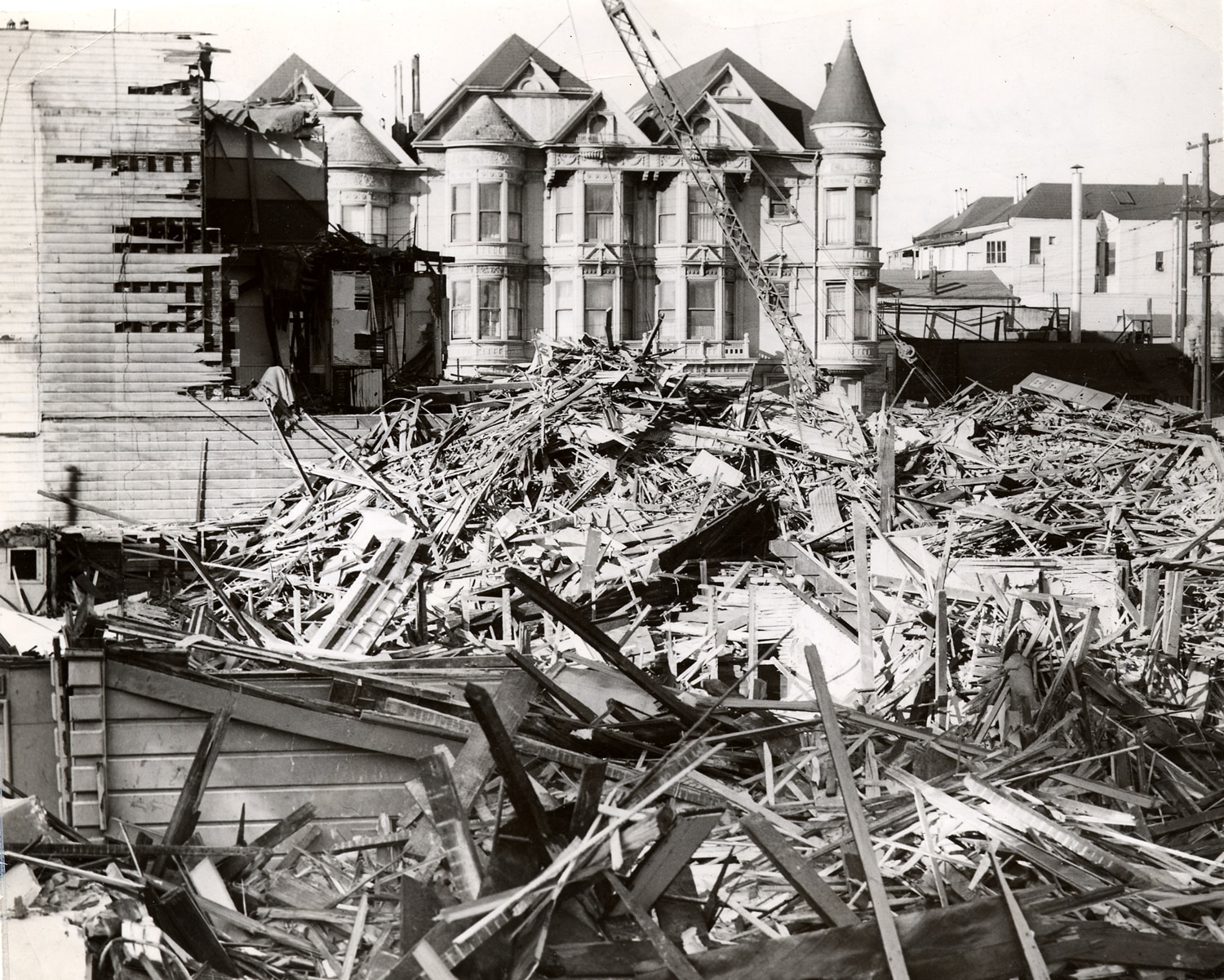
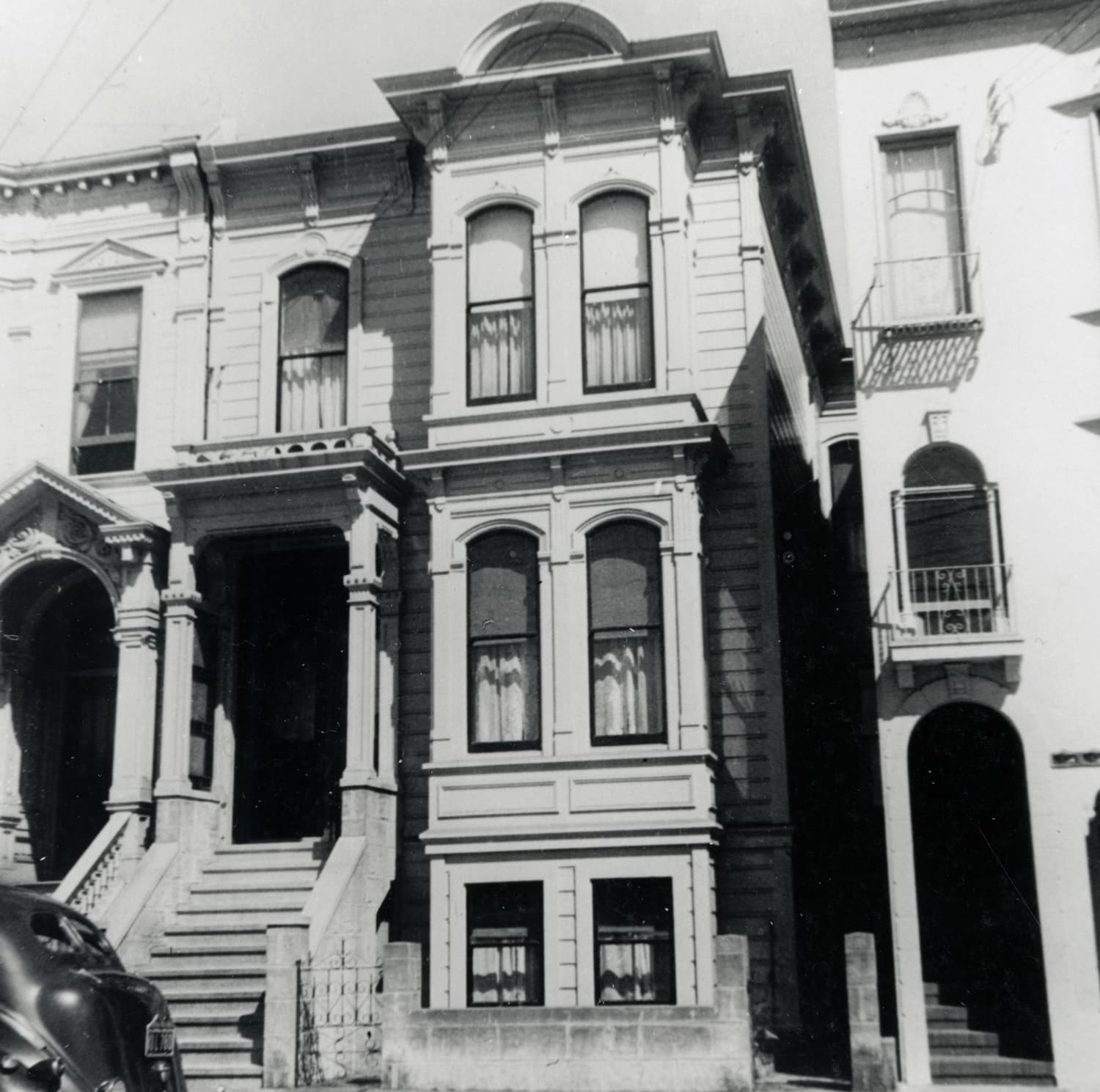
What, then, does it mean to consider Black people as spectrally emplaced in a city, once we have been actually displaced and removed? Such a question implies both an analytic method and an ethical summons, as sociologist Avery F. Gordon has shown. The ghost, as she explains, is “not simply a dead or missing person, but a social figure.”
The ghost, as I understand it, is not the invisible or some ineffable excess. The whole essence, if you use that word, of a ghost is that it has a real presence and demands its due, your attention. Haunting and the appearance of specters or ghosts is one way … we are notified that what’s been concealed is very much alive and present, interfering precisely with those always incomplete forms of containment and repression ceaselessly directed towards us. 8
A specter of Blackness is haunting Oakland, a presence-as-absence that lingers after the double murder of Black place and space.
And so a specter of Blackness is haunting Oakland, a presence-as-absence that lingers in cultural and material landscapes even after the double murder of Black place and space here. It is eerie and jarring to walk around this city and imagine how it used to be Black, and now is not. I never imagined that Oakland would stop being a Black city. I never imagined that Oakland would stop feeling like a Black city. How, now, do I deliver the attention that this haunted landscape solicits? One answer is this: pervasive memories of my childhood, especially of the many evocative and mundane moments I shared with my maternal grandmother, “interfere precisely” with the forces of repression and concealment that would erase the cultural and material landscapes of Black Oakland. Because my sense of her is very much alive, I am more conscious than ever of all that has been silenced and concealed.
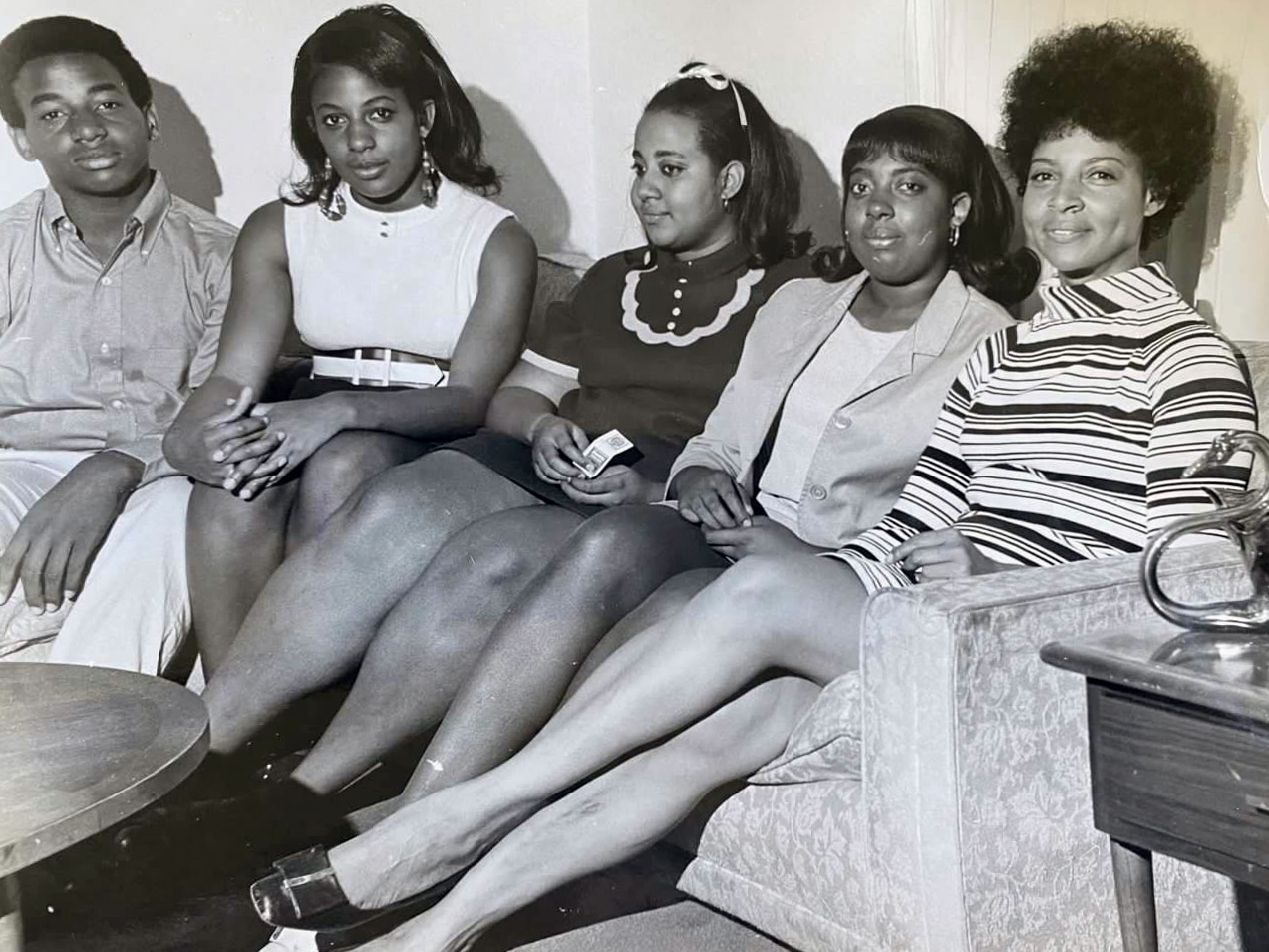
My grandmother, Lucille Taylor, was born Lurina Butler on July 2, 1931, in Clarks, Louisiana, a steel mill town in Caldwell Parish. She was the third of seven children born to Emma Butler (née McCoy), and while Lurina’s birth certificate lists Henry Butler as her father, she was conceived while Emma and Henry were separated. Lucille — whose name, like those of many Black Southerners changed as circumstances changed, and who was known in later life as Lucy, or Mama — was never able to confirm the identity of her birth father.
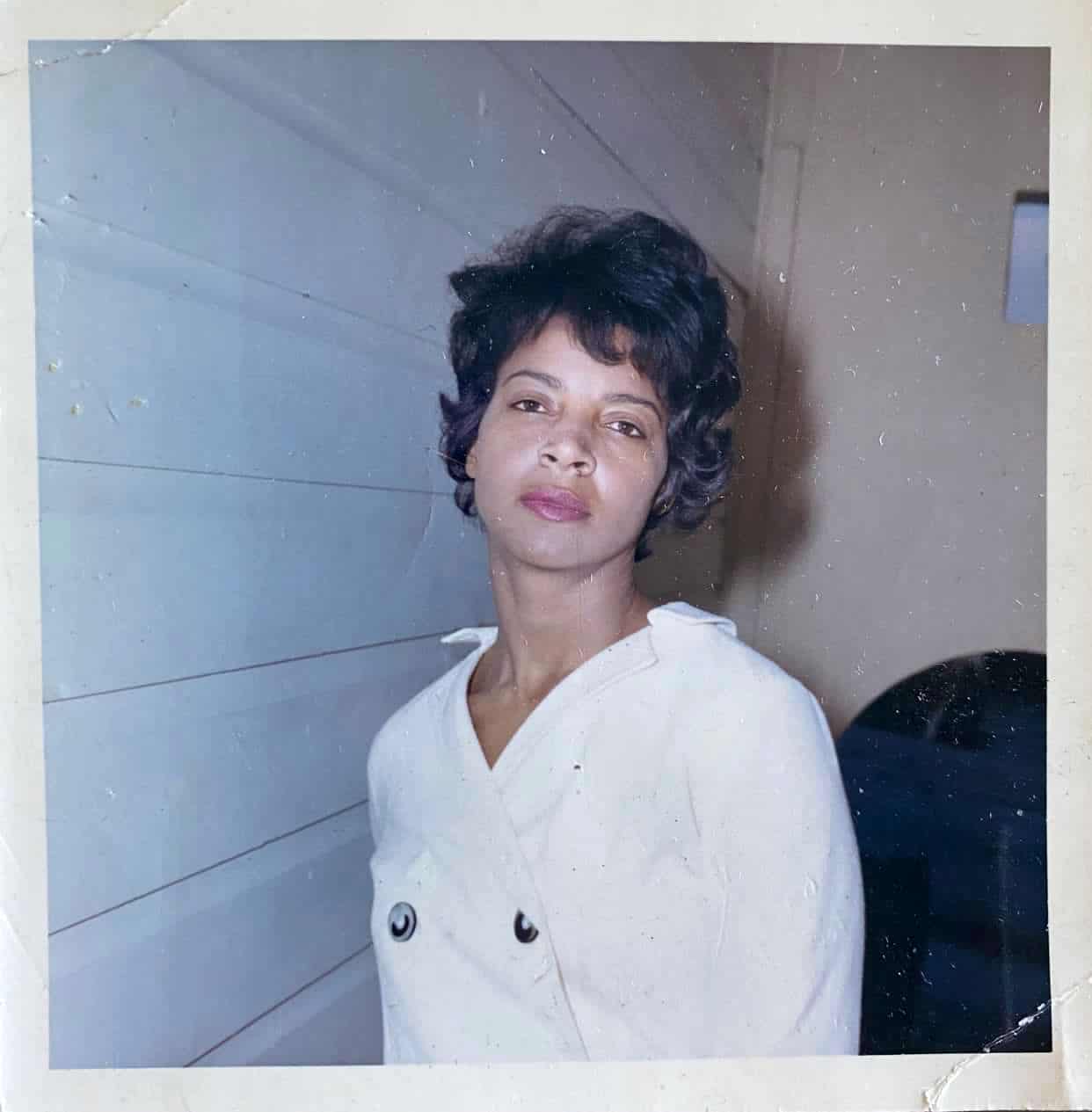
She was smart, shy, stunningly beautiful, and a little cunning. She loved to gossip, and though she spent her final years alone in a subsidized apartment, she loved to talk on the phone with her nieces and nephews and grandchildren. With her long legs, smooth curls, and dimpled cheeks, Mama turned heads when she walked down the street, even (as I can attest) into her later years. She graduated from Union Central High School in Columbia, Louisiana, in 1948, a month before her seventeenth birthday, and though she had aspirations to attend Southern University and A&M College in Baton Rouge, her parents said she was too young. They needed her at the family dry-cleaning business.
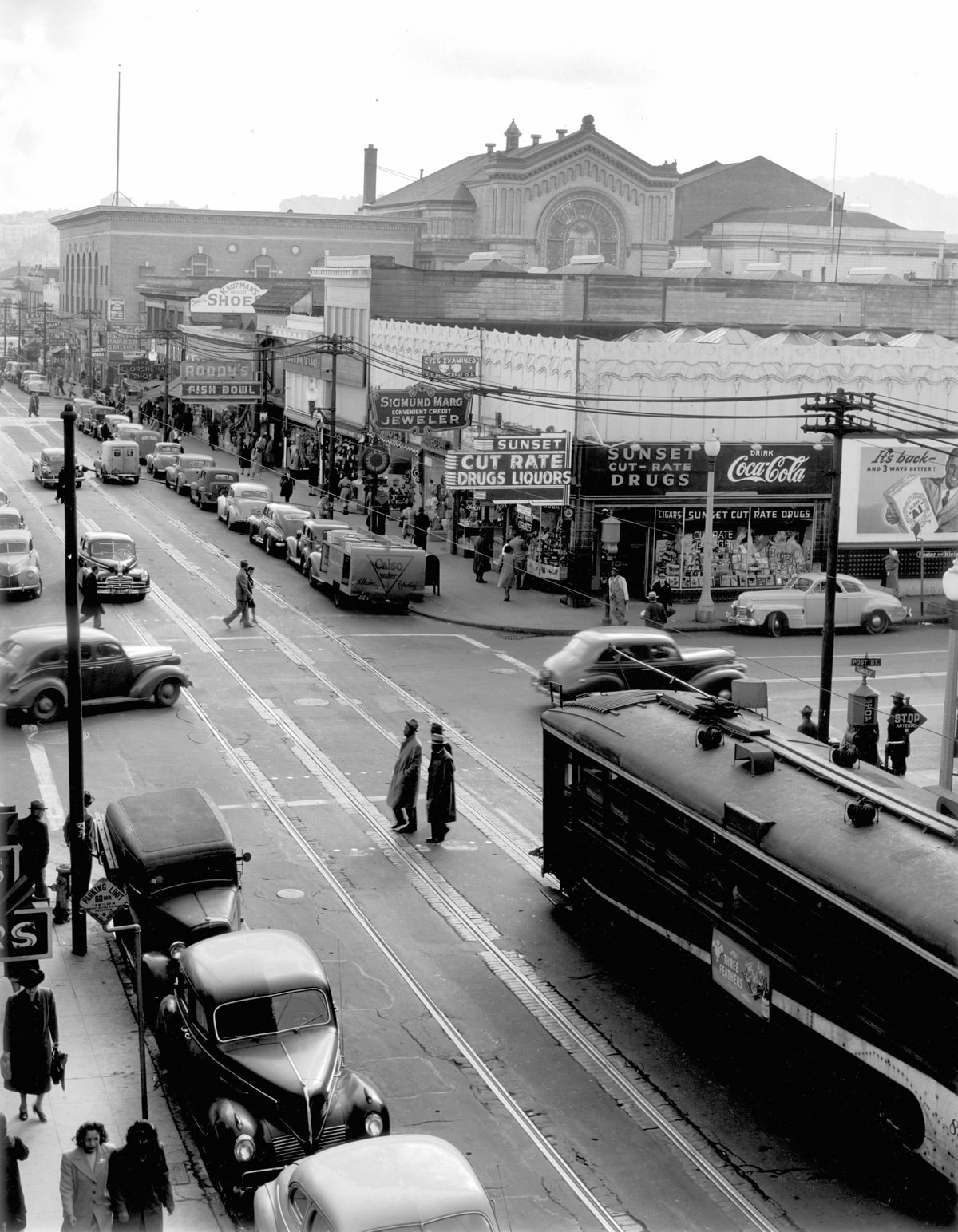
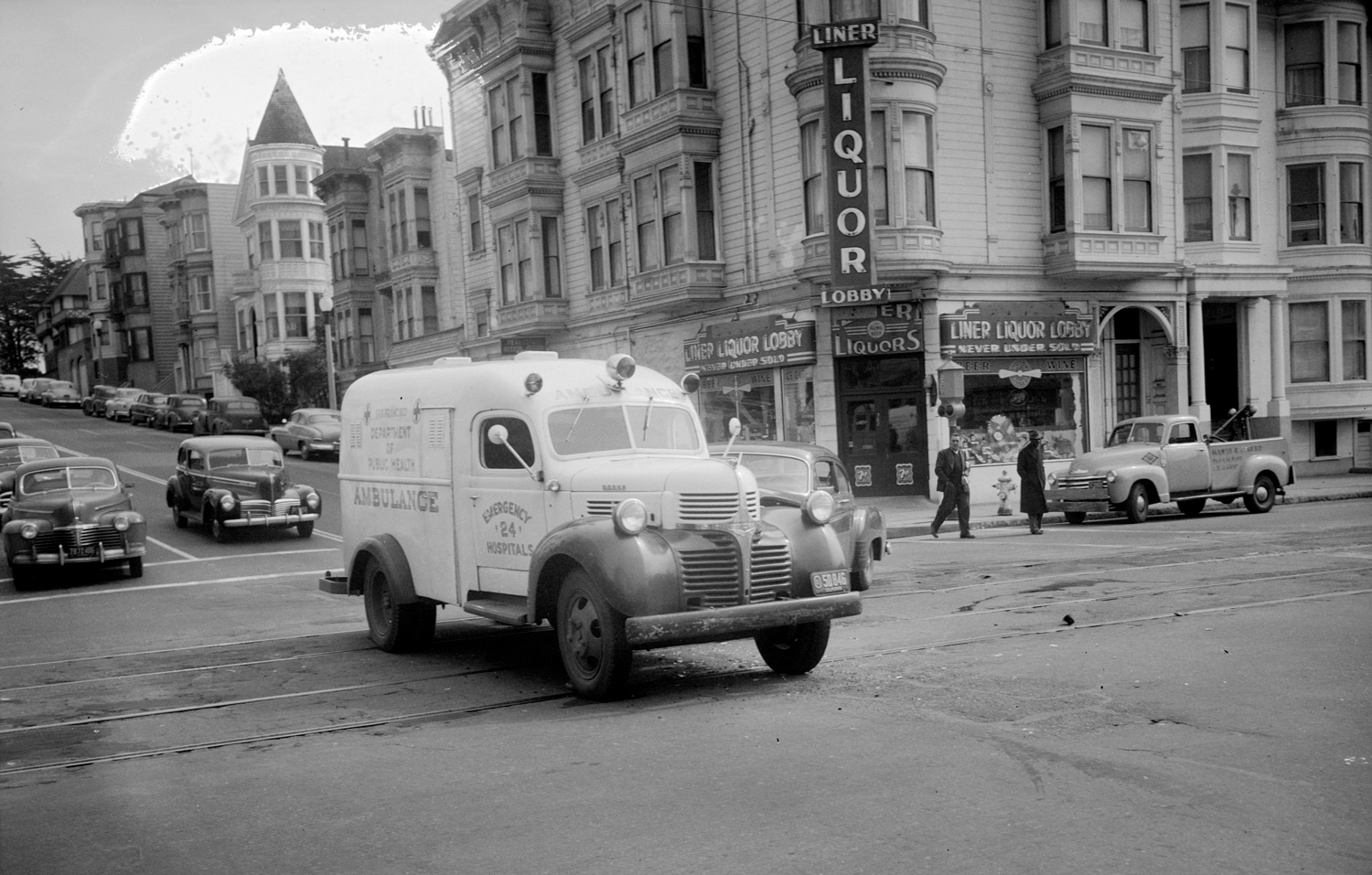
The family moved to the Western Addition in San Francisco, where houses had been left vacant when Japanese Americans were forcibly interned.
Lucille, a gifted singer, threw away her dreams of attending college with her friends. But with an overbearing mother, itinerant stepfather, and four younger siblings in the house, the only escape left was to get married. So, at eighteen, she accepted a proposal from Nashelle Taylor, my Paw-Paw, a twice-divorced Louisianan nine years her senior. In less than a decade, they would have four children: Barbara Lynn, Burma Ann, Debra Renée (my mother), and Jerrold Wayne. In 1952, in the middle of that ten-year period, they packed up their two little girls, Barbara and Burma, and followed my great aunt Willie Mae and great uncle Anderson to San Francisco. Mama and Paw-Paw lived first on Navy Road in Hunters Point on the eastern edge of the city, overlooking the Bay — because, as Mama used to tell me, that was the only place where poor Black folks could live. The adjacent neighborhood of Bayview was full of single-family homes, but according to my aunt Barbara, Hunters Point was the projects. From there the family moved to the Western Addition, northwest of downtown, where houses had been left vacant when Japanese Americans were forcibly interned.
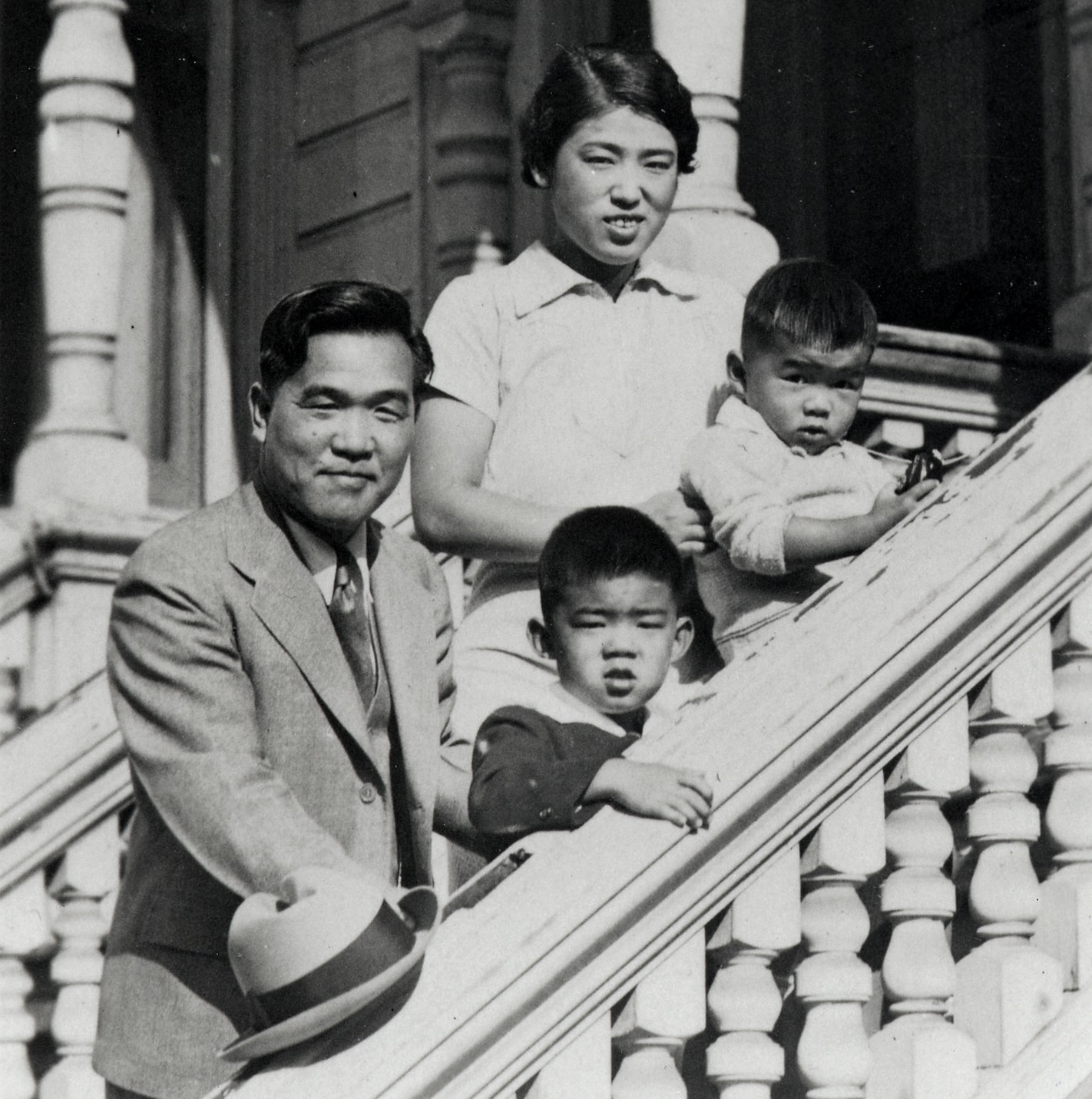
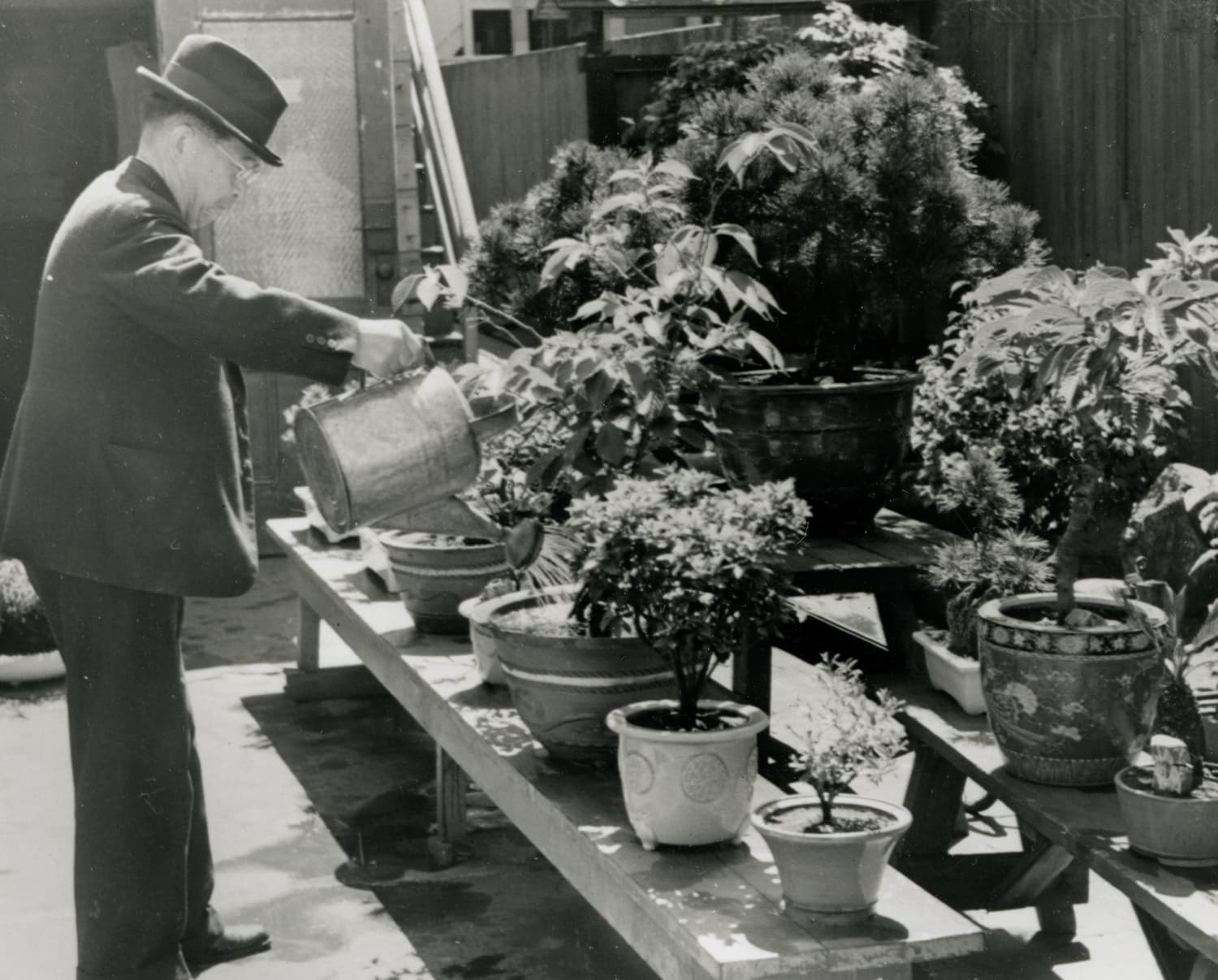
By 1954, the Black population had increased six-fold, making Black people the majority of non-White San Franciscans.
The Bay Area in this period was one of the fastest growing urban areas in the country. Black and White migrants from the south and southwest had arrived in droves in recent years, eager to fulfill wartime labor needs in the shipyards. Prior to World War II, the defense industry had barred Black workers. But with the passage of Executive Order 8802 in 1941, racial discrimination in federal employment was outlawed. Representatives from defense contractors toured southern states, promising higher wages, more stability, and racial tolerance on the west coast. Despite segregated working conditions, disproportionate opportunities for Whites, and the violence of union gangs, between 1942 and 1945, more than 50,000 Black migrants arrived in the Bay Area. Most hailed from Arkansas, Oklahoma, Texas, and — like my elders — from Louisiana. 9 The Black population of San Francisco in 1940 numbered 4,800, less than one percent of the city’s total population. By 1954, this had increased six-fold, making Black people the majority of non-White San Franciscans. 10
There wasn’t enough space to house them. The federal government attempted to address the shortage by building 5,500 temporary military barracks around the shipyard on Hunters Point hill. 11 It began as a relatively integrated community, with Black families accounting for about a third of the inhabitants. The Fillmore district was also attracting southern migrants, as Black families filled the Western Addition and the neighborhood population soared from 2,144 to 14,888 — that is, from six to 34 percent. 12 Given that households were often shared, this staggering expansion may even be an undercount.
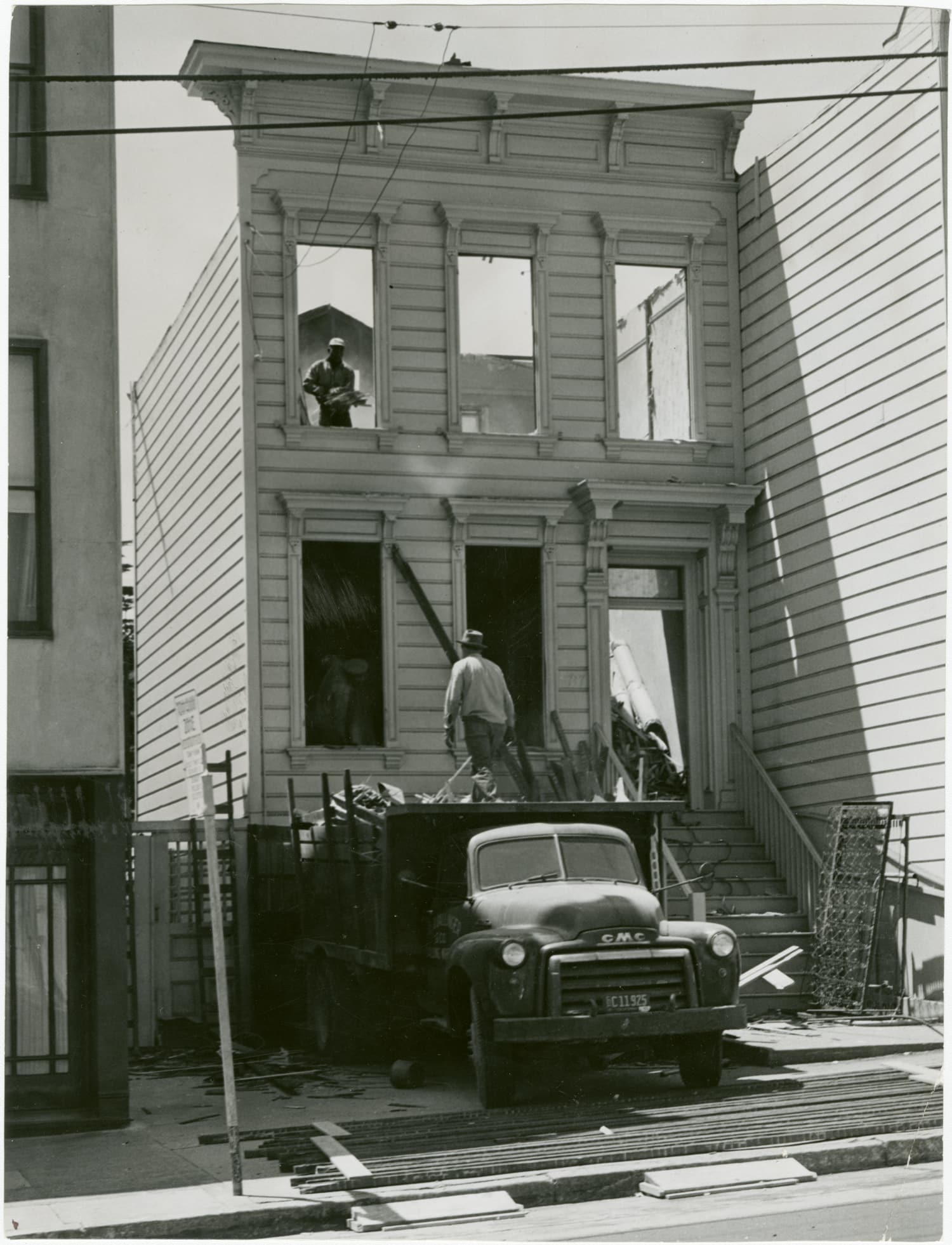
The regional economy was strong during and immediately after the war. But White San Franciscans were neither prepared for, nor excited about their new neighbors, and patterns of segregation rigidified. Exclusionary practices like racial covenants proliferated, as did outmigration by White residents. By the 1950s, 90 percent of Fillmore residents were renting from absentee landlords, while housing discrimination was so bad that the University of California estimated nearly 90 percent of homes across the Bay Area were unavailable to people of color. 13 The shipyards had closed, and in 1947 the Western Addition was officially designated by city officials as blighted. In 1953, the year my mom was born, the city tore down the first house in the Western Addition. Had homeowners had the opportunity to remain in and rehabilitate their Victorians, these properties would be worth millions today, assets to be passed on to successive generations.
Paw-Paw wanted a house, and in 1955, as “slum clearance” spread, my family moved from the Western Addition to the neighborhood of Ingleside, not far from San Francisco’s southern border. There were only a few Black families living on Victoria Street then, Aunt Barbara said. But it was great, with lots of people from different backgrounds, and everyone was kind and friendly. I probed for details. I knew that, at that time, real-estate investors were engaging profitable forms of racial steering like blockbusting, stoking the fears of White inhabitants in order to make money from quick transactions. So I asked Barbara what would happen when one of their White neighbors sold a house. “Well, every time a White family moved out,” she said, “a Black family would move in, over and over again. Soon, the church around the corner was all Black. And then we moved to Oakland.”
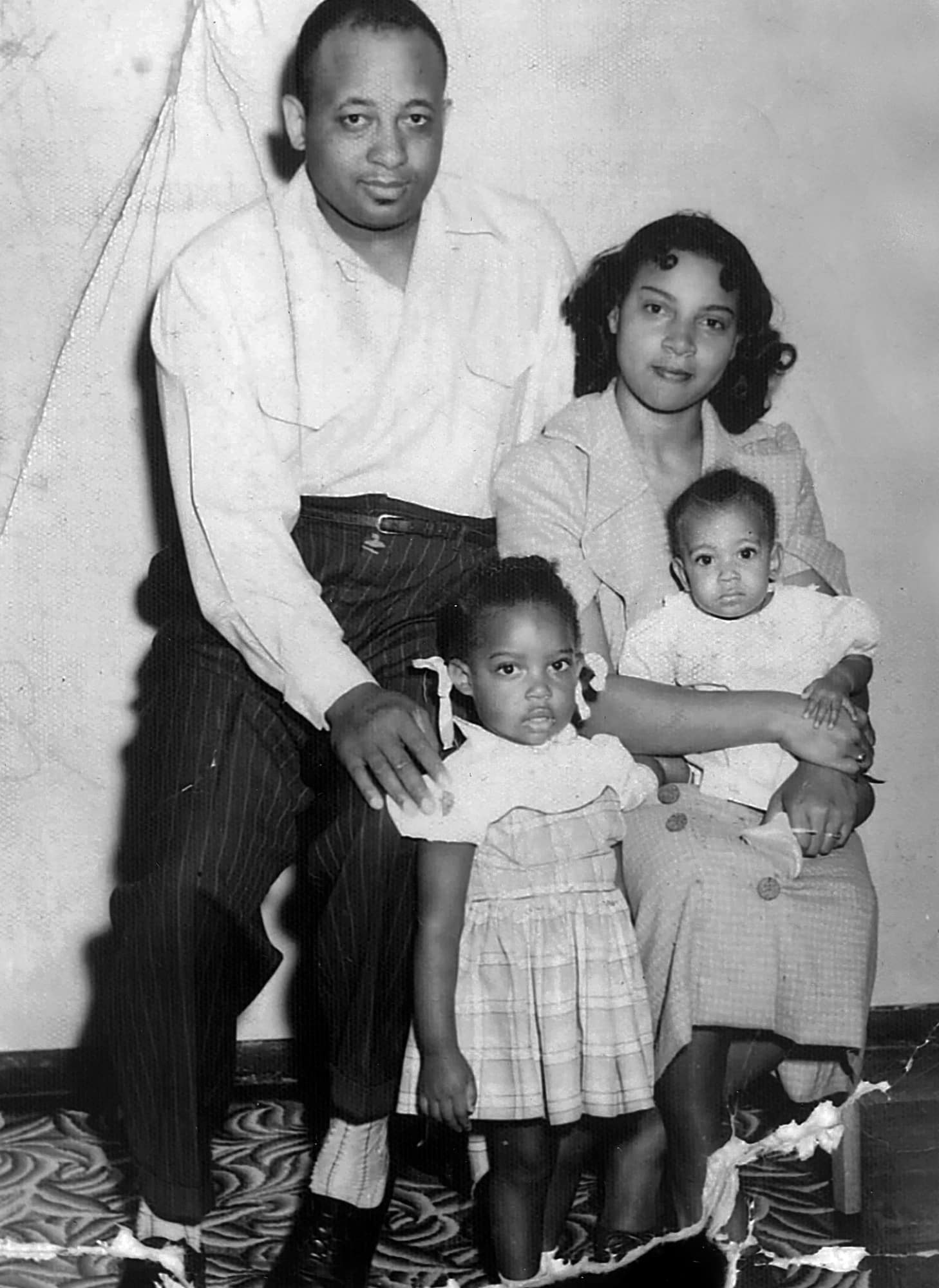
By 1971, the year my grandmother and her children moved across the Bay, she and Paw-Paw were divorced, and my mom was graduating from high school. She had plans to attend Cal State Los Angeles with her best friend, and excitedly left home that fall. But, like her mother before her, she was called back to support the family. I often think about what my mom’s life could have been had she been able to stay in school. In the early 1970s, Black Los Angeles was reeling from the decimation of its political and social organizations, including branches of the Black Panther Party, by the FBI and LAPD. What political education might she have attained as a college student in the aftermath of these repressions, after the Watts rebellion and the acceleration of White flight? What might she have learned about Black life in L.A. that could have informed her understanding of growing up in the Bay Area?
Because my sense of my grandmother is very much alive, I am more conscious than ever of all that has been silenced and concealed.
What did emerge from my mom’s dashed dreams was an unshakeable desire to achieve economic stability for herself, and for her only child. She lamented that Oakland public schools were dangerous, underfunded, and mismanaged, and would tell me regularly that she worked so hard, for such long hours, sometimes holding two jobs at once, so she could afford to send me to private school. When my mom finally retired at age 55, she was Chief Administrative Officer at the Oakland Police Department, the highest-ranking civilian in the organization. She would speak with disdain about the clear and present danger of OPD’s masculinist culture. Still, her role there left me with complicated feelings. I had seen her battle racism, sexism, and class discrimination in her professional life, and I took pride in her promotion as rightful recognition of the sacrifices she had made to achieve greater success than any other member of my family had known. At the same time, I knew quite well that racism, corruption, and unlawful violence have long been entrenched in the OPD, and that Black Oakland has suffered because of it. 14
In one of my last conversations with my grandmother, I shared that, when I was growing up, I didn’t really know anything about the Black Panther Party. I asked what she knew. She said she had been very familiar with the organization, but saw them as “some college kids”; she supported their mission, but was focused on raising her children. She reminded me, too, that her younger sister Jean had attended San Franscico State University, where in 1968 Black students successfully agitated to establish the first Black Studies department in the nation. Jean’s stint at SF State was short. But, according to Mama, whenever “Big Mama” (my great-grandmother) would call from Louisiana to check on Jean, Mama would report that her lovestruck younger sister had been arrested again “for messing with those Panther boys.”
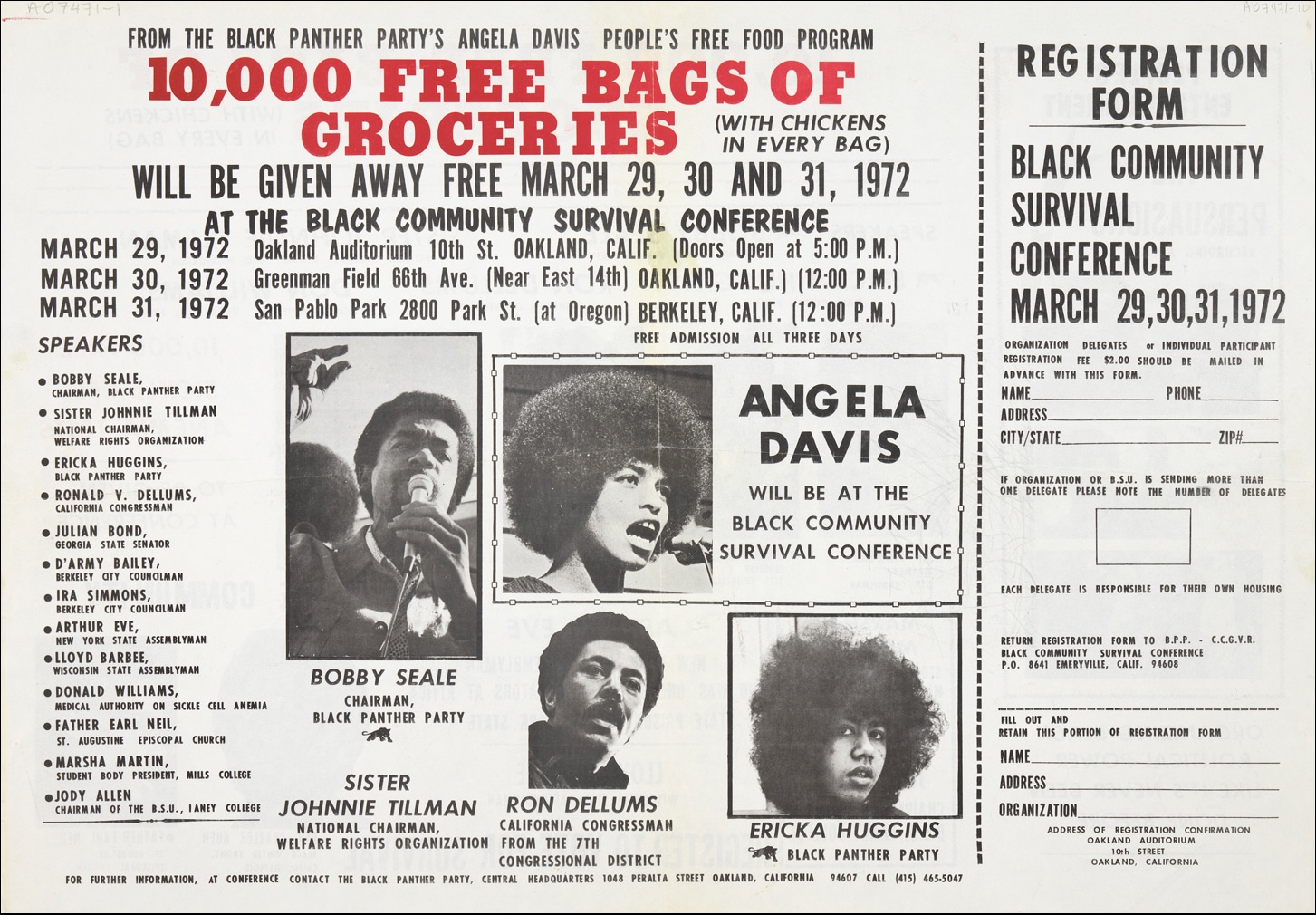
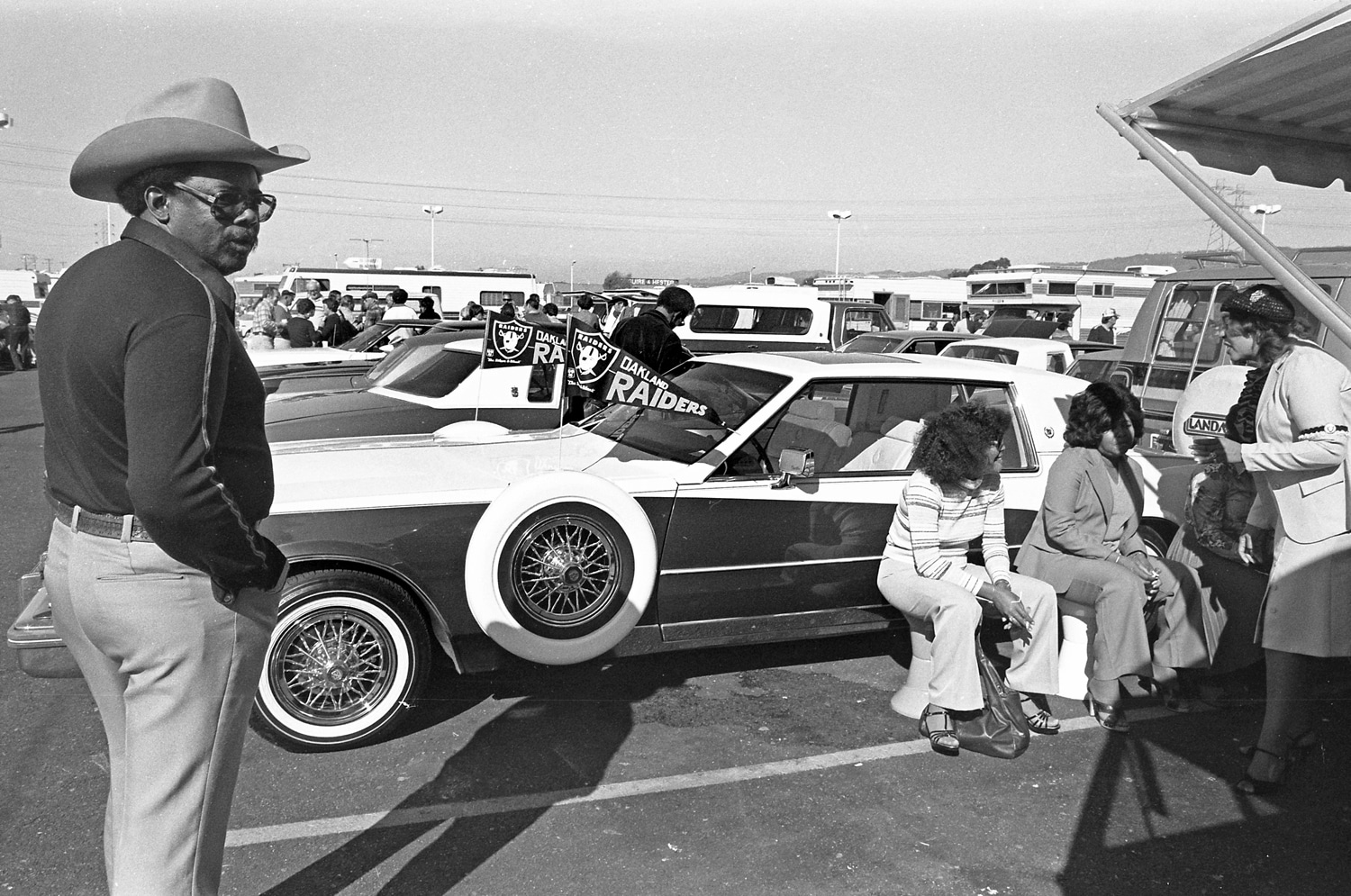
In telling the story of Oakland, we tend to jump from this era of Black Power to the rise of the tech sector, and then to the subprime mortgage crisis of 2008. We skip over what came in between. But what I remember most about Oakland is what I call “the lost years,” the 1980s and ’90s, when my city was regularly described in national news as a murder capital. These years were stained by the legacies of the War on Poverty and the realities of the War on Drugs; this period bolstered the power of already corrupt and racist local policing, and justified the proliferation of anti-gang injunctions — laws that eventually allowed the state to enact extensive forms of dispossession, making room for real-estate spillover from the biotech corridor.
In telling the story of Oakland, we tend to jump from Black Power to the tech sector, skipping over what came in between.
The Bay Area I grew up in thought about itself as “liberal,” and still does, of course. But, to be progressive was another story. I recall attending track meets in wealthy regions of Contra Costa County, just inland from Oakland and Berkeley, where White high school students asked if we Oaklanders were “gang bangers.” I am haunted, still, by memories of the guidance counselor who admonished my decision to apply to elite universities because she said I would never get in, and by White classmates who proclaimed that my admittance to those elite schools was due solely to affirmative action.
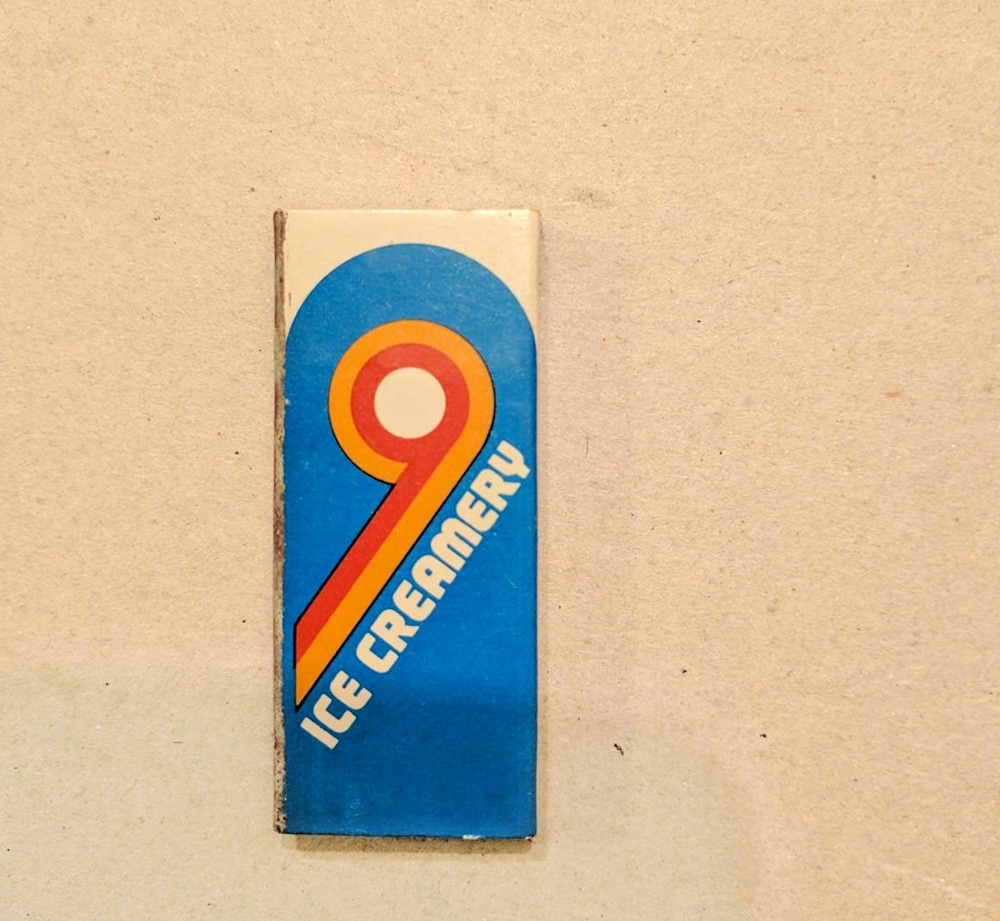
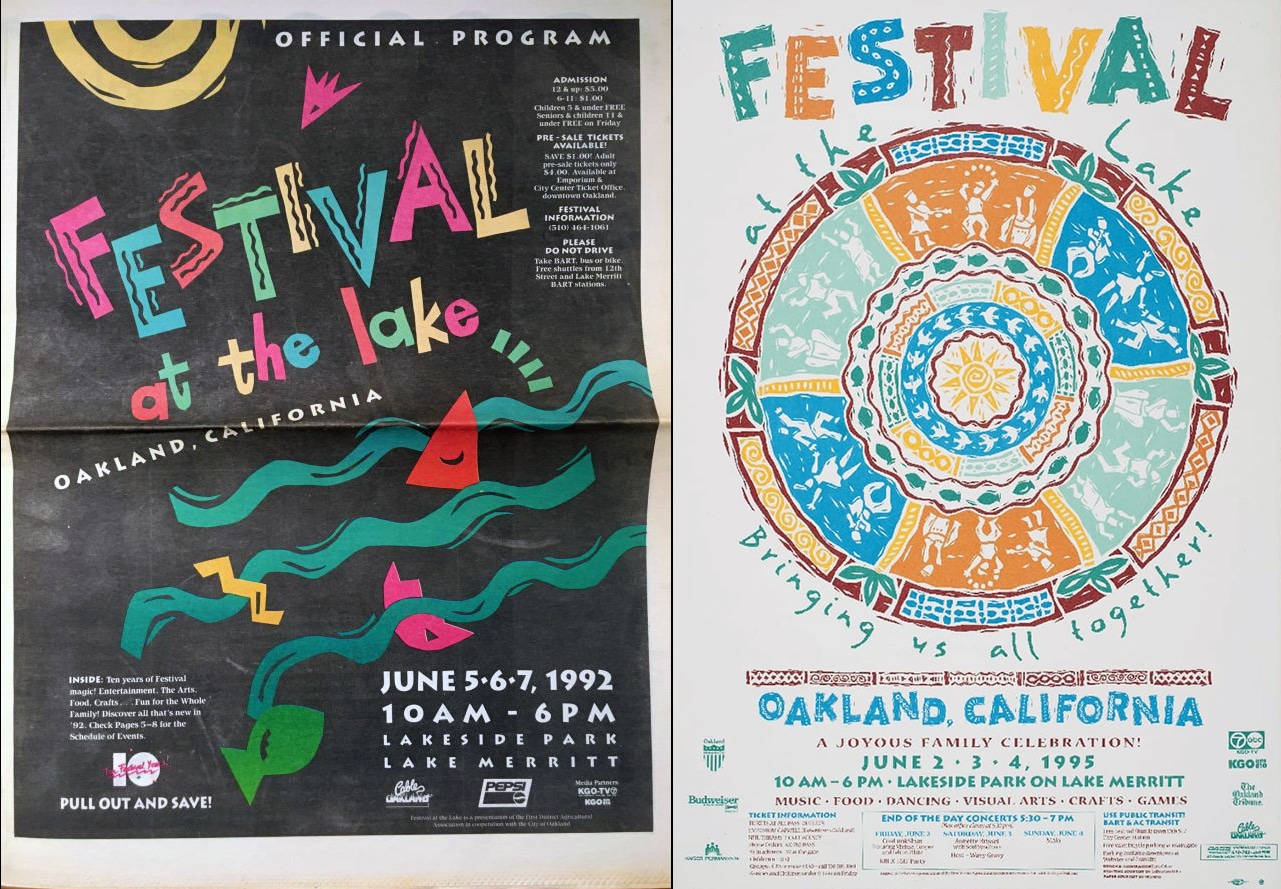
At the same time, it was in these lost years, between the emergence of the Black Panthers and the return of the Oakland Raiders football team from Los Angeles, that Oakland was avowedly a Black city. Black people held the mayor’s office, four out of nine city-council seats, and a majority on the board of the Oakland Unified School District. 15 Art, music, and cultural reverie flowered in events like the Festival at the Lake, a popular street fair at Lake Merritt, just east of downtown, where my cousin and I would flirt with boys, or stroll with them up Lakeshore Avenue to share double-scoop sundaes at the Ice Creamery. The sounds of radio stations like KMEL, KSOL, and KBLX connected us to each other and to this place that was officially supposed to be rootless, precarious, ripe for further violent remaking.

Oakland’s negative reputation in national media peaked in the 1990s — not coincidentally, the point at which the Black population was also near its peak. 16 More recently, city leaders have worked to distance Oakland from this reputation, to focus on its virtues as “diverse.” In 2013, for instance, then-mayor Jean Quan was asked by the National Journal about the biggest challenge she faced in office. The mayor answered:
Well, my challenge is to let people know what the new Oakland looks like. Somebody just sent me an email saying, “Oh, you should have more black police since more than 50 percent of your residents are black.” And I’m like, actually, no, 28 percent of my residents are black, but we’re pretty evenly divided between blacks, whites, Latinos, and Asians these days. But that’s their image of Oakland — and this is somebody who lives in the Bay Area. 17
Such attempts to rebrand this place as a multicultural city have been dependent in many ways on further anti-Black, urbicidal transformation. Distinctive architectures and geographies persist — homes, schools, hospitals, parks. But they no longer carry their old meanings. The ghosts of Oakland’s Black past are remembered and mobilized by different constituencies for different political ends, as the vampiric appetites of gentrification feed on the blood and bones of culture and infrastructure.
Attempts to rebrand the city as multicultural have been dependent in many ways on urbicidal transformation.
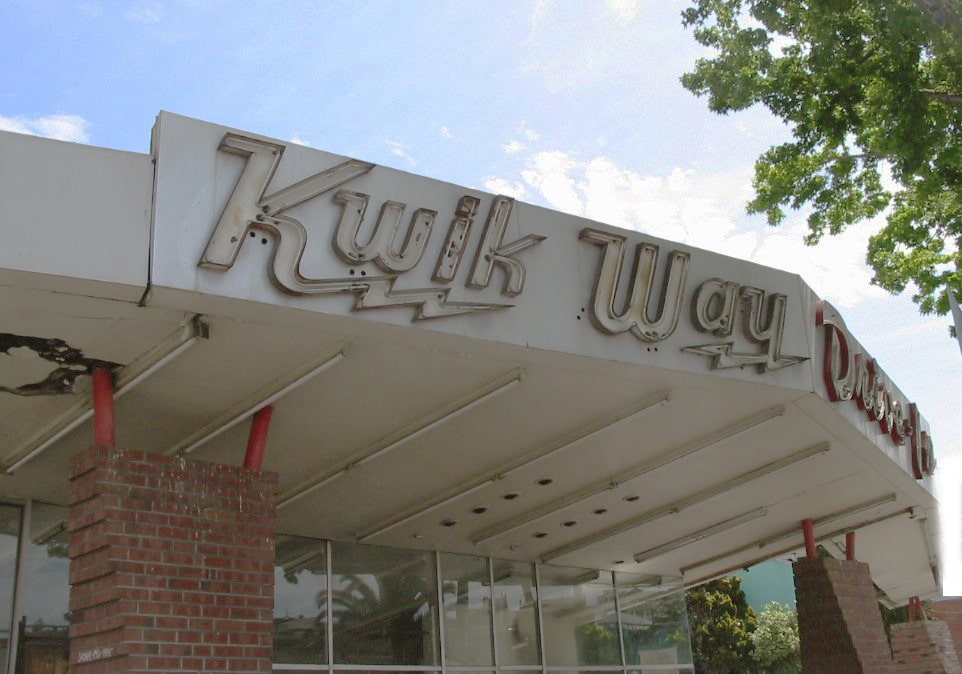
This imperial process does the work of urbanism at a discount, by cutting down the cost of new construction and rezoning. In some cases, in Oakland, retail buildings have been left as eviscerated carcasses littered across the flatlands. In others, “revitalization” reveals a particular truth about White intent: the desire to contain Black language and creativity through recognition rather than redistribution. Chic eateries and clothing stores boast catchy monikers borrowed from hip-hop — “hyphy,” “Yay Area” — on streets renamed for Oakland-bred rap artists and political figures, from Tupac Shakur to Black Panther Bobby Seale. Old-school storefronts, diners, and movie theaters are home now to gentrification-approved small businesses catering to the increasingly wealthy residents of The Town. A former gas station becomes a plucky beer garden. A former fast-food drive-through becomes a vegan soul food spot. A former grocery store becomes a gym. A former doughnut shop and ice cream parlor becomes a cannabis dispensary.
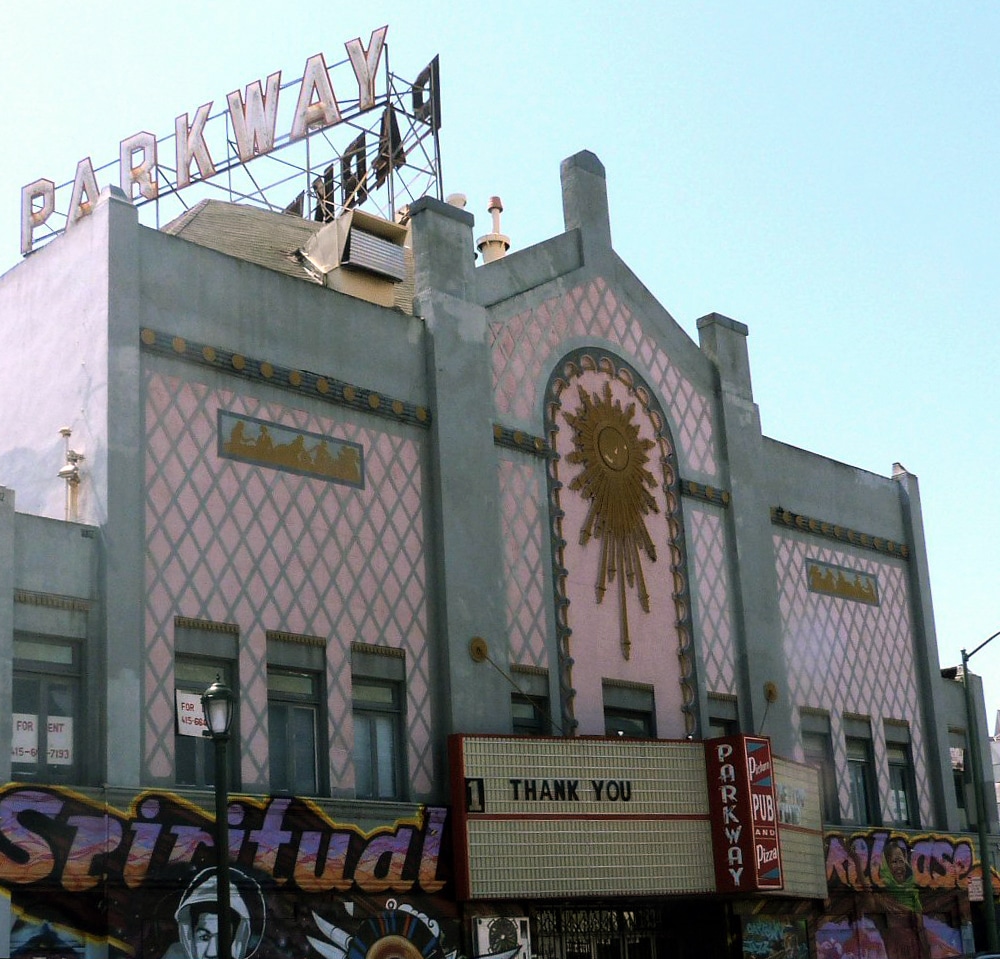
Yet what has been effaced leaves traces too. The shaping power exerted on Oakland by generations of Black people remains palpable — through unsanctioned street art, ephemeral floral altars, persistent cultures of food and sound, and also through the persistence of criminalization and poverty. Black Oakland in this sense is palimpsestic, a single location in which multiple eras and dynamics, places and spaces converge and swirl together.
By the time I moved back to the Bay Area, just before the onset of the pandemic, my relationship with Mama had become strained and complicated. We no longer spoke regularly. As work, motherhood, and the declining state of my marriage consumed my life, I did not devote enough time and energy to my relationship with my aging grandmother. I could not imagine a world without her in it. Now the presence of Mama’s absence lends its colors to the swirl that is my experience of Oakland.
Missing Mama and longing for my Black city chart parallel paths that overlay each other in the palimpsest as I pass her house on Lilac Street, her apartment on Maybelle Avenue, the sites of her favorite produce market on MacArthur Boulevard, and her Chinese hairdresser on High Street, and her favorite Mexican grocery on East 14th Street, and her dentist on Fruitvale Avenue, and her fabric store on Broadway, and her pharmacist on Foothill Boulevard. Some of these businesses remain. But most are gone and have been replaced several times over.
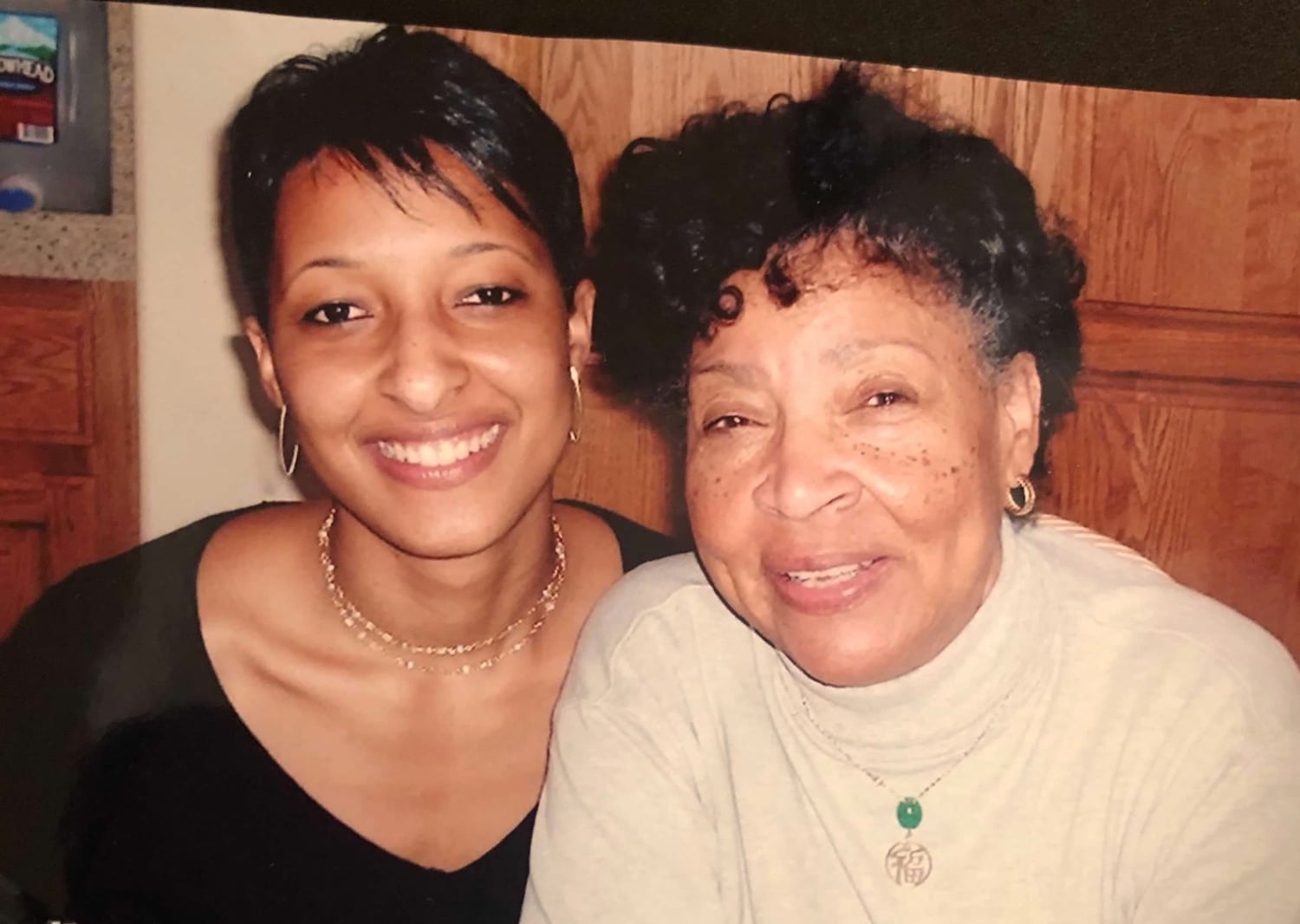
Mama passed away in her Emeryville apartment on November 1, 2021, with her caregiver by her side. A couple hours before she died, as I was picking my daughter up from school, she called me. She was in hospice care, very weak and frail. I promised to visit the next morning. Mama whispered, “I love you. I love you, Brandi.” I learned later that I was the last person in my family to hear her voice.
In Belonging: A Culture of Place, bell hooks writes of her place of origin: “Kentucky hills were where my life began. They represent the place of promise and possibility and the location of all my terrors, the monsters that follow me and haunt my dreams.” 18
I could say the same about Oakland.




If you would like to comment on this article, or anything else on Places Journal, visit our Facebook page or send us a message on Twitter.