
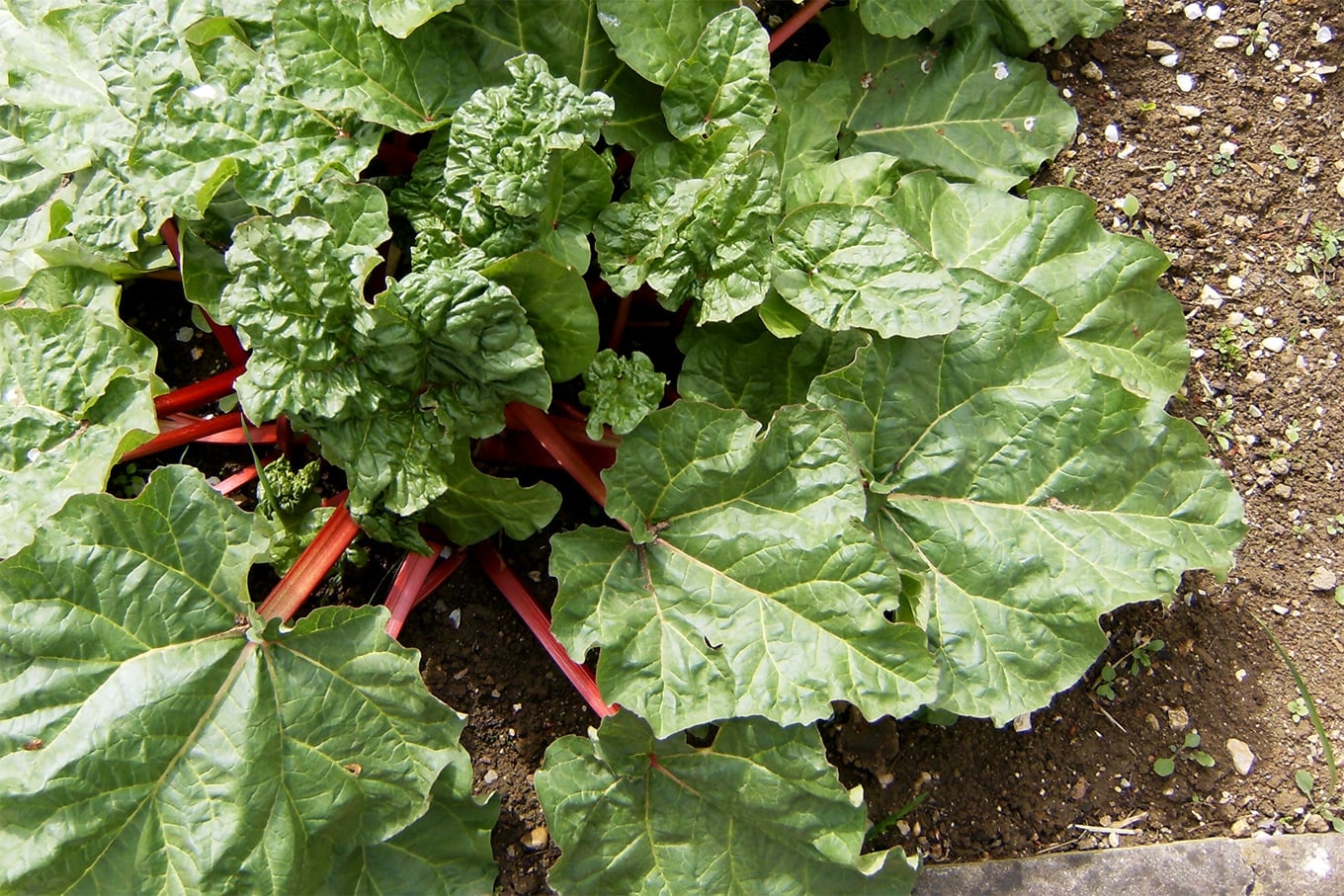
As a child, I spent a lot of time crouched in a rhubarb garden in the cool mornings of Midwestern spring. Dewy dawns in April and May, my mother and me lost among the mass of weeds and roots of my grandfather’s backyard. Tangles of rhubarb stalks visible only after we shoved their oversized green leaves out of the way. The poisonous leaves cut from the rhubarb base and discarded. My grandfather observing our progress from the concrete stoop. The stalks themselves twisted and pulled from their small mounds of dirt. My mother handing me each dirt-covered stalk, one by one, like a trophy. Me, placing it carefully in the plastic grocery bag crumpled at my feet.
‘Pick a room,’ she said. ‘Put yourself in that room.’ She told me to look right, then left. To take a deep breath.
In my head, I was already imagining the sour taste of the thing we were picking. I couldn’t fathom how a vegetable that looked and chewed like celery was something we put in pie. Even blended together with flour and butter and sugar. Even topped with cinnamon. Even in the glass dishes of rhubarb crisp that my family turned out in rapid succession each spring. Even then, I couldn’t force myself to enjoy its taste.
Recently, a friend took me through a series of writing prompts. She was preparing to teach a class in creative writing and needed a human subject for research. “Pick a room,” she said. “Put yourself in that room.” She told me to look right, then left. To take a deep breath. After each cue, she gave me several seconds to jot down what I saw or heard or smelled. What I noticed, in the room.
The room I chose was the kitchen of my grandfather’s house, in the Time Check neighborhood of Cedar Rapids, Iowa. The 600-square-foot home, its white plastered walls that curved at the edges, where he lived during my third through eleventh years. The same age range that my own children are in now.
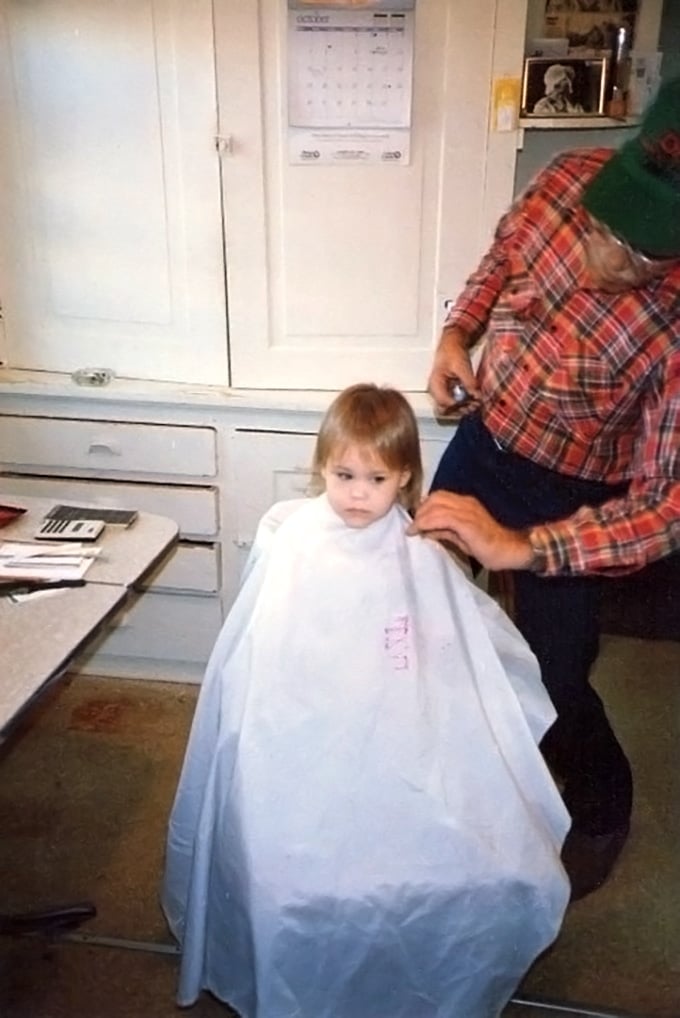
I remembered that, in one corner of the room, my grandfather used his old barber chair as his main seat. His only seat, actually. He’d retired not long after I was born, but the chair remained a fixture in his home until the day he died. It was the kind you had to pump with your foot, but my small frame couldn’t muster enough strength to get it to move. It became almost a game, waiting for Grandpa to come over and give the chair so many pumps that I was eye-to-eye with him. And then, when he pushed the lever long enough, twirling downward as the chair softly exhaled the air it had taken in.
In one corner of the room, my grandfather used his old barber chair as his main seat. His only seat, actually.
This was the chair that I sat in for my first haircut, my grandfather draping a long, adult-sized cape that overtook my three-year-old body. I know this from the photo my mother snapped; a photo that has remained an important part of my childhood canon. One of the few photos of my grandfather and me that I have.
I remembered that, next to the barber chair was a small table — the kind I now see advertised in consignment stores as “vintage.” It was oval, with a speckled laminate top and four metal bars joined together to form a pedestal base. The most prominent fixture on the table was the television — an ancient black-and-white thing that couldn’t have been more than eight inches diagonal. I remembered that its rabbit ears needed aluminum foil to improve the reception.
And I remembered that across from the speckled table was a back door leading to a very small, fenced-in yard, that featured, in its most northwestern corner, a rhubarb garden.
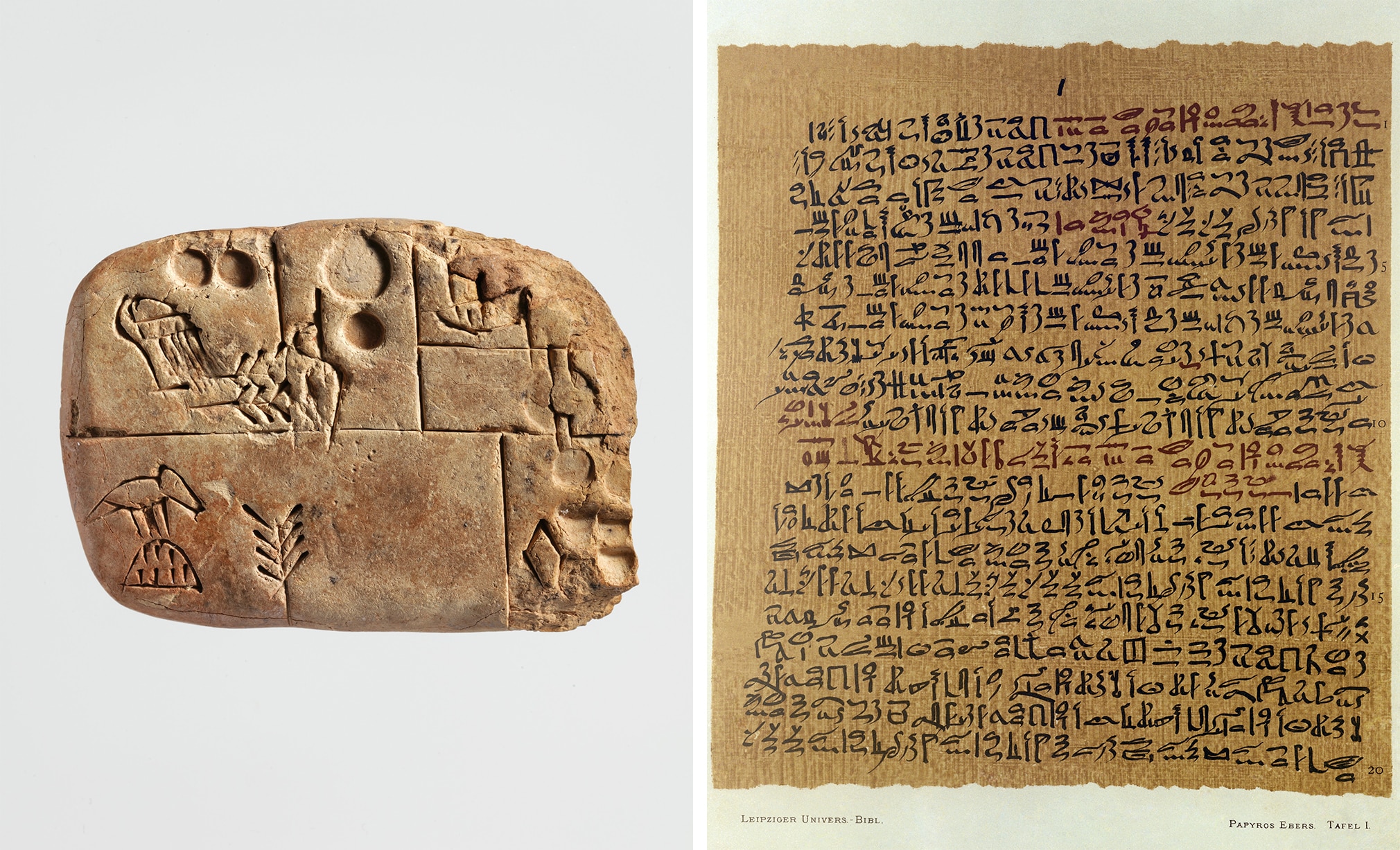
No one’s exactly sure when or where people began writing about plants. A solid guess is sometime around 3000 BCE in Mesopotamia. A clay tablet from that time, one that appears to depict crops, was discovered by archeologists in modern-day Iraq, in the country’s southernmost province of Al Muthanna. 1 Housed today at the Metropolitan Museum of Art, in New York, the tablet has been given the name “administrative account concerning the distribution of barley and emmer.” That’s only an educated guess, though. The writing on the tablet is an early version of cuneiform: wedge-shaped characters pressed into clay.
No one’s exactly sure when or where people began writing about plants.
It would take another 1,500 years or so before the formal practice of medicinal botany — of using plants as medicine — would show up in the surviving written record, in the Egyptian text today known as Ebers Papyrus. Ebers being the name not of the Egyptian folks writing it, but rather the German scholar who owned it. Other ancient texts were produced in China, India, Greece. With those works came a more comprehensive accounting of the plants that societies considered important.
Naturally, the specific plants described in each place varied according to the climate. There were the obvious considerations like rainfall and temperature. Cheongju Sorori rice, for example, which is considered the world’s oldest variety of domesticated rice, thrives in the warm and wet climes of Korea but would not fare well in colder and dryer conditions in nearby northern China. But the potential for a plant to thrive in a space depends on another type of climate, too. The one that dictates attitudes or standards; the ideas around spirituality or piety. The climate that governs the plant’s importance to a body or a mind. To a people.
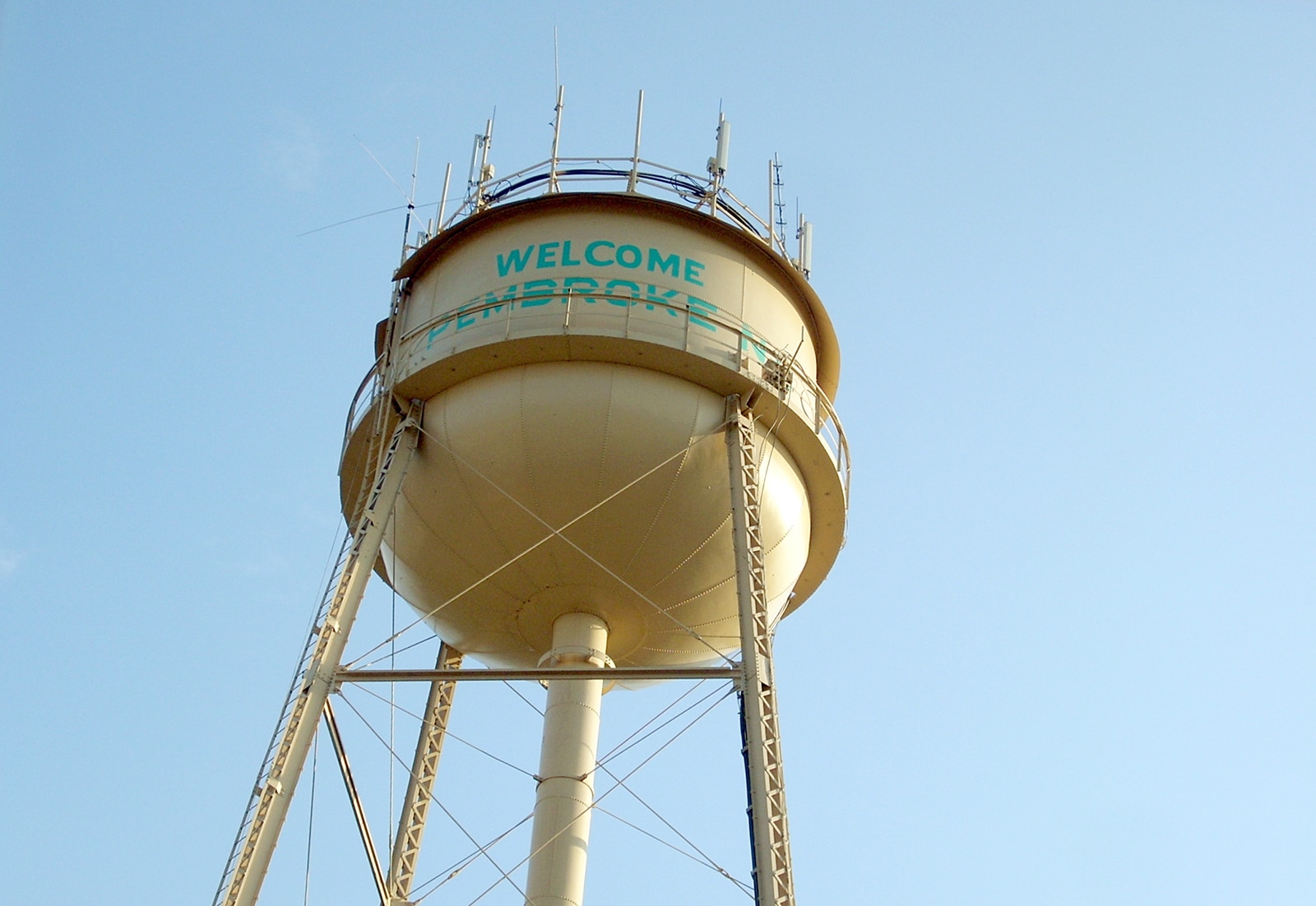
My grandfather was born and raised in Pembroke, North Carolina — a town in the southeastern part of the state, with a population that in the 1920s hovered around 800. The majority of those folks were Lumbee, as were the majority of folks in Robeson County and the five counties that surrounded it. Today, Pembroke is the official headquarters of the Lumbee Tribe of North Carolina — which has concentrated some of its activities in a 20,000-square-foot administrative building known as “The Turtle,” thanks to its reptilian shape.
In 1952, the Tribe’s people, themselves, came together to decide on the name Lumbee.
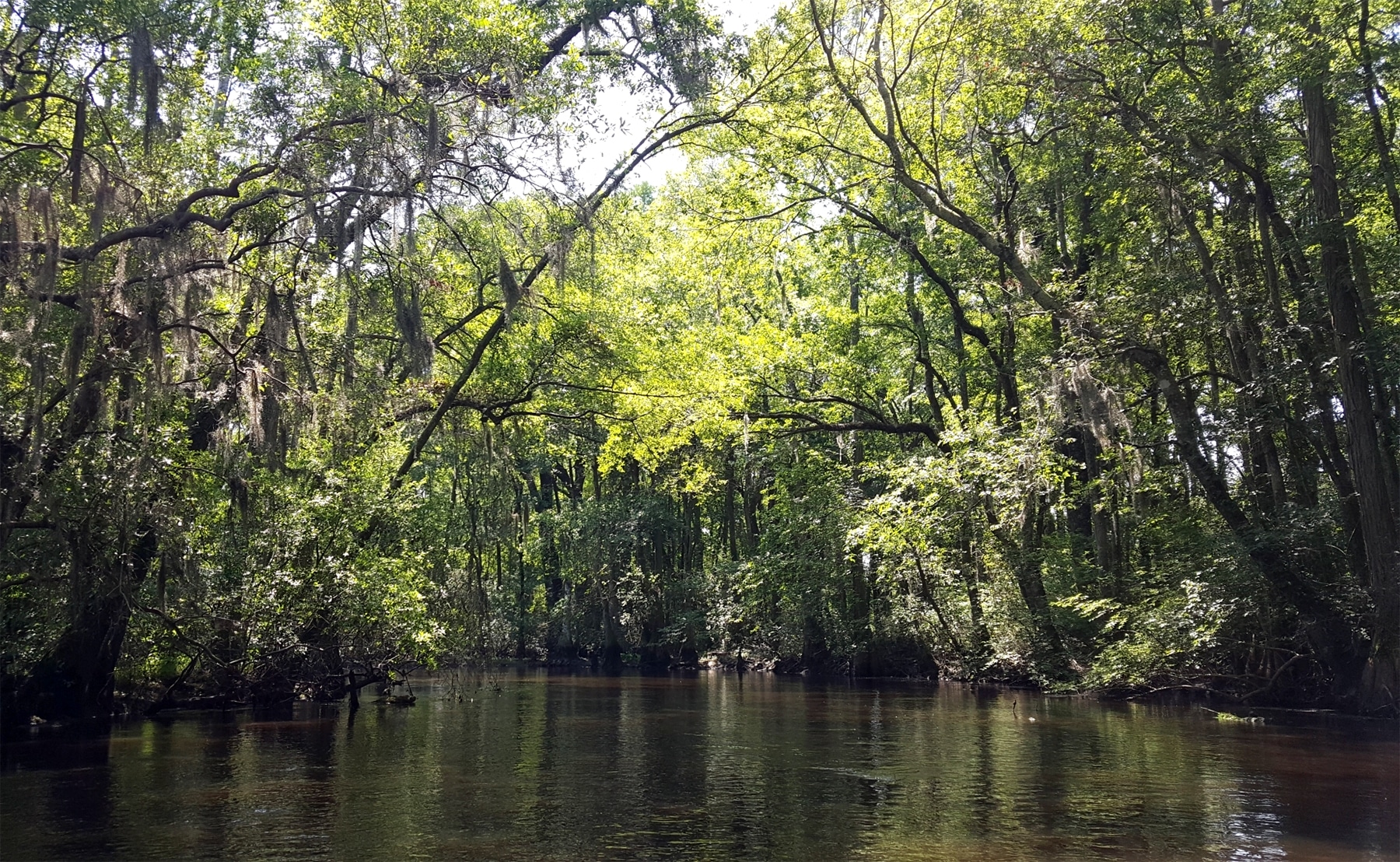
Though Pembroke has seen more residential and commercial development over the last several decades, it remains a small place. A handful of stoplights guide the way from one end of town to the other; the small campus of UNC Pembroke squarely in the middle. Pembroke is a place surrounded by swamplands; the Lumbee River, among other smaller creeks and streams, lined by dense forests of cypress trees and river birch. But, Pembroke is also an epicenter. For Lumbee people, it is the place we gather for celebrations and circumstance. The place we hold our annual weeklong Homecoming festivities; where we showcase our heritage through outdoor productions of Strike at the Wind; where we gather for our annual powwow, the Dance of the Harvest Moon.
By the time of my grandfather’s birth, his Tribe had been state-recognized for about 40 years, since 1885, when the “Croatan Indians” were written into an act passed by the North Carolina General Assembly. In the following years, the Tribe’s designated name would change from Croatan to “Indians of Robeson County” to “Cherokee Indians of Robeson County,” as it stood when my grandfather was born. Finally, in 1952, the Tribe’s people, themselves, came together to decide on the name Lumbee. It was meant to honor the Lumbee River, which has woven through so much of our history.
A lot of what we know about plants comes from oral histories and traditions that were (much) later translated to the page. It is this way with traditional Chinese medicine. Lessons that remain important were passed down thousands of years before they were written. The oldest surviving book in this tradition is the Shen Nong Ben Cao Jing, or “Divine Farmer’s Classic of Materia Medica,” compiled around 100 CE and based on Chinese knowledge that went back at least 2,500 years earlier. 2
Most assume that this book of remedies was based on the work of Emperor Shen Nong (神农) — the “Divine Farmer” — who is credited as the inventor of farming and pharmacology in ancient China. He is said to have lived between 3000 and 2000 BCE. Reading about Shen Nong is reading a story that’s equal parts legend and myth; in most accounts, his mother was said to be impregnated with him by a divine dragon. 3 Two millennia after the emperor’s death, scholars compiled what became known as the Shen Nong Ben Cao Jing. It’s a comprehensive account of traditional knowledge, with most entries looking something like this:
Zi Shi (Flouritum) is sweet and balanced. It mainly treats the heart and abdomen, cough and counterflow, and evil qi. It supplements insufficiency and hence treats women with 10-year-old infertility due to cold wind in the child’s palace (i.e., uterus). Protracted taking may make the center warm, the body light, and prolong life. It is produced in the valleys of Mount Tai. 4
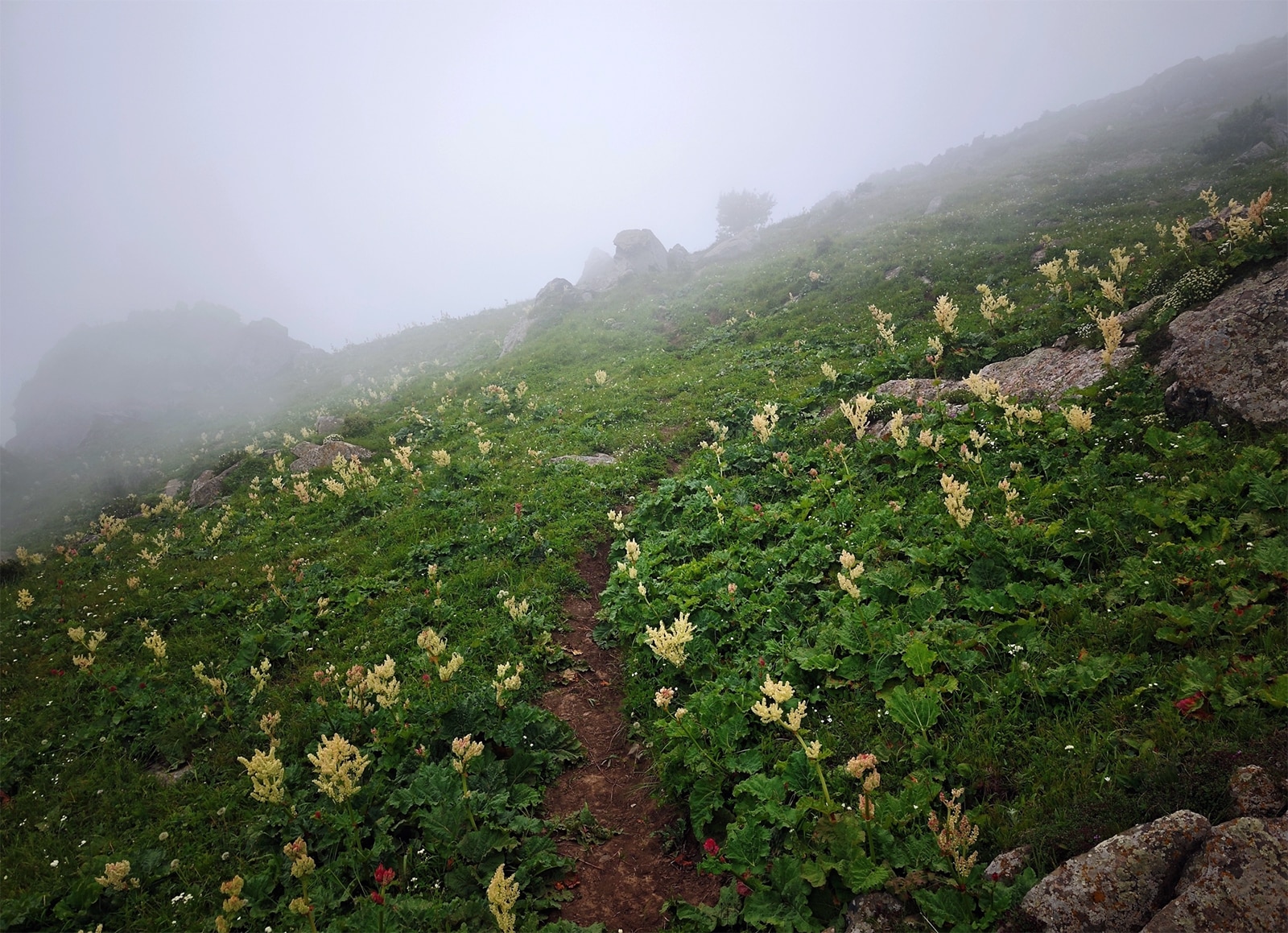
Pages and pages detail the uses of over 250 different plants. And there, right there in these pages, is rhubarb. In Chinese, the plant is known as dahuang (大黄), or “big yellow,” after the color of its root. It was especially popular for its anti-inflammatory properties, with uses ranging from digestive health to liver function to anti-bacterial protection. In the English translation,
Rhubarb is particularly able to drain damp heat and precipitate stagnation and accumulation. It is often used to treat cold damage, delirious speech with fever, malaria, dysentery, urinary and fecal stoppage, glomus pain, accumulations and gatherings, and jaundice. It is an indispensable medicinal for fire depressed in the blood and dryness of the stomach and intestines. In addition, it also treats phlegm, suppuration, swelling, ejection of blood, and nosebleed. 5
According to scholars, dahuang was one of the oldest and most important Chinese medicinal herbs. 6
My grandfather grew up in the era of the Jim Crow South, where Pembroke was a space of trifurcated segregation: Black, White, and Indian. Sure, as scholars like Malinda Maynor Lowery have written, some of the segregation was self-imposed; some of it was Lumbee people “adopting segregation to preserve distinctiveness.” 7 But the broader systems of White supremacy hung over that place, too. My grandfather would have attended a segregated Indian school. He would have drunk from a segregated water fountain. He would have accompanied his mother on trips to the segregated grocery store.
My grandfather’s parents were farmers; as were their parents before them, and on up the line.
Those systems — the ones that paid people of color less, restricted where they could live or purchase homes, and determined the public funding available to their communities — created a foundation of poverty for Pembroke and others in the rural South. Upon that foundation, other factors were impacting poverty, too. When my grandfather was born, communities throughout the Coastal Plain were suffering severe drought. 8 Three consecutive growing seasons were wiped out between 1925 and 1927. 9 The boll weevil had devastated cotton fields, and prices for crops like tobacco had plummeted since the end of World War I and its price supports. Cigarettes, after all, had been included in rations for American soldiers. Tobacco dropped from 86 cents per pound in 1919 to nine cents per pound in 1931. 10
My grandfather’s parents, John and Bessie Lowry, were farmers; as were their parents before them, and on up the line. The same is true for most families who’ve spent generations in this place. My grandfather was born on the family farm on Saint Annah Road, one house down from his grandmother, Annie Pearl Lowry. He was probably too young to remember his own grandfather, Pearl’s husband Archie, who died in 1928. But they and their descendants plowed the fields together. Multi-generational farms were common here, and still are.
I wondered what, exactly, my grandfather cultivated there.
When I was in my mid-twenties, nearly fifteen years after my grandfather had passed away, I remember taking my first drive around Pembroke in search of something that would help me feel more connected to him. I drove along the road that’s now spelled “St Anna,” looking for the plot of land that used to be his. I sat in my car wondering about my grandfather’s childhood. I wondered what his house looked like; what kind of toys he played with; what he ate for dinner. I wondered how much he helped his parents in the fields; what his daily chores were. I wondered what, exactly, my grandfather cultivated there.
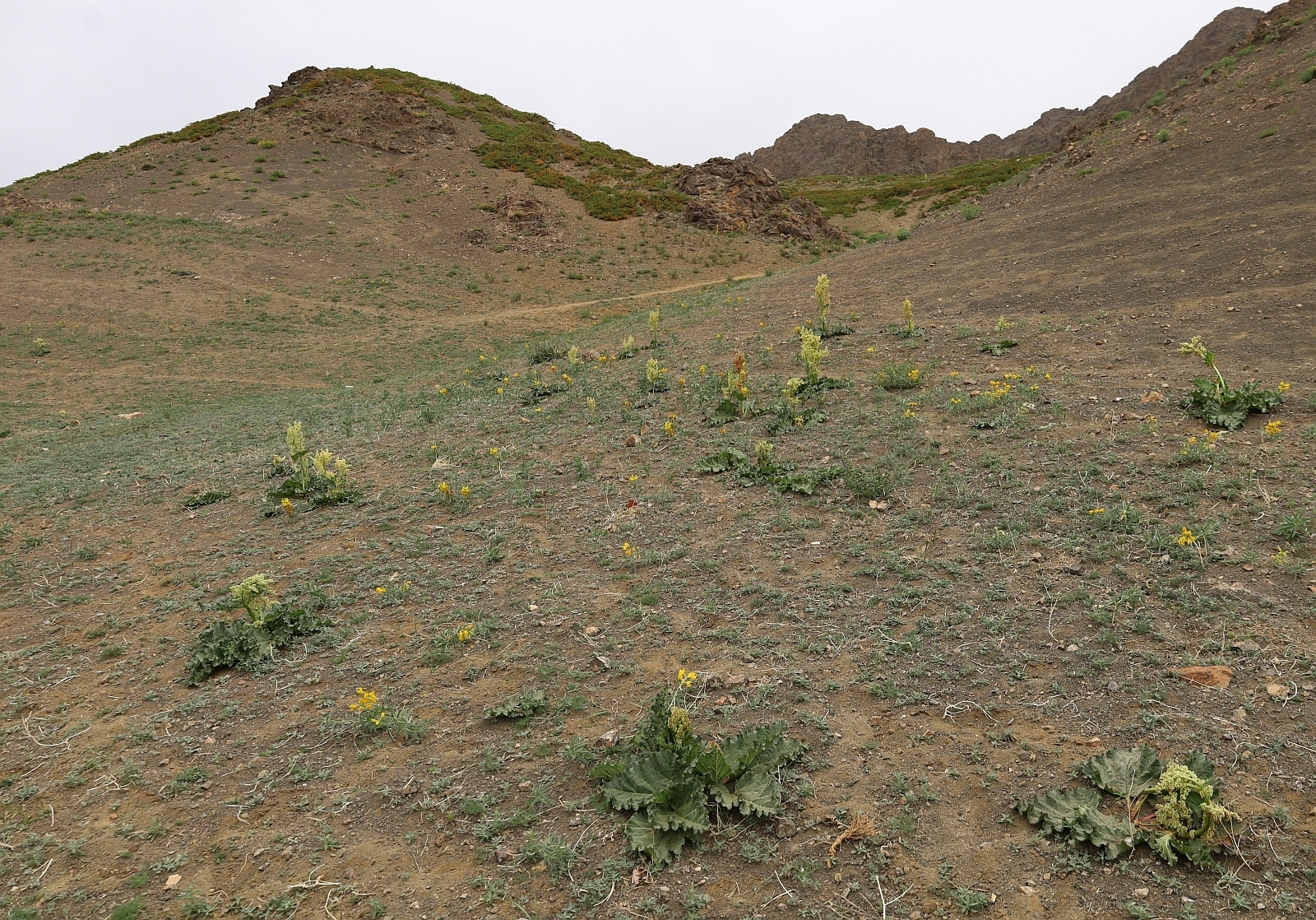
From China, rhubarb traveled west to what today we call the Persian Gulf. In about 970 CE, physician and scholar Abu Mansur Muwaffaq ibn Ali al-Harawi wrote about rhubarb in The Book of Fundamentals on the True Nature of Remedies, the oldest surviving manuscript written in the Persian language. 11 Mansur identified a few different types of rhubarb, including, as he noted, the superior Chinese variety. 12
As word spread about this incredible drug, the trade routes extended north and west, over land and sea. By the mid-17th century, news of the plant’s medicinal value, especially for stomach ailments, had reached Russia’s elite. The central Russian government took control of the rhubarb trade, prohibiting its private purchase or sale. 13 At a time when diarrhea was one of the leading causes of death, a reliable treatment was worth its weight in gold. Quite literally. According to the logs of good received in Tobol’sk, Siberia, in 1649, one pound of Chinese rhubarb was valued at 18 rubles, somewhere in the ballpark of 100,000 U.S. dollars today. 14
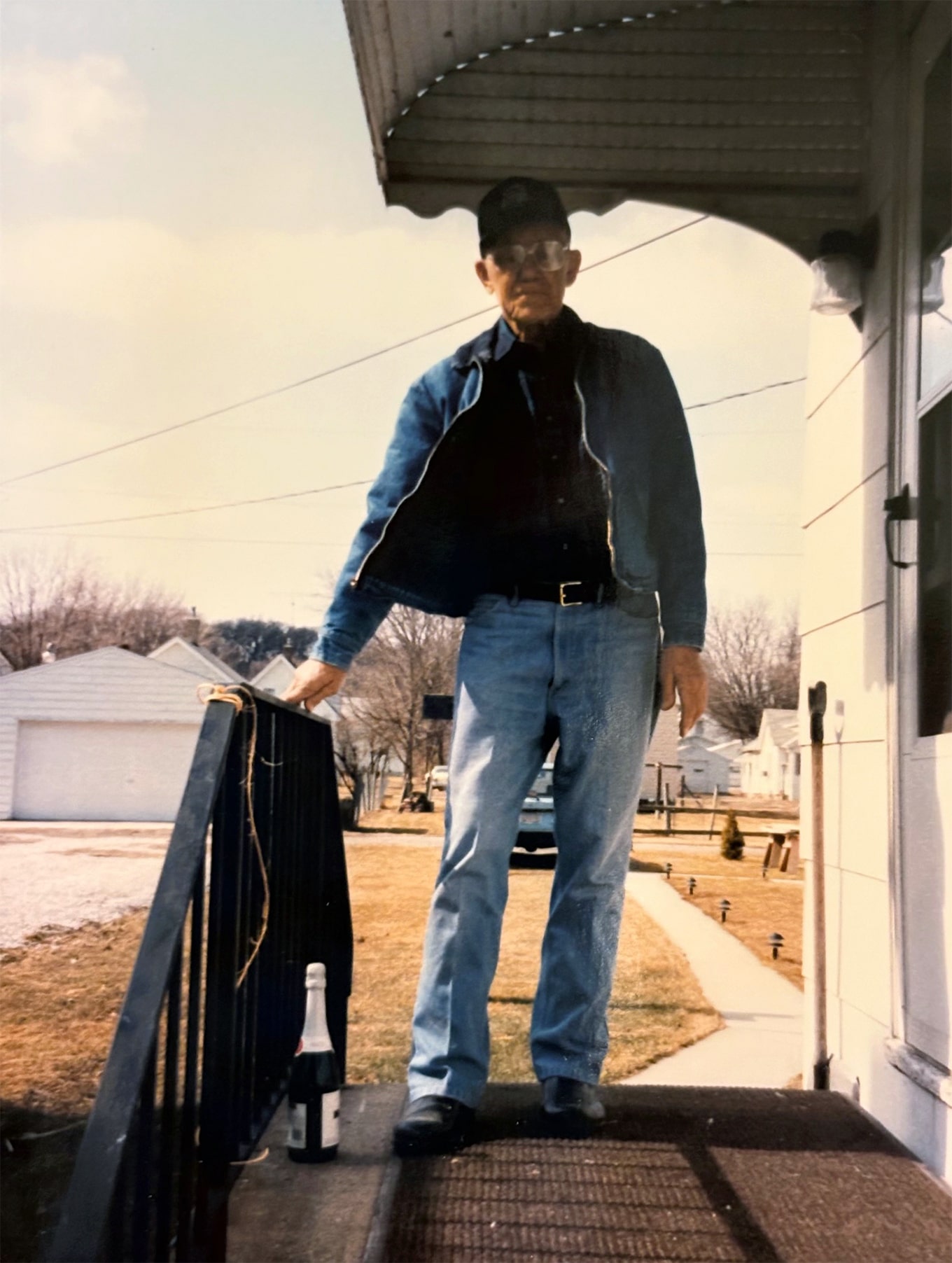
Until I was thirteen, when I visited North Carolina for the first time, I’d only ever heard my grandfather called Jim. Jim Lowry was the name on the front of his house in Cedar Rapids; in his signature; on the ads for his barbershop. In Pembroke, though, my grandfather grew up — and has never stopped being — Marvin. Uncle Marvin was kind; Uncle Marvin was loyal; Uncle Marvin worked hard. I wonder whether, despite his birth record announcing James Marvin Lowry, my great-grandparents had always intended for him to go by that name.
Rhu described the river of the plant’s passage. And, since it had originated from east Asia, a place considered “barbarian” by Greek and Roman traders, so emerged barb.
It’d take until 1753 for rhubarb to be placed in a formal taxonomy; when Swedish biologist Carl Linnaeus described and named the genus Rheum. By then, the plant had travelled nearly the whole way around the globe, and the name rhubarb had taken shape. To get from China to Russia — and onward further west — trade routes during the Middle Ages would have required crossing the Volga River, which the Greeks and Romans called the River Rha. 15 Rhu, then, described the river of the plant’s passage. And, since it had originated from east Asia, a place considered “barbarian” by Greek and Roman traders, so emerged barb. Rhu-barb became a nearly universal shorthand for the “uncivilized” drug. 16
Six months before the attack on Pearl Harbor, my grandfather left Pembroke to enlist in the U.S. Navy. According to the government records, his enlistment date was June 5, 1941. It’s a date that follows him everywhere — from ships off the Pacific coast of Washington state to the shores of Virginia Beach. 6.5.41.
What’s curious about that date is that it requires some historical gymnastics to get there. According to the Robeson County birth registry, James Marvin Lowry — son of John Wesley Lowry and Bessie (Jacobs) Lowry — was born on December 24, 1925. According to every story he ever told, the birthday party invitations for his 70th birthday, and the date etched on his grave, my grandfather was born on that same date in 1924. According to his military discharge paperwork, it was 1926.
Those birthdates would suggest that, on June 5, 1941 — at the time of his enlistment — he was anywhere from 14 to 16 years old. In September of that year, he shows up on the muster rolls for the U.S.S. Cole, a destroyer that patrolled the North Atlantic that fall, before the U.S. entered the war.
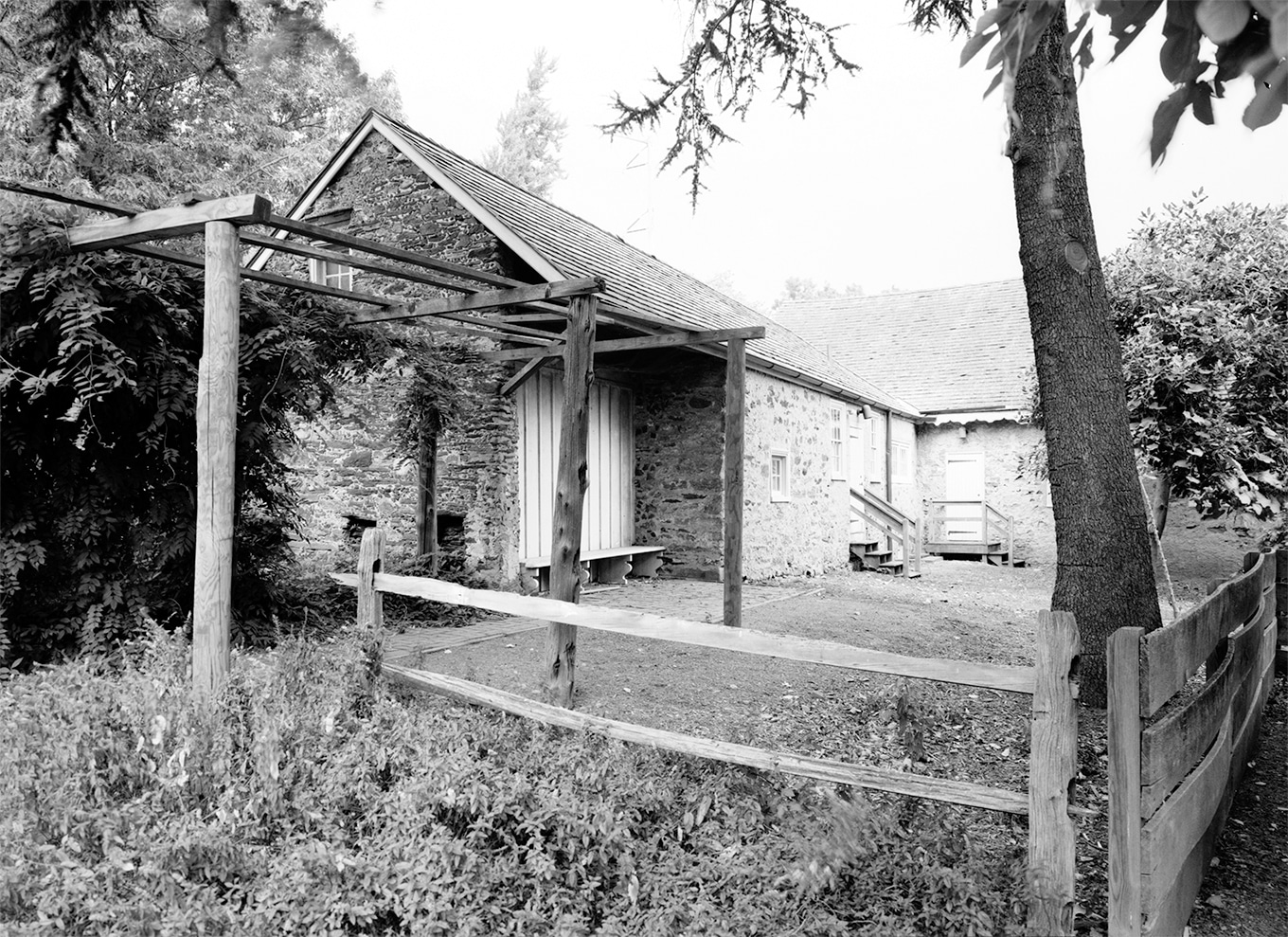
As more and more settlers made their way from Europe to the North American colonies, so, too, did seeds. Probably, this began out of what they considered necessity. European settlers probably thought they had to plant crops for food, and it was probably easier to use seeds they were familiar with. But planting crops that weren’t native to North America also served to destroy ecosystems relied upon by Native American people for centuries.
Rhubarb wasn’t one of the first of the crops to be introduced by settlers, but by the mid-eighteenth century, it had arrived. In a letter dated April 1, 1739, American botanist John Bartram wrote that “Siberian rhubarb” was growing “finely” in his garden. 17 This was addressed to his friend Peter Collinson, an amateur British botanist who spent decades trading seeds with his North American contemporaries, and who gave Bartram some rhubarb to try. On September 22, Collinson responded:
The Siberian Rhubarb is the true sort … both this and the Rhapontick make excellent tarts before most other fruits fit for that purpose are ripe. All you have to do is to take the stalks from the root & from the leaves, peel off the rind & cut them in two or three pieces & put them in crust with sugar and a little cinnamon, then bake the pie or tarts. Eats best cold. 18
Likely, Collinson believed that the rhubarb he grew — the one he calls “true” — was the same kind written about in ancient Chinese texts. The same kind that had been bought and sold and, eventually, controlled by regimes that had used it to cure diarrhea and other ailments so deadly in that age. The kind that had fetched $100,000 per pound. But since he was mainly using the rhubarb as an edible plant, scholars believe Collinson was actually growing something like Rheum rhaponticum — also known as false rhubarb.
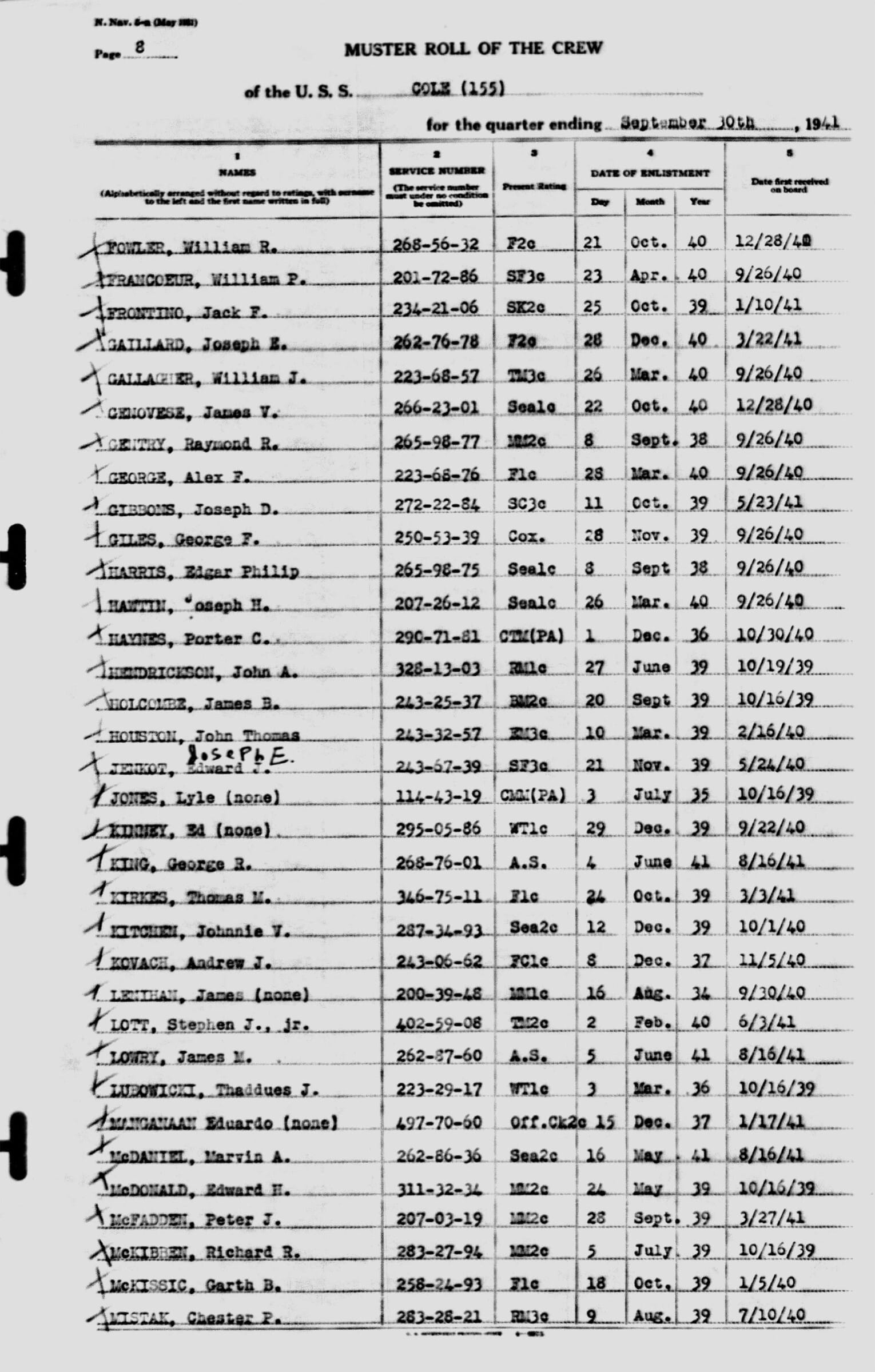
Every person who serves in the U.S. military is given something called a service number. It’s sort of like a social security number; something that stays with a person from enlistment until death. Something that identifies a person as they make their way through each phase of their military service; each station or ship or hospital ward.
Between the time of his enlistment, in 1941, and his honorable discharge, in 1952, my grandfather sailed on at least two oceans. Although there are gaps in the records I can find, I know that he served on the U.S.S. Cole for three years and the U.S.S. Commencement Bay for two. He spent time in Alaska and, eventually, made his way back to DC. He stopped off in Seattle, and Los Angeles, and San Francisco. He climbed the rungs of the ladder from one of the very lowest “Sea2c” to a Fire Controlman 1st Class — responsible for complex weapons and radar systems aboard naval surface ships.
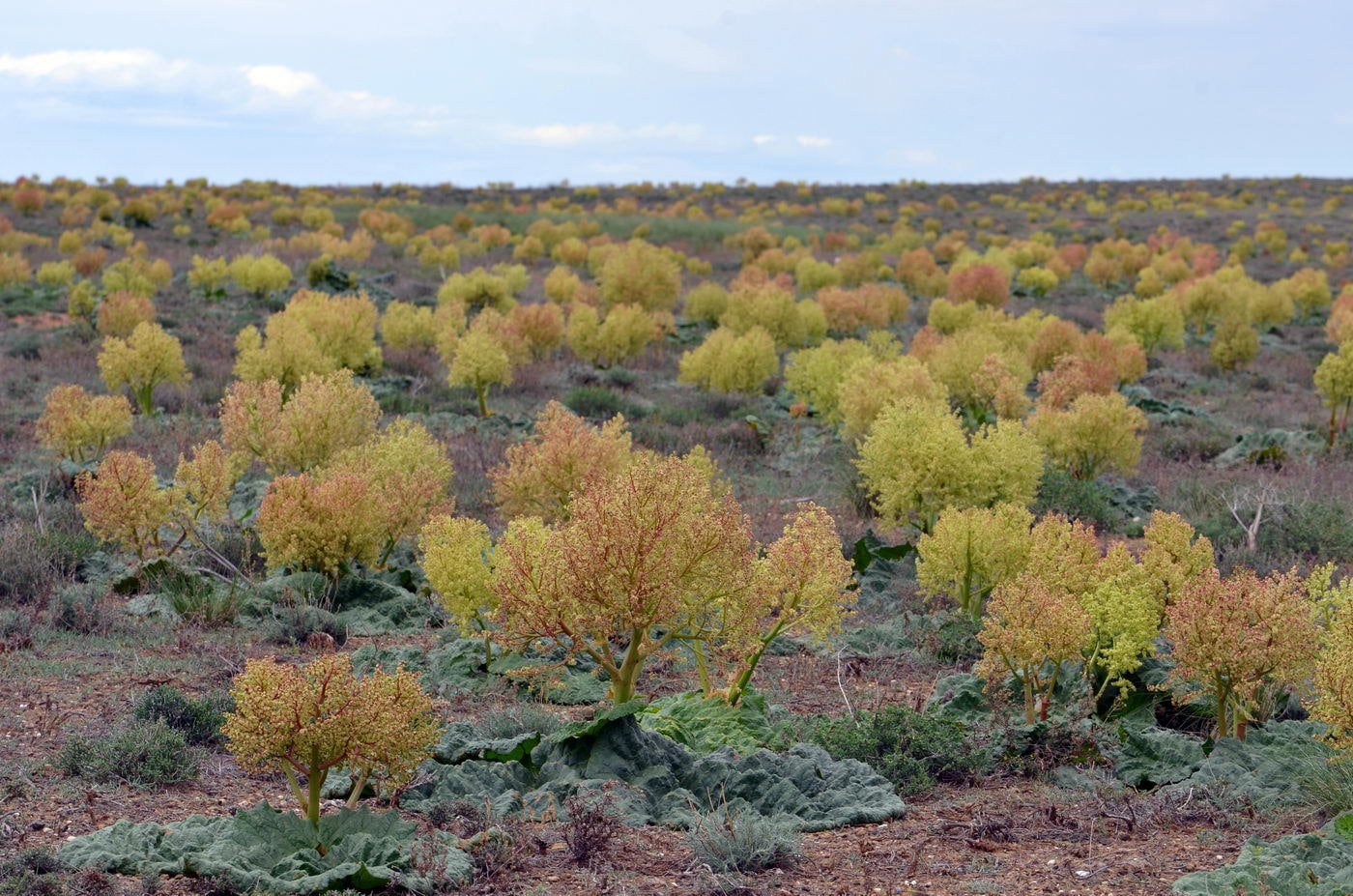
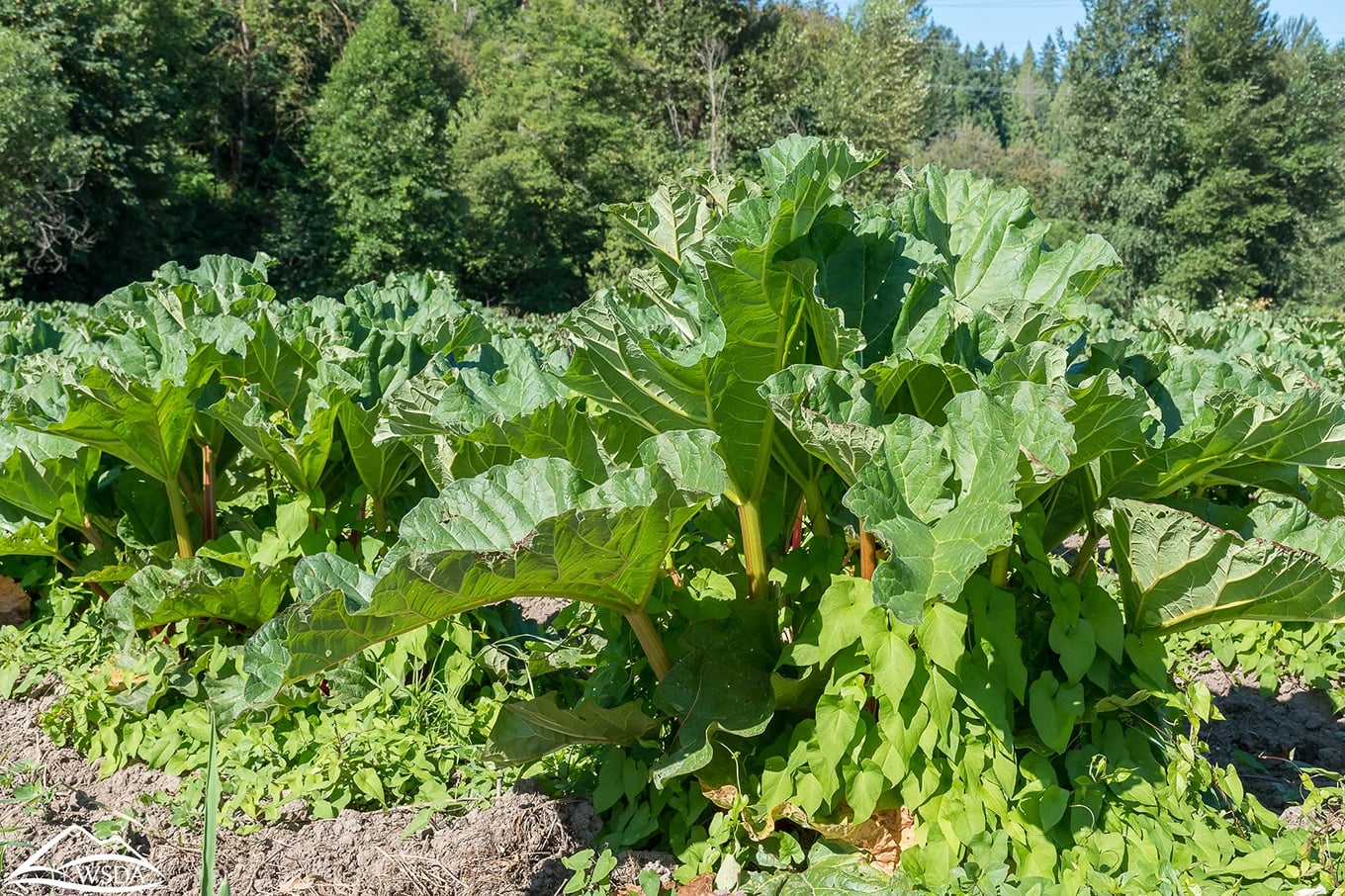
There are about 60 species of rhubarb found in the world today. They all share the common genus, Rheum, but their uses and colors and tastes vary from place to place. In China, where rhubarb is generally considered medicinal rather than edible, Rheum palmatum thrives — its thin, red stalks topped with large leaves that are jagged at the edge. In central and southern Europe, Rumex alpinus, or Monk’s rhubarb, prefers the cool mountains — its large, rounded leaves sometimes a substitute for spinach.
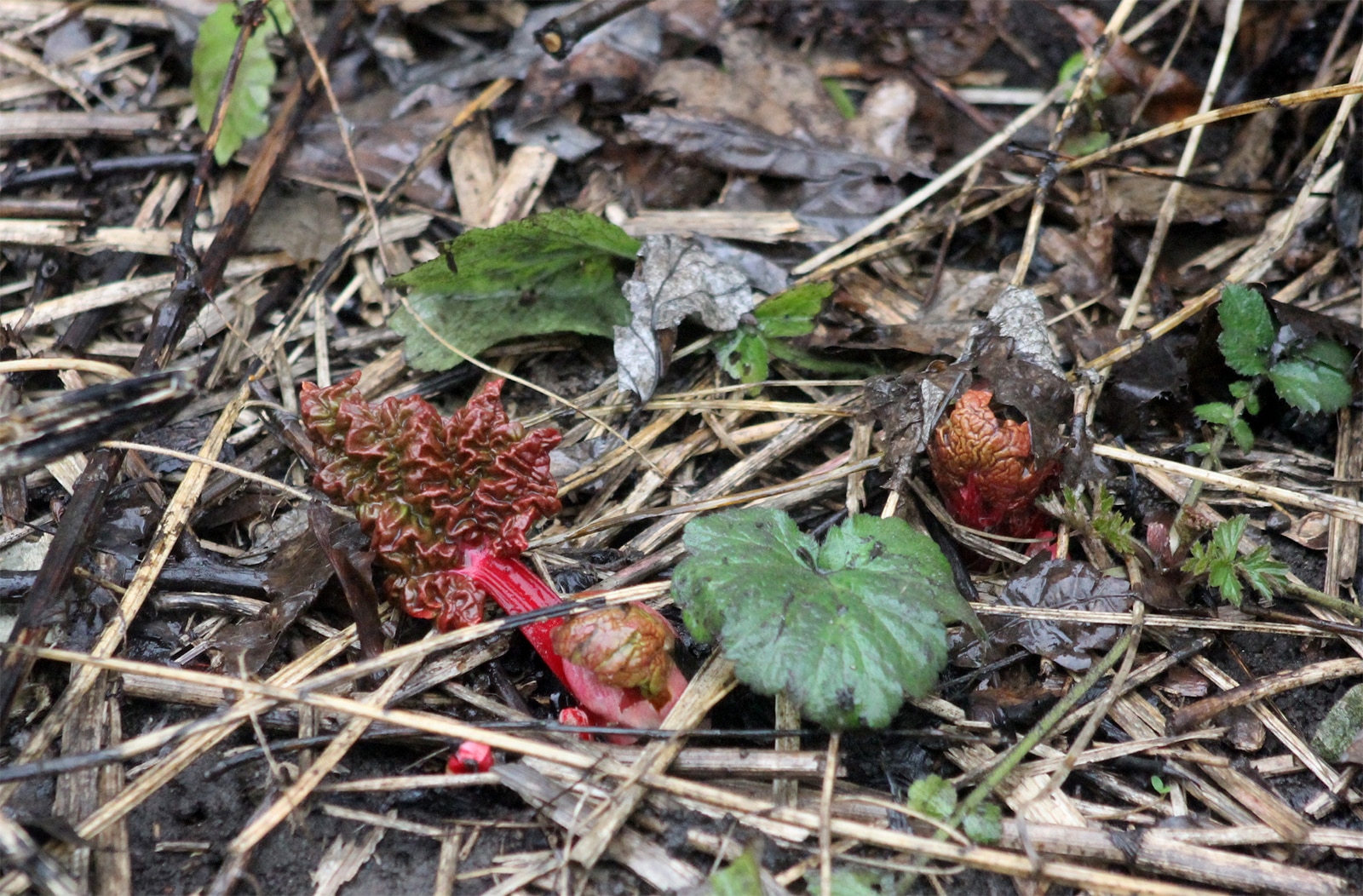
The species that folks in the U.S. are probably most familiar with is Rheum rhabarbarum. It’s one of several types that are edible and, most often, show up in dessert. It’d be hard to say with any precision when this variety of rhubarb made its way to the Midwest and, eventually, to Iowa.
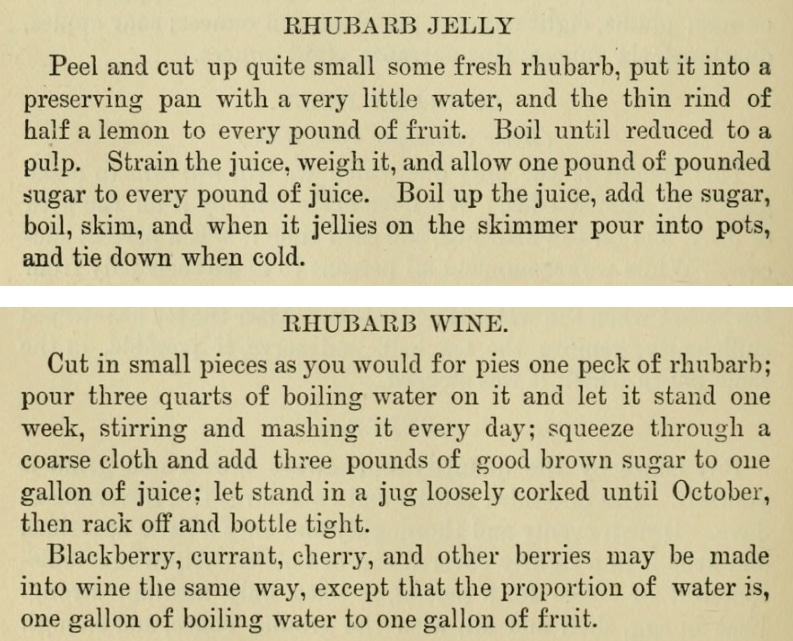
In 1884, rhubarb appeared in Mrs. Welch’s Cook Book, published at the Iowa Agricultural College (now called Iowa State University). Recipes for both rhubarb jelly and rhubarb wine instruct that the plant is to be cut very finely, like for pie. 19
Today, 90 percent of all commercial rhubarb in the U.S. is produced in Washington state. With the advent of hydroponic greenhouses, rhubarb can grow just about anywhere, though naturally it will prefer the mild, wet climates it is most accustomed to.
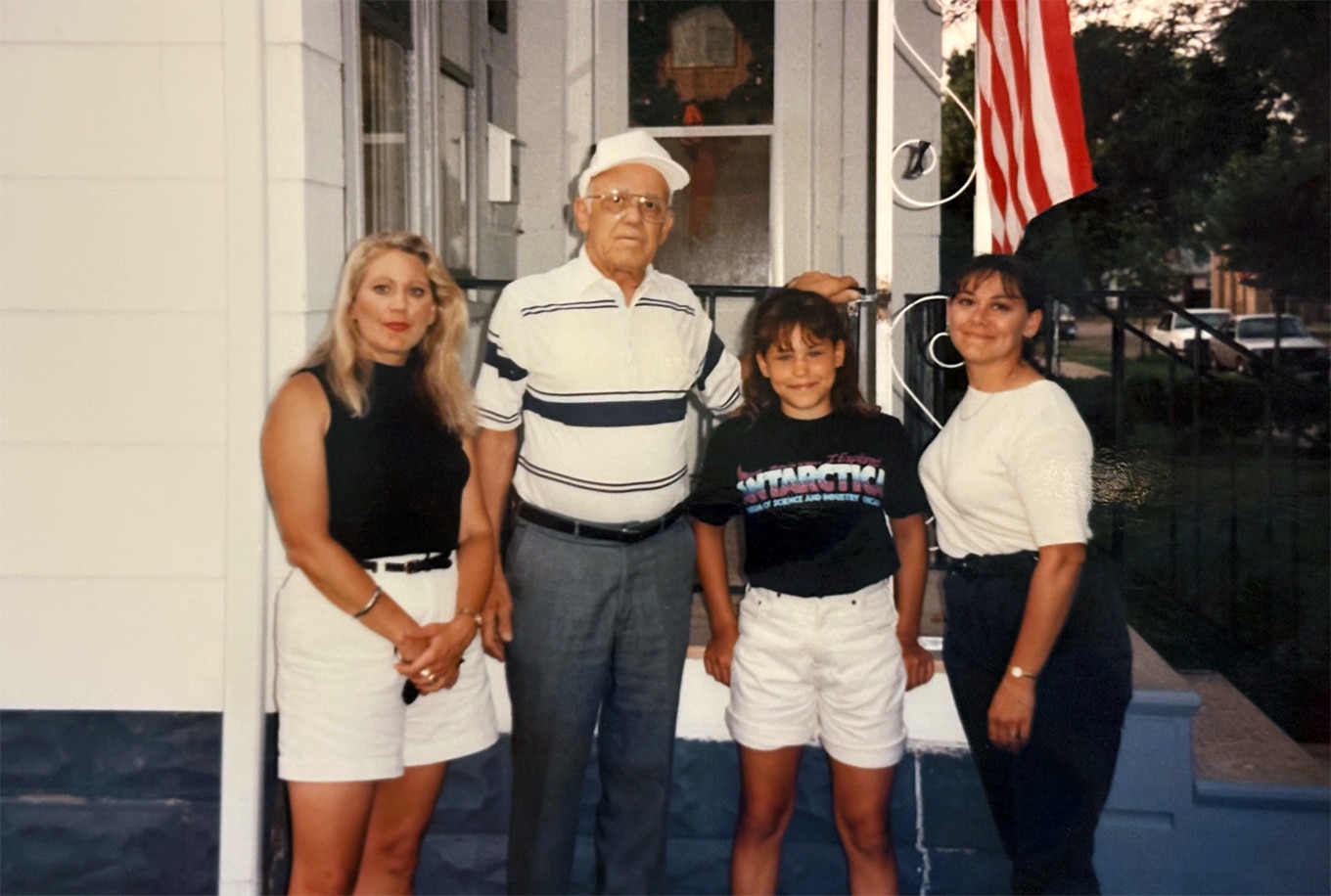
Tracing my grandfather through his adulthood is like taking a car trip with all the windows painted black.
Tracing my grandfather through his adulthood is like taking a car trip with all the windows painted black. I can feel we’re moving through time; I hear the names of places he visited; I listen carefully to stories my mother tells. But I have no idea what any of it really looks like.
My grandparents were married on June 22, 1950, in Yuma, Arizona — the importance of which no one in my family can quite explain. Maybe it was a place of convenience; close to their southern California home. A marriage announcement in The Cedar Rapids Gazette says the couple planned to live in San Diego, where my grandfather was still stationed with the Navy.
Soon they found their way back to my grandmother’s hometown. … A place we can reasonably assume that my grandfather had never been; that maybe no Lumbee person had ever been.
Soon they found their way back to my grandmother’s home state of Iowa, near her hometown of Amana — a small, rural community founded by German Radical Pietists as something of a commune. A place we can reasonably assume that my grandfather had never been; that maybe no Lumbee person had ever been. I wonder how my grandfather would have been welcomed into my grandmother’s family. I wonder if their marriage — between a White, German woman and a Lumbee man — would have been considered wrong.
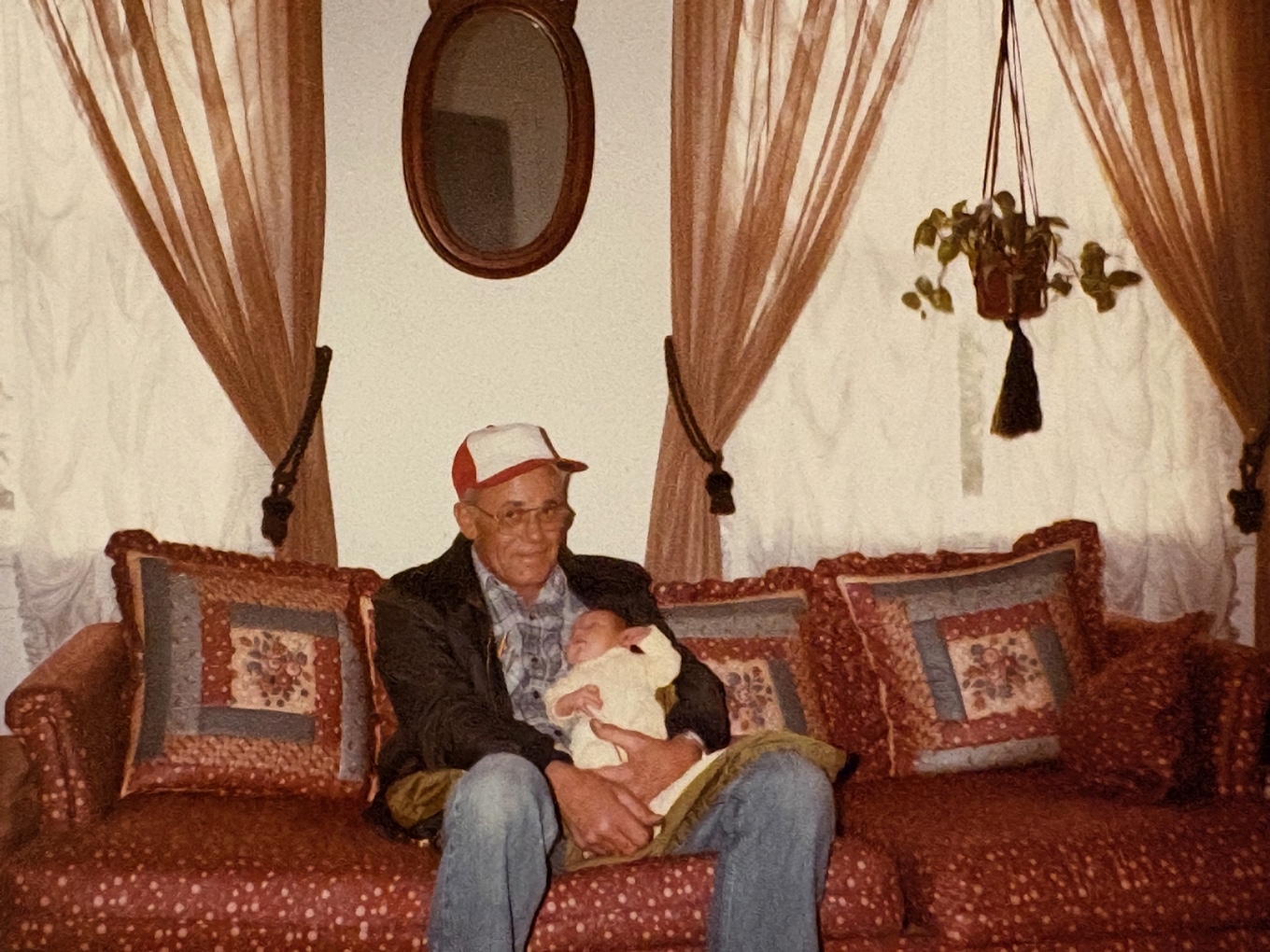
What I know for sure is that my grandparents had five children — the second being my mother. They made their home in Marion, Iowa, and, after their divorce, my grandfather moved to nearby Cedar Rapids. I know that he was a barber, eventually going into business for himself. I know that he loved his family; that he was one of the first people to hold me after I was born. I know that he enjoyed it when I asked him to flip the pages of his daily calendar; to walk to the nearby convenience store to buy a chocolate milk. I know that he opened his back door enthusiastically each spring, when it was time to pick rhubarb.
Recently, I’ve taken to doing my grocery shopping online. There, I can plug in the things I need — create a special list of things I almost always need — and, a few hours later, drive up to my local supermarket to retrieve the goods. This is a compromise I’ve made as I get older; taking some short cuts.
I open the application on my phone and search “rhubarb.” On a chilly day in late winter, I can buy a pound of unsweetened cut chunks, “perfect for smoothies!” From the fancier, more expensive “health market,” I can buy rhubarb yogurt or rhubarb-infused probiotic soda. I can venture into the mobile alcohol section to find a six-pack of strawberry rhubarb sour ale.
If I’m willing to wait a few days for shipping, I can expand my search to the wider internet. There, I find bottles and bottles of rhubarb supplements. Thick capsules of rhubarb mixed with other herbs claiming to support bowel movements. Rhubarb and prune gummies. Dropper bottles of “rhubarb system restoration” that relieve gastrointestinal issues with just one full squeeze into two ounces of water.
I settle on the bottle of Siberian rhubarb capsules, marketed to manage symptoms of peri-menopause. Now in my early forties, I find myself inexplicably exhausted all the time. Sometimes, I sweat during the night. I’ve been looking for something that will help; something that doesn’t require a lot of diagnostics or prescriptions. Something that feels more natural; that I can (more) directly connect back to its time in the soil.
I sit on the oversized chair next to the window to my backyard. I submit my payment, click “purchase,” and wait.



If you would like to comment on this article, or anything else on Places Journal, visit our Facebook page or send us a message on Twitter.