
Dr. Brandi T. Summers leads a team of students, scholars, and housing justice organizers in assembling the Archive of Urban Futures. Founded in 2022 and funded by the Mellon Foundation’s Humanities in Place Program, the Archive is a research and teaching collaboration with Moms 4 Housing, an organization — and a movement — that began in 2019 when a collective of unhoused Black mothers occupied an empty, investor-owned home in West Oakland. Documenting Oakland’s history as a Black city, the Archive seeks to anticipate radical possibility and foster Black emplacement, to make possible a reclamation of the Black city as such. By engaging Black mothers as interpreters and investigators, this project seeks to disrupt what counts as knowledge, and to allow for the extrapolation of archival data into visions for new urban futures.
Dr. Moriah Ulinskas is a public historian whose research focuses on resistance to displacement by marginalized communities, examining such histories as they lie latent in archival collections. For six years, she was the volunteer shepherd of a photographic collection left by the now-defunct Oakland Redevelopment Agency, exploring how these photographs challenge the declension narrative of postwar cities like Oakland. She is a founding member of the Community Archiving Workshop, a collective of audiovisual archivists supporting underserved collections assembled by communities historically excluded from or misrepresented in the archival record. 1 Moriah has led several CAW initiatives, including the “Training of Trainers” project, funded by the Institute of Museum and Library Services, the “Audiovisual Collections Care in Tribal Archives” project, funded by the National Endowment for the Humanities, and a strategic planning initiative funded by the Mellon Foundation.
Moriah Ulinskas: I have been thinking about how we lose narratives of collective action, the detailed records of grassroots movements that arise in specific political and social moments. For example, I have been researching the response of West Oakland residents to the Model Cities Program and other antipoverty programs that arrived in Oakland in the 1960s.
We lose narratives of collective action, detailed records of grassroots movements that arise in specific political and social moments.
This history and these programs are largely represented, now, through institutional or government archives, if they are represented at all. I’ve been searching for a different kind of evidence, connecting materials in individual archives to related content in institutional collections, in an attempt to tell a counter-history of the Oakland Redevelopment Agency. This was the agency that led the most radical physical transformation of the city, especially in the 1960s and 1970s when thousands of homes were demolished. We often hear about how, nationally, local communities were devastated by such redevelopment projects. But the response was incredible grassroots organizing, and those stories have been buried in received narratives about decline and dissolution.
I’ve realized there is a lost history — lost because it doesn’t have a place in institutional archives — in which the residents of West Oakland at one point set up their own government parallel to the City of Oakland, and managed to generate enough autonomy and strength to control federal antipoverty funding. This group resulted from a lot of hyperlocal organizing, a spurt of activity that we could trace back as far as 1940, peaking in the late 1960s, then sort of folding in on itself by the early ’70s. It’s very hard to get to that history, because the movement evolved in fits and starts, and was extremely decentralized. It’s not documented in official archives. And yet that history is so empowering and important. As a researcher, it’s taken me a huge amount of time to pull together the disparate news clippings here and microfiched articles there — publicly held, privately held, these little bits split across different collections and kinds of sources. What do I do with this material now that I’ve assembled it, so that it doesn’t break apart again?
That’s the goal of your project with Moms 4 Housing, the Archive of Urban Futures — is that right? To make records like these available, so that people addressing housing issues or challenging their local government today have precedents they can reflect on; a means of knowing how they belong to their city and its history.
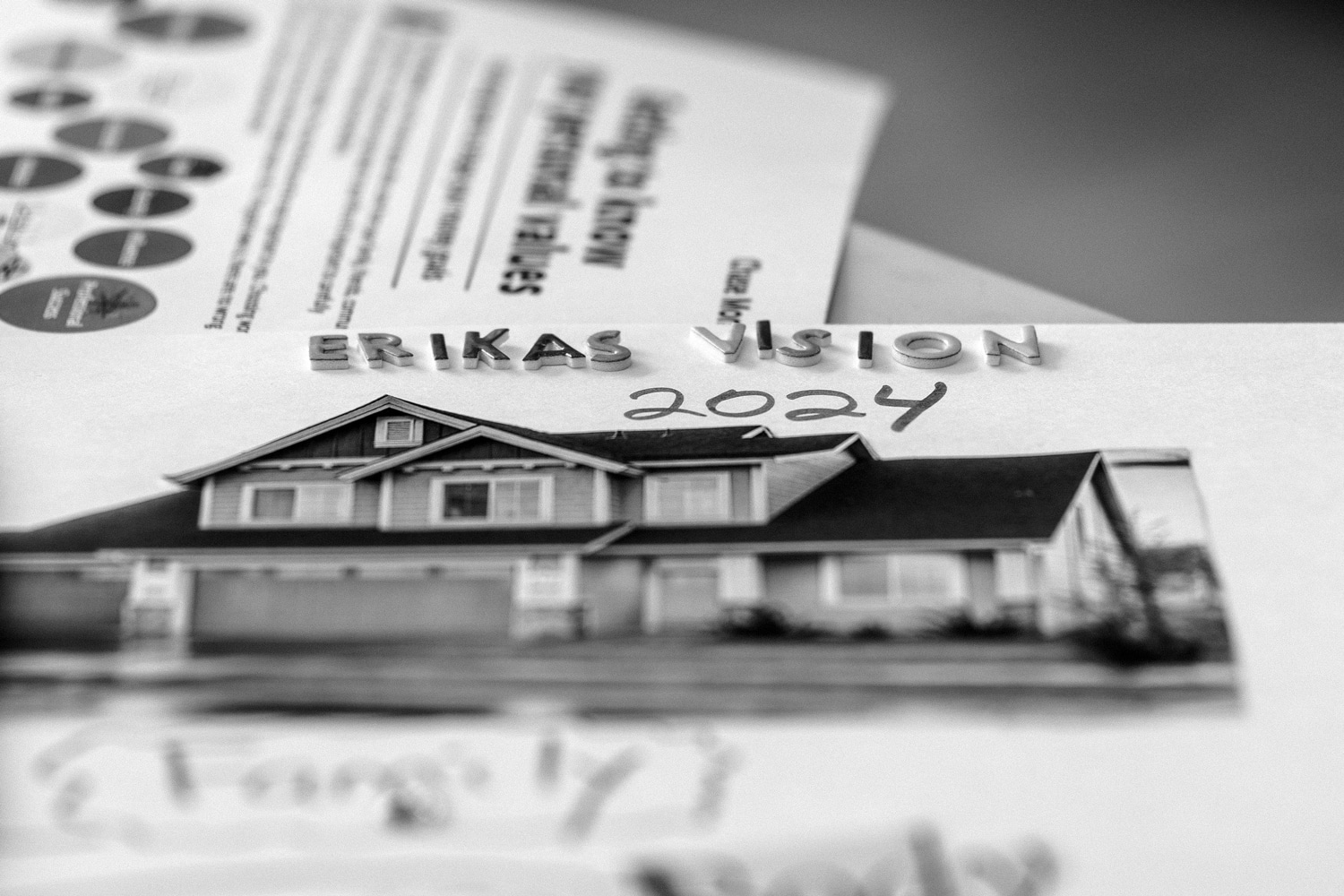
Brandi T. Summers: As you were talking, I was thinking not so much how do we pull the bits together, but why were they thrown apart to begin with? That’s where my interest has been, understanding how archives generally can hold people accountable, but not the state as such. The narrative you’re assembling is not documented in the city’s archive — and therefore wouldn’t have been part of official reports. It sounds like you’re discovering, in a way, that the very fact of this material being so far-flung indicates how long it’s supposed to take to put the story back together, if one ever does. Because this is evidence that would let everyone know how the City of Oakland failed when it came to implementing War on Poverty programs; how in instituting Model Cities, they failed.
Not only did they fail, but the failure was in some ways intentional. City leaders were interested in corralling federal funds to support “revitalization” downtown, rather than in the neighborhoods of West Oakland itself.
‘The archival record’ tells us that this is information to attend to. And, honestly, I don’t believe institutional powers want that.
I know there’s been a movement to reclaim archives, to focus on the stories and experiences of marginalized groups; groups that are typically invisible, ignored, or peripheralized, in favor of grand narratives determined by those in power. But perhaps we need another name, another signal phrase — because “the archival record” tells us that this is information to pay attention to; this is a repository that can inform us about a particular time and place. And, honestly, I don’t believe that institutional powers (some, anyway) want that. It would undermine them. To retrieve histories like those of the community organizations you’re examining, or to document the actions of Moms 4 Housing, is to undermine stories that depict urban renewal, displacement, and dispossession as unavoidable — stories that have been told to the very people who have been there for decades in West Oakland creating their own government, taking control of their own housing, in order to make sure they are taken care of.
Access to information like this pushes against a picture of poor people as enfeebled. They can’t take care of themselves; they require intervention by the state. If you follow the breadcrumbs, you’ll learn the opposite is true. The failure of urban renewal was born of an intention to keep power away from people, to keep capital away from people. Or else they would change their conditions on their own.
So, tell me more about the sources you have found.
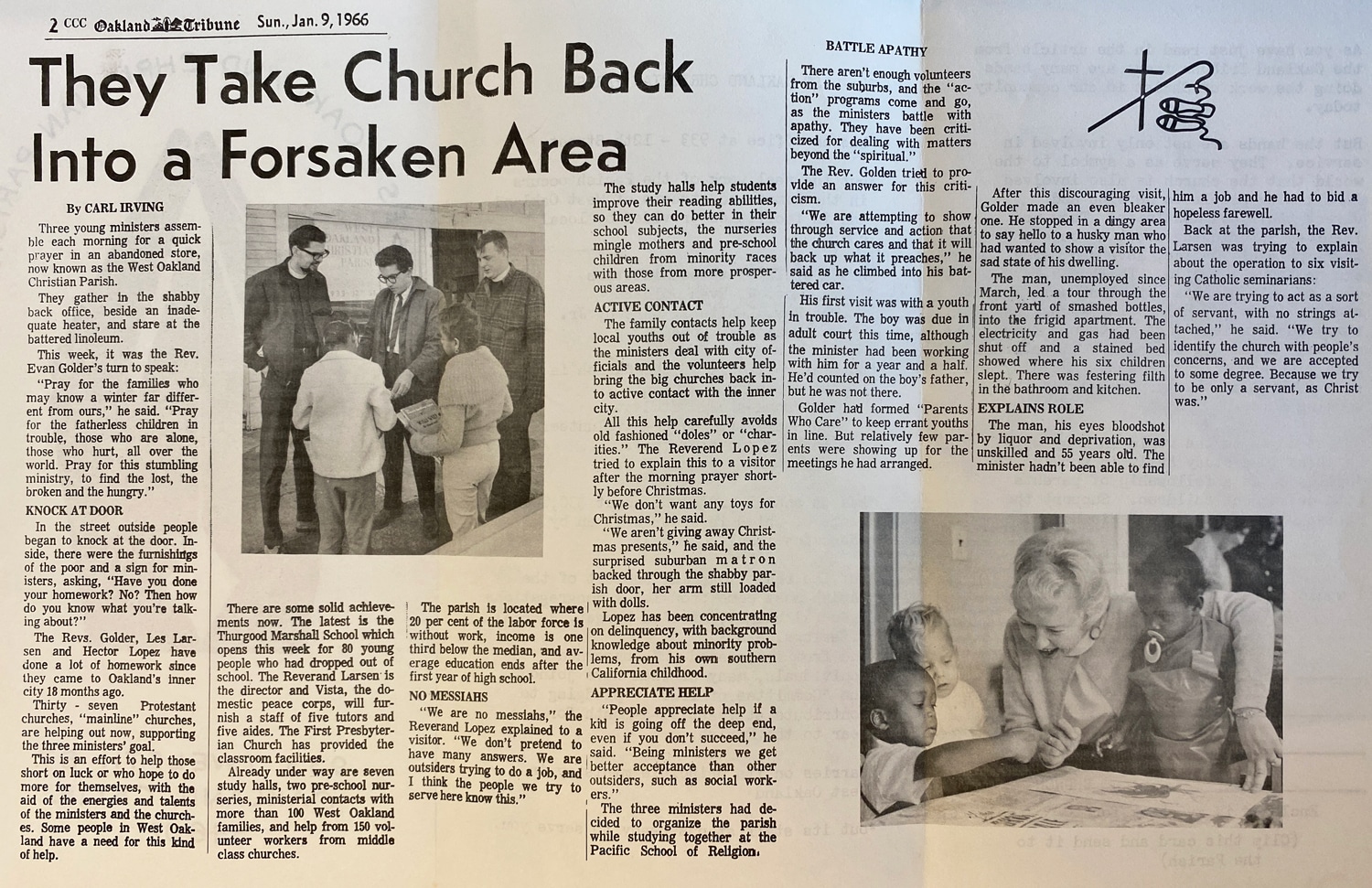
MU: I’ve read through a lot of Oakland Tribune articles, because the paper covered this period of federal investment in the city very closely. If nothing else, local newspapers are good for building a timeline, because they reported daily on urban renewal and antipoverty programs. But, of course, they were always on the side of federally sponsored redevelopment. So you have to read against the grain.
I’ve also found a couple reports written in the early 1970s by sociologists and policy analysts, tracking what was happening in Oakland with the Model Cities Program. Model Cities was a federal antipoverty program meant to introduce new forms of municipal governance, all aimed at improving living conditions for the urban poor, specifically addressing what federal administrators called urban decay. The U.S. Commission on Civil Rights held multiple hearings in the Bay Area in the late 1960s, and allowed Oaklanders to give testimony, so I’ve read a lot of those. That’s where I found firsthand accounts from community members in West Oakland who were trying to wrestle control of antipoverty funds away from the city council. These antipoverty funds were in part the federal government’s attempt to ameliorate the harm done by redevelopment. Academic research had begun to reveal the negative impact of urban renewal, and private funders like the Ford Foundation had also begun to create social service programs in cities, including in Oakland. But Oakland residents were tired of being the objects of programs. They wanted control.
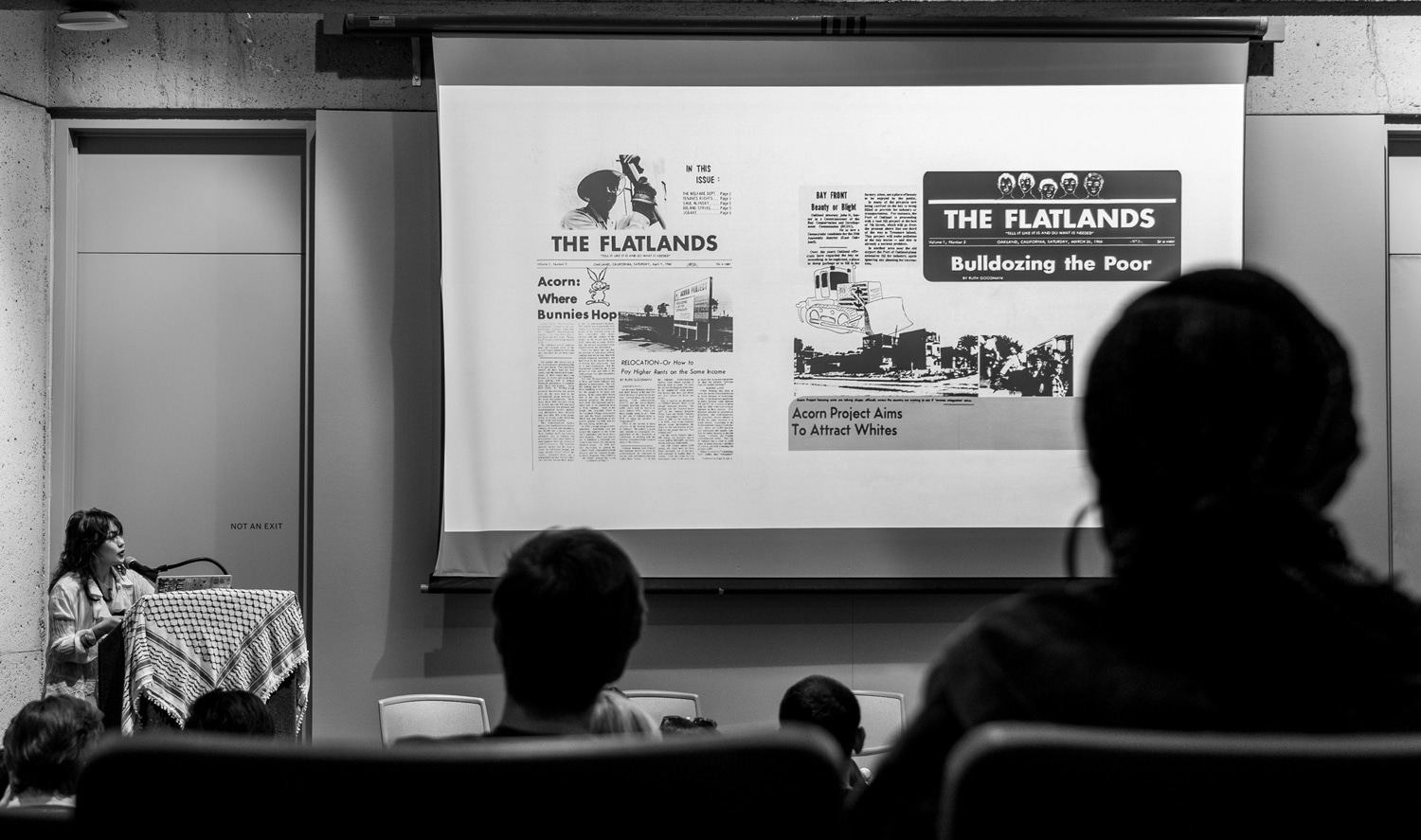
Another really interesting element of this organizing concerns inter-denominational church parishes that were set up in North, East, and West Oakland, staffed by young ministers, mostly White, but also Black and Latino, coming out of the Pacific School of Religion in Berkeley. These young men were working at an intersection of the ministry and the civil rights movement, and they left some pretty great records. They were behind the establishment of the Corporation of the Poor — an umbrella organization that helped West Oakland residents establish their own agencies, through which federal funding could be funneled into the community, sidestepping the city council. The ministers did a lot of the training and advocacy, much of which was documented in The Flatlands, a newsletter about local organizing that was published in the city from 1966 to 1968.
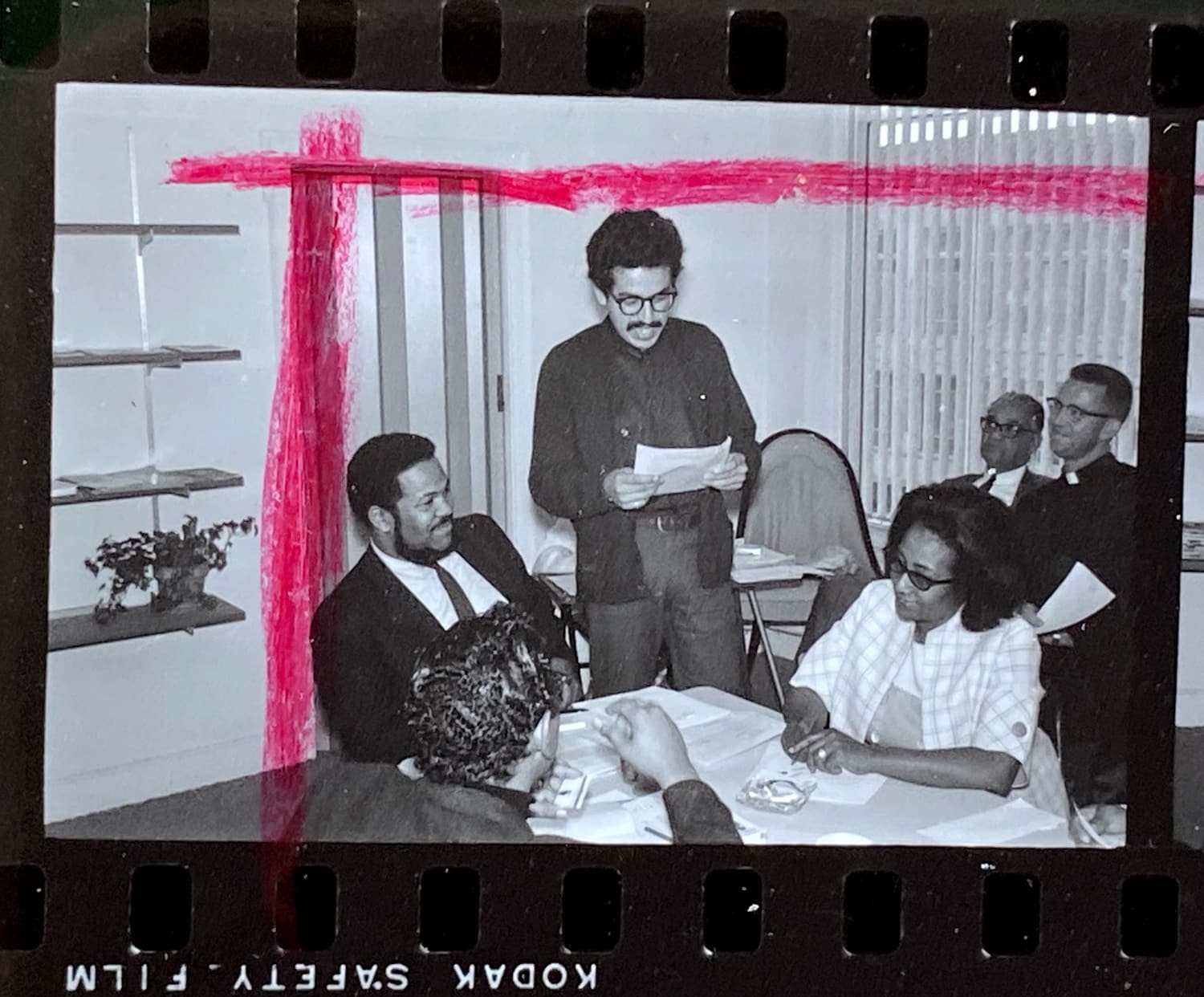
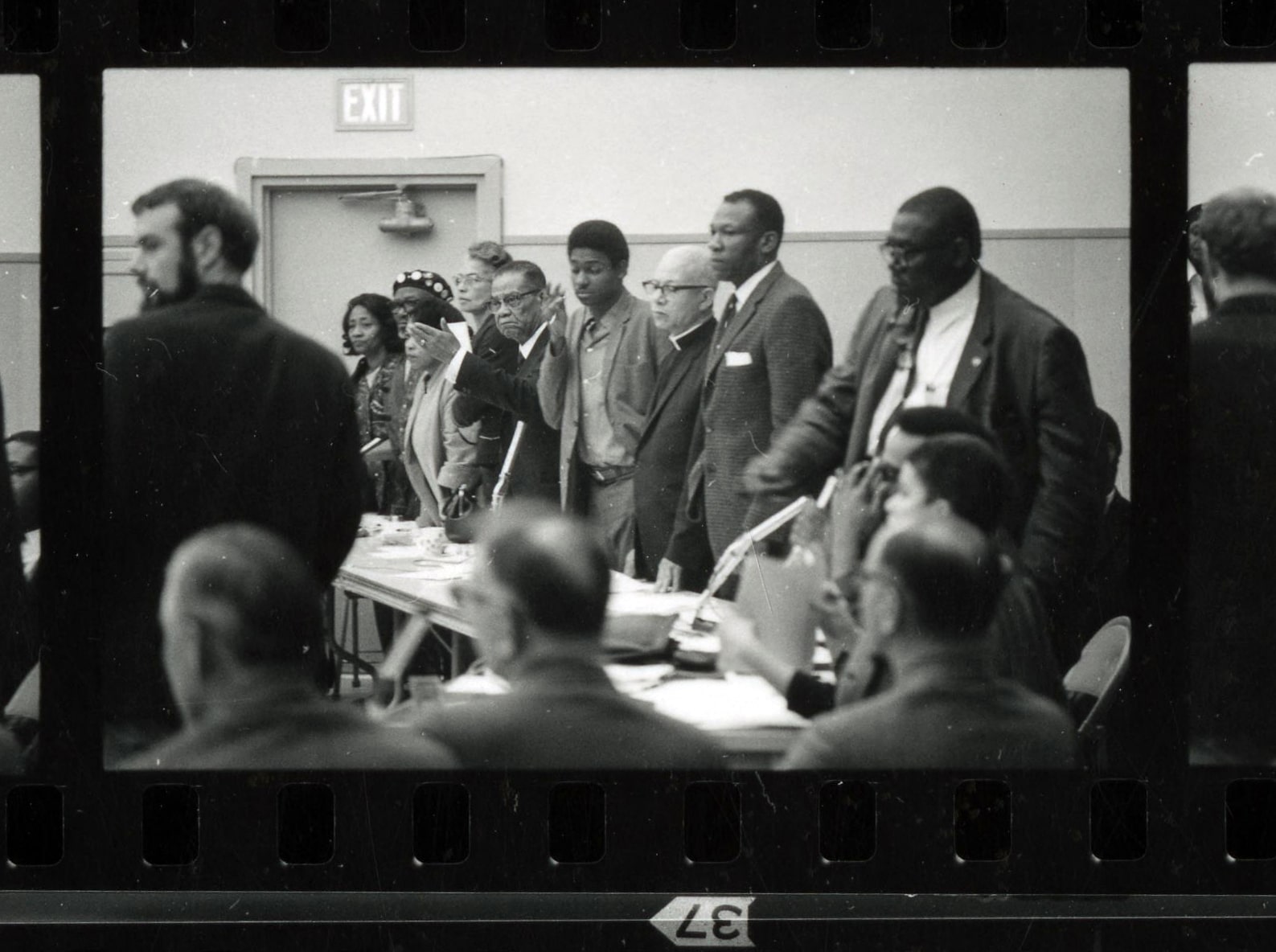
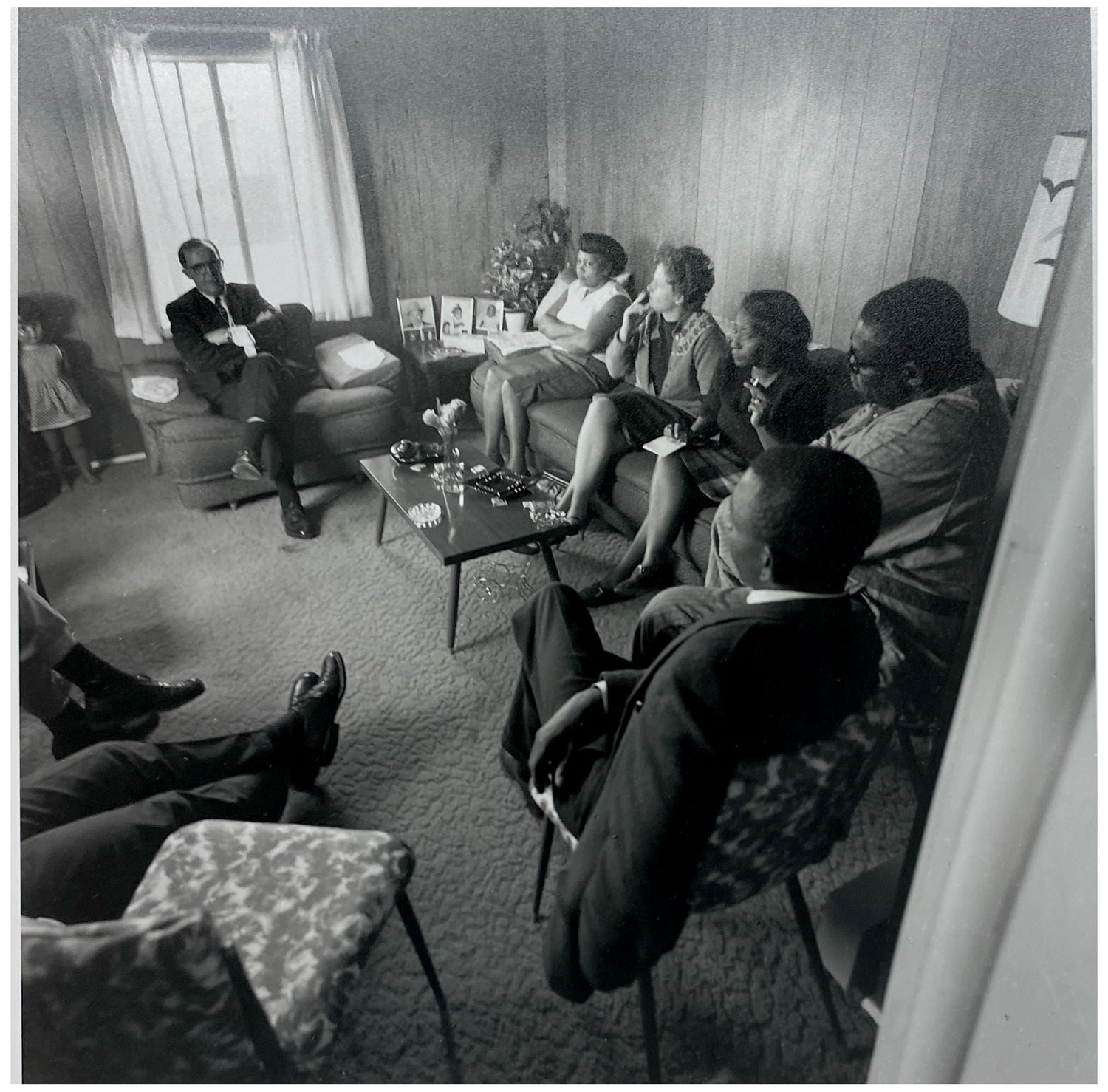
But, again, it’s many fragments to piece together. I’m actually looking mostly at photographs instead of texts as evidence for who attended which meetings, was active in which groups. I found some great photographs of meetings on deposit in the library at Stanford University, for instance, that are totally mislabeled. I know what they are, but Stanford doesn’t know what they are.
This material is exciting, because Stanford holds the archives of Bob Fitch, who spent two years as the volunteer photographer for the Southern Christian Leadership Conference, documenting SCLC campaigns across the south. Stanford frames the holdings as being all about the big historic figures Fitch photographed, like Martin Luther King and César Chávez. But Fitch graduated from divinity school with the ministers who were organizing in West Oakland, and he documented their work as well. I spent time with a son of one of these ministers, Evan Golder. Golder was an avid amateur photographer, and his son has all his photos, which is where I was able to learn the names of many of the grassroots organizers who are unnamed in official records. Golder’s son was the one who suggested I look up Fitch’s work.
I’m looking mostly at photographs instead of texts as evidence for who attended which meetings, was active in which groups.
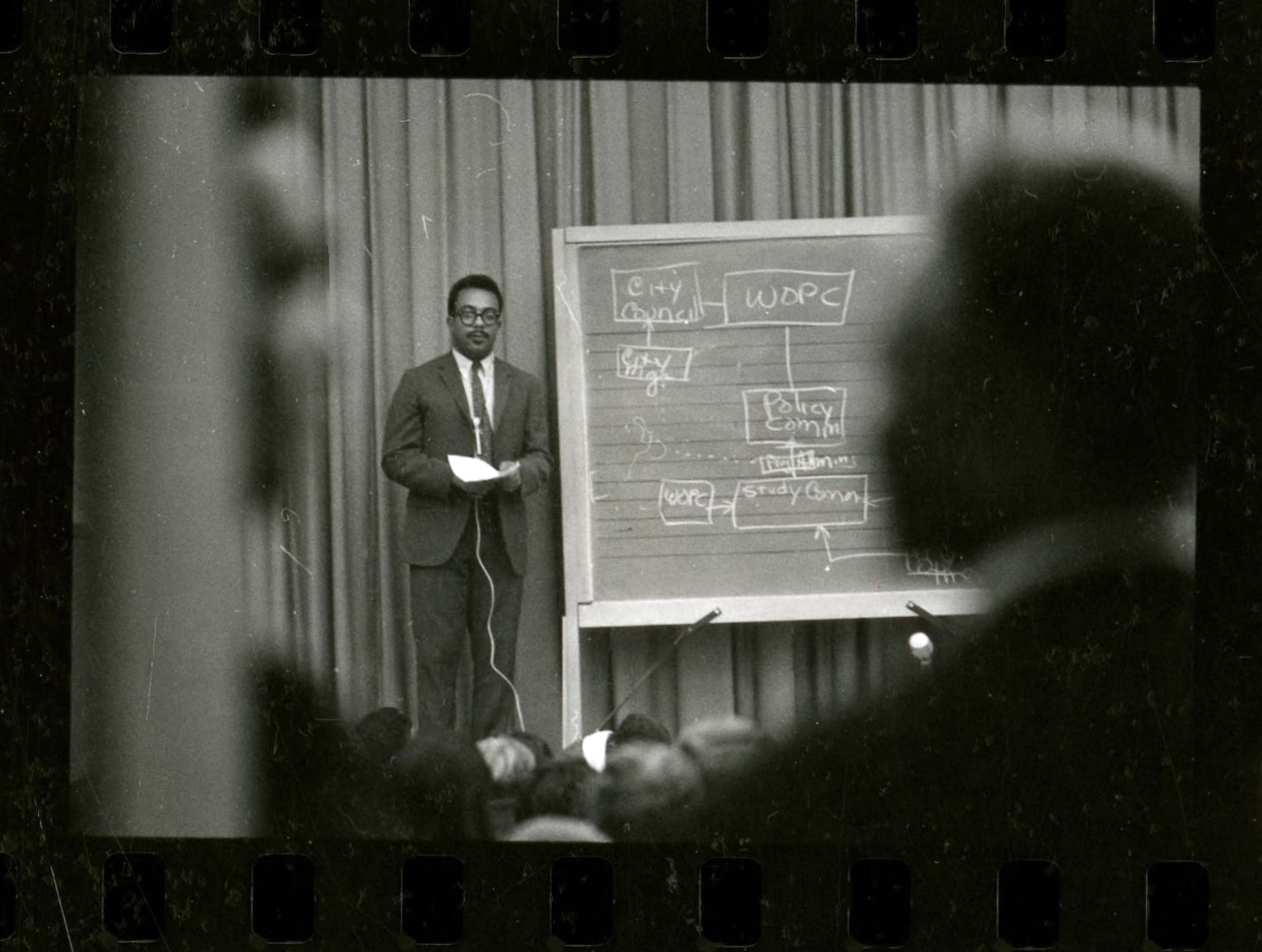
So I went through Stanford’s collection, and discovered about eight contact sheets that are mislabeled as meetings of the Oakland Economic Development Council, which was an official city agency. But I believe they are meetings of the West Oakland Planning Committee — the grassroots coalition that took control of Model City funds. You can see the initials “WOPC” written on a chalkboard behind the attendees in the photographs. Here’s their new power structure; Fitch’s pictures show them presenting it to the City Council.
I spend a lot of my time looking at the people who are in photographs like these, memorizing faces and learning names. Okay, that’s Booker Emery, that’s Curtis Lee Baker, that’s Joanne Leonard. Who is that woman? Why is she in these photos — and why is she also in those photos? Then I search the articles to see where names emerge. It’s an arduous process of trying to identify people by their faces, because their names were so often left out of written records. But when we begin to understand who they were, and to assemble their networks of relationship, then we can see this layer of community organizing that actually holds the neighborhood and the city together.
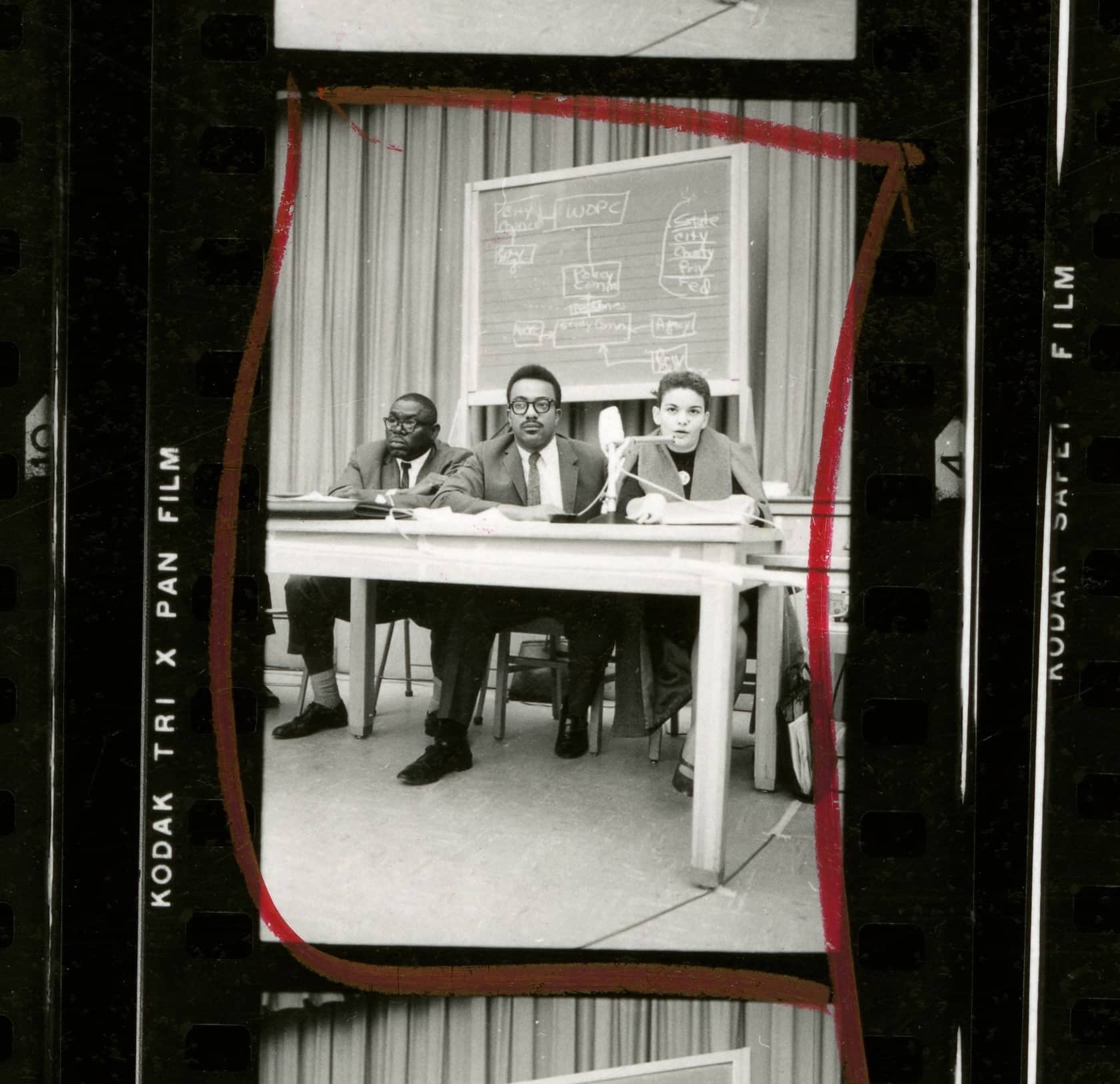
BTS: There is a record on deposit in an institution; Stanford has these resources. But this isn’t an official record — which means that, for official purposes, the materials don’t exist, right? If elements are mislabeled, a completely different narrative emerges.
This isn’t an official record — which means that, for official purposes, the materials don’t exist.
Not only that, but so often, the official, singular stories we’re told via institutional archives are structured by this stark racial dynamic, a narrative insisting that the era of urban renewal and Great Society Programs was all about Black people trying to get from White people who didn’t want to give, right? That was true in West Oakland, yes. But it’s also true that class differences played a huge part in this story. When it comes to Model Cities and the West Oakland Planning Committee, and their creation of a temporary local government: this went against what Black middle-class folks in Oakland were trying to achieve. Black business leaders and city officials actually can’t have this upstart West Oakland organization become successful, because then they themselves, the sanctioned leaders, won’t get access to what’s available — at least what they see as available — by going through traditional channels of governance and bureaucracy.
So we can track these class-based divisions, and not what we might see in secondary sources that talk in un-nuanced ways about, you know —
MU: “The Black community.”
BTS: Exactly.
MU: There were organizers and politicians in West Oakland whose goal was indeed to rebuild the middle class. And there were radicals, on the fringes of the Black Panther Party, who weren’t interested in preserving or restoring the Black middle-class status quo. They wanted a place and a voice for the poor.
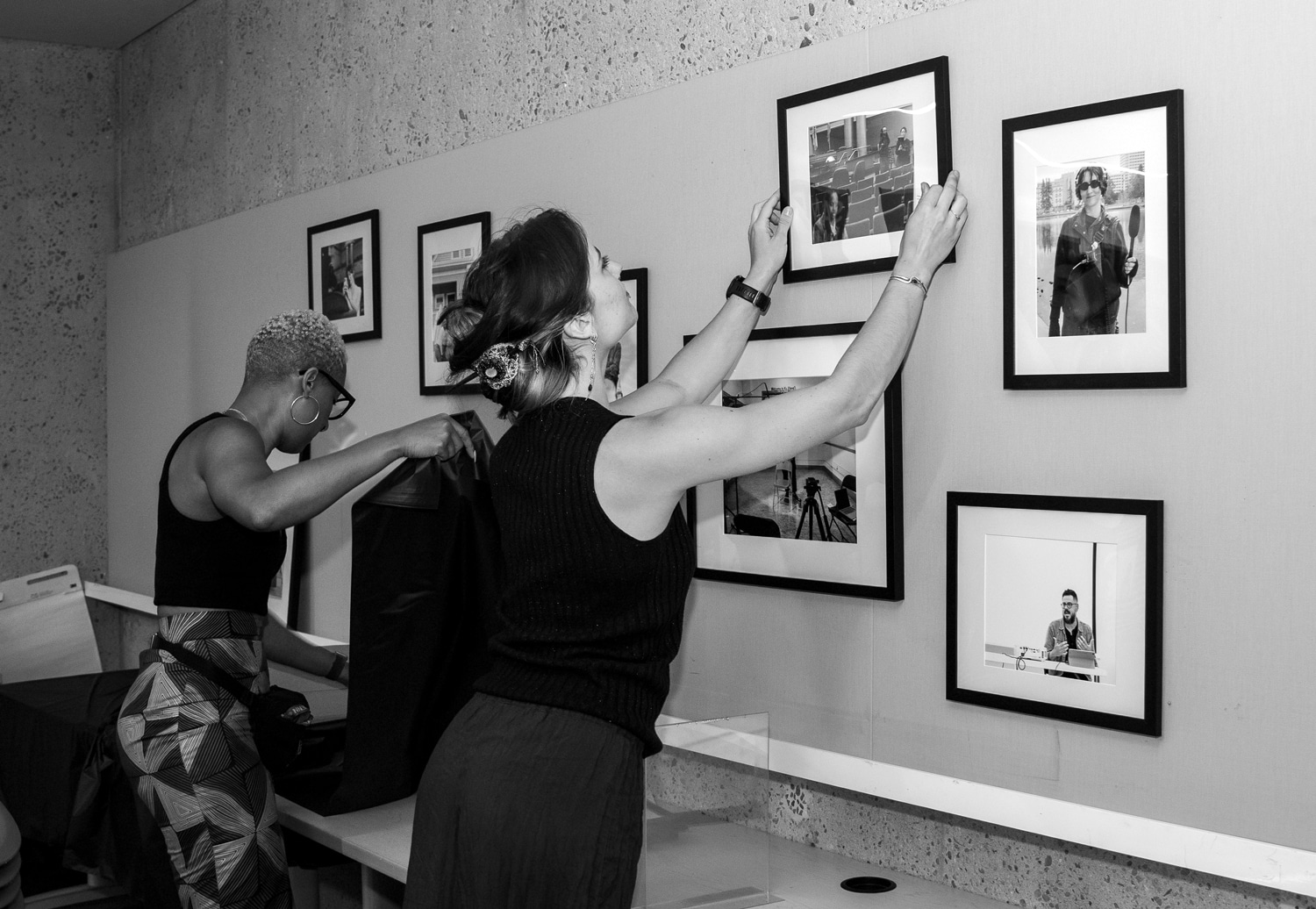
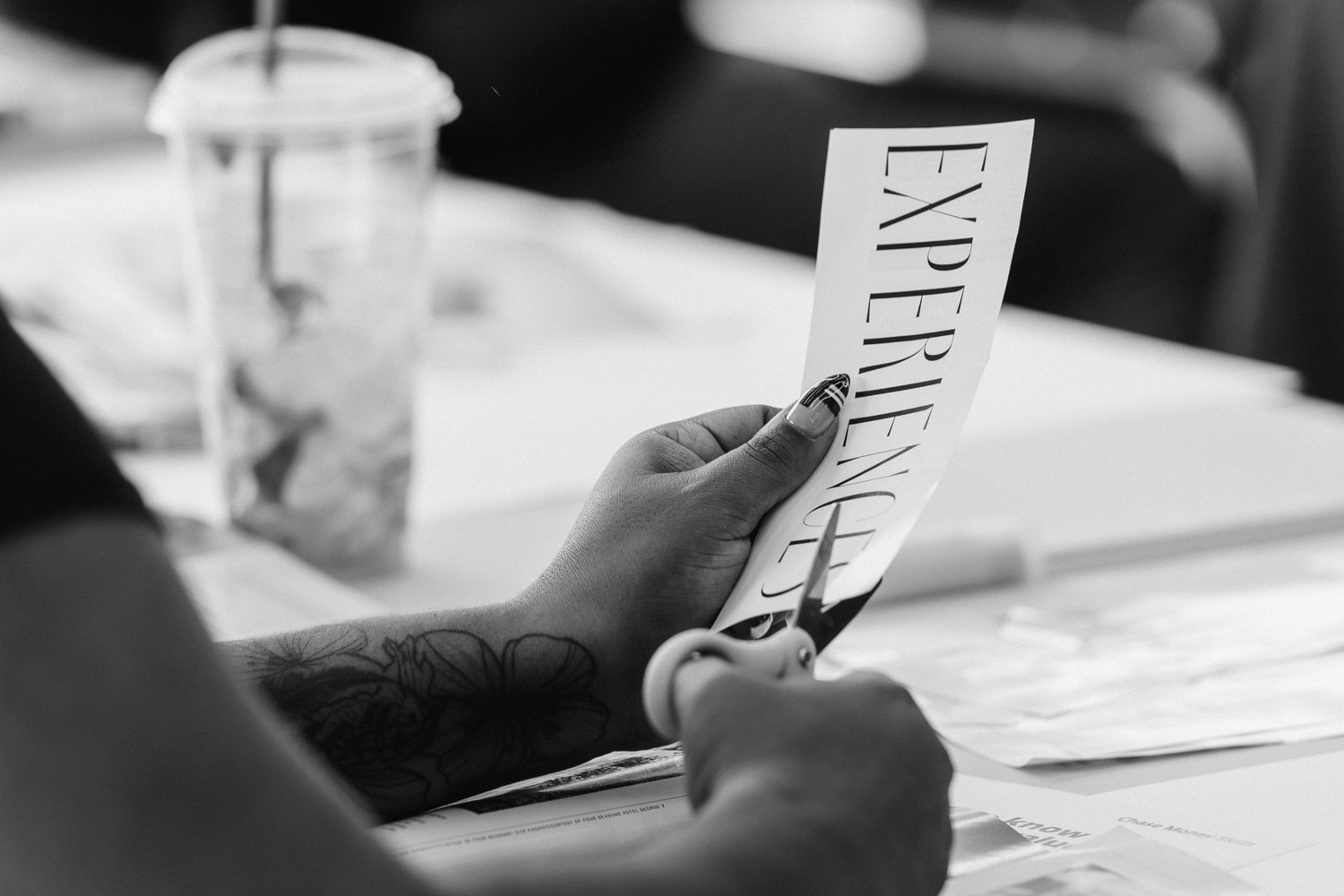
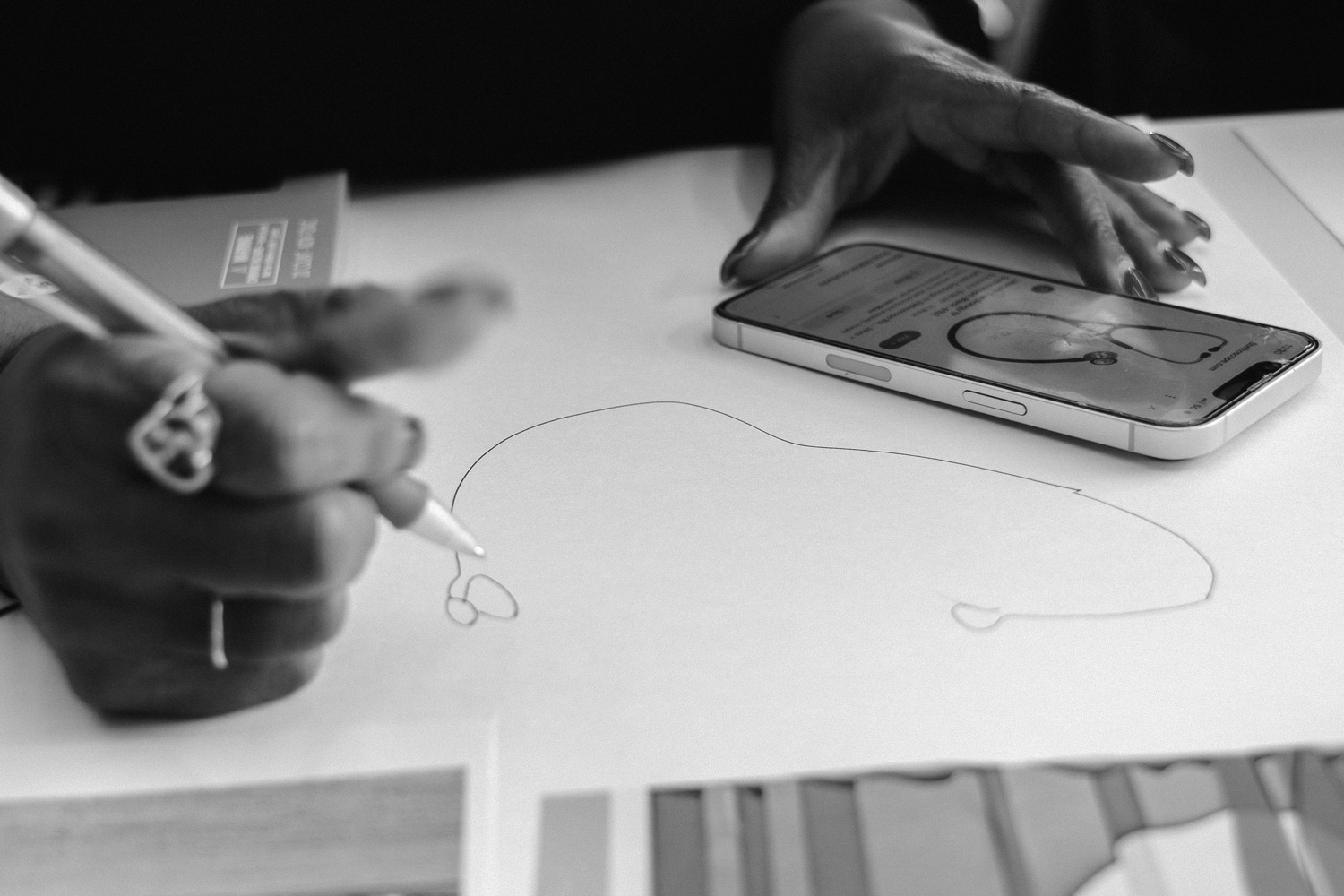
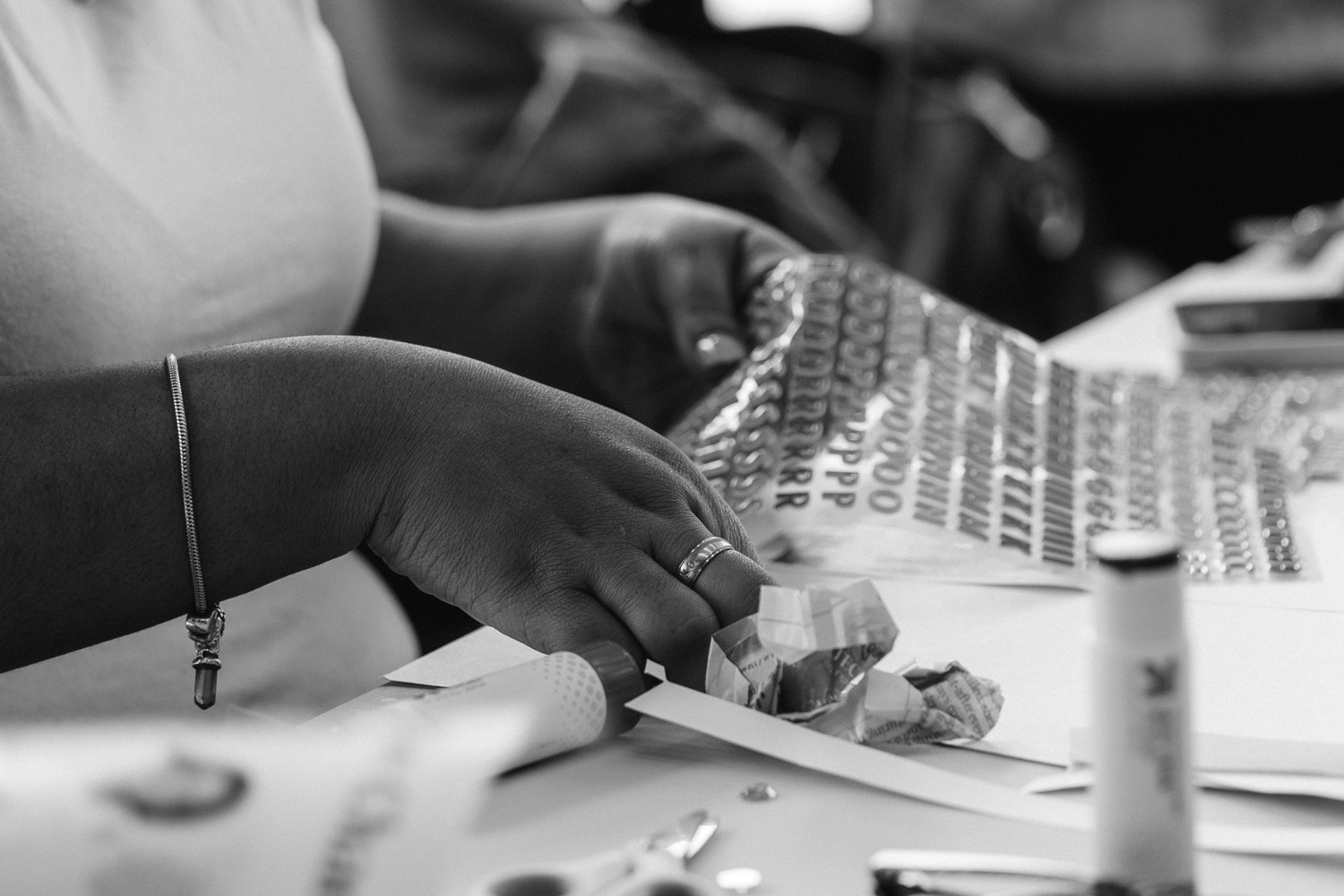
BTS: It’s been important, in the work I’m doing, to understand this complex layering in the ways that archives come together. For the archive I’ve been building with members of Moms 4 Housing and students at U.C. Berkeley, it’s been key that we take on multiple media — not just text, not just image, but notes from in-person conversations, and doodles, and sticky notes, and process maps, and sketched diagrams. We’re making all of these parts of the story, so that in the future a user of the Archive won’t have to become Moriah the Super Sleuth in order to reassemble the fragments and come to understand what was happening in this particular era in this particular location, as the Moms worked to “evict the speculators” — as one of their slogans says.
At the same time, working on the Archive, I have to be able to leave a certain politics at the door. I don’t want to predetermine how the story should be told.
MU: I feel like these kinds of collections need to take form as three-dimensional models, where multiple lines of connection can be traced in space and time, and the archive as such doesn’t enforce a trajectory from A to B to C, because we’re going to keep returning to these historical assets, recontextualizing and understanding them differently. How do we get away from the idea that any sort of repository yields a singular narrative?
These kinds of collections need to take form as three-dimensional models, where multiple lines of connection can be traced in space and time.
BTS: If the only option for shaping or presenting a history is linear and causal, it’s impossible. You could say it’s impossible for any kind of narrative, in any context. But certainly this is true for accounts of community organizing and insurgent urbanism, because so many of these movements and groups and projects were taking shape in the same place at exactly the same time, overlapping and interweaving.
MU: I struggle even to create a singular timeline! I have this big corkboard wall, and I’m building what looks like one of those criminal investigator diagrams. Okay, who is this person? And how many different organizations are they connected to?
BTS: This is what we hope to do in the Archive. It’s still flat — it exists as a website, and there is a film in progress — but we’re always talking about upending linearity and thinking instead in terms of cycles. It’s like you need a metaverse; you need a virtual reality headset or something, to let you pick up one sheet of paper if you want to study just that particular piece, but still to understand how that individual document came to be, how it fits into the larger web of connections. Otherwise, we’re just going to keep doing the same thing over and over again in politics, scholarship, and activism.
I know that, for you, thinking historically and thinking about preservation are central to the crafting of narratives about Oakland. For me, thinking geographically — and about how and why the social, political, and economic conditions matter so much when we are seeking to understand the production of space and the material conditions of possibility — all this helps us to understand multiple dimensions of Oakland’s history. Or of urban histories anywhere else, despite the messiness of materials like these, generated by people working on the front lines in local contexts.
The goal is to understand how politics and labor and race and class have produced the dynamic working-class city that Oakland still is.
For instance, I’m sure that, as you’re going through Tribune articles, you’re understanding how powerful the Knowland family was, who owned the paper for, like, half a century. The Knowlands were prominent Republicans (the editor-in-chief in the 1960s came into the job after more than a decade in the U.S. Senate), and Oakland has had so many conservative Republican mayors, even as it has mostly been a Democratic electorate. This demonstrates how the work of a powerful few was able to determine the direction of the city for so long. The goal, for me, is to understand how politics and labor and race and class have produced the dynamic working-class city that Oakland still is, and to track the simultaneous pushbacks, from the seats of power, against forces of potential empowerment. If a journalist or scholar writes something — even now, in 2025 — that explains how WOPC established a parallel government in 1968, then some other community might say to themselves, oh my God, they’ve done it; we’re going to do it. We’re going to figure out how to connect with others and build this insurgent civic order on a bigger platform.
That’s what the powers that be worry about.
MU: This makes me think about archives as assets that are owned and administered; as “assets” in the sense of “things of value.” We know that documents need to be safely housed and made accessible for future organizers and communities. We don’t trust institutions. Where do the materials go? That’s the question animating community archival work.
I think, for example, about a meeting I once had with folks who had been student leaders of the strike at San Francisco State in 1968. This was a protracted, and at times violent, struggle — and it famously led to the establishment of the first Ethnic Studies department in the country. Two people I spoke with were still lecturers at the university, and they were conducting an oral history project with their students, talking with other activist participants from the period, to pull together an archive of that wing of the student movement. Aging members had things in boxes under their beds, and this group planned to donate the materials they assembled to the Leonard Library at San Francisco State. But they backpedaled, because they suddenly asked themselves, why would we turn this material over to the institution that suppressed us in the first place?
BTS: People tend to think, well, perhaps if it doesn’t live in a physical space, where it’s subject to the ephemerality of institutional commitment, where assets can be buried in offsite storage or deaccessioned — perhaps if it’s digitally available, that will help. But we know the digital can also be co-opted. There’s no guarantee that a single location or modality, any single home, can hold all this effort, all this thought past, present, and future.
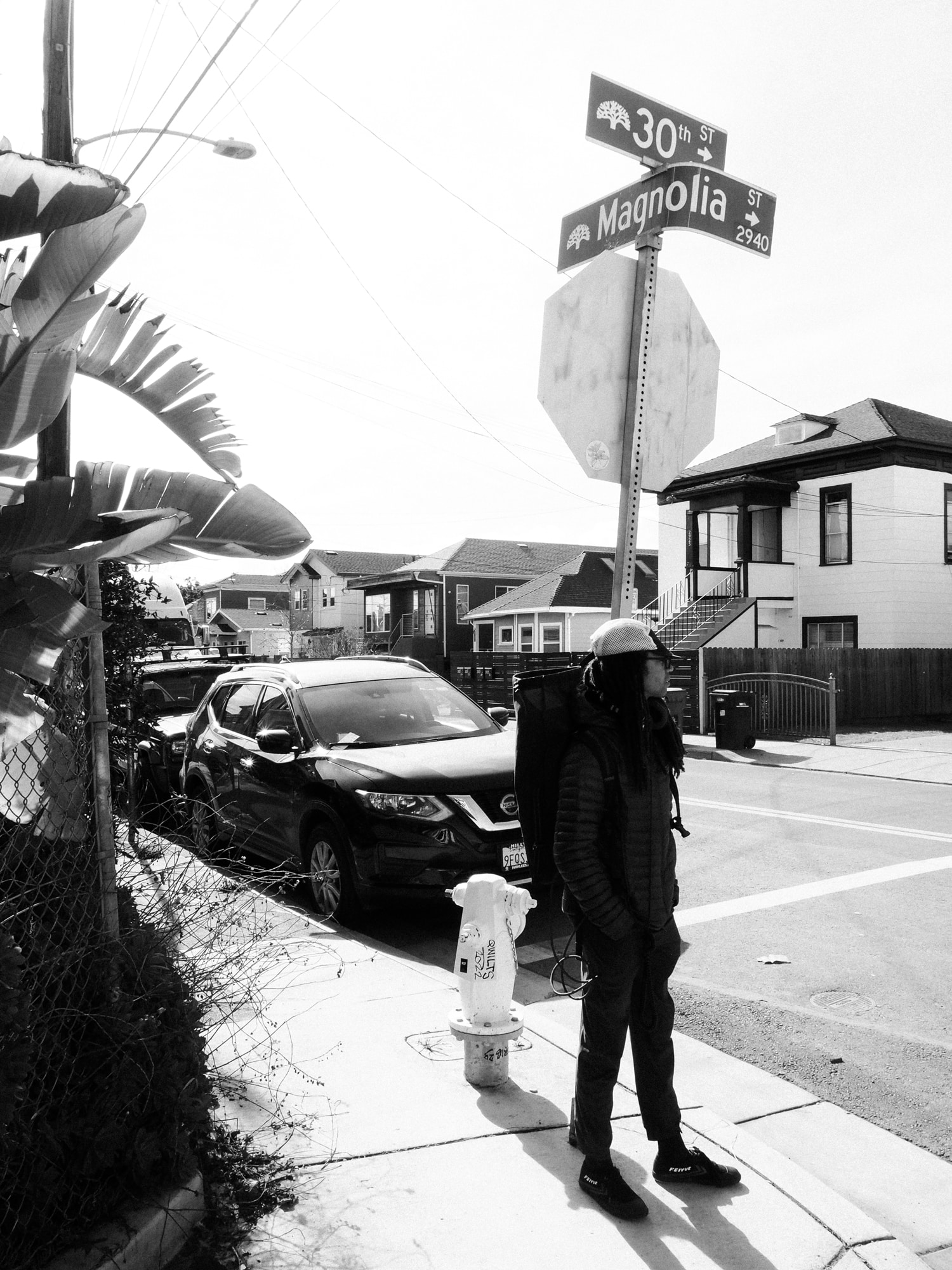
If we don’t trust institutions, where do the materials go? That’s the question animating community archival work.
I sometimes think that these histories need to function the way rumor used to operate in the pre-social-media world, as a whisper network — a person-to-person grapevine where you share; you repeat anecdotes, recount memories, develop plans of action. Back in the mid-to-late 1960s, city governments set up rumor-control centers in order to get ahead of the racialized violence that was erupting in urban centers like Detroit, Watts, and Chicago, due to the militancy of civil rights activism. Most people know now about the damage inflicted on Black communities by the FBI’s covert propaganda campaign, COINTELPRO. But military defense corporations like Lockheed also started developing communication networks coordinated with municipal administrations, so they could track social tensions in inner cities. Rumors could be effective organizing strategies, disturbing powerful government networks.
Because, also, there’s an element of opacity that you want to maintain as activists, as grassroots communities. You don’t want the institution or the state to know exactly what might be happening, or to know everything that did happen. Especially if ideas and tactics could potentially be passed on — and useful — to new groups of students, or organizers, or scholars.
I’m sure you’re familiar with the statement from the Fugitive Archives project at the Southern California Library. It’s a South Los Angeles-based community-memory project that documents histories of struggle and advocacy against oppression. This is how they describe themselves:
We are a fugitive archive — an acknowledgement that we are unprofessional, lack capacity, illegitimate, with no histories worth preserving. Almost criminal. We have already been forgotten. Our invisibility is threatening. There is strength in this position of dismissal. 2
They acknowledge their lack of capacity; they acknowledge being unprofessional. They reject norms, in order to say that they’re resisting the idea of the archive as such, even while they’re building an archive. So there’s got to be a way, however paradoxical it sounds, to retain and pass on that form of fugitivity, acknowledging that, as “illegitimate” historians and archivists, we’re still recollecting and protecting stories that we have been told are illegitimate.
Granted, it’s difficult when you work for an institution that wants a certain product, that wants to fund endeavors that will represent them in particular ways, to particular audiences.
MU: Archival standards in a technical sense are especially problematic, because what archives do at a basic level is legitimate the existence of certain people or organizations or events — but the very ordering and cataloguing and structuring of the archive as holdings in a library or museum depends on standards that, when it comes to certain histories, certain materials, it’s not possible to meet.
Take the idea of provenance. For the institutional archive, you need to know who created this item; what was its origin, and what was its chain of custody?
Take the idea of provenance. From the point of view of the institutional archive, you need to know who created this item, and how it entered the present-day collection; what was its origin, and what was its chain of custody? Groups of records can’t have been broken apart and reconstituted. But here I am just trying to piece together the evolution of this one movement, which changed names and shifted multiple times through different organizational structures and kinds of leadership — the West Oakland Planning Committee descended from the West Oakland Citizens Advisory Committee, but there was also the West Oakland Improvement Association, and the West Oakland Welfare Association. The people involved changed repeatedly. The materials that constitute the organizational history are dotted around in different kinds of repositories, in different forms, that might not acknowledge any connection to a tough but short-lived coalition like the WOPC. It becomes almost impossible — if you’re going to call yourself an archive — to accession holdings like these and house them in acid-free boxes and prepare a finding aid, and so forth.
BTS: Two things come up for me here. One: how, conceptually, do we build the liberatory illegitimate finding aid? How do you handle elements that don’t obviously go together or are mislabeled by the donor or the institution? What do you correct or pretend isn’t there, and what do you preserve? How do you add pointers and make connections, without overdetermining that which you want to keep open-ended? Sometimes I don’t think librarians and archivists know how to go through such materials with open minds, to discover underlying linkages and learn to put things together in ways that preserve the polyvalency of community-derived materials.
Second, I’m thinking about how a community archive — or maybe some other noun that I’m going to find to describe the repository we want to create — how this material or location or history of place can offer a refuge — conceptual or material — for people who have been denied space, who have been denied access, who have been denied the ability to share the stories of their families or churches or neighborhoods as those stories relate to how a city gets built and how a city changes.
I want us to be able to find marks of involvement. To find and fill those holes in the official record with unofficial records.
As you were saying, archives are typically structured as belonging to an individual — the So-and-So Papers, right? They’re not structured collectively unless it’s a formal organization whose history is being catalogued. But what West Oaklanders did in response to Model Cities planning — what they did collectively, inchoately in some ways — did have an impact on Oakland’s subsequent development. Whether the city wants to recognize this or not is another question, but this community’s activity absolutely had a profound impact. In schools, in churches, conversations were taking place about the city’s future. I want us to be able to find those conversations, those marks of involvement. To find and fill those holes in the official record with unofficial records. I want us to be able to use what might seem like fleeting moments or small events as a connective tissue binding together the past, present, and possible futures of a city. That’s what we are hoping to do with the Archive of Urban Futures. That’s why we see the actions of Moms 4 Housing as foundational to understanding the centrality of Black women in the survival of Oakland — or of any city.
MU: Here’s another example. The Flatlands newsletter represented the needs of people living in East and West Oakland. They printed a list of people who had signed up to serve on Model City area committees. That’s, like, my index, right? My neighbor Jim, who lives on my block in West Oakland — he turned 94 this year — his name is on the list.
Now, Jim had already helped me in my research. I had been working with the official photographs produced for the Oakland Redevelopment Agency, which were made between 1965 and 1970 to address a very specific task, in that they show dilapidated houses, empty streets, “proof” that this portion of the city was abandoned and ripe for redevelopment. At one point, when I was so frustrated with this so-called evidence of an absence of life, Jim pulled out a photo album dedicated to house parties in West Oakland in the early 1960s. People dressed up and dancing, playing cards; lots of limbo sticks! It’s like, here’s what’s going on inside the houses, that the official images cannot show you.
Or, another example: I pulled city records for the person who owned my house during the redevelopment period, and I have the official letters that informed him, if you don’t fix your front steps and amend these other issues, we’re going to condemn your house. So I know his name — and his name is on that list in The Flatlands too. When I saw the letter threatening condemnation, and then his name on the list of members for the WOPC, I thought to myself, Jasper Jenkins: he saved his house, and his house is now my house.
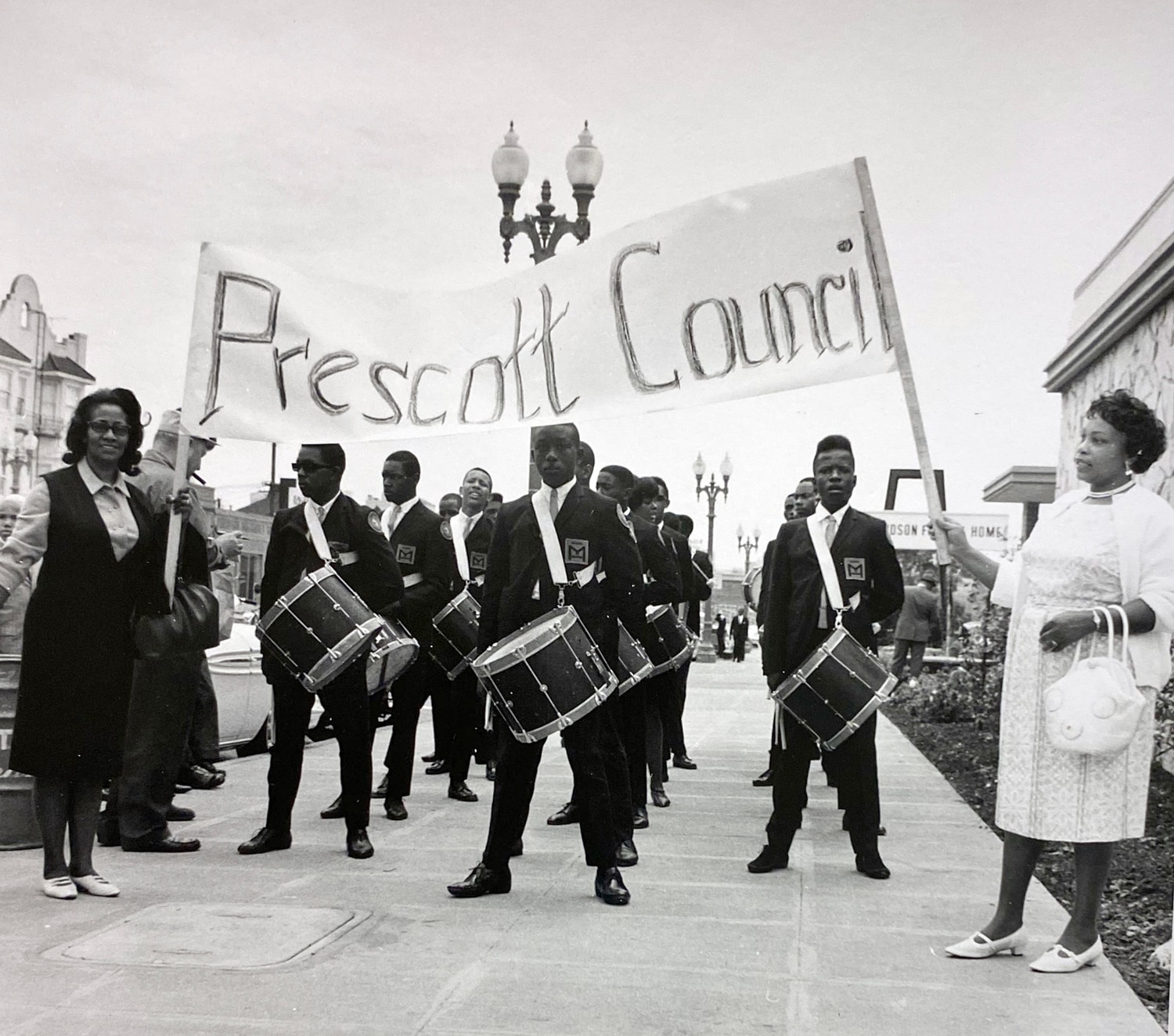
These stories of resilience are not the stories we typically get. People who study urban renewal in the Bay Area are so into the demolition story, so struck by the photographs of rotten old Victorians getting bulldozed, that they often skip right over the survival story. But we need the stories of survival, the stories from Jim, and from Jasper Jenkins. We need to show that there was a big struggle, and the community in some ways did win. It seems like such a loser story, the way the story of West Oakland gets told. And it’s not. It wasn’t.
BTS: In my book-in-progress about Oakland, I begin with urbicide — the intentional annihilation of place. So, no, there’s no survival story in that section. But I’m doing that intentionally. It’s not that I don’t believe there was survival; obviously there was. Black place exists, and it exists in West Oakland. But I want to lay the groundwork for understanding how Black folks have sought to make, to gain, a sense of place over and over — through iterations of the same death that the state or the market or developers try to visit, again and again, on the Black city.
When I was growing up in East Oakland in the 1980s and ’90s, we were living in the aftermath of what had started in the 1970s, this discourse about Oakland being a murder capital. It was Ronald Reagan (first as governor, from 1965 to ’75, and then as president) who axed all the community development programs and, in effect, cut Oakland loose to eat itself. Then George H. W. Bush and Bill Clinton continued with their crime bills and sentencing guidelines. Mass incarceration stole Black folks from Oakland in the 1990s.
Again, as always, Black people in the era of urban renewal wanted nice shit too. The Black administrators who worked through official channels at the Oakland Redevelopment Agency thought they were going to secure better conditions for Black Oaklanders. It was a lie! Consider the example — I think it was the second issue of The Flatlands, where they talk about the official beautification project that involved tearing down fences and demolishing private gardens.
MU: The infamous “Battle of the Fences.”
BTS: It’s like, really? You’re going to tear out people’s flowers? But these Black city officials were trying to appeal to the federal government. It wasn’t actually about, you know, producing conditions under which people can be happy. I believe that Black officials who worked in the ORA, like the agency’s director John B. Williams and his staff, did want to improve things. They just couldn’t.
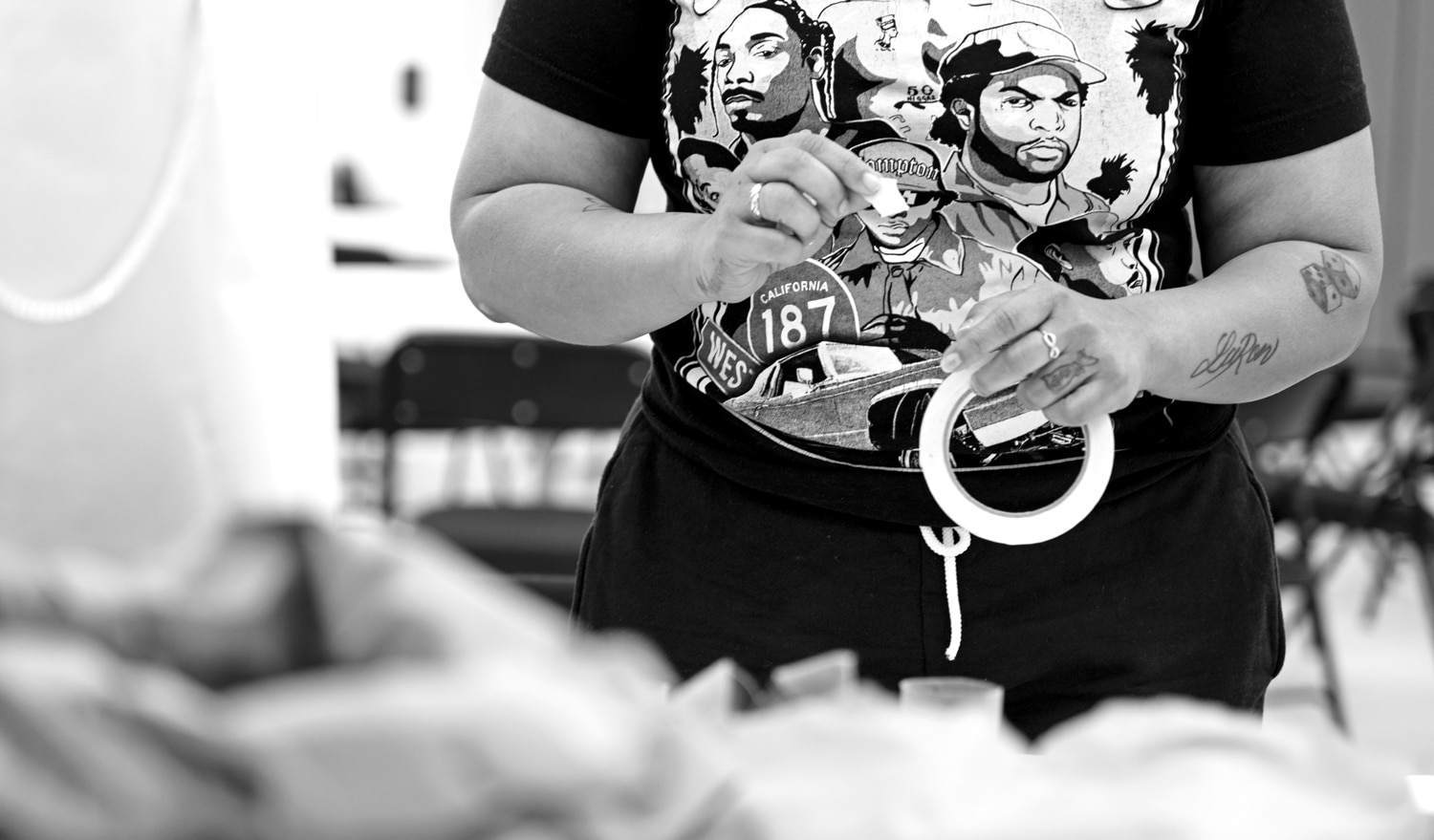
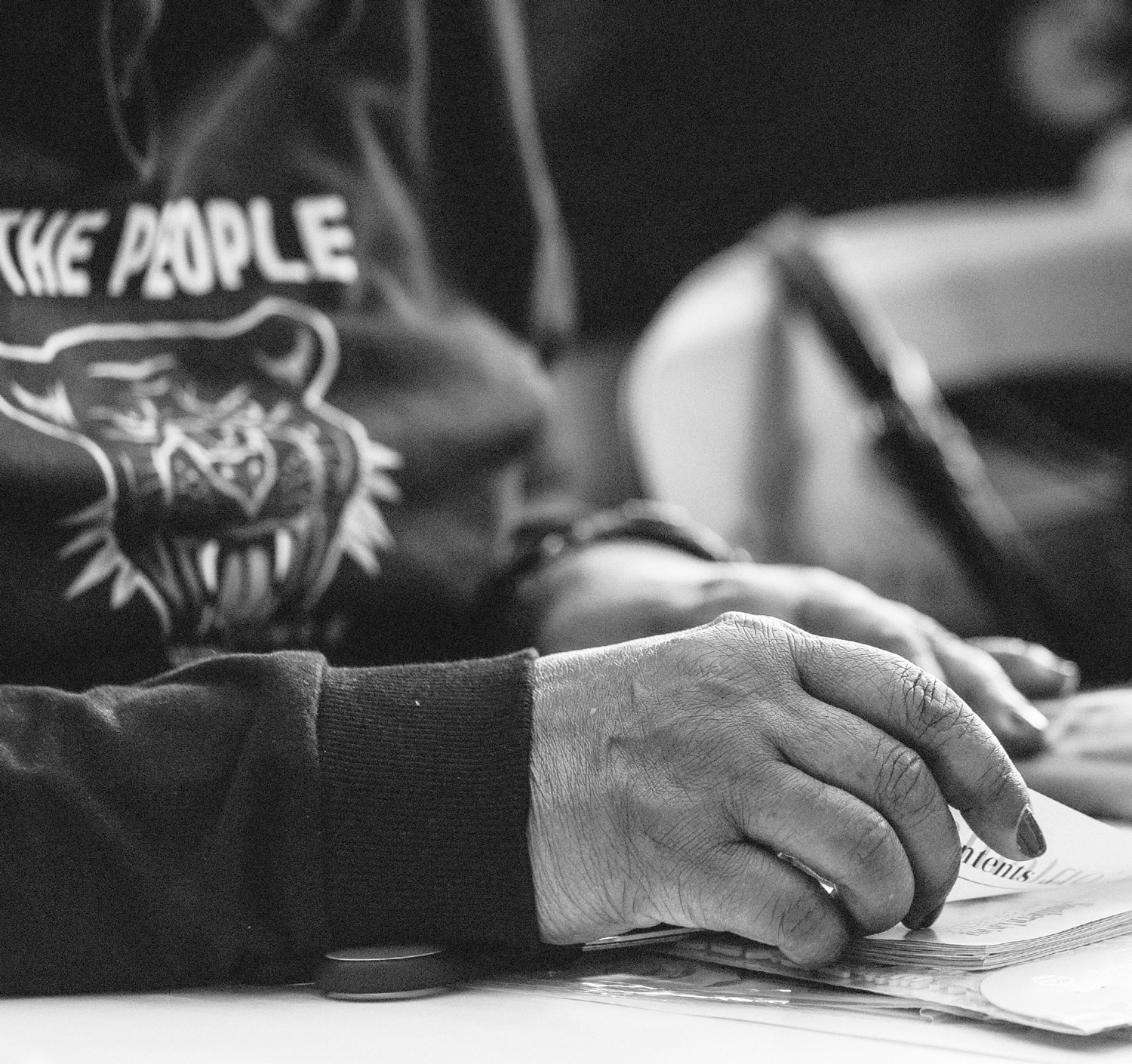
MU: Williams was a great negotiator. At one point, in advance of the Model Cities Program, he surveyed all the organizations and community groups who were stakeholders in city revitalization. It was the same maybe eighteen people leading every organization, but in the span of one year the number of Black-led organizations in Oakland grew from 65 to 140. In a 1966 hearing on “the Federal Role in Urban Affairs,” Williams is quoted saying they’ve discovered there are 140 cooks in this kitchen.
How do you capture that overlap and interweaving in an archival description, in an archival filing system? Archival standards want there to be one cook in one kitchen at a time. How do we acknowledge that there were 140 — or even just eighteen — and keep them all connected to each other?
BTS: Instead of building the traditional university-based or think-tank-based archive, we need to build the virtual-reality headset that would allow people to travel through the archive differently. It’s an epistemological question about where knowledge and the possibility of knowledge lie. For me, knowledge is in the viewpoint. It’s in the headset. It’s not necessarily in the room where items in the collection are brought in on carts and laid out on tables and you wear gloves. It’s in the vision through and across the materials. The view through and across is where understanding actually resides.
It’s an epistemological question about where knowledge and the possibility of knowledge lie. For me, knowledge is in the viewpoint.
I want to pause here, though, to acknowledge questions of materiality, the preservation of the Post-it note; not of the digital copy of the article from the Tribune or The Flatlands, but the newspaper article itself. After all, when you found the ORA photographic collection that had been assembled during the tenure of John B. Williams, it was stored in overlooked cardboard boxes, right? Not on microfilm, never scanned, never rendered virtual.
So we need to think, too, about the photo that has not been digitized, the piece of paper that might have been accidentally stuck to the other piece of paper, the marginal note scribbled by hand on the newsprint list. What’s the role of that tactility?
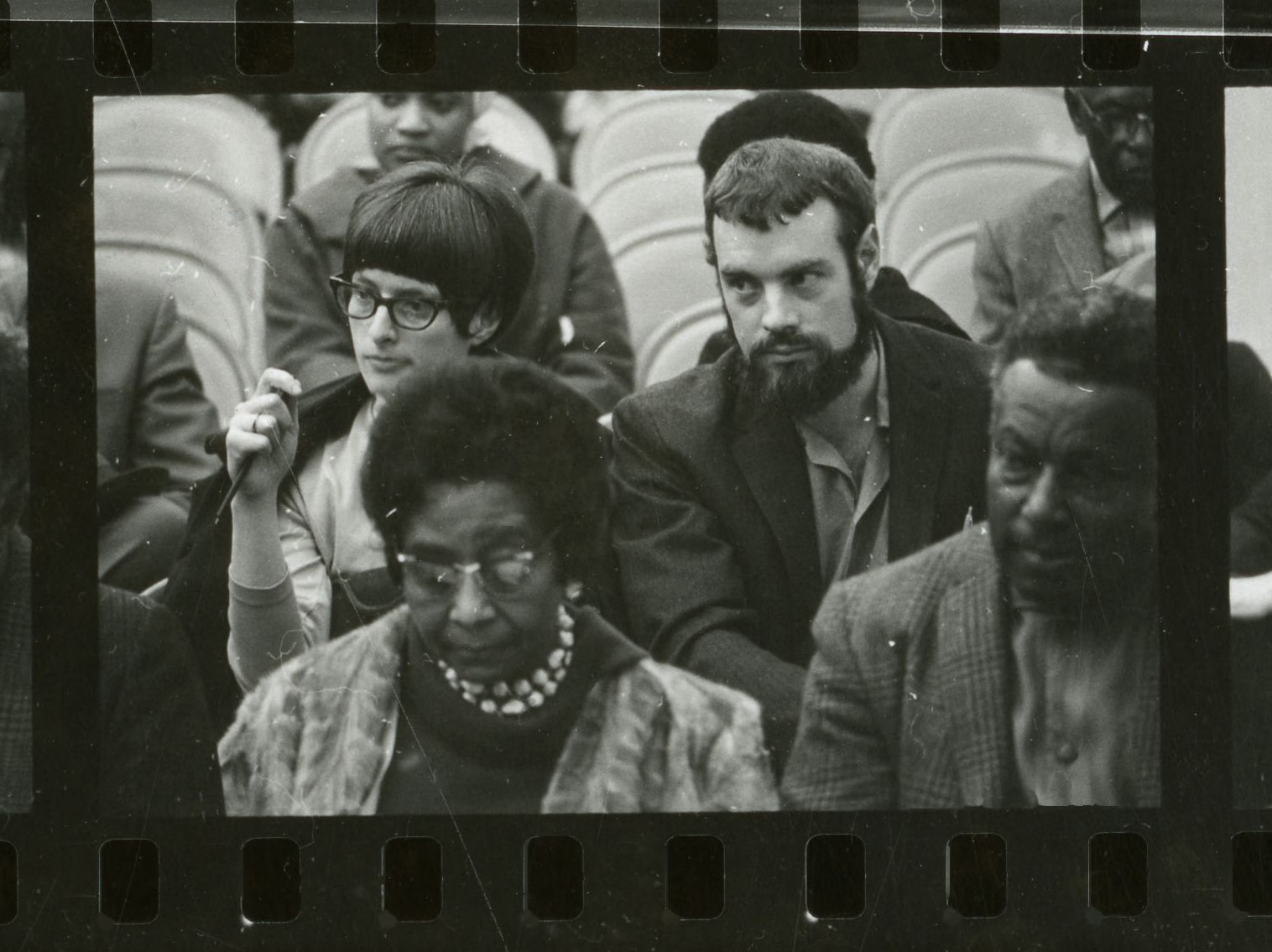
MU: It’s certainly true that seeing one image or document next to another tells a story you cannot glimpse otherwise. Even more so when you see them piled on top of each other, or find multiple prints alongside a single negative. You can lay out various components and put them together like a puzzle.
At the same time, materiality — this clipping, this photograph — is really important, for depth, dimensionality, interrelationships.
BTS: Inevitably, there’s less depth without materiality. But, in this case, I contradict myself, because I’m thinking, too, about a future in which we’re trying to talk, yet again, about these moments in the 1960s or ’70s or ’80s or ’90s — or 2020s. It’s especially alarming to experience the current administration’s attempts to erase history through the deletion of federal datasets and webpages, and the abrupt change in leadership at the Institute of Museum and Library Services and the National Archives, and the firing of staff at the National Endowment for the Humanities and National Park Service, and the flagging of tens of thousands of historical photographs. We’re going to have to find a way to hold on to, or at least to recognize, today when we consider it tomorrow. We need to be able to hold onto resources, to develop modes that can withstand degradation while remaining broadly available to users who may not be credentialed for institutional access in traditional ways.
This speaks to economic conditions, about how we protect what we save. It speaks to cultural practices, about what gets saved in the first place. I’m trying to acknowledge, but not fetishize the tangible. I want to say that materiality is going to become less vital to us as a means of understanding time and place. At the same time, right now, I think that materiality — this clipping, this photograph — is really, really important, for just the reasons you are giving, having to do with depth, dimensionality, interrelationships.
MU: Not to mention that there are so many sources, even now, that are not online at all. I still spend a lot of time looking at microfiche, and of course it doesn’t take you just to the newspaper or magazine article that you want to read. It shows you everything else that was happening in context — world news, local news, advertisements, graphic styles. It gives you the visual surround sound, which I think is so important.
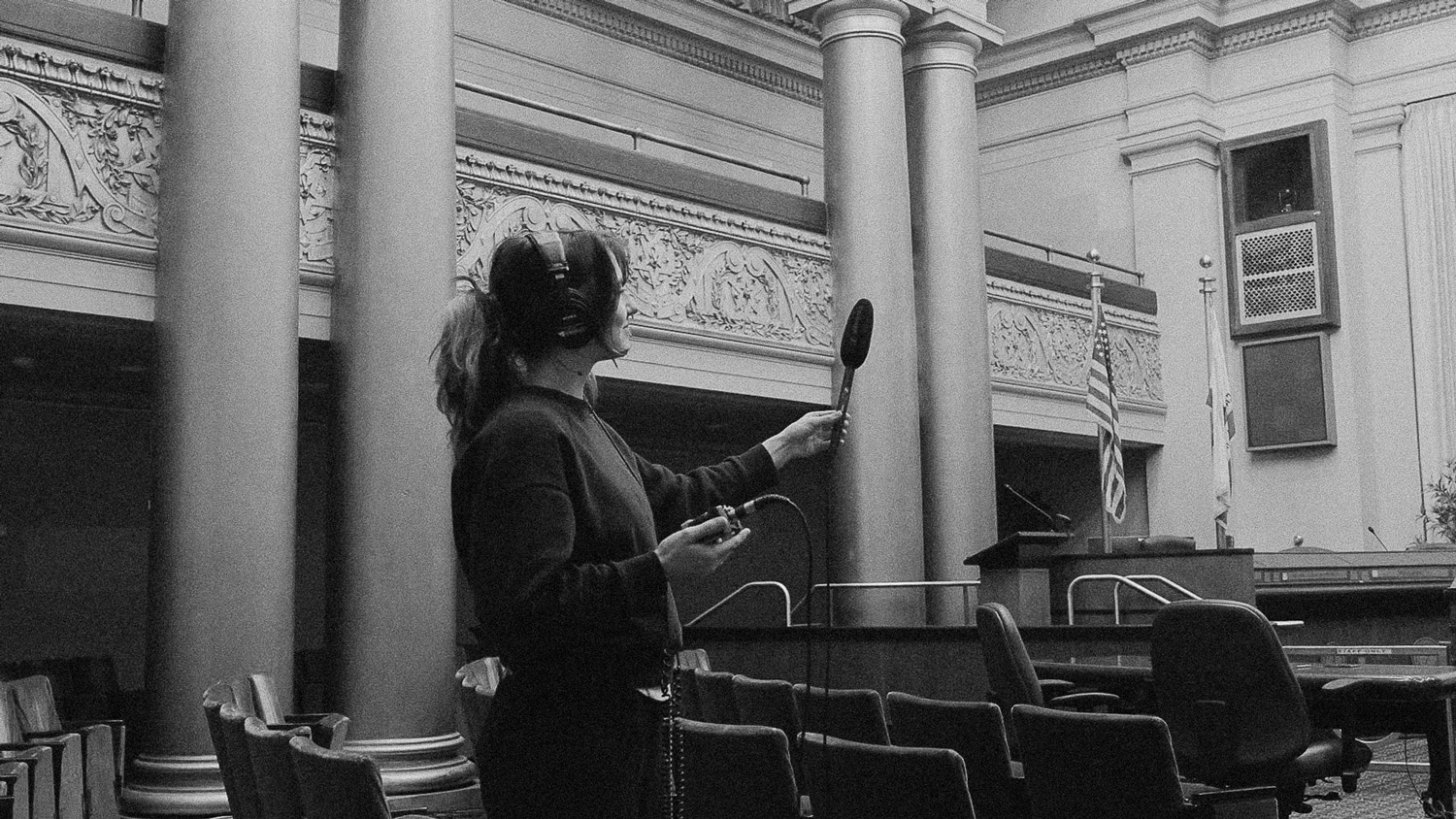
Then there’s the actual audio surround! There’s a guy who has West Oakland public-access television videos. He pulled them out of the dumpster himself when they shut down the station. Somebody else created a website, an archival platform for radio stations in the Bay Area. 3 They have complete broadcasts. I’ll play them while I’m writing — the music, the ads, and then a report about, say, what’s happening in Vietnam. I think this is what our archives of the future need to facilitate, to help us think in that multidimensional, multimodal space.
BTS: Where all the senses are engaged.
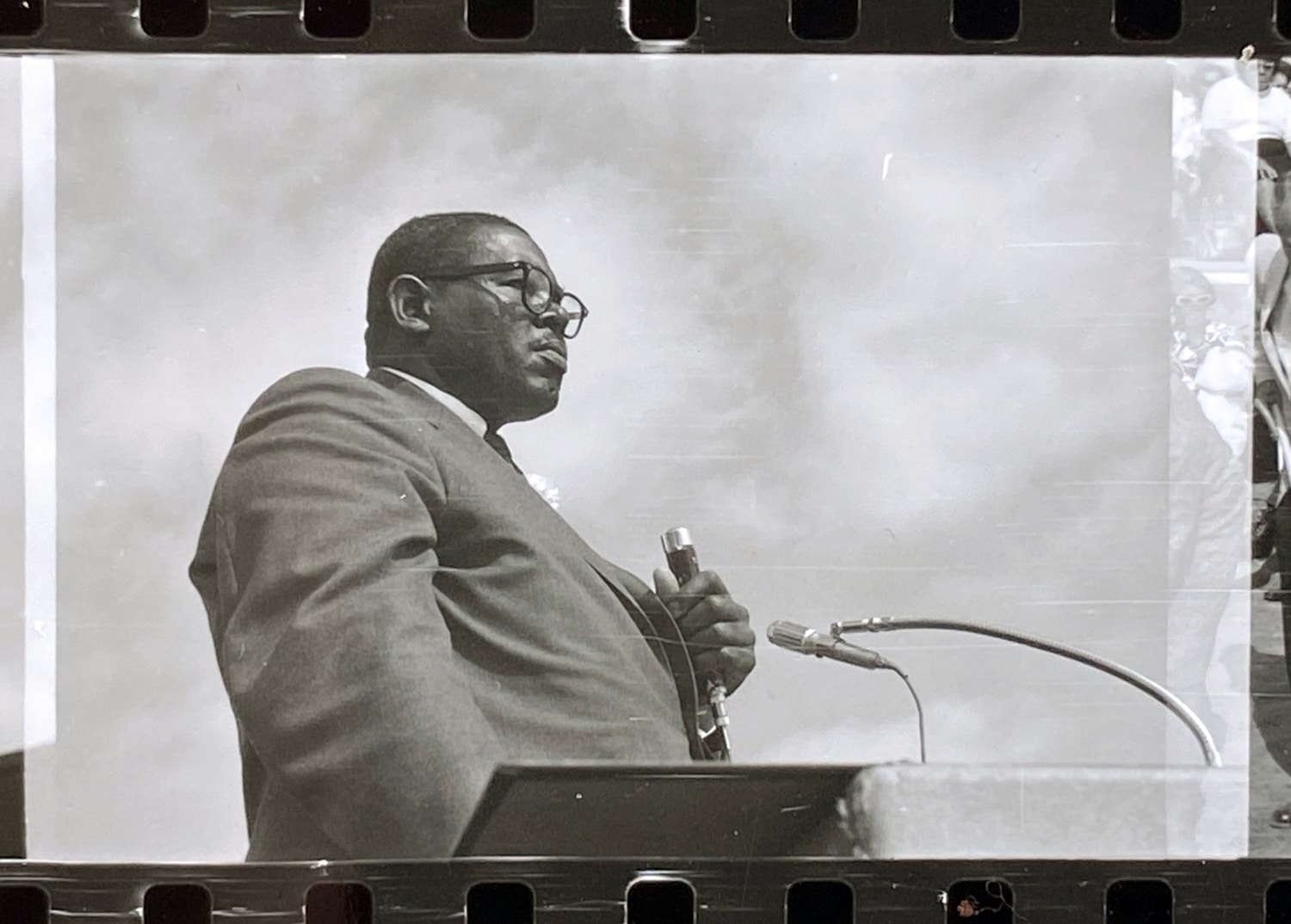
MU: There’s something important to me about the haptic as well, the spatial and proprioceptive, as well as the visual and auditory. I want to understand the physical spaces where these events were taking place. For example, I write about a man named Ralph Williams, who rose to become one of the main leaders of the coalitions in West Oakland. He was a large man, and in some of the photographs I’ve found of him in, like, church basement meetings, his head is almost touching the ceiling. Ralph Williams was such a big figure, politically as well as physically. I think he deserves a place in the historical record, and when I see these photos of him, I feel his presence.
Or — I have looked at photographs produced for the Oakland Housing Authority, taken from the top of the Shredded Wheat building in West Oakland. (These images are now in the collection of the Oakland History Center.) The Shredded Wheat building is one of the tallest buildings in the district, still a cereal factory. And this amazing group of photographs was taken from that vantage point, every couple of weeks in the fall of 1941, as the OHA built Peralta Villa, which was one of the first local urban renewal projects.
There was a family, the Meneweathers, whose house remains visible in all the photographs as everything was demolished around it, because they were the last family to give in and sell to the city. Their daughter was Lillian Love, who went on to become an important local activist, founder of the Oak Center Neighborhood Association in the 1960s, and she always referenced this experience with her parents’ house as being part of her DNA as a community organizer. The family resisted getting pushed out as long as they could, until almost everything nearby had been torn down, and I was able to figure out which house was theirs. One, I used a map; but, two, Lillian’s dad William Meneweather was a barber, and you can see in the photographs that there’s a barber pole in front of the house. The last picture was taken in December, a few days before Pearl Harbor.
The man who took these photographs was named Moses Cohen. I found his draft cards, so I know how tall he was, how much he weighed. He was shooting medium-format, right? There’s no elevator up to the roof of the Shredded Wheat building. Consider the effort, the physical labor, of this man going up these flights of stairs with his camera every two weeks to photograph what’s being done to the neighborhood, and seeing that one house still there this week … still there two weeks later … still there many months later, while everything around it is being torn down. I want an archive that can adequately convey this simultaneous destruction and resistance.
BTS: I’m a visual thinker, and my biggest task is to translate the picture in my head onto paper. It’s why I struggle with writing — whereas there’s something about an image that tells so much. Then, also, I care about beauty. I care about aesthetics. I need something to tantalize my vision so that a possible future seems within reach.
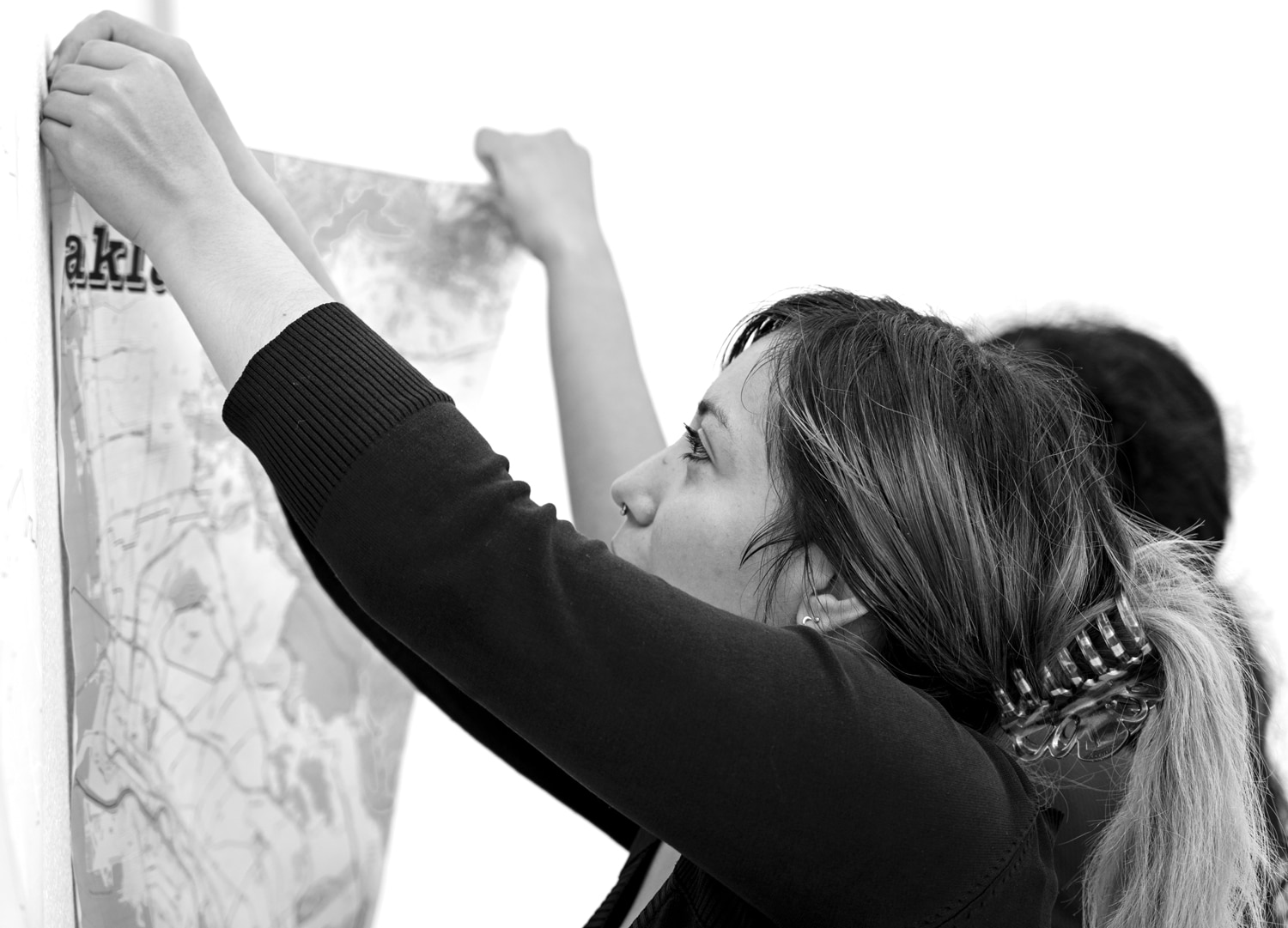
At the same time, the visual is supposed to tell us the truth, but as we’re relating the story of Moms 4 Housing — and, more generally, when we think about the circulation of images of violence by the state against Black women, against Black people — the visual can’t tell us everything. In reality, different viewers’ perspectives are so different that we can come up with different answers to the same questions by looking at the same kind of picture.
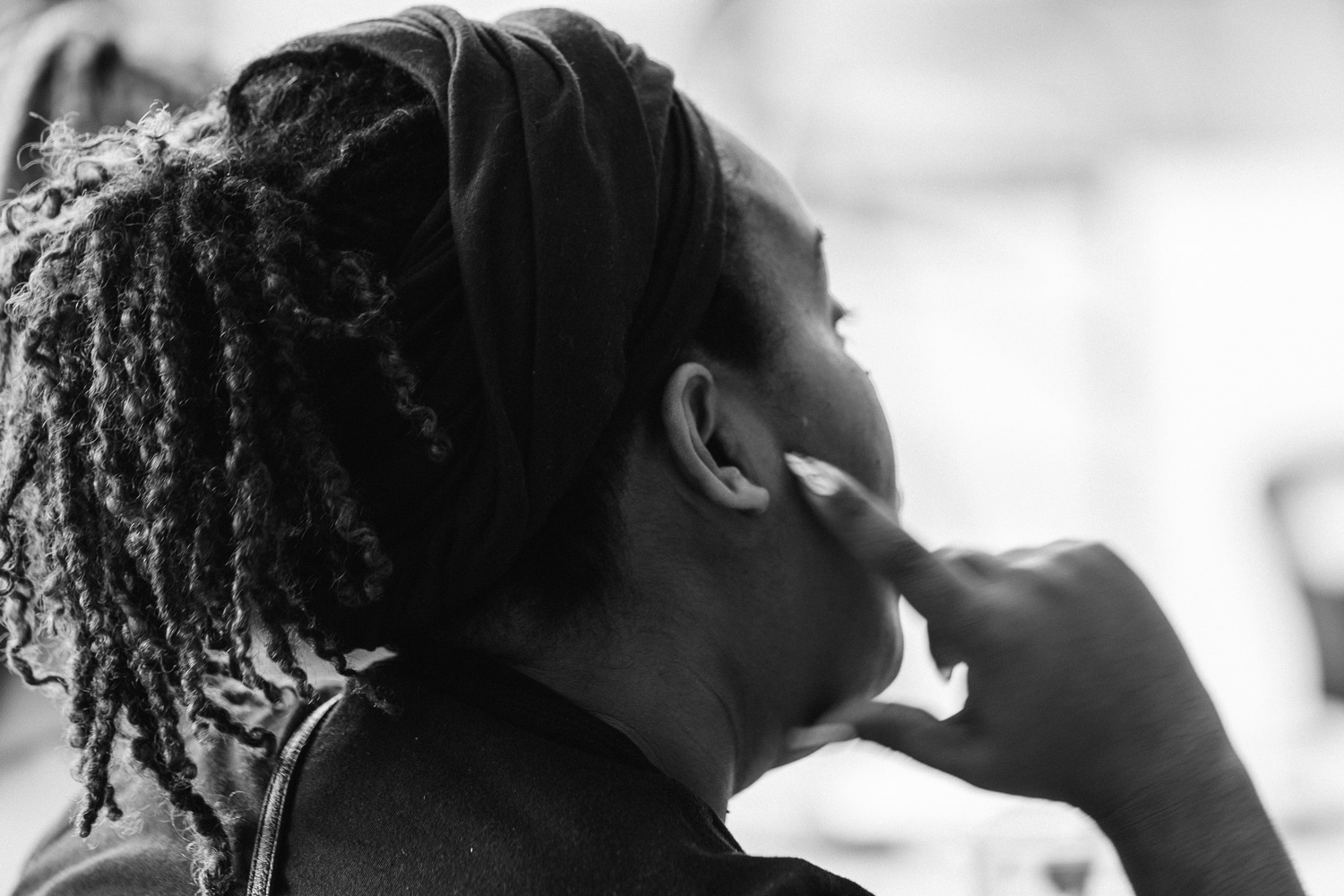
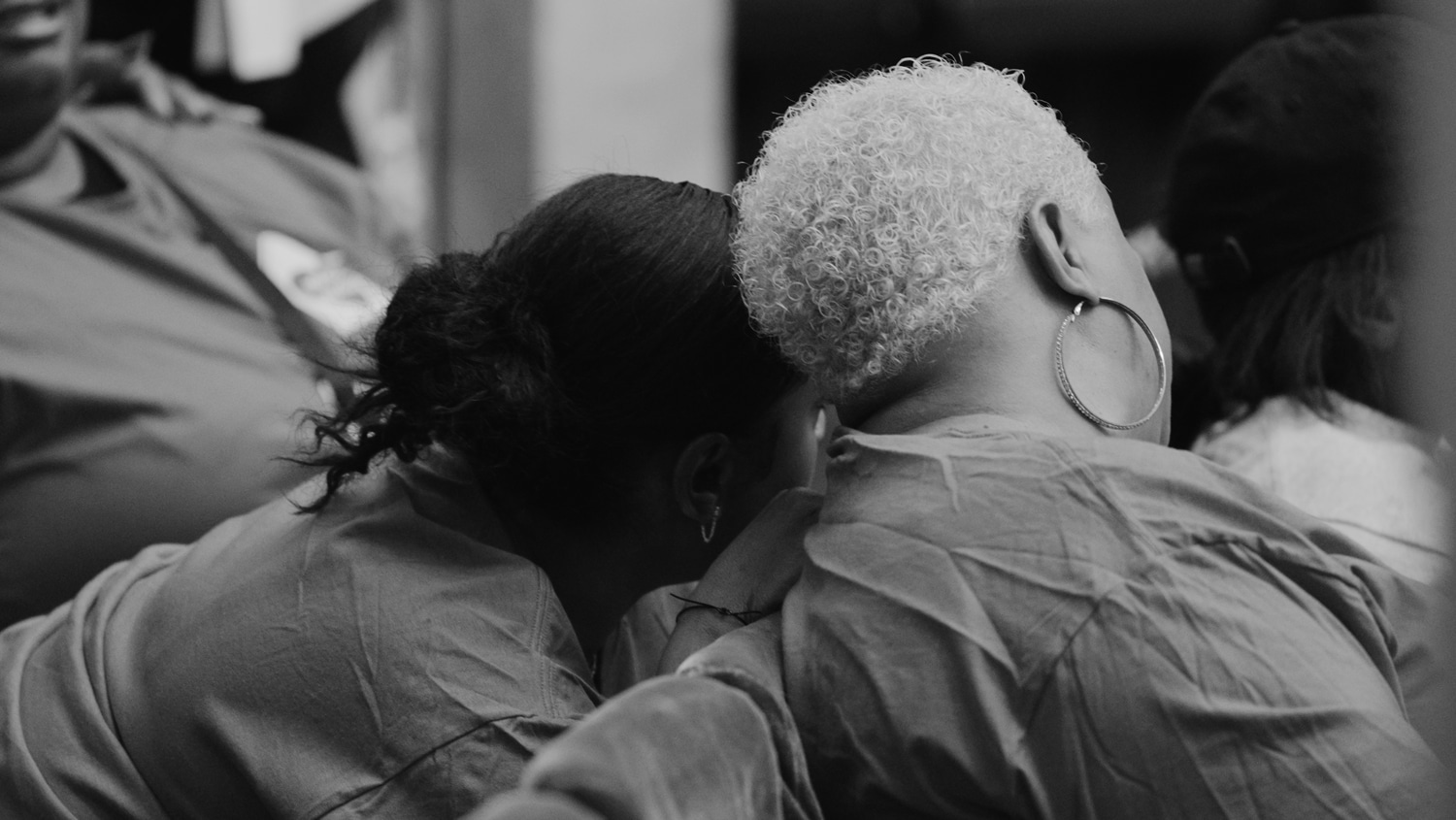
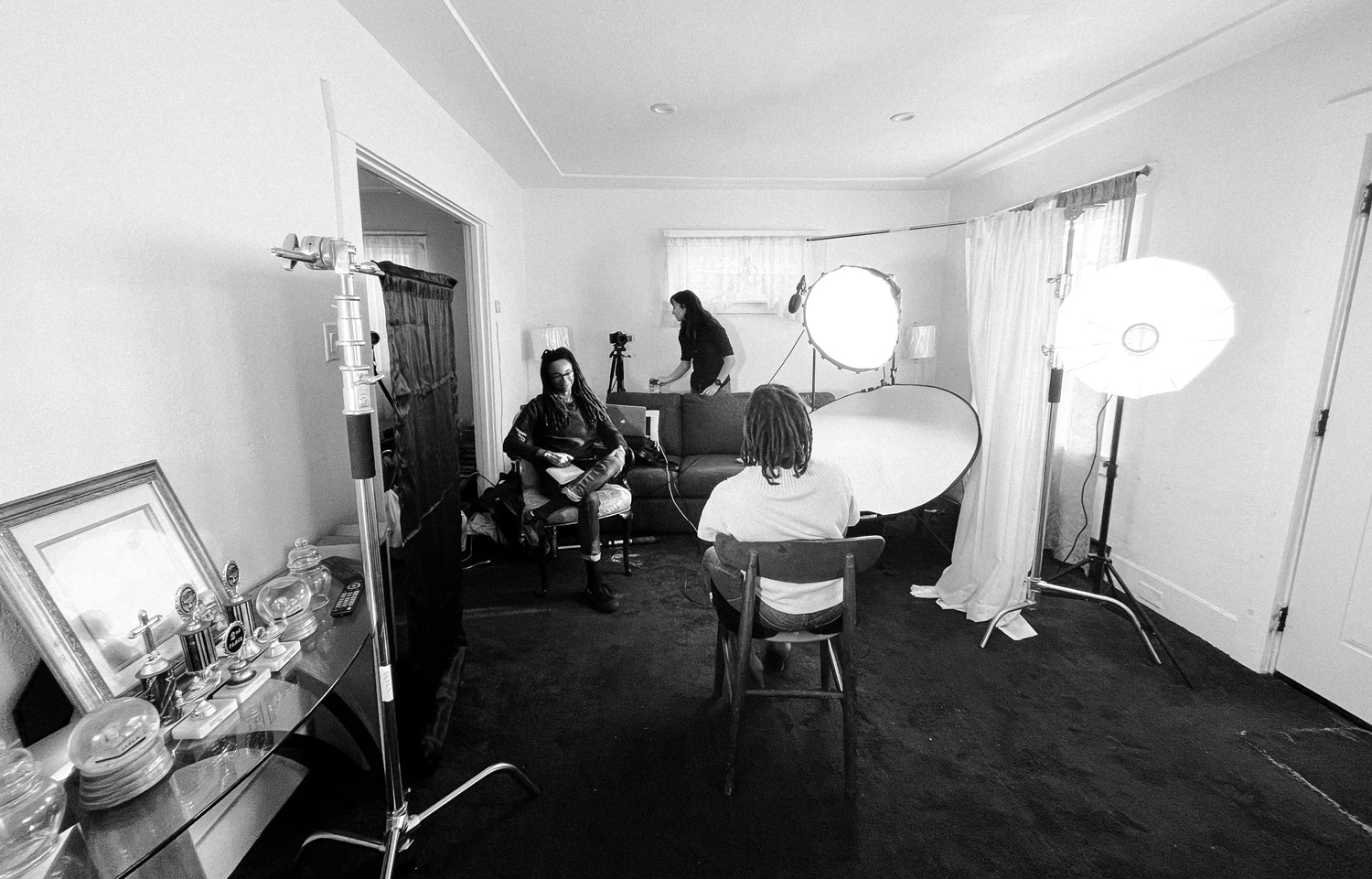
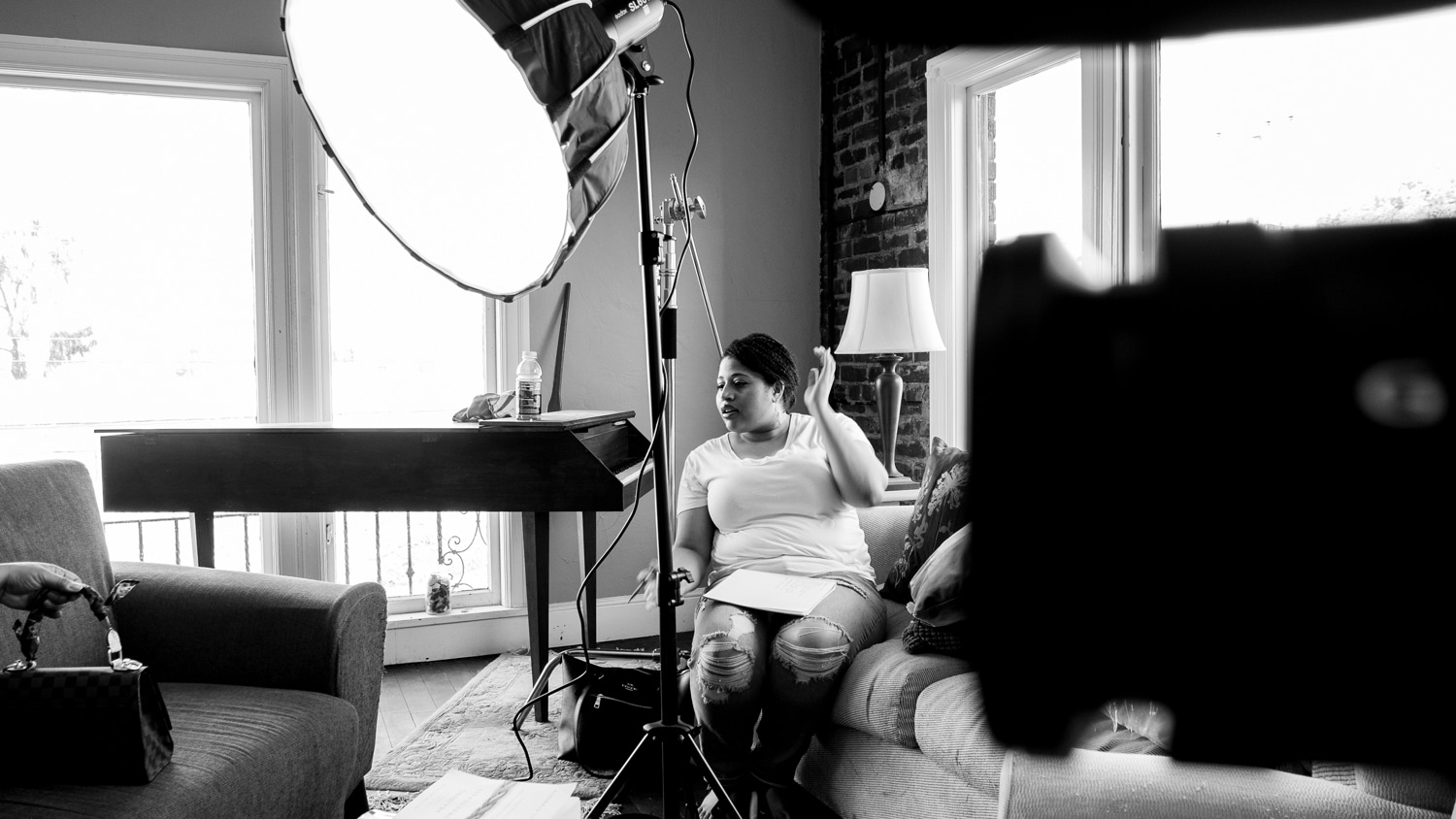
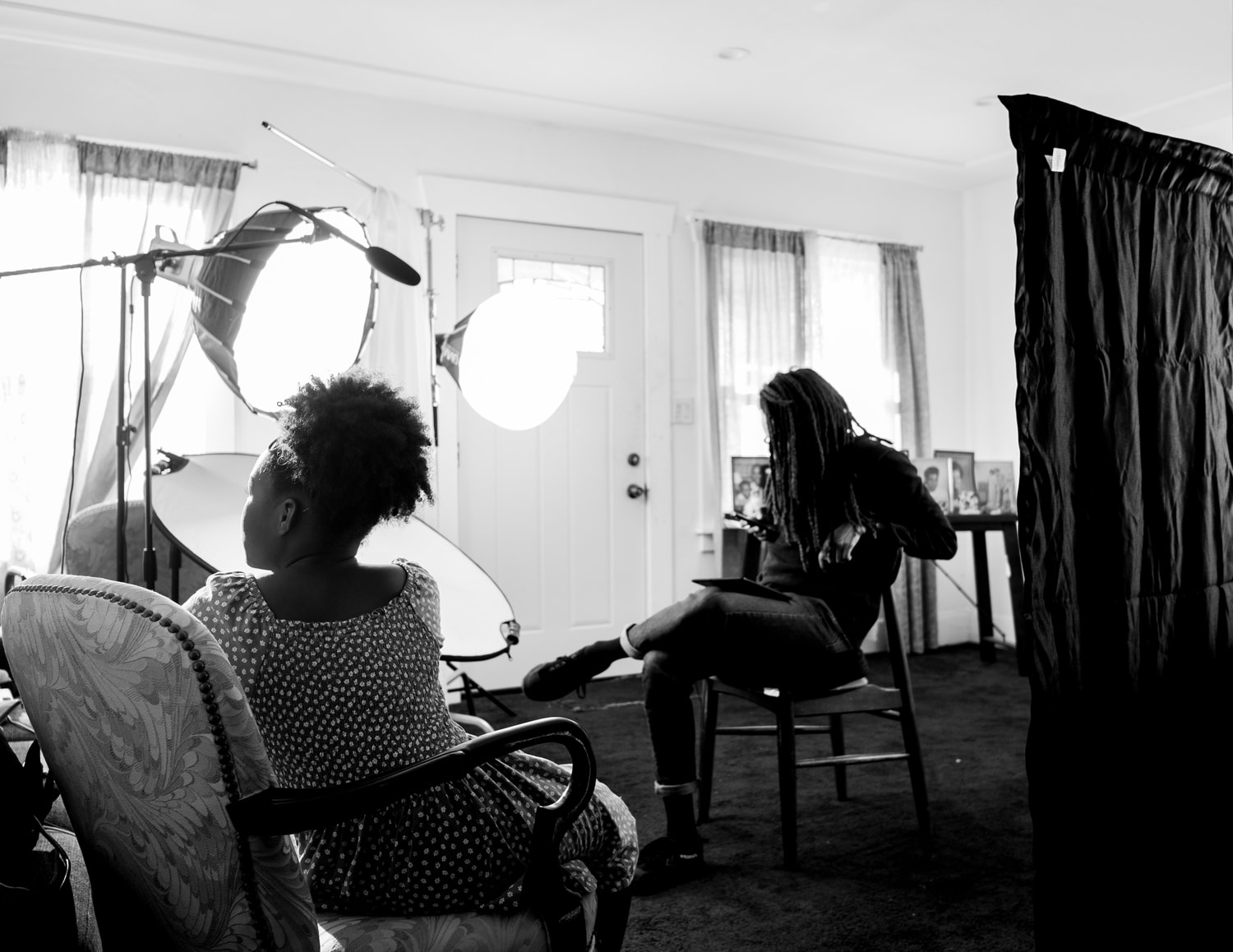
So, with the Moms 4 Housing film that is being made in association with the Archive of Urban Futures, it’s less about delivering a definitive account in documentary fashion, and more about portraying these women as humans, understanding them as having backgrounds, families, homes; understanding them as having had long-term places in an Oakland that is slowly disappearing. The film’s director, Clara Pérez Medina, has the camera look closely at hands or locks of hair, at shadows, enabling us to experience a given space from multiple perspectives while listening to the stories that are being told by the person in that space.
Then, also, I care about beauty. I need something to tantalize my vision so that a possible future seems within reach.
I think this relates to what you were saying about juxtaposing images. If we’re absorbed in watching how someone’s hands move together or clasp their child’s hand, then perhaps we don’t need to be roused, exclusively, to a pitch of outrage the fact that a militarized police raid was conducted in 2020, with AR-15s, and tanks rolling down Magnolia Street in West Oakland, to arrest mothers who had taken matters into their own hands and occupied a vacant house to shelter their little children. Instead, or in addition, to outrage, we want viewers to sense those intimate moments, and to feel how important they are to understanding life, specifically Black life.
MU: You’re talking about enlisting imagery, photographs and film, to create new narratives, new archives of future possibility. And I’m looking back at photographs and film, searching for other narratives, other evidence embedded in these historical sources. Whether it’s positing a future or reconstructing a past, the visual archive does incredible placemaking work. You can go back and reread photographs over and over, and your readings will change; you’ll recontextualize your understanding of the image every time.
BTS: In a sense, when we think about the virtual-reality headset, we’re talking about a novelistic or cinematic or collage-based perspective on the past. Juxtapositions that appear random to an archivist, whose task is to separate, categorize, make taxonomy — those overlaps or simultaneities that seem random or accidental might be pivotal plot points for the artist or novelist.
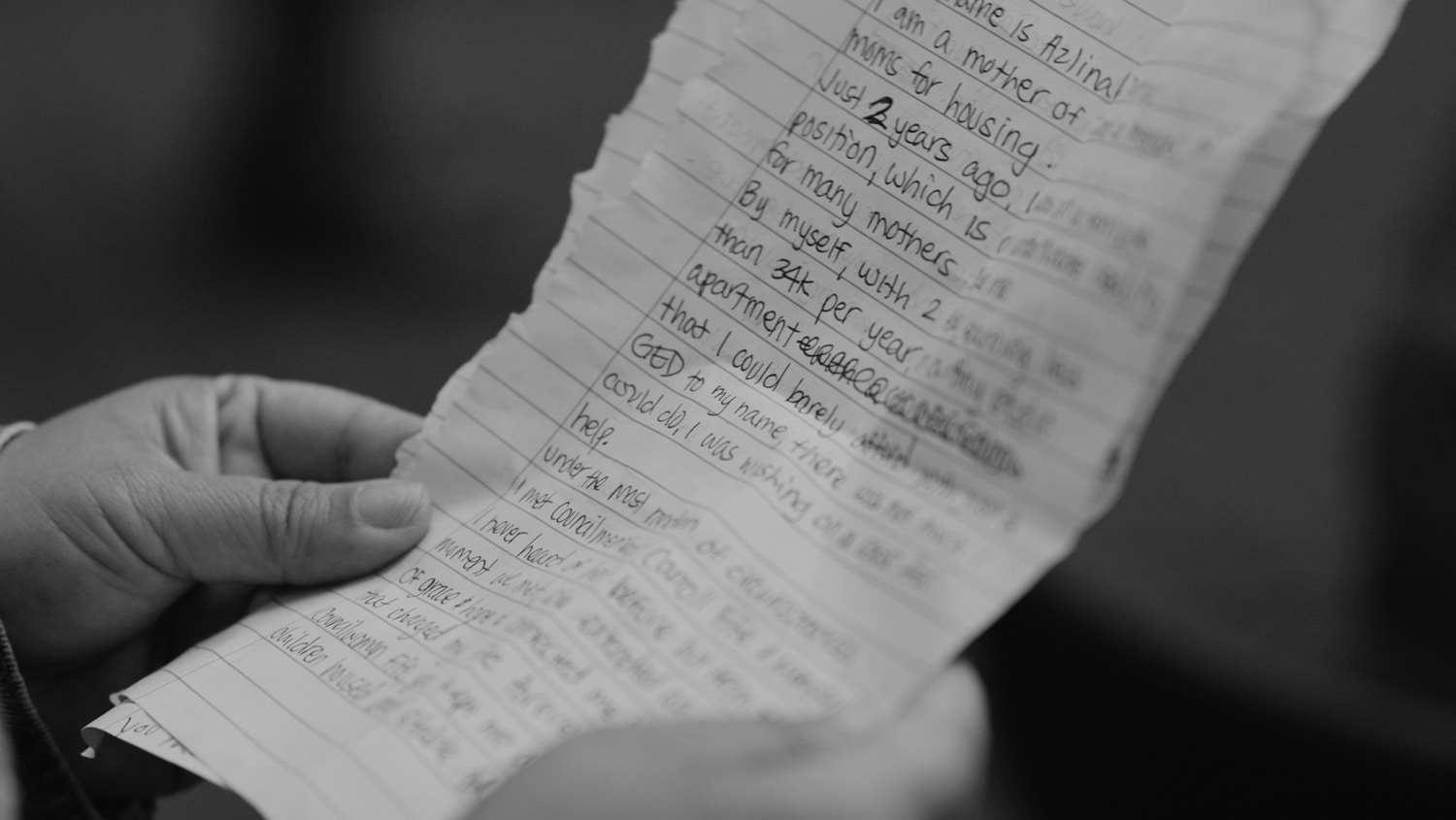
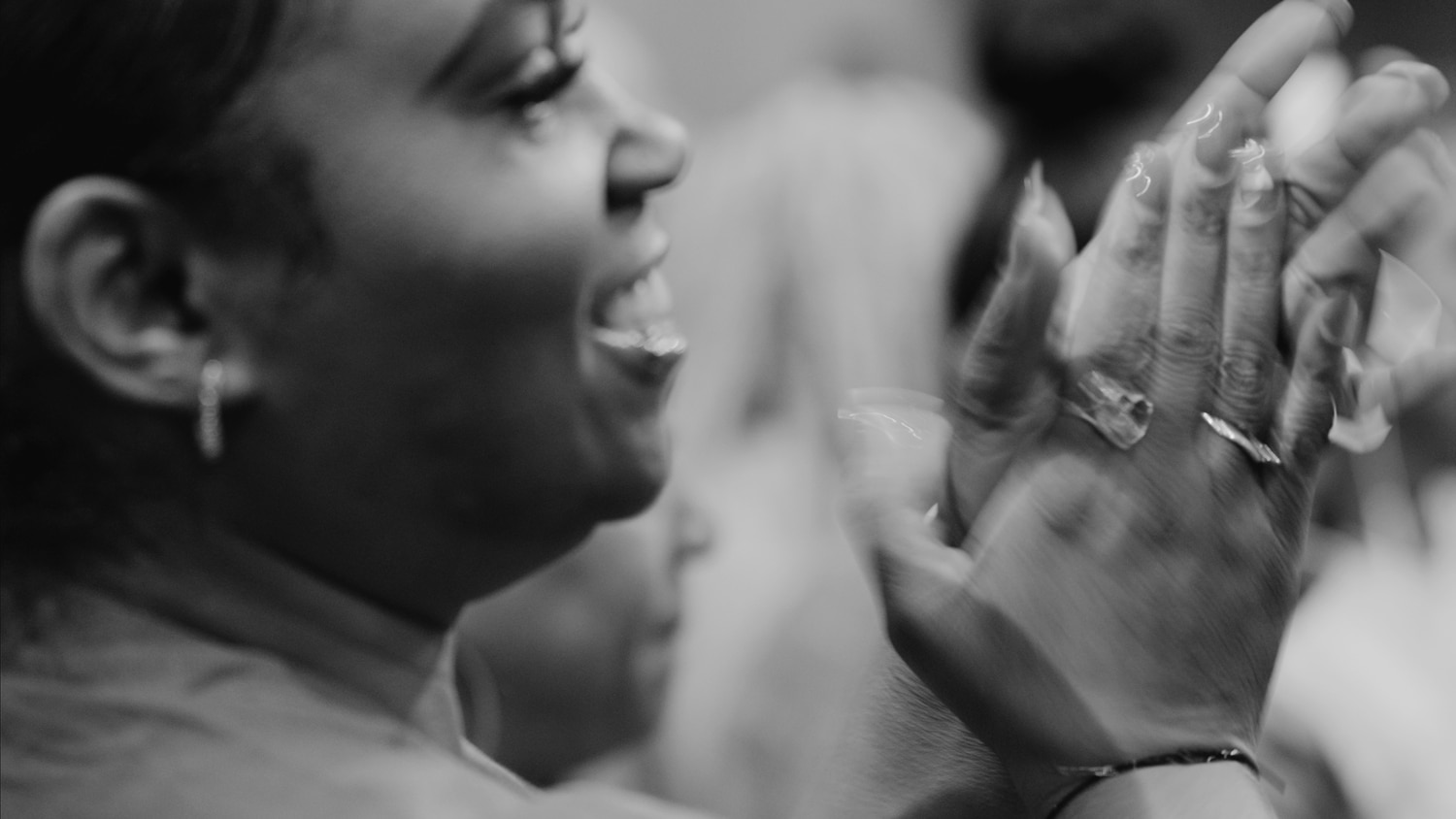
Sociology and history and geography aren’t by definition novelistic. They’re not by definition interested in the tactile, the embodied. But this work is. So it’s also a proposition about transdisciplinarity. I’m now in a Black Studies department, and I came from a geography department, but I was trained in sociology, and before that I was a history major. I need an interdisciplinary space to tell the story I want to tell.
What I think is crucial is not just to approach the work of archive-building or archive-using in a speculative way, but to recognize the ways in which laws, policies, received structures of authority are also speculative, and to be able to call them out. To say, I don’t understand why you think your version of a future is any better than my version of a future, which is based on a past that I’m trying to preserve and to better understand. When we work in the existing archive or build a new archive, we have to be able to shine a light on power and structure, in order to create other pathways for other kinds of participation by other people. That’s why I write and think about these things: so other people can gain access to facts and stories and strategies that they haven’t been privy to or didn’t know existed, or didn’t think they could grasp and use.


If you would like to comment on this article, or anything else on Places Journal, visit our Facebook page or send us a message on Twitter.